
Showing 23 items matching "vietnam refugees"
-
 National Vietnam Veterans Museum (NVVM)
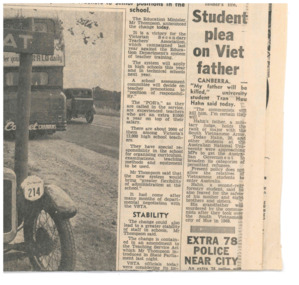
Article - Newspaper article, Student plea on Viet father - The Herald, 24/4/75, page 3
... ...Vietnam Refugees...Newspaper article in which a Vietnamese uni student asks the Australian Government to broaden its categories of refugees to save his father's life after Australian Forces have withdrawn from Vietnam. ...Newspaper articles Vietnam Conflict Vietnam Refugees refugee plea news article post-war Vietnam Small one coloumn article / Mr Tran Huu Hanh / Son of military judge with South Vietnamese Army. ...Newspaper article in which a Vietnamese uni student asks the Australian Government to broaden its categories of refugees to save his father's life after Australian Forces have withdrawn from Vietnam. Shows post-war attitudes.Newspaper article from The Herald, 24/4/75.Article heading 'Student plea on Viet Father' and story of Mr Tran Huu Hanh.Small one coloumn article / Mr Tran Huu Hanh / Son of military judge with South Vietnamese Army.newspaper articles, vietnam conflict, vietnam refugees, refugee, plea, news, article, post-war vietnam -
 National Vietnam Veterans Museum (NVVM)
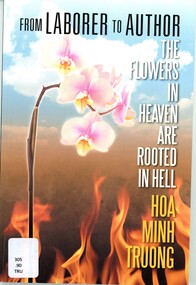
Book, Truong, Hoa Minh, From Laborer to Author
... Vietnam Refugees...Vietnam Refugees Fall of Saigon Biography From Laborer to Author: the Flowers in Heaven Are Rooted in Hell is the biography of an astonishing - and stubborn - man. ...From Laborer to Author: the Flowers in Heaven Are Rooted in Hell is the biography of an astonishing - and stubborn - man. Hoa Minh Truong changed his life around because of the English he learned in a re-education camp after Saigon fell on April 30, 1975.From Laborer to Author: the Flowers in Heaven Are Rooted in Hell is the biography of an astonishing - and stubborn - man. Hoa Minh Truong changed his life around because of the English he learned in a re-education camp after Saigon fell on April 30, 1975.vietnam refugees, fall of saigon, biography -
 National Vietnam Veterans Museum (NVVM)
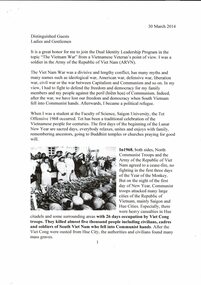
Document, A Copy of a Speech given by Nugyen Viet Long on 30 March 2014 regarding the Dual Identity Leadership Program, 2014
... ...Vietnam Refugees...Dual Identity Leadership Program Vietnam War Tet Offensive (1968) Saigon North Communist Troops The Army of the Republic of Vietnam Hue City Viet Cong Killed in Action Ho Chi Minh Trail Ben Hai River Quang Tri Provence Da Nang City Mekong Delta River Assault Group 29 Viet Cong Guerrillas Ba Ria Vung Tau Vietnam Refugees Vietnamese Veterans Association of Victoria Inc. ...A Copy of a Speech given by Nugyen Viet Long on 30 March 2014 regarding the Dual Identity Leadership Program. There are five pages (incl. photos) but no information on where it was given.dual identity leadership program, vietnam war, tet offensive (1968), saigon, north communist troops, the army of the republic of vietnam, hue city, viet cong, killed in action, ho chi minh trail, ben hai river, quang tri provence, da nang city, mekong delta, river assault group 29, viet cong guerrillas, ba ria, vung tau, vietnam refugees, vietnamese veterans association of victoria inc., nguyen viet long, lt of the republic of vietnam navy -
 National Vietnam Veterans Museum (NVVM)
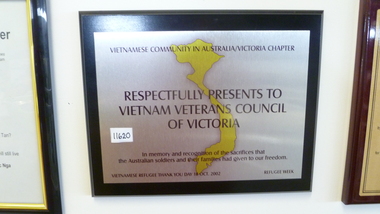
Plaque, Respectfully presents To vietnam veterans Council Of Victoria
... ...Vietnam Refugees...Respectfully presents to Vietnam Veterans Council of Victoria "In memory of the sacrifices of Australian Soldiers had given to our freedon. "Vietnamese Refugee...Plaque Vietnam Refugees vietnam Community In Australia/Victoria Chapter. ...vietnam Community In Australia/Victoria Chapter. Respectfully presents to Vietnam Veterans Council of Victoria "In memory of the sacrifices of Australian Soldiers had given to our freedon. "Vietnamese Refugee Thank You Day"plaque, vietnam refugees -
 National Vietnam Veterans Museum (NVVM)
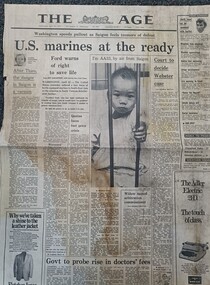
Newspaper - Two newspaper article, I'm AA33, by air from Saigon. After Thieu, the danger in Saigon is vacuum
... ...post-Vietnam war...refugees...The Age Dr John Frobes Saigon Babylift Vietnam operation babylift post-war post-Vietnam war refugees adoption orphans war orphans I'm AA33, by air from Saigon/ After Thieu, the danger in Saigon is a vacuum. ...An article by Douglas Alton, from the Age, dated Wednesday, April 23, 1975 that reported on children being evacuated from Saigon. Dr Forbes was the medical superintendent supervising the airlift from Saigon just prior to the fall of Saigon on April 30, 1975.Two newspaper articles from The Age, Wednesday 23 April, 1975. In large bold print the heading "I'm AA33, by air from Saigon" is written. Along side the article is a a photo of an infant behind cot bars in preparation for being airlifted from Vietnam. The second article is titled, "After Thieu, the danger in Saigon is a vacuum".I'm AA33, by air from Saigon/ After Thieu, the danger in Saigon is a vacuum.the age, dr john frobes, saigon, babylift, vietnam, operation babylift, post-war, post-vietnam war, refugees, adoption, orphans, war orphans -
 Kiewa Valley Historical Society
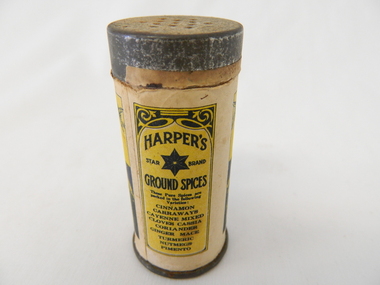
Shaker Spices, after 1895
... refugees fleeing both World War I and world War II brought a different appreciation of gourmet food. The increase in Asian spices was brought about by Australians becoming more aware of the Asian "scene" through the conflicts of Korean and Vietnam military action. ...refugees fleeing both World War I and world War II brought a different appreciation of gourmet food. The increase in Asian spices was brought about by Australians becoming more aware of the Asian "scene" through the conflicts of Korean and Vietnam military action. ...This item was used at a time when there was a limited range of spices available and sought after by domestic and commercial kitchens. The taste buds of the average Australian diner were limited to the basic English style dishes which had been delivered by the early colonial days. Rural areas where slower in experimenting with Asian and European cuisine. The influx of European cuisine from refugees fleeing both World War I and world War II brought a different appreciation of gourmet food. The increase in Asian spices was brought about by Australians becoming more aware of the Asian "scene" through the conflicts of Korean and Vietnam military action. The "standard" type spices such as Cinnamon, nutmeg and similar spices offered by Robert Harper and later other Food and Spices whole sellers and processors where a direct result of a greater influx of migrants from spices rich societies and resulted in a greater range of "Asian" spices This became more visible after demise of the "White Australian Policy" on immigration and the great media revolution of Televised cooking shows from the 1950s on. The sustainability of containers such as this re-useable tin and cardboard spice holder, which could be replenished and not thrown away after it was empty was it a time period well before the "throw away" society had crept into the Valley.This spice container was used mainly in domestic kitchen within the Kiewa Valley. Those European construction workers of the SEC Kiewa Hydro Electricity Scheme had brought their continental cuisine into the valley and that was the beginning of a new era in highlighting different tastes. This rural valley had a greater interaction with people from other nation's cuisines and by association became more infused with a broader range of spices and food preparations.This item (spice shaker) is constructed by using a thick cardboard cylinder with both ends closed by tin plated light steel lids. The bottom lid is not removable however the top lid is removable to allow the contents (Cinnamon Spice) to be refilled. The lid has thirteen small holes which allow the contents to be shaken out. The outer side of the cylinder has been covered (glued on) by a printed black and yellow label detailing contents , weight, and supplier.On the front side of the printed label outside of the label boundary is "To make a shaker of this tin - take the lid off and remove the paper from inside the lid" Within the marked horse shoe shaped boundary is" HARPER'S ground spices star brand" underneath "CINNAMON" underneath this is printed "1 oz. NET WEIGHT" and under this, within its own frame " ROBERT HARPER COMPANY LIMITED (incorporated in Victoria) AUSTRALIA." On the back within its own box is "HARPER'S star brand GROUND SPICES" and underneath "These Pure Spices are packed in the following Varieties". Below this is a list (going down) "CINNAMON CARRAWAYS CAYENNE MIXED CLOVES CASSIA CORIANDER GINGER MACE TURMERIC NUTMEGS PIMENTO"kitchen spices, spice shakers, food preparation -
 Monbulk RSL Sub Branch
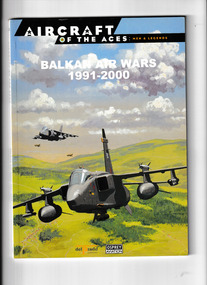
Book, Osprey Publishing, Balkan air wars 1991-2000, 2000
... From bombing by B-2 stealth bombers to air-to-air combat; from moving ground troops by helicopter to 'food-bombing' for refugees, air power has played a vital role in ''Europe's Vietnam'', and there is little sign that the fires of conflict are being extinguished. ...Exposing the true scale and significance of the deployment of air power in the Balkans, this book details the activities of NATO and UN aircraft as well as local pilots in the former Yugoslavia. From bombing by B-2 stealth bombers to air-to-air combat; from moving ground troops by helicopter to 'food-bombing' for refugees, air power has played a vital role in ''Europe's Vietnam'', and there is little sign that the fires of conflict are being extinguished. Debate amongst air power practitioners has yielded little agreement as to the degree of damage inflicted on the Yugoslav 3rd Army in Kosovo.Ill, maps, p.63.non-fictionExposing the true scale and significance of the deployment of air power in the Balkans, this book details the activities of NATO and UN aircraft as well as local pilots in the former Yugoslavia. From bombing by B-2 stealth bombers to air-to-air combat; from moving ground troops by helicopter to 'food-bombing' for refugees, air power has played a vital role in ''Europe's Vietnam'', and there is little sign that the fires of conflict are being extinguished. Debate amongst air power practitioners has yielded little agreement as to the degree of damage inflicted on the Yugoslav 3rd Army in Kosovo. balkan conflict - aerial operations, european history - 20th century -
 Archive of Vietnamese Boat People
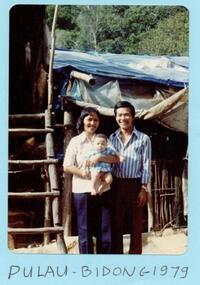
Vietnamese Boat People - Pulau Bidong, 1979
... The couple from this photo has gone through great hardship in the period they spent as refugees. They fled Southern Vietnam (Ca Mau) after the Vietnam War in late 1979 when the chinese have invaded and settled in Vietnam. ...The couple from this photo has gone through great hardship in the period they spent as refugees. They fled Southern Vietnam (Ca Mau) after the Vietnam War in late 1979 when the chinese have invaded and settled in Vietnam. ...The couple from this photo has gone through great hardship in the period they spent as refugees. They fled Southern Vietnam (Ca Mau) after the Vietnam War in late 1979 when the chinese have invaded and settled in Vietnam. They came on the #91 boat called Minh Hai 375 and arrived at the island on 10/22/1978. Prior to that they were ambushed by pirates who tried to rob, rape and completely take advantage of the vulnerable state the refugee people in. They recall having to purposely sink the boat so that they can be allowed into the country.This photo is great evidence to the family value Vietnamese refugees hold in the period of the period of fleeing the poor conditions that exists back in their country. People put their life online just to HOPE for a better life. Family portrait of a couple and first born child (son) in front of what look like their home at the time. This was taken at 1979 on the island called Pulau Bidong. It's a photo which has been laminated onto a light blue backing paper. The photo's corner has also been rounded with hand written label stating; 'Pulau - Bidong 1979' pulau - bidong 1977 -
 National Vietnam Veterans Museum (NVVM)
Newspaper, The Age
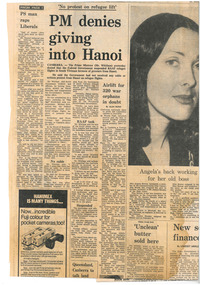
... Whitlam Prime Minister Whitlam Cambodian orphans Vietnam The Age Newspaper An article from The Age newspaper, dated Friday 11 April 1975 with the headline - " PM denies giving in to Hanoi" "No Protest on Refugee lift being suspended. ...This item contributes to an understanding of those involved in the war in Vietnam ( 1962 - 1973) other than Australian servicemen.An article from The Age newspaper, dated Friday 11 April 1975 with the headline - " PM denies giving in to Hanoi" "No Protest on Refugee lift being suspended. Airlift for Orphans in Doubt.whitlam, prime minister whitlam, cambodian orphans, vietnam, the age, newspaper -
 National Vietnam Veterans Museum (NVVM)
Book, Gottschang Turner, Karen and Hao Thanh, Phan, Even the Women Must Fight: Memories of War from North Vietnam, 1998
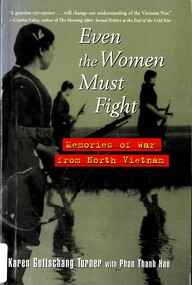
... Vietnam's American War. Unflinching in its portrayal of hardship, valor, and personal sacrifice, this wrenching account is nothing short of a revelation, banishing in one bold strole the familiar image of Vietnamese women as passive onlookers, war brides, prostitutes, or helpless refugees. ...A searing chronicle of wartime experiences. Even the Women Must Fight probes the cultural legacy of North Vietnam's American War. Unflinching in its portrayal of hardship, valor, and personal sacrifice, this wrenching account is nothing short of a revelation, banishing in one bold strole the familiar image of Vietnamese women as passive onlookers, war brides, prostitutes, or helpless refugees.A searing chronicle of wartime experiences. Even the Women Must Fight probes the cultural legacy of North Vietnam's American War. Unflinching in its portrayal of hardship, valor, and personal sacrifice, this wrenching account is nothing short of a revelation, banishing in one bold strole the familiar image of Vietnamese women as passive onlookers, war brides, prostitutes, or helpless refugees.vietnamese conflict , 1961-1975 - women - interviews, 1961-1975 - personal narratives, north vietnamese, vietnamese women -
 National Vietnam Veterans Museum (NVVM)
Book, Shaw, Ian W, Operation Babylift, 2019
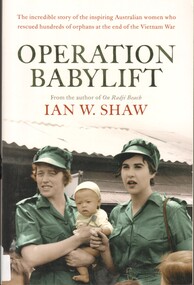
... Refugee children -- Vietnam -- History -- 20th century...Refugee children -- Vietnam -- History -- 20th century Vietnam War 1961-1975 -- Children Volunteer workers in social service -- Australia -- Biography the incredible story of the inspiring Australian women who rescued hundreds of orphans at the end of the Vietnam War. ...the incredible story of the inspiring Australian women who rescued hundreds of orphans at the end of the Vietnam War.the incredible story of the inspiring Australian women who rescued hundreds of orphans at the end of the Vietnam War.refugee children -- vietnam -- history -- 20th century, vietnam war, 1961-1975 -- children, volunteer workers in social service -- australia -- biography -
 National Vietnam Veterans Museum (NVVM)
Photograph, Gibbons, Denis, Ap Suoi Nghe Refugee Village
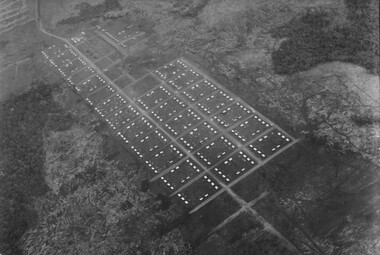
... A black and white photograph of the refugee village of Ap Sui Nge outside 1st Australian Task Force Base in Phuoc Tuy Province, South Vietnam. ...Vietnam Veterans Museum make up the Gibbons Collection. Photograph 1st Australian Civil Affairs Unit 1st ATF Base Ap Sui Nge Village Gibbons Collection Catalogue Phuoc Tuy Refugee Village Denis Gibbons A black and white photograph of the refugee village of Ap Sui Nge outside 1st Australian Task Force Base in Phuoc Tuy Province, South Vietnam. ...Denis Gibbons (1937 – 2011) Trained with the Australian Army, before travelling to Vietnam in January 1966, Denis stayed with the 1st Australian Task Force in Nui Dat working as a photographer. For almost five years Gibbons toured with nine Australian infantry battalions, posting compelling war images from within many combat zones before being flown out in late November 1970 after sustaining injuries. The images held within the National Vietnam Veterans Museum make up the Gibbons Collection. A black and white photograph of the refugee village of Ap Sui Nge outside 1st Australian Task Force Base in Phuoc Tuy Province, South Vietnam. The village was designed by the officers and men of the 1st Australian Civil Affairs Unit and built as a major project involving Task Force Unitsphotograph, 1st australian civil affairs unit, 1st atf base, ap sui nge village, gibbons collection catalogue, phuoc tuy, refugee village, denis gibbons -
 National Vietnam Veterans Museum (NVVM)
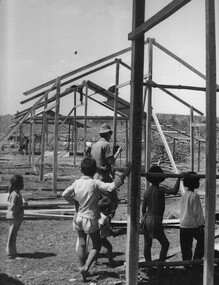
Photograph, Gibbons, Denis, Ap Sui Nge Refugee Village
... Refugee Village...Gibbons Collection Catalogue...North Vietnam...The village designed by officers and men of the 1st Australian Civil Affairs Unit was to house refugees from North Vietnam....The village designed by officers and men of the 1st Australian Civil Affairs Unit was to house refugees from North Vietnam. Ap Sui Nge Refugee Village Photograph Gibbons, Denis ...Denis Gibbons (1937 – 2011) Trained with the Australian Army, before travelling to Vietnam in January 1966, Denis stayed with the 1st Australian Task Force in Nui Dat working as a photographer. For almost five years Gibbons toured with nine Australian infantry battalions, posting compelling war images from within many combat zones before being flown out in late November 1970 after sustaining injuries. The images held within the National Vietnam Veterans Museum make up the Gibbons Collection.A black and white photograph of Pte Mike Coyle, 1st Australian Civil Affairs Unit supervises Vietnamese in the construction of their new village at Ap Sui Nge outside 1st ATF Base in Phuoc Tuy Province. The village designed by officers and men of the 1st Australian Civil Affairs Unit was to house refugees from North Vietnam.photograph, 1st australian civil affairs unit, ap sui nge village, 1st atf base, phuoc tuy province, refugee village, gibbons collection catalogue, north vietnam, 1st australian task force, pte mike coyle, denis gibbons -
 National Vietnam Veterans Museum (NVVM)
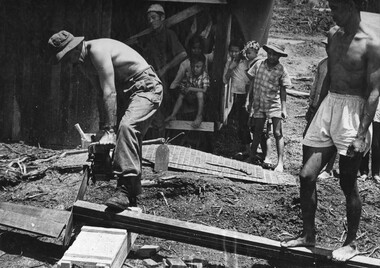
Photograph, Gibbons, Denis, Ap Sui Nge Refugee Village
... Vietnam Veterans Museum make up the Gibbons Collection. Photograph 1st Australian Civil Affairs Unit 1st ATF Base Phuoc Tuy Province Ap Sui Nge Village Gibbons Collection Catalogue Digger 1st Australian Task Force Denis Gibbons A black and white photograph of A Digger from 1st Australian Civil Affairs Unit stationed at 1st ATF Base in Phuoc Tuy Province assisted by a villager cuts timber for house construction during the building of the Ap Sui Nge Refugee Village. ...Denis Gibbons (1937 – 2011) Trained with the Australian Army, before travelling to Vietnam in January 1966, Denis stayed with the 1st Australian Task Force in Nui Dat working as a photographer. For almost five years Gibbons toured with nine Australian infantry battalions, posting compelling war images from within many combat zones before being flown out in late November 1970 after sustaining injuries. The images held within the National Vietnam Veterans Museum make up the Gibbons Collection.A black and white photograph of A Digger from 1st Australian Civil Affairs Unit stationed at 1st ATF Base in Phuoc Tuy Province assisted by a villager cuts timber for house construction during the building of the Ap Sui Nge Refugee Village. The village was designed by the officers and men of the 1st Australian Civil Affairs Unit and built as a major project involving Task Force Unitsphotograph, 1st australian civil affairs unit, 1st atf base, phuoc tuy province, ap sui nge village, gibbons collection catalogue, digger, 1st australian task force, denis gibbons -
 National Vietnam Veterans Museum (NVVM)
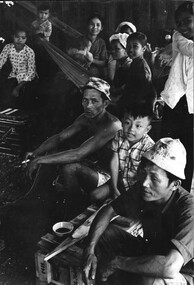
Photograph, Gibbons, Denis, Ap Sui Nge Refugee Village
... Photograph 1st Australian Civil Affairs Unit Ap Sui Nge Village 1st ATF Base Gibbons Collection Catalogue Photographer Vietnam War Denis Gibbons North Veitnames Families Diggers A black and white photograph of a North Vietnamese extended family sitting in their partially completed home at the village of Ap Sui Nge. The home was being constructed by the 1st Australian Task Force Civil Affairs Unit assisted by the older Vietnamese men. Ap Sui Nge Refugee ...Denis Gibbons (1937 – 2011) Trained with the Australian Army, before travelling to Vietnam in January 1966, Denis stayed with the 1st Australian Task Force in Nui Dat working as a photographer. For almost five years Gibbons toured with nine Australian infantry battalions, posting compelling war images from within many combat zones before being flown out in late November 1970 after sustaining injuries. The images held within the National Vietnam Veterans Museum make up the Gibbons Collection.A black and white photograph of a North Vietnamese extended family sitting in their partially completed home at the village of Ap Sui Nge. The home was being constructed by the 1st Australian Task Force Civil Affairs Unit assisted by the older Vietnamese men.photograph, 1st australian civil affairs unit, ap sui nge village, 1st atf base, gibbons collection catalogue, photographer, vietnam war, denis gibbons, north veitnames families, diggers -
 National Vietnam Veterans Museum (NVVM)
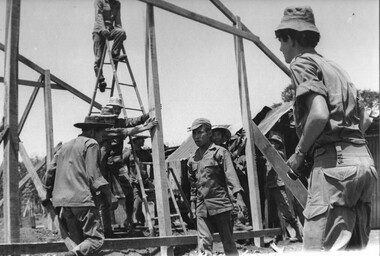
Photograph, Gibbons, Denis, Ap Sui Nge Refugee Village
... The village was designed and implimented by 1ACA to house refugees from North Vietnam...The village was designed and implimented by 1ACA to house refugees from North Vietnam Ap Sui Nge Refugee Village Photograph Gibbons, Denis ...Denis Gibbons (1937 – 2011) Trained with the Australian Army, before travelling to Vietnam in January 1966, Denis stayed with the 1st Australian Task Force in Nui Dat working as a photographer. For almost five years Gibbons toured with nine Australian infantry battalions, posting compelling war images from within many combat zones before being flown out in late November 1970 after sustaining injuries. The images held within the National Vietnam Veterans Museum make up the Gibbons Collection. A black and white photograph of Pte Mike Coyle an infantry soldier with the 1st Australian Civil Affairs Unit (1ACA) supervises Ap Sui Nge villagers in the construction of their homes. The village was designed and implimented by 1ACA to house refugees from North Vietnamphotograph, 1st australian civil affairs unit, 1st atf base, ap sui nge village, pte mike coyle, gibbons collection catalogue, refugee village, 1 aca, denis gibbons -
 National Vietnam Veterans Museum (NVVM)
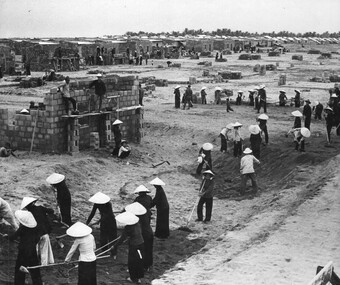
Photograph, Gibbons, Denis, Refugee Village Construction 1
... A black and white photograph of Vietnamese refugees from the war in North Vietnam, mainly women, constructing a refugee village at Tuy Hoa, in 2 Corps of South Vietnam. ...The images held within the National Vietnam Veterans Museum make up the Gibbons Collection. Photograph Refugee Village Tuy Hoa Gibbons Collection Catalogue Vietnamese Refugees 2 Corps Denis Gibbons A black and white photograph of Vietnamese refugees from the war in North Vietnam, mainly women, constructing a refugee village at Tuy Hoa, in 2 Corps of South Vietnam. ...Denis Gibbons (1937 – 2011) Trained with the Australian Army, before travelling to Vietnam in January 1966, Denis stayed with the 1st Australian Task Force in Nui Dat working as a photographer. For almost five years Gibbons toured with nine Australian infantry battalions, posting compelling war images from within many combat zones before being flown out in late November 1970 after sustaining injuries. The images held within the National Vietnam Veterans Museum make up the Gibbons Collection.A black and white photograph of Vietnamese refugees from the war in North Vietnam, mainly women, constructing a refugee village at Tuy Hoa, in 2 Corps of South Vietnam. The absence of males amongst the refugees was notable and, to some, suspicious.photograph, refugee village, tuy hoa, gibbons collection catalogue, vietnamese refugees, 2 corps, denis gibbons -
 National Vietnam Veterans Museum (NVVM)
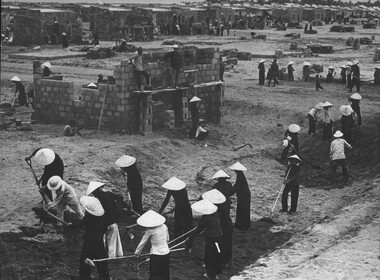
Photograph, Gibbons, Denis, Refugee Village Construction 2
... A black and white photograph of Vietnamese refugees from the war in North Vietnam, mainly women construct a refugee village at Tuy Hoa, in 2 Corps, of South Vietnam. ...The images held within the National Vietnam Veterans Museum make up the Gibbons Collection. Photograph Refugee Village Tuy Hoa Viet Cong Gibbons Collection Catalogue Vietnamese Refugees 2 Corps Denis Gibbons A black and white photograph of Vietnamese refugees from the war in North Vietnam, mainly women construct a refugee village at Tuy Hoa, in 2 Corps, of South Vietnam. ...Denis Gibbons (1937 – 2011) Trained with the Australian Army, before travelling to Vietnam in January 1966, Denis stayed with the 1st Australian Task Force in Nui Dat working as a photographer. For almost five years Gibbons toured with nine Australian infantry battalions, posting compelling war images from within many combat zones before being flown out in late November 1970 after sustaining injuries. The images held within the National Vietnam Veterans Museum make up the Gibbons Collection.A black and white photograph of Vietnamese refugees from the war in North Vietnam, mainly women construct a refugee village at Tuy Hoa, in 2 Corps, of South Vietnam. The absence of males amongst the regugees was very notable and to some, even more suspicious. The women are wearing tradional black pyjamas the unofficial uniform of the Viet Cong.photograph, refugee village, tuy hoa, viet cong, gibbons collection catalogue, vietnamese refugees, 2 corps, denis gibbons -
 National Vietnam Veterans Museum (NVVM)
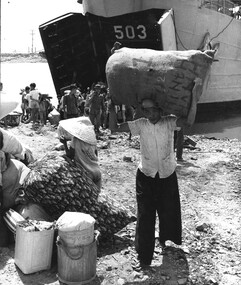
Photograph, Gibbons, Denis, Cambodian Refugees
... The images held within the National Vietnam Veterans Museum make up the Gibbons Collection. Photograph Cambodia Vung Tau Gibbons Collection Catalogue Vietnamese Refugees Denis Gibbons A black and white photograph at Vung Tau, 14/08/1970, Vietnamese refugees from Cambodia being unloaded from a landing craft. ...Denis Gibbons (1937 – 2011) Trained with the Australian Army, before travelling to Vietnam in January 1966, Denis stayed with the 1st Australian Task Force in Nui Dat working as a photographer. For almost five years Gibbons toured with nine Australian infantry battalions, posting compelling war images from within many combat zones before being flown out in late November 1970 after sustaining injuries. The images held within the National Vietnam Veterans Museum make up the Gibbons Collection. A black and white photograph at Vung Tau, 14/08/1970, Vietnamese refugees from Cambodia being unloaded from a landing craft. There are 3500 refugees, said to be the last from Cambodiaphotograph, cambodia, vung tau, gibbons collection catalogue, vietnamese refugees, denis gibbons -
 National Vietnam Veterans Museum (NVVM)
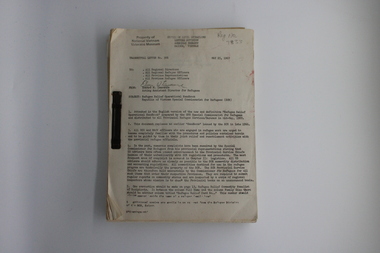
Manual - Operational handbook: Refugees, Refugee Division, Office of civil Operations, Republic of Vietnam, Refugee Relief Operational Handbook, April 1967, 1967
... Refugee Division, Office of civil Operations, Republic of Vietnam...First page is headed: Transmittal Letter No. 306, May 25, 1967 Refugee Relief Operational Handbook, April 1967 Manual Operational handbook: Refugees Refugee Division, Office of civil Operations, Republic of Vietnam ...English translation of handbook of approximately100 pages in length printed in black, bound with a silver 2-pronged clip. Most are A4 -sized but groups of pages are folio-sized and folded up at the bottom. First page is headed: Transmittal Letter No. 306, May 25, 1967refugees, civil operations -
 Uniting Church Archives - Synod of Victoria
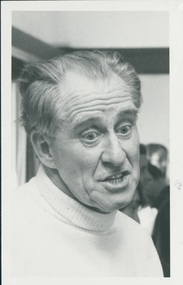
Bw photo, Undated
... His keen intelligence, knowledge of history and analytical skills demolished the false foundation on which the US and its allies entered the war and he organised medical and social work teams in South Vietnam and Laos to help refugees and displaced persons. ...His keen intelligence, knowledge of history and analytical skills demolished the false foundation on which the US and its allies entered the war and he organised medical and social work teams in South Vietnam and Laos to help refugees and displaced persons. ...Harvey Perkins was a Methodist minister and a peacemaker throughout his life of service and social activism. He knew the certainty that without justice there can be no peace, within, or between, communities and nations. He was greatly influenced by ''liberation theology'' and framed his life of thought, analysis and action on the teachings of the Bible. He was also a visionary in working closely with Asian churches on ecumenical and social justice issues in a way that anticipated by decades the closer relationships Australia now enjoys with Asia. He understood that any form of intervention altered the power relationship within a community and often challenged the dominant social interests in the post-colonial Asian countries. He knew any form of aid had to empower its recipients and be based on a partnership of equality. In the early 1960s, Perkins was an opponent of the war in Indochina and conscription in Australia and played an important role in activating congregations to protest against the war. His keen intelligence, knowledge of history and analytical skills demolished the false foundation on which the US and its allies entered the war and he organised medical and social work teams in South Vietnam and Laos to help refugees and displaced persons. In the 1970s Perkins played an important role in ''decolonising'' and devolving power in the Methodist Church missions in Aboriginal Australia and the Pacific Islands by analysing power structures and relationships through what he had learnt in Asia. Harvey Perkins and his twin sister, Jean, were born in Tasmania on January 29, 1919, children of Leslie Perkins and his wife, Doris (nee Cook). Leslie was a Methodist minister and Harvey and Jean's childhood was spent in parishes in urban and rural areas of Tasmania and Victoria. The family saw the grinding poverty and desperate human need wrought by the Depression as a ceaseless tide of people came knocking at the door of the local parsonage for help. In 1941, Perkins enlisted as an officer in the Australian Navy and served in the Pacific theatre until 1946. To his children, he explained his justification as being the real threat of invasion but it was a war that altered the direction of his life. On discharge he abandoned his completed studies at Melbourne University in law and commerce and studied for a degree in divinity. He was active in the World Student Christian Federation and in 1949, was ordained into the Methodist Church. A few years later, Perkins travelled to a World Student Christian Federation conference in Canada, on his way to study in Cambridge, and met an expatriate, Jill McCrory. They married in 1953. After Cambridge, Perkins returned to Australia and served as a minister in the Mitcham area of the growing Melbourne outer suburbs until 1956, when he was appointed General Secretary of the Australian Council of Churches and director of the Inter-Church Aid and Refugee World Service. From 1968 to 1971, Perkins worked with the East Asian Christian Conference and then took a position with the World Council of Churches in Geneva with its Commission on Churches Participation in Development. He returned to Australia in 1973 to a position with the Methodist Board of Missions and then returned to the Christian Conference of Asia in 1976 and relocated to Singapore for several years. Before retiring in 1984 he worked with the Uniting Church Board of Social Responsibility. In retirement Perkins continued to work in the Dee Why parish, enjoying preaching, leading study groups and working as a pastor in a local community. Along with his work, Perkins had a lifelong passion for AFL and his beloved team North Melbourne. Wherever he was in the world he could be found fiddling with a short-wave radio to listen to a game. In later years, Perkins developed Alzheimer's and his home became his haven until two weeks before his death. Harvey Perkins is survived by Jill, children Mary, Ro, David, Marguerite, Anna, Harvey and Kate and their partners, 13 grandchildren and two great-grandchildren. Jean died in 1981. (Obituary in the SMH by David Perkins) Head and shoulders portrait of Rev. Harvey PerkinsRev. Harvey Perkinsrev. harvey perkins; methodist minister; christian conference of asia; australian council of churches -
 Uniting Church Archives - Synod of Victoria
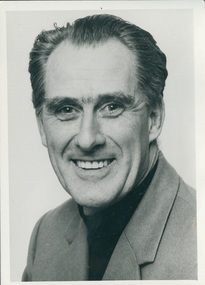
BW photo, Undated
... His keen intelligence, knowledge of history and analytical skills demolished the false foundation on which the US and its allies entered the war and he organised medical and social work teams in South Vietnam and Laos to help refugees and displaced persons. ...His keen intelligence, knowledge of history and analytical skills demolished the false foundation on which the US and its allies entered the war and he organised medical and social work teams in South Vietnam and Laos to help refugees and displaced persons. ...Harvey Perkins was a Methodist minister and a peacemaker throughout his life of service and social activism. He knew the certainty that without justice there can be no peace, within, or between, communities and nations. He was greatly influenced by ''liberation theology'' and framed his life of thought, analysis and action on the teachings of the Bible. He was also a visionary in working closely with Asian churches on ecumenical and social justice issues in a way that anticipated by decades the closer relationships Australia now enjoys with Asia. He understood that any form of intervention altered the power relationship within a community and often challenged the dominant social interests in the post-colonial Asian countries. He knew any form of aid had to empower its recipients and be based on a partnership of equality. In the early 1960s, Perkins was an opponent of the war in Indochina and conscription in Australia and played an important role in activating congregations to protest against the war. His keen intelligence, knowledge of history and analytical skills demolished the false foundation on which the US and its allies entered the war and he organised medical and social work teams in South Vietnam and Laos to help refugees and displaced persons. In the 1970s Perkins played an important role in ''decolonising'' and devolving power in the Methodist Church missions in Aboriginal Australia and the Pacific Islands by analysing power structures and relationships through what he had learnt in Asia. Harvey Perkins and his twin sister, Jean, were born in Tasmania on January 29, 1919, children of Leslie Perkins and his wife, Doris (nee Cook). Leslie was a Methodist minister and Harvey and Jean's childhood was spent in parishes in urban and rural areas of Tasmania and Victoria. The family saw the grinding poverty and desperate human need wrought by the Depression as a ceaseless tide of people came knocking at the door of the local parsonage for help. In 1941, Perkins enlisted as an officer in the Australian Navy and served in the Pacific theatre until 1946. To his children, he explained his justification as being the real threat of invasion but it was a war that altered the direction of his life. On discharge he abandoned his completed studies at Melbourne University in law and commerce and studied for a degree in divinity. He was active in the World Student Christian Federation and in 1949, was ordained into the Methodist Church. A few years later, Perkins travelled to a World Student Christian Federation conference in Canada, on his way to study in Cambridge, and met an expatriate, Jill McCrory. They married in 1953. After Cambridge, Perkins returned to Australia and served as a minister in the Mitcham area of the growing Melbourne outer suburbs until 1956, when he was appointed General Secretary of the Australian Council of Churches and director of the Inter-Church Aid and Refugee World Service. From 1968 to 1971, Perkins worked with the East Asian Christian Conference and then took a position with the World Council of Churches in Geneva with its Commission on Churches Participation in Development. He returned to Australia in 1973 to a position with the Methodist Board of Missions and then returned to the Christian Conference of Asia in 1976 and relocated to Singapore for several years. Before retiring in 1984 he worked with the Uniting Church Board of Social Responsibility. In retirement Perkins continued to work in the Dee Why parish, enjoying preaching, leading study groups and working as a pastor in a local community. Along with his work, Perkins had a lifelong passion for AFL and his beloved team North Melbourne. Wherever he was in the world he could be found fiddling with a short-wave radio to listen to a game. In later years, Perkins developed Alzheimer's and his home became his haven until two weeks before his death. Harvey Perkins is survived by Jill, children Mary, Ro, David, Marguerite, Anna, Harvey and Kate and their partners, 13 grandchildren and two great-grandchildren. Jean died in 1981. (Obituary in the SMH by David Perkins) Head and shoulders portrait of the Rev. Harvey Perkins. Photo taken some years before the photo of him in F524 -9Rev. Harvey Perkinsrev. harvey perkins; methodist minister; christian conference of asia; australian council of churches -
 Sunshine and District Historical Society Incorporated
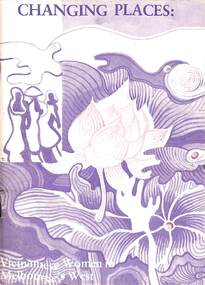
Book - Changing Places Vietnamese Women in Melbourne's West, Melbourne's Living Museum of the West, 1985
... Vietnam... Women...Community history...Refugee...Vietnamese Vietnam Women Community history Refugee camps This book contains stories of Vietnamese Women in Melbourne's Western Suburbs Changing Places Vietnamese Women in Melbourne's West|Le Van Tai|Thi Tu Nguyen|Yen Nhi|Trng Dang|Pham Thi Tranh|Carolyn Nguyen|Thai Huu Phuc|Uyen|and many other people A soft purple covered book with illustrations Changing Places Vietnamese Women in Melbourne's West Book Changing Places Vietnamese Women in Melbourne's West Melbourne's Living Museum of the West Le Van Tai Thanh Son Ngyuen Jenny Mitchell ...This book contains stories of Vietnamese Women in Melbourne's Western SuburbsA soft purple covered book with illustrationsnon-fictionThis book contains stories of Vietnamese Women in Melbourne's Western Suburbsvietnamese, vietnam, women, community history, refugee camps
