


Historical information
Eaglehawk is a hilly district, eight kilometres beyond central Bendigo, with many quartz lodes. The origin of its name is uncertain. It may have been named by a shepherd who killed an eaglehawk which attacked sheep, or by an early goldminer who observed an eaglehawk. Gold was discovered at Bendigo (Sandhurst) in October, 1851, and the gold-bearing land extended several kilometres north-west of Bendigo beyond Eaglehawk. One well-known goldfield was Eaglehawk Gully, dating from 1852.
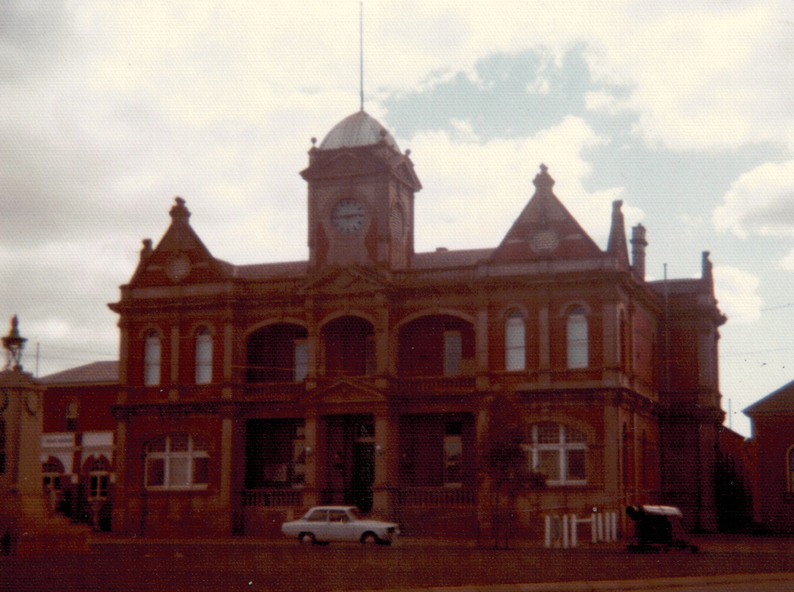
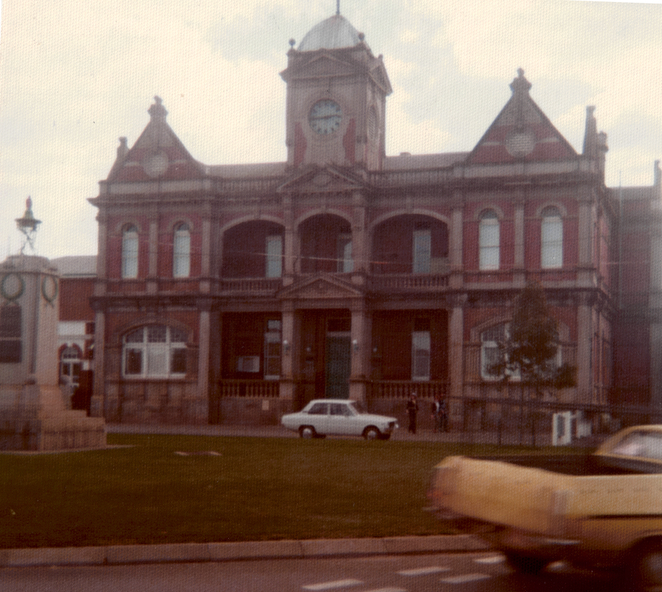
The community at Eaglehawk soon began to develop. On 29 July 1862 the Borough of Eaglehawk formed and in 1865 a Town Hall opened. By 1871 the population of Eaglehawk was 6,590. In 1887, when George Willan was Mayor, the Borough issued medals for Queen Victoria's jubilee (NU 20204-5 ), and in 1897, when E.C. Brown was Mayor, it again issued medals for Queen Victoria's diamond jubilee (NU 20453). The same year moves began to build a new Town Hall, but it took until 1901 for funds to be raised and construction to be completed.
Further growth occurred in both the community and social institutions, and by 1903 the the population was 8,130. By then Eaglehawk was connected to Bendigo by steam tramway, and boasted post and money order facilities, three banks and a telegraph office. It had 'numerous hotels', three state schools, two private schools, nine churches, a court of petty sessions, a police station, two mechanics institutes, several organised societies and a park 'hansomely laid out with flower beds and shrubs'. The 'model borough' had 1,862 houses, and streets lit partly with gas and partly with kerosene.
By 1947 the decline in gold mining had caused the population to fall to 4,090. Bendigo became more dominant as an employment centre. However, Eaglehawk still had nine hotels and as well had acquired an electric tram and public baths.
The population reached its turn-of-the-century level again in 1991. On 7 April 1994, the Borough of Eaglehawk was united with the City of Bendigo, the Shires of Huntly and Strathfieldsaye, and the Borough of Eaglehawk, parts of the Rural City of Marong, the Shires of McIvor and Metcalf to form the City of Greater Bendigo. By then the borough had become physically joined with suburban Bendigo.
Much of Eaglehawk's historic built fabric has been retained
Physical description
National Trust Identification Data Forms and Photos for the Eaglehawk Court House and Mechanics Institutes, July 1977. National Trust Survey.
This item contains the following 10 documents:
3084.39a National Trust Survey form for the Eaglehawk Court House 1977; from the National Trust of Australia (Victoria) used to collect detailed historical and structural information about buildings or properties.
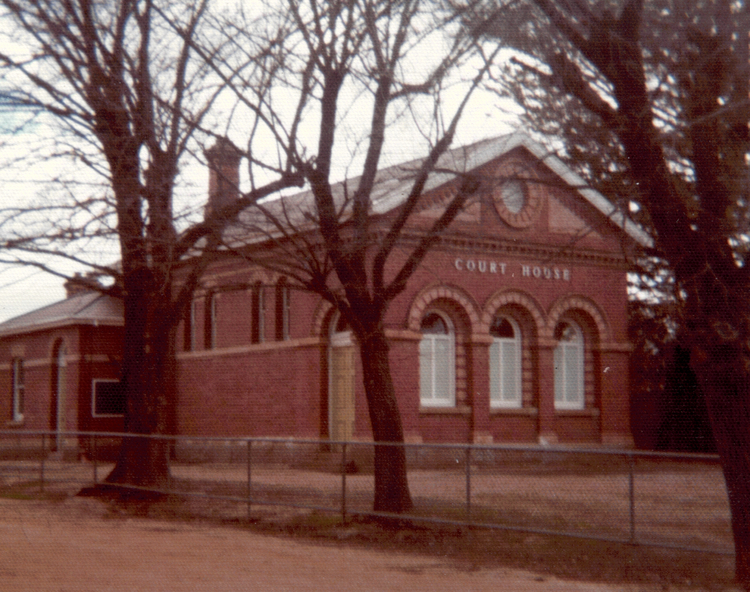
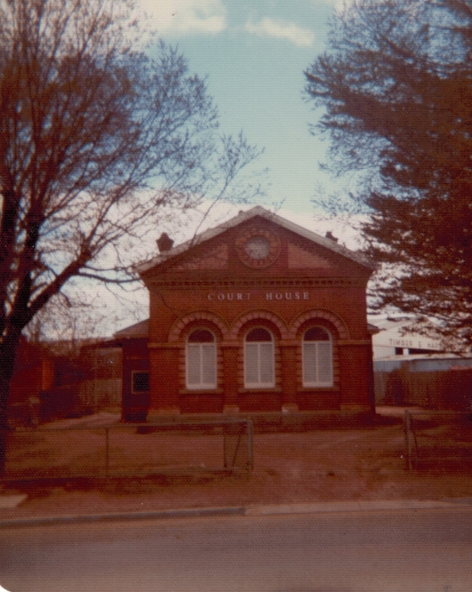
3084.39b Photo of Eaglehawk Court House 1977
3084.39c Photo of Eaglehawk Court House 1977
3084.39d National Trust Survey form for the Eaglehawk Mechanics Institute 1977
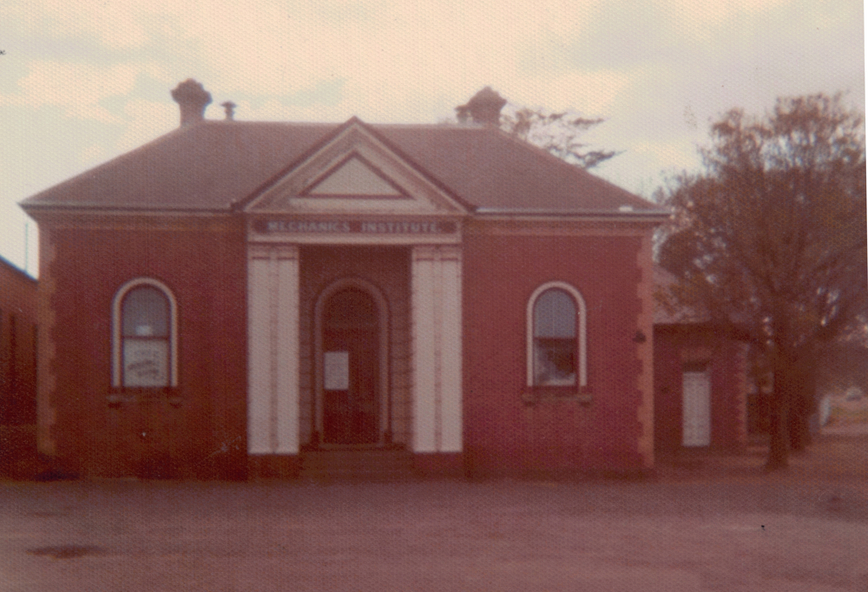
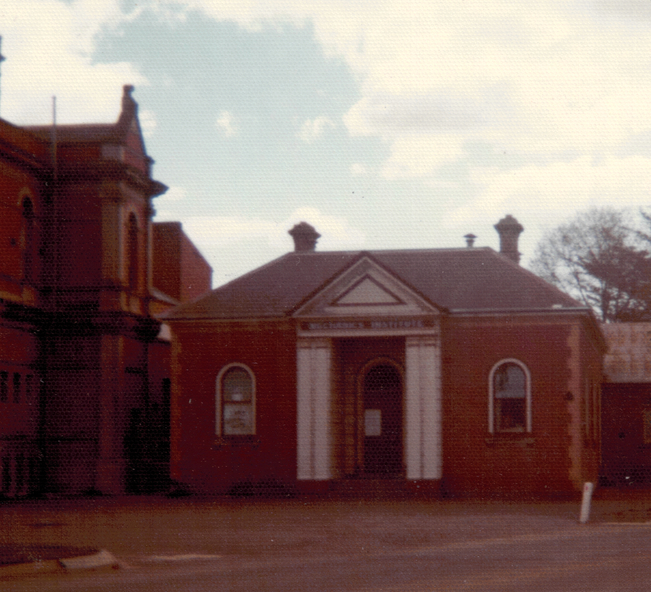
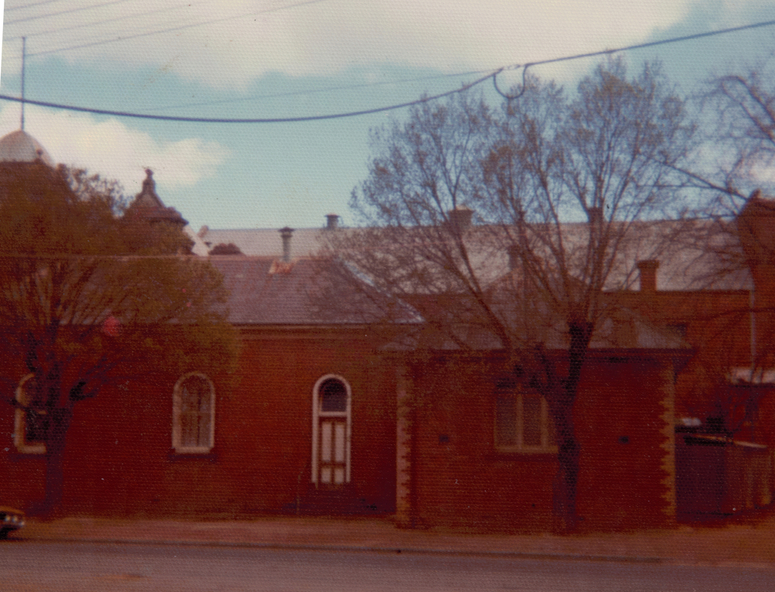
3084.39e Photo of the Eaglehawk Mechanics Institute 1977
3084.39f Photo of the Eaglehawk Mechanics Institute 1977
3084.39g Photo of the Eaglehawk Mechanics Institute 1977
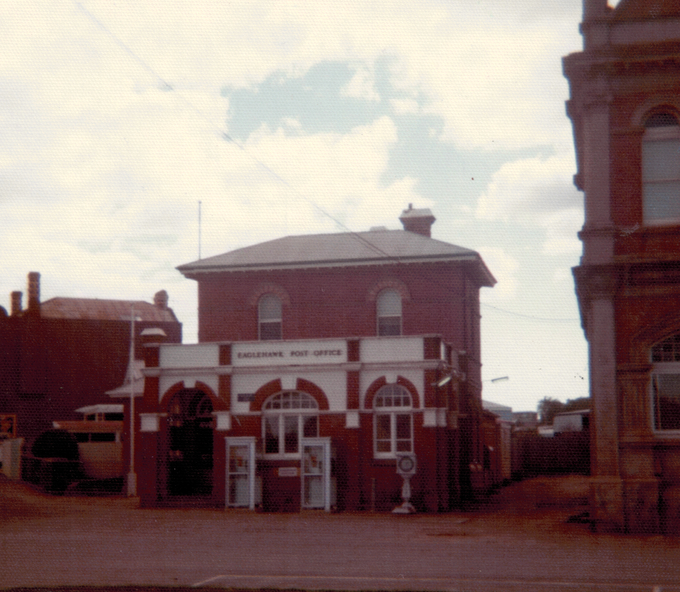
3084.39h Photo of the Eaglehawk Post Office 1977
3084.39i Photo of the Eaglehawk Post Office 1977
3084.39j Photo of the Eaglehawk Town Hall 1977
