

Historical information
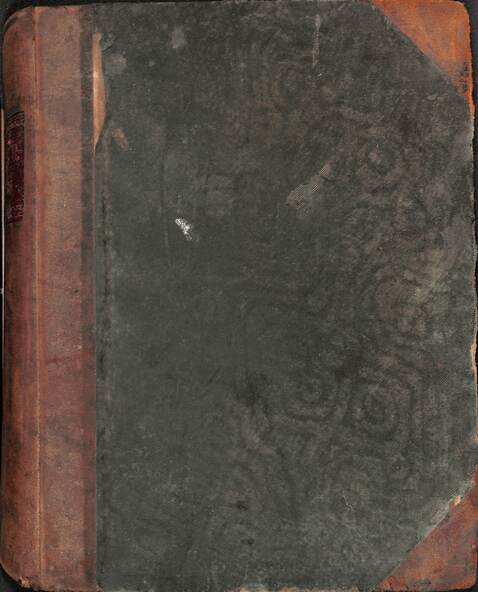
The company that this ledger book belongs to is unknown.
Handwritten ledger books were the “heart of financial and business operations,” requiring patience, precision, and excellent handwriting.
A few key features defined them:
- Durability: Heavy bindings, thick rag paper, and reinforced spines.
- Standardised layouts: Columns for dates, descriptions, debits, credits, balances.
- Manual posting: Entries copied from “books of original entry” (journals, cash books) into the ledger.
- Human skill: Accountants used rulers, fountain pens, and ink pots to maintain accuracy.
These books weren’t just financial tools — they became historical artefacts, preserving the daily life of businesses, farms, councils, and households.
By the late 20th century, handwritten ledgers gave way to spreadsheets and accounting software. But the structure of modern systems — accounts, debits, credits, posting — is still directly inherited from those handwritten books.
Physical description
Hard covered sales ledger book
