

Historical information
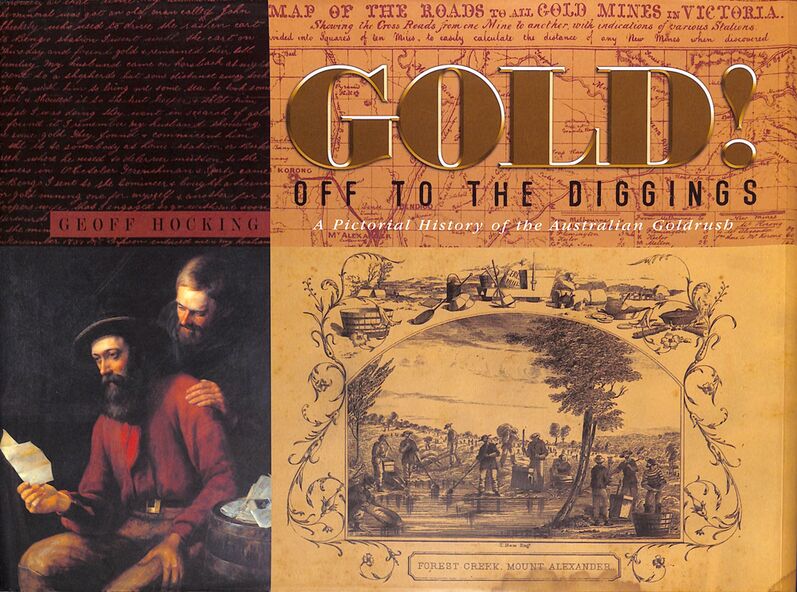
A pictorial history of the Australian goldrush. In 1851 Australia's gold rush had begun, and the focus of the world suddenly turned to the hills, gullies and creeks of New South Wales and Victoria as people from all over the world rushed to the diggings. Gold mining in Australia has a rich history that began in the early 19th century, leading to significant economic growth and population influx during the gold rushes of the 1850s.
The first documented discovery of gold in Australia occurred in 1823 near Bathurst, New South Wales. However, it wasn't until 1851 that significant gold deposits were found at Ophir, which triggered the first major gold rush. The discovery of payable gold led to a massive influx of prospectors and miners from around the world, particularly during the Victorian Gold Rush. By the mid-1850s, Australia was producing nearly 40% of the world's gold. The gold rushes significantly increased Australia's population, with estimates suggesting that the population tripled from 1851 to 1860 due to the influx of miners and their families.
Economic Contributions: Gold mining became a cornerstone of the Australian economy, contributing to export income and the development of infrastructure. The wealth generated from gold mining helped finance the young colonies and led to the establishment of new towns and services.
Physical description
"Gold! Off to the Diggings" by Geoff Hocking. Published by New Chum Press in 2010. Hard cover book which is black fabric. Title and author's name in gold on spine. Dust jacket is multi-colored, with different gold mining scenes on front and back. Title written on gold and black on front cover and spine. Printed in Castlemaine, Australia. 320 pp. Glossy pages. Contains both text and black and white images. Has index. ISBN 9780957897236.
