
Showing 762 items matching "geelong no. 2"
-
 Ballarat Tramway Museum
Photograph - Black & White Photograph/s, Keith Kings, Feb. 1951
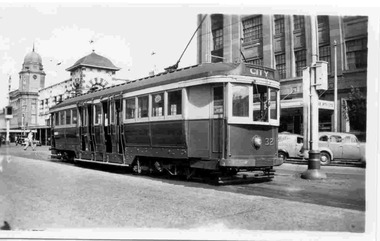
... Photograph of SEC Geelong, 32 in Malop St at Moorabool St. City, 2/51. Has CML building in the background and other buildings in Malop St. ...In blue ink "Geelong / No. 32 / Malop St. at Moorabool St., City / 2/51"...In blue ink "Geelong / No. 32 / Malop St. at Moorabool St., City / 2/51" Black and White photograph contained with Reg. ...Black and White photograph contained with Reg. Item 1902 - Photo Album from Keith Kings to Les Denmead 1970. Photograph of SEC Geelong, 32 in Malop St at Moorabool St. City, 2/51. Has CML building in the background and other buildings in Malop St. Also has a bar style traffic light in the left hand edge of the photo. Keith Kings No. E(q)(1) Scanning: i - image file, p - presentation file, b - back of photograph.Stamp in top left hand corner and handwritten number with "K.S. Kings No. E(q)(1) Copyright reserved". In blue ink "Geelong / No. 32 / Malop St. at Moorabool St., City / 2/51"trams, tramways, geelong, malop st, moorabool st, tram 32 -
 Ballarat Tramway Museum
Photograph - SECV Geelong 37 in Corio Terrace, Keith Kings, 21/08/1955
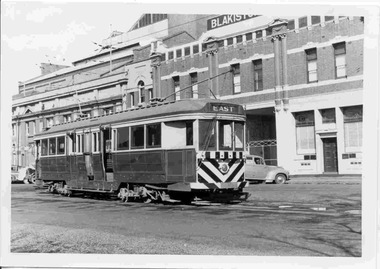
... Geelong, 37, fitted with dash canopy lighting and tiger stripes outside the depot, 21/8/1955. Tram has destination of "East". Name of "Blakistons" on building in background. Photo on back has number "l 012A and 14.5.70" in black ink, possibly indicating date of making print. 2 - Black and White print contained within the Wal Jack Bendigo and Geelong Album, see Reg Item 5003 for more details. ...In blue ink "Geelong / No. 37 / As fitted with dash lighting / Outside depot / 21/8/55". 2 - Stamp as above. ...In blue ink "Geelong / No. 37 / As fitted with dash lighting / Outside depot / 21/8/55". 2 - Stamp as above. ...1 - Black and White photograph contained with Reg. Item 1902 - Photo Album from Keith Kings to Les Denmead 1970. Photograph of SEC Geelong, 37, fitted with dash canopy lighting and tiger stripes outside the depot, 21/8/1955. Tram has destination of "East". Name of "Blakistons" on building in background. Photo on back has number "l 012A and 14.5.70" in black ink, possibly indicating date of making print. 2 - Black and White print contained within the Wal Jack Bendigo and Geelong Album, see Reg Item 5003 for more details. Details as above.Yields information about Geelong tram 37 after it was fitted with dash canopy lighting and "tiger stripes"Black and white photograph with photographer's notes on the rear.1 - Stamp in top left hand corner and handwritten number with "K.S. Kings No. P(d)(5) Copyright reserved". In blue ink "Geelong / No. 37 / As fitted with dash lighting / Outside depot / 21/8/55". 2 - Stamp as above. In blue ink "Geelong No. 37 Zebra painted ends and canopy. Only ex P&MTT bogie thus. (All ex HTT bogies thus) 21/8/55".trams, tramways, geelong, depot, blakistons, tram 37 -
 Ballarat Tramway Museum
Newspaper, The Courier Ballarat, "Rate rise could follow scrapping of trams here", 21/02/1957 12:00:00 AM
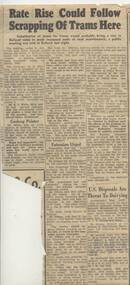
... Newspaper clipping from The Courier, titled "Rate rise could follow scrapping of trams here" of report of Ballarat Trades & Labour Council meeting discussing possibility of scrapping Ballarat trams, Geelong buses & impacts on roads & Union involvement. Dated 21/2/1957 - Thursday. ...Trams tramways Ballarat Geelong Trams Closure Unions Newspaper clipping from The Courier, titled "Rate rise could follow scrapping of trams here" of report of Ballarat Trades & Labour Council meeting discussing possibility of scrapping Ballarat trams, Geelong buses & impacts on roads & Union involvement. Dated 21/2/1957 - Thursday. ...Yields information about the expected problems with services were replaced by buses and additional road maintenance and the closure of Provincial tramways. Has a strong association with various contributors to the article - Tramways Union, Councillors and parliamentarians.Newspaper clipping from The Courier, titled "Rate rise could follow scrapping of trams here" of report of Ballarat Trades & Labour Council meeting discussing possibility of scrapping Ballarat trams, Geelong buses & impacts on roads & Union involvement. Dated 21/2/1957 - Thursday. Record updated and images added 20/8/2013.trams, tramways, ballarat, geelong, trams, closure, unions -
 Ballarat Tramway Museum
Newspaper, Geelong Advertiser, "Ballarat has another drawcard - a tramway", 25/01/1975 12:00:00 AM
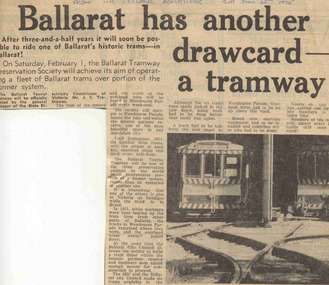
... Newspaper clipping from The Geelong Advertiser, Sat. 25/1/1975 titled "Ballarat has another drawcard - a tramway" Reports that on 1/2/1975 the BTPS will achieve its goal and be officially opened by the Chairman of the SEC. ...Newspaper clipping from The Geelong Advertiser, Sat. 25/1/1975 titled "Ballarat has another drawcard - a tramway" Reports that on 1/2/1975 the BTPS will achieve its goal and be officially opened by the Chairman of the SEC. ...Newspaper clipping from The Geelong Advertiser, Sat. 25/1/1975 titled "Ballarat has another drawcard - a tramway" Reports that on 1/2/1975 the BTPS will achieve its goal and be officially opened by the Chairman of the SEC. Gives details of the history of the BTPS, its work and progress to date. Has a photo of 26 and 27 in the depot."From the Geelong Advertiser Sat Jan 25th 1975" in blue ink along the top edge.btps, opening, construction -
 Ballarat Tramway Museum
Ephemera - Tour Notes, Victorian Railways and Australian Railway Historical Society, ARHS Tour to Ballarat, titled "The Ballarat Bonanza", Feb. 1967
... 2/1967, stapled in the top left hand corner. Included trips on the Eureka and Redan lines. 1. - Welcome Aboard circular - printed on green paper - giving trip information - Yarra Car, Safety, timetable notes, photostops, refreshments, sales and tours of either the workshops or a tram tour. Trip via North Geelong...2/1967, stapled in the top left hand corner. Included trips on the Eureka and Redan lines. 1. - Welcome Aboard circular - printed on green paper - giving trip information - Yarra Car, Safety, timetable notes, photostops, refreshments, sales and tours of either the workshops or a tram tour. Trip via North Geelong ...Set of four foolscap size sheets, for ARHS Tour to Ballarat, titled "The Ballarat Bonanza" on 25/2/1967, stapled in the top left hand corner. Included trips on the Eureka and Redan lines. 1. - Welcome Aboard circular - printed on green paper - giving trip information - Yarra Car, Safety, timetable notes, photostops, refreshments, sales and tours of either the workshops or a tram tour. Trip via North Geelong to Ballarat, return via Bacchus Marsh. Booking Officer R. Carlisle, Tour Organiser E. (Ted) Davies. 2. Descriptive notes - printed on yellow paper, including notes on the various lines, speed limits, the train, the tramways and North Ballarat Workshops. Notes provided by Keith Kings. 3. Two page Special train notice or S Circular, S440/67, dated 17/2/1967, giving timetables, crosses, loads, motive power. Signed by T.A. James as Chief Traffic Manager. Images of document added 27-08-12.arhs, ballarat, eureka, redan, special trains -
 Ballarat Tramway Museum
Book, Topmill Pty Ltd, "Trams of Australia Vol 2 - A pictorial Presentation", 2008/09
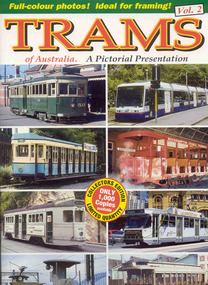
... 2 - A pictorial Presentation", published by Topmill Pty Ltd, Silverwater NSW c2008/9. Features colour photos of trams from Melbourne (VR and MMTB), Sydney, Rockhampton, Brisbane on the front cover and Ballarat and Bendigo on rear. Text written by Michael McGowan, internal photos, both Museum and pre-museum operational systems of Ballarat, Sydney, Brisbane, Melbourne (VR & MMTB), Geelong, Freemantle, reproduced postcards, Scrubber 8W in Swanston St, Ballarat Tramway Museum, Perth, Tasmanian Transport Museum, Perth Electric Tramway Society (PETS), Archer Park Rockhampton, Sydney Tramway Museum, Adelaide, Ballarat Santa Tram (1970)...Trams tramways Ballarat Bendigo Geelong Melbourne Sydney Brisbane Fremantle Hobart Adelaide Perth Santa Tram Myers Full colour book, 32 pages plus card cover, titled "Trams of Australia Vol 2 - A pictorial Presentation", published by Topmill Pty Ltd, Silverwater NSW c2008/9. ...Book featuring photographs of Australian and Museum tramcars, includes Ballarat, Bendigo and Geelong.Full colour book, 32 pages plus card cover, titled "Trams of Australia Vol 2 - A pictorial Presentation", published by Topmill Pty Ltd, Silverwater NSW c2008/9. Features colour photos of trams from Melbourne (VR and MMTB), Sydney, Rockhampton, Brisbane on the front cover and Ballarat and Bendigo on rear. Text written by Michael McGowan, internal photos, both Museum and pre-museum operational systems of Ballarat, Sydney, Brisbane, Melbourne (VR & MMTB), Geelong, Freemantle, reproduced postcards, Scrubber 8W in Swanston St, Ballarat Tramway Museum, Perth, Tasmanian Transport Museum, Perth Electric Tramway Society (PETS), Archer Park Rockhampton, Sydney Tramway Museum, Adelaide, Ballarat Santa Tram (1970)trams, tramways, ballarat, bendigo, geelong, melbourne, sydney, brisbane, fremantle, hobart, adelaide, perth, santa tram, myers -
 Ballarat Tramway Museum
Photograph - Black & White Photograph/s, Geoff Grant, 19/06/1955 12:00:00 AM
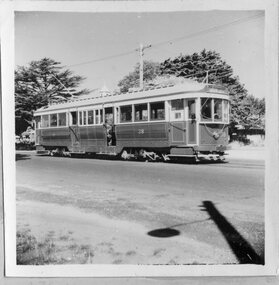
... A set of eight 2 1/4" square photographs mounted onto a sheet of manila cardboard - contact prints of each negative. Numbered from left to right, top to bottom are: 476.1 - SECV Ballarat No. 38, possibly at Victoria St - c1955.; 476.2 - SEC Geelong 8 and 39 at Eastern Park terminus - 2/4/1955 476.3 - SEC Geelong No. 4 out the front of the depot building - 8/1/1956 (Negative No. 368) - See Reg Item 7253 for a large format print. 476.4 - SEC Geelong single trucker and bogie at depot - 8/1/1956 (Negative No. 365) 476.5 - SEC Geelong - No. 18 at East terminus - last day of Chilwell 8/1/56 (Negative No. 366) - See Reg Item 7253 for a large format print. 476.6 - SEC Geelong - No. 1 - at a terminus (see also Reg item No. 485) (Negative 367) (See Reg. ...Trams Tramways Geelong Chilwell Ballarat East Closure Tram 8 tram 39 tram 4 tram 18 tram 1 tram 38 Nil A set of eight 2 1/4" square photographs mounted onto a sheet of manila cardboard - contact prints of each negative. ...A set of eight 2 1/4" square photographs mounted onto a sheet of manila cardboard - contact prints of each negative. Numbered from left to right, top to bottom are: 476.1 - SECV Ballarat No. 38, possibly at Victoria St - c1955.; 476.2 - SEC Geelong 8 and 39 at Eastern Park terminus - 2/4/1955 476.3 - SEC Geelong No. 4 out the front of the depot building - 8/1/1956 (Negative No. 368) - See Reg Item 7253 for a large format print. 476.4 - SEC Geelong single trucker and bogie at depot - 8/1/1956 (Negative No. 365) 476.5 - SEC Geelong - No. 18 at East terminus - last day of Chilwell 8/1/56 (Negative No. 366) - See Reg Item 7253 for a large format print. 476.6 - SEC Geelong - No. 1 - at a terminus (see also Reg item No. 485) (Negative 367) (See Reg. Item 2610 for colour slide of this terminus and tram and 5898i6) 476.7 - SEC Geelong - No. 1 - at depot - group of people standing in front. (Negative 364) - See Reg Item 7255 for a large format print. 476.8 - SEC Geelong - No. 1 entering depot portal night shot, 8/1/56 (Negative 369) - See Reg Item 7256 for a large format print. Negative envelope has the typed note "Some six views of Geelong trams on the last day of operations of the Chilwell line and East West line" Re 476.7 - See also Reg Item 5898i2 - photo by Keith Kings for a similar or same photograph. Re 476.8 - See also Reg Item 5899i1 - photo by Keith Kings for a similar or same photograph. hi res scan made and image updated 23/5/2020.Niltrams, tramways, geelong, chilwell, ballarat, east, closure , tram 8, tram 39, tram 4, tram 18, tram 1, tram 38 -
 Ballarat Tramway Museum
Photograph - Black & White Photograph/s - set of 2, Geoff Grant, 8/01/1956 12:00:00 AM
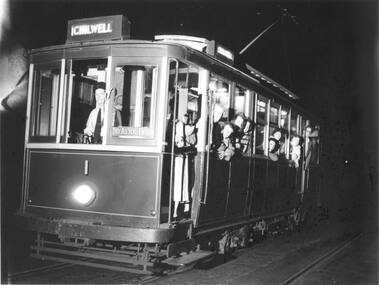
... Geelong Trams, 8/1/1956. Tram has "PAY AS YOU ENTER" board on front entry of tram. See also Reg Item 5898i6 - photo by Keith Kings for a similar or same photograph. .1 - Copy large format print from Lloyd Rogers collection via Robert Green 2/2014. ...Geelong Trams, 8/1/1956. Tram has "PAY AS YOU ENTER" board on front entry of tram. See also Reg Item 5898i6 - photo by Keith Kings for a similar or same photograph. .1 - Copy large format print from Lloyd Rogers collection via Robert Green 2/2014. ...Black & White Photograph of Geelong No. 1 with destination "Chilwell", taken at night, on last day of operation of the Chilwell and East - West line of Geelong Trams, 8/1/1956. Tram has "PAY AS YOU ENTER" board on front entry of tram. See also Reg Item 5898i6 - photo by Keith Kings for a similar or same photograph. .1 - Copy large format print from Lloyd Rogers collection via Robert Green 2/2014. Added 4-4-2019Stamped on rear, btm rh corner "Geoff Grant 8 Jan. 1956 Victoria" .1 - in ink in bottom left hand corner "Last day of operation of Chilwell line 8th Jan 1956"trams, tramways, geelong, chilwell, closure , tram 1 -
 Ballarat Tramway Museum
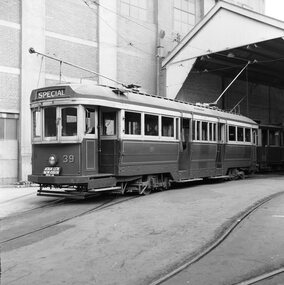
Photograph - Black & White Photograph/s - set of 2, Geoff Grant, 2/04/1955 12:00:00 AM
... Black & White photo of SECV Geelong No. 39 standing outside Geelong depot shed, prior to running in AETA tour on 2/4/1955. Destination showing "SPECIAL" and AETA tour board on front bumper of tram. ...On rear in typed paper "Car no 39 one man operation car standing at Geelong depot for AETA tour. April 2 1955" and "Geoff Grant" stamp on btm rh corner. .1 - In ink in bottom left hand corner - "Geelong Depot - One man car 2-4-1955"...Trams Tramways Geelong AETA Tours Tram 39 On rear in typed paper "Car no 39 one man operation car standing at Geelong depot for AETA tour. April 2 1955" and "Geoff Grant" stamp on btm rh corner. .1 - In ink in bottom left hand corner - "Geelong Depot - One man car 2-4-1955" Black & White photo of SECV Geelong No. 39 standing outside Geelong depot shed, prior to running in AETA tour on 2/4/1955. ...Black & White photo of SECV Geelong No. 39 standing outside Geelong depot shed, prior to running in AETA tour on 2/4/1955. Destination showing "SPECIAL" and AETA tour board on front bumper of tram. N261 envelope - "One man operation car No. 39 standing outside depot. AETA Tour, Geelong 2nd April 1955" .1 - Copy large format print from Lloyd Rogers collection via Robert Green 2/2014. Added 4-4-2019 Original negative scanned at hi res 18/5/2020 and image updated.On rear in typed paper "Car no 39 one man operation car standing at Geelong depot for AETA tour. April 2 1955" and "Geoff Grant" stamp on btm rh corner. .1 - In ink in bottom left hand corner - "Geelong Depot - One man car 2-4-1955"trams, tramways, geelong, aeta, tours , tram 39 -
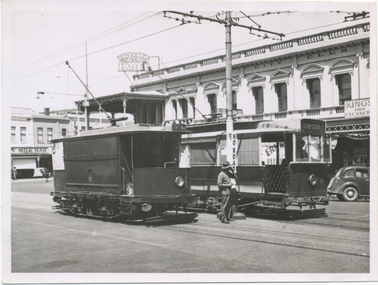 Ballarat Tramway Museum
Photograph - SECV - ESCo Bendigo track cleaner/sprinkler and ESCo No. 9 at the Pall Mall, John Buckland, 23/12/1946
... Photo taken 23/12/1946. 676.1 - Black and White print contained within the Wal Jack Bendigo and Geelong Album, see Reg Item 5003 for more details. Added 2/7/2013. See The Bendigo Tramways, K.S.Kings...Photo taken 23/12/1946. 676.1 - Black and White print contained within the Wal Jack Bendigo and Geelong Album, see Reg Item 5003 for more details. Added 2/7/2013. See The Bendigo Tramways, K.S.Kings Yields information about Bendigo ESCo tram 9 and the sprinkler/track cleaner. ...Black and white photograph of Bendigo track cleaner/sprinkler and ESCo No. 9 at the Pall Mall tram stop just to the south of the Fountain at Charing Cross. ESCo 9 has been modified (See Kings Bendigo Tramways p54). Sprinkler car has trolley pole facing Golden Square, as has No. 9. Pole by the trams have signs "ALL CARS STOP HERE" and a "NO ROAD" sign. Photo taken 23/12/1946. 676.1 - Black and White print contained within the Wal Jack Bendigo and Geelong Album, see Reg Item 5003 for more details. Added 2/7/2013. See The Bendigo Tramways, K.S.KingsYields information about Bendigo ESCo tram 9 and the sprinkler/track cleaner.Black and white print with photographer’s notes on the rear.On rear typed is "SECV Bendigo Tramways Car 9 and Track Grinder at Charing Cross 23/12/1946" and stamped in but rh corner "Photograph by John Buckland"trams, tramways, bendigo, esco, work trams, tram sprinkler, scrubber, tram 9 -
 National Wool Museum
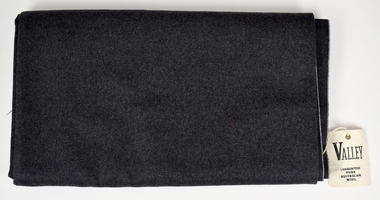
Textile - Fabric Sample, Valley Worsted Mills
... GEELONG / Piece No. / Quality / Yards / Strings back of label: [handwritten] 3.7 mts / 2 1/2 YRDS...GEELONG / Piece No. / Quality / Yards / Strings back of label: [handwritten] 3.7 mts / 2 1/2 YRDS 9080.1 - piece of grey woollen fabric 9080.2 - paper label with printed and handwritten text, with metal eyelet at the top Textile Fabric Sample Valley Worsted Mills ...Sample of woollen fabric, with tag, produced at the Valley Worsted Mills, Geelong.9080.1 - piece of grey woollen fabric 9080.2 - paper label with printed and handwritten text, with metal eyelet at the topfront of label: [printed] VALLEY / GUARANTEED / PURE / AUSTRALIAN / WOOL back of label: [printed] VALLEY WORSTED MILLS LTD. / GEELONG / Piece No. / Quality / Yards / Strings back of label: [handwritten] 3.7 mts / 2 1/2 YRDSvalley worsted mills, geelong, wool, textiles, woollen fabric sample, fabric tag, production tag, wool mill, textile industry -
 National Wool Museum
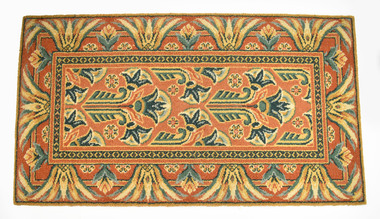
Rug, The Egyptian
... Furnishing Textile Industry Brintons Australia Pty Ltd Carpet Geelong Victoria Furnishing Textile Industry W7185 'The Egyptian' Rug Photograph of the wool bobbins on the loom Photograph of the wool bobbins on the loom Photograph of design being prepared for loom Photograph of design being prepared for loom Photograph of design being prepared for loom Photograph of rug being manufactured. Photograph of rug being manufactured. Photograph of rug being manufactured. National Wool Museum Catalogue Worksheet for W7185 page 1 National Wool Museum Catalogue Worksheet for W7185 page 2 ...A rug designed to celebrate the exhibition of Egyptian art 'Life & Death Under the Pharaohs' from 'The National Museum of Antiquities' in Leiden, The Netherlands. It was made onsite at the National Wool Museum on the 1910 Axeminister loom. The rug was gifted to Brintons Carpets in 1999 as a gesture of thanks along with framed photographs and a certificate of authenticity.W7185 'The Egyptian' Rug Photograph of the wool bobbins on the loom Photograph of the wool bobbins on the loom Photograph of design being prepared for loom Photograph of design being prepared for loom Photograph of design being prepared for loom Photograph of rug being manufactured. Photograph of rug being manufactured. Photograph of rug being manufactured. National Wool Museum Catalogue Worksheet for W7185 page 1 National Wool Museum Catalogue Worksheet for W7185 page 2 Page 1 of a history of Brintons Carpets. Page 2 of a history of Brintons Carpets. A list of catalogues/items in the Brintons Collection donated after closure of Fellmongers Road factory in July 2008.furnishing textile industry, brintons australia pty ltd, carpet, geelong, victoria, furnishing, textile industry -
 National Wool Museum
Picture
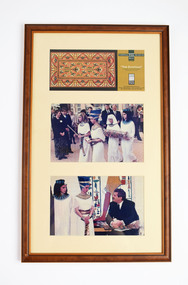
... National Wool Museum Brintons Australia Pty Ltd Triarico Ms Elizabeth - National Wool Museum Moritz Mr Andrew - National Wool Museum Geelong Victoria To all at Brintons Carpets to thank you for your ongoing support of the National Wool Museum February 1999 E.Triarico Curator Michael Jerinic Old Weaver Andrew Moritz Director Bill Vos x Brintons Weaver 1960 Annette Welkamp Pharaohs Project Manager National Wool Museum Rug The Egyptian A unique wool rich product Certificate of Authencity This is to certify that Brintons Carpets is the owner of a National Wool Museum Limited Edition Rug No. 106. W7186 Page 1 of a history of Brintons Carpets. Page 2 ...The object was presented to Brintons Carpets in 1999 as a thankyou gift for ongoing support along with one 'The Egyptian' Rug.W7186 Page 1 of a history of Brintons Carpets. Page 2 of a history of Brintons Carpets. A list of catalogues/items in the Brintons Collection donated after closure of Fellmongers Road factory in July 2008.To all at Brintons Carpets to thank you for your ongoing support of the National Wool Museum February 1999 E.Triarico Curator Michael Jerinic Old Weaver Andrew Moritz Director Bill Vos x Brintons Weaver 1960 Annette Welkamp Pharaohs Project Manager National Wool Museum Rug The Egyptian A unique wool rich product Certificate of Authencity This is to certify that Brintons Carpets is the owner of a National Wool Museum Limited Edition Rug No. 106.national wool museum brintons australia pty ltd, triarico, ms elizabeth - national wool museum moritz, mr andrew - national wool museum, geelong, victoria -
 National Wool Museum
Card, Design
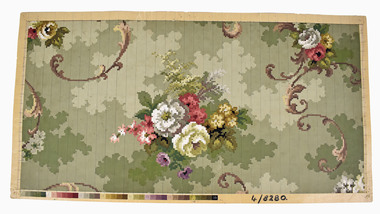
... The object was acquired after the closure of the Brintons Geelong factory. furnishing brintons australia pty ltd brintons pty ltd (geelong) carpet geelong victoria 4/8280 Not to be used for 14/8280 4/8280 W7187.1 W7187.2 Page 1 of a history of Brintons Carpets. Page 2 ...The template is design no. 4/8280 designed for Brintons Australia. The object was acquired after the closure of the Brintons Geelong factory.W7187.1 W7187.2 Page 1 of a history of Brintons Carpets. Page 2 of a history of Brintons Carpets. A list of catalogues/items in the Brintons Collection donated after closure of Fellmongers Road factory in July 2008.4/8280 Not to be used for 14/8280 4/8280furnishing, brintons australia pty ltd brintons pty ltd (geelong), carpet, geelong, victoria -
 National Wool Museum
Book, Carpet Sample, Brintons Carpets Double Century III
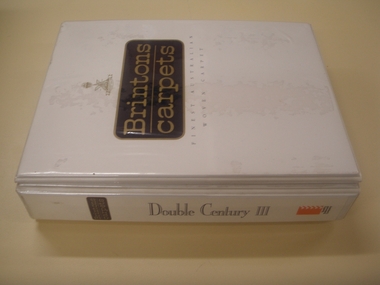
... Furnishing Brintons Australia Pty Ltd Brintons Pty Ltd (Geelong) sales samples Brintons carpets Finest Australian Woven Carpet Brintons Carpets Double Century III W7188 W7188_2 Page 1 of a history of Brintons Carpets. Page 2 ...A sales sample book for the Brintons' carpet design range 'Double Century III', acquired when Brintons' Geelong factory closed.W7188 W7188_2 Page 1 of a history of Brintons Carpets. Page 2 of a history of Brintons Carpets. A list of catalogues/items in the Brintons Collection donated after closure of Fellmongers Road factory in July 2008.Brintons carpets Finest Australian Woven Carpet Brintons Carpets Double Century IIIfurnishing, brintons australia pty ltd brintons pty ltd (geelong), sales, samples -
 National Wool Museum
Book, Carpet Sample, Brintons Carpets The Bainbridge Collection
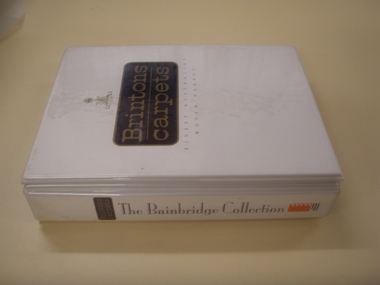
... Furnishing Brintons Australia Pty Ltd Brintons Pty Ltd (Geelong) sales samples Brintons Carpets Finest Australian Woven Carpet Brintons Carpets The Bainbridge Collection W7189 W7189_2 Page 1 of a history of Brintons Carpets. Page 2 ...A sales sample book for the Brintons carpet range 'Bainbridge Collection', acquired when Brintons' Geelong factory closed.W7189 W7189_2 Page 1 of a history of Brintons Carpets. Page 2 of a history of Brintons Carpets. A list of catalogues/items in the Brintons Collection donated after closure of Fellmongers Road factory in July 2008.Brintons Carpets Finest Australian Woven Carpet Brintons Carpets The Bainbridge Collectionfurnishing, brintons australia pty ltd brintons pty ltd (geelong), sales, samples -
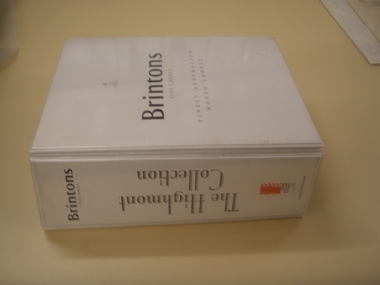 National Wool Museum
Book, Carpet Sample, Brintons Fine Carpets The Highmont Collection
... Furnishing Brintons Australia Pty Ltd Brintons Pty Ltd (Geelong) sales samples Brintons Fine Carpet Finest Australian Woven Carpet Brintons Fine Carpet The Highmont Collection W7190 W7190_2 Page 1 of a history of Brintons Carpets. Page 2 ...A carpet sales book for the Brintons carpet design range 'The Highmont Collection', acquired when Brinton's Geelong factory closed.W7190 W7190_2 Page 1 of a history of Brintons Carpets. Page 2 of a history of Brintons Carpets. A list of catalogues/items in the Brintons Collection donated after closure of Fellmongers Road factory in July 2008.Brintons Fine Carpet Finest Australian Woven Carpet Brintons Fine Carpet The Highmont Collectionfurnishing, brintons australia pty ltd brintons pty ltd (geelong), sales, samples -
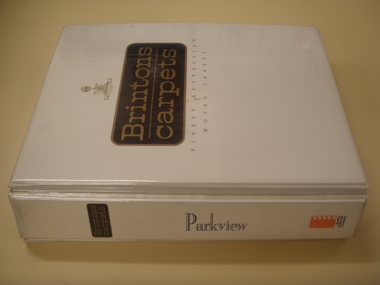 National Wool Museum
Book, Carpet Sample, Brintons Carpets Parkview
... Geelong factory closed. Furnishing Brintons Ltd (UK) Brintons Australia Pty Ltd sales Brintons Carpets Finest Australian Woven Carpet Brintons Carpets Parkview W7191 W7191_2 Page 1 of a history of Brintons Carpets. Page 2 ...A sales book for the Brintons design range 'Parkview', acquired when Brintons' Geelong factory closed.W7191 W7191_2 Page 1 of a history of Brintons Carpets. Page 2 of a history of Brintons Carpets. A list of catalogues/items in the Brintons Collection donated after closure of Fellmongers Road factory in July 2008.Brintons Carpets Finest Australian Woven Carpet Brintons Carpets Parkviewfurnishing, brintons ltd (uk) brintons australia pty ltd, sales -
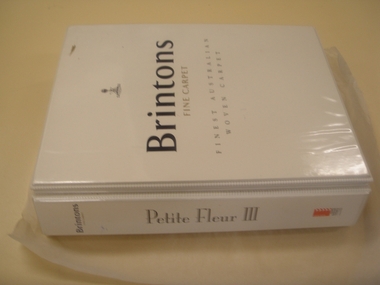 National Wool Museum
Book, Carpet Sample, Petite Fleur III
... Furnishing Brintons Australia Pty Ltd Brintons Pty Ltd (Geelong) Brintons Ltd (UK) sales Brintons Fine Carpets Finest Australian Woven Carpets Petite Fleur III W7192 W7192_2 Page 1 of a history of Brintons Carpets. Page 2 ...A sales book for the Brintons' design range 'Petite Fleur III' acquired when Brintons' Fellmonger Road factory closed.W7192 W7192_2 Page 1 of a history of Brintons Carpets. Page 2 of a history of Brintons Carpets. A list of catalogues/items in the Brintons Collection donated after closure of Fellmongers Road factory in July 2008.Brintons Fine Carpets Finest Australian Woven Carpets Petite Fleur IIIfurnishing, brintons australia pty ltd brintons pty ltd (geelong) brintons ltd (uk), sales -
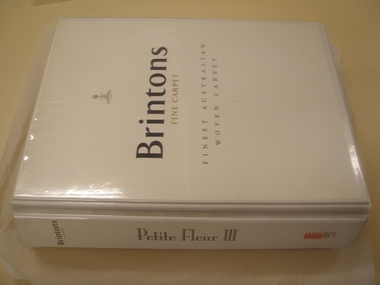 National Wool Museum
Book, Carpet Sample, Petite Fleur III
... Furnishing Brintons Australia Pty Ltd Brintons Pty Ltd (Geelong) Brintons Ltd (UK) sales samples Brintons Fine Carpets Finest Australian Woven Carpets Petite Fleur III Davis Residence o/n 38806 1/10392 Please Ruturn to Design Studio W7193 W7193_2 Page 1 of a history of Brintons Carpets. Page 2 ...A sales book for the design range Petite Fleur III acquired when Brintons' Fellmonger Road factory closed.W7193 W7193_2 Page 1 of a history of Brintons Carpets. Page 2 of a history of Brintons Carpets. A list of catalogues/items in the Brintons Collection donated after closure of Fellmongers Road factory in July 2008.Brintons Fine Carpets Finest Australian Woven Carpets Petite Fleur III Davis Residence o/n 38806 1/10392 Please Ruturn to Design Studiofurnishing, brintons australia pty ltd brintons pty ltd (geelong) brintons ltd (uk), sales, samples -
 National Wool Museum
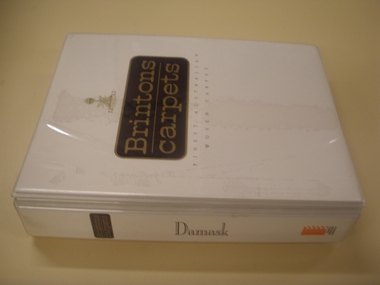
Book, Carpet Sample, Damask
... Furnishing Brintons Australia Pty Ltd Brintons Pty Ltd (Geelong) Brintons Ltd (UK) sales samples Brintons Carpets Finest Australian Woven Carpets Damask W7194 W7194_2 Page 1 of a history of Brintons Carpets. Page 2 ...A sales book for the Brintons design range 'Damask' acquired when Brintons' Fellmonger Road factory closed.W7194 W7194_2 Page 1 of a history of Brintons Carpets. Page 2 of a history of Brintons Carpets. A list of catalogues/items in the Brintons Collection donated after closure of Fellmongers Road factory in July 2008.Brintons Carpets Finest Australian Woven Carpets Damaskfurnishing, brintons australia pty ltd brintons pty ltd (geelong) brintons ltd (uk), sales, samples -
 National Wool Museum
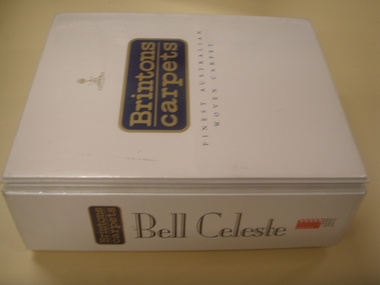
Book, Carpet Sample, Bell Celeste
... Furnishing Brintons Pty Ltd (Geelong) Brintons Ltd (UK) Brintons Australia Pty Ltd sales samples Brintons Carpets Finest Australian Woven Carpets Bell Celeste W7195 W7195_2 Page 1 of a history of Brintons Carpets. Page 2 ...A carpet sales book for the Brintons' design range 'Bell Celeste' acquired when Brintons' Fellmonger Road factory closed.W7195 W7195_2 Page 1 of a history of Brintons Carpets. Page 2 of a history of Brintons Carpets. A list of catalogues/items in the Brintons Collection donated after closure of Fellmongers Road factory in July 2008.Brintons Carpets Finest Australian Woven Carpets Bell Celestefurnishing, brintons pty ltd (geelong) brintons ltd (uk) brintons australia pty ltd, sales, samples -
 National Wool Museum
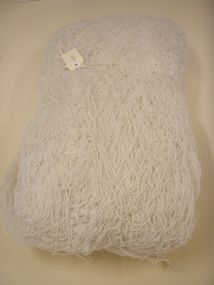
Skein
... Wool industry Brintons Australia Pty Ltd Brintons Pty Ltd (Geelong) Brintons Ltd (UK) Carpet W7196 Page 1 of a history of Brintons Carpets. Page 2 of a history of Brintons Carpets. ...Acquired at closure of Brintons Carpets' Fellmonger Road factory.W7196 Page 1 of a history of Brintons Carpets. Page 2 of a history of Brintons Carpets. A list of catalogues/items in the Brintons Collection donated after closure of Fellmongers Road factory in July 2008.wool industry, brintons australia pty ltd brintons pty ltd (geelong) brintons ltd (uk), carpet -
 National Wool Museum
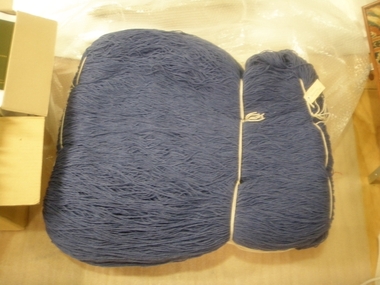
Skein
... Wool industry Brintons Australia Pty Ltd Brintons Pty Ltd (Geelong) Brintons Ltd (UK) Carpet W7197 Page 1 of a history of Brintons Carpets. Page 2 of a history of Brintons Carpets. ...Acquired on closure of Brintons Carpets' Fellmonger Road factory.W7197 Page 1 of a history of Brintons Carpets. Page 2 of a history of Brintons Carpets. A list of catalogues/items in the Brintons Collection donated after closure of Fellmongers Road factory in July 2008.wool industry, brintons australia pty ltd brintons pty ltd (geelong) brintons ltd (uk), carpet -
 National Wool Museum
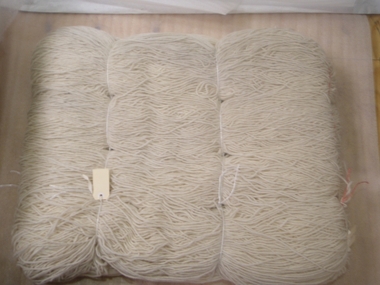
Skein
... Wool industry Brintons Australia Pty Ltd Brintons Pty Ltd (Geelong) Brintons Ltd (UK) Carpet W7198 Page 1 of a history of Brintons Carpets. Page 2 of a history of Brintons Carpets. ...Acquired at closure of Brintons Carpet's Fellmonger Road factory.W7198 Page 1 of a history of Brintons Carpets. Page 2 of a history of Brintons Carpets. A list of catalogues/items in the Brintons Collection donated after closure of Fellmongers Road factory in July 2008.wool industry, brintons australia pty ltd brintons pty ltd (geelong) brintons ltd (uk), carpet -
 National Wool Museum
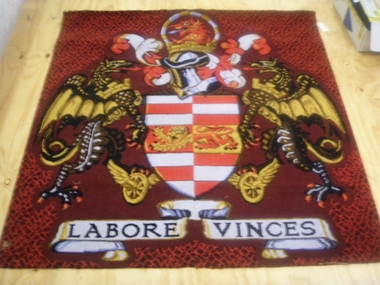
Rug
... Geelong) Brintons Ltd (UK) Carpet Labore Vinces Brintons Carpets/Special Enquiry Prepared for/Ref. No 15/2878 for Aurora/Quality colours in trial/standard/non standard/Design and colour sample does not represent quality W7199 Page 1 of a history of Brintons Carpets. Page 2 ...The rug hung in the boardroom at the Brintons Carpet premises/factory at Fellmongers Road, Breakwater. Acquired on closure of factory.W7199 Page 1 of a history of Brintons Carpets. Page 2 of a history of Brintons Carpets. A list of catalogues/items in the Brintons Collection donated after closure of Fellmongers Road factory in July 2008.Labore Vinces Brintons Carpets/Special Enquiry Prepared for/Ref. No 15/2878 for Aurora/Quality colours in trial/standard/non standard/Design and colour sample does not represent qualitytextile art, brintons australia pty ltd brintons pty ltd (geelong) brintons ltd (uk), carpet -
 National Wool Museum
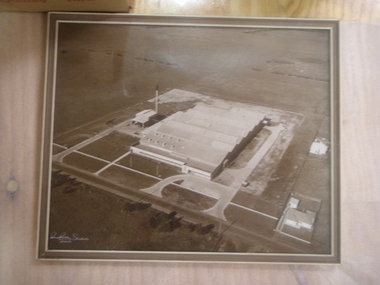
Photograph
... Brintons Australia Pty Ltd Brintons Pty Ltd (Geelong) Brintons Ltd (UK) Geelong Victoria Robin Hockley Studios Geelong Brintons Carpets 6075 Raylum W7200 Page 1 of a history of Brintons Carpets. Page 2 of a history of Brintons Carpets. ...An early photograph of Brintons factory on Fellmongers Road. Hung in premise until closure in 2008.W7200 Page 1 of a history of Brintons Carpets. Page 2 of a history of Brintons Carpets. A list of catalogues/items in the Brintons Collection donated after closure of Fellmongers Road factory in July 2008.Robin Hockley Studios Geelong Brintons Carpets 6075 Raylumbrintons australia pty ltd brintons pty ltd (geelong) brintons ltd (uk), geelong, victoria -
 National Wool Museum
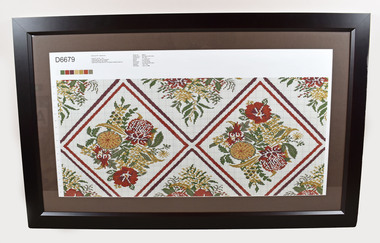
Card, Design
... Acquired on the closure of the factory. brintons australia pty ltd brintons pty ltd (geelong) brintons ltd (uk) carpet D6679 Brintons PTY - Boardroom QUALITY: Sp Ax - 12bu LOOM WIDTH: 200cm STRAIGHT LENGTH REPEAT: 467 ROWS CARD WIDTH AND MATCH: 276 ENDS STRAIGHT MATCH Design ID: D6679 Design Size: 3ft 3.43in by 3ft 2.92in Ends*Rows: 276*467 Quality: 7*12 per inch Match: 233 row drop W7201.1 W7201.2 Page 1 of a history of Brintons Carpets. Page 2 ...A Brintons carpet design card printed the same month that the Fellmongers Road factory closed down. Acquired on the closure of the factory.W7201.1 W7201.2 Page 1 of a history of Brintons Carpets. Page 2 of a history of Brintons Carpets. A list of catalogues/items in the Brintons Collection donated after closure of Fellmongers Road factory in July 2008.D6679 Brintons PTY - Boardroom QUALITY: Sp Ax - 12bu LOOM WIDTH: 200cm STRAIGHT LENGTH REPEAT: 467 ROWS CARD WIDTH AND MATCH: 276 ENDS STRAIGHT MATCH Design ID: D6679 Design Size: 3ft 3.43in by 3ft 2.92in Ends*Rows: 276*467 Quality: 7*12 per inch Match: 233 row dropbrintons australia pty ltd brintons pty ltd (geelong) brintons ltd (uk), carpet -
 National Wool Museum
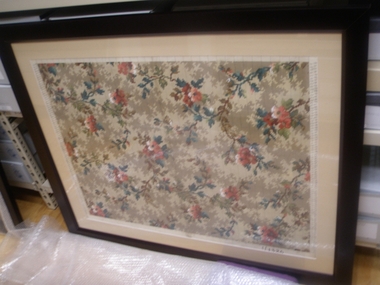
Card, Design
... Brintons Australia Pty Ltd Brintons Pty Ltd (Geelong) Brintons Ltd (UK) Carpet 1/1326 W7202 Page 1 of a history of Brintons Carpets. Page 2 ...A Brintons carpets design. The card was acquired when the Fellmongers Road factory closed down.W7202 Page 1 of a history of Brintons Carpets. Page 2 of a history of Brintons Carpets. A list of catalogues/items in the Brintons Collection donated after closure of Fellmongers Road factory in July 2008.1/1326brintons australia pty ltd brintons pty ltd (geelong) brintons ltd (uk), carpet -
 National Wool Museum
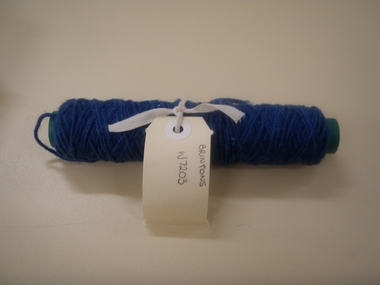
Bobbin
... Textile Machinery Weaving Brintons Australia Pty Ltd Brintons Pty Ltd (Geelong) Carpet Geelong Victoria Textile Machinery Weaving W7203 Page 1 of a history of Brintons Carpets. Page 2 ...A bobbin used at the Brintons Carpets factory at Fellmongers Road, Breakwater.W7203 Page 1 of a history of Brintons Carpets. Page 2 of a history of Brintons Carpets. A list of catalogues/items in the Brintons Collection donated after closure of Fellmongers Road factory in July 2008.textile machinery weaving, brintons australia pty ltd brintons pty ltd (geelong), carpet, geelong, victoria, textile machinery, weaving
