
Showing 1012 items matching "construction sites"
-
 Buninyong & District Historical Society
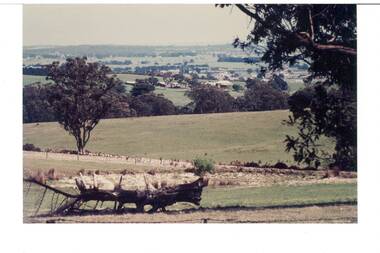
Photograph - Original Photograph, Site of Ballarat Institute of Adult Education (B.I.A.E.) campus, 1968, before construction, looking west showing "Pontresina" homestead, 1968
... Site of Ballarat Institute of Adult Education (B.I.A.E.) campus, 1968, before construction, looking west showing "Pontresina" homestead...Colour photo, Site of Ballarat Institute of Adult Education (B.I.A.E.) campus, 1968, before construction, looking west showing "Pontresina" homestead...historic Ballarat Institute of Advanced Education Green Hill Federation University "Pontresina" homestead Colour photo, Site of Ballarat Institute of Adult Education (B.I.A.E.) campus, 1968, before construction, looking west showing "Pontresina" homestead Site of Ballarat Institute of Adult Education (B.I.A.E.) campus, 1968, before construction, looking west showing "Pontresina" homestead Photograph Original Photograph ...historic Colour photo, Site of Ballarat Institute of Adult Education (B.I.A.E.) campus, 1968, before construction, looking west showing "Pontresina" homesteadballarat institute of advanced education, green hill, federation university, "pontresina" homestead -
 Bendigo Historical Society Inc.
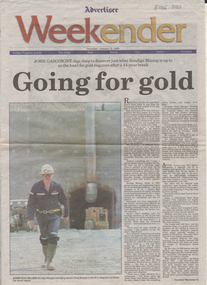
Newspaper - Kangaroo Flat Gold Mine Collection: Bendigo Mining
... Two page article on the operations of Bendigo Mining at the Kangaroo Flat site includes information on the construction of the decline, the use of the jumbo drill, use of dynamite, extraction of mullock and the potential to find gold. ...Two page article on the operations of Bendigo Mining at the Kangaroo Flat site includes information on the construction of the decline, the use of the jumbo drill, use of dynamite, extraction of mullock and the potential to find gold. ...Bendigo Advertiser newspaper article in the 'Weekender' supplement, 2nd. January 1999, 'Going for Gold'. Two page article on the operations of Bendigo Mining at the Kangaroo Flat site includes information on the construction of the decline, the use of the jumbo drill, use of dynamite, extraction of mullock and the potential to find gold. Colour photograph on the first page shows Bendigo Mining's Managing Director, Doug Buerger in the 30 metres box cut where the decline begins. On second page: 'Dollars - and jobs', discusses the expectations of the Company in finding gold and the (then) processes involved in treating the ore. Two photographs on page: 'Behind the blind' The Carshalton tenement where the tunnel begins' shows an aerial image of the Kangaroo Flat site. Second photograph 'Demystifying the project - geologist Doug Buerger, Bendigo Mining's Managing Director, is pictured in overalls and hard hat standing in the box cut, near the tunnel. gold mining, bendigo, bendigo mining, box cut, decline, doug buerger, kangaroo flat, explosives, jumbo drill -
 Melbourne Water
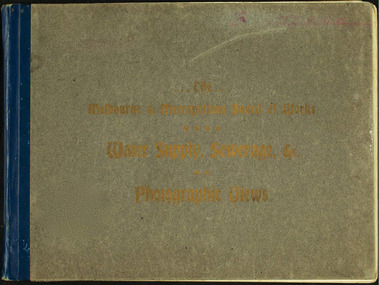
Photographic View Book, The Melbourne & Metropolitan Board of Works - Water Supply, Sewerage etc. ...Photographic Views, 1908
... construction on Melbourne's sewerage system. A treatment farm was built at Werribee and a pumping station was built at Spotswood (now the site of the Scienceworks Museum) to send the city's waste to Werribee. ...construction on Melbourne's sewerage system. A treatment farm was built at Werribee and a pumping station was built at Spotswood (now the site of the Scienceworks Museum) to send the city's waste to Werribee. ...In 1891 The Melbourne and Metropolitan Board of Works (MMBW) was formed and became responsible for Melbourne's water supply. Melbourne had grown to a city of half a million people. To provide water to this rapidly growing city (especially the eastern suburbs), and to supplement the 1857 Yan Yean Reservoir, Melbourne's first water supply, the Watts River (near Healesville) was tapped. It supplied water to Melbourne, via the Maroondah aqueduct. In May 1892 the MMBW's first engineer-in-chief, Mr William Thwaites began construction on Melbourne's sewerage system. A treatment farm was built at Werribee and a pumping station was built at Spotswood (now the site of the Scienceworks Museum) to send the city's waste to Werribee. The first Melbourne homes were connected to the sewerage system in 1897. This book showcases the MMBW's infrastructure achievements and documents costs, requirements and key personnel involved in the development of the water supply and sewerage schemes.The introduction states "The water supply sources and headworks are in many cases situated in remote places and the sewerage works are chiefly underground. The Board has therefore resolved that these photographs of some of the scenes and works should be collected and bound for general information. August 1908" This book is in excellent condition and provides a detailed insight into the previous 17 years of work and the Board personnel of the MMBW leading up to 1908. It is of historical importance to the history of Melbourne for the photographic documents of places that were not generally open to the public, and for Melbourne Water in its detailed history of the MMBW in the early twentieth century. Photographic view book with hard khaki coloured cardboard cover and blue fabric binding. 120 Pages. Glossy paper with black and white plates and text about the MMBW, and scenic views and places of interest in association with the MMBW. The Melbourne & Metropolitan Board of Works - Water Supply, Sewerage etc. ...Photographic Views...mmbw, board members, sewerage, water supply, historic views, photographs -
 Melbourne Water
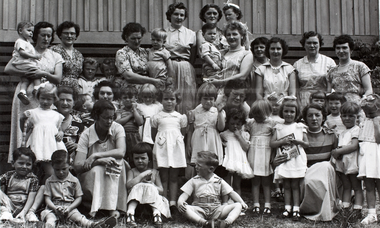
Photograph, Upper Yarra Dam Personnel, 1955
... In 1946, the Melbourne and Metropolitan Board of Works (MMBW) approved a site for a new dam for Melbourne's domestic water. This is now known as the Upper Yarra Dam. Due to the construction of the dam, the workforce had to be accommodated on site; domestic quarters were built for single men, families and staff. ...In 1946, the Melbourne and Metropolitan Board of Works (MMBW) approved a site for a new dam for Melbourne's domestic water. This is now known as the Upper Yarra Dam. Due to the construction of the dam, the workforce had to be accommodated on site; domestic quarters were built for single men, families and staff. ...As the Yarra became unsuitable as a source of water, several attempts were made to find alternative sources for the growing population of Melbourne. It was not until 1891 that the efforts to sewer Melbourne came to fruition with the setting up of the Melbourne Metropolitan Board of Works (MMBW), now known as Melbourne Water. From 1891 until 1992, it was the responsibility of the MMBW to safeguard public health by providing a sewerage system and a safe water supply system. In 1992, The MMBW merged with a number of smaller urban water authorities to form Melbourne Water. In 1946, the Melbourne and Metropolitan Board of Works (MMBW) approved a site for a new dam for Melbourne's domestic water. This is now known as the Upper Yarra Dam. Due to the construction of the dam, the workforce had to be accommodated on site; domestic quarters were built for single men, families and staff. The township also had kitchens, laundry facilities, a canteen, a recreation hall, mess areas and a co-op store, with one of the first houses being seconded to accommodate for a school. This photograph shows personnel at a Kindergarten party at the Upper Yarra Dam, a time where workers were housed during its construction. The photograph is historically significant as it captures a purpose built community that supported the workers undertaking the construction of the dam. upper yarra dam, mmbw, melbourne metropolitan board of works, township, 1940s, community -
 Melbourne Water
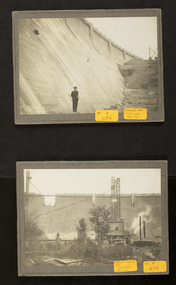
Photographs: The Maroondah Dam Wall Under Construction, 1921-1922
... These water supply sites continue to enhance Melbourne’s charm and liveability and are now recognised as places of cultural and historic significance These photographs are invaluable in providing insight into many aspects of the Maroondah Reservoir’s early development. The dam wall is a distinctive example of early engineering techniques, with its gravity arch design and concrete construction ...The Maroondah System was first and foremost developed as a functional component of Melbourne's Water Supply System. In addition to functionality, the Melbourne and Metropolitan Board of Works (MMBW) envisioned the Maroondah Reserve to be enjoyed aesthetically and recreationally by the public. This souvenir illustrates the realisation of the Maroondah System as a local recreational and tourist attraction in the early 20th century. The Maroondah Reserve gardens were landscaped with English-style ornamental stonework, exotic trees, flower beds and rose gardens. All features of the water supply system became widely celebrated as beauty spots that continue to be very popular to this day with tourists and locals alike. This souvenir is a product of that flourishing tourist trade. These water supply sites continue to enhance Melbourne’s charm and liveability and are now recognised as places of cultural and historic significanceThese photographs are invaluable in providing insight into many aspects of the Maroondah Reservoir’s early development. The dam wall is a distinctive example of early engineering techniques, with its gravity arch design and concrete construction. The construction of the dam wall represents an important advancement in the technology of dam-building.These images are part of a series of eight photographs which document the construction of the Maroondah Dam in the 1920s.melbourne metropolitan board of works, mmbw, melbourne water, photograph, water, maroondah dam, construction, wall -
 Monbulk RSL Sub Branch
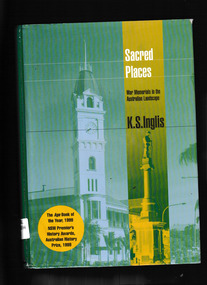
Book, Melbourne University Press, Sacred places : war memorials in the Australian landscape, 2008
... construction. These memorials, large and small, stand everywhere in the Australian landscape. They embody what Australians have wanted to say about the service and death of their compatriots in overseas wars. They express pride, grief, and perceptions of God, empire and nation, becoming the holy sites ...After the slaughter of the First World War, Australians embarked on a remarkable programme of war memorial construction. These memorials, large and small, stand everywhere in the Australian landscape. They embody what Australians have wanted to say about the service and death of their compatriots in overseas wars. They express pride, grief, and perceptions of God, empire and nation, becoming the holy sites of a new civil and nationalist religion -- the cult of Anzac." "In this moving and beautifully written book, award-winning historian Ken Inglis traces the development of the Anzac cult, as well as looking at those who rejected it. Sacred Places also examines a paradox: why, as Australia's wars recede in memory, have these memorials and what they stand for become more cherished than ever? In this updated third edition, that question is pursued into the first decade of a new century.Index, notes, ill, p.640.non-fictionAfter the slaughter of the First World War, Australians embarked on a remarkable programme of war memorial construction. These memorials, large and small, stand everywhere in the Australian landscape. They embody what Australians have wanted to say about the service and death of their compatriots in overseas wars. They express pride, grief, and perceptions of God, empire and nation, becoming the holy sites of a new civil and nationalist religion -- the cult of Anzac." "In this moving and beautifully written book, award-winning historian Ken Inglis traces the development of the Anzac cult, as well as looking at those who rejected it. Sacred Places also examines a paradox: why, as Australia's wars recede in memory, have these memorials and what they stand for become more cherished than ever? In this updated third edition, that question is pursued into the first decade of a new century.war memorials - australia, soldiers memorials - australia -
 Bendigo Historical Society Inc.
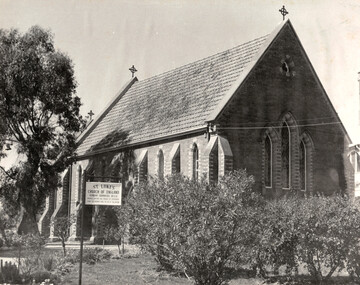
Document - National Trust Collection: Churches of Bendigo and Inglewood, Nov 7th 1965
... It records the original purpose, present use, and current name of the building.Requires a precise address or location description for site visits.It captures special features or points of interest not visible in photographs. It documents the present owner and occupant, including their addresses, the date of initial construction and supporting evidence for that date. 3084.36f Handwritten letter re history of St Johns Presbyterian Church Bendigo, 13th October 1980 - author unknown 3084.36g Typed notes - "Interesting information on the Sacred Heart Cathedral Bendigo", and hand-written notes on St Pauls Cathedral. 3084.36h Two pages of typed notes. ...It records the original purpose, present use, and current name of the building.Requires a precise address or location description for site visits.It captures special features or points of interest not visible in photographs. It documents the present owner and occupant, including their addresses, the date of initial construction and supporting evidence for that date. 3084.36f Handwritten letter re history of St Johns Presbyterian Church Bendigo, 13th October 1980 - author unknown 3084.36g Typed notes - "Interesting information on the Sacred Heart Cathedral Bendigo", and hand-written notes on St Pauls Cathedral. 3084.36h Two pages of typed notes. ...St LUKES ANGLICAN CHURCH BENDIGO In 1852, a party of Cornish miners, refusing to give up and having dug, by hand, down nearly 70 feet ‘got their reward. Suddenly, their picks sank into soft pipe-clay, white, satin-smooth and seemingly depthless. The men began tunnelling. Presently, the roof forming above them showered gold at their feet – the secret of Bendigo’s famous White Hills lay revealed.’ In the ‘wild rush’ that followed, when ‘the White Hills yielded enormously and some pretty piles were made’, a young Anglican priest, John Herbert Gregory, held the first Anglican church service at White Hills in 1853. The Hamlet of White Hills was surveyed and mapped in 1854 and, by 1863, St Luke’s Church in White Hills was opened on ‘an elevated site’ in a generously sized ‘church reserve’. St AUGUSTINE'S CHURCH MYERS FLAT Early diggers to this area were men named Myers and Nicholls, hence the name - Myers Flat and Myers Creek. 1857 saw the discovery of gold in the area and in less than one month 1000 ounces of gold per week resulted. The number of diggers in the Myers Creek or Burnt Gully totalled 4000 to 5000. Myers Creek consisted of several shops and buildings, two hotels, a race course and a lock-up built of logs. On November 6th, 1864, the opening of the new church of St Augustine' took place. The first mass was celebrated by the Reverand Dean Hayes, of St Killian's Sandhurst. The church of gothic design was built by a local contractor, and with bricks made from local clay. The church also has a fire place and is widely known as "The church with the Chimney. For many years it was also a Catholic school. St AUGUSTINE'S CHURCH INGLEWOOD The church features an Early English design from 1864 and Decorated Gothic extensions from 1884.Notable elements include the sanctuary with the Catto Memorial window and interior cusped arcading of the wainscot. Architectural attribution is given to Vahland and Getzschmann for one or both sections. St JOHNS CHURCH (PRESBYTERIAN) BENDIGO The church's architect was W C Vahland VIA, and the builder was N Langstaff. It was built in April 1890, and opened in Feb 1891. The tender price was 2,481 pounds. The church style was gothic, built by the Congregational Church to replace an earlier building built in 1858. St Johns bought the church in 1949 and made additions in 1951. THE SACRED HEART CATHEDRAL BENDIGO Originally designed in 1895 by Reed, Smart and Tappin of Melbourne, the first stage opened in September 1901; the second stage began in January 1954 and was expected to finish in late 1976. Skilled stonemasons were brought from overseas for the completion. The Exterior built from Geelong sandstone and Harcourt granite, matching the original materials for color consistency. The cathedral is designed in the early English Gothic style. It Features a tower and spire weighing several thousand tons, with the spire rising 282 ft. from the floor and topped by a 10 ft. cross.Interior. The original stained glass window, made in Birmingham, England, is above the main entrance on the west side. Marble for the floor was imported from Vincenzo and Via Reggio, Italy; Sicilian Pearl marble is used in the four chapels. Ceilings in the chapels feature Western red cedar and yellow pine timbers.The transept includes Australian blackwood paneling and 12 carved shields representing the apostles. The internal height from floor to ceiling is 80 ft.Artistic Elements. Two large tapestries, specially designed and crafted by Mrs. Carrington, hang in the sanctuary as a symbolic link to Bendigo. ST PAULS BENDIGO The nave was built in 1868 and the tower in 1873. The nave is notable for unusual ceiling with metal and timber overlay members. The tower notable for early brick and bold Gothic influenced design. The church was opened on 12th Nov 1868 and a new chancel sanctuary and Transepts were added on 22 Oct 1927. The architect was Robert A Love. CONGREGATIONAL CHURCHES IN BENDIGO Three main Congregational church buildings existed in Bendigo: at the corner of Forest and Mackenzie Streets (the original site), on Quarry Hill (corner of Russell and Gladstone Streets), and on Calvin Street (later the Lutheran Church). The Calvin Street church was named in honor of John Calvin, a notable figure who lived in the area. In June 1858, 1.5 acres of land were purchased at the Forest and Mackenzie Streets corner for £1200.The first church was built on this site in November 1858 and later enlarged in May 1867 to seat 500 people. A prefabricated parsonage stood nearby until about 1920, serving as a caretaker's cottage for several years. In 1890, foundation stones for a new church designed by W.C. Vahland were laid, featuring a tall tower and two gable crossings (reduced from three to save costs). The new church opened on February 26, 1890, costing £2483. The contractor was N. Longstaff. Some architectural elements, such as the chancel, were added later when St. John's Presbyterian took over the building. Congregational attendance declined, leading to the purchase and alteration of a brick school complex in Olinda Street to serve as their headquarters.The timber church on Russell Street and the Calvin Street property were sold.The valuable Forest Street property was eventually sold to a London sect and later became an investment for the Methodist Church.Historical information on seven denominational churches in Bendigo and Inglewood. This item contains the following items: 3084.36a Black and white photo of St Lukes Bendigo Church of England, Napier Street, White Hills. 3084.36b St Augustine's Church Myers Flat 100 years newsletter 1965. The newsletter's purpose is for a Commemorative afternoon mass in memory of the pioneers of Myers Flat and district.Celebration of the 101st anniversary of the first mass at St. Augustine's Church; on Sunday, November 7th, 1965, at 2:00 PM.Location: St. Augustine's Church, Myers Flat. The invitation is extended to the recipient and their friends. This invitation serves both as a memorial and a community gathering to honour local history. Also included is some hand-written history notes of the church - See the notes in the Historical Section above. 3084.36c This document is a formal letter dated 9th November 1970 from the National Trust of Australia (Victoria) to Bishop Bernard Stewart. St. Augustine's Church in Bendigo has been awarded a "D" classification by the National Trust's expert committee. The church is now officially "recorded" by the National Trust. The letter is addressed to Bishop Bernard Stewart, with copies sent to Father Louis McDonnell (Eaglehawk), A. J. Watts (Town Clerk, Bendigo), and Mrs. R. R. Adams (Secretary, Central Victorian Branch). 3084.36d This document is a formal letter from the National Trust of Australia (Victoria) to Miss L. Doble, Registrar of the Bendigo Church of England Diocese, dated March 20, 1973. St. Augustine's Church of England in Inglewood has been officially placed on the National Trust's Classified List. This classification recognizes the church as essential to Australia's heritage and emphasizes its preservation. The church features an Early English design from 1864 and Decorated Gothic extensions from 1884.Notable elements include the sanctuary with the Catto Memorial window and interior cusped arcading of the wainscot. Architectural attribution is given to Vahland and Getzschmann for one or both sections. The church is about to celebrate the centenary of its consecration on May 13, with the Archbishop expected to attend. 3084.36e This document is a survey form used by the National Trust of Australia (Victoria) to collect detailed information about St Augustine's Church at Myers Flat. It records the original purpose, present use, and current name of the building.Requires a precise address or location description for site visits.It captures special features or points of interest not visible in photographs. It documents the present owner and occupant, including their addresses, the date of initial construction and supporting evidence for that date. 3084.36f Handwritten letter re history of St Johns Presbyterian Church Bendigo, 13th October 1980 - author unknown 3084.36g Typed notes - "Interesting information on the Sacred Heart Cathedral Bendigo", and hand-written notes on St Pauls Cathedral. 3084.36h Two pages of typed notes. Three main Congregational church buildings existed in Bendigo: at the corner of Forest and Mackenzie Streets (the original site), on Quarry Hill (corner of Russell and Gladstone Streets), and on Calvin Street (later the Lutheran Church). 3084.36i Hand-written notes on St Pauls Cathedral.history, church, national trust bendigo collection, sacred heart cathedral bendigo, st augustine's church myers flat, st pauls church bendigo, st johns presbyterian church bendigo, congregational church bendigo -
 Bendigo Historical Society Inc.
Document - National Trust Collection: Forest Street, Bendigo, 1970 to 1990s
... construction just before that date. The survey was conducted to support the building's classification as a heritage site and includes correspondence verifying construction dates and historical significance. ...construction just before that date. The survey was conducted to support the building's classification as a heritage site and includes correspondence verifying construction dates and historical significance. ...51 FOREST STREET Bendigo The house was under construction in 1860 and completed by the next rate assessment. George Wright likely purchased the land and house from John Melerson, demolished the original building, and constructed a new one. "Old Law" memorials can provide details on the date of transfer and purchase price. Notable alterations occurred in 1871 and 1917, inferred from £10 rate increases, though the specific improvements are speculative.Additional rate increases in 1864 and between 1921–1931 matched general valuation rises in the area. Thomas Hawkey lived at the address from at least 1866, with family events recorded there through the 1870s. His financial success later enabled him to build another house in 1882. Other owners and tenants, such as William Weeks Barker, could be further researched through probate papers for more details about the property. 55 FOREST STREET Bendigo The house was likely built around 1864 for George Vibert, as indicated by rate book records showing payments starting in 1863 and increasing in 1865, suggesting construction just before that date. The survey was conducted to support the building's classification as a heritage site and includes correspondence verifying construction dates and historical significance. The property is a six-roomed brick cottage from circa 1864.Notable features include arched door and window openings, French windows, and a timber front verandah (though the original trim is missing).The roof is constructed with massive King posts and Butt purlins, considered architecturally interesting. Most windows, woodwork, floors, and two mantlepieces are original.Structural changes have been minimal, limited to the extension and enclosure of the back verandah.3084.45c 51 Forest Street Bendigo Heritage Research Report and Certificate of Title (1993). 113 Forest Street Letter to the Bendigo Council in 1992 from the National Trust Bendigo (Apply to the Society for Details). 3084.45e This letter refers to the historical and architectural survey of the heritage-listed building at 55 Forest Street, Bendigo, prepared for the National Trust of Australia (Victoria). Contact BHS for more details.history, national trust bendigo collection, bendigo, forest street -
 Bendigo Historical Society Inc.
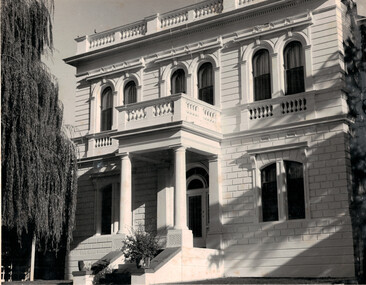
Document - National Trust Collection: Bendigo Home and Hospital for the Aged, 1860-1970s
... site in Barnard Street was established. The original building was designed by architect Robert A. Love, with construction by contractor Crawford and Clerk of Works Rigley. ...site in Barnard Street was established. The original building was designed by architect Robert A. Love, with construction by contractor Crawford and Clerk of Works Rigley. ...The Bendigo Benevolent Home was founded in 1857, with the main building inaugurated on March 15, 1860. The original site was chosen to avoid mining areas and was granted by the government. Early temporary premises were used before the current site in Barnard Street was established. The original building was designed by architect Robert A. Love, with construction by contractor Crawford and Clerk of Works Rigley. The structure features a basement (kitchen, storage, cellars, staff apartments), a first floor (large dining room, additional rooms), and upper floors (dormitories). The building uses the arch principle and includes hot air heating, lavatories, and good ventilation. A significant memorial stone of Harcourt granite was laid in December 1872, forming part of the building's front elevation. Additions and modifications were made over time, including a west wing in 1868 to house 50 girls, and further expansions by architects Vahland & Getchmann. The central block has seen little external alteration since completion, except for a small glassed-in wind shield.The Porter's Lodge and Superintendent's Residence remain in good condition.Some ancillary buildings have been modified or are at risk of demolition due to new construction.Typed History of the hospital, and letters regarding classification status and two A4 sized photos of the front of the building. This item contains the following documents: 3084.52a Black and White Photo of the Bendigo Benevolent Asylum Front Entrance 3084.52b Another Black and White Photo of the Bendigo Benevolent Asylum Front Entrance 3084.52c National Trust of Australia (Victoria) survey and data sheet 3084.52d Letters regarding the classification by the National Trust (Contact BHS for details) 3084.52e Handwritten Notes on the History of the Home and Hospital for the Aged (Contact BHS for details)history, national trust bendigo collection, bendigo, benevolant home bendigo, benevolant asylum bendigo, home and hospital for the aged bendigo, ann caudle centre bendigo -
 Bendigo Historical Society Inc.
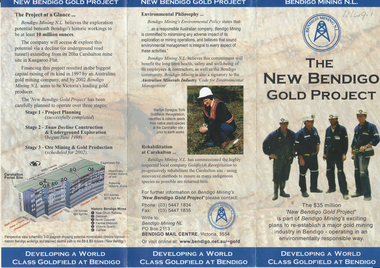
Flyer - Kangaroo Flat Gold Mine Collection: New Bendigo Gold Project, Bendigo Mining NL, P.O. Box 2113, Mail Centre, Not dated
... Brochure details stages of New Bendigo Gold Project including: project planning, decline construction and exploration, mining and production and environmental philosphy. A detailed map of the Bendigo Mining N.L. Carshalton Mine Site...Brochure details stages of New Bendigo Gold Project including: project planning, decline construction and exploration, mining and production and environmental philosphy. A detailed map of the Bendigo Mining N.L. Carshalton Mine Site ...Colour trifold information brochure (2 copies). On front: 'New Bendigo Gold Project.' On front: four miners dressed in overalls and hard hats. Brochure details stages of New Bendigo Gold Project including: project planning, decline construction and exploration, mining and production and environmental philosphy. A detailed map of the Bendigo Mining N.L. Carshalton Mine Site and a brief history of Bendigo gold discovery is included. bendigo mining n.l., bendigo, mining, gold, kangaroo flat, environmental study, project planning, decline construction and exploration, mining and production -
 Bendigo Historical Society Inc.
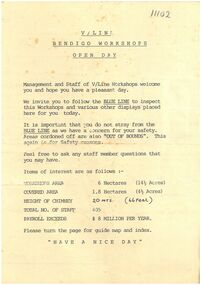
Ephemera - V/Line Bendigo workshops 'Open Day' leaflet
... site of the first VR brass foundry, which was transferred to Newport by the 1960s. Also, throughout 1965, VLX louvred vans were constructed at the workshops, at a rate of one a week. Other tasks included spring manufacture, construction...site of the first VR brass foundry, which was transferred to Newport by the 1960s. Also, throughout 1965, VLX louvred vans were constructed at the workshops, at a rate of one a week. Other tasks included spring manufacture, construction ...The workshops were opened in November 1917 by the Victorian Railways. It opened in response to political pressures from provincial groups for decentralisation, with the Victorian Railways preferring the cheaper option of expanding the existing Newport Workshops in suburban Melbourne. Furthermore, unemployment had risen in both Bendigo and Ballarat due to a decline in mining operations. The main work carried out was repairs and maintenance of existing wagons and locomotives, however during 1919-22 thirteen new steam locomotives were also built - eight DD class (1033 - 1037, 1047 - 1049) and five A2 class (1078 - 1082). From the 1950s onwards, numerous steam locomotives were scrapped at the workshops. During the years immediately following nominal dieselisation in 1968, they were, at times, cutting up locomotives at the rate of one every two to three weeks. The workshops were also the site of the first VR brass foundry, which was transferred to Newport by the 1960s. Also, throughout 1965, VLX louvred vans were constructed at the workshops, at a rate of one a week. Other tasks included spring manufacture, construction of stainless steel footwarmers, and assembly of pantographs for electric trains, with a staff of 720 employed during 1966. By the 1980s, refurbishment work was also being carried out on Melbourne suburban electric multiple units. The 1980s were also a time of restructuring, and on the breakup of the Victorian Railways the workshops passed to the State Transport Authority and then the Public Transport Corporation. With privatisation the workshops were closed, with the loss of 262 jobs. In February 1996, the workshops were taken over by A Goninan & Co. In October 1999 the workshops were purchased by Great Northern Rail Services, with A Goninan & Co remaining as a tenant. In February 2001 A Goninan & Co vacated the site. The workshops were redeveloped in 2002 at a cost of $6.5 million - $4 million from VicTrack, $2 million from the State Government Regional Infrastructure Development Fund and $500,000 by the City of Greater Bendigo. The Bendigo Rail Workshops at North Bendigo are currently used by Southern Shorthaul Railroad to maintain broad gauge rolling stock for Pacific National, V/Line, Metro Trains Melbourne and CFCLA.Typed document. A4 page folded in half. On tan paper. Document pertaining to Bendigo V/Line workshops open day. Map on inside of folded page. Undated document.train, v/line, workshops, open day -
 Bendigo Historical Society Inc.
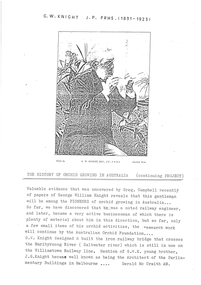
Document - George William Knight, Australian Orchid Foundation, 16.10.2003
... construction of a railway line to Williamstown and the Sunbury section of the main railway line to Bendigo. Subsequently, he established a vineyard at Sunbury but soon sold it and moved to Bendigo, where he held the position of City Surveyor until retiring in 1886. During that period, he established nurseries, vineyards and orchards on four different sites...construction of a railway line to Williamstown and the Sunbury section of the main railway line to Bendigo. Subsequently, he established a vineyard at Sunbury but soon sold it and moved to Bendigo, where he held the position of City Surveyor until retiring in 1886. During that period, he established nurseries, vineyards and orchards on four different sites ...George Knight was born in London in 1831. He qualified as an architect and practised as a civil engineer before coming to Australia with a younger brother in 1854. He was appointed Government Engineer shortly after arriving in Victoria, and supervised the construction of a railway line to Williamstown and the Sunbury section of the main railway line to Bendigo. Subsequently, he established a vineyard at Sunbury but soon sold it and moved to Bendigo, where he held the position of City Surveyor until retiring in 1886. During that period, he established nurseries, vineyards and orchards on four different sites in and around Bendigo, trading as the Knight Brothers. The Rosenberg nursery at Back Creek was established on former gold diggings - only after turning over the whole site to unearth the fertile soil and bury the clay and gravel that the miners had brought to the surface. One of the noteworthy plants at the nursery was a rose 'bush' measuring 19 metres long, 13 metres wide and 4 metres high. Another was the 'Grand Centennial' grape vine, bred from a Waltham cross, that yielded grapes measuring 35 mm long and 28 mm in diameter. It won a silver medal for the 'newest and finest grape variety raised in the colony' at the Melbourne Centennial Exhibition in 1895.Four page photocopied document, includes letter from Australian Orchid Foundation (16/10/2003) addressed to the Bendigo Historical Society re George William Knight, seeking a copy of a portrait of Knight; one page article on Knight and his role as a pioneer of orchid growing in Australia (by Gerald McCraith, AM) and a two page article titled 'George W. Knight, one of Victoria's earliest orchid growers, by Greg Campbell, Gerald McCraith AM and Brian Milligan.george william knight, bendigo, nursery, rosenberg nursery, back creek, grapes, roses, orchids -
 Bendigo Historical Society Inc.
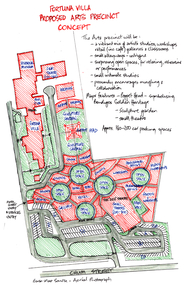
Document - Fortuna - Villa Proposed Arts Precinct Concept, Abt 2000
... site. The planning permit application was approved in 2016 and construction is set to start in late 2017. ...site. The planning permit application was approved in 2016 and construction is set to start in late 2017. ...While early proposals to turn the historic Fortuna Villa Estate into a public arts precinct (similar to Melbourne's Abbotsford Convent) gained community traction, the site has transitioned. The iconic gold rush mansion and grounds at 22 Chum Street is now a private residence and exclusive community space for the neighboring residential development, offering public functions and high teas by booking. The Tomkinson Group gained approval in 2016 to provide key town planning, engineering, surveying and project management services for the redevelopment of Bendigo’s iconic Fortuna Villa. They have been involved in consultation with Heritage Victoria, Council Planning, Heritage & Engineering, Environmental, Landscape and Heritage consultants all working cooperatively towards a sensitive urban renewal residential design for the site. The planning permit application was approved in 2016 and construction is set to start in late 2017. The residential development is great opportunity for the proposed re-invigoration of Bendigo’s historic “Fortuna Villa”, and Tomkinson Group is proud to be an integral part of the process. The concept consists of 79 high end architecturally designed townhouses, built to subtly enjoy the beautiful views and acres of parkland once part of the mansion estate. The exciting 55 million dollar project proposed for the mansion grounds will sensitively allow for a unique medium density housing development, diversifying the housing options available in Bendigo, whilst maintaining the integrity of the historic Villa and a portion of the grounds, which will be open to the public for high teas and functions. The project is not without its challenges however. The topography is steep, the soil has been contaminated and contains fill from mining days, and the historic aspects of the property must be treated with a great deal of care, however the positives far outweigh the negatives. Together with the architect and client we have resolved these issues to allow this exciting development to proceed. The site has an idyllic central city location, fantastic views of both Bendigo and the Villa itself, and the established grounds provide an attractive aesthetic basis for the proposed residences.Fortuna - Villa Proposed Arts Precinct Concept This item contains the following documents: 11217.72a Sketch of the proposed Arts Precinct off Chum Street 11217.72b 28 pages of proposed sketches and designs 11217.72c Four A3 size plans of Fortunanon-fictionbendigo, fortuna, george lansell, fortuna proposed arts precinct, tomkinson fortuna villa project -
 Bendigo Historical Society Inc.
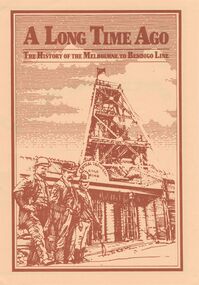
Document - A LONG TIME AGO: THE HISTORY OF THE MELBOURNE TO BENDIGO LINE
... A schematic 'strip' map of the line with particular places (approx 40) marked on the route with short descriptions of these sites. Concise description of the construction of the line; a summary of present attractions for the visitor to Bendigo and V/Line information....A schematic 'strip' map of the line with particular places (approx 40) marked on the route with short descriptions of these sites. Concise description of the construction of the line; a summary of present attractions for the visitor to Bendigo and V/Line information. ...'A LONG TIME AGO: THE HISTORY OF THE MELBOURNE TO BENDIGO LINE' Bi-fold publication. A schematic 'strip' map of the line with particular places (approx 40) marked on the route with short descriptions of these sites. Concise description of the construction of the line; a summary of present attractions for the visitor to Bendigo and V/Line information.Walker Printing Bendigorailways, bendigo to melbourne, brochure, barkers creek , harcourt, elphinstone tunnel, malsmbury, malmsbury viaduct, kyneton, carlsruhe, hanging rock, woodend, mount macedon, riddells creek, clarkefield hotel, rupertswood, sunbury, diggers rest, sydenham, st albans, spencer street. v/line. -
 Bendigo Historical Society Inc.
Slide - RALPH BIRRELL COLLECTION: EIG SCHOOL, c1966
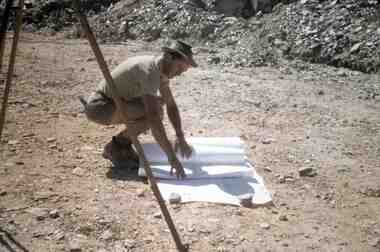
... Construction of Latrobe Uni. C1966. Bendigo Institute of Technology... Engineering School... Applied Science. Workman site...Construction of Latrobe Uni. C1966. Bendigo Institute of Technology, Engineering School, Applied Science. Workman with site...Construction of Latrobe Uni. C1966. Bendigo Institute of Technology Engineering School Applied Science. Workman site ...EIG School - Ralph Birrell Collection. - Construction of Latrobe Uni. C1966. Bendigo Institute of Technology, Engineering School, Applied Science. Workman with site plans and surveyors tripod.Kodakeducation, tertiary, latrobe university bendigo, eig school - ralph birrell collection. - construction of latrobe uni. c1966. bendigo institute of technology, engineering school, applied science. workman site plans surveyors tripod. -
 Bendigo Historical Society Inc.
Slide - RALPH BIRRELL COLLECTION: EIG SCHOOL, c1966
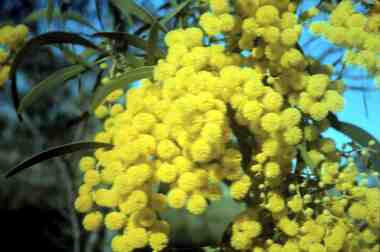
... Construction of Latrobe Uni. C1966. Bendigo Institute of Technology, Engineering School, Applied Science. Wattle growing on site...Construction of Latrobe Uni. C1966. Bendigo Institute of Technology, Engineering School, Applied Science. Wattle growing on site ...EIG School - Ralph Birrell Collection. - Construction of Latrobe Uni. C1966. Bendigo Institute of Technology, Engineering School, Applied Science. Wattle growing on site.Kodakeducation, tertiary, latrobe university bendigo, eig school - ralph birrell collection. - construction of latrobe uni. c1966. bendigo institute of technology, engineering school, applied science. wattle -
 Bendigo Historical Society Inc.
Slide - RALPH BIRRELL COLLECTION: EIG SCHOOL, c1966
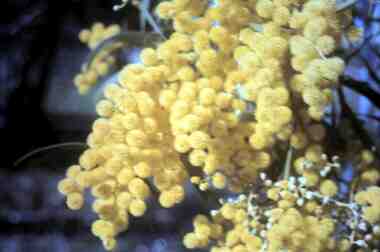
... Construction of Latrobe Uni. C1966. Bendigo Institute of Technology, Engineering School, Applied Science. Wattle growing on site...Construction of Latrobe Uni. C1966. Bendigo Institute of Technology, Engineering School, Applied Science. Wattle growing on site ...EIG School - Ralph Birrell Collection. - Construction of Latrobe Uni. C1966. Bendigo Institute of Technology, Engineering School, Applied Science. Wattle growing on site.Kodakeducation, tertiary, latrobe university bendigo, eig school - ralph birrell collection. - construction of latrobe uni. c1966. bendigo institute of technology, engineering school, applied science. wattle -
 Bendigo Historical Society Inc.
Slide - RALPH BIRRELL COLLECTION: EIG SCHOOL, c1966
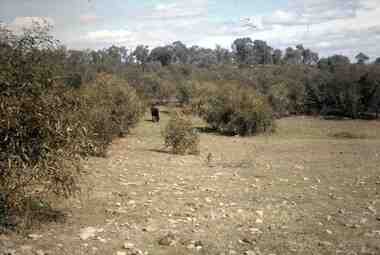
... Construction of Latrobe Uni. C1966. Bendigo Institute of Technology... Engineering School... Applied Science. Cow grazing on site...site. Gives a good idea of what the land was used for prior to construction....Construction of Latrobe Uni. C1966. Bendigo Institute of Technology Engineering School Applied Science. Cow grazing on site ...EIG School - Ralph Birrell Collection. - Construction of Latrobe Uni. C1966. Bendigo Institute of Technology, Engineering School, Applied Science. Cow grazing on site or nearby site. Gives a good idea of what the land was used for prior to construction.Kodakeducation, tertiary, latrobe university bendigo, eig school - ralph birrell collection. - construction of latrobe uni. c1966. bendigo institute of technology, engineering school, applied science. cow grazing on site. idea of what the land was used -
 Bendigo Historical Society Inc.
Slide - RALPH BIRRELL COLLECTION: EIG SCHOOL, c1966
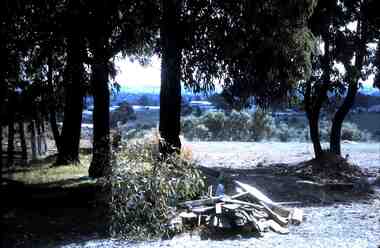
... Construction of Latrobe Uni. C1966. Bendigo Institute of Technology, Engineering School, Applied Science. View of possibly the Flora Hill High School or the Flora Hill Primary School from the site of the La Trobe University....Construction of Latrobe Uni. C1966. Bendigo Institute of Technology, Engineering School, Applied Science. View of possibly the Flora Hill High School or the Flora Hill Primary School from the site of the La Trobe University. ...EIG School - Ralph Birrell Collection. - Construction of Latrobe Uni. C1966. Bendigo Institute of Technology, Engineering School, Applied Science. View of possibly the Flora Hill High School or the Flora Hill Primary School from the site of the La Trobe University.Kodakeducation, tertiary, latrobe university bendigo, eig school - ralph birrell collection. - construction of latrobe uni. c1966. bendigo institute of technology, engineering school, applied science. flora hill high school flora hill primary school -
 Bendigo Historical Society Inc.
Slide - RALPH BIRRELL COLLECTION: EIG SCHOOL, c1966
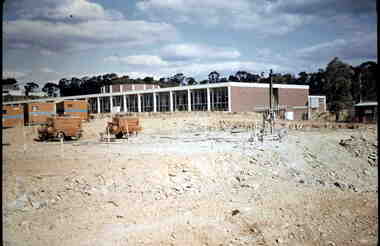
... Construction of Latrobe Uni. C1967. Bendigo Institute of Technology... Engineering School... Applied Science. air compressors work huts site...Construction of Latrobe Uni. C1967. Bendigo Institute of Technology, Engineering School, Applied Science. 2 air compressors and some work huts on site....Construction of Latrobe Uni. C1967. Bendigo Institute of Technology Engineering School Applied Science. air compressors work huts site Kodak EIG School - Ralph Birrell Collection. - Construction of Latrobe Uni. ...EIG School - Ralph Birrell Collection. - Construction of Latrobe Uni. C1967. Bendigo Institute of Technology, Engineering School, Applied Science. 2 air compressors and some work huts on site.Kodakeducation, tertiary, latrobe university bendigo, eig school - ralph birrell collection. - construction of latrobe uni. c1967. bendigo institute of technology, engineering school, applied science. air compressors work huts site -
 Bendigo Historical Society Inc.
Slide - RALPH BIRRELL COLLECTION: EIG SCHOOL, c1966
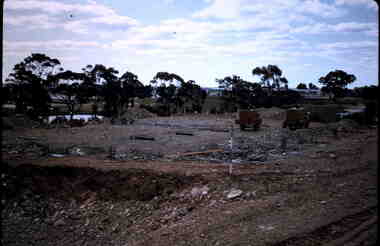
... Construction of Latrobe Uni. C1967. Bendigo Institute of Technology... Engineering School... Applied Science. Site...Construction of Latrobe Uni. C1967. Bendigo Institute of Technology, Engineering School, Applied Science. Site...Construction of Latrobe Uni. C1967. Bendigo Institute of Technology Engineering School Applied Science. Site ...EIG School - Ralph Birrell Collection. - Construction of Latrobe Uni. C1967. Bendigo Institute of Technology, Engineering School, Applied Science. Site levelled and reinforcing is about to go in place. Height poles in place.Kodakeducation, tertiary, latrobe university bendigo, eig school - ralph birrell collection. - construction of latrobe uni. c1967. bendigo institute of technology, engineering school, applied science. site levelled reinforcing height poles -
 Bendigo Historical Society Inc.
Slide - RALPH BIRRELL COLLECTION: EIG SCHOOL
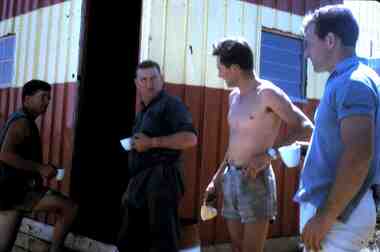
... Construction of Latrobe Uni. C1966. Bendigo Institute of Technology... Engineering School... Applied Science. 4 workmen break site...Construction of Latrobe Uni. C1966. Bendigo Institute of Technology, Engineering School, Applied Science. 4 workmen taking a break on site....Construction of Latrobe Uni. C1966. Bendigo Institute of Technology Engineering School Applied Science. 4 workmen break site. ...EIG School - Ralph Birrell Collection. - Construction of Latrobe Uni. C1966. Bendigo Institute of Technology, Engineering School, Applied Science. 4 workmen taking a break on site.Kodakeducation, tertiary, latrobe university bendigo, eig school - ralph birrell collection. - construction of latrobe uni. c1966. bendigo institute of technology, engineering school, applied science. 4 workmen break site. -
 Bendigo Historical Society Inc.
Slide - RALPH BIRRELL COLLECTION: EIG SCHOOL, c1967
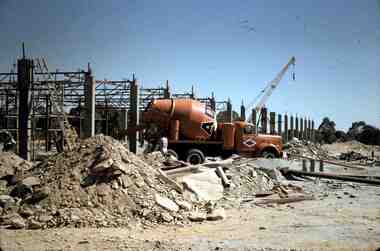
... Construction of Latrobe Uni. C1967. Bendigo Institute of Technology, Engineering School, Applied Science. Cement mixer on site...Construction of Latrobe Uni. C1967. Bendigo Institute of Technology, Engineering School, Applied Science. Cement mixer on site ...EIG School - Ralph Birrell Collection. - Construction of Latrobe Uni. C1967. Bendigo Institute of Technology, Engineering School, Applied Science. Cement mixer on site, crane in background.Kodakeducation, tertiary, latrobe university bendigo, eig school - ralph birrell collection. - construction of latrobe uni. c1967. bendigo institute of technology, engineering school, applied science. cement mixer, crane -
 Bendigo Historical Society Inc.
Slide - RALPH BIRRELL COLLECTION: EIG SCHOOL, c1967
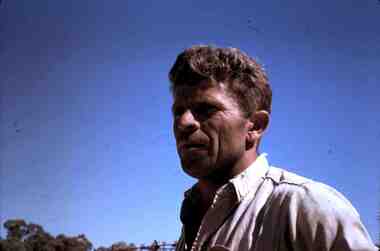
... Construction of Latrobe Uni. C1967. Bendigo Institute of Technology, Engineering School, Applied Science. A workman at the site...Construction of Latrobe Uni. C1967. Bendigo Institute of Technology, Engineering School, Applied Science. A workman at the site ...EIG School - Ralph Birrell Collection. - Construction of Latrobe Uni. C1967. Bendigo Institute of Technology, Engineering School, Applied Science. A workman at the site, name unknown.Kodakeducation, tertiary, latrobe university bendigo, eig school - ralph birrell collection. - construction of latrobe uni. c1967. bendigo institute of technology, engineering school, applied science. workman -
 Bendigo Historical Society Inc.
Slide - RALPH BIRRELL COLLECTION: EIG SCHOOL, c1967
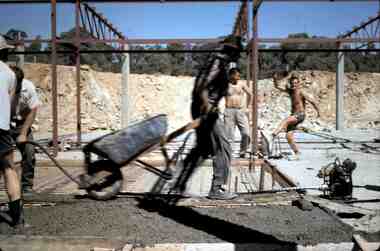
... Construction of Latrobe Uni. C1967. Bendigo Institute of Technology, Engineering School, Applied Science. 5 workmen working on site, one having some fun, one in foreground with wheel barrow....Construction of Latrobe Uni. C1967. Bendigo Institute of Technology, Engineering School, Applied Science. 5 workmen working on site, one having some fun, one in foreground with wheel barrow. ...EIG School - Ralph Birrell Collection. - Construction of Latrobe Uni. C1967. Bendigo Institute of Technology, Engineering School, Applied Science. 5 workmen working on site, one having some fun, one in foreground with wheel barrow.Kodakeducation, tertiary, latrobe university bendigo, eig school - ralph birrell collection. - construction of latrobe uni. c1967. bendigo institute of technology, engineering school, applied science. workmen, fun, wheel barrow. -
 Bendigo Historical Society Inc.
Slide - RALPH BIRRELL COLLECTION: EIG SCHOOL, c1966
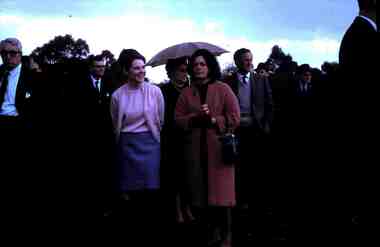
... Latrobe Uni Construction, c1965-69. People gathered at the site of the Latrobe Universary. ...Latrobe Uni Construction, c1965-69. People gathered at the site of the Latrobe Universary. ...EIG School - Ralph Birrell Collection. Latrobe Uni Construction, c1965-69. People gathered at the site of the Latrobe Universary. Markings in red, 10 66M8. In yellow, Made in Australia.Kodakeducation, tertiary, latrobe university bendigo, eig school - ralph birrell collection -
 Bendigo Historical Society Inc.
Slide - RALPH BIRRELL COLLECTION: EIG SCHOOL, c1966
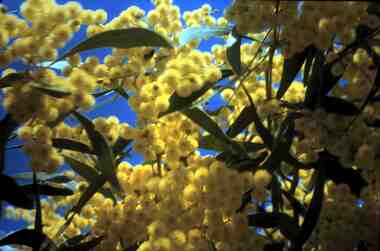
... Construction of Latrobe Uni. C1966. Bendigo Institute of Technology, Engineering School, Applied Science. Close up off wattle growing on the Latrobe University site. ...Construction of Latrobe Uni. C1966. Bendigo Institute of Technology, Engineering School, Applied Science. Close up off wattle growing on the Latrobe University site. ...EIG School - Ralph Birrell Collection. - Construction of Latrobe Uni. C1966. Bendigo Institute of Technology, Engineering School, Applied Science. Close up off wattle growing on the Latrobe University site. C1988. Markings In black 20 SEP 66M8.. In yellow Made in Australia.Kodakeducation, tertiary, latrobe university bendigo, eig school - ralph birrell collection. - construction latrobe uni. c1966. bendigo institute of technology, engineering school, applied science. wattle growing latrobe university. c1988. -
 Bendigo Historical Society Inc.
Slide - RALPH BIRRELL COLLECTION: EIG SCHOOL, c1966
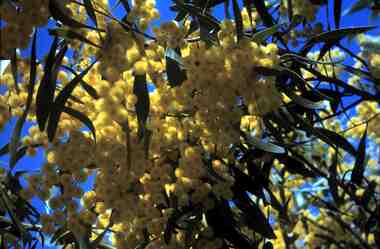
... Construction of Latrobe Uni. C1966. Bendigo Institute of Technology, Engineering School, Applied Science. Wattle growing on the site...Construction of Latrobe Uni. C1966. Bendigo Institute of Technology, Engineering School, Applied Science. Wattle growing on the site of the Latrobe University. ...EIG School - Ralph Birrell Collection. - Construction of Latrobe Uni. C1966. Bendigo Institute of Technology, Engineering School, Applied Science. Wattle growing on the site of the Latrobe University. Markings Black print, 22 SEP 66m8. In yellow Made in Australia. C1966Kodakeducation, tertiary, latrobe university bendigo, eig school - ralph birrell collection. - construction of latrobe uni. c1966. bendigo institute of technology, engineering school, applied science. wattle growing -
 Bendigo Historical Society Inc.
Slide - RALPH BIRRELL COLLECTION: EIG SCHOOL, 1966
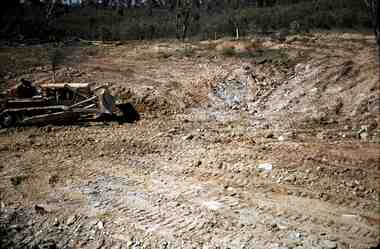
... Construction of Latrobe Uni. C1967. Bendigo Institute of Technology... Engineering School... Applied Science. Workman grader... grading site...Construction of Latrobe Uni. C1969. Bendigo Institute of Technology, Engineering School, Applied Science. Workman with grader, he has been grading the site ready for paths, gardens etc. ...Construction of Latrobe Uni. C1967. Bendigo Institute of Technology Engineering School Applied Science. Workman grader grading site paths gardens etc. ...EIG School - Ralph Birrell Collection. - Construction of Latrobe Uni. C1969. Bendigo Institute of Technology, Engineering School, Applied Science. Workman with grader, he has been grading the site ready for paths, gardens etc. Markings Made in Australia, MAY 69MKodakeducation, tertiary, latrobe university bendigo, eig school - ralph birrell collection. - construction of latrobe uni. c1967. bendigo institute of technology, engineering school, applied science. workman grader, grading site paths, gardens etc. -
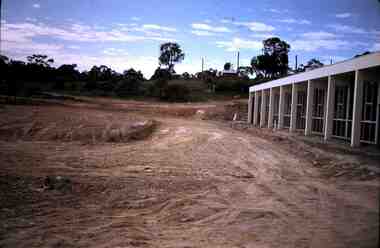 Bendigo Historical Society Inc.
Slide - RALPH BIRRELL COLLECTION: EIG SCHOOL, 1966
... Construction of Latrobe Uni. C1967. Bendigo Institute of Technology... Engineering School... Applied Science. Building appears to be complete... site...Construction of Latrobe Uni. C1967. Bendigo Institute of Technology, Engineering School, Applied Science. Building appears to be complete, site has been cleared of building supplies and construction equipment. ...Construction of Latrobe Uni. C1967. Bendigo Institute of Technology Engineering School Applied Science. Building appears to be complete site cleared building supplies construction equipment. ...EIG School - Ralph Birrell Collection. - Construction of Latrobe Uni. C1967. Bendigo Institute of Technology, Engineering School, Applied Science. Building appears to be complete, site has been cleared of building supplies and construction equipment. Markings: MAY69M, Made in Australia.Kodakeducation, tertiary, latrobe university bendigo, eig school - ralph birrell collection. - construction of latrobe uni. c1967. bendigo institute of technology, engineering school, applied science. building appears to be complete, site cleared building supplies construction equipment. markings: may69m
