
Showing 89 items matching " echuca wharf"
-
 Ballarat Heritage Services
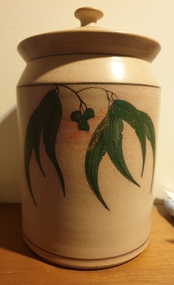
Ceramic - Ceramics, Lidded Ceramic Canister by Echuca Wharf Pottery, c1995
... Lidded Ceramic Canister by Echuca Wharf Pottery......echuca wharf pottery...in 2009 Echuca Wharf Pottery was located at Murray Esplanade and Little Hopwood St, Echuca. ...Hand thrown lidded stonewarw canister with 'Gum Leaf' design by Echuca Wharf Pottery. ...in 2009 Echuca Wharf Pottery was located at Murray Esplanade and Little Hopwood St, Echuca. ...in 2009 Echuca Wharf Pottery was located at Murray Esplanade and Little Hopwood St, Echuca. Lindsay Chandler was a potter at Echuca Wharf Pottery from 1989-1994. Robert Henderson left Redbyrne to work at Echuca Wharf Pottery and then went not to work as a demonstration thrower at Bendigo Pottery.(https://www.flickr.com/groups/1281707@N21/discuss/72157629662786291/)Hand thrown lidded stonewarw canister with 'Gum Leaf' design by Echuca Wharf Pottery. landscape, ceramics, australian landscape pottery, echuca wharf pottery -
 Federation University Historical Collection
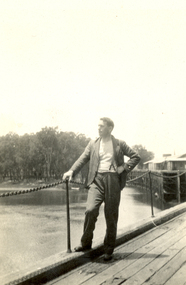
Photograph - Black and White, Frank Wright at Echuca Wharf, mid 1900's
... Frank Wright at Echuca Wharf......echuca wharf...The man is Frank Wright and the place is the Echuca Wharf at Echuca/ Moama on the Murray River....Frank Wright at Echuca Wharf Photograph - Black and White ...Frank Wright was a renown resident of Smeaton, where he was born on 2 August 1901. He lived at Laura Villa, and attended Smeaton State School. His father William was a gold miner and his mother's name was Sarah. Their family won many singing and instrumental awards. Frank was tutored by Percy Code and was awarded a gold medal for the highest marks in the ALCM examinations in the British Colonies at the age of seventeen years. He became the Australian Open Cornet Champion by the age of eighteen. A year later, Frank conducted the City of Ballarat Band, and later the Ballarat Soldiers’ Memorial Band. He formed the Frank Wright Frisco Band and Frank Wright and his Coliseum Orchestra. These bands won many South Street awards, and Frank as conductor won many awards in the Australian Band Championship contest. In 1933 Frank Wright sailed to England to conduct the famous St Hilda’s Band and was later appointed Musical Director of the London County Council, where he organized many amazing concerts in parks, in and around the London district. He was made Professor of Brass and Military Band Scoring and conducted at the Guildhall of Music and Drama. Frank was often invited to adjudicate Brass Band Championships around Europe, in Australia, including South Street and in New Zealand. The Frank Wright Medal at the Royal South Street competition is awarded to an individual recognized as making an outstanding contribution to brass music in Australia.Black and white photograph of a casually dressed man, standing on the River Redgum planks of a wharf and holding onto the chain edging fence. On the right side of the background can be seen wharf buildings which are listed on the Australian Heritage Database. On the left can be seen the far bank covered in trees. The man is Frank Wright and the place is the Echuca Wharf at Echuca/ Moama on the Murray River.frank wright, echuca wharf, murray river -
 Eltham District Historical Society Inc
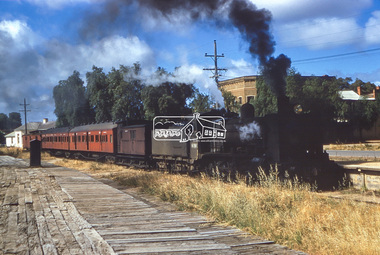
Photograph, George Coop, Steam locomotive K-158 with School train at Echuca Wharf Railway Station, 1960
... Steam locomotive K-158 with School train at Echuca Wharf Railway Station......Echuca Wharf Railway Station...George Coop Collection Echuca Echuca Club Echuca Wharf Railway Station K-158 K-Class Steam Locomotive (VR Newport Workshops) Murray Esplanade Steam Packet Inn Digital TIFF file Scan of 35mm Kodachrome positive transparency Steam locomotive K-158 with School train at Echuca Wharf Railway Station Photograph Photograph George Coop ...Murray Esplanade running parallel. The white building at the far left is the Echuca Club and the brick two-storey building, the Steam Packet Inn. Digital TIFF file Scan of 35mm Kodachrome positive transparencygeorge coop collection, echuca, echuca club, echuca wharf railway station, k-158, k-class steam locomotive (vr newport workshops), murray esplanade, steam packet inn -
 Eltham District Historical Society Inc
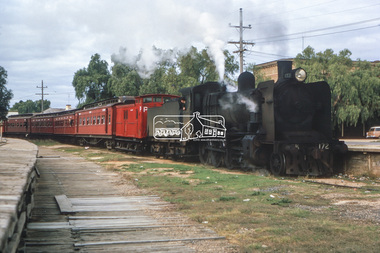
Photograph, George Coop, Steam locomotive K-172 with School train arrives at Echuca Wharf Railway Station, May 1964
... Steam locomotive K-172 with School train arrives at Echuca Wharf Railway Station......Echuca Wharf Railway Station...George Coop Collection Echuca Echuca Wharf Railway Station Murray Esplanade Steam Packet Inn K-172 K-Class Steam Locomotive (VR Newport Workshops) Leslie Street Digital TIFF file Scan of 35mm Kodachrome positive transparency Steam locomotive K-172 with School train arrives at Echuca Wharf Railway Station Photograph Photograph George Coop ...George Coop's Holden Station Sedan can be seen parked in Leslie Street on the right of image. Murray Esplanade running parallel to the train. The two-storey brick building is the Steam Packet Inn. Digital TIFF file Scan of 35mm Kodachrome positive transparencygeorge coop collection, echuca, echuca wharf railway station, murray esplanade, steam packet inn, k-172, k-class steam locomotive (vr newport workshops), leslie street -
 Port of Echuca
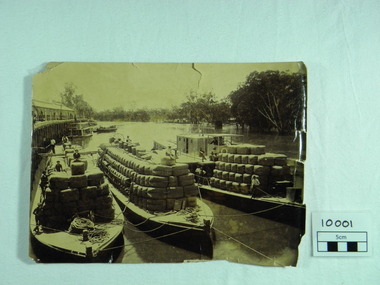
Photograph, P.S. Rodney with barges Horace & Nelson, c.1890
... echuca...wool bales...wharf...P.S.Rodney alongside barges Horace & Nelson, tied to historic Echuca Wharf, with Pride of the Murray paddlesteamer & barge in back ground all vessels loaded with wool bales and crew resting on these. ...Echuca Wharf, Echuca, Victoria, 3564, Australia...This was prior to road & rail transport in the 1800's One of thousands of photos taken depicting the transportation of wool from out- lying properties to the rail head at Port of Echuca using paddlesteamers. farming economy p s rodney port of echuca wool bales wharf barges horrace nelson paddlesteamer rodney echuca Handwritten in pen on lower left back corner "Rodney with barges Horace & Nelson c. 1890" P.S.Rodney alongside barges Horace & Nelson, tied to historic Echuca Wharf, with Pride of the Murray paddlesteamer & barge in back ground all vessels loaded with wool bales and crew resting on these. ...P.S Rodney with barges Horace & Nelson laden with wool bales bought into the Port to be unloaded onto rail trucks to go to markets in Melbourne. c.1890 Paddlesteamers travelled the river systems to bring wool from out- lying properties into the Port of Echuca to be transported by rail to Melbourne. This was prior to road & rail transport in the 1800'sOne of thousands of photos taken depicting the transportation of wool from out- lying properties to the rail head at Port of Echuca using paddlesteamers. P.S.Rodney alongside barges Horace & Nelson, tied to historic Echuca Wharf, with Pride of the Murray paddlesteamer & barge in back ground all vessels loaded with wool bales and crew resting on these. Riverbank lined with red gums. Handwritten in pen on lower left back corner "Rodney with barges Horace & Nelson c. 1890"farming, economy, p s rodney, port of echuca, wool bales, wharf, barges, horrace, nelson, paddlesteamer rodney, echuca -
 Port of Echuca
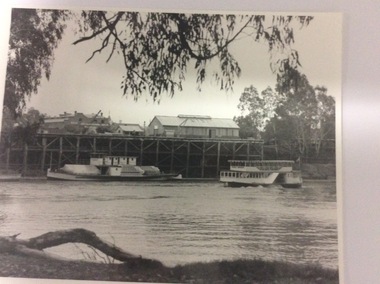
Photograph - Two black and white photographs, 20/09/1984
... echuca wharf...These photographs show the extent of the Echuca Wharf in 1984. They also the cargo shed, the Echuca Wharf Railway Station. ...2 black and white photographs of the Echuca wharf. One is a closer version of the other. ...These photographs show the extent of the Echuca Wharf in 1984. They also the cargo shed, the Echuca Wharf Railway Station. ...These photographs show the extent of the Echuca Wharf in 1984. They also the cargo shed, the Echuca Wharf Railway Station. The P.S Pevensey and P.S Pride of the Murray are also shown.These photographs show the state of the wharf in the 1980,s.2 black and white photographs of the Echuca wharf. One is a closer version of the other. The photograph shows the P.S Pevensey tied up at the wharf with the P.S Pride of the Murray passing upstream. On the paddle steamers The words " Pevensey " and "Pride of the Murray " can be seen. In the background part of the Shackell's bond store inscription can be seen. echuca wharf, p.s pevensey, p.s.pride of the murray, shackell's bond store, rosel, mike -
 Port of Echuca
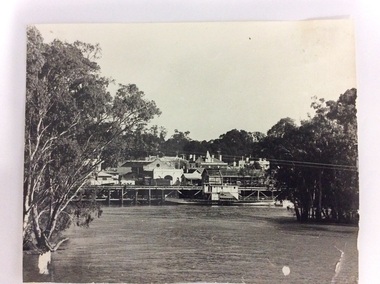
Black and white photograph, 1973 or 1974
... ...Echuca Wharf...Pevensey came to Echuca Wharf in July 1973 along with Kevin Hutchinson OA., a shipwright who stayed with the P.S. ...A black and white rectangular photograph of the P.S Pevensey tied up at Echuca Wharf during a high river probably taken in 1973 or 1974....Pevensey came to Echuca Wharf in July 1973 along with Kevin Hutchinson OA., a shipwright who stayed with the P.S. ...The P.S Pevensey was built in 1910 in Moama by the Permewan Wright Co. Initially she was a barge, called the Mascotte, but by May 1911 she had been converted into the P.S.Pevensey. Initially the P.S.Pevensey was used as for transporting wool from the Murrumbidgee River Stations. In 1932 the P.S Pevensey carried the largest load of wool ever from the Murrumbidgee River. This record was 2600 bales of wool. She was destroyed by fire at Koraleigh Landing later in 1932, but was soon rebuilt.By 1939 she was running a regular service between Morgan and Mildura. By 1958 it was reported that she was moored above Renmark and not working. In 1967 she was sunk by vandals. In 1968 she was bought by Bill and Norm Collins. They refloated her, restored her and moored her at Mildura. The City of Echuca bought the P.S. Pevensey from the Collins Family in 1973, for $20,000. The P.S. Pevensey came to Echuca Wharf in July 1973 along with Kevin Hutchinson OA., a shipwright who stayed with the P.S. Pevensey for the rest of his life. The P.S Pevensey currently works as a Tourist paddle steamer taking cruises from the Echuca Wharf every day. (Ref. Parsons, R. "Ships of the Inland Rivers. P. 116.)This photograph is significant because it shows the wharf in 1973, being converted into a Tourist precinct. The roof of the cargo shed is being repaired. The P.S Pevensey is tied up to the wharf and looks as if it needs more repairs. The buildings in the background are still used as business venues. The Shamrock Hotel can be seen in High Street. A train can also be seen parked on the wharf.A black and white rectangular photograph of the P.S Pevensey tied up at Echuca Wharf during a high river probably taken in 1973 or 1974.On the Bond Store in Murray Esplanade can be seen the words SHACKELL. On the front of the building can be seen the words "Panel & Paint."p.s pevensey, echuca wharf, hutchinson, kevin, collins, norm, collins, bill, city of echuca -
 Port of Echuca
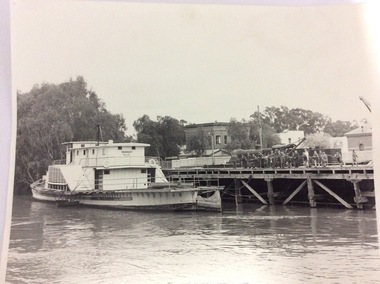
Black and white photograph, 1980? A note has been added by C.J (Claire Jackson) saying that the photo was taken about 1973-74
... Echuca Wharf...The photograph shows the state of the Echuca wharf in 1973 or 1974. The P.S Pevensey looks like it has just received a fresh coat of paint. ...A black and white photograph of the P.S Pevensey tied up to the Echuca Wharf. There is a group of school children leaning over the wire fence at the edge of the wharf. ...The photograph shows the state of the Echuca wharf in 1973 or 1974. The P.S Pevensey looks like it has just received a fresh coat of paint. ...The photograph shows the state of the Echuca wharf in 1973 or 1974. The P.S Pevensey looks like it has just received a fresh coat of paint. There is also a train parked on the wharf behind the school students. The river also appears to be quite high. This photograph shows the state of the wharf in the early 1970's. It shows the fence between the wharf and Murray Esplande was relatively new. The tourism industry was very new to Echuca in the 1970's but the P.S Pevensey looks ready to take Tourists cruising on the Murray River. It also shows schools were using the port as a valuable resource for teaching History.A black and white photograph of the P.S Pevensey tied up to the Echuca Wharf. There is a group of school children leaning over the wire fence at the edge of the wharf. There is also one teacher supervising the children. The Steam Packet Inn and the Customs House can be seen in the background.Pevensey; Melbourne can be seen clearly written on the paddle steamer. On the back of the photograph is written "This photograph is with the compliments of the Ministry of Tourism, Government of Victoria. Please acknowledge photo; Michael Cheshire. There is also a purple Port of Echuca stamp on the back of the photograph.echuca wharf, p. s pevensey, ministry of tourism, cheshire, michael -
 Port of Echuca
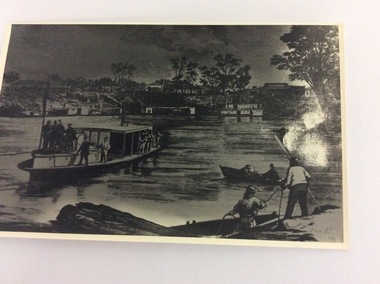
Black and white photograph of an engraving, Approximately 1970
... echuca wharf...This is a photograph of an engraving showing the first train arriving at the Echuca Wharf on 25/09/1865. The photograph appeared in the Illustrated Australian News on 25/09/1865. ...A black and white photograph of an engraving of a busy Echuca wharf scene in 1865. The first train is arriving at the wharf. ...This is a photograph of an engraving showing the first train arriving at the Echuca Wharf on 25/09/1865. The photograph appeared in the Illustrated Australian News on 25/09/1865. ...This is a photograph of an engraving showing the first train arriving at the Echuca Wharf on 25/09/1865. The photograph appeared in the Illustrated Australian News on 25/09/1865. It also appeared in Susan Preiestly's book, 'Echuca; A centenary history' in 1965 on page 46.. The picture is of interest because it shows the size of the wharf in 1865. It also shows all the crowds to welcome the first train. It also shows the buildings along Murray Esplanade. In the far left the Steam Packet Hotel, Shackell's Bond Store and the St George's Hall, next the The Bridge Hotel. Five large steam ships are visible, all carrying crowds of people. In the foreground is the S.S Melbourne. Two rowing boats are in the left foreground.This engraving is significant because it shows the welcoming of the first train onto the wharf. The photograph shows the size of the wharf in 1865, as well as the street scape and the vessels on the water at the wharf. There is also some activity at Evan's sawmill. There are crowds on the wharf, and lining Murray Esplanade. It also shows that most of the crowd are males, which helped describe the role that women played in public life in the 1880's. A black and white photograph of an engraving of a busy Echuca wharf scene in 1865. The first train is arriving at the wharf. There are crowds of people, and in the foreground is the S.S. Melbourne. On the front of the photograph in the bottom right hand corner are the letters R.G. (Is this the Artist's initials?) On the back of the photo, written in pencil are the words "Day first train came through to the wharf. Of interest because of buildings far left. Steam Packet 1865. From Ilustrated Australian News. 25th September 1865."echuca wharf, susan preistley, railways, state library of south australia., illustrated australian news., s.s.melbourne, steam packet hotel, shackell's bond store, st george's hall, bridge hotel -
 Port of Echuca
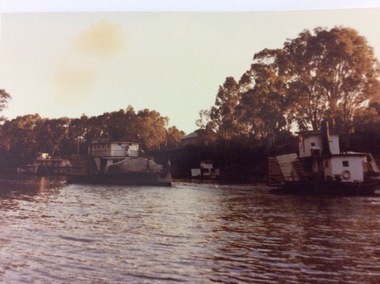
One colour photograph and one colour negative, 03/04/1984
... ...Echuca Wharf...These paddle steamers were accompanying the P.S Adelaide back to the Echuca Wharf after being re-launched on 03/04/1984. ...Colour photograph and negative showing the P.S Adelaide heading upstream towards the Echuca Wharf, after being re-launched on 03/04/1984. ...These paddle steamers were accompanying the P.S Adelaide back to the Echuca Wharf after being re-launched on 03/04/1984. ...These paddle steamers were accompanying the P.S Adelaide back to the Echuca Wharf after being re-launched on 03/04/1984. The P.S Adelaide had been displayed in the Hopwood Gardens since 1960, and the City of Echuca Mande a decision to launch the paddle steamer back into the river to be used as a working tourist attraction. This photograph relates to P000059.3, P000060.3, P000061.3, P000062.2, P000063.3, P000071.This photograph is significant as it shows the state of the Echuca Wharf in 1984. It also shows the state of the P.S Adealide after sitting idle for so many years. In 1984, the Tourism Industry was still developing in the Echuca region.Colour photograph and negative showing the P.S Adelaide heading upstream towards the Echuca Wharf, after being re-launched on 03/04/1984. The P.S Pevensey, the P.S Emmylou and P.S Etona can also be seen.On boat Pevensy, is obscured.p.s adelaide, hopwood gardens, p.s emmylou, echuca wharf -
 Art Gallery of Swan Hill
Painting, McDONALD, Dawson, Echuca wharf, 1972
... Echuca wharf...Echuca wharf Painting McDONALD, Dawson ... -
 Bendigo Historical Society Inc.
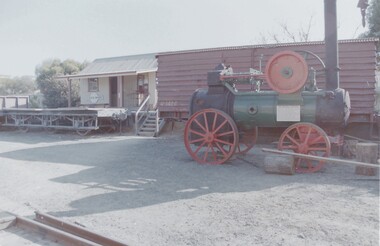
Slide - VAL DENSWORTH COLLECTION: BENDIGO POTTERY, 1986
... Bendigo Pottery Echuca Wharf Marshall Portable locomotive...Bendigo Pottery, building 'Echuca Wharf' and locomotive 'The Marshall Portable'. ...SLIDE Bendigo bendigo pottery Bendigo Pottery Echuca Wharf Marshall Portable locomotive Negative. ...Negative. Bendigo Pottery, building 'Echuca Wharf' and locomotive 'The Marshall Portable'. Dated 1986.slide, bendigo, bendigo pottery, bendigo pottery echuca wharf marshall portable locomotive -
 Bendigo Historical Society Inc.
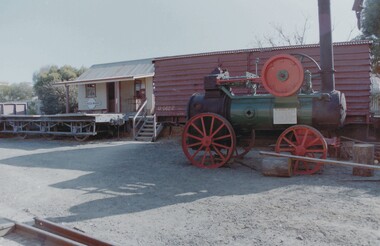
Slide - VAL DENSWORTH COLLECTION: BENDIGO POTTERY, 1986
... ... Echuca Wharf...Bendigo Pottery, building 'Echuca Wharf' and locomotive 'The Marshall Portable'. ...SLIDE Bendigo bendigo pottery Bendigo Pottery Echuca Wharf Marshall Portable locomotive Negative. ...Negative. Bendigo Pottery, building 'Echuca Wharf' and locomotive 'The Marshall Portable'. Dated November 1986.slide, bendigo, bendigo pottery, bendigo pottery, echuca wharf, marshall portable locomotive -
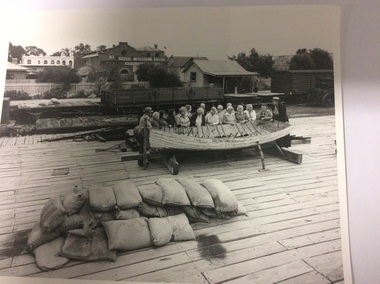 Port of Echuca
Two black and white photographs, 20/09/1984
... ...echuca wharf...In the background another tour group is being guided through the Echuca Wharf Railway station. Shackell's Bond Store can be seen in the background. ...2 black and white photographs exactly the same,of tourists standing around a row boat which is sitting on top of the Echuca wharf. The tourists are listening to Helen Coulson, who is dressed in period costume. ...In the background another tour group is being guided through the Echuca Wharf Railway station. Shackell's Bond Store can be seen in the background. ...The photograph is one of a series of photographs taken by Mike Rosel. Photographs P000027, P000028.2, P000029.3, P000030.2, P000031, P000032 are all held by Mike Rosel. This photograph shows Helen Coulson, the first Manager of the Port of Echuca, dressed in period costume, conducting a guided tour for a group of tourists, in the early 1980's. In the background another tour group is being guided through the Echuca Wharf Railway station. Shackell's Bond Store can be seen in the background. Echuca Hotel in High Street can also be seen in the distance. In the foreground there is a pile of sand bags.These photographs are significant because it shows Helen Coulson as a tour guide. It also shows that High Street could be seen from the wharf in the 1980's. These photographs also show the state of the wharf then.2 black and white photographs exactly the same,of tourists standing around a row boat which is sitting on top of the Echuca wharf. The tourists are listening to Helen Coulson, who is dressed in period costume. In the foreground is a pile of sand bags. More tourists can be seen in the background involved in a tour of the Echcua Wharf railway station. Shackell's Bond Store can be seen in the middle background, and Echcua Hotel, in High Street can be seen in the distance.There are no inscriptions or markings.helen coulson, shackell's bond store, echuca hotel, tourism, rosel, mike, echuca wharf -
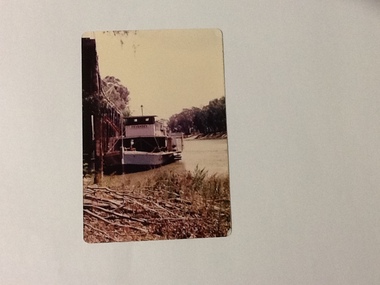 Port of Echuca
Colour Photograph, 1977
... ...echuca wharf...Pevensey, moored at the Port of Echuca wharf . Photograph taken looking north along the river, from the river bank....Pevensey, moored at the Port of Echuca wharf . Photograph taken looking north along the river, from the river bank. ...P. S. PEVENSEY: Dimensions: 111ft 5 ins X 23 ft X 6ft 8 ins. Tonnage:130 tons Built: 1910 at Moama, N. S. W. References : Book: Murray river Paddle Steamers by D. Wardle Permewan , Wright & Co. : pp. 72, 129, 157 The P. S. PEVENSEY holds historical and social significance for the Port of Echuca, being the cornerstone of their paddlesteamer fleet. The PEVENSEY was renamed for the TV series All the Rivers Run, to P. S. Philadelphia , playing a staring role in the program, which has resulted in the PEVENSEY becoming a tourist attraction and has increased tourism to the Port of Echuca. The PEVENSEY was originally designed for use on the Murrumbidgee river, named after Pevensey station on that river. It was then owned by Permewan Wright & co operating out of Echuca for many years. She returned to Echuca in 1975 to begin another life as part of the Port of Echuca tourism operation.Colour photograph of the P. S. Pevensey, moored at the Port of Echuca wharf . Photograph taken looking north along the river, from the river bank.On the front:PEVENSEY on the wheelhouse of the boat. Printed on reverse: This paper manufactured by Kodak: Print made by Kodak: Dec.77-Mriverboats, p.s.pevensey, echuca, port of, paddle steamers, echuca wharf -
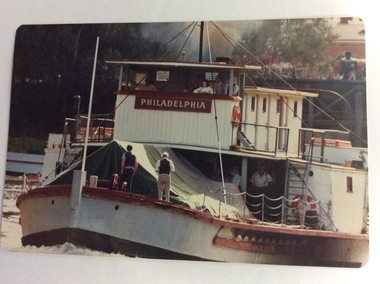 Port of Echuca
Photograph - Coloured photograph, March 1984
... ...echuca wharf...Three people can be seen near the fire box underneath the wheelhouse. The Echuca Wharf can be seen in the background. ...It also shows the Echuca Wharf with a train parked there, and the Customs House can be seen in the background as well. p.s pevensey greenspot photography murray river echuca la grue, bill cossen's visit to echuca. all the rivers run p. s philadelphia cossen family echuca wharf A close-up image of the P.S. ...This photograph was taken in February 1984 on the occasion of Cossen's visit to Echuca. It is a close up of the wheelhouse of the P.S Pevensey with the name Philadelphia written across the wheelhouse. This is significant because the P.S Pevensey played the role of the P. S Philadelphia in the movie "All The Rivers Run" which was filmed in Echuca in late 1982 and a sequel was filmed in Echuca early in 1989.This photograph is significant because it shows the P.S. Pevensey showing the name P.S Philadelphia. The P.S Pevensey was used as the P.S Philadelphia in the TV Series "All The Rivers Run" based on the novel written by Nancy Cato. The TV series was a huge success and still draws tourists to the Port of Echuca. The fact that the P.S Pevensey was showing the Philadelphia name in 1984 is a bit of a mystery, but it has been known that she was dressed up again as the P.S Philadelphia sometimes for special occasions. The Cossen's visit to Echuca might have been such an occasion. It also shows the Echuca Wharf with a train parked there, and the Customs House can be seen in the background as well.A close-up image of the P.S. Pevensey travelling upstream away from the Echuca Wharf. There are five people in the wheelhouse; a dark haired young woman and a man in a suit and tie, two crew and there are two men standing with their backs to the photographer, on the lower deck. Three people can be seen near the fire box underneath the wheelhouse. The Echuca Wharf can be seen in the background. p.s pevensey, greenspot photography, murray river, echuca, la grue, bill, cossen's visit to echuca., all the rivers run, p. s philadelphia, cossen family, echuca wharf -
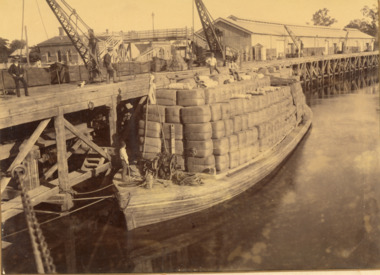 Port of Echuca
Photograph - Eagle Barge at Echuca Wharf 1890 - sepia, 1890
... Eagle Barge at Echuca Wharf 1890 - sepia...conservation LP Charles Dowell Collection Eagle Barge Photograph Eagle Barge at Echuca Wharf 1890 - sepia ...conservation lp, charles dowell collection, eagle barge -
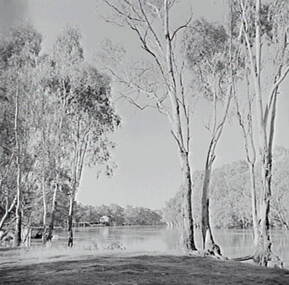 Allan Doney Collection, Bendigo Historical Society Inc.
Negative - Echuca - Wharf, Allan Doney, 1950 -1970
... Echuca - Wharf...Although he travelled to many other places in Northern Victoria and beyond in search of subjects for his art, he seemed to always return to Bendigo for inspiration. Negative Echuca - Wharf Allan Doney ...In the years of Allan Doney’s photography, landmark buildings succumbed to fire, neglect and redevelopment. He photographed the grey sand hills from Bendigo’s mining past, the streetscapes, poppet heads, miners’ cottages, gracious homes with ornate verandahs, trams and much more. Above all, his photographs show how much of the city has survived from the 19th century – and how much has not. Through two decades of great change, Allan Doney was there to capture ways people interacted with it. Although he travelled to many other places in Northern Victoria and beyond in search of subjects for his art, he seemed to always return to Bendigo for inspiration. -
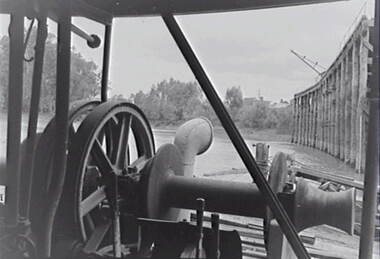 Allan Doney Collection, Bendigo Historical Society Inc.
Negative - Echuca - Wharf - Paddle Steamer, Allan Doney, 1950 -1970
... Echuca - Wharf - Paddle Steamer...Although he travelled to many other places in Northern Victoria and beyond in search of subjects for his art, he seemed to always return to Bendigo for inspiration. Negative Echuca - Wharf - Paddle Steamer Allan Doney ...In the years of Allan Doney’s photography, landmark buildings succumbed to fire, neglect and redevelopment. He photographed the grey sand hills from Bendigo’s mining past, the streetscapes, poppet heads, miners’ cottages, gracious homes with ornate verandahs, trams and much more. Above all, his photographs show how much of the city has survived from the 19th century – and how much has not. Through two decades of great change, Allan Doney was there to capture ways people interacted with it. Although he travelled to many other places in Northern Victoria and beyond in search of subjects for his art, he seemed to always return to Bendigo for inspiration. -
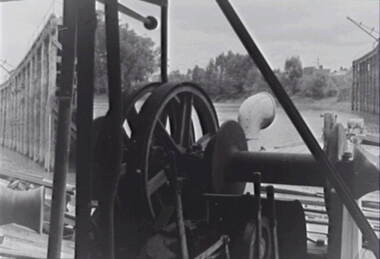 Allan Doney Collection, Bendigo Historical Society Inc.
Negative - Echuca - Wharf - Paddle Steamer, Allan Doney, 1950 -1970
... Echuca - Wharf - Paddle Steamer...Although he travelled to many other places in Northern Victoria and beyond in search of subjects for his art, he seemed to always return to Bendigo for inspiration. Negative Echuca - Wharf - Paddle Steamer Allan Doney ...In the years of Allan Doney’s photography, landmark buildings succumbed to fire, neglect and redevelopment. He photographed the grey sand hills from Bendigo’s mining past, the streetscapes, poppet heads, miners’ cottages, gracious homes with ornate verandahs, trams and much more. Above all, his photographs show how much of the city has survived from the 19th century – and how much has not. Through two decades of great change, Allan Doney was there to capture ways people interacted with it. Although he travelled to many other places in Northern Victoria and beyond in search of subjects for his art, he seemed to always return to Bendigo for inspiration. -
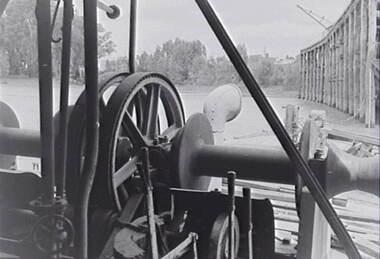 Allan Doney Collection, Bendigo Historical Society Inc.
Negative - Echuca - Wharf - Paddle Steamer, Allan Doney, 1950 -1970
... Echuca - Wharf - Paddle Steamer...Although he travelled to many other places in Northern Victoria and beyond in search of subjects for his art, he seemed to always return to Bendigo for inspiration. Negative Echuca - Wharf - Paddle Steamer Allan Doney ...In the years of Allan Doney’s photography, landmark buildings succumbed to fire, neglect and redevelopment. He photographed the grey sand hills from Bendigo’s mining past, the streetscapes, poppet heads, miners’ cottages, gracious homes with ornate verandahs, trams and much more. Above all, his photographs show how much of the city has survived from the 19th century – and how much has not. Through two decades of great change, Allan Doney was there to capture ways people interacted with it. Although he travelled to many other places in Northern Victoria and beyond in search of subjects for his art, he seemed to always return to Bendigo for inspiration. -
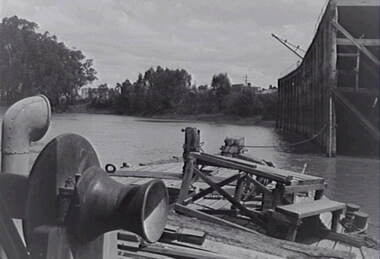 Allan Doney Collection, Bendigo Historical Society Inc.
Negative - Echuca - Wharf - Paddle Steamer, Allan Doney, 1950 -1970
... Echuca - Wharf - Paddle Steamer...Although he travelled to many other places in Northern Victoria and beyond in search of subjects for his art, he seemed to always return to Bendigo for inspiration. Negative Echuca - Wharf - Paddle Steamer Allan Doney ...In the years of Allan Doney’s photography, landmark buildings succumbed to fire, neglect and redevelopment. He photographed the grey sand hills from Bendigo’s mining past, the streetscapes, poppet heads, miners’ cottages, gracious homes with ornate verandahs, trams and much more. Above all, his photographs show how much of the city has survived from the 19th century – and how much has not. Through two decades of great change, Allan Doney was there to capture ways people interacted with it. Although he travelled to many other places in Northern Victoria and beyond in search of subjects for his art, he seemed to always return to Bendigo for inspiration. -
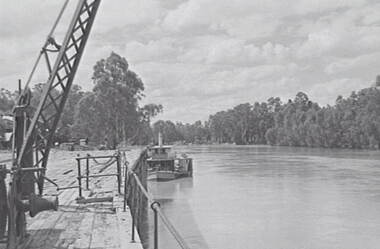 Allan Doney Collection, Bendigo Historical Society Inc.
Negative - Echuca - Wharf - Paddle Steamer, Allan Doney, 1950 -1970
... Echuca - Wharf - Paddle Steamer...Although he travelled to many other places in Northern Victoria and beyond in search of subjects for his art, he seemed to always return to Bendigo for inspiration. Negative Echuca - Wharf - Paddle Steamer Allan Doney ...In the years of Allan Doney’s photography, landmark buildings succumbed to fire, neglect and redevelopment. He photographed the grey sand hills from Bendigo’s mining past, the streetscapes, poppet heads, miners’ cottages, gracious homes with ornate verandahs, trams and much more. Above all, his photographs show how much of the city has survived from the 19th century – and how much has not. Through two decades of great change, Allan Doney was there to capture ways people interacted with it. Although he travelled to many other places in Northern Victoria and beyond in search of subjects for his art, he seemed to always return to Bendigo for inspiration. -
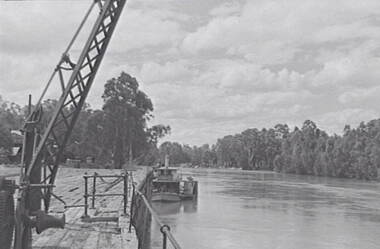 Allan Doney Collection, Bendigo Historical Society Inc.
Negative - Echuca - Wharf - Paddle Steamer, Allan Doney, 1950 -1970
... Echuca - Wharf - Paddle Steamer...Although he travelled to many other places in Northern Victoria and beyond in search of subjects for his art, he seemed to always return to Bendigo for inspiration. Negative Echuca - Wharf - Paddle Steamer Allan Doney ...In the years of Allan Doney’s photography, landmark buildings succumbed to fire, neglect and redevelopment. He photographed the grey sand hills from Bendigo’s mining past, the streetscapes, poppet heads, miners’ cottages, gracious homes with ornate verandahs, trams and much more. Above all, his photographs show how much of the city has survived from the 19th century – and how much has not. Through two decades of great change, Allan Doney was there to capture ways people interacted with it. Although he travelled to many other places in Northern Victoria and beyond in search of subjects for his art, he seemed to always return to Bendigo for inspiration. -
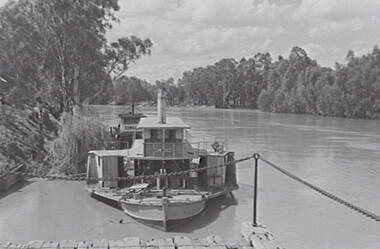 Allan Doney Collection, Bendigo Historical Society Inc.
Negative - Echuca - Wharf - Paddle Steamers, Allan Doney, 1950 -1970
... Echuca - Wharf - Paddle Steamers...Although he travelled to many other places in Northern Victoria and beyond in search of subjects for his art, he seemed to always return to Bendigo for inspiration. Negative Echuca - Wharf - Paddle Steamers Allan Doney ...In the years of Allan Doney’s photography, landmark buildings succumbed to fire, neglect and redevelopment. He photographed the grey sand hills from Bendigo’s mining past, the streetscapes, poppet heads, miners’ cottages, gracious homes with ornate verandahs, trams and much more. Above all, his photographs show how much of the city has survived from the 19th century – and how much has not. Through two decades of great change, Allan Doney was there to capture ways people interacted with it. Although he travelled to many other places in Northern Victoria and beyond in search of subjects for his art, he seemed to always return to Bendigo for inspiration. -
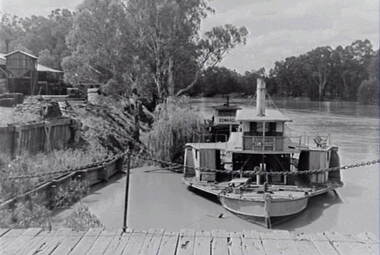 Allan Doney Collection, Bendigo Historical Society Inc.
Negative - Echuca - Wharf - Paddle Steamers, Allan Doney, 1950 -1970
... Echuca - Wharf - Paddle Steamers...Although he travelled to many other places in Northern Victoria and beyond in search of subjects for his art, he seemed to always return to Bendigo for inspiration. Negative Echuca - Wharf - Paddle Steamers Allan Doney ...In the years of Allan Doney’s photography, landmark buildings succumbed to fire, neglect and redevelopment. He photographed the grey sand hills from Bendigo’s mining past, the streetscapes, poppet heads, miners’ cottages, gracious homes with ornate verandahs, trams and much more. Above all, his photographs show how much of the city has survived from the 19th century – and how much has not. Through two decades of great change, Allan Doney was there to capture ways people interacted with it. Although he travelled to many other places in Northern Victoria and beyond in search of subjects for his art, he seemed to always return to Bendigo for inspiration. -
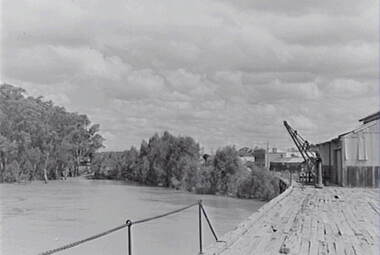 Allan Doney Collection, Bendigo Historical Society Inc.
Negative - Echuca - Wharf - River, Allan Doney, 1950 -1970
... Echuca - Wharf - River...Although he travelled to many other places in Northern Victoria and beyond in search of subjects for his art, he seemed to always return to Bendigo for inspiration. Negative Echuca - Wharf - River Allan Doney ...In the years of Allan Doney’s photography, landmark buildings succumbed to fire, neglect and redevelopment. He photographed the grey sand hills from Bendigo’s mining past, the streetscapes, poppet heads, miners’ cottages, gracious homes with ornate verandahs, trams and much more. Above all, his photographs show how much of the city has survived from the 19th century – and how much has not. Through two decades of great change, Allan Doney was there to capture ways people interacted with it. Although he travelled to many other places in Northern Victoria and beyond in search of subjects for his art, he seemed to always return to Bendigo for inspiration. -
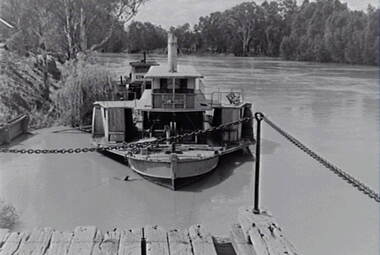 Allan Doney Collection, Bendigo Historical Society Inc.
Negative - Echuca - Wharf - Paddle Steamers, Allan Doney, 1950 -1970
... Echuca - Wharf - Paddle Steamers...Although he travelled to many other places in Northern Victoria and beyond in search of subjects for his art, he seemed to always return to Bendigo for inspiration. Negative Echuca - Wharf - Paddle Steamers Allan Doney ...In the years of Allan Doney’s photography, landmark buildings succumbed to fire, neglect and redevelopment. He photographed the grey sand hills from Bendigo’s mining past, the streetscapes, poppet heads, miners’ cottages, gracious homes with ornate verandahs, trams and much more. Above all, his photographs show how much of the city has survived from the 19th century – and how much has not. Through two decades of great change, Allan Doney was there to capture ways people interacted with it. Although he travelled to many other places in Northern Victoria and beyond in search of subjects for his art, he seemed to always return to Bendigo for inspiration. -
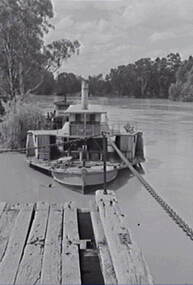 Allan Doney Collection, Bendigo Historical Society Inc.
Negative - Echuca - Wharf - Paddle Steamers, Allan Doney, 1950 -1970
... Echuca - Wharf - Paddle Steamers...Although he travelled to many other places in Northern Victoria and beyond in search of subjects for his art, he seemed to always return to Bendigo for inspiration. Negative Echuca - Wharf - Paddle Steamers Allan Doney ...In the years of Allan Doney’s photography, landmark buildings succumbed to fire, neglect and redevelopment. He photographed the grey sand hills from Bendigo’s mining past, the streetscapes, poppet heads, miners’ cottages, gracious homes with ornate verandahs, trams and much more. Above all, his photographs show how much of the city has survived from the 19th century – and how much has not. Through two decades of great change, Allan Doney was there to capture ways people interacted with it. Although he travelled to many other places in Northern Victoria and beyond in search of subjects for his art, he seemed to always return to Bendigo for inspiration. -
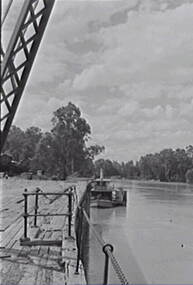 Allan Doney Collection, Bendigo Historical Society Inc.
Negative - Echuca - Wharf - Paddle Steamer, Allan Doney, 1950 -1970
... Echuca - Wharf - Paddle Steamer...Although he travelled to many other places in Northern Victoria and beyond in search of subjects for his art, he seemed to always return to Bendigo for inspiration. Negative Echuca - Wharf - Paddle Steamer Allan Doney ...In the years of Allan Doney’s photography, landmark buildings succumbed to fire, neglect and redevelopment. He photographed the grey sand hills from Bendigo’s mining past, the streetscapes, poppet heads, miners’ cottages, gracious homes with ornate verandahs, trams and much more. Above all, his photographs show how much of the city has survived from the 19th century – and how much has not. Through two decades of great change, Allan Doney was there to capture ways people interacted with it. Although he travelled to many other places in Northern Victoria and beyond in search of subjects for his art, he seemed to always return to Bendigo for inspiration.
