
Showing 507 items matching " roman history"
-
 Flagstaff Hill Maritime Museum and Village
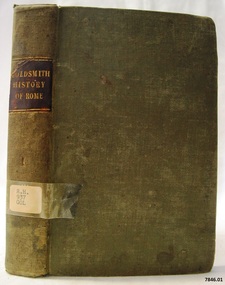
Book, The Roman History Vol 1
... The Roman History Vol 1......The Roman History Vol 1...The Roman History Vol 1 From the Foundation of the City of Rome to the Destruction of the Western Empire Author: Dr. ...Goldsmith Publisher: Baker and Leigh Date: 1775 The Roman History Vol 1 Book ...This item is from the ‘Pattison Collection’, a collection of books and records that was originally owned by the Warrnambool Mechanics’ Institute, which was founded in Warrnambool in 1853. By 1886 the Warrnambool Mechanics’ Institute (WMI) had grown to have a Library, Museum and Fine Arts Gallery, with a collection of “… choice productions of art, and valuable specimens in almost every branch and many wonderful national curiosities are now to be seen there, including historic relics of the town and district.” It later included a School of Design. Although it was very well patronised, the lack of financial support led the WMI in 1911 to ask the City Council to take it over. In 1935 Ralph Pattison was appointed as City Librarian to establish and organise the Warrnambool Library as it was then called. When the WMI building was pulled down in 1963 a new civic building was erected on the site and the new Warrnambool Library, on behalf of the City Council, took over all the holdings of the WMI. At this time some of the items were separated and identified as the ‘Pattison Collection’, named after Ralph Pattison. Eventually the components of the WMI were distributed from the Warrnambool Library to various places, including the Art Gallery, Historical Society and Flagstaff Hill. Later some were even distributed to other regional branches of Corangamite Regional Library and passed to and fro. It is difficult now to trace just where all of the items have ended up. The books at Flagstaff Hill Maritime Village generally display stamps and markings from Pattison as well as a variety of other institutions including the Mechanics’ Institute itself. RALPH ERIC PATTISON Ralph Eric Pattison was born in Rockhampton, Queensland, in 1891. He married Maude Swan from Warrnambool in 1920 and they set up home in Warrnambool. In 1935 Pattison accepted a position as City Librarian for the Warrnambool City Council. His huge challenge was to make a functional library within two rooms of the Mechanics’ Institute. He tirelessly cleaned, cleared and sorted a disarrayed collection of old books, jars of preserved specimens and other items reserved for exhibition in the city’s museum. He developed and updated the library with a wide variety of books for all tastes, including reference books for students; a difficult task to fulfil during the years following the Depression. He converted all of the lower area of the building into a library, reference room and reading room for members and the public. The books were sorted and stored using a cataloguing and card index system that he had developed himself. He also prepared the upper floor of the building and established the Art Gallery and later the Museum, a place to exhibit the many old relics that had been stored for years for this purpose. One of the treasures he found was a beautiful ancient clock, which he repaired, restored and enjoyed using in his office during the years of his service there. Ralph Pattison was described as “a meticulous gentleman whose punctuality, floorless courtesy and distinctive neat dress were hallmarks of his character, and ‘his’ clock controlled his daily routine, and his opening and closing of the library’s large heavy doors to the minute.” Pattison took leave during 1942 to 1945 to serve in the Royal Australian Navy, Volunteer Reserve as Lieutenant. A few years later he converted one of the Museum’s rooms into a Children’s Library, stocking it with suitable books for the younger generation. This was an instant success. In the 1950’s he had the honour of being appointed to the Victorian Library Board and received more inspiration from the monthly conferences in Melbourne. He was sadly retired in 1959 after over 23 years of service, due to the fact that he had gone over the working age of council officers. However he continued to take a very keen interest in the continual development of the Library until his death in 1969. The Pattison Collection, along with other items at Flagstaff Hill Maritime Village, was originally part of the Warrnambool Mechanics' Institute’s collection. The Warrnambool Mechanics’ Institute Collection is primarily significant in its totality, rather than for the individual objects it contains. Its contents are highly representative of the development of Mechanics' Institute libraries across Australia, particularly Victoria. A diversity of publications and themes has been amassed, and these provide clues to our understanding of the nature of and changes in the reading habits of Victorians from the 1850s to the middle of the 20th century. The collection also highlights the Warrnambool community’s commitment to the Mechanics’ Institute, reading, literacy and learning in the regions, and proves that access to knowledge was not impeded by distance. These items help to provide a more complete picture of our community’s ideals and aspirations. The Warrnambool Mechanics Institute book collection has historical and social significance for its strong association with the Mechanics Institute movement and the important role it played in the intellectual, cultural and social development of people throughout the latter part of the nineteenth century and the early twentieth century. The collection of books is a rare example of an early lending library and its significance is enhanced by the survival of an original collection of many volumes. The Warrnambool Mechanics' Institute’s publication collection is of both local and state significance. The Roman History Vol 1 From the Foundation of the City of Rome to the Destruction of the Western Empire Author: Dr. Goldsmith Publisher: Baker and Leigh Date: 1775Label on spine cover with typed text RH 937 GOL Pastedown front endpaper has sticker from Warrnambool Mechanics Institute and Free Library Front loose endpaper has a stamp from Corangamite Regional Library Service Front loose endpaper has a stamp from Warrnambool Public Museum Front loose endpaper has hand writting that reads " Received from Mr. James Tait. June 1898"warrnambool, shipwrecked-coast, flagstaff-hill, flagstaff-hill-maritime-museum, maritime-museum, shipwreck-coast, flagstaff-hill-maritime-village, shipwrecked-artefact, book, pattison collection, warrnambool library, warrnambool mechanics’ institute, ralph eric pattison, corangamite regional library service, warrnambool city librarian, mechanics’ institute library, victorian library board, warrnambool books and records, warrnambool children’s library, great ocean road, the roman history vol 1, dr. goldsmith -
 Flagstaff Hill Maritime Museum and Village
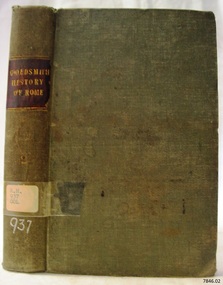
Book, The Roman History Vol 2
... The Roman History Vol 2......The Roman History Vol 2...The Roman History Vol 2 From the Foundation of the City of Rome to the Destruction of the Western Empire Author: Dr. ...Goldsmith Publisher: Baker and Leigh Date: 1775 The Roman History Vol 2 Book ...This item is from the ‘Pattison Collection’, a collection of books and records that was originally owned by the Warrnambool Mechanics’ Institute, which was founded in Warrnambool in 1853. By 1886 the Warrnambool Mechanics’ Institute (WMI) had grown to have a Library, Museum and Fine Arts Gallery, with a collection of “… choice productions of art, and valuable specimens in almost every branch and many wonderful national curiosities are now to be seen there, including historic relics of the town and district.” It later included a School of Design. Although it was very well patronised, the lack of financial support led the WMI in 1911 to ask the City Council to take it over. In 1935 Ralph Pattison was appointed as City Librarian to establish and organise the Warrnambool Library as it was then called. When the WMI building was pulled down in 1963 a new civic building was erected on the site and the new Warrnambool Library, on behalf of the City Council, took over all the holdings of the WMI. At this time some of the items were separated and identified as the ‘Pattison Collection’, named after Ralph Pattison. Eventually the components of the WMI were distributed from the Warrnambool Library to various places, including the Art Gallery, Historical Society and Flagstaff Hill. Later some were even distributed to other regional branches of Corangamite Regional Library and passed to and fro. It is difficult now to trace just where all of the items have ended up. The books at Flagstaff Hill Maritime Village generally display stamps and markings from Pattison as well as a variety of other institutions including the Mechanics’ Institute itself. RALPH ERIC PATTISON Ralph Eric Pattison was born in Rockhampton, Queensland, in 1891. He married Maude Swan from Warrnambool in 1920 and they set up home in Warrnambool. In 1935 Pattison accepted a position as City Librarian for the Warrnambool City Council. His huge challenge was to make a functional library within two rooms of the Mechanics’ Institute. He tirelessly cleaned, cleared and sorted a disarrayed collection of old books, jars of preserved specimens and other items reserved for exhibition in the city’s museum. He developed and updated the library with a wide variety of books for all tastes, including reference books for students; a difficult task to fulfil during the years following the Depression. He converted all of the lower area of the building into a library, reference room and reading room for members and the public. The books were sorted and stored using a cataloguing and card index system that he had developed himself. He also prepared the upper floor of the building and established the Art Gallery and later the Museum, a place to exhibit the many old relics that had been stored for years for this purpose. One of the treasures he found was a beautiful ancient clock, which he repaired, restored and enjoyed using in his office during the years of his service there. Ralph Pattison was described as “a meticulous gentleman whose punctuality, floorless courtesy and distinctive neat dress were hallmarks of his character, and ‘his’ clock controlled his daily routine, and his opening and closing of the library’s large heavy doors to the minute.” Pattison took leave during 1942 to 1945 to serve in the Royal Australian Navy, Volunteer Reserve as Lieutenant. A few years later he converted one of the Museum’s rooms into a Children’s Library, stocking it with suitable books for the younger generation. This was an instant success. In the 1950’s he had the honour of being appointed to the Victorian Library Board and received more inspiration from the monthly conferences in Melbourne. He was sadly retired in 1959 after over 23 years of service, due to the fact that he had gone over the working age of council officers. However he continued to take a very keen interest in the continual development of the Library until his death in 1969. The Pattison Collection, along with other items at Flagstaff Hill Maritime Village, was originally part of the Warrnambool Mechanics' Institute’s collection. The Warrnambool Mechanics’ Institute Collection is primarily significant in its totality, rather than for the individual objects it contains. Its contents are highly representative of the development of Mechanics' Institute libraries across Australia, particularly Victoria. A diversity of publications and themes has been amassed, and these provide clues to our understanding of the nature of and changes in the reading habits of Victorians from the 1850s to the middle of the 20th century. The collection also highlights the Warrnambool community’s commitment to the Mechanics’ Institute, reading, literacy and learning in the regions, and proves that access to knowledge was not impeded by distance. These items help to provide a more complete picture of our community’s ideals and aspirations. The Warrnambool Mechanics Institute book collection has historical and social significance for its strong association with the Mechanics Institute movement and the important role it played in the intellectual, cultural and social development of people throughout the latter part of the nineteenth century and the early twentieth century. The collection of books is a rare example of an early lending library and its significance is enhanced by the survival of an original collection of many volumes. The Warrnambool Mechanics' Institute’s publication collection is of both local and state significance. The Roman History Vol 2 From the Foundation of the City of Rome to the Destruction of the Western Empire Author: Dr. Goldsmith Publisher: Baker and Leigh Date: 1775Label on spine cover with typed text RH 937 GOL Under the above label the number 937 is written in white ink Pastedown front endpaper has sticker from Warrnambool Mechanics Institute and Free Library Front loose endpaper has a stamp from Corangamite Regional Library Service Front loose endpaper has a stamp from Warrnambool Public Museum Front loose endpaper has hand writting that reads "Received from Mr. James Tait. June 22nd 1898"warrnambool, shipwrecked-coast, flagstaff-hill, flagstaff-hill-maritime-museum, maritime-museum, shipwreck-coast, flagstaff-hill-maritime-village, shipwrecked-artefact, book, pattison collection, warrnambool library, warrnambool mechanics’ institute, ralph eric pattison, corangamite regional library service, warrnambool city librarian, mechanics’ institute library, victorian library board, warrnambool books and records, warrnambool children’s library, great ocean road, the roman history vol 2, dr. goldsmith -
 Ballarat Clarendon College
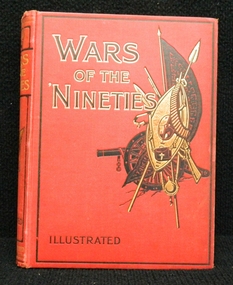
Book, A. Hilliard Atteridge, The wars of the 'Nineties, 1899
... This book was awarded to Mary Lawrence in 1899 for first prize in Roman History. Mary Lawrence enrolled at Clarendon Ladies' College at the age of 14. ..../ First Prize./ Roman History-Class I/ Awarded to/ Mary Lawrence/ MRS. ...This book was awarded to Mary Lawrence in 1899 for first prize in Roman History. Mary Lawrence enrolled at Clarendon Ladies' College at the age of 14. ...This book was awarded to Mary Lawrence in 1899 for first prize in Roman History. Mary Lawrence enrolled at Clarendon Ladies' College at the age of 14. Siblings enrolled: Janie Elizabeth Lawrence (1893), Jessie McBain Lawrence (1895), Christina Lawrence (1896) and Margaret Adair Lawrence (1900). Mary's father in the original register is listed as Alexander and their residence as Canally Balranald, "Colibau Estate" Redesdale in NSW. Father's occupation is noted as Squatter.Presbyterian educators placed great value on a classical education matched with diligence in study. Book prizes were highly regarded and academic success admired. In the school’s early years prizes were ordered direct from London and had the school crest embossed in gold on the front or back cover. Many of the prizes given in early years were returned to the school to equip the Weatherly Library when it opened in 1936.Bound in red cloth with black and gilt illustration on front cover and spine. Foxing on pages, detached spine and pages. Black and white illustrations throughout, 836 p.Book plate inside front cover: Clarendon Ladies' College,/ BALLARAT./ First Prize./ Roman History-Class I/ Awarded to/ Mary Lawrence/ MRS. KENNEDY,/ Principal./ December, 1899.book-prize, clarendon-ladies'-college, mary-lawrence, 1899, janie-elizabeth-lawrence, jessie-mcbain-lawrence, christina-lawrence, margaret-adair-lawrence, alexander-lawrence. -
 Flagstaff Hill Maritime Museum and Village
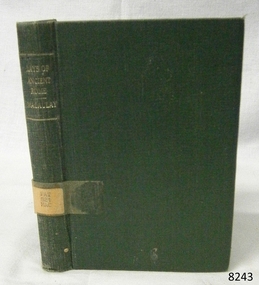
Book - Literary Work, Longman Green Longman Roberts & Green, Lays of Ancient Rome, 1860
... ...Roman history...Four were based on Roman history, and he wrote two based on recent history; Ivry, written in 1824, and The Armade, written in 1832. ...Four were based on Roman history, and he wrote two based on recent history; Ivry, written in 1824, and The Armade, written in 1832. ...The author, Thomas Babington Macaulay, wrote this collection of Lays or narrative poems that tell a story, like a ballad. Four were based on Roman history, and he wrote two based on recent history; Ivry, written in 1824, and The Armade, written in 1832. The book became so popular that it became standard reading in British public schools until at least the 1940s. This book is from Flagstaff Hill's Pattison Collection, a large group of books and records, some of which are rare and valuable. The collection was originally owned by the Warrnambool Mechanics' Institute, which was founded in 1853 and is named after Warrnambool's Public Librarian, Ralph Pattison. The publisher Longman, Green, Longman and Roberts, operated from 1859 to 1862. It was founded in 1724 in London by Thomas Longman under the name Longman. In August of that year, he bought the two shops and goods of William Taylor and set up his publishing house there at 39 Paternoster Row. The shops were called Black Swan and Ship, and it is said that the 'ship' sign was the inspiration for Longman's Logo. After many changes of name and management, including the name Longman, Green, Longman and Roberts from 1859 to 1862 the firm was incorporated in 1926 as Longmans, Green & Co. Pty Ltd. The firm was acquired by Pearson in 1968 and was known as Pearson Longman or Pearson PLC. The book is significant for its popularity and educational purposes as part of British public schools’ standing reading list for over a hundred years. It is also important for its connection to the London publisher Longman, Green Longman Roberts, who was an extension of the Longmans, Green & Co, operating under this name from 1811 to 1823. The firm has been established for over two centuries, is renowned for publishing encyclopedias, dictionaries, books on English grammar, textbooks, poetry, reference books, novels, magazines and more. The book has additional importance for its connection to the Pattison Collection, which, along with other items at Flagstaff Hill Maritime Village, was originally part of the Warrnambool Mechanics' Institutes’ Collection. Lays of Ancient Rome: with Ivry and the Armada, by Lord Macaulay Publisher: Longmans Green Longman and Roberts, London Date: 1860 Further Information: New edition. (First published in 1842) Green cloth hardcover with embossed gold text on the spine. The fly page is illustrated. Inscriptions are on a label on the spine, stamps on the fly page, and a stamp and stickers on the endpapers. This book is part of the Pattison Collection.Label on spine; "PAT 821 MAC" Fly stamp; "Warrnambool Mechanics Institute " Fly handwritten in pencil; "PD 34" "P/W" " in blue pen; "4849" and "821" Endpaper stickers; Warrnambool Public Library" and "Corangamite Regional Library Service" Endpaper stamp; "Corangamite Regional Library Service"flagstaff hill, warrnambool, shipwrecked coast, flagstaff hill maritime museum, maritime museum, shipwreck coast, flagstaff hill maritime village, great ocean road, book, pattison collection, warrnambool library, warrnambool mechanics’ institute, ralph eric pattison, corangamite regional library service, warrnambool city librarian, mechanics’ institute library, victorian library board, warrnambool books and records, warrnambool children’s library, lays of ancient rome, lord macaulay, flagstaff hill maritime museum and village, maritime village, free library, ivry, the armada, thomas macoulay, longmans green longman and roberts, longman green longman roberts & green, thomas longman, paternoster row london, 1860, thomas babington macaulay, roman history -
 Bendigo Historical Society Inc.
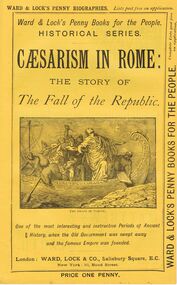
Book - LYDIA CHANCELLOR COLLECTION: CAESARISM IN ROME: THE STORY OF THE FALL OF THE REPUBLIC
... ... Roman history...BOOKS Biography julius caesar Lydia Chancellor collection Roman history history Historical Series Ward & Lock's Penny Biographies Ward & Lock's Penny Books for the People Historical Series Rome Ancient History penny books Roman Empire Julius Caesar advertisements book books A book titled ' Caesarism in Rome: The Story of The Fall of the Republic. ...A book titled ' Caesarism in Rome: The Story of The Fall of the Republic. One of the most interesting and instructive periods of Ancient History, when the Old Government was swept away and the famous Empire was founded.' London : Ward, Lock & Co., Salisbury Square, E.C. New York : 10 Bond Street. 289 - 304 pgs. ( ill) This booklet is one of a series of 37 ' Ward & Lock's Penny Books for the People.' 'Historical Series.' Price one penny.books, biography, julius caesar, lydia chancellor, collection, roman history, history, historical series, ward & lock's penny biographies, ward & lock's penny books for the people, historical series, rome, ancient history, penny books, roman empire, julius caesar, advertisements, book, books -
 Bendigo Historical Society Inc.
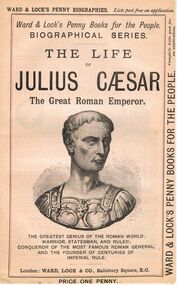
Book - LYDIA CHANCELLOR COLLECTION: THE LIFE OF JULIUS CAESAR
... ... Roman history...BOOKS Biography julius caesar Lydia Chancellor collection Julius Caesar Roman history Italian History Rome individual person male penny books Biographical Series Ward & Lock's Penny Biographies Biographical Series Ward & Lock's Penny Books for the People advertisements biographies The Life of Juliius Caesar A book titled ' The Life of Julius Caesar the great Roman Emperor. ...A book titled ' The Life of Julius Caesar the great Roman Emperor. The greatest genius of the Roman world ; warrior, statesman and ruler; conqueror of the most famous Roman General, and the founder of centuries of Imperial rule.' London : Ward, Lock & Co., Salisbury Square, E.C.417 - 432 pgs. This booklet is one of a series of 53 ' Ward & Lock's Penny Books for the People.''Biographical Series.' Price one penny. There are also advertisements of note.books, biography, julius caesar, lydia chancellor, collection, julius caesar, roman history, italian history, rome, individual, person, male, penny books, biographical series, ward & lock's penny biographies, biographical series, ward & lock's penny books for the people, advertisements, biographies, the life of juliius caesar -
 Robin Boyd Foundation
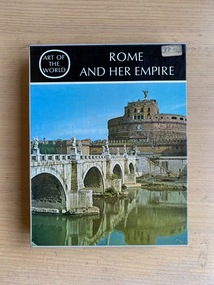
Book, Heinz Kahler, Art of the World: Rome and Her Empire, 1963
... ... Roman History...Art Roman History Rome Italy Classical antiquities Civilization Walsh St library Hardcover in Box Cover Art of the World: Rome and Her Empire Book Heinz Kahler Methuen ...Hardcover in Box Coverart, roman history, rome, italy, classical antiquities, civilization, walsh st library -
 Clunes Museum
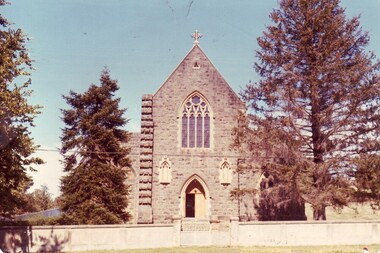
Photograph
... local history...roman...local history roman catholic ST THOMAS AQUINAS CATHOLIC CHURCH COLOUR PHOTOGRAPH OF ST. ...COLOUR PHOTOGRAPH OF ST. THOMAS AQUINAS CATHOLIC CHURCHlocal history, roman catholic, st thomas aquinas catholic church -
 The Celtic Club
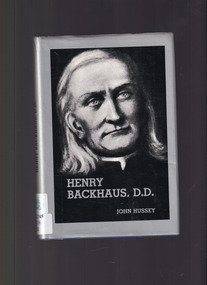
Book, John Hussey, Henry Backhaus Doctor of Divinity: Pioneer priest of Bendigo, 1982
... Bendigo - Victoria - History...Roman...Bendigo - Victoria - History Roman Catholic Church - Bendigo The best known name in early Bendigo was 'Henry Backhaus'. ...The best known name in early Bendigo was 'Henry Backhaus'. Businessman, financier, priest, musician, civic leader, philanthropist, healer of the sick. Reverend H. Backhaus was both founder of the Catholic Church and a founding father of the City of Bendigo.Index, plates, p.206.non-fictionThe best known name in early Bendigo was 'Henry Backhaus'. Businessman, financier, priest, musician, civic leader, philanthropist, healer of the sick. Reverend H. Backhaus was both founder of the Catholic Church and a founding father of the City of Bendigo.bendigo - victoria - history, roman catholic church - bendigo -
 Flagstaff Hill Maritime Museum and Village
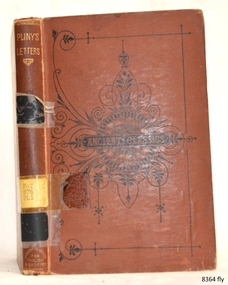
Book - Referance Book, W. Lucas Collins et al, Plinys Letters, 1872
... He served as the rector of Wootton Rivers in Wiltshire for over 40 years, dedicating his quiet, academic life outside of church duties to translating and analyzing Roman history. Brodribb and Church are best remembered for their monumental joint translation of the complete works of Tacitus (the Annals, Histories, Agricola, and Germania). ...He served as the rector of Wootton Rivers in Wiltshire for over 40 years, dedicating his quiet, academic life outside of church duties to translating and analyzing Roman history. Brodribb and Church are best remembered for their monumental joint translation of the complete works of Tacitus (the Annals, Histories, Agricola, and Germania). ...The subject book is a specific Victorian-era volume designed to bring classical Roman literature to the general public. It is an English overview, paraphrase, and translation of the epistles written by Pliny the Younger (Gaius Plinius Caecilius Secundus), a prominent lawyer, author, and magistrate of Ancient Rome who lived from roughly 61 to 113 AD. Instead of a dry, word-for-word translation, Church and Brodribb provided an accessible narrative that frames Pliny's life through his letters, providing a fascinating window into the Roman Empire.Plinys Letters Author: Alfred Church & W. J. Brodribb Publisher: William Blackwood & Sons Editor: W. Lucas Collins. Date: 1872non-fictionThe subject book is a specific Victorian-era volume designed to bring classical Roman literature to the general public. It is an English overview, paraphrase, and translation of the epistles written by Pliny the Younger (Gaius Plinius Caecilius Secundus), a prominent lawyer, author, and magistrate of Ancient Rome who lived from roughly 61 to 113 AD. Instead of a dry, word-for-word translation, Church and Brodribb provided an accessible narrative that frames Pliny's life through his letters, providing a fascinating window into the Roman Empire.flagstaff hil, warrnambool, flagstaff hill maritime museum, maritime museum, shipwreck coast, flagstaff hill maritime village, great ocean road, book, pattison collection, warrnambool library, warrnambool mechanics’ institute, ralph eric pattison, corangamite regional library service, warrnambool city librarian, mechanics’ institute library, victorian library board, warrnambool books and records, warrnambool children’s library, plinys letters, alfred church & w. j. brodribb, alfred church, w. j. brodribb -
 Flagstaff Hill Maritime Museum and Village
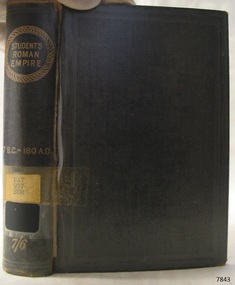
Book - Reference Book/History, John Murray, A History of The Roman Empire From it’s Foundation To The Death of Marcus Aurelius. (27 B.C to 180 A.D), 1893
... A History of The Roman Empire From it’s Foundation To The Death of Marcus Aurelius. (27 B.C to 180 A.D)......A History of The Roman Empire...John Bagnell Bury (1861–1927) was an Anglo-Irish historian, classical scholar, and philologist who later became Regius Professor of Modern History at Cambridge. He wrote on Greek, Roman, and Byzantine history, and he is especially associated with making Byzantine studies more rigorous and respected in the scholarship of the English language . ...A History of The Roman Empire The Students Roman Empire Black Hard cover gold embossing for lettering on spine no ribbing Date: 1893 (This is a British first edition) ...It is significant not only as a Roman history text, but also as an example of late-19th-century academic history that moved away from purely literary storytelling toward a more critical, documentary approach. ...J. B. Bury’s “A History of the Roman Empire from Its Foundation to the Death of Marcus Aurelius (27 B.C.–180 A.D.)” is a 1893 Victorian era scholarly survey of the early Roman Empire, written for students but still widely valued for its clear prose and careful use of evidence. It is also commonly known by the title The Student’s Roman Empire in some editions and catalogue records.A History of The Roman Empire The Students Roman Empire Black Hard cover gold embossing for lettering on spine no ribbing Date: 1893 (This is a British first edition) non-fictionJ. B. Bury’s “A History of the Roman Empire from Its Foundation to the Death of Marcus Aurelius (27 B.C.–180 A.D.)” is a 1893 Victorian era scholarly survey of the early Roman Empire, written for students but still widely valued for its clear prose and careful use of evidence. It is also commonly known by the title The Student’s Roman Empire in some editions and catalogue records. warrnambool, shipwrecked-coast, flagstaff-hill, flagstaff-hill-maritime-museum, maritime-museum, flagstaff-hill-maritime-village, book, pattison collection, warrnambool library, warrnambool mechanics’ institute, ralph eric pattison, corangamite regional library service, mechanics’ institute library, victorian library board, warrnambool books and records, marcus aurekius, a history of the roman empire, j b bury -
 Federation University Historical Collection
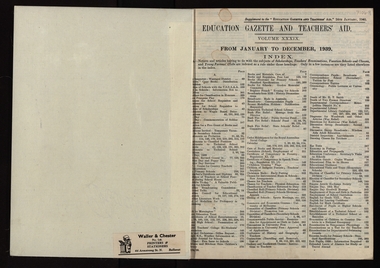
Book, Education Gazette, 1930s, 1930s
... Train Journey Through Germany, History Handwork - Roman Times, Claude Seareby (photo), Norsemen, Techncical Schools Exhibition, Knots, Balllarat Junior Technical School Terraced Gardens...Train Journey Through Germany, History Handwork - Roman Times, Claude Seareby (photo), Norsemen, Techncical Schools Exhibition, Knots, Balllarat Junior Technical School Terraced Gardens Education Gazette, 1930s Book Book ...10 hard covered, black books with red spine. The books contain the bound Victoria Education Gazettes for the 1930s. .4) Handwork in rural schools, Young Farmers' Clubs, Domestic Arts, Arbour Day, LEague of Youth of Australia. Health Education, Metal Trades, Industrial Studies, HOrticulture, Hinkler Memoria Trees, Musical Appreciation, British Breeds of Sheep. Train Journey Through Germany, History Handwork - Roman Times, Claude Seareby (photo), Norsemen, Techncical Schools Exhibition, Knots, Balllarat Junior Technical School Terraced Gardenseducation gazette, ballarat junior technical school terrace gardens -
 Flagstaff Hill Maritime Museum and Village
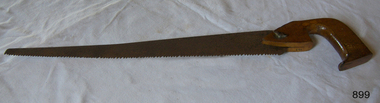
Tool - Compass Saw, Mid to late 20th Century
... history. As the saw developed, teeth were raked to cut only on the pull stroke and set with the teeth projecting only on one side, rather than in the modern fashion with an alternating set. Saws were also made of bronze and later iron. In the Iron Age, frame saws were developed holding the thin blades in tension. The earliest known sawmill is the Roman...history. As the saw developed, teeth were raked to cut only on the pull stroke and set with the teeth projecting only on one side, rather than in the modern fashion with an alternating set. Saws were also made of bronze and later iron. In the Iron Age, frame saws were developed holding the thin blades in tension. The earliest known sawmill is the Roman ...A saw is a tool consisting of a tough blade, wire, or chain with a hard-toothed edge. It is used to cut through material, very often wood, though sometimes metal or stone. The cut is made by placing the toothed edge against the material and moving it forcefully forth and less vigorously back or continuously forward. This force may be applied by hand, or powered by steam, water, electricity or other power sources. An abrasive saw has a powered circular blade designed to cut through metal or ceramic. In ancient Egypt, open (unframed) saws made of copper are documented as early as the Early Dynastic Period, circa 3,100–2,686 BC. Many copper saws were found in tombs dating to the 31st century BC. Models of saws have been found in many contexts throughout Egyptian history. As the saw developed, teeth were raked to cut only on the pull stroke and set with the teeth projecting only on one side, rather than in the modern fashion with an alternating set. Saws were also made of bronze and later iron. In the Iron Age, frame saws were developed holding the thin blades in tension. The earliest known sawmill is the Roman Hierapolis sawmill from the third century AD used for cutting stone.The subject item is believed to date from around the mid to late 20th century and is regarded as a modern item. The maker is unknown but the pattern or design and type of wood used indicate it is a tool of modern manufacture. Compass saw blade with wooden handle attached with wingnut.Noneflagstaff hill, warrnambool, flagstaff-hill, flagstaff-hill-maritime-museum, maritime-museum, shipwreck-coast, flagstaff-hill-maritime-village, wood cutting, wood saw, cross cut saw, cabinet makers tools, wood working tools, tool -
 Flagstaff Hill Maritime Museum and Village
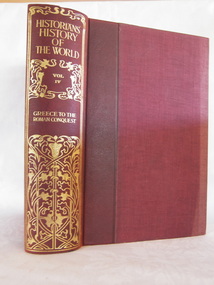
Book - Reference Book/History, Henry Smith Williams, The Historians History of the World Vol 4 set 1 - Edited by Henry Smith Williams L.L.D. Published by “The Times” 1908, 1908
... Volume 4 is a deep dive into the later history of Ancient Greece, specifically focusing on the period from the aftermath of the Peloponnesian War through to the Roman conquest. ...Volume 4 is a deep dive into the later history of Ancient Greece, specifically focusing on the period from the aftermath of the Peloponnesian War through to the Roman conquest. ...The 1908 edition of The Historians' History of the World is a monumental work of Edwardian scholarship, representing a specific era of "universal history" where the goal was to synthesise all human knowledge into a single narrative. Volume 4 is a deep dive into the later history of Ancient Greece, specifically focusing on the period from the aftermath of the Peloponnesian War through to the Roman conquest. This volume bears the subtitle "Greece to the Roman Conquest." It covers several pivotal shifts in power regards the post war struggle (404 to 374 BC.)Book is part of a 25 volume set with red cloth bindings and gold filigree design to rib.non-fictionThe 1908 edition of The Historians' History of the World is a monumental work of Edwardian scholarship, representing a specific era of "universal history" where the goal was to synthesise all human knowledge into a single narrative. Volume 4 is a deep dive into the later history of Ancient Greece, specifically focusing on the period from the aftermath of the Peloponnesian War through to the Roman conquest. This volume bears the subtitle "Greece to the Roman Conquest." It covers several pivotal shifts in power regards the post war struggle (404 to 374 BC.)flagstaff hill, warrnambool, shipwrecked-coast, flagstaff-hill, flagstaff-hill-maritime-museum, maritime-museum, book, the historians history of the world vol 4 set 1, henry smith williams -
 Flagstaff Hill Maritime Museum and Village
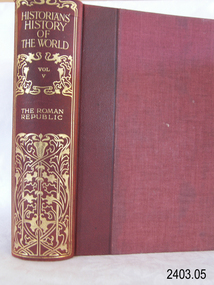
Book - Reference Book/History, Henry Smith Williams, The Historians History of the World Vol 5 set 1 - Edited by Henry Smith Williams L.L.D. Published by “The Times” 1908, 1908
... (For more information on the Pattison Collection and the Mechanics Institute visit) https://victoriancollections.net.au/items/5580c7e72162f114d8b758db flagstaff hill warrnambool shipwrecked-coast flagstaff-hill flagstaff-hill-maritime-museum maritime-museum shipwreck-coast flagstaff-hill-maritime-village The 1908 edition of The Historians' History of the World is a monumental work of Edwardian scholarship, representing a specific era of "universal history" where the goal was to synthesise all human knowledge into a single narrative. This specific volume focuses on the Roman Republic. ...The 1908 edition of The Historians' History of the World is a monumental work of Edwardian scholarship, representing a specific era of "universal history" where the goal was to synthesise all human knowledge into a single narrative. This specific volume focuses on the Roman Republic. It covers the transition from the early legends of the founding of Rome through the Punic Wars, the rise of the Republic's supremacy in the Mediterranean, and the internal reforms and conflicts that eventually led to its collapse.Book is part of a 25 volume set with red cloth bindings and gold filigree design to rib.non-fictionThe 1908 edition of The Historians' History of the World is a monumental work of Edwardian scholarship, representing a specific era of "universal history" where the goal was to synthesise all human knowledge into a single narrative. This specific volume focuses on the Roman Republic. It covers the transition from the early legends of the founding of Rome through the Punic Wars, the rise of the Republic's supremacy in the Mediterranean, and the internal reforms and conflicts that eventually led to its collapse. flagstaff hill, warrnambool, shipwrecked-coast, flagstaff-hill, flagstaff-hill-maritime-museum, maritime-museum, shipwreck-coast, flagstaff-hill-maritime-village -
 Flagstaff Hill Maritime Museum and Village
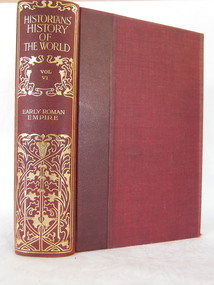
Book - Reference Book/History, Henry Smith Williams, The Historians History of the World Vol 6 set 1 - Edited by Henry Smith Williams L.L.D. Published by “The Times” 1908, 1908
... history" where the goal was to synthesise all human knowledge into a single narrative. Volume 6 focuses on the period where Rome moved away from internal civil strife toward a unified, centralised rule. Major topics include, the reign of Augustus, the transition from the Republic to the Principate and the establishment of the Pax Romana (Roman Peace). ...The 1908 edition of The Historians' History of the World is a monumental work of Edwardian scholarship, representing a specific era of "universal history" where the goal was to synthesise all human knowledge into a single narrative. Volume 6 focuses on the period where Rome moved away from internal civil strife toward a unified, centralised rule. Major topics include, the reign of Augustus, the transition from the Republic to the Principate and the establishment of the Pax Romana (Roman Peace).The Book is part of a 25 volume set with red cloth bindings and gold filigree design to rib. non-fictionThe 1908 edition of The Historians' History of the World is a monumental work of Edwardian scholarship, representing a specific era of "universal history" where the goal was to synthesise all human knowledge into a single narrative. Volume 6 focuses on the period where Rome moved away from internal civil strife toward a unified, centralised rule. Major topics include, the reign of Augustus, the transition from the Republic to the Principate and the establishment of the Pax Romana (Roman Peace). flagstaff hill, warrnambool, shipwrecked-coast, flagstaff-hill-maritime-museum, flagstaff-hill-maritime-village, book, the historians history of the world vol 6 set 1, henry smith williams -
 Flagstaff Hill Maritime Museum and Village
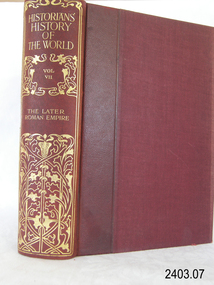
Book - Reference Book/History, Henry Smith Williams, The Historians History of the World Vol 7 set 1 - Edited by Henry Smith Williams L.L.D, 1908
... The 1908 edition of The Historians' History of the World is a monumental work of Edwardian scholarship, representing a specific era of "universal history" where the goal was to synthesise all human knowledge into a single narrative. Volume 7 shifts the narrative from the fall of the Roman Republic and the early Empire (covered in Vol. 5 and 6) into the complex era of the later Roman Empire and the rise of the Early Byzantine Empire. ...The 1908 edition of The Historians' History of the World is a monumental work of Edwardian scholarship, representing a specific era of "universal history" where the goal was to synthesise all human knowledge into a single narrative. Volume 7 shifts the narrative from the fall of the Roman Republic and the early Empire (covered in Vol. 5 and 6) into the complex era of the later Roman Empire and the rise of the Early Byzantine Empire.Book is part of a 25 volume set with red cloth bindings and gold filigree design to rib. non-fictionThe 1908 edition of The Historians' History of the World is a monumental work of Edwardian scholarship, representing a specific era of "universal history" where the goal was to synthesise all human knowledge into a single narrative. Volume 7 shifts the narrative from the fall of the Roman Republic and the early Empire (covered in Vol. 5 and 6) into the complex era of the later Roman Empire and the rise of the Early Byzantine Empire.flagstaff hill, warrnambool, shipwrecked-coast, flagstaff-hill, flagstaff-hill-maritime-museum, maritime-museum, shipwreck-coast, flagstaff-hill-maritime-village, the historians history of the world, henry smith williams l.l.d. -
 Flagstaff Hill Maritime Museum and Village
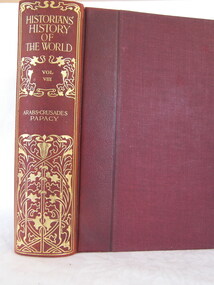
Book - Reference Book/History, Henry Smith Williams, The Historians History of the World Vol 8 set 1 - Edited by Henry Smith Williams L.L.D. Published by “The Times” 1908, 1908
... In Volume 8, he draws heavily from, Edward Gibbon, specifically from “The Decline and Fall of the Roman Empire” regarding the Saracen conquests. Theodor Nöldeke who was the primary source for the history of the Persians and Sassanids. ...In Volume 8, he draws heavily from, Edward Gibbon, specifically from “The Decline and Fall of the Roman Empire” regarding the Saracen conquests. Theodor Nöldeke who was the primary source for the history of the Persians and Sassanids. ...The 1908 edition of The Historians' History of the World is a monumental work of Edwardian scholarship, representing a specific era of "universal history" where the goal was to synthesise all human knowledge into a single narrative. Volume 8 shifts the lens eastward to document the civilisations that challenged Rome and Byzantium, eventually giving way to the Islamic Golden Age.Book is part of a 25 volume set with red cloth bindings and gold filigree design to rib.non-fictionThe 1908 edition of The Historians' History of the World is a monumental work of Edwardian scholarship, representing a specific era of "universal history" where the goal was to synthesise all human knowledge into a single narrative. Volume 8 shifts the lens eastward to document the civilisations that challenged Rome and Byzantium, eventually giving way to the Islamic Golden Age.flagstaff hill, warrnambool, shipwrecked-coast, flagstaff-hill-maritime-museum, maritime-museum, book, the historians history of the world vol 8 set 1, reference book -
 Flagstaff Hill Maritime Museum and Village
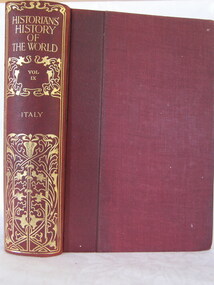
Book - Reference Book/History, Henry Smith Williams, The Historians History of the World Vol 9 set 1 - Edited by Henry Smith Williams L.L.D. Published by “The Times” 1908, 1908
... (For more information on the Pattison Collection and the Mechanics Institute visit) https://victoriancollections.net.au/items/5580c7e72162f114d8b758db warrnambool shipwrecked-coast flagstaff-hill flagstaff-hill-maritime-museum maritime-museum book the historians history of the world vol 9 set 1 Henry Smith Williams The 1908 edition of The Historians' History of the World is a monumental work of Edwardian scholarship, representing a specific era of "universal history" where the goal was to synthesise all human knowledge into a single narrative. While previous volumes dealt with the Roman Empire, Volume 9 picks up the story after the "Fall of Rome" and tracks the peninsula’s evolution through the dawn of the 20th century. ...The 1908 edition of The Historians' History of the World is a monumental work of Edwardian scholarship, representing a specific era of "universal history" where the goal was to synthesise all human knowledge into a single narrative. While previous volumes dealt with the Roman Empire, Volume 9 picks up the story after the "Fall of Rome" and tracks the peninsula’s evolution through the dawn of the 20th century.The Book is part of a 25 volume set with red cloth bindings and gold filigree design to ribnon-fictionThe 1908 edition of The Historians' History of the World is a monumental work of Edwardian scholarship, representing a specific era of "universal history" where the goal was to synthesise all human knowledge into a single narrative. While previous volumes dealt with the Roman Empire, Volume 9 picks up the story after the "Fall of Rome" and tracks the peninsula’s evolution through the dawn of the 20th century. warrnambool, shipwrecked-coast, flagstaff-hill, flagstaff-hill-maritime-museum, maritime-museum, book, the historians history of the world vol 9 set 1, henry smith williams -
 Flagstaff Hill Maritime Museum and Village
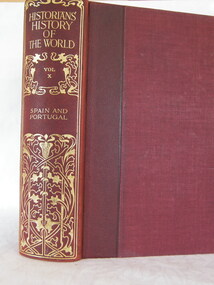
Book - Reference Book/History, Henry Smith Williams, The Historians History of the World Vol 10 set 1 - Edited by Henry Smith Williams L.L.D. Published by “The Times” 1908, 1908
... history of Spain not just as a territorial dispute, but as a fundamental conflict between Western Christianity and Eastern Islam. The "Crucible Effect “ text as it was known argues that the constant warfare against the Moors forged the Spanish identity into one that was uniquely militaristic and intensely devout. This the text argues formed a cultural synthesis within Spain despite the conflict. The volume highlights the intellectual "Golden Age" of Muslim Spain, noting how it preserved Greek and Roman...history of Spain not just as a territorial dispute, but as a fundamental conflict between Western Christianity and Eastern Islam. The "Crucible Effect “ text as it was known argues that the constant warfare against the Moors forged the Spanish identity into one that was uniquely militaristic and intensely devout. This the text argues formed a cultural synthesis within Spain despite the conflict. The volume highlights the intellectual "Golden Age" of Muslim Spain, noting how it preserved Greek and Roman ...The 1908 edition of The Historians' History of the World is a monumental work of Edwardian scholarship, representing a specific era of "universal history" where the goal was to synthesise all human knowledge into a single narrative. Volume 10 specifically focuses on the Late “Middle Ages” and the “Renaissance period”, particularly in Italy and Spain. Starting with the clash of civilisations, Islam vs. Christianity.The Book is part of a 25 volume set with red cloth bindings and gold filigree design to rib.non-fictionThe 1908 edition of The Historians' History of the World is a monumental work of Edwardian scholarship, representing a specific era of "universal history" where the goal was to synthesise all human knowledge into a single narrative. Volume 10 specifically focuses on the Late “Middle Ages” and the “Renaissance period”, particularly in Italy and Spain. Starting with the clash of civilisations, Islam vs. Christianity. flagstaff hill, warrnambool, shipwrecked-coast, flagstaff-hill, flagstaff-hill-maritime-museum, maritime-museum, shipwreck-coast, flagstaff-hill-maritime-village, the historians history of the world vol 10 set 1, book -
 Flagstaff Hill Maritime Museum and Village
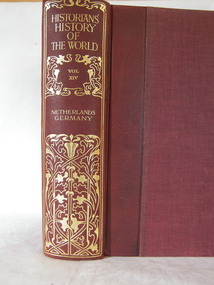
Book - Reference Book/History, Henry Smith Williams, The Historians History of the World Vol 14 set 1 - Edited by Henry Smith Williams L.L.D. Published by “The Times” 1908, 1908
... The Germanic Empires are extensively covered with the bulk of the volume transitions into the history of the Holy Roman Empire and its successor states. ...The Germanic Empires are extensively covered with the bulk of the volume transitions into the history of the Holy Roman Empire and its successor states. ...Henry Smith Williams’ “The Historians' History of the World” is a chronological and geographical "tapestry" of human events, these twenty five volumes occupy a very specific and prestigious place in historical research. Volume 14 serves as a bridge between the late early-modern period and the height of the imperial era for two major European powers. It is titled "The Netherlands (concluded), The Germanic Empires."The Book is part of a 25 volume set with red cloth bindings and gold filigree design to rib.non-fictionHenry Smith Williams’ “The Historians' History of the World” is a chronological and geographical "tapestry" of human events, these twenty five volumes occupy a very specific and prestigious place in historical research. Volume 14 serves as a bridge between the late early-modern period and the height of the imperial era for two major European powers. It is titled "The Netherlands (concluded), The Germanic Empires."flagstaff hill, warrnambool, flagstaff-hill-maritime-museum, maritime-museum, shipwreck-coast, flagstaff-hill-maritime-village, book, the historians history of the world vol 14 set 1, henry smith williams -
 Flagstaff Hill Maritime Museum and Village
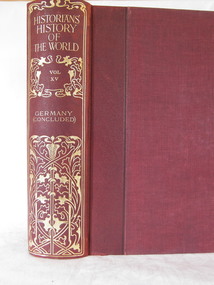
Book - Reference Book/History, Henry Smith Williams, The Historians History of the World Vol 15 set 1 - Edited by Henry Smith Williams L.L.D. Published by “The Times” 1908, 1908
... History of the World” moves into the heart of modern European power dynamics. Published by The Times in 1908, this volume focuses on the rise of the modern German state and the evolution of the Austrian Empire. While Volume 14 introduced the early Germanic tribes and the Holy Roman...History of the World” moves into the heart of modern European power dynamics. Published by The Times in 1908, this volume focuses on the rise of the modern German state and the evolution of the Austrian Empire. While Volume 14 introduced the early Germanic tribes and the Holy Roman ...Henry Smith Williams’ “The Historians' History of the World” is a chronological and geographical "tapestry" of human events, these twenty five volumes occupy a very specific and prestigious place in historical research. Volume 15 of “The Historians' History of the World” moves into the heart of modern European power dynamics. Published by The Times in 1908, this volume focuses on the rise of the modern German state and the evolution of the Austrian Empire.The Book is part of a 25 volume set with red cloth bindings and gold filigree design to rib.non-fictionHenry Smith Williams’ “The Historians' History of the World” is a chronological and geographical "tapestry" of human events, these twenty five volumes occupy a very specific and prestigious place in historical research. Volume 15 of “The Historians' History of the World” moves into the heart of modern European power dynamics. Published by The Times in 1908, this volume focuses on the rise of the modern German state and the evolution of the Austrian Empire.flagstaff hill, warrnambool, shipwrecked-coast, flagstaff-hill-maritime-museum, maritime-museum, shipwreck-coast, flagstaff-hill-maritime-village, book, the historians history of the world vol 15 set 1, henry smith williams -
 Flagstaff Hill Maritime Museum and Village
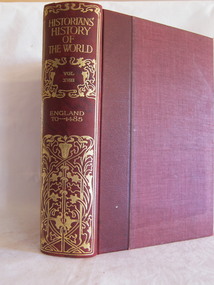
Book - Reference Book/History, Henry Smith Williams, The Historians History of the World Vol 18 set 1 - Edited by Henry Smith Williams L.L.D. Published by “The Times” 1908, 1908
... history within the series. It chronicles the evolution of the English nation from its earliest recorded beginnings through the end of the Middle Ages. Key historical periods and events covered are the Roman...history within the series. It chronicles the evolution of the English nation from its earliest recorded beginnings through the end of the Middle Ages. Key historical periods and events covered are the Roman ...Henry Smith Williams’ “The Historians' History of the World” is a chronological and geographical "tapestry" of human events, these twenty five volumes occupy a very specific and prestigious place in historical research. Volume 18 specifically focuses on the history of England to 1485, it serves as the foundational text for British history within the series. It chronicles the evolution of the English nation from its earliest recorded beginnings through the end of the Middle Ages.The Book is part of a 25 volume set with red cloth bindings and gold filigree design to rib.non-fictionHenry Smith Williams’ “The Historians' History of the World” is a chronological and geographical "tapestry" of human events, these twenty five volumes occupy a very specific and prestigious place in historical research. Volume 18 specifically focuses on the history of England to 1485, it serves as the foundational text for British history within the series. It chronicles the evolution of the English nation from its earliest recorded beginnings through the end of the Middle Ages.flagstaff hill, warrnambool, shipwrecked-coast, flagstaff-hill, flagstaff-hill-maritime-museum, maritime-museum, shipwreck-coast, flagstaff-hill-maritime-village, book, the historians history of the world vol 18 set 1 -
 Flagstaff Hill Maritime Museum and Village
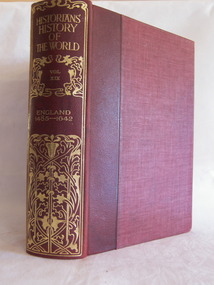
Book - Reference Book/History, Henry Smith Williams, The Historians History of the World Vol 19 set 1 - Edited by Henry Smith Williams L.L.D. Published by “The Times” 1908, 1908
... history of England from the rise of the Tudor Dynasty to the eve of the English Civil War. The narrative begins with the aftermath of the Wars of the Roses and the coronation of Henry VII (1485). It details the radical religious and political shifts of the 16th century and concludes during the reign of Charles I, specifically leading up to the outbreak of the Civil War in 1642. Key themes within the volume include, the reigns of Henry VIII, Edward VI, Mary I, and Elizabeth I. The English “Reformation” explaining the break from the Roman...history arc. While earlier volumes cover the "Ancient World" (Vols. 1–4), the "Roman Empire" (Vols. 5–7), and "Continental Europe" (Vols. 9–17), Volume 19 shifts the focus to the emergence of England as a global super power. ...Henry Smith Williams’ “The Historians' History of the World” is a chronological and geographical "tapestry" of human events, these twenty five volumes occupy a very specific and prestigious place in historical research. Volume 19 is a pivotal component of the series, focusing specifically on a trans-formative era of British history from 1485 to 1642 covering the history of England from the rise of the Tudor Dynasty to the eve of the English Civil War.The Book is part of a 25 volume set with red cloth bindings and gold filigree design to rib.non-fictionHenry Smith Williams’ “The Historians' History of the World” is a chronological and geographical "tapestry" of human events, these twenty five volumes occupy a very specific and prestigious place in historical research. Volume 19 is a pivotal component of the series, focusing specifically on a trans-formative era of British history from 1485 to 1642 covering the history of England from the rise of the Tudor Dynasty to the eve of the English Civil War.flagstaff hill, warrnambool, shipwrecked-coast, flagstaff-hill-maritime-museum, maritime-museum, shipwreck-coast, flagstaff-hill-maritime-village, book, the historians history of the world vol 19 set 1, henry smith williams -
 Flagstaff Hill Maritime Museum and Village
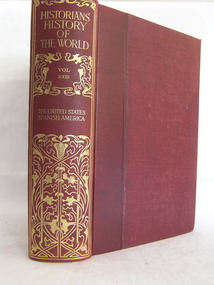
Book - Reference Book/History, Henry Smith Williams, The Historians History of the World Vol 23 set 1 - Edited by Henry Smith Williams L.L.D. Published by “The Times” 1908, 1908
... Roman Empire and the subsequent German "War of Liberation." German unification under the leadership of Otto Von Bismarck and the creation of the German Empire in 1871. For Scandinavia a comprehensive history...Roman Empire and the subsequent German "War of Liberation." German unification under the leadership of Otto Von Bismarck and the creation of the German Empire in 1871. For Scandinavia a comprehensive history ...The historians' History of the World, Volume 23 serves as a fascinating transition point where the series moves from the political history of nations to the broader history of the West, and the late-stage development of several major world powers. This volume covers and returns to, Germany, Scandinavia, and the Modern Nations. It is a diverse volume that primarily focuses on the History of Germany (Part II), covering the period from the mid-18th century through the early 20th century, and the History of Scandinavia.The Book is part of a 25 volume set with red cloth bindings and gold filigree design to rib.non-fictionThe historians' History of the World, Volume 23 serves as a fascinating transition point where the series moves from the political history of nations to the broader history of the West, and the late-stage development of several major world powers. This volume covers and returns to, Germany, Scandinavia, and the Modern Nations. It is a diverse volume that primarily focuses on the History of Germany (Part II), covering the period from the mid-18th century through the early 20th century, and the History of Scandinavia. flagstaff hill, warrnambool, shipwrecked-coast, flagstaff-hill-maritime-museum, maritime-museum, flagstaff-hill-maritime-village, book, the historians history of the world vol 23 set 1, henry smith williams -
 Flagstaff Hill Maritime Museum and Village
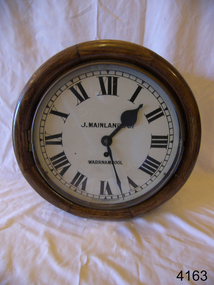
Clock, 1890s
... Having an item that was made by John Mainland during the early development of Warrnambool and in such good condition is in itself significant, it's provenance is well established and it is another piece of local history that further tells a story of Warrnambool's cultural life and early development in the 1890s. flagstaff hill warrnambool shipwrecked-coast flagstaff-hill flagstaff-hill-maritime-museum maritime-museum shipwreck-coast flagstaff-hill-maritime-village Warrnambool Clock maker John Mainland John Gall Mainland Mary Gall clock maker optician jeweller Name of maker to dial face "J Mainland & Co Warrnambool" Wall Clock, circular in a wooden case Roman numerals on a twelve hour dial Clock John Gall Mainland ...John Gall Mainlands father John Mainland Snr. was born in 1835 in the town of Lerwick in the Shetland Isles off the coast of Scotland. At the age of fifteen, he migrated to the South Island of New Zealand where he trained as a carpenter/builder after settling in Oamaru where he soon became a prominent citizen. He was for many years the Chairman of the Hospital Board and Captain of the fire brigade (which he founded). Mary Gall, Johns wife had also migrated with her family from Glasgow Scotland in 1837 at the age of thirteen to New Zealand where she had met and married John Mainland and in 1866 John Gall Mainland the second eldest of their six children was born. After John Gall Mainland Jnr. had trained as a jeweller and watchmaker he also developed itchy feet and left New Zealand for Australia in the late 1880s eventually settling in Walhalla Victoria where he became chief of the fire brigade for ten years before moving to Warrnambool. Gertrude Emily born 1872 met and married John G Mainland after he had increased his skills to become an optician. In Jan 1892 opened a business in Liebig St Warrnambool the sign outside his premises read, (J Mainland Watchmaker Jeweler and Optician). While he was establishing his business and profession John had set about contributing to the cultural and business life of the Warrnambool community. One of his many community commitments was with the scouting movement where he became a King Scout and an original charter member of the Warrnambool Rotary Club.The clock was made by an early Warrnambool business identity who had also made an important contribution to the local community over the years through his involvement with Rotary as a founding member the fire brigade. Having an item that was made by John Mainland during the early development of Warrnambool and in such good condition is in itself significant, it's provenance is well established and it is another piece of local history that further tells a story of Warrnambool's cultural life and early development in the 1890s. Wall Clock, circular in a wooden case Roman numerals on a twelve hour dialName of maker to dial face "J Mainland & Co Warrnambool"flagstaff hill, warrnambool, shipwrecked-coast, flagstaff-hill, flagstaff-hill-maritime-museum, maritime-museum, shipwreck-coast, flagstaff-hill-maritime-village, warrnambool clock maker, john mainland, john gall mainland, mary gall, clock maker, optician, jeweller -
 Federation University Historical Collection
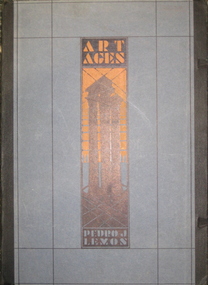
Book, Art Ages, 1929 (exact)
... This art portfolio contains ten periods of art history: Egyptian, Assyrian, Grecian, Roman, Byzantine, Romanesque, Saracenic, Gothic, Renaissance and Georgian. ...This art portfolio contains ten periods of art history: Egyptian, Assyrian, Grecian, Roman, Byzantine, Romanesque, Saracenic, Gothic, Renaissance and Georgian. ...Pedro J. Lemos was an educator and artist. He was also the editor of the School of Arts Magazine and Director of Stanford University Museum of Fine Arts. He was born in 1882 and died in 1954. This art portfolio contains ten periods of art history: Egyptian, Assyrian, Grecian, Roman, Byzantine, Romanesque, Saracenic, Gothic, Renaissance and Georgian. Some of the images are: The Temple of Luxor in Egypt, Temple of Zeus, the Arch of Titus, Gothic cathedral in Cologne, Assyrian furniture and weapons, Greek architectural decorations, Byzantine costumes, Renaissance weapons and household articles, plus much more. Blue, large, hard cover. Black tape edges and spine. Title is written in orange on front cover. Ribbon ties stitched to the edge of the cover used to close book by tying them together. Loose pages showing coloured and b/w illustrations of the ages of art. Includes fold-out text booklet with five pages. The book has a number of coloured prints of examples of art through the ages, including Egyptian, Assyrian, Grecian, Roman, Byzantine, Romanesque, Saracenic, Gothic, Renaissance and Georgian. Inside the front cover there is a plate titled "Ballarat Techincal Art School Library no. R/400". It is also stamped with the publisher's details. art, art ages, pedro j lemos, historic art, egyptian art, grecian art, roman art, byzantine art, romanesque art, saracenic art, gothic art, renaissance art, american colonial art, assyrian art, ancient costumes, ancient weapons, ancient instruments, ancient household articles, ancient furniture, ancient architectural, textile decorations -
 Federation University Historical Collection
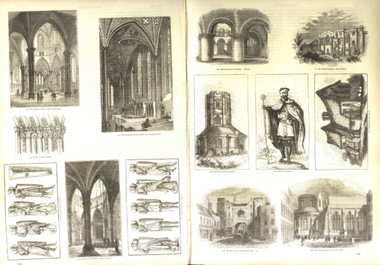
Book, Old England: a pictorial museum of Regal, Ecclesiastical, Baronial, Municipal and Popular Antiquities, 1860 (exact)
... history...great britain description...the british period...the roman...This book covers the period of English history from pre Roman times to the Industrial age. ...This book covers the period of English history from pre Roman times to the Industrial age. ...Charles Knight is an English publisher and author. He was born at Windsor in 1791, and died in 1873 at Addlestone, Surrey. This book covers the period of English history from pre Roman times to the Industrial age. It shows how life was like in old England in regards to people, places, architecture and fashions, etc. The book contains 1000's of wonderful engravings, hand coloured plates beside 100's of pages of text contained in one volume. A large leather brown/gilt cover book with black leather bound and corners. 392 p. with coloured and b/w illustrations. It includes a table of contents of volume 1, 18 illuminated engraved (colour) plates, indexes to the engravings at the end of the book. 'Old England' gilt decoration on spine. The book shows how life was like in old England in regards to people, places, architecture and fashions, etc. from Roman times through to Industrial age. The book is published in two volumes, the book in hand contains volume 1 only.A plate inside front cover titled "Ballarat Technical Art School Library No. R/170"travel, customs, and, great britain antiquities, old england history, great britain description, the british period, the roman period, the anglosaxon period, regal baronial antiquities, ecclesiastical antiquities, great, britain social, life, charles knight, tomb of mary queen of scots, rochester castle -
 Federation University Historical Collection
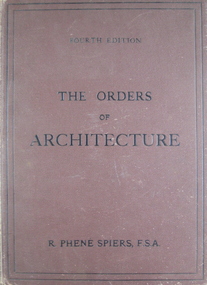
Book - Books, Spiers, R. Phene, The Order Of Architecture: Greek, Roman, and Italian, 1902 (exact)
... His works and publications covered a wide range of subjects in architecture such as, History of Architecture, Architectural Drawing; The Architecture of Greece and Rome, The Mosque at Damascus; and the articles on Persian and Roman Architecture in Dr. ...His works and publications covered a wide range of subjects in architecture such as, History of Architecture, Architectural Drawing; The Architecture of Greece and Rome, The Mosque at Damascus; and the articles on Persian and Roman Architecture in Dr. ...A large brown hardcover book. Title and author's name are written in black on front cover and in gold on spine. This is the 4th ed., containing twenty-seven plates. It includes a preface to 4th and 1st ed., a list of plates, 20 p. of text and a list of references. This book contains a selection of architectural designs of the Orders as employed in ancient buildings.r phene spiers, greek roman italian architecture, the doric order, the ionic order, the corinthian order, the composite order, the temple of theseus athens, the theatre of marcellus rome, temple of vespasian rome, library plate, book plate -
 Federation University Historical Collection
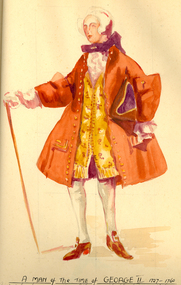
Book, Historic Ornament Parts I and II. Ballarat Technical Art School Art History Books, 1931, 1931
... Includes History of Ornament, Egyptian Ornament, Assyrian Ornament; Greek Ornament, Roman Ornament, Pompeian Ornament, Byzantine, Romanesque Ornament, Norman, Decorated Gothic, Perpendicular Gothic, Renaissance. .2) Green quarto book on Historic Ornament Part 2: Costume. ...The work includes Egyptian Costume, Greek Costume, Roman Costume, Richard I, Crusades, Edward III, Charles I, Charles II, George II. Historic Ornament Parts I and II. Ballarat Technical Art School Art History Books, 1931 Book Book Edith Curnow Edith Curnow ...Edith CURNOW (1913–2003) Ballarat | Australia Edith Gertrude Curnow undertook Industrial Art teacher training at the Ballarat Technical Art School, with a five-year Senior Technical Scholarship, between 1926 and 1931. She taught for a time before marrying compositor James Lawn in 1937. She reportedly continued to teach at the Ballarat Technical Art School as Edith Lawn. She retired in 1972 at which time she was the Lecturer in Charge of Craft Edith Lawn was a member of inaugural Ballarat School of Mines Old Girls Association, and served as first Press Correspondent. Her daughter, Valda Lawn (later D'Angri) also attended and taught at the School. One of the subjects Curnow studied was Historic Ornament. This subject spanned time and space to inform and inspire designers. Students studied the influences of history, geography, culture and climate on ornamental aesthetics, including the tools, materials and methods applied to decorative objects, interior design and architecture.Two books containing student notes and drawing relating to courses at the Ballarat techncial Art School in 1931. The work was undertaken by Edith Curnow. .1) - Foolscap red covered book on Historic Ornament. Includes History of Ornament, Egyptian Ornament, Assyrian Ornament; Greek Ornament, Roman Ornament, Pompeian Ornament, Byzantine, Romanesque Ornament, Norman, Decorated Gothic, Perpendicular Gothic, Renaissance. .2) Green quarto book on Historic Ornament Part 2: Costume. The work includes Egyptian Costume, Greek Costume, Roman Costume, Richard I, Crusades, Edward III, Charles I, Charles II, George II.ballarat school of mines, ballarat technical art school, art history, edith lawn, edith curnow, val lawn, val d'angri, curnow, lawn, ornament, costume., ballarat technical art school library, artists workbook, journal, historic ornament, university women, ballarat school of mines old girls association
