
Showing 38 items matching "a long way to go"
-
 Moorabbin Air Museum
Book - BRISTOL BEAUFIGHTER, Beaufighters and Mosquitos The Balkans, Malaya and the Sudan
... ...A long way to go...Bristol Beaufighter How it all started Pilot/navigator or air gunner Canada A long way to go Mediterranean idyll Adriatic adventure The road to Mandalay Up & down the Nile Photos & maps Overview of author's flying experiences & life in WW2 RAF, circa 2016 Beaufighters and Mosquitos The Balkans, Malaya and the Sudan Book BRISTOL BEAUFIGHTER ...Overview of author's flying experiences & life in WW2 RAF, circa 2016non-fictionOverview of author's flying experiences & life in WW2 RAF, circa 2016how it all started, pilot/navigator or air gunner, canada, a long way to go, mediterranean idyll, adriatic adventure, the road to mandalay, up & down the nile, photos & maps -
 Lara RSL Sub Branch
Photograph, Set 4 photographs. and others for Torquay Light Horse camp, 1940
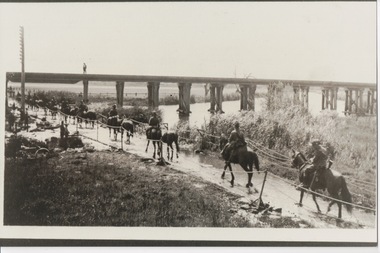
... Bush life had hardened them to go for long periods with little food and water. They also showed remarkable ability to find their way in a strange country and use its features for cover, in both attack and defence. ...Bush life had hardened them to go for long periods with little food and water. They also showed remarkable ability to find their way in a strange country and use its features for cover, in both attack and defence. ...These images capture for all time Light Horsemen travelling through Geelong on their way to camp at Torquay for the last Group meeting in Australia . information following - details obtained from .........https://torquayhistory.com/light-horse-brigade/ On Australia Day, 1997, Sir John Young unveiled this plaque on Point Danger, Torquay. Torquay history, Light Horse Training Camp, WW2 Plaque at Pt. Danger Note----- (See images to view plaque) The plaque identifies a significant event in Torquay’s history and the sentiments of ‘change’ for the Light Horse Brigade – from horses to machines. In 1940 the four Light Horse Regiments (4th, 8th, 13th and 20th), some 5000 Light Horse and 2000 horses camped and trained at Torquay. Three other regiments, formerly mounted on horses, were also at Torquay ‘mounted’ on privately owned trucks and cars. Division troops included Artillery, Engineers, Signals, Field Ambulance and other branches of the Army necessary to enable a Division to function. It wasn’t just the sheer numbers of men coming to this little town that made the event significant, it was also the fact that the men of the Light Horse were dramatic, almost glamorous figures and it is easy to see their exploits as some splendid adventure. Horses have played a special role in the story of Australia. They were the only means of transport across this huge country, so it was necessary for everyone to have the ability to ride a horse. When war broke out in 1899 between Britain and the Boers of South Africa (“Boer” was Dutch for “farmer”) Australia sent troops to fight. At first Britain was wary of using untried, unprofessional colonial cavalrymen but soon saw that the slouch-hatted Australian “bushmen” were a match for the fast-moving and unconventional mounted commandos of the Boers. The Australians proved themselves to be expert rough-riding horsemen and good shots. Bush life had hardened them to go for long periods with little food and water. They also showed remarkable ability to find their way in a strange country and use its features for cover, in both attack and defence. By 1914, when Australia joined the war against Germany, there were 23 Light Horse regiments of militia volunteers. Many men from these units joined the Light Horse regiments of the Australian Imperial Force (AIF). Men were given remounts (if not using their own horses) – army horses bought by Commonwealth purchasing officers from graziers and breeders. These were called “walers” because they were a New South Wales stockhorse type – strong, great-hearted animals with the strains of the thoroughbred and semi-draught to give them speed, strength and stamina. On 1st November, 1914, Australia’s First Infantry Division and the first four Light Horse regiments sailed for England in a fleet of transport ships. The first of the Light Horse arrived at Gallipoli in May without their horses. Back with their horses after Gallipoli, they were formidable combatants across the Sinai and Palestine. Some British commanders observed that the light horseman moved with a “lazy, slouching gait, like that of a sleepy tiger” but described how the promise of battle “changes that careless gait, into a live athletic swing that takes him over the ground much quicker than other troops”. They had Light Horse, Torquay, training campdeveloped a reputation as formidable infantrymen. The Turks called them “the White Ghurkas” – a reference to their deadly skill with the bayonet. The Arabs called them “The Kings of the Feathers”. The plume had originally been a battle honour of the Queensland Mounted Infantry for their work in the shearer’s strike of 1891. During WW1 it was adopted by almost all the Light Horse Regiments. It was the proud badge of the light horseman. The most famous of their battles was the attack on Beersheba- the charge of the 4th Light Horse Brigade. Mounted infantrymen and their superb walers had carried out one of the most successful cavalry charges in history – against what seemed impossible odds. They surprised the Turks by charging cavalry-style, when they would normally have ridden close to an objective then dismounted to fight. The fall of Beersheba swung the battle tide against the Turks in Palestine; and changed the history of the Middle East. While 19 men from the Surf Coast Shire served with the 4th Light Horse over the course of WW1, only four were involved in the charge of Beersheba- John GAYLARD, Philip QUINN.(Winchelsea); Wallace FINDLAY (Anglesea); Harry TRIGG (Bambra). After the war, Light Horse units played a key role in the Australian Government’s compulsory military training programme. The Citizen Military Forces (C.M.F.) thrived on the glamour of the wartime Light Horse tradition, ignoring the possibility that motor vehicles would soon replace the horses. When training was no longer compulsory, the C.M.F. regiments declined and horses became more of a luxury during the 1930s depression years of poverty and unemployment. Some regiments were motorised. Then, in 1939, Australia joined Britain in another world war. Training was increased for the militia at both home bases and regional training camps. The camp at Torquay in 1940, commanded by Major General Rankin, was at Divisional strength. By the end of the camp some felt that the Division was ready for active service. Gradually, over the next four years, the Australian Light Horse units were mounted on wheels and tracks and the horses were retired. Six men enlisted at the Torquay camp and another 57 men and women enlisted at Torquay for service in WW2. Those who served in the Militia provided valuable Officers and NCOs and men for the armed services during the war. Each infantry division of the 2nd AIF had a Light Horse regiment attached to it. But the day of the Australian mounted soldier hadn’t quite passed. During World War II, Australia’s 6th Cavalry Regiment formed a mounted unit they called “The Kelly Gang” which did valuable scouting work. In New Guinea, a mounted Light Horse Troop did patrol duty and helped carry supplies. Some fully equipped walers were flown into Borneo for reconnaissance in rugged mountain country. But by the end of the war, in 1945, the horse had disappeared from the Australian Army. References: Australian Light Horse Association www.lighthorse.org.au National Australia Archives Australian War Memorial Surf Coast Shire WW1 memorials www.togethertheyserved.com The Light horse- a Cavalry under Canvas Light Horse, Training Camp, Torquay, WW2 Late in 1939 it was decided to set up a Lighthorse training camp in Torquay to train both men and horses for the battles of the Second World War. Horses, men and equipment came on special trains from all over Victoria and NSW, and as you would expect horseman came from areas such as Omeo and Sale, the Wimmera and the Western District. They arrived at the Geelong racecourse for watering in the Barwon River and then were ridden across the ford at the breakwater and began their 11 mile trek to Torquay. Light Horse, Training Camp, Torquay, WW2 Tent city By the end of January 1940 the camp at Torquay accommodated some 5000 men and 2500 horses of the Second Cavalry Division. The rows of horses, tents and huts near Blackgate Road were quite a sight. While the cavalrymen engaged in exercises on the land and on the beaches, many of the troops took over the Torquay School for special training of men and officers. Mr Bob Pettit local farmer and Councillor for the Barrabool Shire, wrote about the Light horse in the Surf Coast Community News in 1985 saying “They used to travel about the district riding four abreast in one long convoy. To my annoyance they went through my property and shut all the gates behind them. I had certain gates open to let stock in to the water holes and it would take me three -quarters of an hour to follow the horsemen up and put all the gates right again” he continued “the men from the Light Horse were here when the fire went through in March 1940. He recalled an incident when early one morning, as some one blew the bugle, a soldier putting a white sheet on the line frightened the horses. They panicked and ran off in all directions. Six went over the cliff near Bird Rock, five were never found, and the rest were gathered up after nearly a fortnight in the bush around Addiscott and Anglesea" Light Horse, Training Camp, Torquay, WW2, Geelong Parade Geelong parade The training camp culminated in a parade through the streets of Geelong on March 12th 1940. The salute was given at the Town Hall and the troops continued on a route to the You Yang’s for a training exercise. Note-----(see media section for photograph) The Camp was abandoned in mid 1940 as it was deemed unsuitable for training during winter and the cost of a permanent camp could not be justified if it could not be used all year. Historic.......Rare,,,Interpretive.Sepia photographs.set of four ....post card size ....Horses &LighthorsemenNo 1, Lighthorsemen Regiment Geelong 1940......No 2 Light Horse at Breakwater Geelong 1938 to 1940....No 3 Light Horse at Breakwater Geelong 1938 to 1940.....No 4 Light Horse crossing Breakwater camped at Geelong Showgrounds. These markings are on reverse of photographs.light horsemengeelong 1940., world war 2 -
 Flagstaff Hill Maritime Museum and Village
Functional object - Navigation Side Lamp, early 20th century
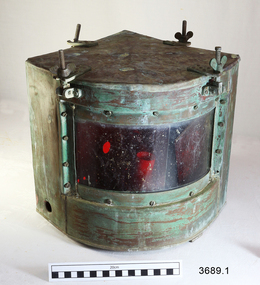
... way to Melbourne, she was wrecked near Cape Otway. None of the nine crew lost their lives.) The promised funds for converting Rowitta into the Speculant were no longer available, so she was restored back to her original configuration. She represented the importance of coastal traders to transport, trade and communication in Australia times before rail and motor vehicles. Sadly, in 2015 the time had come to demolish the Rowitta due to her excessive deterioration and the high cost of on-going...way to Melbourne, she was wrecked near Cape Otway. None of the nine crew lost their lives.) The promised funds for converting Rowitta into the Speculant were no longer available, so she was restored back to her original configuration. She represented the importance of coastal traders to transport, trade and communication in Australia times before rail and motor vehicles. Sadly, in 2015 the time had come to demolish the Rowitta due to her excessive deterioration and the high cost of on-going ...This pair of navigational lamps or lights was fitted to the vessel S.S. Rowitta when it was renovated to become a display passenger ferry at Flagstaff Hill Maritime Village from 1976-2015. Navigation lamps are used to indicate a vessel’s position and direction of travel to other vessels nearby. This system of coloured lamps is standardised throughout the world for all marine vessels, red is for port and green for starboard, (red is for the boats right hand side). These navigation lamps were not the original fittings for this vessel but had come from a similar vessel of the same era of the early 1900’s. The history of the lamp fittings at this time is unknown. SS ROWITTA: - The 1909 steam ferry, SS Rowitta, was installed as an exhibit at Flagstaff Hill in 1975 and was enjoyed by many visitors for 40 years. Rowitta was a timber steam ferry built in Hobart in 1909 using planks of Huon and Karri wood. She was a favourite of sightseeing passengers along Tasmania’s Tamar and Derwent rivers for 30 years. Rowitta was also known as Tarkarri and Sorrento and had worked as a coastal trading vessel between Devonport and Melbourne, and Melbourne Queenscliff and Sorrento. In 1974 Rowitta was purchased by Flagstaff Hilt to convert into a representation of the Speculant, a historic and locally significant sailing ship listed on the Victorian Heritage Database. (The Speculant was built in Scotland in 1895 and traded timber between the United Kingdom and Russia. Warrnambool’s P J McGennan & Co. then bought the vessel to trade pine timber from New Zealand to Victorian ports and cargo to Melbourne. She was the largest ship registered with Warrnambool as her home port, playing a key role in the early 1900s in the Port of Warrnambool. In 1911, on her way to Melbourne, she was wrecked near Cape Otway. None of the nine crew lost their lives.) The promised funds for converting Rowitta into the Speculant were no longer available, so she was restored back to her original configuration. She represented the importance of coastal traders to transport, trade and communication in Australia times before rail and motor vehicles. Sadly, in 2015 the time had come to demolish the Rowitta due to her excessive deterioration and the high cost of on-going repairs. She had given over 100 years of service and pleasure to those who knew her. These lamps are an historical example of navigational equipment used in the early 20th century, adhering to a navigational standard that is worldwide, and a design similar to what is still being used today. They were used on the display vessel at Flagstaff Hill Maritime Village as an aid to maritime education. The Rowitta represents the importance of coastal traders to transport, trade and communication along the coast of Victoria, between states, and in Australia before rail and motor vehicles. The vessel was an example of a ferry built in the early 20th century that served many different roles over its lifetime of over 100 years. Two side navigation ship's lamps, quarter circle shaped metal boxes with glass window and removable lid. The lid attaches to the box using four brackets, wingnuts and screws that swing down out of the way. The window of double-thickness glass is inserted on the curved side of the box and attached by screws around the frame. The inner glass panel is coloured according to the lamp’s use; port is red and starboard green. The port lamp has a round hole cut into each of the two straight sides and an electrical fitting inside. The starboard lamp also has a hole in each straight side (one with a threaded fitting). Its lid has an additional cross bar on top that has a circular space in the centre, nuts and screws fit through holes in the ends and a folding handle is attached across the centre space. The lamps were once fitted onto the vessel Rowitta. The starboard lamp has an inscription stamped into the metal. Impressed on 3689.2; “STARBOARD PATT 8025” flagstaff hill, warrnambool, flagstaff hill maritime museum, maritime museum, flagstaff hill maritime village, navigation lamp, navigation light, navigation equipment, starboard patt 8025, ship’s fitting, rowitta, tarkarri, speculant, purdon & featherstone of hobart, passenger ferry 1909, vessel, display rowitta, display passenger ferry, sorrento -
 Flagstaff Hill Maritime Museum and Village
Equipment - Lifebuoy
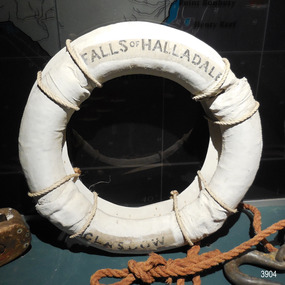
... going-vessels to carry life-preservers on board. The Falls of Halladale 1886-1908 The vessel ‘Falls of Halladale’ was a four-masted iron-hulled barque, launched in July 1886, by Russell & Co of Greenock, Scotland and owned by the Glasgow Falls Line, which named its ships after Scottish waterfalls. The ship was built for long distance cargo trade. The Falls of Halladale was one of the last windjammers that sailed the Trade Route. The ship was on its way...going-vessels to carry life-preservers on board. The Falls of Halladale 1886-1908 The vessel ‘Falls of Halladale’ was a four-masted iron-hulled barque, launched in July 1886, by Russell & Co of Greenock, Scotland and owned by the Glasgow Falls Line, which named its ships after Scottish waterfalls. The ship was built for long distance cargo trade. The Falls of Halladale was one of the last windjammers that sailed the Trade Route. The ship was on its way ...This lifebuoy is part of the lifesaving equipment from the sailing ship the Falls of Halladale. It is filled with cork and covered with canvas and reinforcing bands. The name of the ship and its origin is printed on the lifebuoy. It has been sealed with several coats of white paint. A lifebuoy, or life-preserver, is used as a buoyancy device to keep a person afloat in the. It is usually connected by a rope to a person in a safe area such a nearby vessel or on shore. The lifebuoy is thrown to a person in distress in the water, allowing the rescuer to pull the person to safety. The lifebuoy is a made from a buoyant material such as cork or rubber and is usually covered with canvas for protection and to make it easy to grip. The first use of life saving devices in recent centuries was by the Nordic people, who used light weight wood or cork blocks to keep afloat. From the early 20th century Kapok fibre was used as a filling for buoys. Light weight balsa wood was used as a filler after WW1. In 1928 Peter Markus invented and patented the first inflatable life-preserver. By WW2 foam was combined with Kapok. Laws were passed over time that has required aeroplanes and water going-vessels to carry life-preservers on board. The Falls of Halladale 1886-1908 The vessel ‘Falls of Halladale’ was a four-masted iron-hulled barque, launched in July 1886, by Russell & Co of Greenock, Scotland and owned by the Glasgow Falls Line, which named its ships after Scottish waterfalls. The ship was built for long distance cargo trade. The Falls of Halladale was one of the last windjammers that sailed the Trade Route. The ship was on its way from New York to Melbourne via the Cape of Good Hope when, after 102 days at sea, its journey suddenly ended. During the night of November 14, 1908, in calm seas with some coastal fog, an ocean swell raised the vessel up then let it down on a submerged reef wrecked at Curdies Inlet, Peterborough. The ship was stranded and the Port Campbell Rocket Crew were sent for, to perform a rescue. However by the time they arrived, all on board had already travelled by lifeboat to the nearby beach at the Bay of Islands. The sight of the slowly disintegrating ship on the rocks attracted many sightseers. This lifebuoy is significant for its association with the famous ship the Falls of Halladale. It is significant for its association with lifesaving equipment used on board vessels in the early 20th century. The Falls of Halladale shipwreck is listed on the Victorian Heritage Register (No. S255). She was one of the last ships to sail the Trade Routes. She is one of the first vessels to have fore and aft lifting bridges. She is an example of the remains of an International Cargo Ship and also represents aspects of Victoria’s shipping industry. The wreck is protected as a Historic Shipwreck under the Commonwealth Historic Shipwrecks Act (1976).Lifebuoy; round white canvas ring, joined with hand stitching. Stencil with inscription is printed in black on first and third quadrant. The canvas has been repainted in white but avoiding the inscription in the lifebuoy. A hanging board for display is attached with white rope. Lifesaving equipment from the Falls of Halladale.“FALLS OF HALLADALE” “GLASGOW”flagstaff hill, warrnambool, shipwrecked coast, flagstaff hill maritime museum, maritime museum, shipwreck coast, flagstaff hill maritime village, great ocean road, life rings, lifebuoy, safety ring, life-saving buoy, ring buoy, life preserver, personal floating device, floatation device, safety equipment, falls of halladale, glasgow falls line, rocket crew, lifeboat, peterborough -
 Flagstaff Hill Maritime Museum and Village
Photograph - Print of S. S. Rowitta, A.V. Gregory, 1912
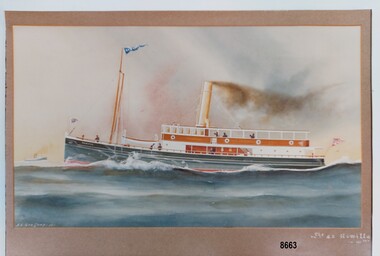
... way to Melbourne, she was wrecked near Cape Otway. None of the nine crew lost their lives.) The promised funds for converting the S. S. Rowitta into the Speculant were no longer available, so she was restored back to her original configuration. She represented the importance of coastal traders to transport, trade and communication in Australia times before rail and motor vehicles. Sadly, in 2015 the time had come to demolish the Rowitta due to her excessive deterioration and the high cost of on-going...way to Melbourne, she was wrecked near Cape Otway. None of the nine crew lost their lives.) The promised funds for converting the S. S. Rowitta into the Speculant were no longer available, so she was restored back to her original configuration. She represented the importance of coastal traders to transport, trade and communication in Australia times before rail and motor vehicles. Sadly, in 2015 the time had come to demolish the Rowitta due to her excessive deterioration and the high cost of on-going ...S. S. ROWITTA: - The 1909 steam ferry, S. S. Rowitta, was installed as an exhibit at Flagstaff Hill in 1975 and was enjoyed by many visitors for 40 years. S. S. Rowitta was a timber steam ferry built in Hobart in 1909 using planks of Huon and Karri wood. She was a favourite of sightseeing passengers along Tasmania’s Tamar and Derwent rivers for 30 years. The Rowitta was also known as Tarkarri and Sorrento and had worked as a coastal trading vessel between Devonport and Melbourne, and Melbourne Queenscliff and Sorrento. In 1974 the S. S. Rowitta was purchased by Flagstaff Hill to convert into a representation of the Speculant, a historic and locally significant sailing ship listed on the Victorian Heritage Database. (The Speculant was built in Scotland in 1895 and traded timber between the United Kingdom and Russia. Warrnambool’s P J McGennan & Co. then bought the vessel to trade pine timber from New Zealand to Victorian ports and cargo to Melbourne. She was the largest ship registered with Warrnambool as her home port, playing a key role in the early 1900s in the Port of Warrnambool. In 1911, on her way to Melbourne, she was wrecked near Cape Otway. None of the nine crew lost their lives.) The promised funds for converting the S. S. Rowitta into the Speculant were no longer available, so she was restored back to her original configuration. She represented the importance of coastal traders to transport, trade and communication in Australia times before rail and motor vehicles. Sadly, in 2015 the time had come to demolish the Rowitta due to her excessive deterioration and the high cost of on-going repairs. She had given over 100 years of service and pleasure to those who knew her. Arthur Victor Gregory (known as A. V. Gregory) was born in Melbourne in 1867. He was the son of George Frederick Gregory who was an established marine painter with a studio in South Melbourne. A. V. Gregory worked with his father and his elder half-brother (George Frederick Junior). They made numerous photographic reproductions of their ships' portraits, selling the originals to captains and owners and the photographic prints to the crews. A. V. Gregory inherited the business on the death of his father in 1890 and continued to paint until World War 2 when he stopped for wartime security reasons. Gregory worked mainly in watercolour and gouache. He kept all his working sketches so he could repeat earlier paintings and make more copies of the same ship. His carefully detailed portraits of every kind of vessels seen on Port Phillip Bay created a body of work regarded as a valuable record of the maritime traffic of that period.This print is a significant example of the work of the well-known and well-respected marine painter A. V. Gregory who created a detailed record of shipping in the Port Phillip Bay area in the years before W.W. 2. It is also significant as it connects the history of the S. S. Rowitta, which was a large exhibit on display at Flagstaff Hill Maritime Village from the museum’s early beginnings until the vessel’s end of life 40 years later. The S. S. Rowitta represents the importance of coastal traders to transport, trade and communication along the coast of Victoria, between states, and in Australia before rail and motor vehicles and is significant for its association with Tasmanian history from the early to mid-1900s. The vessel was an example of a ferry built in the early 20th century that served many different roles over its lifetime of over 100 years.This is a photograph of a watercolour painting of the S. S. Rowitta. It shows a steamer moving through the water. The ship has a blue, metal hull, a wooden lower and upper deck, a lifeboat and smoke coming out of a chimney. Flags are flying from the bow, the stern and the mast. Seven figures can be seen on the decks. A second boat can be seen in the distance in the far left of the picture. It has the signature "A. V. Gregory - 12" in the bottom left corner and the title "S. S. Rowitta - 121 tns" in the lower right corner.Signed "A. V. Gregory -12-" Titled "The S. S. Rowitta / -121 tns" Printed on the ships' bow - "ROWITTA"flagstaff hill maritime museum and village, warrnambool, great ocean road, shipwreck coast, s. s. rowitta, rowitta, a. v. gregory, painting, marine painting, marine painter, steamer, steam ferry, passenger ferry, alfred gregory, tarkarri, sorrento, speculant, print, photograph -
 Flagstaff Hill Maritime Museum and Village
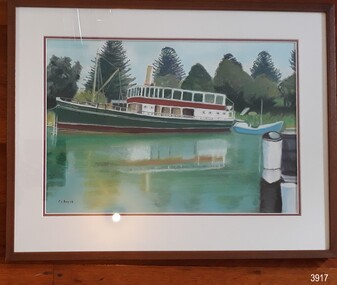
Painting - Maritime painting, Carmel Beavis, The Rowitta, 2012
... way to Melbourne, she was wrecked near Cape Otway. None of the nine crew lost their lives.) The promised funds for converting Rowitta into the Speculant were no longer available, so she was restored back to her original configuration. She represented the importance of coastal traders to transport, trade and communication in Australia times before rail and motor vehicles. Sadly, in 2015 the time had come to demolish the Rowitta due to her excessive deterioration and the high cost of on-going...way to Melbourne, she was wrecked near Cape Otway. None of the nine crew lost their lives.) The promised funds for converting Rowitta into the Speculant were no longer available, so she was restored back to her original configuration. She represented the importance of coastal traders to transport, trade and communication in Australia times before rail and motor vehicles. Sadly, in 2015 the time had come to demolish the Rowitta due to her excessive deterioration and the high cost of on-going ...The artist’s comment on her work: “The Rowitta”, Flagstaff Hill. Warrnambool: "This boat was the venue for our daughter’s Wedding. The pastel work was undertaken after a beautiful day at Flagstaff Hill in 2012. I enjoyed working with the shadows and the foliage. Carmel Beavis” The popular steam ferry Rowitta is featured in this pastel picture on canvas by local artist Carmel Beavis. The iconic Norfolk pines stand tall against a blue sky, while colourful reflections shimmer in Flagstaff Hill’s harbour. The historic lifeboat “Warrnambool” is dwarfed by Rowitta’s size. Carmel’s daughter celebrated her wedding on board the Rowitta, which had been a very popular exhibit visitors for around forty years. This picture is one of several that were created by Carmel for her family and friends as a memento of the wedding and a way to keep the memory of Rowitta alive. Some of Carmel’s other works illustrate Flagstaff Hill’s 2017 publication “Tearooms Cookbook”. Some of Carmel’s paintings featured in the Tearooms Cookbook, produced around 2017 for fundraising for Flagstaff Hill. The Rowitta was a timber steam ferry built in Hobart in 1909 using planks of Huon and Karri wood. She was a favourite of sightseeing passengers along Tasmania’s Tamar and Derwent rivers for 30 years. Rowitta was also known as Tarkarri and Sorrentoand had worked as a coastal trading vessel between Devonport and Melbourne as well as along the southern coast of Australia. In 1974 Rowitta was purchased by Flagstaff Hilt to convert into a representation of the Speculant, a historic and locally significant sailing ship listed on the Victorian Heritage Database. (The Speculant was built in Scotland in 1895 and traded timber between the United Kingdom and Russia. Warrnambool’s P J McGennan & Co. then bought her to trade pine timber from New Zealand to Victorian ports and cargo to Melbourne. She was the largest ship ever registered with Warrnambool as her home port, playing a key role in the early 1900s in the Port of Warrnambool. In 1911, on her way to Melbourne, she was wrecked near Cape Otway. None of the nine crew lost their lives.) The promised funds for converting Rowitta into the Speculant were no longer available, so she was restored back to her original configuration. She represented the importance of coastal traders to transport, trade and communication in Australia times before rail and motor vehicles. Sadly, in 2015 the time had come to demolish the Rowitta due to her excessive deterioration and the high cost of on-going repairs. She had given over 100 years of service and pleasure to those who knew her. Early in 2019 Carmel gifted this picture to her friend Shirley Lindsay, who had been President of Wadas Artist Society. A few months later Shirley and her husband John (founding Director of Flagstaff Hill Maritime Village) thought the picture would be appropriate to Flagstaff Hill and presented it with pleasure to the Friends of Flagstaff Hill group later that year.The Rowitta represents the importance of coastal traders to transport, trade and communication in Australia before rail and motor vehicles. The painting is also significant as a record of an exhibit at Flagstaff Hill Maritime Village from is early beginnings. The painting is locally significant for being connected to a local and well known artist Carmel Beavis.Picture, coloured pastel work on canvas in timber frame behind glass. The artist, Carmel Beavis, depicts the steam boat “Rowitta” moored beside the historic lifeboat “Warrnambool” on the lake at Flagstaff Hill Maritime Village. The Rowitta is reflected in the water. The background includes the iconic Norfolk Pine trees. The work was framed by Warrnambool Picture Framing & Gallery in 2012.Signed on front, bottom left “C.L. Beavis”. Artist’s printed label on reverse “The Rowitta, Flagstaff Hill. Warrnambool: / This boat was the venue for our daughter’s / Wedding. / The pastel work was undertaken after a/ Beautiful day at Flagstaff Hill in 2012. / I enjoyed working with the shadows and / The foliage. / Carmel Beavis / Warrnambool. VIC. 3280. / Telephone (03) 5562 1806. / Price: $” Handwritten on artist’s label “250.00” Framer’s printed label “Warrnambool / Picture Framing / & Gallery / 42 Kepler St, Warrnambool 3280 03 5561 5722 / www.wboolframing.com.au” flagstaff hill, warrnambool, shipwrecked coast, flagstaff hill maritime museum, maritime museum, shipwreck coast, flagstaff hill maritime village, great ocean road, picture, pastel, carmel beavis, rowitta steam boat, warrnambool picture framer & gallery, wedding on the rowitta, the rowitta, tearooms cookbook, hobart steam ferry rowitta 1909, tarkarri, speculant, coastal trading vessel, p j mcgennan & co, peter mcgennan, sorrento -
 City of Moorabbin Historical Society (Operating the Box Cottage Museum)
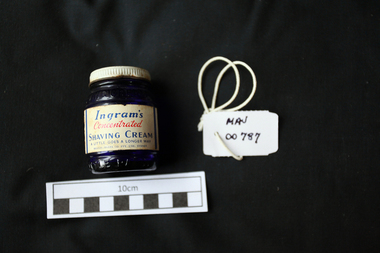
Containers, Shaving cream, blue glass jar, 20thC
... Lid : Ingrams / Shaving / Cream Bottle Label : Ingrams / Concentrated / SHAVING CREAM / A LITTLE GOES A LONGER WAY / BRISTOL MEYERS CO. PTY. LTD. ...Bristol-Myers Australia is now headquartered in Mulgrave, Victoria and with an Australian presence dating back more than 80 years, Bristol-Myers Squibb Australia is a long-standing contributor to Australia’s health and economy. shaving equipment soap safety razor straight razor cutthroat razors moorabbin bentleigh cheltenham early settlers ingram pty ltd, bristol-myer squibb australia pty ltd, shaving cream, Lid : Ingrams / Shaving / Cream Bottle Label : Ingrams / Concentrated / SHAVING CREAM / A LITTLE GOES A LONGER WAY / BRISTOL MEYERS CO. ...Shaving cream is a cream applied to the face, or wherever else hair grows, to facilitate shaving. The use of cream achieves three effects: lubricates the cutting process; swells keratin; and de-sensitizes skin. Shaving creams commonly consist of an emulsion of oils, soaps or surfactants, and water. Until the early 20th century, bars or sticks of hard shaving soap were used. Later, tubes containing compounds of oils and soft soap were sold. Newer creams introduced in the 1940s neither produced lather nor required brushes, often referred to as brushless creams. Creams that are in tubes or tubs are commonly used with a shaving brush to produce a rich lather (most often used in wet shaving). Bristol-Myers Squibb Australia Pty Ltd is a foreign owned proprietary company that obtains its revenue through the importation and distribution of pharmaceutical products. Bristol-Myers Australia is now headquartered in Mulgrave, Victoria and with an Australian presence dating back more than 80 years, Bristol-Myers Squibb Australia is a long-standing contributor to Australia’s health and economy. A blue glass jar with a screw top lid containing 'Ingrams' men’s shaving cream. Lid : Ingrams / Shaving / Cream Bottle Label : Ingrams / Concentrated / SHAVING CREAM / A LITTLE GOES A LONGER WAY / BRISTOL MEYERS CO. PTY. LTD. SYDNEY.shaving equipment, soap, safety razor, straight razor, cutthroat razors, moorabbin, bentleigh, cheltenham, early settlers, ingram pty ltd, bristol-myer squibb australia pty ltd, shaving cream, -
 Mission to Seafarers Victoria
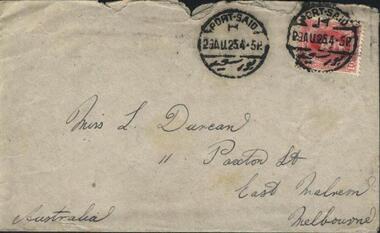
Letter - Correspondence, Letter to Lillie from Howard, 29 August 1925
... Well to get on with the news, the next day I had a telegram to report at the Line head office, on the 15th Aug. early, imagine how I swore, as a little do was to [be] held at night, they immediately shored me on this ship S/S City of Norwich to go to Port Said, then join the City of Corinth bound for Boston & New-York so I may come out to “little Aussie” again from there with a little luck, any way we ought to be in New-York about the 19th Sept to stay a month, I will write you more in detail from there, if you feel inclined and have forgiven me for being so long about answering your last letter, could you write to S/S City of Corinth, C/o Norton Lilly & Co, New-York. ...Well to get on with the news, the next day I had a telegram to report at the Line head office, on the 15th Aug. early, imagine how I swore, as a little do was to [be] held at night, they immediately shored me on this ship S/S City of Norwich to go to Port Said, then join the City of Corinth bound for Boston & New-York so I may come out to “little Aussie” again from there with a little luck, any way we ought to be in New-York about the 19th Sept to stay a month, I will write you more in detail from there, if you feel inclined and have forgiven me for being so long about answering your last letter, could you write to S/S City of Corinth, C/o Norton Lilly & Co, New-York. ...The "letters to Lillie" show the international nature of the Mission to Seafarers. They are an important display of the handwriting style of the time, revealing courting attempts and give us an insight into life in 1925. Page 1 S/S City of Norwich Port Said My Dear Old Lillie, Well, I never got so much of a shock in my life, when your postcard turned up 2 days before my birthday, wishing me many happy returns, for which I thank you sincerely, and am sorry to say I had forgotten yours, or being very quiet about your various qualities, you would not tell me. Well to get on with the news, the next day I had a telegram to report at the Line head office, on the 15th Aug. early, imagine how I swore, as a little do was to [be] held at night, they immediately shored me on this ship S/S City of Norwich to go to Port Said, then join the City of Corinth bound for Boston & New-York so I may come out to “little Aussie” again from there with a little luck, any way we ought to be in New-York about the 19th Sept to stay a month, I will write you more in detail from there, if you feel inclined and have forgiven me for being so long about answering your last letter, could you write to S/S City of Corinth, C/o Norton Lilly & Co, New-York. U.S.A. I would jump like L”l Page 2 how is the cow milking going on, but still that joke is as unfair as the small joke about my age now, both afflictions being cured by now I hope. Well really I am no letter writer and can find very little to interest you on paper Lillie, and my photo, I hate being taken as much as you, but will do my best, if you can wait a little please, hoping you are getting one that awfully exciting week with the mission as you call it. You must be A.1 actresses to amuse such a motley crew. Hoping you are all well at home, give Mr & Mrs Duncan my kind regards, sending my best love to you dear. Hoping you will recognize me if I can come along. with tons of love, Howard. P.S. I hope to be a little more sophisticated when I come next time [-] you may be able to tell me. Lillie Duncan was a member of the Harbour Lights Guild and this letter forms part of a collection of letters sent to her by different seafarers.Letter addressed to Miss L Duncan, 11 Paxton St, East Malvern, Melbourne, Australia from Howard in three parts: Part 1.1 (0007.1) Envelope Part 1.2 (0007.2) First page of letter Part 1.3 (0007.3) Second page of letter The pages, as is the envelope, are a creamy yellow colour with black cursive writing on one side of the page. Page 1 of the letter begins with the salutation "My Dear Old Lillie...". Page 2 of the letter concludes with "...you may be able to tell me".The envelope is torn across the top for access to its contents. It has two stamps on the top right hand corner both with the text "Port Said 23AU25.4.5P".lillie duncan, howard, port said, lhlg, ss city of norwich -
 Flagstaff Hill Maritime Museum and Village
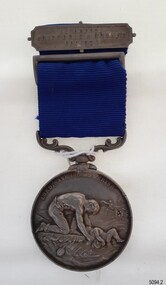
Award - Medal, ca. 1872
... long-legged hen cormorant with extended wings holding an olive branch in its beak. The bird is surrounded by a wreath of oak leaves made from two branches. There is an inscription between the design and the rim that goes all the way around the circumference. ...long-legged hen cormorant with extended wings holding an olive branch in its beak. The bird is surrounded by a wreath of oak leaves made from two branches. There is an inscription between the design and the rim that goes all the way around the circumference. ...This medal is the Liverpool Shipwreck and Humane Society’s “Bramley-Moore medal for saving life at sea 1872”. The Society was formed in 1839. In 1872 Mr John Bramley-Moore donated £500 on condition that the medal have the specific inscription above on its reverse. The Bramley Morre medal was first awarded in 1874 and records show that since that time only one gold medal has been awarded, twenty-two silver medals and seventeen bronze medals, the last being in 1945. This Bromley-Moore medal was awarded to Peter Carmody for his bravery in saving lives on the Newfield shipwreck. The Newfield was a three-masted iron and steel barque, built in Dundee, Scotland, in 1889 by Alexander Stephen and Sons. It was owned by the Newfield Ship Company in 1890 and later that year It was registered in Liverpool to owners Brownells and Co. The Newfield left Sharpness, Scotland, on 28th May 1892 with a crew of 25 under the command of Captain George Scott and on 1st June left Liverpool. She was bound for Brisbane, Australia, with a cargo of 1850 tons of fine rock salt, the main export product of Sharpness. At about 9pm on 28th August 1892, in heavy weather, Captain Scott sighted, between heavy squalls, the Cape Otway light on the mainland of Victoria but, due to a navigational error (the ship’s chronometers were wrong), he assumed it to be the Cape Wickham light on King Island, some 40 miles south. He altered his course to the north, expecting to enter Bass Strait. The ship was now heading straight for the south west Victorian coast. At about 1:30am the Newfield ran aground on a reef about 100 yards from shore and one mile east of Curdie’s Inlet, Peterborough. The ship struck heavily three times before grounding on an inner shoal with 6 feet of water in the holds. Rough sea made the job of launching lifeboats very difficult. The first two lifeboats launched by the crew were smashed against the side of the ship and some men were crushed or swept away. The third lifeboat brought eight men to shore. It capsized when the crew tried to return it to the ship for further rescue The rescue was a difficult operation. The Port Campbell Rocket Crew arrived and fired four rocket lines, none of which connected with the ship. Peter Carmody, a local man, volunteered to swim about one mile off shore to the ship with a line to guide the fourth and final lifeboat safely to shore. He was assisted by James McKenzie and Gerard Irvine. Seventeen men survived the shipwreck but the captain and eight of his crew perished. The Newfield remained upright on the reef with sails set for a considerable time as the wind slowly ripped the canvas to shreds and the sea battered the hull to pieces. The Marine Board inquiry found the wreck was caused by a "one man style of navigation" and that the Captain had not heeded the advice of his crew. According to Jack Loney ‘… when the drama was over . . the Newfield was deserted except for the Captain’s dog and two pigs.’ Peter Carmody was awarded the Bramley-Moore medal by the Liverpool Shipwreck and Humane Society for Saving Life at Ssea, which he received by mail on January 21st 1893. The medal and a letter of congratulations were donated to Flagstaff Hill Maritime Museum by Peter Carmody’s grand-daughter Norma Bracken and her son Stuart Bracken on 25th May 2006. The Medal and Letter of Congratulations join other items in the Newfield collection.The Carmody Medal recognises the bravery of Peter Carmody in risking his life to rescue crew members of the Barque Newfield when it was wrecked near Curdies Inlet in August 1892. The ‘Bramley-Moore medal for saving life at sea, 1872’ was presented by the Liverpool Shipwreck and Humane Society. The medal and accompanying letter have local and international historic significance as they demonstrate both the difficulties associated with navigation and the dangers of shipping along the South West Coast of Victoria in the 19th century and the medal’s association with the Liverpool Shipwreck and Humane Society and John Bramley-Moore, who provided £500 to found the Bramley-Moore medal. The medal is socially significant. It emphasises the importance of Peter Carmody in rescuing victims of shipwrecks with little thought for his own safety. The medal reminds us of the importance of local people to Victoria’s maritime history. The Carmody Medal and Humane Society letter were in the Carmody family until they were presented to Flagstaff Hill Maritime Village, by the grand-daughter and great-grandson of Peter Carmody, on the 25th May 2006. The medal is significant for its complete provenance recorded in the donation documentation. The medal is in very good condition and relatively rare with only 22 silver medals awarded between 1874 and 1945. The Carmody Medal and letter add a human element to the story of the shipwrecks. They give life and significance to the Newfield, its victims and its artefacts. Bramley-Moore medal from the Liverpool Shipwreck and Humane Society, awarded to Peter Carmody. The round,silver medal is attached to a looped blue ribbon by a decorative, swivelling silver connector. The top of the ribbon has a silver pin bar threaded through it. The obverse of the medal has a design of a man kneeling on a floating part of a wreck. He is rescuing a child from the sea. There is a manned boat in the distance rescuing someone from the sea. In the far background there is a sailing ship. The top third of the medal has an inscription around it. The reverse shows a long-legged hen cormorant with extended wings holding an olive branch in its beak. The bird is surrounded by a wreath of oak leaves made from two branches. There is an inscription between the design and the rim that goes all the way around the circumference. There is a name engraved around the edge of the medal. The medal in embedded in a purple velvet panel that rests inside a brown, leather-covered case. The lid of the case has a gold embossed emblem in the cemtre. Both the lid and base have a rectangular gold border. The lid is attached to the base with two brass hinges. The base has a brass push-button catch. The box is lined with padded cream silk. The lining inside the lid has a gold emblem in the centre.The obverse has the words "LORD, SAVE US, WE PERISH". The reverse has the words "BRAMLEY-MOORE MEDAL FOR SAVING LIFE AT SEA" and "1872". Around the edge of the medal are the words "PETER CARMODY, FOR HAVING BEEN MAINLY INSTRUMENTAL IN RESCUING THE CREW OF THE BARQUE NEWFIELD, AUG 29 1892" The pin bar has the words “LIVERPOOL SHIPWRECK & HUMANE SOCIETY” written across it. The gold embossed emblem on the lid of the box has the words in the centre "SHIPWRECK AND …. …. ….FOUNDED 1839" The gold emblem on the cream silk lining has the words “BY APPOINTMENT ELKINGTON & CO” printed on it.medal, shipwrecked coast, flagstaff hill, flagstaff hill maritime museum, maritime museum, flagstaff hill maritime village, shipwreck coast, warrnambool, peter, peter carmody, carmody, bramley moore, newfield, liverpool shipwreck and humane society, 1892, 28 august 1892, august 1892, port campbell, bravery, shipwreck, rescue, nineteenth century, ship, curdie s river, victorian shipwrecks, barque, stuart bracken, norma bracken, gerard irvine, james mckenzie -
 Eltham District Historical Society Inc
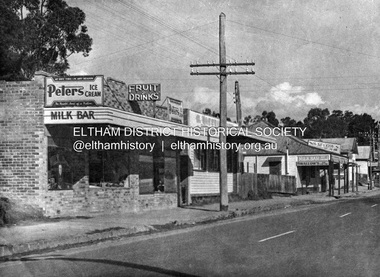
Photograph - Digital Copy, Hughes Fruit shop and Milk Bar, Main Road, Eltham, c.1949
... way for a new store, Mr. J. Millet's Foodland. OLD LANDMARK GOES Perhaps the most famous landmark in Eltham's' business section disappeared last Wednesday when the towering blue gum in Pryor Street at the rear of Main Road shops was felled. The tree, stated to be more than 80 feet high, was the one for which the adjoining café was named, when that business was Eltham’s only provision store, long...way for a new store, Mr. J. Millet's Foodland. OLD LANDMARK GOES Perhaps the most famous landmark in Eltham's' business section disappeared last Wednesday when the towering blue gum in Pryor Street at the rear of Main Road shops was felled. The tree, stated to be more than 80 feet high, was the one for which the adjoining café was named, when that business was Eltham’s only provision store, long ...Hughes Fruit Shop and Milk Bar, Main Road, Eltham, c.1949 promoting Peters Ice Cream Immediately to the right of the shop is a bootmaker factory that employed 15 people. It was situated on the corner of Pryor Street and is the site of the present-day Westpac Bank. Pryor Street is an unmade road. To the left of the shop are four vacant blocks stretching to Luck Street where Mr and Mrs Britton had a house. On the other side of Pryor Street is the original Blue Gum Cafe and Milk Bar advertising Swallow's Ice Cream. At the time it was operated by Pop Warner. [We believe the fruit shop was built 1946-1948 based upon evidence of another photo (EDHS_02182) looking northeast from Staffs store circa October 1945 and an aerial photo of December 1945 which only shows the bootmaker factory.] Behind the shop is a tall Bluegum tree. This was the tree that the Bluegum Cafe was originally named after. Miss Barber's 'Blue Gum' Soda Fountain opened October 1922 and was the first shop on the eastern side of Main Road following Luther Haley's Bakery and General Store on the other side adjacent to the railway station in 1902. The Bluegum was felled in the early 1960s when Burge's Blue Gum Cafe and milkbar was sold and demolished in September 1960 to make way for a new store, Mr. J. Millet's Foodland. OLD LANDMARK GOES Perhaps the most famous landmark in Eltham's' business section disappeared last Wednesday when the towering blue gum in Pryor Street at the rear of Main Road shops was felled. The tree, stated to be more than 80 feet high, was the one for which the adjoining café was named, when that business was Eltham’s only provision store, long before the turn of the century. Mr. J. Millett, who now owns the property on which the tree stood, deeply regretted its removal, but was mindful of the need for expansion in the business area. The "Old Blue Gum" was removed by Mr. A. Wilson, expert tree feller, from Heidelberg. Its proportions might be assessed by these facts – it took a gang of experienced men two days to completely fell and clear the tree, and, falling sections being brought down by cable tipped electricity wires on the opposite side of Pryor Street. Images from the private collection of Mrs Noel Williams (nee Hughes) Noel’s parents, George Elgar Hughes and Jean Alice Hughes had a combined milk bar and fruit shop in Main Road, Eltham. Noel worked in the shop after leaving Eltham High School aged 15 (1950), until she married George Williams in 1956, whose grandparents, Violet and Will Williams, owned the Bellevue estate in Livingston Road, Eltham. Her father, then sold the property. George and Noel raised 3 children on their farm in Kangaroo Ground and Noel, who turned 90 years old in July 2025, is a life member of the Andrew Ross Museum.hughes fruit shop and milk bar, main road eltham, george elgar hughes, jean alice hughes, 1949, blue gum (eucalyptus globulus), blue gum milk bar (eltham), eltham shopping centre, eltham shops, fruit shop, green grocer, milk bar, peter's ice cream, pryor street, shoe factory., swallow's ice cream, bedford truck, pop warner, bootmaker's shop, newsagency, noel williams collection, shoe factory, telephone box -
 Eltham District Historical Society Inc
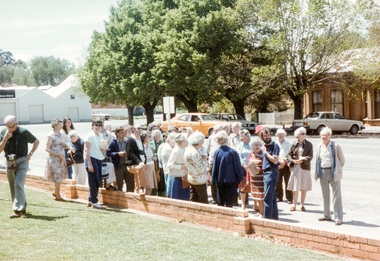
Photograph, Maldon Village, 28 October 1984, 28/10/1984
... long but enjoyable day. Peter Bassett-Smith provided an interesting commentary on points of interest along the way. At Maldon local resident, Mrs Frances Gray, guided the bus around the many interesting features and entertained members with her lively and knowledgeable comments. Because our usual driver, Bruce Ness, was recovering from an illness, Mees Bus Lines provided a replacement driver at the cost of the company. Mees have provided us with excellent service over a number of years, but this action goes...long but enjoyable day. Peter Bassett-Smith provided an interesting commentary on points of interest along the way. At Maldon local resident, Mrs Frances Gray, guided the bus around the many interesting features and entertained members with her lively and knowledgeable comments. Because our usual driver, Bruce Ness, was recovering from an illness, Mees Bus Lines provided a replacement driver at the cost of the company. Mees have provided us with excellent service over a number of years, but this action goes ...[from EDHS Newsletter No. 39, November 1984:] MALDON TRIP A bus load of members and friends travelled to Maldon on 28th October. This proved to be a long but enjoyable day. Peter Bassett-Smith provided an interesting commentary on points of interest along the way. At Maldon local resident, Mrs Frances Gray, guided the bus around the many interesting features and entertained members with her lively and knowledgeable comments. Because our usual driver, Bruce Ness, was recovering from an illness, Mees Bus Lines provided a replacement driver at the cost of the company. Mees have provided us with excellent service over a number of years, but this action goes well beyond what could be reasonably expected, and is very much appreciated. Colour photographactivities, maldon -
 Conservation Volunteers
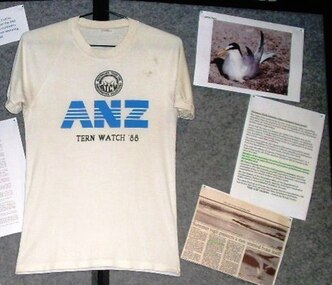
Tern Watch ANZ Bank promotional T shirt 1988 For five summers from 1987 to 1992 ATCV volunteers were landed on Rigby Island in Victoria’s Gippsland Lakes to “baby-sit” Little Terns, 1988
... going. Volunteers paid their own way to and from Bairnsdale railway station. Park Ranger and former ATCV employee Robert Brouwers with Helen Schneider (UK naturalist) and Tim Cox ‘maroon’ Tern Watch volunteers at Rigby Island in the Gippsland Lakes Vic > In 2010 the status of the Little Tern populations in Australia was assessed under the ECBP Act and the determination was that, while the Gippsland Lakes population will continue to benefit from conservation action, they are no longer a threatened species. ...For five summers from 1987 to 1992 ATCV volunteers were landed on Rigby Island in Victoria’s Gippsland Lakes to “baby-sit” Little Terns (Sterna Albifrons) which breed in Asia and visit Australia in the Northern winter. By the mid 1980s the visiting population had dwindled dangerously due to predation and its very slow rate of reproduction. Conservation volunteers patrolled from dawn to dusk on a rotating 4 hour shift, educating visitors why they should stay away from the birds, and kept watch for pests. Terry Peacock’s logistics were heroic In support of the volunteers’ vigil: a boat, bunks, tents, tools, and a kitchen were bussed from Bendigo to Lakes Entrance. There were no outside funds at first, and only sale of promotional T-shirts together with small grants from the ANZ Bank and from Yellow Pages kept things going. Volunteers paid their own way to and from Bairnsdale railway station. Park Ranger and former ATCV employee Robert Brouwers with Helen Schneider (UK naturalist) and Tim Cox ‘maroon’ Tern Watch volunteers at Rigby Island in the Gippsland Lakes Vic > In 2010 the status of the Little Tern populations in Australia was assessed under the ECBP Act and the determination was that, while the Gippsland Lakes population will continue to benefit from conservation action, they are no longer a threatened species. White T shirt with ANZ in large blue letters with Tern Watch 1988 belowtern watch, atcv -
 Bendigo Historical Society Inc.
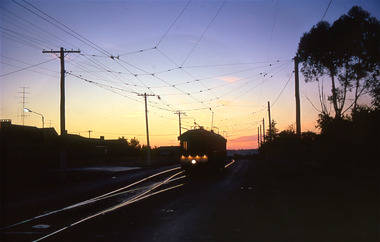
Photograph - Robert Green Collection - Photos of Bendigo Tramways - Sheet B of 10, 1960s
... Photos: 11147.10a Tram in the darkness, sunset or morning 11147.10b Coming off the railway Line bridge towards Eaglehawk 11147.10c Coming on to the railway Line bridge from Eaglehawk 11147.10d The Quarry Hill and Eaglehawk trams waiting to leave the fountain 11147.10e No 18 from Quarry Hill arrives at the fountain 11147.10f Getting ready to leave the fountain for Eaglehawk 11147.10g Policeman on point duty and tram at the fountain, Charing Cross 11147.10h Eaglehawk and Quarry Hill trams at the fountain 11147.10i Policeman on point duty and tram at the fountain, Charing Cross, looking down Pall Mall 11147.10j No 3 roars up View Street at the corner of McKenzie Street 11147.10k From the Rifle Brigade Hotel the Eaglehawk tram comes past the Queen Elizabeth Oval down View Street 11147.10l From the Rifle Brigade Hotel the Eaglehawk tram comes past the Queen Elizabeth Oval down View Street 11147.10m From the Rifle Brigade Hotel the Eaglehawk tram up View Street opposite the Masonic Hall 11147.10n From the Rifle Brigade Hotel the Eaglehawk tram goes past the Queen Elizabeth Oval up View Street 11147.10o From the Rifle Brigade Hotel the Eaglehawk tram comes up View Street opposite the Masonic Hall 11147.10p From the Victoria Hotel Balcony, the Eaglehawk No 18 arrives 11147.10q From the Victoria Hotel Balcony, the Eaglehawk No 18 departs towards Bendigo 11147.10r Tram No 2 arrives into Eaglehawk 11147.10s Tram No 2 heads to Quarry Hill from California Gully (Probable) 11147.1t Tram on its way out of Long Gully along Mt Korong (Eaglehawk) Road towards Eaglehawk. ...Photos: 11147.10a Tram in the darkness, sunset or morning 11147.10b Coming off the railway Line bridge towards Eaglehawk 11147.10c Coming on to the railway Line bridge from Eaglehawk 11147.10d The Quarry Hill and Eaglehawk trams waiting to leave the fountain 11147.10e No 18 from Quarry Hill arrives at the fountain 11147.10f Getting ready to leave the fountain for Eaglehawk 11147.10g Policeman on point duty and tram at the fountain, Charing Cross 11147.10h Eaglehawk and Quarry Hill trams at the fountain 11147.10i Policeman on point duty and tram at the fountain, Charing Cross, looking down Pall Mall 11147.10j No 3 roars up View Street at the corner of McKenzie Street 11147.10k From the Rifle Brigade Hotel the Eaglehawk tram comes past the Queen Elizabeth Oval down View Street 11147.10l From the Rifle Brigade Hotel the Eaglehawk tram comes past the Queen Elizabeth Oval down View Street 11147.10m From the Rifle Brigade Hotel the Eaglehawk tram up View Street opposite the Masonic Hall 11147.10n From the Rifle Brigade Hotel the Eaglehawk tram goes past the Queen Elizabeth Oval up View Street 11147.10o From the Rifle Brigade Hotel the Eaglehawk tram comes up View Street opposite the Masonic Hall 11147.10p From the Victoria Hotel Balcony, the Eaglehawk No 18 arrives 11147.10q From the Victoria Hotel Balcony, the Eaglehawk No 18 departs towards Bendigo 11147.10r Tram No 2 arrives into Eaglehawk 11147.10s Tram No 2 heads to Quarry Hill from California Gully (Probable) 11147.1t Tram on its way out of Long Gully along Mt Korong (Eaglehawk) Road towards Eaglehawk. ...This collection contains eight archive sheets (Sheet 1 to Sheet 8) of strips of original 35mm black and white negatives of photographs taken during the 1960s and early 1970s by Robert Green, of the Bendigo State Electricty Commission of Victoria Tramways prior to their abandonment The collection also includes two archive quality sheets (Sheet A and Sheet B) of original 35mm colour slides taken by Robert Green during the same period. Sheet B also contains one slide taken by Robert's friend Keigh S King (1928-2019) who was the author of the book 'The Bendigo Tramways an illustrated history, published by the Australian Railway Historical Society Victorian Division Melbourne in February 1972; BHS Item no. 5052. The collection also includes one USB stick which contains images of all photographs described above, except for one colour slide taken by Keith S Kings. Sixteen black and white prints from the images are also included.Robert Green Collection, this item contains 20 Colour Slides of the trams at various locations around Bendigo. Photos: 11147.10a Tram in the darkness, sunset or morning 11147.10b Coming off the railway Line bridge towards Eaglehawk 11147.10c Coming on to the railway Line bridge from Eaglehawk 11147.10d The Quarry Hill and Eaglehawk trams waiting to leave the fountain 11147.10e No 18 from Quarry Hill arrives at the fountain 11147.10f Getting ready to leave the fountain for Eaglehawk 11147.10g Policeman on point duty and tram at the fountain, Charing Cross 11147.10h Eaglehawk and Quarry Hill trams at the fountain 11147.10i Policeman on point duty and tram at the fountain, Charing Cross, looking down Pall Mall 11147.10j No 3 roars up View Street at the corner of McKenzie Street 11147.10k From the Rifle Brigade Hotel the Eaglehawk tram comes past the Queen Elizabeth Oval down View Street 11147.10l From the Rifle Brigade Hotel the Eaglehawk tram comes past the Queen Elizabeth Oval down View Street 11147.10m From the Rifle Brigade Hotel the Eaglehawk tram up View Street opposite the Masonic Hall 11147.10n From the Rifle Brigade Hotel the Eaglehawk tram goes past the Queen Elizabeth Oval up View Street 11147.10o From the Rifle Brigade Hotel the Eaglehawk tram comes up View Street opposite the Masonic Hall 11147.10p From the Victoria Hotel Balcony, the Eaglehawk No 18 arrives 11147.10q From the Victoria Hotel Balcony, the Eaglehawk No 18 departs towards Bendigo 11147.10r Tram No 2 arrives into Eaglehawk 11147.10s Tram No 2 heads to Quarry Hill from California Gully (Probable) 11147.1t Tram on its way out of Long Gully along Mt Korong (Eaglehawk) Road towards Eaglehawk. Houses in the foreground, on the left is 245 Eaglehawk Road and on the right 241 Eaglehawk Road.keith s king, bendigo, trams, robert green -
 Bendigo Historical Society Inc.
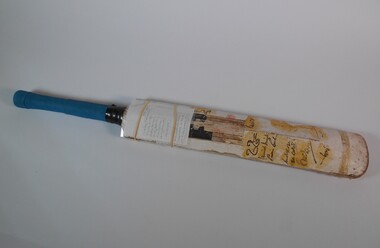
Leisure object - Rohan Moresi signed Cricket Bat
... As it was the only cricket bat my brothers and I had, we continued to use it in our backyard games. Which goes a long way in explaining its current state. ...As it was the only cricket bat my brothers and I had, we continued to use it in our backyard games. Which goes a long way in explaining its current state. ...Information provided to the Bendigo Historical Society by Rohan Moresi: Rohan 'grew up on a farm near Buckrabanyule. The bat belonged to Rohan and his brothers, Grant and Alistair. At the age of twelve in early December of 1977, my father took my brothers and myself to the Queen Elizabeth Oval in Bendigo to watch a match of the newly created World Series Cricket being played. West Indies versus World XI. OI took the one cricket bat we owned and a market pen, along with me. During the course of the match I gathered all the signatures I could from players as they left the field after batting, as they sat in the stands waiting for their turn to bat, and when they were fielding close to the boundary. I remember Clive Lloyd, who was sitting in the stands when I approached him, expressing some good natured scepticism that the signatures would remain permanently on the bat as he was signing it, due to the tyupe of marker pen used. I also recall Tony Greig not stopping to sign it as he left the field after batting. I'm sure he had other more pressing issues on his mind at the time. When we returned home my father painted a type of a lacquer over each of the signatures in an attempt to ensure some sort of permanency. As it was the only cricket bat my brothers and I had, we continued to use it in our backyard games. Which goes a long way in explaining its current state. My brothers and I all left the farm in the early 1980's and I took the cricket bat with me. Since then it has remained in my possession up until now. I'm very happy to see it returned to the place of its origin, and for it to be kept in perpetuity at the Bendigo Hisgtorical Society, as it is part of the twentieth century history of Bendigo. I hope it brings some small pleasure to all who are interested in such things'. Rohan Moresi Cricket bat, blue material on handle grip of bat. Bat has signatures on the blade section. The bat was taken by Rohan Morosi, then 12, at the Queen Elizabeth Oval in December 1977, where he attended a game of the newly created World Series Cricket competition between West Indies versus World XI. Rohan gathered many signatures from players as they left after batting. The signature of Clive Lloyd, Ajif Labal, Mushtag Mohammed, Dennis Amiss, Eddie Barlow, Andy Roberts, Bob Woolmer, Barry Richards, Imran Khan and Joel Garner were on the bat.recreations, sports, cricket, queen elizabeth oval, rohan moresi, 1977 -
 Bendigo Historical Society Inc.
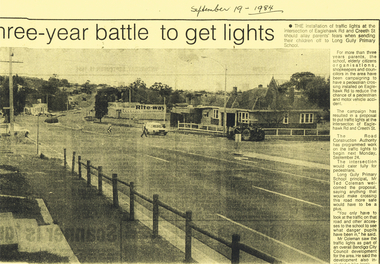
Newspaper - LONG GULLY HISTORY GROUP COLLECTION: INSTALLATION OF TRAFFIC LIGHTS EAGLEHAWK RD/CREETH ST
... BENDIGO History long gully history group The Long Gully History Group - Installation of Traffic Lights Eaglehawk Rd/Creeth St Long Gully Primary School The Road Construction Authority Ted Coleman Bendigo City Council Rite-way Copy of a newspaper article titled three-year battle to get lights printed on yellow paper. Date written at the top is September 19 - 1984.Photo shows Eaglehawk Rd with a man crossing the street and a car going past. ...Copy of a newspaper article titled three-year battle to get lights printed on yellow paper. Date written at the top is September 19 - 1984.Photo shows Eaglehawk Rd with a man crossing the street and a car going past. A tractor is on the corner. The accompanying article mentions that residents have been campaigning to get the lights for over three years.bendigo, history, long gully history group, the long gully history group - installation of traffic lights eaglehawk rd/creeth st, long gully primary school, the road construction authority, ted coleman, bendigo city council, rite-way -
 Bendigo Military Museum
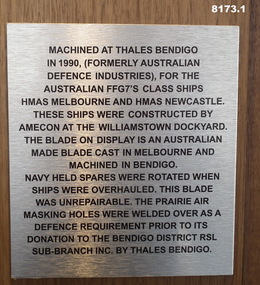
Equipment - SHIPS PROPELLAR RAN, Thales Bendigo, C.1990
... Due to the placement behind a large glass cabinet makes getting a decent image due to all the background light and other material. The plaque goes a long way to an explanation. This item is on display in the front Foyer entrance of the Bendigo District RSL Sub Branch in Havilah Road. ...Due to the placement behind a large glass cabinet makes getting a decent image due to all the background light and other material. The plaque goes a long way to an explanation. This item is on display in the front Foyer entrance of the Bendigo District RSL Sub Branch in Havilah Road. ...This a large item as per the dimensions. Due to the placement behind a large glass cabinet makes getting a decent image due to all the background light and other material. The plaque goes a long way to an explanation. This item is on display in the front Foyer entrance of the Bendigo District RSL Sub Branch in Havilah Road. Refer also Cat No 8177 for propellor and shaft..1) Plaque silver colour with black writing re the details of the making of this ships propellor for the RAN. .2) Typical propellor blade shape with a round base with countersunk holes in for attachment to the main ships system.brsl, smirsl, bdrslinc, propellor -
 National Wool Museum
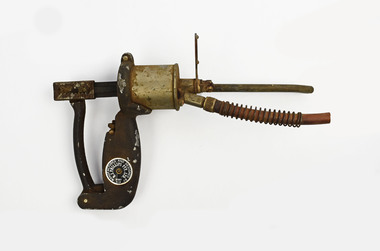
Tool - Drench Gun, 1940-1950
... going the 'wrong way' down the throat and onto a sheep’s lungs. This was the drench gun that they developed. It had an ingenious double action on the handpiece. The first squeeze projected a long...going the 'wrong way' down the throat and onto a sheep’s lungs. This was the drench gun that they developed. It had an ingenious double action on the handpiece. The first squeeze projected a long ...NJ Phillips was the first Australian company to invent a drench gun that overcame the problem of drench going the 'wrong way' down the throat and onto a sheep’s lungs. This was the drench gun that they developed. It had an ingenious double action on the handpiece. The first squeeze projected a long nozzle that went right down the oesophagus before delivering the dose of drench automatically once this was in place. It also had a readily adjusted dose lever seen at left which minimised overdosing. This company dominated the market for many yearsSilver metal with black finishing drench gun. Minimal curvature tips on gun protrude from the body. Features a thin squeezable trigger to the rear of the body. The main bulk, which the trigger is squeezed towards, has badge which reads “Manufactured and designed by N.J. Phillips Pty Ltd, Sydney” in circular design. On top of this body is a large silver chamber in which both tips meet. This chamber is for the liquid to be transferred from the tube and into the tip of the drench gun for delivery onto the ewe’s tongue. The small section of tubing still attached has a yellow/orange appearance from remanence of drench which would have been this colour.Right circular lettering: MANUFACTURED/ & DESIGNED BY/ N.J.PHILLIPS PTY. LTD./ SYDNEY . AUSTRALIA/sheep drenching, veterinary instruments -
 National Wool Museum
Tool - Stencil, c.2018
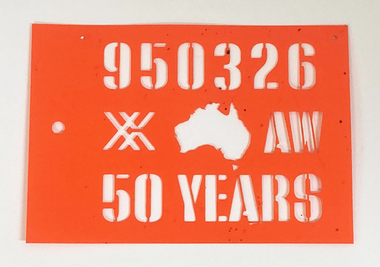
... way you’re taught, don’t listen to the owner standing over your shoulder. At a clip of Corriedales near Casterton, Denis was pushing too many fleeces into the line of fine wool. This resulted in a notice from the Australian Wool Exchange (AWEX) “mixing counts too much, submit three clips for inspection”. Denis was able to submit 3 clips with no further complaints, however, this proved a valuable lesson he would never forget over his long career classing wool. In the early 1980s, when Denis was leasing two properties including his father’s, things were going...way you’re taught, don’t listen to the owner standing over your shoulder. At a clip of Corriedales near Casterton, Denis was pushing too many fleeces into the line of fine wool. This resulted in a notice from the Australian Wool Exchange (AWEX) “mixing counts too much, submit three clips for inspection”. Denis was able to submit 3 clips with no further complaints, however, this proved a valuable lesson he would never forget over his long career classing wool. In the early 1980s, when Denis was leasing two properties including his father’s, things were going ...The story of 90 years of wool classing between father & son begins in 1936, when a young boy by the name of Stanley James Hucker walked through the doors of the Gordon Technical School in Geelong. Born in 1921, Stanley was 15 years of age when he began his 3-year course in Wool Classing. 30 years later, Stanley’s second son Denis completed the same 3-year wool classing course. Beginning in 1966, Denis attended the same Gordon Technical School and walked the same halls as his father before him. Stanley finished his course in 1938. He went back to the family farm in Lake Bolac for a brief period before enrolling in the Second World War. At the completion of the war, Stanley returned home and married before gaining a soldier settler allotment, north of Willaura. This enabled Stan to use his wool classing knowledge. He ran between 1,500 and 2,000 sheep for many years, while his wool classer stencil also allowed him to go out and class at various sheds around the area. He held his stencil from 1938 until he retired at the age of 60 in 1981. On retirement, his second son Denis was working in the district, managing a local property while also leasing land himself. Upon his father’s retirement, Denis had the opportunity to lease his father’s farm, an opportunity he could not refuse. Denis had finished his wool classing course at the Gordon Technical School in 1968, graduating dux of his class. He began working with a local contractor and started classing wool in his team. Denis gained a great deal of experience working as part of this team in big sheds of up to 8 stands servicing between 10 & 20,000 sheep. It was not all smooth sailing for Denis however, and he soon learnt an important lesson. Class wool the way you’re taught, don’t listen to the owner standing over your shoulder. At a clip of Corriedales near Casterton, Denis was pushing too many fleeces into the line of fine wool. This resulted in a notice from the Australian Wool Exchange (AWEX) “mixing counts too much, submit three clips for inspection”. Denis was able to submit 3 clips with no further complaints, however, this proved a valuable lesson he would never forget over his long career classing wool. In the early 1980s, when Denis was leasing two properties including his father’s, things were going well until drought struck. February 1983 was the date of the Ash Wednesday bushfires, and saw Melbourne have three days over 40 °C for only the second time on record. This period saw Denis give away farming, turning towards contracting work instead. After the difficult times of the early 1980s, the next two decades were a good time for the sheep industry. 15 micron wool was selling for prices between 4 to 5,000 cents per kilo, double what you’d expect for the same wool in 2022. In 1995 a single bale of wool sold for a million dollars. This was a good time for Denis too. His contracting work saw him employing local shearers and shed staff. His team was involved with the shearing and classing of more than 130,000 sheep. After 20 years of contracting, it was time for Denis to transition into the next phase of his life. He gave up independent contracting, preferring instead to return to being a member of someone else’s team. In 2018, having completed 50 years of wool classing, it was time to call it a day and retire completely. At the annual Gordon Wool School Old Students Association dinner held in 2018, Denis was presented with his 50 years as a registered wool classer stencil awarded by the Australian Wool Exchange (AWEX). This is a rare honour achieved by few. As of February 2020, a total of 430 wool classers had achieved this 50-year milestone. For Denis however, his proudest achievement is achieving 90 years of wool classing with his father. The National Wool Museum is proud to share the collection of objects gained from 90 years in the wool classing industry by Stanley and Denis. This ranges from Stanley’s first stencil and Wool Sample book, started when he first attended the Gordon in 1936. The collection concludes 90 years later with Denis’ 50 years of wool classing Stencil. The collection contains many more objects, all telling the story of these 90 years, and the hard work invested by this dedicated father and son duo. Thin sheet of orange plastic with letters and numbers moulded to produce a consistent pattern for the surface below through the application of ink. This wool classing stencil once belonged to Denis Hucker. The top number is Denis’ Wool Classing Stencil Number. On the next line is the emblem of the Australian Wool Exchange, followed by an image of Australia, and finally the letters AW. The final line reads 50 years, indicating Denis’ experience in the profession of wool classing. This stencil is reserved for wool classers who have held their stencil and been actively classing wool in Australia for more than 50 years. Wool classers sort, classify, and grade wool into various lines so that it can be sold at best market price. They also manage and supervise wool-handling teams. The stencil is used in the final step of preparing a bale of wool for sale. It is branded across the front of a wool bale to indicate the quality of the wool, with the classers number used as a seal of approval. Accompanying the stencil are two sheets of white A4 paper with printing in gold and black ink. The first sheet was presented by the Australian Council of Wool Exporters & Processors to Denis Hucker for achieving 50 years of wool classing. Surrounded by a thin gold boarder, the page is made up of black text with gold headings. In the top right corner, an image of a sheep with an outline of Australia is found. The second piece of paper was presented by the Australian Wool Exchange to Denis Hucker for achieving 50 years of wool classing. Two thirds of the page is made up of a gold stencil which reads “50 years”. Accompanying the stencil is black text. Moulded letters, numbers, emblem, and imagery. “950326 / (emblem AWEX) (Image Australia) AW / 50 Years” A4 Paper. Printed. See Multimedia A4 Paper. Printed See Multimedia wool classing, stencil, 90 years wool classing between father & son -
 National Wool Museum
Tool - Stencil, 1983
... way you’re taught, don’t listen to the owner standing over your shoulder. At a clip of Corriedales near Casterton, Denis was pushing too many fleeces into the line of fine wool. This resulted in a notice from the Australian Wool Exchange (AWEX) “mixing counts too much, submit three clips for inspection”. Denis was able to submit 3 clips with no further complaints, however, this proved a valuable lesson he would never forget over his long career classing wool. In the early 1980s, when Denis was leasing two properties including his father’s, things were going...way you’re taught, don’t listen to the owner standing over your shoulder. At a clip of Corriedales near Casterton, Denis was pushing too many fleeces into the line of fine wool. This resulted in a notice from the Australian Wool Exchange (AWEX) “mixing counts too much, submit three clips for inspection”. Denis was able to submit 3 clips with no further complaints, however, this proved a valuable lesson he would never forget over his long career classing wool. In the early 1980s, when Denis was leasing two properties including his father’s, things were going ...The story of 90 years of wool classing between father & son begins in 1936, when a young boy by the name of Stanley James Hucker walked through the doors of the Gordon Technical School in Geelong. Born in 1921, Stanley was 15 years of age when he began his 3-year course in Wool Classing. 30 years later, Stanley’s second son Denis completed the same 3-year wool classing course. Beginning in 1966, Denis attended the same Gordon Technical School and walked the same halls as his father before him. Stanley finished his course in 1938. He went back to the family farm in Lake Bolac for a brief period before enrolling in the Second World War. At the completion of the war, Stanley returned home and married before gaining a soldier settler allotment, north of Willaura. This enabled Stan to use his wool classing knowledge. He ran between 1,500 and 2,000 sheep for many years, while his wool classer stencil also allowed him to go out and class at various sheds around the area. He held his stencil from 1938 until he retired at the age of 60 in 1981. On retirement, his second son Denis was working in the district, managing a local property while also leasing land himself. Upon his father’s retirement, Denis had the opportunity to lease his father’s farm, an opportunity he could not refuse. Denis had finished his wool classing course at the Gordon Technical School in 1968, graduating dux of his class. He began working with a local contractor and started classing wool in his team. Denis gained a great deal of experience working as part of this team in big sheds of up to 8 stands servicing between 10 & 20,000 sheep. It was not all smooth sailing for Denis however, and he soon learnt an important lesson. Class wool the way you’re taught, don’t listen to the owner standing over your shoulder. At a clip of Corriedales near Casterton, Denis was pushing too many fleeces into the line of fine wool. This resulted in a notice from the Australian Wool Exchange (AWEX) “mixing counts too much, submit three clips for inspection”. Denis was able to submit 3 clips with no further complaints, however, this proved a valuable lesson he would never forget over his long career classing wool. In the early 1980s, when Denis was leasing two properties including his father’s, things were going well until drought struck. February 1983 was the date of the Ash Wednesday bushfires, and saw Melbourne have three days over 40 °C for only the second time on record. This period saw Denis give away farming, turning towards contracting work instead. After the difficult times of the early 1980s, the next two decades were a good time for the sheep industry. 15 micron wool was selling for prices between 4 to 5,000 cents per kilo, double what you’d expect for the same wool in 2022. In 1995 a single bale of wool sold for a million dollars. This was a good time for Denis too. His contracting work saw him employing local shearers and shed staff. His team was involved with the shearing and classing of more than 130,000 sheep. After 20 years of contracting, it was time for Denis to transition into the next phase of his life. He gave up independent contracting, preferring instead to return to being a member of someone else’s team. In 2018, having completed 50 years of wool classing, it was time to call it a day and retire completely. At the annual Gordon Wool School Old Students Association dinner held in 2018, Denis was presented with his 50 years as a registered wool classer stencil awarded by the Australian Wool Exchange (AWEX). This is a rare honour achieved by few. As of February 2020, a total of 430 wool classers had achieved this 50-year milestone. For Denis however, his proudest achievement is achieving 90 years of wool classing with his father. The National Wool Museum is proud to share the collection of objects gained from 90 years in the wool classing industry by Stanley and Denis. This ranges from Stanley’s first stencil and Wool Sample book, started when he first attended the Gordon in 1936. The collection concludes 90 years later with Denis’ 50 years of wool classing Stencil. The collection contains many more objects, all telling the story of these 90 years, and the hard work invested by this dedicated father and son duo. Thin sheet of metal with letters and numbers cut to produce a consistent pattern for the surface below through the application of ink. In small text on the top edge of the stencil two separate phrases are engraved.” A.W.C. PROPERTY NOT TRANSFERABLE” and “PROFESSIONAL“. This wool classing stencil belonged to Stanley Hucker. It was his last Wool Classing Stencil. Dated to 1983, it is 45 years older than his first stencil. The role of a Wool Classer is to sort, classify, and grade wool into various ‘lines’ so that it can be sold for best market price. Wool Classers are typically also tasked with the managing and supervising of wool-handling teams. The stencil is used in the final step of preparing a bale of wool for sale. It is branded across the front of a wool bale to indicate the quality of the wool, with the classers number used as a seal of guarantee.Engraved letters. “A.W.C. PROPERTY / NOT TRANSFERABLE” Engraved letters. “PROFESSIONAL“. Cut imagery. Sheep’s head Cut letters, numbers, and imagery. “83 (Image Australia) P I / 50922”wool classing, stencil, 90 years wool classing between father & son -
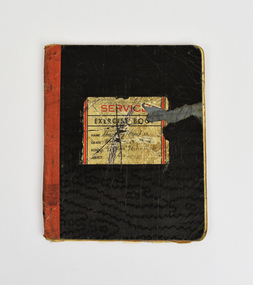 National Wool Museum
Book - Wool Classing Exercise Book, 1936-38
... way you’re taught, don’t listen to the owner standing over your shoulder. At a clip of Corriedales near Casterton, Denis was pushing too many fleeces into the line of fine wool. This resulted in a notice from the Australian Wool Exchange (AWEX) “mixing counts too much, submit three clips for inspection”. Denis was able to submit 3 clips with no further complaints, however, this proved a valuable lesson he would never forget over his long career classing wool. In the early 1980s, when Denis was leasing two properties including his father’s, things were going...way you’re taught, don’t listen to the owner standing over your shoulder. At a clip of Corriedales near Casterton, Denis was pushing too many fleeces into the line of fine wool. This resulted in a notice from the Australian Wool Exchange (AWEX) “mixing counts too much, submit three clips for inspection”. Denis was able to submit 3 clips with no further complaints, however, this proved a valuable lesson he would never forget over his long career classing wool. In the early 1980s, when Denis was leasing two properties including his father’s, things were going ...The story of 90 years of wool classing between father & son begins in 1936, when a young boy by the name of Stanley James Hucker walked through the doors of the Gordon Technical School in Geelong. Born in 1921, Stanley was 15 years of age when he began his 3-year course in Wool Classing. 30 years later, Stanley’s second son Denis completed the same 3-year wool classing course. Beginning in 1966, Denis attended the same Gordon Technical School and walked the same halls as his father before him. Stanley finished his course in 1938. He went back to the family farm in Lake Bolac for a brief period before enrolling in the Second World War. At the completion of the war, Stanley returned home and married before gaining a soldier settler allotment, north of Willaura. This enabled Stan to use his wool classing knowledge. He ran between 1,500 and 2,000 sheep for many years, while his wool classer stencil also allowed him to go out and class at various sheds around the area. He held his stencil from 1938 until he retired at the age of 60 in 1981. On retirement, his second son Denis was working in the district, managing a local property while also leasing land himself. Upon his father’s retirement, Denis had the opportunity to lease his father’s farm, an opportunity he could not refuse. Denis had finished his wool classing course at the Gordon Technical School in 1968, graduating dux of his class. He began working with a local contractor and started classing wool in his team. Denis gained a great deal of experience working as part of this team in big sheds of up to 8 stands servicing between 10 & 20,000 sheep. It was not all smooth sailing for Denis however, and he soon learnt an important lesson. Class wool the way you’re taught, don’t listen to the owner standing over your shoulder. At a clip of Corriedales near Casterton, Denis was pushing too many fleeces into the line of fine wool. This resulted in a notice from the Australian Wool Exchange (AWEX) “mixing counts too much, submit three clips for inspection”. Denis was able to submit 3 clips with no further complaints, however, this proved a valuable lesson he would never forget over his long career classing wool. In the early 1980s, when Denis was leasing two properties including his father’s, things were going well until drought struck. February 1983 was the date of the Ash Wednesday bushfires, and saw Melbourne have three days over 40 °C for only the second time on record. This period saw Denis give away farming, turning towards contracting work instead. After the difficult times of the early 1980s, the next two decades were a good time for the sheep industry. 15 micron wool was selling for prices between 4 to 5,000 cents per kilo, double what you’d expect for the same wool in 2022. In 1995 a single bale of wool sold for a million dollars. This was a good time for Denis too. His contracting work saw him employing local shearers and shed staff. His team was involved with the shearing and classing of more than 130,000 sheep. After 20 years of contracting, it was time for Denis to transition into the next phase of his life. He gave up independent contracting, preferring instead to return to being a member of someone else’s team. In 2018, having completed 50 years of wool classing, it was time to call it a day and retire completely. At the annual Gordon Wool School Old Students Association dinner held in 2018, Denis was presented with his 50 years as a registered wool classer stencil awarded by the Australian Wool Exchange (AWEX). This is a rare honour achieved by few. As of February 2020, a total of 430 wool classers had achieved this 50-year milestone. For Denis however, his proudest achievement is achieving 90 years of wool classing with his father. The National Wool Museum is proud to share the collection of objects gained from 90 years in the wool classing industry by Stanley and Denis. This ranges from Stanley’s first stencil and Wool Sample book, started when he first attended the Gordon in 1936. The collection concludes 90 years later with Denis’ 50 years of wool classing Stencil. The collection contains many more objects, all telling the story of these 90 years, and the hard work invested by this dedicated father and son duo. This is the first in a series of 5 wool classing exercise books. They were written by Stanley Hucker in his time at the Gordon Technical College from 1936-1938. This book begins in a cover of black vinyl with a strip of red tape on the spine to give added support. Some of the vinyl has been removed on the cover, revealing blue card beneath. A sticker label is also found on the front cover. It has been damaged. Part of the sticker has been removed, while blue ink can also be found obscuring the text below. Internally, the book is handwritten on yellowed pages with blue lines for the assistance in clarity of handwriting. The pages are also surrounded by a margin of red pen. The exercise book’s content is about veterinary studies relating to the diseases, injuries, and treatment of sheep. It is handwritten and accompanied by an occasional hand drawn diagram. A selection of pages have been photographed to give an impression of the information taught in classes, 90 years ago. This includes information about a sheep’s heart, hind limbs, and reproduction system in ewes. Front Cover. Wording, printed and handwritten “SERVICE / EXERCISE BOOK / NAME Stanley Hucker / GRADE wool classing / SCHOOL Gordon Technical / SUBJECT Veterinary”gordon institute geelong, wool classing, 1930s sheep farming, 90 years wool classing between father & son -
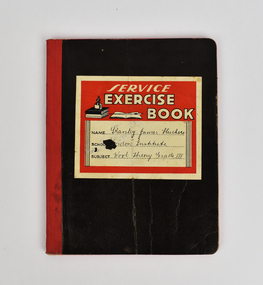 National Wool Museum
Book - Wool Classing Exercise Book, 1936-38
... way you’re taught, don’t listen to the owner standing over your shoulder. At a clip of Corriedales near Casterton, Denis was pushing too many fleeces into the line of fine wool. This resulted in a notice from the Australian Wool Exchange (AWEX) “mixing counts too much, submit three clips for inspection”. Denis was able to submit 3 clips with no further complaints, however, this proved a valuable lesson he would never forget over his long career classing wool. In the early 1980s, when Denis was leasing two properties including his father’s, things were going...way you’re taught, don’t listen to the owner standing over your shoulder. At a clip of Corriedales near Casterton, Denis was pushing too many fleeces into the line of fine wool. This resulted in a notice from the Australian Wool Exchange (AWEX) “mixing counts too much, submit three clips for inspection”. Denis was able to submit 3 clips with no further complaints, however, this proved a valuable lesson he would never forget over his long career classing wool. In the early 1980s, when Denis was leasing two properties including his father’s, things were going ...The story of 90 years of wool classing between father & son begins in 1936, when a young boy by the name of Stanley James Hucker walked through the doors of the Gordon Technical School in Geelong. Born in 1921, Stanley was 15 years of age when he began his 3-year course in Wool Classing. 30 years later, Stanley’s second son Denis completed the same 3-year wool classing course. Beginning in 1966, Denis attended the same Gordon Technical School and walked the same halls as his father before him. Stanley finished his course in 1938. He went back to the family farm in Lake Bolac for a brief period before enrolling in the Second World War. At the completion of the war, Stanley returned home and married before gaining a soldier settler allotment, north of Willaura. This enabled Stan to use his wool classing knowledge. He ran between 1,500 and 2,000 sheep for many years, while his wool classer stencil also allowed him to go out and class at various sheds around the area. He held his stencil from 1938 until he retired at the age of 60 in 1981. On retirement, his second son Denis was working in the district, managing a local property while also leasing land himself. Upon his father’s retirement, Denis had the opportunity to lease his father’s farm, an opportunity he could not refuse. Denis had finished his wool classing course at the Gordon Technical School in 1968, graduating dux of his class. He began working with a local contractor and started classing wool in his team. Denis gained a great deal of experience working as part of this team in big sheds of up to 8 stands servicing between 10 & 20,000 sheep. It was not all smooth sailing for Denis however, and he soon learnt an important lesson. Class wool the way you’re taught, don’t listen to the owner standing over your shoulder. At a clip of Corriedales near Casterton, Denis was pushing too many fleeces into the line of fine wool. This resulted in a notice from the Australian Wool Exchange (AWEX) “mixing counts too much, submit three clips for inspection”. Denis was able to submit 3 clips with no further complaints, however, this proved a valuable lesson he would never forget over his long career classing wool. In the early 1980s, when Denis was leasing two properties including his father’s, things were going well until drought struck. February 1983 was the date of the Ash Wednesday bushfires, and saw Melbourne have three days over 40 °C for only the second time on record. This period saw Denis give away farming, turning towards contracting work instead. After the difficult times of the early 1980s, the next two decades were a good time for the sheep industry. 15 micron wool was selling for prices between 4 to 5,000 cents per kilo, double what you’d expect for the same wool in 2022. In 1995 a single bale of wool sold for a million dollars. This was a good time for Denis too. His contracting work saw him employing local shearers and shed staff. His team was involved with the shearing and classing of more than 130,000 sheep. After 20 years of contracting, it was time for Denis to transition into the next phase of his life. He gave up independent contracting, preferring instead to return to being a member of someone else’s team. In 2018, having completed 50 years of wool classing, it was time to call it a day and retire completely. At the annual Gordon Wool School Old Students Association dinner held in 2018, Denis was presented with his 50 years as a registered wool classer stencil awarded by the Australian Wool Exchange (AWEX). This is a rare honour achieved by few. As of February 2020, a total of 430 wool classers had achieved this 50-year milestone. For Denis however, his proudest achievement is achieving 90 years of wool classing with his father. The National Wool Museum is proud to share the collection of objects gained from 90 years in the wool classing industry by Stanley and Denis. This ranges from Stanley’s first stencil and Wool Sample book, started when he first attended the Gordon in 1936. The collection concludes 90 years later with Denis’ 50 years of wool classing Stencil. The collection contains many more objects, all telling the story of these 90 years, and the hard work invested by this dedicated father and son duo. This is the second in a series of 5 wool classing exercise books. They were written by Stanley Hucker in his time at the Gordon Technical College from 1936-1938. This book begins in a cover of black vinyl with a strip of red tape on the spine. A sticker label is also found on the front cover. It has been damaged with part of the sticker removed. Internally, the book is handwritten on yellowed pages with blue lines for the assistance in clarity of handwriting. The pages are also surrounded by a margin of red pen. The exercise book’s content is about the wool industry. It is handwritten and accompanied by an occasional hand drawn table. A selection of pages have been photographed to give an impression of the information taught in classes, 90 years ago. This includes information about: - Matching wool terminologies in different countries i.e. England, USA, France, and Germany - Charges deducted in the selling of wool i.e. insurance & commission - The duties of a Wool Classer - The history of Merino Sheep - Wool Selling figures from 1925-1932 - Statistics on the breed of sheep in Australia (as of 31st December 1929) - Australia’s portion of the global wool clip in 1934 gordon institute geelong, wool classing, 1930s sheep farming, 90 years wool classing between father & son -
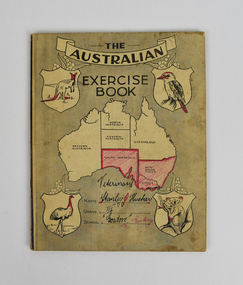 National Wool Museum
Book - Wool Classing Exercise Book, 1936-38
... way you’re taught, don’t listen to the owner standing over your shoulder. At a clip of Corriedales near Casterton, Denis was pushing too many fleeces into the line of fine wool. This resulted in a notice from the Australian Wool Exchange (AWEX) “mixing counts too much, submit three clips for inspection”. Denis was able to submit 3 clips with no further complaints, however, this proved a valuable lesson he would never forget over his long career classing wool. In the early 1980s, when Denis was leasing two properties including his father’s, things were going...way you’re taught, don’t listen to the owner standing over your shoulder. At a clip of Corriedales near Casterton, Denis was pushing too many fleeces into the line of fine wool. This resulted in a notice from the Australian Wool Exchange (AWEX) “mixing counts too much, submit three clips for inspection”. Denis was able to submit 3 clips with no further complaints, however, this proved a valuable lesson he would never forget over his long career classing wool. In the early 1980s, when Denis was leasing two properties including his father’s, things were going ...The story of 90 years of wool classing between father & son begins in 1936, when a young boy by the name of Stanley James Hucker walked through the doors of the Gordon Technical School in Geelong. Born in 1921, Stanley was 15 years of age when he began his 3-year course in Wool Classing. 30 years later, Stanley’s second son Denis completed the same 3-year wool classing course. Beginning in 1966, Denis attended the same Gordon Technical School and walked the same halls as his father before him. Stanley finished his course in 1938. He went back to the family farm in Lake Bolac for a brief period before enrolling in the Second World War. At the completion of the war, Stanley returned home and married before gaining a soldier settler allotment, north of Willaura. This enabled Stan to use his wool classing knowledge. He ran between 1,500 and 2,000 sheep for many years, while his wool classer stencil also allowed him to go out and class at various sheds around the area. He held his stencil from 1938 until he retired at the age of 60 in 1981. On retirement, his second son Denis was working in the district, managing a local property while also leasing land himself. Upon his father’s retirement, Denis had the opportunity to lease his father’s farm, an opportunity he could not refuse. Denis had finished his wool classing course at the Gordon Technical School in 1968, graduating dux of his class. He began working with a local contractor and started classing wool in his team. Denis gained a great deal of experience working as part of this team in big sheds of up to 8 stands servicing between 10 & 20,000 sheep. It was not all smooth sailing for Denis however, and he soon learnt an important lesson. Class wool the way you’re taught, don’t listen to the owner standing over your shoulder. At a clip of Corriedales near Casterton, Denis was pushing too many fleeces into the line of fine wool. This resulted in a notice from the Australian Wool Exchange (AWEX) “mixing counts too much, submit three clips for inspection”. Denis was able to submit 3 clips with no further complaints, however, this proved a valuable lesson he would never forget over his long career classing wool. In the early 1980s, when Denis was leasing two properties including his father’s, things were going well until drought struck. February 1983 was the date of the Ash Wednesday bushfires, and saw Melbourne have three days over 40 °C for only the second time on record. This period saw Denis give away farming, turning towards contracting work instead. After the difficult times of the early 1980s, the next two decades were a good time for the sheep industry. 15 micron wool was selling for prices between 4 to 5,000 cents per kilo, double what you’d expect for the same wool in 2022. In 1995 a single bale of wool sold for a million dollars. This was a good time for Denis too. His contracting work saw him employing local shearers and shed staff. His team was involved with the shearing and classing of more than 130,000 sheep. After 20 years of contracting, it was time for Denis to transition into the next phase of his life. He gave up independent contracting, preferring instead to return to being a member of someone else’s team. In 2018, having completed 50 years of wool classing, it was time to call it a day and retire completely. At the annual Gordon Wool School Old Students Association dinner held in 2018, Denis was presented with his 50 years as a registered wool classer stencil awarded by the Australian Wool Exchange (AWEX). This is a rare honour achieved by few. As of February 2020, a total of 430 wool classers had achieved this 50-year milestone. For Denis however, his proudest achievement is achieving 90 years of wool classing with his father. The National Wool Museum is proud to share the collection of objects gained from 90 years in the wool classing industry by Stanley and Denis. This ranges from Stanley’s first stencil and Wool Sample book, started when he first attended the Gordon in 1936. The collection concludes 90 years later with Denis’ 50 years of wool classing Stencil. The collection contains many more objects, all telling the story of these 90 years, and the hard work invested by this dedicated father and son duo. This is the third in a series of 5 wool classing exercise books. They were written by Stanley Hucker in his time at the Gordon Technical College from 1936-1938. This book begins in a white cover with black ink illustrations and writing. These illustrations have been added to with Pink ink. Internally, the book is handwritten on yellowed pages with blue lines for the assistance in clarity of handwriting. The pages are also surrounded by a margin of red pen. The exercise book’s content is about veterinary studies relating to the diseases, injuries, and treatment of sheep. It is handwritten. A selection of pages have been photographed to give an impression of the information taught in classes, 90 years ago. This includes information about blow fly and bacterial diseases.Front Cover. Wording, printed and handwritten “THE / AUSTRALIAN / EXERCISE / BOOK / Veterinary / NAME Stanley J Hucker / GRADE III / School “Gordon” Geelong” Front Cover. Illustrations, printed. Kangaroo, kookaburra / Map of Australia with state names / Emu, Koalagordon institute geelong, wool classing, 1930s sheep farming, 90 years wool classing between father & son -
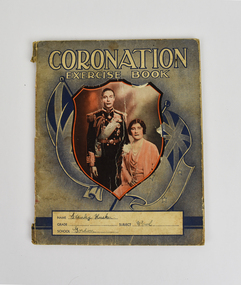 National Wool Museum
Book - Wool Classing Exercise Book, 1937-38
... way you’re taught, don’t listen to the owner standing over your shoulder. At a clip of Corriedales near Casterton, Denis was pushing too many fleeces into the line of fine wool. This resulted in a notice from the Australian Wool Exchange (AWEX) “mixing counts too much, submit three clips for inspection”. Denis was able to submit 3 clips with no further complaints, however, this proved a valuable lesson he would never forget over his long career classing wool. In the early 1980s, when Denis was leasing two properties including his father’s, things were going...way you’re taught, don’t listen to the owner standing over your shoulder. At a clip of Corriedales near Casterton, Denis was pushing too many fleeces into the line of fine wool. This resulted in a notice from the Australian Wool Exchange (AWEX) “mixing counts too much, submit three clips for inspection”. Denis was able to submit 3 clips with no further complaints, however, this proved a valuable lesson he would never forget over his long career classing wool. In the early 1980s, when Denis was leasing two properties including his father’s, things were going ...The story of 90 years of wool classing between father & son begins in 1936, when a young boy by the name of Stanley James Hucker walked through the doors of the Gordon Technical School in Geelong. Born in 1921, Stanley was 15 years of age when he began his 3-year course in Wool Classing. 30 years later, Stanley’s second son Denis completed the same 3-year wool classing course. Beginning in 1966, Denis attended the same Gordon Technical School and walked the same halls as his father before him. Stanley finished his course in 1938. He went back to the family farm in Lake Bolac for a brief period before enrolling in the Second World War. At the completion of the war, Stanley returned home and married before gaining a soldier settler allotment, north of Willaura. This enabled Stan to use his wool classing knowledge. He ran between 1,500 and 2,000 sheep for many years, while his wool classer stencil also allowed him to go out and class at various sheds around the area. He held his stencil from 1938 until he retired at the age of 60 in 1981. On retirement, his second son Denis was working in the district, managing a local property while also leasing land himself. Upon his father’s retirement, Denis had the opportunity to lease his father’s farm, an opportunity he could not refuse. Denis had finished his wool classing course at the Gordon Technical School in 1968, graduating dux of his class. He began working with a local contractor and started classing wool in his team. Denis gained a great deal of experience working as part of this team in big sheds of up to 8 stands servicing between 10 & 20,000 sheep. It was not all smooth sailing for Denis however, and he soon learnt an important lesson. Class wool the way you’re taught, don’t listen to the owner standing over your shoulder. At a clip of Corriedales near Casterton, Denis was pushing too many fleeces into the line of fine wool. This resulted in a notice from the Australian Wool Exchange (AWEX) “mixing counts too much, submit three clips for inspection”. Denis was able to submit 3 clips with no further complaints, however, this proved a valuable lesson he would never forget over his long career classing wool. In the early 1980s, when Denis was leasing two properties including his father’s, things were going well until drought struck. February 1983 was the date of the Ash Wednesday bushfires, and saw Melbourne have three days over 40 °C for only the second time on record. This period saw Denis give away farming, turning towards contracting work instead. After the difficult times of the early 1980s, the next two decades were a good time for the sheep industry. 15 micron wool was selling for prices between 4 to 5,000 cents per kilo, double what you’d expect for the same wool in 2022. In 1995 a single bale of wool sold for a million dollars. This was a good time for Denis too. His contracting work saw him employing local shearers and shed staff. His team was involved with the shearing and classing of more than 130,000 sheep. After 20 years of contracting, it was time for Denis to transition into the next phase of his life. He gave up independent contracting, preferring instead to return to being a member of someone else’s team. In 2018, having completed 50 years of wool classing, it was time to call it a day and retire completely. At the annual Gordon Wool School Old Students Association dinner held in 2018, Denis was presented with his 50 years as a registered wool classer stencil awarded by the Australian Wool Exchange (AWEX). This is a rare honour achieved by few. As of February 2020, a total of 430 wool classers had achieved this 50-year milestone. For Denis however, his proudest achievement is achieving 90 years of wool classing with his father. The National Wool Museum is proud to share the collection of objects gained from 90 years in the wool classing industry by Stanley and Denis. This ranges from Stanley’s first stencil and Wool Sample book, started when he first attended the Gordon in 1936. The collection concludes 90 years later with Denis’ 50 years of wool classing Stencil. The collection contains many more objects, all telling the story of these 90 years, and the hard work invested by this dedicated father and son duo. This is the fourth in a series of 5 wool classing exercise books. They were written by Stanley Hucker in his time at the Gordon Technical College from 1936-1938. This book begins in a white cover with blue ink illustrations and writing. It has a centrepiece-coloured emblem of King George VI & Queen Elizabeth with flags of the Union Jack & Australia in background. Internally, the book is handwritten on yellowed pages with blue lines for the assistance in clarity of handwriting. The pages are also surrounded by a margin of red pen. The exercise book’s content is about wool studies relating to the health and productivity of wool sheep. It is handwritten. A selection of pages have been photographed to give an impression of the information taught in classes, 90 years ago. This includes information about: - Wool scouring - Shearing - Lamb marking - Breeding - Fellmongering - Comparison between wool and artificial fibres - Characteristics of good wool - Wool selling methods - Established studs in Victoria - Award rates (1937-38)Front Cover. Wording, printed and handwritten. “CORONATION / EXERCISE BOOK / NAME Stanley Hucker / GRADE SUBJECT Wool / SCHOOL Gordon Front Cover. Illustration’s colour, printed. King George VI & Queen Elizabeth with flags of the Union Jack & Australia in background.gordon institute geelong, wool classing, 1930s sheep farming, 90 years wool classing between father & son -
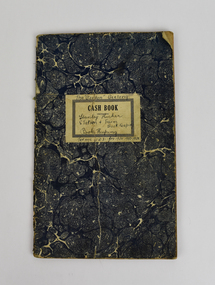 National Wool Museum
Book - Wool Classing Exercise Book, 1936-38
... way you’re taught, don’t listen to the owner standing over your shoulder. At a clip of Corriedales near Casterton, Denis was pushing too many fleeces into the line of fine wool. This resulted in a notice from the Australian Wool Exchange (AWEX) “mixing counts too much, submit three clips for inspection”. Denis was able to submit 3 clips with no further complaints, however, this proved a valuable lesson he would never forget over his long career classing wool. In the early 1980s, when Denis was leasing two properties including his father’s, things were going...way you’re taught, don’t listen to the owner standing over your shoulder. At a clip of Corriedales near Casterton, Denis was pushing too many fleeces into the line of fine wool. This resulted in a notice from the Australian Wool Exchange (AWEX) “mixing counts too much, submit three clips for inspection”. Denis was able to submit 3 clips with no further complaints, however, this proved a valuable lesson he would never forget over his long career classing wool. In the early 1980s, when Denis was leasing two properties including his father’s, things were going ...The story of 90 years of wool classing between father & son begins in 1936, when a young boy by the name of Stanley James Hucker walked through the doors of the Gordon Technical School in Geelong. Born in 1921, Stanley was 15 years of age when he began his 3-year course in Wool Classing. 30 years later, Stanley’s second son Denis completed the same 3-year wool classing course. Beginning in 1966, Denis attended the same Gordon Technical School and walked the same halls as his father before him. Stanley finished his course in 1938. He went back to the family farm in Lake Bolac for a brief period before enrolling in the Second World War. At the completion of the war, Stanley returned home and married before gaining a soldier settler allotment, north of Willaura. This enabled Stan to use his wool classing knowledge. He ran between 1,500 and 2,000 sheep for many years, while his wool classer stencil also allowed him to go out and class at various sheds around the area. He held his stencil from 1938 until he retired at the age of 60 in 1981. On retirement, his second son Denis was working in the district, managing a local property while also leasing land himself. Upon his father’s retirement, Denis had the opportunity to lease his father’s farm, an opportunity he could not refuse. Denis had finished his wool classing course at the Gordon Technical School in 1968, graduating dux of his class. He began working with a local contractor and started classing wool in his team. Denis gained a great deal of experience working as part of this team in big sheds of up to 8 stands servicing between 10 & 20,000 sheep. It was not all smooth sailing for Denis however, and he soon learnt an important lesson. Class wool the way you’re taught, don’t listen to the owner standing over your shoulder. At a clip of Corriedales near Casterton, Denis was pushing too many fleeces into the line of fine wool. This resulted in a notice from the Australian Wool Exchange (AWEX) “mixing counts too much, submit three clips for inspection”. Denis was able to submit 3 clips with no further complaints, however, this proved a valuable lesson he would never forget over his long career classing wool. In the early 1980s, when Denis was leasing two properties including his father’s, things were going well until drought struck. February 1983 was the date of the Ash Wednesday bushfires, and saw Melbourne have three days over 40 °C for only the second time on record. This period saw Denis give away farming, turning towards contracting work instead. After the difficult times of the early 1980s, the next two decades were a good time for the sheep industry. 15 micron wool was selling for prices between 4 to 5,000 cents per kilo, double what you’d expect for the same wool in 2022. In 1995 a single bale of wool sold for a million dollars. This was a good time for Denis too. His contracting work saw him employing local shearers and shed staff. His team was involved with the shearing and classing of more than 130,000 sheep. After 20 years of contracting, it was time for Denis to transition into the next phase of his life. He gave up independent contracting, preferring instead to return to being a member of someone else’s team. In 2018, having completed 50 years of wool classing, it was time to call it a day and retire completely. At the annual Gordon Wool School Old Students Association dinner held in 2018, Denis was presented with his 50 years as a registered wool classer stencil awarded by the Australian Wool Exchange (AWEX). This is a rare honour achieved by few. As of February 2020, a total of 430 wool classers had achieved this 50-year milestone. For Denis however, his proudest achievement is achieving 90 years of wool classing with his father. The National Wool Museum is proud to share the collection of objects gained from 90 years in the wool classing industry by Stanley and Denis. This ranges from Stanley’s first stencil and Wool Sample book, started when he first attended the Gordon in 1936. The collection concludes 90 years later with Denis’ 50 years of wool classing Stencil. The collection contains many more objects, all telling the story of these 90 years, and the hard work invested by this dedicated father and son duo. This is the fifth in a series of 5 wool classing exercise books. They were written by Stanley Hucker in his time at the Gordon Technical College from 1936-1938. This book begins in a white cover with blue ink swirls covering its entirety. It has a central sticker label. Internally, the book is handwritten on yellowed pages with blue lines for the assistance in clarity of handwriting. The pages are also surrounded by a margin of red pen. The exercise book’s content is about recording and tracking the financial transactions of Sheep Stations and Wool Classers. It is handwritten. A selection of pages have been photographed to give an impression of the information taught in classes, 90 years ago. This includes information about: - General bookkeeping terms and definitions - Practise invoices - Larger multiple page definition of bookkeeping - Assets liabilities - Practise bale bookFront Cover. Wording, printed and handwritten. “The “Gordon Geelong / CASH BOOK / Stanley Hucker / Station + Farm / Bookkeeping / Bookkeeping / Terms 1.2.3 for 1936. 1937. 1938”gordon institute geelong, wool classing, 1930s sheep farming, 90 years wool classing between father & son -
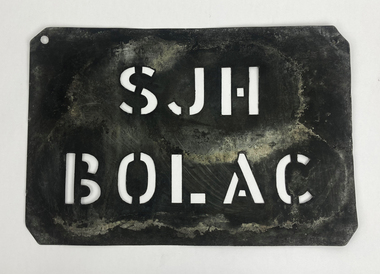 National Wool Museum
Tool - Stencil, 1938
... way you’re taught, don’t listen to the owner standing over your shoulder. At a clip of Corriedales near Casterton, Denis was pushing too many fleeces into the line of fine wool. This resulted in a notice from the Australian Wool Exchange (AWEX) “mixing counts too much, submit three clips for inspection”. Denis was able to submit 3 clips with no further complaints, however, this proved a valuable lesson he would never forget over his long career classing wool. In the early 1980s, when Denis was leasing two properties including his father’s, things were going...way you’re taught, don’t listen to the owner standing over your shoulder. At a clip of Corriedales near Casterton, Denis was pushing too many fleeces into the line of fine wool. This resulted in a notice from the Australian Wool Exchange (AWEX) “mixing counts too much, submit three clips for inspection”. Denis was able to submit 3 clips with no further complaints, however, this proved a valuable lesson he would never forget over his long career classing wool. In the early 1980s, when Denis was leasing two properties including his father’s, things were going ...The story of 90 years of wool classing between father & son begins in 1936, when a young boy by the name of Stanley James Hucker walked through the doors of the Gordon Technical School in Geelong. Born in 1921, Stanley was 15 years of age when he began his 3-year course in Wool Classing. 30 years later, Stanley’s second son Denis completed the same 3-year wool classing course. Beginning in 1966, Denis attended the same Gordon Technical School and walked the same halls as his father before him. Stanley finished his course in 1938. He went back to the family farm in Lake Bolac for a brief period before enrolling in the Second World War. At the completion of the war, Stanley returned home and married before gaining a soldier settler allotment, north of Willaura. This enabled Stan to use his wool classing knowledge. He ran between 1,500 and 2,000 sheep for many years, while his wool classer stencil also allowed him to go out and class at various sheds around the area. He held his stencil from 1938 until he retired at the age of 60 in 1981. On retirement, his second son Denis was working in the district, managing a local property while also leasing land himself. Upon his father’s retirement, Denis had the opportunity to lease his father’s farm, an opportunity he could not refuse. Denis had finished his wool classing course at the Gordon Technical School in 1968, graduating dux of his class. He began working with a local contractor and started classing wool in his team. Denis gained a great deal of experience working as part of this team in big sheds of up to 8 stands servicing between 10 & 20,000 sheep. It was not all smooth sailing for Denis however, and he soon learnt an important lesson. Class wool the way you’re taught, don’t listen to the owner standing over your shoulder. At a clip of Corriedales near Casterton, Denis was pushing too many fleeces into the line of fine wool. This resulted in a notice from the Australian Wool Exchange (AWEX) “mixing counts too much, submit three clips for inspection”. Denis was able to submit 3 clips with no further complaints, however, this proved a valuable lesson he would never forget over his long career classing wool. In the early 1980s, when Denis was leasing two properties including his father’s, things were going well until drought struck. February 1983 was the date of the Ash Wednesday bushfires, and saw Melbourne have three days over 40 °C for only the second time on record. This period saw Denis give away farming, turning towards contracting work instead. After the difficult times of the early 1980s, the next two decades were a good time for the sheep industry. 15 micron wool was selling for prices between 4 to 5,000 cents per kilo, double what you’d expect for the same wool in 2022. In 1995 a single bale of wool sold for a million dollars. This was a good time for Denis too. His contracting work saw him employing local shearers and shed staff. His team was involved with the shearing and classing of more than 130,000 sheep. After 20 years of contracting, it was time for Denis to transition into the next phase of his life. He gave up independent contracting, preferring instead to return to being a member of someone else’s team. In 2018, having completed 50 years of wool classing, it was time to call it a day and retire completely. At the annual Gordon Wool School Old Students Association dinner held in 2018, Denis was presented with his 50 years as a registered wool classer stencil awarded by the Australian Wool Exchange (AWEX). This is a rare honour achieved by few. As of February 2020, a total of 430 wool classers had achieved this 50-year milestone. For Denis however, his proudest achievement is achieving 90 years of wool classing with his father. The National Wool Museum is proud to share the collection of objects gained from 90 years in the wool classing industry by Stanley and Denis. This ranges from Stanley’s first stencil and Wool Sample book, started when he first attended the Gordon in 1936. The collection concludes 90 years later with Denis’ 50 years of wool classing Stencil. The collection contains many more objects, all telling the story of these 90 years, and the hard work invested by this dedicated father and son duo. Thin sheet of metal with letters cut to produce a consistent pattern for the surface below through the application of ink. This wool classing stencil belonged to Stanley Hucker. It was his first Wool Classing Stencil. It was used on Stanley’s property named “Yohhatnbu” in Willaura. Stanley gained the property as part of the Returned Soldiers Settlement Scheme for his service in World War 2. The role of a Wool Classer is to sort, classify, and grade wool into various ‘lines’ so that it can be sold for best market price. Wool Classers are typically also tasked with the managing and supervising of wool-handling teams. The stencil is used in the final step of preparing a bale of wool for sale. It is branded across the front of a wool bale to indicate the quality of the wool, with the classers number used as a seal of guarantee.Cut letters. “SJH / BOLAC ”wool classing, stencil, 90 years wool classing between father & son -
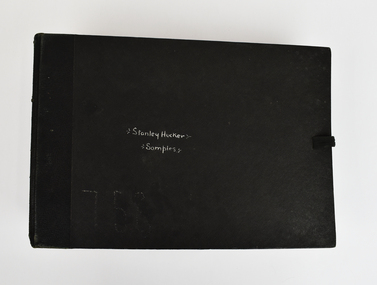 National Wool Museum
Book, Wool Sample, 1936-8
... way you’re taught, don’t listen to the owner standing over your shoulder. At a clip of Corriedales near Casterton, Denis was pushing too many fleeces into the line of fine wool. This resulted in a notice from the Australian Wool Exchange (AWEX) “mixing counts too much, submit three clips for inspection”. Denis was able to submit 3 clips with no further complaints, however, this proved a valuable lesson he would never forget over his long career classing wool. In the early 1980s, when Denis was leasing two properties including his father’s, things were going...way you’re taught, don’t listen to the owner standing over your shoulder. At a clip of Corriedales near Casterton, Denis was pushing too many fleeces into the line of fine wool. This resulted in a notice from the Australian Wool Exchange (AWEX) “mixing counts too much, submit three clips for inspection”. Denis was able to submit 3 clips with no further complaints, however, this proved a valuable lesson he would never forget over his long career classing wool. In the early 1980s, when Denis was leasing two properties including his father’s, things were going ...The story of 90 years of wool classing between father & son begins in 1936, when a young boy by the name of Stanley James Hucker walked through the doors of the Gordon Technical School in Geelong. Born in 1921, Stanley was 15 years of age when he began his 3-year course in Wool Classing. 30 years later, Stanley’s second son Denis completed the same 3-year wool classing course. Beginning in 1966, Denis attended the same Gordon Technical School and walked the same halls as his father before him. Stanley finished his course in 1938. He went back to the family farm in Lake Bolac for a brief period before enrolling in the Second World War. At the completion of the war, Stanley returned home and married before gaining a soldier settler allotment, north of Willaura. This enabled Stan to use his wool classing knowledge. He ran between 1,500 and 2,000 sheep for many years, while his wool classer stencil also allowed him to go out and class at various sheds around the area. He held his stencil from 1938 until he retired at the age of 60 in 1981. On retirement, his second son Denis was working in the district, managing a local property while also leasing land himself. Upon his father’s retirement, Denis had the opportunity to lease his father’s farm, an opportunity he could not refuse. Denis had finished his wool classing course at the Gordon Technical School in 1968, graduating dux of his class. He began working with a local contractor and started classing wool in his team. Denis gained a great deal of experience working as part of this team in big sheds of up to 8 stands servicing between 10 & 20,000 sheep. It was not all smooth sailing for Denis however, and he soon learnt an important lesson. Class wool the way you’re taught, don’t listen to the owner standing over your shoulder. At a clip of Corriedales near Casterton, Denis was pushing too many fleeces into the line of fine wool. This resulted in a notice from the Australian Wool Exchange (AWEX) “mixing counts too much, submit three clips for inspection”. Denis was able to submit 3 clips with no further complaints, however, this proved a valuable lesson he would never forget over his long career classing wool. In the early 1980s, when Denis was leasing two properties including his father’s, things were going well until drought struck. February 1983 was the date of the Ash Wednesday bushfires, and saw Melbourne have three days over 40 °C for only the second time on record. This period saw Denis give away farming, turning towards contracting work instead. After the difficult times of the early 1980s, the next two decades were a good time for the sheep industry. 15 micron wool was selling for prices between 4 to 5,000 cents per kilo, double what you’d expect for the same wool in 2022. In 1995 a single bale of wool sold for a million dollars. This was a good time for Denis too. His contracting work saw him employing local shearers and shed staff. His team was involved with the shearing and classing of more than 130,000 sheep. After 20 years of contracting, it was time for Denis to transition into the next phase of his life. He gave up independent contracting, preferring instead to return to being a member of someone else’s team. In 2018, having completed 50 years of wool classing, it was time to call it a day and retire completely. At the annual Gordon Wool School Old Students Association dinner held in 2018, Denis was presented with his 50 years as a registered wool classer stencil awarded by the Australian Wool Exchange (AWEX). This is a rare honour achieved by few. As of February 2020, a total of 430 wool classers had achieved this 50-year milestone. For Denis however, his proudest achievement is achieving 90 years of wool classing with his father. The National Wool Museum is proud to share the collection of objects gained from 90 years in the wool classing industry by Stanley and Denis. This ranges from Stanley’s first stencil and Wool Sample book, started when he first attended the Gordon in 1936. The collection concludes 90 years later with Denis’ 50 years of wool classing Stencil. The collection contains many more objects, all telling the story of these 90 years, and the hard work invested by this dedicated father and son duo.Large black bound book with ribbon for fastening containing 12 double-sided blue pages. Pages have several samples of shorn wool mounted and annotated to include information such as specific breeding, shearing faults, and geographical area. The book concludes with four pages without wool samples. Two of these pages relate to plans for a shearing shed and other industry related structures. The final two-pages relate to the anatomy of a sheep. Wool sample books were constructed by Wool Classing students at the Gordon Technical School as examples of what to look for when classing wool. The students were tasked with constructing these books with samples they retrieved themselves from several different farms and animals. The book would serve as a reference point for the wool classers throughout their years in the field, it was always on hand to refresh knowledge. This book was constructed by Stanley Hucker over his schooling at the Gordon between 1936 and 1938Front Cover. Handwritten, White Ink "Stanley Hucker / Samples"90 years wool classing between father & son, wool classing, gordon technical school -
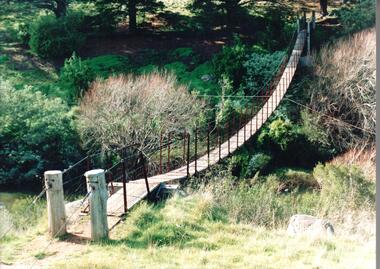 Hume City Civic Collection
Photograph, 1980s
... It enabled children who lived across the river to travel directly to school instead of going the long way around the road, a possible distance of 2-3 kms....It enabled children who lived across the river to travel directly to school instead of going the long way around the road, a possible distance of 2-3 kms. swing bridges deep creek george evans collection A coloured photograph of the timber and cable swing bridge which was constructed across the Deep Creek at Bulla. ...The timber and cable swing bridge straddled the Deep Creek at Bulla behind the Bulla school. It enabled children who lived across the river to travel directly to school instead of going the long way around the road, a possible distance of 2-3 kms.A coloured photograph of the timber and cable swing bridge which was constructed across the Deep Creek at Bulla. Trees are growing along the river bank and there is a row of conifers growing along the opposite bank.swing bridges, deep creek, george evans collection -
 Melbourne Legacy
Photograph, 80th Anniversary function, 2003
... Many of the guests enjoyed catching up with friends and acquaintances that go back a long way. Some had not seen each other for decades and there was much excitement renewing old friendships. ...Many of the guests enjoyed catching up with friends and acquaintances that go back a long way. Some had not seen each other for decades and there was much excitement renewing old friendships. ...Celebrations for the 80th Anniversary of Legacy were held in the grounds of Government House in 2003. The note with the photos says: "Legacy's 80th Anniversary Function Over 1200 people recently attended Legacy's 80th Anniversary Function. The sun streaming through the picturesque garden surroundings at Government House contributed to the success of the day. Many of the guests enjoyed catching to the success of the day. Many of the guests enjoyed catching up with friends and acquaintances that go back a long way. Some had not seen each other for decades and there was much excitement renewing old friendships. The guests were entertained by The Royal Australian Navy Jazz Ensemble and the MC was David Mann from Radio 3AW." See also 00990, 00991 and 00992. The Anniversary celebrations were held at Government house due to the close relationship with the Governor of Victoria as patron of Legacy.Colour photo x 2 of junior Legatees with 80th Anniversary cake.Printed on the back 80th anniversary, junior legatee outing, government house party, events, cake -
 Melbourne Legacy
Photograph, 80th Anniversary function, 2003
... Many of the guests enjoyed catching up with friends and acquaintances that go back a long way. Some had not seen each other for decades and there was much excitement renewing old friendships. ...Many of the guests enjoyed catching up with friends and acquaintances that go back a long way. Some had not seen each other for decades and there was much excitement renewing old friendships. ...Celebrations for the 80th Anniversary of Legacy were held in the grounds of Government House in 2003. Photos include the President David Ford speaking to the crowd and Margaret Armstrong sitting under a red umbrella. The note with the photos says: "Legacy's 80th Anniversary Function Over 1200 people recently attended Legacy's 80th Anniversary Function. The sun streaming through the picturesque garden surroundings at Government House contributed to the success of the day. Many of the guests enjoyed catching to the success of the day. Many of the guests enjoyed catching up with friends and acquaintances that go back a long way. Some had not seen each other for decades and there was much excitement renewing old friendships. The guests were entertained by The Royal Australian Navy Jazz Ensemble and the MC was David Mann from Radio 3AW." See also 00989, 00991 and 00992. The Anniversary celebrations were held at Government house due to the close relationship with the Governor of Victoria as patron of Legacy.Colour photo x 9 of 80th Anniversary celebration at Government House.Printed on the back 80th anniversary, government house party, events -
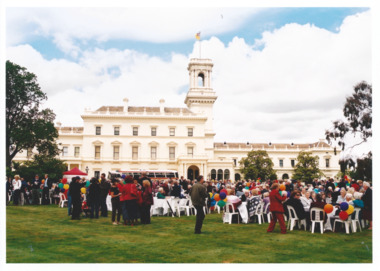 Melbourne Legacy
Photograph - Photo, Government House, 2003
... Many of the guests enjoyed catching up with friends and acquaintances that go back a long way. Some had not seen each other for decades and there was much excitement renewing old friendships. ...Many of the guests enjoyed catching up with friends and acquaintances that go back a long way. Some had not seen each other for decades and there was much excitement renewing old friendships. ...Celebrations for the 80th Anniversary of Legacy were held in the grounds of Government House in 2003. Photos include the President David Ford speaking to the crowd and some of the junior Legatees with disabilities. The note with the photos says: "Legacy's 80th Anniversary Function Over 1200 people recently attended Legacy's 80th Anniversary Function. The sun streaming through the picturesque garden surroundings at Government House contributed to the success of the day. Many of the guests enjoyed catching to the success of the day. Many of the guests enjoyed catching up with friends and acquaintances that go back a long way. Some had not seen each other for decades and there was much excitement renewing old friendships. The guests were entertained by The Royal Australian Navy Jazz Ensemble and the MC was David Mann from Radio 3AW." See also 00989, 00990 and 00992. The President's report that is published with the Annual Report says: "President David Ford said in his address 'Let us all just recognise what a unique and enduring family we belong to. it is based on personal effort and dedication from everyone belonging to it. It has been giving that service for 80 years now and I am confident that it will continue to flourish for as long as support to dependents of departed veterans is required."The Anniversary celebrations were held at Government house due to the close relationship with the Governor of Victoria as patron of Legacy.Colour photo x 13 of 80th Anniversary celebration at Government House and an article in the President's report.Printed on the back 80th anniversary, government house party, events
