
Showing 35 items matching "air mechanics"
-
 Moorabbin Air Museum
Manual (Item) - RAF Notes on Rigging for Air Mechanics
... RAF Notes on Rigging for Air Mechanics...Manual RAF Notes on Rigging for Air Mechanics ... -
Moorabbin Air Museum
Manual (Item) - RAF Notes on Rigging for Air Mechanics
... RAF Notes on Rigging for Air Mechanics...Manual RAF Notes on Rigging for Air Mechanics ... -
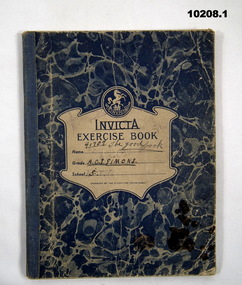 Bendigo Military Museum
Book - TRAINING DETAILS WW2, Invicta, c.1939-1945
... ...Air Mechanics...Training Notes Aircraft Building data Simons F RAAF Training Air Mechanics 1. Written on front is "41707, The Good Book", "ACI Simons (J.S.T.T.)", 2, Written on front is "41707 A.C.I. ...Collection re Frederick Simons. Refer to Cat No 10159.1. Quarto size exercise book. The cover is of a blue marbling design. In the centre is a white area, similar to a plaque. It has a circle at the top of it with a rampant horse. The book has a number of lined pages. It has a cotton cloth binding, Subjects include, Aero Electrics, Tools, and Building Designs. 2. Quarto size exercise book, Front cover is blue marbling. There is a wedge shape in the centre. It has the makers name and blank lines. Above that is a circle in which is a drawing of a knight slaying a dragon. 3. Quarto Exercise book. It has two covers of blue marble cardboard. Front is similar to No. 2 above.1. Written on front is "41707, The Good Book", "ACI Simons (J.S.T.T.)", 2, Written on front is "41707 A.C.I. Simons F. 12.1 TFM ACI E8" 3. Written on first cover is "41707" but the rest is illegible. Writen on second cover is "ACI Simons F. 121 TFM. IFS Ascot Vale. 2 Wing 41707".training notes, aircraft, building data, simons f, raaf training, air mechanics -
Moorabbin Air Museum
Booklet - Aviation mechanics bulletins, FSF Aviation Mechanics Bulletin May-June 1979
... International air mechanics licence...Aviation mechanics bulletins International air mechanics licence Tire standards Idling on JT9 engines Porpoising 707 thrust reversers DC-10 Misc.other aviation mechanic topics Series of articles for aviation mechanics, circa 1979 FSF Aviation Mechanics Bulletin May-June 1979 Booklet Aviation mechanics bulletins ...Series of articles for aviation mechanics, circa 1979non-fictionSeries of articles for aviation mechanics, circa 1979international air mechanics licence, tire standards, idling on jt9 engines, porpoising, 707 thrust reversers, dc-10, misc.other aviation mechanic topics -
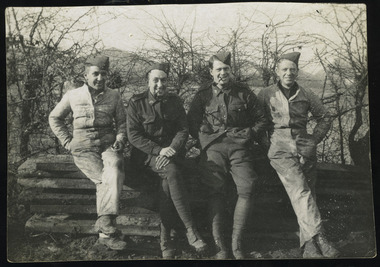 Magnet Galleries Melbourne Inc
afc mechanics group, dargo-075.tif
... A group of air craft mechanics including Private Jim Stewart (far right) of the 3rd squadron. ...A group of air craft mechanics including Private Jim Stewart (far right) of the 3rd squadron. ...A group of air craft mechanics including Private Jim Stewart (far right) of the 3rd squadron. Australian Flying Corps. A popular, carefree character, Stewart played as a ruckman for south Melbourne in the Victorian Football League between 1915 - 1920, though war service precluded for much of 1917 - 1919Black and white photographic printww1, world war 1, afc, jim stewart, mechanics -
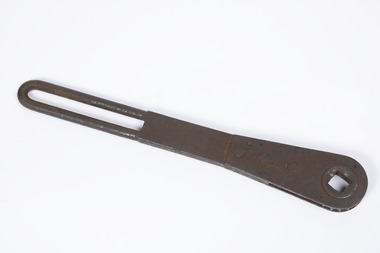 Nhill Aviation Heritage Centre
Tool - Rachet spanner
... Known to be have been made by an aircraft mechanic stationed here at the air school during the war spanner tool handmade lynch none mechanics tool with fabricated hand containing a rachet mechanism with half inch drive component Tool Rachet spanner ...Known to be have been made by an aircraft mechanic stationed here at the air school during the warmechanics tool with fabricated hand containing a rachet mechanism with half inch drive componentnonespanner, tool, handmade, lynch, -
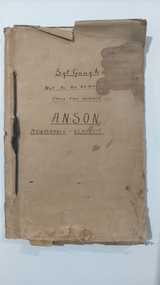 Nhill Aviation Heritage Centre
Memorabilia - Anson maintenance schedule, 1940
... Kept in maintenance workshops to keep mechanics up to date with maintenance procedures including amendments. Anson & Cheetah maintenance schedule Sgt. Gough Royal Australia Air ...Kept in maintenance workshops to keep mechanics up to date with maintenance procedures including amendments.Hardback book bound with cord. Has hand written protective cover 19 pagesRoyal Australia Air Force, Aeroplane Maintenance Schedule, Anson-Cheetah IX, to be used in connection with Unit Maintenance Orders.anson & cheetah maintenance schedule, sgt. gough, -
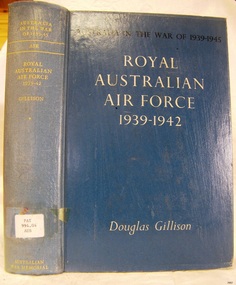 Flagstaff Hill Maritime Museum and Village
Book, Australia in the War of 1939-1945 Royal Australian Air Force
... mechanics’ institute library...victorian library board...warrnambool books and records...warrnambool children’s library...great ocean road...Australia in the War of 1939-1945 Royal Australian Air...The Warrnambool Mechanics' Institute’s publication collection is of both local and state significance. warrnambool shipwrecked-coast flagstaff-hill flagstaff-hill-maritime-museum maritime-museum shipwreck-coast flagstaff-hill-maritime-village shipwrecked-artefact book pattison collection warrnambool library warrnambool mechanics’ institute ralph eric pattison corangamite regional library service warrnambool city librarian mechanics’ institute library victorian library board warrnambool books and records warrnambool children’s library great ocean road Australia in the War of 1939-1945 Royal Australian Air Force Australia in the War of 1939-1945 Royal Australian Air Force Gillison Douglas Australian War Memorial Label on spine cover with typed text PAT 994.04 AUS Front loose endpaper has a sticker from Corangamite Regional Library Service Australia in the War of 1939-1945 Royal Australian Air Force This volume is concerned mainly with the air war against Japan from December 1941 to the end of the first quarter of 1943. ...This Book is from the ‘Pattison Collection’, a collection of books and records that was originally owned by the Warrnambool Mechanics’ Institute, which was founded in Warrnambool in 1853. By 1886 the Warrnambool Mechanics’ Institute (WMI) had grown to have a Library, Museum and Fine Arts Gallery, with a collection of “… choice productions of art, and valuable specimens in almost every branch and many wonderful national curiosities are now to be seen there, including historic relics of the town and district.” It later included a School of Design. Although it was very well patronised, the lack of financial support led the WMI in 1911 to ask the City Council to take it over. In 1935 Ralph Pattison was appointed as City Librarian to establish and organise the Warrnambool Library as it was then called. When the WMI building was pulled down in 1963 a new civic building was erected on the site and the new Warrnambool Library, on behalf of the City Council, took over all the holdings of the WMI. At this time some of the items were separated and identified as the ‘Pattison Collection’, named after Ralph Pattison. Eventually the components of the WMI were distributed from the Warrnambool Library to various places, including the Art Gallery, Historical Society and Flagstaff Hill. Later some were even distributed to other regional branches of Corangamite Regional Library and passed to and fro. It is difficult now to trace just where all of the items have ended up. The books at Flagstaff Hill Maritime Village generally display stamps and markings from Pattison as well as a variety of other institutions including the Mechanics’ Institute itself. RALPH ERIC PATTISON Ralph Eric Pattison was born in Rockhampton, Queensland, in 1891. He married Maude Swan from Warrnambool in 1920 and they set up home in Warrnambool. In 1935 Pattison accepted a position as City Librarian for the Warrnambool City Council. His huge challenge was to make a functional library within two rooms of the Mechanics’ Institute. He tirelessly cleaned, cleared and sorted a disarrayed collection of old books, jars of preserved specimens and other items reserved for exhibition in the city’s museum. He developed and updated the library with a wide variety of books for all tastes, including reference books for students; a difficult task to fulfil during the years following the Depression. He converted all of the lower area of the building into a library, reference room and reading room for members and the public. The books were sorted and stored using a cataloguing and card index system that he had developed himself. He also prepared the upper floor of the building and established the Art Gallery and later the Museum, a place to exhibit the many old relics that had been stored for years for this purpose. One of the treasures he found was a beautiful ancient clock, which he repaired, restored and enjoyed using in his office during the years of his service there. Ralph Pattison was described as “a meticulous gentleman whose punctuality, floorless courtesy and distinctive neat dress were hallmarks of his character, and ‘his’ clock controlled his daily routine, and his opening and closing of the library’s large heavy doors to the minute.” Pattison took leave during 1942 to 1945 to serve in the Royal Australian Navy, Volunteer Reserve as Lieutenant. A few years later he converted one of the Museum’s rooms into a Children’s Library, stocking it with suitable books for the younger generation. This was an instant success. In the 1950’s he had the honour of being appointed to the Victorian Library Board and received more inspiration from the monthly conferences in Melbourne. He was sadly retired in 1959 after over 23 years of service, due to the fact that he had gone over the working age of council officers. However he continued to take a very keen interest in the continual development of the Library until his death in 1969. The Pattison Collection, along with other items at Flagstaff Hill Maritime Village, was originally part of the Warrnambool Mechanics' Institute’s collection. The Warrnambool Mechanics’ Institute Collection is primarily significant in its totality, rather than for the individual objects it contains. Its contents are highly representative of the development of Mechanics' Institute libraries across Australia, particularly Victoria. A diversity of publications and themes has been amassed, and these provide clues to our understanding of the nature of and changes in the reading habits of Victorians from the 1850s to the middle of the 20th century. The collection also highlights the Warrnambool community’s commitment to the Mechanics’ Institute, reading, literacy and learning in the regions, and proves that access to knowledge was not impeded by distance. These items help to provide a more complete picture of our community’s ideals and aspirations. The Warrnambool Mechanics Institute book collection has historical and social significance for its strong association with the Mechanics Institute movement and the important role it played in the intellectual, cultural and social development of people throughout the latter part of the nineteenth century and the early twentieth century. The collection of books is a rare example of an early lending library and its significance is enhanced by the survival of an original collection of many volumes. The Warrnambool Mechanics' Institute’s publication collection is of both local and state significance. Australia in the War of 1939-1945 Royal Australian Air Force This volume is concerned mainly with the air war against Japan from December 1941 to the end of the first quarter of 1943. Author: Gillison Douglas Publisher: Australian War Memorial Date: 1962Label on spine cover with typed text PAT 994.04 AUS Front loose endpaper has a sticker from Corangamite Regional Library Servicewarrnambool, shipwrecked-coast, flagstaff-hill, flagstaff-hill-maritime-museum, maritime-museum, shipwreck-coast, flagstaff-hill-maritime-village, shipwrecked-artefact, book, pattison collection, warrnambool library, warrnambool mechanics’ institute, ralph eric pattison, corangamite regional library service, warrnambool city librarian, mechanics’ institute library, victorian library board, warrnambool books and records, warrnambool children’s library, great ocean road, australia in the war of 1939-1945 royal australian air force, australia in the war of 1939-1945, royal australian air force, gillison douglas, australian war memorial -
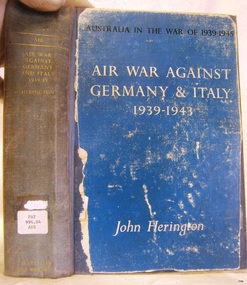 Flagstaff Hill Maritime Museum and Village
Book, Australia in the War of 1939-1945 Air War Against Germany and Italy
... mechanics’ institute library...victorian library board...warrnambool books and records...warrnambool children’s library...great ocean road...Australia in the War of 1939-1945 Air...The Warrnambool Mechanics' Institute’s publication collection is of both local and state significance. warrnambool shipwrecked-coast flagstaff-hill flagstaff-hill-maritime-museum maritime-museum shipwreck-coast flagstaff-hill-maritime-village shipwrecked-artefact book pattison collection warrnambool library warrnambool mechanics’ institute ralph eric pattison corangamite regional library service warrnambool city librarian mechanics’ institute library victorian library board warrnambool books and records warrnambool children’s library great ocean road Australia in the War of 1939-1945 Air War Against Germany and Italy Australia in the War of 1939-1945 Australian War Memorial John Herington Label on spine cover with typed text PAT 994.04 AUS Pastedown front endpaper has sticker from Warrnambool Mechanics Institute and Free Library covered by a sticker from Corangamite Regional Library Service Australia in the War of 1939-1945 Air War Against Germany and Italy This volume describes the part played by increasing numbers of Australians in the first four years of the air war in Europe and the Middle East. ...This book is from the ‘Pattison Collection’, a collection of books and records that was originally owned by the Warrnambool Mechanics’ Institute, which was founded in Warrnambool in 1853. By 1886 the Warrnambool Mechanics’ Institute (WMI) had grown to have a Library, Museum and Fine Arts Gallery, with a collection of “… choice productions of art, and valuable specimens in almost every branch and many wonderful national curiosities are now to be seen there, including historic relics of the town and district.” It later included a School of Design. Although it was very well patronised, the lack of financial support led the WMI in 1911 to ask the City Council to take it over. In 1935 Ralph Pattison was appointed as City Librarian to establish and organise the Warrnambool Library as it was then called. When the WMI building was pulled down in 1963 a new civic building was erected on the site and the new Warrnambool Library, on behalf of the City Council, took over all the holdings of the WMI. At this time some of the items were separated and identified as the ‘Pattison Collection’, named after Ralph Pattison. Eventually the components of the WMI were distributed from the Warrnambool Library to various places, including the Art Gallery, Historical Society and Flagstaff Hill. Later some were even distributed to other regional branches of Corangamite Regional Library and passed to and fro. It is difficult now to trace just where all of the items have ended up. The books at Flagstaff Hill Maritime Village generally display stamps and markings from Pattison as well as a variety of other institutions including the Mechanics’ Institute itself. RALPH ERIC PATTISON Ralph Eric Pattison was born in Rockhampton, Queensland, in 1891. He married Maude Swan from Warrnambool in 1920 and they set up home in Warrnambool. In 1935 Pattison accepted a position as City Librarian for the Warrnambool City Council. His huge challenge was to make a functional library within two rooms of the Mechanics’ Institute. He tirelessly cleaned, cleared and sorted a disarrayed collection of old books, jars of preserved specimens and other items reserved for exhibition in the city’s museum. He developed and updated the library with a wide variety of books for all tastes, including reference books for students; a difficult task to fulfil during the years following the Depression. He converted all of the lower area of the building into a library, reference room and reading room for members and the public. The books were sorted and stored using a cataloguing and card index system that he had developed himself. He also prepared the upper floor of the building and established the Art Gallery and later the Museum, a place to exhibit the many old relics that had been stored for years for this purpose. One of the treasures he found was a beautiful ancient clock, which he repaired, restored and enjoyed using in his office during the years of his service there. Ralph Pattison was described as “a meticulous gentleman whose punctuality, floorless courtesy and distinctive neat dress were hallmarks of his character, and ‘his’ clock controlled his daily routine, and his opening and closing of the library’s large heavy doors to the minute.” Pattison took leave during 1942 to 1945 to serve in the Royal Australian Navy, Volunteer Reserve as Lieutenant. A few years later he converted one of the Museum’s rooms into a Children’s Library, stocking it with suitable books for the younger generation. This was an instant success. In the 1950’s he had the honour of being appointed to the Victorian Library Board and received more inspiration from the monthly conferences in Melbourne. He was sadly retired in 1959 after over 23 years of service, due to the fact that he had gone over the working age of council officers. However he continued to take a very keen interest in the continual development of the Library until his death in 1969. The Pattison Collection, along with other items at Flagstaff Hill Maritime Village, was originally part of the Warrnambool Mechanics' Institute’s collection. The Warrnambool Mechanics’ Institute Collection is primarily significant in its totality, rather than for the individual objects it contains. Its contents are highly representative of the development of Mechanics' Institute libraries across Australia, particularly Victoria. A diversity of publications and themes has been amassed, and these provide clues to our understanding of the nature of and changes in the reading habits of Victorians from the 1850s to the middle of the 20th century. The collection also highlights the Warrnambool community’s commitment to the Mechanics’ Institute, reading, literacy and learning in the regions, and proves that access to knowledge was not impeded by distance. These items help to provide a more complete picture of our community’s ideals and aspirations. The Warrnambool Mechanics Institute book collection has historical and social significance for its strong association with the Mechanics Institute movement and the important role it played in the intellectual, cultural and social development of people throughout the latter part of the nineteenth century and the early twentieth century. The collection of books is a rare example of an early lending library and its significance is enhanced by the survival of an original collection of many volumes. The Warrnambool Mechanics' Institute’s publication collection is of both local and state significance. Australia in the War of 1939-1945 Air War Against Germany and Italy This volume describes the part played by increasing numbers of Australians in the first four years of the air war in Europe and the Middle East. Author: John Herington Publisher: Australian War Memorial Date: 1954Label on spine cover with typed text PAT 994.04 AUS Pastedown front endpaper has sticker from Warrnambool Mechanics Institute and Free Library covered by a sticker from Corangamite Regional Library Service warrnambool, shipwrecked-coast, flagstaff-hill, flagstaff-hill-maritime-museum, maritime-museum, shipwreck-coast, flagstaff-hill-maritime-village, shipwrecked-artefact, book, pattison collection, warrnambool library, warrnambool mechanics’ institute, ralph eric pattison, corangamite regional library service, warrnambool city librarian, mechanics’ institute library, victorian library board, warrnambool books and records, warrnambool children’s library, great ocean road, australia in the war of 1939-1945 air war against germany and italy, australia in the war of 1939-1945, australian war memorial, john herington -
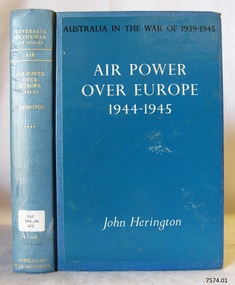 Flagstaff Hill Maritime Museum and Village
Book, Air Power Over Europe
... mechanics’ institute library...victorian library board...warrnambool books and records...warrnambool children’s library...air...His aim was to foster portraiture, as well as support artists, and perpetuate the memory of great Australians. warrnambool shipwrecked-coast flagstaff-hill flagstaff-hill-maritime-museum maritime-museum shipwreck-coast flagstaff-hill-maritime-village shipwrecked-artefact book warrnambool mechanics’ institute pattison collection warrnambool library ralph eric pattison warrnambool city librarian mechanics’ institute library victorian library board warrnambool books and records warrnambool children’s library air power over europe john herington Label on spine cover with typed text PAT 994.04 AUS Lower text block has a stamp from Warrnambool Public Library Front loose endpaper has a sticker from Corangamite Regional Library Service Air Power Over Europe Australia in the War of 1939-1945 Author: John Herington Publisher: Australian War Memorial Date: 1963 Air Power Over Europe Book ...This item is from the ‘Pattison Collection’, a collection of books and records that was originally owned by the Warrnambool Mechanics’ Institute, which was founded in Warrnambool in 1853. By 1886 the Warrnambool Mechanics’ Institute (WMI) had grown to have a Library, Museum and Fine Arts Gallery, with a collection of “… choice productions of art, and valuable specimens in almost every branch and many wonderful national curiosities are now to be seen there, including historic relics of the town and district.” It later included a School of Design. Although it was very well patronised, the lack of financial support led the WMI in 1911 to ask the City Council to take it over. In 1935 Ralph Pattison was appointed as City Librarian to establish and organise the Warrnambool Library as it was then called. When the WMI building was pulled down in 1963 a new civic building was erected on the site and the new Warrnambool Library, on behalf of the City Council, took over all the holdings of the WMI. At this time some of the items were separated and identified as the ‘Pattison Collection’, named after Ralph Pattison. Eventually the components of the WMI were distributed from the Warrnambool Library to various places, including the Art Gallery, Historical Society and Flagstaff Hill. Later some were even distributed to other regional branches of Corangamite Regional Library and passed to and fro. It is difficult now to trace just where all of the items have ended up. The books at Flagstaff Hill Maritime Village generally display stamps and markings from Pattison as well as a variety of other institutions including the Mechanics’ Institute itself. RALPH ERIC PATTISON Ralph Eric Pattison was born in Rockhampton, Queensland, in 1891. He married Maude Swan from Warrnambool in 1920 and they set up home in Warrnambool. In 1935 Pattison accepted a position as City Librarian for the Warrnambool City Council. His huge challenge was to make a functional library within two rooms of the Mechanics’ Institute. He tirelessly cleaned, cleared and sorted a disarrayed collection of old books, jars of preserved specimens and other items reserved for exhibition in the city’s museum. He developed and updated the library with a wide variety of books for all tastes, including reference books for students; a difficult task to fulfil during the years following the Depression. He converted all of the lower area of the building into a library, reference room and reading room for members and the public. The books were sorted and stored using a cataloguing and card index system that he had developed himself. He also prepared the upper floor of the building and established the Art Gallery and later the Museum, a place to exhibit the many old relics that had been stored for years for this purpose. One of the treasures he found was a beautiful ancient clock, which he repaired, restored and enjoyed using in his office during the years of his service there. Ralph Pattison was described as “a meticulous gentleman whose punctuality, floorless courtesy and distinctive neat dress were hallmarks of his character, and ‘his’ clock controlled his daily routine, and his opening and closing of the library’s large heavy doors to the minute.” Pattison took leave during 1942 to 1942 to serve in the Royal Australian Navy, Volunteer Reserve as Lieutenant. A few years later he converted one of the Museum’s rooms into a Children’s Library, stocking it with suitable books for the younger generation. This was an instant success. In the 1950’s he had the honour of being appointed to the Victorian Library Board and received more inspiration from the monthly conferences in Melbourne. He was sadly retired in 1959 after over 23 years of service, due to the fact that he had gone over the working age of council officers. However he continued to take a very keen interest in the continual development of the Library until his death in 1969. The Warrnambool Mechanics’ Institute (WMI) was formed by a voluntary community group in 1863, within six years of Warrnambool’s beginnings, and its Reading Room opened in 1854. The WMI operated until 1963, at which time it was one of the oldest Mechanics’ Institutes in Victoria. Mechanics’ Institutes offered important services to the public including libraries, reading rooms and places to display and store collections of all sorts such as curiosities and local historical relics. In 1886 a Museum and Fine Arts Gallery were added to the WMI and by the beginning of the 20th century there was also a billiards room and a School of Art. By this time all Mechanics’ Institutes in country Victoria had museums attached. Over the years the Warrnambool Mechanics’ Institute Library was also known as the Warrnambool Public Library the Warrnambool Library and the Free Library. Early funding from the government was for the “Free Library”. The inscription in a book “Science of Man” was for the “Warrnambool Public Library”, donated by Joseph Archibald in 1899. Another inscription in the book “Catalogue of Plants Under Cultivation in the Melbourne Botanic Gardens 1 & 2, 1883” was presented to the “Warrnambool Library” and signed by the author W.R. Guilfoyle. In 1903 the Warrnambool Public Library decided to add a Juvenile Department to library and stock it with hundreds of books suitable for youth. In 1905 the Public Library committee decided to update the collection of books and added 100 new novels plus arrangements for the latest novels to be included as soon as they were available in Victoria. In July 1911 the Warrnambool Council took over the management of the Public Library, Art Gallery, Museum and Mechanics’ Institute and planned to double the size of the then-current building. In 1953, when Mr. R. Pattison was Public Librarian, the Warrnambool Public Library’s senior section 10,000 of the 13,000 books were fiction. The children’s section offered an additional 3,400 books. The library had the equivalent of one book per head of population and served around 33 percent of the reading population. The collection of books was made up of around 60 percent reference and 40 percent fiction. The library was lending 400 books per day. In 1963 the Warrnambool City Council allocated the site of the Mechanics’ Institute building, which included the Public Library, Museum and Art Gallery, for the new Municipal Offices and the Collections were dispersed until 1971. The Warrnambool Library took over the Mechanics’ Institute Library’s holdings on behalf of the Warrnambool City Council. Since the closure of the Warrnambool Mechanics’ Institute the exact location and composition of the original WMI books and items has become unclear. Other materials have been added to the collection, including items from Terang MI, Warrnambool Court House and Customs House. Many of the books have been identified as the Pattison Collection, named after the Librarian who catalogued and numbered the books during his time as Warrnambool Public Librarian in the time before the Mechanics’ Institute closed. It seems that when Warrnambool became part of the Corangamite Regional Library some of the books and materials went to its head office in Colac and then back to Warrnambool where they were stored at the Art Gallery for quite some time. Some then went to the Warrnambool Historical Society, some stayed at the Art Gallery and some were moved to Flagstaff Hill Maritime Village. The various stamps and labels on the books held at Flagstaff Hill show the variety of the collection’s distribution and origin. The books in the collection at Flagstaff Hill Maritime Village date from the 1850’s to the late 1950’s and include rare and valuable volumes. Many of the books are part of the “Pattison Collection” after the Warrnambool’s Public Librarian, Mr. R. Pattison. The Pattison Collection, along with other items at Flagstaff Hill Maritime Village, was originally part of the Warrnambool Mechanics' Institute’s collection. The Warrnambool Mechanics’ Institute Collection is primarily significant in its totality, rather than for the individual objects it contains. Its contents are highly representative of the development of Mechanics' Institute libraries across Australia, particularly Victoria. A diversity of publications and themes has been amassed, and these provide clues to our understanding of the nature of and changes in the reading habits of Victorians from the 1850s to the middle of the 20th century. The collection also highlights the Warrnambool community’s commitment to the Mechanics’ Institute, reading, literacy and learning in the regions, and proves that access to knowledge was not impeded by distance. These items help to provide a more complete picture of our community’s ideals and aspirations. The Warrnambool Mechanics Institute book collection has historical and social significance for its strong association with the Mechanics Institute movement and the important role it played in the intellectual, cultural and social development of people throughout the latter part of the nineteenth century and the early twentieth century. The collection of books is a rare example of an early lending library and its significance is enhanced by the survival of an original collection of many volumes. The Warrnambool Mechanics' Institute’s publication collection is of both local and state significance. The Warrnambool Mechanics' Institute Collection is primarily significant in its totality, rather than for the individual objects it contains. Its contents are highly representative of the development of Mechanics' Institute libraries across Australia, particularly Victoria. A diversity of publications and themes has been amassed, and these provide clues to our understanding of the nature of and changes in the reading habits of Victorians from the 1850s to the middle of the 20th century. The collection also highlights the Warrnambool community’s commitment to the Mechanics’ Institute, and to reading, literacy and learning in the regions, and proves that access to knowledge was not impeded by distance. These items help to provide a more complete picture of our community’s ideals and aspirations. As with many Mechanics' Institutes in Australia, the one which operated in Warrnambool was established and overseen for many years by key individuals associated with the development of the city itself. The WMI publication collection is historically significant because of its association with local people, places and the key historical themes in the development of Warrnambool of rural development, industry, farming, education, and community. The collection documents and illustrates the changing interests, focus and tastes of Victorians, especially those in regional cities. Generally the individual items in the collection are not particularly rare, as examples of all probably exist in other public collections in Victoria. It is primarily because there are so very few surviving Mechanics' Institute collections in Victoria, which lends this overall collection its significance. Many items in the WMI Collection have the potential to support further research, both as individual objects and through the collection in its entirety. This material is significant for its ability to assist in the interpretation of the history of the area and adds to the general understanding of the development of the township. Many components of the WMI publication collection complement and reinforce the Flagstaff Hill Maritime Museum Collection, the Warrnambool Art Gallery Collection, and that in the Warrnambool Historical Society, and also contribute to a clearer understanding of the original Warrnambool Mechanics' Institute collections. This will greatly enhance the appreciation of the few surviving Mechanics' Institute collections across Victoria, and also in New South Wales. The similarities and differences between the small number of collections that have survived can provide further insights into how the people of Victoria in general, and Warrnambool in particular, constructed a civic culture of adult learning to foster an informed citizenry. The Warrnambool Mechanics' Institute publication collection is of both local and state significance. (This Statement of Significance is quoted from the Significance Assessment : Warrnambool Mechanics’ Institute Book Collection at Flagstaff Hill Maritime Museum, February 2009, by Annette Welkamp, Cultural Connections, for Delise Oldfied, FHMV) References Juvenile Department in Warrnambool Public Library In August 1903 The Age newspaper reported in its Warrnambool news section that “With the object of discouraging boys from reading literature of the “penny dreadful” class, the committee of the local public library has decided to open a juvenile department and to stock it with hundreds of suitable books attractive to the youthful mind.” 100 new novels added to Warrnambool Public Library Shelves In November 1905 The Argue newspaper’s Warrnambool news section announced “The committee of the Public Library is bringing the collection of books more up to date. It has recently added 100 new novels to the shelves, and arrangements have been made for a supply of the latest novels immediately they arrive in the state.” Warrnambool Town Council takes over Mechanics’ Institute, Art Gallery, Public Library, Museum – and will double the building’s size In 1912 The Age reported in its Warrnambool news section “Considerable improvements are being effected by the town council in the most picturesque part of Liebig Street. Between the fire brigade station and the mechanics’ institute and art gallery a vacant block of land is being transformed a garden for carpet bedding and flowering plants. The council, which recently took over the control of the art gallery, public library, museum and mechanics’ institute, is doubling the size of the substantial stone building containing these institutions. The new building will contain a supper room for use in conjunction with functions in the town hall, adjoining, and a new reading room.” Mr Pattison, Public Librarian, says Library has a book per head of population In 1953 The Age reported an interview with the Public Librarian, Mr. R. Pattison, who said “Warrnambool has an insatiable thirst for reading. And its reading recipe contains a strong dash of fiction – 73 percent of it. Fiction makes up 10,000 of the 13,000 books in the senior section of the public library. That works out at a book per head of population. Warrnambool today is really book minded. This city has an almost insatiable thirst for knowledge as well as fiction. We’re lending 400 books a day. We supply 33 percent of the reading population of Warrnambool.” The reporter goes on to say “Warrnambool Public Library also has an ultra-modern children’s section of 3,400 books, open to every boy and girl attending school in Warrnambool. Mr Pattison hopes to show travel-talk films and install a radiogram in the children’s section “later on”. But it won’t disturb adult reading next door because the junior section is sound proof. “ Mechanics’ Institutes and Museums Mechanics’ Institutes were important sites for collecting in country Victoria … Warrnambool … all had museums attached to Mechanics’ Institutes before the end of the twentieth century” Warrnambool Mechanics’ Institute Ms Tierney said FHMV holds the collection of the Warrnambool Mechanics’ Institute in three different locations on its site. “The Mechanics’ Institute opened in 1871, was demolished in the 1960s and was one of the oldest in Victoria. “FHMV intends to create a new storage area and bring the collection together in one place which will greatly facilitate access and research. “The collection consists of books and archives dating from the 1850s to 1959s. “Some of the books are rare and valuable but it is unclear as to their relevance to the history of Warrnambool or Victoria,” Ms Tierney said. Warrnambool TAFE History South West TAFE has a long and proud history of providing technical and specialist education, with links back to the formation of the Mechanic’s Institute in 1853. Warrnambool Art Gallery’s History The Warrnambool Art Gallery began in 1886 when retired police officer Joseph Archibald opened its doors in a building behind the mechanics institute in Liebig Street. The Gallery began with an eclectic mix of artworks and museum curios. Before long Archibald mobilised public support and paid for a new gallery annex. Loans and grants allowed the Gallery collection to grow with significant early acquisitions by French, German, and Belgian artists, which were less expensive than British works. Despite its enthusiastic start the economic downturn of the 1890s brought the Collection to a halt. In 1910 the Council took control of the Mechanics Institute and ran the Gallery there until 1963 when the building was allocated for municipal offices. The Collection was dispersed on loan to galleries in Shepparton and Hamilton and not reunited until 1971. In 1986 the Gallery’s Centenary year, a permanent home was built next to the ‘Civic Green’ and named in memory of one its champions Sir Fletcher Jones O.B.E. 2016 Warrnibald Entries Joseph Archibald established the Warrnambool Museum and Art Gallery in 1886 while his son Jules Francois Archibald founded the Archibald Prize through his bequest of 1919. His aim was to foster portraiture, as well as support artists, and perpetuate the memory of great Australians. Air Power Over Europe Australia in the War of 1939-1945 Author: John Herington Publisher: Australian War Memorial Date: 1963Label on spine cover with typed text PAT 994.04 AUS Lower text block has a stamp from Warrnambool Public Library Front loose endpaper has a sticker from Corangamite Regional Library Servicewarrnambool, shipwrecked-coast, flagstaff-hill, flagstaff-hill-maritime-museum, maritime-museum, shipwreck-coast, flagstaff-hill-maritime-village, shipwrecked-artefact, book, warrnambool mechanics’ institute, pattison collection, warrnambool library, ralph eric pattison, warrnambool city librarian, mechanics’ institute library, victorian library board, warrnambool books and records, warrnambool children’s library, air power over europe, john herington -
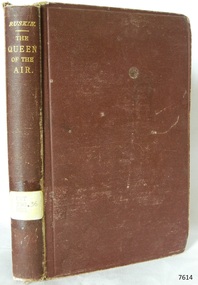 Flagstaff Hill Maritime Museum and Village
Book, The Queen of The Air
... Mechanics’ Institute Library...Victorian Library Board...Warrnambool books and records...Warrnambool Children’s Library...Great Ocean Road...The Queen of The Air...Warrnambool Shipwrecked-coast Flagstaff-Hill Flagstaff-Hill-Maritime-Museum Maritime-Museum Shipwreck-coast Flagstaff-Hill-Maritime-Village Shipwrecked-artefact Book Pattison Collection Warrnambool Library Warrnambool Mechanics’ Institute Ralph Eric Pattison Corangamite Regional Library Service Warrnambool City Librarian Mechanics’ Institute Library Victorian Library Board Warrnambool books and records Warrnambool Children’s Library Great Ocean Road The Queen of The Air John Ruskin Label on spine cover with typed text PAT 398.36 RUS Pastedown front endpaper has sticker from Warrnambool Mechanics Institute and Free Library Front loose endpaper has a sticker from Corangamite Regional Library Service Front loose endpaper has a stamp from Corangamite Regional Library Service The Queen of The Air Being a study of the Greek Myths of Cloud and Storm Authror: John Ruskin Publisher: George Allen Date: 1890 The Queen of The Air Book ...This item is from the ‘Pattison Collection’, a collection of books and records that was originally owned by the Warrnambool Mechanics’ Institute, which was founded in Warrnambool in 1853. By 1886 the Warrnambool Mechanics’ Institute (WMI) had grown to have a Library, Museum and Fine Arts Gallery, with a collection of “… choice productions of art, and valuable specimens in almost every branch and many wonderful national curiosities are now to be seen there, including historic relics of the town and district.” It later included a School of Design. Although it was very well patronised, the lack of financial support led the WMI in 1911 to ask the City Council to take it over. In 1935 Ralph Pattison was appointed as City Librarian to establish and organise the Warrnambool Library as it was then called. When the WMI building was pulled down in 1963 a new civic building was erected on the site and the new Warrnambool Library, on behalf of the City Council, took over all the holdings of the WMI. At this time some of the items were separated and identified as the ‘Pattison Collection’, named after Ralph Pattison. Eventually the components of the WMI were distributed from the Warrnambool Library to various places, including the Art Gallery, Historical Society and Flagstaff Hill. Later some were even distributed to other regional branches of Corangamite Regional Library and passed to and fro. It is difficult now to trace just where all of the items have ended up. The books at Flagstaff Hill Maritime Village generally display stamps and markings from Pattison as well as a variety of other institutions including the Mechanics’ Institute itself. RALPH ERIC PATTISON Ralph Eric Pattison was born in Rockhampton, Queensland, in 1891. He married Maude Swan from Warrnambool in 1920 and they set up home in Warrnambool. In 1935 Pattison accepted a position as City Librarian for the Warrnambool City Council. His huge challenge was to make a functional library within two rooms of the Mechanics’ Institute. He tirelessly cleaned, cleared and sorted a disarrayed collection of old books, jars of preserved specimens and other items reserved for exhibition in the city’s museum. He developed and updated the library with a wide variety of books for all tastes, including reference books for students; a difficult task to fulfil during the years following the Depression. He converted all of the lower area of the building into a library, reference room and reading room for members and the public. The books were sorted and stored using a cataloguing and card index system that he had developed himself. He also prepared the upper floor of the building and established the Art Gallery and later the Museum, a place to exhibit the many old relics that had been stored for years for this purpose. One of the treasures he found was a beautiful ancient clock, which he repaired, restored and enjoyed using in his office during the years of his service there. Ralph Pattison was described as “a meticulous gentleman whose punctuality, floorless courtesy and distinctive neat dress were hallmarks of his character, and ‘his’ clock controlled his daily routine, and his opening and closing of the library’s large heavy doors to the minute.” Pattison took leave during 1942 to 1945 to serve in the Royal Australian Navy, Volunteer Reserve as Lieutenant. A few years later he converted one of the Museum’s rooms into a Children’s Library, stocking it with suitable books for the younger generation. This was an instant success. In the 1950’s he had the honour of being appointed to the Victorian Library Board and received more inspiration from the monthly conferences in Melbourne. He was sadly retired in 1959 after over 23 years of service, due to the fact that he had gone over the working age of council officers. However he continued to take a very keen interest in the continual development of the Library until his death in 1969. The Pattison Collection, along with other items at Flagstaff Hill Maritime Village, was originally part of the Warrnambool Mechanics' Institute’s collection. The Warrnambool Mechanics’ Institute Collection is primarily significant in its totality, rather than for the individual objects it contains. Its contents are highly representative of the development of Mechanics' Institute libraries across Australia, particularly Victoria. A diversity of publications and themes has been amassed, and these provide clues to our understanding of the nature of and changes in the reading habits of Victorians from the 1850s to the middle of the 20th century. The collection also highlights the Warrnambool community’s commitment to the Mechanics’ Institute, reading, literacy and learning in the regions, and proves that access to knowledge was not impeded by distance. These items help to provide a more complete picture of our community’s ideals and aspirations. The Warrnambool Mechanics Institute book collection has historical and social significance for its strong association with the Mechanics Institute movement and the important role it played in the intellectual, cultural and social development of people throughout the latter part of the nineteenth century and the early twentieth century. The collection of books is a rare example of an early lending library and its significance is enhanced by the survival of an original collection of many volumes. The Warrnambool Mechanics' Institute’s publication collection is of both local and state significance. The Queen of The Air Being a study of the Greek Myths of Cloud and Storm Authror: John Ruskin Publisher: George Allen Date: 1890 Label on spine cover with typed text PAT 398.36 RUS Pastedown front endpaper has sticker from Warrnambool Mechanics Institute and Free Library Front loose endpaper has a sticker from Corangamite Regional Library Service Front loose endpaper has a stamp from Corangamite Regional Library Servicewarrnambool, shipwrecked-coast, flagstaff-hill, flagstaff-hill-maritime-museum, maritime-museum, shipwreck-coast, flagstaff-hill-maritime-village, shipwrecked-artefact, book, pattison collection, warrnambool library, warrnambool mechanics’ institute, ralph eric pattison, corangamite regional library service, warrnambool city librarian, mechanics’ institute library, victorian library board, warrnambool books and records, warrnambool children’s library, great ocean road, the queen of the air, john ruskin -
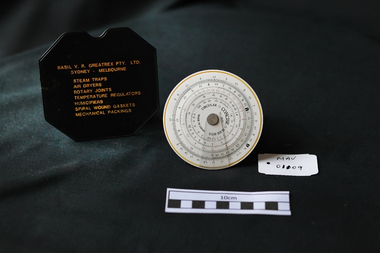 City of Moorabbin Historical Society (Operating the Box Cottage Museum)
Measuring Equipment, circular slide-scale, 20thC
... A mathematical slide rule Calculator used by engineers, mechanics, and similar trades A typical precision slide rule used in City of Moorabbin 20thC measurements slide-rule slide scale moorabbin cheltenham bentleigh precision instruments concise pty ltd on face ; CIRCULAR 'CONCISE' SLIDE RULE MADE IN JAPAN on protector sleeve ; BASIL V R GREATREX PTY LTD / SYDNEY MELBOURNE / STEAM TRAPS / AIR DRYERS / ROTARY JOINTS / TEMPERATURE REGULATORS / HUMIDIFIERS / SPIRAL WOUND GASKETS,/ MECHANICAL PACKINGS A plastic, circular slide-rule Measuring Equipment, circular slide-scale Concise Ltd ...A mathematical slide rule Calculator used by engineers, mechanics, and similar tradesA typical precision slide rule used in City of Moorabbin 20thCA plastic, circular slide-ruleon face ; CIRCULAR 'CONCISE' SLIDE RULE MADE IN JAPAN on protector sleeve ; BASIL V R GREATREX PTY LTD / SYDNEY MELBOURNE / STEAM TRAPS / AIR DRYERS / ROTARY JOINTS / TEMPERATURE REGULATORS / HUMIDIFIERS / SPIRAL WOUND GASKETS,/ MECHANICAL PACKINGSmeasurements, slide-rule, slide scale, moorabbin, cheltenham, bentleigh, precision instruments, concise pty ltd -
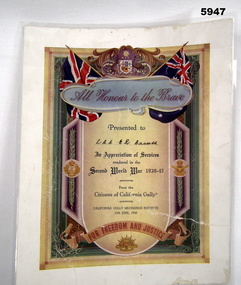 Bendigo Military Museum
Certificate - CITIZENS OF CALIFORNIA GULLY, California Gully Mechanics Institute, c1946
... Red and dark blue print on beige background surrounded by colour illustrations - red, white, and blue flag, the Australian Coat of Arms; Navy, Army and Air Force badges, laurel leaves and scroll work. Certificate CITIZENS OF CALIFORNIA GULLY California Gully Mechanics Institute ...Presented "In Appreciation of Service/ rendered in the/ Second World War 1939-45".Certificate - appears to be an original certificate on thick paper which has been laminated. Red and dark blue print on beige background surrounded by colour illustrations - red, white, and blue flag, the Australian Coat of Arms; Navy, Army and Air Force badges, laurel leaves and scroll work.Certificate presented to "LAC E.R. Bassett" by the "Citizens of California Gully".certificate, ww2, raaf, lac e.r. bassett -
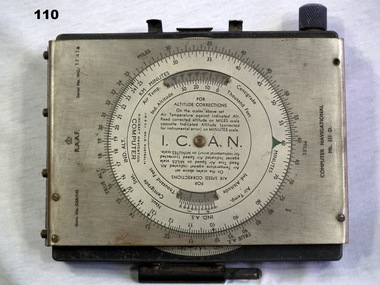 Bendigo Military Museum
Accessory - INSTRUMENT - NAVIGATIONAL AID
... Navigational aid used during WW11 instruments military history - airforce aviation mechanics Scratched on inside of stainless steel surface of cover: A G Culvenor 46 Station St. Nunawading Instrument for altitudes & air speed corrections. ...Navigational aid used during WW11Instrument for altitudes & air speed corrections. Notebook with spiral binding attached inside.Scratched on inside of stainless steel surface of cover: A G Culvenor 46 Station St. Nunawading instruments, military history - airforce, aviation, mechanics -
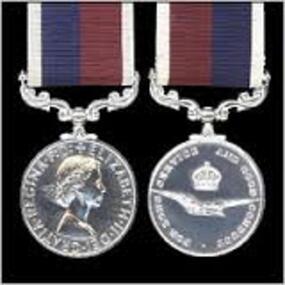 Waverley RSL Sub Branch
R.A.A.F. Long Service Medal
... Mechanics. The RAAF Dental Branch has survived 75 years of turbulence, with reviews of its viability occurring regularly every few years from as early as 1937. The Branch continues to provide excellent service to the ADF community and, despite reduced manpower, will continue to play an important role in Air Force Health operations. ...Awarded to Alan Bowers (A236814) who was a R.A.A.F. dental mechanic who serverd during WWII including service in Darwin, and then continued in the R.A.A.F. for some years after the end of WWII The Royal Australian Air Force (and all Commonwealth Air Forces) Long Service and Good Conduct Medal: Awarded to NCOs and ORs of the RAAF (RAF, RCAF etc) for 15 years service. A cupro-nickel plated medal, the obverse features the sovereign's head, the reverse features the crown and eagle emblem of the RAAF (and RAF). Officers are eligible for the award provided they have served a minimum 12 years in the ranks. The riband is dark blue and maroon with white edges. This medal ceased to be awarded in Australia in 1975 when it was replaced by the National Medal (and sbsequently the DFSM and DLSM) in the Australian system of honours and awards. http://www.heritagemedals.com.au/medals-1/service-long-service/air-force-long-service-and-good-conduct-medal.html History of the RAAF Dental Branch It took six years following the formation of the RAAF in 1921 for the first Dental Clinic to be established at Point Cook, Victoria. On 10th June 1927 Flying Officer James Carl Rosenbrock commenced work as an RAAF Dental Officer for the FlyingTraining School at Point Cook. As personnel numbers were still relatively small, Rosenbrock was also responsible for the dental care of all Victorian RAAF units, which involved treating members at 1AD Laverton, as well as Air Force Headquarters at Victoria Barracks in Melbourne. As Army Dental Officers were currently caring for RAAF personnel at Richmond, NSW, the Senior Dental Officer of the 3rd Military District in Victoria (SDO 3MD) requested through the military board that a similar arrangement be established, where that the newly appointed RAAF Dentist provide part time dental services to the Army units stationed at Queenscliff. This was seen as an effective reciprocal arrangement, with both units having a Dental Officer in attendance for, in total, around 3-4 weeks a year. Rosenbrock continued to serve as the sole RAAF Dental Officer until the middle of 1933, when the Air Board asked for his service to be terminated following ‘behaviour unbecoming of a RAAF officer'. He had borrowed several sums of money, of around 40 Pounds or so, from junior ranks on base (as well as from the Regimental Sergeant Major) and had failed to pay the money back. He was replaced by a fellow Victorian, FLGOFF Norman Henry Andrews, on the 18th Sep 1933, who went on to become our first Director of Dental Services, and was instrumental in establishing the organisations and conditions of the Branch that are still present today. Through a fair amount of persistence and hard work on the part of Norman Andrews, the RAAF Dental Branch began to expand from 1937, with the introduction of 2 additional positions, at RAAF station Richmond, and at the FlyingTraining School at Point Cook. This gave the RAAF 3 uniformed Dental Officers, which was expanded to 5 in the months leading up to WW2. 4 of these Dental Officers were based in Victoria and 1 at Richmond, with the other two RAAF units being cared for by the Army (as in the case of Pearce in WA) or by civilians (as in Darwin). With the sudden increase in RAAF personnel required at the outbreak of WW2, the number of RAAF Dental Officers increased dramatically, from 5 in 1939, 28 in 1940, 64 in 1941, 147 in 1942, 193 in 1943, 219 in 1944, and peaking at 227 in 1945. RAAF Dental Officers were required to work in a variety of locations, both in and out of Australia. Between 1940 and 1942 a massive construction programme occurred, with new dental clinics being established around Australia. Priority was given to aircrew training units in order to get these personnel dentally fit for operational deployment, but Dental Officers could equally find themselves posted to recruit depots, fixed stations, medical clearance stations, mobile dental sections, and RAAF and civilian hospitals. RAAF Dental Officers were posted to the large dental centres at Ascot Vale (Vic) and Bradfield Park (NSW) when first appointed, where they received military and clinical training, before being deployed to their needed location. Mobile Dental Units When Japan entered the war in 1941, the rapid deployment of troops to northern operational areas with less than ideal dental fitness was extremely high. As a result, the RAAF deployed a range of mobile dental units, either alone or with medical sections, to support the increasing number of isolated deployed personnel within Australia and overseas. There were three types of mobile unit used: a. Mobile Dental Unit – relied on using either a semi-trailer to get around or by building a surgery directly on to the truck chassis, and installing hydraulic chairs, units, x-rays, and laboratory equipment. They were able to move around between small units, such as RAAF radar stations, where they could plug into the local power supply and work immediately. b. Transportable Dental Units – used for stops of longer duration, where field equipment was carried in panniers from one unit to another by road or rail and housed in whatever accommodation was available at the destination. They were often carried within Australia on Tiger Moths and Dakota aircraft. c. Itinerant Dental Units – in some areas, the dental equipment was installed at the RAAF unit and the Dental Officer and their staff would travel from unit to unit, using the equipment available at each location. RAAF Dental BadgeAs the war developed in Europe, it soon became obvious that the RAF Dental support was not capable of supporting the increasing numbers of RAAF aircrew that were being sent for service with the RAF, with only enough Dental Officers available to provide one to every 2000 men ( instead of the preferred 1 to 600). As a result, the RAAF provided a mobile dental unit, fitted out in a caravan and pulled by a Ford V8 Coupe, to travel around England in support of RAAF personnel at various squadrons. Some degree of tact was needed to ensure that the RAF did not take this as a comment on the treatment they were providing, but it proved successful in maintaining a satisfactory state of dental fitness in RAAF personnel, and a second mobile unit was soon dispatched. They were also set up with a laboratory on board as well as the surgery, which was a major difference between the RAF and RAAF, as the RAF did not provide dentures for their troops (the RAAF would, providing they had served for 6 years). In 1943 the RAF was no longer able to provide Dental support to Australian troops in the Middle East, which resulted in the need for a transportable dental unit to be deployed from Australia. It functioned in a similar manner to the RAF, by moving from one squadron to another. It served in the Middle East and Africa, from Cairo across North Africa, to Italy, and eventually back to England to treat returned prisoners of war. GPCAPT Norman Andrews The growth and development of the RAAF Dental Branch owes a debt to one man in particular, GPCAPT Norman Andrews. As the second RAAF Dental Officer to enlist on 18 Sep 1933, Andrews became the principal architect of the structure and organisation of the RAAF Dental Branch leading up to and during WW2. Until early 1940, the RAAF Dental Branch was administered by the Director of Medical Services (Air), which placed it under the control of the Army Medical staff. The Army would provide their Inspector of Dental Services for advice whenever needed. In April 1940, the RAAF Medical service separated from the Army, resulting in the control of the RAAF Dental Branch shifting back to the RAAF. Andrews became the first Director of Dental Services, when the position was created in 1943 as recognition of the higher profile the Dental Branch was now playing in the RAAF Medical service. Until this time, Andrews's title had been as the Dental Staff Officer to the RAAF Medical Service. Andrews was responsible for the establishment of the war-time structure of the Dental service, establishing new dental centres at all major bases, creating mobile and transportable dental units, ensuring the continual growth of the Branch, maintaining professional development of staff through the establishment of a professional journal, and by organising renowned lecturers to speak at RAAF bases. He also believed in visiting as many dental units as possible to see for himself what conditions were like and to talk first-hand to staff in remote units. His itinerary during the war years, both in and out of Australia, shows a large number of trips in a variety of modes of transport in order to reach remote areas where units were serving. He was promoted to GPCAPT in July 1944, as the numbers of Dental Officers soon peaked at 227 towards the end of the war (1 GPCAPT, 9 WGCDRs, 60 SQNLDRs, and 157 FLTLTs). After the war, with the reduction in RAAF personnel required in uniform, the Dental Branch also reduced its numbers significantly. By 1947 there were only 18 Dental Officers serving (many part-time), with 1 GPCAPT, 1 WGCDR, 10 SQNLDRs, and 6 FLTLTs, and only 13 by 1950. With the decrease in Branch personnel numbers, the ‘powers to be' saw fit to reduce the Director of Dental Service rank to WGCDR, and as a result Norman Andrews found that in order to continue serving in the RAAF he would have to wear a reduced rank. This appears to have been a contributing factor in his decision to discharge at the relatively early age of 43 and accept an administrative job as Director of the Victorian Government's School Dental Service. Norman Andrews holds the proud honour of being the founder of the RAAF Dental Branch, which during the war was instrumental in educating servicemen of the importance of dental health and maintaining the dental fitness of troops in a variety of areas. Dental Orderlies (Assistants) The dental orderly mustering was first introduced in 1937. Until that time, medical orderlies were assigned to assist the Dental officer with their duties. As early as 1931 it had been noted by both RAAF and Army Dental Officers working in Victoria and Richmond that a lot of the troubles they were having would be solved by appointing a permanent Dental Orderly. Often they would find that the medical orderly they were assigned was a different one each day, and as a result the administration and work in general was very inefficient. By 1937, with the increase in Dental Officers to 3, it was realised that a Dental Orderly mustering needed to be created. Dental Mechanics/Technicians Before WW2, dental laboratory work was provided by civilian laboratories, as most RAAF units were stationed around metropolitan areas. At this time, service personnel were still required to pay for their own dentures, unless they had served for six years or had their dentures damaged during performance of their duties. In July 1940, mainly in response to the development of more remote RAAF dental units and the increasing demand for dental prostheses, the Dental Mechanic mustering was established. Unfortunately there was a very limited pool of civilian dental mechanics to recruit from, and as a result the RAAF set up a training school at Laverton (which was later moved to Ascot Vale) in June 1941 which conducted an intensive 6 month course in Dental mechanics. Dental mechanics were quickly in demand. In all fixed and mobile dental units at least 1 Mechanic was supplied for each Dental Officer, and indeed the RAAF supplied Dental Mechanics throughout all its deployments, something the RAF were unwilling, or unable, to do. Two grades of dental mechanic existed: the Senior Mechanic (with the rank of NCO), who was competent in all phases of laboratory work; and the Junior Mechanic, who could only handle routine work and not more advanced denture work. The progression to Senior required a further trade test in techniques including setting up, clasp-forming, casting and backing teeth. During the course of the War, two special courses were held for Mechanics. The first, directed at senior mechanics so that they could instruct others, was in 1942 when Acrylic Resin was first introduced as a denture base material, as an alternative to the current option of vulcanite. Later, towards the end of the War, a ‘refresher' course was provided for those that had served for the greatest period of time in order to allow them retraining in techniques that they had not practised during their service and which were common in civilian life. This included cast base dentures, crowns and bridges, partial dentures, and retainers. Towards the end of the War, a course was held with WAAAF trainees to train them as Mechanics. However, as the War was soon to end they never had the opportunity to progress within the mustering to become Senior Mechanics. The RAAF Dental Branch has survived 75 years of turbulence, with reviews of its viability occurring regularly every few years from as early as 1937. The Branch continues to provide excellent service to the ADF community and, despite reduced manpower, will continue to play an important role in Air Force Health operations. http://www.defence.gov.au/health/about/docs/RAAFDental.pdf40cm cupro-nickel plated medal, the obverse features the sovereign's head, the reverse features the crown and eagle emblem of the RAAF (and RAF). A23814 BOWERS.A. A. F.r.a.a.f long service medal, r.a.a.f good conduct, r.a.a.f. dental service medal -
 Waverley RSL Sub Branch
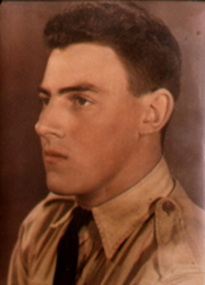
Photograph, L.A.C. Leonard John Hudson 156990 7ACS R.A.A.F
... (image) Eventually he was granted enlistment into the R.A.A.F. into 7 Airfield Construction Squadron as a Leading Aircraftsman 156990 and was sent to Milne Bay with the unit to build the air strip.As one of few diesel mechanics he was often required to assist the US troops with their maintenance problems at various sites in or near New Guinea. ...(image) Eventually he was granted enlistment into the R.A.A.F. into 7 Airfield Construction Squadron as a Leading Aircraftsman 156990 and was sent to Milne Bay with the unit to build the air strip.As one of few diesel mechanics he was often required to assist the US troops with their maintenance problems at various sites in or near New Guinea. ...Leonard John Hudson was born in Prahran and moved to Castlemaine in his early years At the beginning of the war was refused entry to the services due to his "reserved occupation" as a motor mechanic working on farm machinery At night he worked as a machinist for Thompson's Foundry machining breech blocks for 25 pound field guns. (image) Eventually he was granted enlistment into the R.A.A.F. into 7 Airfield Construction Squadron as a Leading Aircraftsman 156990 and was sent to Milne Bay with the unit to build the air strip.As one of few diesel mechanics he was often required to assist the US troops with their maintenance problems at various sites in or near New Guinea. Rare surviving images of 7 ACS newsletter Hand coloured photograph of L. J. Hudson in RAAF tropical uniform 1944 Copies of the "Spruiker" Magazine illustrations from August 1945 published at Milne Bay by 7ACS (7th Airfield Construction Squadron) Photograph of 25lb. Field Gun at Thompsons Foundry Pages from Photo Album showing L. J. Hudson in uniform at Castlemaine (one with his wife R. J. Hudson ) and at Milne Bay7 acs, 7 a.c.s., milne bay, thompsons foundry, field gun, l. hudson, len hudson, castlemaine, 25 pound field gun, hudson, spruiker, 7th airfield construction squadron -
 Bendigo Military Museum
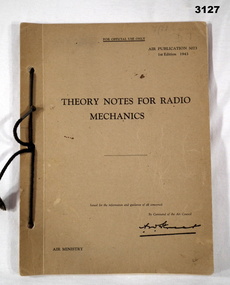
Book - BOOK, RADIO WW2, Air Ministry, Theory Notes for Radio Mechanics, C.WW2
... Air Publication No 3023 1st Edn 1943. Brown cardboard soft cover booklet, black printing, 80 pages. Loosely bound by a boot lace through three holes. Numerous circuits, electronic circuits & wave forms on how radios work Theory Notes for Radio Mechanics Book BOOK, RADIO WW2 Air Ministry ...Item relates to George William Alfred MARRIOTT RAAF. Refer Cat No 3117 for his service history.Air Publication No 3023 1st Edn 1943. Brown cardboard soft cover booklet, black printing, 80 pages. Loosely bound by a boot lace through three holes. Numerous circuits, electronic circuits & wave forms on how radios workHandwritten written top of front cover: “F/Lt Marriott 07” Handwritten signature bottom right.books reference/military/eduction, radio -
 Victorian Interpretive Projects Inc.
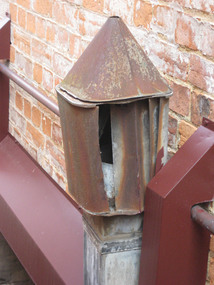
Photograph - Colour, Clare Gervasoni, Old Air Vent, 23/10/2011
... Colour photograph showing an air vent at the Ballaarat Mechanics' Institute (side entrance). ...Ballaarat Mechanics' Institute Colour photograph showing an air vent at the Ballaarat Mechanics' Institute (side entrance). ...Colour photograph showing an air vent at the Ballaarat Mechanics' Institute (side entrance). ballaarat mechanics' institute, -
 Bendigo Historical Society Inc.
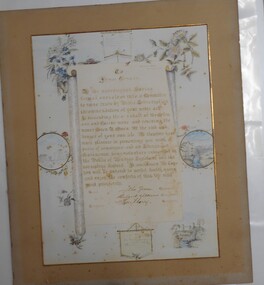
Award - ILLUMINATED ADDRESS: JAMES TONKIN, 1895
... Owen from suffocation in foul air at the Collmann and Tacchi Company’s No. 3 shaft in California Gully, Bendigo. Mayor John Green, J.P., of Eaglehawk presented the address and a Mining Department bravery certificate at the Mechanics' Institute in California Gully. ...Owen from suffocation in foul air at the Collmann and Tacchi Company’s No. 3 shaft in California Gully, Bendigo. Mayor John Green, J.P., of Eaglehawk presented the address and a Mining Department bravery certificate at the Mechanics' Institute in California Gully. ...The Illuminated Address was presented to James Tonkin on March 4, 1895, honouring his extraordinary bravery in rescuing miner Owen R. Owen from suffocation in foul air at the Collmann and Tacchi Company’s No. 3 shaft in California Gully, Bendigo. Mayor John Green, J.P., of Eaglehawk presented the address and a Mining Department bravery certificate at the Mechanics' Institute in California Gully. The document was created by local resident Mr. RogersIlluminated Address presented to James Tonkin recognising bravery, when he descended into a mine three times to rescue Owen R Owen who had fallen down a mine shaft at the Collmann and Tacchi Mine in 1895. The address reads: "James Tonkin" We, the undersigned, having formed ourselves into a committee to raise funds by public subscription in commendation of your noble art. In descending the No 3 shaft at the Collman and Tacchi mine and rescuing the miner Owen R Owen the risk and danger of your own life. We therefore have much pleasure in presenting you with a purse of sovereigns and an illuminated testimonial being voluntary subscribed in the public of Bendigo, Eaglehawk and the surrounding district. In conclusion we hope that you will be restored to perfect health again and enjoy the comforts of this life with great prosperity. Signed for the committee by John Green (Chairperson, Mayor of Eaglehawk), Richard Williams (Treasurer), Thomas Harry (Secretary). March 4th 1895illuminated address, james tonkin, miner -
 Bendigo Historical Society Inc.
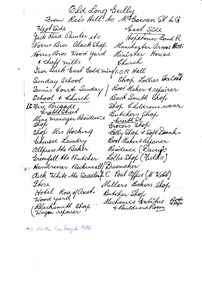
Document - LONG GULLY HISTORY GROUP COLLECTION: OLD LONG GULLY FROM RAE'S HILL TO MCGOWAN ST
... East Side - Hopetoun Band R, Manchester Arms Hotel, Minister House, Church, IOR Hall, Shop Lollies Icecream, Boot Maker & Repairer, Back Smith Shop, Shop Childrens Wear, Butchers Shop, Creeth Street, Grocers Shop, Lolly Shop & Soft Drinks, Boot Maker & Repairer, Residence (Davey's), Lollie Shop (Fields), Dressmaker, LG Post Office (M Webb), Millars Bakers Shop, Butcher Shop, Mechanics Institute Books & Paper & Billiard Room, Connell the Baker, Dr SElby, Pentreath Organ Builder & Tuner, Blacksmith Shop, Hexagon Toilet, Kocks Machine Shop, Kocks Mine Office, Kocks Material Shop, Police Station, Dyson's Dam Warm waer, Air Station, Mine Battery stone crusher 80 head approx, Kocks Mine, Needle Mine. ...East Side - Hopetoun Band R, Manchester Arms Hotel, Minister House, Church, IOR Hall, Shop Lollies Icecream, Boot Maker & Repairer, Back Smith Shop, Shop Childrens Wear, Butchers Shop, Creeth Street, Grocers Shop, Lolly Shop & Soft Drinks, Boot Maker & Repairer, Residence (Davey's), Lollie Shop (Fields), Dressmaker, LG Post Office (M Webb), Millars Bakers Shop, Butcher Shop, Mechanics Institute Books & Paper & Billiard Room, Connell the Baker, Dr SElby, Pentreath Organ Builder & Tuner, Blacksmith Shop, Hexagon Toilet, Kocks Machine Shop, Kocks Mine Office, Kocks Material Shop, Police Station, Dyson's Dam Warm waer, Air Station, Mine Battery stone crusher 80 head approx, Kocks Mine, Needle Mine. ...Titled Old Long Gully From Rae's Hill to McGowan St. LG. West Side - Jack Read Painter etc, Norris Bros Black Shop, Norris Bros Wood Yard & Chaff Mills, Iron Bark East Gold Mine, Sunday School, Tennis Courts Sunday School & Church, LG Fire Brigade, Creeth Street, Mine Managers Residence, Shop, Shop Mrs Hocking, Chinese Laundry, Allpress the Baker, Greenfell the Butcher, Hairdresser Beckinsall was the Fire Brigade Hotel, Dick White the Saddler, Store, Hotel Rose of Australia, Woodyard, Blacksmith Shop Wagon Repairer, Hotel Kocks (Pioneer Hotel), 2 China Shops owned by Chinese, Hotel Silver mines Hotel, Police Station, Grocers Shop (per? Reef Mine Hotel) E Bryant, Mine Windmill, Church Residence, Minister. East Side - Hopetoun Band R, Manchester Arms Hotel, Minister House, Church, IOR Hall, Shop Lollies Icecream, Boot Maker & Repairer, Back Smith Shop, Shop Childrens Wear, Butchers Shop, Creeth Street, Grocers Shop, Lolly Shop & Soft Drinks, Boot Maker & Repairer, Residence (Davey's), Lollie Shop (Fields), Dressmaker, LG Post Office (M Webb), Millars Bakers Shop, Butcher Shop, Mechanics Institute Books & Paper & Billiard Room, Connell the Baker, Dr SElby, Pentreath Organ Builder & Tuner, Blacksmith Shop, Hexagon Toilet, Kocks Machine Shop, Kocks Mine Office, Kocks Material Shop, Police Station, Dyson's Dam Warm waer, Air Station, Mine Battery stone crusher 80 head approx, Kocks Mine, Needle Mine. Some notes written at the end - Norm Shotples used to have Barber Shop - he has gone to Queensland, Violet Street started off as the German School, Wells Street used to run through Victorian Consol ? the other side, Comet Hill would like a visit. Contact Helen Gorlay at Violet Street would line to some video. Alan has good info on the Long Gully School. Betty has book. Views of Bendigo. Frank Cusack - Bendigo Trust. Bendigo School Hisking? School, Violet Street. Older levels lo?ing at Architecture.bendigo, history, long gully history group, the long gully history group - old long gully from rae's hill to mcgowan st, jack read, norris bros, iron bark east gold mine, long gully fire brigade, mrs hicking, allpress, greenfell, beckinsall, dick white, rose of australia, hopetoun band r, manchester arms hotel, ior hall, davey's, fields, m webb, millars, mechanics institute & billiard room, kocks pioneer hoel, silver mines hotel, e bryant, windmill mine, pere? reef mine hotel, connell, dr selby, pentreath, kocks machine shop, kocks mine office, kocks material shop, dyson's dam, kocks mine, needle mine, norm shotples, german school, victoria consols, helen gorlay, long gully school, frank cusack, bendigo trust -
 Ballaarat Mechanics' Institute (BMI Ballarat)
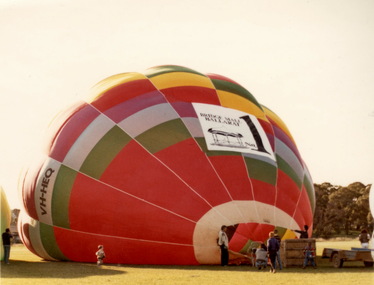
Opening of Bridge Mall hot air balloon
... Mechanics' Institute. Please contact BMI for all print and usage inquiries. Ballarat Bridge Mall opening 1980s hot air balloon Max Harris Opening of Bridge Mall hot air balloon ...This photograph is from the Max Harris Collection held by the Ballaraat Mechanics' Institute. Please contact BMI for all print and usage inquiries.ballarat, bridge mall opening, 1980s, hot air balloon, max harris -
 Ballaarat Mechanics' Institute (BMI Ballarat)
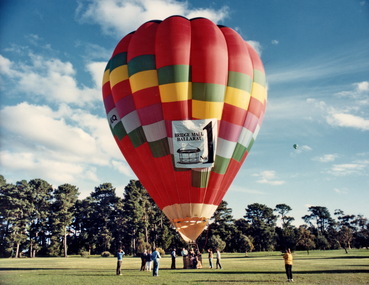
Opening of Bridge Mall hot air balloon
... Mechanics' Institute. Please contact BMI for all print and usage inquiries. Ballarat Bridge Mall opening 1980s hot air balloon Max Harris Opening of Bridge Mall hot air balloon ...This photograph is from the Max Harris Collection held by the Ballaraat Mechanics' Institute. Please contact BMI for all print and usage inquiries.ballarat, bridge mall opening, 1980s, hot air balloon, max harris -
 Bendigo Military Museum
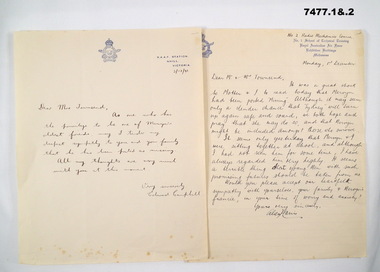
Letter - LETTERS of SYMPATHY, 3 Dec 1941
... Mechanics Course, Dated 1st December and signed “Allan Davis”. 3. Listed No. 2 METO Course, School of Technical Training and dated 3/12/41. 1. Handwritten letter on white paper. Paper headed with RAAF stamp and name of Military Base. 2. Handwritten letter on cream white paper. Royal Australian Air ...Letters of Sympathy from RAAF Units for Dental Surgeon "Mervyn Clive Townsend" lost on HMAS SYDNEY on 15/11/41. Refer Cat No. 2313P for Townsends service.1. Handwritten letter on white paper. Paper headed with RAAF stamp and name of Military Base. 2. Handwritten letter on cream white paper. Royal Australian Air Force stamp in top left corner and name of RAAF Unit in right corner. 3. Handwritten letter of cream white paper. Stamp at top of bird with outstretched wings with crown at top.1. Listed from RAAF Station, Nhill, Victoria and dated 3/12/41, signed by “Edward Campbell”. 2. Listed No. 1 School of Technical Training, Radio Mechanics Course, Dated 1st December and signed “Allan Davis”. 3. Listed No. 2 METO Course, School of Technical Training and dated 3/12/41.hmas sydney, kia, ww2, mervyn clive townsend -
 Wangaratta RSL Sub Branch
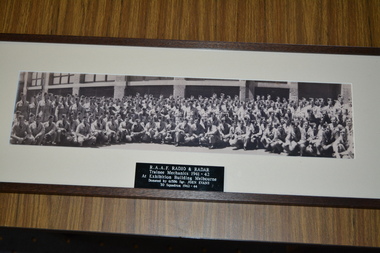
Photograph - Framed photograph, Wangaratta Picture Framers
... Mechanics taken at the Exhibition Building, Melbourne in 1941-42. In 1940, in the months after the outbreak of WWII, the Exhibition Buildings complex was requisitioned by the Royal Australian Air Force and used as a barracks and training facility. ...Mechanics taken at the Exhibition Building, Melbourne in 1941-42. In 1940, in the months after the outbreak of WWII, the Exhibition Buildings complex was requisitioned by the Royal Australian Air Force and used as a barracks and training facility. ...Image of RAAF Radio & Radar Trainee Mechanics taken at the Exhibition Building, Melbourne in 1941-42. In 1940, in the months after the outbreak of WWII, the Exhibition Buildings complex was requisitioned by the Royal Australian Air Force and used as a barracks and training facility. By 1942 more than 2000 men of the RAAF had been stationed there, alongside members of the Women’s Auxiliary Australian Air Force.Brown timber frame and cream coloured mount containing photograph of large group of airmen Plaque -RAAF Radio & Radar Trainee Mechanics 1941-42 at Exhibition Building Melbourneraaf, radio & radar, exhibition building, melbourne, ww2 -
 Lakes Entrance Historical Society
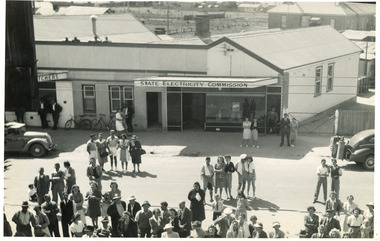
Photograph - State Electricity Office Esplanade Lakes Entrance Victoria 1944
... Air Observers Spotting Tower on Esplanade. Photo taken on day of dedication of Tower in February 1944. In view is Stewarts Butcher shop, rear of Mechanics Hall. ...Air Observers Spotting Tower on Esplanade. Photo taken on day of dedication of Tower in February 1944. In view is Stewarts Butcher shop, rear of Mechanics Hall. ...This is the before paired photograph used in the 150 year, Lakes Entrance 1858-2008 display.|The after paired photograph number is 01424.1.|Also one 12 x 16 framed photograph used in room display.Black and white photograph of State Electricity Office, Esplanade, taken from Air Observers Spotting Tower on Esplanade. Photo taken on day of dedication of Tower in February 1944. In view is Stewarts Butcher shop, rear of Mechanics Hall. Crowd of people on road, two cars, one with gas producer on back, and bicycles. Lakes Entrance Victoriatownship, celebrations, transport, room display -
Moorabbin Air Museum
Magazine - Aviation mechanics journals, Aviation Mechanics Journal
... Aviation mechanics journals Evolution of an airplane Super King Air propeller systems The smooth propeller Elastermeric bearings School of aeronautics Magazine for aircraft maintenance professionals, circa 1984 Aviation Mechanics Journal Magazine Aviation mechanics journals ...Magazine for aircraft maintenance professionals, circa 1984non-fictionMagazine for aircraft maintenance professionals, circa 1984evolution of an airplane, super king air propeller systems, the smooth propeller, elastermeric bearings, school of aeronautics -
Moorabbin Air Museum
Book - Rolls Royce Jet Engines, The Jet Engine
... mechanics...Working cycle & airflow...Compressors...Combustion chambers...Turbines...Exhaust system...Noise suppression...Thrust reversal...Afterburning...Fuel systems...Water injection...Lubrication...Air...Rolls Royce jet engines Basic mechanics Working cycle & airflow Compressors Combustion chambers Turbines Exhaust system Noise suppression Thrust reversal Afterburning Fuel systems Water injection Lubrication Air cooling & sealing Starting and ignition Ice protection Fire protection Controls & instrumentation Powerplant installation Manufacture & overhaul Ground operation V/STOL Thrust redistribution Performance Description of working & underlying principles of aero gas turbine engines, circa 1966 The Jet Engine Book Rolls Royce Jet Engines ...Description of working & underlying principles of aero gas turbine engines, circa 1966non-fictionDescription of working & underlying principles of aero gas turbine engines, circa 1966basic mechanics, working cycle & airflow, compressors, combustion chambers, turbines, exhaust system, noise suppression, thrust reversal, afterburning, fuel systems, water injection, lubrication, air cooling & sealing, starting and ignition, ice protection, fire protection, controls & instrumentation, powerplant installation, manufacture & overhaul, ground operation, v/stol, thrust redistribution, performance -
Moorabbin Air Museum
Book - Aircraft gas turbine/jet engines, The Jet Engine
... mechanics...Working cycle & airflow...Compressors...Combustion chambers...Turbines...Exhaust system...Noise suppression...Thrust reversal...Water injection...Lubrication...Air...Aircraft gas turbine/jet engines Basic mechanics Working cycle & airflow Compressors Combustion chambers Turbines Exhaust system Noise suppression Thrust reversal Water injection Lubrication Air cooling & sealing Starting and ignition Ice & fire protection Installation Description of the working & underlying principles of aero gas turbine engine, circa 1966 The Jet Engine Book Aircraft gas turbine/jet engines ...Description of the working & underlying principles of aero gas turbine engine, circa 1966non-fictionDescription of the working & underlying principles of aero gas turbine engine, circa 1966basic mechanics, working cycle & airflow, compressors, combustion chambers, turbines, exhaust system, noise suppression, thrust reversal, water injection, lubrication, air cooling & sealing, starting and ignition, ice & fire protection, installation -
Moorabbin Air Museum
Manual - FAA aircraft & engjne mechanics manuals, Aircraft and Engines Mechanics' Manual
... FAA Air regulations Aircraft maintenance Aircraft Powerplants Guide to & preparation for American FAA rating of aircraft & engine mechanics, circa early 1960s Manual in book form Aircraft and Engines Mechanics' Manual Manual FAA aircraft & engjne mechanics manuals ...Guide to & preparation for American FAA rating of aircraft & engine mechanics, circa early 1960sManual in book formnon-fictionGuide to & preparation for American FAA rating of aircraft & engine mechanics, circa early 1960sair regulations, aircraft maintenance, aircraft powerplants -
Moorabbin Air Museum
Book - Mechanics of Flight, The Mechanics of Flight
... Mechanics of flight Air & airflow Aerofoils Thrust Level flight Gliding & landing Performance Manouevres Stability & control Trial flight Flight at transonic & supersonic speeds Space flight Introduction to the principles of the mechanics of flight, circa 1972 The Mechanics of Flight Book Mechanics of Flight ...Introduction to the principles of the mechanics of flight, circa 1972non-fictionIntroduction to the principles of the mechanics of flight, circa 1972air & airflow, aerofoils, thrust, level flight, gliding & landing, performance, manouevres, stability & control, trial flight, flight at transonic & supersonic speeds, space flight
