
Showing 45 items matching "australian army medical care"
-
 Returned Nurses RSL Sub-branch
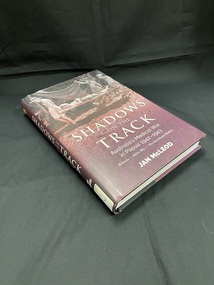
Book - Hardcover book, Big Sky publishing, Shadows on the track: Australia's medical war in Papua 1942-1943: Kokoda - Milne Bay - The Beachhead Battles, 2019
... ...Australian Army medical care...2/6 Australian Army Field Ambulance Australian Army medical care transport of sick and wounded medical aspects of war PapuaNew Guinea World War 1939-1945 WWII WW2 Kokoda Milne Bay Beachhead The Australian Army was woefully unprepared to fight a medical war in Papua and the soldiers paid the price. ...The Australian Army was woefully unprepared to fight a medical war in Papua and the soldiers paid the price. Almost 30,000 soldiers suffered from illness and tropical diseases, and an estimated 6000 were killed or wounded during the six-month campaign. These statistics have traditionally been represented as unavoidable consequences of fighting a war in a place such as Papua. This book disputes that narrative. Death and disease were inevitable outcomes, but the scale of the suffering was not. The medical challenges presented in Papua were extreme - they were not insurmountable. Shadows on the Track considers a wide range of issues that impacted on the health of the Australian soldiers before, during and after the Papuan campaign was fought and won. The strengths, successes, shortcomings and failures of the medical campaign are identified, analysed and evaluated. The focus on the front-line medical personnel - the men of the field ambulance units - brings a new perspective to the battles of the Kokoda Track, Milne Bay and the Beachheads. [taken from Trove record]Hardcover with dark purple dust jacket. Title printed in white along the spine and a white spine label sticker at the base. The front cover shows an image of three men carrying another man on a stretcher through thick mud. The lower half of the cover shows the title details in large white print.non-fiction The Australian Army was woefully unprepared to fight a medical war in Papua and the soldiers paid the price. Almost 30,000 soldiers suffered from illness and tropical diseases, and an estimated 6000 were killed or wounded during the six-month campaign. These statistics have traditionally been represented as unavoidable consequences of fighting a war in a place such as Papua. This book disputes that narrative. Death and disease were inevitable outcomes, but the scale of the suffering was not. The medical challenges presented in Papua were extreme - they were not insurmountable. Shadows on the Track considers a wide range of issues that impacted on the health of the Australian soldiers before, during and after the Papuan campaign was fought and won. The strengths, successes, shortcomings and failures of the medical campaign are identified, analysed and evaluated. The focus on the front-line medical personnel - the men of the field ambulance units - brings a new perspective to the battles of the Kokoda Track, Milne Bay and the Beachheads. [taken from Trove record]2/6 australian army field ambulance, australian army medical care, transport of sick and wounded, medical aspects of war, papuanew guinea, world war 1939-1945, wwii, ww2, kokoda, milne bay, beachhead -
 Returned Nurses RSL Sub-branch
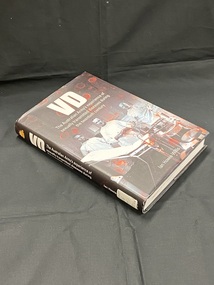
Book - Hardcover book, Big Sky publishing, VD: the Australian Army's experience of sexually transmitted diseases during the twentieth century, 2020
... ...Australian Army - medical care - history...Military hygeine Australian Army - medical care - history Soldiers - health and hygeine Sexually transmitted diseases Sexually transmitted diseases, for centuries lumped together as 'Venereal Disease', or 'VD' for short, have always marched in lock-step with soldiers from all armies wherever they have served. ...Sexually transmitted diseases, for centuries lumped together as 'Venereal Disease', or 'VD' for short, have always marched in lock-step with soldiers from all armies wherever they have served. During the twentieth century at least 125,000 Australian soldiers contracted VD while serving in overseas deployments - the equivalent of six World War I infantry divisions. No one has previously told this alarming story in its entirety, and few authors could tell it as frankly or objectively as Ian Howie-Willis. As readers will soon realise, Dr Howie-Willis has dealt with this confronting subject candidly but sensitively. His scholarship in this carefully researched book is immaculate, but the book's great strength is its fairness to and compassion for the tens of thousands of people who succumbed to sexually transmitted diseases as a result of Australia's military involvements across a century of overseas deployments. - from Trove.Black dust-jacket over black hard-cover book. Spine shows the gold Australian Army emblem at the top and then the title in white, there is a spine label at the base. Front cover has VD in large white letters at the top, followed by the sub-title and an image of three men in surgical gowns in a surgical room. The page has translucent red bubble images over it.non-fictionSexually transmitted diseases, for centuries lumped together as 'Venereal Disease', or 'VD' for short, have always marched in lock-step with soldiers from all armies wherever they have served. During the twentieth century at least 125,000 Australian soldiers contracted VD while serving in overseas deployments - the equivalent of six World War I infantry divisions. No one has previously told this alarming story in its entirety, and few authors could tell it as frankly or objectively as Ian Howie-Willis. As readers will soon realise, Dr Howie-Willis has dealt with this confronting subject candidly but sensitively. His scholarship in this carefully researched book is immaculate, but the book's great strength is its fairness to and compassion for the tens of thousands of people who succumbed to sexually transmitted diseases as a result of Australia's military involvements across a century of overseas deployments. - from Trove.military hygeine, australian army - medical care - history, soldiers - health and hygeine, sexually transmitted diseases -
 Returned Nurses RSL Sub-branch
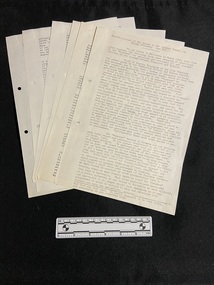
Document - Photocopy of a typed account, Thelma McEachern (nee Bell), Shorter account of the voyage on the Chinese vessel, by Thelma McEachern (nee Bell), unknown
... ...Australian Army medical care...World War Two WW2 WWII Returned Nurses Club Thelma May McEachern (neé Bell) Thelma Bell 12th Australian General Hospital Australian Army Nurse Singapore 10th Australian General Hospital Batavia Australian Army medical care Typed account in black ink on A4 paper with two hole-punch holes down the left side of all pages. ...An account by Australian Army Nurse, Thelma McEachern (nee Bell), of her experiences as a nurse in the Second World War, in particular her experience aboard the Chinese vessel, 'Woosooee'. Thelma's account also describes the treatment of this group of nurses upon their return to Australia and how they were told not to speak of certain experiences as "it would do nothing to help our relations with Britain, or help the war effort" (Thelma Mc Eachern).Typed account in black ink on A4 paper with two hole-punch holes down the left side of all pages.world war two, ww2, wwii, returned nurses club, thelma may mceachern (neé bell), thelma bell, 12th australian general hospital, australian army nurse, singapore, 10th australian general hospital, batavia, australian army medical care -
 Flagstaff Hill Maritime Museum and Village
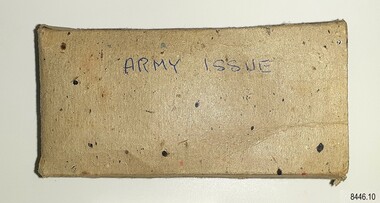
Equipment - Personal Care kit, 1939-1945
... Care kit was issued by the Australian Army to those in military service during WWII, including Dr.W.R. Angus. The kit was part of a soldier's equipment to guard against possible sexually transmitted infections. It is now part of Flagstaff Hill’s comprehensive W.R. Angus Collection, donated by the family of Dr W R Angus (1901-1970), surgeon and oculist. Dr W R Angus was a Surgeon Captain for the Australian Defence Forces, Army Medical...Australian Defence Forces in World War II. The W.R. Angus Collection is significant for still being located at the site it is connected with, Doctor Angus being the last Port Medical Officer in Warrnambool. The Collection includes historical medical objects that date back to the late 1800s. Flagstaff Hill Warrnambool Maritime Village Maritime Museum Shipwreck coast Great Ocean Road Flagstaff Hill Maritime Museum and Village Dr W R Angus W.R. Angus Collection Australian Army World War 2 Second World War Australian Defence Forces WW 2 ww II Military Equipment Army issue personal care ...This Personal Care kit was issued by the Australian Army to those in military service during WWII, including Dr.W.R. Angus. The kit was part of a soldier's equipment to guard against possible sexually transmitted infections. It is now part of Flagstaff Hill’s comprehensive W.R. Angus Collection, donated by the family of Dr W R Angus (1901-1970), surgeon and oculist. Dr W R Angus was a Surgeon Captain for the Australian Defence Forces, Army Medical Corps, stationed in Ballarat, Victoria, and in Bonegilla, N.S.W. He completed his service just before the end of the war due to suffering from a heart attack. The W.R. Angus Collection: - The W.R. Angus Collection includes historical medical equipment, surgical instruments and material belonging to Dr Edward Ryan and Dr Thomas Francis Ryan, (both of Nhill, Victoria) and Dr Angus’ own belongings. The Collection’s history spans the medical practices of the two Doctors Ryan, from 1885-1926 plus that of Dr Angus, up until 1969. It includes historical medical and surgical equipment and instruments from the doctors Edward and Thomas Ryan of Nhill, Victoria. Dr Angus married Gladys in 1927 at Ballarat, the nearest big city to Nhill where he began as a Medical Assistant. He was also Acting House surgeon at the Nhill hospital where their two daughters were born. During World War II He served as a Military Doctor in the Australian Defence Forces. Dr Angus and his family moved to Warrnambool in 1939, where Dr Angus operated his own medical practice. He later added the part-time Port Medical Officer responsibility and was the last person appointed to that position. Both Dr Angus and his wife were very involved in the local community, including the planning stages of the new Flagstaff Hill and the layout of the gardens there. Dr Angus passed away in March 1970.This item is significant in Australia's Military History. It aids in understanding life in the military and the changes to normal life and morality. Dr W R Angus (1901-1970), surgeon and oculist, collected a range of military objects including those he personally used during his time as Surgeon Captain in the Australian Defence Forces in World War II. The W.R. Angus Collection is significant for still being located at the site it is connected with, Doctor Angus being the last Port Medical Officer in Warrnambool. The Collection includes historical medical objects that date back to the late 1800s.Australian Army personal care kit, WWII era. A rectangular brown box containing a small blue cardboard box with a leaflet and two small tubes of ointment inside it, four square waxed paper prophylactic packets and a brown cardboard cylinder with enclosed ends containing a waxy substance. The overall box has a handwritten inscription. The kit belonged to Dr W R Angus and are now part of the W. R. Angus Collection.On the large box, handwritten “ARMY ISSUE” On waxed paper wrapper; “CHECKER NEW LATEX PROPHYLACTIC” On the small box “THE BLUE LIGHT OUTFIT” “DIRECTIONS INSIDE” flagstaff hill, warrnambool, maritime village, maritime museum, shipwreck coast, great ocean road, flagstaff hill maritime museum and village, dr w r angus, w.r. angus collection, australian army, world war 2, second world war, australian defence forces, ww 2, ww ii, military equipment, army issue, personal care, personal hygene, prevention of std, prevention of sti, prevention of vd -
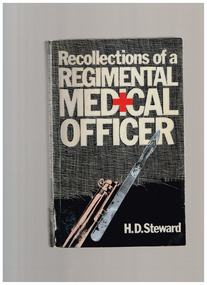 Monbulk RSL Sub Branch
Book, HD Stewart, Recollections of a regimental medical officer, 1983
... World war 1939-1945 - Medical care World War 1939-1945 - Personal narratives - Australia Personal recollections of an Australian army medical officer Ill, index, p.162. ...Personal recollections of an Australian army medical officerIll, index, p.162.non-fictionPersonal recollections of an Australian army medical officerworld war 1939-1945 - medical care, world war 1939-1945 - personal narratives - australia -
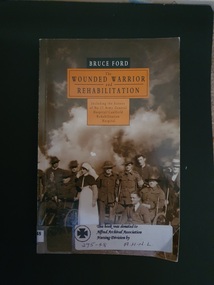 Alfred Hospital Nurses League - Nursing History Collection
Book - Illustrated book, Bruce Ford, The wounded warrior and rehabilitation. Including the history of No 11 army general hospital/Caulfield rehabilitation hospital, 1996
... Australia Army General Hospital 11th...Caulfield General Medical Centre - history...Caulfield Hospital - history...Royal Southern Memorial Hospital - history...World War 1914-1918 - medical care...medical specialty of rehabilitation. Of significance to the AHNL as many members spent part of their training at Caulfield Australia Army General Hospital 11th Caulfield General Medical Centre - history Caulfield Hospital - history Royal Southern Memorial Hospital - history World War 1914-1918 - medical care - Victoria World War 1939 -1945 - medical care - Victoria Soldiers - Rehabilitation - Victoria Military Hospitals - Victoria - History Artificial limb factory Hospitals - rehabilitation services - Australia A history of Caulfield General Medical Centre, including the No 11 Army General Hospital/Caulfield Rehabilitation Hospital and the Royal Southern Memorial Hospital adapting rehabilitation to changing conditions of two World Wars, polio outbreaks to care of the elderly and accident victims. ...A history of Caulfield General Medical Centre, including the No 11 Army General Hospital/Caulfield Rehabilitation Hospital and the Royal Southern Memorial Hospital adapting rehabilitation to changing conditions of two World Wars, polio outbreaks to care of the elderly and accident victims.Sepia photograph of soldiers and nurses on front and back cover. Portrait of the author, Bruce Ford on back cover also, Title on front cover and spine in black print on orange background. Authors name in white print on black background on front cover. Authors name in black print on spine. Donation sticker also on front cover. Contains numerous black and white illustrations.non-fictionA history of Caulfield General Medical Centre, including the No 11 Army General Hospital/Caulfield Rehabilitation Hospital and the Royal Southern Memorial Hospital adapting rehabilitation to changing conditions of two World Wars, polio outbreaks to care of the elderly and accident victims.australia army general hospital 11th, caulfield general medical centre - history, caulfield hospital - history, royal southern memorial hospital - history, world war 1914-1918 - medical care - victoria, world war 1939 -1945 - medical care - victoria, soldiers - rehabilitation - victoria, military hospitals - victoria - history, artificial limb factory, hospitals - rehabilitation services - australia -
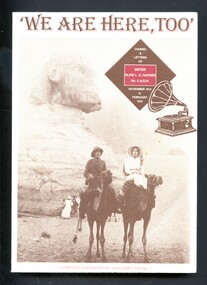 Alfred Hospital Nurses League - Nursing History Collection
Book - Illustrated book, Olive L. C. Hayes 1888-1978, "We are here too": diaries and letter of Sister Olive L. C. Haynes No. 2 A.G.H. November 1914 to February 1918, 1991
... Olive Hayes was portrayed in the 2014 ABC series 'ANZAC Girls" Of significance to the AHNL as it is an insight into the experiences of nurses during World War One Olive L.C.Hayes World War 1914-1918 - Medical Care World War 1914-1918-Hospitals Australian Army Nurses Nurse A collection of letters and diary extracts written by Olive Haynes, between 1914 and 1918. ...A collection of letters and diary extracts written by Olive Haynes, between 1914 and 1918. This book gives an invaluable insight into the experiences of an Australian Army nurse whose service saw her minister to casualties from some of Australia's most significant campaigns during World War OneIllustrated book with brown and cream cover. Title, editors name, and an illustration of a gramophone are printed in brown on the front cover. Also on the front cover is a brown and white photo of a man and woman riding camels in front of the Sphinx: Olive " airing herself around the Pyramids in lieu of pay" accompanied by Dr John Kneebone. Title is also printed in brown on the spine. On the back cover are printed extracts from the book, along with two small photographs, one is of the front of an envelope, the other is a photograph of Olive Haynes in uniform 1915non-fictionA collection of letters and diary extracts written by Olive Haynes, between 1914 and 1918. This book gives an invaluable insight into the experiences of an Australian Army nurse whose service saw her minister to casualties from some of Australia's most significant campaigns during World War Oneolive l.c.hayes, world war 1914-1918 - medical care, world war 1914-1918-hospitals, australian army nurses, nurse -
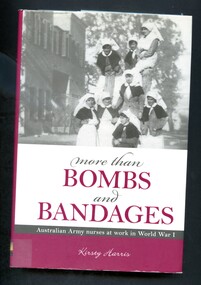 Alfred Hospital Nurses League - Nursing History Collection
Book - Illustrated Book, Kirsty Harris, More than bombs and bandages: Australian Army nurses at work in World War 1, 2011
... Army Nurses...Military nursing-Australia-History...Nurses-Australia-History...World War 1914-1918 - Medical Care...Of significance to the AHNL as well as being a significant history of Army nursing in World War I, the103 Alfred graduates who served are listed in the appendices Australian Army Nurses Military nursing-Australia-History Nurses-Australia-History World War 1914-1918 - Medical Care Alfred Nurses The author draws on personal diaries, interviews, service records, hospital diaries and autobiographies to create an absorbing and meticulously constructed book showcasing the breadth and significance of the contributions Army nurses made during World War I. ...The author draws on personal diaries, interviews, service records, hospital diaries and autobiographies to create an absorbing and meticulously constructed book showcasing the breadth and significance of the contributions Army nurses made during World War I. In becoming part of the AIF these women fashioned the role of the Australian military nurseIllustrated book with dustjacket. Book has a black cover with title, author's name and Australian Army badge embossed in gold on spine. Front of dustjacket has a black and white photo 'Westen Australian night nurses in 14 AGH, Abbassia, Egypt in 1918. Under this part of tile is printed in dark grey and red brown on a cream background. Rest of title is printed in white on a dark grey band. Authors name is printed in white on a red brown background. Title and authors name are printed in white on a red brown background along with Australian Army Badge (gold) and publisher's mark. On the back of the dustjacket is a summary of the book printed on a cream background, below which is a black and white photo 'No 2 Australian General Hospital, Mena, Egypt, January 1915non-fictionThe author draws on personal diaries, interviews, service records, hospital diaries and autobiographies to create an absorbing and meticulously constructed book showcasing the breadth and significance of the contributions Army nurses made during World War I. In becoming part of the AIF these women fashioned the role of the Australian military nurseaustralian army nurses, military nursing-australia-history, nurses-australia-history, world war 1914-1918 - medical care, alfred nurses -
 Alfred Hospital Nurses League - Nursing History Collection
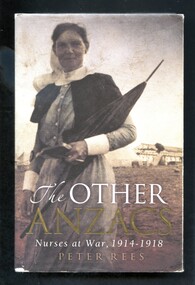
Book - Illustrated book, Peter Rees 1948, The other ANZACS: Nurses at War, 1914-1918, 2008
... Australia Army-Nurses...Military nursing-Australia...World War 1914-1918 - Medical Care...Grace Wilson, became matron of the Alfred in 1933 Australia Army-Nurses Military nursing-Australia World War 1914-1918 - Medical Care World War 1914-1918-Female participation Nurses Using diaries and letters the author takes us into the hospital camps, the wards and the tent surgeries on the edge of some of the most horrific battlefronts of human history. ...Using diaries and letters the author takes us into the hospital camps, the wards and the tent surgeries on the edge of some of the most horrific battlefronts of human history. He also showed how the friendships and loves of these courageous and compassionate women enriched their experiences.Illustrated book with dustjacket. Book has a brown cover with abbreviated title and authors name embossed in gold on spine. Dust jacket has a coloured black and white photograph of a nurse in uniform holding an umbrella, book and pencil with tents in the background: Grace Wilson on the Aegean Island of Lemnos, 1915. Full title is printed in white and gold on front along with the author's name in gold. Abbreviated title is printed in brown and gold on spine, along with the author's name and publishers mark in whitenon-fictionUsing diaries and letters the author takes us into the hospital camps, the wards and the tent surgeries on the edge of some of the most horrific battlefronts of human history. He also showed how the friendships and loves of these courageous and compassionate women enriched their experiences.australia army-nurses, military nursing-australia, world war 1914-1918 - medical care, world war 1914-1918-female participation, nurses -
 Alfred Hospital Nurses League - Nursing History Collection
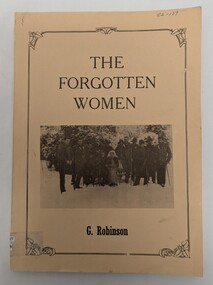
Book - Illustrated book, Gwen Robinson, The Forgotten Women: personal accounts of Australian Nurses abroad in World War 1, 1989
... Medical Care...Military nursing-Australia...Australia-Army...Of significance to the AHNL as it portrays personal perspectives of nurses who served in World War 1 World War 1914-1918 - Medical Care Military nursing-Australia Australia-Army-Nurses Nurses Personal accounts of Australian Nurses abroad in World War 1 Previous catalogue number written in black ink at top right of front cover. ...Personal accounts of Australian Nurses abroad in World War 1Illustrated book with light brown cover. Front cover has a black and white photograph of a nurse with a group of soldiers ( S.Avenell with amputees at Southall Hospital) Abbreviated title is printed above, and the authors name below this photograph in black ink. This is surround by a decorative border in black ink: two narrow lines and leaves at the corners. Abbreviated title and author's name also printed in black ink on spine. The back cover has a small black and white photo of a group of nurses (S.Olive Saloway with other nurses on board Orsovanon-fictionPersonal accounts of Australian Nurses abroad in World War 1world war 1914-1918 - medical care, military nursing-australia, australia-army-nurses, nurses -
 National Vietnam Veterans Museum (NVVM)
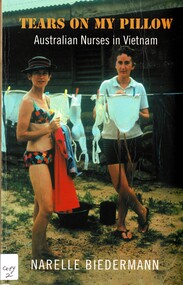
Book, Biedermann, Narelle, Tears On My Pillow: Australian Nurses in Vietnam (Copy 2)
... Military nursing - Australia - AneAudio Military nursing - Vietnam - AneAudio 1961-1975 - Medical care - AneAudio CDotes Vietnam Conflict 1961-1975 - Personal narratives Australian "Don't forget your cotton underwear, girls!" With little more than this sage advice, a total of 43 Australian Army ..."Don't forget your cotton underwear, girls!" With little more than this sage advice, a total of 43 Australian Army nursing sisters were sent to Vietnam between April 1967 and November 1971."Don't forget your cotton underwear, girls!" With little more than this sage advice, a total of 43 Australian Army nursing sisters were sent to Vietnam between April 1967 and November 1971.military nursing - australia - aneaudio, military nursing - vietnam - aneaudio, 1961-1975 - medical care - aneaudio, cdotes, vietnam conflict, 1961-1975 - personal narratives, australian -
 National Vietnam Veterans Museum (NVVM)
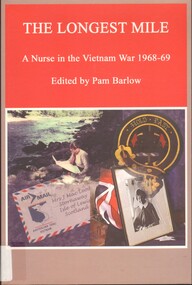
Book, MacLeod, Joan B ed, The Longest Mile: A Nurse in the Vietnam War 1968-69
... Australia. Army. Royal Australian Army Nursing Corps...Vietnam War... 1961-1975 -- Medical care...Australia. Army. Royal Australian Army Nursing Corps Vietnam War 1961-1975 -- Medical care -- Australia MacLeod Janet -- Correspondence letters from Nursing Sister Joan B.F. ...letters from Nursing Sister Joan B.F. MacLeod, who served in Vietnam as a member of the Royal Australian Army Nursing Corps.letters from Nursing Sister Joan B.F. MacLeod, who served in Vietnam as a member of the Royal Australian Army Nursing Corps.australia. army. royal australian army nursing corps, vietnam war, 1961-1975 -- medical care -- australia, macleod, janet -- correspondence -
 National Vietnam Veterans Museum (NVVM)
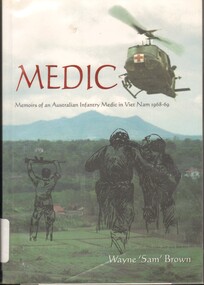
Book, Brown, Wayne, Medic
... Australia. Army. Medical Corps - Field service...Vietnam War... 1961-1975 - Medical care...Australia. Army. Medical Corps - Field service Vietnam War 1961-1975 - Medical care Medic - Memoirs of an Australian Infantry Medic is based on the author's 1968-69 tour of South Viet Nam Medic Book Book Brown, Wayne ...Medic - Memoirs of an Australian Infantry Medic is based on the author's 1968-69 tour of South Viet NamMedic - Memoirs of an Australian Infantry Medic is based on the author's 1968-69 tour of South Viet Namaustralia. army. medical corps - field service, vietnam war, 1961-1975 - medical care -
 National Vietnam Veterans Museum (NVVM)
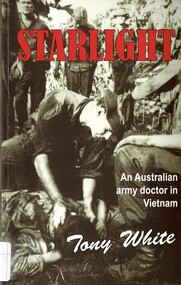
Book, White, Tony, Starlight: An Australian army doctor in Vietnam
... 1961-1975 - Medical care Vietnam War 1961 - 1975 Personal narratives - Australian Capt Tony White 5 RAR Battalion Doctor Doctors Medics Vietnam was Australia's longest and most controversial war. This book vividly recalls the Author's 12 month tour of duty as a frontline doctor in difficult territory. Starlight was the radio call sigh for army ...Vietnam was Australia's longest and most controversial war. This book vividly recalls the Author's 12 month tour of duty as a frontline doctor in difficult territory. Starlight was the radio call sigh for army doctors and medics.Vietnam was Australia's longest and most controversial war. This book vividly recalls the Author's 12 month tour of duty as a frontline doctor in difficult territory. Starlight was the radio call sigh for army doctors and medics. 1961-1975 - medical care, vietnam war, 1961 - 1975, personal narratives - australian, capt tony white, 5 rar battalion doctor, doctors, medics -
 Alfred Hospital Nurses League - Nursing History Collection
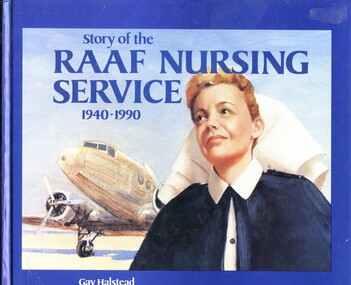
Book - Illustrated book, Gay Halstead 1929, Story of the RAAF Nursing Service 1940-1990, 1994
... Celebrates the first fifty years of the RAAFNS Of significance to the AHNL as it records another career path for nurses Royal Australian Air Force Nursing Service-History World War 1939-1945-Medical Care-Australia Military Nursing-Australia Nurses Nursing Established in July 1914, the Royal Australian Airforce Nursing Service (RAAFNS) personnel expanded from 45 in December 1940 to 616 in December 1945. Miss Margaret Irene Lang was appointed Matron-in -Chief and her staff's conditions in service were similar to those of the Australian Army ...Established in July 1914, the Royal Australian Airforce Nursing Service (RAAFNS) personnel expanded from 45 in December 1940 to 616 in December 1945. Miss Margaret Irene Lang was appointed Matron-in -Chief and her staff's conditions in service were similar to those of the Australian Army Nursing Service. The nurses were originally attached to RAAF bases in Australia but later served in New Guinea and the Pacific Islands. With the Medical Air Evacuation Transport Unit (MAETU), established in 1944, nurses helped with aerial evacuation of casualties and were involved with the liberation of Prisoners of War from Singapore and other areas. The service was disbanded at the end of World War Two, but in 1948 a peace-time service was formed, and the RAAF nurses have served in the Korean War, the Malayan Emergency and the Vietnam War. They continue to care for the sick and injured at RAAF hospitals. Includes honours, awards and the nominal roll of RAAFNS 1940-1952.Illustrated book with blue cover. Front cover has a coloured illustration by Vivian and Marjorie Mare of a nurse in uniform standing in front of a plane, the title is printed in blue and the author's name printed in white. Title and author's name are also printed in white on the spine. The back cover has a collage of black and white photographs of RAAF personnel including nurses. Limited edition of 1000 copies.non-fictionEstablished in July 1914, the Royal Australian Airforce Nursing Service (RAAFNS) personnel expanded from 45 in December 1940 to 616 in December 1945. Miss Margaret Irene Lang was appointed Matron-in -Chief and her staff's conditions in service were similar to those of the Australian Army Nursing Service. The nurses were originally attached to RAAF bases in Australia but later served in New Guinea and the Pacific Islands. With the Medical Air Evacuation Transport Unit (MAETU), established in 1944, nurses helped with aerial evacuation of casualties and were involved with the liberation of Prisoners of War from Singapore and other areas. The service was disbanded at the end of World War Two, but in 1948 a peace-time service was formed, and the RAAF nurses have served in the Korean War, the Malayan Emergency and the Vietnam War. They continue to care for the sick and injured at RAAF hospitals. Includes honours, awards and the nominal roll of RAAFNS 1940-1952.royal australian air force nursing service-history, world war 1939-1945-medical care-australia, military nursing-australia, nurses, nursing -
 Alfred Hospital Nurses League - Nursing History Collection
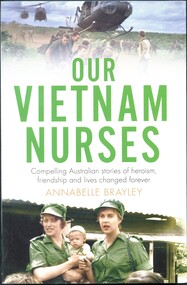
Book - Illustrated book, Annabelle Brayley, Our Vietnam Nurses, 2016
... Army Nursing Corps...Butterwowth Air Base...Military Nursing-Australia\Military Nursing-Vietnam...Vietnam War 1961-1975-Medical Care...Includes timeline of Vietnam War Of significance to the AHNL as chapter 8 refers to the Alfred Team at Bien Hoa Royal Australian Army Nursing Corps Butterwowth Air Base Military Nursing-Australia\Military Nursing-Vietnam Vietnam War 1961-1975-Medical Care Military Hospitals-Vietnam Military Camps-Malaysia Military camps-Philippines-Clark Field When Australia joined the Vietnam War, civilian nurses were there to save lives and comfort the wounded. ...When Australia joined the Vietnam War, civilian nurses were there to save lives and comfort the wounded. Working incredibly long hours and surrounded by chaos and turmoil, these brave nurses and medics were integral to our war effort. These fifteen stories show a side to the Vietnam War that has received little recognition but played an important part in shaping Australia's presence in the war.Illustrated book. Front cover has two coloured photographs: one is of a group of soldiers with three helicopters about to land (members of 5 platoon B Company 7RAR wait for US Army helicopters waiting to take them back to Nui Dat after completion of Operation Ulmarra) The other is of two women wearing green uniforms and peaked caps holding a baby and standing in front of a building with a corrugated roof (RAANC Margaret Ahern and Terrie Roche with children of Hoa Long village) Title (green and black ink) and author's name (light brown ink) are printed between these photos. This information is printed in similar colours on the spine, along with a small photograph of two women in uniform (RAANC Margaret Ahern and Terrie Roche) and the publisher's name. The back cover has a summary of the book printed below five photographs, nurse (Janice Hilton) with patient; nurse (June Minchow) with patient; man (Phil Badcock) and woman (RAANC Di Lawrence); unidentified nurse with four patients strapped to stretchers inside an RAAF Hercules aircraft; two nurses (Von Clinch and Maureen Spicer) with children (at Bien Hoa provincial hospital). non-fictionWhen Australia joined the Vietnam War, civilian nurses were there to save lives and comfort the wounded. Working incredibly long hours and surrounded by chaos and turmoil, these brave nurses and medics were integral to our war effort. These fifteen stories show a side to the Vietnam War that has received little recognition but played an important part in shaping Australia's presence in the war.royal australian army nursing corps, butterwowth air base, military nursing-australia\military nursing-vietnam, vietnam war 1961-1975-medical care, military hospitals-vietnam, military camps-malaysia, military camps-philippines-clark field -
 Alfred Hospital Nurses League - Nursing History Collection
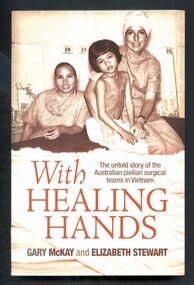
Book - Illustrated book, Gary McKay et al, With healing hands: the untold stories of the Australian civilian nursing teams in Vietnam, 2009
... Australia, for desperately need medical help. Most of the country's doctors had been conscripted into the army and the civilian population was facing a medical crisis. Of significance to the AHNL as it includes information about the two Alfred teams that volunteered. Vietnam War 1961-1975-Medical Care ...From October 1964 until the end of 1972, over 450 surgeons, nurses and other medical specialists from Australian hospitals volunteered to work in South Vietnam. In the towns of Long Xuyen, Bien Hoa, Vung Tau and Ba Ria they brought expert medical and surgical care, comfort and support to a war-weary and traumatised civilian population. The extraordinary story of these Australian civilians at war is told here, based on interviews with many of those who served in the teams, The book includes two appendices: one lists the dates of service of the teams, the other lists the members of the teams.Illustrated book, Fronts cover has a photograph of two women in operating theatre dress with a young child (Vietnamese anaesthetic technician Tran Thi Dung, theatre nurse Cathy Blackmore and a young patient in an operating theatre at Bien Hoa Hospital, in early 1972). Below this on a background photo of bandages title and authors names are printed in shades of brown. Abbreviated title (light brown ink) and authors names (dark brown ink) are also printed on the spine along with the publisher's mark. A summary of the book, along with information about the authors, is [rinted on the back cover. non-fictionFrom October 1964 until the end of 1972, over 450 surgeons, nurses and other medical specialists from Australian hospitals volunteered to work in South Vietnam. In the towns of Long Xuyen, Bien Hoa, Vung Tau and Ba Ria they brought expert medical and surgical care, comfort and support to a war-weary and traumatised civilian population. The extraordinary story of these Australian civilians at war is told here, based on interviews with many of those who served in the teams, The book includes two appendices: one lists the dates of service of the teams, the other lists the members of the teams.vietnam war 1961-1975-medical care, vietnam war 1961-1975-participation-australia, vietnam war 1961-1975-personal narratives-australian, volunteer workers in medical car-vietnam-history, alfred hospital -
 Alfred Hospital Nurses League - Nursing History Collection
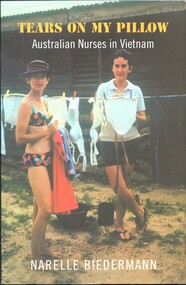
Book - Illustrated book, Narelle Biedermann, Tears on my pillow: Australian nurses in Vietnam, 2004
... Army Nursing Corps...Vietnam War 1961-1975-Medical Care...Military nursing-Vietnam...Military Nursing-Australia...A total of 43 Australian Army nursing sisters were sent to Vietnam between April 1967 and November 1971, undertaking tours of up to 12 months. Of significance to AHNL as it tells of nursing experiences in a war zone Royal Australian Army Nursing Corps Vietnam War 1961-1975-Medical Care Military nursing-Vietnam Military Nursing-Australia "Tears on my pillow' describes the nursing experiences of nursing in the Vietnam War using the words, voices and photographs of these Australian servicewomen. ..."Tears on my pillow' describes the nursing experiences of nursing in the Vietnam War using the words, voices and photographs of these Australian servicewomen. These veterans tell tales of femininity interspersed with the reality of the military environment through their stories of trauma, distress, tears and grief that went on for many years, and stories of underwear, fun and the basic things in life.Illustrated book. Front cover has a coloured photograph of two women hanging out laundry (nurses Vung Tau, 1968) Title (yellow ink) subtitle (white ink) and author's name (white ink) are printed over this photo. Title and author's name are printed in dark brown on a light brown background on the spine along with the publisher's mark. The back cover has a summary of the book printed on a light brown background, along with three photographs: a nurse on duty (Diane Lawrence) two women in khaki sitting on sandbags, and a woman in uniform holding a young boy (Terrie Roche with 'Rabbit" the young mascot of the Civic Action Team).non-fiction"Tears on my pillow' describes the nursing experiences of nursing in the Vietnam War using the words, voices and photographs of these Australian servicewomen. These veterans tell tales of femininity interspersed with the reality of the military environment through their stories of trauma, distress, tears and grief that went on for many years, and stories of underwear, fun and the basic things in life.royal australian army nursing corps, vietnam war 1961-1975-medical care, military nursing-vietnam, military nursing-australia -
 Uniting Church Archives - Synod of Victoria
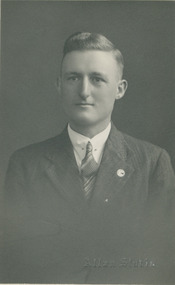
Photograph, C. 1937
... Australia. Enlisted as an army medical orderly in 1940. Served in the medical service in Palestine and was transferred to a forward casualty station, then taken prisoner by the Japanese in 1942. On the Death Railway in Thailand worked closely with Dr E. (Weary) Dunlop and Dr Albert Coates in caring...Australia. Enlisted as an army medical orderly in 1940. Served in the medical service in Palestine and was transferred to a forward casualty station, then taken prisoner by the Japanese in 1942. On the Death Railway in Thailand worked closely with Dr E. (Weary) Dunlop and Dr Albert Coates in caring ...Rev. Desmond Tarran (1916 - 1992). Born at Werribee. Converted at age 15. Entered the Home Missionary Training College in 1936. Spent 29 years in many appointments including 3 years 1950 - 1952 in Inland Mission in the Murchison area, Western Australia. Enlisted as an army medical orderly in 1940. Served in the medical service in Palestine and was transferred to a forward casualty station, then taken prisoner by the Japanese in 1942. On the Death Railway in Thailand worked closely with Dr E. (Weary) Dunlop and Dr Albert Coates in caring for starving and maltreated prisoners. Returned to home mission service in 1947. In 1966 was selected for special ordination as a Methodist minister. Served 11 years in country and city churches before retiring in 1978.Satin, black and white, head and shoulders, studio portrait of Rev. Desmond Tarran, as a post card.desmond tarran, home missionary, methodist minister, prisoner of war -
 Diamond Valley Vietnam Veterans Sub-Branch
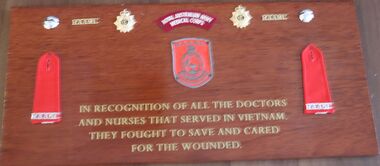
Plaque - Medical Services, 3/8/2018
... Australian Armed Forces of the RAAMC who served with devotion during the Vietnam war. The RAAMC teams saved many lives and mended many soldiers often working under difficult circumstances and with limited available timeframe to perform their duties. vietnam vietnam war diamond valley vietnam veterans sub branch medical mackay vietnam veterans qld In Regognition Of All The Doctors And Nurses That Served In Vietnam. They Fought To Save And cared For The Wounded. Polished timber plaque with smaller shoulder flashes and badges of Royal Australian Army ...The plaque is a clear indication of the respect and gratitude of members of Australian Armed Forces of the RAAMC who served with devotion during the Vietnam war.The RAAMC teams saved many lives and mended many soldiers often working under difficult circumstances and with limited available timeframe to perform their duties.Polished timber plaque with smaller shoulder flashes and badges of Royal Australian Army Medical Corp across the top of the plaque and then with larger shoulder epaulettes and uniform sew-on badge across the middle of the plaque.In Regognition Of All The Doctors And Nurses That Served In Vietnam. They Fought To Save And cared For The Wounded.vietnam, vietnam war, diamond valley vietnam veterans sub branch, medical, mackay vietnam veterans qld -
 Melbourne Legacy
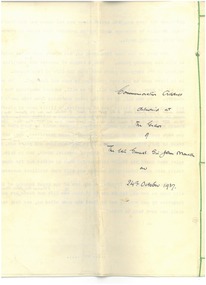
Document - Eulogy, Commemorative address delivered at the grave of the Late General Sir John Monash on 24 October 1937, 1937
... Australian army, with the green grass beneath our feet and a retreating enemy in sight." Legatee John Henry Brian Armstrong was President of Melbourne Legacy in 1937, and rose from Private to Lieutenant in the AAMC 22nd Btn. He was wounded at Dernancourt 25.4.1918 and Herleville, becoming a P.O.W. 18.8.1918. He was discharged as medically unfit 2.8.1919 and became a solicitor, serving as a Legatee for 54 years. Although Melbourne Legacy is not referred to specifically, it is clear that Monash' service to his country lives on in the work of Legatees in caring ...An address delivered by Legatee Brian Armstrong (according to handwritten note on Envelope L.6) at the graveside of Sir John Monash in Brighton Cemetery on 24th October 1937, six years after Monash' death. In it he mentions how he, Armstrong, was one of "the great Company of junior officers and men who carried his orders into effect." and quotes from the message sent by Monash to all the men of the Australian Army Corps before a battle on 8 August 1918 when "for the first time on the western front we fought as an Australian army, with the green grass beneath our feet and a retreating enemy in sight." Legatee John Henry Brian Armstrong was President of Melbourne Legacy in 1937, and rose from Private to Lieutenant in the AAMC 22nd Btn. He was wounded at Dernancourt 25.4.1918 and Herleville, becoming a P.O.W. 18.8.1918. He was discharged as medically unfit 2.8.1919 and became a solicitor, serving as a Legatee for 54 years. Although Melbourne Legacy is not referred to specifically, it is clear that Monash' service to his country lives on in the work of Legatees in caring for others.Typed and hand written quarto paper, black on white, bound with green cord.Numerous annotations in black pen, and pencil.john monash, speech, obituary -
 Returned Nurses RSL Sub-branch
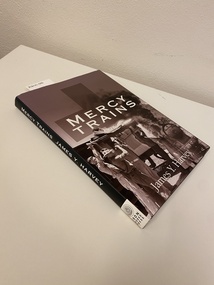
Book, James Y Harvey, Mercy trains, 2001
... Author Jim Harvey spent three years searching through Army (both Australian and U.S.) and railway department files and what he found was a story of demanding military, a penny-pinching government prepared to endanger the lives of train staff rather than permit necessary improvements, some railway operating problems, fires, more than a fair share of floods, a bombing attack, examples of a generosity from caring local communities, a dexicated staff of doctors, nurses, medical orderlies and cooks, supported at all times by sympathetic railwayment of all grades.' ...'Mercy trains - Australian Army Ambulance trains during World War II recounts the hitherto untold story of trains provided by Australia's State railway departments to convey the tens of thousands of the armed force's sick and wounded needing transportation across the continent. Conceived as large-scale ambulances to evacuate battle casualties suffered on Australian soil in the event of a landing by enemy forces, their role changed when Australia was spared the trauma of invasion. Instead, the trains becam mobile hospitals: their task to convey invalids from all allied (and enemy) forces to medical centres throughout the nation. One major assignment was to bring south from Queensland casualties evacuated from the battlefields of Papua-New Guinea, whose numbers reached crisis proportions at the close of 1942 and into early 1943. The trains were operated by United States Army personnel for twelve months, one in New South Wales and one in Queensland. Author Jim Harvey spent three years searching through Army (both Australian and U.S.) and railway department files and what he found was a story of demanding military, a penny-pinching government prepared to endanger the lives of train staff rather than permit necessary improvements, some railway operating problems, fires, more than a fair share of floods, a bombing attack, examples of a generosity from caring local communities, a dexicated staff of doctors, nurses, medical orderlies and cooks, supported at all times by sympathetic railwayment of all grades.' [from inside front dust jacked]Black bound book with silver writing on spine. Dust jacket has collage of photographs on front, spine is black with white writing on it.non-fiction'Mercy trains - Australian Army Ambulance trains during World War II recounts the hitherto untold story of trains provided by Australia's State railway departments to convey the tens of thousands of the armed force's sick and wounded needing transportation across the continent. Conceived as large-scale ambulances to evacuate battle casualties suffered on Australian soil in the event of a landing by enemy forces, their role changed when Australia was spared the trauma of invasion. Instead, the trains becam mobile hospitals: their task to convey invalids from all allied (and enemy) forces to medical centres throughout the nation. One major assignment was to bring south from Queensland casualties evacuated from the battlefields of Papua-New Guinea, whose numbers reached crisis proportions at the close of 1942 and into early 1943. The trains were operated by United States Army personnel for twelve months, one in New South Wales and one in Queensland. Author Jim Harvey spent three years searching through Army (both Australian and U.S.) and railway department files and what he found was a story of demanding military, a penny-pinching government prepared to endanger the lives of train staff rather than permit necessary improvements, some railway operating problems, fires, more than a fair share of floods, a bombing attack, examples of a generosity from caring local communities, a dexicated staff of doctors, nurses, medical orderlies and cooks, supported at all times by sympathetic railwayment of all grades.' [from inside front dust jacked]australian nurses, world war two, wwii, ww2, papua new guinea, pacific theatre, homefront, australia -
 Returned Nurses RSL Sub-branch
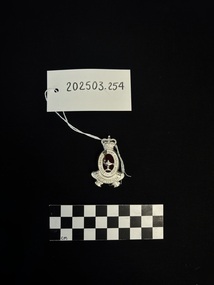
Badge - Collar Badge, Royal Australian Army Nursing Corps (RAANC), unknown
... The Royal Australian Army Nursing Corps (RAANC) provides health care and medical assistance to Australian Army personnel in military health facilities. ...The Royal Australian Army Nursing Corps (RAANC) provides health care and medical assistance to Australian Army personnel in military health facilities. ...The Royal Australian Army Nursing Corps (RAANC) provides health care and medical assistance to Australian Army personnel in military health facilities. The Royal Australian Army Nursing Corps embraces the values of compassion and service to others, reflecting the care and dedication provided to the wounded and sick. The Australian Army employs registered general nurses as nursing officers in Army hospitals and medical centres. These officers form the Royal Australian Army Nursing Corps. The collar badge would have been worn on the collar of official uniform. This badge is in good condition and provides context and interests in nurse uniform. However, it is hard to guarantee that this is an original badge or a replica. Photograph of Royal Australian Army Nursing Corps collar badge. Oval shaped badge surmounted by St Edward's crown. Around the edge of the oval is embossed 'Royal Australian Army Nursing Corps'. In the centre of the oval is a Nightingale oil lamp on a dull cherry coloured felt background. Across the bottom is a scroll embossed with the Latin motto 'Pro Humanitate', translating to 'for humanity'. The metallic nature of the badge leaves it cool to the touch, with rounded edges and a round collar attachment peg, unlike the sharp attachment pegs like typical badges and pins. 'Royal Australian Army Nursing Corps'/ 'Pro Humanitate'[Latin translating to English as 'for humanity']. raanc, uniform, badge, royal australian army nursing corps -
 Victorian Railway History Library
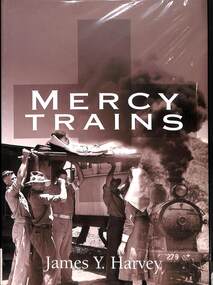
Book, Harvey, James Young, Mercy Trains: Australian Army Ambulance Trains in World War II, 2001
... World War 1939-1945 -- Medical care -- Australia Hospital trains -- Australia -- History A history of ambulance trains run for the Australian Army during World War 2. index, ill, maps, p.280. ...A history of ambulance trains run for the Australian Army during World War 2.index, ill, maps, p.280.non-fictionA history of ambulance trains run for the Australian Army during World War 2.world war, 1939-1945 -- medical care -- australia, hospital trains -- australia -- history -
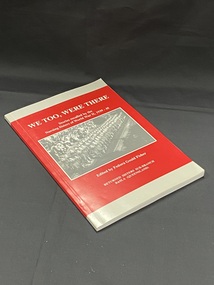 Returned Nurses RSL Sub-branch
Book - Paperback book, Fedora Gould Fisher, We too, were there: stories recalled by the Nursing Sisters of World War II, 1939-45, 1995
... WWII World War II 1939-1945 Nurses Queensland WWII medical care Australian Army Nurses The stories of the nurses of the Australian Army Nursing Service (AANS) during World War Two. ...The stories of the nurses of the Australian Army Nursing Service (AANS) during World War Two. They served in all theatres of war where Australian soldiers fought.Red cover with a grey strip across the top and bottom. There is a black and white image of nurses in uniform marching along a street lined with crowds of people, in the centre. The title and editor details are printed in white text.non-fictionThe stories of the nurses of the Australian Army Nursing Service (AANS) during World War Two. They served in all theatres of war where Australian soldiers fought. wwii, world war ii 1939-1945, nurses queensland, wwii medical care, australian army nurses -
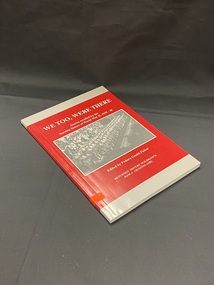 Returned Nurses RSL Sub-branch
Book - Paperback book, Fedora Gould Fisher, We too, were there: stories recalled by the Nursing Sisters of World War II, 1939-45, 1995
... WWII World War II 1939-1945 Nurses Queensland WWII medical care Australian Army Nurses The stories of the nurses of the Australian Army Nursing Service (AANS) during World War Two. ...The stories of the nurses of the Australian Army Nursing Service (AANS) during World War Two. They served in all theatres of war where Australian soldiers fought.Red cover with a grey strip across the top and bottom. There is a black and white image of nurses in uniform marching along a street lined with crowds of people, in the centre. The title and editor details are printed in white text.non-fictionThe stories of the nurses of the Australian Army Nursing Service (AANS) during World War Two. They served in all theatres of war where Australian soldiers fought. wwii, world war ii 1939-1945, nurses queensland, wwii medical care, australian army nurses -
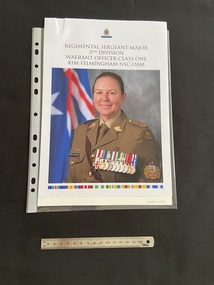 Returned Nurses RSL Sub-branch
Document, RSL South Australia, Regimental Sergeant Major 2nd Division Warrant Officer Class One Kim Felmingham NSC OAM
... Army Nurses Order of Australia Royal Australian Army Medical Corps Kim Felmingham Double-sided colour photocopy. One side has a large coloured photo of Kim Felmingham proudly wearing her medals with the title printed above. The other side has the title printed at the top followed by five paragraphs of text filling the page. Both sides have the RSL care ...The document details the life of Warrant Officer Class One Kim Felmingham.Double-sided colour photocopy. One side has a large coloured photo of Kim Felmingham proudly wearing her medals with the title printed above. The other side has the title printed at the top followed by five paragraphs of text filling the page. Both sides have the RSL care SA emblem at the top and a multi-coloured line across the bottom.army nurses, order of australia, royal australian army medical corps, kim felmingham -
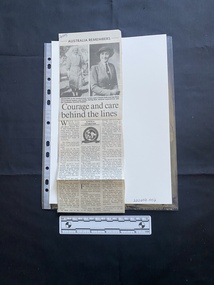 Returned Nurses RSL Sub-branch
Newspaper - Newspaper clipping, Natalia Cuthbertson, Courage and care behind the lines, [24/8/95]
... Australia before sailing to the Pacific, where she was among the first medical staff into Changi Prison. Prisoners of War Army Nurses WW2 WWII World War Two Stonnington Moratai TobrukRats Palestine German Jerusalem Syrian Queensland New Guinea Borneo Labuan Island Japan Singapore Alexandria Nazareth India 3UZ Baby Health Centre '24/8/95.' [black ink, top left corner] A newspaper clipping with three columns of text and a title underneath two black and white photos, both of young women in nurse's uniforms. Courage and care ...When talking about World War II, Sisters Gay Mole and Jean Crameri both recall tent hospitals, epidemics, bombs and nursing without hot water and electricity. They also recall hard work, comradeship and bravery. The two women were among the3000 nurses who formed the Australian General Hospital (AGH) during the war. Sister Jean Crameri was working at the Royal Women's Hospital when she volunteered and joined the 2/9th unit of the AGH. She served in the Middle East, nursed survivors of the Kokoda Trail and saw the Commander-in-Chief if the Australian Army, Field Marshall Blamey declare peace in the South West Pacific. Sister Gay Mole was in the Nurses Army Reserve in 1939 in the 2/9th unit, with her war service starting her in Puckapunyal then on to the Middle East. After a several months on Ceylon she was back in Australia before sailing to the Pacific, where she was among the first medical staff into Changi Prison. A newspaper clipping with three columns of text and a title underneath two black and white photos, both of young women in nurse's uniforms.'24/8/95.' [black ink, top left corner]prisoners of war, army nurses, ww2, wwii, world war two, stonnington, moratai, tobrukrats, palestine, german, jerusalem, syrian, queensland, new guinea, borneo, labuan island, japan, singapore, alexandria, nazareth, india, 3uz baby health centre -
 Returned Nurses RSL Sub-branch
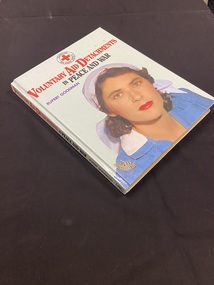
Book, Rupert Goodman, Voluntary Aid Detachments in peace and war: the history of Voluntary Aid Detachments in Australia during the 20th century, 1991
... Australian Army Voluntary Aid Detachments VAD History of VAD Australian Red Cross Australian Armed Forces Medical care World War 1 WW1 WWI World War 2 WW2 WWII 1. ...1. Origins of the Voluntary Aid Movement 2. VAD's in World War 1 3. VAD's between the wars 4. The Middle East contingents, World War 2 5. VAD/AAMWS in the defence of Australia 6. AAMWS in South-west pacific area, 1943-1946. 7. Civilian VAD's in war-time Australia 8. VAD/ AAMWS in the post-war world.Hardcover book with a light green cover. The Title is printed in red and black. There is a female nurse on the front cover in a blue uniform and white red cross head scarf. The Australian Red Cross symbol is at the top of the front cover.non-fiction1. Origins of the Voluntary Aid Movement 2. VAD's in World War 1 3. VAD's between the wars 4. The Middle East contingents, World War 2 5. VAD/AAMWS in the defence of Australia 6. AAMWS in South-west pacific area, 1943-1946. 7. Civilian VAD's in war-time Australia 8. VAD/ AAMWS in the post-war world.australian army voluntary aid detachments, vad, history of vad, australian red cross, australian armed forces, medical care, world war 1, ww1, wwi, world war 2, ww2, wwii -
 Returned Nurses RSL Sub-branch
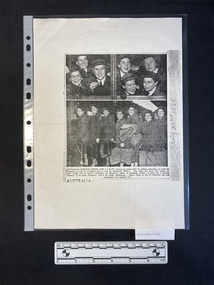
Newspaper - Photocopy of newspaper clipping, The Argus, untitled, Aug 23 1945
... The clipping features photos of Australian nursing sisters and Australian Army Medical Women's Service (AAMWS) leaving by troop train to Sydney and then Singapore to care for Australian POWs. ...The clipping features photos of Australian nursing sisters and Australian Army Medical Women's Service (AAMWS) leaving by troop train to Sydney and then Singapore to care for Australian POWs. ...The clipping features photos of Australian nursing sisters and Australian Army Medical Women's Service (AAMWS) leaving by troop train to Sydney and then Singapore to care for Australian POWs. A photocopy of a newspaper clipping consisting of two large black and white photos and a caption beneath'Aug 23rd 1945' [written on original and appears here photocopied, down right hand side]ww2, wwii, world war two, m lloyd, wm marrie, m stockwell, b brooking, wf beckett, en doig, em jones
