
Showing 174 items matching "court proceedings"
-
 Merbein District Historical Society
Document, Cowana Court Proceedings, May.1870
... Cowana Court Proceedings...George Sunderland John Sanderland Cowana Court Proceedings Document ...george sunderland, john sanderland -
 Sunshine and District Historical Society Incorporated
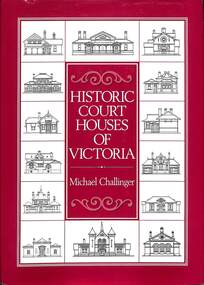
Book - Historic Court Houses of Victoria, Palisade Press, 2001
... ...court proceedings...crimes committed court proceedings Court Houses in Victoria history Many of Victoria's court houses are historically significant. ...Many of Victoria's court houses are historically significant. The book details every one of Victoria's remaining pre-1945 court houses.A thick 231-page hard covered book with cardboard binding and dust jacket, brown cover with printed text and photographic images.non-fictionMany of Victoria's court houses are historically significant. The book details every one of Victoria's remaining pre-1945 court houses.crimes committed, court proceedings, court houses in victoria, history -
Phillip Island and District Historical Society Inc.
Book, TEMPLETON, William, guide to courts of petty sessions in Victoria, 1878
... conduct of court proceedings...conduct of court proceedings victoria guide to courts of petty sessions in Victoria Book TEMPLETON, William Sands & McDougall ...conduct of court proceedings, victoria -
 The Beechworth Burke Museum
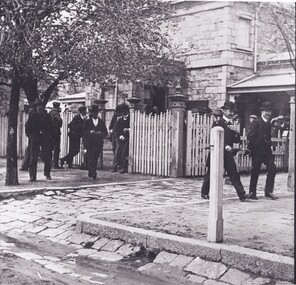
Photograph, c1860
... court...proceedings...The Court House was built a year after for these proceedings and was extended in 1865. ...Beechworth Courthouse court house beechworth bowler hats trial legal law court proceedings circuit court Court of Assize assize County Courts General Sessions Black and white landscape photograph printed on paper. ...The photo depicts men dressed in formal suits and in bowler hats walking out the front of the Beechworth Court House. Beechworth became known as the legal headquarters of north-east Victoria after the establishment of the Circuit Court in 1857. This was later known as the Court of Assize and dealt with cases surpassing the reach of the General Sessions and County Courts. The Court House was built a year after for these proceedings and was extended in 1865. As the image is undated the year is not known, however it can be assumed it was taken after 1857 as the Court House is pictured.The photograph holds historic significance as it contributes to an understanding of the legal systems in Beechworth at that time. Specifically, the popularity of the Court House as a large number of people are pictured in the photo, which may represent the frequent use or interest in a signifiant trial that may have occurred at the place.Black and white landscape photograph printed on paper.beechworth courthouse, court house, beechworth, bowler hats, trial, legal, law, court, proceedings, circuit court, court of assize, assize, county courts, general sessions -
RMIT GSBL Justice Smith Collection
Book, Mental illness & suicide in the media : a mindframe resource for courts, 2008
... ...conduct of court proceedings -- australia...mental illness in mass media mental illness -- press coverage -- australia suicide -- press coverage -- australia mental health promotion -- handbooks: manuals: etc conduct of court proceedings -- australia mass media -- australia journalism: legal -- australia ISBN: 1741865395 Mental illness & suicide in the media : a mindframe resource for courts Book National Media and Mental Health Group ...ISBN: 1741865395mental illness in mass media, mental illness -- press coverage -- australia, suicide -- press coverage -- australia, mental health promotion -- handbooks: manuals: etc, conduct of court proceedings -- australia, mass media -- australia, journalism: legal -- australia -
 Ringwood and District Historical Society
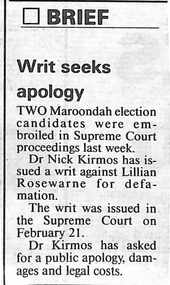
Newspaper, Scrapbook Clipping, Library Collection, Ringwood, Victoria, `
... Two Maroondah election candidates were embroiled in Supreme Court proceedings last week. Dr Nick Kirmos has issued a writ against Lilian Rosewarne for defamation...` ` ` Two Maroondah election candidates were embroiled in Supreme Court proceedings last week. Dr Nick Kirmos has issued a writ against Lilian Rosewarne for defamation Newspaper clipping from the "Mail" 4-3-97 P4 BRIEF Scrapbook Clipping, Library Collection, Ringwood, Victoria,. ...``Newspaper clipping from the "Mail" 4-3-97 P4 BRIEFTwo Maroondah election candidates were embroiled in Supreme Court proceedings last week. Dr Nick Kirmos has issued a writ against Lilian Rosewarne for defamation` -
 Sunshine and District Historical Society Incorporated
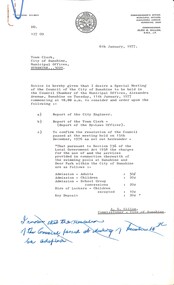
Administrative record - City of Sunshine - Commissioner Mr Alexander Alex George Gillon Collection 1976 - 1982 - Notice of special meeting 11th January 1977, City of Sunshine, 6th January 197
... Notice of Special Meeting 11th January 1977 Report of the City Engineer Sale of Surplus Equipment Report of the Town Clerk Report of the By-Laws Officer Course for By-Laws Court Proceedings Parking Infringements Swimming Pool Fees & Charges...City of Sunshine Alexander "Alex" George Gillon Notice of Special Meeting 11th January 1977 Report of the City Engineer Sale of Surplus Equipment Report of the Town Clerk Report of the By-Laws Officer Course for By-Laws Court Proceedings Parking Infringements Swimming Pool Fees & Charges Foolscap sized document. ...Notice of Special Meeting 11th January 1977 Report of the City Engineer Sale of Surplus Equipment Report of the Town Clerk Report of the By-Laws Officer Course for By-Laws Court Proceedings Parking Infringements Swimming Pool Fees & Charges city of sunshine, alexander "alex" george gillon -
 Bendigo Historical Society Inc.
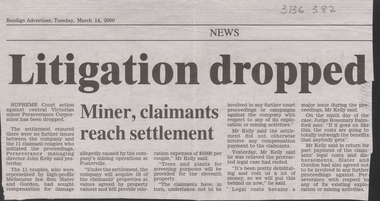
Newspaper - Kangaroo Flat Gold Mine Collection: Perseverance G.M. Fosterville
... The case was dropped and settled when Perseverance acquired 10 of the claimants properties 'at values agreed by property valuers and will provide relocation expenses of $5000 per couple', John Kelly, the Managing Director of Perseverance Mining said claimants had undertaken 'not to be involved in any further court proceedings or campaigns against the company'. ...The case was dropped and settled when Perseverance acquired 10 of the claimants properties 'at values agreed by property valuers and will provide relocation expenses of $5000 per couple', John Kelly, the Managing Director of Perseverance Mining said claimants had undertaken 'not to be involved in any further court proceedings or campaigns against the company'. ...Bendigo Advertiser article 14th March, 2000, , titled 'Litigation dropped, Miner, claimants reach settlement', describes the court case taken against Perseverance Mining by eleven claimant couples. The case was dropped and settled when Perseverance acquired 10 of the claimants properties 'at values agreed by property valuers and will provide relocation expenses of $5000 per couple', John Kelly, the Managing Director of Perseverance Mining said claimants had undertaken 'not to be involved in any further court proceedings or campaigns against the company'. gold mining, bendigo, fosterville, perseverance gold mine, john kelly, slater and gordon -
 Sunshine and District Historical Society Incorporated
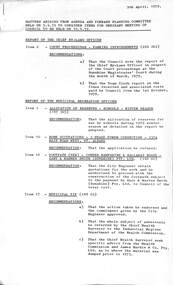
Administrative record - City of Sunshine - Commissioner Mr Alexander Alex George Gillon Collection 1976 - 1982 - Matters Arising from Agenda & Forward Planning Committee 9th April 1979, City of Sunshine, 10th April 1979
... Matters Arising from Agenda & Forward Planning Committee 9th April 1979 Report of the Chief By-Laws Officer Court Proceedings Parking Infringements Report of the Municipal Recreation Officer Allocation of Reserves Schools Winter Season Report of the City Engineer & Planner Home Occupations 3 Phases Power Connection 237A Main Road West Footpath (New) Corner Hampshire Road and Ballarat Road Gary & Warren Smith (Sunshine) Pty Ltd Muncipal Sunshine Tip Asbestos Dumping James Hardie & Co Pty Ltd Report of the Building Surveyor Building on Flood Prone Land Lot 6 Scenic Place Maribyrnong ...Albans Hampshire Road Ballarat Road Sunshine Gary & Warren Smith Sunshine Tip Scenic Place Maribyrnong James Hardie & Co Matters Arising from Agenda & Forward Planning Committee 9th April 1979 Report of the Chief By-Laws Officer Court Proceedings Parking Infringements Report of the Municipal Recreation Officer Allocation of Reserves Schools Winter Season Report of the City Engineer & Planner Home Occupations 3 Phases Power Connection 237A Main Road West Footpath (New) Corner Hampshire Road and Ballarat Road Gary & Warren Smith (Sunshine) Pty Ltd Muncipal Sunshine Tip Asbestos Dumping James Hardie & Co Pty Ltd Report of the Building Surveyor Building on Flood Prone Land Lot 6 Scenic Place Maribyrnong Foolscap sized document. ...Matters Arising from Agenda & Forward Planning Committee 9th April 1979 Report of the Chief By-Laws Officer Court Proceedings Parking Infringements Report of the Municipal Recreation Officer Allocation of Reserves Schools Winter Season Report of the City Engineer & Planner Home Occupations 3 Phases Power Connection 237A Main Road West Footpath (New) Corner Hampshire Road and Ballarat Road Gary & Warren Smith (Sunshine) Pty Ltd Muncipal Sunshine Tip Asbestos Dumping James Hardie & Co Pty Ltd Report of the Building Surveyor Building on Flood Prone Land Lot 6 Scenic Place Maribyrnong main road west, st. albans, hampshire road, ballarat road, sunshine, gary & warren smith, sunshine tip, scenic place, maribyrnong, james hardie & co -
 Sunshine and District Historical Society Incorporated
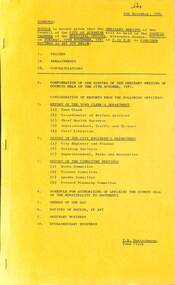
Administrative record - City of Sunshine - Commissioner Mr Alexander Alex George Gillon Collection 1976 - 1982 - Notice of ordinary meeting of the council 10th November 2026, City of Sunshine, 4th November 1981
... Notice of Ordinary Meeting of the Council 10th November 2026 Report of the Town Clerk's Department Report of the Town Clerk Supplementary Valuations Rates Recovery Sale Report of the Co-Ordinator of Welfare Services Family & Community Services Programme Use of Maidstone Hall by Yooralla Society of Victoria Housing Commission Lone Person and Derby and Joan Units YMCA Outreach Project CYSS Consultation on New Guidelines Report of the Chief Health Surveyor Removal of Dwelling Outside the Municipality 123 Raleigh Road to Lot 99 Kuringai Road Tootgarook Rosebud Removal of Dwelling Outside the Municipality 60 Stenhouse Street to Grouch Street Corner Wood Street Numurkah Application for Transfer of Proprietorship of Premises Under the Health Act Prosecution Proceedings Sunshine Magistrates Court Health Act Registrations Late Fees Report of the Superintendent Traffic & By-Laws Court Proceedings Recreation Vehicle Violation Court Proceedings Parking & Dog Infringements Dog Act Proposed Procession Italian Festival Deer Park Court Proceedings Parking Infringements Report of the City Librarian Report of the City Engineer & Planner Planning Permit Application Vestry St. ...Albans Road Furlong Road Baldwin Avenue Warrs Road Highpoint West Shopping Centre Fairbairn Road Tallintyre Road Harrison Street Miles Street Gillon Court Kosky Street Chedgey Drive Gould Street Notice of Ordinary Meeting of the Council 10th November 2026 Report of the Town Clerk's Department Report of the Town Clerk Supplementary Valuations Rates Recovery Sale Report of the Co-Ordinator of Welfare Services Family & Community Services Programme Use of Maidstone Hall by Yooralla Society of Victoria Housing Commission Lone Person and Derby and Joan Units YMCA Outreach Project CYSS Consultation on New Guidelines Report of the Chief Health Surveyor Removal of Dwelling Outside the Municipality 123 Raleigh Road to Lot 99 Kuringai Road Tootgarook Rosebud Removal of Dwelling Outside the Municipality 60 Stenhouse Street to Grouch Street Corner Wood Street Numurkah Application for Transfer of Proprietorship of Premises Under the Health Act Prosecution Proceedings Sunshine Magistrates Court Health Act Registrations Late Fees Report of the Superintendent Traffic & By-Laws Court Proceedings Recreation Vehicle Violation Court Proceedings Parking & Dog Infringements Dog Act Proposed Procession Italian Festival Deer Park Court Proceedings Parking Infringements Report of the City Librarian Report of the City Engineer & Planner Planning Permit Application Vestry St. ...Notice of Ordinary Meeting of the Council 10th November 2026 Report of the Town Clerk's Department Report of the Town Clerk Supplementary Valuations Rates Recovery Sale Report of the Co-Ordinator of Welfare Services Family & Community Services Programme Use of Maidstone Hall by Yooralla Society of Victoria Housing Commission Lone Person and Derby and Joan Units YMCA Outreach Project CYSS Consultation on New Guidelines Report of the Chief Health Surveyor Removal of Dwelling Outside the Municipality 123 Raleigh Road to Lot 99 Kuringai Road Tootgarook Rosebud Removal of Dwelling Outside the Municipality 60 Stenhouse Street to Grouch Street Corner Wood Street Numurkah Application for Transfer of Proprietorship of Premises Under the Health Act Prosecution Proceedings Sunshine Magistrates Court Health Act Registrations Late Fees Report of the Superintendent Traffic & By-Laws Court Proceedings Recreation Vehicle Violation Court Proceedings Parking & Dog Infringements Dog Act Proposed Procession Italian Festival Deer Park Court Proceedings Parking Infringements Report of the City Librarian Report of the City Engineer & Planner Planning Permit Application Vestry St. Marks Church Anderson Road South East Corner Sun Crescent Sunshine Melbourne & Metropolitan Board of Works rezoning and Permit Applications Planning Permit Application Dental Surgery 826 Ballarat Road Deer Park Planning Permit Application Two Flats 35 Washington Street St. Albans Planning Permit Application Shell Co. Corner Glengala Road North West Corner Keon Crescent Sunshine West Planning Permit Application Factory Extension 184 McIntyre Road Sunshine North Planning Permit Application Ground Floor Offices 237 - 239 Hampshire Road Sunshine Appeal Planning Permit Application Promotion Panel Sign 101 Main Road West St. Albans Planning Permit Application Promotion Panel Sign 423 Somerville Road Footscray West Planning Permit Application Excavation Works Mullenger Street Corner Butler Street Braybrook Delegated Matters Tender for Annual Supplies Bituminous Concrete Plan of Subdivision St. Albans Road and Furlong Road St. Albans Proposed Plan of Consolidation Baldwin Avenue North East Corner McIntyre Road Sunshine North Warrs Road Maribyrnong Closure Highpoint West Shopping Centre Proposed Pedestrian Operating Signals Fairbairn Road North of Tallintyre Road Sunshine West Traffic Control Maidstone Area Cordite Avenue Traffic Congestion Harrison Street and Miles Street Private Street Scheme Report of the Building Surveyor Building Over Easement Lot 26 Gillon Court St. Albans Building Over Easement Lot 39 Kosky Street Sunshine West Building Over Easement 2 Chedgey Drive St. Albans Building Over Easement 23 Gould Street Deer Park Schedule for Authorising of Affixing the Common Seal of the Municipality to Documentsmaidstone hall, thomson street, maidstone, raleigh road, maribyrnong, stenhouse street, brooklyn, st. marks church, anderson road, sun crescent, sunshine, ballarat road, deer park, washington street, st. albans, glengala road, keon crescent, sunshine west, mcintyre road, sunshine north, hampshire road, main road west, somerville road, footscray west, mullenger street, butler street, braybrook, st. albans road, furlong road, baldwin avenue, warrs road, highpoint west shopping centre, fairbairn road, tallintyre road, harrison street, miles street, gillon court, kosky street, chedgey drive, gould street -
 Flagstaff Hill Maritime Museum and Village
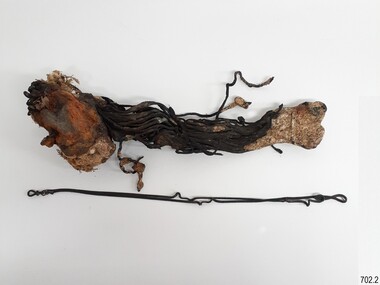
Functional object - Watch Chains, ca 1855
... Despite a protest meeting, two inquiries and the court proceedings, he was found not guilty and cleared of all charges. ...Despite a protest meeting, two inquiries and the court proceedings, he was found not guilty and cleared of all charges. ...The concretion of silver watch chains was recovered from the wreck of the Schomberg over one hundred years later. Schomberg was a large three-masted full-ship rigged wooden ship built in 1855 by Alexander Hall and Co in Aberdeen, Scotland for James Baines' famous Black Ball Line at £43,103. The vessel was 288 feet (88 meters) in length, with a beam of 45 feet (14 meters), a depth of 29.5 feet (8.99 meters) of 2,284 tons. The mainmast was 210 feet (64 meters) high and she carried 3.3 acres of sail. The vessel was constructed with three skins. One planked fore and aft, and two diagonally planked, fastened together with screw-threaded trunnels (wooden rails). The Schomberg is one of only three clipper wrecks in Victorian waters that operated the England -to- Australia run. While the other two, Empress of the Sea and Lightning, were built by the famous American shipbuilder, Donald Mac Kay. Schomberg was an attempt to build a faster ship than Mac Kay and a vessel fast enough to break the sailing record to Australia. The Schomberg sailed on her maiden voyage from Liverpool on 6 October 1855, under the command of Captain James Forbes, on its maiden voyage to Australia with general cargo, jewellery, spirits, machinery, and 2,000 tons of iron rails and equipment intended to build the Melbourne to Geelong Railway and a bridge over the Yarra from Melbourne to Hawthorn. She also carried a cow for fresh milk, pens for fowls and pigs, plus 90,000 gallons of water for washing and drinking. She also carried 17,000 letters and 31,800 newspapers. There were approximately 473 passengers and a crew of 105. It was hoped that Schomberg would make Melbourne in sixty days, setting a record for the voyage, but light winds at the equator dashed those expectations. The ship sighted Moonlight Head in southwest Victoria on Christmas Day but through a deadly combination of wind, currents and unmarked sand spits, the vessel gently ran aground on 26 December 1855 on a spit that juts into Newfield Bay, just east of Curdies Inlet, and the present town of Peterborough. Fortunately, the SS Queen was nearby and managed to save all passengers and crew. The steamers Keera and Maitland were dispatched to salvage the passenger's baggage and the more valuable cargo. Other salvage attempts were made, but deteriorating weather made the work impossible, and within two weeks the Schomberg's hull was broken up and the vessel abandoned. The wrecking of the Schomberg caused quite a public stir, particularly in light of the fact the vessel was supposed to be, the most perfect clipper ship ever built. Captain Forbes was charged in the Supreme Court under suspicion that he was playing cards with two female passengers below decks when his ship ran aground. Despite a protest meeting, two inquiries and the court proceedings, he was found not guilty and cleared of all charges. In 1975, divers from Flagstaff Hill, including Peter Ronald, found an ornate communion set at the wreck. The set comprised a jug, two chalices, a plate and a lid. The lid did not fit any of the other objects and in 1978 a piece of the lid broke off, revealing a glint of gold. As museum staff carefully examined the lid and removed marine growth, they found a diamond ring, which is currently on display in the Great Circle Gallery at the Flagstaff Hill Maritime Museum that also displays ship fittings and equipment, and personal effects. Most of the artefacts were salvaged from the wreck by Peter Ronald, former director of Flagstaff Hill.The Schomberg has historical significance as one of the first luxurious ships built to bring emigrants to Australia to cash in on the gold rush era. And is included on the Victorian Heritage Register (VHR S612). The collection of Schomberg artefacts held at Flagstaff Hill Museum is primarily significant because of the relationship between these recovered items having a high potential to interpret the story of the Schomberg and its foundering during a storm. The shipwreck is of additional historically significance for representing aspects of Victoria’s shipping history and for its association with the first passenger ship, which was designed not only to be the fastest and most luxurious of its day but foundered on its maiden voyage to Australia.Conglomerated cluster of silver watch chains, encased in concretion at both ends (1 chain is separated). They were recovered from the wreck of the Schomberg.warrnambool, flagstaff-hill, flagstaff-hill-maritime-museum, shipwreck-coast, flagstaff-hill-maritime-village, schomberg, shipwrecked-artefact, clipper ship, black ball line, 1855 shipwreck, aberdeen clipper ship, captain forbes, peterborough shipwreck, ss queen, watch chain -
 Flagstaff Hill Maritime Museum and Village
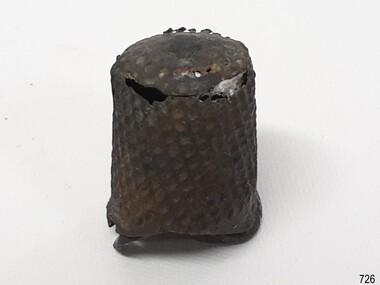
Domestic object - Thimble, Circa 1855
... Despite a protest meeting, two inquiries and the court proceedings, he was found not guilty and cleared of all charges. ...Despite a protest meeting, two inquiries and the court proceedings, he was found not guilty and cleared of all charges. ...The thimble was recovered from the wreck of the vessel, Schomberg. The Schomberg was a large three-masted full-ship rigged wooden ship built in 1855 by Alexander Hall and Co in Aberdeen, Scotland for James Baines' famous Black Ball Line at £43,103. The vessel was 288 feet (88 meters) in length, with a beam of 45 feet (14 meters), a depth of 29.5 feet (8.99 meters) of 2,284 tons. The mainmast was 210 feet (64 meters) high and she carried 3.3 acres of sail. The vessel was constructed with three skins. One planked fore and aft, and two diagonally planked, fastened together with screw-threaded trunnels (wooden rails). The Schomberg is one of only three clipper wrecks in Victorian waters that operated the England to Australia run. While the other two, Empress of the Sea and Lightning, were built by the famous American shipbuilder, Donald Mac Kay. Schomberg was an attempt to build a faster ship than Mac Kay and a vessel fast enough to break the sailing record to Australia. The Schomberg sailed on her maiden voyage from Liverpool on 6 October 1855, under the command of Captain James Forbes, on its maiden voyage to Australia with general cargo, jewellery, spirits, machinery, and 2,000 tons of iron rails and equipment intended to build the Melbourne to Geelong Railway and a bridge over the Yarra from Melbourne to Hawthorn. She also carried a cow for fresh milk, pens for fowls and pigs, plus 90,000 gallons of water for washing and drinking. She also carried 17,000 letters and 31,800 newspapers. There were approximately 473 passengers and a crew of 105. It was hoped that Schomberg would make Melbourne in sixty days, setting a record for the voyage, but light winds at the equator dashed those expectations. The ship sighted Moonlight Head in southwest Victoria on Christmas Day but through a deadly combination of wind, currents and unmarked sand spits, the vessel gently ran aground on 26 December 1855 on a spit that juts into Newfield Bay, just east of Curdies Inlet, and the present town of Peterborough. Fortunately, the SS Queen was nearby and managed to save all passengers and crew. The steamers Keera and Maitland were dispatched to salvage the passenger's baggage and the more valuable cargo. Other salvage attempts were made, but deteriorating weather made the work impossible, and within two weeks the Schomberg's hull was broken up and the vessel abandoned. The wrecking of the Schomberg caused quite the public stir particularly in light of the fact the vessel was supposed to be, the most perfect clipper ship ever built. Captain Forbes was charged in the Supreme Court under suspicion that he was playing cards with two female passengers below decks when his ship ran aground. Despite a protest meeting, two inquiries and the court proceedings, he was found not guilty and cleared of all charges. In 1975, divers from Flagstaff Hill, including Peter Ronald, found an ornate communion set at the wreck. The set comprised a jug, two chalices, a plate and a lid. The lid did not fit any of the other objects and in 1978 a piece of the lid broke off, revealing a glint of gold. As museum staff carefully examined the lid and removed marine growth, they found a diamond ring, which is currently on display in the Great Circle Gallery at the Flagstaff Hill Maritime museum that also displays ship fittings and equipment, personal effects. Most of the artefacts were salvaged from the wreck by Peter Ronald, former director of Flagstaff Hill.The Schomberg has historical significance as one of the first luxurious ships built to bring emigrants to Australia to cash in on the gold rush era. And is included on the Victorian Heritage Register (VHR S612). The collection of Schomberg artefacts held at Flagstaff Hill Museum is primarily significant because of the relationship between these recovered items having a high potential to interpret the story of the Schomberg and its foundering during a storm. The shipwreck is of additional historically significance for representing aspects of Victoria’s shipping history and for its association with the first passenger ship, which was designed not only to be the fastest and most luxurious of its day but foundered on its maiden voyage to Australia. Thimble, metal, some of the dimples are corroded through. flagstaff hill, flagstaff hill maritime museum and village, warrnambool, maritime museum, maritime village, great ocean road, shipwreck coast, schomberg, shipwreck coast. schomberg, 1855, peterborough shipwreck, artefact, thimble, sewing accesdory, sewing equipment, haberdashery, finger protection -
 Flagstaff Hill Maritime Museum and Village
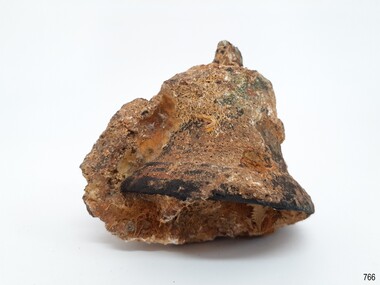
Functional object - Service Bell, 1855
... Despite a protest meeting, two inquiries and the court proceedings, he was found not guilty and cleared of all charges. ...Despite a protest meeting, two inquiries and the court proceedings, he was found not guilty and cleared of all charges. ...This service bell was recovered from the wreck of the ship Schomberg. The Schomberg was a large three-masted full-ship rigged wooden ship built in 1855 by Alexander Hall and Co in Aberdeen, Scotland for James Baines' famous Black Ball Line at £43,103. The vessel was 288 feet (88 meters) in length, with a beam of 45 feet (14 meters), a depth of 29.5 feet (8.99 meters) of 2,284 tons. The mainmast was 210 feet (64 meters) high and she carried 3.3 acres of sail. The vessel was constructed with three skins. One planked fore and aft, and two diagonally planked, fastened together with screw-threaded trunnels (wooden rails). The Schomberg is one of only three clipper wrecks in Victorian waters that operated the England to Australia run. While the other two, Empress of the Sea and Lightning, were built by the famous American shipbuilder, Donald Mac Kay. Schomberg was an attempt to build a faster ship than Mac Kay and a vessel fast enough to break the sailing record to Australia. The Schomberg sailed on her maiden voyage from Liverpool on 6 October 1855, under the command of Captain James Forbes, on its maiden voyage to Australia with a general cargo, jewellery, spirits, machinery, and 2,000 tons of iron rails and equipment intended to build the Melbourne to Geelong Railway and a bridge over the Yarra from Melbourne to Hawthorn. She also carried a cow for fresh milk, pens for fowls and pigs, plus 90,000 gallons of water for washing and drinking. She also carried 17,000 letters and 31,800 newspapers. There were approximately 473 passengers and a crew of 105. It was hoped that Schomberg would make Melbourne in sixty days, setting a record for the voyage, but light winds at the equator dashed those expectations. The ship sighted Moonlight Head in south west Victoria on Christmas Day but through a deadly combination of wind, currents and unmarked sand spits, the vessel gently ran aground on 26 December 1855 on a spit that juts into Newfield Bay, just east of Curdies Inlet, and the present town of Peterborough. Fortunately, the SS Queen was nearby and managed to save all passengers and crew. The steamers Keera and Maitland were dispatched to salvage the passenger's baggage and the more valuable cargo. Other salvage attempts were made, but deteriorating weather made the work impossible, and within two weeks the Schomberg's hull was broken up and the vessel abandoned. The wrecking of the Schomberg caused quite the public stir particularly in light of the fact the vessel was supposed to be, the most perfect clipper ship ever built. Captain Forbes was charged in the Supreme Court under suspicion that he was playing cards with two female passengers below decks when his ship ran aground. Despite a protest meeting, two inquiries and the court proceedings, he was found not guilty and cleared of all charges. In 1975, divers from Flagstaff Hill, including Peter Ronald, found an ornate communion set at the wreck. The set comprised a jug, two chalices, a plate and a lid. The lid did not fit any of the other objects and in 1978 a piece of the lid broke off, revealing a glint of gold. As museum staff carefully examined the lid and removed marine growth, they found a diamond ring, which is currently on display in the Great Circle Gallery at the Flagstaff Hill Maritime museum that also displays ship fittings and equipment, personal effects. Most of the artefacts were salvaged from the wreck by Peter Ronald, former director of Flagstaff Hill.The Schomberg has historical significance as one of the first luxurious ships built to bring emigrants to Australia to cash in on the gold rush era. And is included on the Victorian Heritage Register (VHR S612). The collection of Schomberg artefacts held at Flagstaff Hill Museum is primarily significant because of the relationship between these recovered items having a high potential to interpret the story of the Schomberg and its foundering during a storm. The shipwreck is of additional historically significance for representing aspects of Victoria’s shipping history and for its association with the first passenger ship, which was designed not only to be the fastest and most luxurious of its day but foundered on its maiden voyage to Australia.Bell; small service bell, brass, with heavy encrustation. Bell has a square loop at the top. The bell was recovered from the wreck of the Schomberg.Nonewarrnambool, flagstaff-hill, flagstaff-hill-maritime-museum, shipwreck-coast, flagstaff-hill-maritime-village, schomberg, shipwrecked-artefact, clipper ship, black ball line, 1855 shipwreck, aberdeen clipper ship, captain forbes, peterborough shipwreck, ss queen, bell, service bell -
 Flagstaff Hill Maritime Museum and Village
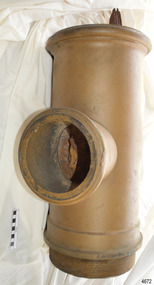
Equipment - Bilge Pump Barrel, Alexander Hall and Son, 1855
... Despite a protest meeting, two inquiries and the court proceedings, he was found not guilty and cleared of all charges. ...Despite a protest meeting, two inquiries and the court proceedings, he was found not guilty and cleared of all charges. ...This bilge pump barrel is part of the ship's bilge pump machinery. Bilge or water can find its way into the hull of a ship and if it is not removed the ship will eventually sink. The bilge pump is designed to efficiently remove the bilge water. The Schomberg was a large three-masted full-ship rigged wooden ship built in 1855 by Alexander Hall and Co in Aberdeen, Scotland for James Baines' famous Black Ball Line at £43,103. The vessel was 288 feet (88 meters) in length, with a beam of 45 feet (14 meters), a depth of 29.5 feet (8.99 meters) of 2,284 tons. The mainmast was 210 feet (64 meters) high and she carried 3.3 acres of sail. The vessel was constructed with three skins. One planked fore and aft, and two diagonally planked, fastened together with screw-threaded trunnels (wooden rails). The Schomberg is one of only three clipper wrecks in Victorian waters that operated the England to Australia run. While the other two, Empress of the Sea and Lightning, were built by the famous American shipbuilder, Donald Mac Kay. Schomberg was an attempt to build a faster ship than Mac Kay and a vessel fast enough to break the sailing record to Australia. The Schomberg sailed on her maiden voyage from Liverpool on 6 October 1855, under the command of Captain James Forbes, on its maiden voyage to Australia with general cargo, jewellery, spirits, machinery, and 2,000 tons of iron rails and equipment intended to build the Melbourne to Geelong Railway and a bridge over the Yarra from Melbourne to Hawthorn. She also carried a cow for fresh milk, pens for fowls and pigs, plus 90,000 gallons of water for washing and drinking. She also carried 17,000 letters and 31,800 newspapers. There were approximately 473 passengers and a crew of 105. It was hoped that Schomberg would make Melbourne in sixty days, setting a record for the voyage, but light winds at the equator dashed those expectations. The ship sighted Moonlight Head in southwest Victoria on Christmas Day but through a deadly combination of wind, currents and unmarked sand spits, the vessel gently ran aground on 26 December 1855 on a spit that juts into Newfield Bay, just east of Curdies Inlet, and the present town of Peterborough. Fortunately, the SS Queen was nearby and managed to save all passengers and crew. The steamers Keera and Maitland were dispatched to salvage the passenger's baggage and the more valuable cargo. Other salvage attempts were made, but deteriorating weather made the work impossible, and within two weeks the Schomberg's hull was broken up and the vessel abandoned. The wrecking of the Schomberg caused quite a public stir, particularly in light of the fact the vessel was supposed to be, the most perfect clipper ship ever built. Captain Forbes was charged in the Supreme Court under suspicion that he was playing cards with two female passengers below decks when his ship ran aground. Despite a protest meeting, two inquiries and the court proceedings, he was found not guilty and cleared of all charges. In 1975, divers from Flagstaff Hill, including Peter Ronald, found an ornate communion set at the wreck. The set comprised a jug, two chalices, a plate and a lid. The lid did not fit any of the other objects and in 1978 a piece of the lid broke off, revealing a glint of gold. As museum staff carefully examined the lid and removed marine growth, they found a diamond ring, which is currently on display in the Great Circle Gallery at the Flagstaff Hill Maritime museum that also displays ship fittings and equipment, and personal effects. The Schomberg has historical significance as one of the first luxurious ships built to bring emigrants to Australia to cash in on the gold rush era. And is included on the Victorian Heritage Register (VHR S612). The collection of Schomberg artefacts held at Flagstaff Hill Museum is primarily significant because of the relationship between these recovered items having a high potential to interpret the story of the Schomberg and its foundering during a storm. The shipwreck is of additional historically significance for representing aspects of Victoria’s shipping history and for its association with the first passenger ship, which was designed not only to be the fastest and most luxurious of its day but foundered on its maiden voyage to Australia.Bilge pump barrel,; brass cylinder with screw thread at the base and fittings on one side. A piece of the ship's timber is attached. The object was recovered from the wreck of the shipo Schomberg. Nonewarrnambool, flagstaff-hill, flagstaff-hill-maritime-museum, shipwreck-coast, flagstaff-hill-maritime-village, schomberg, shipwrecked-artefact, clipper ship, black ball line, 1855 shipwreck, aberdeen clipper ship, captain forbes, peterborough shipwreck, ss queen, bilge pump, ship's plumbing, bilge pump barrel, bilge -
 Flagstaff Hill Maritime Museum and Village
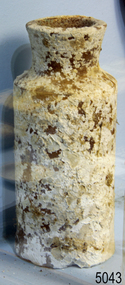
Ceramic - Stoneware Bottle, Alexander Hall and Son, ca. 1855
... Despite a protest meeting, two inquiries and the court proceedings, he was found not guilty and cleared of all charges. ...Despite a protest meeting, two inquiries and the court proceedings, he was found not guilty and cleared of all charges. ...Schomberg was a large three-masted full-ship rigged wooden ship built in 1855 by Alexander Hall and Co in Aberdeen, Scotland for James Baines' famous Black Ball Line at £43,103. The vessel was 288 feet (88 meters) in length, with a beam of 45 feet (14 meters), a depth of 29.5 feet (8.99 meters) of 2,284 tons. The mainmast was 210 feet (64 meters) high and she carried 3.3 acres of sail. The vessel was constructed with three skins. One planked fore and aft, and two diagonally planked, fastened together with screw-threaded trunnels (wooden rails). The Schomberg is one of only three clipper wrecks in Victorian waters that operated the England to Australia run. While the other two, Empress of the Sea and Lightning, were built by the famous American shipbuilder, Donald Mac Kay. Schomberg was an attempt to build a faster ship than Mac Kay and a vessel fast enough to break the sailing record to Australia. The Schomberg sailed on her maiden voyage from Liverpool on 6 October 1855, under the command of Captain James Forbes, on its maiden voyage to Australia with a general cargo, jewellery, spirits, machinery, and 2,000 tons of iron rails and equipment intended to build the Melbourne to Geelong Railway and a bridge over the Yarra from Melbourne to Hawthorn. She also carried a cow for fresh milk, pens for fowls and pigs, plus 90,000 gallons of water for washing and drinking. She also carried 17,000 letters and 31,800 newspapers. There were approximately 473 passengers and a crew of 105. It was hoped that Schomberg would make Melbourne in sixty days, setting a record for the voyage, but light winds at the equator dashed those expectations. The ship sighted Moonlight Head in south west Victoria on Christmas Day but through a deadly combination of wind, currents and unmarked sand spits, the vessel gently ran aground on 26 December 1855 on a spit that juts into Newfield Bay, just east of Curdies Inlet, and the present town of Peterborough. Fortunately, the SS Queen was nearby and managed to save all passengers and crew. The steamers Keera and Maitland were dispatched to salvage the passenger's baggage and the more valuable cargo. Other salvage attempts were made, but deteriorating weather made the work impossible, and within two weeks the Schomberg's hull was broken up and the vessel abandoned. The wrecking of the Schomberg caused quite the public stir particularly in light of the fact the vessel was supposed to be, the most perfect clipper ship ever built. Captain Forbes was charged in the Supreme Court under suspicion that he was playing cards with two female passengers below decks when his ship ran aground. Despite a protest meeting, two inquiries and the court proceedings, he was found not guilty and cleared of all charges. In 1975, divers from Flagstaff Hill, including Peter Ronald, found an ornate communion set at the wreck. The set comprised a jug, two chalices, a plate and a lid. The lid did not fit any of the other objects and in 1978 a piece of the lid broke off, revealing a glint of gold. As museum staff carefully examined the lid and removed marine growth, they found a diamond ring, which is currently on display in the Great Circle Gallery at the Flagstaff Hill Maritime museum that also displays ship fittings and equipment, personal effects. Most of the artefacts were salvaged from the wreck by Peter Ronald, former director of Flagstaff Hill.The Schomberg has historical significance as one of the first luxurious ships built to bring emigrants to Australia to cash in on the gold rush era. And is included on the Victorian Heritage Register (VHR S612). The collection of Schomberg artefacts held at Flagstaff Hill Museum is primarily significant because of the relationship between these recovered items having a high potential to interpret the story of the Schomberg and its foundering during a storm. The shipwreck is of additional historically significance for representing aspects of Victoria’s shipping history and for its association with the first passenger ship, which was designed not only to be the fastest and most luxurious of its day but foundered on its maiden voyage to Australia.Stoneware Bottle, wide mouthed, covered in white encrustation, recovered from the wreck of the Schomberg. warrnambool, flagstaff-hill, flagstaff-hill-maritime-museum, shipwreck-coast, flagstaff-hill-maritime-village, schomberg, shipwrecked-artefact, clipper ship, black ball line, 1855 shipwreck, aberdeen clipper ship, captain forbes, peterborough shipwreck, stoneware bottle, james baines, black ball, container, clay bottle -
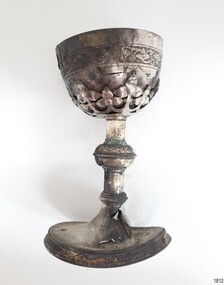 Flagstaff Hill Maritime Museum and Village
Ceremonial object - Chalice, 1855 or earlier
... Despite a protest meeting, two inquiries and the court proceedings, he was found not guilty and cleared of all charges. ...Despite a protest meeting, two inquiries and the court proceedings, he was found not guilty and cleared of all charges. ...In 1975, divers from Flagstaff Hill, found an ornate communion set used to celebrate the Eucharist or holy communion by a number of different Christian faiths was recovered from the wreck of the Schomberg. The set comprised a jug, two chalices, a plate and a lid. The lid did not fit any of the other objects and in 1978 a piece of the lid broke off, revealing a glint of gold. As museum staff carefully examined the lid and removed marine growth, they found a diamond ring, which is currently on display in the Great Circle Gallery at Flagstaff Hill. The collection of artefacts from the Schomberg also contains ship fittings and equipment, personal effects, a lithograph, tickets and a photograph from the Schomberg. Most of the artefacts were salvaged from the wreck by Peter Ronald a former director of Flagstaff Hill maritime museum. The Schomberg was a large three-masted full-ship rigged wooden ship built in 1855 by Alexander Hall and Co in Aberdeen, Scotland for James Baines' famous Black Ball Line at £43,103. The vessel was 288 feet (88 meters) in length, with a beam of 45 feet (14 meters), a depth of 29.5 feet (8.99 meters) of 2,284 tons. The mainmast was 210 feet (64 meters) high and she carried 3.3 acres of sail. The vessel was constructed with three skins. One planked fore and aft, and two diagonally planked, fastened together with screw-threaded trunnels (wooden rails). The Schomberg is one of only three clipper wrecks in Victorian waters that operated the England to Australia run. While the other two, Empress of the Sea and Lightning, were built by the famous American shipbuilder, Donald Mac Kay. Schomberg was an attempt to build a faster ship than Mac Kay and a vessel fast enough to break the sailing record to Australia. The Schomberg sailed on her maiden voyage from Liverpool on 6 October 1855, under the command of Captain James Forbes, on its maiden voyage to Australia with a general cargo, jewellery, spirits, machinery, and 2,000 tons of iron rails and equipment intended to build the Melbourne to Geelong Railway and a bridge over the Yarra from Melbourne to Hawthorn. She also carried a cow for fresh milk, pens for fowls and pigs, plus 90,000 gallons of water for washing and drinking. She also carried 17,000 letters and 31,800 newspapers. There were approximately 473 passengers and a crew of 105. It was hoped that Schomberg would make Melbourne in sixty days, setting a record for the voyage, but light winds at the equator dashed those expectations. The ship sighted Moonlight Head in south west Victoria on Christmas Day but through a deadly combination of wind, currents and unmarked sand spits, the vessel gently ran aground on 26 December 1855 on a spit that juts into Newfield Bay, just east of Curdies Inlet, and the present town of Peterborough. Fortunately, the SS Queen was nearby and managed to save all passengers and crew. The steamers Keera and Maitland were dispatched to salvage the passenger's baggage and the more valuable cargo. Other salvage attempts were made, but deteriorating weather made the work impossible, and within two weeks the Schomberg's hull was broken up and the vessel abandoned. The wrecking of the Schomberg caused quite the public stir particularly in light of the fact the vessel was supposed to be, the most perfect clipper ship ever built. Captain Forbes was charged in the Supreme Court under suspicion that he was playing cards with two female passengers below decks when his ship ran aground. Despite a protest meeting, two inquiries and the court proceedings, he was found not guilty and cleared of all charges. In 1975, divers from Flagstaff Hill, including Peter Ronald, found an ornate communion set at the wreck. The set comprised a jug, two chalices, a plate and a lid. The lid did not fit any of the other objects and in 1978 a piece of the lid broke off, revealing a glint of gold. As museum staff carefully examined the lid and removed marine growth, they found a diamond ring, which is currently on display in the Great Circle Gallery at the Flagstaff Hill Maritime museum that also displays ship fittings and equipment, personal effects. Most of the artefacts were salvaged from the wreck by Peter Ronald, former director of Flagstaff Hill.This chalice is significant as an example of an item in common use in the mid-19th century that is still in use today. The Schomberg has historical significance as one of the first luxurious ships built to bring emigrants to Australia to cash in on the gold rush era. And is included on the Victorian Heritage Register (VHR S612). The collection of Schomberg artefacts held at Flagstaff Hill Museum is primarily significant because of the relationship between these recovered items having a high potential to interpret the story of the Schomberg and its foundering during a storm. The shipwreck is of additional historical significance for representing aspects of Victoria’s shipping history and for its association with the first passenger ship, which was designed not only to be the fastest and most luxurious of its day but foundered on its maiden voyage to Australia.Chalice; electroplated silver metal over metal, possibly nickle. The chalice has a wide bowl with an outer layer of intricately cut metal on the underside and a ribbon-like border of grapes and grapevine leaves is etched around it. It is supported by a tall stem with a circular knob partway down its length, and the stem is attached to a round base that is hollow underneath. The decorative pattern around the perimeter of the base is repeated on the knob on the stem. The base also has a pattern of lines around the vertical edge. There is a white sticker attached to the underside of the base. Its inscription is undecipherable. The chalice is part of a Communion set that was recovered from the wreck of the Schomberg. White sticker attached to the base of the chaliceflagstaff hill, flagstaff hill maritime museum and village, warrnambool, maritime museum, maritime village, great ocean road, shipwreck coast, schomberg, 1855, clipper ship, james baines & co, black ball line, luxury ship, emigrant ship, captain forbes, bully forbes, ss queen, peterborough shipwreck, communion set, religious service, communion service, ceremonial service, mass, chalice -
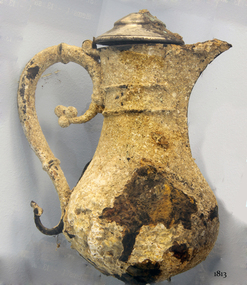 Flagstaff Hill Maritime Museum and Village
Ceremonial object - Cruet and lid, 1855 or earlier
... Despite a protest meeting, two inquiries and the court proceedings, he was found not guilty and cleared of all charges. ...Despite a protest meeting, two inquiries and the court proceedings, he was found not guilty and cleared of all charges. ...In 1975, divers from Flagstaff Hill, found an ornate communion set used to celebrate the Eucharist or holy communion by a number of different Christian faiths was recovered from the wreck of the Schomberg. The set comprised a cruet or jug, two chalices, a plate and a lid. The lid did not fit any of the other objects and in 1978 a piece of the lid broke off, revealing a glint of gold. As museum staff carefully examined the lid and removed marine growth, they found a diamond ring, which is currently on display in the Great Circle Gallery at Flagstaff Hill. The collection of artefacts from the Schomberg also contains ship fittings and equipment, personal effects, a lithograph, tickets and a photograph from the Schomberg. Most of the artefacts were salvaged from the wreck by Peter Ronald a former director of Flagstaff Hill maritime museum. The Schomberg was a large three-masted full-ship rigged wooden ship built in 1855 by Alexander Hall and Co in Aberdeen, Scotland for James Baines' famous Black Ball Line at £43,103. The vessel was 288 feet (88 meters) in length, with a beam of 45 feet (14 meters), a depth of 29.5 feet (8.99 meters) of 2,284 tons. The mainmast was 210 feet (64 meters) high and she carried 3.3 acres of sail. The vessel was constructed with three skins. One planked fore and aft, and two diagonally planked, fastened together with screw-threaded trunnels (wooden rails). The Schomberg is one of only three clipper wrecks in Victorian waters that operated the England-to-Australia run. While the other two, Empress of the Sea and Lightning, were built by the famous American shipbuilder, Donald Mac Kay. Schomberg was an attempt to build a faster ship than Mac Kay and a vessel fast enough to break the sailing record to Australia. The Schomberg sailed on her maiden voyage from Liverpool on 6 October 1855, under the command of Captain James Forbes, on its maiden voyage to Australia with general cargo, jewellery, spirits, machinery, and 2,000 tons of iron rails and equipment intended to build the Melbourne to Geelong Railway and a bridge over the Yarra from Melbourne to Hawthorn. She also carried a cow for fresh milk, pens for fowls and pigs, plus 90,000 gallons of water for washing and drinking. She also carried 17,000 letters and 31,800 newspapers. There were approximately 473 passengers and a crew of 105. It was hoped that Schomberg would make Melbourne in sixty days, setting a record for the voyage, but light winds at the equator dashed those expectations. The ship sighted Moonlight Head in southwest Victoria on Christmas Day but through a deadly combination of wind, currents and unmarked sand spits, the vessel gently ran aground on 26 December 1855 on a spit that juts into Newfield Bay, just east of Curdies Inlet, and the present town of Peterborough. Fortunately, the SS Queen was nearby and managed to save all passengers and crew. The steamers Keera and Maitland were dispatched to salvage the passenger's baggage and the more valuable cargo. Other salvage attempts were made, but deteriorating weather made the work impossible, and within two weeks the Schomberg's hull was broken up and the vessel abandoned. The wrecking of the Schomberg caused quite a public stir, particularly in light of the fact the vessel was supposed to be, the most perfect clipper ship ever built. Captain Forbes was charged in the Supreme Court under suspicion that he was playing cards with two female passengers below decks when his ship ran aground. Despite a protest meeting, two inquiries and the court proceedings, he was found not guilty and cleared of all charges. In 1975, divers from Flagstaff Hill, including Peter Ronald, found an ornate communion set at the wreck. The set comprised a jug, two chalices, a plate and a lid. The lid did not fit any of the other objects and in 1978 a piece of the lid broke off, revealing a glint of gold. As museum staff carefully examined the lid and removed marine growth, they found a diamond ring, which is currently on display in the Great Circle Gallery at the Flagstaff Hill Maritime Museum that also displays ship fittings and equipment, and personal effects. Most of the artefacts were salvaged from the wreck by Peter Ronald, former director of Flagstaff Hill.This object is significant as an example of an item in common use in the mid-19th century that is still in use today. The Schomberg has historical significance as one of the first luxurious ships built to bring emigrants to Australia to cash in on the gold rush era. And is included on the Victorian Heritage Register (VHR S612). The collection of Schomberg artefacts held at Flagstaff Hill Museum is primarily significant because of the relationship between these recovered items having a high potential to interpret the story of the Schomberg and its foundering during a storm. The shipwreck is of additional historical significance for representing aspects of Victoria’s shipping history and for its association with the first passenger ship, which was designed not only to be the fastest and most luxurious of its day but foundered on its maiden voyage to Australia.Cruet and lid; electroplated silver metal over metal, possibly nickle. The cruet has a wide bowl large handle .The round domed lid has a pattern around the border. The cruet and lid are part of a Communion set that was recovered from the wreck of the Schomberg.warrnambool, flagstaff-hill, flagstaff-hill-maritime-museum, shipwreck-coast, flagstaff-hill-maritime-village, schomberg, shipwrecked-artefact, clipper ship, black ball line, 1855 shipwreck, aberdeen clipper ship, captain forbes, peterborough shipwreck, ss queen, schomberg jug or cruet, jug or cruet, schomberg communion set, jug, cruet and lid, cruet, communion set, religious service, communion service, ceremonial service, mass -
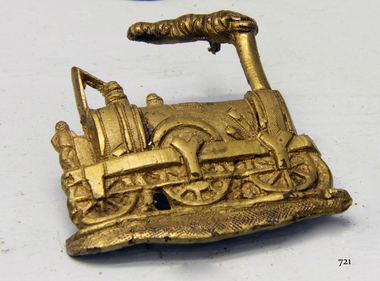 Flagstaff Hill Maritime Museum and Village
Accessory - Badge, Before 1855
... Despite a protest meeting, two inquiries, and the court proceedings, he was found not guilty and cleared of all charges. ...Despite a protest meeting, two inquiries, and the court proceedings, he was found not guilty and cleared of all charges. ...The badge recovered from the Schomberg wreck is believed to depict one of the first steam engines. The engine's design by Charles Tayleur & Co. was to be produced for the Great Western Railway in England. The first nineteen of these locomotives were ordered by Isambard Kingdom Brunel for the Great Western Railway including six 2-2-2 Charles Tayleur locomotives. They were built by Charles Tayleur and Company, which later the Vulcan Foundry. The locomotives were unsuccessful and were rapidly supplemented by the Star Class locomotives ordered by Daniel Gooch once he had been appointed as the Locomotive Engineer. As built, they comprised two groups of three, the first group, was delivered in 1837. This locomotive was the first to run on the Great Western Railway when it was tested on 28 December 1837 from its shed at West Drayton. It was withdrawn in 1843 but was rebuilt as a 2-2-2T tank locomotive and returned to service in 1846, running in this form until 1868. It survived for two more years at Reading as a stationary boiler. It is named after the workshops where it was built, which themselves were named after the Roman god of fire. (Although a supposition, it is possible that the owner was a passenger on the ill-fated Schomberg and that they worked either for the Great Western Railway or the Vulcan Foundry that made the engine in the 1830s.) Wreck of the Schomberg: Schomberg was a large three-masted full-ship rigged wooden ship built in 1855 by Alexander Hall and Co in Aberdeen, Scotland for James Baines' famous Black Ball Line at £43,103. The vessel was 288 feet (88 meters) in length, with a beam of 45 feet (14 meters), a depth of 29.5 feet (8.99 meters) of 2,284 tons. The mainmast was 210 feet (64 meters) high and she carried 3.3 acres of sail. The vessel was constructed with three skins. One planked fore and aft, and two diagonally planked, fastened together with screw-threaded trunnels (wooden rails). The Schomberg is one of only three clipper wrecks in Victorian waters that operated the England to Australia run. While the other two, Empress of the Sea and Lightning, were built by the famous American shipbuilder, Donald Mac Kay. Schomberg was an attempt to build a faster ship than Mac Kay and a vessel fast enough to break the sailing record to Australia. The Schomberg sailed on her maiden voyage from Liverpool on 6 October 1855, under the command of Captain James Forbes, on its maiden voyage to Australia with a general cargo, jewellery, spirits, machinery, and 2,000 tons of iron rails and equipment intended to build the Melbourne to Geelong Railway and a bridge over the Yarra from Melbourne to Hawthorn. She also carried a cow for fresh milk, pens for fowls and pigs, plus 90,000 gallons of water for washing and drinking. She also carried 17,000 letters and 31,800 newspapers. There were approximately 473 passengers and a crew of 105. It was hoped that Schomberg would make Melbourne in sixty days, setting a record for the voyage, but light winds at the equator dashed those expectations. The ship sighted Moonlight Head in southwest Victoria on Christmas Day but through a deadly combination of wind, currents, and unmarked sand spits, the vessel gently ran aground on 26 December 1855 on a spit that juts into Newfield Bay, just east of Curdies Inlet, and the present town of Peterborough. Fortunately, the SS Queen was nearby and managed to save all passengers and crew. The steamers Keera and Maitland were dispatched to salvage the passenger's baggage and the more valuable cargo. Other salvage attempts were made, but deteriorating weather made the work impossible, and within two weeks the Schomberg's hull was broken up and the vessel abandoned. The wrecking of the Schomberg caused quite a public stir, particularly in light of the fact the vessel was supposed to be, the most perfect clipper ship ever built. Captain Forbes was charged in the Supreme Court under suspicion that he was playing cards with two female passengers below decks when his ship ran aground. Despite a protest meeting, two inquiries, and the court proceedings, he was found not guilty and cleared of all charges. In 1975, divers from Flagstaff Hill, including Peter Ronald, found an ornate communion set at the wreck. The set comprised a jug, two chalices, a plate, and a lid. The lid did not fit any of the other objects and in 1978 a piece of the lid broke off, revealing a glint of gold. As museum staff carefully examined the lid and removed marine growth, they found a diamond ring, which is currently on display in the Great Circle Gallery at the Flagstaff Hill Maritime Museum that also displays ship fittings and equipment, and personal effects. Most of the artefacts were salvaged from the wreck by Peter Ronald, former director of Flagstaff Hill.The Schomberg has historical significance as one of the first luxurious ships built to bring emigrants to Australia to cash in on the gold rush era. And is included on the Victorian Heritage Register (VHR S612). The collection of Schomberg artefacts held at Flagstaff Hill Museum is primarily significant because of the relationship between these recovered items having a high potential to interpret the story of the Schomberg and its foundering during a storm. The shipwreck is of additional historical significance for representing aspects of Victoria’s shipping history and for its association with the first passenger ship, which was designed not only to be the fastest and most luxurious of its day but foundered on its maiden voyage to Australia.Gold coloured brass badge depicting an 1840's steam engine or locomotive with the figure of a fireman standing on the back. Smoke is coming from the smokestack. The reverse has three holes, possible where a mounting pin or fastener was attached. The badge was recovered from the wreck of the Schomberg.warrnambool, flagstaff-hill, flagstaff-hill-maritime-museum, shipwreck-coast, flagstaff-hill-maritime-village, schomberg, shipwrecked-artefact, clipper ship, black ball line, 1855 shipwreck, captain forbes, ss queen, badge, charles tayleur, great western railway, vulcan foundry, isambard kingdom brunel, locomoive, brooch -
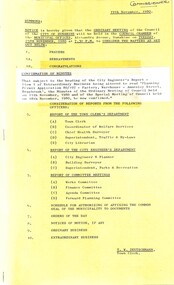 Sunshine and District Historical Society Incorporated
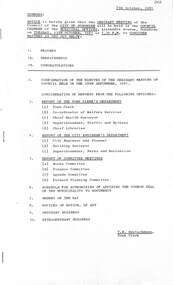
Administrative record - City of Sunshine - Commissioner Mr Alexander Alex George Gillon Collection 1976 - 1982 - Notice of ordinary meeting of the council 25th November 1980, City of Sunshine, 19th November 1980
... Notice of Ordinary Meeting of the Council 25th November 1980 Report of the Town Clerk's Department Report of the Town Clerk Bill to Amend Youth, Sport and Recreation Act Agreements with Municipalities and other Bodies Proposed Sale Discontinued Streets Rogers Street and Francis Street Maidstone North Ralph McKay Ltd & Maribyrnong Timber and Building Supplies Pty Ltd Proposed Variation Tip Agreement Commercial Waste City of South Melbourne Victorian Transport Study Objections by the City of Sandingham Acquisition of 22 Roberts Crescent Sunshine West for use as an Infant Welfare Centre Valuation Altona / Somerton Pipeline Additional Land Adjacent to Municipal Offices Extension Funding From the Community Arts Board of the Australian Council Swimming Instruction Report of the Co-Ordinator of Welfare Services Maribyrnong Senior Citizens' Club Randall Street Maribyrnong CYSS Request for Variation in Funding to Department of Employment & Youth Affairs Submissions to Reichstein Foundation Report of the Chief Health Inspector Report of the Inspector of Weights and Measures Headlice Lotion (New Type) Testing Programme Health Act Registrations Application for Transfer of Proprietorship of Premises Under the Health Act Prosecutions Proceedings Sunshine Magistrates Court Report of the Medical Officer of Health Report of the Superintendent Traffic & By-Laws Court Proceedings Sunshine Magistrates Court Proposed Procession Italian Festival Deer Park St. ...Albans Geelong Road Brookyln Stevenston Street Notice of Ordinary Meeting of the Council 25th November 1980 Report of the Town Clerk's Department Report of the Town Clerk Bill to Amend Youth, Sport and Recreation Act Agreements with Municipalities and other Bodies Proposed Sale Discontinued Streets Rogers Street and Francis Street Maidstone North Ralph McKay Ltd & Maribyrnong Timber and Building Supplies Pty Ltd Proposed Variation Tip Agreement Commercial Waste City of South Melbourne Victorian Transport Study Objections by the City of Sandingham Acquisition of 22 Roberts Crescent Sunshine West for use as an Infant Welfare Centre Valuation Altona / Somerton Pipeline Additional Land Adjacent to Municipal Offices Extension Funding From the Community Arts Board of the Australian Council Swimming Instruction Report of the Co-Ordinator of Welfare Services Maribyrnong Senior Citizens' Club Randall Street Maribyrnong CYSS Request for Variation in Funding to Department of Employment & Youth Affairs Submissions to Reichstein Foundation Report of the Chief Health Inspector Report of the Inspector of Weights and Measures Headlice Lotion (New Type) Testing Programme Health Act Registrations Application for Transfer of Proprietorship of Premises Under the Health Act Prosecutions Proceedings Sunshine Magistrates Court Report of the Medical Officer of Health Report of the Superintendent Traffic & By-Laws Court Proceedings Sunshine Magistrates Court Proposed Procession Italian Festival Deer Park St. ...Notice of Ordinary Meeting of the Council 25th November 1980 Report of the Town Clerk's Department Report of the Town Clerk Bill to Amend Youth, Sport and Recreation Act Agreements with Municipalities and other Bodies Proposed Sale Discontinued Streets Rogers Street and Francis Street Maidstone North Ralph McKay Ltd & Maribyrnong Timber and Building Supplies Pty Ltd Proposed Variation Tip Agreement Commercial Waste City of South Melbourne Victorian Transport Study Objections by the City of Sandingham Acquisition of 22 Roberts Crescent Sunshine West for use as an Infant Welfare Centre Valuation Altona / Somerton Pipeline Additional Land Adjacent to Municipal Offices Extension Funding From the Community Arts Board of the Australian Council Swimming Instruction Report of the Co-Ordinator of Welfare Services Maribyrnong Senior Citizens' Club Randall Street Maribyrnong CYSS Request for Variation in Funding to Department of Employment & Youth Affairs Submissions to Reichstein Foundation Report of the Chief Health Inspector Report of the Inspector of Weights and Measures Headlice Lotion (New Type) Testing Programme Health Act Registrations Application for Transfer of Proprietorship of Premises Under the Health Act Prosecutions Proceedings Sunshine Magistrates Court Report of the Medical Officer of Health Report of the Superintendent Traffic & By-Laws Court Proceedings Sunshine Magistrates Court Proposed Procession Italian Festival Deer Park St. Andrews Day Celebrations St. Andrews Church St. Andrews Street Sunshine West Report of the City Librarian Extension to the Central Library Automation of the Circulation System Report of the City Engineer & Planner Billingham Road Bridge over Kororoit Creek Albanvale Residents Association Need for Sporting and Community Facilities Sunshine Marching Girls Hall Kinder Smith Reserve Lily Street Braybrook Planning Permit Fees Planning Permit Application Factory and Office Lot 28 Carrington Drive Albion Amendment No 140 to the Melbourne Metropolitan Planning Scheme Rezoning Application South East Corner of Fitzgerald Road and Boundary Road Laverton North Protean Holdings Rezoning Application Lots 9, 11, 13, 15, 17, 19 & 20 58 Withers Street Sunshine Planning Permit Shop Alterations 267 Hampshire Road Sunshine Planning Permit Application Three Flats lot 24 Middle Road Maribyrnong Consolidation of Title Hampshire Road Sunshine Excision of Easement 492 Ballarat Road and Jones Creek Ardeer Main Drain Policy M.M.B.W. Easement Lot 23 Disraeli Street St. Albans Annual Supply Contract Supply of Concrete Report of the Building Surveyor Underground Tanks Lot 3 Geelong Road Brookyln Building Over Easement Lot 391 Stevenston Street Deer Park Orders of the Day Accounts for Payment as at 15th November 1980 Schedule for Authorising of Affixing the Comon Seal of the Municipality to Documentsrogers street, francis street, maidstone, roberts crescent, ralph mckay, maribyrnong timber and building supplies, sunshine west, roberts crescent infant welfare centre, maribyrnong senior citizens' club, randall street, maribyrnong, st. andrews church, st. andrews street, billingham road bridge, kororoit creek, deer park, albanvale residents association, sunshine marching girls, kinder smith reserve, lily street, braybrook, carrington drive, albion, fitzgerald road, boundary road, laverton north, protean holdings, withers street, sunshine, hampshire road, middle road, ballarat road, jones creek, ardeer, disraeli street, st. albans, geelong road, brookyln, stevenston street -
 Sunshine and District Historical Society Incorporated
Administrative record - City of Sunshine - Commissioner Mr Alexander Alex George Gillon Collection 1976 - 1982 - Notice of ordinary meeting of the council 13th October 2026, City of Sunshine, 7th October 1981
... Albans Formal Allotment of Street Numbers Municipality Grid Map Ref F0 6, F0 7, HO 1 & HO 4 Formal Allotment of Street Numbers Municipality Grid Map Ref KO 2 Municipal Rates Housing Commission Holiday Programmes August / September 1981 On costs Education Department Land Grazing Licence Termination Furlong Road Albion North Report of the Co-Ordinator of Welfare Services Community Bus One Day Music Workshop at Maidstone Hall Community Youth Support Scheme Reinstatement of Federal Funding Report of the Chief Health Surveyor Health Act Registrations Application for Transfer of Premises Under the Health Act Prosecution Proceedings Sunshine Magistrates Court Report of the Medical Officer of Health Report of the Superintendent Traffic & By-Laws Dog Act Landing of Helicopter Highpoint West Shopping Centre Fire Hazards Notice of Removal Fire Hazards Removal Tenders Season 1981/82 Snake Eradication Court Proceedings Parking, Traffic & Dog Infringements Report of the City Librarian Automation of the Circulating System Report of the Project Officer Rainbow Workshop Arts and Crafts Student's Exhibition Pottery Glazing Workshops by the Craft Council of Victoria Weaving Demonstration and Slide Night by Mrs. ...Albans Formal Allotment of Street Numbers Municipality Grid Map Ref F0 6, F0 7, HO 1 & HO 4 Formal Allotment of Street Numbers Municipality Grid Map Ref KO 2 Municipal Rates Housing Commission Holiday Programmes August / September 1981 On costs Education Department Land Grazing Licence Termination Furlong Road Albion North Report of the Co-Ordinator of Welfare Services Community Bus One Day Music Workshop at Maidstone Hall Community Youth Support Scheme Reinstatement of Federal Funding Report of the Chief Health Surveyor Health Act Registrations Application for Transfer of Premises Under the Health Act Prosecution Proceedings Sunshine Magistrates Court Report of the Medical Officer of Health Report of the Superintendent Traffic & By-Laws Dog Act Landing of Helicopter Highpoint West Shopping Centre Fire Hazards Notice of Removal Fire Hazards Removal Tenders Season 1981/82 Snake Eradication Court Proceedings Parking, Traffic & Dog Infringements Report of the City Librarian Automation of the Circulating System Report of the Project Officer Rainbow Workshop Arts and Crafts Student's Exhibition Pottery Glazing Workshops by the Craft Council of Victoria Weaving Demonstration and Slide Night by Mrs. ...Notice of Ordinary Meeting of the Council 13th October 2026 Report of the Town Clerk's Department Report of the Town Clerk Lease Sunshine YCW Football Club Kinder Smith Reserve Braybrook Tenders Sunshine Swimming Pool Kiosk Land Titles Percy Street and Beaver Street St. Albans Formal Allotment of Street Numbers Municipality Grid Map Ref F0 6, F0 7, HO 1 & HO 4 Formal Allotment of Street Numbers Municipality Grid Map Ref KO 2 Municipal Rates Housing Commission Holiday Programmes August / September 1981 On costs Education Department Land Grazing Licence Termination Furlong Road Albion North Report of the Co-Ordinator of Welfare Services Community Bus One Day Music Workshop at Maidstone Hall Community Youth Support Scheme Reinstatement of Federal Funding Report of the Chief Health Surveyor Health Act Registrations Application for Transfer of Premises Under the Health Act Prosecution Proceedings Sunshine Magistrates Court Report of the Medical Officer of Health Report of the Superintendent Traffic & By-Laws Dog Act Landing of Helicopter Highpoint West Shopping Centre Fire Hazards Notice of Removal Fire Hazards Removal Tenders Season 1981/82 Snake Eradication Court Proceedings Parking, Traffic & Dog Infringements Report of the City Librarian Automation of the Circulating System Report of the Project Officer Rainbow Workshop Arts and Crafts Student's Exhibition Pottery Glazing Workshops by the Craft Council of Victoria Weaving Demonstration and Slide Night by Mrs. Lily Duks Highpoint West Library Report of the City Engineer & Planner Melbourne Metropolitan Planning Scheme Amendments Planning Permit Application Bulk Handling Storage Terminal Lot 2 Kalingra Road Tottenham Planning Permit Application Retirement Village Lot 7 - 16 Trinacria Court Deer Park Planning Permit Application Signs 390 Ballarat Road North West Corner Alford Street Sunshine North Planning Permit Application Signs Main Road West South East Corner Station Road St. Albans Delegated Matters Melbourne & Metropolitan Tramways Board New Passenger Shelter South Road South Side Opposite Melton Street Braybrook Keith Street Maidstone No standing Anytime Signs Extruded Metals West Gate Bridge Direction Signing Western Approaches Braybrook Youth Centre Building Subsided Report of the Building Surveyor Building Over Easement 21 Skipton Street St. Albans Building Over Easement 8 Currajong Street St. Albans Schedule for Authorising of Affixing the Common Seal of the Municipality to Documents Orders of the Day Proposal to Close Part of Burnside Street North of Harrison Street Deer Park Under the Provisions of Section 528 of the Local Government Act 1958 Notices of Motion Motion No 1029 Rates Motion No 1030 Sanitary Motion No 1031 Valuationsunshine swimming pool, kennedy street, sunshine, ycw football club, kinder smith reserve, lily street, braybrook, furlong road, sunshine north, percy street, beaver street, st. albans, maidstone hall, thomson street, maidstone, highpoint west shopping centre, rosamond road, maribyrnong, highpoint west library, kalingra road, tottenham, trinacria court, deer park, ballarat road, alford street, main road west, station road, south road, melton street, keith street, extruded metals, west gate bridge, skipton street, currajong street, burnside street, harrison street -
 Sunshine and District Historical Society Incorporated
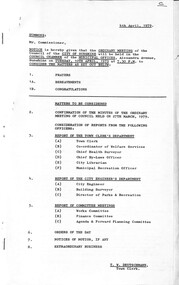
Administrative record - City of Sunshine - Commissioner Mr Alexander Alex George Gillon Collection 1976 - 1982 - Notice of ordinary meeting of the council 10th April 1979, City of Sunshine, 4th April 1979
... Court Proceedings Parking Infringements Report of the City Librarian Special Projects Grant 1977/78 Report of the Municipal Recreation Officer Allocation of Reserves Schools Winter Season Report of the City Engineer & Planner Regional Shopping Centres Government Review Planning Permit Application Amusement Machines 8 King Street Braybrook Planning Permit Application Warehouse Lots 37 & 38 Balfour Avenue Sunshine North Planning Permit Application Motor Workshop McIntyre Road South East Corner of Whitehill Avenue Sunshine North Planning Permit Application Factory Lots 52 & 53 Judge Street Sunshine Planning Permit Application Factory or Workshop Extension 19 Evans Street Braybrook Planning Permit Application Brick Veneer Residence Lot 18 Robinsons Road Deer Park Planning Permit Application Fitness Centre Hook Street and Vule Street St. ...Court Proceedings Parking Infringements Report of the City Librarian Special Projects Grant 1977/78 Report of the Municipal Recreation Officer Allocation of Reserves Schools Winter Season Report of the City Engineer & Planner Regional Shopping Centres Government Review Planning Permit Application Amusement Machines 8 King Street Braybrook Planning Permit Application Warehouse Lots 37 & 38 Balfour Avenue Sunshine North Planning Permit Application Motor Workshop McIntyre Road South East Corner of Whitehill Avenue Sunshine North Planning Permit Application Factory Lots 52 & 53 Judge Street Sunshine Planning Permit Application Factory or Workshop Extension 19 Evans Street Braybrook Planning Permit Application Brick Veneer Residence Lot 18 Robinsons Road Deer Park Planning Permit Application Fitness Centre Hook Street and Vule Street St. ...Notice of Ordinary Meeting of the Council 10th April 1979 Report of the Town Clerk's Department Report of the Town Clerk Purchase of Victorian Manufactured Goods Land Transfer Discontinued Street Arvona Avenue Sunshine North Report of the Co-Ordinator of Welfare Services Western Region Child Care & Family Services Committee Community Directory Youth Work Development Programme Report of the Chief Health Surveyor Application for Transfer of Proprietorship of Premises under the Health act Health Act Registrations Prosecution Proceedings Sunshine Magistrates Court Use of Infant Welfare Centre Roberts Crescent Sunshine West by Air Force Wives Group Report of the Chief By-Laws Officer Australian Posters Seat Agreement (Supply & Placement of Seats within the City of Sunshine at no cost to Council). Court Proceedings Parking Infringements Report of the City Librarian Special Projects Grant 1977/78 Report of the Municipal Recreation Officer Allocation of Reserves Schools Winter Season Report of the City Engineer & Planner Regional Shopping Centres Government Review Planning Permit Application Amusement Machines 8 King Street Braybrook Planning Permit Application Warehouse Lots 37 & 38 Balfour Avenue Sunshine North Planning Permit Application Motor Workshop McIntyre Road South East Corner of Whitehill Avenue Sunshine North Planning Permit Application Factory Lots 52 & 53 Judge Street Sunshine Planning Permit Application Factory or Workshop Extension 19 Evans Street Braybrook Planning Permit Application Brick Veneer Residence Lot 18 Robinsons Road Deer Park Planning Permit Application Fitness Centre Hook Street and Vule Street St. Albans Planning Permit Application Additional Villa Unit Lot 9 Mernda Street Sunshine West Home Occupations 3 Phase Power Connection 237A Main Road West St. Albans Plan of Subdivision Entally Drive Albanvale Plan of Consolidation Lots 327 & 328 Aycliffe Drive Deer Park Transport Regulation Board Survey Bus Shelter Facilities Greater Melbourne Area Results Council Depot Working Conditions and Improvements Wright Street Bridge by Country Road Board Footpath (New) Corner Hampshire Road and Ballarat Road Gary & Warren Smith (Sunshine) Pty Ltd Muncipal Sunshine Tip Asbestos Dumping James Hardie & Co Pty Ltd Half Cost Fencing 22 Kynoch Street Deer Park backing onto Sassella Park Sunshine Indoor Pool Security Lighting Report of Building Surveyor Building Over Easement 5 Banksia Street St. Albans Building Over Easement 58 Whitesides Avenue Sunshine West Verandah over Street Corner Hampshire Road and Derby Road Sunshine Siting of Building 22 Cleveland Street St. Albans Fence 14 Belvedere Close Maribyrnong Building on Flood Prone Land Lot 6 Scenic Place Maribyrnongarvona avenue, sunshine north, roberts crescent, sunshine west, air force wives group, king street, braybrook, balfour avenue, mcintyre road, whitehill avenue, judge street, sunshine, evans street, robinsons road, deer park, hook street, vule street, st. albans, mernda street, main road west, entally drive, albanvale, aycliffe drive, wright street bridge, wright street, hampshire road, ballarat road, gary & warren smith, sunshine tip, kynoch street, sassella park, station road, sunshine indoor pool, banksia street, whitesides avenue, derby road, cleveland street, belvedere close, scenic place, maribyrnong, james hardie & co -
 Sunshine and District Historical Society Incorporated
Administrative record - City of Sunshine - Commissioner Mr Alexander Alex George Gillon Collection 1976 - 1982 - Minutes of the ordinary meeting of council held on 2nd September 1980, City of Sunshine, 2nd September 1980
... Outreach Project Sunshine Report of the Chief Health Surveyor Cancer Register Conservation of Energy Headlice Visits to Local Schools Health Act Registrations Southwold Street Infant Welfare Centre Report of Medical Officer of Health Report of the Superintendent of Traffic & By-Laws Dog Act Removal of Fire Hazards 1980/81 Sunshine Commonwealth Offices No U Turns resolution Hampshire Road Sunshine Court Proceedings Parking & Traffic Infringements Parking Infringements Yearly Review Swimming Centre By-Law No 129 Report of the City Engineer & Planner Planning Permit Fruit and Vegetable Wholesale & Retail Premise North East Corner of Mitchell Street and Hampstead Road Maidstone Town Planning Enforcement Planning Permit Nine Falts Hendry Street Sunshine West Planning Permit Extension to Existing Office and Amenities Block Serving Liquid Fuel Depot Duke Street Planning Permit Application Internally Illuminated Sign Corner Station Road and Neale Road Deer Park Planning Permit Application Sings Corner Geelong Road and Francis Street Brookyln Planning Permit Application Shops and Offices Alterations & Extensions Hampshire Road Sunshine Construction Works Grant Street and Gladstone Street St. ...Outreach Project Sunshine Report of the Chief Health Surveyor Cancer Register Conservation of Energy Headlice Visits to Local Schools Health Act Registrations Southwold Street Infant Welfare Centre Report of Medical Officer of Health Report of the Superintendent of Traffic & By-Laws Dog Act Removal of Fire Hazards 1980/81 Sunshine Commonwealth Offices No U Turns resolution Hampshire Road Sunshine Court Proceedings Parking & Traffic Infringements Parking Infringements Yearly Review Swimming Centre By-Law No 129 Report of the City Engineer & Planner Planning Permit Fruit and Vegetable Wholesale & Retail Premise North East Corner of Mitchell Street and Hampstead Road Maidstone Town Planning Enforcement Planning Permit Nine Falts Hendry Street Sunshine West Planning Permit Extension to Existing Office and Amenities Block Serving Liquid Fuel Depot Duke Street Planning Permit Application Internally Illuminated Sign Corner Station Road and Neale Road Deer Park Planning Permit Application Sings Corner Geelong Road and Francis Street Brookyln Planning Permit Application Shops and Offices Alterations & Extensions Hampshire Road Sunshine Construction Works Grant Street and Gladstone Street St. ...Minutes of the Ordinary Meeting of Council held on 2nd September 1980 Report of the Town Clerk's Department Report of the Town Clerk Council Charges Swimming Pool Insurances Formal Allotment of Street Number Municipality Grid Map Ref K08 Private Street Accounts Report of the Co-Ordinator of Welfare Services Link-Up Request for Assistance Sunshine High School Submission for Community Education Officer Western Metropolitan Region Transition Education Advisory Committee Community Unemployed Newspaper Project Orama Street Child Care Centre Home Handyman Volunteer Youth Resource Group Youth Leaders' Training Weekend Y.M.C.A. Outreach Project Sunshine Report of the Chief Health Surveyor Cancer Register Conservation of Energy Headlice Visits to Local Schools Health Act Registrations Southwold Street Infant Welfare Centre Report of Medical Officer of Health Report of the Superintendent of Traffic & By-Laws Dog Act Removal of Fire Hazards 1980/81 Sunshine Commonwealth Offices No U Turns resolution Hampshire Road Sunshine Court Proceedings Parking & Traffic Infringements Parking Infringements Yearly Review Swimming Centre By-Law No 129 Report of the City Engineer & Planner Planning Permit Fruit and Vegetable Wholesale & Retail Premise North East Corner of Mitchell Street and Hampstead Road Maidstone Town Planning Enforcement Planning Permit Nine Falts Hendry Street Sunshine West Planning Permit Extension to Existing Office and Amenities Block Serving Liquid Fuel Depot Duke Street Planning Permit Application Internally Illuminated Sign Corner Station Road and Neale Road Deer Park Planning Permit Application Sings Corner Geelong Road and Francis Street Brookyln Planning Permit Application Shops and Offices Alterations & Extensions Hampshire Road Sunshine Construction Works Grant Street and Gladstone Street St. Albans Plan of Subdivision Richards Street and Mitchell Street Maidstone Plan of Subdivision South Road, Turner Crescent and Kent Street Braybrook The Victoria Railways Board Additional Transport Vehicle for Welfare Staff Omar Street Maidstone Closure Prohibited Parking Ballarat Road Albion Proposed School Crossing Glengala Road West of Allison Street Sunshine West Prohibited Parking Barclay Street Albion Humes Land Report of the Building Surveyor Station Road Deer Park Lots 13 & 14 Francis Street Braybrook Height of Fencing Lots 31 to 35 Monash Street Sunshine Building on Land Below Minimum Requirements 29 Hampshire Road Sunshine Location of Building Lot 76 Beech Court Sunshine West Report of the Superintendent of Parks & Recreation Schedule for Authorising of Affixing the Common Seal of the Municipality to Documents Orders of the Day Accounts for Payment as at 31st August 1980 Confirmation of Making By-Law No 129 Swimming Centres Extraordinary Business Report of the City Engineer & Planner Five Flats Station Road Deer Park Report of the Building Surveyor Location of Building 35 Cooke Avenue Sunshine North Dangerous Building 12 - 14 Drummartin Street Albionsunshine high school, ballarat road, sunshine north, orama street, deer park, orama street child care centre, southwold street infant welfare centre, southwold street, st. albans, hampshire road, sunshine, mitchell street, hampstead road, maidstone, hendry street, sunshine west, duke street, station road, neale road, geelong road, francis street, brookyln, grant street, gladstone street, richards street, south road, turner crescent, kent street, braybrook, omar street, albion, glengala road, allison street, barclay street, monash street, beech court, cooke avenue, drummartin street -
 Sunshine and District Historical Society Incorporated
Administrative record - City of Sunshine - Commissioner Mr Alexander Alex George Gillon Collection 1976 - 1982 - Minutes Of Ordinary Meeting 23rd November 1976, City of Sunshine, 23rd November 1976
... Minutes Of Ordinary Meeting 23rd November 1976 Report of the Town Clerk Subsidy for proposed indoor heated swimming pool Construction of Neale Road Maribyrnong R.S.L. lease Hall committees' annual statements of receipts Report of the Chief Health Inspector Garbage Collection By-Law and Garbage Usage Report of the By-Laws Officer Court Proceedings Parking Infringements Dog Act Dogs' Home Agreement Report of the City Engineer Deposits Held On Tenders Disposal of Surplus Equipment Reduction of Bank Guarantee Furlong Road Estate Stage 7 Reduction of Bank Guarantee Neale Road Estate Application for Funds Country Roads Board Annual Supply Contract Supply of Concrete McIntyre Road Bridge New Road Surface Plan of Subdivision Gould Street and Station Road Plan of Subdivision Station Road Plan of Subdivision Gould Street Plan of Subdivision Gould Street and Melissa Court Plan of Subdivision Neale Road and Robinsons Road Construction of Neale Road Boundary Road Culvert East of Robinsons Road Consolidation of Title McIntyre Road and Cromer Avenue Strata Subdivision 127 Anderson Road Part Private Street Scheme North Sunshine Strata Subdivision 74 - 76 Anderson Road Surfacing Paramount Road Tottenham Strata Subdivision 18 Belvedere Close Report of the Cheif Planner Load Limit Stradbroke Drive Between Mulhall Drive and Novara Parade Load Limit Sydney Street Load Limit Adelaide Street Load Limit King Edward Avenue Timber Stress Grading Course Land Use Permit Subdivision and Detached House Neale Road Fencing Lot 19 Meadowbank Drive Land Use Permit Application Signs St. ...Albans Road Anley Court Sunshine West Armstrong Street Browne Avenue Ballarat Road Daley Street Metherall Street Deer Park Kindergarten West Avenue Maida Avenue Perth Avenue Darnley Street Cargo Newpack Industries Victoria Drive Holmwood Road Brooklyn Hampshire Road Wright Street Emu Road Clyde Street Maribyrnong High School Minutes Of Ordinary Meeting 23rd November 1976 Report of the Town Clerk Subsidy for proposed indoor heated swimming pool Construction of Neale Road Maribyrnong R.S.L. lease Hall committees' annual statements of receipts Report of the Chief Health Inspector Garbage Collection By-Law and Garbage Usage Report of the By-Laws Officer Court Proceedings Parking Infringements Dog Act Dogs' Home Agreement Report of the City Engineer Deposits Held On Tenders Disposal of Surplus Equipment Reduction of Bank Guarantee Furlong Road Estate Stage 7 Reduction of Bank Guarantee Neale Road Estate Application for Funds Country Roads Board Annual Supply Contract Supply of Concrete McIntyre Road Bridge New Road Surface Plan of Subdivision Gould Street and Station Road Plan of Subdivision Station Road Plan of Subdivision Gould Street Plan of Subdivision Gould Street and Melissa Court Plan of Subdivision Neale Road and Robinsons Road Construction of Neale Road Boundary Road Culvert East of Robinsons Road Consolidation of Title McIntyre Road and Cromer Avenue Strata Subdivision 127 Anderson Road Part Private Street Scheme North Sunshine Strata Subdivision 74 - 76 Anderson Road Surfacing Paramount Road Tottenham Strata Subdivision 18 Belvedere Close Report of the Cheif Planner Load Limit Stradbroke Drive Between Mulhall Drive and Novara Parade Load Limit Sydney Street Load Limit Adelaide Street Load Limit King Edward Avenue Timber Stress Grading Course Land Use Permit Subdivision and Detached House Neale Road Fencing Lot 19 Meadowbank Drive Land Use Permit Application Signs St. ...Minutes Of Ordinary Meeting 23rd November 1976 Report of the Town Clerk Subsidy for proposed indoor heated swimming pool Construction of Neale Road Maribyrnong R.S.L. lease Hall committees' annual statements of receipts Report of the Chief Health Inspector Garbage Collection By-Law and Garbage Usage Report of the By-Laws Officer Court Proceedings Parking Infringements Dog Act Dogs' Home Agreement Report of the City Engineer Deposits Held On Tenders Disposal of Surplus Equipment Reduction of Bank Guarantee Furlong Road Estate Stage 7 Reduction of Bank Guarantee Neale Road Estate Application for Funds Country Roads Board Annual Supply Contract Supply of Concrete McIntyre Road Bridge New Road Surface Plan of Subdivision Gould Street and Station Road Plan of Subdivision Station Road Plan of Subdivision Gould Street Plan of Subdivision Gould Street and Melissa Court Plan of Subdivision Neale Road and Robinsons Road Construction of Neale Road Boundary Road Culvert East of Robinsons Road Consolidation of Title McIntyre Road and Cromer Avenue Strata Subdivision 127 Anderson Road Part Private Street Scheme North Sunshine Strata Subdivision 74 - 76 Anderson Road Surfacing Paramount Road Tottenham Strata Subdivision 18 Belvedere Close Report of the Cheif Planner Load Limit Stradbroke Drive Between Mulhall Drive and Novara Parade Load Limit Sydney Street Load Limit Adelaide Street Load Limit King Edward Avenue Timber Stress Grading Course Land Use Permit Subdivision and Detached House Neale Road Fencing Lot 19 Meadowbank Drive Land Use Permit Application Signs St. Albans Road & Furlong Road Outbuilding 6 Anley Court Outbuilding 70 Armstrong Street Land Use Permit Application Service Premises & Dwelling Browne Avenue Sunshine North Land Use Permit Application Car Sales Yard Ballarat Road Outbuilding 9 Daley Street Sunshine West Land Use Permit Application Subdivision and Detached House Neale Road Land Use Permit Application Agriculture Metherall Street Sunshine North Fairbairn Road Kindergarten Demolition of Existing Building Kindergarten Station Road Deer Park Land Use Permit Application Store West Avenue Land Use Permit Application Factory for Joinery Construction Maida Avenue Land Use Permit Application Cromer Avenue Land Use Permit Application Medical Practice Anderson Road Land Use Permit Application Amusement Parlour Perth Avenue Land Use Permit Application Home for the Frail Aged Darnley Street Proposed Heated Pool Sunshine Land Use Permit Application Fuel Tanks Underground Cargo Newpack Industries Lot 1 Victoria Drive (Off Somerville Road) Land Use Permit Application Factory Holmwood Road Undersized Allotment Hampshire Road Land Use Permit Application Illuminated Sign 77 Wright Street Land Use Permit Application Warehouse Emu Road Land Use Permit Application Light Induistry Emu Road Land Use Permit Application Flats Clyde Street Maribyrnong High School Orders of the Day Accounts Submitted for Payment city of sunshine, alexander "alex" george gillon, neale road, deer park, maribyrnong r.s.l., furlong road, sunshine north, mcintyre road, gould street, station road, melissa court, robinsons road, cromer avenue, anderson road, sunshine, paramount road, tottenham, belvedere close, maribyrnong, mulhall drive, novara parade, st. albans, sydney street, adelaide street, king edward avenue, albion, meadowbank drive, st. albans road, anley court, sunshine west, armstrong street, browne avenue, ballarat road, daley street, metherall street, deer park kindergarten, west avenue, maida avenue, perth avenue, darnley street, cargo newpack industries, victoria drive, holmwood road, brooklyn, hampshire road, wright street, emu road, clyde street, maribyrnong high school -
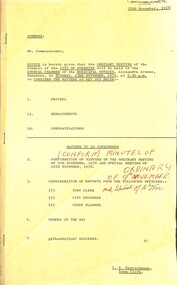 Sunshine and District Historical Society Incorporated
Administrative record - City of Sunshine - Commissioner Mr Alexander Alex George Gillon Collection 1976 - 1982 - Notice of Ordinary Meeting 23rd November 1976, City of Sunshine, 19th November 1976
... Albans Tennis Pavilion Report of the By-Laws Officer Court Proceedings Parking Infringements Dog Act Dogs' Home Agreement Report of the City Engineer Deposits Held On Tenders Disposal of Surplus Equipment Reduction of Bank Guarantee Furlong Road Estate Stage 7 Reduction of Bank Guarantee Neale Road Estate Application for Funds Country Roads Board Annual Supply Contract Supply of Concrete McIntyre Road Bridge New Road Surface Plan of Subdivision Gould Street and Station Road Plan of Subdivision Station Road Plan of Subdivision Gould Street Plan of Subdivision Gould Street and Melissa Court Plan of Subdivision Neale Road and Robinsons Road Construction of Neale Road Boundary Road Culvert East of Robinsons Road Consolidation of Title McIntyre Road and Cromer Avenue Strata Subdivision 127 Anderson Road Part Private Street Scheme North Sunshine Strata Subdivision 74 - 76 Anderson Road Surfacing Paramount Road Tottenham Strata Subdivision 18 Belvedere Close Report of the Cheif Planner Load Limit Stradbroke Drive Between Mulhall Drive and Novara Parade Load Limit Sydney Street Load Limit Adelaide Street Load Limit King Edward Avenue Timber Stress Grading Course Design Construction Schedule Land Use Permit Subdivision and Detached House Neale Road Fencing Lot 19 Meadowbank Drive Land Use Permit Application Signs St. ...Albans Tennis Pavilion Report of the By-Laws Officer Court Proceedings Parking Infringements Dog Act Dogs' Home Agreement Report of the City Engineer Deposits Held On Tenders Disposal of Surplus Equipment Reduction of Bank Guarantee Furlong Road Estate Stage 7 Reduction of Bank Guarantee Neale Road Estate Application for Funds Country Roads Board Annual Supply Contract Supply of Concrete McIntyre Road Bridge New Road Surface Plan of Subdivision Gould Street and Station Road Plan of Subdivision Station Road Plan of Subdivision Gould Street Plan of Subdivision Gould Street and Melissa Court Plan of Subdivision Neale Road and Robinsons Road Construction of Neale Road Boundary Road Culvert East of Robinsons Road Consolidation of Title McIntyre Road and Cromer Avenue Strata Subdivision 127 Anderson Road Part Private Street Scheme North Sunshine Strata Subdivision 74 - 76 Anderson Road Surfacing Paramount Road Tottenham Strata Subdivision 18 Belvedere Close Report of the Cheif Planner Load Limit Stradbroke Drive Between Mulhall Drive and Novara Parade Load Limit Sydney Street Load Limit Adelaide Street Load Limit King Edward Avenue Timber Stress Grading Course Design Construction Schedule Land Use Permit Subdivision and Detached House Neale Road Fencing Lot 19 Meadowbank Drive Land Use Permit Application Signs St. ...Notice of Ordinary Meeting 23rd November 1976 Report of the Town Clerk Subsidy for proposed indoor heated swimming pool Appointment of Auditor and Audit Fees Construction of Neale Road Maribyrnong R.S.L. lease Appointment of Various Organisations Hall committees' Annual Statements of Receipts Revaluation 1st October 1976 Report of the Chief Health Inspector Garbage Collection By-Law and Garbage Usage Immunisation at St. Albans Tennis Pavilion Report of the By-Laws Officer Court Proceedings Parking Infringements Dog Act Dogs' Home Agreement Report of the City Engineer Deposits Held On Tenders Disposal of Surplus Equipment Reduction of Bank Guarantee Furlong Road Estate Stage 7 Reduction of Bank Guarantee Neale Road Estate Application for Funds Country Roads Board Annual Supply Contract Supply of Concrete McIntyre Road Bridge New Road Surface Plan of Subdivision Gould Street and Station Road Plan of Subdivision Station Road Plan of Subdivision Gould Street Plan of Subdivision Gould Street and Melissa Court Plan of Subdivision Neale Road and Robinsons Road Construction of Neale Road Boundary Road Culvert East of Robinsons Road Consolidation of Title McIntyre Road and Cromer Avenue Strata Subdivision 127 Anderson Road Part Private Street Scheme North Sunshine Strata Subdivision 74 - 76 Anderson Road Surfacing Paramount Road Tottenham Strata Subdivision 18 Belvedere Close Report of the Cheif Planner Load Limit Stradbroke Drive Between Mulhall Drive and Novara Parade Load Limit Sydney Street Load Limit Adelaide Street Load Limit King Edward Avenue Timber Stress Grading Course Design Construction Schedule Land Use Permit Subdivision and Detached House Neale Road Fencing Lot 19 Meadowbank Drive Land Use Permit Application Signs St. Albans Road & Furlong Road Outbuilding 6 Anley Court Outbuilding 70 Armstrong Street Land Use Permit Application Service Premises & Dwelling Browne Avenue Sunshine North Land Use Permit Application Car Sales Yard Ballarat Road Outbuilding 9 Daley Street Sunshine West Land Use Permit Application Subdivision and Detached House Neale Road Land Use Permit Application Agriculture Metherall Street Sunshine North Fairbairn Road Kindergarten Demolition of Existing Building Kindergarten Station Road Deer Park Land Use Permit Application Store West Avenue Land Use Permit Application Factory for Joinery Construction Maida Avenue Land Use Permit Application Cromer Avenue Land Use Permit Application Medical Practice Anderson Road Land Use Permit Application Amusement Parlour Perth Avenue Land Use Permit Application Home for the Frail Aged Darnley Street Proposed Heated Pool Sunshine Land Use Permit Application Fuel Tanks Underground Cargo Newpack Industries Lot 1 Victoria Drive (Off Somerville Road) Land Use Permit Application Factory Holmwood Road Undersized Allotment Hampshire Road Land Use Permit Application Illuminated Sign 77 Wright Street Land Use Permit Application Warehouse Emu Road Land Use Permit Application Light Induistry Emu Road Land Use Permit Application Flats Clyde Street Maribyrnong High School city of sunshine, alexander "alex" george gillon, neale road, deer park, maribyrnong r.s.l., furlong road, sunshine north, mcintyre road, gould street, station road, melissa court, robinsons road, cromer avenue, anderson road, sunshine, paramount road, tottenham, belverdere close, maribyrnong, mulhall drive, novara parade, st. albans, syndey street, adelaide street, king edward avenue, albion, meadowbank drive, st. albans road, anley court, sunshine west, armstrong street, browne avenue, ballarat road, daley street, metherall street, deer park kindergarten, west avenue, maida avenue, perth avenue, darnley street, cargo newpack industries, vicitoria drive, holmwood road, brooklyn, hampshire road, wright street, emu road, clyde street, maribyrnong high school -
 Sunshine and District Historical Society Incorporated
Administrative record - City of Sunshine - Commissioner Mr Alexander Alex George Gillon Collection 1976 - 1982 - Minutes of the ordinary meeting of council held on 10th April 1979, City of Sunshine, 10th April 1979
... Court Proceedings Parking Infringements Report of the City Librarian Special Projects Grant 1977/78 Report of the Municipal Recreation Officer Allocation of Reserves Schools Winter Season Report of the City Engineer & Planner Regional Shopping Centres Government Review Planning Permit Application Amusement Machines 8 King Street Braybrook Planning Permit Application Warehouse Lots 37 & 38 Balfour Avenue Sunshine North Planning Permit Application Motor Workshop McIntyre Road South East Corner of Whitehill Avenue Sunshine North Planning Permit Application Factory Lots 52 & 53 Judge Street Sunshine Planning Permit Application Factory or Workshop Extension 19 Evans Street Braybrook Planning Permit Application Brick Veneer Residence Lot 18 Robinsons Road Deer Park Planning Permit Application Fitness Centre Hook Street and Vule Street St. ...Court Proceedings Parking Infringements Report of the City Librarian Special Projects Grant 1977/78 Report of the Municipal Recreation Officer Allocation of Reserves Schools Winter Season Report of the City Engineer & Planner Regional Shopping Centres Government Review Planning Permit Application Amusement Machines 8 King Street Braybrook Planning Permit Application Warehouse Lots 37 & 38 Balfour Avenue Sunshine North Planning Permit Application Motor Workshop McIntyre Road South East Corner of Whitehill Avenue Sunshine North Planning Permit Application Factory Lots 52 & 53 Judge Street Sunshine Planning Permit Application Factory or Workshop Extension 19 Evans Street Braybrook Planning Permit Application Brick Veneer Residence Lot 18 Robinsons Road Deer Park Planning Permit Application Fitness Centre Hook Street and Vule Street St. ...Minutes of the Ordinary Meeting of Council held on 10th April 1979 Report of the Town Clerk's Department Report of the Town Clerk Purchase of Victorian Manufactured Goods Land Transfer Discontinued Street Arvona Avenue Sunshine North Report of the Co-Ordinator of Welfare Services Western Region Child Care & Family Services Committee Community Directory Youth Work Development Programme Report of the Chief Health Surveyor Application for Transfer of Proprietorship of Premises under the Health act Health Act Registrations Prosecution Proceedings Sunshine Magistrates Court Use of Infant Welfare Centre Roberts Crescent Sunshine West by Air Force Wives Group Report of the Chief By-Laws Officer Australian Posters Seat Agreement (Supply & Placement of Seats within the City of Sunshine at no cost to Council). Court Proceedings Parking Infringements Report of the City Librarian Special Projects Grant 1977/78 Report of the Municipal Recreation Officer Allocation of Reserves Schools Winter Season Report of the City Engineer & Planner Regional Shopping Centres Government Review Planning Permit Application Amusement Machines 8 King Street Braybrook Planning Permit Application Warehouse Lots 37 & 38 Balfour Avenue Sunshine North Planning Permit Application Motor Workshop McIntyre Road South East Corner of Whitehill Avenue Sunshine North Planning Permit Application Factory Lots 52 & 53 Judge Street Sunshine Planning Permit Application Factory or Workshop Extension 19 Evans Street Braybrook Planning Permit Application Brick Veneer Residence Lot 18 Robinsons Road Deer Park Planning Permit Application Fitness Centre Hook Street and Vule Street St. Albans Planning Permit Application Additional Villa Unit Lot 9 Mernda Street Sunshine West Home Occupations 3 Phase Power Connection 237A Main Road West St. Albans Plan of Subdivision Entally Drive Albanvale Plan of Consolidation Lots 327 & 328 Aycliffe Drive Deer Park Transport Regulation Board Survey Bus Shelter Facilities Greater Melbourne Area Results Council Depot Working Conditions and Improvements Wright Street Bridge by Country Road Board Footpath (New) Corner Hampshire Road and Ballarat Road Gary & Warren Smith (Sunshine) Pty Ltd Muncipal Sunshine Tip Asbestos Dumping James Hardie & Co Pty Ltd Half Cost Fencing 22 Kynoch Street Deer Park backing onto Sassella Park Sunshine Indoor Pool Security Lighting Report of Building Surveyor Building Over Easement 5 Banksia Street St. Albans Building Over Easement 58 Whitesides Avenue Sunshine West Verandah over Street Corner Hampshire Road and Derby Road Sunshine Siting of Building 22 Cleveland Street St. Albans Fence 14 Belvedere Close Maribyrnong Building on Flood Prone Land Lot 6 Scenic Place Maribyrnong Orders of the Day Accounts for Payment as at 31st March 1979 Extraordinary Business Report of the Town Clerk Development of Dempster Park Report of the City Engineer & Planner Planning Permit Application Canteen Dempster Park Phoenix Street Sunshine North Planning Permit Application Take Away Food & Restaurant McDonalds Ballarat Road Report of the Building Surveyor Lot 6 Scenic Place Maribyrnong Report of the Director of Parks & Recreation Crossroads Football Club Provision of Flood Lights at Dempster Parkarvona avenue, sunshine north, roberts crescent, sunshine west, air force wives group, king street, braybrook, balfour avenue, mcintyre road, whitehill avenue, judge street, sunshine, evans street, robinsons road, deer park, hook street, vule street, st. albans, mernda street, main road west, entally drive, albanvale, aycliffe drive, wright street bridge, wright street, hampshire road, ballarat road, gary & warren smith, sunshine tip, kynoch street, sassella park, station road, sunshine indoor pool, banksia street, whitesides avenue, derby road, cleveland street, belvedere close, scenic place, maribyrnong, james hardie & co, dempster park, phoenix street, crossroads football club, mcdonalds -
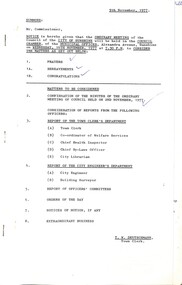 Sunshine and District Historical Society Incorporated
Administrative record - City of Sunshine - Commissioner Mr Alexander Alex George Gillon Collection 1976 - 1982 - Notice of ordinary council meeting 16th November 1977, City of Sunshine, 9th November 1977
... Premises Maribyrnong Report of the Co-Ordinator Welfare Services State Relief Committee Appeals Tribunal for Migrants Under Threat of Deportation Family and Community Services Consultative Committee Caravan Parks & Permanent Hut or Bungalow Dwellings Report of the Chief Health Inspector Application for Installation of Gas Fired Dry Spetic Tank Units Application for Spetic Tanks Immunization Prosecution Proceedings Sunshine Magistrates Court Health (Septic Tank) Regulations 1977 Report of the Chief By-Laws Officer Court Proceedings Parking Infringements Helicoptor Landing Pennell Reserve D. ...Premises Maribyrnong Report of the Co-Ordinator Welfare Services State Relief Committee Appeals Tribunal for Migrants Under Threat of Deportation Family and Community Services Consultative Committee Caravan Parks & Permanent Hut or Bungalow Dwellings Report of the Chief Health Inspector Application for Installation of Gas Fired Dry Spetic Tank Units Application for Spetic Tanks Immunization Prosecution Proceedings Sunshine Magistrates Court Health (Septic Tank) Regulations 1977 Report of the Chief By-Laws Officer Court Proceedings Parking Infringements Helicoptor Landing Pennell Reserve D. ...Notice of Ordinary Council Meeting 16th November 1977 Report of Town Clerk's Department Report of the Town Clerk Loan Interest Land Lots 25, 6, 29 & 30 Chifley Drive Proposed Acquisition by the Melbourne & Metropolitan Board of Works Western Region Commission Proposed Administration Land Transfer Reserve Neale Road Deer Park Hall Management Committee Financial Statement Rates, Sanitary and Interest Abandonments for 1976/77 Purchase of 24 Northumberland Road Lease of Premises Dickson Street for Citizens Advice Bureau Proposed Purchase of Land Nickson's Estate for Childcare purposes Purchase of Sunshine Tip Site Finalisation of Contract Inquiry into Housing Commission Land Purchases Subdivision Ascquith Investments Proposed to Lease G.U.D. Premises Maribyrnong Report of the Co-Ordinator Welfare Services State Relief Committee Appeals Tribunal for Migrants Under Threat of Deportation Family and Community Services Consultative Committee Caravan Parks & Permanent Hut or Bungalow Dwellings Report of the Chief Health Inspector Application for Installation of Gas Fired Dry Spetic Tank Units Application for Spetic Tanks Immunization Prosecution Proceedings Sunshine Magistrates Court Health (Septic Tank) Regulations 1977 Report of the Chief By-Laws Officer Court Proceedings Parking Infringements Helicoptor Landing Pennell Reserve D. Richardsons & Sons Social Club Prohibited Parking Various Streets Deer Park Primary School Report of City Engineer Land Use Permit Application Consulting Rooms Dental Surgery Lot 193 Fairbairn Road Land Use Permit Application Light Industry Station Road Land Use Permit Application Motor Body Works (Panel Beating) 3 Bank Street Land Use Permit Application Caravan Park Sunshine Road Land Use Permit Application Amusement Parlour 21A Sun Crescent Land Use Permit Application Storage, Supply and Retails of Quarry Products Sands, Cement and Garden Supplies 1 Station Road Land Use Permit Application Flats Lots 24 & 25 Matthew Street Land Use Permit Application Lot 42 Killara Street Shopping Centre Site North West Corner Station Road and Neale Road Land Use Permit Extension to Shopping Centre Highpoint West Land Use Permit Bird Lot 83 Aviary Sandford Avenue Melbourne Metropolitan Planning Scheme Definition of Hotel and Cabaret Licence Carvan Parks Plan of Subdivision Wintersun Drive Albanvale Plan of Subdivision Fairbairn Road and Plantation Street and The Esplanade Contract Supply & Maintenance of Vehicles Annual Supply of Bituminous Concrete Coping with Disasters Australian Hospital Association Annual Conference Canberra New Passenger Bus Shelters Melbourne & Metropolitan Tramways Board Western Highway Western Highway / Anderson Road / McIntyre Road Statcon Signal Programme Public Lighting Agreement Between the City of Sunshine and the State Electricity Commission Tender Berkshire Road Kerb & Channel Report of the Building Surveyor Installation of Underground Tank Lot 1 Ballarat Road Corner Burke Street Braybrook Illegal Shed & Carport 11 Oleander Drive St. Albans Installation of Two Underground Tanks 390 Ballarat Road Sunshine Bank Safety Willis Street Pre-School Centre Fairbairn Road Pre-School Centre city of sunshine, alexander "alex" george gillon, chifley drive, maribyrnong, g.u.d., neale road reserve, neale road, deer park, deer park hall management committee, northumberland road, sunshine north, citizens advice bureu, dickson street, sunshine, sunshine tip, richardsons & sons social club, deer park primary school, ballarat road, fairbairn road, sunshine west, bank street, braybrook, sunshine caravan park, sunshine road, sun crescent, station road, matthew street, killara street, highpoint west, sandford avenue, wintersun drive, albanvale, western highway, anderson road, mcintyre road, burke street, oleander drive, st. albans, willis street pre-school centre, willis street, fairbairn road pre-school centre -
 Sunshine and District Historical Society Incorporated
Administrative record - City of Sunshine - Commissioner Mr Alexander Alex George Gillon Collection 1976 - 1982 -- Minutes of the ordinary meeting of council held on 16th November 1977, City of Sunshine, 9th November 1977
... Premises Maribyrnong Report of the Co-Ordinator Welfare Services State Relief Committee Appeals Tribunal for Migrants Under Threat of Deportation Family and Community Services Consultative Committee Caravan Parks & Permanent Hut or Bungalow Dwellings Report of the Chief Health Inspector Application for Installation of Gas Fired Dry Spetic Tank Units Application for Spetic Tanks Immunization Prosecution Proceedings Sunshine Magistrates Court Health (Septic Tank) Regulations 1977 Report of the Chief By-Laws Officer Court Proceedings Parking Infringements Helicoptor Landing Pennell Reserve D. ...Premises Maribyrnong Report of the Co-Ordinator Welfare Services State Relief Committee Appeals Tribunal for Migrants Under Threat of Deportation Family and Community Services Consultative Committee Caravan Parks & Permanent Hut or Bungalow Dwellings Report of the Chief Health Inspector Application for Installation of Gas Fired Dry Spetic Tank Units Application for Spetic Tanks Immunization Prosecution Proceedings Sunshine Magistrates Court Health (Septic Tank) Regulations 1977 Report of the Chief By-Laws Officer Court Proceedings Parking Infringements Helicoptor Landing Pennell Reserve D. ...Minutes of the ordinary meeting of council held on 16th November 1977 Report of Town Clerk's Department Report of the Town Clerk Loan Interest Land Lots 25, 6, 29 & 30 Chifley Drive Proposed Acquisition by the Melbourne & Metropolitan Board of Works Western Region Commission Proposed Administration Land Transfer Reserve Neale Road Deer Park Hall Management Committee Financial Statement Rates, Sanitary and Interest Abandonments for 1976/77 Purchase of 24 Northumberland Road Lease of Premises Dickson Street for Citizens Advice Bureau Proposed Purchase of Land Nickson's Estate for Childcare purposes Purchase of Sunshine Tip Site Finalisation of Contract Inquiry into Housing Commission Land Purchases Subdivision Ascquith Investments Proposed to Lease G.U.D. Premises Maribyrnong Report of the Co-Ordinator Welfare Services State Relief Committee Appeals Tribunal for Migrants Under Threat of Deportation Family and Community Services Consultative Committee Caravan Parks & Permanent Hut or Bungalow Dwellings Report of the Chief Health Inspector Application for Installation of Gas Fired Dry Spetic Tank Units Application for Spetic Tanks Immunization Prosecution Proceedings Sunshine Magistrates Court Health (Septic Tank) Regulations 1977 Report of the Chief By-Laws Officer Court Proceedings Parking Infringements Helicoptor Landing Pennell Reserve D. Richardsons & Sons Social Club Prohibited Parking Various Streets Deer Park Primary School Report of City Engineer Land Use Permit Application Consulting Rooms Dental Surgery Lot 193 Fairbairn Road Land Use Permit Application Light Industry Station Road Land Use Permit Application Motor Body Works (Panel Beating) 3 Bank Street Land Use Permit Application Caravan Park Sunshine Road Land Use Permit Application Amusement Parlour 21A Sun Crescent Land Use Permit Application Storage, Supply and Retails of Quarry Products Sands, Cement and Garden Supplies 1 Station Road Land Use Permit Application Flats Lots 24 & 25 Matthew Street Land Use Permit Application Lot 42 Killara Street Shopping Centre Site North West Corner Station Road and Neale Road Land Use Permit Extension to Shopping Centre Highpoint West Land Use Permit Bird Lot 83 Aviary Sandford Avenue Melbourne Metropolitan Planning Scheme Definition of Hotel and Cabaret Licence Carvan Parks Plan of Subdivision Wintersun Drive Albanvale Plan of Subdivision Fairbairn Road and Plantation Street and The Esplanade Contract Supply & Maintenance of Vehicles Annual Supply of Bituminous Concrete Coping with Disasters Australian Hospital Association Annual Conference Canberra New Passenger Bus Shelters Melbourne & Metropolitan Tramways Board Western Highway Western Highway / Anderson Road / McIntyre Road Statcon Signal Programme Public Lighting Agreement Between the City of Sunshine and the State Electricity Commission Tender Berkshire Road Kerb & Channel Report of the Building Surveyor Installation of Underground Tank Lot 1 Ballarat Road Corner Burke Street Braybrook Illegal Shed & Carport 11 Oleander Drive St. Albans Installation of Two Underground Tanks 390 Ballarat Road Sunshine Bank Safety Willis Street Pre-School Centre Orders of the Day Accounts Submitted for Payment Subdivision for Asquith Investiments Public Open Space Extraordinary Business Consideration of Tenders for Erection of Fairbairn Road Pre-School Centre city of sunshine, alexander "alex" george gillon, chifley drive, maribyrnong, g.u.d., neale road reserve, neale road, deer park, deer park hall management committee, northumberland road, sunshine north, citizens advice bureu, dickson street, sunshine, sunshine tip, richardsons & sons social club, deer park primary school, ballarat road, fairbairn road, sunshine west, bank street, braybrook, sun crescent, matthew street, killara street, station road, highpoint west, sandford avenue, wintersun drive, albanvale, plantation street, the esplanade, western highway, anderson road, mcintyre road, burke street, oleander drive, st. albans, willis street pre-school centre, willis street, fairbairn road pre-school centre -
 Sunshine and District Historical Society Incorporated
Administrative record - City of Sunshine - Commissioner Mr Alexander Alex George Gillon Collection 1976 - 1982 - Minutes of the ordinary meeting of council held on 27th April 1977, City of Sunshine, 27th April 1977
... Albans) & 12th Sunshine The Hub hours of Operations Workshop Council Depot Unexpected Loan Monies Brooklyn Preschool Centre Western Region Commission Future Operations Report of the Chief Health Inspector Removal of Dwelling Outside of Municipality 107 Devonshire Road to Scarsdale in the Shire of Glenville Rat Control Prohibition on Non-Returnable Bottles Report of the Medical Officer of Health Weights & Measures Report for the Two Months Ending 31st March 1977 Report of the By-Laws Officer Court Proceedings Recreation Vehicles By-Law No 121 Proposed Limited Parking Shopping Area Mitchell Street Alterations In Parking Provisions Off Street Areas Main Shopping Areas Various Outlying Areas Report of City Librarian Maidstone Library Introduction to library Automation course Report of City Engineer Control of Caravan Parks Under The Melbourne And Metropolitan Planning Scheme Rezoning of Land For Proposed Garbage Depot Disused Albion Quarry Ballarat Road Albion Town Planning Enquires Land Use Permit Application Store for Building Materials and Crane Hampton Avenue Land Use Permit Service Premises and Dwelling Lot 204 Browne Avenue Land Use Permit Application Detached House Lot 1 Boreham Street Land Use Permit Application Sunshine Cricket Club Cricket Pavilion Dempster Park Phoenix Street Land Use Permit Petrol Filling Station and Hotel / Motel Corner Neale Road and Stations Road Land Use Permit Application Warehouse Extensions and Office Addition Maribyrnong Timber and Building Supplies 58 Emu Road Land Use Permit Application Garden and Building Supplies Lot 14 Francis Street and Lot 15 Geelong Road Furlong Road Estate Stage 5 Furlong Road Estate Stage 6 Westerngate Estate Stage 2 Additional Easements R.D.C. ...Albans) & 12th Sunshine The Hub hours of Operations Workshop Council Depot Unexpected Loan Monies Brooklyn Preschool Centre Western Region Commission Future Operations Report of the Chief Health Inspector Removal of Dwelling Outside of Municipality 107 Devonshire Road to Scarsdale in the Shire of Glenville Rat Control Prohibition on Non-Returnable Bottles Report of the Medical Officer of Health Weights & Measures Report for the Two Months Ending 31st March 1977 Report of the By-Laws Officer Court Proceedings Recreation Vehicles By-Law No 121 Proposed Limited Parking Shopping Area Mitchell Street Alterations In Parking Provisions Off Street Areas Main Shopping Areas Various Outlying Areas Report of City Librarian Maidstone Library Introduction to library Automation course Report of City Engineer Control of Caravan Parks Under The Melbourne And Metropolitan Planning Scheme Rezoning of Land For Proposed Garbage Depot Disused Albion Quarry Ballarat Road Albion Town Planning Enquires Land Use Permit Application Store for Building Materials and Crane Hampton Avenue Land Use Permit Service Premises and Dwelling Lot 204 Browne Avenue Land Use Permit Application Detached House Lot 1 Boreham Street Land Use Permit Application Sunshine Cricket Club Cricket Pavilion Dempster Park Phoenix Street Land Use Permit Petrol Filling Station and Hotel / Motel Corner Neale Road and Stations Road Land Use Permit Application Warehouse Extensions and Office Addition Maribyrnong Timber and Building Supplies 58 Emu Road Land Use Permit Application Garden and Building Supplies Lot 14 Francis Street and Lot 15 Geelong Road Furlong Road Estate Stage 5 Furlong Road Estate Stage 6 Westerngate Estate Stage 2 Additional Easements R.D.C. ...Report of the Town Clerk Daylight Savings Value of Open Space Unsubdivided Land Boral Albion Reid Proposed Tip site Transfer of Land Council to Education Department Furlong Road Sunshine North Seminar Federalism Policy Its Past Performance, Future Need and Directions Leases for Various Boy Scout Groups 5th Sunshine, 6th Sunshine, 8th Sunshine (Renamed to 1st Deer Park), 10th Sunshine (Renamed to 1st St. Albans) & 12th Sunshine The Hub hours of Operations Workshop Council Depot Unexpected Loan Monies Brooklyn Preschool Centre Western Region Commission Future Operations Report of the Chief Health Inspector Removal of Dwelling Outside of Municipality 107 Devonshire Road to Scarsdale in the Shire of Glenville Rat Control Prohibition on Non-Returnable Bottles Report of the Medical Officer of Health Weights & Measures Report for the Two Months Ending 31st March 1977 Report of the By-Laws Officer Court Proceedings Recreation Vehicles By-Law No 121 Proposed Limited Parking Shopping Area Mitchell Street Alterations In Parking Provisions Off Street Areas Main Shopping Areas Various Outlying Areas Report of City Librarian Maidstone Library Introduction to library Automation course Report of City Engineer Control of Caravan Parks Under The Melbourne And Metropolitan Planning Scheme Rezoning of Land For Proposed Garbage Depot Disused Albion Quarry Ballarat Road Albion Town Planning Enquires Land Use Permit Application Store for Building Materials and Crane Hampton Avenue Land Use Permit Service Premises and Dwelling Lot 204 Browne Avenue Land Use Permit Application Detached House Lot 1 Boreham Street Land Use Permit Application Sunshine Cricket Club Cricket Pavilion Dempster Park Phoenix Street Land Use Permit Petrol Filling Station and Hotel / Motel Corner Neale Road and Stations Road Land Use Permit Application Warehouse Extensions and Office Addition Maribyrnong Timber and Building Supplies 58 Emu Road Land Use Permit Application Garden and Building Supplies Lot 14 Francis Street and Lot 15 Geelong Road Furlong Road Estate Stage 5 Furlong Road Estate Stage 6 Westerngate Estate Stage 2 Additional Easements R.D.C. Projects Consolidation of Title Lots 45 & 46 Johnson Street Plan of Subdivision Ballarat Road Robert Bodington Pty Strata Subdivision 14 Navigator Street Strata Subdivision 53 - 56 Middle Road Subdivision Shop Sites Camperdown Avenue and Sandford Avenue Strata Subdivision 52 King Edward Avenue Garfield Street Private Street Scheme Building Over Easement Lots 31 to 34 Cromer Avenue McIntyre Road Bridge Load Limit Disposal of MF Loader Plant No 62 Vacant Land Corner Anderson Road and Derby Road Sunshine Certificate of Completion Cooke Avenue Private Street Scheme Creation of Easement of Way Duke Street to Cranwell Street Report of the Building Surveyor Siting of House Lot 703 Oleander Drive St. Albans Minutes of the Ordinary Meeting of Council held on 27th April 1977 Siting of House Lot 71 Haven Crescent Sunshine West Refund of Permit Fees Installation of Tank Swing Bridge Motors 556 Ballarat Road Graffiti Dempster Park Pavilion Child Care Building Program Fire Damage to Fence 28 North Street Ardeer Tentative Subdivision 3 Deakin Street city of sunshine, alexander "alex" george gillon, percy street, st. albans, the hub, sun crescent, sunshine, scouts, albion reid, sunshine tip, furlong road, sunshine north, brooklyn preschool centre, devonshire road, mitchell street, maidstone, maidstone library, albion quarry, ballarat road, albion, hampton avenue, browne avenue, boreham street, sunshine cricket club, dempster park, phoenix street, neale road, stations road, emu road, maribyrnong, francis street, geelong road, brooklyn, johnson street, navigator street, middle road, camperdown avenue, sandford avenue, king edward avenue, garfield street, cromer avenue, mcintyre road bridge, mcintyre road, anderson road, derby road, cooke avenue, duke street, cranwell street, braybrook, oleander drive, haven crescent, sunshine west, north street, ardeer, deakin street -
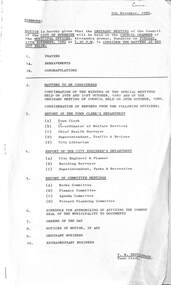 Sunshine and District Historical Society Incorporated
Administrative record - City of Sunshine - Commissioner Mr Alexander Alex George Gillon Collection 1976 - 1982 - Notice of ordinary meeting of the council 11th November 1980, City of Sunshine, 5th November 1980
... Outreach Project Sunshine Over 60's Directory of Services in Sunshine International Year of the Disable 1981 Emergency Relief Citizens Advice Bureau Report of the Chief Health Surveyor Removal of Dwelling Outside the Municipality 59 South Road Braybrook to Lot 26 Boundary Street Clunes Application for Septic Tank Application for Installation of Gas Fired Dry Septic Tank Units Prosecution Proceedings Sunshine Magistrates Court Health Act Registrations Application for Transfer of Proprietorship of Premises Under the Health Act Removal of Dwelling Outside the Municipality 8 Donald Street to Station Street Tooradin Report of the Superintendent Traffic & By-Laws Landing of Helicopter Highpoint West Shopping Centre Court proceedings Parking and Traffic Infringements Dog Act Festival Deer Park Shopping Centre Report of the City Librarian Map Seminar Report of the City Engineer & Planner Maribyrnong River Valley Flooding (Reference to May 1974 Maribyrnong River Flood) Handling of Explosives Contract for the Supply, Buy-Back and Maintenance of Vehicles City Engineer's Department Reorganisation and Management Planning Permit Application Basketball Stadium Robert Barrett Reserve Rosamond Road Maribyrnong Planning Permit Application Medical Consulting Rooms Lots 47A & 48 Ballarat Road Maidstone Planning Permit Application Amenda Plans for Six Factories Lot 1 Berkshire Road Sunshine North Planning Permit Application Amusement Parlour Shop 1A Lot 3 Princess Street St. ...Outreach Project Sunshine Over 60's Directory of Services in Sunshine International Year of the Disable 1981 Emergency Relief Citizens Advice Bureau Report of the Chief Health Surveyor Removal of Dwelling Outside the Municipality 59 South Road Braybrook to Lot 26 Boundary Street Clunes Application for Septic Tank Application for Installation of Gas Fired Dry Septic Tank Units Prosecution Proceedings Sunshine Magistrates Court Health Act Registrations Application for Transfer of Proprietorship of Premises Under the Health Act Removal of Dwelling Outside the Municipality 8 Donald Street to Station Street Tooradin Report of the Superintendent Traffic & By-Laws Landing of Helicopter Highpoint West Shopping Centre Court proceedings Parking and Traffic Infringements Dog Act Festival Deer Park Shopping Centre Report of the City Librarian Map Seminar Report of the City Engineer & Planner Maribyrnong River Valley Flooding (Reference to May 1974 Maribyrnong River Flood) Handling of Explosives Contract for the Supply, Buy-Back and Maintenance of Vehicles City Engineer's Department Reorganisation and Management Planning Permit Application Basketball Stadium Robert Barrett Reserve Rosamond Road Maribyrnong Planning Permit Application Medical Consulting Rooms Lots 47A & 48 Ballarat Road Maidstone Planning Permit Application Amenda Plans for Six Factories Lot 1 Berkshire Road Sunshine North Planning Permit Application Amusement Parlour Shop 1A Lot 3 Princess Street St. ...Notice of Ordinary Meeting of the Council 11th November 1980 Report of the Town Clerk's Department Report of the Town Clerk Insurance Claims Final Report Board of Review Loan Funds Dempster Hall Committee of Management Barclay Reserve Improvements for Sunshine Baseball Club Municipal Association of Victoria Structure and Role Baseball Representative Australia Under 19 Team Two Boys from the Sunshine Baseball Club Proposed Meeting Schedule 1981 Acquisition of Lot 7 Van Ness Avenue (Hume Pipe Works) Maribyrnong Albanvale Community Building Committee of Management Report of the Co-Ordinator of Welfare Services Emergency Alarm System for Elderly People CYSS Project Officer Community Directory Y.M.C.A. Outreach Project Sunshine Over 60's Directory of Services in Sunshine International Year of the Disable 1981 Emergency Relief Citizens Advice Bureau Report of the Chief Health Surveyor Removal of Dwelling Outside the Municipality 59 South Road Braybrook to Lot 26 Boundary Street Clunes Application for Septic Tank Application for Installation of Gas Fired Dry Septic Tank Units Prosecution Proceedings Sunshine Magistrates Court Health Act Registrations Application for Transfer of Proprietorship of Premises Under the Health Act Removal of Dwelling Outside the Municipality 8 Donald Street to Station Street Tooradin Report of the Superintendent Traffic & By-Laws Landing of Helicopter Highpoint West Shopping Centre Court proceedings Parking and Traffic Infringements Dog Act Festival Deer Park Shopping Centre Report of the City Librarian Map Seminar Report of the City Engineer & Planner Maribyrnong River Valley Flooding (Reference to May 1974 Maribyrnong River Flood) Handling of Explosives Contract for the Supply, Buy-Back and Maintenance of Vehicles City Engineer's Department Reorganisation and Management Planning Permit Application Basketball Stadium Robert Barrett Reserve Rosamond Road Maribyrnong Planning Permit Application Medical Consulting Rooms Lots 47A & 48 Ballarat Road Maidstone Planning Permit Application Amenda Plans for Six Factories Lot 1 Berkshire Road Sunshine North Planning Permit Application Amusement Parlour Shop 1A Lot 3 Princess Street St. Albans Plan of Subdivision Lot 1 Cranwell Street and Lot 2 Lacy Street Braybrook Plan of Subdivision Paw Paw Road and Burgess Road Brooklyn Amendment to Sealed Plans Westerngate North Estate Stages 3A, 3B & 3C Plan of Subdivision Gooding Street and Willis Street St. Albans Strata Subdivision 23 - 25 Madden Street Maidstone Tenders for Annua Supplies 1980 State Road Accident Record (Half Year) City of Sunshine Report Report of the Building Surveyor Building Over Easement Lot 1016 Penfold Place Albanvale Building Over Easement 87 Tamar Drive Deer Park Location of Building 21 Cambridge Street Maidstone Location of Building 18 Clare Street St. Albans Location of Building and Building Over Easement Lot 41 Butler Street Braybrook Sealing Legal Agreement 23 - 25 Madden Street Maidstone Report of the Superintendent of Parks & Recreation Landscape Design Schedule for Authorising of Affixing the Common Seal of the Municipality to Documents Orders of the Day Accounts Submitted for Payment as at 25th October 1980 Confirmation of Making a By-Law No 138 Council Swimming Centres Proposal to Close Right of Way Orana Court Sunshine West Under the Provisions of Section 528 of the Local Government Act 1958dempster hall committee of management, phoenix street, sunshine north, sunshine baseball club, barclay reserve, king edward avenue, albion, van ness avenue, humes pipe works, maribyrnong, albanvale community building committee of management, south road, braybrook, donald street, highpoint west shopping centre, rosamond road, deer park shopping centre, station road, deer park, maribyrnong river valley, maribyrnong river, robert barrett reserve, ballarat road, maidstone, berkshire road, princess street, st. albans, cranwell street, lacy street, paw paw road, burgess road, gooding street, willis street, madden street, penfold place, albanvale, tamar drive, cambridge street, clare street, butler street, orana court, sunshine west -
 Sunshine and District Historical Society Incorporated
Administrative record - City of Sunshine - Commissioner Mr Alexander Alex George Gillon Collection 1976 - 1982 - Notice of ordinary meeting of the council 9th June 2026, City of Sunshine, 20th May 1981
... Notice of Ordinary Meeting of the Council 9th June 2026 Report of the Town Clerk's Department Report of the Town Clerk Land Transfer Part of Discontinued Right of Way between Railway Parade and Wood Street Deer Park Re-subdivision of Municipality Award Matters National Wage Decision May 1981 Financial Statement for the Year Ended 30th September 1980 and Auditor's Report Sunshine Baseball Club Lease / Licence Albion Tennis Club Lease Leave Records Report of the Co-Ordinator of Welfare Services Request for Financia; Assistance Janannie Recreation Club Referred to the Sunshine Community Chest Education Department Special Services Community Resource Directory Emergency Foster Care Family Day Care Special Bus Sunshine Community Youth Support Scheme Braybrook Youth Project Wesley Mission Nursing Home in Sunshine Proposed Location South Road Braybrook Report of the Chief Health Officer Removal of Dwelling Outside the Municipality 88 Station Road Deer Park to Shire of Kerang Removal of Dwelling Outside the Municipality 25 - 27 Glencairn Avenue Deer Park to Stanhope Shire of Waranga Removal of Dwelling Outside the Municipality 29 Glencairn Avenue Deer Park to Talbot Shire of Talbot & Clunes Recording Procedures in Infant Welfare Centres 2nd Australasian Conference of Child Abuse Brisbane 21st - 25th September 1981 Health Act Registrations Application for Transfer of Proprietorship of Premises Under the Health Act Prosecution Proceedings Sunshine Magistrates Court Report of the Superintendent Traffic & By-Laws Court Proceedings Parking & Traffic Infringements Dog Act Report of City Librarian Report of the Children's Services Librarian 1981 May Holiday Activities Report of the Project Officer (Rainbow Workshop) Community Interest Courses for Winter 81 Report of the City Engineer & Planner Maribyrnong Detention Centre Hampstead Road Maidstone Replacement Building of the Existing Detention Centre Planning Permit Application Truck Sales and Workshop 92 - 96 Ballarat Road Maidstone Planning Permit Application Factory Extension Lots 270 & 272 Ralston Avenue Sunshine North Planning Permit Application Warehouse / Furniture Showroom McIntyre Road South East Corner Balfour Avenue Sunshine North Planning Permit Application Medical Consulting Rooms 156 Churchill Avenue Braybrook Planning Permit Application Factory Extensions 35 - 37 Market Road Sunshine Planning Permit Application Extension to Existing Furniture and Carpet Showroom 300 Ballarat Road Braybrook Planning Permit Application Factory Lot 1 Berkshire Road Sunshine North Planning Permit Application Detached House Lot 17 Metherall Street Sunshine North Delegated Matters Planning Permit Application Factory & Office Extension Lots 4 to 11 Ballarat Road and Lots 17 to 32 Glencairn Avenue Deer Park Shire of Goulburn Letter Road Funding Replacement of Water Main Sandford Avenue South Side from Mansfield Avenue Westwards Sunshine North Replacement of Existing Water Mains M.M.B.W. ...Albans Camara Street President Road Concord Circuit Albanvale Notice of Ordinary Meeting of the Council 9th June 2026 Report of the Town Clerk's Department Report of the Town Clerk Land Transfer Part of Discontinued Right of Way between Railway Parade and Wood Street Deer Park Re-subdivision of Municipality Award Matters National Wage Decision May 1981 Financial Statement for the Year Ended 30th September 1980 and Auditor's Report Sunshine Baseball Club Lease / Licence Albion Tennis Club Lease Leave Records Report of the Co-Ordinator of Welfare Services Request for Financia; Assistance Janannie Recreation Club Referred to the Sunshine Community Chest Education Department Special Services Community Resource Directory Emergency Foster Care Family Day Care Special Bus Sunshine Community Youth Support Scheme Braybrook Youth Project Wesley Mission Nursing Home in Sunshine Proposed Location South Road Braybrook Report of the Chief Health Officer Removal of Dwelling Outside the Municipality 88 Station Road Deer Park to Shire of Kerang Removal of Dwelling Outside the Municipality 25 - 27 Glencairn Avenue Deer Park to Stanhope Shire of Waranga Removal of Dwelling Outside the Municipality 29 Glencairn Avenue Deer Park to Talbot Shire of Talbot & Clunes Recording Procedures in Infant Welfare Centres 2nd Australasian Conference of Child Abuse Brisbane 21st - 25th September 1981 Health Act Registrations Application for Transfer of Proprietorship of Premises Under the Health Act Prosecution Proceedings Sunshine Magistrates Court Report of the Superintendent Traffic & By-Laws Court Proceedings Parking & Traffic Infringements Dog Act Report of City Librarian Report of the Children's Services Librarian 1981 May Holiday Activities Report of the Project Officer (Rainbow Workshop) Community Interest Courses for Winter 81 Report of the City Engineer & Planner Maribyrnong Detention Centre Hampstead Road Maidstone Replacement Building of the Existing Detention Centre Planning Permit Application Truck Sales and Workshop 92 - 96 Ballarat Road Maidstone Planning Permit Application Factory Extension Lots 270 & 272 Ralston Avenue Sunshine North Planning Permit Application Warehouse / Furniture Showroom McIntyre Road South East Corner Balfour Avenue Sunshine North Planning Permit Application Medical Consulting Rooms 156 Churchill Avenue Braybrook Planning Permit Application Factory Extensions 35 - 37 Market Road Sunshine Planning Permit Application Extension to Existing Furniture and Carpet Showroom 300 Ballarat Road Braybrook Planning Permit Application Factory Lot 1 Berkshire Road Sunshine North Planning Permit Application Detached House Lot 17 Metherall Street Sunshine North Delegated Matters Planning Permit Application Factory & Office Extension Lots 4 to 11 Ballarat Road and Lots 17 to 32 Glencairn Avenue Deer Park Shire of Goulburn Letter Road Funding Replacement of Water Main Sandford Avenue South Side from Mansfield Avenue Westwards Sunshine North Replacement of Existing Water Mains M.M.B.W. ...Notice of Ordinary Meeting of the Council 9th June 2026 Report of the Town Clerk's Department Report of the Town Clerk Land Transfer Part of Discontinued Right of Way between Railway Parade and Wood Street Deer Park Re-subdivision of Municipality Award Matters National Wage Decision May 1981 Financial Statement for the Year Ended 30th September 1980 and Auditor's Report Sunshine Baseball Club Lease / Licence Albion Tennis Club Lease Leave Records Report of the Co-Ordinator of Welfare Services Request for Financia; Assistance Janannie Recreation Club Referred to the Sunshine Community Chest Education Department Special Services Community Resource Directory Emergency Foster Care Family Day Care Special Bus Sunshine Community Youth Support Scheme Braybrook Youth Project Wesley Mission Nursing Home in Sunshine Proposed Location South Road Braybrook Report of the Chief Health Officer Removal of Dwelling Outside the Municipality 88 Station Road Deer Park to Shire of Kerang Removal of Dwelling Outside the Municipality 25 - 27 Glencairn Avenue Deer Park to Stanhope Shire of Waranga Removal of Dwelling Outside the Municipality 29 Glencairn Avenue Deer Park to Talbot Shire of Talbot & Clunes Recording Procedures in Infant Welfare Centres 2nd Australasian Conference of Child Abuse Brisbane 21st - 25th September 1981 Health Act Registrations Application for Transfer of Proprietorship of Premises Under the Health Act Prosecution Proceedings Sunshine Magistrates Court Report of the Superintendent Traffic & By-Laws Court Proceedings Parking & Traffic Infringements Dog Act Report of City Librarian Report of the Children's Services Librarian 1981 May Holiday Activities Report of the Project Officer (Rainbow Workshop) Community Interest Courses for Winter 81 Report of the City Engineer & Planner Maribyrnong Detention Centre Hampstead Road Maidstone Replacement Building of the Existing Detention Centre Planning Permit Application Truck Sales and Workshop 92 - 96 Ballarat Road Maidstone Planning Permit Application Factory Extension Lots 270 & 272 Ralston Avenue Sunshine North Planning Permit Application Warehouse / Furniture Showroom McIntyre Road South East Corner Balfour Avenue Sunshine North Planning Permit Application Medical Consulting Rooms 156 Churchill Avenue Braybrook Planning Permit Application Factory Extensions 35 - 37 Market Road Sunshine Planning Permit Application Extension to Existing Furniture and Carpet Showroom 300 Ballarat Road Braybrook Planning Permit Application Factory Lot 1 Berkshire Road Sunshine North Planning Permit Application Detached House Lot 17 Metherall Street Sunshine North Delegated Matters Planning Permit Application Factory & Office Extension Lots 4 to 11 Ballarat Road and Lots 17 to 32 Glencairn Avenue Deer Park Shire of Goulburn Letter Road Funding Replacement of Water Main Sandford Avenue South Side from Mansfield Avenue Westwards Sunshine North Replacement of Existing Water Mains M.M.B.W. Cary Street North Side from Camperdown Avenue Eastwards Sunshine North and Nolan Avenue South Side Between Millers Road and Heather Avenue Brooklyn Report of the Building Surveyor Building Over Easement Lot 23 Furlong Road St. Albans Building Over Easement 4 Camara Street St. Albans Building Over Easement 52 President Road Albanvale Renewal of Building Permit Lot 48 Concord Circuit Albanvale Schedule for Authorising of Affixing the Common Seal of the Municipality to Documents Orders of the Day Accounts Sumitted for Payment as at 31st May 1981 Statement of Accounts for the Year Ended 30th September 1980 Submitted to be Finally Examied and Settledrailway parade, wood street, deer park, sunshine baseball club, talmage street, albion, albion tennis club, selwyn park, selwyn street, janannie recreation club, sunshine community chest, wesley mission nursing home, south road, braybrook, station road, glencairn avenue, maribyrnong detention centre, hampstead road, maidstone, ballarat road, ralston avenue, sunshine north, mcintyre road, balfour avenue, churchill avenue, market road, sunshine, berkshire road, metherall street, sandford avenue, mansfield avenue, cary street, camperdown avenue, nolan avenue, millers road, heather avenue, brooklyn, furlong road, st. albans, camara street, president road, concord circuit, albanvale
