
Showing 52 items matching "perry park"
-
 Old Colonists' Association of Ballarat Inc.
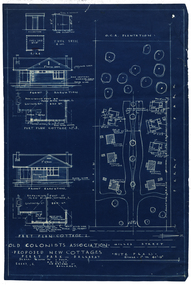
Plan - Architectural Blueprint, Old Colonists' Association Proposed New Cottages, Perry Park
... Old Colonists' Association Proposed New Cottages, Perry Park...The Old Colonists' Retirement village was build at Charles Anderson Grove. old colonists' association ballarat charles anderson grove retirement village old colonists' association ballarat cottages Old Colonists' Association Proposed New Cottages, Perry Park Plan Architectural Blueprint ...The Old Colonists' Retirement village was build at Charles Anderson Grove.old colonists' association ballarat, charles anderson grove, retirement village, old colonists' association ballarat cottages -
 Old Colonists' Association of Ballarat Inc.
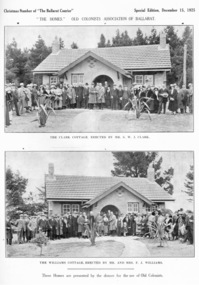
Photograph - Image, Ballarat Old Colonists' Association Homes, 1925, 1925
... ...perry park...Williams, both natives of Ballarat, offered to build a cottage on the Association's ground at Perry Park [now Charles Anderson Grove] something after a style of the Hassell Homes. ...Williams, both natives of Ballarat, offered to build a cottage on the Association's ground at Perry Park [now Charles Anderson Grove] something after a style of the Hassell Homes. ...The homes were presented by the donors for the use of the Old Colonists' Association of Ballarat. The homes fulfil the original 1888 aim of 'aid and assist indigent or suffering old colonists' and 'to provide the shelter of a home for old and indigent pioneers of the gold fields, their widows, or anyone connected with the association'. From the minute books: "Mr and Mrs F.J. Williams, both natives of Ballarat, offered to build a cottage on the Association's ground at Perry Park [now Charles Anderson Grove] something after a style of the Hassell Homes. That offer was immediately followed by another from Mr S.W.J. Clark, a member of the Council. Both offers were promptly and gratefully accepted." The Old Colonists' Association Ballarat Inc. is a not for profit charitable organisation providing accommodation for elderly people. It manages over 40 Home retirement village at Charles Anderson Grove Ballarat. Accommodation is offered at significantly below market rates. It has been providing low cost accommodation to the elderly since the 1920s. The Association Council overseas the running of this facility on a voluntary basis. One of the first objectives of the Association was "to provide the shelter of a hose for those Pioneers of the Goldfields whom the reverses of fortune have deprived of the means of procuring the comforts of life in their declining years." The first home at Charles Anderson Grove was built in 1925. Before that time the Association provided relief for needy pioneers. relief included monthly monetary payments, loads of firewood, medical assistance and distribution of Christmas boxed of groceries to deserving pensioners, and in some cases payment of burial costs. == Purposes == ::a) The dominant purpose of the Association is to give public benevolent relief as a charity, but providing independent living accommodation in our Retirement Village for person in need who are over 65. ::b) To raise funds by membership subscription, commercial and residential rents, donations, gifts and voluntary work, for the purpose of providing direct relief of poverty, distress, misfortune or helplessness. ::c) To maintain the important heritage and ongoing viability of the Old Colonists' Association.Two black and white images of Old Colonists' Association homes from a Special Christmas edition of the Courier in 1925. The top image shows 'Clark Cottage', erected by S.W.J. Clark, and the lower image shows the 'Williams Cottage' erected by Mr and Mrs F.J. Williams. The cottages are locate in Charles Anderson Grove, Ballarat. old colonists' association ballarat, old colonists' club, charles anderson grove, clark cottage, williams cottage, perry park, s.w.j. clark, f.j. williams, old colonists' assocoation -
 Federation University Historical Collection
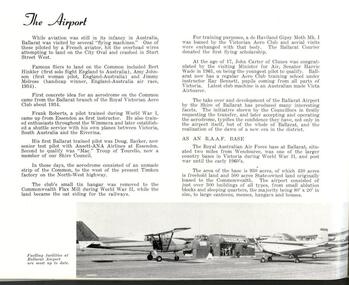
Book, Shire of Ballarat, 1963, 1963
... ...perry park...ballarat shire shire of ballarat c.e. brown learmonth sire hall gold memorial miners rest reticulated water australian timken ballarat airport joe white maltings franklin caravans kirk's reservoir white swan reservoir electricity lucas unilever australia ballarat gas company coronet caravans lindsay gunn martin stoneware w. r. walton m.b. john ballarat agricultural and pastoral society planning scheme webcona estate brown's heavy haulage ballarat mental hospital alfredton pre-school centre wendouree recreaton reserve wendouree pre-school wendouree youth club corporation saleyards arch of victory lake burrumbeet perry park ballarat high school wendouree west state school ewing house ballarat grammar school ballarat teachers' college learmonth presbyterian church st mathew's wendouree st mary's redemptorist monastery norm doodt pre-mixed concrete wendouree bowls club ballarat shire councillors rex hollioake david baird thomas ford william troup wilfred hirst charles brown charles giot william walton david powell john pemberton hugh patterson alexander mcdonald edward edwards james mitchell White covered book with multiple images. ...White covered book with multiple images.ballarat shire, shire of ballarat, c.e. brown, learmonth sire hall, gold memorial, miners rest reticulated water, australian timken, ballarat airport, joe white maltings, franklin caravans, kirk's reservoir, white swan reservoir, electricity, lucas, unilever australia, ballarat gas company, coronet caravans, lindsay gunn, martin stoneware, w. r. walton, m.b. john, ballarat agricultural and pastoral society, planning scheme, webcona estate, brown's heavy haulage, ballarat mental hospital, alfredton pre-school centre, wendouree recreaton reserve, wendouree pre-school, wendouree youth club, corporation saleyards, arch of victory, lake burrumbeet, perry park, ballarat high school, wendouree west state school, ewing house, ballarat grammar school, ballarat teachers' college, learmonth presbyterian church, st mathew's wendouree, st mary's redemptorist monastery, norm doodt, pre-mixed concrete, wendouree bowls club, ballarat shire councillors, rex hollioake, david baird, thomas ford, william troup, wilfred hirst, charles brown, charles giot, william walton, david powell, john pemberton, hugh patterson, alexander mcdonald, edward edwards, james mitchell -
 Narre Warren and District Family History Group
Book, Graeme Butler et al, City of Casey Heritage Study : Cranbourne, Knox
... ...Perry Park: Cranbourne...Westernport Bay Clyde Railway Bridge Royal Botanic Gardens Cranbourne Ridgway Farm Cranbourne Hook's Farm Clyde North St Paul's Church of England Clyde North Wingilla: Cannons Creek Churchill National Park Murphy's House: Hampton Park Cloverdale Cottage Hill Farm: Five Ways Menia Park: Devon Meadows Lynwood Park: Cranbourne Valentine Park: Lyndhurst Eclipse Park: Lyndhurst Eskdale: Lyndhurst Picnic Park: Lyndhurst Kernot's house: Tooradin Eyre Court: Cranbourne North Hayton Park: Cranbourne Ercildoune: Cranbourne Warren Park: Lysterfield Motor Club Hotel St Agatha's Catholic Church Perry Park: Cranbourne McMorran's Oak: Cranbourne Lysterfield Lake Tooradin Railway Station ground St Peters Church of England: Pearcedale Springmount: Cranbourne North Moran Reserve Botanic Rise Estate Clyde Uniting Church Clyde Railway Station site Clyde Township precinct Cranbourne Cemetery Maratala: Cranbourne Cranbourne Avenue of Honour Tooradin Avenue of Honour Stella Maris: Tooradin Holy Trinity Church of England: Hampton Park Spring Meadows: Cranbourne North Blue Lagoons: Cranbourne North Oakwood: Clyde North Tooradin Memorial Hall St Peters Catholic Church: Tooradin Tooradin State School Mayfield: Clyde North Fernlea: Clyde Citations from stage one of the City of Casey Heritage Study of places in the City of Casey from the former Cranbourne Shire and present Knox City areas. ...Citations from stage one of the City of Casey Heritage Study of places in the City of Casey from the former Cranbourne Shire and present Knox City areas. ***This is much the same content as ARC 019-6 but the photos and layout are slightly different. Many of the photos in this book are not as clear as the photos in ARC 019-6. This publication can be downloaded from the City of Casey website.non-fictionCitations from stage one of the City of Casey Heritage Study of places in the City of Casey from the former Cranbourne Shire and present Knox City areas. ***This is much the same content as ARC 019-6 but the photos and layout are slightly different. Many of the photos in this book are not as clear as the photos in ARC 019-6. This publication can be downloaded from the City of Casey website. westernport bay, clyde railway bridge, royal botanic gardens cranbourne, ridgway farm cranbourne, hook's farm clyde north, st paul's church of england clyde north, wingilla: cannons creek, churchill national park, murphy's house: hampton park, cloverdale cottage, hill farm: five ways, menia park: devon meadows, lynwood park: cranbourne, valentine park: lyndhurst, eclipse park: lyndhurst, eskdale: lyndhurst, picnic park: lyndhurst, kernot's house: tooradin, eyre court: cranbourne north, hayton park: cranbourne, ercildoune: cranbourne, warren park: lysterfield, motor club hotel, st agatha's catholic church, perry park: cranbourne, mcmorran's oak: cranbourne, lysterfield lake, tooradin railway station ground, st peters church of england: pearcedale, springmount: cranbourne north, moran reserve, botanic rise estate, clyde uniting church, clyde railway station site, clyde township precinct, cranbourne cemetery, maratala: cranbourne, cranbourne avenue of honour, tooradin avenue of honour, stella maris: tooradin, holy trinity church of england: hampton park, spring meadows: cranbourne north, blue lagoons: cranbourne north, oakwood: clyde north, tooradin memorial hall, st peters catholic church: tooradin, tooradin state school, mayfield: clyde north, fernlea: clyde -
 Narre Warren and District Family History Group
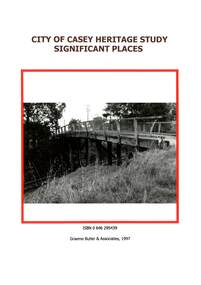
Book, Graeme Butler & Associates, City of Casey Heritage Study : Significant Places, 1997
... ...Perry Park: Cranbourne...Westernport Bay Clyde Railway Bridge Royal Botanic Gardens Cranbourne Ridgway Farm Cranbourne Hook's Farm Clyde North St Paul's Church of England Clyde North Wingilla: Cannons Creek Churchill National Park Murphy's House: Hampton Park Cloverdale Cottage Hill Farm: Five Ways Menia Park: Devon Meadows Lynwood Park: Cranbourne Valentine Park: Lyndhurst Eclipse Park: Lyndhurst Eskdale: Lyndhurst Picnic Park: Lyndhurst Kernot's house: Tooradin Eyre Court: Cranbourne North Hayton Park: Cranbourne Ercildoune: Cranbourne Warren Park: Lysterfield Motor Club Hotel St Agatha's Catholic Church Perry Park: Cranbourne McMorran's Oak: Cranbourne Lysterfield Lake Tooradin Railway Station ground St Peters Church of England: Pearcedale Springmount: Cranbourne North Moran Reserve Botanic Rise Estate Clyde Uniting Church Clyde Railway Station site Clyde Township precinct Cranbourne Cemetery Maratala: Cranbourne Cranbourne Avenue of Honour Tooradin Avenue of Honour Stella Maris: Tooradin Holy Trinity Church of England: Hampton Park Spring Meadows: Cranbourne North Blue Lagoons: Cranbourne North Oakwood: Clyde North Tooradin Memorial Hall St Peters Catholic Church: Tooradin Tooradin State School Mayfield: Clyde North Fernlea: Clyde Citations from stage one of the City of Casey Heritage Study of places in the City of Casey from the former Cranbourne Shire and present Knox City areas. ...Citations from stage one of the City of Casey Heritage Study of places in the City of Casey from the former Cranbourne Shire and present Knox City areas. ***This is much the same content as ARC 019-4 but the photos and layout are slightly different. Many of the photos in this book are clearer and lighter than the ones in ARC 019-4. This publication can be downloaded from the City of Casey website.non-fictionCitations from stage one of the City of Casey Heritage Study of places in the City of Casey from the former Cranbourne Shire and present Knox City areas. ***This is much the same content as ARC 019-4 but the photos and layout are slightly different. Many of the photos in this book are clearer and lighter than the ones in ARC 019-4. This publication can be downloaded from the City of Casey website. westernport bay, clyde railway bridge, royal botanic gardens cranbourne, ridgway farm cranbourne, hook's farm clyde north, st paul's church of england clyde north, wingilla: cannons creek, churchill national park, murphy's house: hampton park, cloverdale cottage, hill farm: five ways, menia park: devon meadows, lynwood park: cranbourne, valentine park: lyndhurst, eclipse park: lyndhurst, eskdale: lyndhurst, picnic park: lyndhurst, kernot's house: tooradin, eyre court: cranbourne north, hayton park: cranbourne, ercildoune: cranbourne, warren park: lysterfield, motor club hotel, st agatha's catholic church, perry park: cranbourne, mcmorran's oak: cranbourne, lysterfield lake, tooradin railway station ground, st peters church of england: pearcedale, springmount: cranbourne north, moran reserve, botanic rise estate, clyde uniting church, clyde railway station site, clyde township precinct, cranbourne cemetery, maratala: cranbourne, cranbourne avenue of honour, tooradin avenue of honour, stella maris: tooradin, holy trinity church of england: hampton park, spring meadows: cranbourne north, blue lagoons: cranbourne north, oakwood: clyde north, tooradin memorial hall, st peters catholic church: tooradin, tooradin state school, mayfield: clyde north, fernlea: clyde -
 Clunes Museum
Postcard - POSTCARD ARARAT PARK, T.R. WILLIAMS
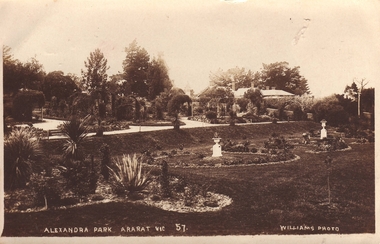
... perry...ARARAT PARK...HALL trembath perry ARARAT PARK ALEXANDRA PARK ARARAT VIC 57 WILLIAMS PHOTO POSTCARD SENT FROM NHILL, VICTORIA, DATED 8. ...POSTCARD SENT TO TOT TREMBATH FROM GEO. HALLPOSTCARD SENT FROM NHILL, VICTORIA, DATED 8. AUG. NO STAMP OR POST OFFICE DATE MESSAGE FROM GEO HALL TO TOT?ALEXANDRA PARK ARARAT VIC 57 WILLIAMS PHOTOtrembath, perry, ararat park -
 Old Colonists' Association of Ballarat Inc.
Photograph - Photograph - Colour, Ballarat Old Colonists' Association Homes, Charles Anderson Grove, Ballarat
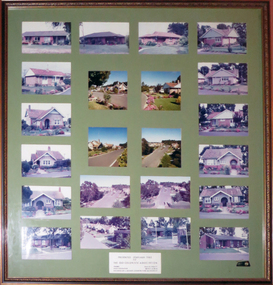
... The second site was Perry Park which was described as being good land, well fenced, having frontage to Gillies Street, good drainage and about 26 acres (but subsequently reduced to 10 acres). ...The second site was Perry Park which was described as being good land, well fenced, having frontage to Gillies Street, good drainage and about 26 acres (but subsequently reduced to 10 acres). ...HISTORY OF THE BALLARAT OLD COLONISTS' ASSOCIATION HOMES AT CHARLES ANDERSON GROVE, LAKE GARDENS One of the original objectives of the Association was “to provide the shelter of a house for those Pioneers of the Goldfields whom the reverses of fortune have deprived of the means of procuring the comforts of life in their declining years.” While the first home at Charles Anderson Grove was built in 1925 the Association had previously provided relief for needy pioneers from the time it was formed in 1883. Relief included monthly monetary payments, loads of firewood, medical assistance and distribution of Christmas boxes of groceries to deserving pensioners and in some cases payment of burial costs. Records indicate that in September 1922 three of the pensioners being assisted by the Association were accepted as residents in the newly erected Hassell Homes in Gillies Street (now demolished-opposite the High School). The first site for an Asylum for Indigent Members of the Old Colonists' Association was temporarily reserved from sale in October 1891. The site was approximately 28 acres in area in Mt Clear nearly opposite Midvale Shopping Centre in Main Road. The site was heavily timbered and when cleared over 260 tons of wood was sold to the Woah Hawp Gold Mining Company. A set of gates were erected but no homes built, although a plan for this reserve was drawn which showed twenty buildings ranging from one to four unit per building. The reserve was revoked in November 1909. The second site temporarily reserved in November 1909 as an Asylum was in Alfredton and consisted of some 7 acres and was adjacent to land reserved for an Abattoirs for the Ballarat Council. The reserve was revoked in February 1912 as it was deemed more appropriate to be added to the Abattoir site. Council suggested four (4) other sites in exchange for this land and they were inspected by the President, Vice President and Secretary on 22 December 1912. The first site inspected was land on the west side of Creswick Road opposite the brick kilns (now occupied by the showgrounds and oval). The land was described as being good quality, well fenced, no trees, good drainage and ample acreage but some distance from trams. The second site was Perry Park which was described as being good land, well fenced, having frontage to Gillies Street, good drainage and about 26 acres (but subsequently reduced to 10 acres). It was closely planted with Pinus Insignias and Wattle and had easy access from the Botanic Gardens tram. The third site was the North West portion of Victoria Park (corner of Sturt and Gillies Street) and was described as good land, well fenced and drained and well located. The fourth site was the South West corner of Victoria Park and known as Pound Paddock (corner of Winter Street and Gillies Street). It was considered to be low lying and too close to the Abattoir, and was also a considerable distance from trams. While the third site was recommended as the most suitable for the erection of homes it was considered unwise from the point of view as citizens to reduce the acreage of the park and therefore it was recommended that the Perry Park site be asked for as the most acceptable to the Association for the building of homes. The site was eventually temporarily reserved for an Asylum for Indigent Members of the Association in April 1914 with the gates from Mt Clear having been removed to the site a year earlier and eventually erected in 1917 for £12.10.0. In the same year the first 290 pine trees were advertised for removal in July and sold for £16. A sign indicating that the site was reserved for the erection of cottages was erected in September 1917. Stripping of the wattle bark (for tanning) and the cutting of the wood occurred in November 1918 with the land then being leased until it was required for the construction of the first homes in 1924. While the site was the third to be reserved it was the only one which was used for its intended purpose. It was named as Charles Anderson Grove in honour of Charles Anderson who joined the Association in 1918 and was President of the Association from 1942 to 1944. A number of cottages in the Ballarat Old Colonists' Association Retirement Village of Gillies Street, Ballarat.charles anderson grove, old colonists' club, ballarat, old colonists' association, old colonists' homes, retirement village -
 Old Colonists' Association of Ballarat Inc.
Photograph - Image, Clare Gervasoni, Ballarat Old Colonists' Association Residence - Clark Cottage, 2016
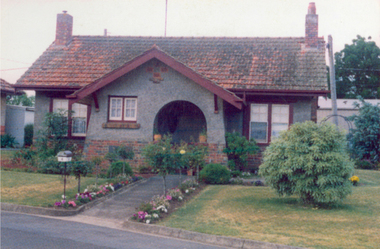
... Williams, both natives of Ballarat, offered to build a cottage on the Association's ground at PErry Park [now Charles Anderson Grove] something after a style of the Hassell Homes. ...Williams, both natives of Ballarat, offered to build a cottage on the Association's ground at PErry Park [now Charles Anderson Grove] something after a style of the Hassell Homes. ...This home was the second cottage built by the Old Colonists' Association, and was the gift of Sydney W.J. Clark. It was completed in 1925. From the minute books: "Mr and Mrs F.J. Williams, both natives of Ballarat, offered to build a cottage on the Association's ground at PErry Park [now Charles Anderson Grove] something after a style of the Hassell Homes. That Offer was immediately followed by another from Mr S.W.J. Clark, a member of the Council. Both offers were promOne of the first objectives of the Association was "to provide the shelter of a hose for those Pioneers of the Goldfields whom the reverses of fortune have deprived of the means of procuring the comforts of life in their declining years." The first home at Charles Anderson Grove was built in 1925. Before that time the Association provided relief for needy pioneers. relief included monthly monetary payments, loads of firewood, medical assistance and distribution of Christmas bosed of groceries to deserving pensioners, and in some cases payment of burial costs. ::a) The dominant purpose of the Association is to give public benevolent relief as a charity, but providing independent living accommodation in our Retirement Village for person in need who are over 65. ::b) To raise funds by membership subscription, commercial and residential rents, donations, gifts and voluntary work, for the purpose of providing direct relief of poverty, distress, misfortune or helplessness. ::c) To maintain the important heritage and ongoing viability of the Old Colonists' Association. (Revised Rules of the Old Colonists' Association of Ballarat Inc., 2016) OBITUARY MR. SIDNEY W. J. CLARK BALLARAT, Friday. - After a long illness Mr. Sidney W. J. Clark, 76, a member of the Courier Pty. Ltd., died at Ballarat today. He was a son of the late Mr. Robert Clark, one of the founders of the journal. Mr. Clark was president of the Ballarat Bowling Club for 10 years, and was a member of the Australian bowling team that visited Britain some years ago. He was a benefactor to Ballarat charities, and gave a cottage to the Ballarat Old Colonists' Association Cottage Scheme. (The Argus, 27 Dec 1941) Colour photograph of The Old Colonists' Association Cottage at The Old Colonists' Assiation of Ballarat Inc retirement village at Charles Anderson Grove, Ballarat.ballarat old colonists' club, charles anderson grove, sydney w.j. clark, s.w.j. clark -
 Lake Bolac & District Historical Society
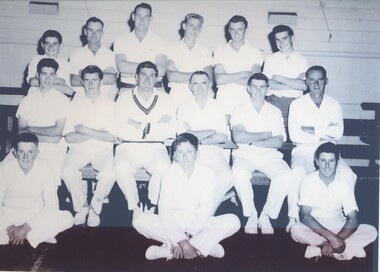
black & white photograph, Lake Bolac High School Colts Cricket team (early 1960's)
... Team Members: Back from left - Ken Thom, George Hucker, Russell Park, Kevin Perry, Ivan Hucker, Murray Thom. Centre row - Russell Adams, Richard Thom, Jim Knight, Ern Harkin, Neil Thom, Claude Moore. ...Team Members: Back from left - Ken Thom, George Hucker, Russell Park, Kevin Perry, Ivan Hucker, Murray Thom. Centre row - Russell Adams, Richard Thom, Jim Knight, Ern Harkin, Neil Thom, Claude Moore. ...Lake Bolac High School Colts Cricket Team - early 1960's. Team Members: Back from left - Ken Thom, George Hucker, Russell Park, Kevin Perry, Ivan Hucker, Murray Thom. Centre row - Russell Adams, Richard Thom, Jim Knight, Ern Harkin, Neil Thom, Claude Moore. Front - Allan Knight, Murray Knight, Ron Wilson.lake bolac, cricket, 1960's, adams, harkin, hucker, knight, moore, park, thom, wilson -
 Old Colonists' Association of Ballarat Inc.
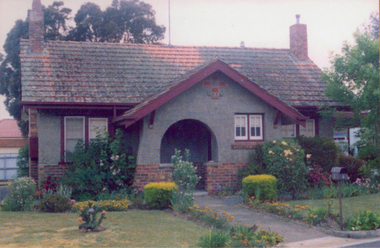
Photograph - Image, Ballarat Old Colonists' Association Residence - Williams Cottage, 2016
... Williams, both natives of Ballarat, offered to build a cottage on the Association's ground at Perry Park [now known as Charles Anderson Grove] something after a style of the Hassell Homes. ...Williams, both natives of Ballarat, offered to build a cottage on the Association's ground at Perry Park [now known as Charles Anderson Grove] something after a style of the Hassell Homes. ...This home was the first cottage built by the Old Colonists' Association, and was the gift of Mr and Mrs F.J. Williams. It was completed in 1925. From the minute books: "Mr and Mrs F.J. Williams, both natives of Ballarat, offered to build a cottage on the Association's ground at Perry Park [now known as Charles Anderson Grove] something after a style of the Hassell Homes. That offer was immediately followed by another from Mr S.W.J. Clark, a member of the Council. Both offers were promptly and gratefully accepted." One of the first objectives of the Association was "to provide the shelter of a hose for those Pioneers of the Goldfields whom the reverses of fortune have deprived of the means of procuring the comforts of life in their declining years." The first home at Charles Anderson Grove was built in 1925. Before that time the Association provided relief for needy pioneers. Relief included monthly monetary payments, loads of firewood, medical assistance and distribution of Christmas bosed of groceries to deserving pensioners, and in some cases payment of burial costs. ::a) The dominant purpose of the Association is to give public benevolent relief as a charity, but providing independent living accommodation in our Retirement Village for person in need who are over 65. ::b) To raise funds by membership subscription, commercial and residential rents, donations, gifts and voluntary work, for the purpose of providing direct relief of poverty, distress, misfortune or helplessness. ::c) To maintain the important heritage and ongoing viability of the Old Colonists' Association. (Revised Rules of the Old Colonists' Association of Ballarat Inc., 2016) Mr and Mrs Fred John and Matilda Anne Williams of Melbourne made a generous donation to enable this cottage to be built. It was opened in their presence in 1925. Fred John Williams was the son of John Williams and Thomassina Whilley. Together with his brother Frank Williams, Fred Williams was the proprietor of J. Williams and Sons. The brothers took over the business when their father, John Williams, retired in January 1893. In 1918 Fred Williams left Ballarat for Melbourne, at which time he was described as someone who had ‘tried to benefit the whole of Ballarat’. He was highly involved with the Forward Ballarat Movement At the time of his death in February 1926 at Lorne F.J. Williams was a partner in the firm Williams Shoemen Pty. Ltd. Colour photograph of Williams Cottage at The Old Colonists' Association of Ballarat Inc retirement village at Charles Anderson Grove, Ballarat.old colonists' association, ballarat, ballarat old colonists' club, charles anderson grove, f.j. william, retirement village, williams cottage, fred john williams, matilda anne williams, fred williams, matilda williams -
 Old Colonists' Association of Ballarat Inc.
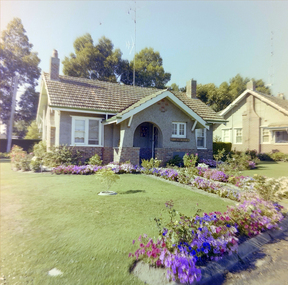
Photograph - Image, Ballarat Old Colonists' Association Residence - Williams Cottage, c1980
... Williams, both natives of Ballarat, offered to build a cottage on the Association's ground at Perry Park [now known as Charles Anderson Grove] something after a style of the Hassell Homes. ...Williams, both natives of Ballarat, offered to build a cottage on the Association's ground at Perry Park [now known as Charles Anderson Grove] something after a style of the Hassell Homes. ...This home was the first cottage built by the Old Colonists' Association, and was the gift of Mr and Mrs F.J. Williams. It was completed in 1925. From the minute books: "Mr and Mrs F.J. Williams, both natives of Ballarat, offered to build a cottage on the Association's ground at Perry Park [now known as Charles Anderson Grove] something after a style of the Hassell Homes. That offer was immediately followed by another from Mr S.W.J. Clark, a member of the Council. Both offers were promptly and gratefully accepted." One of the first objectives of the Association was "to provide the shelter of a hose for those Pioneers of the Goldfields whom the reverses of fortune have deprived of the means of procuring the comforts of life in their declining years." The first home at Charles Anderson Grove was built in 1925. Before that time the Association provided relief for needy pioneers. Relief included monthly monetary payments, loads of firewood, medical assistance and distribution of Christmas bosed of groceries to deserving pensioners, and in some cases payment of burial costs. ::a) The dominant purpose of the Association is to give public benevolent relief as a charity, but providing independent living accommodation in our Retirement Village for person in need who are over 65. ::b) To raise funds by membership subscription, commercial and residential rents, donations, gifts and voluntary work, for the purpose of providing direct relief of poverty, distress, misfortune or helplessness. ::c) To maintain the important heritage and ongoing viability of the Old Colonists' Association. (Revised Rules of the Old Colonists' Association of Ballarat Inc., 2016) Mr and Mrs Fred John and Matilda Anne Williams of Melbourne made a generous donation to enable this cottage to be built. It was opened in their presence in 1925. Fred John Williams was the son of John Williams and Thomassina Whilley. Together with his brother Frank Williams, Fred Williams was the proprietor of J. Williams and Sons. The brothers took over the business when their father, John Williams, retired in January 1893. In 1918 Fred Williams left Ballarat for Melbourne, at which time he was described as someone who had ‘tried to benefit the whole of Ballarat’. He was highly involved with the Forward Ballarat Movement At the time of his death in February 1926 at Lorne F.J. Williams was a partner in the firm Williams Shoemen Pty. Ltd. Colour photograph of Williams Cottage at The Old Colonists' Association of Ballarat Inc retirement village at Charles Anderson Grove, Ballarat.old colonists' association, ballarat, ballarat old colonists' club, charles anderson grove, f.j. william, retirement village, williams cottage, fred john williams, matilda anne williams, fred williams, matilda williams -
 Old Colonists' Association of Ballarat Inc.
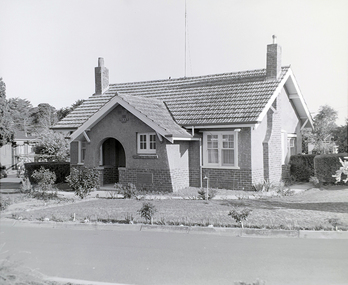
Photograph - Image, Thornton Richards, Ballarat Old Colonists' Association Residence - Williams Cottage, 28/09/1982
... Williams, both natives of Ballarat, offered to build a cottage on the Association's ground at Perry Park [now known as Charles Anderson Grove] something after a style of the Hassell Homes. ...Williams, both natives of Ballarat, offered to build a cottage on the Association's ground at Perry Park [now known as Charles Anderson Grove] something after a style of the Hassell Homes. ...This home was the first cottage built by the Old Colonists' Association, and was the gift of Mr and Mrs F.J. Williams. It was completed in 1925. From the minute books: "Mr and Mrs F.J. Williams, both natives of Ballarat, offered to build a cottage on the Association's ground at Perry Park [now known as Charles Anderson Grove] something after a style of the Hassell Homes. That offer was immediately followed by another from Mr S.W.J. Clark, a member of the Council. Both offers were promptly and gratefully accepted." One of the first objectives of the Association was "to provide the shelter of a hose for those Pioneers of the Goldfields whom the reverses of fortune have deprived of the means of procuring the comforts of life in their declining years." The first home at Charles Anderson Grove was built in 1925. Before that time the Association provided relief for needy pioneers. Relief included monthly monetary payments, loads of firewood, medical assistance and distribution of Christmas bosed of groceries to deserving pensioners, and in some cases payment of burial costs. ::a) The dominant purpose of the Association is to give public benevolent relief as a charity, but providing independent living accommodation in our Retirement Village for person in need who are over 65. ::b) To raise funds by membership subscription, commercial and residential rents, donations, gifts and voluntary work, for the purpose of providing direct relief of poverty, distress, misfortune or helplessness. ::c) To maintain the important heritage and ongoing viability of the Old Colonists' Association. (Revised Rules of the Old Colonists' Association of Ballarat Inc., 2016) Mr and Mrs Fred John and Matilda Anne Williams of Melbourne made a generous donation to enable this cottage to be built. It was opened in their presence in 1925. Fred John Williams was the son of John Williams and Thomassina Whilley. Together with his brother Frank Williams, Fred Williams was the proprietor of J. Williams and Sons. The brothers took over the business when their father, John Williams, retired in January 1893. In 1918 Fred Williams left Ballarat for Melbourne, at which time he was described as someone who had ‘tried to benefit the whole of Ballarat’. He was highly involved with the Forward Ballarat Movement. At the time of his death in February 1926 at Lorne F.J. Williams was a partner in the firm Williams Shoemen Pty. Ltd. Colour photograph of Williams Cottage at The Old Colonists' Association of Ballarat Inc retirement village at Charles Anderson Grove, Ballarat.old colonists' association, ballarat, ballarat old colonists' club, charles anderson grove, f.j. william, retirement village, williams cottage, fred john williams, matilda anne williams, fred williams, matilda williams, williams shoemen pty. ltd -
 Old Colonists' Association of Ballarat Inc.
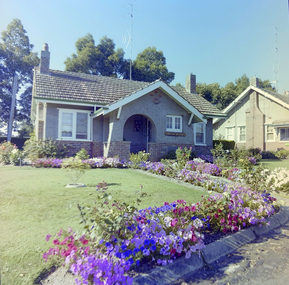
Photograph - Image, Thornton Richards, Ballarat Old Colonists' Association Residence - Williams Cottage, c1982
... Williams, both natives of Ballarat, offered to build a cottage on the Association's ground at Perry Park [now known as Charles Anderson Grove] something after a style of the Hassell Homes. ...Williams, both natives of Ballarat, offered to build a cottage on the Association's ground at Perry Park [now known as Charles Anderson Grove] something after a style of the Hassell Homes. ...This home was the first cottage built by the Old Colonists' Association, and was the gift of Mr and Mrs F.J. Williams. It was completed in 1925. From the minute books: "Mr and Mrs F.J. Williams, both natives of Ballarat, offered to build a cottage on the Association's ground at Perry Park [now known as Charles Anderson Grove] something after a style of the Hassell Homes. That offer was immediately followed by another from Mr S.W.J. Clark, a member of the Council. Both offers were promptly and gratefully accepted." One of the first objectives of the Association was "to provide the shelter of a hose for those Pioneers of the Goldfields whom the reverses of fortune have deprived of the means of procuring the comforts of life in their declining years." The first home at Charles Anderson Grove was built in 1925. Before that time the Association provided relief for needy pioneers. Relief included monthly monetary payments, loads of firewood, medical assistance and distribution of Christmas bosed of groceries to deserving pensioners, and in some cases payment of burial costs. a) The dominant purpose of the Association is to give public benevolent relief as a charity, but providing independent living accommodation in our Retirement Village for person in need who are over 65. b) To raise funds by membership subscription, commercial and residential rents, donations, gifts and voluntary work, for the purpose of providing direct relief of poverty, distress, misfortune or helplessness. c) To maintain the important heritage and ongoing viability of the Old Colonists' Association. (Revised Rules of the Old Colonists' Association of Ballarat Inc., 2016) Mr and Mrs Fred John and Matilda Anne Williams of Melbourne made a generous donation to enable this cottage to be built. It was opened in their presence in 1925. Fred John Williams was the son of John Williams and Thomassina Whilley. Together with his brother Frank Williams, Fred Williams was the proprietor of J. Williams and Sons. The brothers took over the business when their father, John Williams, retired in January 1893. In 1918 Fred Williams left Ballarat for Melbourne, at which time he was described as someone who had ‘tried to benefit the whole of Ballarat’. He was highly involved with the Forward Ballarat Movement. At the time of his death in February 1926 at Lorne F.J. Williams was a partner in the firm Williams Shoemen Pty. Ltd. Colour photograph of Williams Cottage at The Old Colonists' Association of Ballarat Inc retirement village at Charles Anderson Grove, Ballarat. It features a colourful flower border. old colonists' association, ballarat, ballarat old colonists' club, charles anderson grove, f.j. william, retirement village, williams cottage, fred john williams, matilda anne williams, fred williams, matilda williams -
 Old Colonists' Association of Ballarat Inc.
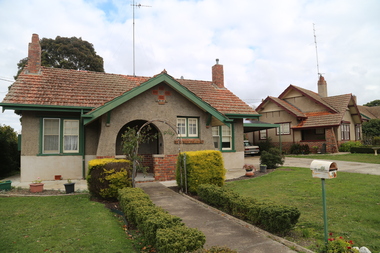
Photograph - Image, Lisa Gervasoni, 3 Charles Anderson Grove - Williams Cottage, 13/06/2021
... Williams, both natives of Ballarat, offered to build a cottage on the Association's ground at Perry Park [now known as Charles Anderson Grove] something after a style of the Hassell Homes. ...Williams, both natives of Ballarat, offered to build a cottage on the Association's ground at Perry Park [now known as Charles Anderson Grove] something after a style of the Hassell Homes. ...This home was the first cottage built by the Old Colonists' Association, and was the gift of Mr and Mrs F.J. Williams. It was completed in 1925. From the minute books: "Mr and Mrs F.J. Williams, both natives of Ballarat, offered to build a cottage on the Association's ground at Perry Park [now known as Charles Anderson Grove] something after a style of the Hassell Homes. That offer was immediately followed by another from Mr S.W.J. Clark, a member of the Council. Both offers were promptly and gratefully accepted." One of the first objectives of the Association was "to provide the shelter of a hose for those Pioneers of the Goldfields whom the reverses of fortune have deprived of the means of procuring the comforts of life in their declining years." The first home at Charles Anderson Grove was built in 1925. Before that time the Association provided relief for needy pioneers. Relief included monthly monetary payments, loads of firewood, medical assistance and distribution of Christmas bosed of groceries to deserving pensioners, and in some cases payment of burial costs. ::a) The dominant purpose of the Association is to give public benevolent relief as a charity, but providing independent living accommodation in our Retirement Village for person in need who are over 65. ::b) To raise funds by membership subscription, commercial and residential rents, donations, gifts and voluntary work, for the purpose of providing direct relief of poverty, distress, misfortune or helplessness. ::c) To maintain the important heritage and ongoing viability of the Old Colonists' Association. (Revised Rules of the Old Colonists' Association of Ballarat Inc., 2016) Mr and Mrs Fred John and Matilda Anne Williams of Melbourne made a generous donation to enable this cottage to be built. It was opened in their presence in 1925. Fred John Williams was the son of John Williams and Thomassina Whilley. Together with his brother Frank Williams, Fred Williams was the proprietor of J. Williams and Sons. The brothers took over the business when their father, John Williams, retired in January 1893. In 1918 Fred Williams left Ballarat for Melbourne, at which time he was described as someone who had ‘tried to benefit the whole of Ballarat’. He was highly involved with the Forward Ballarat Movement At the time of his death in February 1926 at Lorne F.J. Williams was a partner in the firm Williams Shoemen Pty. Ltd. By 2021 the cottage had numerous cracks and required work. These photographs are a record of the condition of the cottage at that time.Colour photograph of the exterior views of Williams Cottage at The Old Colonists' Association of Ballarat Inc retirement village at 3 Charles Anderson Grove, Ballarat.old colonists' association, ballarat, ballarat old colonists' club, charles anderson grove, f.j. william, retirement village, williams cottage, fred john williams, matilda anne williams, fred williams, matilda williams, 3 charles anderson grove -
 Old Colonists' Association of Ballarat Inc.
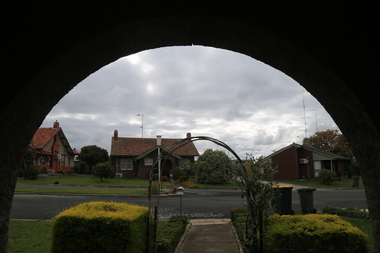
Photograph - Image, Lisa Gervasoni, Ballarat Old Colonists' Association Residence - Williams Cottage, 3 Charles Anderson Grove, 13/06/2021
... Williams, both natives of Ballarat, offered to build a cottage on the Association's ground at Perry Park [now known as Charles Anderson Grove] something after a style of the Hassell Homes. ...Williams, both natives of Ballarat, offered to build a cottage on the Association's ground at Perry Park [now known as Charles Anderson Grove] something after a style of the Hassell Homes. ...This home was the first cottage built by the Old Colonists' Association, and was the gift of Mr and Mrs F.J. Williams. It was completed in 1925. From the minute books: "Mr and Mrs F.J. Williams, both natives of Ballarat, offered to build a cottage on the Association's ground at Perry Park [now known as Charles Anderson Grove] something after a style of the Hassell Homes. That offer was immediately followed by another from Mr S.W.J. Clark, a member of the Council. Both offers were promptly and gratefully accepted." One of the first objectives of the Association was "to provide the shelter of a hose for those Pioneers of the Goldfields whom the reverses of fortune have deprived of the means of procuring the comforts of life in their declining years." The first home at Charles Anderson Grove was built in 1925. Before that time the Association provided relief for needy pioneers. Relief included monthly monetary payments, loads of firewood, medical assistance and distribution of Christmas bosed of groceries to deserving pensioners, and in some cases payment of burial costs. ::a) The dominant purpose of the Association is to give public benevolent relief as a charity, but providing independent living accommodation in our Retirement Village for person in need who are over 65. ::b) To raise funds by membership subscription, commercial and residential rents, donations, gifts and voluntary work, for the purpose of providing direct relief of poverty, distress, misfortune or helplessness. ::c) To maintain the important heritage and ongoing viability of the Old Colonists' Association. (Revised Rules of the Old Colonists' Association of Ballarat Inc., 2016) Mr and Mrs Fred John and Matilda Anne Williams of Melbourne made a generous donation to enable this cottage to be built. It was opened in their presence in 1925. Fred John Williams was the son of John Williams and Thomassina Whilley. Together with his brother Frank Williams, Fred Williams was the proprietor of J. Williams and Sons. The brothers took over the business when their father, John Williams, retired in January 1893. In 1918 Fred Williams left Ballarat for Melbourne, at which time he was described as someone who had ‘tried to benefit the whole of Ballarat’. He was highly involved with the Forward Ballarat Movement At the time of his death in February 1926 at Lorne F.J. Williams was a partner in the firm Williams Shoemen Pty. Ltd. By 2021 the cottage had numerous cracks and required work. These photographs are a record of the condition of the cottage at that time.Colour photograph of the interior views of Williams Cottage at The Old Colonists' Association of Ballarat Inc retirement village at 3 Charles Anderson Grove, Ballarat.old colonists' association, ballarat, ballarat old colonists' club, charles anderson grove, f.j. william, retirement village, williams cottage, fred john williams, matilda anne williams, fred williams, matilda williams, 3 charles anderson grove -
 Old Colonists' Association of Ballarat Inc.
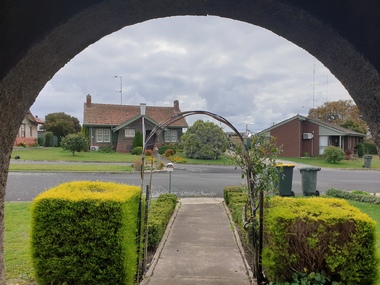
Photograph - Image, Lisa Gervasoni, Ballarat Old Colonists' Association Residence - Williams Cottage, 3 Charles Anderson Grove, 2021, 13/06/2021
... Williams, both natives of Ballarat, offered to build a cottage on the Association's ground at Perry Park [now known as Charles Anderson Grove] something after a style of the Hassell Homes. ...Williams, both natives of Ballarat, offered to build a cottage on the Association's ground at Perry Park [now known as Charles Anderson Grove] something after a style of the Hassell Homes. ...This home was the first cottage built by the Old Colonists' Association, and was the gift of Mr and Mrs F.J. Williams. It was completed in 1925. From the minute books: "Mr and Mrs F.J. Williams, both natives of Ballarat, offered to build a cottage on the Association's ground at Perry Park [now known as Charles Anderson Grove] something after a style of the Hassell Homes. That offer was immediately followed by another from Mr S.W.J. Clark, a member of the Council. Both offers were promptly and gratefully accepted." One of the first objectives of the Association was "to provide the shelter of a hose for those Pioneers of the Goldfields whom the reverses of fortune have deprived of the means of procuring the comforts of life in their declining years." The first home at Charles Anderson Grove was built in 1925. Before that time the Association provided relief for needy pioneers. Relief included monthly monetary payments, loads of firewood, medical assistance and distribution of Christmas bosed of groceries to deserving pensioners, and in some cases payment of burial costs. ::a) The dominant purpose of the Association is to give public benevolent relief as a charity, but providing independent living accommodation in our Retirement Village for person in need who are over 65. ::b) To raise funds by membership subscription, commercial and residential rents, donations, gifts and voluntary work, for the purpose of providing direct relief of poverty, distress, misfortune or helplessness. ::c) To maintain the important heritage and ongoing viability of the Old Colonists' Association. (Revised Rules of the Old Colonists' Association of Ballarat Inc., 2016) Mr and Mrs Fred John and Matilda Anne Williams of Melbourne made a generous donation to enable this cottage to be built. It was opened in their presence in 1925. Fred John Williams was the son of John Williams and Thomassina Whilley. Together with his brother Frank Williams, Fred Williams was the proprietor of J. Williams and Sons. The brothers took over the business when their father, John Williams, retired in January 1893. In 1918 Fred Williams left Ballarat for Melbourne, at which time he was described as someone who had ‘tried to benefit the whole of Ballarat’. He was highly involved with the Forward Ballarat Movement At the time of his death in February 1926 at Lorne F.J. Williams was a partner in the firm Williams Shoemen Pty. Ltd. By 2021 the cottage had numerous cracks and required work. These photographs are a record of the condition of the cottage at that time.Colour photograph of the interior views of Williams Cottage at The Old Colonists' Association of Ballarat Inc retirement village at 3 Charles Anderson Grove, Ballarat.old colonists' association, ballarat, ballarat old colonists' club, charles anderson grove, f.j. william, retirement village, williams cottage, fred john williams, matilda anne williams, fred williams, matilda williams, 3 charles anderson grove -
 Old Colonists' Association of Ballarat Inc.
Photograph - Image, The History of Charles Anderson and Charles Anderson Grove, Ballarat
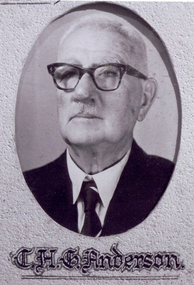
... The second site was Perry Park which was described as being good land, well fenced, having frontage to Gillies Street, good drainage and about 26 acres (but subsequently reduced to 10 acres). ...The second site was Perry Park which was described as being good land, well fenced, having frontage to Gillies Street, good drainage and about 26 acres (but subsequently reduced to 10 acres). ...Information relating to Charles Anderson and Charles Anderson Grove, Lake Gardens, Ballarat. The Old Colonists' Association Ballarat Inc. is a not for profit charitable organisation providing accommodation for elderly people. It manages a 27 Home retirement village at Charles Anderson Grove, Ballarat. Accommodation is offered at significantly below market rates. It has been providing low cost accommodation to the elderly since the 1920s. The Association Council overseas the running of this facility on a voluntary basis. HISTORY OF THE BALLARAT OLD COLONISTS' ASSOCIATION HOMES AT CHARLES ANDERSON GROVE, LAKE GARDENS One of the original objectives of the Association was “to provide the shelter of a house for those Pioneers of the Goldfields whom the reverses of fortune have deprived of the means of procuring the comforts of life in their declining years.” While the first home at Charles Anderson Grove was built in 1925 the Association had previously provided relief for needy pioneers from the time it was formed in 1883. Relief included monthly monetary payments, loads of firewood, medical assistance and distribution of Christmas boxes of groceries to deserving pensioners and in some cases payment of burial costs. Records indicate that in September 1922 three of the pensioners being assisted by the Association were accepted as residents in the newly erected Hassell Homes in Gillies Street (now demolished-opposite the High School). The first site for an Asylum for Indigent Members of the Old Colonists' Association was temporarily reserved from sale in October 1891. The site was approximately 28 acres in area in Mt Clear nearly opposite Midvale Shopping Centre in Main Road. The site was heavily timbered and when cleared over 260 tons of wood was sold to the Woah Hawp Gold Mining Company. A set of gates were erected but no homes built, although a plan for this reserve was drawn which showed twenty buildings ranging from one to four unit per building. The reserve was revoked in November 1909. The second site temporarily reserved in November 1909 as an Asylum was in Alfredton and consisted of some 7 acres and was adjacent to land reserved for an Abattoirs for the Ballarat Council. The reserve was revoked in February 1912 as it was deemed more appropriate to be added to the Abattoir site. Council suggested four (4) other sites in exchange for this land and they were inspected by the President, Vice President and Secretary on 22 December 1912. The first site inspected was land on the west side of Creswick Road opposite the brick kilns (now occupied by the showgrounds and oval). The land was described as being good quality, well fenced, no trees, good drainage and ample acreage but some distance from trams. The second site was Perry Park which was described as being good land, well fenced, having frontage to Gillies Street, good drainage and about 26 acres (but subsequently reduced to 10 acres). It was closely planted with Pinus Insignias and Wattle and had easy access from the Botanic Gardens tram. The third site was the North West portion of Victoria Park (corner of Sturt and Gillies Street) and was described as good land, well fenced and drained and well located. The fourth site was the South West corner of Victoria Park and known as Pound Paddock (corner of Winter Street and Gillies Street). It was considered to be low lying and too close to the Abattoir, and was also a considerable distance from trams. While the third site was recommended as the most suitable for the erection of homes it was considered unwise from the point of view as citizens to reduce the acreage of the park and therefore it was recommended that the Perry Park site be asked for as the most acceptable to the Association for the building of homes. The site was eventually temporarily reserved for an Asylum for Indigent Members of the Association in April 1914 with the gates from Mt Clear having been removed to the site a year earlier and eventually erected in 1917 for £12.10.0. In the same year the first 290 pine trees were advertised for removal in July and sold for £16. A sign indicating that the site was reserved for the erection of cottages was erected in September 1917. Stripping of the wattle bark (for tanning) and the cutting of the wood occurred in November 1918 with the land then being leased until it was required for the construction of the first homes in 1924. While the site was the third to be reserved it was the only one which was used for its intended purpose. It was named as Charles Anderson Grove in honour of Charles Anderson who joined the Association in 1918 and was President of the Association from 1942 to 1944. CHARLES HENRY GRATTAN ANDERSON C.H.G. Anderson (Electoral Returning Officer) was elected to membership of the Old Colonists' Association, Ballarat, in October 1918. He was elected to the Association Committee in 1926, and appointed Treasurer of the Association on the resignation of F. Ellis until the end of the financial year in 1933. In 1936 Charles Anderson indicated he would not be available for the President's Chair and that he would retire from the Committee owing to pressure of work. C.H.G. Anderson was welcomed as a new member of the Association in 1938, and served as President of the Old Colonists' Association from 1942-1944. Midway through 1949 Charles Anderson was appointed Members Secretary and Manager of the Ballarat Old Colonists' Club at £5.0.0 per week and 10/- for entertainment, to commence work prior to 01 August 1949. He was to do 30 hours per week and be present on Friday and generally on Saturday nights. In 1957 a minute of sympathy was extended to Club Manager Charles Anderson on the loss of his son. In 1958 a bonus of £20.0.0 was paid to Charles Anderson in recognition of his service in assisting the Secretary/Manager taking over under difficult conditions. In March 1964 the Shire of Ballarat would not permit a private road to be named Anderson Grove as Anderson Street already existed in Ballarat but Charles Anderson Grove was deemed acceptable. A recommendation of the Committee was put to the AGM in 1967 that Charles Anderson be made a Life Member. In 1969 an Association meeting observed a minutes silence in memory of Chas Anderson. Charles Anderson was also a Committee member of Ballarat Mechanics' Institute from February 1940 to February 1970. He was President in 1948. Black and white photographic portrait of Charles Anderson.charles anderson, charles anderson grove, ballarat old colonists' club, old colonists' association, ballarat, ballarat mechanics' institute, hassell homes, woah hawp gold mining company, firewood, retirement village -
 Melbourne Tram Museum
Ephemera - Calendar, Topmill Pty Ltd, "Trams - 2016", 2015
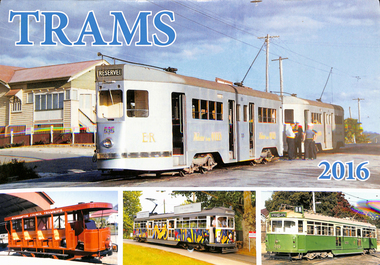
... Photos by Peter Winspur, Maurice Kelly, Arthur Perry, Kym Smith, Archer Park, Ken Smith and David Kirby...Photos by Peter Winspur, Maurice Kelly, Arthur Perry, Kym Smith, Archer Park, Ken Smith and David Kirby "Trams - 2016" Ephemera Calendar Topmill Pty Ltd ...Wall Calendar - heavy card covers, 12 gloss art pages inside, titled "Trams - 2016" containing full colour photographs of Brisbane, Rockhampton, Melbourne, Bendigo, Ballarat, Adelaide, Hobart, Sydney, Valley Heights, Has a punched hole along the top edge to enable wall use. Provides dates for holidays, school holidays and Pension payment days and phases of the moon. Produced by Topmill Pty Ltd and distributed by Gordon & Gotch Pty Ltd. Photos by Peter Winspur, Maurice Kelly, Arthur Perry, Kym Smith, Archer Park, Ken Smith and David Kirbytrams, tramways, ballarat, bendigo, adelaide, sydney, brisbane, rockhampton, hobart, valley heights, tram 40, tram 880, tram 1000, tram 219, tram 14 -
 Federation University Historical Collection
Booklet - Magazine, Ballarat School of Mines Students' Magazine, 1927
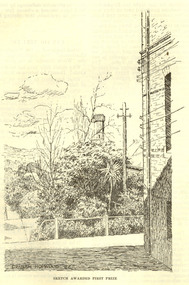
... Ball July 20th at the City Hall -Letter to Editor 'The Chemists' Trip to Melbourne mentioning a tour of the Footscray Technical School; an exploration of the Mount Lyell Chemical Works; visits to the Colonial Sugar Refining Company, The Melbourne Mint, the Deer Park Explosive Works (met with former S.M.B. students, A. Perry and H. R. ...Ball July 20th at the City Hall -Letter to Editor 'The Chemists' Trip to Melbourne mentioning a tour of the Footscray Technical School; an exploration of the Mount Lyell Chemical Works; visits to the Colonial Sugar Refining Company, The Melbourne Mint, the Deer Park Explosive Works (met with former S.M.B. students, A. Perry and H. R. ...Every year the Ballarat School of Mines (S.M.B) produced a magazine, between 1898-1967. The 1927 magazine Editorial Staff- A.T Morrison, E. Van Beek, G. Dimsey, G. Inglis, L. Hillman, J. Muir, J. Johnson, N. Nicholls, B. Saunders, Dr. J. R. Pound, Mr. H. Jolly, A. Proctor, and J. Walters. Contains list of course students for 1927. Listing of School Council and staff for 1927 (inside front cover). Listing of departments, courses and fees (approximate) available at S.M.B . (inside back cover) *Articles -Mr. John Rowell regarding his receiving the Crouch Memorial Prize -S.M.B. Procession, 1927 -S.M.B. Ball July 20th at the City Hall -Letter to Editor 'The Chemists' Trip to Melbourne mentioning a tour of the Footscray Technical School; an exploration of the Mount Lyell Chemical Works; visits to the Colonial Sugar Refining Company, The Melbourne Mint, the Deer Park Explosive Works (met with former S.M.B. students, A. Perry and H. R. Kofoed), Nobel (Australasia) Ltd. -Mentions of Literary Society activities -Geelong trip by school football team July 18th to play Gordon Tech. -Extract from the 'People's Paper', July 14 regarding the S.M.B Gala Night and the election of Miss S.M.B. -Mentions of the Mica Smith Scholarship -4th Annual reunion for Past Students Association, 23rd October -Descriptive article on Port Arthur -Tour of the Mount Lyell District, with mentions of the North Lyell Mine, Port Kembla, Lake Margaret Hydro Electric Works -Paper making -A brief description of the rubber industry -Decorating for the Gala Ball -Sporting activities, 1926 and 1927 -The Junior Techs class and sporting activities. Mentions of their participation in the Procession *Prints -S.M.B. Botanical Gardens by Graham Hopwood, awarded first prize -Caricatures unknown subjects, though to be staff and students at the school *Photographs -Editorial Staff -S.M.B. Athletic Team, 1926- Winners of the Herald Shield -S.M.B. Football Team, 1927 -School of Mines Girls' Basket Ball team, 1927 -Girls' Hockey Team, Ballarat School of Mines, 1927 -Winners of the Thompson Shield, 1926. Premiers N.C.D.- J.T.S.A. (Junior Technical School Association) *Advertisements -A.N.A. Hall, Camp St. 'The Rollicking English Company- "The Rivals", presented by the School of Mines Dramatic Company. Wednesday, 14th September, 1927.Green soft covered book relating to the Ballarat School of Mines student activities for the year 1927. smb, ballarat school of mines, hockey, ballarat school of mines botanical gardens, graham hopwood, basketball, netball, a.t morrison, e. van beek, g. dimsey, g. inglis, l. hillman, j. muir, j. johnson, n. nicholls, b. saunders, dr. j. r. pound, mr. h. jolly, a. proctor, j. walters -
 Federation University Historical Collection
Book, E.J. Barker, Keep on Keeping On: Jack Barker's Memoirs, 2018, 2018
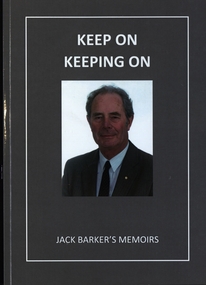
... perry...ballarat school of mines museum...derek wooley...ed phillips...ballarat gaol...gaol tunnels...mount helen campus...geoff harrison...lindsay pryor...tree planting at mt helen campus...ballarat technology park...e.j. barker jack barker winsome barker ballarat school of mines ballarat institute of advanced education ballarat college of advanced education higher education council williamstown edward john barker footscrat technical school engineering joe barberis baseball tennis john barker queenscliff david gordon emine karakan robby main dick richards r.w. richards laboratory thermodynamics laboratory fluid mechanics laboratory harry arblaster warren perry ballarat school of mines museum derek wooley ed phillips ballarat gaol gaol tunnels mount helen campus geoff harrison lindsay pryor tree planting at mt helen campus ballarat technology park 1870 founders hall john beaumont initiations goon's gift raft races bath tub push centenary appeal prince charles visit philip law fourth university committee ballarat teachers' college ballarat school of mines motto caro conference centre creswick school of forestry ballarat hospital nurse education aquinas catholic teachers' college family history genealogy Grey soft covered book with a photographic image of E.J. ...Grey soft covered book with a photographic image of E.J. (Jack) Barker on the front. The contents include family history, teaching at the Ballarat School of Mines, Principal of the Ballarat School of Mines, inaugural Director of Ballarat Institute of Advanced Education, Committees hobbies and travel.e.j. barker, jack barker, winsome barker, ballarat school of mines, ballarat institute of advanced education, ballarat college of advanced education, higher education council, williamstown, edward john barker, footscrat technical school, engineering, joe barberis, baseball, tennis, john barker, queenscliff, david gordon, emine karakan, robby main, dick richards, r.w. richards, laboratory, thermodynamics laboratory, fluid mechanics laboratory, harry arblaster, warren perry, ballarat school of mines museum, derek wooley, ed phillips, ballarat gaol, gaol tunnels, mount helen campus, geoff harrison, lindsay pryor, tree planting at mt helen campus, ballarat technology park, 1870 founders hall, john beaumont, initiations, goon's gift, raft races, bath tub push, centenary appeal, prince charles visit, philip law, fourth university committee, ballarat teachers' college, ballarat school of mines motto, caro conference centre, creswick school of forestry, ballarat hospital nurse education, aquinas catholic teachers' college, family history, genealogy -
 Federation University Historical Collection
Booklet, J.A. Hoskin & Son, Ballarat School of Mines Students' Magazine, 1951. Gold Centenary Number, 1951
... School Council, Members of Staff, Editorial, Principal's Page, Magazine Committee, News and Notes, Literary Society, Prominent Personalities, The Centenary and Jubilee Celebrations, Prize Presentation, Boys Sport, Cricket, Annual Sports, Football, Baseball, Tennis, Science School, A Day in Colombo, The Apprentices, The Art School, Ballarat's Achievement, The Girls Association, Dressmakers, Commercial Notes, Foundation Pupils of Ballarat Girls Junior Technical School, Junior School, Retirements ballarat school of mines magazine heather harris c. g. fairbank d. cotton j. bethune f. andrewartha p. ditchfield n. andrews f. benjamin s. deans w. j. patterson glenice lodington esme atkins rosemary hullick heather browning valerie jolly eileen walsh beverley robinson b. bryan jack ballinger h. trudinger l. garner don stevens kevin treloar cliff restarick jim brokenshire john jopling barbara wilson margery troon e. j. tippett r. w. richards w. kingston joan cameron lloyd veal john mckenzie crom. bray pat maloney betty dulfer margaret martin bill llewellyn jacquiline bilston alf mckenzie grace laurie john spittle mina gallie mrs willis brown donald eltringham mrs d. eltringham geoff mounter mrs g. mounter alan wilson ian mclachlan doug dean mrs d. dean bill meinhardt norman dalton b. taylor j. tinney r. ingleton a. kinnane g. hindson j. peyton j. sawyer j. watts a. fareco e. bartrop m. frawley l. matthews j. blackburn b. flavel b. schreenan b. smith d. stevens j. ballinger c. livitsanos a. johnson r. archer j. brokenshire g. heyes j. carmichael c. restarick m. phillips m. gillin don stewart a. faneco m. stevens w. maddox w. tooth r. simpson jim john ruth buckland ron simpson max phillips l. m. pedrazzi ballarat lake wendouree don whitefield dorothy robertson glen gazzard alison philp audrey dunn judith bryan valerie blee valerie hughes carol seddon brenda beaumont elizabeth kinnane noel batch pat lavery glenys perry ann wright margaret henderson margaret winberg faida lewis diane o'beirne lynette klein gloria white dorothy j. searle isobel tyrell l. j. blomeley adelaide hocking joyce wilson j. edwards lynette robson lois snibson janice rogers joy mills lynn gilbert dawn searle valerie mills bonnie cody dawn peacock margaret paine carole sneddon valma vincent raylee bennetts kay buchanan loris gilbert dawn lang margaret thompson lorraine horwood yvonne rowlands janette sandwith dawn parkes doreen new marion marshall p. sullivan k. r. hall n. brogden k. duncan b. baldock j. bastin r. furlong n. spiers d. quillian n. sutherland a. mills l. norman w. saggers m. hodder r. hewitt d. jones p. reid b. warrillon g. edwards j. bentley m. hall n. quick b. mann f. dolan g. gilbert e. mackie w. davies d. roberts n. purdue r. austin r. dunstone g. king r. hill i. nunn g. hawkes w. cowan c. grose c. garnham j. white d. snowden b. darrington m. drabsch t. wilson r. osborne a. mcpherson n. dixon g. anderson r. stevenson b. musgrove m. roberts d. dow a. hepworth j. copeman g. pike j. collier c. petrie l. pitcher r. sharpe j. gilmer k. hall j. boak j. hudson k. mccoll Green soft covered magazine with gold font. ...School Council, Members of Staff, Editorial, Principal's Page, Magazine Committee, News and Notes, Literary Society, Prominent Personalities, The Centenary and Jubilee Celebrations, Prize Presentation, Boys Sport, Cricket, Annual Sports, Football, Baseball, Tennis, Science School, A Day in Colombo, The Apprentices, The Art School, Ballarat's Achievement, The Girls Association, Dressmakers, Commercial Notes, Foundation Pupils of Ballarat Girls Junior Technical School, Junior School, Retirements Green soft covered magazine with gold font.ballarat school of mines, magazine, heather harris, c. g. fairbank, d. cotton, j. bethune, f. andrewartha, p. ditchfield, n. andrews, f. benjamin, s. deans, w. j. patterson, glenice lodington, esme atkins, rosemary hullick, heather browning, valerie jolly, eileen walsh, beverley robinson, b. bryan, jack ballinger, h. trudinger, l. garner, don stevens, kevin treloar, cliff restarick, jim brokenshire, john jopling, barbara wilson, margery troon, e. j. tippett, r. w. richards, w. kingston, joan cameron, lloyd veal, john mckenzie, crom. bray, pat maloney, betty dulfer, margaret martin, bill llewellyn, jacquiline bilston, alf mckenzie, grace laurie, john spittle, mina gallie, mrs willis brown, donald eltringham, mrs d. eltringham, geoff mounter, mrs g. mounter, alan wilson, ian mclachlan, doug dean, mrs d. dean, bill meinhardt, norman dalton, b. taylor, j. tinney, r. ingleton, a. kinnane, g. hindson, j. peyton, j. sawyer, j. watts, a. fareco, e. bartrop, m. frawley, l. matthews, j. blackburn, b. flavel, b. schreenan, b. smith, d. stevens, j. ballinger, c. livitsanos, a. johnson, r. archer, j. brokenshire, g. heyes, j. carmichael, c. restarick, m. phillips, m. gillin, don stewart, a. faneco, m. stevens, w. maddox, w. tooth, r. simpson, jim john, ruth buckland, ron simpson, max phillips, l. m. pedrazzi, ballarat, lake wendouree, don whitefield, dorothy robertson, glen gazzard, alison philp, audrey dunn, judith bryan, valerie blee, valerie hughes, carol seddon, brenda beaumont, elizabeth kinnane, noel batch, pat lavery, glenys perry, ann wright, margaret henderson, margaret winberg, faida lewis, diane o'beirne, lynette klein, gloria white, dorothy j. searle, isobel tyrell, l. j. blomeley, adelaide hocking, joyce wilson, j. edwards, lynette robson, lois snibson, janice rogers, joy mills, lynn gilbert, dawn searle, valerie mills, bonnie cody, dawn peacock, margaret paine, carole sneddon, valma vincent, raylee bennetts, kay buchanan, loris gilbert, dawn lang, margaret thompson, lorraine horwood, yvonne rowlands, janette sandwith, dawn parkes, doreen new, marion marshall, p. sullivan, k. r. hall, n. brogden, k. duncan, b. baldock, j. bastin, r. furlong, n. spiers, d. quillian, n. sutherland, a. mills, l. norman, w. saggers, m. hodder, r. hewitt, d. jones, p. reid, b. warrillon, g. edwards, j. bentley, m. hall, n. quick, b. mann, f. dolan, g. gilbert, e. mackie, w. davies, d. roberts, n. purdue, r. austin, r. dunstone, g. king, r. hill, i. nunn, g. hawkes, w. cowan, c. grose, c. garnham, j. white, d. snowden, b. darrington, m. drabsch, t. wilson, r. osborne, a. mcpherson, n. dixon, g. anderson, r. stevenson, b. musgrove, m. roberts, d. dow, a. hepworth, j. copeman, g. pike, j. collier, c. petrie, l. pitcher, r. sharpe, j. gilmer, k. hall, j. boak, j. hudson, k. mccoll -
 Eltham District Historical Society Inc
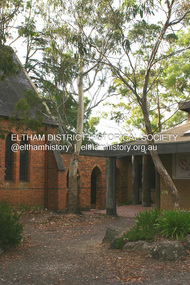
Photograph - Digital Photograph, Alan King, St Margaret's Anglican Church, Pitt Street, Eltham, 30 January 2008
... Park. It is believed the first Anglican Bishop of Melbourne, Bishop Perry, dedicated the church. ...Park. It is believed the first Anglican Bishop of Melbourne, Bishop Perry, dedicated the church. ...St Margaret’s Church of England was officially opened on December 12, 1861. It is the oldest intact church building in Eltham. At the time it was known as Christ Church until its consecration in 1871, when it was completely free of debt (£1,700 for the church and parsonage) despite the district’s poverty. This was largely due to the free labour and materials, including locally made bricks donated by local artisans and others. The church is historically significant because it is the oldest church in the former Shire of Eltham and has associations with the philanthropist and founder of Brighton, Henry Dendy (who donated the land on which the church is built), the architect Nathaniel Billing and the prominent local builder, George Stebbing. The church is architecturally and aesthetically significant because it is constructed in the Gothic Revival style with several stained-glass windows of various dates and is also a very early use of polychromatic brickwork in Victoria. Billing was one of the first Melbourne architects to employ polychromatic brickwork and an important early architect. The rear wall was intended to be temporary. A major feature of the design is the large buttresses with long, steeply graded upper faces. The overall design is well proportioned with the surface brick patterns relieving an otherwise austere design. The church is spiritually and socially significant because it has been an important place of worship for the people of Eltham for almost 150 years. The land on which the buildings stand was donated by Henry Dendy. Dendy arrived in Melbourne in 1841 after purchasing in England eight square miles at Brighton under the system of "special surveys". After this land passed out of his hands, Dendy moved about Victoria, visited England, then returned to settle in Eltham where he purchased a flour mill. Dendy chaired the meeting held in 1860 “for the purpose of devising such means as may be expedient for the establishment of a Church of England in the township of Eltham”. He became chairman and treasurer of the church committee. Unlike the establishment of many early churches in Victoria where a vicar was appointed to a parish and later a permanent church was constructed, the population at Eltham initiated action to build a church. The nearest church at that time was at Heidelberg and the Eltham settlement was part of the parish of St Johns Heidelberg. Isolation and the tedious, time consuming journey between Heidelberg and Eltham resulted in the Eltham community taking its own action. The original vicarage (Dendy House) at the rear of the church is also an important part of the cultural significance of this place because it is connected to the church and the development of the Eltham area. Together, the church and the vicarage are aesthetically significant because they form a significant streetscape feature. The mud-brick community hall designed by Robert Marshall was added in 1978. In 2014 the original temporary rear wall was removed as part of a modern extension designed by Architects Atelier Wagner and constructed by Conrad Construction and Management. Covered under Heritage Overlay, Nillumbik Planning Scheme. National Trust of Australia (Victoria) State significance Victorian Heritage Published: Nillumbik Now and Then / Marguerite Marshall 2008; photographs Alan King with Marguerite Marshall.; p67 St Margaret’s Anglican Church in Pitt Street, Eltham, which officially opened on December 12, 1861, is the oldest intact church building in Eltham.1 With the nearby courthouse and police station, it was one of the first permanent community buildings in the district. The church and vicarage are on the Register of the Heritage Council of Victoria and the National Trust of Australia – Victoria. The church is important as an early example of polychrome brickwork by the notable architect Nathaniel Billings. It is also notable for its historic associations with the early settlement of the Shire of Eltham and its connection with Henry Dendy, Brighton’s founder.2 Henry Dendy, who lived in Eltham much longer than at Brighton, chaired the original meeting which planned the church, and he donated the half-acre (0.2ha) site. Dendy had arrived in Melbourne in 1841 after buying eight square miles (20.7sq km) at Brighton while in England. After this land passed out of his hands, he eventually settled in Eltham where he bought a flour mill, west from the corner of Main Road and Pitt Street (then called Brewery Lane). The vicarage was named Dendy House after him. The Eltham settlers were unusual in initiating the establishment of a church. Usually in Victoria a vicar was appointed to a parish and then a permanent church was constructed. But then, the nearest church was at Heidelberg, which was a tedious and time-consuming journey. St Margaret’s builder was a local, George Stebbing, who also constructed the former Methodist, later Uniting, Church at John Street and the Shillinglaw Cottage near Eltham’s Central Park. It is believed the first Anglican Bishop of Melbourne, Bishop Perry, dedicated the church. After the ceremony he joined in the festivities at the nearby pub and a bill was sent to the parish for teas taken there by the bishop with other participants. The first vicar was the Reverend Robert Mackie from 1864 to1866. St Margaret’s Church was originally called Christ Church until its consecration in 1871, when it was completely free of debt (£1700 pounds for the church and parsonage) despite the district’s poverty. This was largely due to the free labour and materials, including local bricks, donated by local artisans and others. St Margaret’s Church is in the Gothic Revival tradition with a buttressed nave, paired lancet windows, porch and bell-cote. It was the first polychromatic brick church in Australia, using softly contrasting coloured brickwork.3 Billing was one of the first architects to introduce polychrome brickwork into Melbourne. His original drawings for St Margaret’s survive in a folio of his architectural work. However the church’s brickwork is more subdued than in his drawings. About half the windows – those in clear glass with gold borders – are original. The stained glass windows were made much later, but the one behind the altar is thought to be the oldest in the Diamond Valley. It was to be temporary until the congregation could afford to extend the church. In the early 1960s the original cedar pews were replaced by blonde timber pews and the originals were sold to restaurants and to private individuals. Eminent local sculptor Matcham Skipper created a crucifix for the church. A major addition was made in 1978, when the weatherboard hall was replaced by a mud-brick hall. Made of local material, it was designed by local architect and a former shire president Robert Marshall. The mud-brick hall reflects the style of building in Eltham of the late 1970s and for which Eltham is well-known. Perhaps because its earthy tones blend with the surrounding environment, the hall sits well with the church building. St Margaret’s membership has included economist and ABC chairman, Richard Downing; political commentator, diplomat and academic, William Macmahon Ball; Eltham civic leader, Charles Wingrove; artist, Peter Glass; and Eltham’s first postmaster, Frederick Falkiner.This collection of almost 130 photos about places and people within the Shire of Nillumbik, an urban and rural municipality in Melbourne's north, contributes to an understanding of the history of the Shire. Published in 2008 immediately prior to the Black Saturday bushfires of February 7, 2009, it documents sites that were impacted, and in some cases destroyed by the fires. It includes photographs taken especially for the publication, creating a unique time capsule representing the Shire in the early 21st century. It remains the most recent comprehenesive publication devoted to the Shire's history connecting local residents to the past. nillumbik now and then (marshall-king) collection, eltham, st margaret's anglican church, st margaret's church, st margarets church hall, christ church -
 Eltham District Historical Society Inc
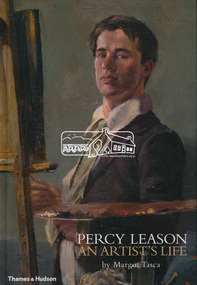
Book, Percy Leason: an artist's life by Margot Tasca, 2016
... Perry's old friend Dick McCann and his wife Margery had also settled in Eltham. The township was fifteen miles from Melbourne and serviced by an electric train that went to the central Melbourne station of Flinders Street, near where The Herald offices were located. Eltham was a small village in 1925, separated from Melbourne by the Yarra River, and surrounded by orchards and large tracts of bush. Small farms dotted the landscape and the main businesses revolved around ironmongers, blacksmiths, and farming supplies. Of particular appeal to artists was Eltham Park...Perry's old friend Dick McCann and his wife Margery had also settled in Eltham. The township was fifteen miles from Melbourne and serviced by an electric train that went to the central Melbourne station of Flinders Street, near where The Herald offices were located. Eltham was a small village in 1925, separated from Melbourne by the Yarra River, and surrounded by orchards and large tracts of bush. Small farms dotted the landscape and the main businesses revolved around ironmongers, blacksmiths, and farming supplies. Of particular appeal to artists was Eltham Park ..."Who would have thought that a boy born in 1889 from the Victorian Mallee would become a successful artist on New York’s Staten Island? This finely illustrated, exhaustively researched and beautifully written biography on Leason features the artist’s entire career as a painter and cartoonist renowned for his depictions of Australian society in the 1920s and 1930s. Leason’s story is a poignant one tracing his beginnings as a cartoonist, to the bohemian Melbourne art scene in the early 20th century, to his involvement in the artists’ camps of Eltham, to his important series of portraits of Lake Tyers Indigenous Australians, and his eventual move to the US where he has been acknowledged as making an enormous contribution to the New York arts scene. This story, as yet untold, fills a gap in the history of art in Australia and offers a new perspective on Australian art in the first half of the 20th century." - Thames and Hudson website A NEW HOME IN ELTHAM Once they had settled back into Melbourne, Perry and Belle began to look for a place to make a permanent home. Having enjoyed the bush setting of Mosman, they decided to explore the rural fringes of Melbourne. Each weekend they packed a picnic and travelled to the towns in the nearby hills - such as Ferntree Gully, Sassafras, Lilydale and, of course, Cockatoo Creek. Eventually deciding these places might be a little too far from The Herald office, they searched closer to the city. The Heidelberg and Box Hill regions that had inspired his old teacher McCubbin, had become busy, urban areas but further east, towards Warrandyte and Templestowe, there were still large tracts of bush. Finally they settled on Eltham, an area Percy knew very well, having often painted there with Jock Frater. Perry's old friend Dick McCann and his wife Margery had also settled in Eltham. The township was fifteen miles from Melbourne and serviced by an electric train that went to the central Melbourne station of Flinders Street, near where The Herald offices were located. Eltham was a small village in 1925, separated from Melbourne by the Yarra River, and surrounded by orchards and large tracts of bush. Small farms dotted the landscape and the main businesses revolved around ironmongers, blacksmiths, and farming supplies. Of particular appeal to artists was Eltham Park, a large expanse of bushland bounded by the Yarra River on the south side and the Diamond Creek on the east. The park included a playing field that was busy on weekends with cricket or football matches, but for the rest of the week it was mostly empty and an ideal place to paint. The scenery there provided the inspiration for many paintings by Leason, Meldrum and other artists such as Colin Colahan and Peter (A.E.) Newburv. The Leasons found a rundown old farmhouse on four-and-a-half acres of land in New Street, now known as Lavender Park Road. The site was splendid, at the top of a gentle slope which gave panoramic views east to the Dandenong hills, south over the Templestowe orchards and north to Kinglake. The front lawn was taken over by onion grass (or wiregrass as Leason called it) and scattered about the property were many wattles and gum trees. Aloe cacti covered much to the front of the house, while old quince and lucerne hedges separated the house and out-buildings from a rundown apple orchard. Here they would build a new home. ·with financial assistance from The Herald, Leason bought the property and immediately commissioned an architectural firm to design a new house in the popular bungalow style of the time. The old farm house was demolished but Percy saved the siding boards, bricks and corrugated iron for the outbuildings of his new home. The new house was a two storey, triple brick with a large, gabled, terracotta tiled roof. It was situated at the very top of the slope. The paint and varnish were barely dry when the family moved in during the summer of 1925-26 and the fumes were overpowering in the heat. Despite the house being wired for electricity, power poles had not yet reached the area and initially the family had to rely on kerosene lamps and candles. When electricity did arrive, Leason reflected on the community's reception of electricity at the expense of the old growth gum tree corridors in his cartoon, Electricity comes to Wiregrass. The family had now grown to seven. Jack was nearly nine, Jean was seven, Marjory was four, Nancy was two and the baby Patricia was seven months old. Jack and Jean were enrolled in the local primary school down the hill. A retired farmer, Jock McMillan, came to live on the property and help out with the general maintenance. Jock built himself a shack and Belle provided him with meals. He was kept occupied building structures around the property·, such as the garage, the outside toilet, garden beds, trellis arbours and a number of ponds. The elderly, bearded Scotsman with his old hat and baggy pants also provided the inspiration for one of the characters Leason regularly included in his cartoons. Like Leason, Jock smoked a straight stemmed pipe. A neighbour was employed to help Belle with domestic chores, and so the family settled down to live comfortably in their new Eltham house. Two dogs, Maginary and Wodger, completed the large and vibrant household. “Percy Leason; an artist’s life” by Margot Tasca, Thames & Hudson Australia Pty Ltd, Port Melbourne 2016, pp 63-64 Hardback Bookpercy leason, margot tasca, biography, artist, landscape -
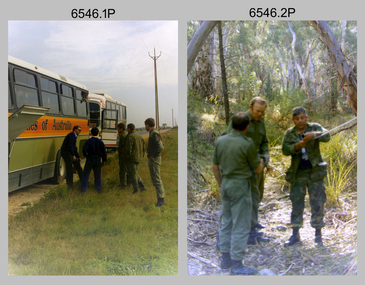 Bendigo Military Museum
Photograph - 4th Field Survey Squadron Adventurous Training Mount Remarkable National Park, SA, 4th Field Survey Squadron Adventurous Training, Mount Remarkable National Park, SA, 1987
... Park terrain. CPL Jeff Prince. .9) - Photo, colour, 1987. Camp activities. CPL Dave Irving. .10) - Photo, colour, 1987. Camp activities. L to R: unidentified, SPR Perry...Park terrain. CPL Jeff Prince. .9) - Photo, colour, 1987. Camp activities. CPL Dave Irving. .10) - Photo, colour, 1987. Camp activities. L to R: unidentified, SPR Perry ...This is a set of 42 photographs of 4th Field Survey Squadron undergoing adventurous training at Mount Remarkable National Park, South Australia in May 1987. It is evident the training focussed on teamwork, leadership, abseiling, rock climbing, field craft and living off the land survival skills. Elements from units of the Army Reserve also participated in the training. Refer to items 6547.40P and 6548.14P for additional photographs taken during the adventurous training.This is a set of 42 photographs of 4th Field Survey Squadron undergoing adventurous training at Mount Remarkable National Park in May 1987. The colour photographs are on 35mm negative film and are part of the Army Survey Regiment’s Collection. The photographs were scanned at 96 dpi. .1) - Photo, colour, 1987. L to R: unidentified bus drivers, CAPT Danny Galbraith, unidentified, SGT Stu Symonds. .2) - Photo, colour, 1987. L to R: OC MAJ Peter Cates, SSM WO1 Bill Grigg, unidentified exchange officer. .3) - Photo, colour, 1987. Squadron briefing. .4) - Photo, colour, 1987. Endurance march L to R: unidentified (x4), LCPL Peter McCurdy, unidentified (x3), SPR Damien Killeen, unidentified. .5) - Photo, colour, 1987. Unidentified personnel taking a break during or at end Endurance march. SPR John Keely at far right. .6) - Photo, colour, 1987. Mount Remarkable National Park terrain. .7) - Photo, colour, 1987. Mount Remarkable National Park terrain. SGT Peter Imeson. .8) - Photo, colour, 1987. Mount Remarkable National Park terrain. CPL Jeff Prince. .9) - Photo, colour, 1987. Camp activities. CPL Dave Irving. .10) - Photo, colour, 1987. Camp activities. L to R: unidentified, SPR Perry Langeberg, unidentified (x2), CPL Neale ‘Tex’ Houston, SPR Steve Ellis. .11) to .13) - Photo, colour, 1987. Mount Remarkable National Park terrain. .14) - Photo, colour, 1987. Camp activities. Unidentified. .15) - Photo, colour, 1987. Camp activities. L to R: PTE P. Simpson, SPR Steve Ellis. .16) - Photo, colour, 1987. Hootchie set-up. Unidentified personnel. .17) - Photo, colour, 1987. Hootchie set-up. .18) - Photo, colour, 1987. Camp activities. Unidentified. .19) - Photo, colour, 1987. Camp activities. L to R: SPR Todd Hayley, CPL Jamie McRae. .20) - Photo, colour, 1987. Camp activities. L to R: unidentified, CPL Neale ‘Tex’ Houston, unidentified. .21) - Photo, colour, 1987. Camp activities. L to R: CPL Dave Longbottom, WO2 Brett ‘Dutchy’ Van Leeuwen. .22) - Photo, colour, 1987. Hootchie set-up. .23) - Photo, colour, 1987. Hootchie set-up. CPL Dave Irving. .24) - Photo, colour, 1987. Mount Remarkable National Park terrain. Possibly OC MAJ Peter Cates. .25) - Photo, colour, 1987. Mount Remarkable National Park terrain. .26) & .27) - Photo, colour, 1987. Hootchie set-up. .28) - Photo, colour, 1987. Camp activities. CPL Roger Graf. .29) - Photo, colour, 1987. Camp activities. Possibly water sterilisation. .30) - Photo, colour, 1987. Camp set-up. Unidentified. .31) - Photo, colour, 1987. Hootchie interior. .32) - Photo, colour, 1987. CAPT Danny Galbraith. .33) - Photo, colour, 1987. Camp activities. L to R: LCPL Peter Tuddenham, SPR Todd Hayley, CPL Dave Longbottom, CPL John Ratcliffe, CPL Dave Irving. .34) - Photo, colour, 1987. Hootchie set-up. .35) - Photo, colour, 1987. Hootchie set-up. CPL Peter Hardy. .36) - Photo, colour, 1987. Camp activities. L to R: unidentified (x2), CPL Peter Hardy, LT Greg Oaten CSC. .37) - Photo, colour, 1987. Camp activities. L to R: SPR Shaun Hynes, LT Geoff ‘GT’ Ford, SPR Bruce Graham, unidentified (x2). .38) - Photo, colour, 1987. Camp activities. L to R: SPR Shaun Hynes, LT Geoff ‘GT’ Ford, unidentified, SPR Bruce Graham, in background - CPL Dave Irving. .39) - Photo, colour, 1987. Hootchie set-up. Unidentified. .40) - Photo, colour, 1987. Camp activities. WO2 Brett ‘Dutchy’ Van Leeuwen. .41) & .42) - Photo, colour, 1987. Camp activities. Results from foraging the forest for food..1P to .42P – There are no personnel identified. ‘1987 ADV TRAINING’ annotated on negatives sleeve.royal australian survey corps, rasvy, 4 fd svy sqn -
 Bendigo Military Museum
Photograph - 4th Field Survey Squadron Adventurous Training, Wilpena pound, Flinders Ranges, SA, 1989
... Perry Langeberg, SGT John Zuringer. .46) - Photo, colour, 1989. Social activities. L to R: CPL Jamie McRae, SGT Laurie Justin, SGT Mick Hogan, unidentified, SGT Stu Symonds, SPR Cheryl Deluca-Cardillo, WO1 Bill Griggs. .47) - Photo, colour, 1989. Social activities. L to R: SGT Laurie Justin, unidentified, CPL Steve Nokes, SGT Stu Symonds, SPR Cheryl Deluca-Cardillo, WO1 Bill Griggs, unidentified (x2). .48) - Photo, colour, 1989. Social activities. L to R: CPL Steve Nokes, WO1 Bill Griggs, SPR Cheryl Deluca-Cardillo, unidentified (x2), CPL Steve Ellis, CPL Michelle Griffith, SGT Gill Park...Perry Langeberg, SGT John Zuringer. .46) - Photo, colour, 1989. Social activities. L to R: CPL Jamie McRae, SGT Laurie Justin, SGT Mick Hogan, unidentified, SGT Stu Symonds, SPR Cheryl Deluca-Cardillo, WO1 Bill Griggs. .47) - Photo, colour, 1989. Social activities. L to R: SGT Laurie Justin, unidentified, CPL Steve Nokes, SGT Stu Symonds, SPR Cheryl Deluca-Cardillo, WO1 Bill Griggs, unidentified (x2). .48) - Photo, colour, 1989. Social activities. L to R: CPL Steve Nokes, WO1 Bill Griggs, SPR Cheryl Deluca-Cardillo, unidentified (x2), CPL Steve Ellis, CPL Michelle Griffith, SGT Gill Park ...This is a set of 55 photographs of a 4th Field Survey Squadron adventurous training held at Wilpena pound, in the Flinders Ranges of South Australia in 1989. It is evident the training focussed on teamwork, leadership, abseiling, rock climbing, field craft and living off the land survival skills. Elements from units of the Army Reserve also participated in the training. In this photo set, one of 4th Field Survey’s sections participated in abseiling and trekked to the highest mountain in the Flinders Ranges – St. Mary’s Peak. Refer to item 6552.43P for black & white photographs taken during the adventurous training exercise.This is a set of 55 photographs of 4th Field Survey Squadron personnel undergoing adventurous training held at Wilpena pound, in the Flinders Ranges of South Australia in 1989. The colour photographs are on 35mm negative film and are part of the Army Survey Regiment’s Collection. The photographs were scanned at 96 dpi. .1) & 2)- Photo, colour, 1989. Base camp. WO1 Bill Griggs 2nd from left, remainder unidentified. .3) - Photo, colour, 1989. Old homestead inside Wilpena Pound. SPR Cheryl Deluca-Cardillo, 2nd from left, remainder unidentified. .4) - Photo, colour, 1989. Wilpena Pound topography. .5) - Photo, colour, 1989. Abseiling activities, unidentified personnel. .6) & .7) - Photo, colour, 1989. Flinders Ranges topography. .8) - Photo, colour, 1989. Abseiling activities. L to R: SSGT Max Coletti, SGT Stu Symonds. .9) - Photo, colour, 1989. Abseiling activities, unidentified personnel. .10) - Photo, colour, 1989. Flinders Ranges topography. .11) - Photo, colour, 1989. Abseiling activities. L to R: unidentified, CPL Michelle Griffith, SGT Stu Symonds. .12) - Photo, colour, 1989. Abseiling activities. L to R: unidentified, SPR Andrew Quin, SGT Laurie Justin, SGT Stu Symonds. .13) - Photo, colour, 1989. Abseiling activities. L to R: SGT Stu Symonds SGT Laurie Justin. .14) - Photo, colour, 1989. Abseiling activities. L to R: unidentified, SGT Stu Symonds. .15) - Photo, colour, 1989. Abseiling activities. SGT Laurie Justin. .16) - Photo, colour, 1989. Abseiling activities. SGT Stu Symonds. .17) & .18) - Photo, colour, 1989. Abseiling activities. SPR Cheryl Deluca-Cardillo. .19) - Photo, colour, 1989. Abseiling activities. L to R: SPR Cheryl Deluca-Cardillo, unidentified. .20) - Photo, colour, 1989. Abseiling activities. SSGT Max Coletti. .21) - Photo, colour, 1989. Abseiling activities. SPR Andrew Quin. .22) - Photo, colour, 1989. Abseiling activities. CPL Michelle Griffith. .23) - Photo, colour, 1989. Abseiling activities. CPL Michelle Griffith. .24) - Photo, colour, 1989. Flinders Ranges topography, unidentified personnel. .25) - Photo, colour, 1989. Flinders Ranges topography, unidentified SGT. .26) to .30) - Photo, colour, 1989. Flinders Ranges topography. .31) - Photo, colour, 1989. Flinders Ranges topography, unidentified personnel. .32) & .33) - Photo, colour, 1989. Flinders Ranges topography. L to R: unidentified, CPL Michelle Griffith, SGT Stu Symonds, CPL Roger Graf, SSGT Max Coletti, SGT Laurie Justin. .34) - Photo, colour, 1989. St. Mary’s Peak. L to R: unidentified, CPL Michelle Griffith, CPL Steve Nokes, SGT Stu Symonds. .35) - Photo, colour, 1989. St. Mary’s Peak. SGT Stu Symonds. .36) & .37) - Photo, colour, 1989. St. Mary’s Peak. CPL Steve Nokes. .38) - Photo, colour, 1989. Flinders Ranges topography. .39) - Photo, colour, 1989. St. Mary’s Peak. SGT Laurie Justin. .40) - Photo, colour, 1989. St. Mary’s Peak. SPR Cheryl Deluca-Cardillo. .41) - Photo, colour, 1989. St. Mary’s Peak. SPR Andrew Quin. .42) - Photo, colour, 1989. Flinders Ranges topography, SGT Stu Symonds. .43) - Photo, colour, 1989. Social activities. L to R: unidentified (x6), CPL Perry Langeberg, SGT Laurie Justin. .44) - Photo, colour, 1989. Social activities. L to R: CPL Perry Langeberg, SGT John Zuringer, SGT Laurie Justin, SGT Mick Hogan, unidentified, SGT Stu Symonds. .45) - Photo, colour, 1989. Social activities. L to R: unidentified (x6), CPL Perry Langeberg, SGT John Zuringer. .46) - Photo, colour, 1989. Social activities. L to R: CPL Jamie McRae, SGT Laurie Justin, SGT Mick Hogan, unidentified, SGT Stu Symonds, SPR Cheryl Deluca-Cardillo, WO1 Bill Griggs. .47) - Photo, colour, 1989. Social activities. L to R: SGT Laurie Justin, unidentified, CPL Steve Nokes, SGT Stu Symonds, SPR Cheryl Deluca-Cardillo, WO1 Bill Griggs, unidentified (x2). .48) - Photo, colour, 1989. Social activities. L to R: CPL Steve Nokes, WO1 Bill Griggs, SPR Cheryl Deluca-Cardillo, unidentified (x2), CPL Steve Ellis, CPL Michelle Griffith, SGT Gill Park. .49) - Photo, colour, 1989. Social activities. L to R: CPL Perry Langeberg, SGT John Zuringer, CPL Jamie McRae, SGT Laurie Justin, SGT Mick Hogan, unidentified, SGT Stu Symonds. .50) - Photo, colour, 1989. Sheep cooking in fire pit. L to R: WO2 Peter Symmans, unidentified (x5), CPL Steve Ellis. .51) - Photo, colour, 1989. Sheep cooking in fire pit. L to R: WO2 Peter Symmans, unidentified. .52) - Photo, colour, 1989. Sheep cooking in fire pit. Unidentified personnel. .53) - Photo, colour, 1989. Cooked sheep removed from fire pit. L to R: unidentified. WO2 Peter Symmans, unidentified. .54) - Photo, colour, 1989. Cooked sheep removed from fire pit. L to R: CPL Michelle Griffith, SGT Gill Park, unidentified, SSGT Max Coletti, unidentified, SPR Cheryl Deluca-Cardillo. .55) - Photo, colour, 1989. Cooked sheep removed from fire pit. L to R: unidentified, CPL Michelle Griffith, WO2 Peter Symmans..1P to .55P – There are no personnel identified. ‘1989 ADV TRAINING’ annotated on negatives sleeve.royal australian survey corps, rasvy, 4 fd svy sqn -
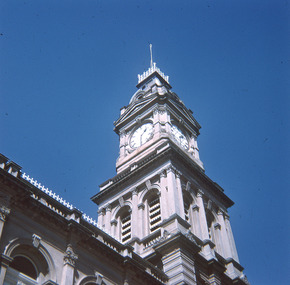 Bendigo Historical Society Inc.
Negative - Edith Perry Collection: Photos of Bendigo - Slides, 1970s
... photos bendigo Box of forty four Slides - Contents contains slides of Bendigo 11070.1 Old Bendigo Post Office 11070.1b Bendigo Easter Parade 11070.1c High Street Bendigo Sacred Heart Cathedral 11070.1d Deborah Mine Bendigo 11070.1e Bendigo Easter Parade 11070.1f Bendigo Easter Parade 11070.1g Lake Weroona Bendigo 11070.1h St John of God Hospital Bendigo 11070.1i 57 Forest Street Bendigo 11070.1j Goldmines Hotel Bendigo 11070.1k City of Greater Bendigo Council Offices Lytleton Terrace 11070.1l Shamrock Hotel Bendigo 11070.1m Latrobe University Bandigo 11070.1n Charing Cross Bendigo 11070.1o Central Deborah Mine Bendigo 11070.1p Pall Mall Bendigo 11070.1q Creche - Queen Victoria Gardens Bendigo 11070.1r High Street Bendigo Sacred Heart Cathedral 11070.1s Bendigo Fernery 11070.1t the Stables Gallery - Bendigo Pottery 11070.1u Discovery of Gold Statue 11070.1v Central Deborah Mine 11070.1x Sacred Heart Cathedral 11070.1x St Pauls Cathedral 11070.1y Lily Street - looking over the CBD 11070.1z Chinese Dragon 11070.1aa Chinese Joss House 11070.1ab Rosalind Park 11070.1ac the Fountain Bendigo 11070.1ad the Bendigo Law Courts and Police Station 11070.1ae the Latrobe University 11070.1af the Ann Caudle Centre 11070.1ag the Queen Elizabeth Oval 11070.1ah School 11070.1ai Easter Procession 11070.1aj Unknown 11070.1ak Old Bendigo Post Office 11070.1al Mt Alvernia Hospital 11070.1am Sale Yards 11070.1an House Bendigo 11070.1ap Olympic Pool 11070.1aq Old Post Office and Law Courts 11070.1ar City of Greater Bendigo Offices Lytleton Terrace 11070.1as Central Deborah Mine 11070.1at Lake Eppalock Negative Edith Perry Collection: Photos of Bendigo - Slides ...Box of forty four Slides - Contents contains slides of Bendigo 11070.1 Old Bendigo Post Office 11070.1b Bendigo Easter Parade 11070.1c High Street Bendigo Sacred Heart Cathedral 11070.1d Deborah Mine Bendigo 11070.1e Bendigo Easter Parade 11070.1f Bendigo Easter Parade 11070.1g Lake Weroona Bendigo 11070.1h St John of God Hospital Bendigo 11070.1i 57 Forest Street Bendigo 11070.1j Goldmines Hotel Bendigo 11070.1k City of Greater Bendigo Council Offices Lytleton Terrace 11070.1l Shamrock Hotel Bendigo 11070.1m Latrobe University Bandigo 11070.1n Charing Cross Bendigo 11070.1o Central Deborah Mine Bendigo 11070.1p Pall Mall Bendigo 11070.1q Creche - Queen Victoria Gardens Bendigo 11070.1r High Street Bendigo Sacred Heart Cathedral 11070.1s Bendigo Fernery 11070.1t the Stables Gallery - Bendigo Pottery 11070.1u Discovery of Gold Statue 11070.1v Central Deborah Mine 11070.1x Sacred Heart Cathedral 11070.1x St Pauls Cathedral 11070.1y Lily Street - looking over the CBD 11070.1z Chinese Dragon 11070.1aa Chinese Joss House 11070.1ab Rosalind Park 11070.1ac the Fountain Bendigo 11070.1ad the Bendigo Law Courts and Police Station 11070.1ae the Latrobe University 11070.1af the Ann Caudle Centre 11070.1ag the Queen Elizabeth Oval 11070.1ah School 11070.1ai Easter Procession 11070.1aj Unknown 11070.1ak Old Bendigo Post Office 11070.1al Mt Alvernia Hospital 11070.1am Sale Yards 11070.1an House Bendigo 11070.1ap Olympic Pool 11070.1aq Old Post Office and Law Courts 11070.1ar City of Greater Bendigo Offices Lytleton Terrace 11070.1as Central Deborah Mine 11070.1at Lake Eppalock photos, bendigo -
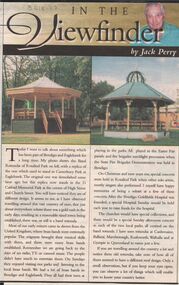 Bendigo Historical Society Inc.
Newspaper - JACK PERRY COLLECTION: NEWSPAPER ROTUNDAS
... Newspaper article, Bendigo Weekly, on Rotundas of Rosalind park, Bendigo and Canterbury park, Eaglehawk. Newspaper JACK PERRY COLLECTION: NEWSPAPER ROTUNDAS ...Newspaper article, Bendigo Weekly, on Rotundas of Rosalind park, Bendigo and Canterbury park, Eaglehawk.bendigo, streetscape, rotunda, rosalind park, canterbury park., rotunda, rosalind park, canterbury park. -
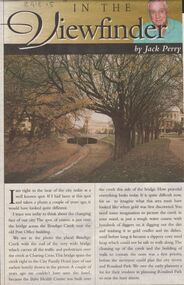 Bendigo Historical Society Inc.
Newspaper - JACK PERRY COLLECTION: BENDIGO CREEK
... perry...Bendigo Creek... Rosalind Park...PERSON Individual jack perry Bendigo Creek Rosalind Park Newspaper article, Bendigo Weekly. ...Newspaper article, Bendigo Weekly. Discusses Bendigo Creek and Rosalind Park.person, individual, jack perry, bendigo creek, rosalind park -
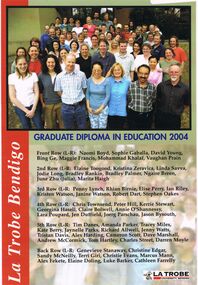 Bendigo Historical Society Inc.
Document - LA TROBE UNIVERSITY BENDIGO COLLECTION: GRADUATE DIPLOMA IN EDUCATION 2004
... It displays a photo and the names of the recipients - Naomi Boyd, Sophie Gaballa, David Young, Bing Ge, Maggie Francis, Mohammad Khalaf, Vaughan Prain, Elaine Toogood, Kristina Zeravica, Linda Savva, Jodie Long, Bradley Rankin, Bradley Palmer, Ngaire Breen, June Zhu (Julia), Marita Haigh, Penny Lynch, Rhian Birnie, Elise Perry, Ian Riley, Kristen Watson, Janine Watson, Robert Dart, Stephen Oakes, Chris Townsend, Peter Hill, Kerrie Stewart, Ceorgina Hasell, Claire Bolwell, Annie O'Shannessy, Lara Poupard, Jen Duffield, Joerg Parschau, Jason Bysouth, Tim Danes, Amanda Parker, Tracey Miles, Kate Berry, Jaynelle Parks, Richard Allwell, Jenny Watts, Tristan Davis, Alex Harding, Cameron Scott, Dave Marshall, Andrew McCormick, Tom Hartley, Charles Street, Darren Moyle, Genevieve Stanaway, Christine Edgar, Sandy McNeilly, Terri Giri, Christine Evans, Marcus Mann, Alex Fekete, Elaine Doling, Luke Barker and Cathleen Farrelly....It displays a photo and the names of the recipients - Naomi Boyd, Sophie Gaballa, David Young, Bing Ge, Maggie Francis, Mohammad Khalaf, Vaughan Prain, Elaine Toogood, Kristina Zeravica, Linda Savva, Jodie Long, Bradley Rankin, Bradley Palmer, Ngaire Breen, June Zhu (Julia), Marita Haigh, Penny Lynch, Rhian Birnie, Elise Perry, Ian Riley, Kristen Watson, Janine Watson, Robert Dart, Stephen Oakes, Chris Townsend, Peter Hill, Kerrie Stewart, Ceorgina Hasell, Claire Bolwell, Annie O'Shannessy, Lara Poupard, Jen Duffield, Joerg Parschau, Jason Bysouth, Tim Danes, Amanda Parker, Tracey Miles, Kate Berry, Jaynelle Parks, Richard Allwell, Jenny Watts, Tristan Davis, Alex Harding, Cameron Scott, Dave Marshall, Andrew McCormick, Tom Hartley, Charles Street, Darren Moyle, Genevieve Stanaway, Christine Edgar, Sandy McNeilly, Terri Giri, Christine Evans, Marcus Mann, Alex Fekete, Elaine Doling, Luke Barker and Cathleen Farrelly. ...A laminated copy of the "Graduate Diploma in Education 2004". It displays a photo and the names of the recipients - Naomi Boyd, Sophie Gaballa, David Young, Bing Ge, Maggie Francis, Mohammad Khalaf, Vaughan Prain, Elaine Toogood, Kristina Zeravica, Linda Savva, Jodie Long, Bradley Rankin, Bradley Palmer, Ngaire Breen, June Zhu (Julia), Marita Haigh, Penny Lynch, Rhian Birnie, Elise Perry, Ian Riley, Kristen Watson, Janine Watson, Robert Dart, Stephen Oakes, Chris Townsend, Peter Hill, Kerrie Stewart, Ceorgina Hasell, Claire Bolwell, Annie O'Shannessy, Lara Poupard, Jen Duffield, Joerg Parschau, Jason Bysouth, Tim Danes, Amanda Parker, Tracey Miles, Kate Berry, Jaynelle Parks, Richard Allwell, Jenny Watts, Tristan Davis, Alex Harding, Cameron Scott, Dave Marshall, Andrew McCormick, Tom Hartley, Charles Street, Darren Moyle, Genevieve Stanaway, Christine Edgar, Sandy McNeilly, Terri Giri, Christine Evans, Marcus Mann, Alex Fekete, Elaine Doling, Luke Barker and Cathleen Farrelly.bendigo, education, la trobe university bendigo, la trobe university bendigo collection, collection, bendigo, education, teaching, teachers, students, diploma, graduate diploma, tertiary education -
 Bendigo Historical Society Inc.
Document - BENDIGO MEMORIES, 1860 - 80
... Park... William Moffat... Bendigo Advertiser 1930... Mr R Buck... Statue in Conservatory Gardens... Bendigo Advertiser 26/2/1949... Mr Wells... Abraham Harkness... Alex H Stone... Bendigo Advertiser 16/6/1868... Sing Toe... Ming Foy... Mr Flegg... Mr McLachlan... Mr W Perry...DOCUMENT Bendigo Memories 1860 - 80 G D Meudell 'The Pleasant Career of a Spendthrift' William Meudell Bank of Victoria (Bendigo) Hon Henry Miller George Lansell Bank of New South Wales Oriental Bank Union Bank Adventure and Advance Mine G Ballerstedt 180 Mine Garden Gully United Co John Boyd Watson Carlisle Mine Kentish Mine Barnett Lazarus William Hunter Joseph Hunter Robert Hunter Burnewang Park William Moffat Bendigo Advertiser 1930 Mr R Buck Statue in Conservatory Gardens Bendigo Advertiser 26/2/1949 Mr Wells Abraham Harkness Alex H Stone Bendigo Advertiser 16/6/1868 Sing Toe Ming Foy Mr Flegg Mr McLachlan Mr W Perry Laying the Foundation Stone of the Sandhurst Masonic-Hall Messrs Vahland and Getzschmann Mr W C Vahland Brother J M'Intyre W M Brother Buckley Brother Connelly Golden and Corinthian Grand United Lodge The Rev J C M'Cullagh Brother G P Joseph The Australasian Sketcher 9/8/1873 Chinese Testimonial Mr Lysaght Bendigo Advertiser 27/11/1856 Ben Eagle 'It Slowly Fades Away' Michelson home Joch Mr Michelson Typed notes titled ' Bendigo Memories, 1860 - 80'. ...Typed notes titled ' Bendigo Memories, 1860 - 80'. Mentioned the Meudell family, some successful mine owners, the statue of the shepherd and the wild beast in the Conservatory Gardens, an argument over a rooster between two Chinese neighbours, Laying the Foundation Stone of the Sandhurst Masonic-Hall, a ring presented to Mr Lysaght by the Chinese, and 'It Slowly Fades Away' which is about a house near a tennis court which has an old brewery under the back garden.document, bendigo memories 1860 - 80, g d meudell, 'the pleasant career of a spendthrift', william meudell, bank of victoria (bendigo), hon henry miller, george lansell, bank of new south wales, oriental bank, union bank, adventure and advance mine, g ballerstedt, 180 mine, garden gully united co, john boyd watson, carlisle mine, kentish mine, barnett lazarus, william hunter, joseph hunter, robert hunter, burnewang park, william moffat, bendigo advertiser 1930, mr r buck, statue in conservatory gardens, bendigo advertiser 26/2/1949, mr wells, abraham harkness, alex h stone, bendigo advertiser 16/6/1868, sing toe, ming foy, mr flegg, mr mclachlan, mr w perry, laying the foundation stone of the sandhurst masonic-hall, messrs vahland and getzschmann, mr w c vahland, brother j m'intyre w m, brother buckley, brother connelly, golden and corinthian grand united lodge, the rev j c m'cullagh, brother g p joseph, the australasian sketcher 9/8/1873, chinese testimonial, mr lysaght, bendigo advertiser 27/11/1856, ben eagle, 'it slowly fades away', michelson home, joch, mr michelson
