
Showing 57 items matching "serbia"
-
 Sunshine and District Historical Society Incorporated
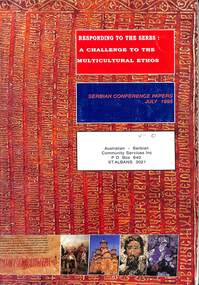
Book - Responding to the Serbs, Australian-Serbian Community Services Inc.0 646 28520 3, A Challenge to the Multicultural Ethos
... Reflections on life in Serbia folowed by experiences living as a Serbian migrant in St Albans Victoria....Responding to the Serbs - A Challenge to the Multicultural ETHOS - Serbian Confernece Papers July 1995...Reflections on life in Serbia folowed by experiences living as a Serbian migrant in St Albans Victoria. ...Reflections on life in Serbia folowed by experiences living as a Serbian migrant in St Albans Victoria.Responding to the Serbs - A Challenge to the Multicultural ETHOS - Serbian Confernece Papers July 1995serbs, migrants, de vries, missen -
 Wodonga & District Historical Society Inc
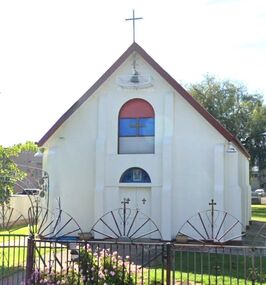
Photograph - Free Serbian Orthodox Church, Wodonga
... When the Free Serbian Church was established in Wodonga it was the only one in a country centre and the third Serbian Church established in Australia. ...A collection of black and white and coloured photographic images depicting the Free Serbian Orthodox Church, Wodonga. The Church was originally the first Presbyterian Church in Wodonga. ...When the Free Serbian Church was established in Wodonga it was the only one in a country centre and the third Serbian Church established in Australia. ...When the Free Serbian Church was established in Wodonga it was the only one in a country centre and the third Serbian Church established in Australia. It had a congregation of approximately 40 members. The Church was originally the first Presbyterian Church in Wodonga. It is a rectangular brick building with a red Colourbond gable roof to the nave area and a domed roof to the rear of the nave. Many features of the architecture from the original building remain. However, changes were made during the refurbishment by the Free Serbian congregation. The original façade red brickwork was rendered and painted white and it was modified to include two round arched relief panels. The upper relief panel was divided into three blocks of colour - red, pale blue and grey, with a centrally located gold cross. The relief panel above the double timber front doors has a gold cross and Serbian iconography. A cross was located on the wall at the apex of the gable and a cross rising up from the gable. The original pointed gothic style windows were replaced with round arched windows. The window hardware now includes wrought iron decorative features. A domed roofed area was constructed to the rear of the nave. The perimeter fence and gates included decorative wrought iron elements. The gates are particularly decorative with floral emblems and Serbian and English text in wrought iron. These photographs are significant because they provide evidence of the changing nature of religious worship and groups in Wodonga.A collection of black and white and coloured photographic images depicting the Free Serbian Orthodox Church, Wodonga. The Church was originally the first Presbyterian Church in Wodonga. It was extensively modified in 1961-62.free serbian orthodox church, wodonga churches, presbyterian church, religion wodonga -
 Embroiderers Guild, Victoria
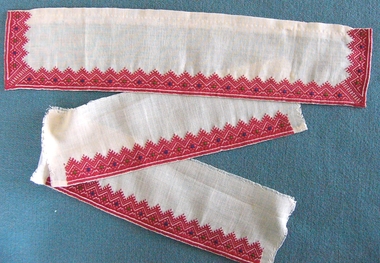
Accessory - Serbian Embroidered Collar and Cuff Set, Early 20th Century
... Serbia...Embroidery Garment Darning 1900-20 Mid European Natural coloured cotton (fine) with pattern darning in red, with small satin stitch dots in navy and green. Accessory Serbian Embroidered Collar and Cuff Set ...Probably made for a blouse.Natural coloured cotton (fine) with pattern darning in red, with small satin stitch dots in navy and green.embroidery, garment, darning, 1900-20, mid european -
 Wodonga & District Historical Society Inc
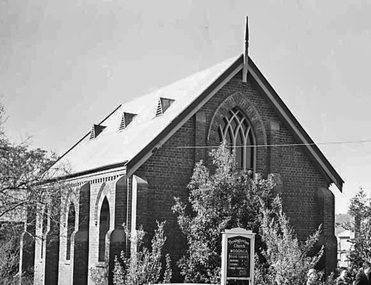
Photograph - First Presbyterian Church, Wodonga
... The original Presbyterian Church was later sold to the Free Serbian Orthodox Church....The Church was later taken over by the Free Serbian Orthodox Church....The Church was later taken over by the Free Serbian Orthodox Church. First Presbyterian Church, Wodonga Photograph First Presbyterian Church, Wodonga ...Members of the Presbyterian faith were among the first settlers in the North-east of Victoria, and in the year 1842 the Presbytery of Melbourne requested the Rev. Peter Gunn, Minister of the Gaelic Church, Melbourne, to visit Presbyterians along the Murray River. This was the first of a series of annual visits, and was of a missionary nature. In May 1851, the Rev. David Hunter Ballantyne was appointed to the Wodonga district based out of Albury. In 1860 the Presbytery of Beechworth was formed, and from it two large presbyteries have grown - Wagga Wagga and Beechworth. In the early days the services at Wodonga were held in the old court house, which still stands. Wodonga Presbyterian Church continued as part of the Parish of Albury until the end of 1887, when it was placed under the administration of the Session of the Beechworth Church, with a home missionary in charge. Mr William Cooper was placed in charge for the first months, then Mr William Smith, a city missionary who had recently arrived from Scotland, was appointed. Mr Smith conducted a cordage factory at Stonleigh. He remained as missionary in charge for the next 10 years, and in that time the church steadily progressed. Plans were made for the erection of the building which now stands in High Street, Wodonga. Mr John Whan was a Founding Member of the Church and was appointed Sunday School Superintendent, an office which he held for 46 years, rendering extensive and valued service to the church and congregation. With a growing congregation and realising the challenges presented to the Church by changing conditions, land for a new church was sought. In September 1950 property was purchased in Nilmar Avenue in Wodonga and the new Presbyterian Church St Stephens became their new home. With the amalgamation of the Presbyterian and Methodist Churches, the new Church became the Uniting Church. The original Presbyterian Church was later sold to the Free Serbian Orthodox Church.These photographs are significant because they provide evidence of the changing nature of religious worship and groups in Wodonga.A collection of black and white photographic images depicting the first Presbyterian Church at Wodonga. The Church was later taken over by the Free Serbian Orthodox Church.presbyterian church, free serbian orthodox church, wodonga churches -
 Bendigo Military Museum
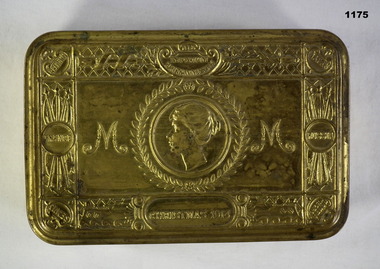
Container - XMAS GIFT TIN, 1914
... "Imperium Britanicum Christmas 1914", "Japan, Russia, Montenegro, Serbia, France, Belgium"...Refer 1294P, 1039P, 1038. containers - commercial Xmas 1914 turner "Imperium Britanicum Christmas 1914", "Japan, Russia, Montenegro, Serbia, France, Belgium" Princess Mary Christmas tin 1914, brass, lid is embossed with writing and an image of the Princess, hinged lid, Container XMAS GIFT TIN ...The tins held various items from pencils, writing paper to tobacco and spices. The idea came from Princess Mary to get one to all Allied troops serving overseas. Item relates to Gilbert Turner MM, No 1410, 45th Batt AIF. Refer 1294P, 1039P, 1038. Princess Mary Christmas tin 1914, brass, lid is embossed with writing and an image of the Princess, hinged lid, "Imperium Britanicum Christmas 1914", "Japan, Russia, Montenegro, Serbia, France, Belgium"containers - commercial, xmas 1914, turner -
 Ringwood RSL Sub-Branch
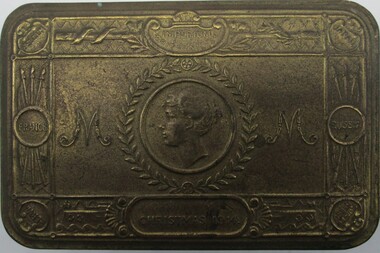
Souvenir, Princess Mary gift to troops Christmas 1914, 1914
... Belgium, France, Serbia, Japan, Russia, Monte Negro....Belgium, France, Serbia, Japan, Russia, Monte Negro. Brass tin with Gilt finish. ...Brass tin with Gilt finish. Given to British Commonwealth Troops for Christmas in 1914. Usually contained cigarettes or tobacco. Also a card and pencil set in a 303 bullet.Imperium Britanicum Christmas 1914. Belgium, France, Serbia, Japan, Russia, Monte Negro. -
 Montmorency–Eltham RSL Sub Branch
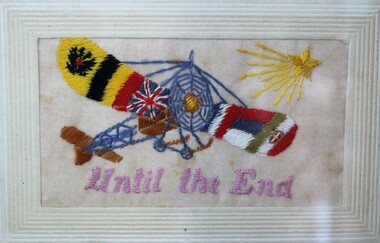
Postcard, 1914 - 1918
... Embroided rectangular card depicting a Deperdussin-type aircraft with wings of colours of Russia, Belgium, United Kingdom, France, Serbia and Italy. “Until the End” embroded in pink below...One of 5 in this display. card Reverse details TBA Embroided rectangular card depicting a Deperdussin-type aircraft with wings of colours of Russia, Belgium, United Kingdom, France, Serbia and Italy. “Until the End” embroded in pink below Postcard Postcard ...Typical hand embroided post card. One of 5 in this display. Embroided rectangular card depicting a Deperdussin-type aircraft with wings of colours of Russia, Belgium, United Kingdom, France, Serbia and Italy. “Until the End” embroded in pink belowReverse details TBAcard -
 Wodonga & District Historical Society Inc
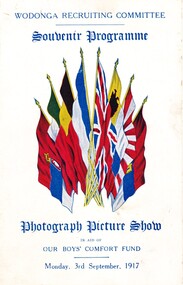
Programme - Wodonga Recruiting Committee Picture Show, 1917
... A small fold out card featuring the flags of the nations who were Allies with Australia at this time. They are Serbia, Italy, Belgium, France, Britain, Russia, Japan and Montenegro. ...Print A small fold out card featuring the flags of the nations who were Allies with Australia at this time. They are Serbia, Italy, Belgium, France, Britain, Russia, Japan and Montenegro. ...In 1915, recruitment committees were formed in nearly every town in Australia to facilitate enlistment in the Australian Imperial Forces. These committees focused on raising awareness, mobilizing communities, and making enlistment processes accessible. The Wodonga Recruiting Committee also worked with volunteers for the Soldiers’ Comfort Fund to raise money and collect items to send to servicemen on the Front to supplement their rations packages. These included articles such as gum, tobacco, soap, towels and cigarettes. This programme documents one of the events organised in Wodonga by the local Recruiting Committee in 1917. It lists the names of 137 soldiers and nurses from Wodonga who had enlisted up until September 1917. This item is significance because it documents the response to World War One by members of the Wodonga community.A small fold out card featuring the flags of the nations who were Allies with Australia at this time. They are Serbia, Italy, Belgium, France, Britain, Russia, Japan and Montenegro. The inside of the card includes a list of names.On back: D. R. Davies Co. Printrecruitment ww1, wodonga recruiting committee, war comforts fund -
 Lakes Entrance Historical Society
Book, Gippsland Heritage Journal - issue 19, 1996
... No 19 of series showcasing aspects of Gippsland Victoria history. this issue has articles on Wonthaggi, Wattle Bark Industry, Bargwanaths, career and wreck of the Shah, Serbs migrants in Latrobe Valley, Briagolong, Aboriginals, Great War Nurses, roadside...No 19 of series showcasing aspects of Gippsland Victoria history. this issue has articles on Wonthaggi, Wattle Bark Industry, Bargwanaths, career and wreck of the Shah, Serbs migrants in Latrobe Valley, Briagolong, Aboriginals, Great War Nurses, roadside Aboriginals Township Ships and Shipping Gippsland Heritage Journal - issue 19 Book ...No 19 of series showcasing aspects of Gippsland Victoria history. this issue has articles on Wonthaggi, Wattle Bark Industry, Bargwanaths, career and wreck of the Shah, Serbs migrants in Latrobe Valley, Briagolong, Aboriginals, Great War Nurses, roadsideaboriginals, township, ships and shipping -
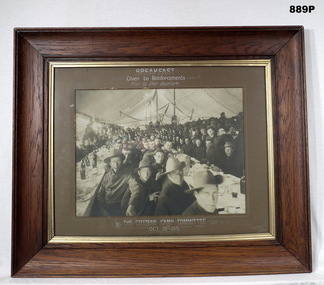 Bendigo Military Museum
Photograph - PHOTOGRAPH, FRAMED, W H Robinson, 1915
... On the tent poles are shields with colours & names of allied countries, Serbia, Canada can be seen. ...On the tent poles are shields with colours & names of allied countries, Serbia, Canada can be seen. Photograph PHOTOGRAPH, FRAMED W H Robinson ...Black & white group photo of large number of Australian Soldiers seated at 2 long tables bearing beer bottles, glasses & crockery. They are in a large tent. On the tent poles are shields with colours & names of allied countries, Serbia, Canada can be seen. Above photo: “Breakfast Given to Reinforcements Prior to their departure” Below photo: “By the Citizens Camp Committee” October 28th 1915photography-photographs, frame accessories, civic momentoes -
 Greensborough Historical Society
Newspaper Clipping, Diamond Valley Leader, Perk hour traffic, 30/08/2017
... Sensors installed at St Sava Serbian Church trigger traffic lights which allow the car in the carpark to enter traffic....Sensors installed at St Sava Serbian Church trigger traffic lights which allow the car in the carpark to enter traffic. greensborough coffee stop diamond creek road nillumbik council st sava serbian orthodox church News article 1 page, black text. ...A storm in a coffee cup is brewing on busy Diamond Creek Road. Every time a motorist stops for a morning caffeine fix, six lanes of traffic grind to a standstill. Sensors installed at St Sava Serbian Church trigger traffic lights which allow the car in the carpark to enter traffic.News article 1 page, black text.greensborough, coffee stop, diamond creek road, nillumbik council, st sava serbian orthodox church -
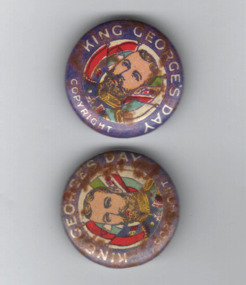 Warrnambool and District Historical Society Inc.
Badges, King George's Day
... These badges with the image of King George V of England were sold during World War One to raise funds for allied nations in the war, especially Serbia, Russian Poland and Italy. King George V reigned from 1910 to 1936. ...These badges with the image of King George V of England were sold during World War One to raise funds for allied nations in the war, especially Serbia, Russian Poland and Italy. King George V reigned from 1910 to 1936. ...These badges with the image of King George V of England were sold during World War One to raise funds for allied nations in the war, especially Serbia, Russian Poland and Italy. King George V reigned from 1910 to 1936. The badges were sold the day before the King's birthday celebrations with one known date being 2nd June 1916. These badges are a good example of the many badges or buttons produced and sold in Victoria to aid the war effort in World War One. .1 Circular metal concave badge featuring coloured image of King George V. in uniform and flags surrounded by text on a blue background. A pin clip is on the back. .2 As above but some rust damage .1 KING GEORGE'S DAY COPYRIGHT .2 KING GEORGE'S DAY COPYRIGHTking george v of england, world war one, history of warrnambool -
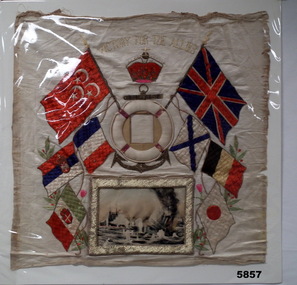 Bendigo Military Museum
Souvenir - BANNER, SILK WW1, c.WW1
... White silk banner featuring the flags of eight WW1 allied nations (Great Britian, France, Belgium, Japan, Serbia, Italy, Russia, Egypt.) The flags surround a raised life buoy over an embroidered anchor. ...White silk banner featuring the flags of eight WW1 allied nations (Great Britian, France, Belgium, Japan, Serbia, Italy, Russia, Egypt.) The flags surround a raised life buoy over an embroidered anchor. ...Banner was souvenired by Trooper Frank J. Fry, 3rd ALH Regiment No 2315. Trooper Fry also served in the Imperial Camel Corps in Palestine from 1916 to mid 1918 when he rejoined the 3rd ALH Regiment White silk banner featuring the flags of eight WW1 allied nations (Great Britian, France, Belgium, Japan, Serbia, Italy, Russia, Egypt.) The flags surround a raised life buoy over an embroidered anchor. Inside the life buoy is space for a photograph. At the bottom of the banner is a gold coloured rectangular frame housing a coloured print of a naval battle. The banner is topped with "Victory for the Allies."Over an embroidered King's Crown Banner is mounted on cardboard and covered with a clear cellophane Embroidered on top of banner. "Victory to the Allies."souvenier, ww1, flags, trooper frank j. fry. -
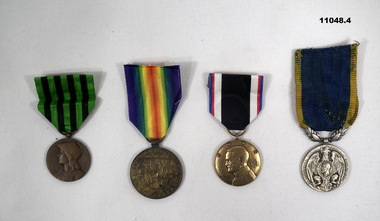 Bendigo Military Museum
Award - MEDALS, VARIOUS, Pre 2015
... Balkan War Medal was for those who fought in the Balkan Wars of 1912-13 involving Bugaria, Serbia, Greece, Romania and Turkey. 2. Czech Victory ZMedal - version from all countries to celebrate Victory in WW1. 3. ...Balkan War Medal was for those who fought in the Balkan Wars of 1912-13 involving Bugaria, Serbia, Greece, Romania and Turkey. 2. Czech Victory ZMedal - version from all countries to celebrate Victory in WW1. 3. ...1. Balkan War Medal was for those who fought in the Balkan Wars of 1912-13 involving Bugaria, Serbia, Greece, Romania and Turkey. 2. Czech Victory ZMedal - version from all countries to celebrate Victory in WW1. 3. US Army of Occupation of Germany - Military Medal ...Post WW2 Occupation of Germany & Austria & Hungary from 12 Nov 1918- 11 July 1923. 4. Franco/ Prussian War Medal - Awarded to French soldiers who fought in war with Prussia in 1870-71.Four medals with ribbon, unmounted. 1. King Carol 1913 Balkan War Medal - Romania. 2. Czechoslavakia Victory Medal WW1. 3. US Army of Occupation of Germany Medal. 4. 1870/71 Franco Prussian War Medal with ribbon.1.2.4. No inscription or name. 3. Inscribed "Army Occupation of Germany".ron mills collection., medals -
 Returned Nurses RSL Sub-branch
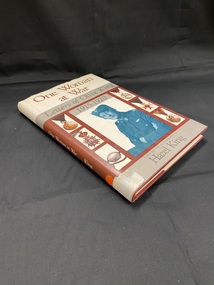
Book - Hardcover book, Hazel King, One woman at war: letters of Olive King 1915-1920, 1986
... ...Serbia...Olive King military medicine ambulance driver Serbia Yugoslvia Australia World War 1914-1918 WW1 WWI World War One Olive King was born in Sydney in 1885. ...Olive King was born in Sydney in 1885. She offered her services as an ambulance driver soon after war broke out in 1914. She joined a small private organisation early in 1915 and went to Belgium. In May 1915 she joined the Scottish Women's Hospitals and her letters, until now unpublished, date from that time. She joined the Serbian Army in 1916 and subsequently rose to the rank of sergeant. Driving on hazardous roads to the Front and to the Adriatic coast, she was often in danger. She was awarded a Serbian silver medal for bravery, and later a gold medal. Her letters not only give a picture of daily life under wartime conditions and in the immediate post-war years. They also show how a woman of the time regarded herself and her place in society. [taken from Trove]Hardcover book with dust jacket. The cover has a cream panel across the top with the title in brown print. Below this is a grey panel with the subtitle. Below that is a large brown panel displaying a black and white photo of Olive King, on either side of the photo are three smaller images of various medals (six in total). There is a thin grey panel across the bottom with the editor's name. There is a torn white sticker label around the base of the spine.non-fiction Olive King was born in Sydney in 1885. She offered her services as an ambulance driver soon after war broke out in 1914. She joined a small private organisation early in 1915 and went to Belgium. In May 1915 she joined the Scottish Women's Hospitals and her letters, until now unpublished, date from that time. She joined the Serbian Army in 1916 and subsequently rose to the rank of sergeant. Driving on hazardous roads to the Front and to the Adriatic coast, she was often in danger. She was awarded a Serbian silver medal for bravery, and later a gold medal. Her letters not only give a picture of daily life under wartime conditions and in the immediate post-war years. They also show how a woman of the time regarded herself and her place in society. [taken from Trove]olive king, military medicine, ambulance driver, serbia, yugoslvia, australia, world war 1914-1918, ww1, wwi, world war one -
 Dandenong/Cranbourne RSL Sub Branch
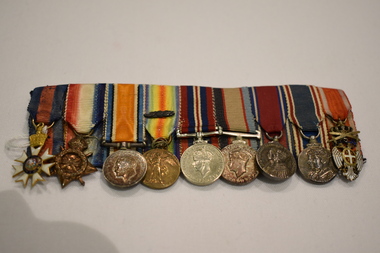
Medal - Mounted Medals
... MOUNTED MEDALS -: Knight Grand Cross, Knight Commander, Companion Order of St Michael & St George, 1914-15 Star, British War Medal 1914-18, Victory Medal with Oak Leaf (mid) Defence Medal, War Medal 1939-45, King George V Silver Jubilee Medal, King George VI Coronation Medal Serbian order of the White Eagle (1883-1945) Class 3....(Various) MOUNTED MEDALS -: Knight Grand Cross, Knight Commander, Companion Order of St Michael & St George, 1914-15 Star, British War Medal 1914-18, Victory Medal with Oak Leaf (mid) Defence Medal, War Medal 1939-45, King George V Silver Jubilee Medal, King George VI Coronation Medal Serbian order of the White Eagle (1883-1945) Class 3. ...MOUNTED MEDALS -: Knight Grand Cross, Knight Commander, Companion Order of St Michael & St George, 1914-15 Star, British War Medal 1914-18, Victory Medal with Oak Leaf (mid) Defence Medal, War Medal 1939-45, King George V Silver Jubilee Medal, King George VI Coronation Medal Serbian order of the White Eagle (1883-1945) Class 3.(Various) -
 Ithacan Historical Society
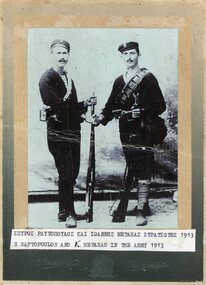
Photograph, Greek soldiers, 1913
... In the first conflict Greece, Bulgaria, Romania and Serbia defeated the Ottoman Empire in the First Balkan War; in the second conflict Bulgaria unsuccessfully contested the distribution by its former allies of territory taken from the Turks during the First Balkan War. ...In the first conflict Greece, Bulgaria, Romania and Serbia defeated the Ottoman Empire in the First Balkan War; in the second conflict Bulgaria unsuccessfully contested the distribution by its former allies of territory taken from the Turks during the First Balkan War. ...The two men, Spiros Raftopoulos and Ioannis Metaxas, joined the army to fight in the Balkan Wars which involved two conflicts that took place in the Balkan Peninsula between 1912 and 1913. In the first conflict Greece, Bulgaria, Romania and Serbia defeated the Ottoman Empire in the First Balkan War; in the second conflict Bulgaria unsuccessfully contested the distribution by its former allies of territory taken from the Turks during the First Balkan War. A number of Greeks who had emigrated to Australia and other parts of the world returned to Greece to fight in those wars.The men returning to fight for the country of their birth were motivated by their patriotism. Even though they had sought a new life in another country they felt strongly the need to return to their homeland to join the struggle. A black and white photograph of two soldiers dressed in Greek army uniform which was worn in the early years of the twentieth century. The two men are holding rifles and have a load of bullets strapped across their shoulders. The original photograph was mounted on fawn and dark green board.A strip of paper has been stuck across the bottom of the photograph with the names of the two men written in Greek and English. S.RAFTOPOULOS AND K. METAXIS IN THE ARMY 1913. -
 Flagstaff Hill Maritime Museum and Village
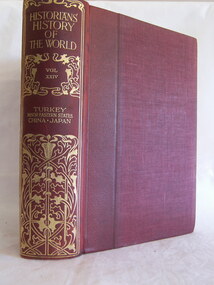
Book - Reference Book/History, Henry Smith Williams, The Historians History of the World Vol 24 set 1 - Edited by Henry Smith Williams L.L.D. Published by “The Times” 1908, 1908
... This includes Romania, Bulgaria, Serbia, and Montenegro, focusing on their struggles for independence from Ottoman rule. ...This includes Romania, Bulgaria, Serbia, and Montenegro, focusing on their struggles for independence from Ottoman rule. ...In the 1908 edition of The Historians' History of the World, Volume 24 acts as the definitive survey of the "Eastern Question" and the peripheral powers of Europe. It shifts focus away from the Western powers of the time to examine the complex histories of the East and the South. The contents cover, Poland, the Balkans, Turkey, and Minor Nations Volume 24 becomes a geographically diverse volume that covers the history of several regions that were, in 1908, centres of intense geopolitical tension.The Book is part of a 25 volume set with red cloth bindings and gold filigree design to rib.non-fictionIn the 1908 edition of The Historians' History of the World, Volume 24 acts as the definitive survey of the "Eastern Question" and the peripheral powers of Europe. It shifts focus away from the Western powers of the time to examine the complex histories of the East and the South. The contents cover, Poland, the Balkans, Turkey, and Minor Nations Volume 24 becomes a geographically diverse volume that covers the history of several regions that were, in 1908, centres of intense geopolitical tension. flagstaff hill, warrnambool, shipwrecked-coast, flagstaff-hill, flagstaff-hill-maritime-museum, maritime-museum, shipwreck-coast, flagstaff-hill-maritime-village, book, the historians history of the world vol 24 set 1 -
 Bendigo Military Museum
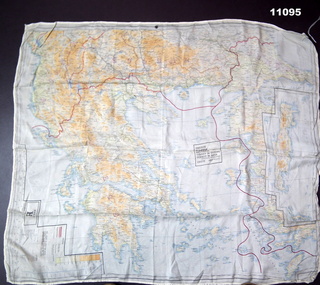
Map - SILK MAP WW2, 1943-45
... Shows Slovakia (Sth), Poland (Sth), Hungary (Sth East), Romania, Serbia, Bulgaria (Central and East), Croatia, Montenhead (East) Albania (Nth)....Shows Slovakia (Sth), Poland (Sth), Hungary (Sth East), Romania, Serbia, Bulgaria (Central and East), Croatia, Montenhead (East) Albania (Nth). ...T.B.A. See also Cat 11096.Two coloured maps, printed on silk. Shows roads, railways, waterways and mountains. National boundaries as at 1943 are shown. First map: scale 1:1,000,000, sheet H. Shows Greece, Albania, Bulgaria South, Turkey in Europe, Turkey in Asia * (Western Seaboard). Crete (inset right). Rear map: scale 1:1,000,000 Sheet G. Shows Slovakia (Sth), Poland (Sth), Hungary (Sth East), Romania, Serbia, Bulgaria (Central and East), Croatia, Montenhead (East) Albania (Nth).ww2, silk maps, europe -
 Bendigo Historical Society Inc.
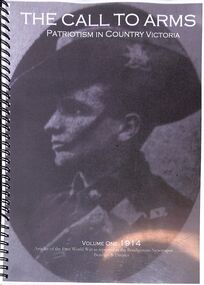
Book - "The Call to Arms. Patriotism in Country Victoria. Volume 1.", 2011
... Austria-Hungary blamed Serbia and declared war on 28 July, upon which the Russian Empire mobilised in Serbia's defence. ...Austria-Hungary blamed Serbia and declared war on 28 July, upon which the Russian Empire mobilised in Serbia's defence. ...World War one began in 1914, and ended in 1918. World War I or the First World War (28 July 1914 – 11 November 1918), also known as the Great War, was a global conflict between two coalitions: the Allies (or Entente) and the Central Powers. One of the deadliest conflicts in history, World War I resulted in an estimated 15 to 22 million deaths, including those in war crimes and genocides. The war also helped spread the Spanish flu pandemic. The conflict saw important developments in weaponry, including the first large-scale use of machine guns, artillery, aircraft, chemical weapons, and tanks. The causes of World War I included the rise of the German Empire, which disturbed the long-standing balance of power in Europe, and the exacerbation of imperial rivalries, as reflected in new alliances and an arms race between the great powers. Tensions in the Balkans reached a breaking point on 28 June 1914 when Gavrilo Princip, a Bosnian Serb, assassinated Franz Ferdinand, the heir to the Austro-Hungarian throne. Austria-Hungary blamed Serbia and declared war on 28 July, upon which the Russian Empire mobilised in Serbia's defence. In early August, Germany declared war on Russia and France; the United Kingdom entered the war after Germany invaded Belgium. Germany's strategy in 1914 was to quickly defeat France, but its advance was halted in September, and the Western Front solidified into a near-continuous line of fortified trenches from the English Channel to Switzerland. The Eastern Front was more dynamic, but neither side gained a decisive advantage, despite costly offensives. The Ottoman Empire joined the Central Powers in November, which was followed by a failed Allied campaign at Gallipoli. Japan and Italy also joined the Allies. Major battles, including those at Verdun, the Somme, and Passchendaele, failed to break the stalemate on the Western Front. In April 1917, the United States joined the Allies after Germany resumed unrestricted submarine warfare against Atlantic shipping. Later that year, the Bolsheviks seized power in Russia in the October Revolution; Soviet Russia signed an armistice with the Central Powers in December, followed by a separate peace in March 1918. That month, Germany launched a spring offensive in the west, which despite initial successes left the German Army exhausted and demoralised. The Allied Hundred Days Offensive, beginning in August 1918, caused a collapse of the German front line. By early November, the Allies had signed armistices with the Ottomans and with Austria-Hungary, leaving Germany isolated. Facing a revolution at home, Kaiser Wilhelm II abdicated on 9 November, and the war ended with the Armistice of 11 November 1918. Metal spiral bound book. Plastic clear cover, and black cardboard back cover. Soft cover. Cover has an image of a black and white image of the bust of a soldier looking to the left. Titles in white. 121 pages. Contains articles of the First World War as reported in the 'Bendigonian Newspaper'. Contains a timeline of significant events during WW1. Has index. Transcribed by Pamela Houston. Printed by Bendigo Copy Centre, Bendigo. Volume one deals with 1914.world war one, soldiers, bendigonian newspapaper -
 Melbourne Legacy
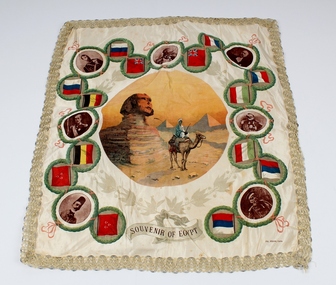
Souvenir - Souvenir Scarf, Souvenir of Egypt, c.1918
... Flags around the central image are from countries allied in World War One, clockwise from bottom left: Sultanate of Egypt (red flag used 1914-1918) ; flag of Belgium ; Russian flag and image of Tsar Nicholas II in top left ; a form of the UK flag with King George V ; French flag ; Italian flag ; and the Serbian flag in bottom right. The connection with Legacy is not known. ...Flags around the central image are from countries allied in World War One, clockwise from bottom left: Sultanate of Egypt (red flag used 1914-1918) ; flag of Belgium ; Russian flag and image of Tsar Nicholas II in top left ; a form of the UK flag with King George V ; French flag ; Italian flag ; and the Serbian flag in bottom right. The connection with Legacy is not known. ...A souvenir from Egypt. It contains a central image of the Sphinx, the Great Pyramids and man seated on camel. There are flags and images of military leaders. The date is unknown but assumed to be from the first World War period. Flags around the central image are from countries allied in World War One, clockwise from bottom left: Sultanate of Egypt (red flag used 1914-1918) ; flag of Belgium ; Russian flag and image of Tsar Nicholas II in top left ; a form of the UK flag with King George V ; French flag ; Italian flag ; and the Serbian flag in bottom right. The connection with Legacy is not known. The founders of Legacy were all returned servicemen who returned from overseas service in World War One so would be familiar with similar sentimental souvenirs that were purchased in Egypt and sent home to loved ones.A record of a type of souvenir from Egypt at the end of World War I. Founding Legatees would have been familiar with Egyptian souvenirs from World War 1.Square printed cloth (possibly silk) with gold lace outer edge, machine stitched possibly at a later date. Printed section contains central image of Egyptian Sphinx, pyramids and man seated on camel (facing right) Surrounding main picture is a series of portraits of leaders of various countries with respective national flags either side.Souvenir of Egyptsouvenir, world war one -
 Melbourne Legacy
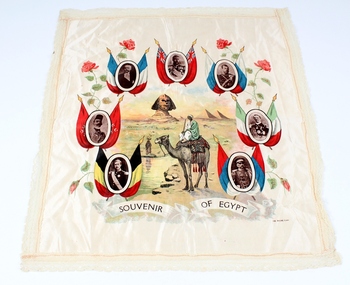
Souvenir - Souvenir Scarf, Souvenir of Egypt, c.1918
... Flags around the central image are from countries allied in World War One, clockwise from bottom left: flag of Belgium ; the Sultanate of Egypt (red flag used 1914-1918) ; French flag ; a form of the UK flag with King George V ; Russian flag and image of Tsar Nicholas II in top right ; Italian flag ; and the Serbian flag in bottom right. The connection with Legacy is not known. ...Flags around the central image are from countries allied in World War One, clockwise from bottom left: flag of Belgium ; the Sultanate of Egypt (red flag used 1914-1918) ; French flag ; a form of the UK flag with King George V ; Russian flag and image of Tsar Nicholas II in top right ; Italian flag ; and the Serbian flag in bottom right. The connection with Legacy is not known. ...A souvenir of Egypt brought back by an unknown person at the end of World War 1. It contains a central image of the Sphinx, the Great Pyramids and man seated on camel. There are flags and images of military leaders. The date is unknown but assumed to be from the first World War period. Flags around the central image are from countries allied in World War One, clockwise from bottom left: flag of Belgium ; the Sultanate of Egypt (red flag used 1914-1918) ; French flag ; a form of the UK flag with King George V ; Russian flag and image of Tsar Nicholas II in top right ; Italian flag ; and the Serbian flag in bottom right. The connection with Legacy is not known. The founders of Legacy were all returned servicemen who returned from overseas service in World War One so would be familiar with similar sentimental souvenirs that were purchased in Egypt and sent home to loved ones.A record of a type of souvenir from Egypt at the end of World War 1. Founding Legatees would have been familiar with Egyptian souvenirs from World War 1.Square printed cloth (possibly silk) with lace outer edge, possibly added later. Printed section contains central image of Egyptian Sphinx, pyramids and man seated on camel (facing left). Surrounding main picture is a series of portraits of leaders of countries with national flag.Souvenir of Egyptsouvenir, world war one, egypt -
 Sunshine and District Historical Society Incorporated
Archive - Places of Historic Interest in and around St Albans 2013, Missen Alie Compiler
... Places of Historic Interest in and around St Albans|The ABC Radio mast and transmitter station|The Blue stone Culvert bridge|Sydenham railway station|Robertsons Upper Keilor Homestead|A Sheep Dip|The Overnewton Venue|The Overnewton Gatehouse|Anderson Cottage|the Hume and Hovell Cairn| Keighlo|St Albans Railway Reserve Grasslands|The Anderson Farm House|The St George Fee Serbian Orthodox Church|The Agnes Stevens farmhouse|The Stensons Family Farm|The Errington Reserve Gates|The St Albans Community Youth Centre|St Albans Town Plan|St Albans Uniting Church...Albans Harrsion Places of Historic Interest in and around St Albans|The ABC Radio mast and transmitter station|The Blue stone Culvert bridge|Sydenham railway station|Robertsons Upper Keilor Homestead|A Sheep Dip|The Overnewton Venue|The Overnewton Gatehouse|Anderson Cottage|the Hume and Hovell Cairn| Keighlo|St Albans Railway Reserve Grasslands|The Anderson Farm House|The St George Fee Serbian Orthodox Church|The Agnes Stevens farmhouse|The Stensons Family Farm|The Errington Reserve Gates|The St Albans Community Youth Centre|St Albans Town Plan|St Albans Uniting Church Places of Historic Interest in and around St Albans 2013 Compiled by Alie Missen Archive Places of Historic Interest in and around St Albans 2013 Missen Alie Compiler ...Places of Historic Interest in and around St Albans|The ABC Radio mast and transmitter station|The Blue stone Culvert bridge|Sydenham railway station|Robertsons Upper Keilor Homestead|A Sheep Dip|The Overnewton Venue|The Overnewton Gatehouse|Anderson Cottage|the Hume and Hovell Cairn| Keighlo|St Albans Railway Reserve Grasslands|The Anderson Farm House|The St George Fee Serbian Orthodox Church|The Agnes Stevens farmhouse|The Stensons Family Farm|The Errington Reserve Gates|The St Albans Community Youth Centre|St Albans Town Plan|St Albans Uniting Churchst. albans, harrsion -
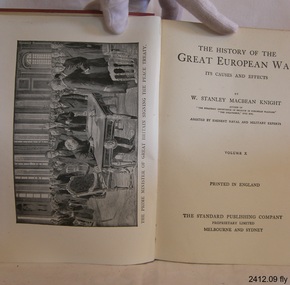 Flagstaff Hill Maritime Museum and Village
Book - Reference/History, W Stanley Macbean Knight, The History of the Great European War Set 1 Vol 10, 1914-1920
... Date: Various Volume Subscription Releases 1914 to 1920 Further Information: Red pictorial cloth gilt-lettered boards, each volume illustrated with a coloured frontispiece, black-and-white photographic plates, and fold-out colour maps of various fronts depending on volume(e.g. the Serbian Retreat, the Italian front etc.). Note there are two sets of this publication in the Flagstaff book collection....IV: Covers 1916 and the ongoing 1915–16 campaigns; this volume contains a fold-out colour map of the Serbian Retreat and one of the Italian front, featuring the Balkan and Italian theatres of war. ...This set is a contemporary and popular narrative history of WWI, written and published while the war was still happening; the preface is dated 1914, but volumes were issued serially as the war progressed, meaning later volumes covering 1917–18 and the peace were released several years after the first. This is a common format for the period — compare rival serials like The Great War (Hammerton & Wilson) or Collier's The Story of the Great War — publishers issued 'instant history' in subscription parts to a public hungry for authoritative-sounding accounts. The volumes in this set cover the following topics during the First World War: Vol. I — Causes and Effects (1914): Its aims are to explain the political and diplomatic background to the war — the alliance system and the July Crisis — with the outbreak of hostilities in August 1914. Vol. II: Continues into the opening campaigns of 1914 (per Internet Archive, 'Vol 2 of 10', contemporary account). Vol. III: Descriptions note it as continuing the story of the campaign of the Allies and their mid-war campaigns. Vol. IV: Covers 1916 and the ongoing 1915–16 campaigns; this volume contains a fold-out colour map of the Serbian Retreat and one of the Italian front, featuring the Balkan and Italian theatres of war. Vols. V–VI: Continue the general campaign narrative through 1916–17. Vols. VII–VIII: Cover the later war years, focusing on 1917–18. Vols. IX–X: These volumes cover the war's final phase and the Armistice. Publication of the last volumes continued into the early 1920s, covering the peace settlement at Versailles and its aftermath.Hard Cover Book. History of The Great European War Set 1 Vol 10 Author: W Stanley Macbean Knight Publisher: The Caxton Publishing Company Ltd Clune House, 161 Surrey St, London W.C. Printer: The Standard Publishing Co. 100 Flinders St, Melbourne. Date: Various Volume Subscription Releases 1914 to 1920 Further Information: Red pictorial cloth gilt-lettered boards, each volume illustrated with a coloured frontispiece, black-and-white photographic plates, and fold-out colour maps of various fronts depending on volume(e.g. the Serbian Retreat, the Italian front etc.). Note there are two sets of this publication in the Flagstaff book collection.non-fictionThis set is a contemporary and popular narrative history of WWI, written and published while the war was still happening; the preface is dated 1914, but volumes were issued serially as the war progressed, meaning later volumes covering 1917–18 and the peace were released several years after the first. This is a common format for the period — compare rival serials like The Great War (Hammerton & Wilson) or Collier's The Story of the Great War — publishers issued 'instant history' in subscription parts to a public hungry for authoritative-sounding accounts. The volumes in this set cover the following topics during the First World War: Vol. I — Causes and Effects (1914): Its aims are to explain the political and diplomatic background to the war — the alliance system and the July Crisis — with the outbreak of hostilities in August 1914. Vol. II: Continues into the opening campaigns of 1914 (per Internet Archive, 'Vol 2 of 10', contemporary account). Vol. III: Descriptions note it as continuing the story of the campaign of the Allies and their mid-war campaigns. Vol. IV: Covers 1916 and the ongoing 1915–16 campaigns; this volume contains a fold-out colour map of the Serbian Retreat and one of the Italian front, featuring the Balkan and Italian theatres of war. Vols. V–VI: Continue the general campaign narrative through 1916–17. Vols. VII–VIII: Cover the later war years, focusing on 1917–18. Vols. IX–X: These volumes cover the war's final phase and the Armistice. Publication of the last volumes continued into the early 1920s, covering the peace settlement at Versailles and its aftermath.flagstaff hill, warrnambool, shipwrecked-coast, flagstaff-hill, flagstaff-hill-maritime-museum, maritime-museum, shipwreck-coast, flagstaff-hill-maritime-village, book, the history of the great european war vol 1 set 1, the history of the great european war, caxton printers -
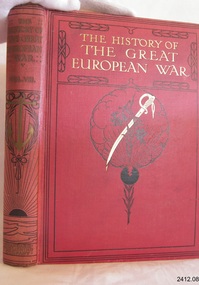 Flagstaff Hill Maritime Museum and Village
Book - Reference/History, W Stanley Macbean Knight, The History of the Great European War Set 1 Vol 8, 1914-1920
... Date: Various Volume Subscription Releases 1914 to 1920 Further Information: Red pictorial cloth gilt-lettered boards, each volume illustrated with a coloured frontispiece, black-and-white photographic plates, and fold-out colour maps of various fronts depending on volume(e.g. the Serbian Retreat, the Italian front etc.). Note there are two sets of this publication in the Flagstaff book collection....IV: Covers 1916 and the ongoing 1915–16 campaigns; this volume contains a fold-out colour map of the Serbian Retreat and one of the Italian front, featuring the Balkan and Italian theatres of war. ...This set is a contemporary and popular narrative history of WWI, written and published while the war was still happening; the preface is dated 1914, but volumes were issued serially as the war progressed, meaning later volumes covering 1917–18 and the peace were released several years after the first. This is a common format for the period — compare rival serials like The Great War (Hammerton & Wilson) or Collier's The Story of the Great War — publishers issued 'instant history' in subscription parts to a public hungry for authoritative-sounding accounts. The volumes in this set cover the following topics during the First World War: Vol. I — Causes and Effects (1914): Its aims are to explain the political and diplomatic background to the war — the alliance system and the July Crisis — with the outbreak of hostilities in August 1914. Vol. II: Continues into the opening campaigns of 1914 (per Internet Archive, 'Vol 2 of 10', contemporary account). Vol. III: Descriptions note it as continuing the story of the campaign of the Allies and their mid-war campaigns. Vol. IV: Covers 1916 and the ongoing 1915–16 campaigns; this volume contains a fold-out colour map of the Serbian Retreat and one of the Italian front, featuring the Balkan and Italian theatres of war. Vols. V–VI: Continue the general campaign narrative through 1916–17. Vols. VII–VIII: Cover the later war years, focusing on 1917–18. Vols. IX–X: These volumes cover the war's final phase and the Armistice. Publication of the last volumes continued into the early 1920s, covering the peace settlement at Versailles and its aftermath.Hard Cover Book. History of The Great European War Set 1 Vol 8 Author: W Stanley Macbean Knight Publisher: The Caxton Publishing Company Ltd Clune House, 161 Surrey St, London W.C. Printer: The Standard Publishing Co. 100 Flinders St, Melbourne. Date: Various Volume Subscription Releases 1914 to 1920 Further Information: Red pictorial cloth gilt-lettered boards, each volume illustrated with a coloured frontispiece, black-and-white photographic plates, and fold-out colour maps of various fronts depending on volume(e.g. the Serbian Retreat, the Italian front etc.). Note there are two sets of this publication in the Flagstaff book collection.non-fictionThis set is a contemporary and popular narrative history of WWI, written and published while the war was still happening; the preface is dated 1914, but volumes were issued serially as the war progressed, meaning later volumes covering 1917–18 and the peace were released several years after the first. This is a common format for the period — compare rival serials like The Great War (Hammerton & Wilson) or Collier's The Story of the Great War — publishers issued 'instant history' in subscription parts to a public hungry for authoritative-sounding accounts. The volumes in this set cover the following topics during the First World War: Vol. I — Causes and Effects (1914): Its aims are to explain the political and diplomatic background to the war — the alliance system and the July Crisis — with the outbreak of hostilities in August 1914. Vol. II: Continues into the opening campaigns of 1914 (per Internet Archive, 'Vol 2 of 10', contemporary account). Vol. III: Descriptions note it as continuing the story of the campaign of the Allies and their mid-war campaigns. Vol. IV: Covers 1916 and the ongoing 1915–16 campaigns; this volume contains a fold-out colour map of the Serbian Retreat and one of the Italian front, featuring the Balkan and Italian theatres of war. Vols. V–VI: Continue the general campaign narrative through 1916–17. Vols. VII–VIII: Cover the later war years, focusing on 1917–18. Vols. IX–X: These volumes cover the war's final phase and the Armistice. Publication of the last volumes continued into the early 1920s, covering the peace settlement at Versailles and its aftermath.flagstaff hill, warrnambool, shipwrecked-coast, flagstaff-hill, flagstaff-hill-maritime-museum, maritime-museum, shipwreck-coast, flagstaff-hill-maritime-village, book, the history of the great european war vol 1 set 1, the history of the great european war, caxton printers -
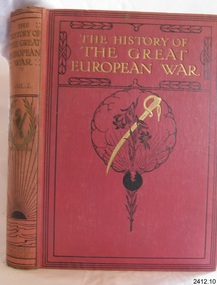 Flagstaff Hill Maritime Museum and Village
Book - Reference/History, W Stanley Macbean Knight, The History of the Great European War Set 2 Vol 1, 1914-1920
... Date: Various Volume Subscription Releases 1914 to 1920 Further Information: Red pictorial cloth gilt-lettered boards, each volume illustrated with a coloured frontispiece, black-and-white photographic plates, and fold-out colour maps of various fronts depending on volume(e.g. the Serbian Retreat, the Italian front etc.). Note there are two sets of this publication in the Flagstaff book collection....IV: Covers 1916 and the ongoing 1915–16 campaigns; this volume contains a fold-out colour map of the Serbian Retreat and one of the Italian front, featuring the Balkan and Italian theatres of war. ...This set is a contemporary and popular narrative history of WWI, written and published while the war was still happening; the preface is dated 1914, but volumes were issued serially as the war progressed, meaning later volumes covering 1917–18 and the peace were released several years after the first. This is a common format for the period — compare rival serials like The Great War (Hammerton & Wilson) or Collier's The Story of the Great War — publishers issued 'instant history' in subscription parts to a public hungry for authoritative-sounding accounts. The volumes in this set cover the following topics during the First World War: Vol. I — Causes and Effects (1914): Its aims are to explain the political and diplomatic background to the war — the alliance system and the July Crisis — with the outbreak of hostilities in August 1914. Vol. II: Continues into the opening campaigns of 1914 (per Internet Archive, 'Vol 2 of 10', contemporary account). Vol. III: Descriptions note it as continuing the story of the campaign of the Allies and their mid-war campaigns. Vol. IV: Covers 1916 and the ongoing 1915–16 campaigns; this volume contains a fold-out colour map of the Serbian Retreat and one of the Italian front, featuring the Balkan and Italian theatres of war. Vols. V–VI: Continue the general campaign narrative through 1916–17. Vols. VII–VIII: Cover the later war years, focusing on 1917–18. Vols. IX–X: These volumes cover the war's final phase and the Armistice. Publication of the last volumes continued into the early 1920s, covering the peace settlement at Versailles and its aftermath.Hard Cover Book. History of The Great European War Set 2 Vol 1 Author: W Stanley Macbean Knight Publisher: The Caxton Publishing Company Ltd Clune House, 161 Surrey St, London W.C. Printer: The Standard Publishing Co. 100 Flinders St, Melbourne. Date: Various Volume Subscription Releases 1914 to 1920 Further Information: Red pictorial cloth gilt-lettered boards, each volume illustrated with a coloured frontispiece, black-and-white photographic plates, and fold-out colour maps of various fronts depending on volume(e.g. the Serbian Retreat, the Italian front etc.). Note there are two sets of this publication in the Flagstaff book collection.non-fictionThis set is a contemporary and popular narrative history of WWI, written and published while the war was still happening; the preface is dated 1914, but volumes were issued serially as the war progressed, meaning later volumes covering 1917–18 and the peace were released several years after the first. This is a common format for the period — compare rival serials like The Great War (Hammerton & Wilson) or Collier's The Story of the Great War — publishers issued 'instant history' in subscription parts to a public hungry for authoritative-sounding accounts. The volumes in this set cover the following topics during the First World War: Vol. I — Causes and Effects (1914): Its aims are to explain the political and diplomatic background to the war — the alliance system and the July Crisis — with the outbreak of hostilities in August 1914. Vol. II: Continues into the opening campaigns of 1914 (per Internet Archive, 'Vol 2 of 10', contemporary account). Vol. III: Descriptions note it as continuing the story of the campaign of the Allies and their mid-war campaigns. Vol. IV: Covers 1916 and the ongoing 1915–16 campaigns; this volume contains a fold-out colour map of the Serbian Retreat and one of the Italian front, featuring the Balkan and Italian theatres of war. Vols. V–VI: Continue the general campaign narrative through 1916–17. Vols. VII–VIII: Cover the later war years, focusing on 1917–18. Vols. IX–X: These volumes cover the war's final phase and the Armistice. Publication of the last volumes continued into the early 1920s, covering the peace settlement at Versailles and its aftermath.flagstaff hill, warrnambool, shipwrecked-coast, flagstaff-hill, flagstaff-hill-maritime-museum, maritime-museum, shipwreck-coast, flagstaff-hill-maritime-village, book, the history of the great european war vol 1 set 1, the history of the great european war, caxton printers -
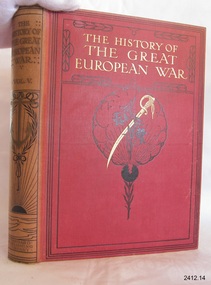 Flagstaff Hill Maritime Museum and Village
Book - Reference/History, W Stanley Macbean Knight, The History of the Great European War Set 2 Vol 5, 1914-1920
... Date: Various Volume Subscription Releases 1914 to 1920 Further Information: Red pictorial cloth gilt-lettered boards, each volume illustrated with a coloured frontispiece, black-and-white photographic plates, and fold-out colour maps of various fronts depending on volume(e.g. the Serbian Retreat, the Italian front etc.). Note there are two sets of this publication in the Flagstaff book collection....IV: Covers 1916 and the ongoing 1915–16 campaigns; this volume contains a fold-out colour map of the Serbian Retreat and one of the Italian front, featuring the Balkan and Italian theatres of war. ...This set is a contemporary and popular narrative history of WWI, written and published while the war was still happening; the preface is dated 1914, but volumes were issued serially as the war progressed, meaning later volumes covering 1917–18 and the peace were released several years after the first. This is a common format for the period — compare rival serials like The Great War (Hammerton & Wilson) or Collier's The Story of the Great War — publishers issued 'instant history' in subscription parts to a public hungry for authoritative-sounding accounts. The volumes in this set cover the following topics during the First World War: Vol. I — Causes and Effects (1914): Its aims are to explain the political and diplomatic background to the war — the alliance system and the July Crisis — with the outbreak of hostilities in August 1914. Vol. II: Continues into the opening campaigns of 1914 (per Internet Archive, 'Vol 2 of 10', contemporary account). Vol. III: Descriptions note it as continuing the story of the campaign of the Allies and their mid-war campaigns. Vol. IV: Covers 1916 and the ongoing 1915–16 campaigns; this volume contains a fold-out colour map of the Serbian Retreat and one of the Italian front, featuring the Balkan and Italian theatres of war. Vols. V–VI: Continue the general campaign narrative through 1916–17. Vols. VII–VIII: Cover the later war years, focusing on 1917–18. Vols. IX–X: These volumes cover the war's final phase and the Armistice. Publication of the last volumes continued into the early 1920s, covering the peace settlement at Versailles and its aftermath.Hard Cover Book. History of The Great European War Set 2 Vol 5 Author: W Stanley Macbean Knight Publisher: The Caxton Publishing Company Ltd Clune House, 161 Surrey St, London W.C. Printer: The Standard Publishing Co. 100 Flinders St, Melbourne. Date: Various Volume Subscription Releases 1914 to 1920 Further Information: Red pictorial cloth gilt-lettered boards, each volume illustrated with a coloured frontispiece, black-and-white photographic plates, and fold-out colour maps of various fronts depending on volume(e.g. the Serbian Retreat, the Italian front etc.). Note there are two sets of this publication in the Flagstaff book collection.non-fictionThis set is a contemporary and popular narrative history of WWI, written and published while the war was still happening; the preface is dated 1914, but volumes were issued serially as the war progressed, meaning later volumes covering 1917–18 and the peace were released several years after the first. This is a common format for the period — compare rival serials like The Great War (Hammerton & Wilson) or Collier's The Story of the Great War — publishers issued 'instant history' in subscription parts to a public hungry for authoritative-sounding accounts. The volumes in this set cover the following topics during the First World War: Vol. I — Causes and Effects (1914): Its aims are to explain the political and diplomatic background to the war — the alliance system and the July Crisis — with the outbreak of hostilities in August 1914. Vol. II: Continues into the opening campaigns of 1914 (per Internet Archive, 'Vol 2 of 10', contemporary account). Vol. III: Descriptions note it as continuing the story of the campaign of the Allies and their mid-war campaigns. Vol. IV: Covers 1916 and the ongoing 1915–16 campaigns; this volume contains a fold-out colour map of the Serbian Retreat and one of the Italian front, featuring the Balkan and Italian theatres of war. Vols. V–VI: Continue the general campaign narrative through 1916–17. Vols. VII–VIII: Cover the later war years, focusing on 1917–18. Vols. IX–X: These volumes cover the war's final phase and the Armistice. Publication of the last volumes continued into the early 1920s, covering the peace settlement at Versailles and its aftermath.flagstaff hill, warrnambool, shipwrecked-coast, flagstaff-hill, flagstaff-hill-maritime-museum, maritime-museum, shipwreck-coast, flagstaff-hill-maritime-village, book, the history of the great european war vol 1 set 1, the history of the great european war, caxton printers -
 Flagstaff Hill Maritime Museum and Village
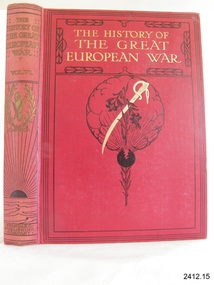
Book - Reference/History, W Stanley Macbean Knight, The History of the Great European War Set 2 Vol 6, 1914-1920
... Date: Various Volume Subscription Releases 1914 to 1920 Further Information: Red pictorial cloth gilt-lettered boards, each volume illustrated with a coloured frontispiece, black-and-white photographic plates, and fold-out colour maps of various fronts depending on volume(e.g. the Serbian Retreat, the Italian front etc.). Note there are two sets of this publication in the Flagstaff book collection....IV: Covers 1916 and the ongoing 1915–16 campaigns; this volume contains a fold-out colour map of the Serbian Retreat and one of the Italian front, featuring the Balkan and Italian theatres of war. ...This set is a contemporary and popular narrative history of WWI, written and published while the war was still happening; the preface is dated 1914, but volumes were issued serially as the war progressed, meaning later volumes covering 1917–18 and the peace were released several years after the first. This is a common format for the period — compare rival serials like The Great War (Hammerton & Wilson) or Collier's The Story of the Great War — publishers issued 'instant history' in subscription parts to a public hungry for authoritative-sounding accounts. The volumes in this set cover the following topics during the First World War: Vol. I — Causes and Effects (1914): Its aims are to explain the political and diplomatic background to the war — the alliance system and the July Crisis — with the outbreak of hostilities in August 1914. Vol. II: Continues into the opening campaigns of 1914 (per Internet Archive, 'Vol 2 of 10', contemporary account). Vol. III: Descriptions note it as continuing the story of the campaign of the Allies and their mid-war campaigns. Vol. IV: Covers 1916 and the ongoing 1915–16 campaigns; this volume contains a fold-out colour map of the Serbian Retreat and one of the Italian front, featuring the Balkan and Italian theatres of war. Vols. V–VI: Continue the general campaign narrative through 1916–17. Vols. VII–VIII: Cover the later war years, focusing on 1917–18. Vols. IX–X: These volumes cover the war's final phase and the Armistice. Publication of the last volumes continued into the early 1920s, covering the peace settlement at Versailles and its aftermath.Hard Cover Book. History of The Great European War Set 2 Vol 6 Author: W Stanley Macbean Knight Publisher: The Caxton Publishing Company Ltd Clune House, 161 Surrey St, London W.C. Printer: The Standard Publishing Co. 100 Flinders St, Melbourne. Date: Various Volume Subscription Releases 1914 to 1920 Further Information: Red pictorial cloth gilt-lettered boards, each volume illustrated with a coloured frontispiece, black-and-white photographic plates, and fold-out colour maps of various fronts depending on volume(e.g. the Serbian Retreat, the Italian front etc.). Note there are two sets of this publication in the Flagstaff book collection.non-fictionThis set is a contemporary and popular narrative history of WWI, written and published while the war was still happening; the preface is dated 1914, but volumes were issued serially as the war progressed, meaning later volumes covering 1917–18 and the peace were released several years after the first. This is a common format for the period — compare rival serials like The Great War (Hammerton & Wilson) or Collier's The Story of the Great War — publishers issued 'instant history' in subscription parts to a public hungry for authoritative-sounding accounts. The volumes in this set cover the following topics during the First World War: Vol. I — Causes and Effects (1914): Its aims are to explain the political and diplomatic background to the war — the alliance system and the July Crisis — with the outbreak of hostilities in August 1914. Vol. II: Continues into the opening campaigns of 1914 (per Internet Archive, 'Vol 2 of 10', contemporary account). Vol. III: Descriptions note it as continuing the story of the campaign of the Allies and their mid-war campaigns. Vol. IV: Covers 1916 and the ongoing 1915–16 campaigns; this volume contains a fold-out colour map of the Serbian Retreat and one of the Italian front, featuring the Balkan and Italian theatres of war. Vols. V–VI: Continue the general campaign narrative through 1916–17. Vols. VII–VIII: Cover the later war years, focusing on 1917–18. Vols. IX–X: These volumes cover the war's final phase and the Armistice. Publication of the last volumes continued into the early 1920s, covering the peace settlement at Versailles and its aftermath.flagstaff hill, warrnambool, shipwrecked-coast, flagstaff-hill, flagstaff-hill-maritime-museum, maritime-museum, shipwreck-coast, flagstaff-hill-maritime-village, book, the history of the great european war vol 1 set 1, the history of the great european war, caxton printers -
 Flagstaff Hill Maritime Museum and Village
Book - Reference/History, W Stanley Macbean Knight, The History of the Great European War Set 2 Vol 7, 1914-1920
... Date: Various Volume Subscription Releases 1914 to 1920 Further Information: Red pictorial cloth gilt-lettered boards, each volume illustrated with a coloured frontispiece, black-and-white photographic plates, and fold-out colour maps of various fronts depending on volume(e.g. the Serbian Retreat, the Italian front etc.). Note there are two sets of this publication in the Flagstaff book collection....IV: Covers 1916 and the ongoing 1915–16 campaigns; this volume contains a fold-out colour map of the Serbian Retreat and one of the Italian front, featuring the Balkan and Italian theatres of war. ...This set is a contemporary and popular narrative history of WWI, written and published while the war was still happening; the preface is dated 1914, but volumes were issued serially as the war progressed, meaning later volumes covering 1917–18 and the peace were released several years after the first. This is a common format for the period — compare rival serials like The Great War (Hammerton & Wilson) or Collier's The Story of the Great War — publishers issued 'instant history' in subscription parts to a public hungry for authoritative-sounding accounts. The volumes in this set cover the following topics during the First World War: Vol. I — Causes and Effects (1914): Its aims are to explain the political and diplomatic background to the war — the alliance system and the July Crisis — with the outbreak of hostilities in August 1914. Vol. II: Continues into the opening campaigns of 1914 (per Internet Archive, 'Vol 2 of 10', contemporary account). Vol. III: Descriptions note it as continuing the story of the campaign of the Allies and their mid-war campaigns. Vol. IV: Covers 1916 and the ongoing 1915–16 campaigns; this volume contains a fold-out colour map of the Serbian Retreat and one of the Italian front, featuring the Balkan and Italian theatres of war. Vols. V–VI: Continue the general campaign narrative through 1916–17. Vols. VII–VIII: Cover the later war years, focusing on 1917–18. Vols. IX–X: These volumes cover the war's final phase and the Armistice. Publication of the last volumes continued into the early 1920s, covering the peace settlement at Versailles and its aftermath.Hard Cover Book. History of The Great European War Set 2 Vol 7 Author: W Stanley Macbean Knight Publisher: The Caxton Publishing Company Ltd Clune House, 161 Surrey St, London W.C. Printer: The Standard Publishing Co. 100 Flinders St, Melbourne. Date: Various Volume Subscription Releases 1914 to 1920 Further Information: Red pictorial cloth gilt-lettered boards, each volume illustrated with a coloured frontispiece, black-and-white photographic plates, and fold-out colour maps of various fronts depending on volume(e.g. the Serbian Retreat, the Italian front etc.). Note there are two sets of this publication in the Flagstaff book collection.non-fictionThis set is a contemporary and popular narrative history of WWI, written and published while the war was still happening; the preface is dated 1914, but volumes were issued serially as the war progressed, meaning later volumes covering 1917–18 and the peace were released several years after the first. This is a common format for the period — compare rival serials like The Great War (Hammerton & Wilson) or Collier's The Story of the Great War — publishers issued 'instant history' in subscription parts to a public hungry for authoritative-sounding accounts. The volumes in this set cover the following topics during the First World War: Vol. I — Causes and Effects (1914): Its aims are to explain the political and diplomatic background to the war — the alliance system and the July Crisis — with the outbreak of hostilities in August 1914. Vol. II: Continues into the opening campaigns of 1914 (per Internet Archive, 'Vol 2 of 10', contemporary account). Vol. III: Descriptions note it as continuing the story of the campaign of the Allies and their mid-war campaigns. Vol. IV: Covers 1916 and the ongoing 1915–16 campaigns; this volume contains a fold-out colour map of the Serbian Retreat and one of the Italian front, featuring the Balkan and Italian theatres of war. Vols. V–VI: Continue the general campaign narrative through 1916–17. Vols. VII–VIII: Cover the later war years, focusing on 1917–18. Vols. IX–X: These volumes cover the war's final phase and the Armistice. Publication of the last volumes continued into the early 1920s, covering the peace settlement at Versailles and its aftermath.flagstaff hill, warrnambool, shipwrecked-coast, flagstaff-hill, flagstaff-hill-maritime-museum, maritime-museum, shipwreck-coast, flagstaff-hill-maritime-village, book, the history of the great european war vol 1 set 1, the history of the great european war, caxton printers -
 Flagstaff Hill Maritime Museum and Village
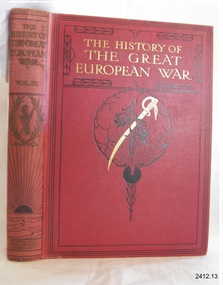
Book - Reference/History, W Stanley Macbean Knight, The History of the Great European War Set 2 Vol 4, 1914-1920
... Date: Various Volume Subscription Releases 1914 to 1920 Further Information: Red pictorial cloth gilt-lettered boards, each volume illustrated with a coloured frontispiece, black-and-white photographic plates, and fold-out colour maps of various fronts depending on volume(e.g. the Serbian Retreat, the Italian front etc.). Note there are two sets of this publication in the Flagstaff book collection....IV: Covers 1916 and the ongoing 1915–16 campaigns; this volume contains a fold-out colour map of the Serbian Retreat and one of the Italian front, featuring the Balkan and Italian theatres of war. ...This set is a contemporary and popular narrative history of WWI, written and published while the war was still happening; the preface is dated 1914, but volumes were issued serially as the war progressed, meaning later volumes covering 1917–18 and the peace were released several years after the first. This is a common format for the period — compare rival serials like The Great War (Hammerton & Wilson) or Collier's The Story of the Great War — publishers issued 'instant history' in subscription parts to a public hungry for authoritative-sounding accounts. The volumes in this set cover the following topics during the First World War: Vol. I — Causes and Effects (1914): Its aims are to explain the political and diplomatic background to the war — the alliance system and the July Crisis — with the outbreak of hostilities in August 1914. Vol. II: Continues into the opening campaigns of 1914 (per Internet Archive, 'Vol 2 of 10', contemporary account). Vol. III: Descriptions note it as continuing the story of the campaign of the Allies and their mid-war campaigns. Vol. IV: Covers 1916 and the ongoing 1915–16 campaigns; this volume contains a fold-out colour map of the Serbian Retreat and one of the Italian front, featuring the Balkan and Italian theatres of war. Vols. V–VI: Continue the general campaign narrative through 1916–17. Vols. VII–VIII: Cover the later war years, focusing on 1917–18. Vols. IX–X: These volumes cover the war's final phase and the Armistice. Publication of the last volumes continued into the early 1920s, covering the peace settlement at Versailles and its aftermath.Hard Cover Book. History of The Great European War Set 2 Vol 4 Author: W Stanley Macbean Knight Publisher: The Caxton Publishing Company Ltd Clune House, 161 Surrey St, London W.C. Printer: The Standard Publishing Co. 100 Flinders St, Melbourne. Date: Various Volume Subscription Releases 1914 to 1920 Further Information: Red pictorial cloth gilt-lettered boards, each volume illustrated with a coloured frontispiece, black-and-white photographic plates, and fold-out colour maps of various fronts depending on volume(e.g. the Serbian Retreat, the Italian front etc.). Note there are two sets of this publication in the Flagstaff book collection.non-fictionThis set is a contemporary and popular narrative history of WWI, written and published while the war was still happening; the preface is dated 1914, but volumes were issued serially as the war progressed, meaning later volumes covering 1917–18 and the peace were released several years after the first. This is a common format for the period — compare rival serials like The Great War (Hammerton & Wilson) or Collier's The Story of the Great War — publishers issued 'instant history' in subscription parts to a public hungry for authoritative-sounding accounts. The volumes in this set cover the following topics during the First World War: Vol. I — Causes and Effects (1914): Its aims are to explain the political and diplomatic background to the war — the alliance system and the July Crisis — with the outbreak of hostilities in August 1914. Vol. II: Continues into the opening campaigns of 1914 (per Internet Archive, 'Vol 2 of 10', contemporary account). Vol. III: Descriptions note it as continuing the story of the campaign of the Allies and their mid-war campaigns. Vol. IV: Covers 1916 and the ongoing 1915–16 campaigns; this volume contains a fold-out colour map of the Serbian Retreat and one of the Italian front, featuring the Balkan and Italian theatres of war. Vols. V–VI: Continue the general campaign narrative through 1916–17. Vols. VII–VIII: Cover the later war years, focusing on 1917–18. Vols. IX–X: These volumes cover the war's final phase and the Armistice. Publication of the last volumes continued into the early 1920s, covering the peace settlement at Versailles and its aftermath.flagstaff hill, warrnambool, shipwrecked-coast, flagstaff-hill, flagstaff-hill-maritime-museum, maritime-museum, shipwreck-coast, flagstaff-hill-maritime-village, book, the history of the great european war vol 1 set 1, the history of the great european war, caxton printers
