
Showing 9 items matching "tribe street"
-
 Port Melbourne Historical & Preservation Society
Plan - Pickles Street from Sandridge Road to Spring Street/Tribe Street, Borough of Sandridge, 23 Jul 1880
... Pickles Street from Sandridge Road to Spring Street/Tribe Street...Plan of Pickles Street, from Sandridge (City) Road to Spring Street/Tribe Street....engineering - roads streets lanes and footpaths Plan of Pickles Street, from Sandridge (City) Road to Spring Street/Tribe Street. Plan Pickles Street from Sandridge Road to Spring Street/Tribe Street Borough of Sandridge ...Plan of Pickles Street, from Sandridge (City) Road to Spring Street/Tribe Street.engineering - roads streets lanes and footpaths -
 Sunshine and District Historical Society Incorporated
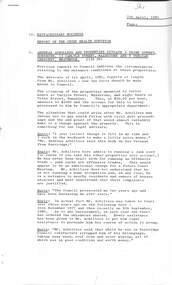
Administrative record - City of Sunshine - Commissioner Mr Alexander Alex George Gillon Collection 1976 - 1982 - Extraordinary business 7th April 1981, City of Sunshine, 7th April 1981
... Tribe Street...Clean-up of properties 4 Tribe Street Sunshine, 13 Carlyle Street Maidstone and 8 Treloar Crescent Brayrook...Tribe Street Sunshne Carlyle Street Maidstone Treloar Crescent Braybrook Clean-up of properties 4 Tribe Street Sunshine, 13 Carlyle Street Maidstone and 8 Treloar Crescent Brayrook Foolscap sized document. ...Clean-up of properties 4 Tribe Street Sunshine, 13 Carlyle Street Maidstone and 8 Treloar Crescent Brayrooktribe street, sunshne, carlyle street, maidstone, treloar crescent, braybrook -
 Mission to Seafarers Victoria
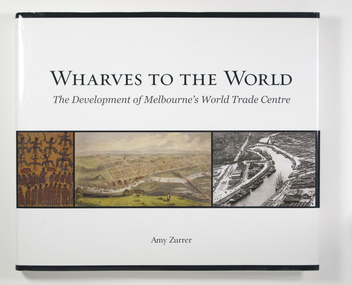
Book - Reference book, Melbourne Books, Wharves To The World: The Development Of Melbourne's World Trade Centre, 2011
... tribe...early melbourne...world trade centre...melbourne...southbank...northbank...australian wharf...siddeley street...Construction of the retail precinct, WTC Wharf, was completed in late 2010. yarra yarra tribe early melbourne world trade centre melbourne southbank northbank australian wharf siddeley street waterfront amy zurrer wurundjeri spencer street bridge north wharf riverlee wtc wharf harbor trust sir john coode harbour trust little dock polly woodside wharfies divers Wharves to the World: The Development of Melbourne's World Trade Centre is a photographic chronicle of the history of the World Trade Centre and its surrounds. ...Wharves to the World: The Development of Melbourne's World Trade Centre is a photographic chronicle of the history of the World Trade Centre and its surrounds. The book traces the journey of land and the buildings that occupied it - from its beginnings with the Wurundjeri people to its role as a trading hub in early Melbourne, then as the site of the modern-day World Trade Centre, and now as part of a flourishing residential and commercial Precinct. As with any major project The World Trade Centre has face its share of fêlures, but despite thèse it has become an integral part of the City. So it goes that was once home to swampland and the City morgue has been transformer into a Diamond of the Yarra River.A 128-page book of printed matter, photographs, engravings and drawings. The hard cover is white with the title in gold lettering on the front. The dust-cover is also white with black lettering. Along the lower half of the cover, front and back, is a strip of six photos, three coloured and three black and white. 128 p. : ill. (some col.), ports. non-fictionWharves to the World: The Development of Melbourne's World Trade Centre is a photographic chronicle of the history of the World Trade Centre and its surrounds. The book traces the journey of land and the buildings that occupied it - from its beginnings with the Wurundjeri people to its role as a trading hub in early Melbourne, then as the site of the modern-day World Trade Centre, and now as part of a flourishing residential and commercial Precinct. As with any major project The World Trade Centre has face its share of fêlures, but despite thèse it has become an integral part of the City. So it goes that was once home to swampland and the City morgue has been transformer into a Diamond of the Yarra River.yarra yarra tribe, early melbourne, world trade centre, melbourne, southbank, northbank, australian wharf, siddeley street, waterfront, amy zurrer, wurundjeri, spencer street bridge, north wharf, riverlee, wtc, wharf, harbor trust, sir john coode, harbour trust, little dock, polly woodside, wharfies, divers -
 Eltham District Historical Society Inc
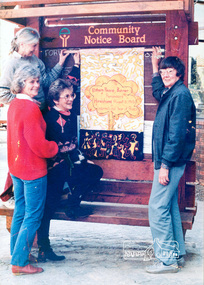
Photograph, Ron Grant, The Eltham Peace Group hanging the Hiroshima Day Banner on the Community Notice Board, Arthur Street, Eltham; Community Arts 1986 'As We Are' Banner Project Group, Hiroshima Day, 6 August 1986
... (The banner habits of the Eltham tribes : Eltham Shire "as we are" Community Banner Project report / by Jacky Talbot, Shire of Eltham, Feb. 1987, p46) Used in Shire of Eltham display at the Eltham Community Festival, 7 November 1987. Shire of Eltham Engineering Department Providing the resources to undertake • Survey, design, consultation • Road construction and maintenance • Bridge construction and maintenance • Street sweeping • Drain and pit cleaning • Traffic engineering installation and maintenance • Garbage collection • Tip management, land reclamation and beautification • Maintenance of community buildings • Provision of community and recreation facilities...(The banner habits of the Eltham tribes : Eltham Shire "as we are" Community Banner Project report / by Jacky Talbot, Shire of Eltham, Feb. 1987, p46) Used in Shire of Eltham display at the Eltham Community Festival, 7 November 1987. Shire of Eltham Engineering Department Providing the resources to undertake • Survey, design, consultation • Road construction and maintenance • Bridge construction and maintenance • Street sweeping • Drain and pit cleaning • Traffic engineering installation and maintenance • Garbage collection • Tip management, land reclamation and beautification • Maintenance of community buildings • Provision of community and recreation facilities Illustrative of services provided by former Shire of Eltham display panel eltham festival eltham peace banner hiroshima day banner infrastructure shire of eltham Laurel Eckersall Anne Laurence Betty Johnson Joan Maclagan Title printed on label adhered to board below photograph (replaced June 2017) Colour photograph 20 x 29 cm mounted on green-painted chipboard 28 x 35.5 cm (string on back for hanging) Ref: 01842-0 The Eltham Peace Group hanging the Hiroshima Day Banner on the Community Notice Board, Arthur Street, Eltham; Community Arts 1986 'As We Are' Banner Project Group, Hiroshima Day, 6 August 1986 Photograph Photograph Ron Grant ...Arthur Street, Eltham next to ANZ Bank The Hiroshima Day Banner was made by Jacky Talbot as part of the project. The women wanted to do something for Hiroshima Day and suggested that a workshop be set aside to make a banner. The artist was concerned about the remaining time scheduled for the project and spent several days "whipping" up the banner herself. For the artist this banner was to prove quite significant. The women hung it at the Community Notice Board on Hiroshima Day and were photographed by the local newspaper publicising the group and drawing wider community attention to the remembrance of the day. Although no new members joined the group from this activity, the artist felt that she was more fully accepted by the group afterwards. This banner has initiated a small group of women committed to peace. The artist has also continued to liaise and meet with the women as time permits. Future group plans include: making kimonos to wear when carrying the banner, participating in the Palm Sunday March, an observance of Hiroshima Day activity, which is yet to be decided, establishing contact with a sister-town in USA and USSR and supporting Eltham Council's stance as a Nuclear Free Zone. (The banner habits of the Eltham tribes : Eltham Shire "as we are" Community Banner Project report / by Jacky Talbot, Shire of Eltham, Feb. 1987, p46) Used in Shire of Eltham display at the Eltham Community Festival, 7 November 1987. Shire of Eltham Engineering Department Providing the resources to undertake • Survey, design, consultation • Road construction and maintenance • Bridge construction and maintenance • Street sweeping • Drain and pit cleaning • Traffic engineering installation and maintenance • Garbage collection • Tip management, land reclamation and beautification • Maintenance of community buildings • Provision of community and recreation facilitiesIllustrative of services provided by former Shire of ElthamColour photograph 20 x 29 cm mounted on green-painted chipboard 28 x 35.5 cm (string on back for hanging) Ref: 01842-0Title printed on label adhered to board below photograph (replaced June 2017)display panel, eltham festival, eltham peace banner, hiroshima day banner, infrastructure, shire of eltham, laurel eckersall, anne laurence, betty johnson, joan maclagan -
 Warrnambool and District Historical Society Inc.
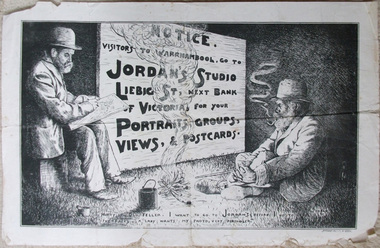
Poster - Jordan Studios, 1906
... Street) in 1901. Joseph’s son, Arthur, was also a photographer and artist. He photographed and sketched Wilmot (Abraham) several times and used one of these sketches as a basis for this advertising poster. It was well-known at the time that Wilmot was always willing to pose for photographs or drawings. Wilmot (Corwhorong), called ‘the last of his tribe...Street) in 1901. Joseph’s son, Arthur, was also a photographer and artist. He photographed and sketched Wilmot (Abraham) several times and used one of these sketches as a basis for this advertising poster. It was well-known at the time that Wilmot was always willing to pose for photographs or drawings. Wilmot (Corwhorong), called ‘the last of his tribe ...This is a 1906 advertising poster for the photographic business, Jordan Studios, Liebig Street, Warrnambool. This business was established in 1890 by Joseph Jordan, an Englishman who had been in the British Army in India. He erected the Jordan Studios building (94 Liebig Street) in 1901. Joseph’s son, Arthur, was also a photographer and artist. He photographed and sketched Wilmot (Abraham) several times and used one of these sketches as a basis for this advertising poster. It was well-known at the time that Wilmot was always willing to pose for photographs or drawings. Wilmot (Corwhorong), called ‘the last of his tribe’, was a member of the Tooram group associated with the Kirrae tribe. He spent the early part of his life at the Allan ‘Tooram’ property and was later at the Murray Warrnambool home, ‘Waikato’. He died in 1916 and is buried in the Warrnambool CemeteryThis advertising poster is of considerable importance as it is an interesting example of advertising by a photographer at the beginning of the 20th century. It is also important because it advertises Jordan Studios, one of the most significant photographic businesses in Warrnambool’s history. It also is an example of Arthur Jordan’s artistic abilityThis is large advertising sheet of paper featuring a black and white sketch of the aborigine, Wilmot and Arthur Jordan, the artist/photographer. Jordan is seated and is sketching Wilmot who is sitting cross-legged. The sketch includes a mug, a billy can, a fire and a humorous caption. The edges of the sheet are somewhat tattered. ‘Notice. Visitors to Warrnambool, go to Jordan’s Studio, Liebig St, next Bank of Victoria, for your Portraits, Groups, Views and Postcards’ ‘Hurry up, old feller, I want to go to Jordan’s before I go to the races. A lady wants my photo very pertickler’ ‘Jordan ‘06’ jordan studios, arthur jordan, wilmot, warrnambool, corwhorong, advertising, liebig street -
 Sunshine and District Historical Society Incorporated
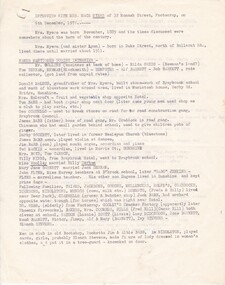
Archive - Interview With Mace Myers, Mace Myers, 6th December 1976
... Street, Footscray on 6th December 1976. Named mentioned during the interview. Lynn Myers Mr Collins (Business at back of home) Hilda Greig Newman's Land Tom Derham Newman (Blacksmith) Dempster Alf Barnett Bob Barnett Donald McLeod (Built stonework of the Braybrook School) Mrs. Holcroft (Fruit and Vegetable Shop) Tom Babb (Boot Repairer) George Costello (Stone Breaker for a Road Construction Gang) James Babb (Boss of a Road Construction Gang) Chinaman (Gardener) Darby Rockett Ted Mackie Mrs. Boyd Tom Cannon Tilly Minns (Braybrook Hotel) Miss Wolley Billy Derham Mary Jane Barnett Jack Derham John Flynn Miss. Harvey "Gabo" Jenkins Eugene Flynn Tribe...Street, Footscray on 6th December 1976. Named mentioned during the interview. Lynn Myers Mr Collins (Business at back of home) Hilda Greig Newman's Land Tom Derham Newman (Blacksmith) Dempster Alf Barnett Bob Barnett Donald McLeod (Built stonework of the Braybrook School) Mrs. Holcroft (Fruit and Vegetable Shop) Tom Babb (Boot Repairer) George Costello (Stone Breaker for a Road Construction Gang) James Babb (Boss of a Road Construction Gang) Chinaman (Gardener) Darby Rockett Ted Mackie Mrs. Boyd Tom Cannon Tilly Minns (Braybrook Hotel) Miss Wolley Billy Derham Mary Jane Barnett Jack Derham John Flynn Miss. Harvey "Gabo" Jenkins Eugene Flynn Tribe ...Gladys Maissie "Mace" Babb (b28/10/1889 d22/1/1982) married George Napier Myers (b29/10/1879 d23/9/1948) in 1912 in Victoria. Mace was the daughter of James Babb, a pioneer of Braybrook who worked as a caretaker and road contractor. This document is a summary of transcript of an interview between Mrs Mace Myers, aged 87 years old, of her memory of early Braybrook, Braybrook Junction and Sunshine in the early 19th century. Many of the early settlers of the Braybrook District are mentioned throughout the transcript.Interview with Mrs Mace Myers of 32 Monash Street, Footscray on 6th December 1976. Named mentioned during the interview. Lynn Myers Mr Collins (Business at back of home) Hilda Greig Newman's Land Tom Derham Newman (Blacksmith) Dempster Alf Barnett Bob Barnett Donald McLeod (Built stonework of the Braybrook School) Mrs. Holcroft (Fruit and Vegetable Shop) Tom Babb (Boot Repairer) George Costello (Stone Breaker for a Road Construction Gang) James Babb (Boss of a Road Construction Gang) Chinaman (Gardener) Darby Rockett Ted Mackie Mrs. Boyd Tom Cannon Tilly Minns (Braybrook Hotel) Miss Wolley Billy Derham Mary Jane Barnett Jack Derham John Flynn Miss. Harvey "Gabo" Jenkins Eugene Flynn Tribe Jackson Gough Mullenger Rolfe Craddock Dickson Middleton Munro (Cows, milk, etc) Freda Roberts Billy Roberts Cranwell (Grocer & butcher shop) Jack Babb Dr. Webb Gooley's Cracket Factory (Apparently later Phoenix Fireworks) Baker Mrs. Coomber Fred Hill Oscar Hill Lizzie Watson Lizzie Scott Lucy McDonough Rose Barnett Msud Barnett Victor Barnett Jimmy Barnett Alf Barnett Mary Barnett Ivy Steens Blanch Stevens Nurse Kerr Dr. Adamson Locations mentioned during the interview. Braybrook State School Braybrook Hotel Pennells Private School Pickett Street Footscray Sunshine Mechanics Hall Braybrook Public Hall Harrison's Hall (Next to the Deer Park Hotel) Maribyrnong River Fords (Mentions two fords across the river) Glengala Estatemace myers, george napier myrers, gladys maissie babb -
 Sunshine and District Historical Society Incorporated
Archive - Statistics and Sunshine Council Services
... Typed Brochure City of Sunshine Aged and Domiciliary Services|Extract ABS 1981 Census Ethnicity Birthplace of Overseas Born Residents|Extract ABS 1981 Census Population characteristics and Population Structure and Age Structure|Extract ABS 1981 Census Ethnicity Birthplace of Overseas Born Residents Ardeer and competency in the English Language Ardeer Popualtion Characteristics and Population Structure Ardeer and Age Structure Ardeer|Typed Report The City of Sunshine|Typed Report City of Sunshine Information File|Extract ABS 1981 Census Ethnicity Birthplace of Overseas Born Residents Albion Population Characteristics and Population Structure Albion and Age Structure Albion|Extract ABS 1981 Census Ethnicity Birthplace of Overseas Born Residents West Sunshine and competency in the English Language West Sunshine Population Characteristics and Population Structure West Sunshine and Age Structure West Sunshine|Extract ABS 1981 Census Ethnicity Birthplace of Overseas Born Residents Deer Park Population Characteristics and Population Structure Deer Park and Age Structure Deer Park|Extract ABS 1981 Census Ethnicity Birthplace of Overseas Born Residents St Albans Population Characteristics and Population Structure St Albans and Age Structure St Albans|Typed Report Family Day Care Statistics April 1987|Typed Report City of Sunshine Community Services Department Transport Service for Older Residents|Typed Report Expenditure Projects over the last five years|Typed Report War Distribution of Major Works Carried out subsequent to an Elected Council being reinstated|Enrolment Form Marie Mill Community Centre Randall Street maribyrnong Semester 1 1987|Typed Report City of Sunshine cildrens services|Newspaper Article 1 June 195 Melbourne rate of growth slows|Newspaper Article The Age 2 July 1993 Government tips western suburbs boom|Newspaper Article The Age 30 April 1983 Inside Melbourne|Newspaper Article The Herald 19 April 1966 Melbourne in 1985|List of Tables and descriptions|Extract Locality and Language of Aboriginal Tribes|Extract Manufactories Works General Summary 31 March 1872|Extract Ages of the people Cut Paw Paw Parish 1861|Extract types of Dwelling Materials Size and Population Maidstone Albion and Braybook 1861|Extract Agricultural Statistics Shire of Braybrook 1871 to 1901|Extract Degree of Education possessed by Residents of the Shire of Braybrook 1871 to 1901|Extract Summary of Schools Census Return for the Shire of Braybrook 1881|Extract Religion of the People in Shire of Braybrook according to the Census returns 1871 to 1901|Extract Ages of the People Shire of Braybrook 1871 to 1901|Extract Manufactores and works in the Shire of Braybrook 1871 to 1901|Extract Artefacts from three small camp sites of Wurundjerri and Populatiioonn and Inhabited Dwellings of Maidstone Albion and Braybrook 1861 and Birthpaces of the People Maidstone Albion and Braybrook 1861|Extract Occupations of the People Maidstone Albion and Braybrook 1861|Newspaper Article Hearld Sun 25th May 1983 Melbourne Under The Microscope Sunshine 1981 Census Information|Newspaper Article The Age Melbourne's Growth Suburbs 1981 V's 1986 Census...City of Sunshine Typed Brochure City of Sunshine Aged and Domiciliary Services|Extract ABS 1981 Census Ethnicity Birthplace of Overseas Born Residents|Extract ABS 1981 Census Population characteristics and Population Structure and Age Structure|Extract ABS 1981 Census Ethnicity Birthplace of Overseas Born Residents Ardeer and competency in the English Language Ardeer Popualtion Characteristics and Population Structure Ardeer and Age Structure Ardeer|Typed Report The City of Sunshine|Typed Report City of Sunshine Information File|Extract ABS 1981 Census Ethnicity Birthplace of Overseas Born Residents Albion Population Characteristics and Population Structure Albion and Age Structure Albion|Extract ABS 1981 Census Ethnicity Birthplace of Overseas Born Residents West Sunshine and competency in the English Language West Sunshine Population Characteristics and Population Structure West Sunshine and Age Structure West Sunshine|Extract ABS 1981 Census Ethnicity Birthplace of Overseas Born Residents Deer Park Population Characteristics and Population Structure Deer Park and Age Structure Deer Park|Extract ABS 1981 Census Ethnicity Birthplace of Overseas Born Residents St Albans Population Characteristics and Population Structure St Albans and Age Structure St Albans|Typed Report Family Day Care Statistics April 1987|Typed Report City of Sunshine Community Services Department Transport Service for Older Residents|Typed Report Expenditure Projects over the last five years|Typed Report War Distribution of Major Works Carried out subsequent to an Elected Council being reinstated|Enrolment Form Marie Mill Community Centre Randall Street maribyrnong Semester 1 1987|Typed Report City of Sunshine cildrens services|Newspaper Article 1 June 195 Melbourne rate of growth slows|Newspaper Article The Age 2 July 1993 Government tips western suburbs boom|Newspaper Article The Age 30 April 1983 Inside Melbourne|Newspaper Article The Herald 19 April 1966 Melbourne in 1985|List of Tables and descriptions|Extract Locality and Language of Aboriginal Tribes|Extract Manufactories Works General Summary 31 March 1872|Extract Ages of the people Cut Paw Paw Parish 1861|Extract types of Dwelling Materials Size and Population Maidstone Albion and Braybook 1861|Extract Agricultural Statistics Shire of Braybrook 1871 to 1901|Extract Degree of Education possessed by Residents of the Shire of Braybrook 1871 to 1901|Extract Summary of Schools Census Return for the Shire of Braybrook 1881|Extract Religion of the People in Shire of Braybrook according to the Census returns 1871 to 1901|Extract Ages of the People Shire of Braybrook 1871 to 1901|Extract Manufactores and works in the Shire of Braybrook 1871 to 1901|Extract Artefacts from three small camp sites of Wurundjerri and Populatiioonn and Inhabited Dwellings of Maidstone Albion and Braybrook 1861 and Birthpaces of the People Maidstone Albion and Braybrook 1861|Extract Occupations of the People Maidstone Albion and Braybrook 1861|Newspaper Article Hearld Sun 25th May 1983 Melbourne Under The Microscope Sunshine 1981 Census Information|Newspaper Article The Age Melbourne's Growth Suburbs 1981 V's 1986 Census Collection of documents on Statistics and Sunshine Council Services Archive Statistics and Sunshine Council Services ...Typed Brochure City of Sunshine Aged and Domiciliary Services|Extract ABS 1981 Census Ethnicity Birthplace of Overseas Born Residents|Extract ABS 1981 Census Population characteristics and Population Structure and Age Structure|Extract ABS 1981 Census Ethnicity Birthplace of Overseas Born Residents Ardeer and competency in the English Language Ardeer Popualtion Characteristics and Population Structure Ardeer and Age Structure Ardeer|Typed Report The City of Sunshine|Typed Report City of Sunshine Information File|Extract ABS 1981 Census Ethnicity Birthplace of Overseas Born Residents Albion Population Characteristics and Population Structure Albion and Age Structure Albion|Extract ABS 1981 Census Ethnicity Birthplace of Overseas Born Residents West Sunshine and competency in the English Language West Sunshine Population Characteristics and Population Structure West Sunshine and Age Structure West Sunshine|Extract ABS 1981 Census Ethnicity Birthplace of Overseas Born Residents Deer Park Population Characteristics and Population Structure Deer Park and Age Structure Deer Park|Extract ABS 1981 Census Ethnicity Birthplace of Overseas Born Residents St Albans Population Characteristics and Population Structure St Albans and Age Structure St Albans|Typed Report Family Day Care Statistics April 1987|Typed Report City of Sunshine Community Services Department Transport Service for Older Residents|Typed Report Expenditure Projects over the last five years|Typed Report War Distribution of Major Works Carried out subsequent to an Elected Council being reinstated|Enrolment Form Marie Mill Community Centre Randall Street maribyrnong Semester 1 1987|Typed Report City of Sunshine cildrens services|Newspaper Article 1 June 195 Melbourne rate of growth slows|Newspaper Article The Age 2 July 1993 Government tips western suburbs boom|Newspaper Article The Age 30 April 1983 Inside Melbourne|Newspaper Article The Herald 19 April 1966 Melbourne in 1985|List of Tables and descriptions|Extract Locality and Language of Aboriginal Tribes|Extract Manufactories Works General Summary 31 March 1872|Extract Ages of the people Cut Paw Paw Parish 1861|Extract types of Dwelling Materials Size and Population Maidstone Albion and Braybook 1861|Extract Agricultural Statistics Shire of Braybrook 1871 to 1901|Extract Degree of Education possessed by Residents of the Shire of Braybrook 1871 to 1901|Extract Summary of Schools Census Return for the Shire of Braybrook 1881|Extract Religion of the People in Shire of Braybrook according to the Census returns 1871 to 1901|Extract Ages of the People Shire of Braybrook 1871 to 1901|Extract Manufactores and works in the Shire of Braybrook 1871 to 1901|Extract Artefacts from three small camp sites of Wurundjerri and Populatiioonn and Inhabited Dwellings of Maidstone Albion and Braybrook 1861 and Birthpaces of the People Maidstone Albion and Braybrook 1861|Extract Occupations of the People Maidstone Albion and Braybrook 1861|Newspaper Article Hearld Sun 25th May 1983 Melbourne Under The Microscope Sunshine 1981 Census Information|Newspaper Article The Age Melbourne's Growth Suburbs 1981 V's 1986 Censuscity of sunshine -
 Dandenong & District Historical Society
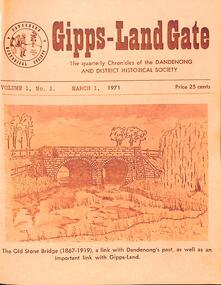
Journal, Dandenong & District Historical Society, Gipps-Land Gate Vol.1 No.1, 1971
... Hotel history Early education in Dandenong Interesting Milestones Origin of Street Names Our new baby - The Gipps-Land Gate Message from "The Royal" First Honorary Member Dandenong Show 100 Years Old Interesting Milestones Started the First Store in Dandenong History of Dandenong to be Written Splendid Historical Library Available to Members In Print Again Robert Kidd Our First Smithy? "The Wessex" Built In The Sixties The Beginning of Education in Dandenong James Clow of "Tirhatuan" Our Emblem The SEHA Jimmy - The Last of the Mordialloc Tribe ...Our new baby - The Gipps-Land Gate Message from "The Royal" First Honorary Member Dandenong Show 100 Years Old Interesting Milestones Started the First Store in Dandenong History of Dandenong to be Written Splendid Historical Library Available to Members In Print Again Robert Kidd Our First Smithy? "The Wessex" Built In The Sixties The Beginning of Education in Dandenong James Clow of "Tirhatuan" Our Emblem The SEHA Jimmy - The Last of the Mordialloc Tribe The "Mystery" of Ballyshanassy Solved Little Quirks of History Origin of Dandenong Street NamesA5 size publication of the Gipps-Land Gate, March 1971. 18 pages, featuring a drawing of The Old Stone Bridge (1867-1919) on the cover.non-fictionOur new baby - The Gipps-Land Gate Message from "The Royal" First Honorary Member Dandenong Show 100 Years Old Interesting Milestones Started the First Store in Dandenong History of Dandenong to be Written Splendid Historical Library Available to Members In Print Again Robert Kidd Our First Smithy? "The Wessex" Built In The Sixties The Beginning of Education in Dandenong James Clow of "Tirhatuan" Our Emblem The SEHA Jimmy - The Last of the Mordialloc Tribe The "Mystery" of Ballyshanassy Solved Little Quirks of History Origin of Dandenong Street Names hotel history, early education in dandenong, interesting milestones, origin of street names -
Merbein District Historical Society
Newspaper, Sunraysia Daily - Nearly 10 thousand see a great procession, 19 Nov.1919
... Street Parade... Jubilee... Witchetty Grub Tribe...Street Parade Jubilee Witchetty Grub Tribe Merbein Grenadiers Marching Girls Dance Entertainment Sunraysia Daily - Nearly 10 thousand see a great procession Newspaper ...street parade, jubilee, witchetty grub tribe, merbein grenadiers marching girls, dance, entertainment
