
Showing 26 items matching "victorian militia force"
-
 Sunbury Family History and Heritage Society Inc.
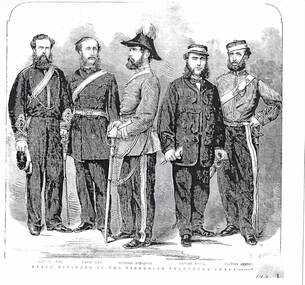
Drawing
... Victorian Volunteer Force....Victorian Artillery...Victorian Militia...Victorian Volunteer Force, were Captain Snee, Major Pitt, Colonel Anderson, Captain Payne and Captain Burton. The Victorian Volunteer Force was the main defence force in Victoria after the withdrawal of the Imperial Troops in 1870. In that same year a permanent artillery corps was formed, the Victorian Artillery. The Volunteer Force was disbanded in 1884 and replaced by the Victorian Militia...Victorian Volunteer Force. Victorian Artillery Victorian Militia Force A photograph of a black and white sketch of five men of the Victorian Volunteer Force. ...The five men, who were staff officers of the Victorian Volunteer Force, were Captain Snee, Major Pitt, Colonel Anderson, Captain Payne and Captain Burton. The Victorian Volunteer Force was the main defence force in Victoria after the withdrawal of the Imperial Troops in 1870. In that same year a permanent artillery corps was formed, the Victorian Artillery. The Volunteer Force was disbanded in 1884 and replaced by the Victorian Militia force. The members were paid and enrolled for a set term. A photograph of a black and white sketch of five men of the Victorian Volunteer Force. The artist's name is in the bottom RH corner but it is not very clear. The names of the five men are printed across the bottom of the drawing. victorian volunteer force., victorian artillery, victorian militia force -
 Hume City Civic Collection
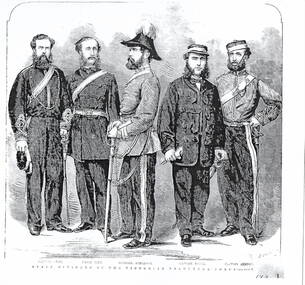
Drawing, S.Calvert, STAFF OFFICERS OF THE VICTORIAN VOLUNTEER FORCE
... Victorian Volunteer Force....Victorian Artillery...Victoria Militia...Victorian Volunteer Force were Captain Snee, Major Pitt, Colonel Anderson, Captain Payne and Captain Burton. The Victorian Volunteer Force was the main defence force in Victoria after the withdrawal the Imperial Troops in 1870. IN that same year a Permanent Artillery Corps ( Victorian Artillery) was also formed. The Volunteer force was disbanded in 1884 and replaced by the Victorian Militia...Victorian Volunteer Force were Captain Snee, Major Pitt, Colonel Anderson, Captain Payne and Captain Burton. The Victorian Volunteer Force was the main defence force in Victoria after the withdrawal the Imperial Troops in 1870. IN that same year a Permanent Artillery Corps ( Victorian Artillery) was also formed. The Volunteer force was disbanded in 1884 and replaced by the Victorian Militia ...The five men who were staff officers of the Victorian Volunteer Force were Captain Snee, Major Pitt, Colonel Anderson, Captain Payne and Captain Burton. The Victorian Volunteer Force was the main defence force in Victoria after the withdrawal the Imperial Troops in 1870. IN that same year a Permanent Artillery Corps ( Victorian Artillery) was also formed. The Volunteer force was disbanded in 1884 and replaced by the Victorian Militia force. The members were paid and enrolled for a set term.A black and white photograph of an etching of 5 officers in the Victorian Volunteers Force.victorian volunteer force., victorian artillery, victoria militia, military history -
 Orbost & District Historical Society
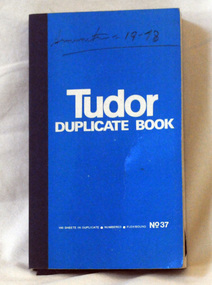
accounts book, 24-27 May 1978
... Victorian Rifle Association (VRA) was formed in 1860. One of the most important adjuncts to the militia system from 1903 to the re-organisation of 1912 was the role played by the Rifle Club movement in Australia. At the time, these clubs were seen as the reservoir of manpower for a potential guerrilla force ...The Orbost Rifle Club existed in the early 20th century. (There are records from 1900). It folded in the late 1970's. This book was used by the club just before it folded.Target shooting is one of the oldest organised sports in Australia. Records date back to the British Marines at Sydney Cove in 1788. The Victorian Rifle Association (VRA) was formed in 1860. One of the most important adjuncts to the militia system from 1903 to the re-organisation of 1912 was the role played by the Rifle Club movement in Australia. At the time, these clubs were seen as the reservoir of manpower for a potential guerrilla force should any invasion occur. For Australia, the invasion fear was uppermost in the minds of the population. So important were the rifle clubs for the defence of Australia that the Commonwealth provided the training staff, rifles and ammunition so the clubs could function. Members were drilled, wore uniforms and practised all the basic skills of soldiering as well as target shooting. The Orbost Rifle Club was active during this period.An almost new blue covered book for accounts and receipts. It has a navy blue spine and white print on the cover - "TUDOR DUPLICATE BOOK No. 37". It contains a record of ammunition. Only two pages of 100 have been used.orbost-rifle-club -
 Orbost & District Historical Society
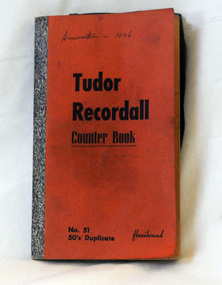
account book, November 5 1976 - July 18 1977
... Victorian Rifle Association (VRA) was formed in 1860. One of the most important adjuncts to the militia system from 1903 to the re-organisation of 1912 was the role played by the Rifle Club movement in Australia. At the time, these clubs were seen as the reservoir of manpower for a potential guerrilla force ...The Orbost Rifle Club existed in the early 20th century. (There are records from 1900). It folded in the late 1970's.Target shooting is one of the oldest organised sports in Australia. Records date back to the British Marines at Sydney Cove in 1788. The Victorian Rifle Association (VRA) was formed in 1860. One of the most important adjuncts to the militia system from 1903 to the re-organisation of 1912 was the role played by the Rifle Club movement in Australia. At the time, these clubs were seen as the reservoir of manpower for a potential guerrilla force should any invasion occur. For Australia, the invasion fear was uppermost in the minds of the population. So important were the rifle clubs for the defence of Australia that the Commonwealth provided the training staff, rifles and ammunition so the clubs could function. Members were drilled, wore uniforms and practised all the basic skills of soldiering as well as target shooting. The Orbost Rifle Club was active during this period.A bright orange receipt / account book with a blue spine. On the cover in dark blue is "Tudor Recordall COUNTER BOOK" at the top and at the bottom is " No. 51 50's Duplicate flexibound"on front cover - handwritten -" Amunition (sic) 1976"orbost-rifle-club -
 Orbost & District Historical Society
accounts book, June 30 1956
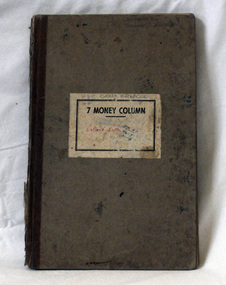
... Victorian Rifle Association (VRA) was formed in 1860. One of the most important adjuncts to the militia system from 1903 to the re-organisation of 1912 was the role played by the Rifle Club movement in Australia. At the time, these clubs were seen as the reservoir of manpower for a potential guerrilla force ...The Orbost Rifle Club existed in the early 20th century. (There are records from 1900). It folded in the late 1970's.Target shooting is one of the oldest organised sports in Australia. Records date back to the British Marines at Sydney Cove in 1788. The Victorian Rifle Association (VRA) was formed in 1860. One of the most important adjuncts to the militia system from 1903 to the re-organisation of 1912 was the role played by the Rifle Club movement in Australia. At the time, these clubs were seen as the reservoir of manpower for a potential guerrilla force should any invasion occur. For Australia, the invasion fear was uppermost in the minds of the population. So important were the rifle clubs for the defence of Australia that the Commonwealth provided the training staff, rifles and ammunition so the clubs could function. Members were drilled, wore uniforms and practised all the basic skills of soldiering as well as target shooting. The Orbost Rifle Club was active during this period.A grey covered bookj with a light brown fabric spine. The front has a white sticker label with "Orbost Rifle Club" handwritten in ink. It contains accounts and a trophy list.orbost-rifle-club accounts-book -
 Orbost & District Historical Society
minute book, 10.2.1950 - 11.5.1961
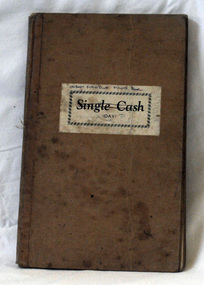
... Victorian Rifle Association (VRA) was formed in 1860. One of the most important adjuncts to the militia system from 1903 to the re-organisation of 1912 was the role played by the Rifle Club movement in Australia. At the time, these clubs were seen as the reservoir of manpower for a potential guerrilla force ...The Orbost Rifle Club existed in the early 20th century. (There are records from 1900). It folded in the late 1970's. The secretaries at the time of this book were D.Towers and ? Healey.arget shooting is one of the oldest organised sports in Australia. Records date back to the British Marines at Sydney Cove in 1788. The Victorian Rifle Association (VRA) was formed in 1860. One of the most important adjuncts to the militia system from 1903 to the re-organisation of 1912 was the role played by the Rifle Club movement in Australia. At the time, these clubs were seen as the reservoir of manpower for a potential guerrilla force should any invasion occur. For Australia, the invasion fear was uppermost in the minds of the population. So important were the rifle clubs for the defence of Australia that the Commonwealth provided the training staff, rifles and ammunition so the clubs could function. Members were drilled, wore uniforms and practised all the basic skills of soldiering as well as target shooting. The Orbost Rifle Club was active during this period.A light brown covered book with a brown fabric binding. There is a white sticker label on the front - "Single Cash" in black print. It contains minutes .orbost-rifle-club minute-book -
 Orbost & District Historical Society
accounts book, 6.7.1968 - 13.10. 1973
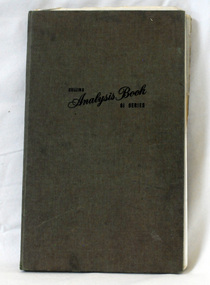
... Victorian Rifle Association (VRA) was formed in 1860. One of the most important adjuncts to the militia system from 1903 to the re-organisation of 1912 was the role played by the Rifle Club movement in Australia. At the time, these clubs were seen as the reservoir of manpower for a potential guerrilla force ...The Orbost Rifle Club existed in the early 20th century. (There are records from 1900). It folded in the late 1970's.Target shooting is one of the oldest organised sports in Australia. Records date back to the British Marines at Sydney Cove in 1788. The Victorian Rifle Association (VRA) was formed in 1860. One of the most important adjuncts to the militia system from 1903 to the re-organisation of 1912 was the role played by the Rifle Club movement in Australia. At the time, these clubs were seen as the reservoir of manpower for a potential guerrilla force should any invasion occur. For Australia, the invasion fear was uppermost in the minds of the population. So important were the rifle clubs for the defence of Australia that the Commonwealth provided the training staff, rifles and ammunition so the clubs could function. Members were drilled, wore uniforms and practised all the basic skills of soldiering as well as target shooting. The Orbost Rifle Club was active during this period.A green fabric covered book with "Collins Analysis Book 81 Series" in black print on front cover. Inside the pages are lined in green and blue. It contains accounts and a trophy list at the back. There is a page on a memo to clubs re Stamp Duties Act 1967. orbost-rifle-club acounts-book trophy-list -
 Orbost & District Historical Society
correspondence books, 10.12.1955 - 20.9.1977
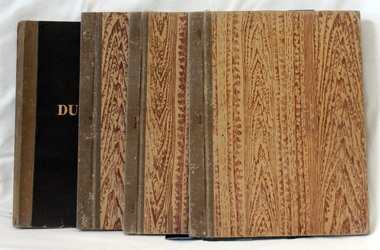
... Victorian Rifle Association (VRA) was formed in 1860. One of the most important adjuncts to the militia system from 1903 to the re-organisation of 1912 was the role played by the Rifle Club movement in Australia. At the time, these clubs were seen as the reservoir of manpower for a potential guerrilla force ...These books were used by the Orbost Rifle Club to record correspondence. The Orbost Rifle Club existed in the early 20th century. (There are records from 1900). It folded in the late 1970's.Target shooting is one of the oldest organised sports in Australia. Records date back to the British Marines at Sydney Cove in 1788. The Victorian Rifle Association (VRA) was formed in 1860. One of the most important adjuncts to the militia system from 1903 to the re-organisation of 1912 was the role played by the Rifle Club movement in Australia. At the time, these clubs were seen as the reservoir of manpower for a potential guerrilla force should any invasion occur. For Australia, the invasion fear was uppermost in the minds of the population. So important were the rifle clubs for the defence of Australia that the Commonwealth provided the training staff, rifles and ammunition so the clubs could function. Members were drilled, wore uniforms and practised all the basic skills of soldiering as well as target shooting. The Orbost Rifle Club was active during this period.Four duplicate Correspondence books. All are brown with a brown cloth spine. 1359.1, 1359.2 and 1359.3 have marbled covers and 1359.4 has a dark brown soft cover with "TUDOR DUPLICATE BOOK" in paler print. -
 Orbost & District Historical Society
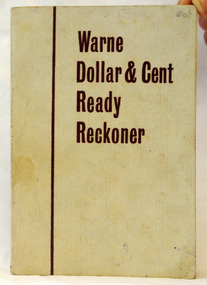
book, Warne Dollar & Cent Ready Reckoner, 1967
... Victorian Rifle Association (VRA) was formed in 1860. One of the most important adjuncts to the militia system from 1903 to the re-organisation of 1912 was the role played by the Rifle Club movement in Australia. At the time, these clubs were seen as the reservoir of manpower for a potential guerrilla force ...This book was used after the introduction of decimal currency in 1966. it was used by the Orbost Rifle Club. The Orbost Rifle Club existed in the early 20th century. (There are records from 1900). It folded in the late 1970's.Target shooting is one of the oldest organised sports in Australia. Records date back to the British Marines at Sydney Cove in 1788. The Victorian Rifle Association (VRA) was formed in 1860. One of the most important adjuncts to the militia system from 1903 to the re-organisation of 1912 was the role played by the Rifle Club movement in Australia. At the time, these clubs were seen as the reservoir of manpower for a potential guerrilla force should any invasion occur. For Australia, the invasion fear was uppermost in the minds of the population. So important were the rifle clubs for the defence of Australia that the Commonwealth provided the training staff, rifles and ammunition so the clubs could function. Members were drilled, wore uniforms and practised all the basic skills of soldiering as well as target shooting. The Orbost Rifle Club was active during this period. This item is an example of accounting practices during the transition to Decimal currency.A small cream coloured book with brown print on front cover - "Warne Dollar & Cent Ready Reckoner".inside cover - Ted Curtis 5 Lind Lane Orbostaccounting orbost-rifle-club ready-reckoner-warne decimal-currency -
 Orbost & District Historical Society
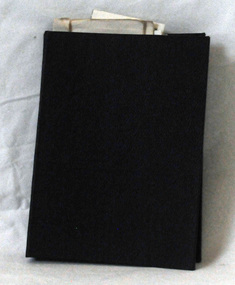
folder of documents, 1960 - 1970
... Victorian Rifle Association (VRA) was formed in 1860. One of the most important adjuncts to the militia system from 1903 to the re-organisation of 1912 was the role played by the Rifle Club movement in Australia. At the time, these clubs were seen as the reservoir of manpower for a potential guerrilla force ...The Orbost Rifle Club existed in the early 20th century. (There are records from 1900). It folded in the late 1970's.Target shooting is one of the oldest organised sports in Australia. Records date back to the British Marines at Sydney Cove in 1788. The Victorian Rifle Association (VRA) was formed in 1860. One of the most important adjuncts to the militia system from 1903 to the re-organisation of 1912 was the role played by the Rifle Club movement in Australia. At the time, these clubs were seen as the reservoir of manpower for a potential guerrilla force should any invasion occur. For Australia, the invasion fear was uppermost in the minds of the population. So important were the rifle clubs for the defence of Australia that the Commonwealth provided the training staff, rifles and ammunition so the clubs could function. Members were drilled, wore uniforms and practised all the basic skills of soldiering as well as target shooting. The Orbost Rifle Club was active during this period.A small blue folder with a metal grip. It contains assorted documents concerning the Orbost Rifle Club.orbost-rifel-club documents -
 Orbost & District Historical Society
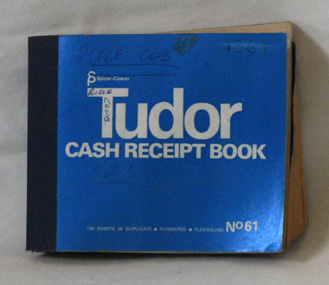
cash book, 6. 7. 1977 - 3.8.1977
... Victorian Rifle Association (VRA) was formed in 1860. One of the most important adjuncts to the militia system from 1903 to the re-organisation of 1912 was the role played by the Rifle Club movement in Australia. At the time, these clubs were seen as the reservoir of manpower for a potential guerrilla force ...The Orbost Rifle Club existed in the early 20th century. (There are records from 1900). It folded in the late 1970's.Target shooting is one of the oldest organised sports in Australia. Records date back to the British Marines at Sydney Cove in 1788. The Victorian Rifle Association (VRA) was formed in 1860. One of the most important adjuncts to the militia system from 1903 to the re-organisation of 1912 was the role played by the Rifle Club movement in Australia. At the time, these clubs were seen as the reservoir of manpower for a potential guerrilla force should any invasion occur. For Australia, the invasion fear was uppermost in the minds of the population. So important were the rifle clubs for the defence of Australia that the Commonwealth provided the training staff, rifles and ammunition so the clubs could function. Members were drilled, wore uniforms and practised all the basic skills of soldiering as well as target shooting. The Orbost Rifle Club was active during this period.A small thick light blue cocered book with whit print on front - "Tudor Cash Receipt Book No. 61". Eleven pages have been used.Inside T of Tudor is written - "Rifle Club".orbost-rifle-club accounts-receipts -
 Orbost & District Historical Society
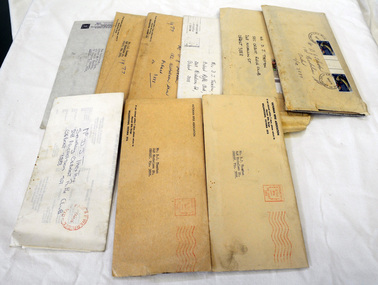
documents, 1977-1978
... Victorian Rifle Association (VRA) was formed in 1860. One of the most important adjuncts to the militia system from 1903 to the re-organisation of 1912 was the role played by the Rifle Club movement in Australia. At the time, these clubs were seen as the reservoir of manpower for a potential guerrilla force ...The Orbost Rifle Club existed in the early 20th century. (There are records from 1900). It folded in the late 1970's.Target shooting is one of the oldest organised sports in Australia. Records date back to the British Marines at Sydney Cove in 1788. The Victorian Rifle Association (VRA) was formed in 1860. One of the most important adjuncts to the militia system from 1903 to the re-organisation of 1912 was the role played by the Rifle Club movement in Australia. At the time, these clubs were seen as the reservoir of manpower for a potential guerrilla force should any invasion occur. For Australia, the invasion fear was uppermost in the minds of the population. So important were the rifle clubs for the defence of Australia that the Commonwealth provided the training staff, rifles and ammunition so the clubs could function. Members were drilled, wore uniforms and practised all the basic skills of soldiering as well as target shooting. The Orbost Rifle Club was active during this period.Nine envelopes containing correspondence sent to Mr D. Thexton, Secretary of Orbost Rifle Club in 1977-1978. Some are from the Victorian Rifle Association.orbost-rifle-club shooting -
 Orbost & District Historical Society
book, Orbost Rifle Club, Match Record Book, 5th January, 1974 ; 13th May, 1978
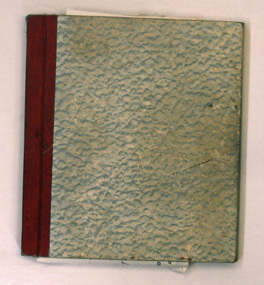
... Victorian Rifle Association (VRA) was formed in 1860. One of the most important adjuncts to the militia system from 1903 to the re-organisation of 1912 was the role played by the Rifle Club movement in Australia. At the time, these clubs were seen as the reservoir of manpower for a potential guerrilla force ...Cec, Curtis was a member of the Orbost Rifle Club. He was a cycle trader with a business in Lind Lane, Orbost. The Orbost Rifle Club existed in the early 20th century. (There are records from 1900). It folded in the late 1970's.Target shooting is one of the oldest organised sports in Australia. Records date back to the British Marines at Sydney Cove in 1788. The Victorian Rifle Association (VRA) was formed in 1860. One of the most important adjuncts to the militia system from 1903 to the re-organisation of 1912 was the role played by the Rifle Club movement in Australia. At the time, these clubs were seen as the reservoir of manpower for a potential guerrilla force should any invasion occur. For Australia, the invasion fear was uppermost in the minds of the population. So important were the rifle clubs for the defence of Australia that the Commonwealth provided the training staff, rifles and ammunition so the clubs could function. Members were drilled, wore uniforms and practised all the basic skills of soldiering as well as target shooting. The Orbost Rifle Club was active during this period A light blue covered book with a bright red spine. It contains hand-written records of the shooters who were members of the Orbost Rifle Club. Inside are seven letter heads of CED. CURTIS - 9 LIND ST ORBOST and a newspaper cutting ( date unknown). orbost-rifle-club shooting -
 Orbost & District Historical Society
book, Match Record Book, 13.1.1965 - 12.5. 1973
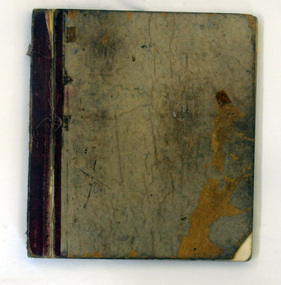
... Victorian Rifle Association (VRA) was formed in 1860. One of the most important adjuncts to the militia system from 1903 to the re-organisation of 1912 was the role played by the Rifle Club movement in Australia. At the time, these clubs were seen as the reservoir of manpower for a potential guerrilla force ...The Orbost Rifle Club existed in the early 20th century. (There are records from 1900). It folded in the late 1970's.Target shooting is one of the oldest organised sports in Australia. Records date back to the British Marines at Sydney Cove in 1788. The Victorian Rifle Association (VRA) was formed in 1860. One of the most important adjuncts to the militia system from 1903 to the re-organisation of 1912 was the role played by the Rifle Club movement in Australia. At the time, these clubs were seen as the reservoir of manpower for a potential guerrilla force should any invasion occur. For Australia, the invasion fear was uppermost in the minds of the population. So important were the rifle clubs for the defence of Australia that the Commonwealth provided the training staff, rifles and ammunition so the clubs could function. Members were drilled, wore uniforms and practised all the basic skills of soldiering as well as target shooting. The Orbost Rifle Club was active during this period A grey cardboard covered book with a red spine. It contains hand-written match records of the members of the Orbost Rifle Club.records orbost-rifle-club shooting -
 Orbost & District Historical Society
book, Handicaps, 1968
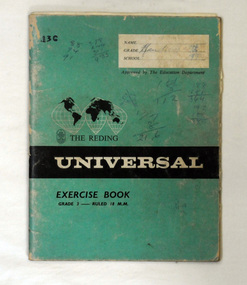
... Victorian Rifle Association (VRA) was formed in 1860. One of the most important adjuncts to the militia system from 1903 to the re-organisation of 1912 was the role played by the Rifle Club movement in Australia. At the time, these clubs were seen as the reservoir of manpower for a potential guerrilla force ...The Orbost Rifle Club existed in the early 20th century. (There are records from 1900). It folded in the late 1970's.Target shooting is one of the oldest organised sports in Australia. Records date back to the British Marines at Sydney Cove in 1788. The Victorian Rifle Association (VRA) was formed in 1860. One of the most important adjuncts to the militia system from 1903 to the re-organisation of 1912 was the role played by the Rifle Club movement in Australia. At the time, these clubs were seen as the reservoir of manpower for a potential guerrilla force should any invasion occur. For Australia, the invasion fear was uppermost in the minds of the population. So important were the rifle clubs for the defence of Australia that the Commonwealth provided the training staff, rifles and ammunition so the clubs could function. Members were drilled, wore uniforms and practised all the basic skills of soldiering as well as target shooting. The Orbost Rifle Club was active during this period. A green Universal exercise book which contains hand-written handicap record of the Orbost Rifle Club. On front cover - handwritten - Handicap Recordsorbost-rifle-club shooting records -
 Orbost & District Historical Society
inventory book, 1950-1970
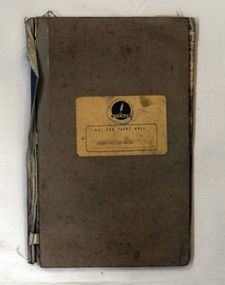
... Victorian Rifle Association (VRA) was formed in 1860. One of the most important adjuncts to the militia system from 1903 to the re-organisation of 1912 was the role played by the Rifle Club movement in Australia. At the time, these clubs were seen as the reservoir of manpower for a potential guerrilla force ...The Orbost Rifle Club existed in the early 20th century. (There are records from 1900). It folded in the late 1970's.Target shooting is one of the oldest organised sports in Australia. Records date back to the British Marines at Sydney Cove in 1788. The Victorian Rifle Association (VRA) was formed in 1860. One of the most important adjuncts to the militia system from 1903 to the re-organisation of 1912 was the role played by the Rifle Club movement in Australia. At the time, these clubs were seen as the reservoir of manpower for a potential guerrilla force should any invasion occur. For Australia, the invasion fear was uppermost in the minds of the population. So important were the rifle clubs for the defence of Australia that the Commonwealth provided the training staff, rifles and ammunition so the clubs could function. Members were drilled, wore uniforms and practised all the basic skills of soldiering as well as target shooting. The Orbost Rifle Club was active during this period. A plain grey covered indexed book with a light blue cloth spine. It has a yellow label on the front cover. It appears to be a record of individual results for the Orbost Rifle Club.On label - printed - ORBOST RIFLE CLUB 211orbost-rifle-club shooting records -
 Orbost & District Historical Society
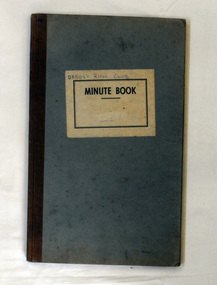
minute book, 8.6.1961 - 15.2.1978
... Victorian Rifle Association (VRA) was formed in 1860. One of the most important adjuncts to the militia system from 1903 to the re-organisation of 1912 was the role played by the Rifle Club movement in Australia. At the time, these clubs were seen as the reservoir of manpower for a potential guerrilla force ...The Orbost Rifle Club existed in the early 20th century. (There are records from 1900). It folded in the late 1970's.Target shooting is one of the oldest organised sports in Australia. Records date back to the British Marines at Sydney Cove in 1788. The Victorian Rifle Association (VRA) was formed in 1860. One of the most important adjuncts to the militia system from 1903 to the re-organisation of 1912 was the role played by the Rifle Club movement in Australia. At the time, these clubs were seen as the reservoir of manpower for a potential guerrilla force should any invasion occur. For Australia, the invasion fear was uppermost in the minds of the population. So important were the rifle clubs for the defence of Australia that the Commonwealth provided the training staff, rifles and ammunition so the clubs could function. Members were drilled, wore uniforms and practised all the basic skills of soldiering as well as target shooting. The Orbost Rifle Club was active during this period. A plain light blue minute book with a cloth brown spine. It has a white label on the front cover.On label- Orbost Rifle Clubminutes orbost-rifle-club shooting -
 Bendigo Military Museum
Badge - VARIOUS MILITARY BADGES, Unknown
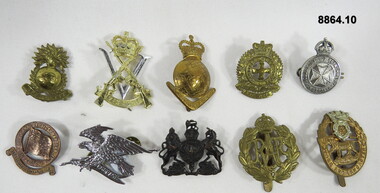
... Militia) collar. 2. Royal Victorian Regiment Hat. 3. Royal Australian Survey Corps hat. 4. Volunteer Cadet Corps Victoria hat. 5. Australian Voluntary Aid Detachment. 6. Merchant Service War Australia, For services rendered at sea, 7. 2nd Cavalry Regiment hat. 8. WW1 General Service Corps Hat. 9. Royal Air Force...Militia) collar. 2. Royal Victorian Regiment Hat. 3. Royal Australian Survey Corps hat. 4. Volunteer Cadet Corps Victoria hat. 5. Australian Voluntary Aid Detachment. 6. Merchant Service War Australia, For services rendered at sea, 7. 2nd Cavalry Regiment hat. 8. WW1 General Service Corps Hat. 9. Royal Air Force ...Military badges either gold, silver or brass colour with or without a backing mounting plate, pins. Sizes vary. 1. Australian Field Artillery (Militia) collar. 2. Royal Victorian Regiment Hat. 3. Royal Australian Survey Corps hat. 4. Volunteer Cadet Corps Victoria hat. 5. Australian Voluntary Aid Detachment. 6. Merchant Service War Australia, For services rendered at sea, 7. 2nd Cavalry Regiment hat. 8. WW1 General Service Corps Hat. 9. Royal Air Force hat. 10. York and Lancaster Regimental hat. passchendaele barracks trust, pbt211to220, badges -
 Bendigo Historical Society Inc.
Photograph - HANRO COLLECTION: PROMOTIONAL PHOTOGRAPHS, 1940's
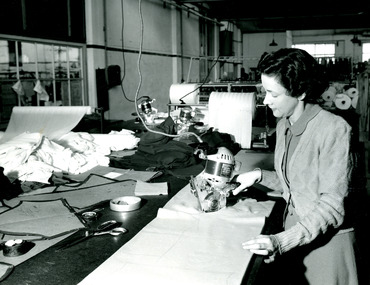
... militia interests endured longest. First commissioned in the 8th Australian Infantry Regiment in 1904, he was a captain in 1909. In May 1916 he was commissioned captain in Bendigo's 38th Battalion, Australian Imperial Force. Entering the front line in France on 1 December he was wounded two days later and invalided back to Australia next March for discharge in August. After the war he rose in 1923 to major commanding the 38th Battalion, Australian Military Forces. Lieutenant-Colonel in 1927, he retired as honorary colonel in 1942 after having organized the north-west Victorian...militia interests endured longest. First commissioned in the 8th Australian Infantry Regiment in 1904, he was a captain in 1909. In May 1916 he was commissioned captain in Bendigo's 38th Battalion, Australian Imperial Force. Entering the front line in France on 1 December he was wounded two days later and invalided back to Australia next March for discharge in August. After the war he rose in 1923 to major commanding the 38th Battalion, Australian Military Forces. Lieutenant-Colonel in 1927, he retired as honorary colonel in 1942 after having organized the north-west Victorian ...Sir George Victor Lansell (1883-1959), businessman, politician and philanthropist, was born on 3 October 1883 in London, elder son of George Lansell, the Bendigo 'Quartz King', and his second wife Harriet Edith, née Bassford. George was educated at St Andrew's College, Bendigo, and Melbourne Church of England Grammar School. On 20 January 1910 at All Saints Pro-Cathedral, Bendigo, he married a skiing champion, Edith Florence Gwendoline Frew; they had three daughters. As a young man Lansell excelled in revolver shooting, boxing and swimming but his militia interests endured longest. First commissioned in the 8th Australian Infantry Regiment in 1904, he was a captain in 1909. In May 1916 he was commissioned captain in Bendigo's 38th Battalion, Australian Imperial Force. Entering the front line in France on 1 December he was wounded two days later and invalided back to Australia next March for discharge in August. After the war he rose in 1923 to major commanding the 38th Battalion, Australian Military Forces. Lieutenant-Colonel in 1927, he retired as honorary colonel in 1942 after having organized the north-west Victorian group of the Volunteer Defence Corps early in World War II. Lansell's major contribution was his service to returned soldiers. He was president of the Bendigo sub-branch of the Returned Sailors' and Soldiers' Imperial League of Australia for nearly thirty years. His work extended beyond grand gesture and he is remembered affectionately for his personal generosity to ex-servicemen and their dependants. Lansell was director of the powerful Sandhurst Trustees' Co., the Bendigo Mutual Permanent Land & Building Society and many other local companies. In 1926 he brought to Bendigo the overseas-based Hanro Knitting Mills (Hanro comes from the Swiss firm Handschin and Ronus which made high quality underwear and knitwear at Liestal, Switzerland) and the Australian Swiss Watch Co. Early in his business career he acquired the Bendigo Independent and amalgamated it with the Bendigo Advertiser in 1918. He had interests in the Riverine Herald, the Rochester Irrigator, the Stock and Station Journal and Central Victorian Broadcasters Ltd, and was a delegate to Empire press conferences in Canada (1920), England (1923) and Australia (1925).Lever arch folder containing Hanro black and white promotional photographs. 53 studio photographs of women's knitwear and lingerie 20.5cm x 25.2cm. 1 studio photograph of men's knitwear 19cm x 23.5cm. 2 x photo's 19cm x 23.3cm Photographer Reg Brock. 27 black and white photo's 15cm x 21cm of men's knitwear, womenswear and lingerie, were donated by Ann Peters.Reg Brock Studios Bendigo. Labels or stamps on back of photographs.business, retail, hanro promotional photographs, george victor lansell, bendigo hanro, ralph birrell collections -
 Wangaratta RSL Sub Branch
Memorabilia - Framed buttons and badges
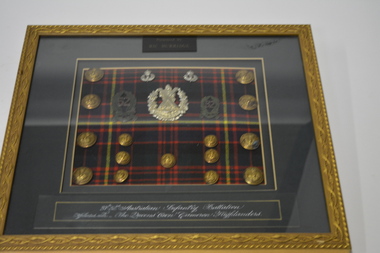
... Force (CMF), also known as the Militia. The Militia was organized to maintain the structure of the First AIF and kept the same numerical designations. The Militia units were distributed in the same areas the original AIF units were raised. Consequently, Militia units were also known by the name of their shire. Thus, the Victorian...Force (CMF), also known as the Militia. The Militia was organized to maintain the structure of the First AIF and kept the same numerical designations. The Militia units were distributed in the same areas the original AIF units were raised. Consequently, Militia units were also known by the name of their shire. Thus, the Victorian ...After the First World War the defence of the Australian mainland lay with the part-time soldiers of the Citizens Military Force (CMF), also known as the Militia. The Militia was organized to maintain the structure of the First AIF and kept the same numerical designations. The Militia units were distributed in the same areas the original AIF units were raised. Consequently, Militia units were also known by the name of their shire. Thus, the Victorian 37th Infantry Battalion was the "Hunt Regiment", while the 52nd Infantry Battalion was the "Gippsland Regiment". Both were raised in 1921 and linked in 1930, forming the 37th/52nd Infantry Battalion. In 1937 the battalion was separated but merged again in August 1942, after Japan's entry into the Second World War and the subsequent reorganisation of the Australian Army. gold coloured metal frame with green mount containing 3 silver and 2 green badges 8 large and 7 small gold coloured buttons on tartan cloth background.37th-52rd Australian Infantry Battalion Affilitated with The Queens "Own" Cameron Highlanders 37th/52nd australian infantry battalion, cameron highlanders -
 Wodonga & District Historical Society Inc
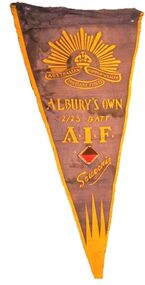
Banner - Souvenir Banner 2/23rd Battalion - Albury's Own
... Force and assigned to the 26th Brigade. Under the command of Lieutenant Colonel Bernard Evans, a small cadre of experienced personnel drawn from Victorian Militia units were concentrated at Victoria Barracks prior to the battalion headquarters being relocated to Albury, New South Wales, where a large number of volunteers were completing their recruit training at the 4th Recruit Training Battalion. ...Force and assigned to the 26th Brigade. Under the command of Lieutenant Colonel Bernard Evans, a small cadre of experienced personnel drawn from Victorian Militia units were concentrated at Victoria Barracks prior to the battalion headquarters being relocated to Albury, New South Wales, where a large number of volunteers were completing their recruit training at the 4th Recruit Training Battalion. ...Established at Victoria Barracks, in Melbourne, in June 1940, the 2/23rd Battalion was raised as part of the all-volunteer Second Australian Imperial Force and assigned to the 26th Brigade. Under the command of Lieutenant Colonel Bernard Evans, a small cadre of experienced personnel drawn from Victorian Militia units were concentrated at Victoria Barracks prior to the battalion headquarters being relocated to Albury, New South Wales, where a large number of volunteers were completing their recruit training at the 4th Recruit Training Battalion. Upon the conclusion of this course, the recruits were posted to the 2/23rd and the battalion – over 900 strong– moved to Bonegilla, Victoria, just across the border, where more complex collective training was completed prior to departure overseas. A large majority of the battalion's initial intake of volunteers came from the Albury–Wodonga region and as a result, the 2/23rd became known as "Albury's Own"This item is part of a collection of items owned by Arthur Lock, a member of the 2/23rd Battalion, an all-volunteer Second Australian Imperial Force which served as part of the garrison during the Siege of Tobruk, then at El Alamein, New Guinea and Borneo. It has particular local significance as the battalion was know as "Albury's Own" because a large majority of the battalion's initial intake of volunteers came from the Albury–Wodonga region.A souvenir banner representing the 2/23rd Battalion - Albury's Own. The banner incorporates the insignia of the Commonwealth of Australia Military Forces. It also includes the Unit colour patch which is a lozenge shape, divided into brown over red, with a grey trim. This patch was used from 1940 to 1942 when the patch representing service at Tobruk was introduced. world war 11, 2/23rd battalion, albury's own, arthur lock -
 Wodonga & District Historical Society Inc
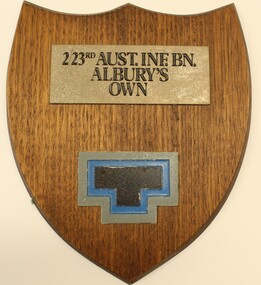
Plaque - Plaque 2/23rd Battalion - Albury's Own
... Force and assigned to the 26th Brigade. Under the command of Lieutenant Colonel Bernard Evans, a small cadre of experienced personnel drawn from Victorian Militia units were concentrated at Victoria Barracks prior to the battalion headquarters being relocated to Albury, New South Wales, where a large number of volunteers were completing their recruit training at the 4th Recruit Training Battalion. ...Force and assigned to the 26th Brigade. Under the command of Lieutenant Colonel Bernard Evans, a small cadre of experienced personnel drawn from Victorian Militia units were concentrated at Victoria Barracks prior to the battalion headquarters being relocated to Albury, New South Wales, where a large number of volunteers were completing their recruit training at the 4th Recruit Training Battalion. ...Established at Victoria Barracks, in Melbourne, in June 1940, the 2/23rd Battalion was raised as part of the all-volunteer Second Australian Imperial Force and assigned to the 26th Brigade. Under the command of Lieutenant Colonel Bernard Evans, a small cadre of experienced personnel drawn from Victorian Militia units were concentrated at Victoria Barracks prior to the battalion headquarters being relocated to Albury, New South Wales, where a large number of volunteers were completing their recruit training at the 4th Recruit Training Battalion. Upon the conclusion of this course, the recruits were posted to the 2/23rd and the battalion – over 900 strong– moved to Bonegilla, Victoria, just across the border, where more complex collective training was completed prior to departure overseas. A large majority of the battalion's initial intake of volunteers came from the Albury–Wodonga region and as a result, the 2/23rd became known as "Albury's Own"This item is part of a collection of items owned by Arthur Lock, a member of the 2/23rd Battalion, an all-volunteer Second Australian Imperial Force which served as part of the garrison during the Siege of Tobruk, then at El Alamein, New Guinea and Borneo. It has particular local significance as the battalion was know as "Albury's Own" because a large majority of the battalion's initial intake of volunteers came from the Albury–Wodonga region.A wooden plaque in the shape of a shield commemorating the 2/23rd Battalion known as "Abury's Own". It incorporates a representation of the 2/23rd Battalion colour patch worn after the Siege of Tobruk. At top of plaque "2/23RD AUST.IN.BN./ALBURY'S/OWN"world war 11, rats of tobruk, tobruk, arthur lock -
 Wodonga & District Historical Society Inc
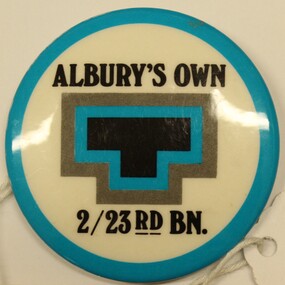
Badge - 2/23rd Battalion - Albury's Own
... Force and assigned to the 26th Brigade. Under the command of Lieutenant Colonel Bernard Evans, a small cadre of experienced personnel drawn from Victorian Militia units were concentrated at Victoria Barracks prior to the battalion headquarters being relocated to Albury, New South Wales, where a large number of volunteers were completing their recruit training at the 4th Recruit Training Battalion. ...Force and assigned to the 26th Brigade. Under the command of Lieutenant Colonel Bernard Evans, a small cadre of experienced personnel drawn from Victorian Militia units were concentrated at Victoria Barracks prior to the battalion headquarters being relocated to Albury, New South Wales, where a large number of volunteers were completing their recruit training at the 4th Recruit Training Battalion. ...Established at Victoria Barracks, in Melbourne, in June 1940, the 2/23rd Battalion was raised as part of the all-volunteer Second Australian Imperial Force and assigned to the 26th Brigade. Under the command of Lieutenant Colonel Bernard Evans, a small cadre of experienced personnel drawn from Victorian Militia units were concentrated at Victoria Barracks prior to the battalion headquarters being relocated to Albury, New South Wales, where a large number of volunteers were completing their recruit training at the 4th Recruit Training Battalion. Upon the conclusion of this course, the recruits were posted to the 2/23rd and the battalion – over 900 strong– moved to Bonegilla, Victoria, just across the border, where more complex collective training was completed prior to departure overseas. A large majority of the battalion's initial intake of volunteers came from the Albury–Wodonga region and as a result, the 2/23rd became known as "Albury's Own"This item is part of a collection of items owned by Arthur Lock, a member of the 2/23rd Battalion, an all-volunteer Second Australian Imperial Force which served as part of the garrison during the Siege of Tobruk, then at El Alamein, New Guinea and Borneo. It has particular local significance as the battalion was know as "Albury's Own" because a large majority of the battalion's initial intake of volunteers came from the Albury–Wodonga region.Circular tin lapel button with pin back fastening. The front is made of paper and covered with clear plastic. The printed design on the front shows the post 1942 T-shaped colour patch of the 2/23 Battalion surrounded by the words "ALBURY'S OWN 2/23RD BN." There are 3 similar badges in our collection. Above colour patch "ALBURY'S OWN" Below colour patch "2/23RD BN."world war 11, rats of tobruk, tobruk, arthur lock -
 Wodonga & District Historical Society Inc
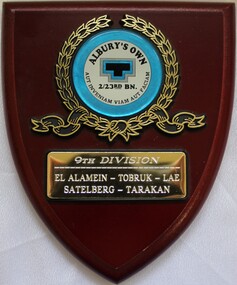
Plaque - Albury's Own 2/23rd Battalion 9th Division
... Force and assigned to the 26th Brigade. Under the command of Lieutenant Colonel Bernard Evans, a small cadre of experienced personnel drawn from Victorian Militia units were concentrated at Victoria Barracks prior to the battalion headquarters being relocated to Albury, New South Wales, where a large number of volunteers were completing their recruit training at the 4th Recruit Training Battalion. ...Force and assigned to the 26th Brigade. Under the command of Lieutenant Colonel Bernard Evans, a small cadre of experienced personnel drawn from Victorian Militia units were concentrated at Victoria Barracks prior to the battalion headquarters being relocated to Albury, New South Wales, where a large number of volunteers were completing their recruit training at the 4th Recruit Training Battalion. ...Established at Victoria Barracks, in Melbourne, in June 1940, the 2/23rd Battalion was raised as part of the all-volunteer Second Australian Imperial Force and assigned to the 26th Brigade. Under the command of Lieutenant Colonel Bernard Evans, a small cadre of experienced personnel drawn from Victorian Militia units were concentrated at Victoria Barracks prior to the battalion headquarters being relocated to Albury, New South Wales, where a large number of volunteers were completing their recruit training at the 4th Recruit Training Battalion. Upon the conclusion of this course, the recruits were posted to the 2/23rd and the battalion – over 900 strong– moved to Bonegilla, Victoria, just across the border, where more complex collective training was completed prior to departure overseas. A large majority of the battalion's initial intake of volunteers came from the Albury–Wodonga region and as a result, the 2/23rd became known as "Albury's Own"This item is part of a collection of items owned by Arthur Lock, a member of the 2/23rd Battalion, an all-volunteer Second Australian Imperial Force which served as part of the garrison during the Siege of Tobruk, then at El Alamein, New Guinea and Borneo. It has particular local significance as the battalion was know as "Albury's Own" because a large majority of the battalion's initial intake of volunteers came from the Albury–Wodonga region.A plaque commemorating "Albury's Own" - the 2/23rd Battalion. It incorprates the Unit badge and a a list of battlefronts they served in as part of the 9th Brigade. The Latin in the centre of the badge translates as "I will either find a way or make one". In circular badge "ALBURY'S OWN/ 2/23 RD BN. AUT VIAM INVENIAM AUT FACIAM " On metal oblong "9th DIVISION /EL ALAMEIN -TOBRUK- LAE/ SATELEBERG - TARAKAN"world war 11, 2/23rd battailon, albury's own -
 Wodonga & District Historical Society Inc
Memorabilia - 2/23rd Battalion logo transfer on card
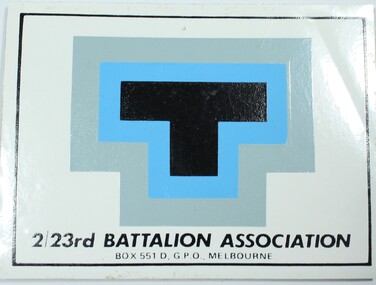
... Force and assigned to the 26th Brigade. Under the command of Lieutenant Colonel Bernard Evans, a small cadre of experienced personnel drawn from Victorian Militia units were concentrated at Victoria Barracks prior to the battalion headquarters being relocated to Albury, New South Wales, where a large number of volunteers were completing their recruit training at the 4th Recruit Training Battalion. ...Force and assigned to the 26th Brigade. Under the command of Lieutenant Colonel Bernard Evans, a small cadre of experienced personnel drawn from Victorian Militia units were concentrated at Victoria Barracks prior to the battalion headquarters being relocated to Albury, New South Wales, where a large number of volunteers were completing their recruit training at the 4th Recruit Training Battalion. ...Established at Victoria Barracks, in Melbourne, in June 1940, the 2/23rd Battalion was raised as part of the all-volunteer Second Australian Imperial Force and assigned to the 26th Brigade. Under the command of Lieutenant Colonel Bernard Evans, a small cadre of experienced personnel drawn from Victorian Militia units were concentrated at Victoria Barracks prior to the battalion headquarters being relocated to Albury, New South Wales, where a large number of volunteers were completing their recruit training at the 4th Recruit Training Battalion. Upon the conclusion of this course, the recruits were posted to the 2/23rd and the battalion – over 900 strong– moved to Bonegilla, Victoria, just across the border, where more complex collective training was completed prior to departure overseas. A large majority of the battalion's initial intake of volunteers came from the Albury–Wodonga region and as a result, the 2/23rd became known as "Albury's Own"This item is part of a collection of items owned by Arthur Lock, a member of the 2/23rd Battalion, an all-volunteer Second Australian Imperial Force which served as part of the garrison during the Siege of Tobruk, then at El Alamein, New Guinea and Borneo. It has particular local significance as the battalion was know as "Albury's Own" because a large majority of the battalion's initial intake of volunteers came from the Albury–Wodonga region. This 2/23rd Battalion Association transfer has been laminated and attached to a card. This logo became the colour patch for the unit after their service in Tobruk. Below colour patch "2/23rd BATTALION ASSOCIATION/ BOX 551D, G.P.O. MELBOURNE"world war 11, rats of tobruk, 2/23rd battalion -
 Flagstaff Hill Maritime Museum and Village
Certificate - Musketry and Sergeant Qualifications, Victorian Military School of Instruction, 1887 - 1894
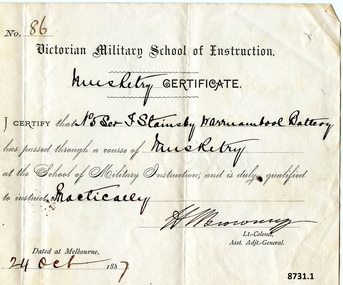
... Victorian Artillery force was established. It was disbanded in 1880 then re-formed in 1882 as the Victorian Garrison Artillery Corps. Legislation was passed in 1884 that replaced the volunteers’ corps with a partly paid, permanent Militia Defence Force. ...Victorian Artillery force was established. It was disbanded in 1880 then re-formed in 1882 as the Victorian Garrison Artillery Corps. Legislation was passed in 1884 that replaced the volunteers’ corps with a partly paid, permanent Militia Defence Force. ...The Crimean War began in 1854 and many people in colonial Australia were afraid of a Russian attack. In 1854 the Volunteer Act was passed to provide some military defence. In 1858 the Warrnambool Volunteer Rifle Corps was established, disbanded in 1863, then a new Warrnambool Detachment was formed in September 1866. In 1870 Australia became responsible for its own naval and military defence. The Permanent Victorian Artillery force was established. It was disbanded in 1880 then re-formed in 1882 as the Victorian Garrison Artillery Corps. Legislation was passed in 1884 that replaced the volunteers’ corps with a partly paid, permanent Militia Defence Force. Volunteer forces were established to strengthen the British Imperial troops posted here. A battery of artillery was raised in Victoria as well as in other Australian states. The Batteries manning the coastal forts of Victoria were termed Garrison Artillery Companies. When the Army was federated in 1901 there were eight Militia Companies in Victoria. Warrnambool and Port Fairy together were known as 8 Coy AGA (Australian Garrison Artillery). Changes to formation and name continued into the 20th century. In 1895 the Geelong, Warrnambool, Port Fairy and Portland Batteries became part of the Western District Garrison Artillery. Many of the volunteers who served in the Artillery were from rural areas. They belonged to rifle clubs and were experienced horsemen as well. Australia's defence at this time relied on these mounted troops, or Light Horse men. In 1899 the Victorian Garrison Artillery Corps amalgamated with the New South Wales and Queensland Permanent Artillery to become the Victorian Regiment of the Royal Australian Artillery (RAA). Then prior to Federation, the RAA and the Permanent Artillery of South Australia, Western Australia and Tasmania all combined, becoming the Royal Australian Artillery Regiment with two Batteries of Field Artillery; Battery A from Sydney and Battery B from Melbourne. These two certificates were awarded to Sergeant Thomas Stainsby who was a long-time member of the Warrnambool Garrison Artillery detachment during the 1880's and into the 1890's. He is mentioned in several newspaper reports of the era, as being an integral member of the local artillery detachments (as Sergeant-in-Charge, Gun Layer or Orderly) participating in local and statewide "Battery Competitions" that were very popular at this time. In one Annual Battery competition held in 1891 at Port Fairy, a target was moored in the bay and each detachment fired four rounds of "plugged shell" at it (at an estimated distance of 1900 yards). The local newspaper (the Warrnambool Standard) reported "the best work was reserved for the last detachment ... in charge of that old warrior Sergeant Stainsby ... who won the first prize with their four shots." Thomas Stainsby was an important member of the Warrnambool Artillery Battery in the years when it was competing for the "Sir William Clarke Trophy" The Sir William Clarke Trophy (a silver trophy) was given as a prize in 1885 to Victorian Militia Garrison Battery competition winners, for artillery firing target accuracy. A Battery needed to win the competition three times to keep the trophy and the Warrnambool Battery won it in 1887, 1889 and 1892. When the Warrnambool Militia Garrison Artillery had won the Trophy, for the third time, they became Absolute Possessors of the prize. Thomas Stainsby was born on October 25th, 1846, in Melbourne. He married Ellen Priddle in Geelong in 1869, and they moved to Camperdown and then Warrnambool in the 1870's. They had ten children. He was a bootmaker and had a shop in Fairy Street. Thomas died on September 26th, 1914, aged 67. His Obituary in the local paper said he "was very keen on cycling and pedestrianism ... and was actively associated with the old volunteer militia and held the position of Sergeant in the old Battery." Thomas Stainsby features in several photographs of the Warrnambool Battery held in the Flagstaff Hill collection. The Warrnambool Garrison has been added to the Victorian Heritage Register H1250 “for its intact battery and guns, a strong reminder of Victoria’s wealth and determination to protect itself from the perceived threat of invasion in the 1880’s.” The City of Warrnambool is one of several custodians of a collection of artillery pieces of heritage significance at a state, national and international level. These pieces are directly related to the defence of south-west Victoria in the 19th century. The care and preservation come under the Heritage Act 1995. The certificates belonging to Sergeant Thomas Stainsby are a significant example of the work and dedication of a Warrnambool Garrison volunteer.Two paper certificates awarded to Sergeant T. Stainsby. Certificate 8731 is from the "Victorian Military School of Instruction" and was awarded to Sergeant Stainsby of the Warrnambool Battery on 24th October 1887, for passing a course of "Musketry" which enabled him to become a qualified "practical" instructor. The certificate has printed and handwritten sections. Certificate 8732 is from the "Victorian Military Forces", dated 1st July 1894 and certifies that Sergeant Stainsby of the Warrnambool Battery Garrison Artillery passed through a course of Instruction and has qualified for the rank of "Sergeant in the Garrison Artillery, Victoria". The certificate has printed and handwritten sections, is yellowed with age and has some rips and tears along each edge and along its fold lines.Certificate 8731.1 - "No. 86" /Victorian Military School of Instruction/ Musketry CERTIFICATE. / I CERTIFY that No 5 Ser T Stainsby Warrnambool Battery / has passed through a course of Musketry /at the School of Military Instruction, and is duly qualified/ to instruct Practically/ [illegible signature]/Lt-Colonel/ Asst. Adjt.-General / Dated at Melbourne/ 24 Oct 1887." Certificate 8731.2 - "No 480 / Victorian Military Forces - /Re-issue / 2nd Class certificate /I certify that No 1 sergeant/ T Stainsby, Warrnambool Battery G.A. / has passed through a course of instruction / and is qualified for the rank of / Sergeant in the Garrison Artillery, Victoria/ Dated at Melbourne / 1st July 1894 [illegible signature] Lieut-Colonel /Comma? Artillery."flagstaff hill maritime museum and village, warrnambool, great ocean road, shipwreck coast, victorian garrison artillery, warrnambool battery, volunteer militia, garrison artillery, artillery detachment, battery competitions, warrnambool garrison volunteers, sergeant stainsby, thomas stainsby, sir w. clarke trophy, sir w. j. clarke trophy
