



Significance
The horse-drawn buggy, built by Carl Alfred Ziebell, is one of the most evocative surviving artefacts of everyday life at Ziebell’s Farmhouse, and a tangible link to the family’s heritage.
As a skilled wheelwright, Carl Alfred constructed this four-wheeled vehicle on the property to serve his wife Dorothea and their ten children throughout the early 1900s.
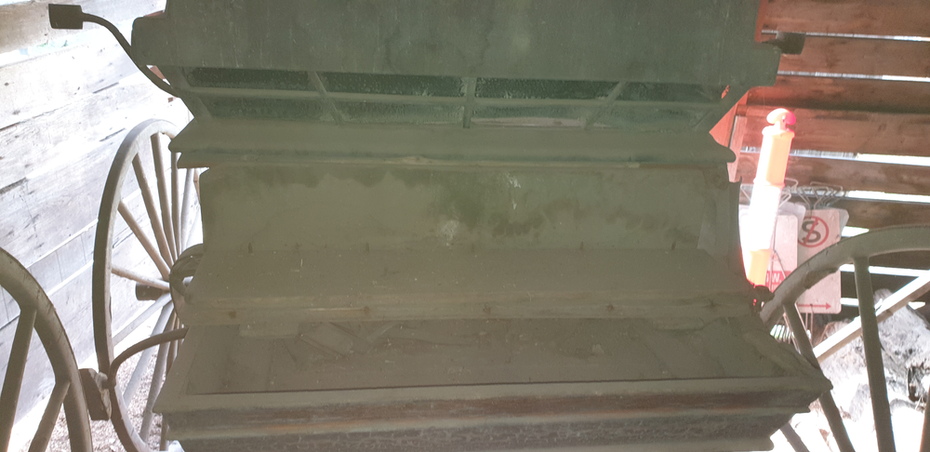
For decades, the buggy was the primary mode of transport for the Ziebell family, used for travel between their farm, central Melbourne, and surrounding districts and there was adequate rear storage for purchases.
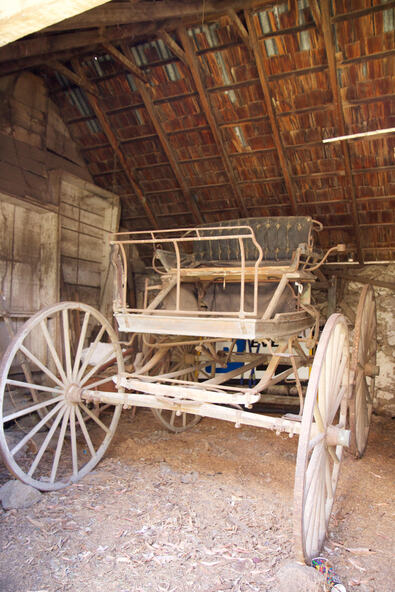
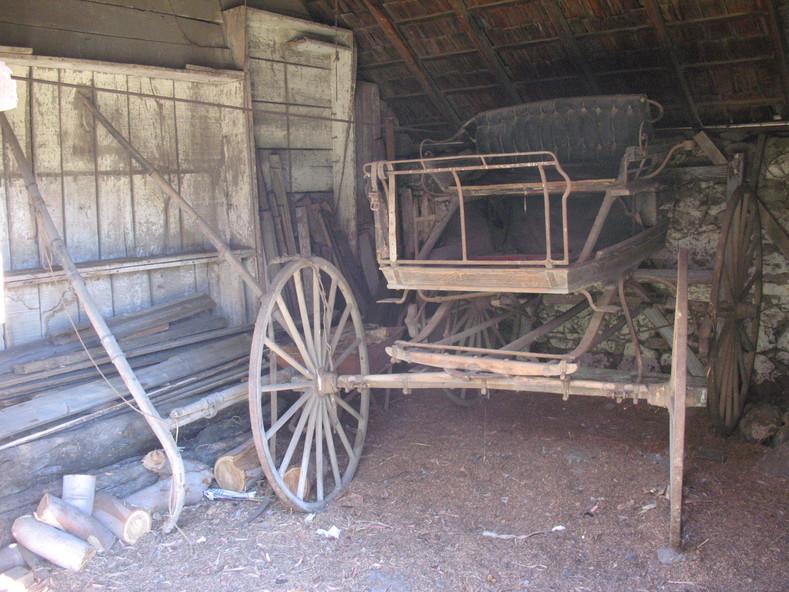
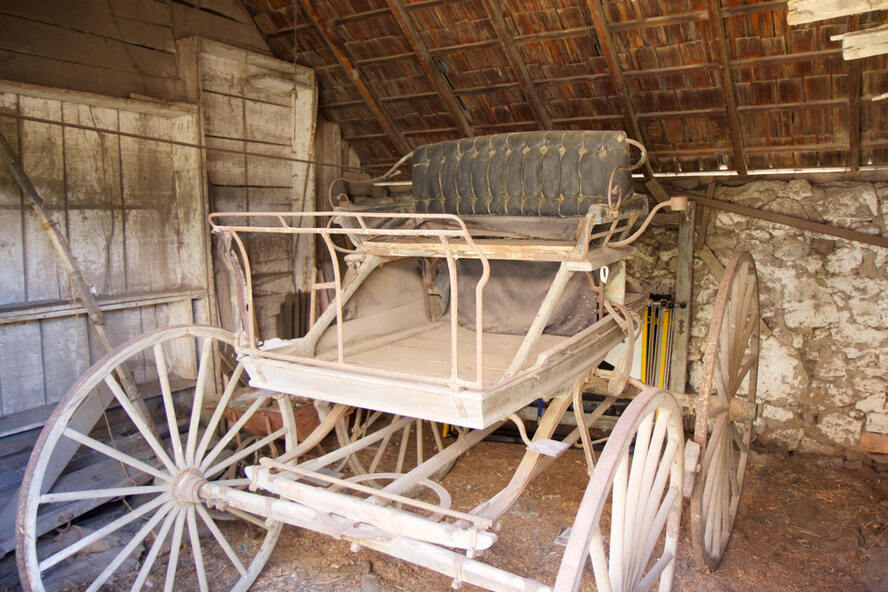
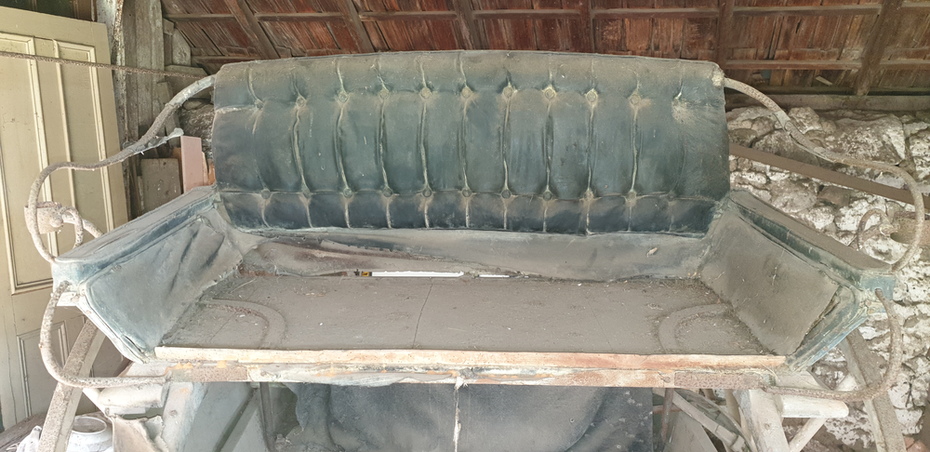
Its survival in fair, serviceable condition offers a rare example of traditional carriage construction, combining finely turned timber wheels, forged ironwork, steel-trimmed rims, and a leather-upholstered seat.
As the only remaining transport relic associated with Westgarthtown’s settlers, the buggy holds deep historical, technological and social significance. It illustrates how immigrant families adapted European trades to harsh landscape conditions, tailored domestic vehicles for local needs, and maintained mobility before motorisation.
Exhibiting the buggy within the museum preserves and interprets these connections, offering visitors a direct insight into the material culture and everyday lives of the Ziebell family and the broader settler community in 19th- and early 20th-century Victoria.
The buggy was donated by Lyn and James Ziebell. James Ziebell is the son of Henry Christian Ziebell (1911–1988) and Anne Emily Ziebell (née Zimmer, 1912–1985), on whose property the buggy resided following the sale of the Ziebell’s Thomastown farm.
Physical description
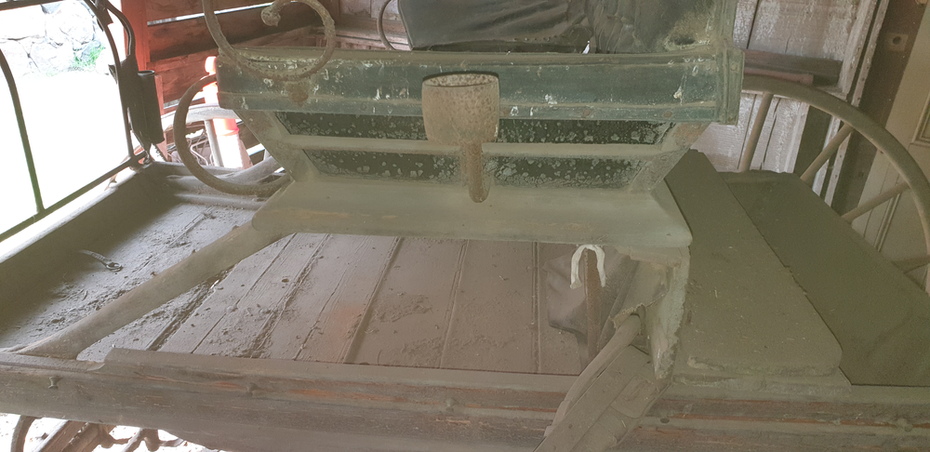
Horse drawn buggy. Black leather upholstered chair with studded back. Four large timber spoked wheels the back wheels are larger than the front wheels, with steel trim on edges of wheels. Axels connects wheels and have turning mechanism. Two metal steps on each side of carriage. Small wooden seat on back of carriage facing the back. Steel barrier at front of the carriage. Wooden attachment with two wooden poles to attach to cart to horse.
Inscriptions & markings
No visible markings.
