

Historical information
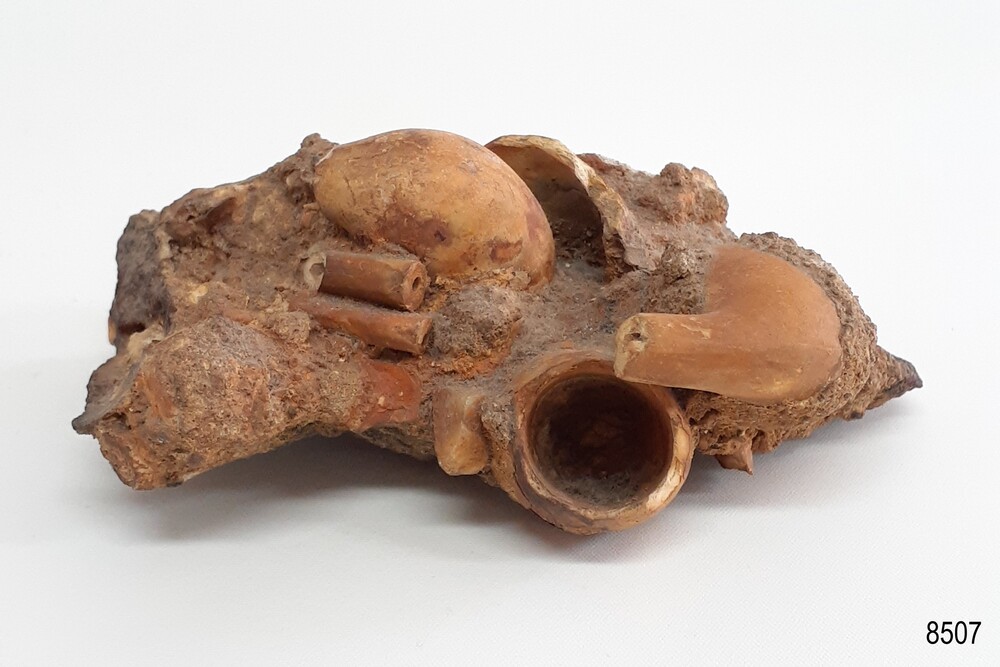
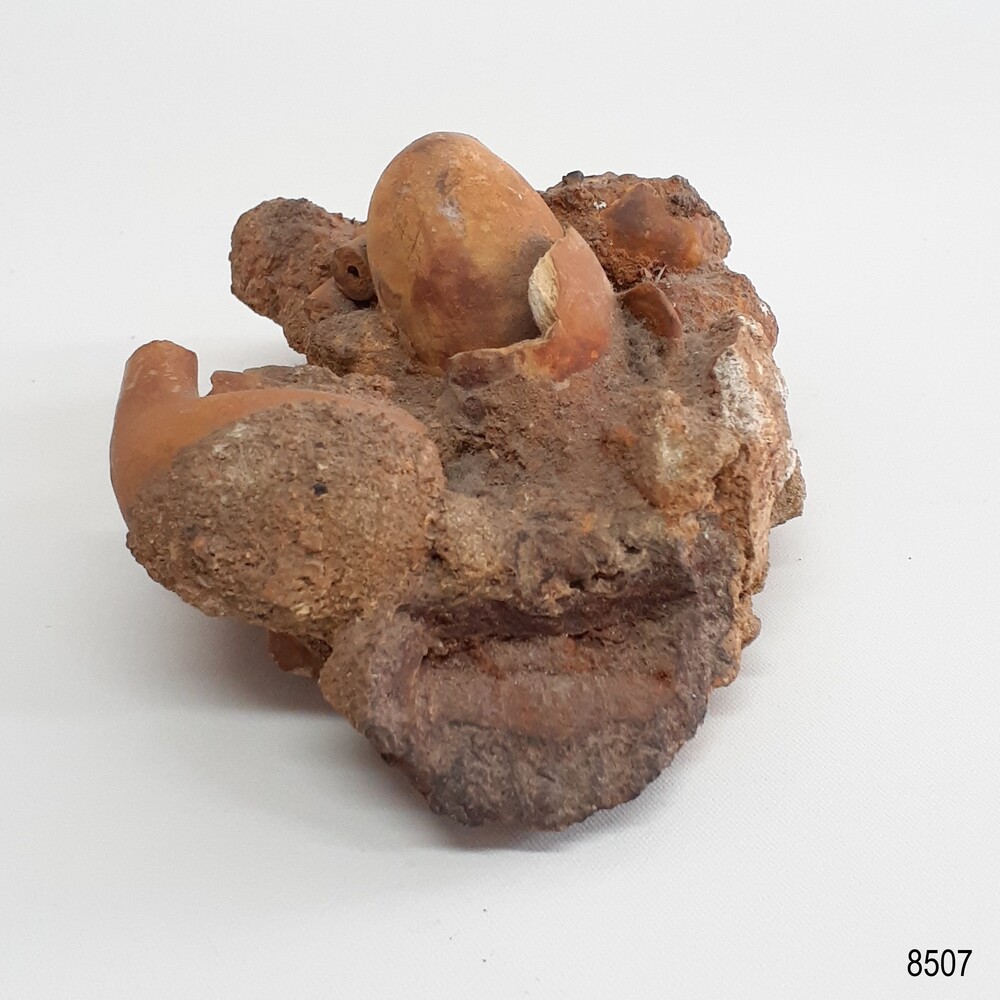
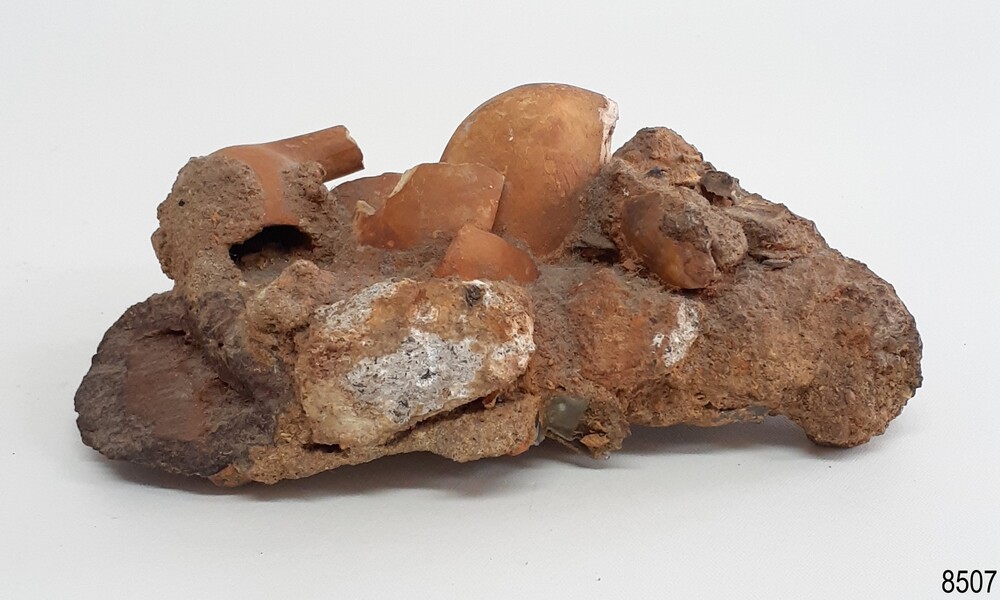
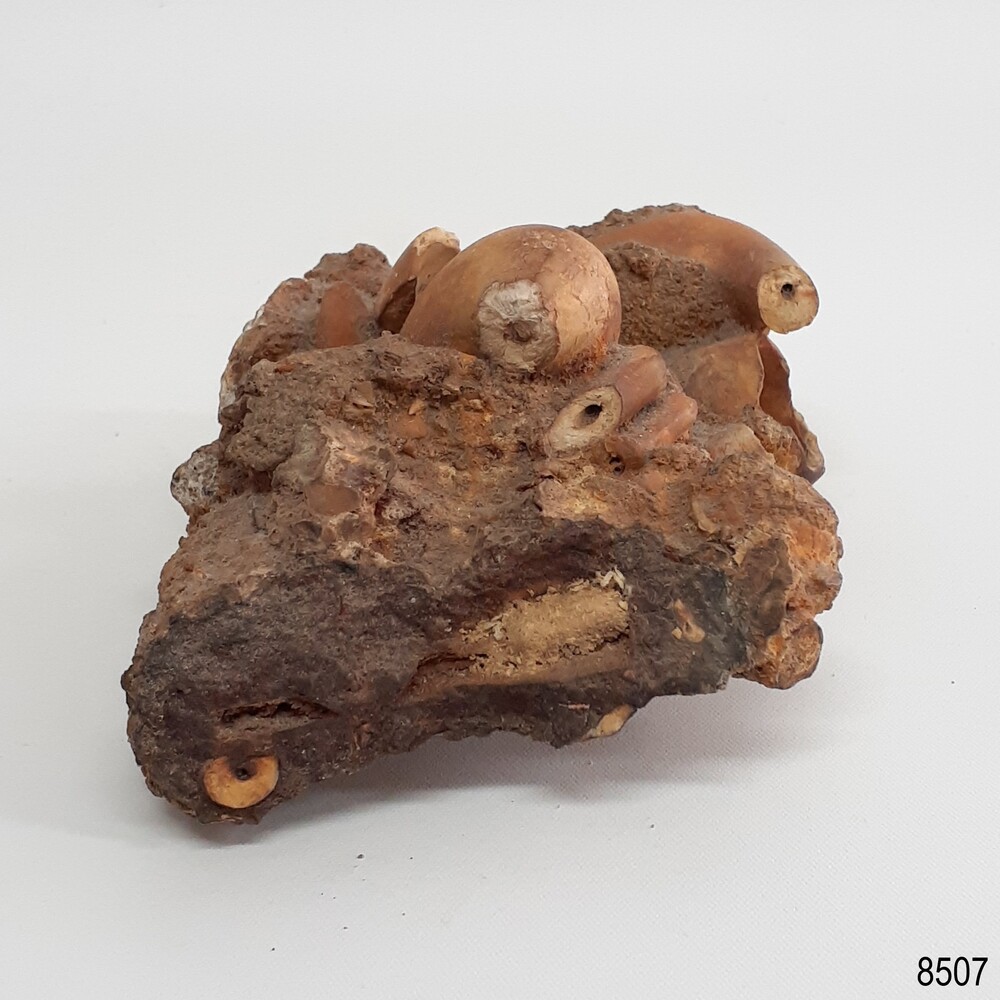
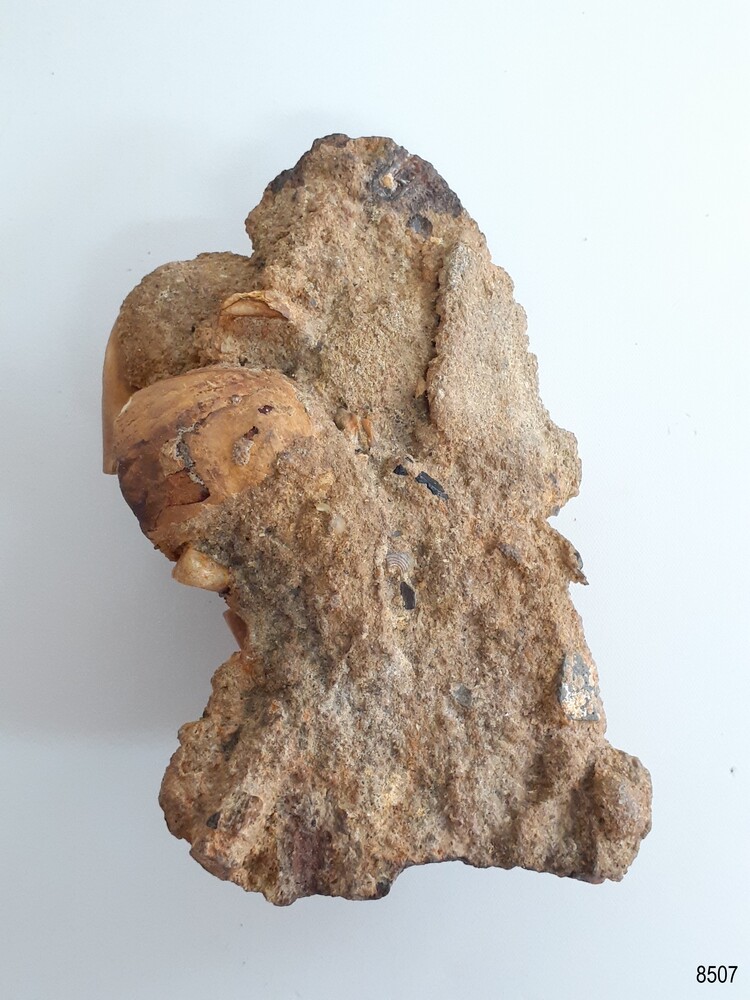
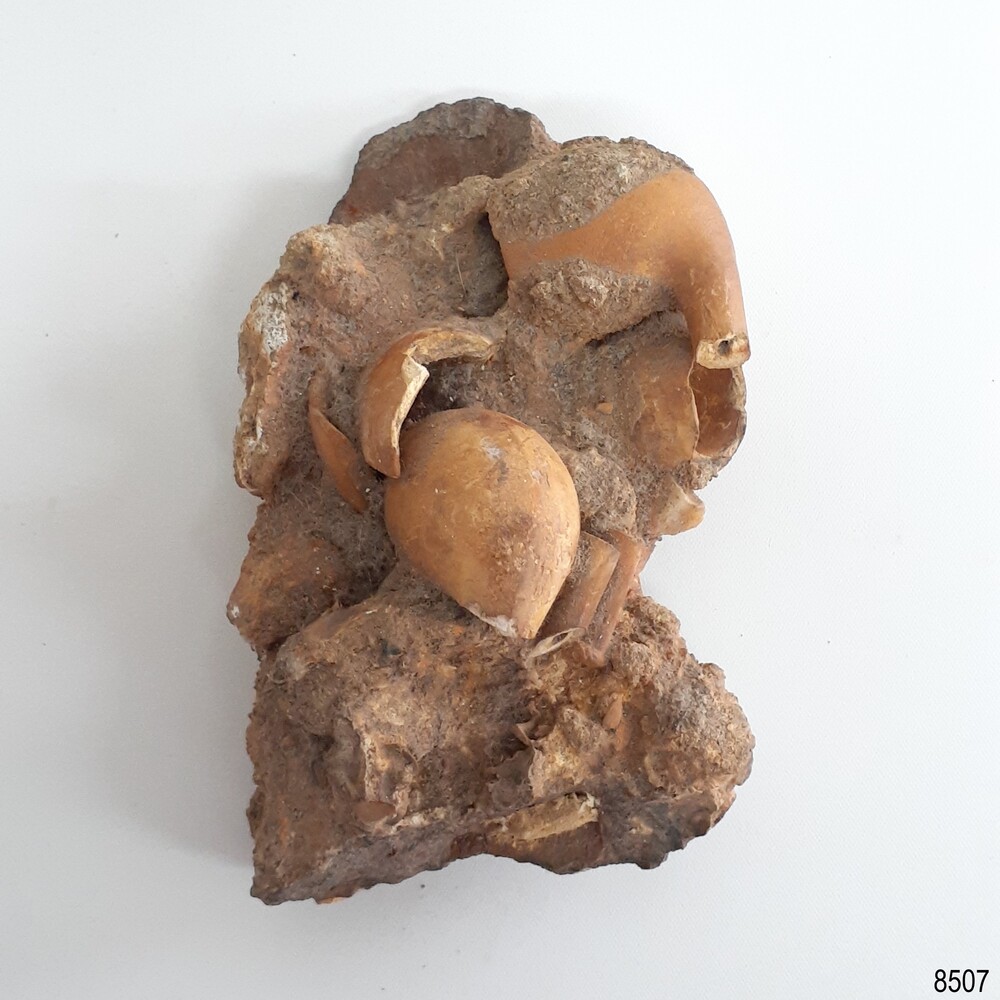
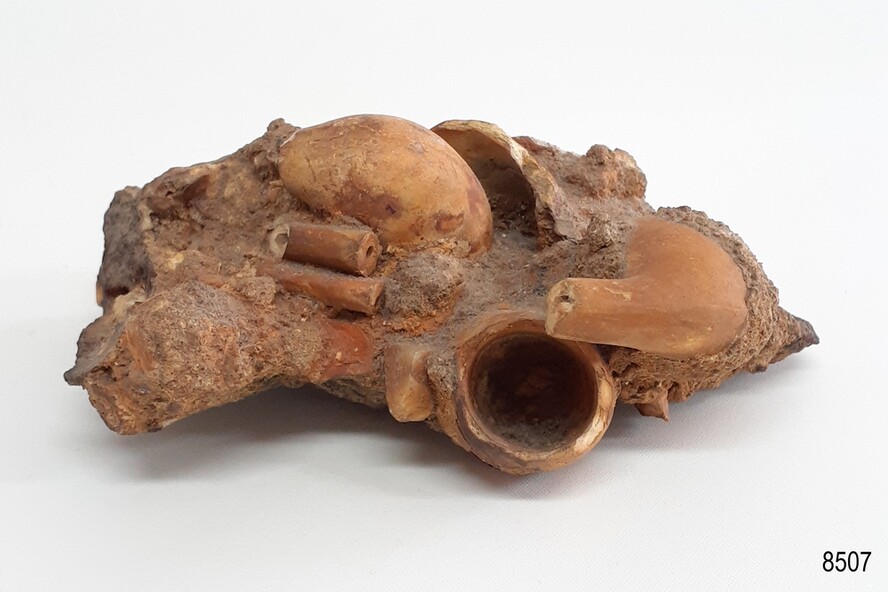
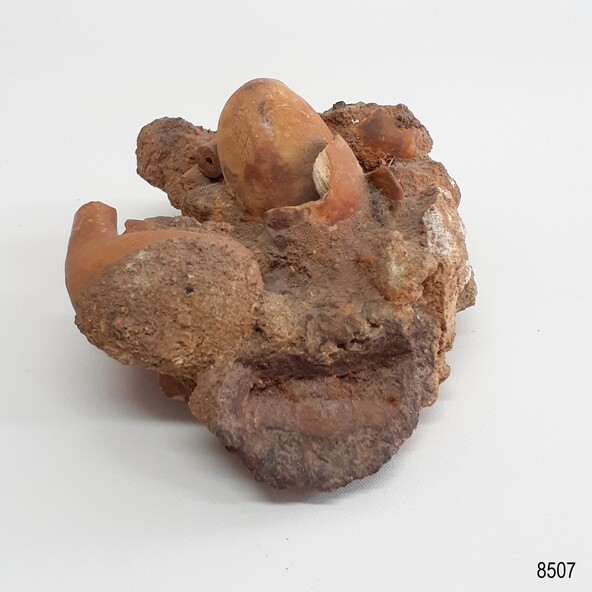
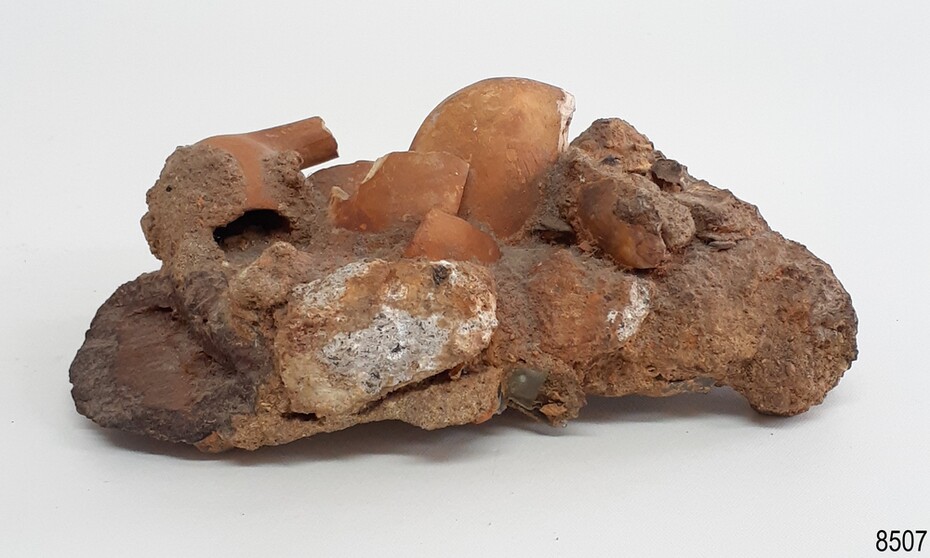
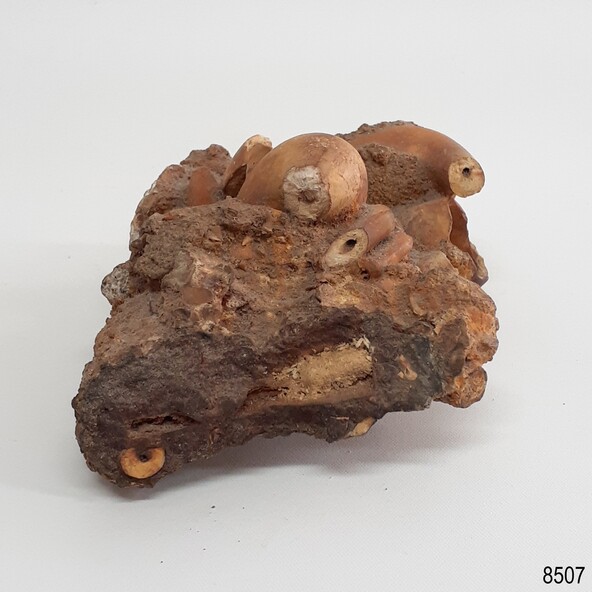
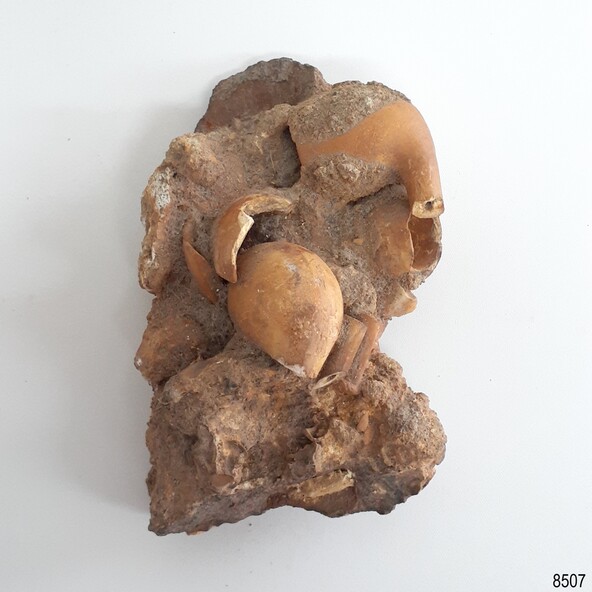
This concretion of tobacco pipes is one of a group of artefacts in the McCulloch Collection. It was recovered from the shipwreck of the Victoria Tower. The pipes may have been amongst the ship's cargo, but could have been included in a passenger’s personal effects.
The object is now one of the shipwreck artefacts in Flagstaff Hill’s Mc Culloch Collection, which includes items recovered from the wrecks of the Victoria Tower (wrecked in 1869) and Loch Ard (wrecked in 1878). They were salvaged by a diver in the early 1970s from the southwest coast of Victoria.
Advanced marine technology had enabled divers to explore the depths of the ocean and gather its treasures before the Government introduced protective legislation. The artefacts were donated to the Queensland Department of Environment and Heritage Protection (EHP) by a passionate shipwreck lover. Bruce McCulloch verified their locations. In 2017, the Department repatriated them to Flagstaff Hill, where they joined our vast collection of artefacts from Victoria’s Shipwreck Coast.
The Victoria Tower: -
The three-masted iron clipper ship was built in 1869 in Liverpool, England, as a passenger and cargo ship for the Australian trade. It was named after one of the two towers of the British Houses of Parliament and owned by the White Star line. The Victoria Tower sailed under the command of Captain Kerr from Liverpool towards Melbourne on its maiden voyage with 4 passengers and 16 crew plus a general cargo including bottled beer, slates, iron pipes and hardware. It was almost at her destination when, on 17th October, 1869, it was wrecked at Point Impossible, west of Thompsons Creek, Breamlea, near Torquay. The shipwreck is a very popular dive site.
Significance
The artefact is an example of cargo or personal items on board a ship in 1869. It provides a reference point for classifying and dating similar items.
This artefact is significant for its association with the British-built, iron clipper ship Victoria Tower, a commercial and immigrant sailing ship constructed to carry cargo and passengers to colonial Australia. The vessel is recorded on the Victoria Heritage Database, VHR S698.
Physical description
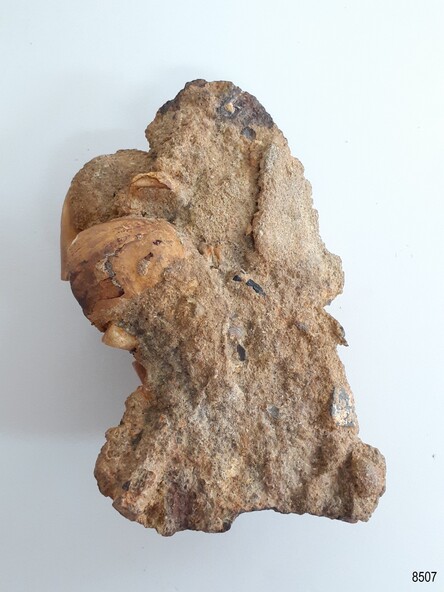
Concretion of clay tobacco pipes. Bowls and stems of several broken orange tobacco pipes are joined together in ac irregularly shaped clump of concretion from the sea. The concretion also contains stones, shells, sand and particles of seaweed. It was recovered wreck of the ship Victoria Tower.
Subjects
- flagstaff hill,
- warrnambool,
- maritime village,
- maritime museum,
- flagstaff hill maritime museum and village,
- shipwreck coast,
- great ocean road,
- shipwreck artefact,
- wreck dive,
- mcculloch collection,
- bruce mcculloch,
- white star line,
- victorian heritage register,
- clipper ship,
- victoria tower,
- captain kerr,
- shipwreck victoria tower,
- migrant ship 1869,
- cargo ship 1869,
- iron clipper,
- british clipper ship,
- 1869,
- cargo imported to australia,
- pipe cluster,
- concretion of pipes,
- pipe,
- ceramic pipes,
- tobacco pipes,
- smoker's pipes,
- southwest coast victoria,
- torquay,
- diver,
- evans,
- liverpool,
- sailing ship,
- iron hull,
- migrant ship,
- cargo ship,
- 1869 shipwreck
References
- Victorian Heritage Database Victoria Tower, VHR S698
- Virtual Museums Tobacco pipes in the archaeological collection of the museum
- Torquay Historical Society Shipwrecks
- ScubaDoctor.com.au Victoria Tower dive info sheet
- Australian Underwater Cultural Heritage Database Shipwreck VICTORIA TOWER