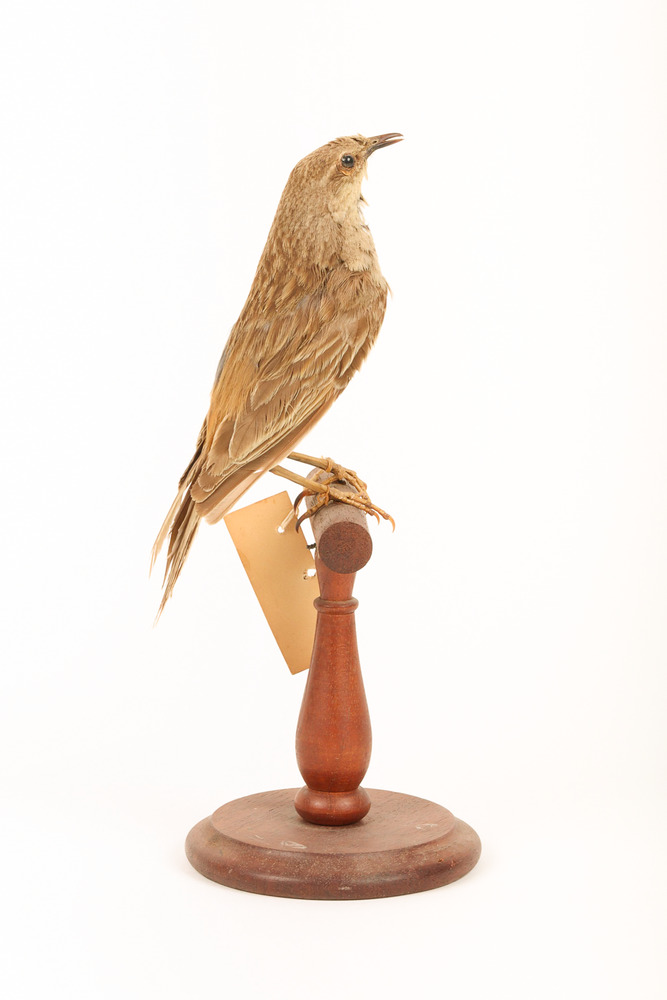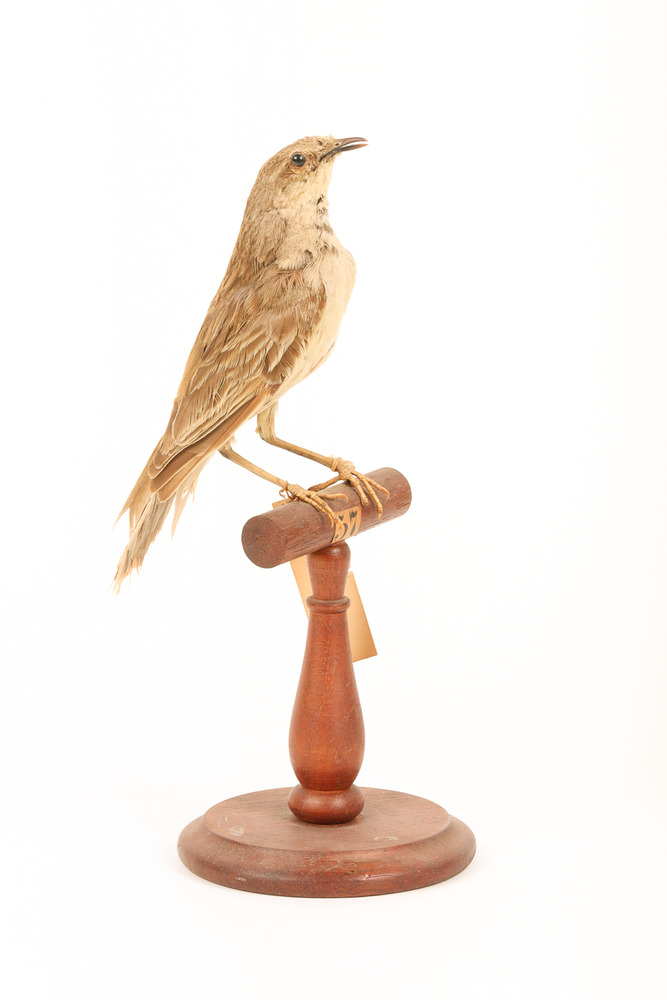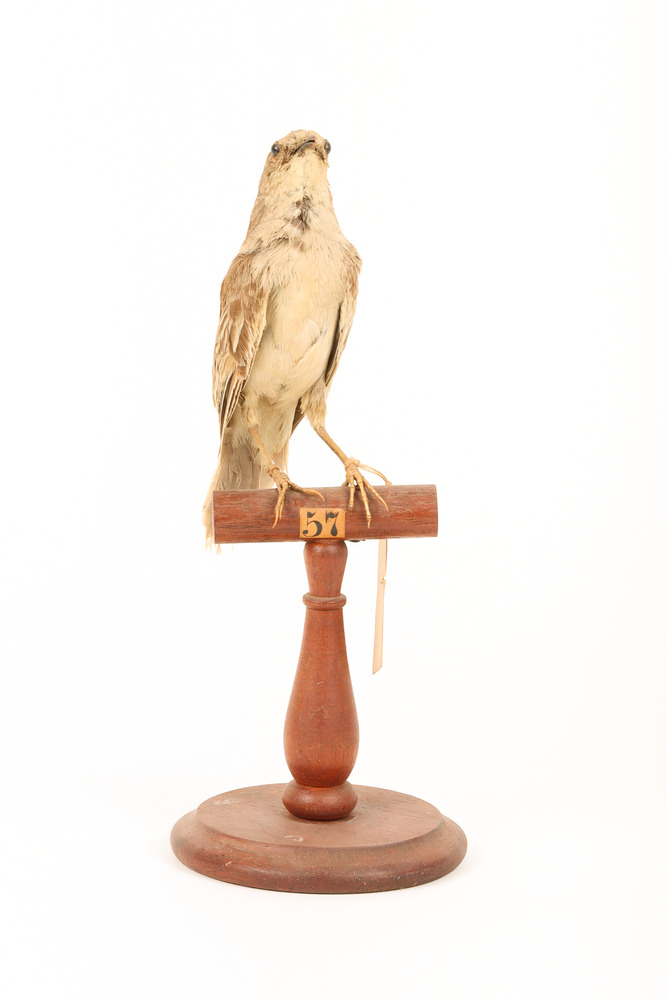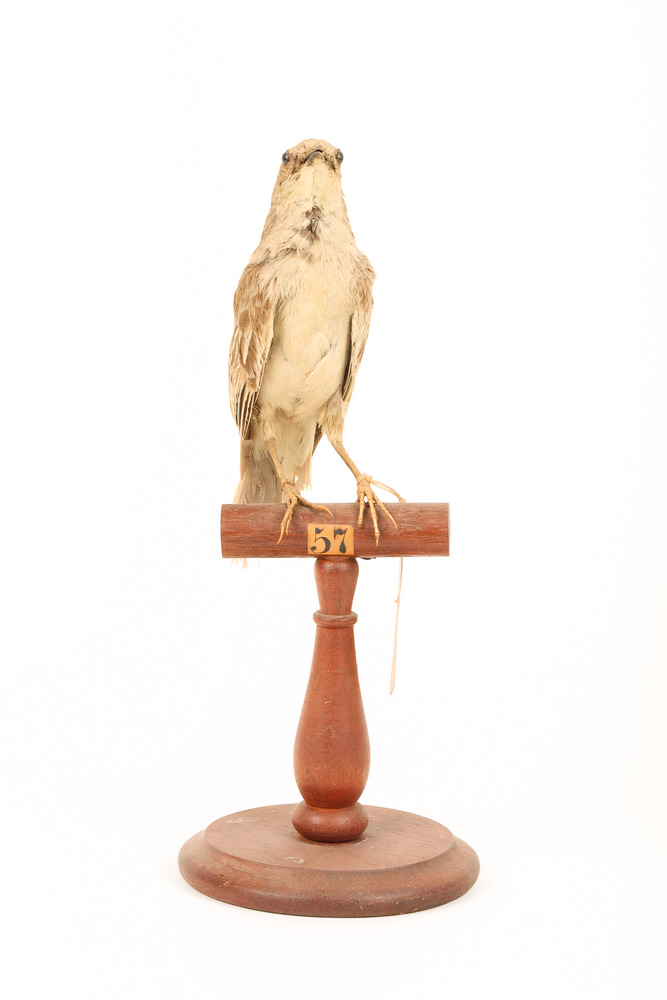


Historical information
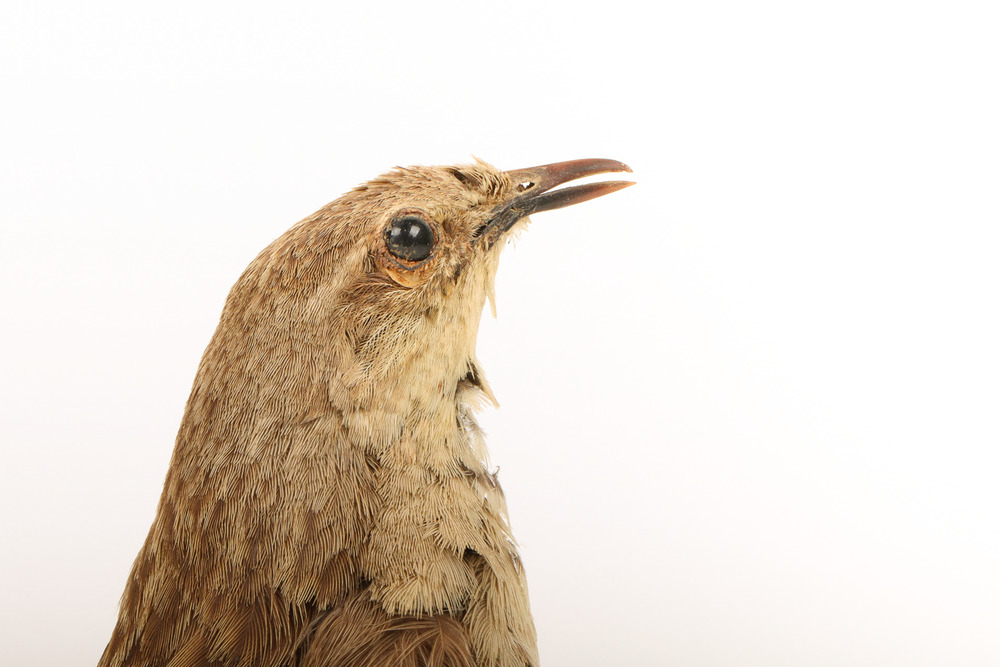
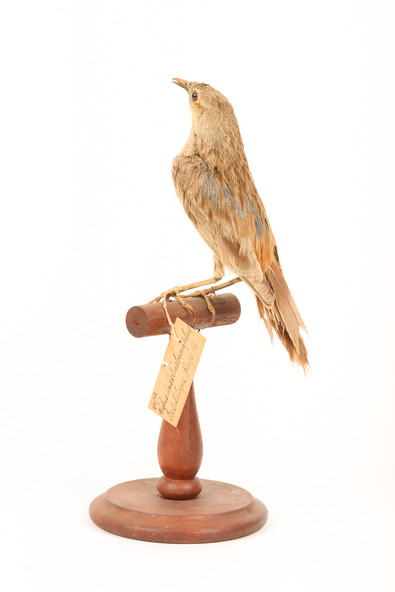
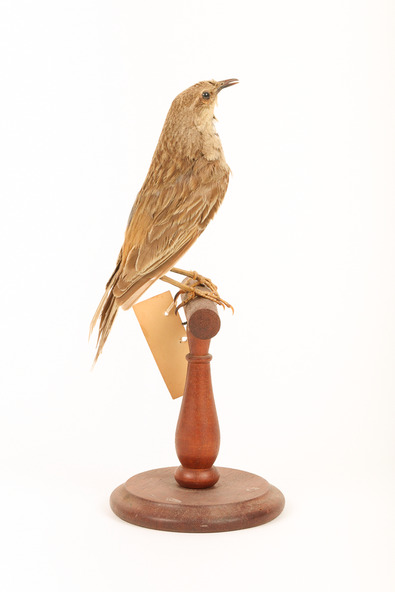
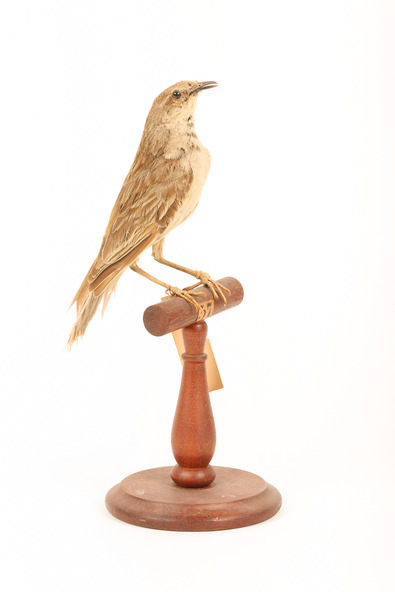
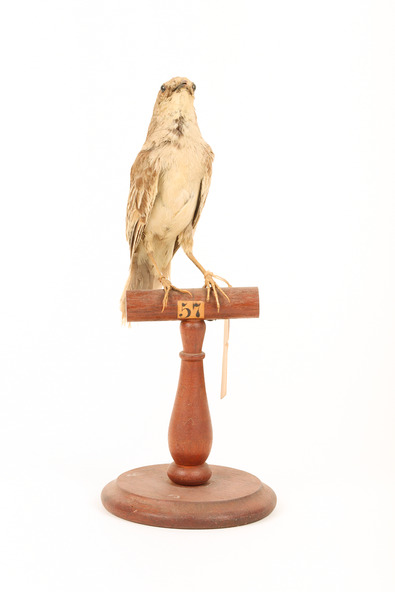
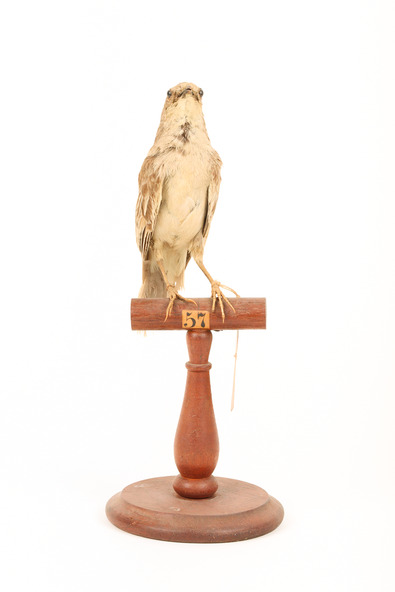
The Rufous Songlark is not a social bird and can only be seen and heard during breeding season. They have a brown appearance with a pale underbody. This species reside in open grass areas, grassy woodlands, farms and mulgas (an Australian plant). Although the Rufous Songlark can be seen all around Australia, they are most commonly found in Queensland, New South Wales, and Western Australia.
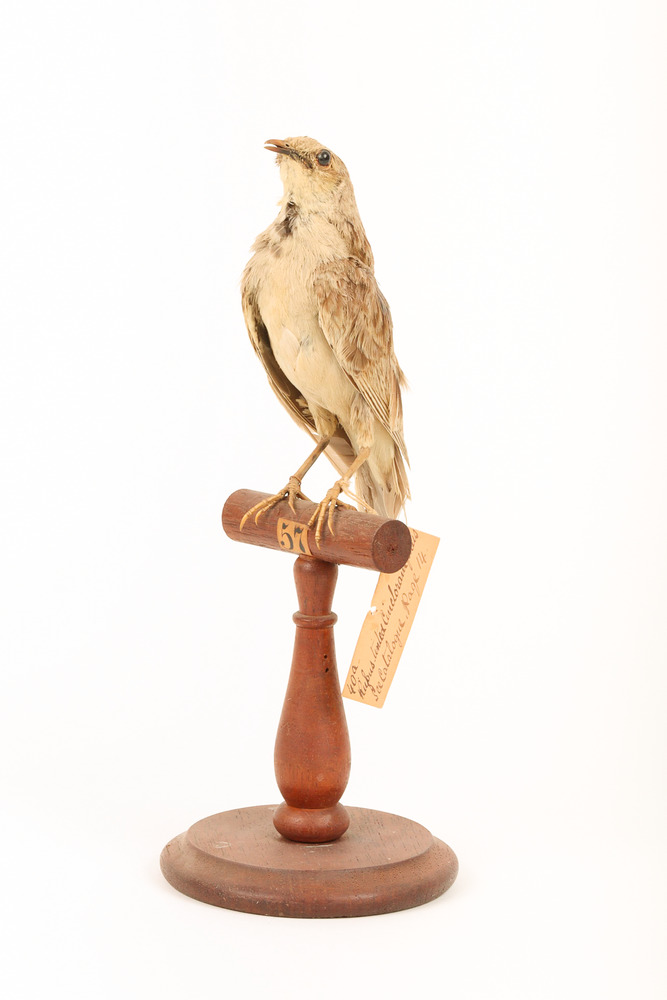
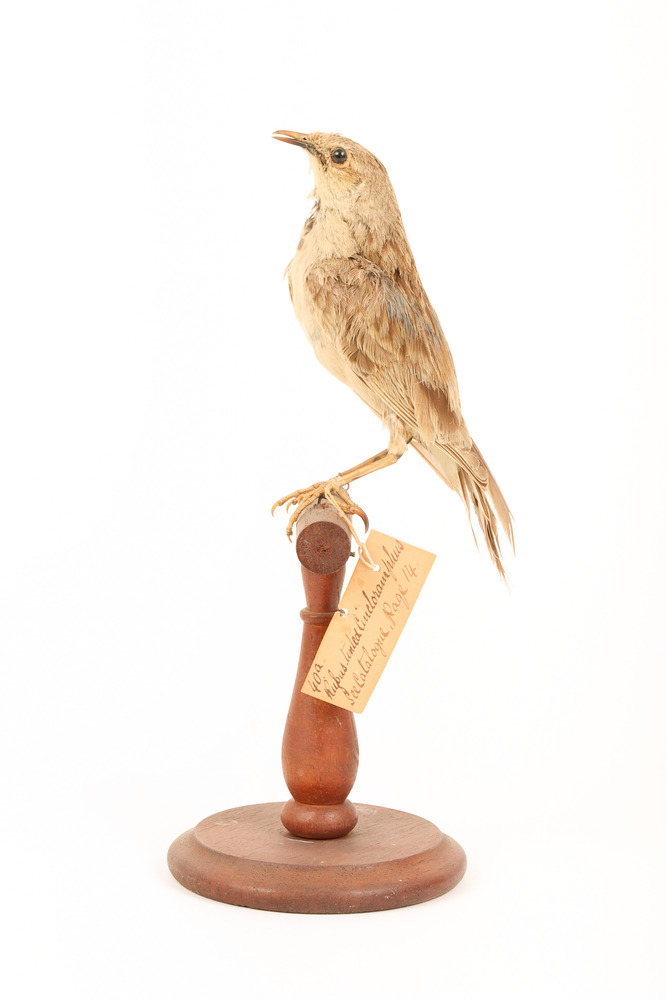
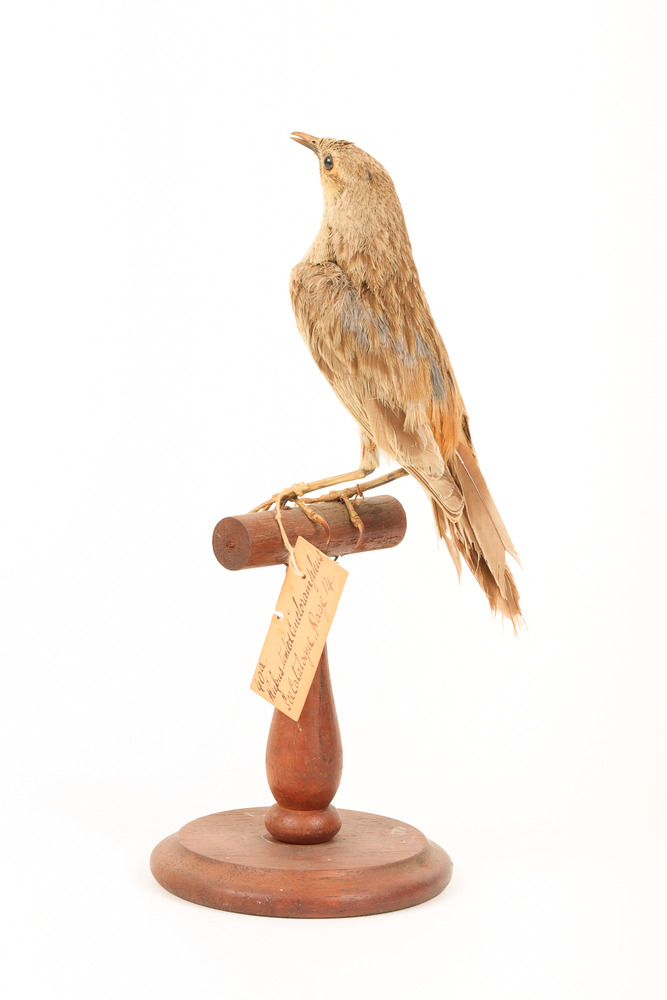
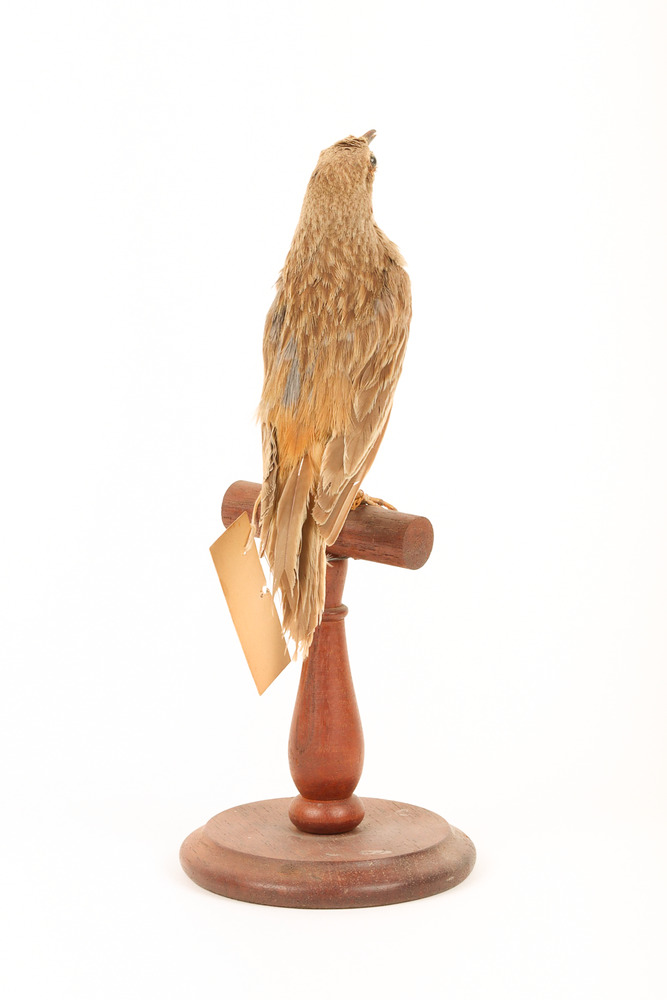
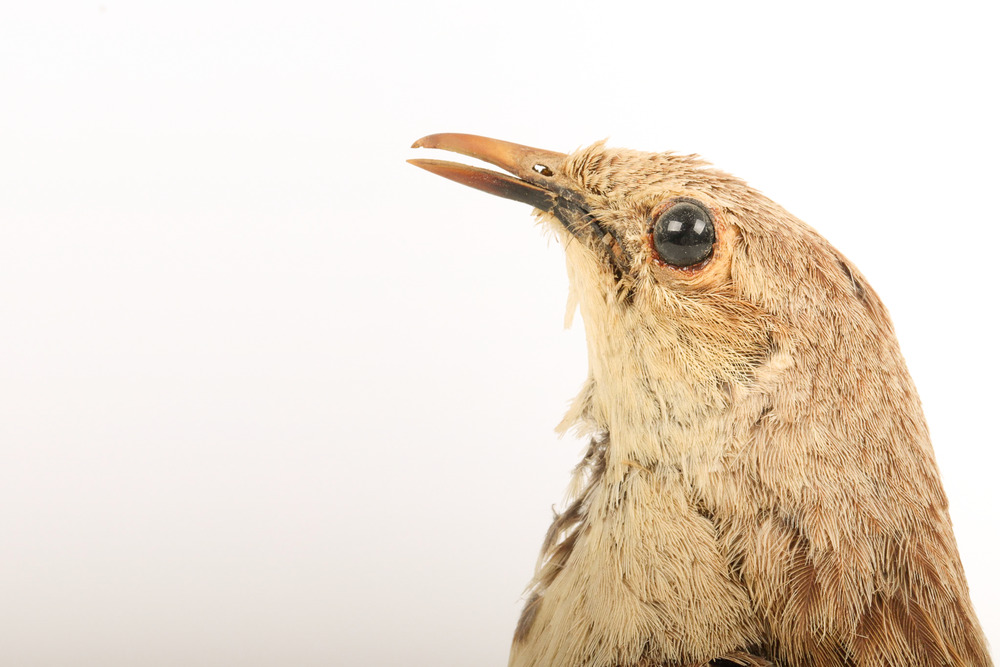
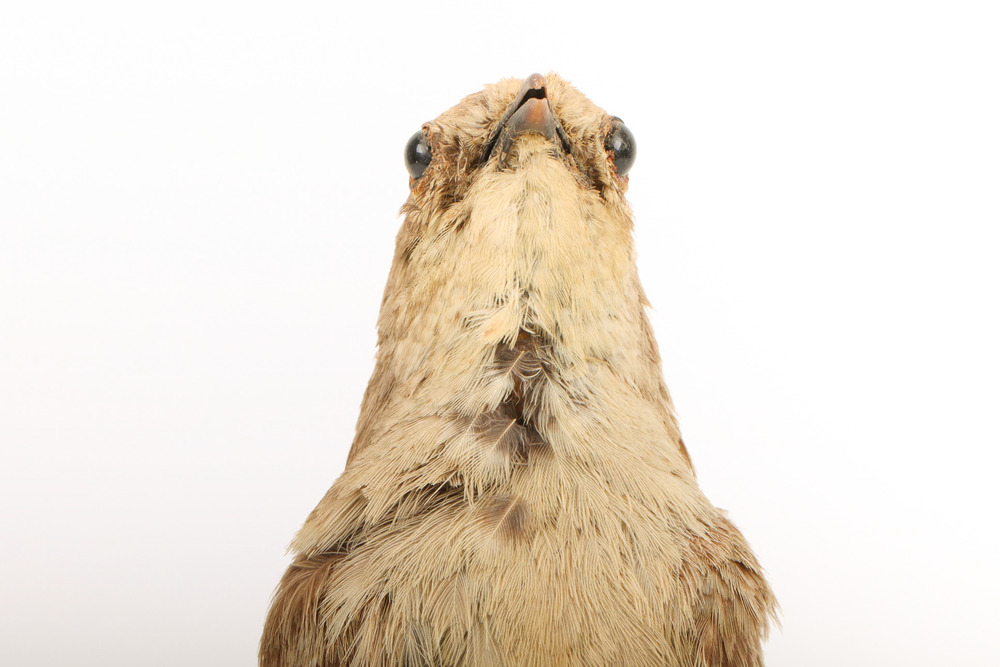
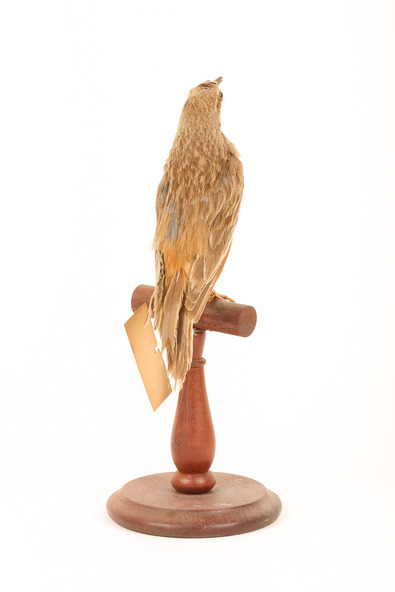
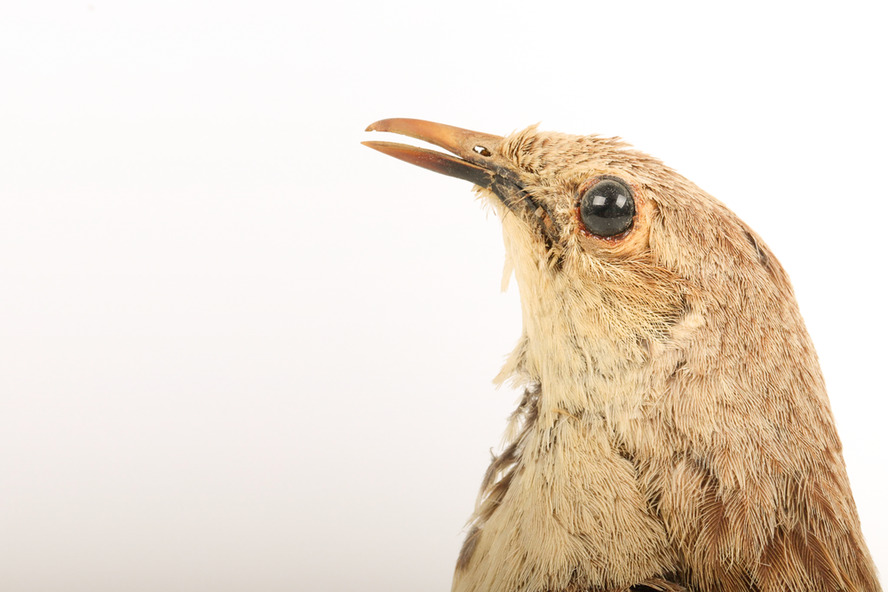
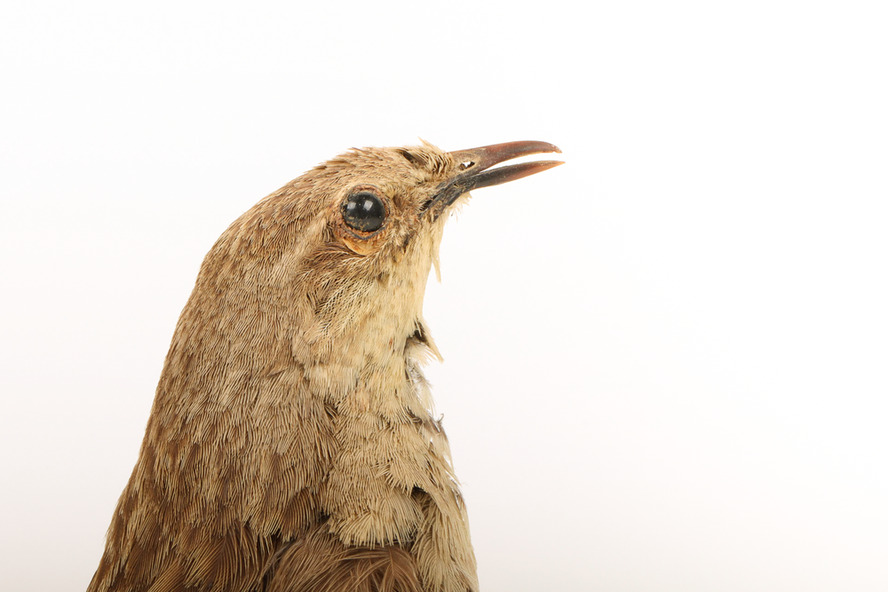
Since this is a taxidermy mount, there are some inconsistencies to the real life bird. The main inconsistency being that the colour of the bird's wings, back, head and tail should be a darker brown.
This specimen is part of a collection of almost 200 animal specimens that were originally acquired as skins from various institutions across Australia, including the Australian Museum in Sydney and the National Museum of Victoria (known as Museums Victoria since 1983), as well as individuals such as amateur anthropologist Reynell Eveleigh Johns between 1860-1880. These skins were then mounted by members of the Burke Museum Committee and put-on display in the formal space of the Museum’s original exhibition hall where they continue to be on display. This display of taxidermy mounts initially served to instruct visitors to the Burke Museum of the natural world around them, today it serves as an insight into the collecting habits of the 19th century.
Significance
This specimen is part of a significant and rare taxidermy mount collection in the Burke Museum. This collection is scientifically and culturally important for reminding us of how science continues to shape our understanding of the modern world. They demonstrate a capacity to hold evidence of how Australia’s fauna history existed in the past and are potentially important for future environmental research.
This collection continues to be on display in the Museum and has become a key part to interpreting the collecting habits of the 19th century.
Physical description
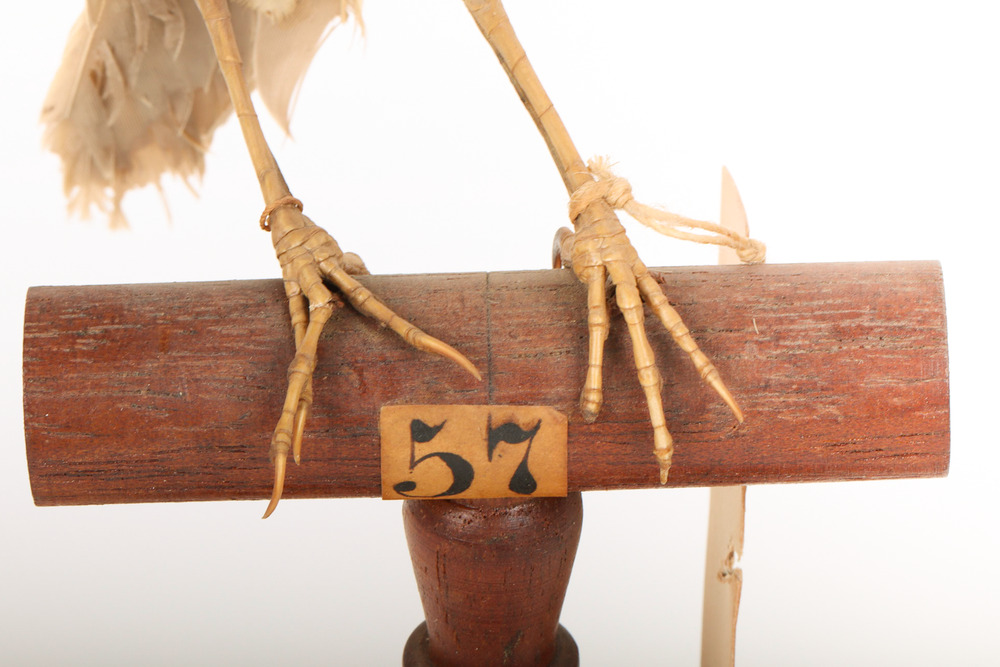
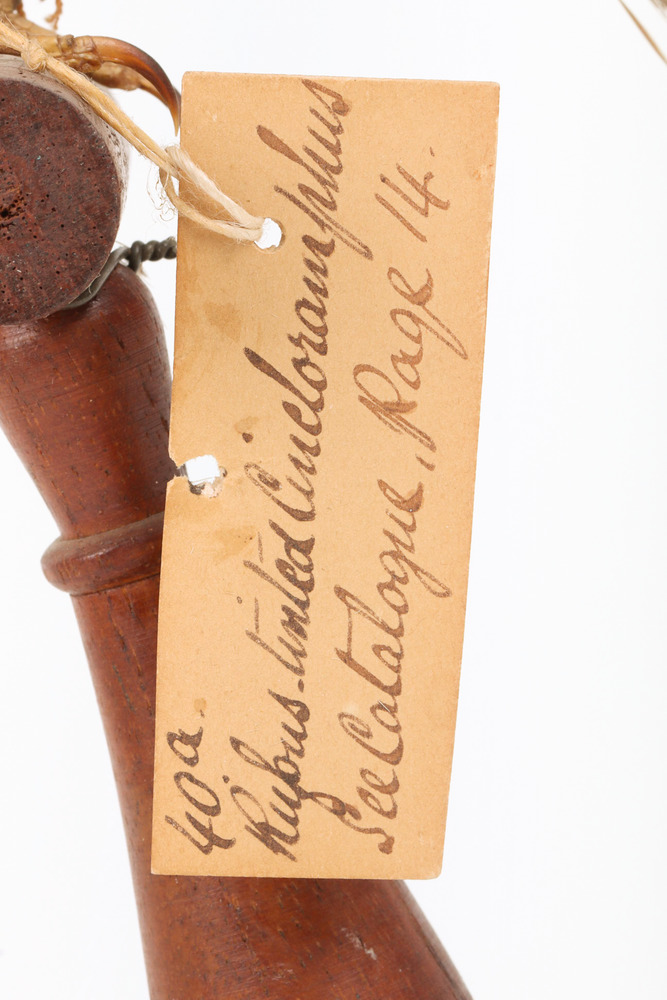
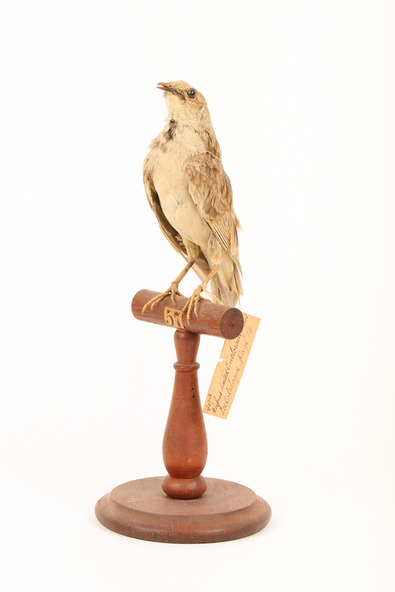
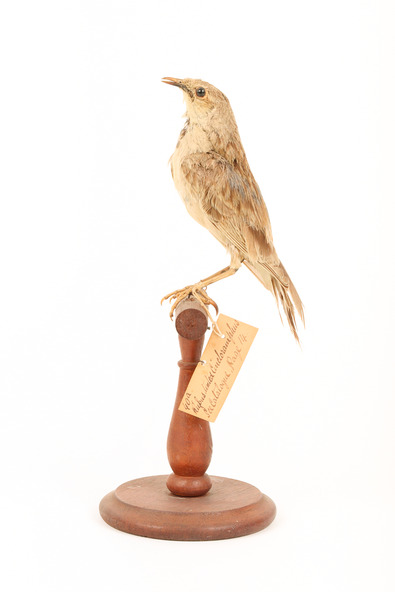
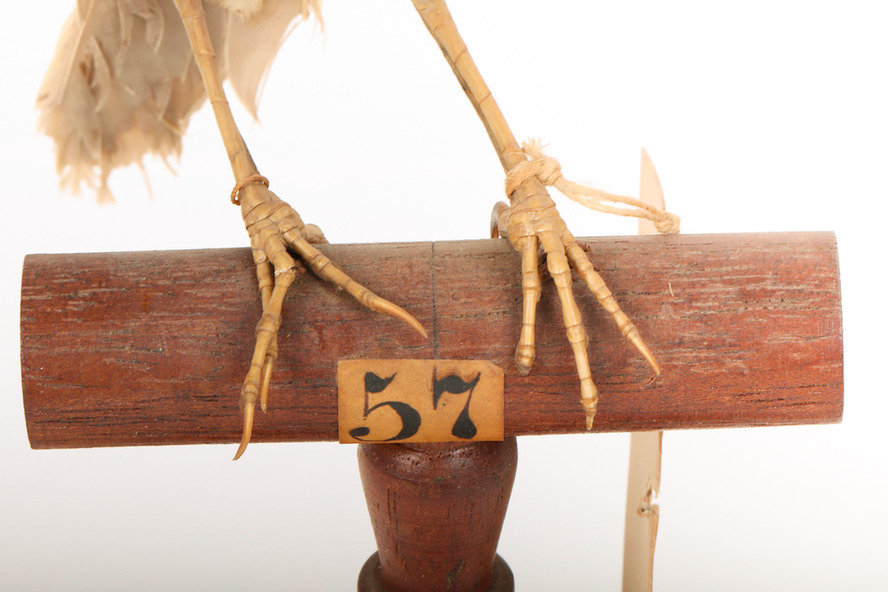
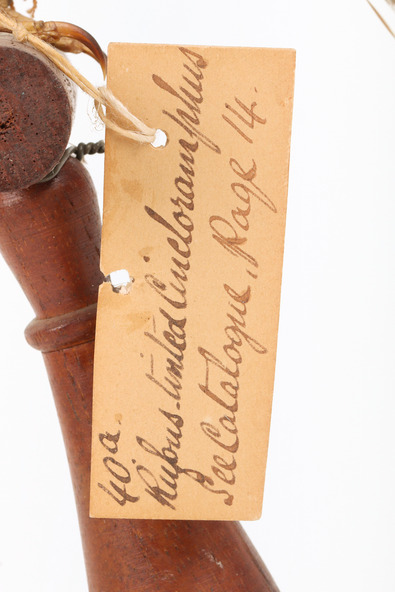
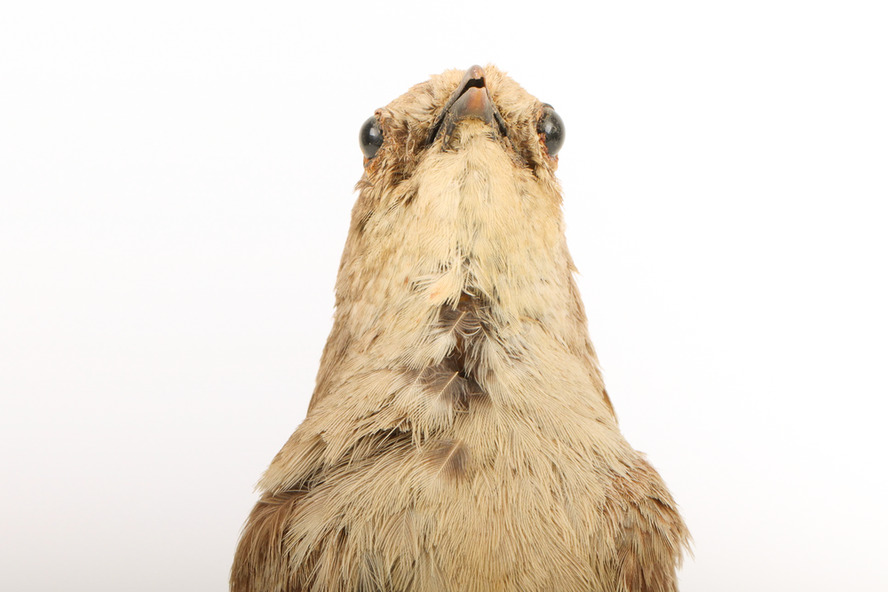
This Rufous Songlark has a beige belly and neck. The wings, back, head and tail are a dark brown colour. Near the tips of the wings are there are some spots of grey and light brown. On the throat, under the beak, there is a patch of dark brown. This specimen stands upon a wooden perch and has an identification tag ties around its leg.
Inscriptions & markings
Swing-tag:
40a / Rufous-Tinted Cincloramphus/ See catalogue page 14
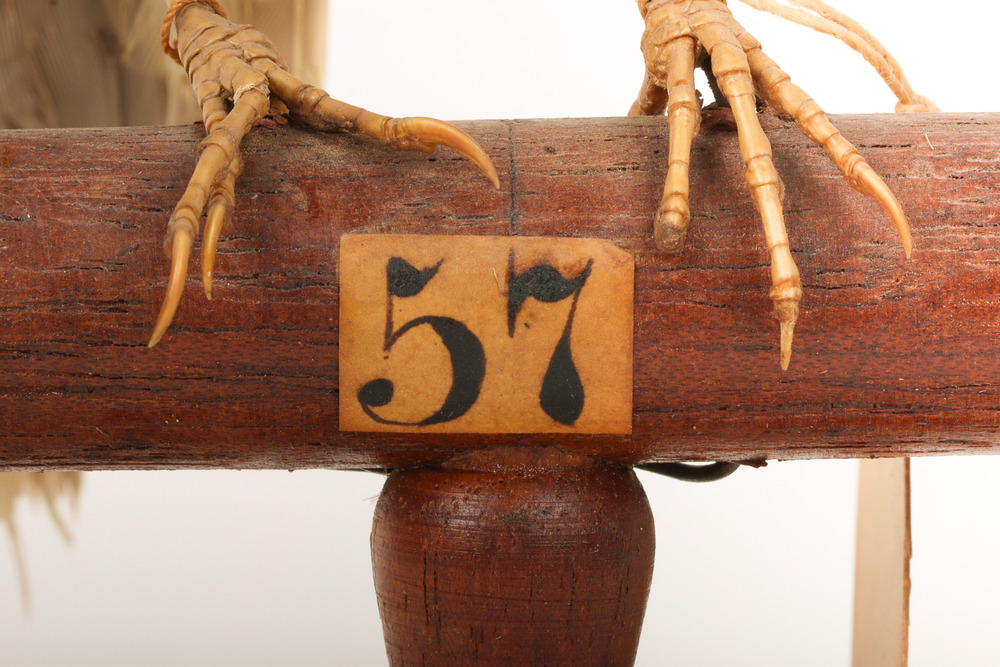
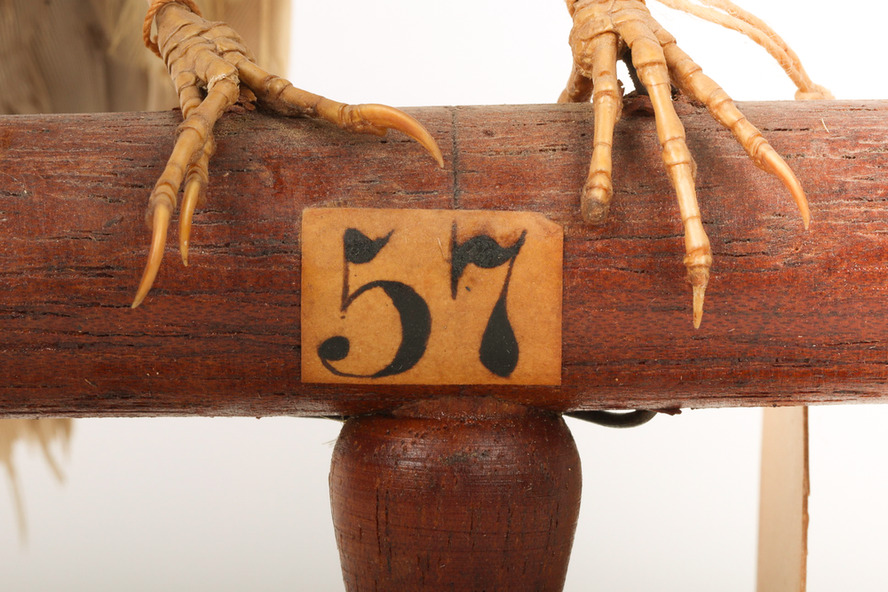
Wooden perch:
57