

Historical information
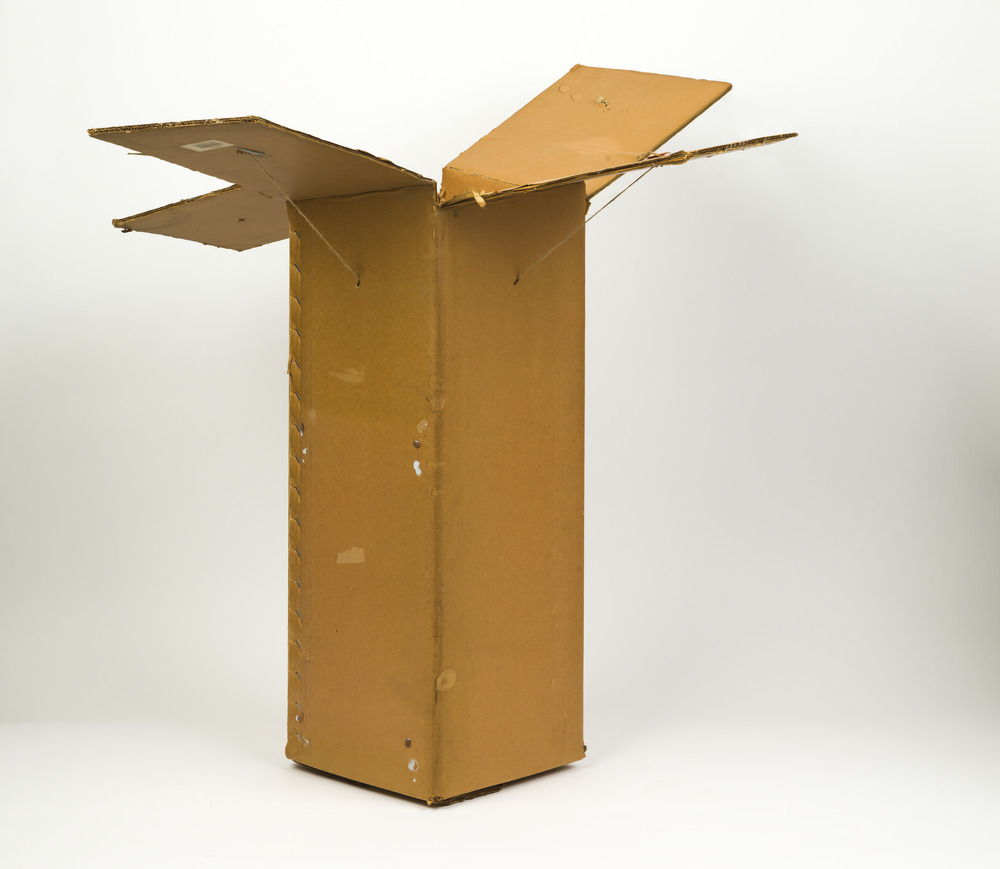
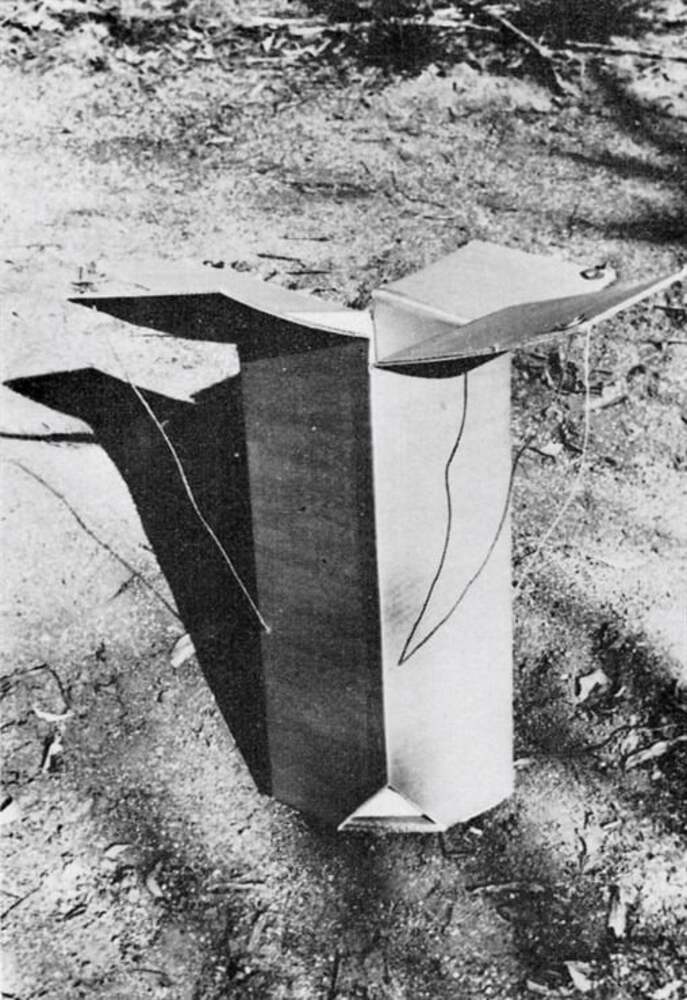
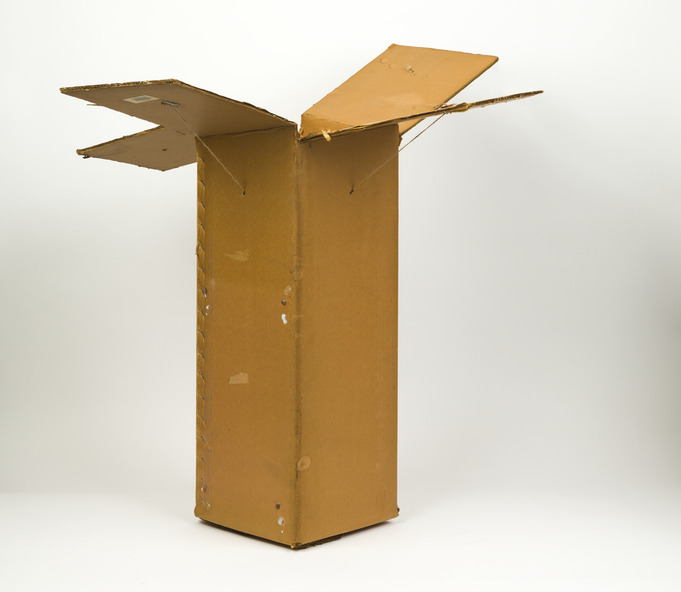
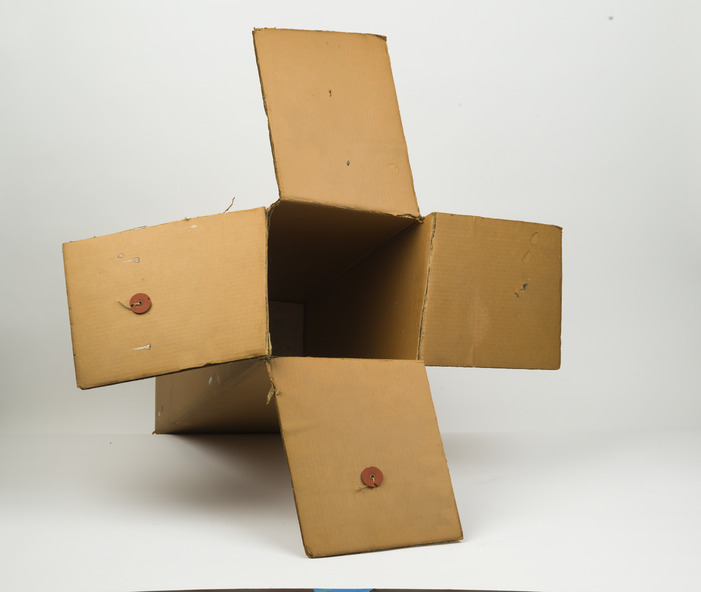
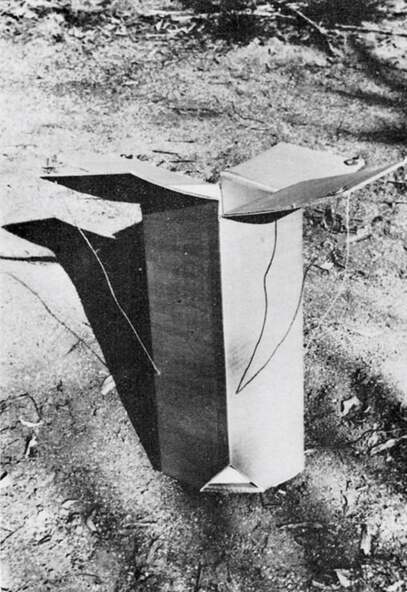
The successful dropping of supplies to remote fire crews involved a great deal of experimentation. The basic concept was brought back from America by then Chief Fire Protection Officer, Ted Gill. From this concept, in 1964, Athol Hodgson, the Forests Commission's Fire Research Officer, experimented with various types before arriving at this large, heavy-duty corrugated cardboard container which employed fold-out fins. Athol's experiments showed that the container, called the 'helibox', must be able to free-drop for some 200 feet (66 metres) before the fins, which had a large angle of attack, could open and cause the container to rotate, so slowing the rate of descent. The cardboard boxes were so designed that they could be flat-packed for delivery and storage at the Forest Districts. They were suitable for supplies weighing less than 9 kg and best dropped from about 300 feet. It was found that even eggs survived the fall when they were packed inside loaves of bread. The helibox became a standard technique for delivery of supplies from fixed-wing aircraft and was used extensively in the Corryong, Tallangatta, Mansfield and Tinambra areas where the alternative was to back-pack supplies into fire crews in the mountainous terrain. The technique was adopted Australia-wide. The increasing availability of helicopters and extensive network of four-wheel-drive tracks eventually made the helibox redundant.
Significance
Unique to Victoria but adopted across Australia.
Physical description
Large cardboard box with 'fins' that caused it to rotate when dropped from an aircraft.
Fins held in place by means of office type string 'Ty-Tite' fasteners.