This document examines the controversial legacy of Dr. James Patrick Murray, focusing on his involvement in maritime violence and his surprising recognition by the Bendigo Council. Bendigo Council awarded Dr. Murray a bonus and a glowing reference 150 years ago, despite his alleged involvement in mass murder at sea. He received a £50 bonus (over $10,000 today) for his work during a public health crisis.
Murray captained the brig Carl, which was involved in forcibly transporting islanders to work on Fiji's cotton plantations. Accounts describe extreme violence: when enslaved islanders resisted, Murray and his crew fired into the hold, drilled holes to shoot more easily, and disposed of bodies at sea—allegedly killing 70 people.
Survivors were delivered to Fiji, and the crew received a large finder's fee. Murray was described as charming and confident, but also as cruel, treacherous, and deceitful by contemporary sources. He betrayed his own crew by testifying against them in exchange for immunity from prosecution.
Some accounts of Murray's actions may be exaggerated or self-serving, as witnesses were also implicated in the crimes and may have sought to minimize their own roles. Murray was Irish-born, educated at Trinity College Dublin, and established as a Melbourne doctor before turning to risky ventures in the South Seas, drawn by the promise of wealth and adventure.
The South Pacific at the time attracted many fugitives and outcasts seeking fortune or escape from the law. Despite his violent past, Murray returned to Victoria and maintained a respectable public image, with few aware of his connection to the notorious events in Fiji.
In 1872, Bendigo faced a deadly smallpox outbreak.Dr. Murray was appointed with full authority to manage the crisis and was credited with successfully containing the outbreak, earning public gratitude and official praise. Shortly after his public health success, Murray was implicated in the slave trading of South Sea islanders, specifically through his involvement with the ship Carl. Court testimony revealed brutal methods used to capture islanders, including trickery and force.
The scandal shocked the public, with widespread condemnation and questions about how Murray had been appointed to a position of trust. Victorian authorities and the press criticized Murray and those who had supported or employed him. Despite the revelations, the Bendigo council felt obligated to honor their promise of a bonus for his work during the outbreak, citing the importance of keeping their word.
Murray did not return to Bendigo after the scandal broke, though he sent letters expressing gratitude and claiming to have reformed. His claims of redemption were met with skepticism and derision by the press. The ship Carl was seized, and several crew members were convicted and sentenced for their roles in the slave trading operation. Murray disappeared from public view, with reports suggesting he fled to England, leaving his family behind.
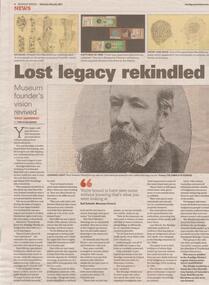
Bendigo Advertiser Article - "Council granted slave trader a healthy bonus" Sat Aug 20 2022, story by Tom O'Callaghan and images courtesy of TROVE
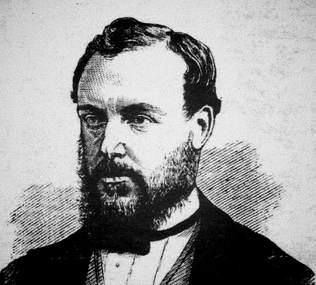
3486.55a Black and white etching of James Patrick Murray
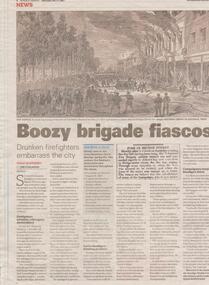
3486.55b Part of the article from the Bendigo Advertiser
3486.55c Black and white etching of the seizing of a slave trader's ship
3486.55d Part of the article from the Bendigo Advertiser
bendigo, james patrick murray