

Historical information
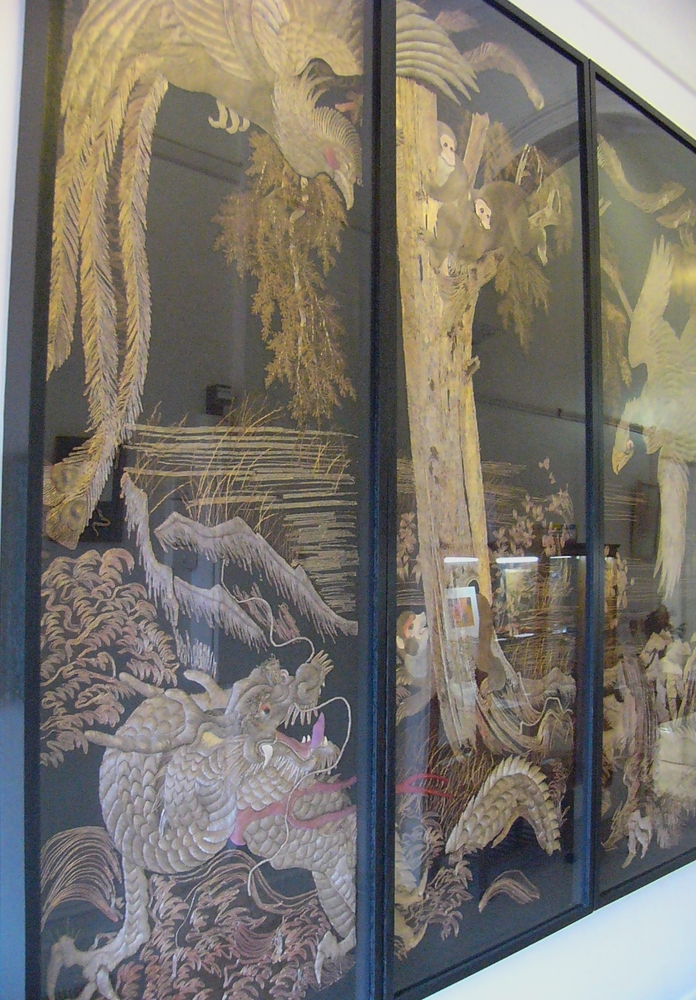
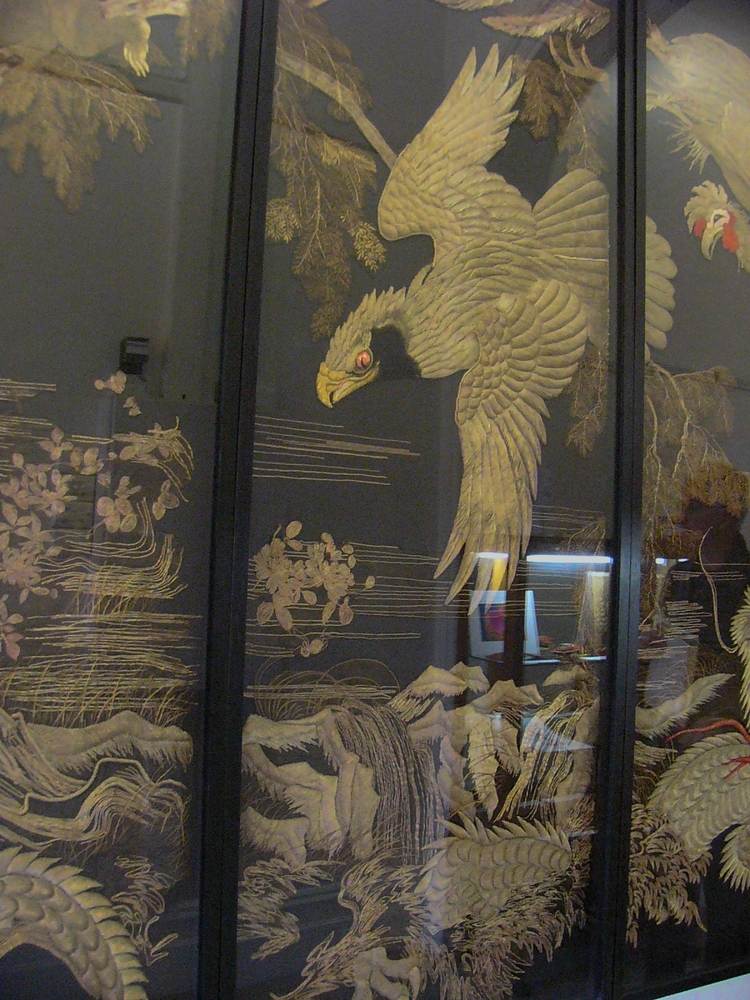
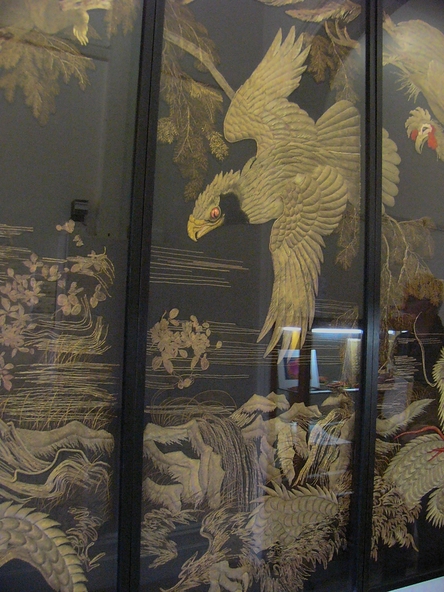
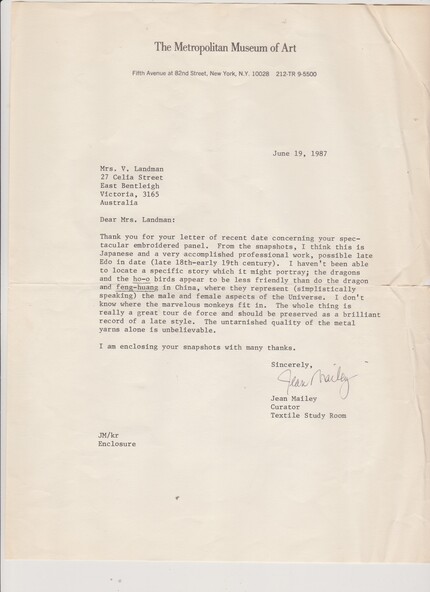
The ho-o bird (hōō or 鳳凰) is a legendary, phoenix-like creature from East Asian mythology, originating from the Chinese fenghuang.
The name comes from Japanese, where hō represents the male bird and ō represents the female bird, symbolizing yin and yang harmony.
Symbolism: Unlike the Western phoenix, the ho-o does not burn up and rise from ashes. It is a peaceful, divine spirit that appears only to mark times of peace, virtue, or the birth of a just ruler.
Appearance: Traditional descriptions combine parts of many animals, featuring the beak of a rooster, head of a pheasant, neck of a snake, and tail of a peacock. Its feathers display five sacred colors (red, yellow, blue, white, and black).
Eventually the two creatures merged into one and their combined name was used. The combined creature is still considered to be female, and is often partnered with the tatsu, which is considered to be male.
The hōō is one of the most revered and holiest animals in Japan. Second only to the kirin in terms of power, it is the most sacred bird in the Japanese pantheon.
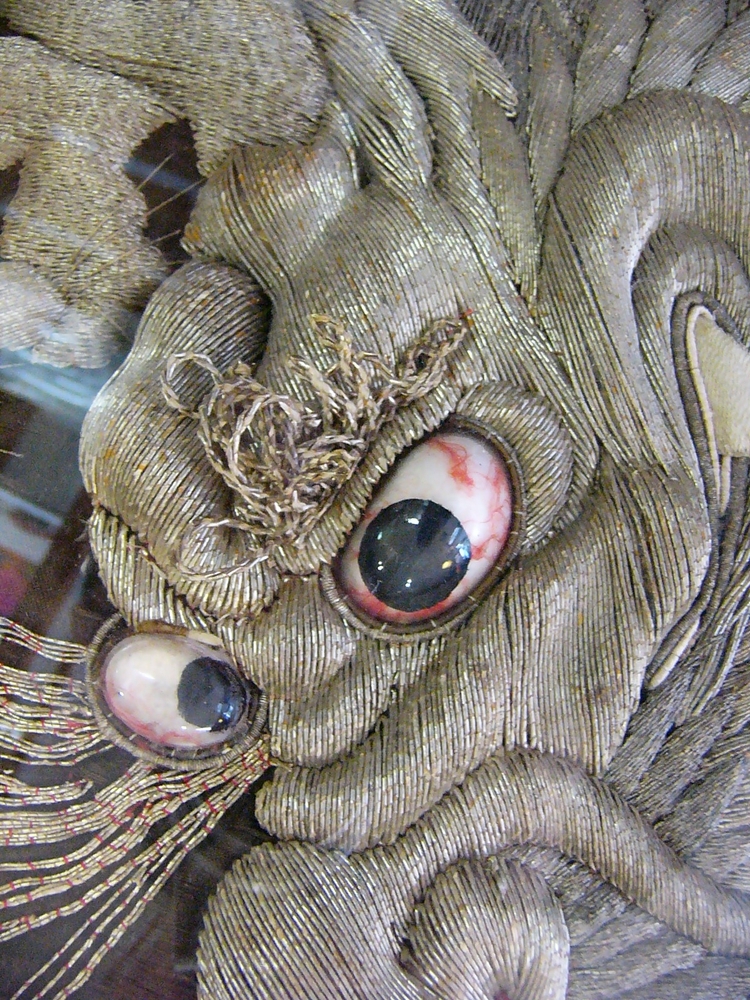
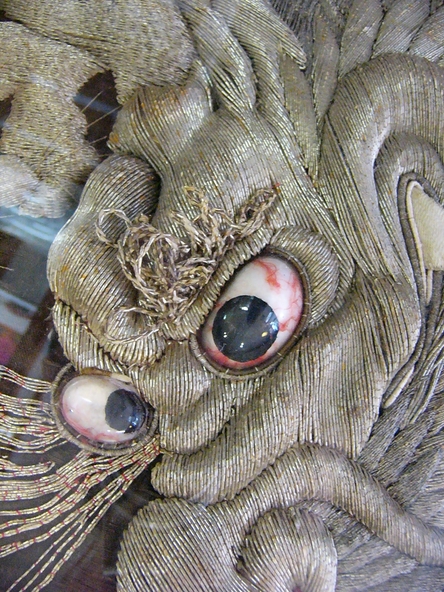
Japanese dragon, known as ryū or tatsu (龍 or 竜), is a legendary, serpentine water deity in Japanese mythology and folklore.
Physical Appearance:
Body: Long, scaly, and snake-like without wings.
Claws: Typically depicted with three toes on each foot (distinguishing them from Chinese five-clawed and Korean four-clawed variants).
Features: Horns, long whiskers or a beard, and a fierce expression.
Movement: Associated with water, oceans, rain, and clouds rather than fire-breathing.
Meaning and Symbolism:
Water and Weather: Viewed as benevolent water gods controlling rainfall, rivers, and tides.
Wisdom and Power: Symbolize strength, protection, and good fortune.
Imperial Lineage: Ancient legends state that Japan's imperial family descends from sea deities and dragon royalty like Ryūjin .
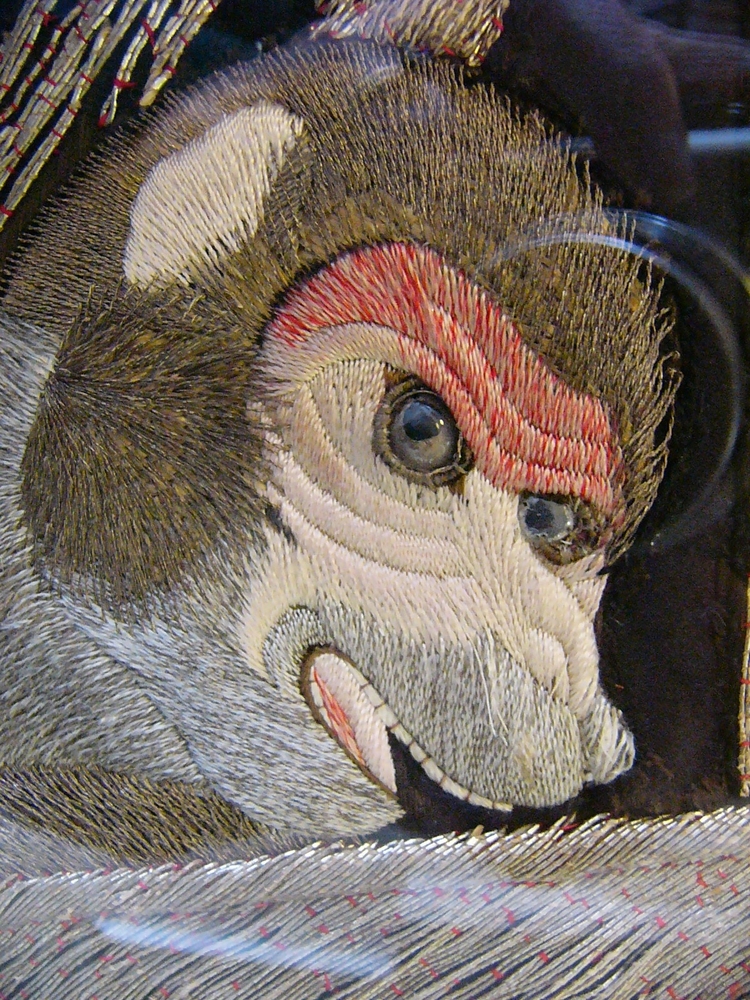
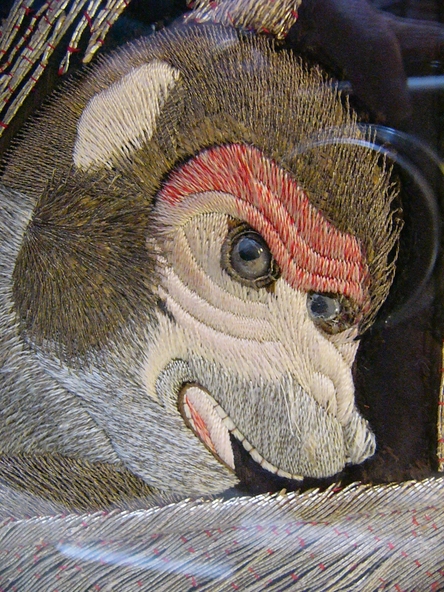
A Japanese monkey (saru, 猿) in traditional or decorative embroidery symbolizes protection, good luck, cleverness, and the removal of evil.
Core Meanings of the Monkey :
Warding off evil: Historically, the monkey was viewed as a protector against demons and bad luck. Japanese macaques act as divine messengers in certain Shinto shrines (like the Hie Shrine).
Fertility and safe birth: Ancient Japanese clay monkey amulets were used to pray for healthy children and easy childbirth, a meaning that carried into traditional folk textiles and garments.
Mischief and playfulness: On a lighter note, single playful monkeys represent cleverness, agility, and lighthearted joy.
Physical description
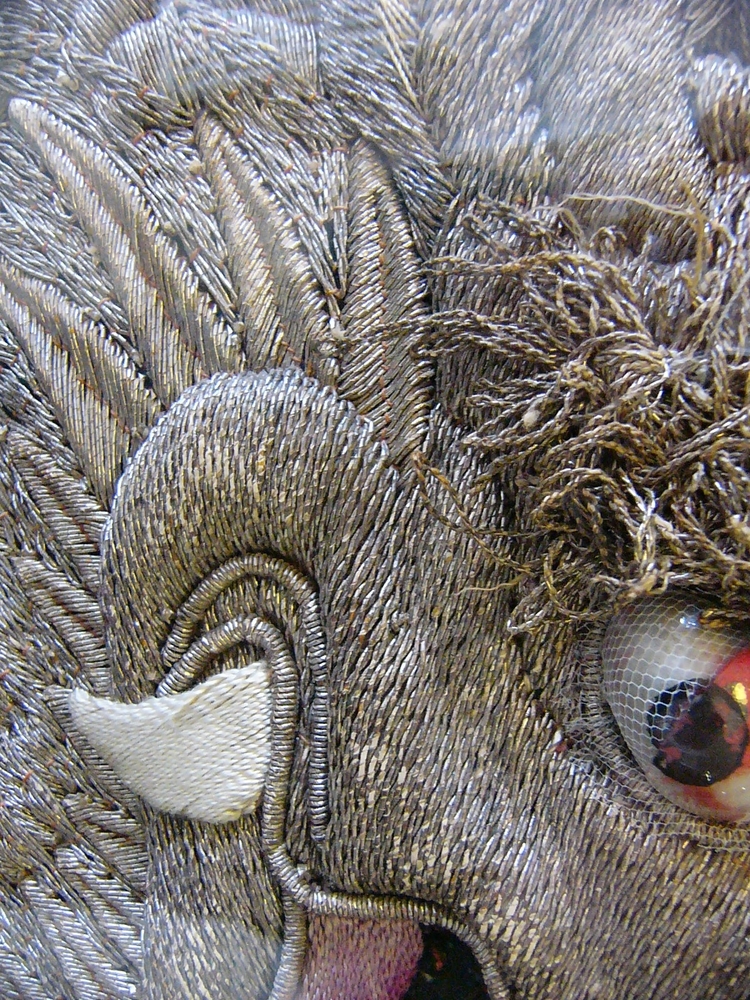
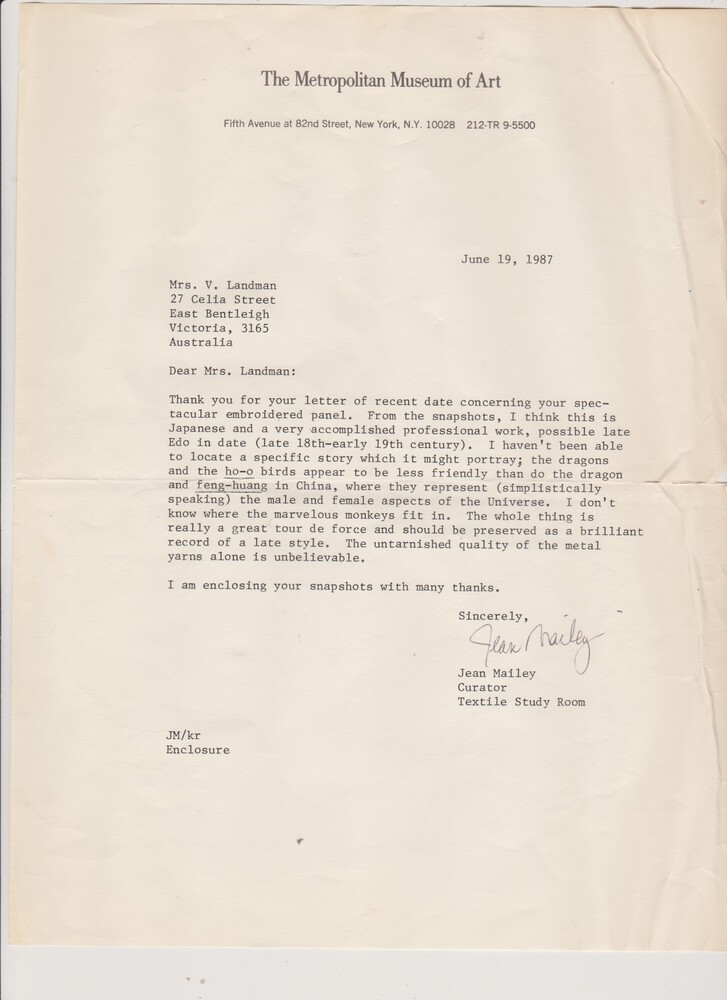
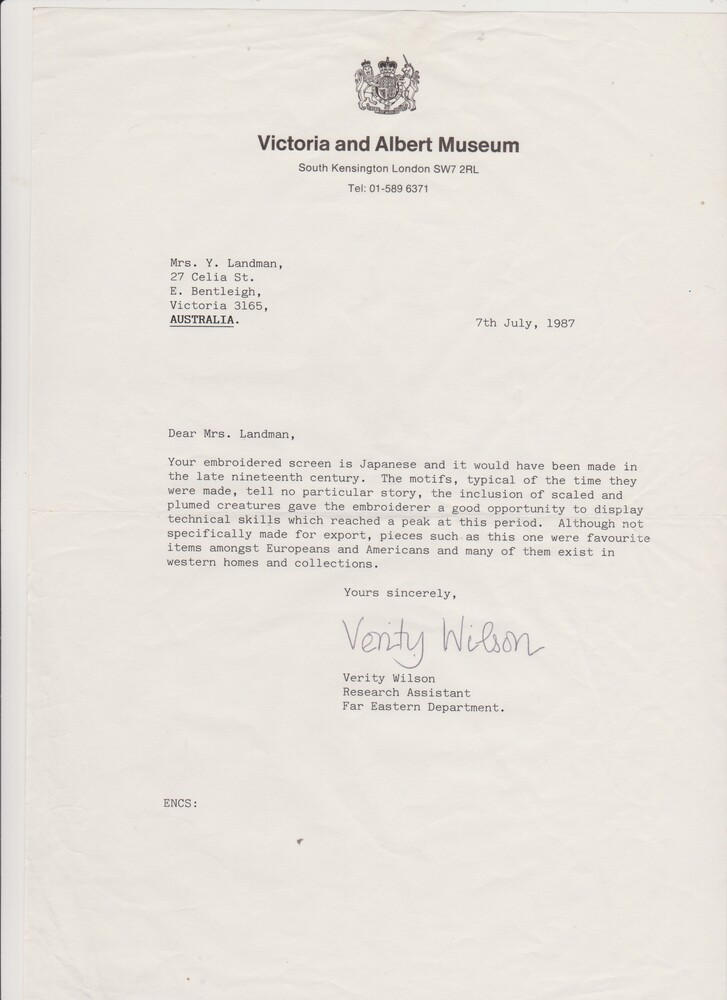
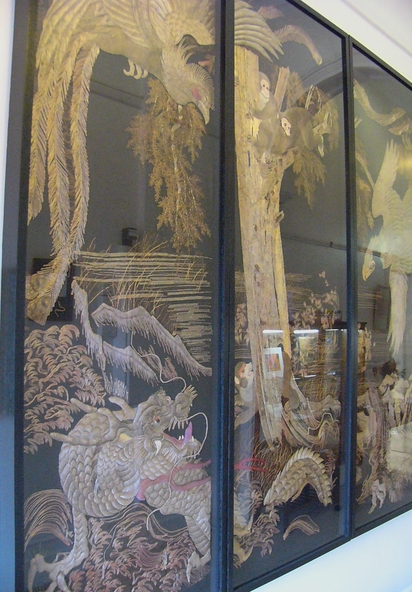
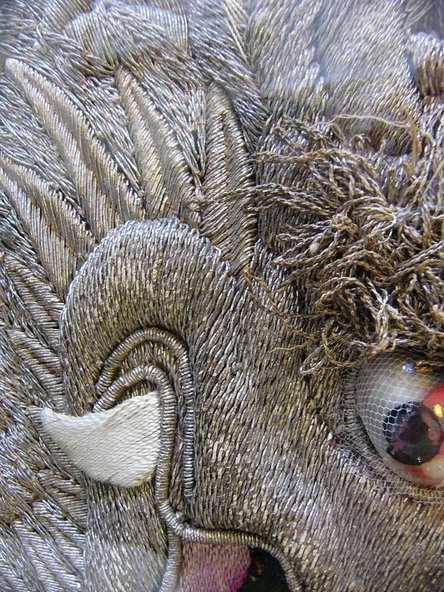
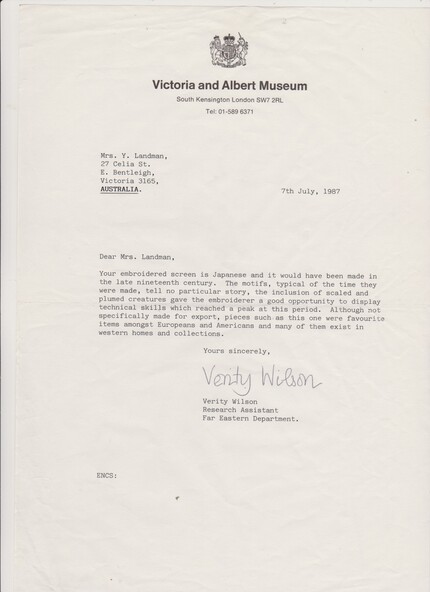
Large Japanese metal thread screen depicting dragons, ho-o birds and monkeys.