Historical information
Rozashi emerged during the Tempyo or Nara period (710-794 CE) when Buddhism influenced much of Japanese life. The earliest known examples of Rozashi are found in textiles from this period, showcasing the technique’s longstanding presence in Japanese culture. Todaiji Temple, a landmark of the Nara period, is said to still feature the fragment of a silk carpet featuring rozashi embroidery that dates back 1,200 years.
Rozashi was predominantly practiced by aristocratic women and noblewomen, and was considered a hobby of the Imperial household. Rozashi was used to decorate clothing and home furnishings, accessories like bags, purses, and wallets, and to create embroidered artwork. During the Edo period, rozashi became popular among samurai and the women of the Ōoku, who worked in the shogun’s inner palace.
Unlike other intricate embroidery styles, Rozashi is characterized by its simplicity, with some likening it to cross-stitch and counted thread embroidery embroidery. Rozashi uses a limited number of stitches to generate elegant and complex patterns.
Rozashi combines two Japanese words—Ro (silk) and Zashi (stitch). This compound phrase points to Rozashi’s featured material, silk.
“Ro” refers to the unique starched silk gauze ground fabric. Ro is woven from raw silk threads. Known for its delicate texture, ro has been a staple in Japanese textiles since the early 8th century, and was used by the upper classes during the summer months because of its lightweight and breathable nature.
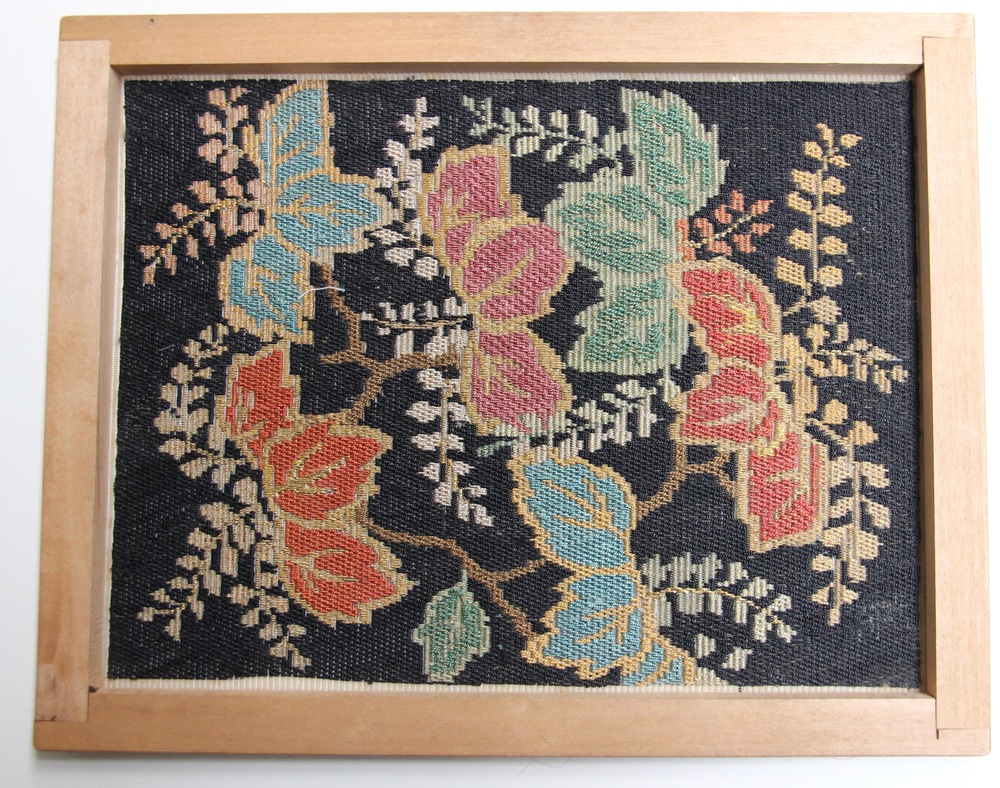
Ro is composed of horizontal threads woven closely together, forming “dan,” which are treated as one thread, with holes in between. The weave of ro fabric forms rectangles instead of squares. Traditionally, ro is mounted on a wooden frame to maintain tension and precision in Rozashi stitching.
Tightly twisted filament silk threads, both durable and lustrous, feature prominently in Rozashi embroidery. This luxurious thread allows for smooth stitching and creates a polished finish. Softly twisted metallic threads, such as gold and silver, are also incorporated to enhance the visual depth of designs. Urushi thread (a lacquered thread) or brocade thread (a mixture of silk and metallic) are also used.
Rozashi is characterized by its simplicity, utilizing a limited number of stitches to create elegant and complex patterns. All stitches are worked upright and straight, never diagonal. Some common stitches in Rozashi are satin stitch, irregular stitch, straight stitch, and line stitch.
Stitches in Rozashi are worked across dan. The dan are not pierced; instead, designs are worked by weaving silk threads through the holes between the dan. Some stitches are known by the number of dan they cross: one, two, or three dan crossed stitches are called ichi dan, ni dan, and san dan. In rozashi, no part of the canvas is left unstitched.
Japanese culture informs many of the featured motifs in Rozashi embroidery. Early designs were geometric in nature, but reflected natural inspirations, like tortoise shells, fish scales, and flax leaves.
Rozashi draws a lot of inspiration from the natural world, with floral designs featuring chrysanthemums, irises, cherry blossoms, and peonies. Scenes depicting landscapes, mountains, flowing water, and wildlife like cranes and butterflies evoke harmony, balance, and continuity, central tenets of Japanese aesthetics. Colors used in Rozashi reflect the natural world as well, with metallic threads used to highlight elements within a design, adding brilliance and contrast.
https://egausa.org/embroidery-techniques-from-around-the-world-rozashi/
This style of embroidery was lost for many years but became popular in Japan and USA in the 2nd half of the 20th century. Kits were available from USA.
Physical description
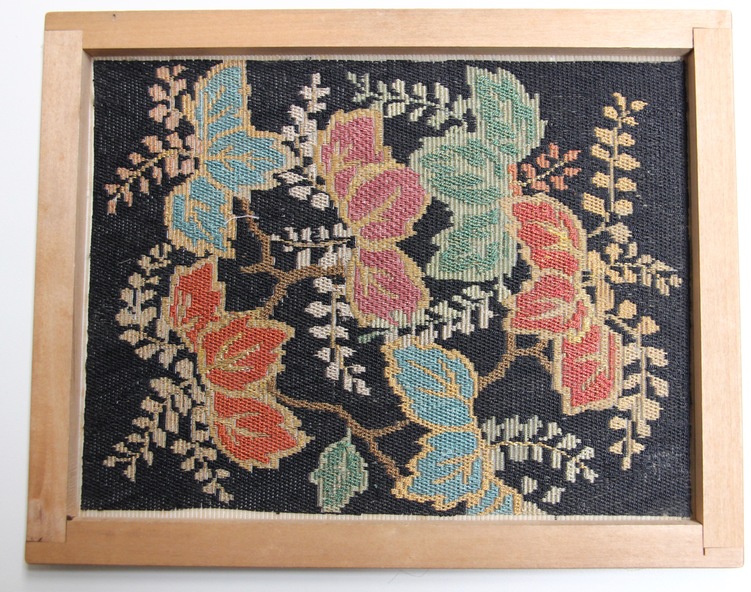
Reproduction of the Japanese Rozashi stitching technique, originally dating from 1700s. Worked on special silk gauze (known as RO Silk), originally worked by noble women of the court for priests' robes. Stitches are vertical over multiple threads.