

Historical information
For around a decade or so in the Gold Rush period in Australia there was a shortage of official government currency. It was acceptable during this time to use token coins minted by local businesses to be used within their store, much like the loyalty and rewards cards that businesses give their customers in modern times. The tokens were also a good way to advertise their wares and details.
The first token was introduced in Melbourne in 1848 and were used until 1868, when they became illegal in New South Wales. They were minted in Australia and overseas.
This is a Warrnambool Bateman penny token. It is an example of an Australian token – a coin that had the value of a penny and was produced by businessmen in the 1850s to be used only in the business of the person named on the coin. There were two firms in Warrnambool that produced tokens in the 1850s – William Jamieson, a general storekeeper and William Bateman. The latter had a general store in Banyan Street in the early 1850's and became one of the largest merchant firms in the Warrnambool district. In November 1856 the store belonging to William Bateman Jnr & Co. was destroyed by fire and caused a great number of insolvencies in the district as many businessmen and farmers were financed by Bateman.
Significance
This token is a significant example of the business practices of merchants in the early days of the colony and is connected to a well-known member of Warrnambool's early town history. It is comparatively rare because many Bateman tokens were destroyed in the 1856 fire.
Physical description
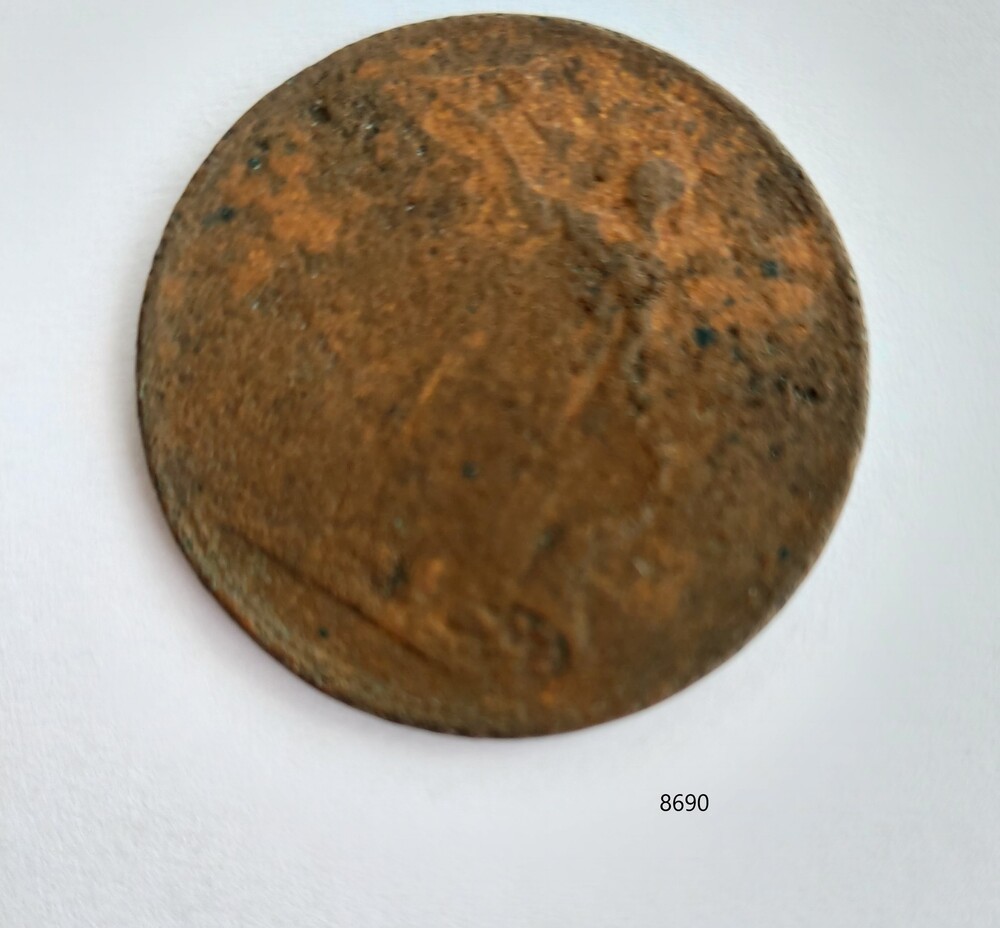
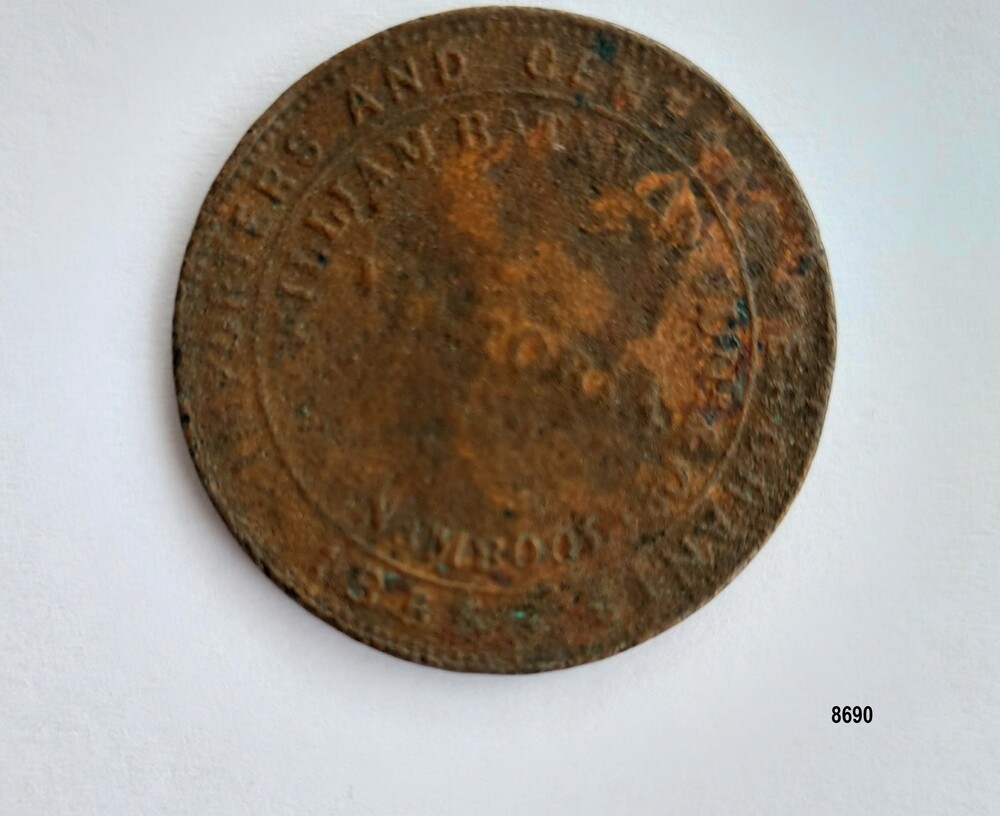
A round metal coin token associated with the Warrnambool business owned by William Bateman in the 1850's. It has a weathered figure on one side and writing (also quite weathered) on the other side.
Inscriptions & markings
Around edge - IMPORTERS AND GENERAL MERCHANTS 185?
Inside circle - WILLIAM BATEMAN JUNR & CO WARRNAMBOOL
Across center - VICTORIA