



Historical information
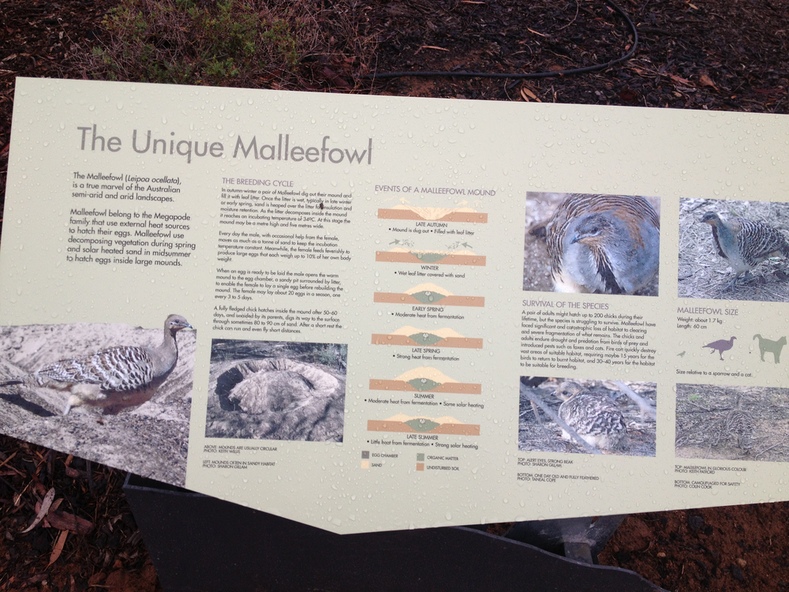
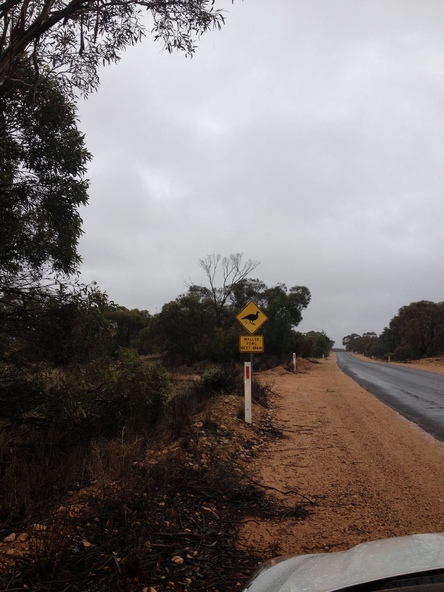
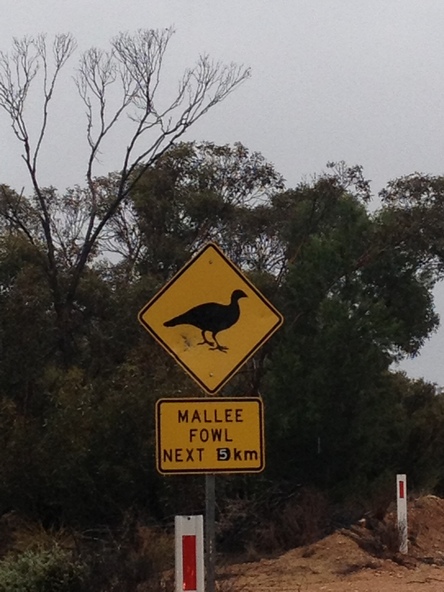
Malleefowls (Leipoa Ocellata) are shy, ground-dwelling birds that make their homes in Mallee country. The nearby Wyperfeld National Park in Hopetoun is a known habitat.
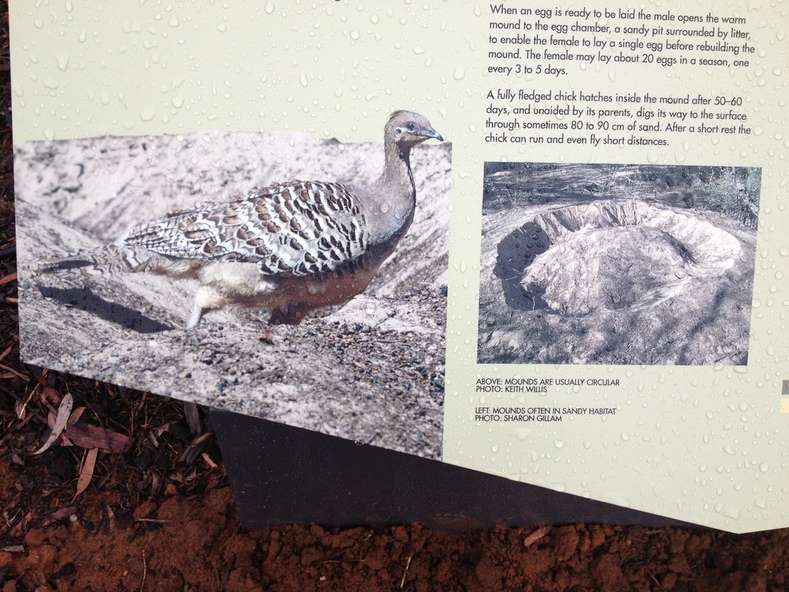
The malleefowl mounds are one of the most fascinating things about the malleefowl. Unlike most birds, they don’t build nests in trees or on the ground. Instead, they create large nesting mounds of sand, soil, and organic material, sometimes up to 5 metres in diameter and 1 metre in height. After the female malleefowl lays the eggs, the heat generated by the decomposition of the organic material inside the mound incubates them. The male bird constantly adjusts the temperature by adding or removing material. It’s a process that can take several months and requires meticulous care, making the malleefowl parents some of the most dedicated.
Their breeding season is between September and January, and use the same malleefowl mounds for multiple seasons. Malleefowl chicks often hatch from November to January.
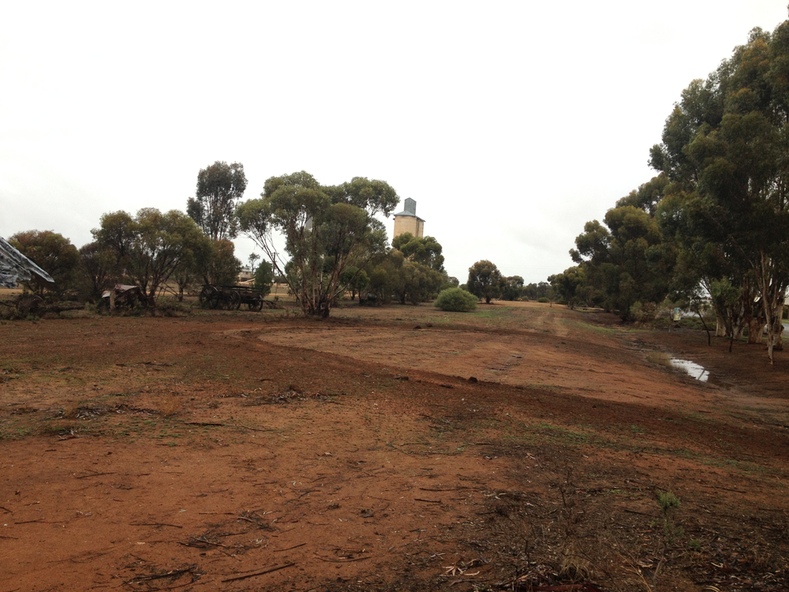
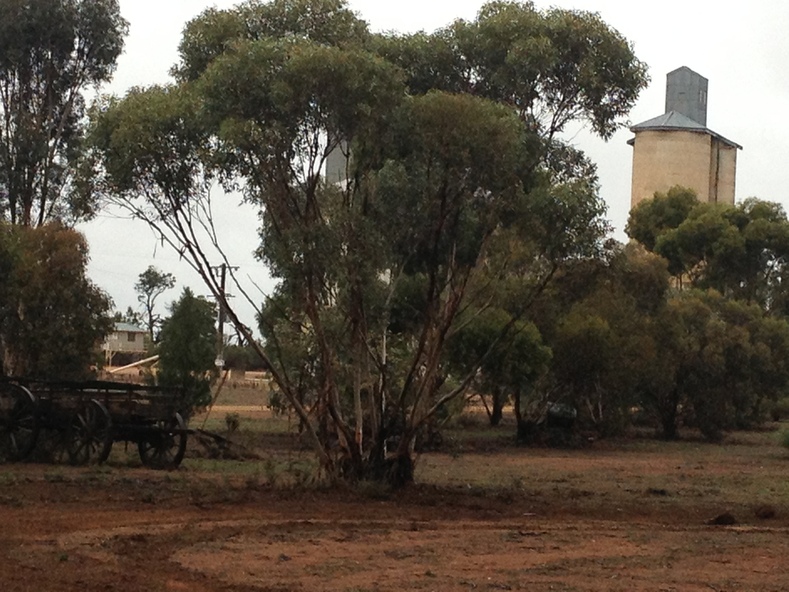
Mallee is a type of bushland found in parts of Victoria and South Australia. It’s made up of scraggly, multi-stemmed eucalyptus trees that are very tough and can survive in dry, harsh conditions.
Physical description
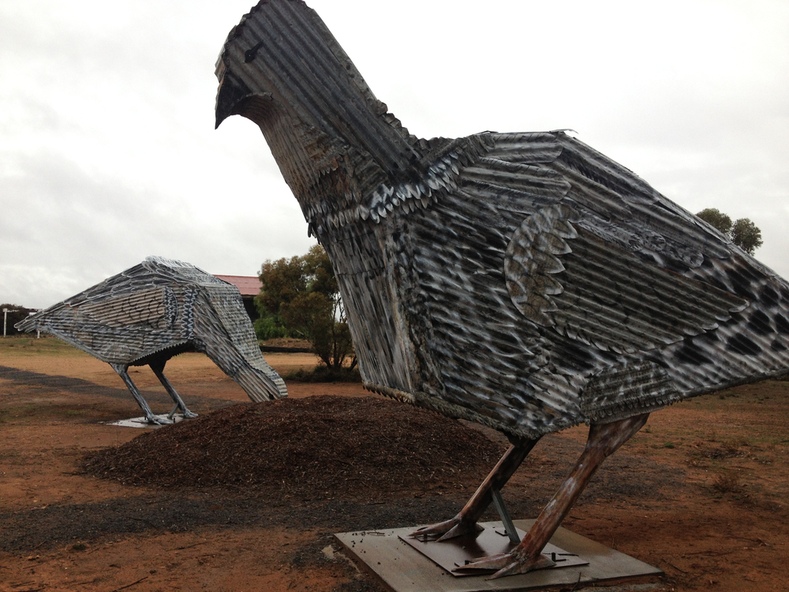
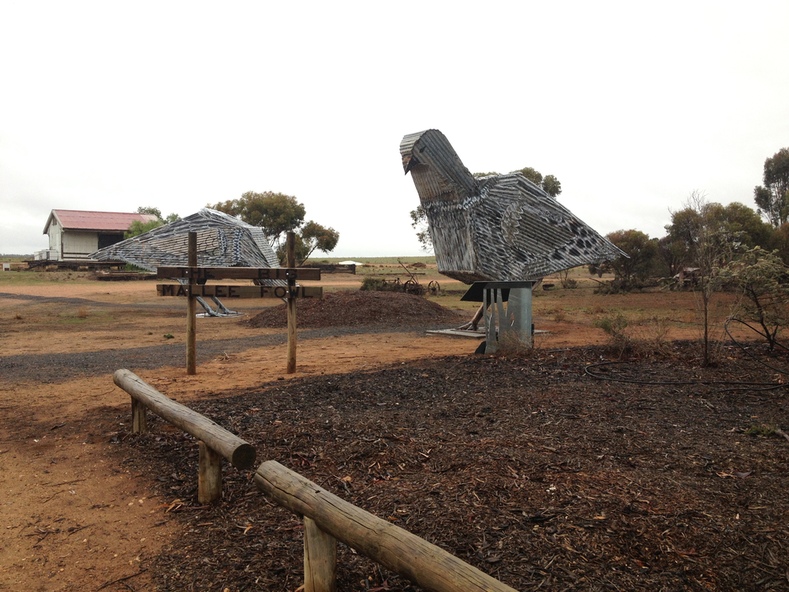
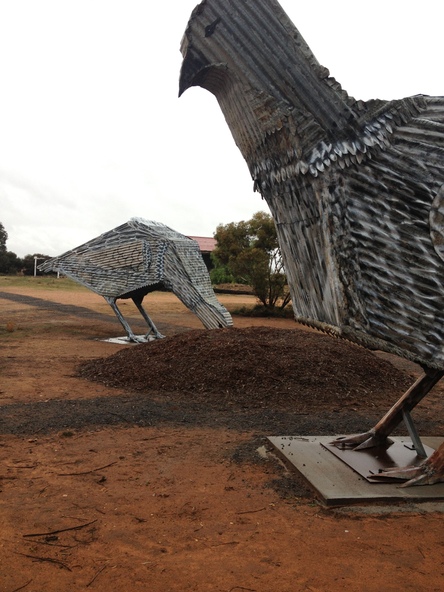
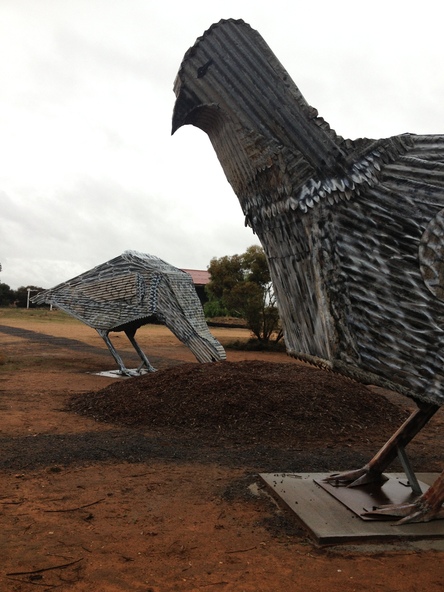
Colour photograph of malleefowl sculpture built almost entirely from painted corrugated iron. They are located near the Patchewollock Railway Station.
