



Historical information
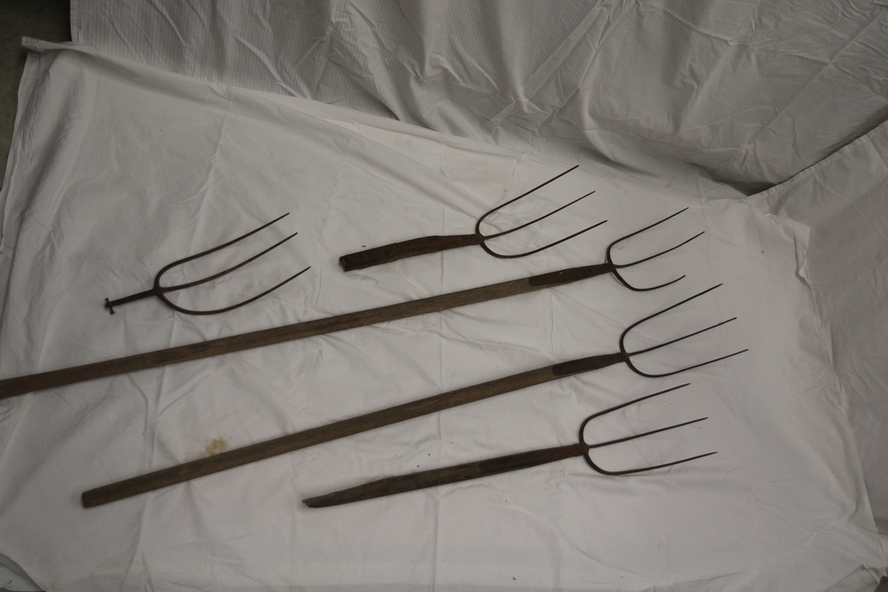
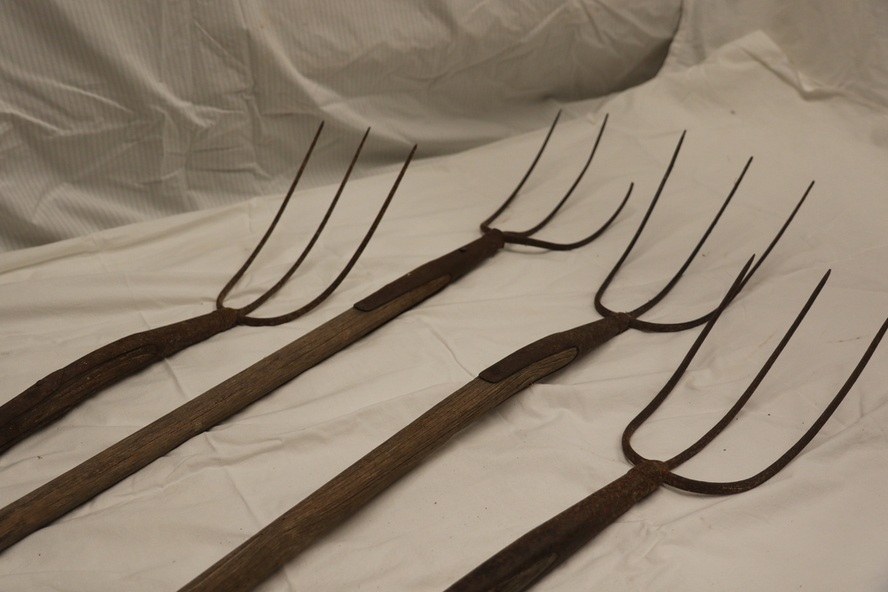
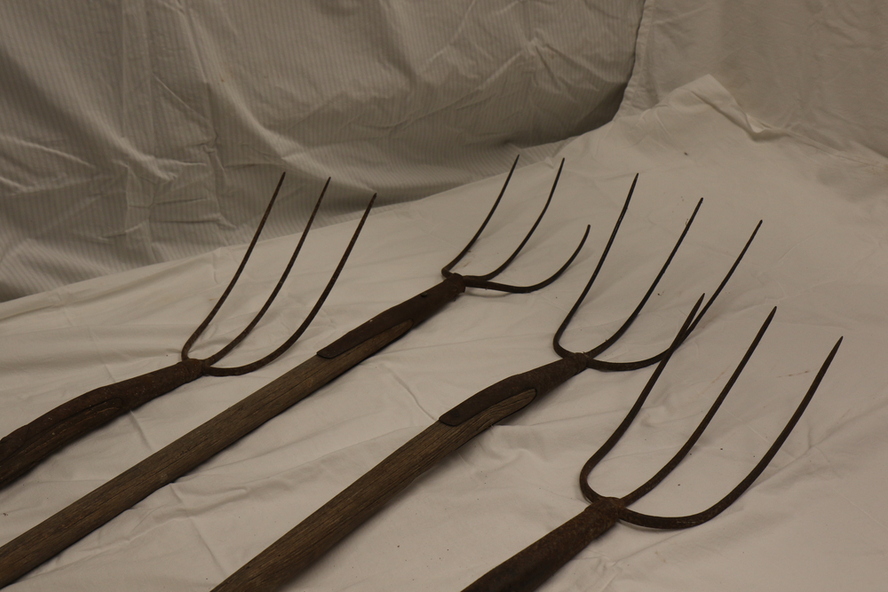
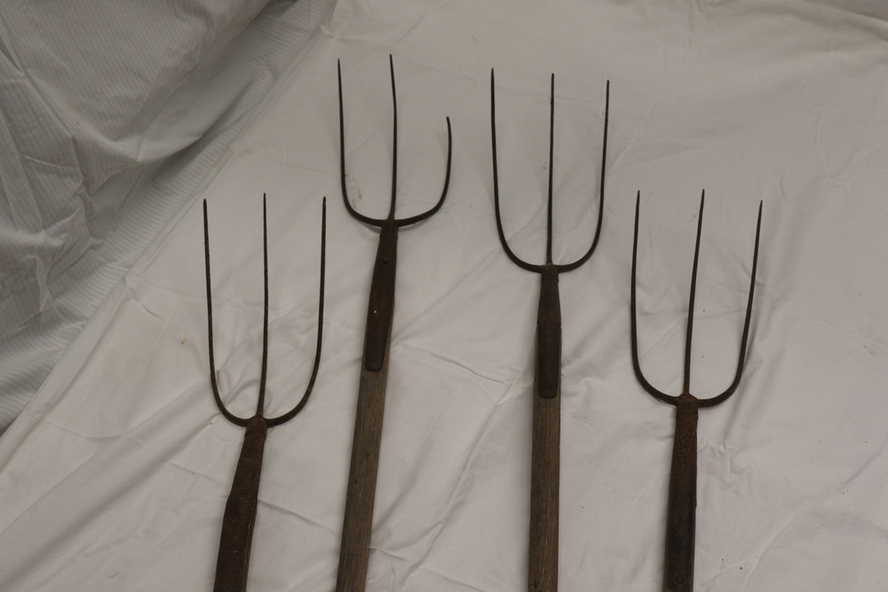
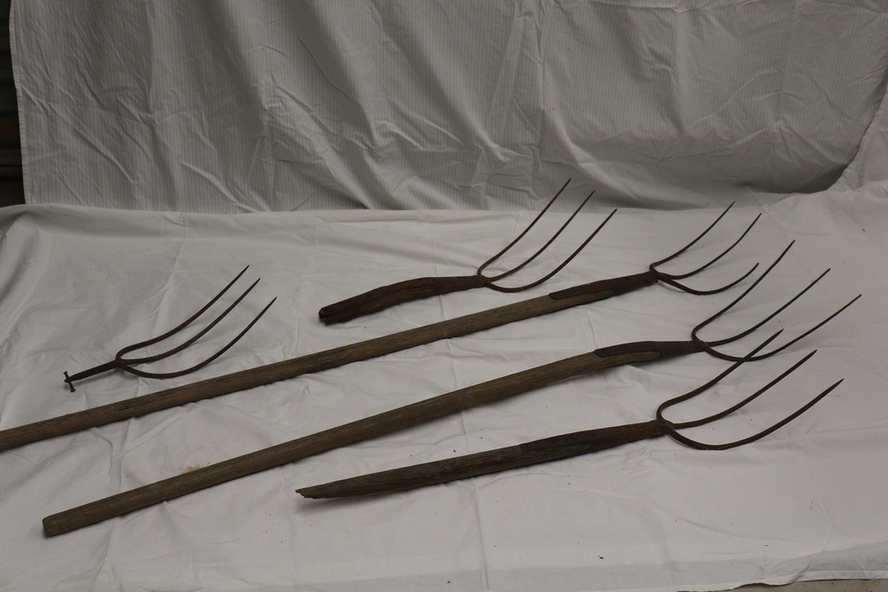
These pitchforks were used on the Ziebell family farm at Westgarthtown, Thomastown, Victoria, during the early twentieth century.
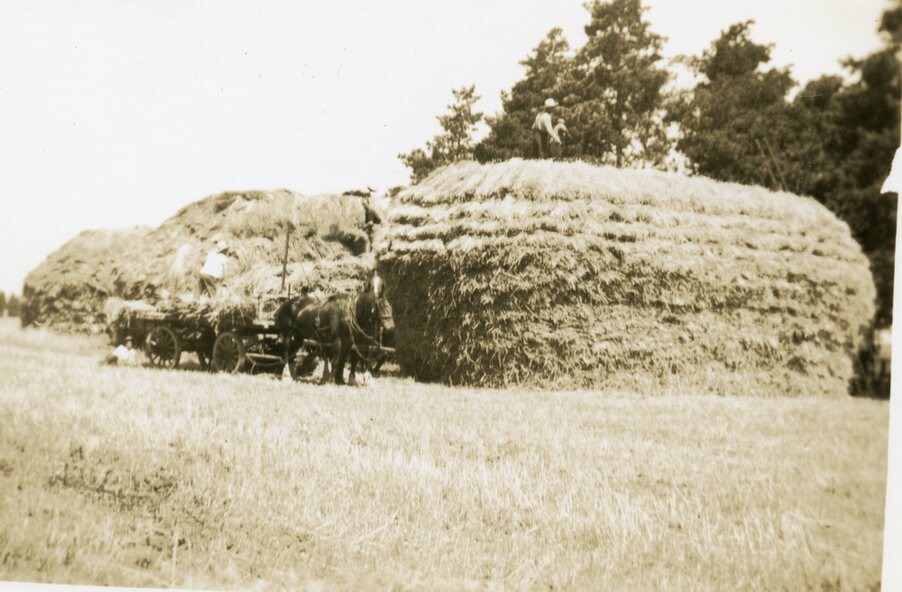
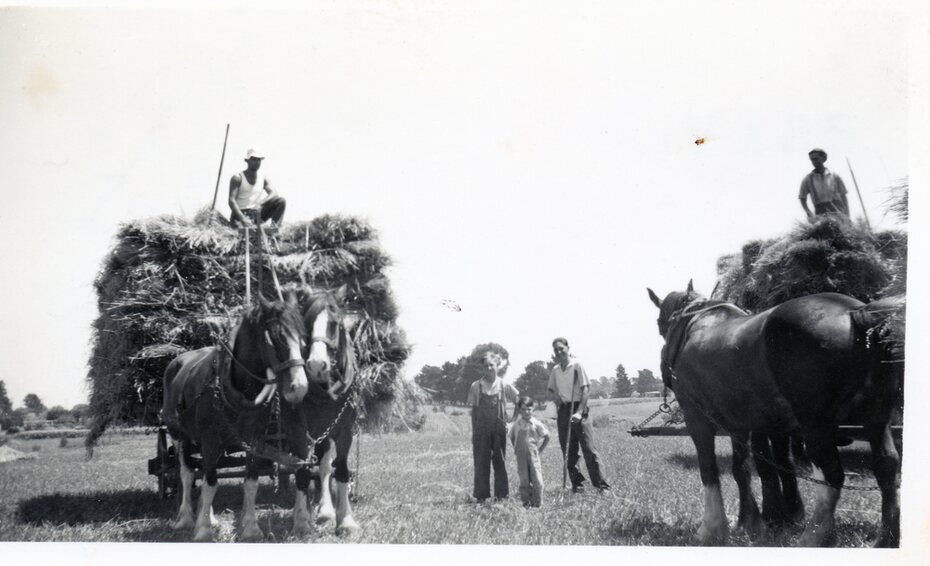
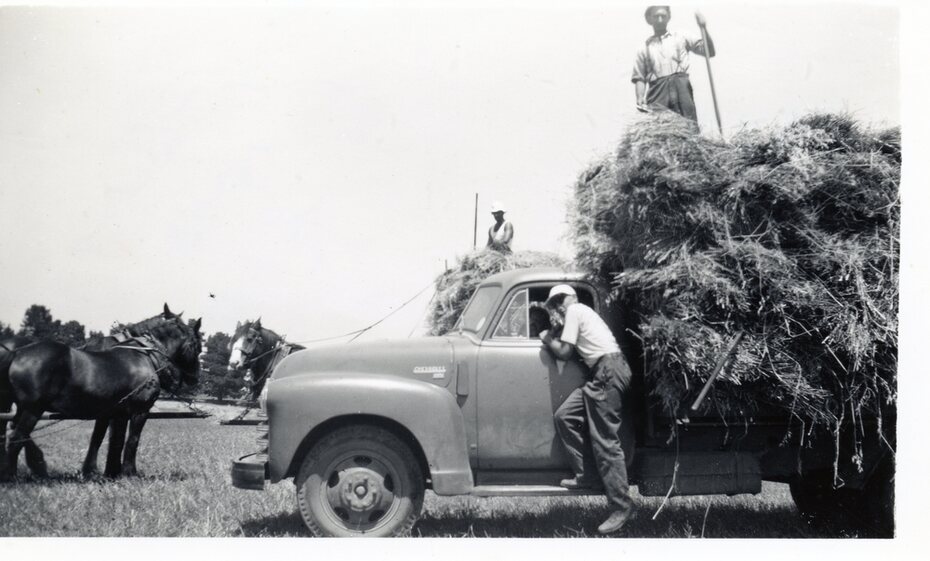
Pitchforks were essential tools for handling loose hay, particularly during harvesting and the construction of large haystacks. Before the widespread adoption of mechanical baling equipment, hay was commonly gathered, lifted and stacked by hand, requiring considerable physical labour. Pitchforks were used to transfer hay from the field to carts or wagons and to build and maintain haystacks for storage and later use as livestock feed.
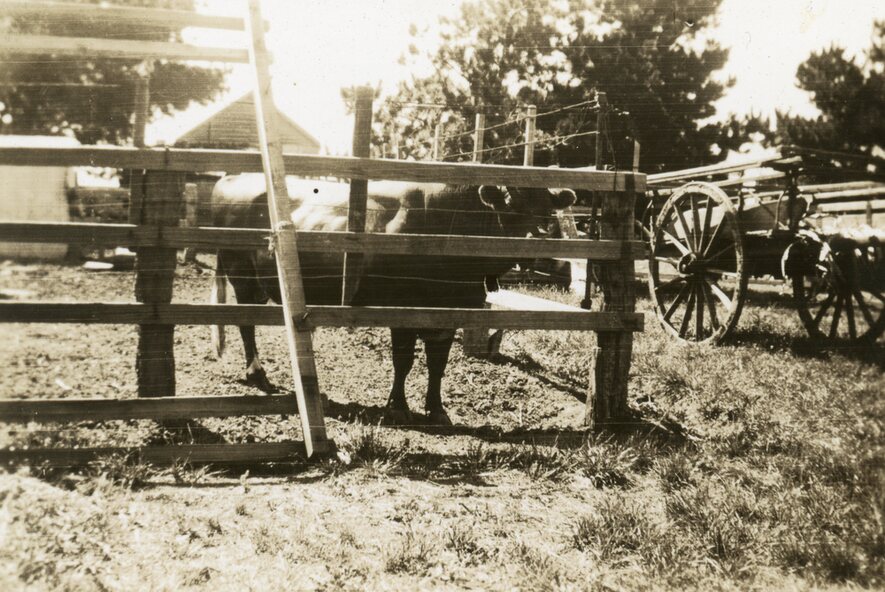
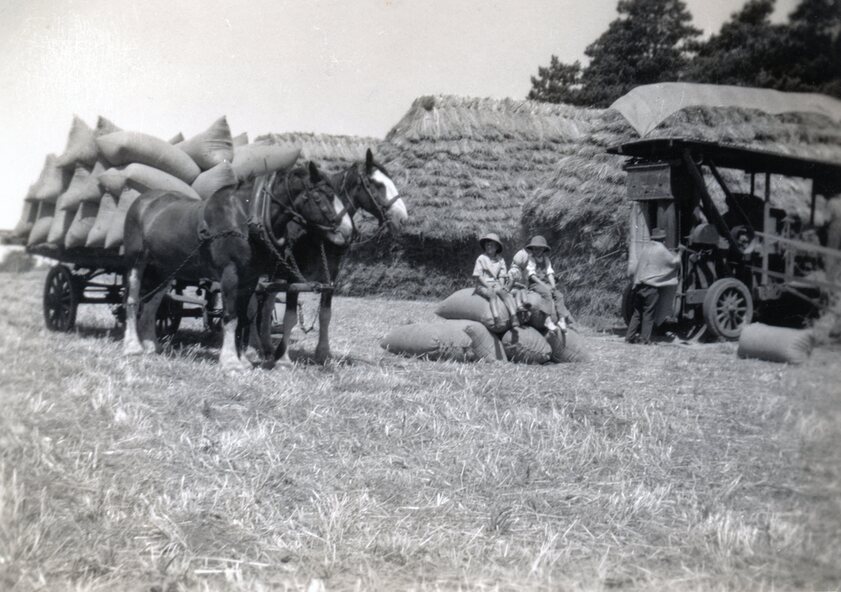
Henry Ziebell recalled his father using pitchforks to manage hay on the family farm at Thomastown. His recollections are supported by historic family photographs depicting haymaking activities on the property (refer to associated images).
The pitchforks reflect the labour-intensive nature of traditional haymaking and provide a tangible connection to the agricultural practices, working routines and skills of successive generations of the Ziebell family at Westgarthtown.
The pitchforks were donated to Ziebell's Farmhouse Museum by Lyn and James Ziebell.
Physical description
Selection of traditional agricultural pitchforks dating to the early twentieth century, used for lifting, moving and stacking loose hay and other agricultural materials. These hand-operated tools were designed for manual haymaking and general farm work, particularly before the widespread adoption of mechanised harvesting and baling equipment.
