
Showing 81 items matching "our queen"
-
 Greensborough Historical Society
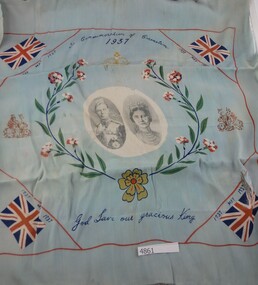
Clothing - Handkerchief, In Commemoration of Coronation, 1937_05
... Issued for the coronation of King George VI in 1937. handkerchief king george vi commemorative items "In commemoration of coronation May 1937, God save our gracious King" Pale blue silk, printed portrait of King George VI and Queen Elizabeth, floral emblems and Union Jack flags In Commemoration of Coronation Clothing Handkerchief ...Commemorative handkerchief, originally owned by Mrs. Thrupp, mother of Rosie Bray. Issued for the coronation of King George VI in 1937.Pale blue silk, printed portrait of King George VI and Queen Elizabeth, floral emblems and Union Jack flags"In commemoration of coronation May 1937, God save our gracious King"handkerchief, king george vi, commemorative items -
 Ballarat Fire Brigade
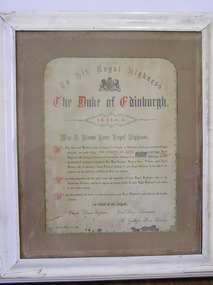
Certificate, just prior to December 10th, 1867
... To His Royal Higness / The Duke of Edinburugh / May It Please Your Royal Highness / We Othe fficers and Members of the Ballaarat Fire Brigade, an institution based upon pure philanthropic / principles, our motto being "We Strive to Save" bear to approach your Royal / Highness with feelings of devotion and attachment, and deep felt gratitude to the Almighty, for this / opportunity of envicingour loyalty to Her Most Gracious Majesty Queen Victoria, your Royal / Mother: and, of tendering a hearty Firemans welcome to Your Royal Highness, in the land of our / adoption, and the good town of Ballaarat East, our residence. / We are deeply impressed with the great honor and importance of your Royal Higness's visit to the / Australian Colonies, and beg to express our fervent wishes for your Royal Highness's safe return / to our mother country. / We have the privilege and honor, to subscribe ourselves your Royal Higness's most obedient and humble / servants. / On behalf of the Brigade / Charles Dunn, Captain Carl Franz, Lieutenant / R. ...Certificate is of the pledge that the brigade made to His Royal Highness the Duke of Edinburugh at a dinner that the Duke attended at the Ballarat Fire Station on 10th December 1867 during a royal visit to the district. ballarat fire brigade queen victoria his royal higness the duke of edinburugh december 1867 1867 captain charles dunn captain dunn lieutenant carl franz lieutenant franz honourary secretary r geilhofer his royal highness the duke of edinburugh To His Royal Higness / The Duke of Edinburugh / May It Please Your Royal Highness / We Othe fficers and Members of the Ballaarat Fire Brigade, an institution based upon pure philanthropic / principles, our motto being "We Strive to Save" bear to approach your Royal / Highness with feelings of devotion and attachment, and deep felt gratitude to the Almighty, for this / opportunity of envicingour loyalty to Her Most Gracious Majesty Queen Victoria, your Royal / Mother: and, of tendering a hearty Firemans welcome to Your Royal Highness, in the land of our / adoption, and the good town of Ballaarat East, our residence. / We are deeply impressed with the great honor and importance of your Royal Higness's visit to the / Australian Colonies, and beg to express our fervent wishes for your Royal Highness's safe return / to our mother country. / We have the privilege and honor, to subscribe ourselves your Royal Higness's most obedient and humble / servants. / On behalf of the Brigade / Charles Dunn, Captain Carl Franz, Lieutenant / R. ...Certificate is of the pledge that the brigade made to His Royal Highness the Duke of Edinburugh at a dinner that the Duke attended at the Ballarat Fire Station on 10th December 1867 during a royal visit to the district. White timber framed pledge from the Ballarat Fire Brigade to His Royal Highness the Duke of Edinburugh during his royal visit in December 1867. Pledge is on white paper with a coat of arms near the centre at the top of the page. Lettering is mainly in black ink with some red coloured letters being used. Certificate has a light brown coloured border around it with a hand drawn scrolled decorative edge made in gold colour. To His Royal Higness / The Duke of Edinburugh / May It Please Your Royal Highness / We Othe fficers and Members of the Ballaarat Fire Brigade, an institution based upon pure philanthropic / principles, our motto being "We Strive to Save" bear to approach your Royal / Highness with feelings of devotion and attachment, and deep felt gratitude to the Almighty, for this / opportunity of envicingour loyalty to Her Most Gracious Majesty Queen Victoria, your Royal / Mother: and, of tendering a hearty Firemans welcome to Your Royal Highness, in the land of our / adoption, and the good town of Ballaarat East, our residence. / We are deeply impressed with the great honor and importance of your Royal Higness's visit to the / Australian Colonies, and beg to express our fervent wishes for your Royal Highness's safe return / to our mother country. / We have the privilege and honor, to subscribe ourselves your Royal Higness's most obedient and humble / servants. / On behalf of the Brigade / Charles Dunn, Captain Carl Franz, Lieutenant / R. Geilhofer, Hon. Secretary / Ballaarat, December, 1867ballarat fire brigade, queen victoria, his royal higness, the duke of edinburugh, december 1867, 1867, captain charles dunn, captain dunn, lieutenant carl franz, lieutenant franz, honourary secretary r geilhofer, his royal highness the duke of edinburugh -
 Flagstaff Hill Maritime Museum and Village
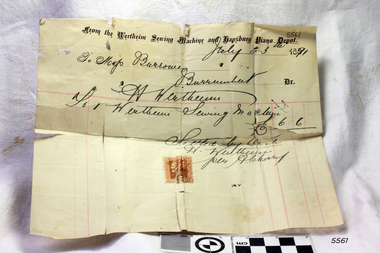
Document - Receipt, Joseph Wertheim, Wertheim Sewing Machine and Hapsburg Piano Depot, 23-07-1891
... The stamp with Queen Victoria's profile also connects the receipt to the Victorian era and connects Melbourne to Colonial Australia. The receipt also gives a fixed date to the machine accessories and instruction book in our Collection, connecting them all to domestic life in the Victorian era. ...This receipt was donated with our collection's Wertheim sewing machine accessory box. The box contains twelve accessories, the instruction book and the receipt for the purchase of a Wertheim sewing machine. The receipt was written on July 23rd 1891 by the Wertheim distributor in Melbourne, Hugo Wertheim. His business was the Wertheim Sewing Machine and Hapsburg Piano Depot, trading at 173 Williams Street, Melbourne. The purchaser was Mrs Burrowes from Burrumbeet, Victoria, a district northwest of Ballarat. She paid £6-6 (six pounds and six shillings) in cash. The receipt was signed by H. Wertheim and the other signatory looks like John A. Cherry. Hugo Wertheim (1854-1919) was an agent for his father’s cousin Joseph Wertheim, a well-established sewing machine manufacturer in Germany. He was born in Lispenhausen, Germany, and migrated to Melbourne in October 1875, where he opened a merchandising business at 39 Flinders Lane East. He returned to Germany in 1885 to marry Joseph Wertheim's daughter Sophie Emilie. The couple came back to Melbourne, and Hugo quickly established a substantial business selling sewing machines, bicycles, pianos and other mechanical devices, under brands such as Wertheim, Electra, Planet, Griffin and Hapsburg. He exhibited at agricultural shows and in 1901 at the Pan American Exposition, Buffalo, United States of America. One of his staff was O. C. Beale, who later set up his own piano business in New South Wales. Hugo continued to own 25 per cent of one of Beale's companies, which became Wertheim's Queensland business. In 1908 Hugo Wertheim opened a piano factory in Richmond, Melbourne, aiming to produce 2000 pianos and player pianos a year, predominantly using Australian materials. In laying the foundation stone, Prime Minister Alfred Deakin observed that “few men with such opportunities for a life of ease would have embarked on such an enterprise” Hugo died of chronic hepatitis in 1919 at his home in South Yarra. His eldest son, Herbert Joseph (1886-1972), continued the business. The piano factory closed in 1935, becoming a Heinz food processing plant and in 1955, GTV Channel 9 studios and offices. The Wertheim Sewing Machine Company – Joseph Wertheim (1804–1899) founded the company in 1868 in Frankfurt, Germany. At this time Joseph was the Frankfurt city delegate for the Democratic Party. At its height, the Wertheim factory employed approximately 650 workers. The company used a trademark of a dwarf holding a hammer which is known to have been used until at least 1925, however in 1909 a Star of David was also registered. In 1870 a Wertheim subsidiary was formed in Barcelona, Spain. The business imported and sold complete machines, including the English Jones machine. Locals began calling the sewing machines “las rapidas”, and the business became known as “las casa de las rapidas”. In 1915 production began of a totally manufactured Spanish Wertheim machine. Wertheim in Germany continued manufacturing machines until 1932 when the Wertheim family fled to Spain. Despite converting to Christianity from Judaism, they feared the political unrest in Germany during that time. Wertheim Spain became Rapida SA and was then the sole manufacturer of the Wertheim machines. The factory was managed by Karl Wertheim under the alias Carlos Vallin.The receipt is significant for its connection with Victoria's northwestern district, the Melbourne distributor Hugo Wertheim, and the well-known German manufacturer of the early domestic sewing machines, Joseph Wertheim. The stamp with Queen Victoria's profile also connects the receipt to the Victorian era and connects Melbourne to Colonial Australia. The receipt also gives a fixed date to the machine accessories and instruction book in our Collection, connecting them all to domestic life in the Victorian era.Receipt on cream paper, rectangular, with red horizontal and vertical lines. Printed letterhead and heading text. Handwritten details of the seller, owner, the item purchased, method of payment, and cost. Signed by two signatories. A one-penny stamp is attached. Sold by Wertheim Sewing Machines and Hapsburg Pianos,.dated 23rd July 1891 for £6 6/- from Mrs Burrowes, Burrumbeet, Victoria, for the purchase of a Wertheim sewing machine.Printed "From the Wertheim Sewing Machine and Hapsburg Piano Depot" Handwritten "Mrs Burrowes, Burrumbeet" "July 23rd 1891" "Wertheim Sewing Machine" "£6 6" "Settled by Cash" Signatures "H. Wertheim" and (Looks Like) "John A Cherry" Ont the stamp, [image of Queen Victoria's profile] and "VICTORIA" "ONE PENNY" flagstaff hill, flagstaff hill maritime museum and village, warrnambool, maritime museum, maritime village, great ocean road, shipwreck coast, wertheim, sewing machine, victorian era, sewing machine accessories, sewing machine instructions, wertheim sewing machine and hapsburg piano depot, 23-7-1891, £6 6/-, mrs burrowes, burrumbeet, h. wertheim, wertheim sewing machines, domestic machines, dress making, home industry, fashion, receipt, queen victoria stamp, one-penny stamp -
 Greensborough Historical Society
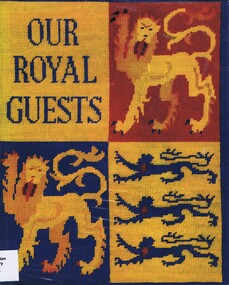
Book, Our Royal Guests, 1952_
... Our Royal Guests” 1952. None of these books were sold or distributed as the visit was cancelled due to King's ill health and passing. My father printed them and they were instructed to have them picked up and destroyed. The only ones in circulation would be from workers during this process." Due to the King's death, the anticipated Royal Visit was postponed until 1954. queen ...Published in 1952, before the death of King George this book tells the family story of the Windsors in anticipation of the first Royal Visit of Princess Elizabeth and the Duke of Edinburgh to Australia. An added note from a member of the public: "Bit of information on the book “Our Royal Guests” 1952. None of these books were sold or distributed as the visit was cancelled due to King's ill health and passing. My father printed them and they were instructed to have them picked up and destroyed. The only ones in circulation would be from workers during this process."Due to the King's death, the anticipated Royal Visit was postponed until 1954.Hard cover, Illus. (some colour).queen elizabeth 2, house of windsor, duke of edinburgh, royal tour of australia 1954 -
 Glenelg Shire Council Cultural Collection
Book, A Short History of Our Own Times, Vol. 1 of 2 : From the Accession of Queen Victoria to the General Election of 1880, 1881
... A Short History of Our Own Times, Vol. 1 of 2 : From the Accession of Queen Victoria to the General Election of 1880...Queen Victoria 1800s Front: Portland Free Library bookplate inside front cover. Brown cloth-covered binding. Front cover decorated with two black framing patterns and a central gilded roundel with decorative design. Title and author on spine in gold lettering. 493pp. A Short History of Our ...Brown cloth-covered binding. Front cover decorated with two black framing patterns and a central gilded roundel with decorative design. Title and author on spine in gold lettering. 493pp.history, queen victoria, 1800s -
Phillip Island and District Historical Society Inc.
Book, Victoria Queen of Great Britain, Leaves from the journal of our life in the Highlands, from 1848 to 1861, to which are prefixed and added extracts from the same journal giving an account of earlier visits to Scotland, and tours in England and Ireland, and yachting excursions / edited by Arthur Helps, 1877
... Victoria Queen of Great Britain homes and haunts scotland highlands diaries queens description travel journeys kings rulers Labelled 'Cowes Free Public Library'. Labelled: 'Phillip Island Historical Society. Cleeland Bequest'. Inscribed ' ... 25/2/91' Leaves from the journal of our ...Labelled 'Cowes Free Public Library'. Labelled: 'Phillip Island Historical Society. Cleeland Bequest'. Inscribed ' ... 25/2/91'victoria queen of great britain, homes and haunts, scotland, highlands, diaries, queens, description, travel, journeys, kings, rulers -
 Montmorency–Eltham RSL Sub Branch
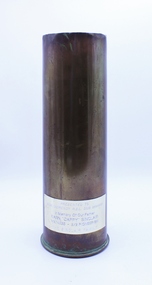
Weapon - Shell case, 18 Pounder Mk II*, Ernest Sinclair, 1917
... After completing training, the battalion sailed for the Middle East aboard the Queen Mary in April 1941. shell 2/2 pioneer battalion ernest sinclair ww2 second world war vx74235 Plaque affixed to item: "PRESENTED TO / MONTMORENCEY RSL SUB BRANCH / In Memory Of Our Father / EARN "CAPPY" SINCLAIR / VX74235 - 2/2 PIONEER BN / THE SINCLAIR FAMILY" Engravings from original shell on bottom (see image) Brass shell casing with in-memorium plaque attached. ...This 1917 dated 18pr shell case has a plaque in memory of Ernest 'Cappy' Sinclair. WW1 18pr guns were all that was available in the early days of WW2 and were used until the arrival of modern 25pr guns. Ernest served in the 2/2 Pioneer Battalion which was raised in Puckapunyal in Victoria in May 1940. After completing training, the battalion sailed for the Middle East aboard the Queen Mary in April 1941. Brass shell casing with in-memorium plaque attached.Plaque affixed to item: "PRESENTED TO / MONTMORENCEY RSL SUB BRANCH / In Memory Of Our Father / EARN "CAPPY" SINCLAIR / VX74235 - 2/2 PIONEER BN / THE SINCLAIR FAMILY" Engravings from original shell on bottom (see image)shell, 2/2 pioneer battalion, ernest sinclair, ww2, second world war, vx74235 -
 Flagstaff Hill Maritime Museum and Village
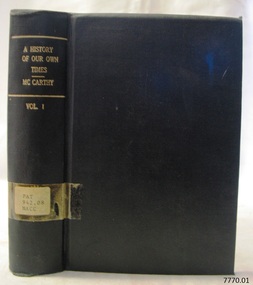
Book, A History of Our Own Times Vol 1
... A History of Our Own Times Vol 1 From the accession of Queen Victoria to the Election of 1880 Author: Justin McCarthy, Publisher: George Robertson Date: 1881...Warrnambool Shipwrecked-coast Flagstaff-Hill Flagstaff-Hill-Maritime-Museum Maritime-Museum Shipwreck-coast Flagstaff-Hill-Maritime-Village Shipwrecked-artefact Book Pattison Collection Warrnambool Library Warrnambool Mechanics’ Institute Ralph Eric Pattison Corangamite Regional Library Service Warrnambool City Librarian Mechanics’ Institute Library Victorian Library Board Warrnambool books and records Warrnambool Children’s Library Great Ocean Road A History of Our Own Times Vol 1 Justin McCarthy Label on spine cover with typed text PAT 942.08 MACC Pastedown front endpaper has sticker from Warrnambool Public Library covered by a sticker from Corangamite Regional Library Service A History of Our Own Times Vol 1 From the accession of Queen Victoria to the Election of 1880 Author: Justin McCarthy, Publisher: George Robertson Date: 1881 A History of Our Own Times Vol 1 Book ...This item is from the ‘Pattison Collection’, a collection of books and records that was originally owned by the Warrnambool Mechanics’ Institute, which was founded in Warrnambool in 1853. By 1886 the Warrnambool Mechanics’ Institute (WMI) had grown to have a Library, Museum and Fine Arts Gallery, with a collection of “… choice productions of art, and valuable specimens in almost every branch and many wonderful national curiosities are now to be seen there, including historic relics of the town and district.” It later included a School of Design. Although it was very well patronised, the lack of financial support led the WMI in 1911 to ask the City Council to take it over. In 1935 Ralph Pattison was appointed as City Librarian to establish and organise the Warrnambool Library as it was then called. When the WMI building was pulled down in 1963 a new civic building was erected on the site and the new Warrnambool Library, on behalf of the City Council, took over all the holdings of the WMI. At this time some of the items were separated and identified as the ‘Pattison Collection’, named after Ralph Pattison. Eventually the components of the WMI were distributed from the Warrnambool Library to various places, including the Art Gallery, Historical Society and Flagstaff Hill. Later some were even distributed to other regional branches of Corangamite Regional Library and passed to and fro. It is difficult now to trace just where all of the items have ended up. The books at Flagstaff Hill Maritime Village generally display stamps and markings from Pattison as well as a variety of other institutions including the Mechanics’ Institute itself. RALPH ERIC PATTISON Ralph Eric Pattison was born in Rockhampton, Queensland, in 1891. He married Maude Swan from Warrnambool in 1920 and they set up home in Warrnambool. In 1935 Pattison accepted a position as City Librarian for the Warrnambool City Council. His huge challenge was to make a functional library within two rooms of the Mechanics’ Institute. He tirelessly cleaned, cleared and sorted a disarrayed collection of old books, jars of preserved specimens and other items reserved for exhibition in the city’s museum. He developed and updated the library with a wide variety of books for all tastes, including reference books for students; a difficult task to fulfil during the years following the Depression. He converted all of the lower area of the building into a library, reference room and reading room for members and the public. The books were sorted and stored using a cataloguing and card index system that he had developed himself. He also prepared the upper floor of the building and established the Art Gallery and later the Museum, a place to exhibit the many old relics that had been stored for years for this purpose. One of the treasures he found was a beautiful ancient clock, which he repaired, restored and enjoyed using in his office during the years of his service there. Ralph Pattison was described as “a meticulous gentleman whose punctuality, floorless courtesy and distinctive neat dress were hallmarks of his character, and ‘his’ clock controlled his daily routine, and his opening and closing of the library’s large heavy doors to the minute.” Pattison took leave during 1942 to 1945 to serve in the Royal Australian Navy, Volunteer Reserve as Lieutenant. A few years later he converted one of the Museum’s rooms into a Children’s Library, stocking it with suitable books for the younger generation. This was an instant success. In the 1950’s he had the honour of being appointed to the Victorian Library Board and received more inspiration from the monthly conferences in Melbourne. He was sadly retired in 1959 after over 23 years of service, due to the fact that he had gone over the working age of council officers. However he continued to take a very keen interest in the continual development of the Library until his death in 1969. The Pattison Collection, along with other items at Flagstaff Hill Maritime Village, was originally part of the Warrnambool Mechanics' Institute’s collection. The Warrnambool Mechanics’ Institute Collection is primarily significant in its totality, rather than for the individual objects it contains. Its contents are highly representative of the development of Mechanics' Institute libraries across Australia, particularly Victoria. A diversity of publications and themes has been amassed, and these provide clues to our understanding of the nature of and changes in the reading habits of Victorians from the 1850s to the middle of the 20th century. The collection also highlights the Warrnambool community’s commitment to the Mechanics’ Institute, reading, literacy and learning in the regions, and proves that access to knowledge was not impeded by distance. These items help to provide a more complete picture of our community’s ideals and aspirations. The Warrnambool Mechanics Institute book collection has historical and social significance for its strong association with the Mechanics Institute movement and the important role it played in the intellectual, cultural and social development of people throughout the latter part of the nineteenth century and the early twentieth century. The collection of books is a rare example of an early lending library and its significance is enhanced by the survival of an original collection of many volumes. The Warrnambool Mechanics' Institute’s publication collection is of both local and state significance. A History of Our Own Times Vol 1 From the accession of Queen Victoria to the Election of 1880 Author: Justin McCarthy, Publisher: George Robertson Date: 1881Label on spine cover with typed text PAT 942.08 MACC Pastedown front endpaper has sticker from Warrnambool Public Library covered by a sticker from Corangamite Regional Library Service warrnambool, shipwrecked-coast, flagstaff-hill, flagstaff-hill-maritime-museum, maritime-museum, shipwreck-coast, flagstaff-hill-maritime-village, shipwrecked-artefact, book, pattison collection, warrnambool library, warrnambool mechanics’ institute, ralph eric pattison, corangamite regional library service, warrnambool city librarian, mechanics’ institute library, victorian library board, warrnambool books and records, warrnambool children’s library, great ocean road, a history of our own times vol 1, justin mccarthy -
 Flagstaff Hill Maritime Museum and Village
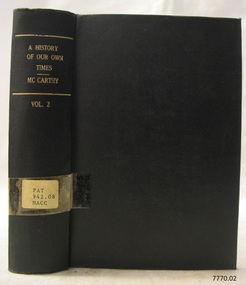
Book, A History of Our Own Times Vol 2
... A History of Our Own Times Vol 2 From the accession of Queen Victoria to the Election of 1880 Author: Justin McCarthy, Publisher: George Robertson Date: 1881...Warrnambool Shipwrecked-coast Flagstaff-Hill Flagstaff-Hill-Maritime-Museum Maritime-Museum Shipwreck-coast Flagstaff-Hill-Maritime-Village Shipwrecked-artefact Book Pattison Collection Warrnambool Library Warrnambool Mechanics’ Institute Ralph Eric Pattison Corangamite Regional Library Service Warrnambool City Librarian Mechanics’ Institute Library Victorian Library Board Warrnambool books and records Warrnambool Children’s Library Great Ocean Road A History of Our Own Times Vol 2 Justin McCarthy Label on spine cover with typed text PAT 942.08 MACC Pastedown front endpaper has sticker from Warrnambool Public Library covered by a sticker from Corangamite Regional Library Service A History of Our Own Times Vol 2 From the accession of Queen Victoria to the Election of 1880 Author: Justin McCarthy, Publisher: George Robertson Date: 1881 A History of Our Own Times Vol 2 Book ...This item is from the ‘Pattison Collection’, a collection of books and records that was originally owned by the Warrnambool Mechanics’ Institute, which was founded in Warrnambool in 1853. By 1886 the Warrnambool Mechanics’ Institute (WMI) had grown to have a Library, Museum and Fine Arts Gallery, with a collection of “… choice productions of art, and valuable specimens in almost every branch and many wonderful national curiosities are now to be seen there, including historic relics of the town and district.” It later included a School of Design. Although it was very well patronised, the lack of financial support led the WMI in 1911 to ask the City Council to take it over. In 1935 Ralph Pattison was appointed as City Librarian to establish and organise the Warrnambool Library as it was then called. When the WMI building was pulled down in 1963 a new civic building was erected on the site and the new Warrnambool Library, on behalf of the City Council, took over all the holdings of the WMI. At this time some of the items were separated and identified as the ‘Pattison Collection’, named after Ralph Pattison. Eventually the components of the WMI were distributed from the Warrnambool Library to various places, including the Art Gallery, Historical Society and Flagstaff Hill. Later some were even distributed to other regional branches of Corangamite Regional Library and passed to and fro. It is difficult now to trace just where all of the items have ended up. The books at Flagstaff Hill Maritime Village generally display stamps and markings from Pattison as well as a variety of other institutions including the Mechanics’ Institute itself. RALPH ERIC PATTISON Ralph Eric Pattison was born in Rockhampton, Queensland, in 1891. He married Maude Swan from Warrnambool in 1920 and they set up home in Warrnambool. In 1935 Pattison accepted a position as City Librarian for the Warrnambool City Council. His huge challenge was to make a functional library within two rooms of the Mechanics’ Institute. He tirelessly cleaned, cleared and sorted a disarrayed collection of old books, jars of preserved specimens and other items reserved for exhibition in the city’s museum. He developed and updated the library with a wide variety of books for all tastes, including reference books for students; a difficult task to fulfil during the years following the Depression. He converted all of the lower area of the building into a library, reference room and reading room for members and the public. The books were sorted and stored using a cataloguing and card index system that he had developed himself. He also prepared the upper floor of the building and established the Art Gallery and later the Museum, a place to exhibit the many old relics that had been stored for years for this purpose. One of the treasures he found was a beautiful ancient clock, which he repaired, restored and enjoyed using in his office during the years of his service there. Ralph Pattison was described as “a meticulous gentleman whose punctuality, floorless courtesy and distinctive neat dress were hallmarks of his character, and ‘his’ clock controlled his daily routine, and his opening and closing of the library’s large heavy doors to the minute.” Pattison took leave during 1942 to 1945 to serve in the Royal Australian Navy, Volunteer Reserve as Lieutenant. A few years later he converted one of the Museum’s rooms into a Children’s Library, stocking it with suitable books for the younger generation. This was an instant success. In the 1950’s he had the honour of being appointed to the Victorian Library Board and received more inspiration from the monthly conferences in Melbourne. He was sadly retired in 1959 after over 23 years of service, due to the fact that he had gone over the working age of council officers. However he continued to take a very keen interest in the continual development of the Library until his death in 1969. The Pattison Collection, along with other items at Flagstaff Hill Maritime Village, was originally part of the Warrnambool Mechanics' Institute’s collection. The Warrnambool Mechanics’ Institute Collection is primarily significant in its totality, rather than for the individual objects it contains. Its contents are highly representative of the development of Mechanics' Institute libraries across Australia, particularly Victoria. A diversity of publications and themes has been amassed, and these provide clues to our understanding of the nature of and changes in the reading habits of Victorians from the 1850s to the middle of the 20th century. The collection also highlights the Warrnambool community’s commitment to the Mechanics’ Institute, reading, literacy and learning in the regions, and proves that access to knowledge was not impeded by distance. These items help to provide a more complete picture of our community’s ideals and aspirations. The Warrnambool Mechanics Institute book collection has historical and social significance for its strong association with the Mechanics Institute movement and the important role it played in the intellectual, cultural and social development of people throughout the latter part of the nineteenth century and the early twentieth century. The collection of books is a rare example of an early lending library and its significance is enhanced by the survival of an original collection of many volumes. The Warrnambool Mechanics' Institute’s publication collection is of both local and state significance. A History of Our Own Times Vol 2 From the accession of Queen Victoria to the Election of 1880 Author: Justin McCarthy, Publisher: George Robertson Date: 1881Label on spine cover with typed text PAT 942.08 MACC Pastedown front endpaper has sticker from Warrnambool Public Library covered by a sticker from Corangamite Regional Library Servicewarrnambool, shipwrecked-coast, flagstaff-hill, flagstaff-hill-maritime-museum, maritime-museum, shipwreck-coast, flagstaff-hill-maritime-village, shipwrecked-artefact, book, pattison collection, warrnambool library, warrnambool mechanics’ institute, ralph eric pattison, corangamite regional library service, warrnambool city librarian, mechanics’ institute library, victorian library board, warrnambool books and records, warrnambool children’s library, great ocean road, a history of our own times vol 2, justin mccarthy -
 Mission to Seafarers Victoria
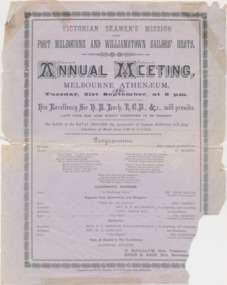
Flyer, Annual Meeting, 1886
... our mercan tile marine, were ably put before the meeting. The Rev. G. D. Buchanan de clared that if the Melbourne merchants contributed to the mission a tithe of the amount they spent in insurance, they would find their goods better looked after by the seamen than by the insurance companies. Captain McCallum, the treasurer, read the following report of the com mittees of the Port Melbourne and Williamstown Rests : — In no part of the Queen's...our mercan tile marine, were ably put before the meeting. The Rev. G. D. Buchanan de clared that if the Melbourne merchants contributed to the mission a tithe of the amount they spent in insurance, they would find their goods better looked after by the seamen than by the insurance companies. Captain McCallum, the treasurer, read the following report of the com mittees of the Port Melbourne and Williamstown Rests : — In no part of the Queen's ...The Annual Meeting presenting the Annual Report was held on the 21st of September 1886 at the Melbourne Athenaeum. In the Standard (Port Melbourne, Vic. : 1884 - 1914), Saturday 25 September 1886, page 2 VICTORIAN SEAMEN'S MISSION. This institution held its annual meeting in the Melbourne Athenæum on Tuesday evening under the most favourable auspices. The hall was filled in every part, a very large pro portion of the audience being seamen. The half hour previous to the com mencement of the meeting was very pleasantly occupied bv listening to the capital playing of the band of the Naval Brigade, and precisely at eight o'clock the musicians heralded the entrance of the vice-regal party by playing ' The National Anthem.' Sir Henry and Lady Loch were received by the Mayor of Melbourne (Mr. Stewart), the Hon. F. T. Derham, Captain Pasco, Mr. H. R. Reid (hon. secretary), and Lieutenant - Colonel Templeton, and His Excellency imme diately took the chair. The venerable ex-chaplain, the Rev. Kerr Johnson, was present, but as he did not feel equal to taking part in the proceedings, the Rev. E. T. Miles opened the meeting with prayer. Nothing could have been more cal culated to give a distinctive character to the meeting than the singing of the Sailors' Hymn by the 300 odd seamen present. The rugged yet tuneful voices of the men blending with those of the ladies present, who heartily joined in, gave a most spirit-stirring effect to the beautiful words of the refrain : — Rocks and streams I'll fear no more, When on that eternal shore; Drop the anchor ! furl the sail ! I am safe within the vail. Next followed His Excellency's address as chairman. The Governor threw himself heartily into the pro ceedings, and his remarks, expressive of the utmost sympathy with the sea men of the empire, were applauded to the echo. In fact from the start all the speakers struck the right key-note. The institution was not held up as a charity on which Jack was more or less dependent. According to the gentlemen who one and all welcomed him as a friend, and a right useful friend too, the thing was all the other way. To the sailor it was, they de clared, that they owed all that the colony possessed, and more — the great ness and prosperity of the Empire, He was the sort of man who never turned his back on a fellow creature, or refused to give a hand to a comrade in distress. Therefore it was deter mined that Jack should not come to these shores and think there were none to care for the comfort of his body or the welfare of his soul, and with the object of greeting the sailor on his arrival, of grasping his hand as a friend, beguiling his hours on shore, and saving him from the scores of dangers and temptations which beset a sea-faring man's stay in port, the institution had in '57 been started. Its claims on the Victorian public, not as a charity, but as a means of show ing some recognition of the services of the brave men who man our mercan tile marine, were ably put before the meeting. The Rev. G. D. Buchanan de clared that if the Melbourne merchants contributed to the mission a tithe of the amount they spent in insurance, they would find their goods better looked after by the seamen than by the insurance companies. Captain McCallum, the treasurer, read the following report of the com mittees of the Port Melbourne and Williamstown Rests : — In no part of the Queen's dominions have there been more changes during the last thirty years than in the colony bearing her gracious name ; and it is therefore all the more pleasant to report that the Victorian Mission to seamen, which started so long ago as 1857, still pursues an active career of usefulness, holding out a helping hand to mariners of all nations, without distinction of colour, race or creed. Eight years ago, some of the supporters of the Mission, feeling the want of a Temperance Club, where the crews of the various ships might recreate themselves and enjoy the three ' C's' — Coffee — Comfort — Company, appealed to the public for assistance, resulting in sufficient funds being obtained to justify the establishment of Sailors' Rests at Sandridge and Williamstown. Both these institutions were opened by a distinguished gentleman who has always taken a practical interest in sea men, and who, but for illness, would have been present at this meeting — Sir W. F. Stawell — and the result jof several years' experience fully justifies the statement that these institutions have supplied a felt want — the attendance of visitors reaching now about 30,000 per annum ; whilst so economically are they managed, that the annual cost to the public is less than L150 The thanks of the committee are specially due to those ladies and gentlemen who so kindly made a special and successful effort to supply both of the Bests with new piano fortes, to the great enjoyment of ' Jack ashore.' The instrument which was pre sented to the Port Melbourne institution by Mr. J. M. Bruce, on behalf of the sub scribers, the funds having been collected by his daughter yet in her teens, being espec ially one of great value. Concerts free to all seamen, given by amateur singers, are held weekly on both sides of the bay, and are largely attended and much appreciated. The building at Port Melbourne, which, being of wood, is merely of a temporary character, is free from debt ; but there is a mortgage of L500 on the Williamstown institution, which cripples its usefulness. The committee have regretfully to report that during the year under review they have lost, through the weakness of increas ing years, tbe loving services of the Rev. Kerr Johnston, their venerable friend and chaplain, whose life is, indeed, the history of the Mission, for he has been connected with it from the commencement of the work. Mr. Johnston has proved himself a true disciple of his Divine Master, and the com mittee trust that in the evening of his days he may enjoy that peace and rest which he lias so well earned. The com mittee presented Mr. Johnston, on retiring, with an honorarium of L100. Mr. E. James has been appointed iu Mr. JohuBton'u room, and the committee believe that their choice lias been a fortunate one. The Mission aud Sailors' Bests have been kept afloat by the unwearied and self -deny-ing exertions of the Ladies1 Committee, who have personally collected nearly the whole of the income ; but it may fairly be asked whether, in this great seaport, where last year there entered in at Her Majesty's Customs 1711 ships, manned by 61,256 men, the mercantile community of Melbourne should net take a more active interest in the welfare of the thousands of brave men who, for a few weeks, temporary sojourners on our shores, away from friends and relatives, have a special claim on our sympathy and help. We are of the old land, ' that gem sunk in the silver sea and we can re-echo Mr. Gladstone's recent words to the crew of the yacht Sunbeam, ' The calling which you follow is a noble one, and is calculated to bring forth the highest qualities of our common nature ; ana if it is possible for any occupation to make a man, in the highest and wideBt sense of the word, it is ' the occupation to which your lives are given. How closely it is connected with the the prosperity and fame of tbi» great nation ; how closely, indeed, it is connected with advancement of civilisation, and tiie general welfare of the world, it needs no words of mine to tell yon, for in your work and life you know it well, and feel it truly.' Look ing at what we Victorians owe to the British sailor, the committee earnestly trust that, with the blessings of the Almighty God, increased success will attend the work of the Mission and Rests. Mr. James read the chaplain's re port: — Since my appointment as chaplain to tbe Seamens' Mission, I have met with greater success than I anticipated. I have visited all the ships that have come into port, also many of the vessels on the Yarra, and am pleased with the civil and courteous manner in which I have been received by captains, officers and men, and in most cases my invitations to them to attend our meetings have been most heartily responded to. . The attendance at the services in the Bethel has much improved — on some occasions scarcely sitting room is to be found. The services have proved a great blessing to many Christian seamen ; whilst several who have come into port caring for nothing of a religious nature, have left praying. God fearing men, with the request that those left behind would remember them in their supplications, that they should be kept through all the trials and temptations to which seamen are exposed. The weekly Tuesday evening concerts got up bj the ladies of the committee and others, have proved a great benefit to the Mission, and a source of great enjoyment to the seamen in port. The programmes are excellent; and are spoken of by the sailors as the best they have heard in any port. The Sailors* Rest is provided with a library, the daily papers, and illustrated literature, with games of chess, draughts, dominoes, quoits, and other amusements, which are much taken advantage of during the evenings. Seamen ' are alio provided with writing materials, free, bo that everyone may have any opportunity of writing to their friends; for many an anxious parent is counting the days and hoping for .the time to come when they shall get a line from their sons in the far distant land, and many a son is reminded of his obligation by the opportunity thus afforded. I am much pleased at this time to acknowledge the kindness of the committee, and the great help I have received from them, also from Mr. Douglas, the manager of the Best. I do not think I could have been blest with a better co-worker. I have no hesitation in recommending the seamen to go to the Best, and telling them that they will receive a most hearty welcome, to which they can all testify ; my thanks are due to the voluntary workers, who have given every assistance ft their power, especially to Miss Lloyd, who is an invaluable help, attending in all weathers, and playing the organ at every service. The Sunday School is progressing, and we aie now about to make another addition to the library, of good readable books. The work at Williamstown is also pro gressing well, the Wednesday night concerts being well attended, and the singing and reciting supplied by local talent really good; the sailors contributing largely to the programmes. Captain McCallum is the backbone of the work at Williamstown, well supported by many warm friends of the sailors. The services held every Sunday night are productive of mnch good. The work here, too, is very encouraging, having much improved of late. I am thank ful to God that He has so blessed the efforts of His people, and hope they may be long spared to carry on the work. The Rev. G. D. Buchanan in an eloquent speech proposed the first re solution : — ' That the Reports now read be adopted, and that the following ladies and gentlemen be the Committee for the ensuing year : — SEAMEN'S MISSION. Ladies Committee. — Mesdames Templeton, Campbell, Chamberlin, Elworthy, Lormer, Gourlay, Gowan, B. Johnston, Webb, Young, Plummer, Misses Elwortny, Webb, Gowan, and M. Hastie. Gentlemen's Committee. — Captains Pasco, R. N., Adams, McCallum, J.P., Dalgarno, Garside, Messrs. Courtis, A. J. Smith, Macpherson, H. R. Reid, J.P., Henry Berry, J.P., Revs. Kerr Johnston, and A. R. Edgar.' Captain Pasco seconded, and in formed the audience that Baron Von Mueller had written regretting his inability to attend, but had sent a substantial cheque. (Applause.) A collection was then taken up and liberally responded to, the band mean-time playing airs suitable to the occa sion, such as ' The Death of Nelson' and ' Rocked in the Cradle of the Deep.' The hon. F. T. Derham next pro posed the second resolution : — ' That the success which has attended the working of the Port Melbourne Sailors' Rest justifies this meeting in taking imme diate steps to raise the funds necessary to erect a Seamen's Institute worthy of the in creasing trade and commerce of Victoria.' This was seconded by the Rev. A. R. Edgar, and both were carried by ac clamation. The Mayor of Melbourne moved a vote of thanks to His Excellency, and Sir Henry in the course of his reply said his sympathies were not only with sailors because he had been much brought into contact with them, but because he had been a sailor himself and had had the honour and privilege of serving in Her Majesty's navy. At this the men sprang to their feet and gave three deafening cheers for the Governor and another for Lady Loch, who bowed her acknowledgment and appeared very pleased at the hearty reception accorded to her. During the evening Mrs. Pearce, and Messrs. Walsh, Woods, and Robinson, members of the Liedertafel, contributed songs. The lady, who has sung at the Tuesday evening concerts, sang ' When the Tide comes in' so charmingly that an encore, although against the rule of the evening, was insisted upon, which was responded to by a beautiful rendering of the old ballad ' Robin Adair,' Altogether the meeting was a com plete success, and will doubtless afford the committee fresh encouragement in their well-directed efforts. Printed programme for the 1886 annual meeting taking place in the Melbourne AthenaeumWritten in black ink at the back by WHC Darvall: annual meeting, melbourne athenaeum, 1886, baron ferdinand von mueller, sailors' rest, hugh ronald reid, captain fullarton, captain mccallum, henry loch, captain pasco, reverend kerr johnston -
 Seaworks Maritime Museum
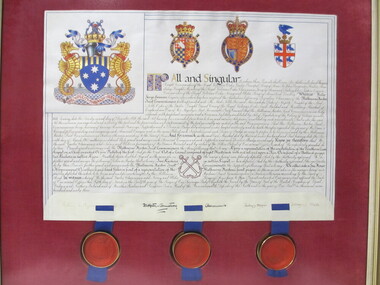
Document
... In witness whereof we the said Garter Clarenceux and a Norroy and Ulster Kings of Arms have to these presents subscribed Our names and affixed the seals/ Of our Several offices this fith day of March in the Twelfth Year of the reign of our Soveriegn Lady Elizabeth the Second by the Grace of God of the United Kingdom of Great/ Britain and Northern Ireland and of Her other Realms and Territories Queen head of the Commonwealth Defender of the Faith and in the years of Our Lord One Thousand nine/ hundred and sixty three" "Prosperity Through Service"...In witness whereof we the said Garter Clarenceux and a Norroy and Ulster Kings of Arms have to these presents subscribed Our names and affixed the seals/ Of our Several offices this fith day of March in the Twelfth Year of the reign of our Soveriegn Lady Elizabeth the Second by the Grace of God of the United Kingdom of Great/ Britain and Northern Ireland and of Her other Realms and Territories Queen head of the Commonwealth Defender of the Faith and in the years of Our Lord One Thousand nine/ hundred and sixty three" "Prosperity Through Service" Large paper document including colour illustrations of Melbourne Harbor Trust shield and other shields. ...Large paper document including colour illustrations of Melbourne Harbor Trust shield and other shields. Includes three wax seals attached to document with blue ribbon."To All and Singular to whom these presents shall come, Sire Anthony Richard Wagner/ Knight Commander of the Royal Victorian Order Garter Principal King of Arms. Sir John Lunamace Heaton Arm/ Strong Knight, Member of the Royal Victorian Order. Clarenceux King of Arms an Aubrey John Toppin Esquire/ Commander of the Royal Victorian Order. Norroy and Ulster King of Arms Send Greeting! Whereas Victor/ George Swanson. Esquire upon whom has been conferred the Australian Efficiency Decoration Chairman of the Melbourne Harbor/ Trust Commissioners hath represented unto The Most Noble Bernard Marmaduke, Duke of Norfolk, Knight of the Most/ Noble Order of the Garter Knight Grand Cress of the Royal Victorian Order, Earl Marshal and Hereditary Marshal of/ England and one of Her Majesty's Most Honourable Privy Council that the Melbourne Harbor Trust Commissioners is a body/ corporate with perpetual succession and a Common Seal duly constituted by Act of Legislature of the Colony of Victoria number/ DLII bearing date Twenty second day of December 1876 the said Act having been amended from time to time and various Acts passed consolidating such amendments that under the said/ Act the exclusive management and control of the port and the preservation and improvement of the port generally as vested in the said Commissioners. That the Melbourne Harbour Trust/ Commissioners being desirous of having Armorial Bearings, Supporters and a Device or Badge duly assigned under lawful authority and he hath therefore requested the favour of His Grace's/ Warrant for Ouigranting and assigning such Armorial Ensigns and in the same Patent such Supporters and such Device or Badge as may be proper to be borne and used by the Melbourne/ Harbor Trust Commissioners on Seals otherwise accoding to the Laws of Arms. And forasmuch as the said Earl Marshal did by warrant under his hand and Seal bearing date the Sev-/ enth day of March 1962 authorize and direct Us to grant and assign such Armorial Ensigns and such Supporters and such Device or Badge Accordingly. Know ye therefore that we/ the said Garter Clarenceux and Norroy and Ulster in pursuance of His Grace's warrant and by virtue of the Letters of Patent of Our several offices to each of us respectively granted do/ by these Presents grant and assign unto the Melbourne Harbor Trust Commissioners the Arms following that is to say: Azure a representation of the constellation of the Southern Cross/ Argent on a Chief enarched on five Pallets of the first. And for the Crest Out of a Coronet composed of eight Masts each with sail set and upon Rim Or in front of a Bollard proper/ two Anchors in saltire Azure Mantled figure doubled Argent as the same are in the margin here of more plainly depicted. And by the Authority aforesaid We do/ further grant and assign the following Device or Badge that is to say: Two Anchors in saltire Argent as here depicted And by the Authority aforesaid the said Garter/ do by these Presents further grant and assign unto the Melbourne Harbor Trust Commissioners the Supporters following that is to say : On either side a Sea Horse/ (Hippocampus) or collared and lined Gules in front of a representation of the Melbourne Harbour front proper as the same are also in the margins here of more/ arms plainly depicted the whole to be borne and used forever hereafter by the Melbourne Harbour Trust Commissioners on seals otherwise according to the laws of/ Arms. In witness whereof we the said Garter Clarenceux and a Norroy and Ulster Kings of Arms have to these presents subscribed Our names and affixed the seals/ Of our Several offices this fith day of March in the Twelfth Year of the reign of our Soveriegn Lady Elizabeth the Second by the Grace of God of the United Kingdom of Great/ Britain and Northern Ireland and of Her other Realms and Territories Queen head of the Commonwealth Defender of the Faith and in the years of Our Lord One Thousand nine/ hundred and sixty three" "Prosperity Through Service" -
Phillip Island and District Historical Society Inc.
Book, McCARTHY, Justin, short history of our own times from the accession of Queen Victoria to the general election of 1880, 1905
... short history of our own times from the accession of Queen Victoria to the general election of 1880...short history of our own times from the accession of Queen Victoria to the general election of 1880 Book McCARTHY, Justin Chatto & Windus ... -
 Flagstaff Hill Maritime Museum and Village
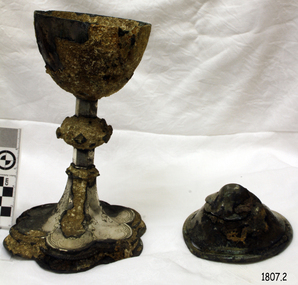
Ceremonial object - Ciborium and Lid, Before 1855
... Queen approached the stranded vessel and all of Schomberg’s passengers safely disembarked. This ciborium is significant as an example of an item in common use in the mid-19th century that is still in use today. It is also important for it relationship with the famous Schomberg Diamond that was discovered by accident, hidden inside it. The ciborium is particularly significant in that along with other items from the wreck helped in part to have the legislation changed to protect shipwrecks, with far tighter controls being employed to oversee the salvaging of wreck sites around our ...Ciborium is the ancient Greek word for the cup-shaped seed vessel of the Egyptian water lily "nelumbium speciosum" and came to describe a drinking cup made from that seed casing. These vessels were particularly common in ancient Egypt and the Greek East. The word "'ciborium'" was also used in classical Latin to describe such cups. In medieval Latin, and in English, "Ciborium" more commonly refers to a covered container used in Roman Catholic, Anglican, Lutheran and related churches to store the consecrated hosts of the sacrament of Holy Communion. It resembles the shape of a chalice but its bowl is more round than conical and takes its name from its cover, surmounted by a cross or other sacred design. This ciborium is part of a Communion Set that was recovered from the wreck of the Schomberg in 1975 after 120 years in the sea. Five years later during the cleaning of the ciborium, a diamond ring was found secreted in the underside of the ciborium's lid. This ring has since come to be called the Schomberg Diamond and is also on display as part of the Flagstaff Hill Museums Schomberg collection. In 1975, divers from Flagstaff Hill (Peter Ronald, former Director of Flagstaff Hill, Colin Goodall and Gary Hayden), found an ornate communion set at the Schomberg wreck site. The set comprised a jug, the ciborium, a chalice and a plate. The ciborium remained untouched for a number of years before restoration began and the marine growth was removed. In 1980 a piece of the lid broke off, revealing a glint of gold. As museum staff carefully examined the lid and removed marine growth, they found a diamond ring, which is currently on display in the Great Circle Gallery at Flagstaff Hill. The collection also holds ship fittings and equipment, personal effects, a lithograph, tickets as well as photographs from the Schomberg. ABOUT THE SCHOMBERG (October 6 to December 27, 1855)- When the ship Schomberg was launched in 1855, she was considered the most perfect clipper ship ever to be built. James Baine’s Black Ball Line had commissioned her for their fleet of passenger liners. The Aberdeen builders designed her to sail faster than the clippers designed the three-masted wooden clipper ship to be fast. The timber used for the diagonal planking was British oak with layers of Scottish larch. This luxury emigrant vessel was designed for superior comfort. She had ventilation ducts to provide air to the lower decks and a dining saloon, smoking room, library and bathrooms for the first-class passengers. The master for Schomberg’s maiden voyage was Captain ‘Bully’ Forbes. He drunkenly predicted at her launch that he would make the journey between Liverpool and Melbourne in 60 days. Schomberg departed Liverpool on 6 October 1855 with 430 passengers and 3000 tons of cargo including iron rails and equipment intended the build the Geelong Railway and a bridge over the Yarra from Melbourne to Hawthorn. The poor winds slowed Schomberg’s sail across the equator. She was 78 days out of Liverpool when she ran aground on a sand spit near Peterborough, Victoria, on 27 December; the sand spit and currents were not marked on Forbes’s map. The ship’s Chief Officer spotted the coastal steamer SS Queen at dawn and sent a signal. The master of the SS Queen approached the stranded vessel and all of Schomberg’s passengers safely disembarked.This ciborium is significant as an example of an item in common use in the mid-19th century that is still in use today. It is also important for it relationship with the famous Schomberg Diamond that was discovered by accident, hidden inside it. The ciborium is particularly significant in that along with other items from the wreck helped in part to have the legislation changed to protect shipwrecks, with far tighter controls being employed to oversee the salvaging of wreck sites around our coast. This salvaged item forms part of the Schomberg collection at Flagstaff Hill maritime museum. The collection as a whole is of historical and archaeological significance at a State level. Flagstaff Hill’s collection of artefacts from the Schomberg is also significant for its association with the Victorian Heritage Registered Schomberg shipwreck (VHR S 612). The collection is of additional significance because of the relationship between the objects salvaged, as together they help us to interpret the story of the Schomberg. The collection as a whole is historically significant for representing aspects of Victoria's maritime history and its potential to interpret social and historical themes from society at the time of the wreck.Silver engraved Ciborium or chalice with lid, part of the five-piece Communion Set. The chalice is a round cup with a long stem and a floral-shaped base with embossed decoration. It has a matching round lid that comes to a rounded apex on top. Engravings on chalice feature flowers and a Fleur-de-lis pattern.flagstaff hill, flagstaff hill maritime museum and village, warrnambool, maritime museum, maritime village, great ocean road, shipwreck coast, schomberg, 1855, clipper ship, james baines & co, black ball line, luxury ship, emigrant ship, captain forbes, bully forbes, ss queen, peterborough shipwreck, communion set, religious service, communion service, ceremonial service, mass, ciborium, chalice, schomberg diamond -
 Ringwood and District Historical Society
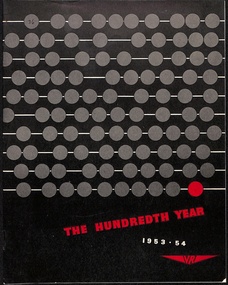
Booklet, Victorian Railways - The Hundredth Year 1953-54. Published January 1953
... Includes statistics, black and white photographs, with chapters on: More goods and passengers; Royal Passengers (Queen Elizabeth and Duke of edinburgh boarding train at Sale); New engines, carriages and trucks; Modernising Workshops (Newport); Track Work; Gippsland Line; Commercial Activities; Suburban Problems and Plans; Our Staff ...Includes statistics, black and white photographs, with chapters on: More goods and passengers; Royal Passengers (Queen Elizabeth and Duke of edinburgh boarding train at Sale); New engines, carriages and trucks; Modernising Workshops (Newport); Track Work; Gippsland Line; Commercial Activities; Suburban Problems and Plans; Our Staff Victorian Railways - The Hundredth Year 1953-54. ...Red, Black and White 13 page booklet on the hundredth year of Victorian Railways. Includes statistics, black and white photographs, with chapters on: More goods and passengers; Royal Passengers (Queen Elizabeth and Duke of edinburgh boarding train at Sale); New engines, carriages and trucks; Modernising Workshops (Newport); Track Work; Gippsland Line; Commercial Activities; Suburban Problems and Plans; Our Staff Published January 1953, by the Victorian Railways Public Relations and Betterment Board by direction of the Commissioners. -
Eltham District Historical Society Inc
Document - Folder, McLure, Mary
... Queen's Birthday honours list. Mary McLure, Brian Hill, was honoured for her service to the community through volunteer rolls including The Old Colonists' Association of Victoria in St Helena, Rosanna Primary School, and Diamond Creek Craft Group. Roger Green, Lower Plenty, was honoured for his support of war veterans. Arthur Wilson, Greensborough, was honoured for his service to Australian Rules football. Kevin Spiller, Montmorency, was honoured for services to local government. Contents Newspaper article: "Our...Queen's Birthday honours list. Mary McLure, Brian Hill, was honoured for her service to the community through volunteer rolls including The Old Colonists' Association of Victoria in St Helena, Rosanna Primary School, and Diamond Creek Craft Group. Roger Green, Lower Plenty, was honoured for his support of war veterans. Arthur Wilson, Greensborough, was honoured for his service to Australian Rules football. Kevin Spiller, Montmorency, was honoured for services to local government. Contents Newspaper article: "Our ...Mary McLure, Roger Green, Arthur Wilson, and Kevin Spiller were awarded Order of Australia Medals in the Queen's Birthday honours list. Mary McLure, Brian Hill, was honoured for her service to the community through volunteer rolls including The Old Colonists' Association of Victoria in St Helena, Rosanna Primary School, and Diamond Creek Craft Group. Roger Green, Lower Plenty, was honoured for his support of war veterans. Arthur Wilson, Greensborough, was honoured for his service to Australian Rules football. Kevin Spiller, Montmorency, was honoured for services to local government. Contents Newspaper article: "Our best get just rewards" Diamond Valley Leader, 19 June 2019, Lists local people who received an OAM in Queen's Birthday honours list. Newspaper clippings, A4 photocopies, etcmary mclure, roger green, arthur wilson, kevin spiller, the old colonists' association of victoria st helena, rosanna primary school, diamond creek craft group -
 Eltham District Historical Society Inc
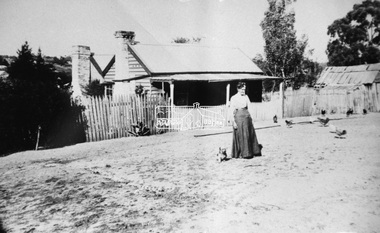
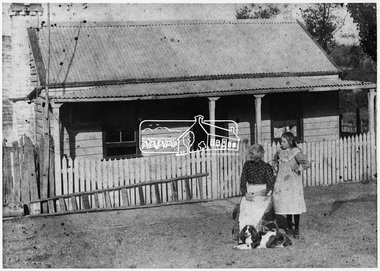
Negative - Photograph, Mary Jane Smart (nee Bailey) ouside the Smart family home in Bridge Street, Eltham, c.1915
... our younger days. He was fond of his children and was highly respected in these parts.' "It is fifteen years since my husband went away first. He had then been work ing for the Metropolitan Board of Works, and was engaged in the tunnel under the Yarra near Queen's-bridge when it col-lapsed. ...our younger days. He was fond of his children and was highly respected in these parts.' "It is fifteen years since my husband went away first. He had then been work ing for the Metropolitan Board of Works, and was engaged in the tunnel under the Yarra near Queen's-bridge when it col-lapsed. ...Located on the north side of Bridge Street at the intersection with Bolton Street, facing Bolton Street (now part of present day Brisbane Street and occupied by the Kitchen Design Centre). Show's an original early settler's cottage in Bridge Street. The cottage was built by Mrs Mary Jane Smart's parents, Edwin Bailey and Jane (nee Matthews). Mary Jane Smart was born in the cottage. She married an Englishman, Alexander Wilson Smart who disappeared to Western Australia in the early 1900s in search of gold. He ultimately married again in W.A., committing bigamy and then committed murder and was hung in 1911. This photo was taken c.1903 not long before both Mrs Bailey and her grand daughter both passed away. Jane Bailey died 2 Dec. 1904 and Mary Jane Smart and Ruby Jane Bertha Smart died July 1903 are all buried in Eltham Cemetery. SMART'S HOME AT ELTHAM. HIS WIFE AND SONS. In a little bush cottage surrounded by tall gum trees, through which appear glimpses of a willow fringed creek, of road ways hedged by masses of snowy flowering hawthorn, of growing crops and vividly green grazing paddocks, lives Mrs. Smart, the lawful wife of the man who is now in the hands of the police of Western Australia on suspicion of having committed a dreadful crime. Here, about half a mile out of the picturesque village of Eltham, she was born, and has lived her whole life — about 50 years. Smart himself lived here till the time when many years ago, the "lure of gold" got into his blood and he cleared out to Western Australia, to follow the digging rushes, gradually becom ing more and more estranged, till at length all communication ceased and be became lost to his wife and children. "I did not want him to go away," said Mrs. Smart, "because I had heard of so many men who had forgotten their homes in the excite ment of gold seeking, and of many others who died unknown and uncared for. But he would go, and when I saw his mind was set on it I placed no obstacles in his way. My parents built and lived in this cottage, where I was born, and they died in it. When I grew up I met my husband, a young Englishman, and married him. His name is Alexander, not Alfred, and his age is 52. We were very happy here, and although we were not well off we were comfortable, for he was a steady, sober, industrious man and had constant employment. He was just a manual worker, but could turn his hand to anything. We had five children, but one died. Four sons grew up in this little cottage. Thus three generations lived in it, somewhat unusual in an Australian bush home, I think. My eldest son is married and has a family; one is in Western Australia— not with his father— another is away working for him self, and one (indicating a young man by her side) has always stuck to his mother. He is my sole support, and he is as good to me now as his father once was. Yes, his father was a good, home-loving man in our younger days. He was fond of his children and was highly respected in these parts.' "It is fifteen years since my husband went away first. He had then been work ing for the Metropolitan Board of Works, and was engaged in the tunnel under the Yarra near Queen's-bridge when it col-lapsed. After he went to the West he sent me money regularly and wrote constantly. He came home three times — twice for a week or two at a time, the third time, eight years ago, when the Eitham railway was nearing completion. I induced him to stay till the railway opened, and he re-mained with me several months. I tried to get him to leave the West and settle down in his home, but he would not; he seemed restless and anxious to be off. One day when we were in Collingwood together he left me, saying he wanted to see what boats were going West. I implored him not to go away, and he said he would see. However, he returned to me soon after wards and said he had taken his ticket and would go by the next boat, and he went. For a year he wrote at irregular intervals, and then his letters ceased and I heard no more of him. For seven years I have not known whether he was alive or dead. Before that time my two sons in Western Australian used to see him some times, though they did not live with him; they used to tell me in their letters that he was well. It was a hard blow to be forgotten by him, but as my sons grew up I became more reconciled, and now I seem to look back at my life with him as some thing that happened a long time ago and is only a memory. Of his life and doings in Western Australia I know nothing. The last time I heard of him he was working in a foundry at Midland Junction. He was at Cue working on the railway when it opened there, and he caught the fever, but all that time he sent me money. When he returned the first time he took our eldest son with him, and the other boy followed later. They did not stay with him, how ever, and as far as I know they did not know how he lived." 'Mrs. Smart is a quiet, toil worn woman who has the respect of everyone who knows her.Roll of 35mm colour negative film, 3 strips Associated print from negative (Copy of original print)Fuji 100bridge street, cottage, smart home, houses, mary jane smart (nee bailey), smart family home, alexander wilson smart, bigamy, bush cottage, early settlers, eltham, jane bailey (nee matthews), murder, ruby jane bertha smart -
 Eltham District Historical Society Inc
Negative - Photograph, Smart family home in Bridge Street, Eltham, c.1903
... our younger days. He was fond of his children and was highly respected in these parts.' "It is fifteen years since my husband went away first. He had then been work ing for the Metropolitan Board of Works, and was engaged in the tunnel under the Yarra near Queen's-bridge when it col-lapsed. ...our younger days. He was fond of his children and was highly respected in these parts.' "It is fifteen years since my husband went away first. He had then been work ing for the Metropolitan Board of Works, and was engaged in the tunnel under the Yarra near Queen's-bridge when it col-lapsed. ...Believed to be Mrs Jane Bailey (nee Matthews) (d. 1904) and her grand-daughter Ruby Jane Bertha Smart (1890-1903) in front of the Smart family cottage in Bridge Street, Eltham, c.1903 Located on the north side of Bridge Street at the intersection with Bolton Street, facing Bolton Street (now part of present day Brisbane Street and occupied by the Kitchen Design Centre). Ruby Jane Bertha Smart born abt 1890 died in 1903 in Eltham. Her brother Alfred Francis Smart was born abt 1887 and died 1966 in Mont Albert, Vic. (Accessed via Ancestry.com) Show's an original early settler's cottage in Bridge Street. The cottage was built by Mrs Mary Jane Smart's parents, Edwin Bailey and Jane (nee Matthews). Mary Jane Smart was born in the cottage. She married an Englishman, Alexander Wilson Smart who disappeared to Western Australia in the early 1900s in search of gold. He ultimately married again in W.A., committing bigamy and then committed murder and was hung in 1911. This photo was taken c.1903 not long before both Mrs Bailey and her grand daughter both passed away. Jane Bailey died 2 Dec. 1904 and Mary Jane Smart and Ruby Jane Bertha Smart died July 1903 are all buried in Eltham Cemetery. SMART'S HOME AT ELTHAM. HIS WIFE AND SONS. In a little bush cottage surrounded by tall gum trees, through which appear glimpses of a willow fringed creek, of road ways hedged by masses of snowy flowering hawthorn, of growing crops and vividly green grazing paddocks, lives Mrs. Smart, the lawful wife of the man who is now in the hands of the police of Western Australia on suspicion of having committed a dreadful crime. Here, about half a mile out of the picturesque village of Eltham, she was born, and has lived her whole life — about 50 years. Smart himself lived here till the time when many years ago, the "lure of gold" got into his blood and he cleared out to Western Australia, to follow the digging rushes, gradually becom ing more and more estranged, till at length all communication ceased and be became lost to his wife and children. "I did not want him to go away," said Mrs. Smart, "because I had heard of so many men who had forgotten their homes in the excite ment of gold seeking, and of many others who died unknown and uncared for. But he would go, and when I saw his mind was set on it I placed no obstacles in his way. My parents built and lived in this cottage, where I was born, and they died in it. When I grew up I met my husband, a young Englishman, and married him. His name is Alexander, not Alfred, and his age is 52. We were very happy here, and although we were not well off we were comfortable, for he was a steady, sober, industrious man and had constant employment. He was just a manual worker, but could turn his hand to anything. We had five children, but one died. Four sons grew up in this little cottage. Thus three generations lived in it, somewhat unusual in an Australian bush home, I think. My eldest son is married and has a family; one is in Western Australia— not with his father— another is away working for him self, and one (indicating a young man by her side) has always stuck to his mother. He is my sole support, and he is as good to me now as his father once was. Yes, his father was a good, home-loving man in our younger days. He was fond of his children and was highly respected in these parts.' "It is fifteen years since my husband went away first. He had then been work ing for the Metropolitan Board of Works, and was engaged in the tunnel under the Yarra near Queen's-bridge when it col-lapsed. After he went to the West he sent me money regularly and wrote constantly. He came home three times — twice for a week or two at a time, the third time, eight years ago, when the Eitham railway was nearing completion. I induced him to stay till the railway opened, and he re-mained with me several months. I tried to get him to leave the West and settle down in his home, but he would not; he seemed restless and anxious to be off. One day when we were in Collingwood together he left me, saying he wanted to see what boats were going West. I implored him not to go away, and he said he would see. However, he returned to me soon after wards and said he had taken his ticket and would go by the next boat, and he went. For a year he wrote at irregular intervals, and then his letters ceased and I heard no more of him. For seven years I have not known whether he was alive or dead. Before that time my two sons in Western Australian used to see him some times, though they did not live with him; they used to tell me in their letters that he was well. It was a hard blow to be forgotten by him, but as my sons grew up I became more reconciled, and now I seem to look back at my life with him as some thing that happened a long time ago and is only a memory. Of his life and doings in Western Australia I know nothing. The last time I heard of him he was working in a foundry at Midland Junction. He was at Cue working on the railway when it opened there, and he caught the fever, but all that time he sent me money. When he returned the first time he took our eldest son with him, and the other boy followed later. They did not stay with him, how ever, and as far as I know they did not know how he lived." 'Mrs. Smart is a quiet, toil worn woman who has the respect of everyone who knows her.This photo forms part of a collection of photographs gathered by the Shire of Eltham for their centenary project book,"Pioneers and Painters: 100 years of the Shire of Eltham" by Alan Marshall (1971). The collection of over 500 images is held in partnership between Eltham District Historical Society and Yarra Plenty Regional Library (Eltham Library) and is now formally known as the 'The Shire of Eltham Pioneers Photograph Collection.' It is significant in being the first community sourced collection representing the places and people of the Shire's first one hundred years.Digital image 4 x 5 inch B&W Neg Original print 10.5 x 16.5 cmFor postcard print: Inscribed on envelope: "Return to Mrs H. Butherway, 22 Bridge St, Eltham." Also "Photo Mrs Clark Hampton (nee Smart), original Smart's house - Bridge Street, 95 years ago." Also "Right - Mrs Clark's grandmother Mrs J Smart Left - Her daughter Ruby dies soon after photo taken. Brother Alf Smart died about 6 years ago." Inscribed on back of photo "247 Vincent St, Leederville" It is believed that this inscription may be somewhat mixed up.sepp, shire of eltham pioneers photograph collection, eltham, bridge street, alexander wilson smart, bigamy, bush cottage, early settlers, houses, jane bailey (nee matthews), mary jane smart (nee bailey), murder, ruby jane bertha smart, smart family home, smart home -
4th/19th Prince of Wales's Light Horse Regiment Unit History Room
Audio - Audio Cassette, Army Tracks, abt 1996
... HQ RAA Band (WO2 G Brown) - Soldiers of the Queen, British Grenadiers 3. 1 Bn RVR (WO2 R Rooth) -The Northumbrian, Our Director Side 2: 5 Bn RVR - Pipe Major D Bail - Medley 1 : Gin I were a Baron's heir, The lady in the bottle, Glasgow Police piper, The Rohan tree, Scotland the brave, Medley 2 - Drummers introduction, Braes of Mar, Braes of Tully Met, Dalnahassaig, Piper of Drummond, High Road to Linton, Jock Wilson's Ball, The mermaid song, Donald, Willy and his dog, Ode to Joy, The Black Bear ...HQ RAA Band (WO2 G Brown) - Soldiers of the Queen, British Grenadiers 3. 1 Bn RVR (WO2 R Rooth) -The Northumbrian, Our Director Side 2: 5 Bn RVR - Pipe Major D Bail - Medley 1 : Gin I were a Baron's heir, The lady in the bottle, Glasgow Police piper, The Rohan tree, Scotland the brave, Medley 2 - Drummers introduction, Braes of Mar, Braes of Tully Met, Dalnahassaig, Piper of Drummond, High Road to Linton, Jock Wilson's Ball, The mermaid song, Donald, Willy and his dog, Ode to Joy, The Black Bear Army Tracks Audio Audio Cassette 4th/19th Prince of Wales's Light Horse Regiment Band ...Philips cassette tape. Side 1: 1. 4/19 PWLH Band (WO2 V Smith) - Australian Light Horse, Lynwood 2. HQ RAA Band (WO2 G Brown) - Soldiers of the Queen, British Grenadiers 3. 1 Bn RVR (WO2 R Rooth) -The Northumbrian, Our Director Side 2: 5 Bn RVR - Pipe Major D Bail - Medley 1 : Gin I were a Baron's heir, The lady in the bottle, Glasgow Police piper, The Rohan tree, Scotland the brave, Medley 2 - Drummers introduction, Braes of Mar, Braes of Tully Met, Dalnahassaig, Piper of Drummond, High Road to Linton, Jock Wilson's Ball, The mermaid song, Donald, Willy and his dog, Ode to Joy, The Black Bear TDK SA904/19 pwlh regiment band, audio -
4th/19th Prince of Wales's Light Horse Regiment Unit History Room
Photo Albums - set of two, c. 1919
... Our batteries put in some good shooting amongst Turkish transport 58 Showing compactness of Turkish trenches 59 Desert homes. The only time we had cover in SINAI was when we camped near a Hod. Then we could use date palm leaves 60 JIFF JAFFA 61 ZAITZOUN 62 10th Regt MGS amongst hills outside JERUSALEM 63 Jews wailing place JERUSALEM 64-5 German post card characters 66 Post Card PHYLAE The Kiosk 67 Post Card Vue du Canal de Suez 68 Post Card No 93 Queen Street, Fort, Colombo 69 Snipers at NALIN Sth Syria. ...Our batteries put in some good shooting amongst Turkish transport 58 Showing compactness of Turkish trenches 59 Desert homes. The only time we had cover in SINAI was when we camped near a Hod. Then we could use date palm leaves 60 JIFF JAFFA 61 ZAITZOUN 62 10th Regt MGS amongst hills outside JERUSALEM 63 Jews wailing place JERUSALEM 64-5 German post card characters 66 Post Card PHYLAE The Kiosk 67 Post Card Vue du Canal de Suez 68 Post Card No 93 Queen Street, Fort, Colombo 69 Snipers at NALIN Sth Syria. ...Memorabilia of 908 Dvr Thomas Edward Whyte, 3rd Light Horse Field Ambulance, World War 1 READ THIS. During the last war I sent these pictures home through devious channels. When I lobbed back I found them all pasted in these albums by my young brother Billy. He was only a kid then! Nowadays he is serving up North. Went away with the original 9th Battn. Was in the Blitz on England and served in Libya, Tobruk, Greece, Crete and Palestine and was twice knocked. It's not long since the last upheaval 1914-18 and I wonder if these boys think as we did. This will be the last war? I sincerely hope so. TWSet of two photo albums. Photos pasted into albums with captions in white ink. Photo captions - Vol 1. (? = not legible) 1. Prisoners from ES SALT 2. Dust scene at AUJA FORD. 4th LH BDE 3. ? ? CHEOPS PYRAMID 4. Houses and domain WASSA battle 5 .Pontoon at SERAPELAI 6. SPINX (sic) & PYRAMID 7. The Nile floods occur once yearly and all irrigation centres are alternatively flooded 8. Pontoon bridge over SUEZ Canal at SERAPEUM . Constructed by Aust Engineers 9. The arrival of newspapers and mail 10. Lake IIMSAH-ISMALIA 11. Camp outside Jerusalem. Walls of old city easily discernible 12. Roman walls on beach at MONTAZEH 13. ? ? These boats are used for conveying between steamer & shore 14. Interest shown in the new issue. Through the scarcity of horses Batmen/Grooms and drivers ? allotted donkeys ? ? 15. DAMASCUS GATE JERUSALEM 16. Trumpeter ? 17 Indians making ? for railroad 18. 'SPELLO' Sinai Country 19. Police searching Egyptian labourer 20. Cavalry ?? SHA? 21. Entering ? WADI ? 22. Bedouins at ? 23 No caption 24 No caption 25 Bolar trees EZBEKIEH Gardens CAIRO 26 .Flamingos at NOUZEH Gardens ALEXANDRIA 27 BARAGE 28 KASR-ELNILL Bridge 29 NOUZEH GARDENS 30 AMGS on beach at ? 31 NOUZEH GARDENS - ALEX 32 Mascot of 7th M.V.G. 3RD ALHR 33 Printing on walls inside St Mary's Church. Depicting the Flight from Herod. (Corner torn off photo) 34 Inside Virgin Mary's Church at MATARA 35 ? painting in Church ?? 36 SUEZ Canal. Finish of Arab pony race. ZAL-A-ZIA 37 Admiralty offices at PORT SAID 38 A corner of CHEOP"s PYRAMID 39 The Spinx (sic). Nose was blown off by a shell from one of Napoleon's guns. 40 Monastry on the MT of TEMPTATION 41 Mess orderlies. Foodstuffs in locker given to troops by the AIF 42 Mid day meal on treck 43 Ambulance sand carts for conveying wounded and sick over desert sand 44 3rd ALHB 45 Kaisers Church JERUSALEM. Inside is a large painting figuring the Kaiser & Kaiserine holding a model church. 46 Bedouin women drawing water from well at EL-ARISH 47 2nd ALH BGDE doing route march on JERUSALEM-JERICHO ROAD 48 GEN HODSON GOC Anzac Mounted Divn presenting decorations & investitures on the sands at SHEIKS-ZOWAID 49 Armoured Car 50 Snow at the CEEDERS (sic) on Mt LEBANON 51 Compulsory phenyle bath for all troops in front line area 52 Austrian guns taken at point of bayonet by NZ & 2nd BGDE at GAZA 53 CACHOLETS for carrying wounded 54 The boys found some timber and made a spring board on SUEZ Canal 55 Bedouin wedding. The Bride travels in state amongst rubbish on top of camel. Her father leads conveyance. 56 Australian graves at SHALLAL 57 Camel Transport Company bring rations along beach 58 Billy the mascot holds an offensive & checks advancement 59 Exercising horses at HELMIEH Egypt 60 PONT-DE-QUOBBA Egypt. A suburb of well-to-do Egyptian merchants 61 Demolition stunt at ASLU. Bridge destroyed by Australian Engineers 62 Swimming horses in Great Bitter Lakes Egypt 63 On the move along Wadi 64 On the shores of the Bitter Lakes EL-EGYTE 65 A leave party waiting for the pontoon to swing into position 66 Carting grain 67 Egyptian Brass Band 68 French warboat (sic) in Canal 69 Russian Troops from Mesopotamia passing through SUEZ Canal 70 Prisoners coming in under escort. Turkish & German officers in lead mounted on ponies 71 Turkish prisoners 72 T.B.D in Canal 73 Old trenches on SUEZ CANAL near BITTER LAKES on W Bank 74 Monitor in Canal 75 Block house, trenches & entanglements near Post 62 76 A halt in an Egyptian village EL-MARO' 77 Mobile wireless plant 78 On the road from Canal to Railhead 79 Old Turkish guns in ancient fort at ALEXANDRIA 80 Francenia steaming through Canal 81 After MAGHDABA stunt. Convoy taking wounded form EL-ARISH to railway at 139 82 Indian Camelry 83 Virgin Mary's Church 84 Sluice gate at BARAGE Egypt 85 Hospital at lower W bank of Canal 86 Virgin Mary's tree 87 Sweetwater Canal at ISMAILIA Egypt 88 Halt and Feed. The A.M.C. attached to flying column. 89 Bringing stores ashore at JAFFA 90 H Videon & J Britton astride donks. Horses became scarce through casualties etc and units had donkeys issued to them 91 RAMLEH. The traditional burial place of St John the patron saint of England (sic). 92 Jewish Synagogue at RISHON-COUR-LE-LION (Richard the Lion Hearted) 93 Water tower at HELIOPOLIS 94 Portion of camp on HELIOPOLIS Racecourse 95 Arrival of papers 96 Sand sleigh 97 Boring plant & prisoners taken on the JIFF-JAFFA stunt. Two Austrian officers and party of Turks taken whilst building a concrete gun emplacement 98 The obelisk at MATARIA 99 In an avenue of Australian gums at ZEITOUA 100 Mountain battery gun 101 The 3rd ALH BGDE camped at HELIOPOLIS Racecourse 102 Captured Turkish guns 103 Turkish and Austrian prisoners. JORDAN VALLEY 104 The MT of Temptation Monastery built over spot where Christ spent his 40 days 105 Refugees from ES-SALT at JERICHO 106 3rd LHFA and 8th LH REGT at HELIOPOLIS 107 Fig trees at Roman Wells JIFF JAFFA 108 Inside the Blue Mosque CAIRO 109 Lagoon that was destroyed on JIFF JAFFA stunt 110 Section race at Brigade sports 111 Another tombstone at ALEX 112 Innoculating female date palm 113 Bronze tombstone in a cemetary at ALEXANDRIA 114 Luna Park at HELIOPOLIS 115 Egyptian water buffalo. Used by natives for ploughing etc 116 Russian church. Some call it the "Church of St Mary Magdelene" 117 At pyramids GIZA. Billingsley lost leg & McMullin KIA 118 Pontoon bridge over Suez Canal 119 DURBAN 120 Rescue work 121 Paddy Hanly 122 Motor train for conveying rations between Canal and Railhead. 123 At MUCKSHUBE ? 124 British ??? 125 Bedouins bringing in their harvest from the fields of ABBASSAN-EL-KEBIR Palestine 126 German HD QTRS BEERSHEBA 127 Date ? SINAI 128 Military railroad running through ? at EL-ARISH 129 Street scene at KHAN-YUNIS Palestine. Samson often called at this place to visit his girl. Napoleon narrowly escaped capture here during his ? in 1799 130 Date palms bearing fruit. These do not ? they are ?? 131 Motor ambulance convoy 132 Turkish hospital BEERSHEBA 133 MT CALVARY 134 Town Hall BEERSHEBA 135 Railway station BEERSHEBA 136 ASLUJ 137 Turkish depot MAGDABA 138 DURAN 139 3rd ALAB Hospital 140 Main Street PORT SAID 141 Stock Exchange ALEXANDRIA 142 The "Bull Ring" 14th AGH 143 (Double exposure) 144 Jewish School at DURAN Palestine 145 Damascus Gate JERUSALEM 146 Roller used for grinding clay for making bricks 147 The Harbour at ALEXANDRIA 148 Part of Napoleons Road along sea shore opposite BEELAH 149 Hotel at ALEX. Barred to the troops of course. 150 HELIOPOLIS 151 -153 ALEXANDRIA 154 Ambulance treck 155 Cacholets at the casually clearing station 156 Refugees from ES-SALT entering the Jordan Valley. Mts of MOAB in background 157 Cameliers bring in prisoners 158 The "Niagara". Casualties were from the front line by all descriptions of transport and passed through several field hospitals until they eventually reached the railway. They were sent to KANTARA by train. Despatched from there to PORT SAID by this boat 159 JERICHO 160 Turkish prisoners in JORDAN VALLEY 161 Bedouin nippers of SINAI 162 Bridge destroyed by ALH at ASLUJ 163 Railway sheds at BEERSHEBA. Portion was set afire by retreating Turks 164 ASLUJ Station 165 German Hospice 166 at ASLUJ 167 Suez Canal offices PORT SAID 168 MENA Village from top of Cheops. White lines at left are roads made by Australian troop. First Aust Contingent camped here. 169 A felukeh passing through gate at BARAGE 170 Military railway terminal EL ARISH 171 (No caption) 172 Egyptian family waiting for a train 173 Turkish prisoners and captured material coming in 174 Turkish wounded at BEERSHEBA awaiting removal 175 Two hospital ships at ALEXANDRIA 176 Some of the Bd boys 177 Race meeting 3rd ALHB at TRIPOLI- SYRIA 178 The blacksmith and Rodney Thomas swimming horse in SUEZ CANAL 179 Natives grinding grain 180 Thoroughbred 181 MUKATTAM HILLS 182 Trenches at JIFF JAFFA 183 MacBoyd as a Padre 184 Egyptian Syce having shave by travelling barber 185 The creek outside ALMINA 186 Cameliers 187 Clearing Station on beach at EL-ARISH 188 Wadi at TALLAT-EL-DUMM 189 Motor transport park 190 Some of the boys 191 Pompeys Pillar 192 at MAGHDABA 193 Hospital at JERUSALEM 194 Cheop's Pyramid 195 Golden Gate JERUSALEM 196 Hustling Turks through BEERSHEBA 197 Holy City 198 Mosque of Omar Jerusalem 199 Railway bridge destroyed by ALH at ASLUJ 200 Enemy material captured at SHERIA BEERSHEBA 201-3 These Mosques built with alabaster taken from pyramids at GIZA 204 Pontoon bridge built by our Engineers over RIVER JORDAN 205 3rd Bgde in Koil at MASAID 206 Billy McGhie throwing the weight 207 Nirazeh ? Gardens 208 Motor Ambulance Park 209 Bedouin women in Palestine village 210 ALEXANDRIA 211 Junction Stn 212 Indian Lancers 213 Motor convoy at ESSANI 214 A & B Sections 215 JERUSALEM. Once known as the 'City of Palms' and presented to Cleopatra by Anthony 216 Monastery on the Mount of Temptation. Situated on the Hills of Solomon on E side of Jordan Valley just behind JERICHO 217 DURAN A Jewish village in Palestine 218 One of our planes meets with a mishap on landing 219 Bedouin flocks around NABLUS 220 ES-SALT Road just above Jordan River 221 Halt! Action Front! Getting guns into action from pack 222 Village well 223 Gun inspection 224 WADI GHUZZEE Bridge 225-6 At GIZA Zoo Egypt 227 Syrians gathering olives 228 Smashed plane 229 MacBoyd 230 Bridge across Jordan at GORRONHOER 231 Competitors for Gretna Green. 3rd Bgde sports at TRIPOLIA 232 EL ARISH 233 Main street JAFFA 234 The beach at MARI-KHEB 235 Scene of old Cairo 236 Bedouin market 237 Bridge built over Wadi EL-ARISH. The biblical "River of Egypt". 238 Old water reservoir in native village 239 A "spello" on the track 240 Plane going out on reconnaissance 241 Bomb attached to carrier on a plane 242 Ancient Turkish gun at forts in TRIPOLI - SYRIA 243 Gun inspection 3rd AMGS 244 Old Turkish trenches outside GAZA 245 Wadi KHUZEL Bridge at SHALLA 246 BEERSHEBA 247 Street scene ZAG-A-ZIG 248 Spinx (sic) & Pyramid - GIZA 249 Egyptian Coastguards at ALEXANDRIA 250 A Palestine camp E Troop 3rd MG Sqn 251 B class horses killed in Syria 252 Scene from summit of Pyramid 253 Bert Richmond & an old Turkish Howitzer on MONTAZEH 254 LION'S WELL 255 Australian trenches outside Ferry's Post near Hill 70 256 A street scene in HELIO{PLIS 257 Electric trams at ALEXANDRIA 258 Cleaning harness 259 Swinging pontoon bridge into position at SERAPEUM 260 British Monitor in Suez Canal 261-2 Scenes of Turkish buildings at MAGHDABA. Taken by the ALH The first time in history mounted troops have attacked and taken entrenched positions 263 Aussies at Egypt's ancient monuments 264 Scenes of old CAIRO from MOKATTAM Hils 265 Bridge across canal at BARAGE, 16 miles outside CAIRO 266 Curly and Vic Norton 267 Stumpy McIntyre & Long Pikington 268 In Wadi GHUZZEL near TELL-EL-JEMM 269 Digging post holes for stables 270 Cameliers bring in prisoner. Austrian Officer in black 271 White washing mess shed 272 F Troop 3rd AMGS Sqn 273 Jews at Recruiting Depot at JERUSALEM, forming Jewish Battalion 274 In Jordan Valley, 3rd Machine Gunners have 8 horses killed by an aerial torpedo 275 Turkish prisoners 276 Cocos Island 277 Snow on the Lebanon Ranges 278 Egyptian Hotel 279 Gordon Wake. Note intruders 280 Electric trams at HELIOPOLIS Egypt. Heliopolis built by Belgian firm in 7 years 281 Sweetwater Canal at SERAPEUM 282 The ? wells at JIFF-JAFFA 283 Virgin Mary's well at MATARIA. Boyd, Simpkin & Crowley 284 Cricket for convalescents at MONTAREH 285 Indians working at cutting for military railway 286 Australian Hospital BEERSHEBA 287 Removing wrecked ambulance car from rail road 288 Engineers depot in ? at EL-ARISH 289 Water preservation scheme at SHALLAL 290 German Princes Palace at HELIOPOLOLIS 291 Some of the boys 292 Aussie aerodrome BEELAH 293 EL-JALLAH outside BETHLEHEM 294 Some of the gunners 295 Trying camels in gun carriages. Note sand caterpillar 296 Street outside old city JERUSALEM 297 D.H QRS In EL-ARISH. Hod 298 Cairo Museum 299 Wadi bridge built by Army Engineers 300 A two storied building at GALM used as German HQrs until reached by our guns 301-2 No caption 303 Ambulance with Flying Column 304 Jack Pegg 3 AMGS 305 KHAN YUNIS 306 In the Jewish village of "Rischon le Lion" 307 Wet Canteen BEELAH 308 Motor Transport LATRON 309 Gen Chauvel OC Desert Mounted Column 310 10th LH - Inverness Battery "Railhead" 311 3rd LHFA "SERAPIUM" 312 ESBEKIEN Gardens "LE CAIRE" 313 Camel training and wireless station Hill 60 314 ZAG-A-ZIG Rly Stn 315 One of the Irrigation Canal locks "HELOUAN" 316 Indian Camel Corps 317 Base at Hill 60 318 Aussie transport arriving "ALEXANDRIA" 319 3 ALHB at AL MINA 320 Main entry to city of JAFFA 321 Mosque at DAMASCUS 322 A Turk brought to earth by one of our patrols 323 Brigade boxing contrst 324 Ostrich farm ZEITOUN 325 MATERIA 326 No caption 327 Mail day 328 3rd LHFA entering HELIOPOLIS from MENA 329 M Boyd, L Simpkins, S Crowley 330 Stretcher bearers 331 French Hosp JERUSALEM 332 SERAPIUM 333 Gippo crushing wheel 334 On the move - bully and biscuits 335 V Morton, F Stokes, L Simpkins & Hanley 336 Turkish prisoners - SHERIA 337 Getting used to the mask J Antonio MM 338 Sand carts 339 Model house - MONTAZA Hospital 340 "Abdul" 341 Wood Depot "ESDUD" 342 On troop ship - from Syria 343 Turkish prisoners "JULIUS" 344 TRIPOLI 345 3rd AMGS cook house "BEELAH" 346 Breaking camp "ZEITOUN" 347 Turkish prisoners "GAZA" 348 One of our tanks. About nine were blown out of action at GAZA 349 Camp in HOD-EL-ARISH 350 German HQRS BEERSHEBA 351 Race Course TRIPOLI 352 A Locke & P Leeming 353 Sea planing in Suez Canal 354 MOASCR detail camp 355 KANTARE Suez Canal 356 Four boys of MG Sqn at cards while convalescing . Marked X was a prisoner of war for three days. Got him back with us when we countered. 357 Signal station at CANA 358 H Videon in german rig 359 ROD-EL-FARAC 360 Sweetwater Canal ZAG-A-ZOG 361 Hospital train on beach EL-ARISH 362 Jerusalem Road 363 Bedouin camel and young'un 364 Admiralty Offices, PORT SAID 365 Suez Canal PORT SAID 366 Taking wounded to clearing station 367 Hills of 10-60 MALHA 368 Junction Station 369 EL ARISH 370 Wine Distillery LATRON 371 White figures how entrance to Pyramid 372 RAPC Wireless Station 373 Sports in Canal. ANZAC Day 1916. Prince of Wales is aboard white launch. 374-5 Captured Austrian boat. 40,000 cases of benzine aboard. She was brought into Canal at Port Said. Spies set her afire. She burnt for some considerable time and eventually blew up. 376 Pumping water from Wadi on Muckshabee stunt 377 On trenches 378 Bringing in disabled battle plane 379 Giving a motor transport a lift 380 Old Turkish howitzer. MONTAZZA 381 Jerusalem country 382 Palm Hod in SINAI. Trees do not bear dates until 14 years old. No bees here. Palms innoculated by Bedouin. 383 Camel cacolets for conveying wounded 384 ESKBEKIEL Gardens Cairo 385 LAKE TIMBAH 386 Xmas dinner 1916 387 Gift billies from ACF 388 Section competition 389 In big marquees HELIOPOLIS 390 HM Landships 391 Capt Aberdeen inspecting horses 392 Football. Black vs White 393 The game 394 Old Napoleon fort. 10 mile along coast from ALEX 395 Jewish Cemetery AKRON 396 Ration fatigue 397 Blowing bottom out of Turkish Reservoir to allow soakage 398 Tilley & Farley - 14th AGH 399 At GIZA Zoo. Note height of giraffe 400 On this stunt we destroyed Turkish reservoir of 2 1/2 million gallons 401 Demolition party at wells MUCK-SHUBE 402 3rd ALH Bde HELIOPOLIS Race course 403 HMLS "Lady Wingate" 404 Turks blew out our tanks at GAZA 405 One of our aviators captured by German. Note German wearing Iron Cross. Snapped behind Turkish lines. Original of this snap was dropped at Aust aerodrome to let them know Aussie airman was alright and not killed in capture. Chivalry 406 Sausage observation balloon 407 READY 408 Bomb on carrier 409 Testing 410 B Richmond, Wireless Operator RAFC 411 Loading Bomb 412 Crash in desert 413 Bomb in YMCA at MAZRAR 414 No caption 415 LW Simpkin - Late 3LHFA 416 LEMNOS 417 Shelling the MARSDEN 418 Pontoon across Jordan River 419 Shells on Walkers Ridge 420 Sweetwater Canal 421 LAKE ISMAILIA 422 Indian Lancers on Canal 423 CAIRO Railway Station 424 Destroying Turkish water supplies. Explosives used for breaking clay at bottom of lagoon, help to absorb water 425 Exercising horses at ZEITOUN Egypt 426 In Wadi on MUG-SHUBEE stunt 427 Tractor drawing 60 lb gun towards front line 428 Sultan's mother's place at HELIOPOLIS = City of the Sun 429 Camped on the sands outside RAILHEAD, Jump off for SINAI campaign 430 G Turner & A Lockwood out for a camel ride. 431 GAZA and Nile floods from top of Pyramid 432 Baby refuses to carry his harness and his pal wears an astonished look 433 No caption 434 Turkish Officers 435 Regt HQRS at IBEETA 436 No caption 437 3rd Machine Gun Squadron 3rd ALH Bgde (my unit) 438 Camel Corps at dinner 439 KHEFREN Pyramid snapped from top of Cheops 440 CHEOPS 441 Pyramids 442 MENA from top of Pyramids 443 Snap from Pyramid showing MENA-CAIRO road running through Nile floods 444 MENA village from Pyramid 445 Band of British West Indies Regt 446 Gippo Band 447 Swimming on Med Sea 102 KmA 448 H Maddocks 449 Bedouin and Egyptians utilise any animals for their fields 450 Captured Turkish train - BEERSHEBA 451 Gardens ISMAILIA 452 Gippos used for horse lines etc 453 Canteens at HELIOPOLIS 454 3 ALHB watering in Wadi on ESSANI stunt 454 JAFFA 455 ALEX, Napoleon relics 456 Egyptian water wheel 457 SUEZ 458 WADI GHUZZEE 459 On Reconnaissance at 10-60 460 Goats and sheep captured from hostile Bedouins 461 Pontoon SERAPIUM 462 Aust trenches - Suez Canal. Turks attacked FEB 1916 463 Camel transport 464 3 ALHB Wireless Station. Col Scott 9 LH got DSO on this stunt (MUCK SHUBE) 465 ALEXANDRIA 466 Canal Hospital Ships 467 Ambulance - Sand cart 468 At old Cairo 469 No 1 Casualty Clearing Station 470 3rd Brigade on move 471 3rd LHFB- Making camp SERAPIUM 472 Watering horses 473 Moving up wadi 474 The wells at Wadi GHUZZEE 475 Camel transport SINAI 476 Turkish reservoir destroyed by ALH 477 Wall in a Luxor tomb 478 Entrance to "Temple of Bulls" 479 Bob White 480 Bedouin crops 481 Harem of Montazza, Turkish prince 482 Jack Holmes, Billy McGhee 483 MUDERIA, B Troop post 484 JIFF JAFFA 485 Natives on railroad construction 486 Aust graves SHALLAL 487 The Stumpy Mirror 488 R Nile at MANSUREH 489 Aust graves - BEELAH 490 NOUZEH Gardens - ALEXANDRIA 491 On issue from QMS. Take what comes. Fit does not matter 492 MATARA 493 German Yacht Club - ALEX 494 Old Turkish Howitzer and cannon ball 495 Field hospital 496 Gardens at BARAGE 497 A dispute's ending 498 Snow. MT LEBANON 499 Bedouin sheep 500 Combat in the air 501 no caption 502 Old Napoleon gun 503 Gordon Wake HQ car 504-5 Burying the dead at GAZA 506 Water Polo 507 Brigade boxing comp 508 Field cooker 509 Bridge on Jerusalem road, Blown up by Turks 510 Teaching horses to lay quiet. For protective purposes 511 "Major" and "Bitsy" 512 Bedouin Scarabs 513 Convalescent 514 1. W Billings. Returned to Aust 2. W McMahon KIA 515 Hospital 516 Coming good 517 1st day up - 14th AGH PORT SAID 518 Back again in Regt 519 Billy and Taffy 520 Stew 521 KHAN YUNIS 522 MENA 523 Casualties PORT SAID 524 Washing 525 Mail 526 Gun from the "Emden" mounted in Syney 527 MARSURES 528 Desert bivouac 529 HASSED 530 3RD ALH Bde. Good camp (Extra) All conv's 531 New issue 532 On to another camp (8 LH Regt) 533 Shore - JAFFA on MED SEA Photo Captions Volume 2 (Illegible = ?) 1 The Cedars on Mt Lebanon, according to tradition originated from the staves of the 12 Apostles 2000 years ago. 2 TIBERIUS taken 27th Sept '18 3 NAZARETH taken 20th Sept. German officer and Arab pony 4 TIBERIUS fell on 27th Sep. Von Saunders was the GOC of Turkish Forces in Palestine 5 Jordan Valley & Plains of Jericho run between Mts of Moab & Hills of Solomon. Distance across valley from foot of each range of hills abt 13 miles, looks ? 6 Storm on Sea of Galilee 7 DAMASCUS fell on 1st October. German vehicle park. 8 German funeral near Jerusalem 9 JENIN. German Headquarters. Fell 20th Sept. German field bakery 10 Three pages back will be seen a storm on GALILEE. Note now calm here. This photo taken near spot from which the previous one was taken. German motor launch on Galilee. 11 Captured intact on 20th Sept. German workshops JENIN 12 Turkish aerodrome captured here. Hostile aircraft landed whilst it was in our hands. Aviators greatly surprised and even indignant. Motor smash near EL FULE. 13 German Orderly Room (Ammunition box full of gold), DAMASCUS. All this gold Turkish coin secured by our troops. 14 German artillery on the way to the front near KENETRA. The ALH swooped down on the artillery around this vicinity & captured many field guns. 15 German Despatch Rider on the road to ES SALT. Unsuccessful raids carried out on ES SALT on 30th April & 4th May. This country was hard on men and horses. Goat tracks were used at times but horse were led most of the time. Stunt lasted 14 days in wet weather & horses were only unsaddled for about 2 hours during stunt. 16 Strand, ? , Tiberius, Gallilee 17 German workshop. Captured by ALH 18 One of the dead lying outside GAZA. Killed 19th April 17. We could not bury them before November 19 Some of the boys that fell in the charge at BEERSHEBA. Tibby Cotter 20 Collecting our dead for burial. They were K in A on the 19th April at GAZA. Buried seven months later, 23,000 casualties in one day 21 German U-Boat 22 Page of postage stamps and money - Struck to commemorate Gallipoli victory - Turkish war postage stamps - War duty - Turkish war bank notes 23 Pamphlet. With paper badges affixed These badges were worn by young Egyptian students. Arabic translation means "Egypt for Egyptians Long Live Egypt" This pamphlet was printed under German influence & distributed around ZAG-A-ZIG, the chief centre of hostilities during the recent Egyptian riots. The Young Egyptian Students influenced the Natives to oppose British Administration, what they called Tyranny. They professed to have sufficient competent educated men to govern their own affairs, but our Heads would not hear of it. Consequently the riots. Many ? and soldiers killed. All railways and communications disorganised. It took several months to bring things to their normal ? Pictures of medals 1. In honour of General Falkenhaugh GOC Turkish Forces 2. The Victorious Emperors of Germany, Austria and Turkey 3. Egypt Awakening 24 Those large photographs I sent you were procured for me by a pal who knew the chap that owned the negatives. The owner of these snaps belongs to the 5th Regiment of the 2nd Brigade, and he took the camera from a Turkish Officer. It had only 6 snaps of a spool of 10, and the BIll Jim finished off the spool by taking 4 of the special entry into Jerusalem. The cross indicates those taken by the Australian, the remainder were taken by the Jackos in the vicinity of BEERSHEBA and SHERIA Turkish field bakery 25 Cavalry going up to support their own line. However never had much action against the Turkish horsemen 26 Turkish Electricians in the field. I have an idea that this photo was taken to get the centre figure. He looks dinkum Australian. Note Australian leggings on Turk on the right 27 Turkish machine gunners ready for action. This is very much like the Beersheba country. Turkish officers on the right, and along side him is the range taker with his Barand Stroud. We use these instruments in the Sqn and they cost about 83 (Pound) 28 Turkish General Head Quarters just beyond SHERIA. Note hard rocky country 29 Turkish Cavalry watching a fight and getting ready to go into action. This is at SHERIA, and the heavy fighting lasted several days. Plenty of water and the Jacko's tried their hardest to hold on to this pozzie. Often our chaps met the gamer Turks in the dead of night, because both sides were on the same game, crawling down for water. This stunt is known as the Junction Fight. 30 Official entry Dec 11th. The official entry into Jerusalem. Sir G Allenby in the lead with his staff officers of the French and Italian troops accompanying him. Guard represents New Zealand, Australia, England Wales Scotland Ireland and India entering theJaffa Gate 31 Sir Ronald Storrs made Governor of JERU. Captured 9th Dec 17. Reading the Proclamation, General Allenby wearing white breeches. Troops of other nations were present, and the notables of Jerusalem. It was read from the foot of the Tower of David, a place that has been standing since the time of Christ 32 The first of the British troops entering Jerusalem. A few Turkish officers may b seen walking at the head of the column. Populace in a bad plight, very poor and no tucker, and all were greatly overjoyed at the ?? of the British Hundreds and kiddies ill treated ?? (Part of caption missing) 33 10th LH Regt first to enter JERUSALEM. Mounted officer on the right supposed to be the CO of the first troops to enter Jerusalem. Note mud on the horses. Had very wet and muddy weather 34 Dead Jacko 35 Turkish machine gun and crew 36 Hanging Armenian doctors who refused to join Turkish Army 37 Outside Damascus Gate Jerusalem 38 Turkish patrol lying outside trench at EL BUAJ 39 Burying Aussies at DAMASCUS 40 1. Djemel Pasha 2. General Limon Von Saunders GOC Turkish Forces in Palestine 41 One execution in Egypt. Executing an Egyptian offender 42 Turkish atrocities DAMASCUS 43 Turks occupying trenches outside JERICHO 44 On ASLUJ demolition stunt. Feeding and spelling. Arrived at Rendezvous too early 45 Turkish saw bayonet 46 Captured guns taken at BEERSHEBA & SHERIA 47 Our gunners obtained a direct hit on ammunition train 48 The large and small of the game. At GAZA. 74th CCS in background 49 Around JULIOUS. These Turkish shell dumps were very numerous around this vicinity 50 Captured Turkish Cavalry 51 Cavalry leaders 52 Turkish machine gun & crew 53 Enemy officers. One on left is wearing Iron Cross ribbon 54 Captured Austrian boat afire, Suez Canal Port Said. 40,000 cases of benzine aboard. Fire a mysterious outbreak 55 ? Hotchkiss gunners and enemy aircraft over ? TELL-EL-FARA 56 Types of enemy officers. One of our bikes in their possession. Recaptured later. The five pointed medals worn by these officers is called the Gallipoli Star. Issued to commemorate the Turkish victory at Gallipoli 57 Our batteries put in some good shooting amongst Turkish transport 58 Showing compactness of Turkish trenches 59 Desert homes. The only time we had cover in SINAI was when we camped near a Hod. Then we could use date palm leaves 60 JIFF JAFFA 61 ZAITZOUN 62 10th Regt MGS amongst hills outside JERUSALEM 63 Jews wailing place JERUSALEM 64-5 German post card characters 66 Post Card PHYLAE The Kiosk 67 Post Card Vue du Canal de Suez 68 Post Card No 93 Queen Street, Fort, Colombo 69 Snipers at NALIN Sth Syria. Lousy country for richochets. Nast wounds. (Aust War Memorial Melbourne) 70 Myself on Ginger. This little neddie is boshter jumper 71 Magazine cutting - Lt C H Vautin & German airman G Felmy 72 9th Regt 3rd LHB Judean Hills outside JERUSALEM. (Aust War memorial Melbourne) 73 Sand hills SINAI ? Desert (Aust War Memorial Melbourne) 74 3rd LHB spelling at GALILEE (AWM Melbourne) 75 Jordan Valley outside JERICHO (AWM Melbourne) - lovely Jordan Valley, dust and heat, 1280 ft below sea level 76 Copy of no 69 77 Watering at MATARIA 78 A desert grave - Tpr H R Olver MM 6th LH MGS Beneath this simple cross there lies a comrade true and tried He fought as fights a soldier And like a soldier died 79 B Section. When they first took our Stetsons and issued cumbersome helmets 80 Palestine types of Turkish and German officers 81 Some of the gunners amongst the snows in MT LEBANON 82 The country around JERUSALEM 83 JERUSALEM 84 Fishing ? ? at GALLILEE 85 Jerusalem taken Dec 9th. Official entry on the 11th. Jerusalem (showing) Holy City and Mosque of Omar 86 Turkish shell hits old tomb at ZERNUKAH. Capt Hurley official photographer - AWM Melbourne 87 14th AGH at PORT SAID 88 Human bones at Dead City ABBASSIA 89 3rd ALH Bde at HELIOPOLIS 90 Men wearing gloves 91 Wireless station in course of erection at MATARIA - 28 masts 92 Old slave market at ABBRASSIA. Many excavations performed on projecting wooden frame at corners 93 3rd guns on the move. The beautiful scenery between LATRON & JERUSALEM 94 Bedouin agents 95 Collecting captured enemy material 96 Captured double-engined plane 97 On the march. Country at Eastern SINAI 98 Anzac mosaic found at SHALLAL whilst trench digging now covered with gun etc ready for removal. Was sent to Canberra. 99 A Troop watering. A rotten job at a small well when horses are thirsty 100 The new Jericho road. Running through Hills of Solomon Valley in distance 101 Gun inspection 102 Draining pools at WADI AUJA. Keeping down Malaria carrying mosquitos 103 8th Regt and 3rd AMGS at BEELAH 104 A rendezvous in the Jordan Valley 105 2nd ALHB camped outside JERUSALEM 106 WADI AUJA in the Jordan Valley 107 Hospital train on the beach at EL -ARISH 108 Jacko's 109 Jerries 110 Stables of Turkish Headquarters SHALLAL 111 Early training. Every man to throw and quieten his horse for purpose of taking cover 112 A Troop 3rd Guns at TAALAT-EL-DUMM 113 Watering at WADI GHUZZEE 114 J Rushden KIA at ES-SALT 115 J Carling F Troop 3rd AMGS. Taken prisoner at EL-BURJ. Repatriated after Armistace 116 Captured enemy plane 117 Jacko gun 118 Brig-Gen Galloping Jack Royston. OC 3rd ALH Bde 119 Cleaning ammunition belts in the Hod at MASAID 120 Bringing up the fodder at ABBASSAN-EL-KEBIA 121 Some of the boys amongst the snow on MT LEBANON 122 Turkish barley crops at SHALLAL in Southern Palestine 123 The crops a few weeks after our horses had been in this vicinity 124 Clearing up after a stunt 125 On the move. 5 minute spells for the horses 126 In Jordan Valley. An airial torpedo lobbed amongst 3rd MG Transport horses & killed 28 127 Camel ration convoy coming along beach 128 Field Hospital at ET MALER 129 Desert graves at ROMANI 130 A day on the beach. Wash self, horse and clothing 131 Watering on the beach at BEELAH. Note how close fresh water is to the seashore 132 A patrol caught by a shell 133 Spello 134 Crossing the Wadi 135 Halt! Weights off and feed 136 Gas instruction 137 F Troop at TELL-EL-FARI 138 Xmas Dinner at MASAID 1916-17. Arrived back at this camp Xmas Eve after 5 nights & 4 days in saddle & the capture of MAGHDABA 139 Exercising along the beach at MARA-KHEB 140 Watering at a Bedouin well 141 At Sheikh's ZOWAID 142 3rd Gun Squadron at ABBASSAN-EL-KEBIR 143 Captured plane on its way to Australian Aerodrome 144 One of our planes about to pass over Hod 145 E & F Troop horse lines and horses 146 Sun set on Med Sea 147 Beach scene at EL-ARISH 148 Turkish transport. Small animals but they can pull big loads and they possess large hearts 149 The dressing station JIFF JAFFA ? 150-8 Types of Egyptian women - Nubian - Fellaheen - Sudanese - Low class Gippo - Egyptian - Middle Class -Egyptian Aristocracy - Turkish 159 French girls on beach at PORT SAID 160 Bedouin girls drawing water 161 Egyptian flappers at ALEXANDRIA 162 Post Card- Dame Turque 163 Post Card - Jeunne Fille Arabe 164 Graves of New Zealanders at RISCHON 165 Graves of Australians at DEIR-EL-BELAH 166 Race day. The saddling paddock 167 Bivouacs 168 3rd ALH Brigade at TRIPOLI 169 Advance party putting down horse lines at KHAN YURIS 170 Breaking the desert monotony 171 WADI QUELT. Taken from one of its precipitous banks 172 Turkish stores on N shore of DEAD SEA 173 Watering at Solomon's Pools 174 Waiting for action at - ES DUN (AWM Melbourne) 175 Camel Corps in action SINAI (AWM Melbourne) 176 ALH Time to Camp (part missing) (AWM Melbourne) 177 3rd Machine Gun Squadron IBU-HARITH, Lieut Breed, McLeod, Guppy, Whyte 178 Cartoon sketch - "A Digger" 179 Turkish Cavalry 180 Gun crew of No 2 Sub F Troop, 3rd Gun Sqdn 181 Operating base of JIFF JAFFA stunt 182 One of the British war boats that cooperated with the Land Force 183 Military railway line passing through a Hod in SINAI 184 AL-MINAH The sea port of Tripoli, Syria 185 NAZARETH Taken on 20 Sep 18 186 The Monastery on the Mt of Temptation, Taken from a cave on opposite hill. 187 JAFFA From the beach 188 In Monastery on the Mt of Temptation Rock on which Christ spent his 40 days 189 Cross indicates Garden of Gethsemane. Arrow at Russian Church of St Magdalene. MT of Olives on left 190 The Roman Bath at MONTAZAH. Hewn out of solid rock 191 Mine sweeper ashore near SHEIK'S ZOWAIL 192 Throwing "Chester" for an operation 193 The swimming pozzie at LAKE TIMSAH, ISMAILIA. Half a mile from MOASCAR, the Aust Training Depot 194 The remains of Napoleon's road. Portions can be seen running between BEELAH & GAZA 195 Camels utilised for ambulance work 196 TULKERAM taken on 19th Sep. This stunt started the previous night and this position fell to us the first day. About 60 miles from starting point 197 German officer at mess, JERUSALEM 198 German Headquarters SEMAK 199 TIBERIAS 200 Water preservation scheme at SHALLAL 201 A dip in the Jordan River. Crossed river on night 21-22 April 18 202 Watering and a wash up 203 JERICHO Taken on 21 Feb 18 204 Turkish graves 205 KHAN YUNIS. Southern Palestine, Note how sand ridges from the beach meet vegetation area. Fertile land 20 miles in width. the beginning of PHILISTIA 206 TAUBE-OVER 207 Drawing drinking water in Wadi GHUZZEE 208 The swimming pozzie in JORON 209 Landing stores at EL-ARISH 210 A camp near the wadi 211 Railway line and bridge crossing wadi above SHALLAL 212 The mid-day halt 213 Turks and Aussies at Dressing Station on beach 214 Washing day 215 Bringing supplies ashore 216 Trying mules in a 60 pounder 217 The desert winds have blown away and left this piece standing 218 Pontoons used by the Turks in their attempt to cross Suez Canal Feb 15 219 "HASSEIN" 220 "GIPPO" Mascot of 3rd AMG Sqdn 221 "Biddy" 222 Railhead camp 223 Typical Bedouin 224 Motor Submarine chaser dvr whyte, photos, ww1, light horse field ambulance -
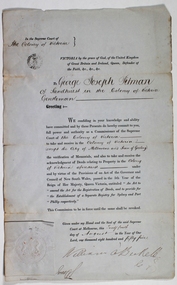 Bendigo Historical Society Inc.
Certificate - George Josph Pittman Solicitor Certificate, 24/08/1855
... To Goege Joseph Pitman Gentleman Greeting We confiding in your knowledge and ability have committed to you, full power and authority as a Commissioner of the Supreme Court of the Colony of Victoria to take and receive in the Colony of Victoria except the City of Melbourne and Town of Geelong the verification of Memorials, and also to take and receive the acknowledgement of Deeds relating to Property in the Colony of Victoria aforesaid under and by virtue of the Provisions of an Act of the Governor and Council of New South Wales passed in the 5th Year of the Reign of Her Majesty, Queen Victoria, entituled "An Act to " amend the act for the Registration of Deeds, and to provide for " the Establishment of a Separate Registary for Sydney and Port Phillip respectively" This Commission to be in force until the same shall be revoked. Given under my Hand and the Seal of the said Supreme Court at Melbourne, this Twenty fourth day of August in the Year of Our...To Goege Joseph Pitman Gentleman Greeting We confiding in your knowledge and ability have committed to you, full power and authority as a Commissioner of the Supreme Court of the Colony of Victoria to take and receive in the Colony of Victoria except the City of Melbourne and Town of Geelong the verification of Memorials, and also to take and receive the acknowledgement of Deeds relating to Property in the Colony of Victoria aforesaid under and by virtue of the Provisions of an Act of the Governor and Council of New South Wales passed in the 5th Year of the Reign of Her Majesty, Queen Victoria, entituled "An Act to " amend the act for the Registration of Deeds, and to provide for " the Establishment of a Separate Registary for Sydney and Port Phillip respectively" This Commission to be in force until the same shall be revoked. Given under my Hand and the Seal of the said Supreme Court at Melbourne, this Twenty fourth day of August in the Year of Our ...George Joseph Pitman was born on 2 May 1803, in Bristol, England, his father, Thomas Dix Pitman, was 40 and his mother, Anna Simmonds, was 38. He married Clara Matilda Hamilton on 15 November 1827, in St Pancras Old Church, St Pancras, London, England, United Kingdom. They were the parents of at least 3 sons and 7 daughters. He immigrated to Port Adelaide, South Australia, Australia in 1850 and lived in Barnstaple, Devon, England, United Kingdom in 1841. In 1856, his occupation is listed as solicitor in Bendigo, Victoria, Australia. He died on 14 January 1896, in Hawthorn, Victoria, Australia, at the age of 92, and was buried Kew Cemetery Boroondara Victoriahttps://ancestors.familysearch.org/en/L77X-BQS/george-joseph-pitman-1803-1896g George Joseph Pitman is believed to be the first solicitor on the Sandhurst Gold FieldGrey blue coloured paper with black print and black handwriting In the Supreme Court of The Colony of Victoria VICTORIA by the grace of God, of the United Kingdom of Great Britain and Ireland, Queen, Defender of the Faith, &c., &c., &c. To Goege Joseph Pitman Gentleman Greeting We confiding in your knowledge and ability have committed to you, full power and authority as a Commissioner of the Supreme Court of the Colony of Victoria to take and receive in the Colony of Victoria except the City of Melbourne and Town of Geelong the verification of Memorials, and also to take and receive the acknowledgement of Deeds relating to Property in the Colony of Victoria aforesaid under and by virtue of the Provisions of an Act of the Governor and Council of New South Wales passed in the 5th Year of the Reign of Her Majesty, Queen Victoria, entituled "An Act to " amend the act for the Registration of Deeds, and to provide for " the Establishment of a Separate Registary for Sydney and Port Phillip respectively" This Commission to be in force until the same shall be revoked. Given under my Hand and the Seal of the said Supreme Court at Melbourne, this Twenty fourth day of August in the Year of Our Lord, one thousand eight hundred and fifty five An impression of THE SEAL OF THE SUPREME COURT OF THE COLONY OF VICTORIA Three illegible signatures george joseph pitman, bendigo's first solicitor, solicitor certificate -
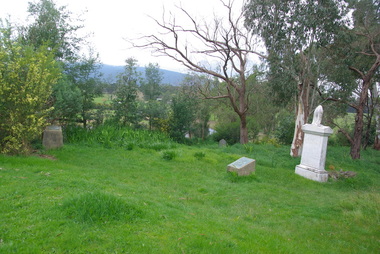 Victorian Interpretive Projects Inc.
Photograph - Colour, Clare Gervasoni, Corenderrk Cemetery, 31/08/2011
... William Barak believed strongly in justice for his people, and time and again made the arduous walk to Melbourne to petition to Parliament and to Queen Victoria for his people. ‘Freedom for our lifetime’, he said. ...William Barak believed strongly in justice for his people, and time and again made the arduous walk to Melbourne to petition to Parliament and to Queen Victoria for his people. ‘Freedom for our lifetime’, he said. ...In 1860 the Wurundjeri Elder, Wonga, petitioned the Victorian Parliament for a piece of land in his people’s own country where he could establish a settlement. The land later named Coranderrk was granted. When Wonga died in 1875 his nephew William Barak, known by settlers as ‘King William, last chief of the Yarra Yarra tribe’, became the leader, the Ngurungaeta. William Barak believed strongly in justice for his people, and time and again made the arduous walk to Melbourne to petition to Parliament and to Queen Victoria for his people. ‘Freedom for our lifetime’, he said. The community at Coranderrk welcomed Aboriginal people displaced from other parts of Victoria; they established an economically self-sufficient settlement by growing and marketing hops. Barak negotiated with the Victorian Government officials as they made promises and broke promises. They finally promised to export the whole of a hop harvest of one year. The people worked around the clock to fill the contract; the Government pocketed the proceeds. The community never recovered. Barak died in 1903— a broken-hearted man. (from http://www.sosj.org.au/_uploads/_cknw/files/Corenderrk.pdf) Artist William Barak is buried in this cemetery.Photographs of graves in grass and bushland. It is the Corenderrk Cemetery, and is associated with the former Corenderrk Aboriginal Reserve.corenderrk, wurundjeri, barak, aborigines, aboriginal, cemetery, grave, barak, jemima dunolly -
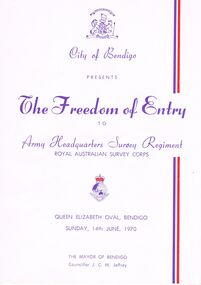 Bendigo Historical Society Inc.
Document - THE FREEDOM OF ENTRY TO ARMY HEADQUARTERS SURVEY REGIMENT, QUEEN ELIZABETH OVAL, 14 June, 1970
... Sovereign Our Country and Our City the Freedom of Entry into the City of Bendigo on Ceremonial Occasions in full panoply with Swords drown Bayonets fixed Drums beating Bands playing and Colours Flying. Order Of Ceremony Sunday... 14th June commencing at Bendigo Bands Bands. The parade of Army Headquarters Survey Regiment Marches into the Queen... Sovereign Our Country and Our City the Freedom of Entry into the City of Bendigo on Ceremonial Occasions in full panoply with Swords drown Bayonets fixed Drums beating Bands playing and Colours Flying. Order Of Ceremony Sunday 14th June commencing at Bendigo Bands Bands. The parade of Army Headquarters Survey Regiment Marches into the Queen ...The Freedom of Entry to Army Headquarters Survey Regiment Royal Australian Survey Corps, Queen Elizabeth Oval, Bendigo, Sunday, 14th June, 1970.The Mayor of Bendigo Councillor J C M Jeffrey. Presented by City of Bendigo. Photographs of the Mayor of Bendigo Councillor J C M Jeffrey, Colonel Commandant of the Regiment Brigadier D Macdonald and Commanding Officer Lt Col L B Sprenger, MBE. The City of Bendigo On the 14th day of June 1970 we extend to the Commanding Officer, Officers and Men of the A. H. Q. Survey Regiments Greetings Whereas the Bendigo City Council at a meeting held on the 20th day of April 1970 resolved unanimously that in appreciation of your loyal service to Our Sovereign Our Country and Our City and in recognition of the long and close association existing between the city and the Regiment in which so many of our citizens have been proud to serve, we hereby confer upon such Regiment by this Deed and in perpetuity the privilege honour and distinction of the Freedom of Entry into the City of Bendigo on Ceremonial Occasions in full panoply with Swords drown Bayonets fixed Drums beating Bands playing and Colours Flying. In Witness whereof the Common Seal of the Council was hereto affixed on the 14th day on June 1970 in the presence of J C M Jeffrey Mayor A J Watts Town Clerk. Order Of Ceremony Sunday, 14th June commencing at 1.45pm Bendigo Bands will play selections until 2.10pm, when Bands will move off the arena. The parade of Army Headquarters Survey Regiment Marches into the Queen Elizabeth Oval, Led by the Band of the Royal Australian Armoured Corps . . . Bendigo city council 1969-70 councillors listed . . . Officers Serving with Army Headquaters Survey Regiment on 14th June, 1970, listing . . . A Short History of the Regiment's Association with the City of Bendigo; 1942-1970. On 27th March, 1942, 'Fortuna' was occupied by LHQ Cartographic Company, Australian Survey Corps. . . . Commanding Officers of AHQ Survey Regiment. . . 11 pages.event, official, army survey regiment, the freedom of entry to army headquarters survey regiment royal australian survey corps, queen elizabeth oval, bendigo, sunday, 14th june, 1970.the mayor of bendigo councillor j c m jeffrey. presented by city of bendigo. photographs of the mayor of bendigo councillor j c m jeffrey, colonel commandant of the regiment brigadier d macdonald and commanding officer lt col l b sprenger, mbe. the city of bendigo on the 14th day of june 1970 commanding officer, officers and men of the a. h. q. survey regiments greetings bendigo city council at a meeting 1970 resolved unanimously that in appreciation of your loyal service to our sovereign our country and our city the freedom of entry into the city of bendigo on ceremonial occasions in full panoply with swords drown bayonets fixed drums beating bands playing and colours flying. order of ceremony sunday, 14th june commencing at bendigo bands bands. the parade of army headquarters survey regiment marches into the queen elizabeth oval, royal australian armoured corps . . . bendigo city council 1969-70 councillors listed . . . officers serving with army headquaters survey regiment on 14th june, 1970, listing . . . a short history of the regiment's association with the city of bendigo; 1942-1970. on 27th march, 1942, 'fortuna' was occupied by lhq cartographic company, australian survey corps. . . . commanding officers of ahq survey regiment -
Bendigo Historical Society Inc.
Document - TOWN HALL, THE BENDIGO CHORAL SOCIETY, 24 Apr 1928 - 27 Nov 1928
... Our Lord Is Risen... I Heav'n Above... King Arthur. b/ Second Concert. 39th Grand Concert. Wednesday... Sep. 19th 1928. Sub-Conductor: Mr E A Miller. Artists: Coral Trenerry... Muriel Bolt... Leslie Jephcott... Eileen Hains... Bendigo Choral Society. Hon. Sec. Programme: The Hexhamshire Lass... Prelude and Allegro... M'Appari Tutt 'Amor'... Rhapsody... Sweet Stay Awhile... There is a Lady Sweet and Kind... Danse Negre... Study... Merry Andrew... Gracious and Kind Art Thou My Queen...Our Lord Is Risen, I Heav'n Above, King Arthur. b/ The Bendigo Choral Society, Season 1928. Second Concert. 39th Grand Concert. Town Hall, Bendigo. Wednesday, Sep. 19th 1928. Conductor: Mr W C Frazier ARCO. Sub-Conductor: Mr E A Miller. Artists: Coral Trenerry, Muriel Bolt, Leslie Jephcott, Eileen Hains, Bendigo Choral Society. Hon. Sec. E H Collett. Asst. Hon. Sec. W F Mansell. Programme: The Hexhamshire Lass, Prelude and Allegro, M'Appari Tutt 'Amor', Rhapsody, Sweet Stay Awhile, There is a Lady Sweet and Kind, Danse Negre, Study, Merry Andrew, Gracious and Kind Art Thou My Queen...Our Lord Is Risen I Heav'n Above King Arthur. b/ Second Concert. 39th Grand Concert. Wednesday Sep. 19th 1928. Sub-Conductor: Mr E A Miller. Artists: Coral Trenerry Muriel Bolt Leslie Jephcott Eileen Hains Bendigo Choral Society. Hon. Sec. Programme: The Hexhamshire Lass Prelude and Allegro M'Appari Tutt 'Amor' Rhapsody Sweet Stay Awhile There is a Lady Sweet and Kind Danse Negre Study Merry Andrew Gracious and Kind Art Thou My Queen Secrecy Sweet Honey-Sucking Bees Mazurka Sigh No More Faery Song Fantasie Courage Brothers. ...Town Hall, The Bendigo Choral Society. 3 Programs for 1928: First Concert, Second Concert & Third Concert. a/ First Concert 38th Grand Concert, Town Hall, Bendigo. Tue. April 24th, 1928. Conductor MR W C Frazier ARCO. Artists: Miss A Caddell, Mr L Bienvenu. Pianiste: Miss Eileen Hains, ATCL. Hon. Sec. E H Collett. Asst. Sec. W F Mansell. Other Artists from BCS; Miss Essa McSwiney, Miss Jean Thompson, Miss May McGauchie, Hector Taylor. Programme: Price 3d. Programme: In These Delightful Pleasant Groves, Like To A Damask Rose, When The King Went Forth To War, Lament Of Isis, Tell I Tell Me, The Princess, Autumn's Storms, Prelude (The Cycle of Life), How Fair is Thy Face, God's Son Hath Set Me Free, Jesus Christ Our Lord Is Risen, I Heav'n Above, King Arthur. b/ The Bendigo Choral Society, Season 1928. Second Concert. 39th Grand Concert. Town Hall, Bendigo. Wednesday, Sep. 19th 1928. Conductor: Mr W C Frazier ARCO. Sub-Conductor: Mr E A Miller. Artists: Coral Trenerry, Muriel Bolt, Leslie Jephcott, Eileen Hains, Bendigo Choral Society. Hon. Sec. E H Collett. Asst. Hon. Sec. W F Mansell. Programme: The Hexhamshire Lass, Prelude and Allegro, M'Appari Tutt 'Amor', Rhapsody, Sweet Stay Awhile, There is a Lady Sweet and Kind, Danse Negre, Study, Merry Andrew, Gracious and Kind Art Thou My Queen, Secrecy, Sweet Honey-Sucking Bees, Mazurka, Sigh No More, Faery Song, Fantasie, Courage Brothers. Picture of W C Frazier is on cover. c/ The Bendigo Choral Society. Season 1928. Third Concert. 40th Grand Concert. Town Hall, Bendigo, Tuesday, November 27th, 1928. Conductor: Mr W C Frazier. Artists: Gwen Prockter, Lotte Daniell, A E Sayer, Eileen Hains ATCL, Joyce Connell LTCL. Hon. Se. E H Collett, Asst. Hon. Sec. W F Mansell. Programme 3d.Programme: Rest Sweet Nymph, Fine Knacks for Ladies, Adagio, Allegro, The Maiden's Complaint, I've Been Roaming, Down in a Valley, Flora Gave Me Fairest Flowers, Gipsy Dance, Songs of Love, Elegie, Songs of Love, Moonlight, The Nut-Tree, Songs of Love, Traumerei, Zigeunertanz, Nymphs and Fauns, Romance, Budmouth Dears, Bonny Fisher Lad, Rolling Down to Rio.Boltons Print, Bendigoprogram, music, the bendigo choral society, town hall, bendigo, the bendigo choral society. 3 programs for 1928 a/ first concert 38th grand concert. tue. april 24th, 1928. conductor mr w c frazier arco. artists: miss a caddell, mr l bienvenu. pianiste: miss eileen hains, atcl. hon. sec. e h collett. asst. sec. w f mansell. other artists from bcs; miss essa mcswiney, miss jean thompson, miss may mcgauchie, hector taylor. programme: in these delightful pleasant groves, like to a damask rose, when the king went forth to war, lament of isis, tell i tell me, the princess, autumn's storms, prelude (the cycle of life), how fair is thy face, god's son hath set me free, jesus christ our lord is risen, i heav'n above, king arthur. b/ second concert. 39th grand concert. wednesday, sep. 19th 1928. sub-conductor: mr e a miller. artists: coral trenerry, muriel bolt, leslie jephcott, eileen hains, bendigo choral society. hon. sec. programme: the hexhamshire lass, prelude and allegro, m'appari tutt 'amor', rhapsody, sweet stay awhile, there is a lady sweet and kind, danse negre, study, merry andrew, gracious and kind art thou my queen, secrecy, sweet honey-sucking bees, mazurka, sigh no more, faery song, fantasie, courage brothers. picture of w c frazier is on cover. c/ the bendigo choral society. season 1928. third concert. 40th grand concert. town hall, bendigo, tuesday, november 27th, 1928. conductor: artists: gwen prockter, lotte daniell, a e sayer, eileen hains atcl, joyce connell ltcl. programme: rest sweet nymph, fine knacks for ladies, adagio, allegro, the maiden's complaint, i've been roaming, down in a valley, flora gave me fairest flowers, gipsy dance, songs of love, elegie, songs of love, moonlight, the nut-tree, songs of love, traumerei, zigeunertanz, nymphs and fauns, romance, budmouth dears, bonny fisher lad, rolling down to rio. -
Bendigo Historical Society Inc.
Document - ANZAC MEMORIAL SERVICE, 25 April, 1922
... Queen... and the Royal Family Rev. L W Lee. 4. Hymn- 'All people that on Earth do Dwell' 5. Prayers Rev W J Holt. 6. Scripture Lesson- Rev. S E Doman 7. 1st Address- The Very Rev. The Dean of Bendigo 8. Presentation of Medals 9. Hymn- Kipling's Recessional. 10. Address Rev. B W Heath. 11. General Thanksgiving Ven. Archdeacon Haynes. 12. Nearer My God to Thee. 13. Last Post. Everybody is requested to rise and stand revernt in memory of our...Queen, and the Royal Family Rev. L W Lee. O! God who rulest over Thy people in love, we beseech Thee to bless Thy Servant, our King, that under him this nation may be wisely governed, and Thy Church may serve Thee in all godly quietness, Grant that the King, the Prince, and the people, being devoted to these with all their hearts, and preserving in good works to the end, may, by Thy guidance, come to Thine everlasting Kingdom, through Jesus Christ our Lord. ...Queen and the Royal Family Rev. L W Lee. 4. Hymn- 'All people that on Earth do Dwell' 5. Prayers Rev W J Holt. 6. Scripture Lesson- Rev. S E Doman 7. 1st Address- The Very Rev. The Dean of Bendigo 8. Presentation of Medals 9. Hymn- Kipling's Recessional. 10. Address Rev. B W Heath. 11. General Thanksgiving Ven. Archdeacon Haynes. 12. Nearer My God to Thee. 13. Last Post. Everybody is requested to rise and stand revernt in memory of our ...Anzac Memorial Service. Lest We Forget. Upper Reserve, Bendigo. Tuesday, April, 25, 1922.At 3 o'clock. Order of Service April 25, 1922. His Worship the Mayor (Cr. J E Holland) presiding. 1. Invocation and Lord's Prayer, Rev W Bennett. (President of Ministers Association) 2. National Anthem 3. Prayer for the King, Queen, and the Royal Family Rev. L W Lee. O! God who rulest over Thy people in love, we beseech Thee to bless Thy Servant, our King, that under him this nation may be wisely governed, and Thy Church may serve Thee in all godly quietness, Grant that the King, the Prince, and the people, being devoted to these with all their hearts, and preserving in good works to the end, may, by Thy guidance, come to Thine everlasting Kingdom, through Jesus Christ our Lord. Amen. 4. Hymn- 'All people that on Earth do Dwell' All people that on earth do dwell, Sing to the Lord with cheerful voice. Him serve with mirth, His praise forth tell, Come ye before Him and rejoice. Know that the Lord is God indeed; Without ou aid He did us make; We are His flock; He doth us feed. And for His sheep He doth us take. O enter then His gates with praise, Approach with joy His courts unto; Praise, laud and bless His name always, For it is seemly so to do. For why! The Lord our God is good, His mercy is for ever sure; His truth at all times firmly stood, And shall from age to age endure. 5. Prayers Rev W J Holt. Almighty God, who hast tought us in Thy Holy Word to perpetuate the memory of brave men and great deliverance, give to this nation grace not to forget the men who died for their fellow men; keep, we beseech thee, their memory fresh and green in the hearts of Thy people, and make us more worthy of the sacrafices they offered for us, through Jesus Christ our Lord. Amen. O! Merciful and Loving Father Who dost not willinglu afflict the children of men, but chasten tem for their profit, have mercy upon Thy bereaved and sorrowing servants who mourn for those they have lost in battle (especially those for whom our [rayers are asled). And as Thou dost sanctity muman love and felloship here upon earth, so grant them and us a happy re-union with those whom we love in Thy eternal peace and joy; throught Jesus Christ our Lord. Amen 6. Scripture Lesson- Rev. S E Doman 7. 1st Address- The Very Rev. The Dean of Bendigo 8. Presentation of Medals 9. Hymn- Kipling's Recessional. God of our fathers, known of old, Lord of the far-flung battle line, Beneath whose awful hand we hold Dominion over palm and pine- Lord God of hosts, be with us yet, Lest we forget-lest we forget! Far-called, our navies melt away, On dune and headland sinks the fire; Lo, all our pomp of yesterday. Is one with Nineveh and Tyre Judge of the nations, spare us yet, Lest we forget- - lest we forget. If, drunk with sight of power, we loose Wild tongues, that have not Thee in awe Still boasting, as the Gentiles use, Or lesser breeds, without the Law- Lord God of hosts, lest we forget! For heathen heart that puts her trust In reeking tube and iron shard, All valiant dust that builds on dust, And guarding, calls not Thee to to guard, For frantic boast and foolish word, Thy mercy on Thy people, Lord! 10. Address Rev. B W Heath. 11. General Thanksgiving Ven. Archdeacon Haynes. Almighty God, Father of all mercies! We, Thine unworthy servants, do give Thee most humble and hearty thanks for all Thy goodness and loving kindness to us, and to all men. We bless Thee for out creation, preservation, and all the blessings of this life; but, above all, for Thine inestimale love in the redemption of the world by our Lord Jesus Christ; for the means of grace, and for the hope and the glory. And, we beseech Thee, give us that due sense of all Thy mercies, that our hearts may be unfeignedly thankful, and that we show forth Thy praise, not onlu with our lips, but with our lives; by giving up purselves to Thy sevice, and by walking before Thee in holiness and righteousness all our days; thriough Jesus Christ our Lord; to Whom with Thee and the Holy Spirit ba all honour and glory, world without end. Amen. 12. Nearer My God to Thee. Mearer my God to Thee, Mearer to Thee; E'en though it be a cross That raiseth me; Still all my song shall be. Nearer, my God, to Thee, Nearer to Thee. Though like the wanderer, The sun gone down, Darkness comes over me, My rest a stone, Yet in my dreams I'd be Nearer my God to Thee, Nearer to Thee. There let my may way appear Steps unto Heav'n, All that thou sendest me In mercy given. Angels to beckon me Nearer, my God, to Thee, Nearer to Thee. Then, with my waking thoughts, Bright with Thy Praise, Out of my stony griefs Berhel I'll raise; So by my woes to be Nearer to Thee. Amen. 13. Last Post. Everybody is requested to rise and stand revernt in memory of our illustrious dead. 14. Benediction. The singing will be led by the Children from the State Schools.Cambridge Pres, Print, Bendigoevent, official, anzac memorial service, anzac memorial service. lest we forget. upper reserve, bendigo. tuesday, april, 25, 1922.at 3 o'clock. order of service april 25, 1922. his worship the mayor (cr. j e holland) presiding. 1. invocation and lord's prayer, rev w bennett. (president of ministers association) 2. national anthem 3. prayer for the king, queen, and the royal family rev. l w lee. 4. hymn- 'all people that on earth do dwell' 5. prayers rev w j holt. 6. scripture lesson- rev. s e doman 7. 1st address- the very rev. the dean of bendigo 8. presentation of medals 9. hymn- kipling's recessional. 10. address rev. b w heath. 11. general thanksgiving ven. archdeacon haynes. 12. nearer my god to thee. 13. last post. everybody is requested to rise and stand revernt in memory of our illustrious dead. 14. benediction. the singing will be led by the children from the state schools. -
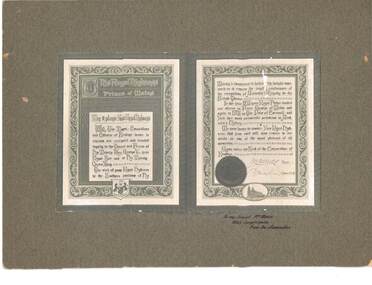 Bendigo Historical Society Inc.
Document - BENDIGO COUNCIL - AFFIRMATION OF ALLEGIANCE TO KING AND THRONE
... We, The Mayor,Councillors and Citizens of Bendigo desire to express our continued and devoted loyalty to the Throne and Person of His Majesty King George V., your Royal Sire and her Her Majesty Queen Mary. ...We, The Mayor,Councillors and Citizens of Bendigo desire to express our continued and devoted loyalty to the Throne and Person of His Majesty King George V., your Royal Sire and her Her Majesty Queen Mary. ...Document with Bendigo Seal - It reads - May it please your Royal Highness. We, The Mayor,Councillors and Citizens of Bendigo desire to express our continued and devoted loyalty to the Throne and Person of His Majesty King George V., your Royal Sire and her Her Majesty Queen Mary. The visit of your Royal Highness to the Southern portions of His Majesty's Dominions is hailed with delight in as much as it evinces the length and continuance of the recognition of Australia's Royalty to the British Throne. In the year 1881 your Royal Father visited our shores as Prince George of Wales and again in 1901 as the Duke of Cornwall and York, two most memorable occasions in Australia's History. We now desire to assure Your Royal Highness that your visit will also remain in our minds as one of the most pleasant of all memories. Given under the Seal of the Corporation of Bendigo. Written on the bottom in own hand writing. 'To my friend Mr. Maher, with compliments From the illuminator.'civic mementoes, royal souvenirs, king and throne., bendigo council. affirmation of allegiance to king and throne. -
 Narre Warren and District Family History Group
Book, Narre Warren & District Family History Group Inc, Casey Cardinia Collection - Pakenham Information File - Volume 1, 2014
... Orchards 14 Nov 2007 Pigeons take flight 25 Jul 2007 Oh how the town’s grown 26 Mar 2008 Historic hotel has new look – Pakenham Hotel 10 Dec 2008 Stock agent who called the shots – Roly Hewson 10 Dec 2008 Apple a day keeps orchardists aweigh – Hardings Orchard 06 Feb 2008 Service is in the can – Ray Coombs from Nestle Unknown It’s service with a smile – Charlie Rossetti 02 Apr 2008 The hell that was Gallipoli 05 Dec 2007 Una (Cafra) at 101 is unstoppable 05 Sep 2007 Neighbours for seven decades (Bill Shelton & Jack Buckland) 00 Dec 2008 Connectsus –newsletter of the Beaconhills College Alumni 19 Oct 2011 Historic Oak Journey Continues 19 Oct 2011 Beat is their guiding light 08 Sep 2010 Printz’s passion hits home 8 Apr 2015 Chuggs Tug at Heartstrings - Jean & Dennis Chugg 2 Sep 2015 Silence for a Good Man - John Goff 19 Oct 2016 Iconic Home is up for Sale 18 Jan 2017 A Great Blast from the Past - Pakenham East Cricket Club 23 Nov 2016 Her Caring Nature - Patricia Benyan 18 Jan 2017 Magical 100 Candles Lit - Mary Blundy 14 Oct 2015 Loyal Race Club Stalwarts Retire - Frances Knapp & Ron Carroll 17 Feb 2016 Pakenham Icon Passes - Gavan Bourke 17 Feb 2016 Pakenham Mourns a legend - Gavan Bourke 21 Sep 2016 Hughie Loved Community - Hughie Bourke 27 Jul 2016 It’s a Grant to Remember 1 Jun 2016 Principal Out of Trenches - St Patrick’s Primary School 150th 15 Jun 2016 Rotary was Charlie’s Life - Charlie Huyskens 31 Aug 2016 Man of Letters - John Murrell 20 Oct 2010 Hairdressing Win Career Highlight - Bronny Saunders 10 Feb 2016 Shut Down for Dore Milestone - John Dore 30 Apr 2008 Time for Reflection - Pakenham Cemetery Trust 5 Nov 2003 A Return to Glory Days for Former Shire Offices 23 Mar 1994 Ellie Ellett’s Memories of a Fortunate Life 23 Apr 2008 From Concrete to Soil - Roger & Chris McGill 21 Dec 2009 Joe is Fondly Remembered - Joe Russell 21 Dec 2009 Lorna’s Elegance Shone Through - Lorna Giles nee Ramage 16 Jan 2013 Johnny Appleseed - John Wiadrowski 13 Feb 2013 Treloar Makes Final Cut - Graham Treloar 13 Feb 2013 Pakenham as it was 17 Jun 2009 Learning Keeps Jean Young - Jean Ferguson 29 Oct 2014 Sweet Man with a Sweet Tooth - Keith Cook 22 May 2013 Machinery was Alan’s Game - Alan Porter 16 Sep 2015 Lucy’s Long, Loving Life - Lucy Rouse 22 Jul 2015 French Decoration - Jack Kane 13 Jan 2016 Athlete Marches Off - Sheldon Ronald 10 Feb 2016 Friends for Life - 60 Years not out - Bob & Kath Florance 10 Feb 2016 Newborn is Across the Generations - Nate Delphine 25 Apr 2012 Exhausted but Excited by Milestone Birthday - Ellen McKenzie 25 Aug 2005 Newspaper Pioneer Dies - Florrie Thomas 2010 Loss of Former Scout Leader - Joe Zaal 15 Jul 2015 Senior Citizens Celebrate Birthday 15 Jul 2015 Congrats Joan on OAM - Joan Vogels 26 May 2010 Cath is our Centenarian - Cath Marson 15 Sep 2021 Together 50 Golden Years - Alwyn & Terry Williams 10 Jun 2021 They Made the Regal List - Donald Duffy 12 Jun 2013 Zach’s Footy Dream Comes True - Zach Stephens 10 Jun 2015 Stableford a Welcome Relief 15 May 2013 Jackie Loves Scouting Life - Jackie Connelly 5 Aug 2009 Sisters in Arms - Thelma Rhein & Joan Hayles 11 Feb 2009 Death of a Soldier - Aaran McCann 18 Feb 2015 Poppy Plaque for Service 28 Jun 2017 Sports Carnival was a Gift 23 Sep 2015 Hardware Icon Unhooks - Hardys 28 Jun 2017 Norm’s Dedication to RSL - Norm Joseph 25 Nov 2009 Pottering Around - Robert Gordon Pottery 1 Oct 2014 Hardy’s Toasts 60 Years 27 May 2015 Sod Turns New Page in Family’s History - Webster 4 Aug 2021 Siren Goes for “Stinger” - Ian Murphy 24 May 2017 50th Anniversary - Pakenham Secondary School 22 Sep 2021 Trusting in our Future - PB Ronald Memorial Trust 16 Dec 2009 Spotlight on the Hoof and Hook 15 May 2013 Sporting Legend who Rode High in the Saddle of Life 7 Jan 2009 Jubilee Team Nod is Jewel in Crown - Lionel Sexton 12 Aug 2015 Papers Together - Dandenong Journal 12 Aug 2015 Dickson - a Doyen of Jounal(ism) - Greg Dickson 12 Aug 2015 Quiet Man had Depth of Strength - Harold Tulloch 8 Sep 2021 100 and More Birthdays - Hautie Crick & Sybil Hickman 5 Aug 2015 St James Marks Ruby 6 Oct 2021 Young Spirit Worth Bottling - Daryl Young 12 Aug 2015 Gwen Followed the Paper Trail - Gwen Jarvis 12 Aug 2015 We Loved Our Youthful Adventures - Sue Jarvis 13 Oct 2021 Pizza Queen’s Farewell - Rosa Santo 4 Feb 2009 Gaynor Goes it Alone as Family Spreads Wide - Rotteveel 25 Feb 2009 Hooves of History - Pakenham Show 19 Sep 2018 Uncertain Future for Post-War Pat - St James Village 19 Sep 2018 Do You Recognise These Soldiers? ...Orchards 14 Nov 2007 Pigeons take flight 25 Jul 2007 Oh how the town’s grown 26 Mar 2008 Historic hotel has new look – Pakenham Hotel 10 Dec 2008 Stock agent who called the shots – Roly Hewson 10 Dec 2008 Apple a day keeps orchardists aweigh – Hardings Orchard 06 Feb 2008 Service is in the can – Ray Coombs from Nestle Unknown It’s service with a smile – Charlie Rossetti 02 Apr 2008 The hell that was Gallipoli 05 Dec 2007 Una (Cafra) at 101 is unstoppable 05 Sep 2007 Neighbours for seven decades (Bill Shelton & Jack Buckland) 00 Dec 2008 Connectsus –newsletter of the Beaconhills College Alumni 19 Oct 2011 Historic Oak Journey Continues 19 Oct 2011 Beat is their guiding light 08 Sep 2010 Printz’s passion hits home 8 Apr 2015 Chuggs Tug at Heartstrings - Jean & Dennis Chugg 2 Sep 2015 Silence for a Good Man - John Goff 19 Oct 2016 Iconic Home is up for Sale 18 Jan 2017 A Great Blast from the Past - Pakenham East Cricket Club 23 Nov 2016 Her Caring Nature - Patricia Benyan 18 Jan 2017 Magical 100 Candles Lit - Mary Blundy 14 Oct 2015 Loyal Race Club Stalwarts Retire - Frances Knapp & Ron Carroll 17 Feb 2016 Pakenham Icon Passes - Gavan Bourke 17 Feb 2016 Pakenham Mourns a legend - Gavan Bourke 21 Sep 2016 Hughie Loved Community - Hughie Bourke 27 Jul 2016 It’s a Grant to Remember 1 Jun 2016 Principal Out of Trenches - St Patrick’s Primary School 150th 15 Jun 2016 Rotary was Charlie’s Life - Charlie Huyskens 31 Aug 2016 Man of Letters - John Murrell 20 Oct 2010 Hairdressing Win Career Highlight - Bronny Saunders 10 Feb 2016 Shut Down for Dore Milestone - John Dore 30 Apr 2008 Time for Reflection - Pakenham Cemetery Trust 5 Nov 2003 A Return to Glory Days for Former Shire Offices 23 Mar 1994 Ellie Ellett’s Memories of a Fortunate Life 23 Apr 2008 From Concrete to Soil - Roger & Chris McGill 21 Dec 2009 Joe is Fondly Remembered - Joe Russell 21 Dec 2009 Lorna’s Elegance Shone Through - Lorna Giles nee Ramage 16 Jan 2013 Johnny Appleseed - John Wiadrowski 13 Feb 2013 Treloar Makes Final Cut - Graham Treloar 13 Feb 2013 Pakenham as it was 17 Jun 2009 Learning Keeps Jean Young - Jean Ferguson 29 Oct 2014 Sweet Man with a Sweet Tooth - Keith Cook 22 May 2013 Machinery was Alan’s Game - Alan Porter 16 Sep 2015 Lucy’s Long, Loving Life - Lucy Rouse 22 Jul 2015 French Decoration - Jack Kane 13 Jan 2016 Athlete Marches Off - Sheldon Ronald 10 Feb 2016 Friends for Life - 60 Years not out - Bob & Kath Florance 10 Feb 2016 Newborn is Across the Generations - Nate Delphine 25 Apr 2012 Exhausted but Excited by Milestone Birthday - Ellen McKenzie 25 Aug 2005 Newspaper Pioneer Dies - Florrie Thomas 2010 Loss of Former Scout Leader - Joe Zaal 15 Jul 2015 Senior Citizens Celebrate Birthday 15 Jul 2015 Congrats Joan on OAM - Joan Vogels 26 May 2010 Cath is our Centenarian - Cath Marson 15 Sep 2021 Together 50 Golden Years - Alwyn & Terry Williams 10 Jun 2021 They Made the Regal List - Donald Duffy 12 Jun 2013 Zach’s Footy Dream Comes True - Zach Stephens 10 Jun 2015 Stableford a Welcome Relief 15 May 2013 Jackie Loves Scouting Life - Jackie Connelly 5 Aug 2009 Sisters in Arms - Thelma Rhein & Joan Hayles 11 Feb 2009 Death of a Soldier - Aaran McCann 18 Feb 2015 Poppy Plaque for Service 28 Jun 2017 Sports Carnival was a Gift 23 Sep 2015 Hardware Icon Unhooks - Hardys 28 Jun 2017 Norm’s Dedication to RSL - Norm Joseph 25 Nov 2009 Pottering Around - Robert Gordon Pottery 1 Oct 2014 Hardy’s Toasts 60 Years 27 May 2015 Sod Turns New Page in Family’s History - Webster 4 Aug 2021 Siren Goes for “Stinger” - Ian Murphy 24 May 2017 50th Anniversary - Pakenham Secondary School 22 Sep 2021 Trusting in our Future - PB Ronald Memorial Trust 16 Dec 2009 Spotlight on the Hoof and Hook 15 May 2013 Sporting Legend who Rode High in the Saddle of Life 7 Jan 2009 Jubilee Team Nod is Jewel in Crown - Lionel Sexton 12 Aug 2015 Papers Together - Dandenong Journal 12 Aug 2015 Dickson - a Doyen of Jounal(ism) - Greg Dickson 12 Aug 2015 Quiet Man had Depth of Strength - Harold Tulloch 8 Sep 2021 100 and More Birthdays - Hautie Crick & Sybil Hickman 5 Aug 2015 St James Marks Ruby 6 Oct 2021 Young Spirit Worth Bottling - Daryl Young 12 Aug 2015 Gwen Followed the Paper Trail - Gwen Jarvis 12 Aug 2015 We Loved Our Youthful Adventures - Sue Jarvis 13 Oct 2021 Pizza Queen’s Farewell - Rosa Santo 4 Feb 2009 Gaynor Goes it Alone as Family Spreads Wide - Rotteveel 25 Feb 2009 Hooves of History - Pakenham Show 19 Sep 2018 Uncertain Future for Post-War Pat - St James Village 19 Sep 2018 Do You Recognise These Soldiers? ...Folder containing a table of contents and various newspaper clippings and other information pertaining to the Pakenham area Volume 1. The date the articles were published, and title of articles are listed below. 10 Aug 2005 John McMillan honoured as Secretary of Pakenham Cemetery Trust 09 Feb 2005 Arch Munro – obituary 17 Nov 2004 St. James 120th Anniversary 17 Nov 2004 Gwen Crouch – people in profile 23 Mar 2005 Ranald & Rae Webster Diamond Anniversary 19 May 2004 Curnow Farm, Henry Road 23 Jun 2004 Lottie Schultz – obituary 17 Dec 2003 Doris Kirkland – obituary 13 Oct 1993 Main Street 1947 08 Jan 2004 Toomuc Ridge – sale of property 24 Nov 1998 Berwick-Pakenham Historical Society 02 Aug 2002 Joseph Purves – obituary 19 Jan 1999 Pakenham Stockyards 27 Oct 2004 Artefacts halt pool dig 12 Oct 1999 Pakenham Library 10 Nov 2004 Joyce Parker – widow wages war against injustice Unknown John Chapman celebrates six decades at Pakenham Sale Yards 12 Sep 2007 Noel Gardner – obituary 21 Jul 2004 Mick Manestar – RSL top honour for war veteran 31 Mar 2004 William Bruce Ronald Reserve 08 Sep 2004 Muriel Gladys Treloar – obituary 02 May 2007 Anzac Day at Pakenham 23 Sep 1998 Lorna Anderson – people in profile 21 Apr 2004 Max & Toni Myers – organic apple orchard 14 May 2008 Lorna Jackson – moving 14 May 2008 Norma Jackson – people in profile 14 May 2008 Bill Shelton – me and my car 31 Jun 2007 Vandals Raid RSL 05 Mar 2008 Vicki Mantel – nee McLeod 31 Jan 2007 Sisters follow family style – Green family 08 Jun 2005 Alice Bould – 81st birthday 12 Jan 2011 Church Robbers 03 Dec 2008 Una’s 102 not out – Una Cafra 14 Nov 2007 Dot Murphy & the Pakenham Pool 04 Feb 2009 Jack Buckland 20 May 2003 It was apples at the orchard school 18 Feb 2009 Aaron Stewart McCann 18 Feb 2009 Ray Caldwell 29 Nov 2006 Una Cafra – people in profile 05 Dec 2007 Apples to the core – Priest Bros. Orchards 14 Nov 2007 Pigeons take flight 25 Jul 2007 Oh how the town’s grown 26 Mar 2008 Historic hotel has new look – Pakenham Hotel 10 Dec 2008 Stock agent who called the shots – Roly Hewson 10 Dec 2008 Apple a day keeps orchardists aweigh – Hardings Orchard 06 Feb 2008 Service is in the can – Ray Coombs from Nestle Unknown It’s service with a smile – Charlie Rossetti 02 Apr 2008 The hell that was Gallipoli 05 Dec 2007 Una (Cafra) at 101 is unstoppable 05 Sep 2007 Neighbours for seven decades (Bill Shelton & Jack Buckland) 00 Dec 2008 Connectsus –newsletter of the Beaconhills College Alumni 19 Oct 2011 Historic Oak Journey Continues 19 Oct 2011 Beat is their guiding light 08 Sep 2010 Printz’s passion hits home 8 Apr 2015 Chuggs Tug at Heartstrings - Jean & Dennis Chugg 2 Sep 2015 Silence for a Good Man - John Goff 19 Oct 2016 Iconic Home is up for Sale 18 Jan 2017 A Great Blast from the Past - Pakenham East Cricket Club 23 Nov 2016 Her Caring Nature - Patricia Benyan 18 Jan 2017 Magical 100 Candles Lit - Mary Blundy 14 Oct 2015 Loyal Race Club Stalwarts Retire - Frances Knapp & Ron Carroll 17 Feb 2016 Pakenham Icon Passes - Gavan Bourke 17 Feb 2016 Pakenham Mourns a legend - Gavan Bourke 21 Sep 2016 Hughie Loved Community - Hughie Bourke 27 Jul 2016 It’s a Grant to Remember 1 Jun 2016 Principal Out of Trenches - St Patrick’s Primary School 150th 15 Jun 2016 Rotary was Charlie’s Life - Charlie Huyskens 31 Aug 2016 Man of Letters - John Murrell 20 Oct 2010 Hairdressing Win Career Highlight - Bronny Saunders 10 Feb 2016 Shut Down for Dore Milestone - John Dore 30 Apr 2008 Time for Reflection - Pakenham Cemetery Trust 5 Nov 2003 A Return to Glory Days for Former Shire Offices 23 Mar 1994 Ellie Ellett’s Memories of a Fortunate Life 23 Apr 2008 From Concrete to Soil - Roger & Chris McGill 21 Dec 2009 Joe is Fondly Remembered - Joe Russell 21 Dec 2009 Lorna’s Elegance Shone Through - Lorna Giles nee Ramage 16 Jan 2013 Johnny Appleseed - John Wiadrowski 13 Feb 2013 Treloar Makes Final Cut - Graham Treloar 13 Feb 2013 Pakenham as it was 17 Jun 2009 Learning Keeps Jean Young - Jean Ferguson 29 Oct 2014 Sweet Man with a Sweet Tooth - Keith Cook 22 May 2013 Machinery was Alan’s Game - Alan Porter 16 Sep 2015 Lucy’s Long, Loving Life - Lucy Rouse 22 Jul 2015 French Decoration - Jack Kane 13 Jan 2016 Athlete Marches Off - Sheldon Ronald 10 Feb 2016 Friends for Life - 60 Years not out - Bob & Kath Florance 10 Feb 2016 Newborn is Across the Generations - Nate Delphine 25 Apr 2012 Exhausted but Excited by Milestone Birthday - Ellen McKenzie 25 Aug 2005 Newspaper Pioneer Dies - Florrie Thomas 2010 Loss of Former Scout Leader - Joe Zaal 15 Jul 2015 Senior Citizens Celebrate Birthday 15 Jul 2015 Congrats Joan on OAM - Joan Vogels 26 May 2010 Cath is our Centenarian - Cath Marson 15 Sep 2021 Together 50 Golden Years - Alwyn & Terry Williams 10 Jun 2021 They Made the Regal List - Donald Duffy 12 Jun 2013 Zach’s Footy Dream Comes True - Zach Stephens 10 Jun 2015 Stableford a Welcome Relief 15 May 2013 Jackie Loves Scouting Life - Jackie Connelly 5 Aug 2009 Sisters in Arms - Thelma Rhein & Joan Hayles 11 Feb 2009 Death of a Soldier - Aaran McCann 18 Feb 2015 Poppy Plaque for Service 28 Jun 2017 Sports Carnival was a Gift 23 Sep 2015 Hardware Icon Unhooks - Hardys 28 Jun 2017 Norm’s Dedication to RSL - Norm Joseph 25 Nov 2009 Pottering Around - Robert Gordon Pottery 1 Oct 2014 Hardy’s Toasts 60 Years 27 May 2015 Sod Turns New Page in Family’s History - Webster 4 Aug 2021 Siren Goes for “Stinger” - Ian Murphy 24 May 2017 50th Anniversary - Pakenham Secondary School 22 Sep 2021 Trusting in our Future - PB Ronald Memorial Trust 16 Dec 2009 Spotlight on the Hoof and Hook 15 May 2013 Sporting Legend who Rode High in the Saddle of Life 7 Jan 2009 Jubilee Team Nod is Jewel in Crown - Lionel Sexton 12 Aug 2015 Papers Together - Dandenong Journal 12 Aug 2015 Dickson - a Doyen of Jounal(ism) - Greg Dickson 12 Aug 2015 Quiet Man had Depth of Strength - Harold Tulloch 8 Sep 2021 100 and More Birthdays - Hautie Crick & Sybil Hickman 5 Aug 2015 St James Marks Ruby 6 Oct 2021 Young Spirit Worth Bottling - Daryl Young 12 Aug 2015 Gwen Followed the Paper Trail - Gwen Jarvis 12 Aug 2015 We Loved Our Youthful Adventures - Sue Jarvis 13 Oct 2021 Pizza Queen’s Farewell - Rosa Santo 4 Feb 2009 Gaynor Goes it Alone as Family Spreads Wide - Rotteveel 25 Feb 2009 Hooves of History - Pakenham Show 19 Sep 2018 Uncertain Future for Post-War Pat - St James Village 19 Sep 2018 Do You Recognise These Soldiers? 26 Jul 2016 Beatrice Breaks Through the Glass Ceiling - Beatrice Thomas 25 Apr 2018 Navy Veteran Finds God - Ken Walton 27 Apr 2016 Light in the Darkness 23 Aug 2017 Memory Lives on in Trust - P.B. Ronald 19 Jul 2017 Les Answered Call to Duty - Les Futcher 11 Oct 2017 A Fortunate Life - Liz Jeavons 11 Jun 2014 No Stone is Left Unturned - Stone family 20 Jun 2018 Telling War Stories - Patrick Ferry 27 Sep 2017 Sybil Makes 100 - Sybil Hickman 20 Jul 2016 Save Our Storenon-fictionpakenham (vic.), john mcmillan -
 Narre Warren and District Family History Group
Book, Narre Warren & District Family History Group Inc, Casey Cardinia Collection - Koo Wee Rup Information File, 2013
... Mar 2005 General Historical Information 15 Dec 2004 Huxtable, Ken: obituary 23 Jun 1993 Egan Family celebrates 100 years in Gippsland 15 Sep 2004 Jeffrey, Violet: obituary 01 Nov 2006 New War Memorial on track 20 Jun 2007 Ingram, Lynette: profile 18 Jul 2007 Koo Wee Rup High School: 1st captains 11 Oct 2017 Alumni Invited Back to School - Koo Wee Rup Secondary College 11 Oct 2021 History Builds a Lasting Legacy - Koo Wee Rup Secondary College 6 Feb 2013 Peter’s Our Top Citizen - Peter Boekel 15 Apr 2015 Uncle Taken too Soon - Claude Leeson 1 Oct 2014 Rita, the Reliever - Rita Matthews 15 Apr 2015 The Address of Honour 14 Jan 2015 What an Innings - Kathleen Glasscock 22 Oct 2014 Lasting Military Legacy 14 Jan 2015 Imbued with Sporting Spirit - Peter Levey 18 Jul 2007 Challenges for Society 18 Jul 2007 Meet a Home Town Policeman - Stuart Halligan 8 Oct 2008 Pylons v Potatoes 10 Oct 2007 Players Still do the Rounds - Windmill Theatre 26 Oct 2016 St Sofia Comes to Town 16 Jun 2021 The Queen of Volunteers - May Ridgway 21 Oct 2015 “Once in a Million” Mal - Mal Pugh 3 Oct 2007 100 is Well Worth the Wait - Albert Townley 15 Jul 2015 Ron Won’t Surrender - Ron Ingram 11 Mar 2009 Mona Keeps Memories Alive - Mona Mynard 28 Mar 2012 Deserving Demons 15 Jul 2015 After 100 Years, Blood Worth Bottling - Red Cross 24 Sep 2005 Bowling in the Rough 24 Sep 2005 The :Family” Cricket Association Celebrates a Milestone Jul 2009 Resident of the Month - Joyce Games 18 Feb 2009 Dynasties That Helped Build the Swamp - Lineham family 15 Jul 2015 Herbs Add a Zest for Life 4 Feb 2009 Better School Rises From Ashes - Koo Wee Rup High School 15 Jun 2016 Horses, High Stakes and Honours - Colin Alderson 4 Apr 2018 Koowee Through and Through - Jack Ingram UNKNOWN Koo Wee Rup Swamp Historical Society - pamphlet 14 Apr 2021 Royal Remembered - Heather Arnold 11 Mar 2020 Swamp Museum Reopens 23 Aug 2017 Reading at Random 14 Mar 2018 Heritage house of History - Harewood House 8 Apr 2015 Digger Honours 27 Sep 2018 The Lowdown Q&A - Heather Arnold 15 Dec 2021 Claudia’s Legacy of Note - Claudia Barker 15 Dec 2021 Claudia Passes the Baton - Claudia Barker 15 Dec 2021 Teacher’s Musical Journey - Claudia Barker 18 Oct 2023 Five Decades of Tradition 20 Dec 2023 Decades of Dedication - Leonie McGinley 12 July 2023 It’s History in the Making - Heather Arnold 26 Jan 2022 Koo Wee Rup Names Dianne its Citizen of the Year - Dianne Divola 21 Dec 2005 Cut Above the Rest 20 Apr 2022 An Enduring Love Story - Olive and Geoff Stokes 2 May 2007 Tea to Celebrate 59 Years Together - Doug and Lois Beer 21 Dec 2022 Minnie’s Major Injustice - Minnie Eason 27 July 2022 Jaydee’s Epic Run - Jaydee Miller 28 Jun 2006 Show Goes on for Blue-ribbon Couple - Bob & Robyn Johnson 18 May2022 Keeping the Past Alive - Harewood House 27 Sep 2006 Grower Thrilled with Record Crop - Charlie Motta 15 Nov 2023 His Legacy of Conviction - Russell Broadbent 6 Feb 2019 Wright Earns Senior Gong - June Wright 6 Feb 2019 Meaghan’s Massive Efforts for Youth are Rewarded - Meaghan Venables 7 Aug 2024 Swamp a Flood Zone 6 Nov 2024 St Sophia Celebrations 2 Oct 2024 Theatre Buffs to Reunite 8 May 2024 Frustration as Anzac Day Service Billed 22 May2024 Second to None - Leonie McGinley 23 Oct 2024 Beautiful Train Mural Underway at Koo Wee Rup 14 May2025 Russell’s Long Legacy - Russell Broadbent 7 May 2025 Last Harvest for the Giles 12 Mar 2025 A Love of Koo Wee Rup - Caroline Roff 28 Jan 2026 “Heart of Gold” Earns OAM - Bev Edwards 11 Dec 2024 Biggest Train Mural Unveiled 29 Oct 2025 Honouring Saint Sofia 24 Sep 2025 Legacy Honoured 18 Feb 2026 Tributes Flow For O’Hehir - Barry O’Hehir 18 Feb 2026 Wilson Remembered Across Gippy Region - Trevor Wilson...Mar 2005 General Historical Information 15 Dec 2004 Huxtable, Ken: obituary 23 Jun 1993 Egan Family celebrates 100 years in Gippsland 15 Sep 2004 Jeffrey, Violet: obituary 01 Nov 2006 New War Memorial on track 20 Jun 2007 Ingram, Lynette: profile 18 Jul 2007 Koo Wee Rup High School: 1st captains 11 Oct 2017 Alumni Invited Back to School - Koo Wee Rup Secondary College 11 Oct 2021 History Builds a Lasting Legacy - Koo Wee Rup Secondary College 6 Feb 2013 Peter’s Our Top Citizen - Peter Boekel 15 Apr 2015 Uncle Taken too Soon - Claude Leeson 1 Oct 2014 Rita, the Reliever - Rita Matthews 15 Apr 2015 The Address of Honour 14 Jan 2015 What an Innings - Kathleen Glasscock 22 Oct 2014 Lasting Military Legacy 14 Jan 2015 Imbued with Sporting Spirit - Peter Levey 18 Jul 2007 Challenges for Society 18 Jul 2007 Meet a Home Town Policeman - Stuart Halligan 8 Oct 2008 Pylons v Potatoes 10 Oct 2007 Players Still do the Rounds - Windmill Theatre 26 Oct 2016 St Sofia Comes to Town 16 Jun 2021 The Queen of Volunteers - May Ridgway 21 Oct 2015 “Once in a Million” Mal - Mal Pugh 3 Oct 2007 100 is Well Worth the Wait - Albert Townley 15 Jul 2015 Ron Won’t Surrender - Ron Ingram 11 Mar 2009 Mona Keeps Memories Alive - Mona Mynard 28 Mar 2012 Deserving Demons 15 Jul 2015 After 100 Years, Blood Worth Bottling - Red Cross 24 Sep 2005 Bowling in the Rough 24 Sep 2005 The :Family” Cricket Association Celebrates a Milestone Jul 2009 Resident of the Month - Joyce Games 18 Feb 2009 Dynasties That Helped Build the Swamp - Lineham family 15 Jul 2015 Herbs Add a Zest for Life 4 Feb 2009 Better School Rises From Ashes - Koo Wee Rup High School 15 Jun 2016 Horses, High Stakes and Honours - Colin Alderson 4 Apr 2018 Koowee Through and Through - Jack Ingram UNKNOWN Koo Wee Rup Swamp Historical Society - pamphlet 14 Apr 2021 Royal Remembered - Heather Arnold 11 Mar 2020 Swamp Museum Reopens 23 Aug 2017 Reading at Random 14 Mar 2018 Heritage house of History - Harewood House 8 Apr 2015 Digger Honours 27 Sep 2018 The Lowdown Q&A - Heather Arnold 15 Dec 2021 Claudia’s Legacy of Note - Claudia Barker 15 Dec 2021 Claudia Passes the Baton - Claudia Barker 15 Dec 2021 Teacher’s Musical Journey - Claudia Barker 18 Oct 2023 Five Decades of Tradition 20 Dec 2023 Decades of Dedication - Leonie McGinley 12 July 2023 It’s History in the Making - Heather Arnold 26 Jan 2022 Koo Wee Rup Names Dianne its Citizen of the Year - Dianne Divola 21 Dec 2005 Cut Above the Rest 20 Apr 2022 An Enduring Love Story - Olive and Geoff Stokes 2 May 2007 Tea to Celebrate 59 Years Together - Doug and Lois Beer 21 Dec 2022 Minnie’s Major Injustice - Minnie Eason 27 July 2022 Jaydee’s Epic Run - Jaydee Miller 28 Jun 2006 Show Goes on for Blue-ribbon Couple - Bob & Robyn Johnson 18 May2022 Keeping the Past Alive - Harewood House 27 Sep 2006 Grower Thrilled with Record Crop - Charlie Motta 15 Nov 2023 His Legacy of Conviction - Russell Broadbent 6 Feb 2019 Wright Earns Senior Gong - June Wright 6 Feb 2019 Meaghan’s Massive Efforts for Youth are Rewarded - Meaghan Venables 7 Aug 2024 Swamp a Flood Zone 6 Nov 2024 St Sophia Celebrations 2 Oct 2024 Theatre Buffs to Reunite 8 May 2024 Frustration as Anzac Day Service Billed 22 May2024 Second to None - Leonie McGinley 23 Oct 2024 Beautiful Train Mural Underway at Koo Wee Rup 14 May2025 Russell’s Long Legacy - Russell Broadbent 7 May 2025 Last Harvest for the Giles 12 Mar 2025 A Love of Koo Wee Rup - Caroline Roff 28 Jan 2026 “Heart of Gold” Earns OAM - Bev Edwards 11 Dec 2024 Biggest Train Mural Unveiled 29 Oct 2025 Honouring Saint Sofia 24 Sep 2025 Legacy Honoured 18 Feb 2026 Tributes Flow For O’Hehir - Barry O’Hehir 18 Feb 2026 Wilson Remembered Across Gippy Region - Trevor Wilson Casey Cardinia Collection - Koo Wee Rup Information File Book Narre Warren & District Family History Group Inc. ...Folder containing a table of contents and various newspaper clippings and other information pertaining to the Koo Wee Rup area. The date the articles were published, and title of articles are listed below. Mar 2005 General Historical Information 15 Dec 2004 Huxtable, Ken: obituary 23 Jun 1993 Egan Family celebrates 100 years in Gippsland 15 Sep 2004 Jeffrey, Violet: obituary 01 Nov 2006 New War Memorial on track 20 Jun 2007 Ingram, Lynette: profile 18 Jul 2007 Koo Wee Rup High School: 1st captains 11 Oct 2017 Alumni Invited Back to School - Koo Wee Rup Secondary College 11 Oct 2021 History Builds a Lasting Legacy - Koo Wee Rup Secondary College 6 Feb 2013 Peter’s Our Top Citizen - Peter Boekel 15 Apr 2015 Uncle Taken too Soon - Claude Leeson 1 Oct 2014 Rita, the Reliever - Rita Matthews 15 Apr 2015 The Address of Honour 14 Jan 2015 What an Innings - Kathleen Glasscock 22 Oct 2014 Lasting Military Legacy 14 Jan 2015 Imbued with Sporting Spirit - Peter Levey 18 Jul 2007 Challenges for Society 18 Jul 2007 Meet a Home Town Policeman - Stuart Halligan 8 Oct 2008 Pylons v Potatoes 10 Oct 2007 Players Still do the Rounds - Windmill Theatre 26 Oct 2016 St Sofia Comes to Town 16 Jun 2021 The Queen of Volunteers - May Ridgway 21 Oct 2015 “Once in a Million” Mal - Mal Pugh 3 Oct 2007 100 is Well Worth the Wait - Albert Townley 15 Jul 2015 Ron Won’t Surrender - Ron Ingram 11 Mar 2009 Mona Keeps Memories Alive - Mona Mynard 28 Mar 2012 Deserving Demons 15 Jul 2015 After 100 Years, Blood Worth Bottling - Red Cross 24 Sep 2005 Bowling in the Rough 24 Sep 2005 The :Family” Cricket Association Celebrates a Milestone Jul 2009 Resident of the Month - Joyce Games 18 Feb 2009 Dynasties That Helped Build the Swamp - Lineham family 15 Jul 2015 Herbs Add a Zest for Life 4 Feb 2009 Better School Rises From Ashes - Koo Wee Rup High School 15 Jun 2016 Horses, High Stakes and Honours - Colin Alderson 4 Apr 2018 Koowee Through and Through - Jack Ingram UNKNOWN Koo Wee Rup Swamp Historical Society - pamphlet 14 Apr 2021 Royal Remembered - Heather Arnold 11 Mar 2020 Swamp Museum Reopens 23 Aug 2017 Reading at Random 14 Mar 2018 Heritage house of History - Harewood House 8 Apr 2015 Digger Honours 27 Sep 2018 The Lowdown Q&A - Heather Arnold 15 Dec 2021 Claudia’s Legacy of Note - Claudia Barker 15 Dec 2021 Claudia Passes the Baton - Claudia Barker 15 Dec 2021 Teacher’s Musical Journey - Claudia Barker 18 Oct 2023 Five Decades of Tradition 20 Dec 2023 Decades of Dedication - Leonie McGinley 12 July 2023 It’s History in the Making - Heather Arnold 26 Jan 2022 Koo Wee Rup Names Dianne its Citizen of the Year - Dianne Divola 21 Dec 2005 Cut Above the Rest 20 Apr 2022 An Enduring Love Story - Olive and Geoff Stokes 2 May 2007 Tea to Celebrate 59 Years Together - Doug and Lois Beer 21 Dec 2022 Minnie’s Major Injustice - Minnie Eason 27 July 2022 Jaydee’s Epic Run - Jaydee Miller 28 Jun 2006 Show Goes on for Blue-ribbon Couple - Bob & Robyn Johnson 18 May2022 Keeping the Past Alive - Harewood House 27 Sep 2006 Grower Thrilled with Record Crop - Charlie Motta 15 Nov 2023 His Legacy of Conviction - Russell Broadbent 6 Feb 2019 Wright Earns Senior Gong - June Wright 6 Feb 2019 Meaghan’s Massive Efforts for Youth are Rewarded - Meaghan Venables 7 Aug 2024 Swamp a Flood Zone 6 Nov 2024 St Sophia Celebrations 2 Oct 2024 Theatre Buffs to Reunite 8 May 2024 Frustration as Anzac Day Service Billed 22 May2024 Second to None - Leonie McGinley 23 Oct 2024 Beautiful Train Mural Underway at Koo Wee Rup 14 May2025 Russell’s Long Legacy - Russell Broadbent 7 May 2025 Last Harvest for the Giles 12 Mar 2025 A Love of Koo Wee Rup - Caroline Roff 28 Jan 2026 “Heart of Gold” Earns OAM - Bev Edwards 11 Dec 2024 Biggest Train Mural Unveiled 29 Oct 2025 Honouring Saint Sofia 24 Sep 2025 Legacy Honoured 18 Feb 2026 Tributes Flow For O’Hehir - Barry O’Hehir 18 Feb 2026 Wilson Remembered Across Gippy Region - Trevor Wilsonnon-fictionkoo wee rup (vic.) -
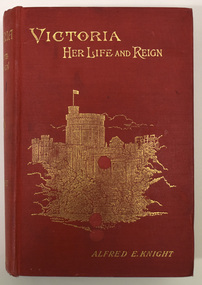 Warrnambool and District Historical Society Inc.
Book - Book - Queen Victoria, Victoria- Her Life and Reign, 1902
... Queen Victoria. Her reign was a long one and the history of her times is reflected in the history, the culture and the social attitudes, of most parts of the British Empire at the time, including Australia and in our case, Warrnambool Queen Victoria Her Life and Reign A biography of Queen Victoria This is a book of 384 pages plus 30 pages containing information on other books for sale. ...A biography of Queen VictoriaThis is a book of 384 pages plus 30 pages containing information on other books for sale. The cover is red with gold printing and a gold image of a Royal Palace. The pages contain printed text and black and white illustrations.non-fictionA biography of Queen Victoria queen victoria, her life and reign -
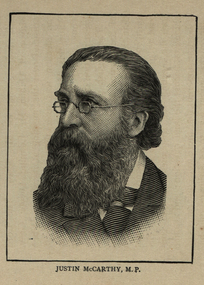 Ballarat and District Irish Association
Image, Justin McCarthy M.P., 1864
... Of these works the most important are: "History of our own Times" (7 vols., London, 1879-1905), dealing with the events from the year 1830 to the death of Queen Victoria and supplemented by "Reminiscences of an Irishman" (1899); "A short History of our own Times" (1888); "The Epoch of Reform, 1830-1850" (London, 1874); "History of the Four Georges" (4 vols., 1884-1901), of which vols. 3 and 4 were written in collaboration with his son, Justin Huntly McCarthy well-known as a novelist and play-writer; "Ireland and her Story" (1903); "Modern England" (1899); "Rome in Ireland" (1904). ...Of these works the most important are: "History of our own Times" (7 vols., London, 1879-1905), dealing with the events from the year 1830 to the death of Queen Victoria and supplemented by "Reminiscences of an Irishman" (1899); "A short History of our own Times" (1888); "The Epoch of Reform, 1830-1850" (London, 1874); "History of the Four Georges" (4 vols., 1884-1901), of which vols. 3 and 4 were written in collaboration with his son, Justin Huntly McCarthy well-known as a novelist and play-writer; "Ireland and her Story" (1903); "Modern England" (1899); "Rome in Ireland" (1904). ...McCarthy, JUSTIN, Irish politician, journalist, novelist, and historian, b. at Cork, November 22, 1830; d. at Folkestone, England, June 24, 1912. He was the son of Michael McCarthy, and was educated at a private school in his native city. At the age of eighteen he obtained a position on the literary staff of the "Cork Examiner". In 1853 he went to Liverpool as a journalist; in 1860 became Parliamentary reporter of the London "Morning Star", which he edited later (1864-68). From 1868 till 1871 he lectured with great success throughout the United States of America and was one of the assistant editors of the New York "Independent". On his return to England he contributed frequently to the "Nineteenth Century", the "Fortnightly Review", and the "Contemporary Review", and for many years was leader writer for the London "Daily News". From 1879 till 1896 he was a member of the British Parliament, representing the Irish constituencies of County Longford, Derry City, and North Longford. In November, 1880, he joined the Irish Land League, which won so many victories for the Catholic peasantry; two years later he became chairman of the National Land and Labor League of Great Britain. In 1886 he revisited the United States. From 1890 till 1896 he was chairman of the Irish Parliamentary party in succession to Parnell, having previously been vice-chairman for many years. His courtesy and moderation won him the respect of all parties in Parliament. Though participating so actively in the political life of Ireland, McCarthy took more interest in letters than in politics. His first novel, "The Waterdale Neighbors", appeared in 1867, and was followed by about twenty others, many of which are still popular. Of these the chief are: "Dear Lady Disdain" (1875); "A Fair Saxon" (1873); "Miss Misanthrope" (1877) and "The Dictator" (1893). Other publications were: "Con Amore", a volume of essays (1868), and biographies of Sir Robert Peel (1891), Leo XIII (1896), and Gladstone (1897). McCarthy's popularity as a writer depends rather on his historical writings, which are always lucid, forceful, and wonderfully free from party spirit. Of these works the most important are: "History of our own Times" (7 vols., London, 1879-1905), dealing with the events from the year 1830 to the death of Queen Victoria and supplemented by "Reminiscences of an Irishman" (1899); "A short History of our own Times" (1888); "The Epoch of Reform, 1830-1850" (London, 1874); "History of the Four Georges" (4 vols., 1884-1901), of which vols. 3 and 4 were written in collaboration with his son, Justin Huntly McCarthy well-known as a novelist and play-writer; "Ireland and her Story" (1903); "Modern England" (1899); "Rome in Ireland" (1904). Failing health and old age could not induce McCarthy to lay down his pen, and even as late as November, 1911, he published his "Irish Recollections", describing with his wonted charm the events of his earlier life. He was an ardent advocate of Catholic rights, and, though he had been indifferent for many years, in his old age he returned to the practices of his religion. A.A. MACERLEAN [http://oce.catholic.com/index.php?title=Justin_McCarthy, accessed 3/12/2013]Image of a bearded man wearing glasses. He is Justin McCarthy, M.P.ballarat irish, justin mccarthy, cork -
 Sunshine and District Historical Society Incorporated
Archive - Sunshine & District Historical Society 50th Anniversary Lunch Display Board Materials
... 2782.01 - Sunshine & District Historical Society 50th Anniversary Lunch Display Board Materials - S&DHS Information 2782.02 - Sunshine & District Historical Society 50th Anniversary Lunch Display Board Materials - 1800 - 1859 2782.03 - Sunshine & District Historical Society 50th Anniversary Lunch Display Board Materials - Photos 1870 - 1879 2782.04 - Sunshine & District Historical Society 50th Anniversary Lunch Display Board Materials - Photos 1880 - 1889 2782.05 - Sunshine & District Historical Society 50th Anniversary Lunch Display Board Materials - Photos 1890 - 1899 2782.06 - Sunshine & District Historical Society 50th Anniversary Lunch Display Board Materials - Photos 1900s 2782.07 - Sunshine & District Historical Society 50th Anniversary Lunch Display Board Materials - Photos 1910s 2782.08 - Sunshine & District Historical Society 50th Anniversary Lunch Display Board Materials - Photos 1920s 2782.09 - Sunshine & District Historical Society 50th Anniversary Lunch Display Board Materials - Photos 1930s 2782.10 - Sunshine & District Historical Society 50th Anniversary Lunch Display Board Materials - Photos 1940s 2782.11 - Sunshine & District Historical Society 50th Anniversary Lunch Display Board Materials - Photos 1950s 2782.12 - Sunshine & District Historical Society 50th Anniversary Lunch Display Board Materials - Photos 1960s 2782.13 - Sunshine & District Historical Society 50th Anniversary Lunch Display Board Materials - Photos 1970s 2782.14 - Sunshine & District Historical Society 50th Anniversary Lunch Display Board Materials - Photos 1980s 2782.15 - Sunshine & District Historical Society 50th Anniversary Lunch Display Board Materials - Photos 1990s 2782.16 - Sunshine & District Historical Society 50th Anniversary Lunch Display Board Materials - Photos 2000 - 2009 2782.17 - Sunshine & District Historical Society 50th Anniversary Lunch Display Board Materials - Photos 2010 Onwards 2782.18 - Sunshine & District Historical Society 50th Anniversary Lunch Display Board Materials - Our Neighbour Keilor 2782.19 - Sunshine & District Historical Society 50th Anniversary Lunch Display Board Materials - Misc Materials 2782.20 - Sunshine & District Historical Society 50th Anniversary Lunch Display Board Materials - Remembering The Queen...Collection of material used on the Sunshine & District Historical Society 50th Anniversary Lunch Display Boards hosted on the 20th November 2022 as put together by Kerry Hewson Sunshine & District Historical Society History 2782.01 - Sunshine & District Historical Society 50th Anniversary Lunch Display Board Materials - S&DHS Information 2782.02 - Sunshine & District Historical Society 50th Anniversary Lunch Display Board Materials - 1800 - 1859 2782.03 - Sunshine & District Historical Society 50th Anniversary Lunch Display Board Materials - Photos 1870 - 1879 2782.04 - Sunshine & District Historical Society 50th Anniversary Lunch Display Board Materials - Photos 1880 - 1889 2782.05 - Sunshine & District Historical Society 50th Anniversary Lunch Display Board Materials - Photos 1890 - 1899 2782.06 - Sunshine & District Historical Society 50th Anniversary Lunch Display Board Materials - Photos 1900s 2782.07 - Sunshine & District Historical Society 50th Anniversary Lunch Display Board Materials - Photos 1910s 2782.08 - Sunshine & District Historical Society 50th Anniversary Lunch Display Board Materials - Photos 1920s 2782.09 - Sunshine & District Historical Society 50th Anniversary Lunch Display Board Materials - Photos 1930s 2782.10 - Sunshine & District Historical Society 50th Anniversary Lunch Display Board Materials - Photos 1940s 2782.11 - Sunshine & District Historical Society 50th Anniversary Lunch Display Board Materials - Photos 1950s 2782.12 - Sunshine & District Historical Society 50th Anniversary Lunch Display Board Materials - Photos 1960s 2782.13 - Sunshine & District Historical Society 50th Anniversary Lunch Display Board Materials - Photos 1970s 2782.14 - Sunshine & District Historical Society 50th Anniversary Lunch Display Board Materials - Photos 1980s 2782.15 - Sunshine & District Historical Society 50th Anniversary Lunch Display Board Materials - Photos 1990s 2782.16 - Sunshine & District Historical Society 50th Anniversary Lunch Display Board Materials - Photos 2000 - 2009 2782.17 - Sunshine & District Historical Society 50th Anniversary Lunch Display Board Materials - Photos 2010 Onwards 2782.18 - Sunshine & District Historical Society 50th Anniversary Lunch Display Board Materials - Our Neighbour Keilor 2782.19 - Sunshine & District Historical Society 50th Anniversary Lunch Display Board Materials - Misc Materials 2782.20 - Sunshine & District Historical Society 50th Anniversary Lunch Display Board Materials - Remembering The Queen Collection of material used at the Sunshine & District Historical Society 50th Anniversary Lunch Display Boards hosted on the 20th November 2022 Archive Sunshine & District Historical Society 50th Anniversary Lunch Display Board Materials ...Collection of material used on the Sunshine & District Historical Society 50th Anniversary Lunch Display Boards hosted on the 20th November 2022 as put together by Kerry Hewson2782.01 - Sunshine & District Historical Society 50th Anniversary Lunch Display Board Materials - S&DHS Information 2782.02 - Sunshine & District Historical Society 50th Anniversary Lunch Display Board Materials - 1800 - 1859 2782.03 - Sunshine & District Historical Society 50th Anniversary Lunch Display Board Materials - Photos 1870 - 1879 2782.04 - Sunshine & District Historical Society 50th Anniversary Lunch Display Board Materials - Photos 1880 - 1889 2782.05 - Sunshine & District Historical Society 50th Anniversary Lunch Display Board Materials - Photos 1890 - 1899 2782.06 - Sunshine & District Historical Society 50th Anniversary Lunch Display Board Materials - Photos 1900s 2782.07 - Sunshine & District Historical Society 50th Anniversary Lunch Display Board Materials - Photos 1910s 2782.08 - Sunshine & District Historical Society 50th Anniversary Lunch Display Board Materials - Photos 1920s 2782.09 - Sunshine & District Historical Society 50th Anniversary Lunch Display Board Materials - Photos 1930s 2782.10 - Sunshine & District Historical Society 50th Anniversary Lunch Display Board Materials - Photos 1940s 2782.11 - Sunshine & District Historical Society 50th Anniversary Lunch Display Board Materials - Photos 1950s 2782.12 - Sunshine & District Historical Society 50th Anniversary Lunch Display Board Materials - Photos 1960s 2782.13 - Sunshine & District Historical Society 50th Anniversary Lunch Display Board Materials - Photos 1970s 2782.14 - Sunshine & District Historical Society 50th Anniversary Lunch Display Board Materials - Photos 1980s 2782.15 - Sunshine & District Historical Society 50th Anniversary Lunch Display Board Materials - Photos 1990s 2782.16 - Sunshine & District Historical Society 50th Anniversary Lunch Display Board Materials - Photos 2000 - 2009 2782.17 - Sunshine & District Historical Society 50th Anniversary Lunch Display Board Materials - Photos 2010 Onwards 2782.18 - Sunshine & District Historical Society 50th Anniversary Lunch Display Board Materials - Our Neighbour Keilor 2782.19 - Sunshine & District Historical Society 50th Anniversary Lunch Display Board Materials - Misc Materials 2782.20 - Sunshine & District Historical Society 50th Anniversary Lunch Display Board Materials - Remembering The Queensunshine & district historical society, history
