
Showing 1042 items matching "commercial -- australia"
-
 Kew Historical Society Inc
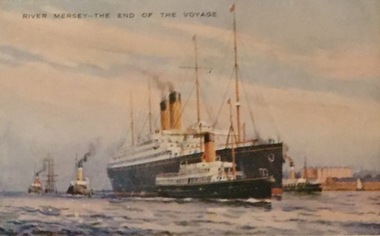
Postcard, Valentine's Series, River Mersey - The End of the Voyage, c.1928
... United Kingdom, represent a representative sample of sites that were considered significant to those Australians undertaking a reverse grand tour by member of the erstwhile colonies. Those postcards which are early views of Melbourne must have been produced commercially for some decades from the early part of the 20th century. postcards george and edith weir river mersey postcards -- uk weir collection "River Mersey - The End of the Voyage" River Mersey - The End of the Voyage. ...Collection of thirty-nine postcards donated by Jillian Rigby which had been owned by her grandparents, George and Edith Weir, who from c.1917 lived at 84 Princess Street, Kew. The mostly 'mint' postcards were purchased in Victoria and while travelling overseas. The sole dated postcard is dated from 1929. The postcards are numbered sequentially from 2017.0058.01-39. The remainder of the collection donated by Jill Rigby which was once owned by the Weirs of Broken Hill and Kew consist of costumes, costume accessories, photographs, and documents.The postcards in the Weir collection, especially those purchased on a trip or trips to the mother country, i.e. United Kingdom, represent a representative sample of sites that were considered significant to those Australians undertaking a reverse grand tour by member of the erstwhile colonies. Those postcards which are early views of Melbourne must have been produced commercially for some decades from the early part of the 20th century.River Mersey - The End of the Voyage. One of a set of three [originally six] 'High Class Postcards of Memories of the Mersey, Beautifully Reproduced in Nature Colours', in their original brown envelope. The postcard was probably purchased by George and Edith Weir on a trip to England and Scotland, circa 1928."River Mersey - The End of the Voyage"postcards, george and edith weir, river mersey, postcards -- uk, weir collection -
 Kew Historical Society Inc
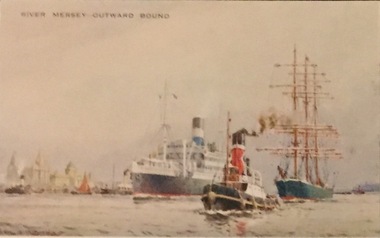
Postcard, Valentine's Series, River Mersey - Outward Bound, c.1928
... United Kingdom, represent a representative sample of sites that were considered significant to those Australians undertaking a reverse grand tour by member of the erstwhile colonies. Those postcards which are early views of Melbourne must have been produced commercially for some decades from the early part of the 20th century. postcards george and edith weir river mersey postcards -- uk weir collection "River Mersey - Outward Bound" River Mersey - Outward Bound. ...Collection of thirty-nine postcards donated by Jillian Rigby which had been owned by her grandparents, George and Edith Weir, who from c.1917 lived at 84 Princess Street, Kew. The mostly 'mint' postcards were purchased in Victoria and while travelling overseas. The sole dated postcard is dated from 1929. The postcards are numbered sequentially from 2017.0058.01-39. The remainder of the collection donated by Jill Rigby which was once owned by the Weirs of Broken Hill and Kew consist of costumes, costume accessories, photographs, and documents.The postcards in the Weir collection, especially those purchased on a trip or trips to the mother country, i.e. United Kingdom, represent a representative sample of sites that were considered significant to those Australians undertaking a reverse grand tour by member of the erstwhile colonies. Those postcards which are early views of Melbourne must have been produced commercially for some decades from the early part of the 20th century.River Mersey - Outward Bound. One of a set of three [originally six] 'High Class Postcards of Memories of the Mersey, Beautifully Reproduced in Nature Colours', in their original brown envelope. The postcard was probably purchased by George and Edith Weir on a trip to England and Scotland, circa 1928."River Mersey - Outward Bound"postcards, george and edith weir, river mersey, postcards -- uk, weir collection -
 Kew Historical Society Inc
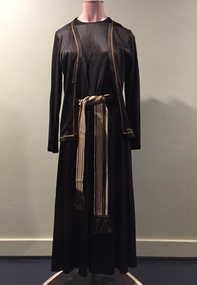
Clothing - Long Brown Dress with Braids & Matching Jacket, Grace James, 1972
... commercially designed items of clothing, there are also items made by home dressmakers. Many of these exhibit outstanding design knowledge and technical skills. A large and important group of these items of women's clothing is contained in the Grace James collection of outfits created for the dressmaker's daughter. The items have additional significance due to information about the purpose of the creation and the date when it was constructed. grace james women's clothing australian ...Grace James, the creator of the items in the Grace James collection, designed and created costumes over a 19 year period (1969-1988) for her daughter Ceri. The collection of clothing ranges from evening wear to knitted garments. All the items display exemplary dressmaking skills. The designs are of the period and reflect evolving fashions of the time. Some items are copies of published designs whereas others are original creations. The collection was donated in 2006.While most of the items in the Fashion & Design Collection of the Kew Historical Society are commercially designed items of clothing, there are also items made by home dressmakers. Many of these exhibit outstanding design knowledge and technical skills. A large and important group of these items of women's clothing is contained in the Grace James collection of outfits created for the dressmaker's daughter. The items have additional significance due to information about the purpose of the creation and the date when it was constructed.Three piece brown outfit comprising a long dress, a separate bodice and a belt of scarf. The outfit is made of a synthetic fabric. The long plain brown dress has been designed with a matching bodice that features a tan trim; the wide belt/scarf is striped. Brown silk purse with brass fittingsgrace james, women's clothing, australian fashion 1969-1988, dressmakers - surrey hills (vic), fashion -- 1970s, fashion design -
 Kew Historical Society Inc
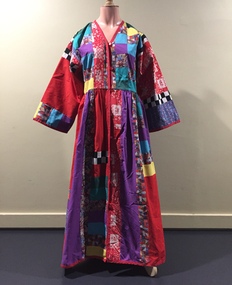
Clothing - Multi-coloured Patchwork Dressing Gown, Grace James, 1987
... commercially designed items of clothing, there are also items made by home dressmakers. Many of these exhibit outstanding design knowledge and technical skills. A large and important group of these items of women's clothing is contained in the Grace James collection of outfits created for the dressmaker's daughter. The items have additional significance due to information about the purpose of the creation and the date when it was constructed. grace james women's clothing australian ...Grace James, the creator of the items in the Grace James collection, designed and created costumes over a 19 year period (1969-1988) for her daughter Ceri. The collection of clothing ranges from evening wear to knitted garments. All the items display exemplary dressmaking skills. The designs are of the period and reflect evolving fashions of the time. Some items are copies of published designs whereas others are original creations. The collection was donated in 2006.While most of the items in the Fashion & Design Collection of the Kew Historical Society are commercially designed items of clothing, there are also items made by home dressmakers. Many of these exhibit outstanding design knowledge and technical skills. A large and important group of these items of women's clothing is contained in the Grace James collection of outfits created for the dressmaker's daughter. The items have additional significance due to information about the purpose of the creation and the date when it was constructed.Multicoloured patchwork waisted dress featuring a full skirt.grace james, women's clothing, australian fashion 1969-1988, dressmakers - surrey hills (vic), fashion design, fashion -- 1980s -
 Kew Historical Society Inc
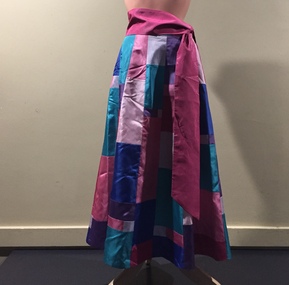
Clothing - Full-length Multicoloured Patchwork Skirt, Grace James, 1988
... commercially designed items of clothing, there are also items made by home dressmakers. Many of these exhibit outstanding design knowledge and technical skills. A large and important group of these items of women's clothing is contained in the Grace James collection of outfits created for the dressmaker's daughter. The items have additional significance due to information about the purpose of the creation and the date when it was constructed. grace james women's clothing australian ...Grace James, the creator of the items in the Grace James collection, designed and created costumes over a 19 year period (1969-1988) for her daughter Ceri. The collection of clothing ranges from evening wear to knitted garments. All the items display exemplary dressmaking skills. The designs are of the period and reflect evolving fashions of the time. Some items are copies of published designs whereas others are original creations. The collection was donated in 2006.While most of the items in the Fashion & Design Collection of the Kew Historical Society are commercially designed items of clothing, there are also items made by home dressmakers. Many of these exhibit outstanding design knowledge and technical skills. A large and important group of these items of women's clothing is contained in the Grace James collection of outfits created for the dressmaker's daughter. The items have additional significance due to information about the purpose of the creation and the date when it was constructed.Long silk taffeta skirt made of patchwork silk pieces/panels with a matching silk scarf. The patchwork panels are in shades of pinks, purples and blues. The skirt is secured with clear plastic press-studs. A narrow internal border of lace is attached to the basque.grace james, women's clothing, australian fashion 1969-1988, dressmakers - surrey hills (vic), fashion design, fashion -- 1980s -
 Kew Historical Society Inc
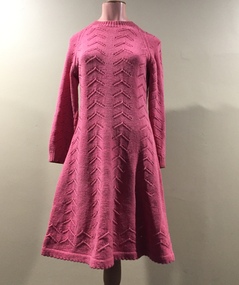
Clothing - Pink Knitted Dress with Arrow Pattern, Grace James, 1988
... commercially designed items of clothing, there are also items made by home dressmakers. Many of these exhibit outstanding design knowledge and technical skills. A large and important group of these items of women's clothing is contained in the Grace James collection of outfits created for the dressmaker's daughter. The items have additional significance due to information about the purpose of the creation and the date when it was constructed. grace james women's clothing australian ...Grace James, the creator of the items in the Grace James collection, designed and created costumes over a 19 year period (1969-1988) for her daughter Ceri. The collection of clothing ranges from evening wear to knitted garments. All the items display exemplary dressmaking skills. The designs are of the period and reflect evolving fashions of the time. Some items are copies of published designs whereas others are original creations. The collection was donated in 2006.While most of the items in the Fashion & Design Collection of the Kew Historical Society are commercially designed items of clothing, there are also items made by home dressmakers. Many of these exhibit outstanding design knowledge and technical skills. A large and important group of these items of women's clothing is contained in the Grace James collection of outfits created for the dressmaker's daughter. The items have additional significance due to information about the purpose of the creation and the date when it was constructed.Knitted dress Long-sleeved pink, knitted wool dress with a high round neck created by the dressmaker Grace James for her daughter Ceri Spain in 1988. Acquired in 2006 Grace James Collectiongrace james, women's clothing, australian fashion 1969-1988, dressmakers - surrey hills (vic), fashion design, fashion -- 1980s -
 Kew Historical Society Inc
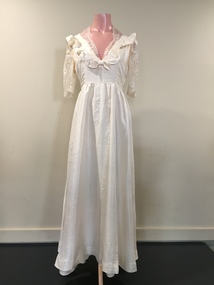
Clothing - Cream Silk Taffeta & Lace Bridesmaid's Dress, Grace James, 1969-1975
... commercially designed items of clothing, there are also items made by home dressmakers. Many of these exhibit outstanding design knowledge and technical skills. A large and important group of these items of women's clothing is contained in the Grace James collection of outfits created for the dressmaker's daughter. The items have additional significance due to information about the purpose of the creation and the date when it was constructed. australian ...Grace James, the creator of the items in the Grace James collection, designed and created costumes over a 19 year period (1969-1988) for her daughter Ceri. The collection of clothing ranges from evening wear to knitted garments. All the items display exemplary dressmaking skills. The designs are of the period and reflect evolving fashions of the time. Some items are copies of published designs whereas others are original creations. The collection was donated in 2006.While most of the items in the Fashion & Design Collection of the Kew Historical Society are commercially designed items of clothing, there are also items made by home dressmakers. Many of these exhibit outstanding design knowledge and technical skills. A large and important group of these items of women's clothing is contained in the Grace James collection of outfits created for the dressmaker's daughter. The items have additional significance due to information about the purpose of the creation and the date when it was constructed.Full-length cream silk taffeta bridesmaid’s dress. Same colour lace on the upper bodice and sleeves. australian fashion, grace james collection, bridesmaid's dresses, grace james, fashion design, fashion -- 1970s -
 Kew Historical Society Inc
Album, Nicholas Caire, Views of Victoria: General Series, 1870s
... commercially successful. As a photographer, he travelled extensively through Victoria, photographing places few of his contemporaries had previously seen. He died in 1918. 'Views of Victoria: General Series' by the photographer, Nicholas Caire (1837-1918). The series of 60 photographs that comprise the series was issued c. 1876 and reinforced a neo-Romantic view of the Australian ...Nicholas Caire was born on Guernsey in the Channel Islands in 1837. He arrived in Adelaide with his parents in about 1860. In 1867, following photographic journeys in Gippsland, he opened a studio in Adelaide. From 1870 to 1876 he lived and worked in Talbot in Central Victoria. In 1876 he purchased T. F. Chuck's studios in the Royal Arcade Melbourne. In 1885, following the introduction of dry plate photography, he began a series of landscape series, which were commercially successful. As a photographer, he travelled extensively through Victoria, photographing places few of his contemporaries had previously seen. He died in 1918.'Views of Victoria: General Series' by the photographer, Nicholas Caire (1837-1918). The series of 60 photographs that comprise the series was issued c. 1876 and reinforced a neo-Romantic view of the Australian landscape to which a growing nationalist movement would respond. Nicholas Caire was active as a photographer in Australia from 1858 until his death in 1918. His vision of the Australian bush and pioneer life had a counterpart in the works of Henry Lawson and other nationalist poets, authors and painters.Part collection (56/60) of Nicholas Caire's 'Views of Victoria General Series' (1870s), including landscape photographs mounted and inscribed by the photographer on card. The accession records of the Society record that they were transferred by Stewart West in 1984. This wording suggests that he may have been preserving the series for the Society in the absence of a (then) permanent home. It has been suggested that they may have once formed part of the Dorothy Rogers Collection, donated by her estate in 1974. The series includes one duplicate (No.14) and is missing Nos. 15, 36, 43, 45, and 48.nicholas caire (1837-1918), views of victoria general series, landscape photography - 19th century -
Kew Historical Society Inc
Book, Ure Smith, Australia In The Good Old Days : Facsimile pages from Lassetters' commercial review, no.26, 1911, 1976
... Australia In The Good Old Days : Facsimile pages from Lassetters' commercial review, no.26, 1911...Australia In The Good Old Days : Facsimile pages from Lassetters' commercial review, no.26, 1911 Book Ure Smith ...264p. : all facs. ; 27cm. non-fictiondepartment stores -- goods -- sydney --1911, catalogues. facsimiles, department stores - sydney. -
 Surrey Hills Historical Society Collection
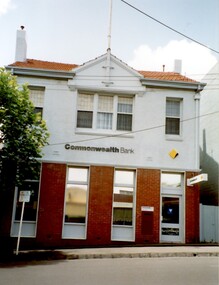
Photograph, Commonwealth Bank of Australia, 107 Union Road, Surrey Hills, 1991
... Australia (CBA) entered into an agreement with the Treasurer of Victoria for a merger with the State Bank of Victoria (SBV). All former State banks were given new signage in November 1992. The CBA operated the branch for a relatively short period of time with the branch closing in 2000. Community pressure for a local bank resulted in the Bendigo Bank opening a branch on the site in 2002. (See Bendigo Bank file) commonwealth bank state savings bank of victoria commercial ...This was originally built as a State Savings Bank of Victoria branch in 1916. The first manager was Mr Campbell Cameron. On 26 August 1990, the Commonwealth Bank of Australia (CBA) entered into an agreement with the Treasurer of Victoria for a merger with the State Bank of Victoria (SBV). All former State banks were given new signage in November 1992. The CBA operated the branch for a relatively short period of time with the branch closing in 2000. Community pressure for a local bank resulted in the Bendigo Bank opening a branch on the site in 2002. (See Bendigo Bank file)A colour photograph of a two storey building with a red terracotta tiled roof. signage indicates it is occupied by the Commonwealth Bank of Australia. The upper storey is rendered; the lower part of the building is red brick. The lower storey windows have been 'modernised'; the upper storey ones are in keeping with a build of the early 20th century. Adjacent to the door there appears to be an automatic teller machine.commonwealth bank, state savings bank of victoria, commercial establishment, union road, surrey hills -
Vision Australia
Film - Video recording, Tony Porter, New Kooyong building and farewell to Commercial Road building, 2001
... On January 15, 2001 the library and production staff members of Vision Australia Foundation moved from Commercial Road to their new premises at Glenferrie Road. ...On January 15, 2001 the library and production staff members of Vision Australia Foundation moved from Commercial Road to their new premises at Glenferrie Road. ...On January 15, 2001 the library and production staff members of Vision Australia Foundation moved from Commercial Road to their new premises at Glenferrie Road. Award winning narrator Tony Porter decided to commemorate the beginning of a new building and record the farewell party held at Commercial Road.1 x colour moving picture recording with soundShots around Kooyong during fit-out and moving in. Farewell party and volunteer certificate presentations at Prahran. Footage: Tony Portertony porter, karl hughes, robert de graauw, pauline meaney, bernadette hodgkinson, james wright, george zamanis, stella zamanis, tony clarke, buildings -
 Vision Australia
Booklet - Text, Victorian Aids Council, Positive Living Centre Braille Library celebrates 20 years, 2022
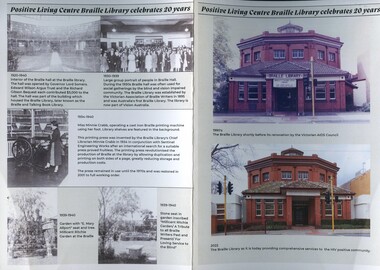
... In 2001, Vision Australia Foundation moved it's library function from Commercial Road to it's expanded premises in Kooyong. ...In 2001, Vision Australia Foundation moved it's library function from Commercial Road to it's expanded premises in Kooyong. ...In 2001, Vision Australia Foundation moved it's library function from Commercial Road to it's expanded premises in Kooyong. This historic building was then acquired by the Victorian Aids Council and renovated to meet the requirements of a different community. In 2022, the 20th anniversary was celebrated by looking back at the history of the building and images of the past.1 x A4 size folded with imagesbraille & talking book library, buildings, victorian aids council -
Vision Australia
Audio - Sound recording, Letter to clients regarding the Vision Australia Awards, 2005
... Australia Foundation awards. In 2005, another merger took place and the decision was made to only continue the original award, due to both limited funds and the development of the commercial audio book industry and thus commercial audio awards. ...Australia Foundation awards. In 2005, another merger took place and the decision was made to only continue the original award, due to both limited funds and the development of the commercial audio book industry and thus commercial audio awards. ...The Braille Book of the Year awards were first established by the Braille and Talking Book Library in 1974, as a way of recognising excellence in Braille production. In 1990 the first Narrator of the Year was awarded, then followed by the Audio Book of the Year in 1991. With the merger with the AFB, then the name change to Vision Australia Foundation, these awards were rechristened the Vision Australia Foundation awards. In 2005, another merger took place and the decision was made to only continue the original award, due to both limited funds and the development of the commercial audio book industry and thus commercial audio awards. This letter was sent to members to advise of the changes and the reasons behind it.1 CD with 1 sound filevision australia, awards -
 Vision Australia
Administrative record - Text, Royal Blind Society, a vision to share: Annual Report 2003-2004, 2004
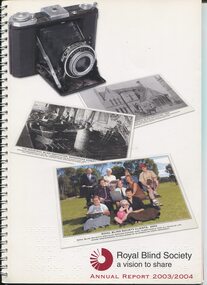
... Articles in annual report include: opening new offices in Newcastle and Wagga, and establishing a regular presence in Broken Hill, implementing a new staff framework to oversee professional practice and casework, review and increase of volunteer positions, introduction of the 'Dots for Tots' program, establishing a Deafblind service in south-west Sydney, Audio Description launched in Canberra, partnership with Prime Australia resulting in the production of 10 commercials, a brief outline of RBS historical events and featuring clients Tanya, Ross, Lulu, Judy, Sam Jones (with Kurt Gidley), Andrew, Kay, Marie and Margaret (with Angelique)....Articles in annual report include: opening new offices in Newcastle and Wagga, and establishing a regular presence in Broken Hill, implementing a new staff framework to oversee professional practice and casework, review and increase of volunteer positions, introduction of the 'Dots for Tots' program, establishing a Deafblind service in south-west Sydney, Audio Description launched in Canberra, partnership with Prime Australia resulting in the production of 10 commercials, a brief outline of RBS historical events and featuring clients Tanya, Ross, Lulu, Judy, Sam Jones (with Kurt Gidley), Andrew, Kay, Marie and Margaret (with Angelique). ...An overview of activities and achievements during the past financial year. Articles in annual report include: opening new offices in Newcastle and Wagga, and establishing a regular presence in Broken Hill, implementing a new staff framework to oversee professional practice and casework, review and increase of volunteer positions, introduction of the 'Dots for Tots' program, establishing a Deafblind service in south-west Sydney, Audio Description launched in Canberra, partnership with Prime Australia resulting in the production of 10 commercials, a brief outline of RBS historical events and featuring clients Tanya, Ross, Lulu, Judy, Sam Jones (with Kurt Gidley), Andrew, Kay, Marie and Margaret (with Angelique).1 printed volume of information about the RBS during the financial yearroyal blind society of nsw, annual reports, graeme innes, sir alfred stephen, major general paul cullen, max roberts, john chatterton, sam jones, kurt gidley -
 Vision Australia
Administrative record - Text, Vision Australia Foundation 1999/2000 service highlights, 2000
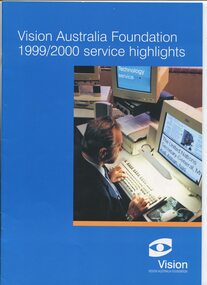
... Other articles discuss the addition of Telelink groups for Greek, Vietnamese and Macedonian clients, planning to move from Commercial Road building, Boroondara Council becomes the first to offer information in audio and Braille, expansion of radio network with stations open in Albury, Shepparton and Bendigo, Kooyong Fair raises $60,000, George Vowell, Mirridong and Kelaston receive government accreditation, and a Vision Australia centre opens in Southport QLD....Other articles discuss the addition of Telelink groups for Greek, Vietnamese and Macedonian clients, planning to move from Commercial Road building, Boroondara Council becomes the first to offer information in audio and Braille, expansion of radio network with stations open in Albury, Shepparton and Bendigo, Kooyong Fair raises $60,000, George Vowell, Mirridong and Kelaston receive government accreditation, and a Vision Australia centre opens in Southport QLD. ...The annual report outlines the achievements of the year and financial position of the organisation. Other articles discuss the addition of Telelink groups for Greek, Vietnamese and Macedonian clients, planning to move from Commercial Road building, Boroondara Council becomes the first to offer information in audio and Braille, expansion of radio network with stations open in Albury, Shepparton and Bendigo, Kooyong Fair raises $60,000, George Vowell, Mirridong and Kelaston receive government accreditation, and a Vision Australia centre opens in Southport QLD.1 volume of printed pages with illustrationsvision australia foundation, corporation records, emily macdonald, chris lynch, john mcleod, donna meade, anna baxter, john williams, margaret bell, helen morse, sue harrison, nellie lucas, edna barron, margaret sanders, helen coutts-green, john wicking, neil maxwell, peter darwin, margaret laughton, ken austin -
 Federation University Art Collection
Drawing - Artwork, [Abstract Drawing] by Wes Walters, 1988
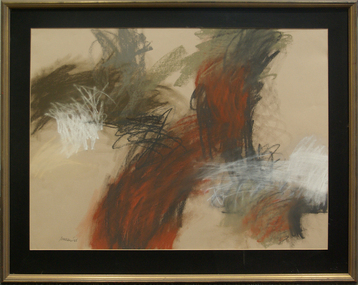
... During his time at the Ballarat Technical Art School (later Federation University Australia) Walters studied under Neville Bunning and Taylor Kelloch, and was awarded the Ballarat Ladies Art Association Scholarship in 1948. He next moved to Melbourne to work as a commercial...During his time at the Ballarat Technical Art School (later Federation University Australia) Walters studied under Neville Bunning and Taylor Kelloch, and was awarded the Ballarat Ladies Art Association Scholarship in 1948. He next moved to Melbourne to work as a commercial ...Wes WALTERS (06 August 1928 - 19 August 2014) Born Mildura, Victoria From 1940 t0 1945 Wes Walters attended the Ballarat High School. He then studied architecture at the Gordon Institute in Geelong, followed by art at the Ballarat School of Mines (a division of the Ballarat School of Mines). During his time at the Ballarat Technical Art School (later Federation University Australia) Walters studied under Neville Bunning and Taylor Kelloch, and was awarded the Ballarat Ladies Art Association Scholarship in 1948. He next moved to Melbourne to work as a commercial artist with the George Patterson advertising agency. Each evening Walters studied life drawing at the Victoria Artists’ Society and taught himself anatomy. Wes Walters excelled in both abstract and realist art. He won the Art Gallery of Ballarat’s Minnie Crouch Prize for watercolour art in 1953 and 1956. He won the prestigious Archibald Prize in 1879 for his portrait of Phillip Adams. This item is part of the Federation University Art Collection. The Art Collection features over 2000 works and was listed as a 'Ballarat Treasure' in 2007.Framed abstract pastel artwork by Wes Walters.wes walters, abstract, pastel, alumni, alumni -
 Federation University Art Collection
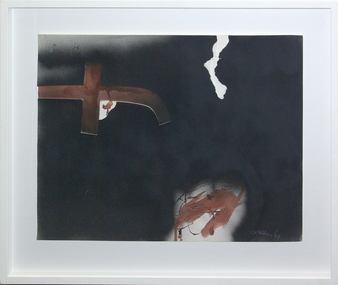
Mixed media - Artwork, Wes Walters, 'W.W.01.25' by Wes Walters, 1999
... During his time at the Ballarat Technical Art School (later Federation University Australia) Walters studied under Neville Bunning and Taylor Kelloch, and was awarded the Ballarat Ladies Art Association Scholarship in 1948. He next moved to Melbourne to work as a commercial...During his time at the Ballarat Technical Art School (later Federation University Australia) Walters studied under Neville Bunning and Taylor Kelloch, and was awarded the Ballarat Ladies Art Association Scholarship in 1948. He next moved to Melbourne to work as a commercial ...Wes WALTERS (06 August 1928 - 19 August 2014) Born Mildura, Victoria From 1940 t0 1945 Wes Walters attended the Ballarat High School. He then studied architecture at the Gordon Institute in Geelong, followed by art at the Ballarat School of Mines (a division of the Ballarat School of Mines). During his time at the Ballarat Technical Art School (later Federation University Australia) Walters studied under Neville Bunning and Taylor Kelloch, and was awarded the Ballarat Ladies Art Association Scholarship in 1948. He next moved to Melbourne to work as a commercial artist with the George Patterson advertising agency. Each evening Walters studied life drawing at the Victoria Artists’ Society and taught himself anatomy. Wes Walters excelled in both abstract and realist art. He won the Art Gallery of Ballarat’s Minnie Crouch Prize for watercolour art in 1953 and 1956. He won the prestigious Archibald Prize in 1879 for his portrait of Phillip Adams. This item is part of the Federation University Art Collection. The Art Collection features over 1000 works and was listed as a 'Ballarat Treasure' in 2007.Framed abstract artwork which involves the use of airbrush and torn paper.wes walters, abstract, available -
 Federation University Art Collection
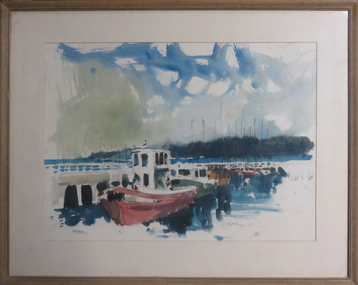
Painting - Artwork - Painting, [Boats] by Wes Walters
... During his time at the Ballarat Technical Art School (later Federation University Australia) Walters studied under Neville Bunning and Taylor Kelloch, and was awarded the Ballarat Ladies Art Association Scholarship in 1948. He next moved to Melbourne to work as a commercial...During his time at the Ballarat Technical Art School (later Federation University Australia) Walters studied under Neville Bunning and Taylor Kelloch, and was awarded the Ballarat Ladies Art Association Scholarship in 1948. He next moved to Melbourne to work as a commercial ...Wes WALTERS (06 August 1928 - 19 August 2014) Born Mildura, Victoria From 1940 t0 1945 Wes Walters attended the Ballarat High School. He then studied architecture at the Gordon Institute in Geelong, followed by art at the Ballarat School of Mines (a division of the Ballarat School of Mines). During his time at the Ballarat Technical Art School (later Federation University Australia) Walters studied under Neville Bunning and Taylor Kelloch, and was awarded the Ballarat Ladies Art Association Scholarship in 1948. He next moved to Melbourne to work as a commercial artist with the George Patterson advertising agency. Each evening Walters studied life drawing at the Victoria Artists’ Society and taught himself anatomy. Wes Walters excelled in both abstract and realist art. He won the Art Gallery of Ballarat’s Minnie Crouch Prize for watercolour art in 1953 and 1956. He won the prestigious Archibald Prize in 1879 for his portrait of Phillip Adams. This item is part of the Federation University Art Collection. The Art Collection features over 1000 works and was listed as a 'Ballarat Treasure' in 2007.Framed water colour showing boats along a pier.wes walters, watercolour, boats, vessels, sailing, available, alumni, ballarat technical art school -
 Federation University Art Collection
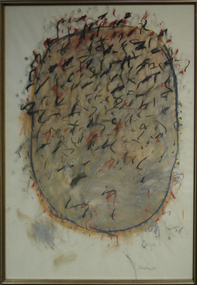
Drawing - Artwork, Wes Walters, [Untitled] by Wes Walters, 1998
... During his time at the Ballarat Technical Art School (later Federation University Australia) Walters studied under Neville Bunning and Taylor Kellock, and was awarded the Ballarat Ladies Art Association Scholarship in 1948. He next moved to Melbourne to work as a commercial...During his time at the Ballarat Technical Art School (later Federation University Australia) Walters studied under Neville Bunning and Taylor Kellock, and was awarded the Ballarat Ladies Art Association Scholarship in 1948. He next moved to Melbourne to work as a commercial ...Wes WALTERS (06 August 1928 - 19 August 2014) Born Mildura, Victoria From 1940 to 1945 Wes Walters attended the Ballarat High School. He then studied architecture at the Gordon Institute in Geelong, followed by art at the Ballarat School of Mines (a division of the Ballarat School of Mines). During his time at the Ballarat Technical Art School (later Federation University Australia) Walters studied under Neville Bunning and Taylor Kellock, and was awarded the Ballarat Ladies Art Association Scholarship in 1948. He next moved to Melbourne to work as a commercial artist with the George Patterson advertising agency. Each evening Walters studied life drawing at the Victoria Artists’ Society and taught himself anatomy. Wes Walters excelled in both abstract and realist art. He won the Art Gallery of Ballarat’s Minnie Crouch Prize for watercolour art in 1953 and 1956. He won the prestigious Archibald Prize in 1879 for his portrait of Phillip Adams. This item is part of the Federation University Art Collection. The Art Collection features over 1000 works and was listed as a 'Ballarat Treasure' in 2007.Framed artwork behind glass.wes walters, pastel, abstract, landscape, available -
 Federation University Art Collection
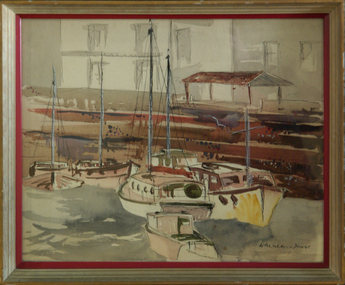
Painting - Artwork - watercolour, Wes Walters, [Boats] by Wes Walters, 06/1948
... During his time at the Ballarat Technical Art School (later Federation University Australia) Walters studied under Neville Bunning and Taylor Kelloch, and was awarded the Ballarat Ladies Art Association Scholarship in 1948. He next moved to Melbourne to work as a commercial...During his time at the Ballarat Technical Art School (later Federation University Australia) Walters studied under Neville Bunning and Taylor Kelloch, and was awarded the Ballarat Ladies Art Association Scholarship in 1948. He next moved to Melbourne to work as a commercial ...Wes WALTERS (06 August 1928 - 19 August 2014) Born Mildura, Victoria From 1940 t0 1945 Wes Walters attended the Ballarat High School. He then studied architecture at the Gordon Institute in Geelong, followed by art at the Ballarat School of Mines (a division of the Ballarat School of Mines). During his time at the Ballarat Technical Art School (later Federation University Australia) Walters studied under Neville Bunning and Taylor Kelloch, and was awarded the Ballarat Ladies Art Association Scholarship in 1948. He next moved to Melbourne to work as a commercial artist with the George Patterson advertising agency. Each evening Walters studied life drawing at the Victoria Artists’ Society and taught himself anatomy. Wes Walters excelled in both abstract and realist art. He won the Art Gallery of Ballarat’s Minnie Crouch Prize for watercolour art in 1953 and 1956. He won the prestigious Archibald Prize in 1879 for his portrait of Phillip Adams, and the sketch was completed tin preparation for that portrait. 2 This item is part of the Federation University Art Collection. The Art Collection features over 2000 works and was listed as a 'Ballarat Treasure' in 2007.Framed watercolour behind glass depicting moored sailing boats.Signed lower right 'W.R. Walters June 48' Sticker verso "Jaman the Picture Framer 84-88 Lt Collins Street Melbourne Phone Cent 4802"wes walters, watercolour, boats, coastal, sailing, alumni -
![Drawing - Artwork, [Title Unknown] by Wes Walters](/media/collectors/530576742162ef0fa09a2288/items/558384312162f11b8cbfb771/item-media/558384e12162f11b8cbfcf01/item-fit-380x285.jpg?cb=6) Federation University Art Collection
Federation University Art CollectionDrawing - Artwork, [Title Unknown] by Wes Walters
... During his time at the Ballarat Technical Art School (later Federation University Australia) Walters studied under Neville Bunning and Taylor Kelloch, and was awarded the Ballarat Ladies Art Association Scholarship in 1948. He next moved to Melbourne to work as a commercial...During his time at the Ballarat Technical Art School (later Federation University Australia) Walters studied under Neville Bunning and Taylor Kelloch, and was awarded the Ballarat Ladies Art Association Scholarship in 1948. He next moved to Melbourne to work as a commercial ...Wes WALTERS (06 August 1928 - 19 August 2014) Born Mildura, Victoria From 1940 t0 1945 Wes Walters attended the Ballarat High School. He then studied architecture at the Gordon Institute in Geelong, followed by art at the Ballarat School of Mines (a division of the Ballarat School of Mines). During his time at the Ballarat Technical Art School (later Federation University Australia) Walters studied under Neville Bunning and Taylor Kelloch, and was awarded the Ballarat Ladies Art Association Scholarship in 1948. He next moved to Melbourne to work as a commercial artist with the George Patterson advertising agency. Each evening Walters studied life drawing at the Victoria Artists’ Society and taught himself anatomy. Wes Walters excelled in both abstract and realist art. He won the Art Gallery of Ballarat’s Minnie Crouch Prize for watercolour art in 1953 and 1956. He won the prestigious Archibald Prize in 1879 for his portrait of Phillip Adams, and the sketch was completed tin preparation for that portrait. This item is part of the Federation University Art Collection. The Art Collection features over 1000 works and was listed as a 'Ballarat Treasure' in 2007.Black and white charcoal drawing in white frame with glass.wes walters, drawing, available, alumni -
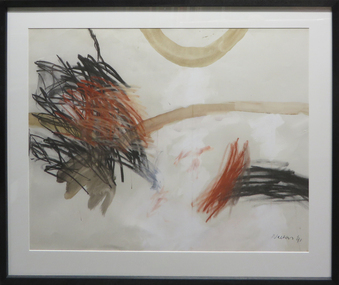 Federation University Art Collection
Drawing, Wes Walters, 'Towards' by Wes Walters, 1991
... During his time at the Ballarat Technical Art School (later Federation University Australia) Walters studied under Neville Bunning and Taylor Kelloch, and was awarded the Ballarat Ladies Art Association Scholarship in 1948. He next moved to Melbourne to work as a commercial...During his time at the Ballarat Technical Art School (later Federation University Australia) Walters studied under Neville Bunning and Taylor Kelloch, and was awarded the Ballarat Ladies Art Association Scholarship in 1948. He next moved to Melbourne to work as a commercial ...Wes WALTERS (06 August 1928 - 19 August 2014) Born Mildura, Victoria From 1940 t0 1945 Wes Walters attended the Ballarat High School. He then studied architecture at the Gordon Institute in Geelong, followed by art at the Ballarat School of Mines (a division of the Ballarat School of Mines). During his time at the Ballarat Technical Art School (later Federation University Australia) Walters studied under Neville Bunning and Taylor Kelloch, and was awarded the Ballarat Ladies Art Association Scholarship in 1948. He next moved to Melbourne to work as a commercial artist with the George Patterson advertising agency. Each evening Walters studied life drawing at the Victoria Artists’ Society and taught himself anatomy. Wes Walters excelled in both abstract and realist art. He won the Art Gallery of Ballarat’s Minnie Crouch Prize for watercolour art in 1953 and 1956. He won the prestigious Archibald Prize in 1879 for his portrait of Phillip Adams, and the sketch was completed tin preparation for that portrait. This item is part of the Federation University Art Collection. The Art Collection features over 1000 works and was listed as a 'Ballarat Treasure' in 2007.Framed and mounted abstract artwork wes walters, artist, artwork, drawing, walters, available -
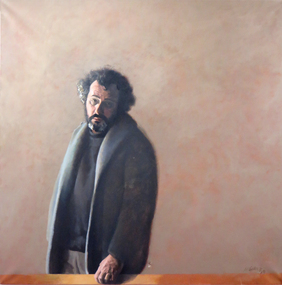 Federation University Art Collection
Painting - Artwork, 'Smeaton' by Wes Walters [and charcoal study], 1978
... During his time at the Ballarat Technical Art School (later Federation University Australia) Walters studied under Neville Bunning and Taylor Kelloch, and was awarded the Ballarat Ladies Art Association Scholarship in 1948. He next moved to Melbourne to work as a commercial...During his time at the Ballarat Technical Art School (later Federation University Australia) Walters studied under Neville Bunning and Taylor Kelloch, and was awarded the Ballarat Ladies Art Association Scholarship in 1948. He next moved to Melbourne to work as a commercial ...Wes WALTERS (06 August 1928 - 19 August 2014) Born Mildura, Victoria From 1940 t0 1945 Wes Walters attended the Ballarat High School. He then studied architecture at the Gordon Institute in Geelong, followed by art at the Ballarat School of Mines (a division of the Ballarat School of Mines). During his time at the Ballarat Technical Art School (later Federation University Australia) Walters studied under Neville Bunning and Taylor Kelloch, and was awarded the Ballarat Ladies Art Association Scholarship in 1948. He next moved to Melbourne to work as a commercial artist with the George Patterson advertising agency. Each evening Walters studied life drawing at the Victoria Artists’ Society and taught himself anatomy. Wes Walters excelled in both abstract and realist art. He won the Art Gallery of Ballarat’s Minnie Crouch Prize for watercolour art in 1953 and 1956. He won the prestigious Archibald Prize in 1879 for his portrait of Phillip Adams, and the sketch was completed tin preparation for that portrait. Bruce Smeaton (born 5 March 1938) is an Australian composer who is well known for a variety of Australian film and television scores in all genres, including features, shorts, television, documentaries and advertisements.[1] His scores include Picnic at Hanging Rock, Seven Little Australians, Roxanne, Iceman, and Circle of Iron. He has won the Australian Film Institute 'Best Original Music Score' Award for The Cars That Ate Paris (1974), The Great McCarthy (1975), The Chant of Jimmie Blacksmith (1978) and Street Hero (1984, shared with Garth Porter and others). (Wikipedia).1) Portrait of Bruce Smeaton in oil on an unframed stretcher. .2) Charcoal sketch of the head of Bruce Smeatonwes walters, portrait, artist, artwork, bruce smeaton, musician, sketch, walters, alumni, available -
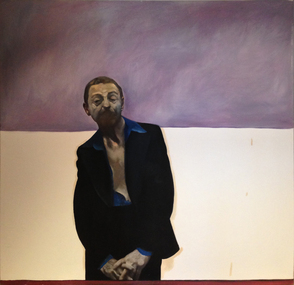 Federation University Art Collection
Painting - Portrait, Wes Walters, [Portrait] by Wes Walters
... During his time at the Ballarat Technical Art School (later Federation University Australia) Walters studied under Neville Bunning and Taylor Kelloch, and was awarded the Ballarat Ladies Art Association Scholarship in 1948. He next moved to Melbourne to work as a commercial...During his time at the Ballarat Technical Art School (later Federation University Australia) Walters studied under Neville Bunning and Taylor Kelloch, and was awarded the Ballarat Ladies Art Association Scholarship in 1948. He next moved to Melbourne to work as a commercial ...Wes WALTERS (06 August 1928 - 19 August 2014) Born Mildura, Victoria From 1940 to 1945 Wes Walters attended the Ballarat High School. He then studied architecture at the Gordon Institute in Geelong, followed by art at the Ballarat School of Mines (a division of the Ballarat School of Mines). During his time at the Ballarat Technical Art School (later Federation University Australia) Walters studied under Neville Bunning and Taylor Kelloch, and was awarded the Ballarat Ladies Art Association Scholarship in 1948. He next moved to Melbourne to work as a commercial artist with the George Patterson advertising agency. Each evening Walters studied life drawing at the Victoria Artists’ Society and taught himself anatomy. Wes Walters excelled in both abstract and realist art. He won the Art Gallery of Ballarat’s Minnie Crouch Prize for watercolour art in 1953 and 1956. He won the prestigious Archibald Prize in 1979 for his portrait of Phillip Adams. This item is part of the Federation University Art Collection. The Art Collection features over 2000 works and was listed as a 'Ballarat Treasure' in 2007.A large portrait of a man painted in oil.wes walters, artwork, artist, portrait, alumni, archibald prize winner, available -
![Mixed media - artwork, [Untitled] by Wes Walters](/media/collectors/530576742162ef0fa09a2288/items/5588bc972162f121489e4736/item-media/57c66caed0cdd8174847ae81/item-fit-380x285.jpg?cb=6) Federation University Art Collection
Federation University Art CollectionMixed media - artwork, [Untitled] by Wes Walters
... During his time at the Ballarat Technical Art School (later Federation University Australia) Walters studied under Neville Bunning and Taylor Kelloch, and was awarded the Ballarat Ladies Art Association Scholarship in 1948. He next moved to Melbourne to work as a commercial...During his time at the Ballarat Technical Art School (later Federation University Australia) Walters studied under Neville Bunning and Taylor Kelloch, and was awarded the Ballarat Ladies Art Association Scholarship in 1948. He next moved to Melbourne to work as a commercial ...Wes WALTERS (06 August 1928 - 19 August 2014) Born Mildura, Victoria From 1940 t0 1945 Wes Walters attended the Ballarat High School. He then studied architecture at the Gordon Institute in Geelong, followed by art at the Ballarat School of Mines (a division of the Ballarat School of Mines). During his time at the Ballarat Technical Art School (later Federation University Australia) Walters studied under Neville Bunning and Taylor Kelloch, and was awarded the Ballarat Ladies Art Association Scholarship in 1948. He next moved to Melbourne to work as a commercial artist with the George Patterson advertising agency. Each evening Walters studied life drawing at the Victoria Artists’ Society and taught himself anatomy. Wes Walters excelled in both abstract and realist art. He won the Art Gallery of Ballarat’s Minnie Crouch Prize for watercolour art in 1953 and 1956. He won the prestigious Archibald Prize in 1879 for his portrait of Phillip Adams. This item is part of the Federation University Art Collection. The Art Collection features over 2000 works and was listed as a 'Ballarat Treasure' in 2007.Framed abstract mixed media artwork featuring natural timberwes walters, artwork, artist, available, abstract -
![[Nude Study] by Wes Walters](/media/collectors/530576742162ef0fa09a2288/items/558a30e82162f121bc02f46a/item-media/558ca6c12162f11ab0b26513/item-fit-380x285.jpg?cb=6) Federation University Art Collection
Federation University Art CollectionPainting - Artwork, Wes Walters, [Nude Study] by Wes Walters, c1987
... During his time at the Ballarat Technical Art School (later Federation University Australia) Walters studied under Neville Bunning and Taylor Kelloch, and was awarded the Ballarat Ladies Art Association Scholarship in 1948. He next moved to Melbourne to work as a commercial...During his time at the Ballarat Technical Art School (later Federation University Australia) Walters studied under Neville Bunning and Taylor Kelloch, and was awarded the Ballarat Ladies Art Association Scholarship in 1948. He next moved to Melbourne to work as a commercial ...Wes WALTERS (06 August 1928 - 19 August 2014) Born Mildura, Victoria From 1940 t0 1945 Wes Walters attended the Ballarat High School. He then studied architecture at the Gordon Institute in Geelong, followed by art at the Ballarat School of Mines (a division of the Ballarat School of Mines). During his time at the Ballarat Technical Art School (later Federation University Australia) Walters studied under Neville Bunning and Taylor Kelloch, and was awarded the Ballarat Ladies Art Association Scholarship in 1948. He next moved to Melbourne to work as a commercial artist with the George Patterson advertising agency. Each evening Walters studied life drawing at the Victoria Artists’ Society and taught himself anatomy. Wes Walters excelled in both abstract and realist art. He won the Art Gallery of Ballarat’s Minnie Crouch Prize for watercolour art in 1953 and 1956. He won the prestigious Archibald Prize in 1879 for his portrait of Phillip Adams. This item is part of the Federation University Art Collection. The Art Collection features over 2000 works and was listed as a 'Ballarat Treasure' in 2007.Pastel and paint study of a nude framed behind glass. wes walters, nude, life drawing, available, alumni -
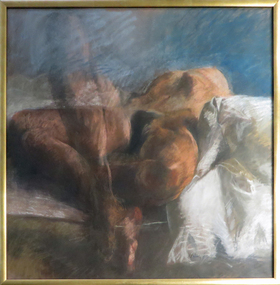 Federation University Art Collection
Painting - Artwork, Wes Walters, [Nude Study] by Wes Walters, 1987
... During his time at the Ballarat Technical Art School (later Federation University Australia) Walters studied under Neville Bunning and Taylor Kelloch, and was awarded the Ballarat Ladies Art Association Scholarship in 1948. He next moved to Melbourne to work as a commercial...During his time at the Ballarat Technical Art School (later Federation University Australia) Walters studied under Neville Bunning and Taylor Kelloch, and was awarded the Ballarat Ladies Art Association Scholarship in 1948. He next moved to Melbourne to work as a commercial ...Wes WALTERS (06 August 1928 - 19 August 2014) Born Mildura, Victoria From 1940 t0 1945 Wes Walters attended the Ballarat High School. He then studied architecture at the Gordon Institute in Geelong, followed by art at the Ballarat School of Mines (a division of the Ballarat School of Mines). During his time at the Ballarat Technical Art School (later Federation University Australia) Walters studied under Neville Bunning and Taylor Kelloch, and was awarded the Ballarat Ladies Art Association Scholarship in 1948. He next moved to Melbourne to work as a commercial artist with the George Patterson advertising agency. Each evening Walters studied life drawing at the Victoria Artists’ Society and taught himself anatomy. Wes Walters excelled in both abstract and realist art. He won the Art Gallery of Ballarat’s Minnie Crouch Prize for watercolour art in 1953 and 1956. He won the prestigious Archibald Prize in 1879 for his portrait of Phillip Adams. This item is part of the Federation University Art Collection. The Art Collection features over 1000 works and was listed as a 'Ballarat Treasure' in 2007.Large framed life Drawing in pastel framed behind glass. signed lower right 'Walters '87'wes walters, nude, life drawing, available -
 Federation University Art Collection
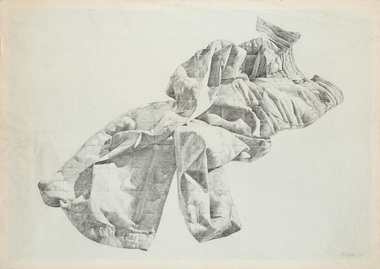
Drawing - Pencil drawing, 'Jeans' by Wes Walters, 1974
... During his time at the Ballarat Technical Art School (later Federation University Australia) Walters studied under Neville Bunning and Taylor Kelloch, and was awarded the Ballarat Ladies Art Association Scholarship in 1948. He next moved to Melbourne to work as a commercial...During his time at the Ballarat Technical Art School (later Federation University Australia) Walters studied under Neville Bunning and Taylor Kelloch, and was awarded the Ballarat Ladies Art Association Scholarship in 1948. He next moved to Melbourne to work as a commercial ...Wes WALTERS (06 August 1928 - 19 August 2014) Born Mildura, Victoria From 1940 t0 1945 Wes Walters attended the Ballarat High School. He then studied architecture at the Gordon Institute in Geelong, followed by art at the Ballarat School of Mines (a division of the Ballarat School of Mines). During his time at the Ballarat Technical Art School (later Federation University Australia) Walters studied under Neville Bunning and Taylor Kelloch, and was awarded the Ballarat Ladies Art Association Scholarship in 1948. He next moved to Melbourne to work as a commercial artist with the George Patterson advertising agency. Each evening Walters studied life drawing at the Victoria Artists’ Society and taught himself anatomy. Wes Walters excelled in both abstract and realist art. He won the Art Gallery of Ballarat’s Minnie Crouch Prize for watercolour art in 1953 and 1956. He won the prestigious Archibald Prize in 1879 for his portrait of Phillip Adams. This item is part of the Federation University Art Collection. The Art Collection features over 1000 works and was listed as a 'Ballarat Treasure' in 2007.Framed pencil drawing on graph paper.wes walters, drawing, jeans, costume, alumni, available -
 Federation University Art Collection
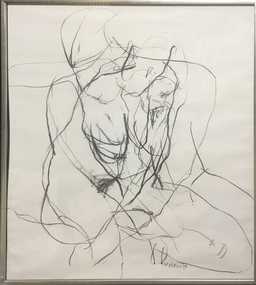
Drawing - Artwork, Wes Walters, Life Drawing by Wes Walters, 1980, 1980
... During his time at the Ballarat Technical Art School (later Federation University Australia) Walters studied under Neville Bunning and Taylor Kelloch, and was awarded the Ballarat Ladies Art Association Scholarship in 1948. He next moved to Melbourne to work as a commercial...During his time at the Ballarat Technical Art School (later Federation University Australia) Walters studied under Neville Bunning and Taylor Kelloch, and was awarded the Ballarat Ladies Art Association Scholarship in 1948. He next moved to Melbourne to work as a commercial ...Wes WALTERS (06 August 1928 - 19 August 2014) Born Mildura, Victoria From 1940 t0 1945 Wes Walters attended the Ballarat High School. He then studied architecture at the Gordon Institute in Geelong, followed by art at the Ballarat School of Mines (a division of the Ballarat School of Mines). During his time at the Ballarat Technical Art School (later Federation University Australia) Walters studied under Neville Bunning and Taylor Kelloch, and was awarded the Ballarat Ladies Art Association Scholarship in 1948. He next moved to Melbourne to work as a commercial artist with the George Patterson advertising agency. Each evening Walters studied life drawing at the Victoria Artists’ Society and taught himself anatomy. Wes Walters excelled in both abstract and realist art. He won the Art Gallery of Ballarat’s Minnie Crouch Prize for watercolour art in 1953 and 1956. He won the prestigious Archibald Prize in 1879 for his portrait of Phillip Adams. This item is part of the Federation University Art Collection. The Art Collection features over 1000 works and was listed as a 'Ballarat Treasure' in 2007.Large charcoal drawing framed behind acrylic.Signed lower right side 'Walters '80'wes walters, artist, artwork, drawing, available -
![Work on paper - Artwork - Printmaking, Wes Walters, [Nude in the Landscape] by Wes Walters](/media/collectors/530576742162ef0fa09a2288/items/55c2da132162f11990034ba5/item-media/5a9ce96621ea6a1798903861/item-fit-380x285.jpg?cb=6) Federation University Art Collection
Federation University Art CollectionWork on paper - Artwork - Printmaking, Wes Walters, [Nude in the Landscape] by Wes Walters
... During his time at the Ballarat Technical Art School (later Federation University Australia) Walters studied under Neville Bunning and Taylor Kelloch, and was awarded the Ballarat Ladies Art Association Scholarship in 1948. He next moved to Melbourne to work as a commercial...During his time at the Ballarat Technical Art School (later Federation University Australia) Walters studied under Neville Bunning and Taylor Kelloch, and was awarded the Ballarat Ladies Art Association Scholarship in 1948. He next moved to Melbourne to work as a commercial ...Wes WALTERS (06 August 1928 - 19 August 2014) Born Mildura, Victoria From 1940 t0 1945 Wes Walters attended the Ballarat High School. He then studied architecture at the Gordon Institute in Geelong, followed by art at the Ballarat School of Mines (a division of the Ballarat School of Mines). During his time at the Ballarat Technical Art School (later Federation University Australia) Walters studied under Neville Bunning and Taylor Kelloch, and was awarded the Ballarat Ladies Art Association Scholarship in 1948. He next moved to Melbourne to work as a commercial artist with the George Patterson advertising agency. Each evening Walters studied life drawing at the Victoria Artists’ Society and taught himself anatomy. Wes Walters excelled in both abstract and realist art. He won the Art Gallery of Ballarat’s Minnie Crouch Prize for watercolour art in 1953 and 1956. He won the prestigious Archibald Prize in 1879 for his portrait of Phillip Adams. This item is part of the Federation University Art Collection. The Art Collection features over 1000 works and was listed as a 'Ballarat Treasure' in 2007.Limited edition print by Wes Walters.Signed lower right "Walters"wes walters, walters, printmaking, etching, nude, alumni
