
Showing 113 items matching "australian indigenous art"
-
 Wyndham Art Gallery (Wyndham City Council)
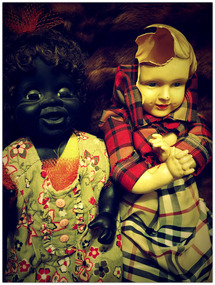
Photograph, Destiny Deacon, Daisy and Heather discuss race, 2016
... ...Australian Indigenous Art...Australian Embassy in Paris in an exhibition titled Destiny - The art of Destiny Deacon. In 2023, Deacon was included in the Sharjah Biennial 15, Thinking Historically in the Present, conceived by the late Okwui Enwezor and curated by Hoor Al Qasimi. In 2024, Deacon's work was exhibited in the 24th Biennale of Sydney, Ten Thousand Suns, curated by Cosmin Costinas and Inti Guerrero. Deacon’s work is held in most major public collections in Australia as well as Tate, London, Museum Moderner Kunst (MUMOK), Stifting Ludwig, Vienna, Austria and Museum Sammlung Essl, Austria. First Nations Photography Australian Photography Australian Indigenous ...The sarcastic title of this work pokes fun at the old fashioned idea that race should not be the subject of polite conversation. Deacon uses a white and a Black dolly to represent the unequal power dynamics that exist within Australian society. The dolls stand in for people who, based on the colour of their skin, experience the impact of racial inequality in vastly different ways. The cracked head of the white doll reveals an empty void. Symbolically violent, perhaps this emptiness suggests the dolls will never be able to fully comprehend one another’s experiences.This work was curated in RACE 2016 at Wyndham Art Gallery. Destiny Deacon (1956–2024) was a descendant of the KuKu (Far North Queensland) and Erub/Mer (Torres Strait) people. She exhibited nationally and internationally since the early 1990s in solo and group shows. Deacon held two major retrospectives, in 2004 and 2020, at the Museum of Contemporary Art, Sydney and at the National Gallery of Victoria, Melbourne respectively. Her 2004 survey show, Walk & don’t look blak, toured to the Metropolitan Museum of Photography in Tokyo, the Tjibao Cultural Centre in Noumea, New Caledonia and Wellington City Gallery in New Zealand. In 2022, she was the recipient of the Red Ochre Award for Lifetime Achievement at First Nations Arts Awards. In the same year, Deacon’s work was shown at the Australian Embassy in Paris in an exhibition titled Destiny - The art of Destiny Deacon. In 2023, Deacon was included in the Sharjah Biennial 15, Thinking Historically in the Present, conceived by the late Okwui Enwezor and curated by Hoor Al Qasimi. In 2024, Deacon's work was exhibited in the 24th Biennale of Sydney, Ten Thousand Suns, curated by Cosmin Costinas and Inti Guerrero. Deacon’s work is held in most major public collections in Australia as well as Tate, London, Museum Moderner Kunst (MUMOK), Stifting Ludwig, Vienna, Austria and Museum Sammlung Essl, Austria.first nations photography, australian photography, australian indigenous art, race, racism, colonisation -
 Wangaratta Art Gallery
Painting, Wally Cooper, untitled, 2011
... australian artist...indigenous australian art...wangaratta art gallery landscape sunset wally cooper indigenous australian artist indigenous australian art painting A sunset landscape painted in acrylic using reds, oranges, yellows, blues, and blacks. untitled Painting Wally Cooper ...Rural City of Wangaratta Collection. Donation of Artist.A sunset landscape painted in acrylic using reds, oranges, yellows, blues, and blacks.wangaratta art gallery, landscape, sunset, wally cooper, indigenous australian artist, indigenous australian art, painting -
 RMIT Design Archives
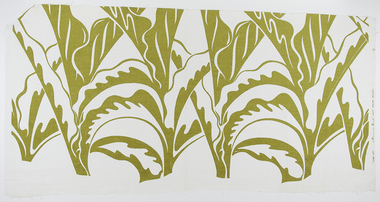
Textile lengths, Canna leaf
... Burke’s modern abstract textile designs incorporated motifs and colours inspired by Australian Indigenous art, Pacific Island cultures, Australian flora and fauna, English gardens, and the sea and its wildlife. ...Burke’s modern abstract textile designs incorporated motifs and colours inspired by Australian Indigenous art, Pacific Island cultures, Australian flora and fauna, English gardens, and the sea and its wildlife. ...Dr. Frances Mary Burke (1907 - 1994) was a textile designer and printer, businesswoman, artist and Australian design advocate and retailer. Burke’s modern abstract textile designs incorporated motifs and colours inspired by Australian Indigenous art, Pacific Island cultures, Australian flora and fauna, English gardens, and the sea and its wildlife. Following Burke’s death in 1994, her life-long companion Miss Fabie Chamberlain donated the contents of Burke’s studio to RMIT University.Single colour screenprint, white fabric with chartreuse coloured print of positive large format design featuring large stylised canna leaf motif.Printed on selvedge 'CANNA LEAF' a "Frances Burke" UNIT COLOUR DESIGN'textile, australian flora, rmit design archives -
 Women's Art Register
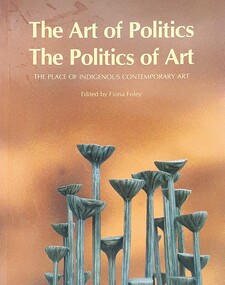
Book, Fiona Foley et al, The Art of Politics, The Politics of Art: The Place of Indigenous Contemporary Art, 2006
... Indigenous Australia and Contemporary Art Practice...Indigenous Australia and Contemporary Art Practice Complements other material held in the Women's Art Register Fiona Foley Fiona Nicoll Regina Ganter Ole Maiava Louise Martin-Chew Anna Haebich Franca Tamisari Aboriginal Art Indigenous Architecture A collection of essays on Indigenous art in mainstream Australia by international Indigenous and non-Indigenous academics, arts administrators and practising artists. ...A collection of essays on Indigenous art in mainstream Australia by international Indigenous and non-Indigenous academics, arts administrators and practising artists.non-fictionA collection of essays on Indigenous art in mainstream Australia by international Indigenous and non-Indigenous academics, arts administrators and practising artists. fiona foley, fiona nicoll, regina ganter, ole maiava, louise martin-chew, anna haebich, franca tamisari, aboriginal art, indigenous architecture -
 Federation University Historical Collection
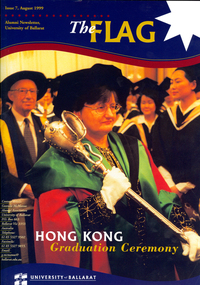
Magazine - Newsletter, The Flag, 1995-2001, 1995-2001
... Sandy Blythe, Geoffrey Blainey,Jamie Shaw, Kiran Mazumdar, Stuart Pursell, Tony Singh, Ballarat Teachers' College, Frank Nolan, Carolyn Blackman. .4) David James, Malini Chitaranjan, Chandker Varadhan, Lola Montez, Regina Molloy, Bert Labont'e, Jayne Reynolds, Amanda Sandwith, Roger Short, Stephen Kemmis, Barney Glover, Thomas O'Donnell, Sandy Blythe, Laurier Prosser, John Sharpham, Jack Barker, Xiaoli Jiang, Catherine Pearce, Nepal, Ballarat Teachers' College, John Culvenor, Richards Medal, Karl McCann. .5) Gwenda McManus, David James, Ron Wild, Merger, Wimmera Institute of TAFE, Katherine Birkin. .6) David Caro, Chancellor appointment, David James, Ellen Sellers, Ballarat Teachers' College Reunion, Briana Folkes, Lorri Coburn, Paul O'Donohue, Graeme Kelly, Tracy Plunkett, Julie Kellett, Unisports rehabilitation, Hong Kong graduation, China, koalas. .7) Hong Kong graduation, David Janes, Argentina, Richard Alder, threatened animals, reconciliation, Leoda Atkinson, mural, Jodie Lowe, indigenous Australians, Sue Turale, nursing, Hong Kong, Geoffrey Richards, Janice Edwards, Laura Chibnall, Franky Christiano, Nessa Jenkins, Kerrie Powell. .8) David James, Graduate Centre, Greenhill Enterprise Centre, Warren Young, Parks Victoria, Maxitrans, netball, John Magrath, maths, Catering for the Olympics, Eddie Turker, Maryanne Coutts, Sonia Colville, Daryl Wisely, Laura Wakeling. .9) Camp Street Redevelopment, Arts Academy, David James, Gwenda McManus, Doug Lloyd, Ian Gordon, University Appeal, Hong Kong, Sue Turale, Edward Wong, Hakodate University, Paris, nursing, Malaysia, Yuri Tanabe, Amanda Mead, Mary Modeen, Barry Judd. .10) Kerry Cox, Gwenda McManus, wildlife, MartinWestbrooke Brian McLennan Art Scholarship. ...Sandy Blythe, Geoffrey Blainey,Jamie Shaw, Kiran Mazumdar, Stuart Pursell, Tony Singh, Ballarat Teachers' College, Frank Nolan, Carolyn Blackman. .4) David James, Malini Chitaranjan, Chandker Varadhan, Lola Montez, Regina Molloy, Bert Labont'e, Jayne Reynolds, Amanda Sandwith, Roger Short, Stephen Kemmis, Barney Glover, Thomas O'Donnell, Sandy Blythe, Laurier Prosser, John Sharpham, Jack Barker, Xiaoli Jiang, Catherine Pearce, Nepal, Ballarat Teachers' College, John Culvenor, Richards Medal, Karl McCann. .5) Gwenda McManus, David James, Ron Wild, Merger, Wimmera Institute of TAFE, Katherine Birkin. .6) David Caro, Chancellor appointment, David James, Ellen Sellers, Ballarat Teachers' College Reunion, Briana Folkes, Lorri Coburn, Paul O'Donohue, Graeme Kelly, Tracy Plunkett, Julie Kellett, Unisports rehabilitation, Hong Kong graduation, China, koalas. .7) Hong Kong graduation, David Janes, Argentina, Richard Alder, threatened animals, reconciliation, Leoda Atkinson, mural, Jodie Lowe, indigenous Australians, Sue Turale, nursing, Hong Kong, Geoffrey Richards, Janice Edwards, Laura Chibnall, Franky Christiano, Nessa Jenkins, Kerrie Powell. .8) David James, Graduate Centre, Greenhill Enterprise Centre, Warren Young, Parks Victoria, Maxitrans, netball, John Magrath, maths, Catering for the Olympics, Eddie Turker, Maryanne Coutts, Sonia Colville, Daryl Wisely, Laura Wakeling. .9) Camp Street Redevelopment, Arts Academy, David James, Gwenda McManus, Doug Lloyd, Ian Gordon, University Appeal, Hong Kong, Sue Turale, Edward Wong, Hakodate University, Paris, nursing, Malaysia, Yuri Tanabe, Amanda Mead, Mary Modeen, Barry Judd. .10) Kerry Cox, Gwenda McManus, wildlife, MartinWestbrooke Brian McLennan Art Scholarship. ...Eleven copies of the University of Ballarat Alumni newsletter called The Flag. .1) David James, Gwenda McManus, Kerrie Edwards, Steve Bracks, Cordell Kent, Australian Native Gold, Koori Education Unit, Pat Hope, Rozeena Begum, Lidcha Mul. .2) Gwenda McManus, Wilhelmus, David James, University Mace, Trefor Prest, Steve Moneghetti, Shaun Creighton, Peter Blackburn, David Waite, Sandy Blythe, Kim Ross, Michael Wilson, Betty Gill, Betty Fish, Tom Hill, Bill Pryor . .3) David James. Sandy Blythe, Geoffrey Blainey,Jamie Shaw, Kiran Mazumdar, Stuart Pursell, Tony Singh, Ballarat Teachers' College, Frank Nolan, Carolyn Blackman. .4) David James, Malini Chitaranjan, Chandker Varadhan, Lola Montez, Regina Molloy, Bert Labont'e, Jayne Reynolds, Amanda Sandwith, Roger Short, Stephen Kemmis, Barney Glover, Thomas O'Donnell, Sandy Blythe, Laurier Prosser, John Sharpham, Jack Barker, Xiaoli Jiang, Catherine Pearce, Nepal, Ballarat Teachers' College, John Culvenor, Richards Medal, Karl McCann. .5) Gwenda McManus, David James, Ron Wild, Merger, Wimmera Institute of TAFE, Katherine Birkin. .6) David Caro, Chancellor appointment, David James, Ellen Sellers, Ballarat Teachers' College Reunion, Briana Folkes, Lorri Coburn, Paul O'Donohue, Graeme Kelly, Tracy Plunkett, Julie Kellett, Unisports rehabilitation, Hong Kong graduation, China, koalas. .7) Hong Kong graduation, David Janes, Argentina, Richard Alder, threatened animals, reconciliation, Leoda Atkinson, mural, Jodie Lowe, indigenous Australians, Sue Turale, nursing, Hong Kong, Geoffrey Richards, Janice Edwards, Laura Chibnall, Franky Christiano, Nessa Jenkins, Kerrie Powell. .8) David James, Graduate Centre, Greenhill Enterprise Centre, Warren Young, Parks Victoria, Maxitrans, netball, John Magrath, maths, Catering for the Olympics, Eddie Turker, Maryanne Coutts, Sonia Colville, Daryl Wisely, Laura Wakeling. .9) Camp Street Redevelopment, Arts Academy, David James, Gwenda McManus, Doug Lloyd, Ian Gordon, University Appeal, Hong Kong, Sue Turale, Edward Wong, Hakodate University, Paris, nursing, Malaysia, Yuri Tanabe, Amanda Mead, Mary Modeen, Barry Judd. .10) Kerry Cox, Gwenda McManus, wildlife, MartinWestbrooke Brian McLennan Art Scholarship. Anne Saunders, Shenzhen, Hong Kong. .11) CFA, Kerry Cox, Wayne Robinson appointment, Terry Lloyd, Empire Rubber, Churchill Fellowship, Russell Rees, bus mural, Janice Croggon, John McDonald, Imogen Schwarz, Andrew Dark, Jacqueline Dark, building, Jeff Goodiesonmcmanus, kent, bracks, vermeend, university games, greenhill, netball, magrath, coutts, turker, colville, wisely, wakeling, moneghetti, alder, atkinson, lowe, tirale, richards, blackburn, pryor, blainey, shaw, pursell, singh, blackman, wild, ballarat school of mines, wimmera, wimmera institute of tafe, merger, birkin, caro, sellers, folkes, coburn, o'donogue, kelly, plunkett, kellett, unisports, hong kong, alumni, koala, muzumdar-shaw, arts academy, camp street precinct, camp street -
Federation University Historical Collection
Book, Freund, Peter, Victorian Indigenous Art Awards, 2013, 2013
... Indigenous Art Awards started in 2005. The awards celebrate the quality and diversity of current art practice of aboriginal and Torres Straight Islander Victorians and showcase and raise the profile of the uniqueness of South-East Australian Aboriginal Art. ...Indigenous Art Awards started in 2005. The awards celebrate the quality and diversity of current art practice of aboriginal and Torres Straight Islander Victorians and showcase and raise the profile of the uniqueness of South-East Australian Aboriginal Art. ...The Victorian Indigenous Art Awards started in 2005. The awards celebrate the quality and diversity of current art practice of aboriginal and Torres Straight Islander Victorians and showcase and raise the profile of the uniqueness of South-East Australian Aboriginal Art. The awards were presented at the Art Gallery of Ballarat for the first time in 2013. In 2013 the University of Ballarat (now Federation University Australia) sponsored The University of Ballarat Acquisitive Award for Work Reflecting Victoria's Western District.Red soft covered book of 64 pages. The book has coloured reproctions and artist's overview on the works exhibited at the Art Gallery of Ballarat as part of the Awards. Artists include Ray Thomas, Georgia MacGuire, John Duggan, Peter Waples-Crowe, Bindi Cole, Bronwyn Razem, Lucy Williams-Connelly, Jack Anselmi, Deanne Gilson, Marlene Gilsonvictorian indigenous art awards, ray thomas, georgia macguire, john duggan, peter waples-crowe, bindi cole, bronwyn razem, lucy williams-connelly, jack anselmi, deanne gilson, marlene gilson, alumni -
 Federation University Historical Collection
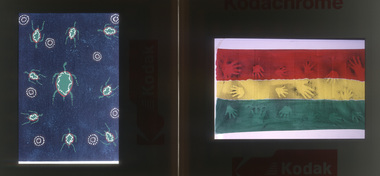
Photograph - Collection of Slides, Koorie Art and Design, 1994
... Australia...Graphic Design...Art...Koorie...Aboriginal Art...Indigenous...Art and Design course, 1994. Please note, scanned images are for archive reference only. Images may appear flipped or rotated, and colours may not be accurate. University of Ballarat Federation University Australia Graphic Design Art Koorie Aboriginal Art Indigenous Art First peoples Bill Rubina Kylie Abraham Series of 11 35mm mounted slides, from Koorie Art and Design classes, 1994. ...These are most likely student works from Koorie Art and Design course, 1994. Please note, scanned images are for archive reference only. Images may appear flipped or rotated, and colours may not be accurate.Series of 11 35mm mounted slides, from Koorie Art and Design classes, 1994. university of ballarat, federation university australia, graphic design, art, koorie, aboriginal art, indigenous art, first peoples, bill, rubina, kylie, abraham -
Federation University Historical Collection
Book, University of Ballarat Annual Report 2005, 2005
... University of Ballarat is a predecessor institution of Federation University Australia. annual report robert h.t. smith kerry o. cox maria strikland john mcclure technology park stan jeffrey westvic academy of sport dennis olmstead sid morris wayne robinson town and gown clare gervasoni dorothy wickham carolyn taylor christine nixon geoffrey blainey arts academy betty collier terry lloyd indigenous employment strategy eureka encyclopaedia brian west joel epstein scholarships penelope boadle cameron brown felice cua zoe ferrier Lauren Gaylard Sarah Hardy Natalie Kirby Marcus Kirkpatrick kimberley murphy luke whykes amy yole jessica meek melissa mitchell robert hook albert coates memorial awards brian mclennan art scholarship ibm .1 and .2) Bound soft covered University of Ballarat Annual Report .3) Financial Statements University of Ballarat Annual Report 2005 Book ...University of Ballarat is a predecessor institution of Federation University Australia..1 and .2) Bound soft covered University of Ballarat Annual Report .3) Financial Statementsannual report, robert h.t. smith, kerry o. cox, maria strikland, john mcclure, technology park, stan jeffrey, westvic academy of sport, dennis olmstead, sid morris, wayne robinson, town and gown, clare gervasoni, dorothy wickham, carolyn taylor, christine nixon, geoffrey blainey, arts academy, betty collier, terry lloyd, indigenous employment strategy, eureka encyclopaedia, brian west, joel epstein, scholarships, penelope boadle, cameron brown, felice cua, zoe ferrier, lauren gaylard, sarah hardy, natalie kirby, marcus kirkpatrick, kimberley murphy, luke whykes, amy yole, jessica meek, melissa mitchell, robert hook, albert coates memorial awards, brian mclennan art scholarship, ibm -
 Glenelg Shire Council Cultural Collection
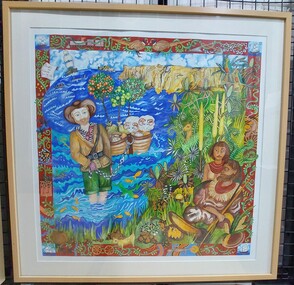
Painting, Jennifer McCarthy, Edward Henty Arrival, 2009
... Art Prize. 1834 The Thistle Henty Colonial Portland Bay Front: Back - 'Jennifer McCarthy Edward Henty - Arrival 2009' - Brown texta Also framers sticker Gouache on paper depiction of Edward Henty's arrival at Portland Bay. Cream coloured mat board. Light coloured wooden frame. Wire hanging cord. A colourful border depicting native animals as well as other items such as a steam train, shovel, cartwheels surrounds an image of the coastline. Each corner of the border shows a sailing ship. In the foreground are two Indigenous Australians ...Winner of the 175th Anniversary of Edward Henty landing at Portland, Acquisitive Art Prize.Gouache on paper depiction of Edward Henty's arrival at Portland Bay. Cream coloured mat board. Light coloured wooden frame. Wire hanging cord. A colourful border depicting native animals as well as other items such as a steam train, shovel, cartwheels surrounds an image of the coastline. Each corner of the border shows a sailing ship. In the foreground are two Indigenous Australians seated on the floor surrounded by bushland. To the left stands a man in European clothing - green trousers and a striped top. He is ankle deep in the water. Behind him are two baskets which he holds with a chain. Behind that are two sheep. Top left is a parchment which says, Thistle the Pioneer, Nov 19th 1834.Front: Back - 'Jennifer McCarthy Edward Henty - Arrival 2009' - Brown texta Also framers sticker1834, the thistle, henty, colonial, portland bay -
 Orbost & District Historical Society
eggs
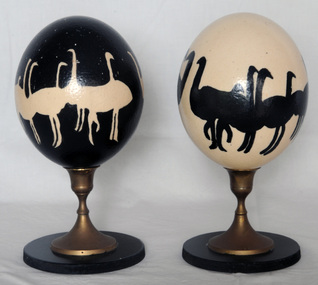
... art. The carving of emu eggs by Indigenous and non-Indigenous people was popular in the late 19th century but production declined in the 20th century, partly due to the protection of eggs through legislation. This has been overturned in recent years with the development of commercial emu farms. In the period between the two world wars particularly, with the production of other Aboriginal artefacts for an outside market, the carving of emu eggs provided an important source of income for Aboriginal people in many parts of Australia. ...art. The carving of emu eggs by Indigenous and non-Indigenous people was popular in the late 19th century but production declined in the 20th century, partly due to the protection of eggs through legislation. This has been overturned in recent years with the development of commercial emu farms. In the period between the two world wars particularly, with the production of other Aboriginal artefacts for an outside market, the carving of emu eggs provided an important source of income for Aboriginal people in many parts of Australia. ...These eggs could be ostrich eggs from an ostrich farm which operated just out of Marlo. It is likely that they were donated by Kate and Richard Earle who ran the enterprise. Emu and ostrich eggs are perfect for decorating, painting or carving. Emu egg shells have multiple layers ranging from an inner white layer through to the dark green outer layer. The contents must be removed through a small hole (either tool drilled or poked with a needle). After the yolk has been blown out (scrambling the yolk first by poking with a needle will make it easier to remove), the egg needs to be washed through and left to drain dry. It can then be painted, carved, etched or decorated. Emu decorating is a traditional Aboriginal art. The carving of emu eggs by Indigenous and non-Indigenous people was popular in the late 19th century but production declined in the 20th century, partly due to the protection of eggs through legislation. This has been overturned in recent years with the development of commercial emu farms. In the period between the two world wars particularly, with the production of other Aboriginal artefacts for an outside market, the carving of emu eggs provided an important source of income for Aboriginal people in many parts of Australia. It was a widespread practice in the south-east and it was not unusual for Aboriginal people to decorate their own homes with carved eggs and other items created by themselves or community members, serving to affirm an Indigenous identity within the domestic environment. (ref National Gallery of Australia)This item is significant for its uniqueness and aesthetic appeal.Two painted eggs on stands. 1907.1 is painted black and has white emus or ostriches painted on it. 1907.2 is painted white and has black emus or ostriches painted on it. Both stands are wooden with brass pedestals. The eggs are possibly ostrich eggs.handcraft emu-egg ornament ostrich-egg -
 Orbost & District Historical Society
emu egg
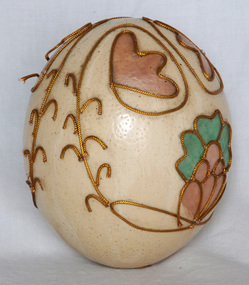
... art. The carving of emu eggs by Indigenous and non-Indigenous people was popular in the late 19th century but production declined in the 20th century, partly due to the protection of eggs through legislation. This has been overturned in recent years with the development of commercial emu farms. In the period between the two world wars particularly, with the production of other Aboriginal artefacts for an outside market, the carving of emu eggs provided an important source of income for Aboriginal people in many parts of Australia. ...art. The carving of emu eggs by Indigenous and non-Indigenous people was popular in the late 19th century but production declined in the 20th century, partly due to the protection of eggs through legislation. This has been overturned in recent years with the development of commercial emu farms. In the period between the two world wars particularly, with the production of other Aboriginal artefacts for an outside market, the carving of emu eggs provided an important source of income for Aboriginal people in many parts of Australia. ...Emu eggs are perfect for decorating, painting or carving. Emu egg shells have multiple layers ranging from an inner white layer through to the dark green outer layer. The contents must be removed through a small hole (either tool drilled or poked with a needle). After the yolk has been blown out (scrambling the yolk first by poking with a needle will make it easier to remove), the egg needs to be washed through and left to drain dry. It can then be painted, carved, etched or decorated. Emu decorating is a traditional Aboriginal art. The carving of emu eggs by Indigenous and non-Indigenous people was popular in the late 19th century but production declined in the 20th century, partly due to the protection of eggs through legislation. This has been overturned in recent years with the development of commercial emu farms. In the period between the two world wars particularly, with the production of other Aboriginal artefacts for an outside market, the carving of emu eggs provided an important source of income for Aboriginal people in many parts of Australia. It was a widespread practice in the south-east and it was not unusual for Aboriginal people to decorate their own homes with carved eggs and other items created by themselves or community members, serving to affirm an Indigenous identity within the domestic environment. (ref National Gallery of Australia)This item is significant for its uniqueness and its aesthetic appeal.An emu egg which has been painted white and decorated with glued on cord/thread to make a pattern of flowers and leaves.emu-egg ornament handcraft -
 Eltham District Historical Society Inc
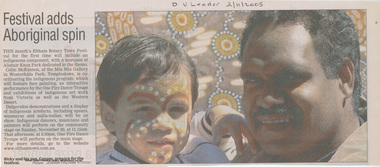
Newspaper - Newspaper clipping, Diamond Valley News, Festival adds Aboriginal spin, 2 Nov 2005
... Colin McKinnon of the Mia Mia Gallery in Westerfolds Park coordinated the program. eltham festival 2005 Eltham Community Festival Rotary Club of Eltham Rotary Eltham Town Festival Aboriginal Australians Colin McKinnon indigenous art Mia Mia Gallery One Fire Dance Troupe Newsprint Festival adds Aboriginal spin Newspaper Newspaper clipping Diamond Valley News ...Published Diamond Valley Leader, 2 Nov. 2005 The 2005 Rotary Eltham Town Festival for the first time included an indigineous component with a marquee in Alistair Knox Park dedicated to the theme. Colin McKinnon of the Mia Mia Gallery in Westerfolds Park coordinated the program.Newsprinteltham festival, 2005, eltham community festival, rotary club of eltham, rotary eltham town festival, aboriginal australians, colin mckinnon, indigenous art, mia mia gallery, one fire dance troupe -
 Eltham District Historical Society Inc
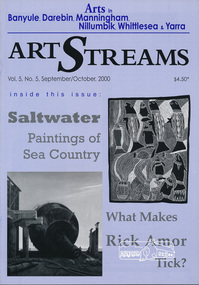
Journal, Peter Doughtery, ArtStreams: Arts in Banyule, Darebin, Manningham, Nillumbik, Whittlesea & Yarra; Vol. 5, No. 5 (sic - 4) Sep-Oct 2000, 2000
... ." - Eltham District Historical Society Newsletter No. 161, March 2005 art streams Rick Amor willy wonka's ice cream gourmet food bulleen art & garden centre sandy jeffs museum of modern art at heide sea country indigenous paintings roberta sykes Kinglake Gallery Sue Yardley Alan Marshall Short Story Award Plenty Ranges Arts & Convention Centre Eltham Little Theartre Warrandyte Theartre Company Eltham Wiregrass Gallery David Moore Montsalvat Art Now At Winter's End Festival Artstreams Publications amberley Anthology of Australian music on disc Plenty Views Golf Park Wayne Viney william Barak Short Story competition emily borg Rhiannon Foster Dynamic Vegies Maria Pellicano Steve Pellicano were street cafe Gemma Lynch-Memory Adriane Strampp Nina Christesen Stephanie Holt St andrews Market Thompsons Pharmacy Colour front and back cover with feature articles and literary pieces with photographs and advertisements printed in black and white. 36 pages, 30 cm. ...Vol. 5, No. 5 (4), Sep-Oct 2000 CONTENTS From Beach to Battleground 3 Talking art with Rick Amor The Poetry of Catharsis 7 New Work by Sandy Jeffs Saltwater 8 Paintings of Sea Country Snake Circle 10 Reviewed by Anna Barden Short Story 12 The Rainbow Shell Theatre Reviews 16 By Kathy Oliver Interview 18 David Moore and why he paints Art Now 21 City of Darebin Biennial Exhibition Australian Classical Music 22 Betty Scarlett William Barak Writing Competition 24 Stories by Emily Borg & Rhiannon Foster New Arts Contributors 26 Were Street Cafe & Studio19 Artin About 27 Wining & Dining 30 Poetry 32 By Shelton Lea Artist's Services 32 "Peter Dougherty has been involved in the local art scene for many years. As publisher and editor of the arts magazine Artstreams, his comments on the various branches of the arts are widely respected. His "The Arts" column in the Diamond Valley Leader presents a brief summary for a much wider cross section of the local community. Peter also operates his own gallery and the Artstreams Cafe at the St Andrews market. Peter has a wealth of knowledge about present day and historical aspects of local art and artists." - Eltham District Historical Society Newsletter No. 161, March 2005Colour front and back cover with feature articles and literary pieces with photographs and advertisements printed in black and white. 36 pages, 30 cm. Vol. 1, no. 1 (Nov. 1996) - Vol. 10, no. 5 (summer ed. 2005/06) art streams, rick amor, willy wonka's ice cream gourmet food, bulleen art & garden centre, sandy jeffs, museum of modern art at heide, sea country, indigenous paintings, roberta sykes, kinglake gallery, sue yardley, alan marshall short story award, plenty ranges arts & convention centre, eltham little theartre, warrandyte theartre company, eltham wiregrass gallery, david moore, montsalvat, art now, at winter's end festival, artstreams publications, amberley, anthology of australian music on disc, plenty views golf park, wayne viney, william barak short story competition, emily borg, rhiannon foster, dynamic vegies, maria pellicano, steve pellicano, were street cafe, gemma lynch-memory, adriane strampp, nina christesen, stephanie holt, st andrews market, thompsons pharmacy -
 Eltham District Historical Society Inc
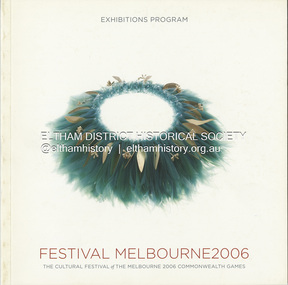
Programme - Book, Global Art Projects, Festival Melbourne2006: the Cultural festival of the Melbourne 2006 Commonwealth Games, Exhibtions Program, 2006
... Commonwealth Games Art Festivals totem poles Content includes text and photos of a totem pole under construction for Festival Melbourne2006, the cultural festival of the Melbourne 2006 Commonwealth Games. CARVE brought together artists from the Commonwealth nations of Canada, New Zealand and Australia, to examine the contemporary practice of traditional indigenous carving from each of these countries. ...Content includes text and photos of a totem pole under construction for Festival Melbourne2006, the cultural festival of the Melbourne 2006 Commonwealth Games. CARVE brought together artists from the Commonwealth nations of Canada, New Zealand and Australia, to examine the contemporary practice of traditional indigenous carving from each of these countries. Throughout the period of the Commonwealth Games each artist participated in demonstrations open to the public. Wayne Alfred from Canada, together with his son Marcus participated 18-25 March. The pole was carved alongside other carvers at Melbourne Museum. It was later donated to the Shire of Nillumbik. Contents: Threading the commonwealth: textile tradition, culture, trade and politics, Canopy of the commonwealth: community textile project, Spirit of the games: the opening ceremony revealed, Common goods: cultures meet through craft, New06 and +plus factors: contemporary Australian art Single currency: Australian and New Zealand art Flash: Australian athletes in focus, Game on! Sport and contemporary art, Best of the best: Commonwealth Photographic Awards.46 pagesnon-fictionContent includes text and photos of a totem pole under construction for Festival Melbourne2006, the cultural festival of the Melbourne 2006 Commonwealth Games. CARVE brought together artists from the Commonwealth nations of Canada, New Zealand and Australia, to examine the contemporary practice of traditional indigenous carving from each of these countries. Throughout the period of the Commonwealth Games each artist participated in demonstrations open to the public. Wayne Alfred from Canada, together with his son Marcus participated 18-25 March. The pole was carved alongside other carvers at Melbourne Museum. It was later donated to the Shire of Nillumbik. Contents: Threading the commonwealth: textile tradition, culture, trade and politics, Canopy of the commonwealth: community textile project, Spirit of the games: the opening ceremony revealed, Common goods: cultures meet through craft, New06 and +plus factors: contemporary Australian art Single currency: Australian and New Zealand art Flash: Australian athletes in focus, Game on! Sport and contemporary art, Best of the best: Commonwealth Photographic Awards.commonwealth games, art festivals, totem poles -
 Eltham District Historical Society Inc
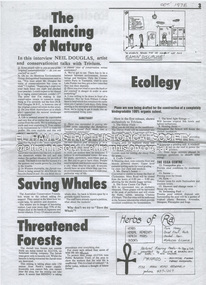
Document - Family File, Toorak Art Gallery, Neil Douglas
... indigenous wildlife at Bend of Islands, Kangaroo Ground. Contents: 1. Photocopy from unknown community newspaper October 1978: "The Balancing of Nature" an interview with Neil Douglas. Page also includes an article" Ecology" about plans being drafted for the construction of a completely biodegradable 100% organic school which refers to the unnamed Eltham College. 2. Folio depicting six artworks by Neil Douglass produced by Toorak Art Gallery, South Yarra. The paintings are: “Summer Creek”, “Eighteen Emus", "The Strange Australian ...Neil Douglas (1911 - 2003) was an artist and conservationist. In 1964 he founded a co-operative consisting of families who wished to live in harmony with the bush and indigenous wildlife at Bend of Islands, Kangaroo Ground. Contents: 1. Photocopy from unknown community newspaper October 1978: "The Balancing of Nature" an interview with Neil Douglas. Page also includes an article" Ecology" about plans being drafted for the construction of a completely biodegradable 100% organic school which refers to the unnamed Eltham College. 2. Folio depicting six artworks by Neil Douglass produced by Toorak Art Gallery, South Yarra. The paintings are: “Summer Creek”, “Eighteen Emus", "The Strange Australian Presence" (Black and white), "Ways before the Whiteman - Kangaroo Pad" (Wyperfeld National Park), (back and white) with caption, "Swipers Gully" and “Bush in Drought” (date unknown).Neil Douglas (1911 - 2003) was an artist and conservationist. In 1964 he founded a co-operative consisting of families who wished to live in harmony with the bush and indigenous wildlife at Bend of Islands, Kangaroo Ground. Contents: 1. Photocopy from unknown community newspaper October 1978: "The Balancing of Nature" an interview with Neil Douglas. Page also includes an article" Ecology" about plans being drafted for the construction of a completely biodegradable 100% organic school which refers to the unnamed Eltham College. 2. Folio depicting six artworks by Neil Douglass produced by Toorak Art Gallery, South Yarra. The paintings are: “Summer Creek”, “Eighteen Emus", "The Strange Australian Presence" (Black and white), "Ways before the Whiteman - Kangaroo Pad" (Wyperfeld National Park), (back and white) with caption, "Swipers Gully" and “Bush in Drought” (date unknown).neil douglas, paintings, etham college -
 Eltham District Historical Society Inc
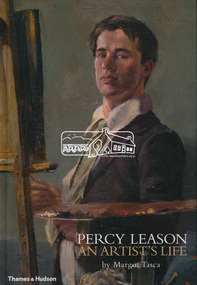
Book, Percy Leason: an artist's life by Margot Tasca, 2016
... Australian society in the 1920s and 1930s. Leason’s story is a poignant one tracing his beginnings as a cartoonist, to the bohemian Melbourne art scene in the early 20th century, to his involvement in the artists’ camps of Eltham, to his important series of portraits of Lake Tyers Indigenous Australians, and his eventual move to the US where he has been acknowledged as making an enormous contribution to the New York arts scene. ...Australian society in the 1920s and 1930s. Leason’s story is a poignant one tracing his beginnings as a cartoonist, to the bohemian Melbourne art scene in the early 20th century, to his involvement in the artists’ camps of Eltham, to his important series of portraits of Lake Tyers Indigenous Australians, and his eventual move to the US where he has been acknowledged as making an enormous contribution to the New York arts scene. ..."Who would have thought that a boy born in 1889 from the Victorian Mallee would become a successful artist on New York’s Staten Island? This finely illustrated, exhaustively researched and beautifully written biography on Leason features the artist’s entire career as a painter and cartoonist renowned for his depictions of Australian society in the 1920s and 1930s. Leason’s story is a poignant one tracing his beginnings as a cartoonist, to the bohemian Melbourne art scene in the early 20th century, to his involvement in the artists’ camps of Eltham, to his important series of portraits of Lake Tyers Indigenous Australians, and his eventual move to the US where he has been acknowledged as making an enormous contribution to the New York arts scene. This story, as yet untold, fills a gap in the history of art in Australia and offers a new perspective on Australian art in the first half of the 20th century." - Thames and Hudson website A NEW HOME IN ELTHAM Once they had settled back into Melbourne, Perry and Belle began to look for a place to make a permanent home. Having enjoyed the bush setting of Mosman, they decided to explore the rural fringes of Melbourne. Each weekend they packed a picnic and travelled to the towns in the nearby hills - such as Ferntree Gully, Sassafras, Lilydale and, of course, Cockatoo Creek. Eventually deciding these places might be a little too far from The Herald office, they searched closer to the city. The Heidelberg and Box Hill regions that had inspired his old teacher McCubbin, had become busy, urban areas but further east, towards Warrandyte and Templestowe, there were still large tracts of bush. Finally they settled on Eltham, an area Percy knew very well, having often painted there with Jock Frater. Perry's old friend Dick McCann and his wife Margery had also settled in Eltham. The township was fifteen miles from Melbourne and serviced by an electric train that went to the central Melbourne station of Flinders Street, near where The Herald offices were located. Eltham was a small village in 1925, separated from Melbourne by the Yarra River, and surrounded by orchards and large tracts of bush. Small farms dotted the landscape and the main businesses revolved around ironmongers, blacksmiths, and farming supplies. Of particular appeal to artists was Eltham Park, a large expanse of bushland bounded by the Yarra River on the south side and the Diamond Creek on the east. The park included a playing field that was busy on weekends with cricket or football matches, but for the rest of the week it was mostly empty and an ideal place to paint. The scenery there provided the inspiration for many paintings by Leason, Meldrum and other artists such as Colin Colahan and Peter (A.E.) Newburv. The Leasons found a rundown old farmhouse on four-and-a-half acres of land in New Street, now known as Lavender Park Road. The site was splendid, at the top of a gentle slope which gave panoramic views east to the Dandenong hills, south over the Templestowe orchards and north to Kinglake. The front lawn was taken over by onion grass (or wiregrass as Leason called it) and scattered about the property were many wattles and gum trees. Aloe cacti covered much to the front of the house, while old quince and lucerne hedges separated the house and out-buildings from a rundown apple orchard. Here they would build a new home. ·with financial assistance from The Herald, Leason bought the property and immediately commissioned an architectural firm to design a new house in the popular bungalow style of the time. The old farm house was demolished but Percy saved the siding boards, bricks and corrugated iron for the outbuildings of his new home. The new house was a two storey, triple brick with a large, gabled, terracotta tiled roof. It was situated at the very top of the slope. The paint and varnish were barely dry when the family moved in during the summer of 1925-26 and the fumes were overpowering in the heat. Despite the house being wired for electricity, power poles had not yet reached the area and initially the family had to rely on kerosene lamps and candles. When electricity did arrive, Leason reflected on the community's reception of electricity at the expense of the old growth gum tree corridors in his cartoon, Electricity comes to Wiregrass. The family had now grown to seven. Jack was nearly nine, Jean was seven, Marjory was four, Nancy was two and the baby Patricia was seven months old. Jack and Jean were enrolled in the local primary school down the hill. A retired farmer, Jock McMillan, came to live on the property and help out with the general maintenance. Jock built himself a shack and Belle provided him with meals. He was kept occupied building structures around the property·, such as the garage, the outside toilet, garden beds, trellis arbours and a number of ponds. The elderly, bearded Scotsman with his old hat and baggy pants also provided the inspiration for one of the characters Leason regularly included in his cartoons. Like Leason, Jock smoked a straight stemmed pipe. A neighbour was employed to help Belle with domestic chores, and so the family settled down to live comfortably in their new Eltham house. Two dogs, Maginary and Wodger, completed the large and vibrant household. “Percy Leason; an artist’s life” by Margot Tasca, Thames & Hudson Australia Pty Ltd, Port Melbourne 2016, pp 63-64 Hardback Bookpercy leason, margot tasca, biography, artist, landscape -
 Eltham District Historical Society Inc
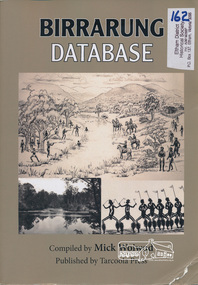
Book, Tarcoola Press, Birrarung Database compiled by Mick Woiwod, 2012
... art & craft, climate, personalities, disease, death and the river's flora and fauna. Sister publication to "Coranderrk database". wurundjeri yarra river indigenous history Wurundjeri Woi Wurrung Aboriginal Australians ISBN 9780987157423 318 pages : illustrations, maps ; 30 cm + 1 CD-ROM (4 3/4 in.) ...A compilation of Woiwod's research material, with information on the history of the Wurundjeri people of the Yarra Valley, from the time of first European contact. Its prime focus is the Yarra River as it has been understood by its Wurundjeri people. Includes a compilation of those difficult to locate "brief snatches of the action" collated under headings with in each instance, the provenance as to source and / or author included. Themes include: agriculture, law, ceremony, language, reconciliation, retribution, lifestyle, art & craft, climate, personalities, disease, death and the river's flora and fauna. Sister publication to "Coranderrk database". 318 pages : illustrations, maps ; 30 cm + 1 CD-ROM (4 3/4 in.) PDF or Microsoft Office Word 97-2003.ISBN 9780987157423wurundjeri, yarra river, indigenous history, wurundjeri woi wurrung, aboriginal australians -
 Women's Art Register
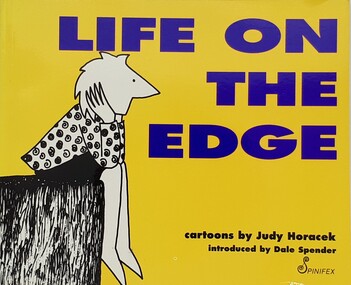
Book, Judy Horacek, Life on the Edge. Cartoons by Judy Horacek, 1992
... Australian political life. Coimplements other material held in the Women's Art Register political art community art Indigenous rights racism discrimination Collected cartoons by Melbourne cartoonist and writer Judy Horacek, who believes "humour is a fantastic way of changing the world." ( from biographical noes). ...Collected cartoons by Melbourne cartoonist and writer Judy Horacek, who believes "humour is a fantastic way of changing the world." ( from biographical noes). The introduction was written by Dale Spender.booknon-fictionCollected cartoons by Melbourne cartoonist and writer Judy Horacek, who believes "humour is a fantastic way of changing the world." ( from biographical noes). The introduction was written by Dale Spender.political art, community art, indigenous rights, racism, discrimination -
 Women's Art Register
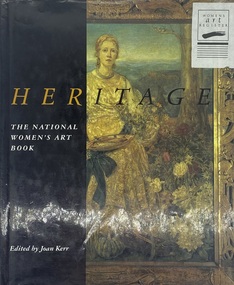
Book, Joan Kerr, Heritage. The National Women's Art Book, 1995
... Complements and expands similar material held in The Womens Art Register. colonial art craft competitions portraiture furniture sculpture indigenous art museology 500 works of art by 500 Australian women from colonial times to 1955 with images and commentaries on each work prepared by by 200 curators, critics, family member or the artists herself. ...500 works of art by 500 Australian women from colonial times to 1955 with images and commentaries on each work prepared by by 200 curators, critics, family member or the artists herself. Includes images of many works which may never have been reproduced. A biographical section comprises concise entries on these artists.Booknon-fiction500 works of art by 500 Australian women from colonial times to 1955 with images and commentaries on each work prepared by by 200 curators, critics, family member or the artists herself. Includes images of many works which may never have been reproduced. A biographical section comprises concise entries on these artists.colonial art, craft, competitions, portraiture, furniture, sculpture, indigenous art, museology -
 Women's Art Register
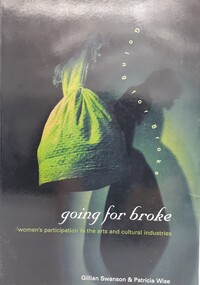
Book, Gillian Swanson & Patricia Wise, Going for Broke. Women's Participation in the Arts and Cultural Industries, N/A
... Art Register. Regionalism cultural industraies equity professional recognition indigenous women multiculturalism Study commissioned by Arts Queensland and the Australia Council in 1994 to address the lack of published information on women's involvement in the arts. "707/SWA" Inside Front Cover. ...Study commissioned by Arts Queensland and the Australia Council in 1994 to address the lack of published information on women's involvement in the arts.BookStudy commissioned by Arts Queensland and the Australia Council in 1994 to address the lack of published information on women's involvement in the arts.regionalism, cultural industraies, equity, professional recognition, indigenous women, multiculturalism -
 Women's Art Register
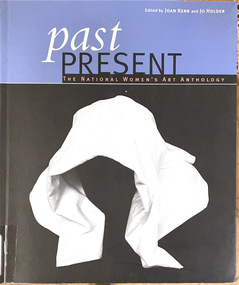
Book - Anthology, Joan Kerr and Jo Holder, Past Present. The National Women's Art Anthology, N/A
... Complements material held in The Women's Art register Indigenous art political art gender represenation museology photography installation graphic design collaborative practices Essays on feminist art, art history, criticism and museum practices in 1990s Australia by writers, academics, artists. "709.9.94/KER" Inside Front Cover. ...Essays on feminist art, art history, criticism and museum practices in 1990s Australia by writers, academics, artists.non-fictionEssays on feminist art, art history, criticism and museum practices in 1990s Australia by writers, academics, artists.indigenous art, political art, gender, represenation, museology, photography, installation, graphic design, collaborative practices -
 Women's Art Register
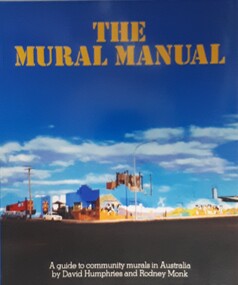
Book, David Humphries et al, The Mural Manual. A guide to community murals in Australia, 1982
... Complements other material held in The Women's Art Register Murals Trade Unions women's murals Indigenous urban art political art community arts Community Arts Network Eve Glen Carol Ruff Sarah MacNamarra Barbary O'Brien Community Arts Board Geoff Hogg Ann Newmarch Merilyn Fairskye Catriona Moore An illustrated survey of public mural projects during the 1970's and 1980's in metropolitan and regional communities including feminist, Trade Union, and Indigenous projects. S. Kirby The Mural Manual. A guide to community murals in Australia ...An illustrated survey of public mural projects during the 1970's and 1980's in metropolitan and regional communities including feminist, Trade Union, and Indigenous projects.non-fictionAn illustrated survey of public mural projects during the 1970's and 1980's in metropolitan and regional communities including feminist, Trade Union, and Indigenous projects.murals, trade unions, women's murals, indigenous, urban art, political art, community arts, community arts network, eve glen, carol ruff, sarah macnamarra, barbary o'brien, community arts board, geoff hogg, ann newmarch, merilyn fairskye, catriona moore -
 Women's Art Register
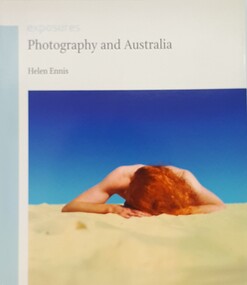
Book, Helen Ennis, Photography and Australia, 2007
... Indigenous Australia Complements other material held in the Women's Art Register racial political social Brenda L. ...Visual and written documentation on photography in Australia and its importance.non-fictionVisual and written documentation on photography in Australia and its importance.racial, political, social, brenda l. croft, leah king-smith, tracey moffat, brook andrew, destiny deacon, rosemary laing, olive cotton, margaret michaelis, ruth maddison, carol jerrems, fiona hall, patricia piccinni, jacky redgate, anne zahalka, pat brassington, anne ferran -
 Victorian Interpretive Projects Inc.
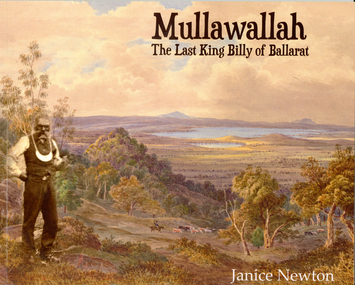
Book, Janice Newton, 'Mullawallah: The Last King Billy of Ballarat' by Janice Newton, 2015
... Janice has recently taught courses on 'The Anthropology of Indigenous Art' and 'Indigenous History' at Federation University Australia....Janice has recently taught courses on 'The Anthropology of Indigenous Art' and 'Indigenous History' at Federation University Australia. mullawullah frank wilson king billy aborigines wathauwrung wadawurrung aboriginal ercildoun ercildoune lake learmonth 56 page soft covered booklet outlining the life of Ballarat's Mullawallah (also known as King Billy or Frank Wilson). ...Dr Janice Newton has had a long term interest in Indigenous Studies and Aboriginality, and has published papers linking Aboriginality to the counterculture and to artists and musicians. She has published a paper commenting on Ballarat's response to the death in 1896 of King Billy, the so called 'last of his tribe'. Janice has recently taught courses on 'The Anthropology of Indigenous Art' and 'Indigenous History' at Federation University Australia.56 page soft covered booklet outlining the life of Ballarat's Mullawallah (also known as King Billy or Frank Wilson). Numerous photographs. The book 'Mullawallah: The Last King Billy of Ballarat' is an initiative of Victorian Interpretive Projects. It is available for purchase for $15.00 (additional for postage). Please email [email protected] for further details. Images include: Ercildoun, Lake Burrumbeet, Lal Lal Falls, William Buckley, Warrenheip, King Billy and his Camp in McCree's Paddock, King Billy and His Tribe, Carl Walter King Billy, Mary of Carngham, Rosa of Carngham, King Billy (Bullip Bullip), Queen Mary of Buninyong, Queen Marie of Ballarat, Queen Mary and King Billy and their original mia mia, Football at Ercildoune, Thomas Jerusalem, Samuel Wilson, Frank the last of the Ballarat Tribe, The Burial of King Billy, King Billy's Grave. mullawullah, frank wilson, king billy, aborigines, wathauwrung, wadawurrung, aboriginal, ercildoun, ercildoune, lake learmonth -
 Geoffrey Kaye Museum of Anaesthetic History
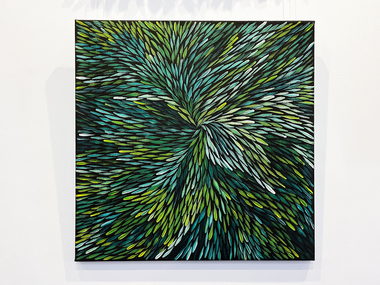
Painting, Jeannie Petyarre, Medicine Leaves, 2005
... oil paint acrylic paint floral floral design botanical design abstract art Indigenous artists First Nations artists Australian artists Australian art Hand painted on reverse. ...An unframed square acrylic-on-canvas painting in tones of green and white forming an abstract botanical pattern that radiates out from the centre. A renowned Anmatyerre artist from Utopia, Northern Territory, Petyarre’s work carries more than pigment—it holds a lineage of care. These sweeping, rhythmic brushstrokes represent Kurrajong leaves and other medicinal plants traditionally gathered and prepared by women healers. Passed from grandmother to granddaughter, these practices are a form of medicine beyond the clinical. They speak of country, ceremony, and community. They evoke breath, movement, and the cyclical nature of wellbeing. Hand painted on reverse. "JEANNIE PETYARRE 60X60" Handwritten on reverse. "(Sister of Gloria Petyarre) / "Medicine Leaves" 2005. / Presented to ANZCA by Prof. Michael Cousins 16/6/06"oil paint, acrylic paint, floral, floral design, botanical design, abstract art, indigenous artists, first nations artists, australian artists, australian art -
Eltham District Historical Society Inc
Document - Folder, Mitchell, Harold
... He eventually lived at St Andrews, was appointed an Officer (AO) of the Order of Australia in 2004 and a Companion (AC) of the Order of Australian in the Queen's Birthday honours 2010, for his community service, leadership, philanthropic contribution to art, heath and education, and support of humanitarian aid in East Timor and Indigenous communities. ...He eventually lived at St Andrews, was appointed an Officer (AO) of the Order of Australia in 2004 and a Companion (AC) of the Order of Australian in the Queen's Birthday honours 2010, for his community service, leadership, philanthropic contribution to art, heath and education, and support of humanitarian aid in East Timor and Indigenous communities. ...Harold Mitchel, advertising businessman, was the son of a saw miller in Stawell and recounted his childhood in "Living Large". He eventually lived at St Andrews, was appointed an Officer (AO) of the Order of Australia in 2004 and a Companion (AC) of the Order of Australian in the Queen's Birthday honours 2010, for his community service, leadership, philanthropic contribution to art, heath and education, and support of humanitarian aid in East Timor and Indigenous communities. He also held board positions on a number of arts organisations. He died from complications following knee surgery in February 2024. Contents Newspaper article: "Gong for Mitchell", Diamond Valley Leader, 23 June 2010. Harold Mitchell appointed AC Companion of the Order of Australia in the Queen's Birthday honours. Newspaper article: "The Power and the Passion", The Weekly Review, 23 November 2011. Interview of Harold Mitchell. Newspaper article: "Break point", GoodWeekend, 7 November 2020. Interview of Harold Mitchell. Newspaper article: "Ad man, philanthropist dies at 81", The Age, 12 February 2024. Two obituaries of Harold Mitchell, noting his Order of Australia 2010, his philanthropic interests, his seats on boards of cultural organisations, his business Mitchell & Partners. Newspaper article: Notice of state memorial service for Harold Mitchell AC, The Age, 4 May 2024. Newspaper article: "Farewell for 'a giver, not a taker' who helped others", The Age, 14 May 2024. Report of state memorial service for Harold Mitchell. Newspaper article: "Mitchell's luxury city penthouse yours for 46.25m", The Age, 7 June 2024. Harold Mitchell's penthouse in Park Tower, Spring Street, for sale. Newspaper clippings, A4 photocopies, etcharold mitchell, mitchell & partners, "living large" book, park tower spring street melbourne -
 Embroiderers Guild, Victoria
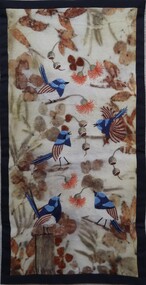
Textile - Embroidered Wool Hanging Ollie Fraser, Olwyn Fraser, "Busy Superb Fairy Wrens", July 2025
... Ollie draws local birds and stitches them on recycled woollen fabric that she has dyed using local indigenous leaves and bark Contemporary Victorian artwork representing eco-art practices inspired by local flora and fauna. Australian ...Commissioned by Embroiderers Guild Victoria from Victorian Textile artist Ollie Fraser, Ballarat in January 2025. Ollie draws local birds and stitches them on recycled woollen fabric that she has dyed using local indigenous leaves and barkContemporary Victorian artwork representing eco-art practices inspired by local flora and fauna.Recycled wool blanketing base, eco-dyed and printed using indigenous Victorian flora and eucalypt leaves. Backed with black cotton fabric. Embroidered with five blue fairy wrens and five flowering gumnuts and seven closed gumnuts.australian flora, eucalypt leaves, birds, fairy wren -
 Victorian Aboriginal Corporation for Languages
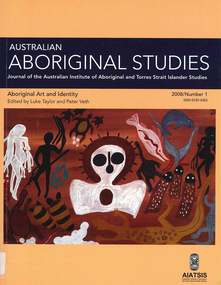
Periodical, Australian Institute of Aboriginal and Torres Strait Islander Studies, Australian Aboriginal studies : journal of the Australian Institute of Aboriginal and Torres Strait Islander Studies, 2008
... art and culture. 6. Black on White: Or varying shades of grey? Indigenous Australian photo-media artists and the ?...art and culture. 6. Black on White: Or varying shades of grey? Indigenous Australian photo-media artists and the ? ...1. Rock-art of the Western Desert and Pilbara: Pigment dates provide new perspectives on the role of art in the Australian arid zone Jo McDonald (Australian National University) and Peter Veth (Australian National University) Systematic analysis of engraved and painted art from the Western Desert and Pilbara has allowed us to develop a spatial model for discernable style provinces. Clear chains of stylistic connection can be demonstrated from the Pilbara coast to the desert interior with distinct and stylistically unique rock-art bodies. Graphic systems appear to link people over short, as well as vast, distances, and some of these style networks appear to have operated for very long periods of time. What are the social dynamics that could produce unique style provinces, as well as shared graphic vocabularies, over 1000 kilometres? Here we consider language boundaries within and between style provinces, and report on the first dates for pigment rock-art from the Australian arid zone and reflect on how these dates from the recent past help address questions of stylistic variability through space and time. 2. Painting and repainting in the west Kimberley Sue O?Connor, Anthony Barham (Australian National University) and Donny Woolagoodja (Mowanjum Community, Derby) We take a fresh look at the practice of repainting, or retouching, rockart, with particular reference to the Kimberley region of Western Australia. We discuss the practice of repainting in the context of the debate arising from the 1987 Ngarinyin Cultural Continuity Project, which involved the repainting of rock-shelters in the Gibb River region of the western Kimberley. The ?repainting debate? is reviewed here in the context of contemporary art production in west Kimberley Indigenous communities, such as Mowanjum. At Mowanjum the past two decades have witnessed an artistic explosion in the form of paintings on canvas and board that incorporate Wandjina and other images inspired by those traditionally depicted on panels in rock-shelters. Wandjina also represents the key motif around which community desires to return to Country are articulated, around which Country is curated and maintained, and through which the younger generations now engage with their traditional lands and reach out to wider international communities. We suggest that painting in the new media represents a continuation or transference of traditional practice. Stories about the travels, battles and engagements of Wandjina and other Dreaming events are now retold and experienced in the communities with reference to the paintings, an activity that is central to maintaining and reinvigorating connection between identity and place. The transposition of painting activity from sites within Country to the new ?out-of-Country? settlements represents a social counterbalance to the social dislocation that arose from separation from traditional places and forced geographic moves out-of-Country to government and mission settlements in the twentieth century. 3. Port Keats painting: Revolution and continuity Graeme K Ward (AIATSIS) and Mark Crocombe (Thamarrurr Regional Council) The role of the poet and collector of ?mythologies?, Roland Robinson, in prompting the production of commercial bark-painting at Port Keats (Wadeye), appears to have been accepted uncritically - though not usually acknowledged - by collectors and curators. Here we attempt to trace the history of painting in the Daly?Fitzmaurice region to contextualise Robinson?s contribution, and to evaluate it from both the perspective of available literature and of accounts of contemporary painters and Traditional Owners in the Port Keats area. It is possible that the intervention that Robinson might have considered revolutionary was more likely a continuation of previously well established cultural practice, the commercial development of which was both an Indigenous ?adjustment? to changing socio-cultural circumstances, and a quiet statement of maintenance of identity by strong individuals adapting and attempting to continue their cultural traditions. 4. Negotiating form in Kuninjku bark-paintings Luke Taylor (AIATSIS) Here I examine social processes involved in the manipulation of painted forms of bark-paintings among Kuninjku artists living near Maningrida in Arnhem Land. Young artists are taught to paint through apprenticeships that involve exchange of skills in producing form within extended family groups. Through apprenticeship processes we can also see how personal innovations are shared among family and become more regionally located. Lately there have been moves by senior artists to establish separate out-stations and to train their wives and daughters to paint. At a stylistic level the art now creates a greater sense of family autonomy and yet the subjects link the artists back in to much broader social networks. 5. Making art and making culture in far western New South Wales Lorraine Gibson This contribution is based on my ethnographic fieldwork. It concerns the intertwining aspects of the two concepts of art and culture and shows how Aboriginal people in Wilcannia in far western New South Wales draw on these concepts to assert and create a distinctive cultural identity for themselves. Focusing largely on the work of one particular artist, I demonstrate the ways in which culture (as this is considered) is affectively experienced and articulated as something that one ?comes into contact with? through the practice of art-making. I discuss the social and cultural role that art-making, and art talk play in considering, mediating and resolving issues to do with cultural subjectivity, authority and identity. I propose that in thinking about the content of the art and in making the art, past and present matters of interest, of difficulty and of pleasure are remembered, considered, resolved and mediated. Culture (as this is considered by Wilcannia Aboriginal people) is also made anew; it comes about through the practice of artmaking and in displaying and talking about the art work. Culture as an objectified, tangible entity is moreover writ large and made visible through art in ways that are valued by artists and other community members. The intersections between Aboriginal peoples, anthropologists, museum collections and published literature, and the network of relations between, are also shown to have interesting synergies that play themselves out in the production of art and culture. 6. Black on White: Or varying shades of grey? Indigenous Australian photo-media artists and the ?making of? Aboriginality Marianne Riphagen (Radboud University, The Netherlands) In 2005 the Centre for Contemporary Photography in Melbourne presented the Indigenous photo-media exhibition Black on White. Promising to explore Indigenous perspectives on non-Aboriginality, its catalogue set forth two questions: how do Aboriginal artists see the people and culture that surrounds them? Do they see non-Aboriginal Australians as other? However, art works produced for this exhibition rejected curatorial constructions of Black and White, instead presenting viewers with more complex and ambivalent notions of Aboriginality and non-Aboriginality. This paper revisits the Black on White exhibition as an intercultural event and argues that Indigenous art practitioners, because of their participation in a process to signify what it means to be Aboriginal, have developed new forms of Aboriginality. 7. Culture production Rembarrnga way: Innovation and tradition in Lena Yarinkura?s and Bob Burruwal?s metal sculptures Christiane Keller (University of Westerna Australia) Contemporary Indigenous artists are challenged to produce art for sale and at the same time to protect their cultural heritage. Here I investigate how Rembarrnga sculptors extend already established sculptural practices and the role innovation plays within these developments, and I analyse how Rembarrnga artists imprint their cultural and social values on sculptures made in an essentially Western medium, that of metal-casting. The metal sculptures made by Lena Yarinkura and her husband Bob Burruwal, two prolific Rembarrnga artists from north-central Arnhem Land, can be seen as an extension of their earlier sculptural work. In the development of metal sculptures, the artists shifted their artistic practice in two ways: they transformed sculptural forms from an earlier ceremonial context and from earlier functional fibre objects. Using Fred Myers?s concept of culture production, I investigate Rembarrnga ways of culture-making. 8. 'How did we do anything without it?': Indigenous art and craft micro-enterprise use and perception of new media technology.maps, colour photographs, b&w photographswest kimberley, rock art, kuninjku, photo media, lena yarinkura, bob burruwal, new media technology -
 Victorian Aboriginal Corporation for Languages
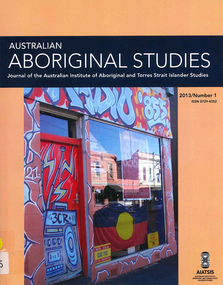
Periodical, Australian Institute of Aboriginal and Torres Strait Islander Studies, Australian Aboriginal studies : journal of the Australian Institute of Aboriginal and Torres Strait Islander Studies, 2013
... Indigenous gambling ethnography literacy Erambie Mission Yuendumu Mens Museum Western Desert Art movement b&w photographs, colour photographs We don?t leave our identities at the city limits: Aboriginal and Torres Strait Islander people living in urban localities Bronwyn Fredericks Aboriginal and Torres Strait Islander people who live in cities and towns are often thought of as ?less Indigenous? than those who live ?in the bush?, as though they are ?fake? Aboriginal people ? while ?real? Aboriginal people live ?on communities? and ?real? Torres Strait Islander people live ?on islands?. Yet more than 70 percent of Australia ...We don?t leave our identities at the city limits: Aboriginal and Torres Strait Islander people living in urban localities Bronwyn Fredericks Aboriginal and Torres Strait Islander people who live in cities and towns are often thought of as ?less Indigenous? than those who live ?in the bush?, as though they are ?fake? Aboriginal people ? while ?real? Aboriginal people live ?on communities? and ?real? Torres Strait Islander people live ?on islands?. Yet more than 70 percent of Australia?s Indigenous peoples live in urban locations (ABS 2007), and urban living is just as much part of a reality for Aboriginal and Torres Strait Islander people as living in remote discrete communities. This paper examines the contradictions and struggles that Aboriginal and Torres Strait Islander people experience when living in urban environments. It looks at the symbols of place and space on display in the Australian cities of Melbourne and Brisbane to demonstrate how prevailing social, political and economic values are displayed. Symbols of place and space are never neutral, and this paper argues that they can either marginalise and oppress urban Aboriginal and Torres Strait Islander people, or demonstrate that they are included and engaged. Juggling with pronouns: Racist discourse in spoken interaction on the radio Di Roy While the discourse of deficit with regard to Australian Indigenous health and wellbeing has been well documented in print media and through images on film and on television, radio talk concerning this discourse remains underresearched. This paper interrogates the power of an interactive news interview, aired on the Radio National Breakfast program on ABC Radio in 2011, to maintain and reproduce the discourse of deficit, despite the best intentions of the interview participants. Using a conversation-analytical approach, and membership categorisation analysis in particular, this paper interrogates the spoken interaction between a well-known radio interviewer and a respected medical researcher into Indigenous eye health. It demonstrates the recreation of a discourse emanating from longstanding hegemonies between mainstream and Indigenous Australians. Analysis of firstperson pronoun use shows the ongoing negotiation of social category boundaries and construction of moral identities through ascriptions to category members, upon which the intelligibility of the interview for the listening audience depended. The findings from analysis support claims in a considerable body of whiteness studies literature, the main themes of which include the pervasiveness of a racist discourse in Australian media and society, the power of invisible assumptions, and the importance of naming and exposing them. Changes in Pitjantjatjara mourning and burial practices Bill Edwards, University of South Australia This paper is based on observations over a period of more than five decades of changes in Pitjantjatjara burial practices from traditional practices to the introduction of Christian services and cemeteries. Missions have been criticised for enforcing such changes. However, in this instance, the changes were implemented by the Aboriginal people themselves. Following brief outlines of Pitjantjatjara traditional life, including burial practices, and of the establishment of Ernabella Mission in 1937 and its policy of respect for Pitjantjatjara cultural practices and language, the history of these changes which commenced in 1973 are recorded. Previously, deceased bodies were interred according to traditional rites. However, as these practices were increasingly at odds with some of the features of contemporary social, economic and political life, two men who had lost close family members initiated church funeral services and established a cemetery. These practices soon spread to most Pitjantjatjara communities in a manner which illustrates the model of change outlined by Everett Rogers (1962) in Diffusion of Innovations. Reference is made to four more recent funerals to show how these events have been elaborated and have become major social occasions. The world from Malarrak: Depictions of South-east Asian and European subjects in rock art from the Wellington Range, Australia Sally K May, Paul SC Ta�on, Alistair Paterson, Meg Travers This paper investigates contact histories in northern Australia through an analysis of recent rock paintings. Around Australia Aboriginal artists have produced a unique record of their experiences of contact since the earliest encounters with South-east Asian and, later, European visitors and settlers. This rock art archive provides irreplaceable contemporary accounts of Aboriginal attitudes towards, and engagement with, foreigners on their shores. Since 2008 our team has been working to document contact period rock art in north-western and western Arnhem Land. This paper focuses on findings from a site complex known as Malarrak. It includes the most thorough analysis of contact rock art yet undertaken in this area and questions previous interpretations of subject matter and the relationship of particular paintings to historic events. Contact period rock art from Malarrak presents us with an illustrated history of international relationships in this isolated part of the world. It not only reflects the material changes brought about by outside cultural groups but also highlights the active role Aboriginal communities took in responding to these circumstances. Addressing the Arrernte: FJ Gillen?s 1896 Engwura speech Jason Gibson, Australian National University This paper analyses a speech delivered by Francis James Gillen during the opening stages of what is now regarded as one of the most significant ethnographic recording events in Australian history. Gillen?s ?speech? at the 1896 Engwura festival provides a unique insight into the complex personal relationships that early anthropologists had with Aboriginal people. This recently unearthed text, recorded by Walter Baldwin Spencer in his field notebook, demonstrates how Gillen and Spencer sought to establish the parameters of their anthropological enquiry in ways that involved both Arrernte agency and kinship while at the same time invoking the hierarchies of colonial anthropology in Australia. By examining the content of the speech, as it was written down by Spencer, we are also able to reassesses the importance of Gillen to the ethnographic ambitions of the Spencer/Gillen collaboration. The incorporation of fundamental Arrernte concepts and the use of Arrernte words to convey the purpose of their 1896 fieldwork suggest a degree of Arrernte involvement and consent not revealed before. The paper concludes with a discussion of the outcomes of the Engwura festival and the subsequent publication of The Native Tribes of Central Australia within the context of a broader set of relationships that helped to define the emergent field of Australian anthropology at the close of the nineteenth century. One size doesn?t fit all: Experiences of family members of Indigenous gamblers Louise Holdsworth, Helen Breen, Nerilee Hing and Ashley Gordon Centre for Gambling Education and Research, Southern Cross University This study explores help-seeking and help-provision by family members of Indigenous people experiencing gambling problems, a topic that previously has been ignored. Data are analysed from face-to-face interviews with 11 family members of Indigenous Australians who gamble regularly. The results confirm that substantial barriers are faced by Indigenous Australians in accessing formal help services and programs, whether for themselves or a loved one. Informal help from family and friends appears more common. In this study, this informal help includes emotional care, practical support and various forms of ?tough love?. However, these measures are mostly in vain. Participants emphasise that ?one size doesn?t fit all? when it comes to avenues of gambling help for Indigenous peoples. Efforts are needed to identify how Indigenous families and extended families can best provide social and practical support to assist their loved ones to acknowledge and address gambling problems. Western Australia?s Aboriginal heritage regime: Critiques of culture, ethnography, procedure and political economy Nicholas Herriman, La Trobe University Western Australia?s Aboriginal Heritage Act 1972 (WA) and the de facto arrangements that have arisen from it constitute a large part of the Aboriginal ?heritage regime? in that state. Although designed ostensibly to protect Aboriginal heritage, the heritage regime has been subjected to various scholarly critiques. Indeed, there is a widespread perception of a need to reform the Act. But on what basis could this proceed? Here I offer an analysis of these critiques, grouped according to their focus on political economy, procedure, ethnography and culture. I outline problems surrounding the first three criticisms and then discuss two versions of the cultural critique. I argue that an extreme version of this criticism is weak and inconsistent with the other three critiques. I conclude that there is room for optimism by pointing to ways in which the heritage regime could provide more beneficial outcomes for Aboriginal people. Read With Me Everyday: Community engagement and English literacy outcomes at Erambie Mission (research report) Lawrence Bamblett Since 2009 Lawrie Bamblett has been working with his community at Erambie Mission on a literacy project called Read With Me. The programs - three have been carried out over the past four years - encourage parents to actively engage with their children?s learning through reading workshops, social media, and the writing and publication of their own stories. Lawrie attributes much of the project?s extraordinary success to the intrinsic character of the Erambie community, not least of which is their communal approach to living and sense of shared responsibility. The forgotten Yuendumu Men?s Museum murals: Shedding new light on the progenitors of the Western Desert Art Movement (research report) Bethune Carmichael and Apolline Kohen In the history of the Western Desert Art Movement, the Papunya School murals are widely acclaimed as the movement?s progenitors. However, in another community, Yuendumu, some 150 kilometres from Papunya, a seminal museum project took place prior to the completion of the Papunya School murals and the production of the first Papunya boards. The Warlpiri men at Yuendumu undertook a ground-breaking project between 1969 and 1971 to build a men?s museum that would not only house ceremonial and traditional artefacts but would also be adorned with murals depicting the Dreamings of each of the Warlpiri groups that had recently settled at Yuendumu. While the murals at Papunya are lost, those at Yuendumu have, against all odds, survived. Having been all but forgotten, this unprecedented cultural and artistic endeavour is only now being fully appreciated. Through the story of the genesis and construction of the Yuendumu Men?s Museum and its extensive murals, this paper demonstrates that the Yuendumu murals significantly contributed to the early development of the Western Desert Art Movement. It is time to acknowledge the role of Warlpiri artists in the history of the movement.b&w photographs, colour photographsracism, media, radio, pitjantjatjara, malarrak, wellington range, rock art, arrernte, fj gillen, engwura, indigenous gambling, ethnography, literacy, erambie mission, yuendumu mens museum, western desert art movement -
 Victorian Aboriginal Corporation for Languages
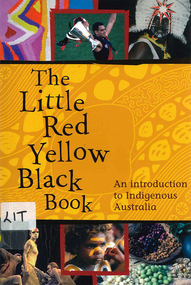
Book, Bruce Pascoe, The little red yellow black book : an introduction to Indigenous Australia, 2008
... Indigenous history culture art sport health education employment reconciliation resistance governance maps, b&w photographs, colour photographs The Little Red Yellow Black Book is an accessible and highly illustrated pocket-sized guide. It's an invaluable introduction to Australia's ...The Little Red Yellow Black Book is an accessible and highly illustrated pocket-sized guide. It's an invaluable introduction to Australia's rich Aboriginal and Torres Strait Islander histories and culture. It takes a non-chronological approach and is written from an Indigenous viewpoint. The themes that emerge are the importance of identity, and adaptation and continuity. If you want to read stories the media don't tell you, mini-essays on famous as well as everyday individuals and organisations will provide insights into a range of Australian Indigenous experiences.maps, b&w photographs, colour photographsindigenous history, culture, art, sport, health, education, employment, reconciliation, resistance, governance
