
Showing 53 items matching "ballarat and vicinity"
-
 Flagstaff Hill Maritime Museum and Village
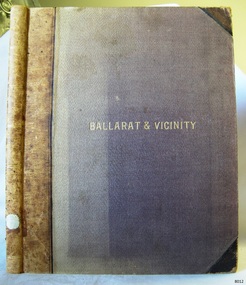
Book, Ballarat and Vicinity
... Ballarat and Vicinity...Ballarat and Vicinity Hand written on inside front loose end paper "Presented by Walter Davies Esq Warrnambool December 1928" Edited by W. ...Publisher: FW Niven & Co Ballarat and Vicinity Book ...Ballarat and Vicinity Hand written on inside front loose end paper "Presented by Walter Davies Esq Warrnambool December 1928" Edited by W. B. Kimberly of Chicago U.S.A. Publisher: FW Niven & Co Label on spine cover with typed text RA 994.57 BAL Front loose endpaper has a stamp from Warrnambool Public Museumwarrnambool, shipwrecked-coast, flagstaff-hill, flagstaff-hill-maritime-museum, maritime-museum, shipwreck-coast, flagstaff-hill-maritime-village, shipwrecked-artefact, great ocean road, book, warrnambool library, warrnambool mechanics’ institute, mechanics’ institute library, victorian library board, warrnambool books and records, warrnambool children’s library, warrnambool public library, ballarat and vicinity, w. b. kimberly -
 Hymettus Cottage & Garden Ballarat
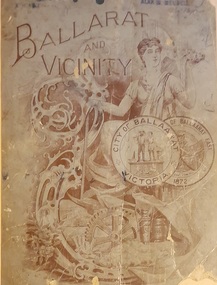
Work on paper - Book, Ballarat and Vicinity
... Ballarat and Vicinity,...Ballarat and Vicinity bound into later quarter leather binding with book label of Inside front cover and stamp of original owner Muedal on original cover. ...Kimberly of Chicago U.S.A. and published by FW Niven & Co. Ballarat and Vicinity, Work on paper Book ...Ballarat and Vicinity. A comprehensive history of her past , a resume of her resources, together with the biographies of her representative pioneers.. Edited by W. B. Kimberly and others of Chicago U.S.A. This copy has later twentieth century binding probably commissioned by book collector Rollo Hammett. Publisher: FW Niven & Co.Ballarat and Vicinity bound into later quarter leather binding with book label of Inside front cover and stamp of original owner Muedal on original cover. Edited by W. B. Kimberly of Chicago U.S.A. and published by FW Niven & Co.non-fictionBallarat and Vicinity. A comprehensive history of her past , a resume of her resources, together with the biographies of her representative pioneers.. Edited by W. B. Kimberly and others of Chicago U.S.A. This copy has later twentieth century binding probably commissioned by book collector Rollo Hammett. Publisher: FW Niven & Co.ballarat, niven, eureka -
 Bendigo Historical Society Inc.
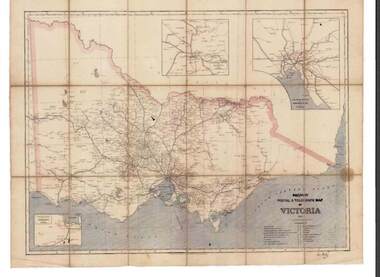
Map - RAILWAYS COLLECTION: PHOTO OF RAILWAY POSTAL & TELEGRAPH MAP OF VICTORIA 1887, 1887
... RAILWAYS COLLECTION- photo of Railway Postal & Telegraph Map of Victoria 1887- aged map showing the various Country Lines and insets show Melbourne and vicinity, Ballarat and vicinity and Geelong and vicinity....PHOTOGRAPH Railway Postal & Telegraph Map of Victoria 1887- Picturesque Atlas Publishing Company RAILWAYS COLLECTION- photo of Railway Postal & Telegraph Map of Victoria 1887- aged map showing the various Country Lines and insets show Melbourne and vicinity, Ballarat and vicinity and Geelong and vicinity. ...RAILWAYS COLLECTION- photo of Railway Postal & Telegraph Map of Victoria 1887- aged map showing the various Country Lines and insets show Melbourne and vicinity, Ballarat and vicinity and Geelong and vicinity.Picturesque Atlas Publishing Companyphotograph, railway postal & telegraph map of victoria 1887- -
 Ballarat Heritage Services
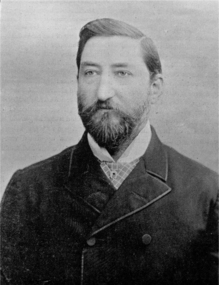
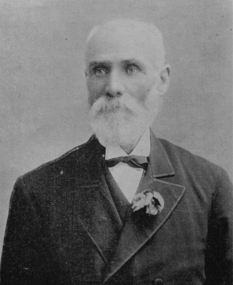
Image, Dr Robert Denham Pinnock
... Originally published in Ballarat and Vicinity....Originally published in Ballarat and Vicinity. dr robert denham pinnock robert pinnock dr Pinnock portrait Photographic portrait of Dr Robert Denham Pinnock. ...Originally published in Ballarat and Vicinity.Photographic portrait of Dr Robert Denham Pinnock.dr robert denham pinnock, robert pinnock, dr pinnock, portrait -
 Ballarat Heritage Services
Photograph - Image, Thomas Stoddart
... Originally pubished in Ballarat and Vicinity.....Originally pubished in Ballarat and Vicinity.. thomas stoddart ballarat statues portrait Photographic portrait of Thomas Stoddart. ...Originally pubished in Ballarat and Vicinity..Photographic portrait of Thomas Stoddart.thomas stoddart, ballarat, statues, portrait -
 Victorian Interpretive Projects Inc.
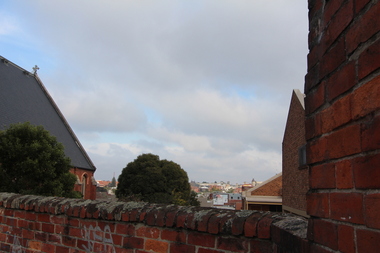
Photograph - Colour, Clare Gervasoni, View or Ballarat from St Paul's Ballarat, 2015, 05/04/2015
... St Paul's way is located on Bakery Hill, in the vicinity of the Ballarat Reform League Monster Meetings of 11 and 29 November 1854....St Paul's way is located on Bakery Hill, in the vicinity of the Ballarat Reform League Monster Meetings of 11 and 29 November 1854. ...St Paul's way is located on Bakery Hill, in the vicinity of the Ballarat Reform League Monster Meetings of 11 and 29 November 1854.Colour photograph looking down on the City of Ballarat from the high vantage point of St Paul's Anglican Church, St Paul's Way, Ballarat East. st paul's bakery hill, bakery hill, ballarat east, religion, ballarat reform league, eureka stockade -
 Bendigo Historical Society Inc.
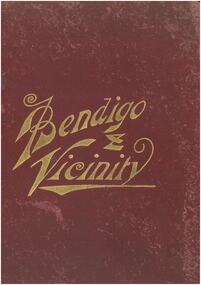
Book - BENDIGO AND VICINITY
... F W Niven ,Printers and Publishers, Melbourne and Ballarat 1895 Stamp on first three pages. ...F W Niven ,Printers and Publishers, Melbourne and Ballarat 1895 Stamp on first three pages. 'George H Bush' Book BENDIGO AND VICINITY ...Hardcover book of 273 pages Bendigo and Vicinity Compiled by W B Kimberly A comprehensive history of her past , a resume of her resources, together with the biographies of her rpresentative pioneers. F W Niven ,Printers and Publishers, Melbourne and Ballarat 1895 Stamp on first three pages. 'George H Bush'W B Kimberly -
 Federation University Historical Collection
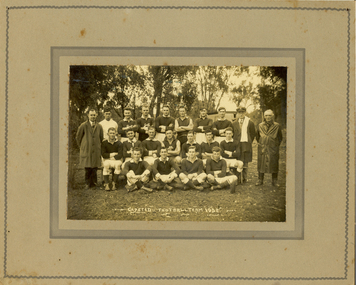
Photograph, N.R. McGeehan Photo, Gapsted Football Team, 1932, 1932
... Gapsted is on the Great Alpine Road in the vicinity of Myrtleford, Victoria. John McNaughton studied at the Ballarat Teachers' College in 1929. ...Gapsted is on the Great Alpine Road in the vicinity of Myrtleford, Victoria. John McNaughton studied at the Ballarat Teachers' College in 1929. ...Gapsted is on the Great Alpine Road in the vicinity of Myrtleford, Victoria. John McNaughton studied at the Ballarat Teachers' College in 1929. He was most probably the teacher of Gapsted Primary School in 1932.Mouned black and white photograph of an Australian Rules football team and two officials. The official on the left is John McNaighton.gapsted, gapsted football team, mcnaughton, john mcnaughton -
 Federation University Historical Collection
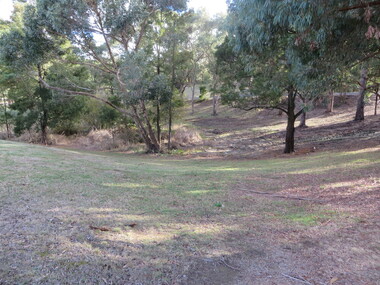
Photograph, Colour, Clare Gervasoni, Creek that flows through Federation University Mount Helen Campus, 2015, 22/04/2015
... The headwaters of Canadian Creek are located in Mt Helen as a series of springs in the vicinity of Gear Avenue. The dam to the north of Gear Avenue was expanded as part of the development of the Information Technology Centre. ...The headwaters of Canadian Creek are located in Mt Helen as a series of springs in the vicinity of Gear Avenue. The dam to the north of Gear Avenue was expanded as part of the development of the Information Technology Centre. ...The headwaters of Canadian Creek are located in Mt Helen as a series of springs in the vicinity of Gear Avenue. The dam to the north of Gear Avenue was expanded as part of the development of the Information Technology Centre. Recent works have added a large wetland below the dam. Further dams are located on drainage lines within the University of Ballarat grounds. Five photographs showing the creek that flows through Federation University Mount Helen campus after a 'clean up' to remove blackberry and other weeds. The photographs were taken from near the swimming pool. After clean up works on the Creek that flows through Federation University Mount Helen Campus, 2015mount helen, mount helen campus, canadian creek catchment -
 Bendigo Historical Society Inc.
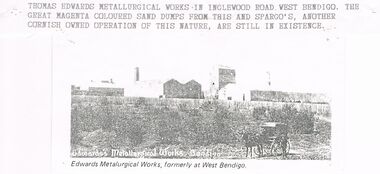
Document - CORNISH COLLECTION: THOMAS EDWARDS AND METALLURGICAL WORKS
... Two pages from Bendigo and Vicinity's (badly copied with Left Hand side of page not being fully legible in page 247). ...Two pages from Bendigo and Vicinity's (badly copied with Left Hand side of page not being fully legible in page 247). ...Document. Cornish Collection - Thomas Edwards. Two pages from Bendigo and Vicinity's (badly copied with Left Hand side of page not being fully legible in page 247). Biographical details. Reference to his Pyrites Works (in Bendigo and Ballarat) - details of these works. Photo of Thomas Edwards accompanies one page and separate copy of photo shows Edward's Metallurgical Works, West Bendigo (source? / - this photo has typewritten attachment detailing location in Inglewood Road; mention of Spargo's (another Cornish owned operation of this nature).bendigo, gold mining, metallurgical works, thomas edwards. edwards metalurgical works. -
 Federation University Historical Collection
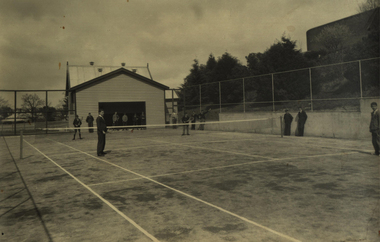
Photograph - Photograph - Black and White, Richards & Co, Ballarat Junior Technical School Tennis Court - 1956, 1956
... When Ballarat Junior Technical School building was opened in 1921, there was little cleared space for the students to use for sporting activities. ...When Ballarat Junior Technical School building was opened in 1921, there was little cleared space for the students to use for sporting activities. ...When Ballarat Junior Technical School building was opened in 1921, there was little cleared space for the students to use for sporting activities. The area known as Battery Paddock was used for dodge-ball and football. Gradually the slope area was cleared and planted. In November 1922 a tennis court was opened in the Battery Paddock. It was designed and built by two former students of the Ballarat School of Mines. The old Mount Doran school house was moved to the area as a students' common room. A new tennis court was built in the same vicinity in 1934. This area was on the corner of Grant and Albert Streets. Area is where the Corbould Building and the Automotive Skills Centre of School of Mines Ballarat Grant Street Campus now stand. Black and white photograph of the tennis court built in 1934 at Ballarat Junior Technical School. Gaol wall to the left and the old Mount Doran school house that was moved to the school grounds in 1922 and used as a Students' common room. Four students playing tennis with others watching.Stamp on back indicating photographer - "Richards & Co - Ballarat"ballarat junior technical school, student, 1921, battery paddock, ballarat school of mines, ballarat school of mines tennis court, mount doran, students' common room, 1934, grant street, albert street, corbould building, automotive skills centre, student activities -
 Bendigo Historical Society Inc.
Book - (Copy) BENDIGO & VICINITY, c1895
... Bendigo and Vicinity: A comprehensive history of her past, and a resume of her resources: Together with the biographies of her representative pioneers, public, commercial, and professional men...July 6th, 1954 Book (Copy) BENDIGO & VICINITY ...Bendigo and Vicinity: A comprehensive history of her past, and a resume of her resources: Together with the biographies of her representative pioneers, public, commercial, and professional men. (1895). Compiled by W. B. Kimberly. Publisher: F W Niven & Co Printers and Publishers, Melbourne and Ballarat. 273 pages. Illustrations: Photographs, illustrations, listing of dividends, copies of collages. Markings: Royal Historical Society of Victoria – Bendigo Branch In front and back. Inscription reads: Donated by Hilda Meurer. To the Historical Society, daughter of pioneers Mr. & Mrs. A Meurer. July 6th, 1954W B Kimberlybook, bendigo, bendigo history & its people, bendigo history, family tree, councilor, gold, biographies, travel to australia -
 Federation University Historical Collection
Photograph - Colour, Leigh River near Garibaldi Bridge
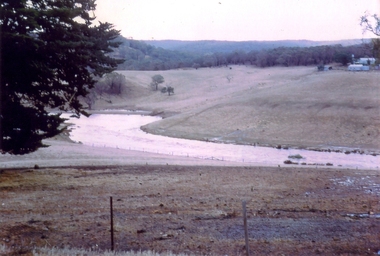
... Fed by the Yarrowee River that rises near Ballarat, the Yarrowee reaches its confluence to form the Leigh in the vicinity of Cambrian Hill and Golden Plains Shire. ...Fed by the Yarrowee River that rises near Ballarat, the Yarrowee reaches its confluence to form the Leigh in the vicinity of Cambrian Hill and Golden Plains Shire. ...The Leigh River is a major tributary and catchment of the Barwon River. Fed by the Yarrowee River that rises near Ballarat, the Yarrowee reaches its confluence to form the Leigh in the vicinity of Cambrian Hill and Golden Plains Shire. The Leigh River rises below Mount Mercer and flows generally south, joined by three minor tributaries before reaching its confluence with the Barwon River, southeast of the central business district of Inverleigh. The river descends 265 metres (869 ft) over its 61-kilometre (38 mi) course. (https://en.wikipedia.org/wiki/Leigh_River_(Victoria)Relates to historical information about flooding of the Leigh River in 1933. Relevant to the history of Garibaldi and Durham Lead.A number of colour photographs showing the Leigh River between Garibaldi and Durham Lead, Victoria, .1 - .3) photographs of the Leigh River in flood .4 - .18) general photos of the Leigh River and surrounding countryside .19) broad angle photograph of the Leigh River and surrounding countryside leigh river, garibaldi, garibaldi bridge, durham lead, vincent family -
 Federation University Historical Collection
Photograph - Photograph and Documents, Anne Beggs Sunter, Latta/Downing Family, Mount Helen
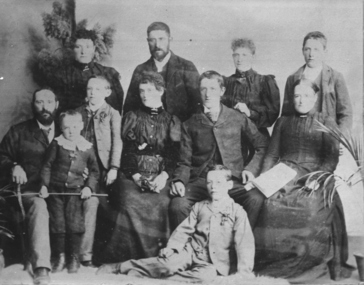
... The land was purchased by the Ballarat School of Mines for their tertiary division from the Stapleton family....The house was situated in the vicinity of the current Administration and Caro Conference Centre buildings, surrounded by an orchard, and a well under the current Albert Coates Building (Union Building). ...The Federation University Mt Helen Campus was once the farm of John Latta and his wife Elizabeth Ann Dean. The couple married in 1867 and had three children at the time of John Latta's death (Elizabeth Ann b.1870; Mary b.1873; John b.1875). Elizabeth later married George Downing, and had another six children. The house was situated in the vicinity of the current Administration and Caro Conference Centre buildings, surrounded by an orchard, and a well under the current Albert Coates Building (Union Building). The land was purchased by the Ballarat School of Mines for their tertiary division from the Stapleton family.Various items relating to the Federation University Mount Helen Campus, and the early settlers on the land, the Latta Family. .1) Parish Plan, including E. Latta, M. Fiscalini, R. Wynne, R. Nixon, J.U. Smith, J. Davis .2) Part of a 1930s ordinance map showing Ballarat, Buninyong and Greenhill .3) Contour Map with the first two Mt Helen Campus buildings included. .4) Drawing a a proposed campus plan .5) Latta Family negativemount helen campus, latta family, greenhill, e. latta, m. fiscalini, r. wynne, r. nixon, j.u. smith, j. davis, parish plan, john latta, elizabeth latta, george downing, elezabeth downing, green hill, pontresina, abraham baxter, g. dean, market gardens, jim downing, bob thornton, j. hateley, martin fanning, toll keeper, anne beggs sunter -
 Bendigo Historical Society Inc.
Slide - DIGGERS & MINING. GETTING THE GOLD, c1850
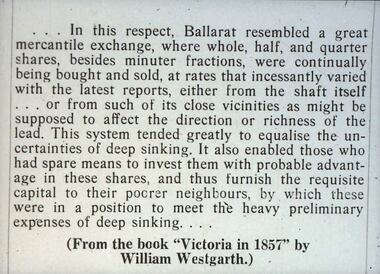
... Or from such of its close vicinities as might be supposed to affect the direction or richness of the lead. ...Or from such of its close vicinities as might be supposed to affect the direction or richness of the lead. ...Diggers & Mining. Getting the Gold. Slide: In this respect, Ballarat resembled a great mercantile exchange, where whole, half, and quarter shares, besides minuter fractions, were continually being bought and sold, at rates that incessantly varied with the latest reports, either from the shaft itself . . . Or from such of its close vicinities as might be supposed to affect the direction or richness of the lead. This system tended greatly to equalise the uncertainties of deep sinking. It also enabled those who had spare means to invest them wit probable advantage in these shares, and this furnish the requisite capital to their poorer neighbours, by which these were in a position to meet the heavy preliminary expenses of deep sinking . . . (From the book 'Victoria in 1857' by William Westgarth.) Markings: 57 994.LIF:4. Used as a teaching aid.hanimounteducation, tertiary, goldfields -
![Map, Millbank Estate Bacchus Marsh Thursday 4th October 1888 [Land sales], 1924](/media/collectors/5e461d8021ea67224c82f2a1/items/67765662eb6d2cbd24e0797f/item-media/67765682eb6d2cbd24e07a41/item-fit-380x285.jpg?cb=6) Bacchus Marsh & District Historical Society
Bacchus Marsh & District Historical SocietyMap, Millbank Estate Bacchus Marsh Thursday 4th October 1888 [Land sales], 1924
... The lots had frontages to Ballarat Road (Main Street), Maddingley Road (now Grant Street), Turner Street, Millbank Street, Clarinda Road (now Clarinda Street), and an unnamed street south of Turner Street (possibly known as Grant Street at this time) which connected to Maddingley Road through the vicinity of the present day Bacchus Marsh Hospital. ...The lots had frontages to Ballarat Road (Main Street), Maddingley Road (now Grant Street), Turner Street, Millbank Street, Clarinda Road (now Clarinda Street), and an unnamed street south of Turner Street (possibly known as Grant Street at this time) which connected to Maddingley Road through the vicinity of the present day Bacchus Marsh Hospital. ...The Millbank Estate was a parcel of land close to the centre of the shopping area of Bacchus Marsh which was sub-divided and offered for sale in 62? lots on the 4th October 1888. The lots had frontages to Ballarat Road (Main Street), Maddingley Road (now Grant Street), Turner Street, Millbank Street, Clarinda Road (now Clarinda Street), and an unnamed street south of Turner Street (possibly known as Grant Street at this time) which connected to Maddingley Road through the vicinity of the present day Bacchus Marsh Hospital. This was a significant sub-division of land and represented a major expansion of residential housing in Bacchus Marsh in the late 19th century. The map includes a wealth of detail about the time of the sale, where it will take place, who the selling agents were, the deposit terms for purchases and details of a special train from Melbourne to Bacchus Marsh on sale day. The location of the allotments in relation to the shopping and commercial area of Bacchus Marsh, Maddingley and the railway station are indicated on an inset map within the overall map and poster. The Millbank Estate area was an area which had once belonged to the Grant family who were prominent early citizens of Bacchus Marsh and lived in a house in this area known as 'Millbank'.This land sale map is a typical example of housing estate land sales advertising maps produced by real estate agents in this era. The map is significant for the detailed information it provides about when and where land was sold for new housing estates in Bacchus Marsh in the late nineteenth century.Single page map showing land allotments for sale at auction in Bacchus Marsh in October 1888. A significant portion of the map is missing from the bottom right side. land sales bacchus marsh, land subdivsion bacchus marsh, housing estates land sales bacchus marsh, grant family bacchus marsh, millbank estate land sales -
 Ballarat Heritage Services
Photograph - church, Former Joseph Street Paton Memorial Presbyterian Church, Canadian, 2008, 26 /04/2008
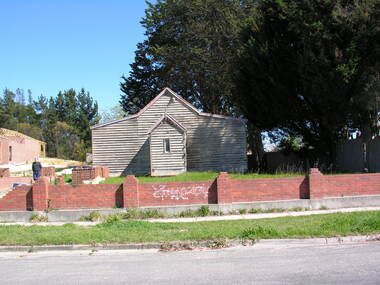
... "Paton Memorial Presbyterian Church. BALLARAT, Sunday Jubilee celebrations of the Paton Memorial Presbyterian Church were well attended in the week end. ...This church was in the middle of a Chinese neighbourhood, and the 1800s the leprosarium was in the vicinity. This bhurch was demolished not long after this photo was taken. joseph street ballarat joseph street canadian former joseph street paton memorial presbyterian church, ballarat church weatherboard church presbyterian church paton memorial church clayton hill claytons hill leprosarium chinese Colour photograph of a weatherboard church in Joseph Street, Canadian. ...The Jubilee of this church was held in 1933. "Paton Memorial Presbyterian Church. BALLARAT, Sunday Jubilee celebrations of the Paton Memorial Presbyterian Church were well attended in the week end. A basket picnic on Saturday at Eureka Stockade reserve was followed at night by a social gathering, at which a birthday cake was cut by Mrs. Amor, a foundation member. On Sunday special services were led by Rev. J. A. Moscript, assisted by the young men of St. John's Church. The church was originally founded, by the late Mrs. J. P. Murray to mission to the needs of the busy mining community which existed in Canadian in early years." (The Age, 06 November 1933.) PATON MEMORIAL CHURCH - An interesting tree-planting ceremony was performed in the grounds of the Paton Memorial Church on Saturday lost. Trees were put in by the scholars of the Sunday school to commemorate the enlistment of all the boys who had in any way been connected with the church. Sunday school, and Young Men's Club. The Mayor (Cr Levy) spoke in terms of praise of the lads who had enlisted to fight for right against might and the tyranny of Prussian militarism. The Hon. R. McGregor MLA., and the Revs. A. H. Moore and W. Rowlands were among those present. on also Mesdames J. P. Murray and McGowan, two of the founders of the church. During the afternoon Cr Levy planted a tree in honor of Mrs Murray. Afternoon tea was served by the ladies of the congregation. (The Age, 06 November 1933.) This church was in the middle of a Chinese neighbourhood, and the 1800s the leprosarium was in the vicinity. This bhurch was demolished not long after this photo was taken. Colour photograph of a weatherboard church in Joseph Street, Canadian. In 1937 this church was under the control of St. John's Peel-street, Ballarat. Members of the congregation: * Mrs. Amor - A foundation member. * Thomas Clarke and Isabella Clarke (formerly Ross) lived next door and according to family members "had a lot to do with the church". * Mrs McGowan - a founder of the church * Mrs. J. P. Murray founded the church to mission to the needs of the busy mining community which existed in Canadian in early years. joseph street ballarat, joseph street canadian, former joseph street paton memorial presbyterian church, ballarat, church, weatherboard church, presbyterian church, paton memorial church, clayton hill, claytons hill, leprosarium, chinese -
 Federation University Historical Collection
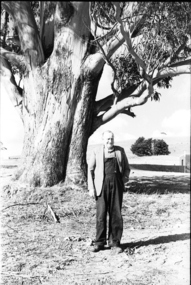
Photograph - black and white, Mr Downing by the Federation University Tree of Knowledge, 1970
... The Downing farmhouse was situated in the vicinity of the present Administration and Caro Conference Centre buildings and the tree was planted beside the "dunny". ...The Downing farmhouse was situated in the vicinity of the present Administration and Caro Conference Centre buildings and the tree was planted beside the "dunny". ...Federation University Mount Helen Campus was open to students in 1970. In that year Mr Dowling as photographed beside a big Tasmanian bluegum which was used a the centre Mount Helen Campus concept plan, and later became known as the Tree of Knowledge. Mr Dowling watered the tree after it was planted by his mother, Elizabeth Downing, on Arbour Day 1896. Mrs Downing raised her large family on the site of the Mount Helen Campus, which included an orchard and milking cows. The Tree of Knowledge is actually two trees, the trunks have fused together over time, and there is further evidence of fusion. The Downing farmhouse was situated in the vicinity of the present Administration and Caro Conference Centre buildings and the tree was planted beside the "dunny". It was carefully watered by the nine Downing children from a brick-lined well situated under what is now the Albert Coates Building. As the tree grew to maturity, it was used to hang a meat safe after slaughtering a sheep for the family table. Some years ago, when the foundations were being dug for the E-Building, an old rusted percussion pistol was found. One of Mrs Downing's sons, at that time well into his nineties, remembered getting into trouble for playing with it without permission, and losing it. The land was purchased in 1966 as part of a 241-acre site for Ballarat's new tertiary institution. When the architects and planners inspected the site, they decided "The Big Tree" must remain as a central landmark in preparing the layout of the campus amenities. In 1982, the spread of the tree was 36 metres, girth 7 metres, and height 36 metres. By 2003 the spread was 39.5 metres (N-S) and 35.5 metres (E-W), girth 7.75 metres, and height 42.5 metres. A man in overalls and jacket stands beside the Federation University Tree of Knowledge. Stage one buildings on the Mount Helen Campus are evident in the background.elizabeth downing, downing, tree of knowledge, big tree, mount helen campus, mount helen -
 Bendigo Historical Society Inc.
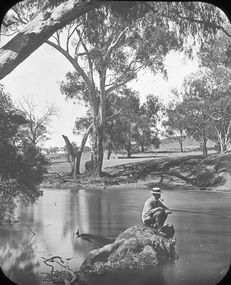
Photograph - Glass Slide Photos of Bendigo, Early 1900s
... Bendigo followed much the same pattern as Ballarat, and was not ready for an up-to-date studio until 1880 when the Bartlett Bros. ...Bendigo followed much the same pattern as Ballarat, and was not ready for an up-to-date studio until 1880 when the Bartlett Bros. ...Bendigo followed much the same pattern as Ballarat, and was not ready for an up-to-date studio until 1880 when the Bartlett Bros. (Francis and Henry) who bad conducted a successful business in Melbourne for many years opened a small studio there. It was such a success that they decided to build large modern premises, and Francis made two trips to England and the Continent for the latest ideas. In 1884 Henry died, and to replace him, Francis secured the services of Robert W. Bugg, then employed by Foster & Martin (both pupils of Batchelder's) in Collins Street, Melbourne. In that studio Bugg made some fine portraits of Anthony Trollope during the novelist's long tour of Australia. Francis Bartlett was a keen business man, and Robert Bugg was a great operator and a fine painter. Together, their success was quite outstanding. Fifteen years later Bartlett retired with a fortune, and Bugg took over the studio. Robert William Bugg, one of our leading Painter-Photographers, was born in London in 1853, and came to Melbourne when he was five years old. He became a pupil of Louis Buvelot and, in 1879, a member of the Victorian Academy of Arts. In Bendigo he gave annual exhibitions of his oils and water colours, a number of his exhibitions being officially opened by his friend Alfred Deakin. There are a number of Bugg's Paintings in the Bendigo Art Gallery. All the portraits, landscapes, buildings, and city views illustrated in "Bendigo and Vicinity, 1897", are from photographs taken by Robert Bugg. He was a clever, genial and popular soul, and his influence on the cultural life of his adopted city was considerable. He retired in 1932 and died in his early eighties.Eleven Photos of Bendigo from Glass Plate Negatives, Campaspe River at Axedale, Axe Creek, Lake Weroona, White Hills Botanical Gardens, Conseratory Gardens, Bendigo Fernery. Slides are ex Bartlett Brother Bendigo. history, bendigo, bendigo conservatory gardens, campaspe river axedale, axe creek victoria, lake weroona bendigo, white hills botanical gardens bendigo, bartlett brothers bendigo, rosalind park bendigo -
 Bendigo Historical Society Inc.
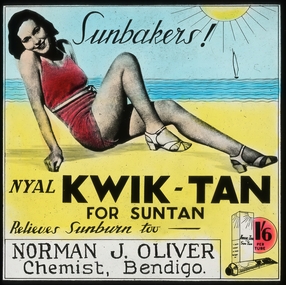
Photograph - Glass Slide Photos of Bendigo Cinema Advertising, Early 1900s
... Bendigo followed much the same pattern as Ballarat, and was not ready for an up-to-date studio until 1880 when the Bartlett Bros. ...Bendigo followed much the same pattern as Ballarat, and was not ready for an up-to-date studio until 1880 when the Bartlett Bros. ...Bendigo followed much the same pattern as Ballarat, and was not ready for an up-to-date studio until 1880 when the Bartlett Bros. (Francis and Henry) who bad conducted a successful business in Melbourne for many years opened a small studio there. It was such a success that they decided to build large modern premises, and Francis made two trips to England and the Continent for the latest ideas. In 1884 Henry died, and to replace him, Francis secured the services of Robert W. Bugg, then employed by Foster & Martin (both pupils of Batchelder's) in Collins Street, Melbourne. In that studio Bugg made some fine portraits of Anthony Trollope during the novelist's long tour of Australia. Francis Bartlett was a keen business man, and Robert Bugg was a great operator and a fine painter. Together, their success was quite outstanding. Fifteen years later Bartlett retired with a fortune, and Bugg took over the studio. Robert William Bugg, one of our leading Painter-Photographers, was born in London in 1853, and came to Melbourne when he was five years old. He became a pupil of Louis Buvelot and, in 1879, a member of the Victorian Academy of Arts. In Bendigo he gave annual exhibitions of his oils and water colours, a number of his exhibitions being officially opened by his friend Alfred Deakin. There are a number of Bugg's Paintings in the Bendigo Art Gallery. All the portraits, landscapes, buildings, and city views illustrated in "Bendigo and Vicinity, 1897", are from photographs taken by Robert Bugg. He was a clever, genial and popular soul, and his influence on the cultural life of his adopted city was considerable. He retired in 1932 and died in his early eighties.Photos from Glass Plate Negatives Slides are ex Bartlett Brother Bendigo. The Slides were used for advertising prior to the shows and during intervals; possibly at one of the three picture theatres, the Lyric, the Plaza, or the Princes Theatre. history, bendigo, bartlett brothers bendigo, bendigo theatre advertising -
 Bendigo Historical Society Inc.
Slide - Glass Slide Photos of Bendigo Cinema Advertising, Mid 1900s
... Bendigo followed much the same pattern as Ballarat, and was not ready for an up-to-date studio until 1880 when the Bartlett Bros. ...Bendigo followed much the same pattern as Ballarat, and was not ready for an up-to-date studio until 1880 when the Bartlett Bros. ...Bendigo followed much the same pattern as Ballarat, and was not ready for an up-to-date studio until 1880 when the Bartlett Bros. (Francis and Henry) who bad conducted a successful business in Melbourne for many years opened a small studio there. It was such a success that they decided to build large modern premises, and Francis made two trips to England and the Continent for the latest ideas. In 1884 Henry died, and to replace him, Francis secured the services of Robert W. Bugg, then employed by Foster & Martin (both pupils of Batchelder's) in Collins Street, Melbourne. In that studio Bugg made some fine portraits of Anthony Trollope during the novelist's long tour of Australia. Francis Bartlett was a keen business man, and Robert Bugg was a great operator and a fine painter. Together, their success was quite outstanding. Fifteen years later Bartlett retired with a fortune, and Bugg took over the studio. Robert William Bugg, one of our leading Painter-Photographers, was born in London in 1853, and came to Melbourne when he was five years old. He became a pupil of Louis Buvelot and, in 1879, a member of the Victorian Academy of Arts. In Bendigo he gave annual exhibitions of his oils and water colours, a number of his exhibitions being officially opened by his friend Alfred Deakin. There are a number of Bugg's Paintings in the Bendigo Art Gallery. All the portraits, landscapes, buildings, and city views illustrated in "Bendigo and Vicinity, 1897", are from photographs taken by Robert Bugg. He was a clever, genial and popular soul, and his influence on the cultural life of his adopted city was considerable. He retired in 1932 and died in his early eighties.Photos of vehicles from Glass Plate Negatives Slides are ex Bartlett Brother Bendigo. The Slides were used for advertising prior to the shows and during intervals; possibly at either of the three picture theatres, the Lyric, the Plaza, or the Princes Theatre. This item contains the following subjects in nine slides: 10185a Colour Slide advertising the "New Falcon Squire Car" with two men and horse in the background 10185b Colour Slide advertising the "New Falcon" with a man driving and the slogan "Trim! Taut! Terrific!" with two fishermen in the background 10185c Colour Slide advertising the "New Falcon" with a man driving and the slogan "Trim! Taut! Terrific!" with a man and woman figures 10185d Colour Slide advertising the "New Falcon" with boy on a ladder with a bucket washing the car - and the slogan "Trim! Taut! Terrific" 10185e Colour Slide advertising the "New Falcon" with a man driving and the slogan "Trim! Taut! Terrific!" with two fishermen in the background 10185f Colour Slide advertising the "New Falcon" with a man driving and the slogan "Trim! Taut! Terrific!" with a man and woman figures 10185g Colour Slide advertising the "New Fordson Power Major" with a man driving and the slogan "Now 51.8 BHP" 10185h Colour Slide advertising the "New Falcon" with boy on a ladder with a bucket washing the car - and the slogan "Trim! Taut! Terrific" 10185i Colour Slide advertising the "Fordson Major Tractors" with two men driving tractors with "Kerosene" and "Diesel " banners and the slogan "W. Cowling, Bendigo"history, bendigo, bartlett brothers bendigo, bendigo theatre advertising -
 Bendigo Historical Society Inc.
Slide - Glass Slide Photos of Bendigo Cinema Advertising, Mid 1900s
... Bendigo followed much the same pattern as Ballarat, and was not ready for an up-to-date studio until 1880 when the Bartlett Bros. ...Bendigo followed much the same pattern as Ballarat, and was not ready for an up-to-date studio until 1880 when the Bartlett Bros. ...Bendigo followed much the same pattern as Ballarat, and was not ready for an up-to-date studio until 1880 when the Bartlett Bros. (Francis and Henry) who bad conducted a successful business in Melbourne for many years opened a small studio there. It was such a success that they decided to build large modern premises, and Francis made two trips to England and the Continent for the latest ideas. In 1884 Henry died, and to replace him, Francis secured the services of Robert W. Bugg, then employed by Foster & Martin (both pupils of Batchelder's) in Collins Street, Melbourne. In that studio Bugg made some fine portraits of Anthony Trollope during the novelist's long tour of Australia. Francis Bartlett was a keen business man, and Robert Bugg was a great operator and a fine painter. Together, their success was quite outstanding. Fifteen years later Bartlett retired with a fortune, and Bugg took over the studio. Robert William Bugg, one of our leading Painter-Photographers, was born in London in 1853, and came to Melbourne when he was five years old. He became a pupil of Louis Buvelot and, in 1879, a member of the Victorian Academy of Arts. In Bendigo he gave annual exhibitions of his oils and water colours, a number of his exhibitions being officially opened by his friend Alfred Deakin. There are a number of Bugg's Paintings in the Bendigo Art Gallery. All the portraits, landscapes, buildings, and city views illustrated in "Bendigo and Vicinity, 1897", are from photographs taken by Robert Bugg. He was a clever, genial and popular soul, and his influence on the cultural life of his adopted city was considerable. He retired in 1932 and died in his early eighties.Seven Photos of vehicles from Glass Plate Negatives. Slides are ex Bartlett Brother Bendigo, photographers. The Slides were used for advertising prior to the shows and during intervals; possibly at either of the three picture theatres, the Lyric, the Plaza, or the Princess Theatre. history, bendigo, bartlett brothers bendigo, bendigo theatre advertising -
 Old Colonists' Association of Ballarat Inc.
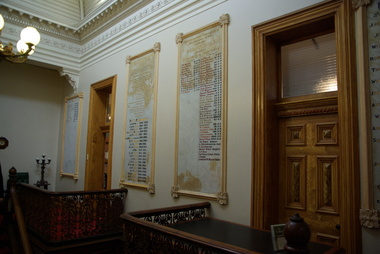
Photograph - Photograph - Colour, The entrance foyer of the Old Colonists' Club, 2015
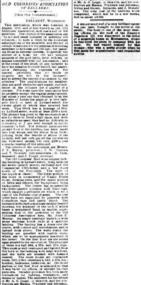
... From the Argus Newspaper of 10 May 1888: "OLD COLONISTS' ASSOCIATION OF BALLARAT. (FROM OUR CORRESPONDENT.) BALLARAT, WEDNESDAY. ...From the Argus Newspaper of 10 May 1888: "OLD COLONISTS' ASSOCIATION OF BALLARAT. (FROM OUR CORRESPONDENT.) BALLARAT, WEDNESDAY. ...From the Argus Newspaper of 10 May 1888: "OLD COLONISTS' ASSOCIATION OF BALLARAT. (FROM OUR CORRESPONDENT.) BALLARAT, WEDNESDAY. This association, which was founded in August, 1883, and at first known as the Old Identities' Association, now has a roll of 450 members. The objects of the association are "to aid and assist indigent or suffering old colonists; to raise a fund, by the voluntary subscriptions of the members and the aid of outside donations, for the purpose of relieving members in sickness and old age ; for assisting those in extreme distress, to provide the shelter o a home for old and indigent pioneers of the gold fields, their widows, or anyone connected with the association, and in the event of the death of any member to have his remains decently buried, the association defraying the expenses of the funeral (providing that no funds or property are left by the deceased), and to attend the funeral if so desired by the relatives " The qualifications for member- ship are good character and repute, and residence in the colonies for a quarter of a century. For some time the association had no property except the regular subscriptions, but about a year ago they obtained from the Minister of Lands the grant of a very valuable block of land in Lydiard-street, the Crown grant of which they received last week. This block has a frontage of 66ft to Lydiard street, worth at least £100 a foot. The ground was given to the association as a site for them to build a hall upon, and with so valuable an asset they had no difficulty in borrowing at 7 per cent, enough money to construct a hall. For revenue purposes the ground floor of the building has been made into four shops, and the rental from these, judging from the rentals of shops in the vicinity, will not only pay all the interest on the borrowed money, but over £200 a year towards clearing off the principal. The officers of the association are Messrs J P Murray, president; J W Graham and T. Stoddart, vice presidents; D Fern, treasurer , and J Fraser, secretary. The Old Colonists' Hall is an elegant looking building in Lydiard-street, lying between the newly-opened mining exchange and the Commercial Club house, and a few doors north of the Post office. The style of the facade is classic. The lower portion of the front is constructed of Waurn Ponds stone, forming piers, and the upper portion of brick and cement, the background being tuckpointed. The centre bay is carried by two three quarter columns with Ionic cups, which support a pediment on which is set a cast of the Ballarat coat of arms. The four other bays are supported by pilasters with Corinthian caps mid partly fluted. The entrance is through a spacious circular headed doorway, the keystone of the arch of which bears a sculptured head, in marble, representing that of the president of the Old Colonists' Association here, Mr. John P Murray. An ample vestibule leads to a wide stone staircase which ends at a spacious landing. The landing has a dome over the centre, with cornice and enrichments, and is lighted from above. The walls round the landing are panelled with marble slabs, which are to be appropriately inscribed in the future. On the first door are the rooms appropriated to the association. The principal of these is a hall 44ft x 33ft and 17ft high. This room is well ventilated and lighted from the back of the building with large windows, and the walls are finished with Keene's cement. The other rooms are committee room, 14ft x 16ft; scretary's, 14ft x 17ft 6in; kitchen, bedrooms, bathroom, &c. The front portion of the first floor is arranged so that it may be let for offices, or utilised for club purposes. Suitable provision has been made throughout tor lighting, ventilation, and means of egress. The architect for the edifice is Mr A. G Legge, of this city, and the contractors are Messrs. Whitelaw and Atkinson, Irving and Glover, Reynolds, and J Donaldson. The total cost of the building when completed, which will be in a few weeks, will be about £4,000."Colour photograph of a room with marble plaques on the wall. They relate to the Old Colonists' Association of Ballarat, old colonists' association ballarat, old colonists' club, marbles -
 Ballarat Tramway Museum
Photograph - Black & White Photograph/s, State Electricity Commission of Victoria (SECV), c1935
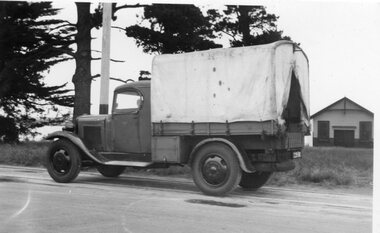
... Set of 8 black and white photographs of the SEC Ballarat track welding truck, Reg. No. 119 341. ...Set of 8 black and white photographs of the SEC Ballarat track welding truck, Reg. No. 119 341. ...Set of 8 black and white photographs of the SEC Ballarat track welding truck, Reg. No. 119 341. Truck is a British Bedford truck, model WHG, built by GMH Melbourne between 1932 and 1934. Has a fabric roof, chassis fitted with a tray top body, side tool box, metal frame and covered with canvas, fitted out with a motor generator set, welding equipment and oxy acetylene bottles. Also fitted with a spot light - 'Auto Reel Lite". - See Related Items sheet on truck notes provided by Kevin Oates, MFESB workshops, 4/2001. (Scan of this sheet of the Kodak folder added 15-8-2017 - see pdf file.) 1705.1 - side on view of truck with covers down, except for opening at back. Photographed in Wendouree Parade with two different boat sheds in the background. 1705.2 - view with drivers side cover opened, showing equipment arrangement. 1705.3 - close up view of motor generator set and controls and one of the oxy acetylene bottles. 1705.4 - view showing equipment laid out on the roadway, welding cover, seat, grinder, cables, shovels, welding mask etc. 1705.5 - close up view of motor generator control panel and associated cables. 1705.6 - view of side of truck showing all equipment. 1705.7 - vertical format photo from rear of truck showing equipment laid out and wandering lead connected to the overhead. Also shows high voltage wires on a power pole fitted with a bracket arm. 1705.8 - view of truck from the front, with SEC symbol on side, with a covers closed. Thought to be photographed at loop in Wendouree Parade on the View Point line, near Mill St. Prints when donated to the BTM were contained within a red and yellow "Kodak" folder. Folder stored with catalogue worksheet. On rear of folder in ink is number "53569" and stamped on the front is number "984" and written in front top left hand cover, "8 prints" and in top right hand corner word "Sarah". See Notes provided by Kevin Oates of the MFESB (Metro Fire Brigade Melbourne) Thornbury workshops on the truck, manufacture and engine. A survey of Wendouree Parade on 22/4/2001 did not show the boat sheds or power lines featured in the photographed. Thought to be in vicinity of Power station because of the high voltage lines on the power poles.Stamped on rear in black ink, "984" on photos 1705.3 to 1705.8.trams, tramways, welding truck, trackwork, secv, wendouree parade -
 Old Colonists' Association of Ballarat Inc.
Photograph - Newsclipping, The Old Colonists' Association of Ballarat, 1888, 1888
... OLD COLONISTS' ASSOCIATION OF BALLARAT. (FROM OUR CORRESPONDENT.) BALLARAT, WEDNESDAY. ...The Old Colonists' Association Ballarat Inc. is a not for profit charitable organisation providing accommodation for elderly people. ...The Old Colonists' Association Ballarat Inc. is a not for profit charitable organisation providing accommodation for elderly people. It manages a 27 Home retirement village at Charles Anderson Grove Ballarat. Accommodation is offered at significantly below market rates. It has been providing low cost accommodation to the elderly since the 1920s. The Association Council overseas the running of this facility on a voluntary basis. OLD COLONISTS' ASSOCIATION OF BALLARAT. (FROM OUR CORRESPONDENT.) BALLARAT, WEDNESDAY. This association, which was founded in August, 1883, and at first known as the Old Identities' Association, now has a roll of 450 members. The objects of the association are "to aid and assist indigent or suffering old colonists ; to raise a fund, by the voluntary subscriptions of the members and the aid of outside donations, for the purpose of relieving members in sickness and old age; for assisting those in extreme distress, to provide the shelter of a home for old and indigent pioneers of the gold fields, their widows, or anyone connected with the association, and in the event of the death of any member to have his remains decently buried, the association defraying the expenses of the funeral (providing that no funds or property are left by the deceased), and to attend the funeral if so desired by the relatives." The qualifications for member ship are good character and repute, and residence in the colonies for a quarter of a century. For some time the association had no property except the regular subscriptions, but about a year ago they obtained from the Minister of Lands the grant of a very valuable block of land in Lydiard-street, the Crown grant of which they received last week. This block has a frontage of 66ft to Lydiard street, worth at least £100 a foot. The ground was given to the association as a site for them to build a hall upon, and with so valuable an asset they had no difficulty in borrowing at 7 per cent, enough money to construct a hall. For revenue purposes the ground floor of the building has been made into four shops, and the rental from these, judging from the rentals of shops in the vicinity, will not only pay all the interest on the borrowed money, but over £200 a year towards clearing off the principal. The officers of the association are Messrs J. P. Murray, President; J. W. Graham and T. Stoddart, vice presidents; D. Fern, treasurer; and J. Fraser, secretary. The Old Colonists' Hall is an elegant looking building in Lydiard-street, lying between the newly-opened mining exchange and the Commercial Club house, and a few doors north of the Post Office. The style of the facade is classic. The lower portion of the front is constructed of Waurn Ponds stone, forming piers, and the upper portion of brick and cement, the background being tuckpointed. The centre bay is carried by two three quarter columns with Ionic cups, which support a pediment on which is set a cast of the Ballarat coat of arms. The four other bays are supported by pilasters with Corinthian caps mid partly fluted. The entrance is through a spacious circular headed doorway, the keystone of the arch of which bears a sculptured head, in marble, representing that of the president of the Old Colonists' Association here, Mr. John P. Murray. An ample vestibule leads to a wide stone staircase which ends at a spacious landing. The landing has a dome over the centre, with cornice and enrichments, and is lighted from above. The walls round the landing are panelled with marble slabs, which are to be appropriately inscribed in the future. On the first door are the rooms appropriated to the association. The principal of these is a hall 44ft x 33ft and 17ft high. This room is well ventilated and lighted from the back of the building with large windows, and the walls are finished with Keene's cement. The other rooms are committee room, 14ft x 16ft; secretary's, 14ft x 17ft, 6in; kitchen, bedrooms, bathroom, &c. The front portion of the first floor is arranged so that it may be let for offices, or utilised for club purposes. Suitable provision has been made throughout for lighting, ventilation, and means of egress. The architect for the edifice is Mr A. G. Legge, of this city, and the contractors are Messrs. Whitelaw and Atkinson, Irving and Glover, Reynolds, and J. Donaldson. The total cost of the building when completed, which will be in a few weeks, will be about £4,000. (The Argus, 10 May 1888)ballarat old colonists' club, charles anderson grove, old colonists' association -
 Federation University Historical Collection
Document, Zelda Martin, Central Victorian Goldmining towns - Boom Towns or Ghost Towns?, c1996
... *Newspaper article re 'The Theatre Royal' ( which stood in the vicinity of the current Owen Williams store) - 'The News'15/04/1998 *Article - 'Ballarat's Mechanics' Institute Lives On' Ballarat Courier, 14/09/1985 *Article - Standing the Test of Time' The News 17/11/1993 re The Mechanics Institute & picture of the Reading Room *'Ballarat a Study of a City, Phyllis Reichl, pub. ...*Newspaper article re 'The Theatre Royal' ( which stood in the vicinity of the current Owen Williams store) - 'The News'15/04/1998 *Article - 'Ballarat's Mechanics' Institute Lives On' Ballarat Courier, 14/09/1985 *Article - Standing the Test of Time' The News 17/11/1993 re The Mechanics Institute & picture of the Reading Room *'Ballarat a Study of a City, Phyllis Reichl, pub. ...Zelda Martin was a PhD candidate at the University of Melbourne.[.1] 4th item in light blue display book titled Research Approach/Overview of Chapters/Confirmation of Canditure/Chapters1,2,3&4 of proposed thesis. *Twenty-seven page article on Victorian goldfields towns titled: Central Victorian Goldmining Towns - Boom Towns or Ghost Towns. The article was written during the author's PhD study. It outlines the context methodology, and resources and the chapters of the proposed thesis: (1) Central Victorian Goldmining Towns - The Context (2) Contemporary Views of the Factors Necessary for Town Growth (3) Outward Manifestations of Town Growth (4) The Trappings of Government (5-9) The Main Towns and Their Hinterland. [.2] 5th item in Light Blue display book as above item. *Chapter 1 of proposed thesis titled 'Pick, Shovel and Tin Dish Mining.' Covers in Section A: Central Victoria - Pre 1851: Aborigines in Central Victoria, Squatters, and Government. Section B: The years 1851-1854: The Early Gold Rushes, Government Reaction, Township Surveys, Legislation, Town Development, Local Government and Early Settlement. [.3] 6th item in Light Blue display book as above item. *2A of proposed thesis titled 'Contemporary Views of the Factors Necessary for Town Growth'. Similar information to Chapter 1 plus extra re towns and maps. Sections: Introduction, Context of Place - Geographical Towns Listed, The Context of Time - Pre1851 Aborigines, Governance of Port Phillip, The Squatters, The Villages of Central Victorian Highlands, Conclusion, Condensed Version of Chapter2B. [.4] 7th item in Light Blue display book as above item. *Chapter2B of proposed thesis. Sections: Area of Research, Schools, Banks, Newspapers, Progress Association, Town Development - Sandhurst (Bendigo), Ballarat, Castlemaine,, Maryborough, Ararat and Stawell. [.5] 8th item in Light Blue display book as above item. *Chapter 3 of proposed thesis titled 'Outward Manifestations of Town Growth'. Sections: Introduction, Contemporary Writing, Educationalists, The Bankers, The Townsfolk, Current Theory, General Theories of Urban Development, and Conclusion. [.6] 9th item in Light Blue display book as above item. *Chapter 4 of proposed thesis titled 'Trappings of Government' Sections: Introduction, Early Government Attitudes to Mining and Town Development, Law and Order, Township Surveys, Legislation, Local Government, Transport and Communication, The People and Lobbyists. [.7] 10th item in Light Blue display book as above item. *'The Rise and Fall of Central Victorian Goldmining Towns'. Includes a map showing main Goldfields, a table showing towns and villages at two points in time - 1857 and 1871; a Bibliography of Primary and Secondary Sources. [.8] Resource No1. Black display book titled Local Towns 1 : Alma: *Brief history *Directory *Maps Amphitheatre / Mountain Hut: *Brief History Post Office Directory Ararat: *Brief History *Post Office Directory 1869 - Alphabetical Listing by Occupation *Ararat - Prominent Citizens of 1858 *Langi-Morgala Museum Avoca: *Brief History *Excerpts from 'Avoca The Early Years', Margery and Betty Beavis; pg1 - Beginnings; pg11 - The Midas Touch; pg25 - Local Gold Escorts; pg27 - A Town is Born; pg51- The Administration of Justice; pg53 - The Ways of the Law; pg61 - News of the Day; pg65 - A Time to Play; pg72 - Land Ownership *Post Office Directory (Bailliere's) 1869 *Tourism Map and Information of area *Historic Avoca - A 5.5km Tour *Avoca & the Pyrenees Region - information pamphlet Ballarat: *Early History of Ballarat - Ballarat Historical Society, Publication No.1: origin of the name; Ballaarat - the Beginning; Fabulous Yields from the Ballaarat Goldfield; *Streetscape Lydiard Street. *Hand drawn map showing Leigh River, Old Portland Bay Road, plaque on road to Colac; etc. *Newspaper article re 'The Theatre Royal' ( which stood in the vicinity of the current Owen Williams store) - 'The News'15/04/1998 *Article - 'Ballarat's Mechanics' Institute Lives On' Ballarat Courier, 14/09/1985 *Article - Standing the Test of Time' The News 17/11/1993 re The Mechanics Institute & picture of the Reading Room *'Ballarat a Study of a City, Phyllis Reichl, pub. Nelson, 1968; no.3 place, time and people field studies series *Investigator Vol.33 No.2, 1998 Geelong Historical Society. Article on pg75 describes Ballarat in 1861 *Folded poster - 'Ballarat 100' a history of telegraph communication, pub. Telecom. Beaufort (Fiery Creek): *Brief history *Post Office Directory [.9] Resource No.2 Black Folder Titled Towns cont.No2 Bendigo (Sandhurst): *'Family & Local History at the Bendigo Library - 1851-2001 150 years of gold'. *Bendigo Government Camp in 1853 illustration; key to sketch and names of Government officers stationed there *Excerpts from 'Bendigo and Vicinity' Adolph Haman *The Bendigo Goldfield Registry - pgs 1-7 Introduction *Excerpt: 'Breaking the Grip' *Excerpt: The Most Go-Ahead Place *Excerpts from 'History of Bendigo' - anti license agitation; laying out of town; proposed railway; gold calls and dividends; the Sandhurst Municipality; journalism *Bibliography Blackwood: *Excerpts from 'Aspects of Early Blackwood - The Goldfield, the Landmarks, the Pioneers' Alan J Buckingham and Margaret F Hitchcock, JG Publishing,1980 Buninyong: *A Brief History *Investigator Vol1 No.2 Feb 1966 Geelong Historical Society. Pg3 - Article re gold escort route - Mt Alexander to Adelaide - (see a simple monument on the Western Highway a few miles out of Horsham. Pg 15 - Ballarat Excursion - re the finding of gold. *Three articles published by Buninyong and District Historical Society Inc: (Magpie Exploration; Finding Gold In The Green Hills; Magpie Exploration; Burnt Bridge to Cargarie to Mt Mercer) *Copies of newspaper articles/items *Buninyong Street Directory Carisbrook: *In the Beginning There Was Carisbrook *The History of the Carisbrook Racecourse Carngham / Snake Valley: *Brief History *Directory Castlemaine: *Directory 1865-1866 - Alphabetical and Street *Poster - Castlemaine A Contemporary Guide "The Great Centre" 1866 - A Contemporary Guide to the Fascinating Past *Pamphlet - Castlemaine District Community Hospital *Map - Castlemaine, Maldon & Surrounding Districts *Map and Information - The Dry Diggings Track - a 55kl walk among historic goldfields relics ( Castlemaine Fryerstown Vaughan Mt Franklin Hepburn Daylesford) *Postcard - Former Court House *Directory 1867 - Alphabetical, Trade [.10] Resource No.3 Grey folder Titled Towns 3 Creswick to Maryborough Creswick: *Brief History *Booklet - "Creswick Cemetery Walk" *Booklet - The Buried Rivers of Gold Heritage Trail Creswick *Creswick Historical Museum Information Sheet *Chronological History of Creswick *Alphabetical Directory of the Borough of Creswick *Creswick's Creek Directory 1856 *Historic Creswick Walking Tour *A Brief Account of the Schools of Creswick - Past and Present *100 Years of Railway Travel in Creswick *The Berry Deep Leads *The Spence Home at Jackass Gully in the Creswick State Forest ( William Guthrie Spence - Pioneer) *The New Australian Mine and the 1882 Disaster *Creswick District News, Issue 7, July August 1999 *The Creswick Miners Walk - Information and Map *Maps Chewton: *Brief History *Directory Clunes: *Brief History *Clunes Street Directory Daylesford: *Brief History *Notable Bushfires in Daylesford District Over More Than a Century - "Black Thursday" 1851; 1862; 1899; the Disastrous Hepburn Fire of 1906; 1939; 1944; 1969. *Post Office Directory -Daylesford and Hepburn Dunolly / Inkerman: *Brief History *Directory *Pamphlet - Goldfields Historical Museum *Pamphlet - Historic Dunolly - Victoria's Best Kept Secret *Map of Gold Workings at Dunolly Area - showing where the main gold rushes occurred *Brief History - Inglewood *Directory - Inglewood - Name Occupation, Dwelling Kingower: *Brief History *Directory - Name / Ocupation / Dwelling Linton / Happy Valley / Piggoreet: *Brief History *Directory - Lintons McIvor: *"A History of the Shire and the Township of Heathcote" by J.O. Randell Majorca: *Brief History *Official Post Office Directory 1869 - Name / Occupation/ Address Maldon (Tarrangower): *Brief History Part 1 *Brief History Part 2 *Post Office Directory *List - Alphabetical Order by Names plus Business and Trade (Tarrangower Times Oct/1858) *List - Alphabetical Order by Trade plus Name and Business *Directory - Name / Occupation / Dwelling Maryborough: *Worsley Cottage - built by Arthur Worsley, a contractor in stonework in 1894 [.11] Resource No. 4 Blue Display Book titled Towns 4 Moliagul to Stawell Moliagul: *Brief History *Moligul Legislative Assembly (Voting?) List - Names and Occupations *Moliagul Victorian Post Office Directory 1868 - Name / Ocupation / Address / Comments *"The Welcome Stranger" gold nugget *The Sunday School *The Welcome Stranger Discovery Walk - information and map Moonambel (Mountain Creek) Redbank *Brief History *List of names extracted from advertisments of the Pioneer and Mountain Creek Advertiser 16/02/1861. *Bailliere's Directory 1869 - Alphabetical List of Name / Occupation / Place St Arnaud: *Brief History Sebastapol: *Brief History *Directory 1869 - Alphabetical by Name; plus occupation and address. Browns and Scarsdale: *Brief History *Browns Street Directory - Name and Occupation Smythesdale: *Brief Description *Smythesdale Street Directory -Name and Occupation Stawell (Pleasant Creek) *Brief History *Victorian Official Post Office Directory - Name /Occupation / Dwelling *Chronology - 1841-1920 *Production of gold statistics - 1879 - 1900 *Big Hill *Extracts from "The Golden Years of Stawell". Chapt 1 - Stawell's Coming Out. Capt. 2 - The Gold Rush. Caapt.3 - Cradle of Democracy. Chapt.4 - The Reefs Becomes Stawell. Chapt. 5 - Rushing In. Chapt.6 - The Pioneers. Chapt 7 - The Decade of Optimism. [.12] Resource No. 5: Blue Display Book titled 'Towns Steiglitz to the The Golden Triangle. Steiglitz: Brief History Victorian Post Office Directory 1869 *Map of Steiglitz *List of maps relevant to Steiglitz history *Information 6 tables of data from "Reports of Mining Surveyors Talbot (Back Creek) Brief History Taradale: Post office Directory 1869 - Name/Occupation/Street. Also list in alphabetical order by Occupation Taradale *Chronological Reference to Taradale Mines *Water - The Coliban System of Waterworks *Joseph Brady *The Syphon Tarnagulla (Sandy Creek) *Brief History *Tarnagulla Businessmen Cameos to give depth to advertisments in 'The Tarnagulla Courier' various issues 1864-1871 *Directory - Name/Occupation /Address *List - Name/Business/Trade Wedderburn (Koorong) *Brief History *List - Name/Occupation The Golden Triangle: *The Early Rushes - Wedderburn / Moliagul / Sandy Creek - Tarnagulla / Jones Creek - Waanyarra / Kingower / Dunolly - Goldsborough / Inglweood *Census of 1857 - Population / Occupations *1858-1871 - A Time of Consolidation- Wedderburn / Moliagul / Sandy Creek- Tarnagulla / Arnold *Census 1871 - Population *Information gleaned from the census data - Demographics / Population / Occupations / marital / Birthplace / Religion / Literacy/ Occupation and Housing Cameos *Graphs - Birthplace of settlers /Male-Female Ratio / Married males / Children under 15 as Percentage of Population / Religion *Census 1857 - Statistical data *Maps *Bibliography [.13] Resource No. 6 - Black Display Book Information and Research in Central Victoria including: *Banking - Research from ANZ Bank Archives *Institutions - also includes articles listed from the Ballarat Times Newspaper *Australian mining History Association - A.M.H.A. Bibliography *Australia's Mining History * Bibliography - Land Surveys Victoria - *1853 Administration (Statistics and Other) includes: schools / ministers of religion / police / military / local administration / licences for sale of spirits / distances between various Victorian gold fields. * Victoria Government Gazette (Copy) - N0. 116, 12/12/1854 includes: Gold Felds Commission of Enquiry & No. 85, 15/09/1854 - Addresses presented to the Lieutenant Governor (Sir Charles Hotham) during his tour through the Gold Fields of Victoria,1854. Addresses on behalf of : the people of Bendigo; Members of the Church of England, Bendigo; Members of the Wesleyan Church on the Bendigo Gold Fields; Bendigo Gold District General Hospital; the Bendigo Prospecting Association; Committee of the Bendigo Local Exhibition; Bendigo District Medical Association; Coloured Americans Resident at Bendigo; German Inhabitants of Bendigo; Landowners, Inhabitants, and Miners of Castlemaine; Inhabitants of Forest Creek; Inhabitants of Heathcote and Gold Miners of McIvor; Residents and landholders of the District of Bacchus Marsh; Inhabitants of Kilmore and Vicinity. *Gold Fields Correspondence 1853: letter from Lieutenant Colonel Valiant, (Officer commanding the Troops in Victoria) to the Lieutenant Governor re threatened disturbance at Sandhurst (Bendigo) regarding the Gold License Fee. * Extracts from a book "Victoria" re Gold Fields Commission of Enquiry involving mainly Ballarat and Castlemaine and a chapter titled 'A Tour to the Victorian Gold-Fields' *Lists of central Victorian newspapers - listed by date published 1851to 1874; by first date available to State Library. *A list of cities and towns showing County, population in 1861 &1871, and municipal status. [.14] Resource no.7. Black display book. *Reference: Papers presented to Parliament Victoria - 1859-1860 4 volumes - relevant sections copied. Contains information on Branches of Government. General / Finance / Gold / Gazette / Commission and Warrant / Statistic. *Gold Fields Act. In accordance with the Act the gold fields are divided into six districts - Ballaarat, Castlemaine , Sandhurst, Avoca, Ararat, and Beechworth.. Official staff in each gold district consists of a Resident Warden, Wardens, Wardens' Clerks, Bailiffs, Chinese Protectors, Chinese Interpreters, and Mining Surveyors. *Gold Receiver *Gaols *Police magistrates and Clerks of Petty Sessions, etc. *Field Branch *Immigration and Emigration Overland - Chinese - 1859 *Population on the Goldfields *The Geological Survey - The Government Geologist is assisited by staff from four branches - the office Branch; the Publishing Branch; the Field Branch and the Museum Branch. *Commission to Enquire Into Sludge dated 10/02/1859 (Some sections copied) - Report to the Honorable Chief Commissioner of Public Works, Melbourne re the mode of carrying the sludge from the puddling mills in Sandhurst without interfering with the drainage of the town and the roads in the neighbourhood. [.15] Resource No.8: Camel display book titled Resource No. 8. Aborigines *Lists of book titles - +"Readings in Victorian prehistory" +"The Aborigines of Port Phillip" +Aboriginal languages and clans" +"A History of the Port Phillip District" +"Langi Ghiran 1: Aboriginal Rock...." +"Koorie History: sources for aboriginal studies in the State Library of Victoria", ed. Tom Griffiths, Melb. Friends of the State Library, 1989 +"The Public Lands of Australia Felix"; settlement and land appraisal in Victoria1834-91 with special reference to the Western Plains", J.M.Powell, Melb. Oxford University Press 1970 +*Bibliography of the Victorian Aborigines' from the earliest manuscripts to 31st December 1970, Massoa, Aldo, Melb. Hawthorn Press, 1971 +"Aborigines in Colonial Victoria, 1836-1886", M.F. Christie, Sydney University Press, 1979 +"Urban and Industrial Australia: readings in Human Geography" ed J.M. Powell, Melb. Sorrett Pub. 1974 *Extracts: -Processes of Pioneer Settlement - The Squatting Occupation of Victoria, 1834-60. J.M. Powell -Areal Variations in the Class Structure of the Central-Place Hierarchy. P. Scott - Volume1 and Volume 2: Notes Relating to the Habits of the Natives of Other Parts of Australia and Tasmania. Compiled from various sources for the Government of Victoria by R Brough Smyth. John Curry, O'Neil, Melb. 1st pub. Melb. 1876. p31-45 - Numbers and Distribution of the Aborigines in Victoria -Victorian Aborigines 1835-1901 - A Resource Guide to the Holdings of the Public Record Office, Victoria; published by the Government Information Centre 1984. *History of the Aboriginal Artefacts Displayed in the Daylesford Museum. F. G. Powell (4 page pamphlet) *Letter to Zelda Martin from Peter Lovett, Cultural Officer, Ballarat & District Aboriginal Co- Operative, 05/02/1997 *Map: Ian Clarke Victorian Tribunal Boundary Map - Clans of Central Victoria. *Victorian Rock Art and Mythology - Article about Mount Langhi Ghiran and myths of the Tjapwarong people. *Two Aboriginal myths relating to the Grampians - 'The Monster Emu' / 'The Aquisition of Fire', by the Aborigines in the Grampians Areas *Article titled (chapter 8) Ballarat - information re camping sites in the region. Lake Wendouree / Lake Burrumbeet (includes a myth) / Mt Bunninyong / Lal Lal / Pitfield / Mount Elephant / Mount Egerton / Meredith / Lake Goldsmith / Lake Learmonth / Ercildoune *Notes on the Aborigines of the Wider Ballarat Region plus European names=Aboriginal names. John Morris 26/07/1995 *Role of Aborigines in Town Development in Central Victoria. Mentions Native Police Force est. in Port Phillip 1842 and Central Board for Aborigines est. 1860 *The Grave of King Billy. (Frank Wilson) Pamphlet. *Camping Places in Central and Northern Victoria. Article re Lake Burrumbeet site. *Programme for the Unveiling of Memorial Cairn for Edward Stone Parker 1802-1865. Note portrait not accurate. Accurate portrait is available in the book "A Successful Failure A Trilogy The Aborigines and Early Settlers", Edgar Morrison, Graffiti Publications, 2002. * Large envelope addressed to Mr G Netherway containing newspaper cuttings regarding the life of Edward Stone Parker, the unveiling of the Memorial Cairn as mentioned above, articles titled 'Episodes from Our Early Days' (Edgar Morrison, Yandoit)- The Black's School, A School At Last and The Final years. Also a typed page titled 'Historical Background to E.S.Parker's Career. Includes an interesting tale titled 'When the cat lay doggo' re laying power leads for the unveiling ceremony at the memorial site. [.16] green display folder titled 'Research Aids' *List of references to Commissioners' & W'ardens' Reports (formerly held at La Trobe Library Archives, now at Public Records Office [PRO]). Indicates town referred to / date of report / name of camp if different to town. * Archive information re Anglican Records *Movement around the Goldfields - Miners and Storekeepers - usefulness of newspapers in providing information - areas covered - Castlemaine, Maldon, Ararat, Stawell, Tarnagulla, Dunolly. *Port Phillip /Victoria Directories 1839/1867 - Chronological list of Directories included in this series. *"Notes on the History of Local Government in Victoria" A.W. Greig Melb. University Press 1925 - Photo-copied extract p5-p40. (Source - Deakin University Library) - Introduction by W.Harrison Moore. Section 1 - Development in New South Wales Before Separation. Section 2 - Development in Victoria After Its Separation from New South Wales. Hand written notations: 'roads, markets, and local government 1855 on' ;'opportunity of squatters in parliament' and 'opportunities of matters in parliament p33' * Notes on the Establishment of Surveyor General's Department 1851and Commissioner of Crown Lands and Survey. * Newspaper articles from The Argus, 1849, re the discovery of gold in the Pyrenees region. * Excerpt - a report on schools - A.B.Orlebar, Inspector; re the need for permanent school buildings rather than tents. *Excerpt from - 'Approaches to Urban History', Sean Glynn: The Case for Caution * Except from - 'The Urban Sprinkle', Weston Bate: Country Towns and Australian Regional History *Reference- 'The History of Land Tenure in the Colony of Victoria', John Quick. References the Haines Land Bill, land tenure and Land Leagues. [.17] Light blue envelope folder titled 'Birtchnell's Ballarat, etc. Directory 1862 *Contains various directories for Smythesdale, Buninyong, Clunes, Brown's and Creswick. [.18] Red envelope folder no.2 titled Victorian Gazetteer *Selected pages from 1869 Victorian Gazetteer on A4 paper (with a handwritten note questioning if some pages are from 1868 Victorian Gazetteer as appears to be different sizes - A3 pages.) Information includes locations and descriptions of towns, hotels, banks, communications and populations. (Does not include names, residences and occupations) [.19] Red Envelope folder titled Bailliere's Official Post Office Directory 1868 (or1869 or a mixture of both?) *Preface *Contains a selection of pages of towns highlighted in yellow in the the index *Work on this directory was commenced in 1867. *Information includes: Municipalities - mayors and councilors; lists of towns naming male inhabitants and their occupations. [.20]Yellow manila folder titled Post Grad Seminar Presentation 1996 *Gives some background to Zelda Martin's proposed thesis and why she chose the topic Gold Mining Towns Boom or Bust [.21] A3 display book - No. 1A * A list of 'Relevant Newspapers collected: The Tarrangower Times and Maldon Advertiser (first published 1858) Includes dates 1858-1867. The Mount Alexander Mail. Includes dates 1854-1866 The Tarnagulla Courier. Includes dates from1864-1871 Dunolly and Burnt Creek Express. Includes dates from 1862-1871 * Selection of newspaper pages from The Mount Alexander Mail 1854 to 1856, mostly showing advertisements for businesses and services provided to that community. [.22] A3 display book - No. 1B * Selection of newspaper pages from The Mount Alexander Mail 1857 to 1866, mostly showing advertisements for businesses and services provided to that community. [.23] A3 display book -No. 2 * Selection of newspaper pages from The Tarnagulla Courier 1864 to 1871, mostly showing advertisements for businesses and services provided to that community. [.24] A3 display book - No. 3 *Selection of newspaper pages from The Tarrangower Times (and Maldon and Newstead) Advertiser 1858 to1867, mostly showing advertisements for businesses and services provided to that community. [.25] A3 display book - No.4 * Selection of newspaper pages from The Dunolly and Burnt Creek Express; and The Dunolly and Betbetshire Express 1862 to 1871, mostly showing advertisements for businesses and services provided for that community. [.26] A3 display book - No.5 Includes: * Bryce Ross's Diggings Directory. Includes instructions for using this directory. This directory was used by "all persons having connexion or desiring to communicate with 'working parties, private friends, or Stores at the Diggings." As a directory for each area wwas completed it was published in each month's issue of Bonwick's "Digger's Magazine." Years c1852/1853. This Directory commences first at the head of Forest Creek. Includes a directory for Bendigo and Ballarat. Of interest at the end of the Bendigo and Ballarat directory is a list of the number of storekeepers, butchers, doctors, smiths, eating houses, lemonade sellers and chapels. * The Castlemaine Directory and Book of General Information Comprehending Glass's Model Calendar for the Two Years 1862 and1863. "zelda martin, victorian goldfield towns, bendigo, castlemaine, ballarat, maldon, stawell, ararat, maryborough, creswick, avoca, heathcote, banks, bank of australasia, union bank of australia, government camp, sandhurst, water supply, tarnagulla, talbot, back creek, mountain creek, police court, carisbrook, dunolly, thompson's foundry, charles clacy, anthony trollope, robert cecil, mount alexander, urbanisation, national schools, education, govenrment, industry, railway, transport, settlement, land settlement in central victoria, steiglitz, joseph brady, the new australian mine, berry deep leads, william guthrie spence, creswick state forest, arthur worsley, worsley cottage, the welcome stranger, moliagul, moonambel, redbank, st arnaud, sebastapol, brown's, scarsdale, clunes, chewton, daylesford, bushfires, inkerman, inglewood, kingower, lintons, happy valley, piggoreet, mcivor, majorca, tarrangower, taradale, the coliban system, the syphon, sandy creek, wedderburn, koorong, arnold, jones creek, waanyarra, the golden triangle, census 1857, blackwood, buninyong, durham lead, magpie, carngham, snake valley, alma, amherst, daisy hill, amphitheatre, mountain hut, beaufort, fiery creek, counties, population, gold fields commission of enquiry1854, william westgarth, gold license fee, lieutenant colonel valiant, administration of the victorian gold fields, commission to enquire into sludge 1859, e.s. parker, edward stone parker, edgar morrison, mount franklin protectorate, dja dja wurrung, memorial cairn, franklinford, mt franklin memorial cairn, jajowurrong, dja dja wurung, tjaowarong, wothowurong, assistant protectors, daylesford museum, buluk, rock art - grampians, aboriginal mythology - grampians, aborigines, first nations people, mount franklin, aboriginal artifacts, lake burrumbeet, native police force, central board of aborigines, yandoit, commissioners' reports, wardens' reports, port phillip/victoria directories 1839-1867, local government - victoria 1853/1854, surveyor general's department - 1850's, victorian schools 1850's, a.b.orlebar, haines land bill, william charles haines, wilson gray, land tenure, land leagues, victorian gazetteer, the tarrangower times and maldon advertiser - 1858-1867, the mount alexander mail 1854-1866, the tarnagulla courier 1864, dunolly and burnt creek express 1862-1871, bryce rose's diggings directory, the castlemaine directory 1862-1863 -
 Sunshine and District Historical Society Incorporated
Administrative record - City of Sunshine - Commissioner Mr Alexander Alex George Gillon Collection 1976 - 1982 - Minutes of the ordinary meeting of council held on 14th August 1979, City of Sunshine, 14th August 1979
... Albans Boring Operations Stony Creek in the Vicinity of Gilmour Road Sunshine North Half Cost Footpath St. ...Albans Boring Operations Stony Creek in the Vicinity of Gilmour Road Sunshine North Half Cost Footpath St. ...Minutes of the Ordinary Meeting of Council held on 14th August 1979 Report of the Town Clerk's Department Report of the Town Clerk Western Region Commission Trees and Shrubs for New Home Owners Scheme Site for Kindergarten for physical handicapped children Rogers Reserve Establishment of St. Albans South Progress Association Melbourne & Metropolitan Board of Works Proposed increase in Rates Offer to Sell Property at 1 Raleigh Road to Council Road Funding New Fuel Levy Municipal Association of Victoria Melbourne & Metropolitan Board of Works Representation Report of the Co-Ordinator of Welfare Services Charging Fees at Community Health Centres Diamond Avenue Pre-School Centre Multi-Purpose Room Caretaker Lions House of Sunshine Subsidy for the Installation of Heating Dobson Reserve Pre-School Centre Report of the Senior Health Officer Application for Transfer of Proprietorship of Premises Under the Health Act Health Act Registrations for 1979 Protean (Holdings) Ltd Corner of Boundary Road and Fitzgerald Road Laverton North Sunshine Underpass in Filthy and Odorous State and One Person Referred to it Smelling like a Public Urinal Builder's Sanitary Service Infant Welfare Refresher Course 30th July 1979 to 10th August 1979 Litter Noise By-Law Report of the Medical Officer of Health Report of the Superintendent Traffic & By-Laws Special Parking Area Corio Street for the Sunshine Elderly Citizens Welfare Committee Traffic & By-Laws Officers Association of Victoria Report of the City Librarian 1979/80 State Library Subsidy Melton Library Travelling Time of Sunshine Staff Report of the Interdepartmental Committee on Joint-Use Libraries 1979 Australian Library Week Second Pacific Rim Conference of Children's Literature 3rd - 7th September 1979 Children's Library Second Term Holiday Programme Reort of the Municipal Recreaction Officer Ground Rentals Summer Season 1978/79 Ground Rentals Winter Season 1979 Soccer Ground Development Fund Grant Applications Received From Ardeer Soccer Club, Dynamo Soccer Club & Sunshine Heights Junior Soccer Club Cricket Coaching Clinics Report of the City Engineer & Planner Report of the Building and Development Control System in Victoria (B.A.D.A.C.) Amendment No 9 Part 1A to the Melbourne Metropolitan Planning Scheme Rezoning Land Along Kororoit Creek Between Glengala Road and Derby Road Planning Permit Application Shop and Caretaker's Dwelling Lots 41 & 42 Watt Street Sunshine Planning Permit Application Service Premises (Chemist) and Consulting Room (Doctor) Addition to Existing Cluster Subdivision 104 Station Road Planning Permit Application Extensions to No 4 Mill of Existing Industrial Complex S.C.I. Meat & Paper Pty Ltd South Side of Somerville Road Opposite Alick Street Tottenham Planning Permit Application Extension to Existing Factory 2 Holmwood Road Tottenham Planning Permit Application Storage Shed Lot 50 Cromer Avenue Sunshine North Planning Permit Application Shed Lot 10 McIntyre Road Sunshine North Planning Permit Application Illuminated Sign 282 Ballarat Road North West Corner Errol Street Braybrook Planning Permit Subdivision and Detached Houses Lot 1001 Neale Road Deer Park Planning Permit Office & Extension of Amenities Building Lot 33 Railway Siding Fronting the North Side of Wright Street Planning Permit Application Petrol Filling Station Geelong Road South East Corner of Francis Street Brooklyn Planning Permit Application Six Chrysler Symbol Advertising Flags Lot 2 Ballarat Road South West Corner of Hampshire Road Sunshine Planning Permit Application Sky Sign 248 Hampshire Road Sunshine Planning Permit Application Factory Extension Lot 5 McIntyre Road Sunshine North Planning Permit Flats Lot 1 Phoenix Street Sunshine North Planning Permit Application Factory Extension Lot 92 Fourth Avenue Sunshine Plan of Subdivision Concord Circuit Albanvale Cancellation of Easement Neale Road Deer Park Cancellation of Easement Main Road West Albanvale Gillon Court and Ginifer Court St. Albans Subdivision Annual Supply of Concrete Contract Station Road Widening Melbourne Metropolitan Planning Scheme Amendment No 81 Part 4 Traffic Engineer Report Old Sunshine Post Office Site, Intersection Mitchell Street / Hampstead Road and Glengala Road Truck Route Traffic Signals Ballarat Road / Hampshire Road Sunshine Route Numbering System Route 41 to be Re-routed along Graham Street Sunshine Proposed Intersection Signals Devonshire Road / Duke Street Sunshine Signing of Western Approaches West Gate Bridge Statcon Works Programme intersection Treatment East Esplanade / Main Road West / Main Road East St. Albans Boring Operations Stony Creek in the Vicinity of Gilmour Road Sunshine North Half Cost Footpath St. Albans Road St. Albans Right of Way Wright Street to Sunshine West High School Half Cost Footpath Neale Road Deer Park Thomson Street Reconstruction Fencing Costs Between Council Properties and Adjoining Private Properties Report of the Building Surveyor Building Over Easement 54 Mawson Avenue Deer Park Building Over Easement 48 Salmond Street Deer Park Building Over Easement 36 Newbury Street Deer Park Siting of Building Lot 193 Nash Place Deer Park Report of the Director of Parks & Recreation Larisa Reserve Fencing P. McLarty Lectures Turf Research institute Orders of the Day Accounts Submitted for Payment as at 31st July 1979 Extraordinary Business Report of the Town Clerk Proposed amendment to plans for Italo-Australian Co-Operative Social Club Report of the City Engineer & Planner Planning Permit Application Extension to Place of Assembly Italo-Australian Co-Operative Social Club Furlong Road Pedestrian Operated Signals in Rosamond Road Between River Street and Fisher Street Deferred Payment Schemerogers reserve, maidstone, raleigh road, burton crescent, maribyrnong, burns street, st. albans south progress association, diamond avenue pre-school centre, diamond avenue, albanvale, lions house of sunshine, watt street, corio street, sunshine, dobson reserve pre-school centre, churchill avenue, protean, boundary road, fitzgerald road, laverton north, sunshine underpass, sunshine railway station underpass, sunshine elderly citizens welfare committee, ardeer soccer club, dynamo soccer club, sunshine heights junior soccer club, kororoit creek, glengala road, derby road, station road, deer park, s.c.i. meat & paper pty ltd, somerville road, alick street, tottenham, holmwood road, cromer avenue, sunshine north, mcintyre road, ballarat road, errol street, braybrook, neale road, wright street, geelong road, francis street, brooklyn, hampshire road, phoenix street, fourth avenue, concord circuit, main road west, gillon court, ginifer court, sunshine post office, mitchell street, hampstead road, sunshine west, graham street, devonshire road, duke street, west gate bridge, east esplanade, main road east, st. albans, stony creek, gilmour road, st. albans road, sunshine west high school, lachlan road, mawson avenue, salmond street, newbury street, nash place, larisa reserve, larisa road, italo-australian co-operative social club, rosamond road, river street, fisher street -
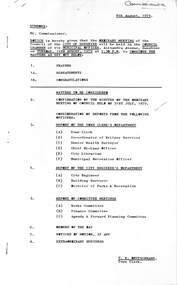 Sunshine and District Historical Society Incorporated
Administrative record - City of Sunshine - Commissioner Mr Alexander Alex George Gillon Collection 1976 - 1982 - Notice of ordinary meeting of the council 14th August 1979, City of Sunshine, 8th August 1979
... Albans Boring Operations Stony Creek in the Vicinity of Gilmour Road Sunshine North Half Cost Footpath St. ...Albans Boring Operations Stony Creek in the Vicinity of Gilmour Road Sunshine North Half Cost Footpath St. ...Notice of Ordinary Meeting of the Council 14th August 1979 Report of the Town Clerk's Department Report of the Town Clerk Western Region Commission Trees and Shrubs for New Home Owners Scheme Site for Kindergarten for physical handicapped children Rogers Reserve Establishment of St. Albans South Progress Association Melbourne & Metropolitan Board of Works Proposed increase in Rates Offer to Sell Property at 1 Raleigh Road to Council Road Funding New Fuel Levy Municipal Association of Victoria Melbourne & Metropolitan Board of Works Representation Report of the Co-Ordinator of Welfare Services Charging Fees at Community Health Centres Diamond Avenue Pre-School Centre Multi-Purpose Room Caretaker Lions House of Sunshine Subsidy for the Installation of Heating Dobson Reserve Pre-School Centre Report of the Senior Health Officer Application for Transfer of Proprietorship of Premises Under the Health Act Health Act Registrations for 1979 Protean (Holdings) Ltd Corner of Boundary Road and Fitzgerald Road Laverton North Sunshine Underpass in Filthy and Odorous State and One Person Referred to it Smelling like a Public Urinal Builder's Sanitary Service Infant Welfare Refresher Course 30th July 1979 to 10th August 1979 Litter Noise By-Law Report of the Medical Officer of Health Report of the Superintendent Traffic & By-Laws Special Parking Area Corio Street for the Sunshine Elderly Citizens Welfare Committee Traffic & By-Laws Officers Association of Victoria Report of the City Librarian 1979/80 State Library Subsidy Melton Library Travelling Time of Sunshine Staff Report of the Interdepartmental Committee on Joint-Use Libraries 1979 Australian Library Week Second Pacific Rim Conference of Children's Literature 3rd - 7th September 1979 Children's Library Second Term Holiday Programme Reort of the Municipal Recreaction Officer Ground Rentals Summer Season 1978/79 Ground Rentals Winter Season 1979 Soccer Ground Development Fund Grant Applications Received From Ardeer Soccer Club, Dynamo Soccer Club & Sunshine Heights Junior Soccer Club Cricket Coaching Clinics Report of the City Engineer & Planner Report of the Building and Development Control System in Victoria (B.A.D.A.C.) Amendment No 9 Part 1A to the Melbourne Metropolitan Planning Scheme Rezoning Land Along Kororoit Creek Between Glengala Road and Derby Road Planning Permit Application Shop and Caretaker's Dwelling Lots 41 & 42 Watt Street Sunshine Planning Permit Application Service Premises (Chemist) and Consulting Room (Doctor) Addition to Existing Cluster Subdivision 104 Station Road Planning Permit Application Extensions to No 4 Mill of Existing Industrial Complex S.C.I. Meat & Paper Pty Ltd South Side of Somerville Road Opposite Alick Street Tottenham Planning Permit Application Extension to Existing Factory 2 Holmwood Road Tottenham Planning Permit Application Storage Shed Lot 50 Cromer Avenue Sunshine North Planning Permit Application Shed Lot 10 McIntyre Road Sunshine North Planning Permit Application Illuminated Sign 282 Ballarat Road North West Corner Errol Street Braybrook Planning Permit Subdivision and Detached Houses Lot 1001 Neale Road Deer Park Planning Permit Office & Extension of Amenities Building Lot 33 Railway Siding Fronting the North Side of Wright Street Planning Permit Application Petrol Filling Station Geelong Road South East Corner of Francis Street Brooklyn Planning Permit Application Six Chrysler Symbol Advertising Flags Lot 2 Ballarat Road South West Corner of Hampshire Road Sunshine Planning Permit Application Sky Sign 248 Hampshire Road Sunshine Planning Permit Application Factory Extension Lot 5 McIntyre Road Sunshine North Planning Permit Flats Lot 1 Phoenix Street Sunshine North Planning Permit Application Factory Extension Lot 92 Fourth Avenue Sunshine Plan of Subdivision Concord Circuit Albanvale Cancellation of Easement Neale Road Deer Park Cancellation of Easement Main Road West Albanvale Gillon Court and Ginifer Court St. Albans Subdivision Annual Supply of Concrete Contract Station Road Widening Melbourne Metropolitan Planning Scheme Amendment No 81 Part 4 Traffic Engineer Report Old Sunshine Post Office Site, Intersection Mitchell Street / Hampstead Road and Glengala Road Truck Route Traffic Signals Ballarat Road / Hampshire Road Sunshine Route Numbering System Route 41 to be Re-routed along Graham Street Sunshine Proposed Intersection Signals Devonshire Road / Duke Street Sunshine Signing of Western Approaches West Gate Bridge Statcon Works Programme intersection Treatment East Esplanade / Main Road West / Main Road East St. Albans Boring Operations Stony Creek in the Vicinity of Gilmour Road Sunshine North Half Cost Footpath St. Albans Road St. Albans Right of Way Wright Street to Sunshine West High School Half Cost Footpath Neale Road Deer Park Thomson Street Reconstruction Fencing Costs Between Council Properties and Adjoining Private Properties Report of the Building Surveyor Building Over Easement 54 Mawson Avenue Deer Park Building Over Easement 48 Salmond Street Deer Park Building Over Easement 36 Newbury Street Deer Park Siting of Building Lot 193 Nash Place Deer Park Report of the Director of Parks & Recreation Larisa Reserve Fencing P. McLarty Lectures Turf Research institute Orders of the Day Accounts Submitted for Payment as at 31st July 1979rogers reserve, maidstone, st. albans south progress association, raleigh road, burton crescent, maribyrnong, burns street, diamond avenue pre-school centre, diamond avenue, albanvale, lions house of sunshine, corio street, watt street, sunshine, dobson reserve pre-school centre, dobson reserve, churchill avenue, protean, boundary road, fitzgerald road, laverton north, sunshine underpass, sunshine railway station underpass, sunshine elderly citizens welfare committee, ardeer soccer club, dynamo soccer club, sunshine heights junior soccer club, kororoit creek, glengala road, derby road, station road, deer park, s.c.i. meat & paper pty ltd, somerville road, alick street, tottenham, holmwood road, cromer avenue, mcintyre road, sunshine north, ballarat road, errol street, braybrook, neale road, wright street, geelong road, francis street, brooklyn, hampshire road, phoenix street, fourth avenue, concord circuit, main road west, gillon court, ginifer court, sunshine post office, mitchell street, hampstead road, graham street, devonshire road, duke street, west gate bridge, east esplanade, main road east, stony creek, gilmour road, st. albans road, sunshine west high school, lachlan road, sunshine west, thomson street, mawson avenue, salmond street, newbury street, nash place, larisa reserve, larisa road -
 Sunshine and District Historical Society Incorporated
Album - Sunshine Advocate and Brimbank Messenger Newspaper Cuttings 1998 - 2010 Scrapbook, 1998-2001
... McKay Factory Gates Part layout in vicinity of Sunshine Railway Station map 1910 Sunshine Station Signal Box Harvester Museum H.V. ...McKay Factory Gates Part layout in vicinity of Sunshine Railway Station map 1910 Sunshine Station Signal Box Harvester Museum H.V. ...663.01 People in official positions 1908 H.V. McKay Factory Gates Part layout in vicinity of Sunshine Railway Station map 1910 Sunshine Station Signal Box Harvester Museum H.V. McKay H.V. McKay Bulk Store Sunshine's colorful history Family of Nathaniel & Mary McKay family tree Sunshine Smithy Braybrook residents 1903 & 1906 Sands & McDougal listing Nat & Joyce Wright Sunshine Market Place Sunshine new police station Sunshine new post office S&DHS newspaper articles Black Powder Mill Deer Park St. John's Anglican Church Robert Eric Parsons Rubbish dumping issue Bob & Cyril Parsons Deer Park Bypass Sunshine Leisure Centre Sunshine Station Interchange Dorothy Price Sunshine Hospital expansion Albert & Amy Russell Wally O'Brien Hospital pedestrian crossing Our Lady's Primary School reunion Mytle Baylis Darling Albion Flour Mill Pokie machines Harricks Cottage Jack Tighe Cr Brooke Gujinovic New Brimbank Mayor Jack Collins Isabella Williams Reserve Cairnlea development Albert Holden Old Sunshine Police Station Sun Crescent Big bins Phyllis Vance Sunshine Pipe Band Dick & Elsie Whiting Historic house demolition Boom gate delay Brian & Doreen Duffy Beth Argyle Sunshine Railway Disaster Les Hunter Sunshine Pool closure protest Clare Brennan Mickey Vautier Jack Sheridan Balam Balam Reserve Gwen Goedecke Derrimut Hotel & licensee Wal Elms Jimmy Gaylor John & Leone Hawking Centrelink move Joan Carstairs Hampshire Road roadworks Lloyd McCallum postman retires Mavis Kittelty & Sunshine Croquet Club closes Frank O'Connor Beth Argyle, Don Deeble, Shirley Wallace & Jack Sheridan Sunshine Anglican Church & Father Stuart Soley Ian Baker Morris Street proposed flat development protest Brimbank's rich cultural history Church of Christ Doreen Foster & Albion Tennis Club Francis & Lillian Allen Sunshine Wesleyan Methodist Church 3LO-3AR radio transmitter George & Gloria Hales H.V. McKay Medal Trade Wing Lorna Cameron Noala Flynn St. Ablans Baptist Church & Ralph Phillips Apostolic Christian Church Keilor Christian City Church Sunshine City Band Maidstone Our Ladys of Perpetual Church Waterways Ron & Margaret Craker 663.02 Black Powder Mill St. Albans Greek Orthodox Church of St. Paraskeve Western Ring Road traffic Joseph & Frances Testa Sydenham Kingdom Hall of Jehovah's Witnesses Sydenham The Assemblies of God Michael & Rosalia Skok Werribee's State Rose Gardens Tom & Maria Diele Tom Rigg and the origin of the district's street names Sunshine & St. Albans Baptist Church ICI Estate protest Sunshine Salvation Army Church Macedonian Orthodox Church Anita-Marie Neumann Albanvale path of recognition Sunshine Pool action group Minnie Gorsuch State Election 2000 Jean Folry & Ilma Weir Brimbank Uniting Church Harvester Town book launch - Olwen Ford Brooke Jujinovic Keilor Cemetery gravestones John Howard ignores Braybrook Norman & Joan Wales Clare Brennan Drive named after Clare Brennan Fosseys Sunshine closure Commonwealth Bank (CBA) Glengala Road closure James Frederick McKay A history of Sunshine H.V. McKay's Russell Street gates Barry McMahon Sunshine Swimming Pool Aquatic centre sale Keith Buckley Migrants' move to brave new world Vasilos & Eugenia Karaoglandis William Hyett Darryl Myers Kathleen Inkster Sunshine RSL Kevin Keegan, Kevin Bryar & Fred Russell Barney & Renee Cater Mona Malouf George Carter Sunshine Pottery memorabilia & reunion Des Johnson Duke Street Aborigine artifacts Albert Drayton Two pools planned Sunshine Pool repairs approved Olympic Torch journey through Brimbank Maurice & Kathleen Sanders Paul & Suzanna Vicek Deer Park By Pass Road Bert & Noreen Craddock St. Albans Legless Lizards under fire Sunshine rare orchid scare St. Albans Road black spot Viet name for Burke Street Russell Street gates unveiling ceremony Don & Val Byrnes Emily Hall Sunshine Swim centre Water action plans Melton Highway sugar gum tree removal by Vicroads Sunshine Police Station Olympic Rings Brick Emmaus Catholic School Sydenham opening Black Powder Mill Stevens Farmhouse fire Yvonne Flack Frank Gathercole Commonwealth Bank closure Marion Martin Deer Park State School Tom & Flo Beagley Call for railway land buffer Clarrie Salvador Braybrook Hotel Sunshine Harvester Smithy 2000, A year to remember Bus Re-route hits traders Sunshine Swimming Pool end of life Pam Chapman Prune Goldrick - When the Whistle Blew Wally O'Brien recalls Deer Park during his childhood Western Highway / Ballarat Road traffic Tom Rigg confusing St. Albans bus signs Rubbish in Deer Park Phyllis Frost Basil Morcos Allan "Titch" Williams George Thoms Clarrie Salvator Tom Dile Igor Balabin John McArdie Sam & Rita Attard Jack & Dorothy Roberts Joe De Gabriele Beth Argyle John Refshauge surgeon Bill Fogarity Brimbank Heritage Listing in peril Museum of Victoria virtually tour of H.V. McKay Harvester Factory Jock McLeod John & Lorna Stainer Rita Shimmin Smithy Nettlefolds - Len Duxon, Betty Scott, Frank Richards, Thelma Burnett, Reg Ratcliffe & Frank Farrugia Emma Broadhead Bill Bunting Gwen Goedecke Ron Dorre Sunshine Hospital Redevelopment Braybrook Squash Centre Megan Blair Harvester Town book launch Tom Rigg rail safety activist Lloyd & Gislaine Simpson Sunshine's past revealed Legless Lizards site Jones Creek Wetlands St. Albans time capsule Cairnlea suburb name causing a stir Agnes Clark Norman de Pomeroy Ern & Dot Nicholls Anton & Maria Gerber Peter & Margaret McManus H.V. McKay Offices heritage listing Cr. Chris Evans out Two historical walks in Sunshine Brink Back the H.V. McKay Smithy opening invite Council destroys old files Harricks Cottage Special Exhibition Models of Sunshine made farm implements exhibition invite 663.03 Wally O'Brien Cr. Chris Evans Sunshine pool debate Black Powder Mill Sydenham / Hillside Primary School name changes Say goodbye to Sydenham, Watergardens Spalding Reunion Harry Unger Gwen Goedecke Frances Fitzgerald Preserving Brimbank's significant landmarks Bernard Reilly kindergarten train Albert Holden St. Peters Channel Catholic Church Terry Muscat Smithy Norman & Geoff Pomeroy Sunshine disaster recalled Sydenham Railway Station Sunshine Baseball Club Albert Evans Sunshine Pool anger Albion car crash Jackson School to lose portables Black Powder Mill John Kontek Harvester basic wage case Sushine Harvester & Offices complex Deer Park Primary School Sunshine underpass / subway shame Albion Railway Station Rolando & Lilia Antonio Furlong Road tragedy Anita Ciancio & baby Montana kidnapping Harricks Cottage Fence to keep out snakes Shire of Braybrook Financial & Rate records donated to S&DHS Bikini protest in Council Chambers Talintyre Reserve name change from Tallintyre Reserve Peter Somerville and the Blackbird Keith Miller Gerald Griggs St. Albans Hume & Hovell cairn in the move Iramoo Committee Shopping bags ban Harvester City, the making of Multicultural Sunshine book grant Susan Jennison Melchior Bajada Ray Carlton book donation to Sunshine Library Hampshire Road connection the Market Place with the Plaza Girls should be girlsSunshine & Districtsunshine advocate, brimbank messenger, newspaper -
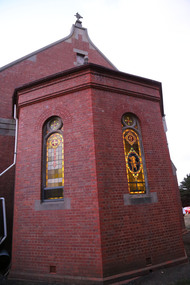 Ballarat Heritage Services
Digital photographs, L.J. Gervasoni, St Brigid's Crossley - Christmas Carols - stained glass windows night, 12/2016
... Higgins (Bishop of Ballarat) and Dr. Mannix (Coadjutor Archbishop of Melbourne.) ...Higgins (Bishop of Ballarat) and Dr. Mannix (Coadjutor Archbishop of Melbourne.) ..."NEW CROSSLEY CHURCH. BLESSING AND OPENING CEREMONY. A lasting testimony to the faithful generosity of the Catholic community at Crossley was vouchsafed on Sunday last, when the beautiful new church of St. Brigid was formally blessed and opened, in the presence of a particularly large congregation of adherents of the Roman Catholic faith, and many supporters of the doctrines of other churches. The function was further enhanced by the presence of two noted Catholics in Dr. Higgins (Bishop of Ballarat) and Dr. Mannix (Coadjutor Archbishop of Melbourne.) Upon arrival at the church the prelates were received by a guard of honor formed by the members of the H.A.C.B. Society, and were introduced to the members of the local committee. Then his Lordship the Bishop formally blessed the exterior and interior of the building. The building is handsome and commo dious, and one that should suffice for the population of the Crossley district for many years to come. Standing upon the highest point in the vicinity it occupies a commanding position and is a prominent landmark for many miles around. At first it was intended to pull down the old church and erect the new one upon the space occupied by it, but subsequently the land adjoining was purchased, and the sacred edifice built upon it. The style of architecture is a free treatment of the Romanesque. In a short space of time the grounds and walks were transformed by working bees and made to conform to the beauty of the building. The interior is most artistic, and would be difficult to improve upon in elegance of design, while the furnishings are most appropriate, and harmonise excellently with the general scheme of decoration. It seats 400 people and in addition there is a choir gallery with a seating capacity of 60. The church is lighted with leaded Cathedral glass windows, and the front presents a pleasing appearance, the entrance porch being surmounted with a semi-Gothic window. The floor is tiled throughout. The ceilings are semi-circular in form, with beautiful designs worked in fibrous plaster. The brickwork of the structure is faced with cement, and it has a slate roof. It is undoubtedly an addition to the ecclesiastical buildings of the district, and was universally admired. The architect was Mr. A. A. Fritsch, of Melbourne, and the contractors Messrs F. and E. Deague, of North Fitzroy. On the doors being thrown open for the admission of the congregation, the seating accommodation was immediately fully taxed, and the lengthy service and sermon were listened to with the greatest interest and attention. Missa Cantata was sung, the Rev. Father Phelan, Koroit, being the celebrant. The musical arrangements were in the capable hands of Mr. Renwick, of Warrnambool, while Miss Logan presided at the organ. Mrs. Dan. Ryan was the soprano soloist, and sang Gounod's Ave Maria at the offertory very sweetly and expressively. At the consecration Rossi's Tantum Ergo was sung by Messrs Crowley and Renwick; Farmer's Kyrie Gloria and Agnus Dei and Webb's Credo were rendered during mass, and while the collection was being taken additional numbers were sung. The occasional sermon was preached by the Coadjutor Archbishop (Dr. Mannix), who based his remarks upon the Gospel for the day, St. Luke V., verses I to II, dealing with the miraculous draught of fish. On His return from Galilee Christ found that the fishermen had been toiling all night, and had caught nothing. He entered one of the ships, and addressed the multitude on shore. It was a beautiful picture, and no doubt he spoke to them about the kingdom to be established on earth. When He had finished speaking He told the fishermen to launch out into the deep. Peter said " Master, we have fished all night, and have found nothing." Still, they obeyed His command, and the nets were filled almost to breaking point. Having brought their ships to land they left everything and followed Him. In that lesson they had a symbol of God's dealing with men through the church He has established on earth. Their confidence was richly rewarded, and Christ founded His church upon those twelve Apostles. At that time the world was mostly pagan, steeped in iniquity and sin. The chosen people of God worshipped with their lips, but their hearts were far from it. When Christ wanted to estab lish His church on earth, and leave an organisation to carry on the work, did He select the most intellectual, or the most rich or powerful men? Neither did the time seem propitious. He selected twelve men who from a human point of view were quite incapable of accomplishing anything. What happened when the Jews put Him to death? The chosen twelve left Him at the critical hour, and when He came to die on the cross they were not there, but hid themselves from the hate and fury of the Jews. When the Holy Ghost came down upon them and strengthened them they became courageous and went forth at the bidding of their Master to teach all nations. Their success was not confined to the first meet ing after Pentecost, at which they made 5000 converts, but continued until the whole world had been brought into the net. It was surely a consolation to them as well as to him (the preacher), that they came from a land which of all others had been faithful to the teaching of Jesus Christ. The sons and daughters of St. Patrick had taken a great part in bringing men into the meshes of the church. It was due to the nation they belonged to that the church flourished not only in Ireland, but in England, Scotland, Ame rica, and Australia. It may have seemed hard that in the providence of God so many had to leave their homes and find a home in other lands. They had emi grated to the towns of England and Scotland, and had been the means of keeping the Catholic faith living in those places. In the United States and Canada many had made a home for themselves, and were always found faithful to God and to the true church. If to-day the Irish Catholics and Catholics of Irish des cent were taken out of the English and Scotch population there would be little left of the true Church of God. Perhaps they had not the learning of other nations. Certainly they had not the wealth of other nations, and not the power of the sword, but God was with them, and the faith they took from the old land nourished in the distant places. There was a time in Aus tralia when those opposed to God and God's Church thought they could rule Providence and make Australia a Pro testant land. They had lived to see whe ther God or His enemies are the more powerful, and the names of those who tried to stamp out the Catholic religion were forgotten, or only remembered be cause of their persecution. They had lived to see the glorious success which rested upon the Catholic Church in Aus-tralia, which the Irish people had built up stone by stone. Nowhere was it held in higher esteem than in these islands, and the people would always be faithful to God and His church. It was an inspira tion to go into the glorious church opened that day. It stood for loyalty and faith fulness and was a credit and a consola tion to the Bishop and people of the diocese, to the architect, and to the priests and the honest and zealous administrator of the parish. There was hope and an inspiration in that day's celebrations, and surely the Catholic faith would sink deeper and deeper into the people as time went on, and the progress of the last fifty years would be small as compared to the progress of the future. He congratulated the Bishop and priests who had raised that temple, and the people of Crossley upon their generosity and self-sacrifice. He prayed that the blessing of God and St. Brigid would rest upon them, their children, and their children's children. He hoped that not one of those who had received the sacrament at that church would be missing when called before the Judgment Seat, and that all would be counted into the enjoyment of eternal bliss. The Rev. Father Kerin then made a statement of the position of the finances, after which a special col lection was made towards the cost of the building. A list of subscribers of £l and upwards was read, to which Bishop Higgins contributed £250, Rev. Father Kerin £20, and the Coadjutor Archbishop £5. The amount totalled £1245 10s 7d. Pre vious donations totalled £1077 3s, and His Lordship gave an additional £250. An indebtedness of £3974 had been reduced by £1245, leaving a debit balance of £2728. The cost ot the church completed was £6250. They had broken the back of the debt, and were not frightened of it. It was also announced that the beautiful Stations of the Cross, which adorn the walls, had been donated by the following: Mr and Mrs. P. Crowe, Mr. and Mrs. T. Bushell, Mr. and Mrs. P. Gorman, Miss M. Dunne, Mr. Mugavin and Miss Mugavin, Mr. and Mrs. C. Conway, Misses A. and F. Broderick, Mr. and Mrs. Michael Hennessy, Miss K. A. M'Carthy, Mr. and Mrs. Wm. Dalton, Mrs. M. J. Greene, Mrs. and Miss K. Dwyer, Mr. and Mrs. John Mugavin, and the Rev. J. J. Manning. The new Estey organ was contributed by the school children, as the result of an enter tainment. Other donors of furnishings, etc., were Mrs. Brown, senr., (Kirkstall), and Mrs. James Maloney (Killarney), and Mrs. and Miss O'Donohue. The vestments were the gifts of Mr. and Mrs. M. Foley, of Killarney. The furnishings, carpeting, etc., of the sanctuary have been carried out by the Crossley Altar Society, of which Mrs. Jno. O'Brien is president, and Miss Mary Ryan secretary. In the course of a brief address Dr. Higgins expressed his deep indebtedness to the Coadjutor Archbishop for coming amongst them at a great sacrifice to assist in the ceremonies. He heartily thanked the people for their unbounded generosity, and congratulated priests and people upon the magnificent results of their efforts. They had an able champion in Dr. Mannix, who since coming amongst them had distinguished himself by his zeal for the church in this new land. He hoped he would be spared for many years to come to use his splendid talents in the service of the church. (Koroit Sentinel and Tower Hill Advocate, Saturday 4 July 1914, page 2)Digital images of the cathedral leadlight windowns in St Brigid's catholic Church, Crossley. st brigid's crossley, st brigid's, catholic church, catholic, church, religion, celebrations, christmas, christmas carols, carols, stained glass, window
