
Showing 47 items matching "bombing up"
-
 Moorabbin Air Museum
Book - Avro Lancaster, The Lancaster At War
... ...Bombing up...Avro Lancaster Early days In production Entry in to service Making ready Bombing up 20 Lancasters Fuelling Dispersal Briefings Interiors Start up First flight on ops Taxying & marshalling Take off En route On target The way back Safely home After the raid Battle damage Prangs Under repair Insignia Mercy missions Canadian Lancasters Graveyards The Dam Busters Historical overview of Avro Lancaster at war, circa 1972 The Lancaster At War Book Avro Lancaster ...Historical overview of Avro Lancaster at war, circa 1972non-fictionHistorical overview of Avro Lancaster at war, circa 1972early days, in production, entry in to service, making ready, bombing up, 20 lancasters, fuelling, dispersal, briefings, interiors, start up, first flight on ops, taxying & marshalling, take off, en route, on target, the way back, safely home, after the raid, battle damage, prangs, under repair, insignia, mercy missions, canadian lancasters, graveyards, the dam busters -
 National Vietnam Veterans Museum (NVVM)
Plaque, Shield
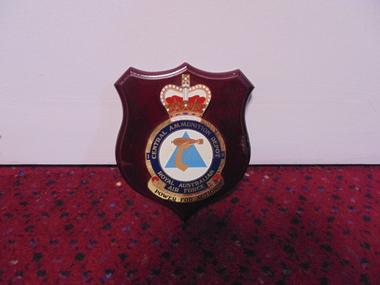
... In the centre of the insignai is an arm holding up a bomb. At the bottom of the insignia reads Power for Acion...In the centre of the insignai is an arm holding up a bomb. At the bottom of the insignia reads Power for Acion Shield Plaque Plaque ...A wooden shield with the insignai of Central Ammunition Depot - Royal Australian Air Force. In the centre of the insignai is an arm holding up a bomb. At the bottom of the insignia reads Power for Acionshield, 1 central ammunition depot (1 camd), weapons -
 Bendigo Military Museum
Photograph - AMMUNITION DEMOLITION 1946 - 1947, 1946-1947
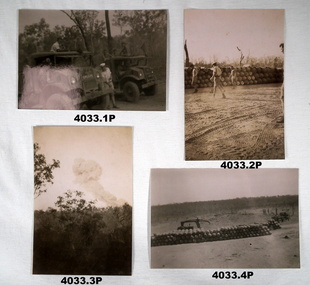
... bomb clearance in the Darwin area, 1946-47. The photos were supplied by C. C. Parish RAN No.32690 who worked on the clearance. All photos were written on the back in blue pen: .1) Old Blitz wagon we carried the mines out of Darwin area to blow up 50 miles away. .2) Mines to blow up Darwin 46-47. .3) Smoke plume from demolition of mines approx 6 miles away 46-47, 200 ton in one go. .4) Stack of mines and bombs ready to blow up Darwin 46-47. .5) Mines & bombs for demolition Darwin. .6) 2000lb mines & 1000lb bombs to be blown up Darwin 46-47....bomb clearance in the Darwin area, 1946-47. The photos were supplied by C. C. Parish RAN No.32690 who worked on the clearance. All photos were written on the back in blue pen: .1) Old Blitz wagon we carried the mines out of Darwin area to blow up 50 miles away. .2) Mines to blow up Darwin 46-47. .3) Smoke plume from demolition of mines approx 6 miles away 46-47, 200 ton in one go. .4) Stack of mines and bombs ready to blow up Darwin 46-47. .5) Mines & bombs for demolition Darwin. .6) 2000lb mines & 1000lb bombs to be blown up Darwin 46-47. ...The photos were taken over approx. 3/5 months during mine and bomb clearance in the Darwin area, 1946-47. The photos were supplied by C. C. Parish RAN No.32690 who worked on the clearance. All photos were written on the back in blue pen: .1) Old Blitz wagon we carried the mines out of Darwin area to blow up 50 miles away. .2) Mines to blow up Darwin 46-47. .3) Smoke plume from demolition of mines approx 6 miles away 46-47, 200 ton in one go. .4) Stack of mines and bombs ready to blow up Darwin 46-47. .5) Mines & bombs for demolition Darwin. .6) 2000lb mines & 1000lb bombs to be blown up Darwin 46-47..1) Photo, black & white, two trucks and six men. .2) Photo, sepia, stack of bombs with three men in front. .3) Photo, sepia, forest in front with smoke plume from bombs. .4) Photo, black & white, stack of bombs, with loader behind and vehicle. .5) Photo, black & white, large stack of bombs. .6) Photo, black & white, large stack of bombs, loader behind.photographs, disposal, bombs -
 Ballarat Clarendon College
Book, How great thine aunt, 2018
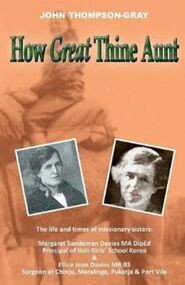
... up a promising career in surgery at the Women's Hospital in Melbourne to practise at a mission hospital in Chinju, Korea. Sent home as a foreign alien before the attack on Pearl Harbor she practised at outback mission stations in Australia, doubling as the Flying Doctor. She medically examined the population of the New Hebrides (Vanuatu) as a first step to rid the country of leprosy. Jean returned to Pukatja in South Australia during British nuclear bomb...up a promising career in surgery at the Women's Hospital in Melbourne to practise at a mission hospital in Chinju, Korea. Sent home as a foreign alien before the attack on Pearl Harbor she practised at outback mission stations in Australia, doubling as the Flying Doctor. She medically examined the population of the New Hebrides (Vanuatu) as a first step to rid the country of leprosy. Jean returned to Pukatja in South Australia during British nuclear bomb ...This is the untold story of Margaret (1904) and Jean (1906) Davies and their uncompromising faith, amazing courage and endless endurance. Margaret was called to Korea as an educator from 1910 to 1940. During the Mansei Uprising, Japanese police arrested her for inciting to riot and drove Kim Il-Sung into Manchuria where he founded Korean Communism. Jean gave up a promising career in surgery at the Women's Hospital in Melbourne to practise at a mission hospital in Chinju, Korea. Sent home as a foreign alien before the attack on Pearl Harbor she practised at outback mission stations in Australia, doubling as the Flying Doctor. She medically examined the population of the New Hebrides (Vanuatu) as a first step to rid the country of leprosy. Jean returned to Pukatja in South Australia during British nuclear bomb testing at Maralinga.Small paperback bookmargaret davies, ellice jean davies, clarendon-presbyterian-ladies-college, 1900s, korea, missionary, surgeon, maralinga, vanuatu -
 Red Cliffs Military Museum
Framed Photograph, Lieutenant W.T. West, MM, MC, (estimated)
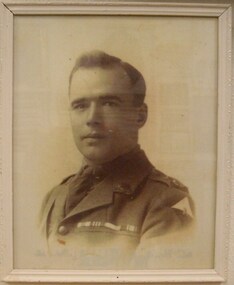
... Citation: During the attack on Montebrehain, east of Peronne on 5th Ocober, 1918, Lt West acted in a skilful and courageous manner when his platoon was held up by an enemy strong post, he rushed forward alone under heavy machine gun fire, threw a bomb at the post and captured the gun and crew of three. ...Citation: During the attack on Montebrehain, east of Peronne on 5th Ocober, 1918, Lt West acted in a skilful and courageous manner when his platoon was held up by an enemy strong post, he rushed forward alone under heavy machine gun fire, threw a bomb at the post and captured the gun and crew of three. ...1789 Corporal Walter Thomas West was recommended for Military Medal 13th May 1917. Citation: For conspicous gallantry in action at the Hindenburg Line on 3rd May 1917. When he attacked with few bob=mbers an enemy post using MG fire against the right brigade. Having taken up the post he moved down the first trench and with 6 men engaged an enemy party who were resisting the 2nd attack of the tight brigade. Recommended by GOC 6th Australian Infantry Brigade. Lieutenant Walter Thomas West was recommended for MC 21st Ocrober 1918. Citation: During the attack on Montebrehain, east of Peronne on 5th Ocober, 1918, Lt West acted in a skilful and courageous manner when his platoon was held up by an enemy strong post, he rushed forward alone under heavy machine gun fire, threw a bomb at the post and captured the gun and crew of three. Later his flank was being held up by a strong post manned by the German guns in cemetary. Lt. West crawled round to the right and rushed the post. One ran he killed 3 of the nemy and took 3 prisoners. The men in the other post ran off with their gun and so escaped. Throughout the day he led his platoon with skil and when the company commander was killed assumed charge and supervised the consolidation of the line with great activity and courage. A framed black and white photgraph of Lieutenant West in dress uniform, showing Unit Insignia (colour Flash) service ribbons.Photo clearly shows unit insignia, ranks pips, service and valour ribbons.of, 1919, australia, 1917, ww1, commonwealth, gazette, london, walter, thomas, west, mm, mc, page, 2, collection, july, w t west, gazettte, 9, location, 6839, 8th, nov, 2937, position, 104, april, 4337, 12, 23, 1163, 45 -
 Red Cliffs Military Museum
Copy of a letter, Letter to Walter West from W.H. Birdwood, 19/4/1919 (exact)
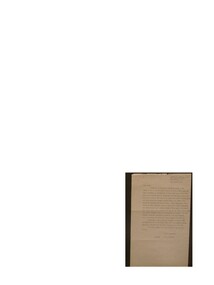
... When your platoon was held up by heavy fire from a strong post, you most gallantly rushed forwatd alone, and bombing the position captures the gun and crew. ...When your platoon was held up by heavy fire from a strong post, you most gallantly rushed forwatd alone, and bombing the position captures the gun and crew. ...Sent by W.H. Birdwood but no signature. This is another of 5 documents in a large frame called the West Collectioncopy of typed letter to Walter West from W.H. BirdwoodTop left corner: Copy. Top right Australian Imperial Force 130 Horseferry Road, Westminster, S.W.1 19th April, 1919 Dear West, I send you my heartiest congratulations on the award to you of the Military Cross, of which I have only now been informed; in recognition of your very good and gallant work in our operations at Montbregain on 5th October last. When your platoon was held up by heavy fire from a strong post, you most gallantly rushed forwatd alone, and bombing the position captures the gun and crew. Later, when your flank could not make progress owing to fire from a post containing two machine guns, you crawled round to the right, and rushed this post, which you captured with one of the guns, killing three and taking another three of the garrison prisoners. On your company commander becoming casualty, you took command, and consolidated the line with good judgment and ability. throughout you displayed courage, initiative and determination of a very high order. I am indeed pleased that your splendid work has been recognised in this way. with kindest regards and good wishes to you for the future. Yours sincerely. W. H. Birdwood ww1, walter, thomas, west, mm, mc -
 Australian Commando Association - Victoria
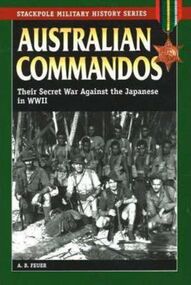
Book, A.B.Feure, Australian Commando: Their Secret War against the Japanese in World War II
... While M Unit secretly set up coast-watching posts to monitor Japanese shipping movements and bombing flights, operatives of Special Operations Australia also known as the Allied Intelligence Bureau were inserted deep behind enemy lines, where they attacked Japanese targets in brutal terrain and where capture meant death by beheading. ...While M Unit secretly set up coast-watching posts to monitor Japanese shipping movements and bombing flights, operatives of Special Operations Australia also known as the Allied Intelligence Bureau were inserted deep behind enemy lines, where they attacked Japanese targets in brutal terrain and where capture meant death by beheading. ...non-fictionww2, australian commandos, australian special operations, australian special forces, world war ii -
 Bendigo Military Museum
Photograph - WW1 PHOTOGRAPHS, c.1917
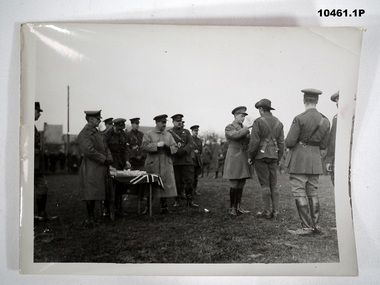
... bombed out road with some horses and carts. Sign identifies it as Hell Fire Corner which was at Menin Road near Ypres, Belgium 1916-17 when German guns ranged up on the corner....bombed out road with some horses and carts. Sign identifies it as Hell Fire Corner which was at Menin Road near Ypres, Belgium 1916-17 when German guns ranged up on the corner. ...Photos from France & Belgium Battlefields WW1. Part of the collection of William (Bill) Thomason. Refer Cat No. 4136P.Series of black and white photos from WW1. 1. Photo of the Prince of Wales (Edward VIII) investing an Australian Soldier with a medal in France 1916. 2. Photo of some rifles leaning against a brick house bombed out and an ANZAC sign on it. Between Zonnebeke and Polygon Wood, Belgium 1917. 3. Photo of a bombed out road with some horses and carts. Sign identifies it as Hell Fire Corner which was at Menin Road near Ypres, Belgium 1916-17 when German guns ranged up on the corner.On back of all is "R. Wright". Detailed description on back of photosphotographs, ww1, collection of william (bill) thomason -
 Bendigo Military Museum
Photograph - PHOTOGRAPH LABUAN, 1945
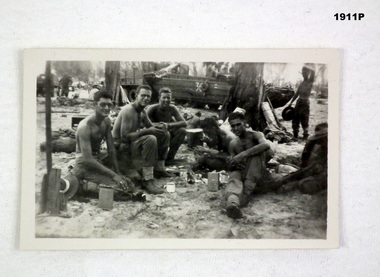
... He often told the story that he was in Darwin at the bombing and they moved them down to Katherine and then it was bombed so he was either in the CMF or working up there at the time and then enlisted in the AIF. ...He often told the story that he was in Darwin at the bombing and they moved them down to Katherine and then it was bombed so he was either in the CMF or working up there at the time and then enlisted in the AIF. photographs, photography, military history. labuan "FIRST MEAL ON THE BEACH" B & W photo re group of soldiers - "FIRST MEAL ON THE BEACH" after landing Labuan 1945. ...Keith David Livingston No VX136969 (born Jeparit, enlisted Mataranka NT) in the 2nd AIF on 21.6.43 age 20 years. At discharge from the Army he was a Pte in 173 Aust Field Ordnance Depot. He often told the story that he was in Darwin at the bombing and they moved them down to Katherine and then it was bombed so he was either in the CMF or working up there at the time and then enlisted in the AIF. B & W photo re group of soldiers - "FIRST MEAL ON THE BEACH" after landing Labuan 1945. Keith Livingston 2nd from the left "FIRST MEAL ON THE BEACH"photographs, photography, military history., labuan -
 Bendigo Military Museum
Photograph - PHOTOGRAPHS WW2, C.WW2
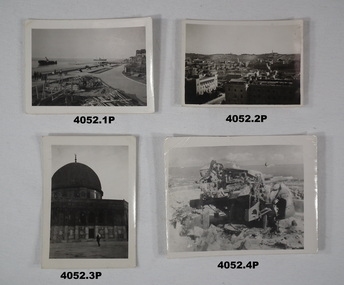
... Hand writing on rear. .2) Photo, black & white, view over Jerusalem towards hills. .3) Photo, black & white, close up of a mosque with one person in front. .4) Photo, black & white, bombed wreckage of a gun emplacement overlooking a harbour. .5) Photo, black & white, air strip with covering and a plane coming into land, background appears to be jungle. .6) & .7) Photo, black & white, Japanese surrender being conducted aboard a ship. ...Hand writing on rear. .2) Photo, black & white, view over Jerusalem towards hills. .3) Photo, black & white, close up of a mosque with one person in front. .4) Photo, black & white, bombed wreckage of a gun emplacement overlooking a harbour. .5) Photo, black & white, air strip with covering and a plane coming into land, background appears to be jungle. .6) & .7) Photo, black & white, Japanese surrender being conducted aboard a ship. ...Collection relates to Harold Johnson TX3956. Refer to Cat. No. 4053.3 for service details..1) Photo, black & white, harbour scene showing two ships, one at lean, buildings and timber on wharf. Hand writing on rear. .2) Photo, black & white, view over Jerusalem towards hills. .3) Photo, black & white, close up of a mosque with one person in front. .4) Photo, black & white, bombed wreckage of a gun emplacement overlooking a harbour. .5) Photo, black & white, air strip with covering and a plane coming into land, background appears to be jungle. .6) & .7) Photo, black & white, Japanese surrender being conducted aboard a ship. Photos are various sizes. .1) On rear in pencil "Close up of the wreck, Love Hal xxx" .2) On rear in pencil "View of Jerusalem from YMCA" .3) On rear in pencil "Mosque of Omah Jerusalem Love Hal xxx"photographs, jerusalem -
 Bendigo Military Museum
Photograph - AIR PHOTOGRAPH of TOBRUK HARBOUR, C.1942
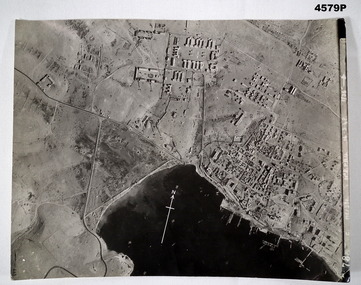
... Photo, B & W, rectangular shape, Shows North side of Tobruk Harbour, black lines and numbered up to 34 have been added to the photo showing facilities, bomb craters can be seen, hand written in white on one side....Doug Dean collection, refer cat No 4575P Tobruk Harbour 1942 On side of Photo, “78.E.ME/351 No 2 P.RU 14.3.42 F/36 (arrow)” Photo, B & W, rectangular shape, Shows North side of Tobruk Harbour, black lines and numbered up to 34 have been added to the photo showing facilities, bomb craters can be seen, hand written in white on one side. ...Refer map Cat N0 4577. Doug Dean collection, refer cat No 4575PPhoto, B & W, rectangular shape, Shows North side of Tobruk Harbour, black lines and numbered up to 34 have been added to the photo showing facilities, bomb craters can be seen, hand written in white on one side.On side of Photo, “78.E.ME/351 No 2 P.RU 14.3.42 F/36 (arrow)”tobruk, harbour, 1942 -
 Bendigo Military Museum
Photograph - PHOTOGRAPHS, RAAF WW2, C. March 1944
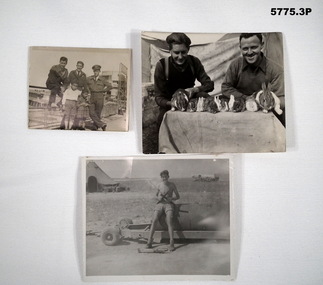
... .1) Photograph sepia tone showing three Airmen with two local children in the Middle East. .2) Photo showing two Airmen with 10 rabbits lined up on a table. .3) Photo showing Allan Goodall sitting astride a large bomb, tent in back ground....Self & Myself relate to Allan Goodall. .1) Photograph sepia tone showing three Airmen with two local children in the Middle East. .2) Photo showing two Airmen with 10 rabbits lined up on a table. .3) Photo showing Allan Goodall sitting astride a large bomb, tent in back ground. ...Items in collection re Allan Frederick Goodall DFC, RAAF, refer Cat No 543.2 for his service history..1) Photograph sepia tone showing three Airmen with two local children in the Middle East. .2) Photo showing two Airmen with 10 rabbits lined up on a table. .3) Photo showing Allan Goodall sitting astride a large bomb, tent in back ground..1) On rear in pen, "Bob, self, Johnny". .2) On rear in pencil, "Myself, Wilma, Shifty, Ginger, Penny, Goodall, Snowy, Taffy, Snowy the second, un named, Charlie & the old man Elna, taken March 44". Self & Myself relate to Allan Goodall. photographs, rabbits, middle east, dfc -
 Bendigo Military Museum
Postcard - POSTCARDS WW1, PHOTOGRAPHIC, C.1914 - 18
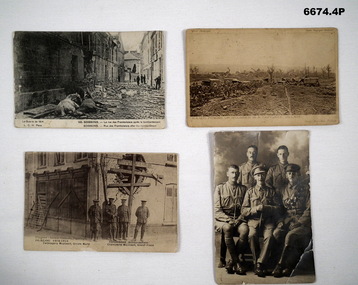
... B & W photo of ambulances picking up wounded soldiers in a desolute bombed out village in France in WW1. 3. ...B & W photo of ambulances picking up wounded soldiers in a desolute bombed out village in France in WW1. 3. ...Photos of soldiers and Bombardment scenes from battlefields in Flanders in WW1.1. Picture of a street in France after a bombardment during WW1. B & W photo. 2. B & W photo of ambulances picking up wounded soldiers in a desolute bombed out village in France in WW1. 3. Soldiers standing in front of a bombed building in Poperinghe, Flanders, Belgium in WW1. 4. B & W studio photo of 5 British Soldiers from WW1 in uniform.1. In French and English says "Rue De Framboisiers after the Bombardment". 2. Says "R.A.M.C. picking up wounded in a captured village.passchendaele barracks trust, postcards, ww1 -
 Monbulk RSL Sub Branch
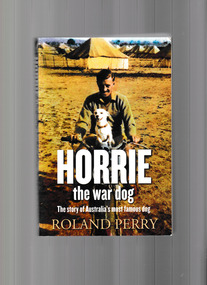
Book, Allen and Unwin, Horrie the War Dog, 2013
... Much more than a mascot, Horrie's exceptional hearing picked up the whine of enemy aircraft two minutes before his human counterparts and repeatedly saved the lives of the thousand-strong contingent. The little Egyptian Terrier's ritual of sitting, barking, then dashing for the trenches, had the gunners running for cover before their camp was strafed and bombed. ...In the harsh Libyan desert in the middle of the second world war, Private Jim Moody, a signaller with the First Australian Machine Gun Battalion, found a starving puppy on a sand dune. Moody called the dog Horrie. Much more than a mascot, Horrie's exceptional hearing picked up the whine of enemy aircraft two minutes before his human counterparts and repeatedly saved the lives of the thousand-strong contingent. The little Egyptian Terrier's ritual of sitting, barking, then dashing for the trenches, had the gunners running for cover before their camp was strafed and bombed. Where Moody went, Horrie went too, through the battle zones of the Middle East and far beyond. As the Japanese forces began their assault in Asia Moody and his soldier mates joined the fight, but not before they had smuggled Horrie onto a troop ship and a harrowing journey back to Australia where they thought their little friend would be safe. The war over, Moody brought Horrie out of hiding to raise money for the Red Cross, and the brave little dog's story became widely known. When quarantine officers pounced and demanded that the dog be put down there was a huge public outcry. Horrie had saved a thousand lives. How could a cruel bureaucracy heartlessly kill him? But defying the authorities would mean gaol for Moody and certain death for Horrie. Was Horrie, the gunner's hero, condemned to die or could Moody devise a scheme to save him?Ill, p.336.non-fictionIn the harsh Libyan desert in the middle of the second world war, Private Jim Moody, a signaller with the First Australian Machine Gun Battalion, found a starving puppy on a sand dune. Moody called the dog Horrie. Much more than a mascot, Horrie's exceptional hearing picked up the whine of enemy aircraft two minutes before his human counterparts and repeatedly saved the lives of the thousand-strong contingent. The little Egyptian Terrier's ritual of sitting, barking, then dashing for the trenches, had the gunners running for cover before their camp was strafed and bombed. Where Moody went, Horrie went too, through the battle zones of the Middle East and far beyond. As the Japanese forces began their assault in Asia Moody and his soldier mates joined the fight, but not before they had smuggled Horrie onto a troop ship and a harrowing journey back to Australia where they thought their little friend would be safe. The war over, Moody brought Horrie out of hiding to raise money for the Red Cross, and the brave little dog's story became widely known. When quarantine officers pounced and demanded that the dog be put down there was a huge public outcry. Horrie had saved a thousand lives. How could a cruel bureaucracy heartlessly kill him? But defying the authorities would mean gaol for Moody and certain death for Horrie. Was Horrie, the gunner's hero, condemned to die or could Moody devise a scheme to save him? animals - war use, australia - armed forces - mascots -
 Monbulk RSL Sub Branch
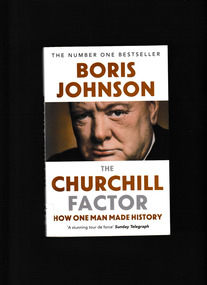
Book, Hodder & Stoughton, The Churchill factor : how one man made history, 2015
... up the 'Churchill Factor' - the singular brilliance of one of the most important leaders of the twentieth century. Taking on the myths and misconceptions along with the outsized reality, he portrays - with characteristic wit and passion-a man of multiple contradictions, contagious bravery, breath-taking eloquence, matchless strategizing, and deep humanity. Fearless on the battlefield, Churchill had to be ordered by the King to stay out of action on D-Day; he pioneered aerial bombing ...Marking the fiftieth anniversary of Winston Churchill's death, Boris Johnson explores what makes up the 'Churchill Factor' - the singular brilliance of one of the most important leaders of the twentieth century. Taking on the myths and misconceptions along with the outsized reality, he portrays - with characteristic wit and passion-a man of multiple contradictions, contagious bravery, breath-taking eloquence, matchless strategizing, and deep humanity. Fearless on the battlefield, Churchill had to be ordered by the King to stay out of action on D-Day; he pioneered aerial bombing, yet hated the destruction of war and scorned politicians who had not experienced its horrors. He was a celebrated journalist, a great orator and won the Nobel Prize for Literature. He was famous for his ability to combine wining and dining with many late nights of crucial wartime decision-making. His open-mindedness made him a pioneer in health care, education, and social welfare, though he remained incorrigibly politically incorrect. Most of all, as Boris Johnson says, 'Churchill is the resounding human rebuttal to all who think history is the story of vast and impersonal economic forces'. THE CHURCHILL FACTOR is a book to be enjoyed not only by anyone interested in history: it is essential reading for anyone who wants to know what makes a great leader.Index, notes, bibliography, ill, p.421.non-fictionMarking the fiftieth anniversary of Winston Churchill's death, Boris Johnson explores what makes up the 'Churchill Factor' - the singular brilliance of one of the most important leaders of the twentieth century. Taking on the myths and misconceptions along with the outsized reality, he portrays - with characteristic wit and passion-a man of multiple contradictions, contagious bravery, breath-taking eloquence, matchless strategizing, and deep humanity. Fearless on the battlefield, Churchill had to be ordered by the King to stay out of action on D-Day; he pioneered aerial bombing, yet hated the destruction of war and scorned politicians who had not experienced its horrors. He was a celebrated journalist, a great orator and won the Nobel Prize for Literature. He was famous for his ability to combine wining and dining with many late nights of crucial wartime decision-making. His open-mindedness made him a pioneer in health care, education, and social welfare, though he remained incorrigibly politically incorrect. Most of all, as Boris Johnson says, 'Churchill is the resounding human rebuttal to all who think history is the story of vast and impersonal economic forces'. THE CHURCHILL FACTOR is a book to be enjoyed not only by anyone interested in history: it is essential reading for anyone who wants to know what makes a great leader.great britain - politics and government - 1936-1945, winston churchill - biography -
 Royal Australian and New Zealand College of Obstetricians & Gynaecologists (RANZCOG)
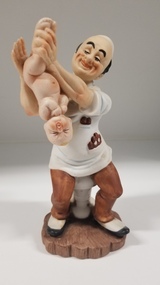
Sculpture - Porcelain figurine of an obstetrician holding a baby
... After the bombing of Pearl Harbor on December 7, 1941, Lefton helped his friend Nunome, a Japanese American, board up his business to avoid looting. ...After the bombing of Pearl Harbor on December 7, 1941, Lefton helped his friend Nunome, a Japanese American, board up his business to avoid looting. ...George Zoltan Lefton, a Hungarian immigrant who came to the United States in 1939, was the driving force behind Lefton China. Although he began his career in clothing and sportswear, his porcelain collecting interest led to the formation of the Lefton Company in 1940. Headquartered in Chicago, the company was a wholesale and marketer of ceramic goods. After the bombing of Pearl Harbor on December 7, 1941, Lefton helped his friend Nunome, a Japanese American, board up his business to avoid looting. When the war ended, Nunome introduced Lefton to Japanese ceramic manufacturers during the Japanese occupation. Lefton was one of the first American businessmen to work with these manufacturers. (WorthPoint)Porcelain figurine of a doctor holding a baby. The doctor has black hair, is of male appearance, and is dressed in surgical attire, consisting of a short sleeved white surgical gown and cap, brown trousers and black and white shoes. There is a glove protruding from the pocket of the gown at the left hip. The doctor is holding a baby by its ankles in his left hand, and is holding his right hand against the baby's bottom. The baby is crying. The figure is seated on the edge of a stool, and standing on a brown coloured base. There is a copyright symbol (a c inside a circle) printed on the underside of the base of the statue, along with the text 'geo.z.Lefton/THE O.B.' Sticker attached to underside of base reads 'Lefton/TRADE MARK/EXCLUSIVES/JAPAN'.obstetrics -
 Kyneton RSL Sub Branch
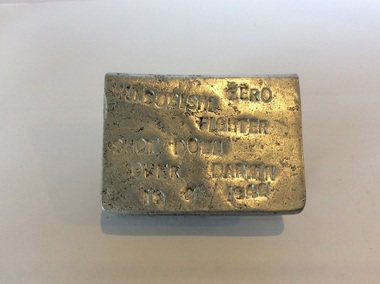
Match box holder, 1942 hand-made
... The raids also tied up anti aircraft defences and air force units that would have otherwise been sent to more forward areas. The Bombing...The raids also tied up anti aircraft defences and air force units that would have otherwise been sent to more forward areas. The Bombing ...Darwin was bombed by Japanese fighter bombers from Feb 1942 until Nov 1943. On 19 February 1942 Darwin itself was bombed. Japanese fighters and bombers attacked the port and shipping in the harbour twice during the day, killing 252 Allied service personnel and civilians. On 3 March Broome, in Western Australia, was strafed. In succeeding months air attacks were made on many towns in northern Australia including Wyndham, Port Hedland and Derby in Western Australia, Darwin and Katherine in the Northern Territory, Townsville and Mossman in Queensland, and Horn Island in the Torres Strait. Despite popular fears these raids were not the precursor to an invasion but they did serve to interrupt the use of Darwin's port facilities. The raids also tied up anti aircraft defences and air force units that would have otherwise been sent to more forward areas. The Bombing of Darwin www.awm.gov.auFolded metal to cover a match box top and bottom and one side. Would leave one side of the box exposed to strike a match. Lettering on top and bottom created by letter punchFront: Zero Mitsubishi Fighter Shot down over Darwin 19/2/1942 Back: From Frank to Dad.ww2, souvenir, darwin -
 National Vietnam Veterans Museum (NVVM)
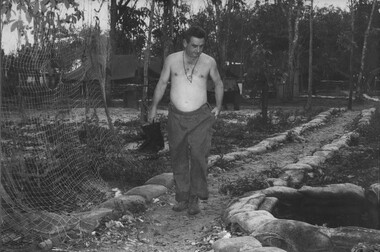
Photograph, Gibbons, Denis, Monsoonal Rain Squall
... up the Gibbons Collection. Photograph 1st ATF Base Nui Dat 2 Field ambulance Capt Jack (The Quack) Blomley Gibbons Collection Catalogue Phuoc Tuy Province Monsoon 1st Australian Task Force Denis Gibbons A black and white photograph - In a monsoonal rain squall at the 1st Australian Task Force Base at Nui Dat, Phuoc Tuy Province, the CO of 2 Field Ambulance Hospital, Capt Jack (The Quack) Blomley, makes the short walk, past the bomb shelter from, his tent to the hospital Monsoonal Rain Squall Photograph Gibbons, Denis ...Denis Gibbons (1937 – 2011) Trained with the Australian Army, before travelling to Vietnam in January 1966, Denis stayed with the 1st Australian Task Force in Nui Dat working as a photographer. For almost five years Gibbons toured with nine Australian infantry battalions, posting compelling war images from within many combat zones before being flown out in late November 1970 after sustaining injuries. The images held within the National Vietnam Veterans Museum make up the Gibbons Collection. A black and white photograph - In a monsoonal rain squall at the 1st Australian Task Force Base at Nui Dat, Phuoc Tuy Province, the CO of 2 Field Ambulance Hospital, Capt Jack (The Quack) Blomley, makes the short walk, past the bomb shelter from, his tent to the hospitalphotograph, 1st atf base, nui dat, 2 field ambulance, capt jack (the quack) blomley, gibbons collection catalogue, phuoc tuy province, monsoon, 1st australian task force, denis gibbons -
 National Vietnam Veterans Museum (NVVM)
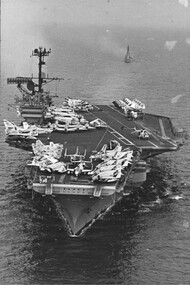
Photograph, Gibbons, Denis, USS Enterprise 2
... up the Gibbons Collection. Photograph USS Enterprise Tonkin Gulf Aircraft Carrier Gibbons Collection Catalogue Denis Gibbons Photographer Vietnam War U.S. 7th Fleet Bombing Raids North Vietnam A black and white photograph of the American aircraft carrier USS Enterprise, on station with the U.S. 7th Fleet in the Tonkin Gulf, North Vietnam. ...Denis Gibbons (1937 – 2011) Trained with the Australian Army, before travelling to Vietnam in January 1966, Denis stayed with the 1st Australian Task Force in Nui Dat working as a photographer. For almost five years Gibbons toured with nine Australian infantry battalions, posting compelling war images from within many combat zones before being flown out in late November 1970 after sustaining injuries. The images held within the National Vietnam Veterans Museum make up the Gibbons Collection.A black and white photograph of the American aircraft carrier USS Enterprise, on station with the U.S. 7th Fleet in the Tonkin Gulf, North Vietnam. Aircraft from the carrier maintained round the clock bombing raids on North Vietnam.photograph, uss enterprise, tonkin gulf, aircraft carrier, gibbons collection catalogue, denis gibbons, photographer, vietnam war, u.s. 7th fleet, bombing raids, north vietnam -
 National Vietnam Veterans Museum (NVVM)
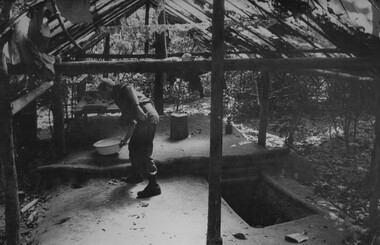
Photograph, Gibbons, Denis, Doctor's Quarters
... up the Gibbons Collection. Photograph 6 RAR/NZ K76A Hospital Operation Marsden Nui May Tao Mountain Gibbons Collection Catalogue Digger Doctor's Quarters NVA Viet Cong Bomb Shelter 6 RAR/NZ (ANZAC) Denis Gibbons A black and white photograph of a Digger checks out the Doctor's Quarters near one the wards at the NVA Viet Cong K76A Hospital on the Nui May Tao Mountain, captured during Operation Marsden by 6 RAR/NZ (ANZAC). ...Denis Gibbons (1937 – 2011) Trained with the Australian Army, before travelling to Vietnam in January 1966, Denis stayed with the 1st Australian Task Force in Nui Dat working as a photographer. For almost five years Gibbons toured with nine Australian infantry battalions, posting compelling war images from within many combat zones before being flown out in late November 1970 after sustaining injuries. The images held within the National Vietnam Veterans Museum make up the Gibbons Collection. A black and white photograph of a Digger checks out the Doctor's Quarters near one the wards at the NVA Viet Cong K76A Hospital on the Nui May Tao Mountain, captured during Operation Marsden by 6 RAR/NZ (ANZAC). Note the bomb shelter under the well kept plastic covered hut.photograph, 6 rar/nz, k76a hospital, operation marsden, nui may tao mountain, gibbons collection catalogue, digger, doctor's quarters, nva viet cong, bomb shelter, 6 rar/nz (anzac), denis gibbons -
 National Vietnam Veterans Museum (NVVM)
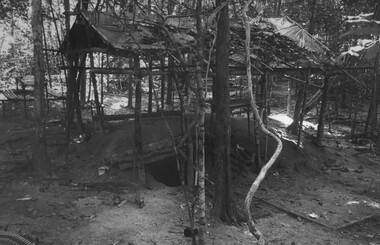
Photograph, Gibbons, Denis, Recreation Area
... up the Gibbons Collection. Photograph 6 RAR/NZ K76A Hospital Nui May Tao Mountain Operation Marsden Gibbons Collection Catalogue NVA/VC 6 RAR/NZ (ANZAC) NVA/VietCong Bomb Shelter Denis Gibbons A black and white photograph of a recreation area near one the wards at the NVA Viet Cong K76A Hospital on the Nui May Tao Mountain captured during Operation Marsden by 6 RAR/NZ (ANZAC). ...Denis Gibbons (1937 – 2011) Trained with the Australian Army, before travelling to Vietnam in January 1966, Denis stayed with the 1st Australian Task Force in Nui Dat working as a photographer. For almost five years Gibbons toured with nine Australian infantry battalions, posting compelling war images from within many combat zones before being flown out in late November 1970 after sustaining injuries. The images held within the National Vietnam Veterans Museum make up the Gibbons Collection. A black and white photograph of a recreation area near one the wards at the NVA Viet Cong K76A Hospital on the Nui May Tao Mountain captured during Operation Marsden by 6 RAR/NZ (ANZAC). Note the bomb shelter under the well kept plastic covered hut.photograph, 6 rar/nz, k76a hospital, nui may tao mountain, operation marsden, gibbons collection catalogue, nva/vc, 6 rar/nz (anzac), nva/vietcong, bomb shelter, denis gibbons -
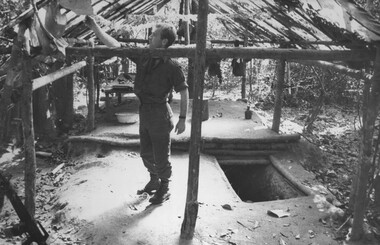 National Vietnam Veterans Museum (NVVM)
Photograph, Gibbons, Denis, Doctor's Quarters
... up the Gibbons Collection. Photograph 6 RAR/NZ K76A Hospital Nui May Tao Mountain Operation Marsden Gibbons Collection Catalogue Digger Doctors Quarters 6 RAR/NZ (ANZAC) NVA/VietCong Denis Gibbons A black and white photograph of a Digger checks out the Doctor's Quarters near one of the wards at the NVA/VietCong K76A Hospital on the Nui May Tao Mountain, captured during Operation Marsden by 6 RAR/NZ (ANZAC). Note the bomb ...Denis Gibbons (1937 – 2011) Trained with the Australian Army, before travelling to Vietnam in January 1966, Denis stayed with the 1st Australian Task Force in Nui Dat working as a photographer. For almost five years Gibbons toured with nine Australian infantry battalions, posting compelling war images from within many combat zones before being flown out in late November 1970 after sustaining injuries. The images held within the National Vietnam Veterans Museum make up the Gibbons Collection.A black and white photograph of a Digger checks out the Doctor's Quarters near one of the wards at the NVA/VietCong K76A Hospital on the Nui May Tao Mountain, captured during Operation Marsden by 6 RAR/NZ (ANZAC). Note the bomb shelter under the well kept plastic covered hut.photograph, 6 rar/nz, k76a hospital, nui may tao mountain, operation marsden, gibbons collection catalogue, digger, doctors quarters, 6 rar/nz (anzac), nva/vietcong, denis gibbons -
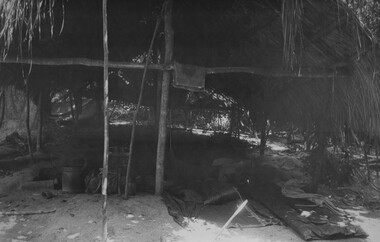 National Vietnam Veterans Museum (NVVM)
Photograph, Gibbons, Denis, CO's Quarters
... up the Gibbons Collection. Photograph 6 RAR/NZ K76A Hospital Nui May Tao Mountain Operation Marsden Gibbons Collection Catalogue NVA/VC 6 RAR/NZ (ANZAC) Commanding Officer NVA/VietCong Bomb Shelter Denis Gibbons A black and white photograph - This hut was believed to be the hospital Commanding Officers quarters at the NVA/VietCong K76A Hospital on the Nui May Tao Mountain, captured during Operation Marsden by 6 RAR/NZ(ANZAC). ...Denis Gibbons (1937 – 2011) Trained with the Australian Army, before travelling to Vietnam in January 1966, Denis stayed with the 1st Australian Task Force in Nui Dat working as a photographer. For almost five years Gibbons toured with nine Australian infantry battalions, posting compelling war images from within many combat zones before being flown out in late November 1970 after sustaining injuries. The images held within the National Vietnam Veterans Museum make up the Gibbons Collection. A black and white photograph - This hut was believed to be the hospital Commanding Officers quarters at the NVA/VietCong K76A Hospital on the Nui May Tao Mountain, captured during Operation Marsden by 6 RAR/NZ(ANZAC). Note the bomb shelter under the well kept plastic covered hutphotograph, 6 rar/nz, k76a hospital, nui may tao mountain, operation marsden, gibbons collection catalogue, nva/vc, 6 rar/nz (anzac), commanding officer, nva/vietcong, bomb shelter, denis gibbons -
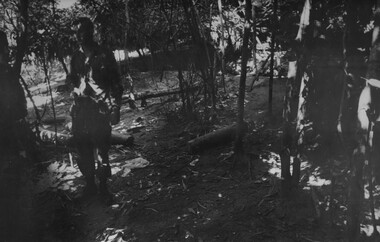 National Vietnam Veterans Museum (NVVM)
Photograph, Gibbons, Denis, Nurse's Quarters
... up the Gibbons Collection. Photograph 6 RAR/NZ K76A Hospital Nui May Tao Mountain Operation Marsden Gibbons Collection Catalogue NVA/VC Diggers Nurse's Quarters 6 RAR/NZ (ANZAC) NVA Viet Cong Bomb Shelter Denis Gibbons A black and white photograph of two Diggers checks out a Nurse's Quarters near the one of the wards at the NVA Viet/Cong K76A Hospital on the Nui May Tao Mountain. captured during Operation Marsden by 6 RAR/NZ (ANZAC). ...Denis Gibbons (1937 – 2011) Trained with the Australian Army, before travelling to Vietnam in January 1966, Denis stayed with the 1st Australian Task Force in Nui Dat working as a photographer. For almost five years Gibbons toured with nine Australian infantry battalions, posting compelling war images from within many combat zones before being flown out in late November 1970 after sustaining injuries. The images held within the National Vietnam Veterans Museum make up the Gibbons Collection.A black and white photograph of two Diggers checks out a Nurse's Quarters near the one of the wards at the NVA Viet/Cong K76A Hospital on the Nui May Tao Mountain. captured during Operation Marsden by 6 RAR/NZ (ANZAC). Note the bomb shelter under the well kept plastic covered hutphotograph, 6 rar/nz, k76a hospital, nui may tao mountain, operation marsden, gibbons collection catalogue, nva/vc, diggers, nurse's quarters, 6 rar/nz (anzac), nva viet cong, bomb shelter, denis gibbons -
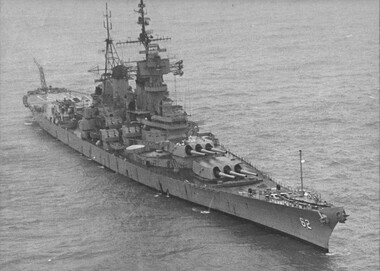 National Vietnam Veterans Museum (NVVM)
Photograph, Gibbons, Denis, USS New Jersey 1
... up the Gibbons Collection. Photograph Tonkin Gulf President Nixon Gibbons Collection Catalogue USS New Jersey Denis Gibbons A black and white photograph of the battleship USS New Jersey refurbished at a cost of US$27 million to engage targets, as far as thirty (30) miles inside North Vietnam. The New Jersey was recommisioned after President Nixon stopped the aerial bombing ...Denis Gibbons (1937 – 2011) Trained with the Australian Army, before travelling to Vietnam in January 1966, Denis stayed with the 1st Australian Task Force in Nui Dat working as a photographer. For almost five years Gibbons toured with nine Australian infantry battalions, posting compelling war images from within many combat zones before being flown out in late November 1970 after sustaining injuries. The images held within the National Vietnam Veterans Museum make up the Gibbons Collection.A black and white photograph of the battleship USS New Jersey refurbished at a cost of US$27 million to engage targets, as far as thirty (30) miles inside North Vietnam. The New Jersey was recommisioned after President Nixon stopped the aerial bombing of the Northphotograph, tonkin gulf, president nixon, gibbons collection catalogue, uss new jersey, denis gibbons -
 National Vietnam Veterans Museum (NVVM)
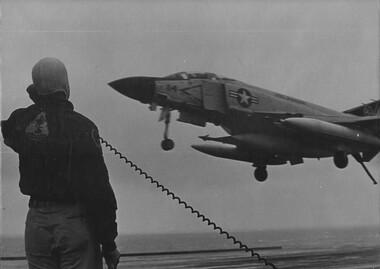
Photograph, Gibbons, Denis, Returning Fighter Bomber
... up the Gibbons Collection. Photograph USS Kitty Hawk Tonkin Gulf 7th Fleet Gibbons Collection Catalogue United States Fighter Bomber Bombing Raids United States Aircraft Carrier North Vietnam Denis Gibbons A black and white photograph of a United States Navy fighter bomber returning from a bombing raid in North Vietnam, lands on the deck of the United States Aircraft Carrier USS Kitty Hawk with the 7th Fleet, Tonkin Gulf, North Vietnam, carriers in the Gulf conducted around the clock missions. ...Denis Gibbons (1937 – 2011) Trained with the Australian Army, before travelling to Vietnam in January 1966, Denis stayed with the 1st Australian Task Force in Nui Dat working as a photographer. For almost five years Gibbons toured with nine Australian infantry battalions, posting compelling war images from within many combat zones before being flown out in late November 1970 after sustaining injuries. The images held within the National Vietnam Veterans Museum make up the Gibbons Collection.A black and white photograph of a United States Navy fighter bomber returning from a bombing raid in North Vietnam, lands on the deck of the United States Aircraft Carrier USS Kitty Hawk with the 7th Fleet, Tonkin Gulf, North Vietnam, carriers in the Gulf conducted around the clock missions.photograph, uss kitty hawk, tonkin gulf, 7th fleet, gibbons collection catalogue, united states fighter bomber, bombing raids, united states aircraft carrier, north vietnam, denis gibbons -
 Narre Warren and District Family History Group
Book, Narre Warren & District Family History Group Inc, Casey Cardinia Collection - Berwick Information File - Volume 1, 2021
... The date the articles were published, and title of articles are listed below. 12 Aug 1992 Beaumont Farm - one of Berwick’s oldest 23 Dec 1992 Berwick’s First Post Master’s Pay was 20 Pound Per Annum 26 May 2004 Roger’s Life was Full of Adventure - Roger Mason 4 Feb 2004 The Bush Man of Berwick - Marcell Fakhry 2 Feb 2005 Ern Bowls for Berwick - Ern Green 10 Nov 2004 Doctor “A Tireless Local Campaigner” - Dr Noel Stephenson 14 May 2008 RSL Paves the Way for memorial Changes 15 Sep 2004 Unit Celebrates 90 Years of History - Red Cross 8 Sep 2004 Red Cross Celebrates 90 Years 4 Aug 2004 Milestone Call from Red Cross 6 Dec 2007 Stalwart Killed in Crash - Murray Guille 13 Dec 2006 Clock Builds Head of Steam - Berwick Steam Clock 5 Aug 1998 Watchdogs of our Heritage - National Trust 6 Sep 2006 Madge’s Magic Number - Madge Dunn 101 18 Apr 2007 A Page of Berwick History - Mechanics Institute 7 Dec 2006 First Wedding in Pioneers Park 7 Dec 2006 Sale of “Kinross” 24 Jun 1993 Fond Recollections of Berwick Grammar School 8 Nov 2006 Historic Property to Join Parkland - Grasmere 20 Feb 1999 In Days of Gold - Edwin Flack 25 Jul 2012 Golden Oldie’s Legend Status - Bob Lay 20 Apr 2004 Prestige Award for Site Saviour - Old Berwick Primary School 20 Apr 2004 Saving School Site for Enterprising Resident - Bill Hudsaon 28 Jun 2000 Edwin Flack: a name on everyone’s lips 24 Mar 1998 Set For Year Ahead - Edwin Flack statue UNKNOWN Games Hero Honored - Edwin Flack 3 Nov 1998 Torch to Light Up Berwick - Olympic torch 3 Nov 1998 “Lion of Athens” Steals the Show - Edwin Flack 3 Nov 1998 Gold Rower’s Precious Metal - Michael Aikman 21 Mar 1991 Whatever Happened to the Evans Sisters? 18 Feb 2002 Darwin is Still Unforgettable - Bombing...The date the articles were published, and title of articles are listed below. 12 Aug 1992 Beaumont Farm - one of Berwick’s oldest 23 Dec 1992 Berwick’s First Post Master’s Pay was 20 Pound Per Annum 26 May 2004 Roger’s Life was Full of Adventure - Roger Mason 4 Feb 2004 The Bush Man of Berwick - Marcell Fakhry 2 Feb 2005 Ern Bowls for Berwick - Ern Green 10 Nov 2004 Doctor “A Tireless Local Campaigner” - Dr Noel Stephenson 14 May 2008 RSL Paves the Way for memorial Changes 15 Sep 2004 Unit Celebrates 90 Years of History - Red Cross 8 Sep 2004 Red Cross Celebrates 90 Years 4 Aug 2004 Milestone Call from Red Cross 6 Dec 2007 Stalwart Killed in Crash - Murray Guille 13 Dec 2006 Clock Builds Head of Steam - Berwick Steam Clock 5 Aug 1998 Watchdogs of our Heritage - National Trust 6 Sep 2006 Madge’s Magic Number - Madge Dunn 101 18 Apr 2007 A Page of Berwick History - Mechanics Institute 7 Dec 2006 First Wedding in Pioneers Park 7 Dec 2006 Sale of “Kinross” 24 Jun 1993 Fond Recollections of Berwick Grammar School 8 Nov 2006 Historic Property to Join Parkland - Grasmere 20 Feb 1999 In Days of Gold - Edwin Flack 25 Jul 2012 Golden Oldie’s Legend Status - Bob Lay 20 Apr 2004 Prestige Award for Site Saviour - Old Berwick Primary School 20 Apr 2004 Saving School Site for Enterprising Resident - Bill Hudsaon 28 Jun 2000 Edwin Flack: a name on everyone’s lips 24 Mar 1998 Set For Year Ahead - Edwin Flack statue UNKNOWN Games Hero Honored - Edwin Flack 3 Nov 1998 Torch to Light Up Berwick - Olympic torch 3 Nov 1998 “Lion of Athens” Steals the Show - Edwin Flack 3 Nov 1998 Gold Rower’s Precious Metal - Michael Aikman 21 Mar 1991 Whatever Happened to the Evans Sisters? 18 Feb 2002 Darwin is Still Unforgettable - Bombing ...Folder containing a table of contents and various newspaper clippings and other information pertaining to the Berwick area Volume 1. The date the articles were published, and title of articles are listed below. 12 Aug 1992 Beaumont Farm - one of Berwick’s oldest 23 Dec 1992 Berwick’s First Post Master’s Pay was 20 Pound Per Annum 26 May 2004 Roger’s Life was Full of Adventure - Roger Mason 4 Feb 2004 The Bush Man of Berwick - Marcell Fakhry 2 Feb 2005 Ern Bowls for Berwick - Ern Green 10 Nov 2004 Doctor “A Tireless Local Campaigner” - Dr Noel Stephenson 14 May 2008 RSL Paves the Way for memorial Changes 15 Sep 2004 Unit Celebrates 90 Years of History - Red Cross 8 Sep 2004 Red Cross Celebrates 90 Years 4 Aug 2004 Milestone Call from Red Cross 6 Dec 2007 Stalwart Killed in Crash - Murray Guille 13 Dec 2006 Clock Builds Head of Steam - Berwick Steam Clock 5 Aug 1998 Watchdogs of our Heritage - National Trust 6 Sep 2006 Madge’s Magic Number - Madge Dunn 101 18 Apr 2007 A Page of Berwick History - Mechanics Institute 7 Dec 2006 First Wedding in Pioneers Park 7 Dec 2006 Sale of “Kinross” 24 Jun 1993 Fond Recollections of Berwick Grammar School 8 Nov 2006 Historic Property to Join Parkland - Grasmere 20 Feb 1999 In Days of Gold - Edwin Flack 25 Jul 2012 Golden Oldie’s Legend Status - Bob Lay 20 Apr 2004 Prestige Award for Site Saviour - Old Berwick Primary School 20 Apr 2004 Saving School Site for Enterprising Resident - Bill Hudsaon 28 Jun 2000 Edwin Flack: a name on everyone’s lips 24 Mar 1998 Set For Year Ahead - Edwin Flack statue UNKNOWN Games Hero Honored - Edwin Flack 3 Nov 1998 Torch to Light Up Berwick - Olympic torch 3 Nov 1998 “Lion of Athens” Steals the Show - Edwin Flack 3 Nov 1998 Gold Rower’s Precious Metal - Michael Aikman 21 Mar 1991 Whatever Happened to the Evans Sisters? 18 Feb 2002 Darwin is Still Unforgettable - Bombing of Darwin 30 Jul 1992 Governor -General tells of exciting plans for Wilson Botanic Park 17 Nov 1998 Lizzie’s Headstone Now in Safe Hands - Lizzie McMullen 20 Oct 2010 Baby Makes Five Generations - Luke Sheean UNKNOWN Mary’s Memorial Garden - Mary Loveridge 31 jan 2001 Mod Cons Shelved at Library - Berwick Mechanics Library 10 Sep 1992 They Read for a Penny at the Berwick Library 14 Feb 2005 Generations of Generosity Pay Off - Berwick Bowling Club 30 Nov 2000 Homestead Celebrates - Edrington Park 20 Jan 2005 Rotary Gives Cemetery a Facelift - Berwick Cemetery 14 Feb 2005 Club Bowled Over by Anniversary Event - Bowling Club 23 Nov 2000 Library Ahead of the Pack 15 Jan 2001 Memorials Documented 7 Jun 2000 Grave Fears Gone - Berwick Cemetery 11 Feb 1993 Dr Percy Langmore a Dedicated Medico to the People 4 Feb 1993 Dr Langmore Used All Modes of Transport to Service Berwick 23 Dec 2003 Cheers All Round for a Special Gift - Old Berwick Primary School 29 Jul 1993 Was Inglis Road the Best Site? 20 Aug 1992 Hovell was our First Explorer 23 Sep 2003 People Power Wins - Old Berwick Primary School UNKNOWN New Building for Berwick Bush Nursing Hospital UNKNOWN Berwick Hospital Two Days After War Declared 7 Jul 1998 A Time Warp in our City - Berwick Library 4 Feb 1953 An Etching Holiday 2 Dec 2002 Literally, She’s a Late Bloomer - Joy Adams 23 Feb 2005 Cricket’s Other Don Offers High Interest - Don Moyes 5 Nov 2003 He Died At Peace - George Wilson 15 Dec 2003 Berwick’s Shelf Life - Berwick Library 29 Oct 1992 They Had a Mighty Good Time on the Gippsland Line 20 May 1993 Almost 150 Years Since the Wilson Family Came to Berwick 30 Jul 1992 Berwick was Once a Quarry Town 27 Sep 1993 The Way We Were UNKNOWN Wilson Botanic Park - pamphlet 11 Nov 2003 Trust’s Honourable Plea - avenue of Honours 15 Jul 2004 “Lions of Athens” Remembered in Print - Edwin Flack Jun 1992 Farm to Quarry to Park - Wilson Botanic Park 5 Sep 2001 Holy Cow! That’s an Awful Lot of Beef - Peter & Chris Wenn 20 Feb 1991 A Brief History of the Show - Berwick Show 25 Feb 1993 Berwick’s Annual Show is Victoria’s Oldest UNKNOWN Berwick Post Office - illustration UNKNOWN Enthusiastic Op Shop Ladies Sold George’s Clothes 12 Jan 2000 Reserve Honors First Settler - Terence O’Connor 17 Sep 2008 From the Past - Berwick Post Office 21 Jul 2004 Simon “a Berwick Icon” - Barry Simon 20 Jul 2004 Mallaby Mourned - George Mallaby 7 Aug 2000 Olympic Torch Relay - pamphlet 22 Jul 2004 Television Favourite Farewelled - George Mallaby UNKNOWN Church Devotee Leaves Powerful Legacy - Olive Ada Meyer 28 Nov 2007 Booked in for Life - Carol Goddard 19 Dec 2007 From the Past - Berwick CFA 22 Oct 2008 Avenue of Heroes Gets a Facelift - Beaconsfield Avenue of Honour 13 Feb 2008 Wilson Park a Berwick Treasure 2 Apr 2008 Time to Restore Our Avenues of Honour 2 Apr 2008 Diggers Finally Able to March with their Medals 5 Sep 2007 Berwick Man Logs 50 Years as Mason - Bruce Luxford 14 Jan 2009 Veteran Volunteer is up for Award - Bert Ainge 25 Feb 2009 A Gem of a Team - Jim & Kay Drysdale 14 Nov 2007 History of Military Action 17 Jan 2007 Club Provides a Legacy for the Ages - Berwick Rotary 18 June 2008 Casey’s “Oldest Resident” Loves a Cup of Tea - Ella Stevens 20 Jun 2006 Council Plans Casey Tribute - Lord & Lady Casey 8 Jul 1993 The Birth of Local Government in 1862 21 Jan 2004 RSL President Hangs up his Slouch Hat - Brain Hetherton 25 Apr 2012 Anzac Spirit Award UNKNOWN Significant Stage in Village Development 23 Mar 2011 Dog’s Crash Course in Values - Doug Nicholls 7 Jan 2004 New Park Reflects the Pioneer Spirit - Pioneer Park 7 Jan 2004 Casey Chief Acquires a Good Reputation - Mike Tyler 7 Jan 2004 Facility is a Tribute to People - Pioneer Park UNKNOWN Former Township Comes of Age - Berwick 31 Mar 2004 Berwick Loses Champion - Ellis Loveridge 30 Jan 2008 Pioneer Honoured - Bruce Greenland 25 Feb 2009 Good Grounds for 90 Years - Cyril Molyneux 3 Dec 2007 Casey Mourns Stella Couple - Murray & Nancy Guille 8 Nov 2004 Tribute to a Local Tennis Ace - Abel Kay 20 Apr 2004 Preserving History 13 Feb 2008 After 40 Years, Les is Still Cutting it Fine - Les Jones 19 Oct 2011 Berwick Library’s Darling - Pam Darling 6 Apr 2011 Sign of the Times - Bank Plaque UNKNOWN Berwick Celebrates Twenty Years - photographic display UNKNOWN Homestead - Cheese Factory - illustration 28 Jan 1993 Time to Reflect - George Pritchard Wilson 14 Apr 2003 A Time to Remember - Horry Heathcote 3 Mar 2003 School is Out for Plans to Buy Site - Berwick Primary School 6 Mar 2003 Barometer Keeps Climbing - Berwick Primary School 23 Jun 2004 Courage to a Tee - Annabel Ford UNKNOWN Old Church of Christ - illustration UNKNOWN Severance Sees Two Municipalities Formed - Berwick/Pakenham 15 Sep 2004 Unit Celebrates 90 Years of History - Red Cross 30 Jan 2008 Life and Times of Akoonah Park 12 May 2010 Teaching with a Twist - John Twist 26 Apr 1969 Lord Casey - the end of an era 30 Aug 1968 78 and He’ll Never Quit - Lord Casey 8 Oct 2003 District Loses a Real Star - Esther Johnson 23 Feb 2005 Tireless Community Worker - Helen Hudson 24 Feb 2005 Helen a Loss to the Community - Helen Hudson Mar 2005 Nursing a Special Affection - RDNS 1 Mar 2005 Nurses Mark 120 Years - RDNS 14 Sep 2005 Old Courthouse Sold 23 Mar 2005 Plaque Recognises the Work of Doctor - Dr Noel Stephenson 30 Nov 2005 Mr Doveton Tells All - Syd Pargeter 28 Nov 2005 Birth of a City - Syd Pargeter 1 Oct 1992 From Cheese to Art to Preserve Our Heritage 15 Feb 2001 Cheese Factory Records Long History UNKNOWN Berwick Old Cheese Factory - pamphlet 4 Jun 2008 Between a Rock and a Hard Place - Wilson Botanic Parknon-fictionberwick (vic.) -
 Bendigo Military Museum
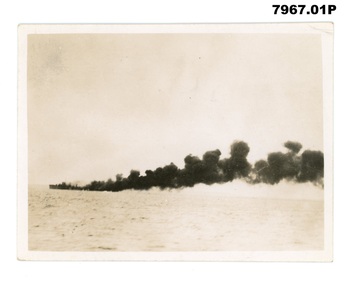
Photograph - ARTHUR GEORGE HOLLEY PHOTOGRAPHIC ALBUM, HMAS Hobart 1942 Battles of the Java Sea
... Because of bomb damage, she was held up and was unable to join the Allied force that was defeated. ...Because of bomb damage, she was held up and was unable to join the Allied force that was defeated. ...Items in the collection relating to ARTHUR GEORGE HOLLEY no 13556 RAN Refer cat no 2134 for his service record. The photographs are from his personal album, and are mainly official photographs widely available among the services. The photographs are from Australian , British and American sources. This set coincides with the Hobart's service around the time of the Battles of the Java Sea. Because of bomb damage, she was held up and was unable to join the Allied force that was defeated. Whilst not taken personally, these photographs do capture some of the events Holley and his Hobart crewmates would have experienced and witnessed.Each description is preceded by an approximate date e.g.1940 06 is June 1940. 1. 1942 02 Dutch destroyer hit Battle of Java Sea.jpg 2. 1942 02 Holley SS Nora Moller ablaze.jpg 3. 1942 02 Japanese attack Feb 1942.jpg 4. 1942 02 Japanese attack Java sea February 1942.jpg 5. 1942 02 Japanese attack on allied fleet Java Sea.jpg 6. 1942 02 Japanese bombing strike force Battle of Java Sea.jpg 7. 1942 02 Java Sea HMS Exeter and Hobart avoiding Japanese bombs.jpg 8. 1942 02 Java Sea HMS Exeter sunk Second Battle of Java Sea.jpg 9. 1942 02 Java Sea Holley HMS Electra sunk first Battle Java Sea.jpg 10. 1942 02 Java Sea Nederlands navy De Ruyter sunk Battle of Java Sea.jpg 11. 1942 02 Java Sea US Destroyers under attack.jpg hmas hobart, arthur george holley ran, battle of the java sea, pacific theatre -
 Bendigo Military Museum
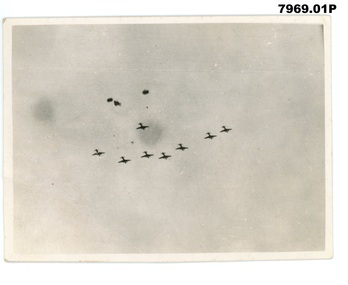
Photograph - ARTHUR GEORGE HOLLEY PHOTOGRAPHIC ALBUM, 10 Photographs HMAS Hobart 1942 Coral Sea and Solomons
... Each description is preceded by an approximate date e.g.1940 06 is June 1940. 1. 1942 05 Coral Sea Japanese aircraft under AA fire.jpg 2. 1942 05 Coral Sea Japanese bombers aircraft under AA fire.jpg 3. 1942 08 HMAS Australia near miss caption three down in that bunch we missed a few.jpg 4. 1942 08 Solomon Islands Hobart white ensign battle flag flying at main mast.jpg 5. 1942 08 Solomons caption a few seconds later another one down this one goes to transports.jpg 6. 1942 08 Solomons caption peaceful and placid waters fury above.jpg 7. 1942 08 Solomons USS Astoria shoots down first high level bomber.jpg 8. 1942 08 Transport on fire off Guadalcanal 9. 1942 08 Solomons American destroyers open up on shore targets.jpg 10. 1942 08 Solomons caption Hobart alters course bombs fall in wake.jpg...HMAS Hobart Arthur George Holley RAN Pacific Theatre Battle of the Coral Sea Solomons Campaign Each description is preceded by an approximate date e.g.1940 06 is June 1940. 1. 1942 05 Coral Sea Japanese aircraft under AA fire.jpg 2. 1942 05 Coral Sea Japanese bombers aircraft under AA fire.jpg 3. 1942 08 HMAS Australia near miss caption three down in that bunch we missed a few.jpg 4. 1942 08 Solomon Islands Hobart white ensign battle flag flying at main mast.jpg 5. 1942 08 Solomons caption a few seconds later another one down this one goes to transports.jpg 6. 1942 08 Solomons caption peaceful and placid waters fury above.jpg 7. 1942 08 Solomons USS Astoria shoots down first high level bomber.jpg 8. 1942 08 Transport on fire off Guadalcanal 9. 1942 08 Solomons American destroyers open up on shore targets.jpg 10. 1942 08 Solomons caption Hobart alters course bombs fall in wake.jpg 10 Photographs HMAS Hobart 1942 Coral Sea and Solomons Photograph ARTHUR GEORGE HOLLEY PHOTOGRAPHIC ALBUM ...Items in the collection relating to ARTHUR GEORGE HOLLEY no 13556 RAN Refer cat no 2134 for his service record. The photographs are from his personal album, and are mainly official photographs widely available among the services. The photographs are from Australian , British and American sources. This set coincides with the Hobart's service around the time of the Battle of the Coral Sea, and her involvement in the Solomons and Guadalcanal landings. Whilst not taken personally, these photographs do capture some of the events Holley and his Hobart crewmates would have experienced and witnessed.Each description is preceded by an approximate date e.g.1940 06 is June 1940. 1. 1942 05 Coral Sea Japanese aircraft under AA fire.jpg 2. 1942 05 Coral Sea Japanese bombers aircraft under AA fire.jpg 3. 1942 08 HMAS Australia near miss caption three down in that bunch we missed a few.jpg 4. 1942 08 Solomon Islands Hobart white ensign battle flag flying at main mast.jpg 5. 1942 08 Solomons caption a few seconds later another one down this one goes to transports.jpg 6. 1942 08 Solomons caption peaceful and placid waters fury above.jpg 7. 1942 08 Solomons USS Astoria shoots down first high level bomber.jpg 8. 1942 08 Transport on fire off Guadalcanal 9. 1942 08 Solomons American destroyers open up on shore targets.jpg 10. 1942 08 Solomons caption Hobart alters course bombs fall in wake.jpghmas hobart, arthur george holley ran, pacific theatre, battle of the coral sea, solomons campaign -
 Sunshine and District Historical Society Incorporated
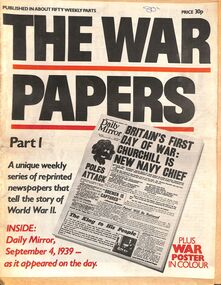
Newspaper - The War Papers, 1976 - 1978
... Told 2765.52 - The War Papers - Link-Up 2765.53 - The War Papers - Hitler Dead, German Radio Tells World 2765.54 - The War Papers - VE Day 2765.55 - The War Papers - The Government Resigns 2765.57 - The War Papers - The Bomb That Has Changed The World 2765.58 - The War Papers - The Index Part 1 To 57 2765.59 - The War Papers - Twelve Evil Men To Hang 2765.60 - The War Papers - The Hitler Dossier 2765.64 - The War Papers - Forgotten Men...Told 2765.52 - The War Papers - Link-Up 2765.53 - The War Papers - Hitler Dead, German Radio Tells World 2765.54 - The War Papers - VE Day 2765.55 - The War Papers - The Government Resigns 2765.57 - The War Papers - The Bomb That Has Changed The World 2765.58 - The War Papers - The Index Part 1 To 57 2765.59 - The War Papers - Twelve Evil Men To Hang 2765.60 - The War Papers - The Hitler Dossier 2765.64 - The War Papers - Forgotten Men Part collection of 90 weekly parts of the reprinted New Chronicle Newspapers from WW2 1976 - 1978 Newspaper The War Papers ...Part collection of 90 weekly parts of the reprinted New Chronicle Newspapers from WW2 1976 - 1978world war 1914 - 1918
