
Showing 38 items matching "dangers of the air"
-
 Moorabbin Air Museum
Book - Pilot training - general aviation, Stick and Rudder An Explanation of the Art of Flying
... ...Dangers of the air...Pilot training - general aviation Wings Controls Air sense Basic maneuvers Getting down Dangers of the air Analyses of the art of flying, circa 1944 ( renewed in 1972) Stick and Rudder An Explanation of the Art of Flying Book Pilot training - general aviation ...Analyses of the art of flying, circa 1944 ( renewed in 1972)non-fictionAnalyses of the art of flying, circa 1944 ( renewed in 1972)wings, controls, air sense, basic maneuvers, getting down, dangers of the air -
 Returned Nurses RSL Sub-branch
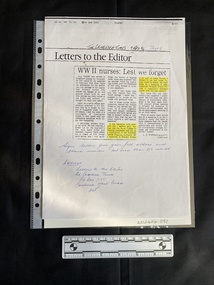
Newspaper - Photocopy of newspaper clipping, [The Canberra Times], WWII nurses: Lest we forget, [9 Apr 96]
... The writer commends Australian nurses who shared in the danger of air and ground attacks in Singapore by the Japanese in 1942. ...The writer commends Australian nurses who shared in the danger of air and ground attacks in Singapore by the Japanese in 1942. ...The letter to editor is written from L. D. Emerson-Elliot. The writer commends Australian nurses who shared in the danger of air and ground attacks in Singapore by the Japanese in 1942. They go on to detail the a particular incident when the ship they were on was under heavy air attack. The captain sent them to check on the nurses and their charges. Through the horror of blasted metal, blood and shattered bodies the nurses were quietly and steadfastly continuing their work. The writer states that Sister Anderson received the George Medal for that day, but that they believe that all nurses who have served in wars deserve a memorial. They had heard that a submission was made for a memorial for military nurses on Anzac Parade, Canberra, but that for almost a year nothing had happened.Photocopied news paper clipping of a letter to the editor consisting of three columns of text under a title'009/04 '96 11:00 [phone symbol] 06 266 4982 DGAFHS [symbol] 002' [typed/printed before photocopied, along top] 'THE CANBERRA TIMES 9 APR 96' [written before photocpied, centre top] 'Page 8' [blue ink top, following photocopied writing' [paragraph at the end of the second column and beginning of the third column is highlighted, yellow ink] 'Sign letter, give your full address and . / phone number. Not more than 250 words' [blue ink, centre below clipping] 'Address' [underlined, blue ink, bottom left] 'Letters to the Editor / The Canberra Times / PO Box 7155 / Canberra Mail Centre / ACT' [blue ink, bottom left]ww2, wwii, mv empire star, captain capon, sister anderson, royal college of nursing australia, national capital planning authority, charnwood -
 Federation University Historical Collection
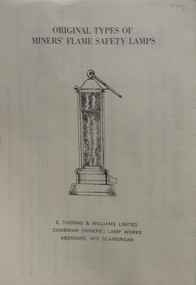
Mining Lamp, E. Thomas and Williams Ltd, Welsh Mining Lamp
... danger. It ensures the burning of a protected flame in the presence of explosive gas, by regulating the necessary supply of atmospheric air, and by allowing the products of combustion to pass through without igniting the gaseous atmosphere. ...danger. It ensures the burning of a protected flame in the presence of explosive gas, by regulating the necessary supply of atmospheric air, and by allowing the products of combustion to pass through without igniting the gaseous atmosphere. ...This lamp is typical of lamps used in Welsh Coal Mines. It was purchased from the supplier around mid 1995. The Welsh Miners’ Lamps were ingeniously designed over 180 years ago to alert coal miners to danger. It ensures the burning of a protected flame in the presence of explosive gas, by regulating the necessary supply of atmospheric air, and by allowing the products of combustion to pass through without igniting the gaseous atmosphere. If the atmosphere is so heavily charged that noxious gas enters the lamp, its presence will be indicated by a change in the length and color of the flame, and (unless there are exceptional circumstances), the miner has sufficient warning to secure his safety. (http://www.welshminerslamps.com/info_lamp_personaluse.shtml, accessed 06/05/2015) E. Thomas & Williams, Ltd. mining lamps have been in continuous production since 1860. Cambrian Lamps are approved for use in coal mines where methan gas and oxygem deficinecy are hazards.Solid Brass traditional miners Flame Safety Lamp with Copper Chimney. The base of this lamp is tooled from solid brass because brass does not spark when it hits rock and is therefore the safest metal to use underground. The lamp burns lamp oil (kerosene). R. Thomas and Williams Ltd Makers Aberdare Wales Cambrian No 152897mining lamp, miner's lamp, thomas and williams, wales, welsh, welsh miners lamp, mining, cambrian lampworks, miners flame safety lamps -
 Federation University Historical Collection
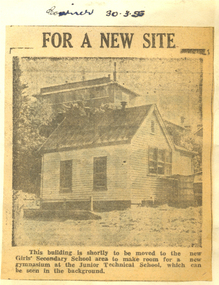
Book - Scrap Book, Ballarat School of Mines Scrap Book, 1954-1957, 1954-1957
... Danger in Vale Park 1954 - retirement of William J. Paterson from the staff of the Ballarat Junior Technical School 1954 - First pottery exhibition, featuring local clays. 1954 - New Technical school start in Ballarat North 1955 - Removal of caretaker's Cottage 1955 - Air Training Corps Cadets 1955 - Fluoridation 1955 - I.G. ...Danger in Vale Park 1954 - retirement of William J. Paterson from the staff of the Ballarat Junior Technical School 1954 - First pottery exhibition, featuring local clays. 1954 - New Technical school start in Ballarat North 1955 - Removal of caretaker's Cottage 1955 - Air Training Corps Cadets 1955 - Fluoridation 1955 - I.G. ...The Ballarat School of Mines was the first school of mines in AustraliaA scrapbook of news clippings relating to the Ballarat School of MInes, including: 1954 - Barry Singleton 1954 - Neville Bunning 1954 - Victor Greenhalgh and his sculpture of King George V 1954 - Road Deviation in Hickman Street near White Flat 1954 - John Skuka naturalisation 1954 - Fire Danger in Vale Park 1954 - retirement of William J. Paterson from the staff of the Ballarat Junior Technical School 1954 - First pottery exhibition, featuring local clays. 1954 - New Technical school start in Ballarat North 1955 - Removal of caretaker's Cottage 1955 - Air Training Corps Cadets 1955 - Fluoridation 1955 - I.G. Witcher 1955 - Graham Willey, football 1955 - Image of L. Wilson, head teacher of the Ballarat North Technical School 1955 - Ballarat Girls' Technical School takes shape at White Flat. 1955 - Ballarat Junior Technical School Pine Plantation at Nerrina 1955 - Lake water test by W.G. Cornell 1955 - John Rowell 1956 - Geoffrey Mainwarring painting Lieutenant F.A. Reiter 1956 - Pittong Mine 1956 - Atom Bombs and rain 1956 - Ballarat Gaol and the Ballarat School of MInes 1956 - William Paterson and A.W. Steane of the Ballarat Junior Technical School 1957 - Ballarat "Junior Tech" Has a Bright History 1957 - Brelaz Scholarship for School of Mines (scrap book, ballarat school of mines, ballarat gaol, nerrina, caretaker's cottage, geoffrey mainwarring, gymnasium, noel flood, neville bunning, art lending library -
 Phillip Island and District Historical Society Inc.
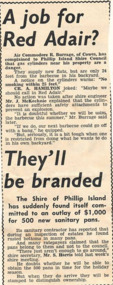
Newspaper cutting, 19/12/1968
... Air Commodore R Burrage, of Cowes, is complaining about the gas cylinders near his property may be a danger. 2. ...Air Commodore R Burrage, of Cowes, is complaining about the gas cylinders near his property may be a danger. 2. ...Articles from a collection of newspaper cuttings from October 1968 to July 1971Two articles. 1. Air Commodore R Burrage, of Cowes, is complaining about the gas cylinders near his property may be a danger. 2. The Shire of Phillip Island is needing to replace the rusting sanitary pans at an outlay of $1,000 for 500 new sanitary pans.phillip island, shire of phillip island, gas cylinders, sanitary pans, air commodore r burrage, cr a hamilton, mr s harris -
 Australian Commando Association - Victoria
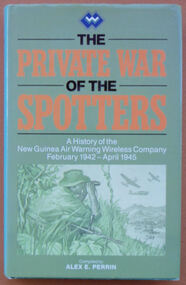
Book, The Private War of the Spotters: A history of the New Guinea Air Warning Wireless Company, February 1942-April 1945
... air warning in Papua, when spotters at Tufi saw Japanese aircraft about to attack Port Moresby for the first time. The following month the company was responsible for the first Japanese killed in action in Papua by Australian ground forces, when spotters from Gona engaged the crew of a downed Japanese bomber. And in July 1942 the station at Buna signalled Port Moresby with news of the Japanese landings in Papua, marking the beginning of the Kokoda campaign. The dangers ...The history of the New Guinea Air Warning Wireless Company. This reprinted version contains a map of the dispositions of Spotting Stations August 1943, additional MID awards listed and some additions to the nominal roll. The New Guinea Air Warning Wireless Company was formed in Port Moresby in late January 1942 and was granted “Separate Independent Establishment” status in October 1943. The company’s “founding father” was Major Don Small, who had witnessed Japanese air raids on Rabaul and realised that having lacked an effective early-warning system around New Britain meant that the defenders were taken by surprise. At the time, gaps had also appeared in the coast-watching communications network because the territory administration ordered the withdrawal of civilian wireless operators when Japan entered the war. The first influx of men into the company consisted largely of volunteers from the 39th Infantry Battalion, which was stationed at Port Moresby. Initial training was rudimentary, hasty, and was sometimes even carried out on en route to a new station. The first party of company personnel, or “spotters”, left Port Moresby as early as 1 February 1942, bound for the strategically important Samarai area, at the tip of Papua. In the first month of the company’s existence 16 spotter stations were established on the coast of Papua and in the mountains around Port Moresby. At the end of 1942 there were 61 operational stations being run by 180 men. The company’s high-water mark was in late 1944, by which time over 150 stations had been set up in Papua and New Guinea behind enemy lines. On 3 February 1942 the company issued its first air warning in Papua, when spotters at Tufi saw Japanese aircraft about to attack Port Moresby for the first time. The following month the company was responsible for the first Japanese killed in action in Papua by Australian ground forces, when spotters from Gona engaged the crew of a downed Japanese bomber. And in July 1942 the station at Buna signalled Port Moresby with news of the Japanese landings in Papua, marking the beginning of the Kokoda campaign. The dangers involved in the company’s work had also been made clear by this time. In July 1942 a party of spotters attempting to set up a station at Misima Island, off Milne Bay, was intercepted by a Japanese destroyer, resulting in the company’s first operational losses. Anticipating the direction of the campaign as a whole, the company’s focus moved north and north-west over the three years of its existence. In May 1942 a network was set up in the Wau area in association with the activities of Kanga Force. As part of the Wau network, spotter Ross Kirkwood audaciously constructed an observation post overlooking the Japanese airstrip at Salamaua. Kirkwood’s position was photographed by Damian Parer on the understanding that the pictures would not be published. They nevertheless appeared in a Sydney newspaper. The day after the publication of the photographs the observation post was attacked by the Japanese and Kirkwood was lucky to escape. In June 1944 the company’s headquarters were moved to Nadzab. By that time, spotter stations existed behind Japanese lines, as far north as Hollandia, and the company began to train Americans to perform similar work in the Philippines. In early 1945 the company moved to Balcombe, Victoria, where its members were posted to other units of the Australian Corps of Signals.gray plasticnon-fictionThe history of the New Guinea Air Warning Wireless Company. This reprinted version contains a map of the dispositions of Spotting Stations August 1943, additional MID awards listed and some additions to the nominal roll. The New Guinea Air Warning Wireless Company was formed in Port Moresby in late January 1942 and was granted “Separate Independent Establishment” status in October 1943. The company’s “founding father” was Major Don Small, who had witnessed Japanese air raids on Rabaul and realised that having lacked an effective early-warning system around New Britain meant that the defenders were taken by surprise. At the time, gaps had also appeared in the coast-watching communications network because the territory administration ordered the withdrawal of civilian wireless operators when Japan entered the war. The first influx of men into the company consisted largely of volunteers from the 39th Infantry Battalion, which was stationed at Port Moresby. Initial training was rudimentary, hasty, and was sometimes even carried out on en route to a new station. The first party of company personnel, or “spotters”, left Port Moresby as early as 1 February 1942, bound for the strategically important Samarai area, at the tip of Papua. In the first month of the company’s existence 16 spotter stations were established on the coast of Papua and in the mountains around Port Moresby. At the end of 1942 there were 61 operational stations being run by 180 men. The company’s high-water mark was in late 1944, by which time over 150 stations had been set up in Papua and New Guinea behind enemy lines. On 3 February 1942 the company issued its first air warning in Papua, when spotters at Tufi saw Japanese aircraft about to attack Port Moresby for the first time. The following month the company was responsible for the first Japanese killed in action in Papua by Australian ground forces, when spotters from Gona engaged the crew of a downed Japanese bomber. And in July 1942 the station at Buna signalled Port Moresby with news of the Japanese landings in Papua, marking the beginning of the Kokoda campaign. The dangers involved in the company’s work had also been made clear by this time. In July 1942 a party of spotters attempting to set up a station at Misima Island, off Milne Bay, was intercepted by a Japanese destroyer, resulting in the company’s first operational losses. Anticipating the direction of the campaign as a whole, the company’s focus moved north and north-west over the three years of its existence. In May 1942 a network was set up in the Wau area in association with the activities of Kanga Force. As part of the Wau network, spotter Ross Kirkwood audaciously constructed an observation post overlooking the Japanese airstrip at Salamaua. Kirkwood’s position was photographed by Damian Parer on the understanding that the pictures would not be published. They nevertheless appeared in a Sydney newspaper. The day after the publication of the photographs the observation post was attacked by the Japanese and Kirkwood was lucky to escape. In June 1944 the company’s headquarters were moved to Nadzab. By that time, spotter stations existed behind Japanese lines, as far north as Hollandia, and the company began to train Americans to perform similar work in the Philippines. In early 1945 the company moved to Balcombe, Victoria, where its members were posted to other units of the Australian Corps of Signals.world war ii, special operations, new guinea, new guinea air warning wireless company -
 Flagstaff Hill Maritime Museum and Village
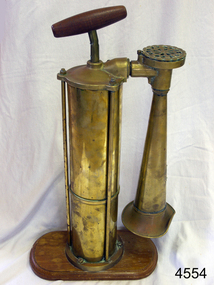
Equipment - Foghorn, 20th century
... dangers, hazards and the presence of other vessels in fog conditions. The foghorn signal is a series of long and short sounds with short or long pauses between them. These common signals conform to a code called the International Regulations for Preventing Collisions at Sea and provide such information as whether the vessel is under sail or motor, large or small, aground or at anchor. The designs of foghorns vary but they all use a column of air...dangers, hazards and the presence of other vessels in fog conditions. The foghorn signal is a series of long and short sounds with short or long pauses between them. These common signals conform to a code called the International Regulations for Preventing Collisions at Sea and provide such information as whether the vessel is under sail or motor, large or small, aground or at anchor. The designs of foghorns vary but they all use a column of air ...A marine foghorn gives an audible navigational signal to warn vessels of dangers, hazards and the presence of other vessels in fog conditions. The foghorn signal is a series of long and short sounds with short or long pauses between them. These common signals conform to a code called the International Regulations for Preventing Collisions at Sea and provide such information as whether the vessel is under sail or motor, large or small, aground or at anchor. The designs of foghorns vary but they all use a column of air to make a loud sound. Some use vibrating plates or metal reeds, others force air through holes in a revolving cylinder or disc, sounding like a siren, and some use a clockwork mechanism to open the valves that let the air into the horn. They are usually built to meet particular specifications e.g. U.S.C.G. (US Coast Guard). This Tyfon plunger foghorn has a horizontal handle attached to a vertical rod that moves up and down inside a cylinder. When the handle is plunged down, in a similar way to a bicycle pump, the air is forced out of the bottom of the cylinder into a pipe with a bell-shaped horn on the end, making a loud, low sound. The wider base of the cylinder helps to keep it stable. The original type Tyfon foghorns were manufactured in about 1910 by Kochums Mechanical Workshop (Kockums Mechanical Werkstad, Ltd.), Malmo, Sweden. The company was established in 1840, became a Limited company in 1866, and established a shipyard at the Port of Malmo, Sweden, in 1870. The civilian ship production in Malmo ceased in 1987. As well as building ships the company built large industrial and agricultural machinery and maritime goods.this replica foghorn represents the design of a Swedish, Tyfon model 1910. It is an example of the type of safety equipment used on marine vessels to signal other vessels and signal to land. Replica foghorn; portable marine, plunger operation. It has a brass cylinder and adjustable brass horn. The plunger handle and base are wooden. Inscriptions are on the plaque on the horn and moulded into the air intake. Facsimile of a Kockums of Malmo, Sweden, Tyfon model 1910 Fog Horn.Impressed into the attached plaque "KOCKUMS MLK. VERKSTAD / MALMO SWEDEN" and "TRADE TYFON MARK" Also added to the plaque individually "288938" Molded around the circumference of the air intake "TYFON PATENT"flagstaff hill, warrnambool, shipwrecked coast, flagstaff hill maritime museum, maritime museum, shipwreck coast, flagstaff hill maritime village, great ocean road, foghorn, fog horn, tyfon foghorn, kockums mlk verkstad, malmo sweden, replica, warning signal, safety equipment, ship's equipment -
 Kiewa Valley Historical Society
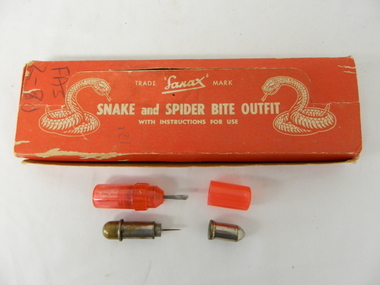
Box First Aid, Snake and Spider Outfit, Circa 1940's
... This item is of significance because it demonstrates the main dangers faced by all rural industries and towns, especially remote areas, and the portable remedies that where required as a necessity of the Australian bush environment. This item was in use at a time when the air ...At the time of manufacture, circa 1940's, the first aid treatment for snake bites, was to lance(cut) open the bite, wash it out and apply a ligature or tourniquet between the bite and the heart. This method was abandoned later after scientific evidence suggested that it was better to stop the blood system from carrying the poison to the heart (pressure immobilization). Australian snakes do not have long fangs therefore deep incisions into main arteries is rare. This research took many years to develop therefore the information supplied with the "Sanax" kits of this era is well outdated. Rural areas were more attuned to the possibilities of snake activity on farms, in sheds and in out houses and farm homesteads. This was not the case for mainly city and large townships environments. The mice plagues in wheat areas during the warmer month s has always been a high risk time for encountering snakesThese snake bite kits were issued to workers on the Kiewa Hydro Electricity Scheme. Some of these snake bite kits were kept at doctor's surgeries e.g. Bogong Village, House 13. The kit was carried by bushwalkers, scouts, farmers and high plains cattlemen. This item is of significance because it demonstrates the main dangers faced by all rural industries and towns, especially remote areas, and the portable remedies that where required as a necessity of the Australian bush environment. This item was in use at a time when the air ambulance and rescue facilities were not in existence and remote locations were more isolated and the availability of anti venom was hard to obtain locally.This item is a red coloured cardboard box(250 - 300 g/m) with white writing and containing the following 12 items. 7 clear red coloured capsules, 2 opaque red plastic capsules, 2 wooden capsules and 1 brass screw on capsule. The capsules are divided into two sections (compartments) horizontally. Each compartment has a screw lid. One compartment contains a lancet (for piercing the snake bite) and the other compartment contains the "Condy's" crystals compete with tightly rolled instructions.On top of the pull up lid, and flanked by two coiled snakes (at the strike position) is printed: "Trade Sanax Mark" below this " SNAKE and SPIDER BITE OUTFIT" and below this with instructions for use". Front side: "Sanax snake and spider bite outfit" underneath "Nepean Highway Morabbin" The later printing has been severely scratched but decipherable. The back side of the box has "Note to the retailer" and due to wear no more of the writing can be read. Each side of the box is printed "SANAX" snake, spider, first aid, kiewa hydro scheme, portable medical supplies -
 J. Ward Museum Complex
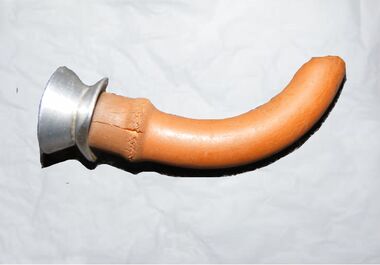
Functional object - Hewitt's Airway, Unknown
... air-way’. In 1890, Frederic Hewitt noted the frequency and danger of upper airway obstruction. ...air-way’. In 1890, Frederic Hewitt noted the frequency and danger of upper airway obstruction. ...Hewitt’s airway was the first known oral airway and laid the foundations for the numerous other airways that were later developed. The development of the oropharyngeal airway is one of the lesser-acknowledged advances in anaesthesia. Oral airways made anaesthesia safer and significantly reduced the trauma associated with earlier attempts at managing the obstructed airway. The Hewitt Airway – the first known artificial oral ‘air-way’. In 1890, Frederic Hewitt noted the frequency and danger of upper airway obstruction. In 1908, dissatisfied with the use of tongue forceps and that Esmarch’s maneuver sometimes failed, he described the first oropharyngeal airway, the Hewitt Airway. The tube was less than 8 cm long, ideally connecting the oral opening to the hypopharynx. The Hewitt Airway was the foundation for many subsequent oropharyngeal airway designs.The oropharyngeal airway is significant because of its lesser acknowledged advances in anaesthesia.Round metal tube with a brown rubber tubing sleeve around the outside.medical health, anaesthesia -
 Bendigo Historical Society Inc.
Document - MARKS COLLECTION: CODE OF SIGNALS FOR MINES CHART
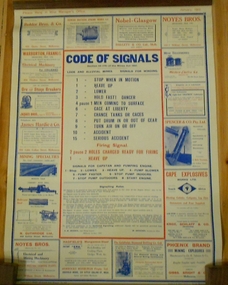
... 'Code of Signals, Section 45 (19) of the Mines Act 1961. lode and alluvial mines, signals for winding' Signals: 1 stop when in motion, 1 heave up, 2 lower, 3 hold fast danger, 4 pause men coming to surface, 6 cage at liberty, 7 change tanks or cages, 8 put drum in or out of gear, 9 turn air on or off, 10 accident, 15 serious accident. ...'Code of Signals, Section 45 (19) of the Mines Act 1961. lode and alluvial mines, signals for winding' Signals: 1 stop when in motion, 1 heave up, 2 lower, 3 hold fast danger, 4 pause men coming to surface, 6 cage at liberty, 7 change tanks or cages, 8 put drum in or out of gear, 9 turn air on or off, 10 accident, 15 serious accident. ...Poster, printed on coated fabric, wooden hanger on top. Yellow background, printed in red and blue. 'Code of Signals, Section 45 (19) of the Mines Act 1961. lode and alluvial mines, signals for winding' Signals: 1 stop when in motion, 1 heave up, 2 lower, 3 hold fast danger, 4 pause men coming to surface, 6 cage at liberty, 7 change tanks or cages, 8 put drum in or out of gear, 9 turn air on or off, 10 accident, 15 serious accident. Also lists firing signals. Advertisements for suppliers to mining companies around border of poster. E.g. Jaques Bros., Engineers, Coppin Street, Richmond, Melbourne. Ore and Stone Breakers manufactured in various sizes (has illustration of machine). James Hardie & Co., 581 Little Collins Street, Melbourne. Necessaries for success in mining enterprises are: Dick's original balata belting to drive your machinery with; Genuine Dodge wood split pulleys on the shafting, and fibro ciment(sic) sheets to protect you from fire. These sheets are also acid-proof.bendigo, mining, code of signals -
 Bendigo Historical Society Inc.
Document - CODE OF SIGNALS FOR ENGINE ROOM IN MINE
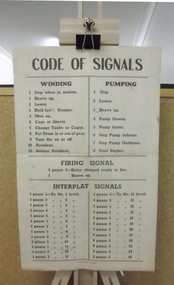
... Danger, 4 Men on, 6, Cage at liberty, 7 Change Tanks or Cages, 8 Put drum in or out of gear, 9 Turn Air on or off, 10 Accident, 15 Serious Accident. ...Danger, 4 Men on, 6, Cage at liberty, 7 Change Tanks or Cages, 8 Put drum in or out of gear, 9 Turn Air on or off, 10 Accident, 15 Serious Accident. ...Heavy card sign printed in black. Code of Signals, including winding, pumping, interplat signals. Firing Signal printed across middle of sign. Winding signals: 1 Stop when in motion, 1 Heave up, 2 Lower, 3 Hold fast! Danger, 4 Men on, 6, Cage at liberty, 7 Change Tanks or Cages, 8 Put drum in or out of gear, 9 Turn Air on or off, 10 Accident, 15 Serious Accident. Firing Signal 4 pause 3 - holes charged ready to fire, 1 Heave up.Boltons Print, Bendigobendigo, mining, code of signals -
 Bendigo Historical Society Inc.
Document - ALBERT RICHARDSON COLLECTION: FORTUNA HUSTLERS MINE
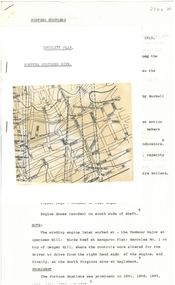
... air compressor, boilers, baling tanks, poppet legs, engine house. The winding engine later worked at the Tambour Major at Specimen Hill; Birds Reef at Kangaroo Flat, Hercules No. 1 on top of Danger Hill and the North Virginia mine at Eaglehawk....air compressor, boilers, baling tanks, poppet legs, engine house. The winding engine later worked at the Tambour Major at Specimen Hill; Birds Reef at Kangaroo Flat, Hercules No. 1 on top of Danger Hill and the North Virginia mine at Eaglehawk. ...Two-page document with location map. The Fortuna Hustlers Gold mine was located close to the railway goods shed (Discovery Centre location) in an area occupied by Buckell and Jeffrey's office and yards. (now carpark of Marketplace shopping centre). It commenced operation in August 1888 and closed in December 1913.The depth of the shaft was 2,240ft. Features of the plant described are: the winding engine, the air compressor, boilers, baling tanks, poppet legs, engine house. The winding engine later worked at the Tambour Major at Specimen Hill; Birds Reef at Kangaroo Flat, Hercules No. 1 on top of Danger Hill and the North Virginia mine at Eaglehawk.bendigo, mining, fortuna hustlers mine -
 Bendigo Historical Society Inc.
Document - DRAINAGE PROBLEMS - ELLENBOROUGH FLOODED
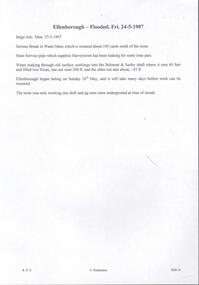
... air-compressor. It can be driven at full power with a pressure of 351bs of steam, with the engine wheel moving at the rate of 220 revolutions per minute; the battery wheel makes 850 revolutions. The plant occupies very little space. The battery is a to-light machine; that is, it can supply sufficient electricity for 35 lights. Whether there is only one light burning or 35, there is no necessity to alter the machine or the speed, and there is no danger...air-compressor. It can be driven at full power with a pressure of 351bs of steam, with the engine wheel moving at the rate of 220 revolutions per minute; the battery wheel makes 850 revolutions. The plant occupies very little space. The battery is a to-light machine; that is, it can supply sufficient electricity for 35 lights. Whether there is only one light burning or 35, there is no necessity to alter the machine or the speed, and there is no danger ...The Ellenborough mine was located on Snob's Hill in Eaglehawk, near Bendigo, Victoria, Australia. It was a notable mine operating on the New Chum line of reef in the Eaglehawk District. The Ellenborough Mine was the first mine in the world to use electricity to light above and underground. On 12th October 1882, the installation of the lighting system was completed by the Australian Electric Light Company. 'The whole of the levels and back have been lighted so that candles have been dispensed with ....the engine house, blacksmith''s shop and brace are also lighted at night' (Bendigo Advertiser, 13th October, 1882). 'The electricity is generated in an ordinary electric battery placed in the engine-house, and driven by a three horse power " Soho" engine. This engine is supplied with steam by a pipe leading from the steam pipe used to supply the air-compressor. It can be driven at full power with a pressure of 351bs of steam, with the engine wheel moving at the rate of 220 revolutions per minute; the battery wheel makes 850 revolutions. The plant occupies very little space. The battery is a to-light machine; that is, it can supply sufficient electricity for 35 lights. Whether there is only one light burning or 35, there is no necessity to alter the machine or the speed, and there is no danger of one light becoming too powerful because all the rest are put out. There is no danger, as many people suppose, in taking hold of the wires, even if uncovered, for the engineer last evening plainly demonstrated that where the shock was greatest it was very mild, and could hardly be felt'.Handwritten copy of a report in the Bendigo Advertiser 24/5/1907. ''Serious break in Water Main which is situated about 100 yards south of the mine. Main service pipe which supplies Harvey town has been leaking for some time past. Water soaking through old surface workings into the Belmont and Saxby shaft where it rose 60 feet and filled two x-cuts, one out west 208 ft, and the other out east about 45 ft. Ellenborough began baling on Sunday 26th May, and it will take many days before work can be resumed. The mine was only working one shift and no men were underground at time of in rush''. Document from Albert Richardson Collection of mining history.document, gold, drainage problems, ellenborough flooded, bendigo advertiser, 27/5/1907, harveytown, belmont & saxby, ellenborough, albert richardson, electricity -
 Bendigo Historical Society Inc.
Newspaper - LONG GULLY HISTORY GROUP COLLECTION: CORNISHMAN'S DAY AT SPARROWHAWK
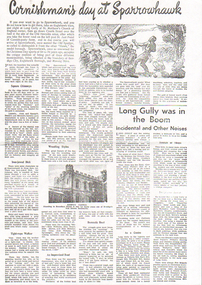
... BENDIGO History long gully history group The Long Gully History Group - Cornishman's Day at Sparrowhawk St Mathew's Church of England Old Hercules Mine St Just Point Old Spadger Bendigo City Eaglehawk Borough Marong Shire Liddell's Cook and Spargo's Deeble's Edward's Iron-jawed Dick Dooley Dick Tom the Scientist Jack the local Blondin Jumbo the whistling butcher boy Larry Adler Dick Davey's pub Billy Williams Billy Couch Billy Martin Billy Nicholas The Midway Victorian Consuls The Gold Mines (Ironbark Company) Old Hercules Kent (Carlisle) Paddy's Bull of a whistle Cornish United Kock's Poineer Old Alabama (Hustlers and Redan) Happy Valley Moonta Speck Gully St Just Point Derwent Gully Pinchgut American Gully Victoria Hill Rae's Hill Danger Hill Windmill Hill Redan Hill Comet HIll Comet Mine Halley's Comet Pengelly's (now Truscott's) Stamp's (later Lewis and Dunstan's) Hattam's (later Semmen's) Bamford's Drapery Cooperative Store Weller's butcher shop Ebbott's coach factory (later Payne's) Philpot's Shoeing Forge Dennis's mining smithy Stoppelbein's tinsmith shop Wallace's bakery (later Malcolm's) Connell's bakery Fire Brigade Knipe's Castle Copy of a newspaper page titled Cornishman's day at Sparrowhawk. Also a smaller article titled Long Gully was in the Boom. There is a photo of Knipe's Castle and a sketch of a wrestler throwing another wrestler in the air ...Copy of a newspaper page titled Cornishman's day at Sparrowhawk. Also a smaller article titled Long Gully was in the Boom. There is a photo of Knipe's Castle and a sketch of a wrestler throwing another wrestler in the air. Mentioned in the articles are the pyrite burners chimneys, local indenties, wrestlers, the mines, the gullies, hills, housess shops and businesses, and Fire Brigade practice sports on Christmas morning. Item 11010.140b is an enlargement of Knipe's Castle scanned at a dpi of 1200.bendigo, history, long gully history group, the long gully history group - cornishman's day at sparrowhawk, st mathew's church of england, old hercules mine, st just point, old spadger, bendigo city, eaglehawk borough, marong shire, liddell's, cook and spargo's, deeble's, edward's, iron-jawed dick, dooley dick, tom the scientist, jack the local blondin, jumbo the whistling butcher boy, larry adler, dick davey's pub, billy williams, billy couch, billy martin, billy nicholas, the midway, victorian consuls, the gold mines (ironbark company), old hercules, kent (carlisle), paddy's bull of a whistle, cornish united, kock's poineer, old alabama (hustlers and redan), happy valley, moonta, speck gully, st just point, derwent gully, pinchgut, american gully, victoria hill, rae's hill, danger hill, windmill hill, redan hill, comet hill, comet mine, halley's comet, pengelly's (now truscott's), stamp's (later lewis and dunstan's), hattam's (later semmen's), bamford's drapery, cooperative store, weller's butcher shop, ebbott's coach factory (later payne's), philpot's shoeing forge, dennis's mining smithy, stoppelbein's tinsmith shop, wallace's bakery (later malcolm's), connell's bakery, fire brigade, knipe's castle -
 National Vietnam Veterans Museum (NVVM)
Equipment, Flying Helmet
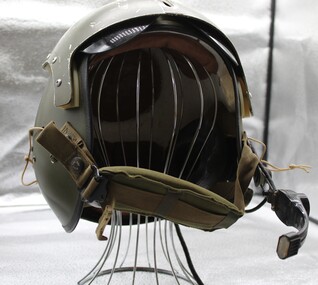
... Air Force (RAAF) helicopter crewman who served with No. 9 Squadron in 1966-7. Nicknamed "Stinky", he was awarded the George Medal for rescuing the trapped co-pilot and passengers of a burning RAAF Iroquois helicopter after it crashed on Nui Thi Vai Mountain on 18 October 1966. The helicopter was loaded with TNT. The George medal recognizes acts of extreme danger...Air Force (RAAF) helicopter crewman who served with No. 9 Squadron in 1966-7. Nicknamed "Stinky", he was awarded the George Medal for rescuing the trapped co-pilot and passengers of a burning RAAF Iroquois helicopter after it crashed on Nui Thi Vai Mountain on 18 October 1966. The helicopter was loaded with TNT. The George medal recognizes acts of extreme danger ...This object was from the Estate of Sergeant Gordon Dudley Buttriss (Service number A21702), a Royal Australian Air Force (RAAF) helicopter crewman who served with No. 9 Squadron in 1966-7. Nicknamed "Stinky", he was awarded the George Medal for rescuing the trapped co-pilot and passengers of a burning RAAF Iroquois helicopter after it crashed on Nui Thi Vai Mountain on 18 October 1966. The helicopter was loaded with TNT. The George medal recognizes acts of extreme danger and gallantry not in the face of the enemy. Only three were awarded during the Vietnam War. Olive green flying helmet. The helmet has a black single visor and black padded earphones. The helmet is padded on the inside with foam and the helmet is secured by a chin strap. A boom mounted microphone is attached to the left side. buttriss, a21702, raaf, australia. royal australian air force. 9th squadron, george medal, tnt, gallantry -
 National Vietnam Veterans Museum (NVVM)
Equipment, Aviators goggles and case
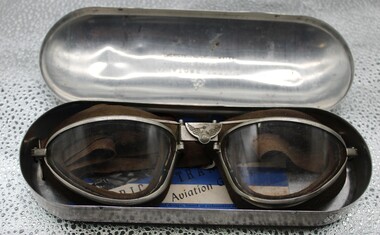
... Air Force (RAAF) helicopter crewman who served with No.9 Squadron in 1966–7. Nicknamed “Stinky", he was awarded the George Medal for rescuing the trapped co-pilot and passengers of a burning RAAF Iroquois helicopter after it crashed on Nui Thi Vai Mountain on 18 October 1966. The helicopter was loaded with TNT. The George medal recognizes acts of extreme danger...Air Force (RAAF) helicopter crewman who served with No.9 Squadron in 1966–7. Nicknamed “Stinky", he was awarded the George Medal for rescuing the trapped co-pilot and passengers of a burning RAAF Iroquois helicopter after it crashed on Nui Thi Vai Mountain on 18 October 1966. The helicopter was loaded with TNT. The George medal recognizes acts of extreme danger ...This object is from the Estate of Sergeant Gordon Dudley Buttriss (Service number A21702), a Royal Australian Air Force (RAAF) helicopter crewman who served with No.9 Squadron in 1966–7. Nicknamed “Stinky", he was awarded the George Medal for rescuing the trapped co-pilot and passengers of a burning RAAF Iroquois helicopter after it crashed on Nui Thi Vai Mountain on 18 October 1966. The helicopter was loaded with TNT. The George medal recognizes acts of extreme danger and gallantry not in the face of the enemy. Only three were awarded during the Vietnam War. Aviators googles with glass lenses, leather bound, stainless steel frames with elastic band with braid strap. Eagles wings in metal with adjustable wheel at bridge between lenses. A metal cases for goggles and a booklet with instructions.sergeant george dudley buttriss, a21702, raaf, no 9 squadron, stinky, george medal -
 National Vietnam Veterans Museum (NVVM)
Equipment, Wool blanket
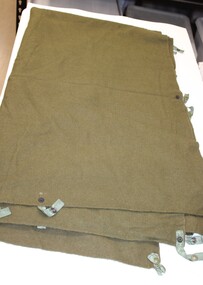
... Air Force (RAAF) helicopter crewman who served with No.9 Squadron in 1966–7. Nicknamed “Stinky", he was awarded the George Medal for rescuing the trapped co-pilot and passengers of a burning RAAF Iroquois helicopter after it crashed on Nui Thi Vai Mountain on 18 October 1966. The helicopter was loaded with TNT. The George medal recognizes acts of extreme danger...Air Force (RAAF) helicopter crewman who served with No.9 Squadron in 1966–7. Nicknamed “Stinky", he was awarded the George Medal for rescuing the trapped co-pilot and passengers of a burning RAAF Iroquois helicopter after it crashed on Nui Thi Vai Mountain on 18 October 1966. The helicopter was loaded with TNT. The George medal recognizes acts of extreme danger ...This object was from the Estate of Sergeant Gordon Dudley Buttriss (Service number A21702), a Royal Australian Air Force (RAAF) helicopter crewman who served with No.9 Squadron in 1966–7. Nicknamed “Stinky", he was awarded the George Medal for rescuing the trapped co-pilot and passengers of a burning RAAF Iroquois helicopter after it crashed on Nui Thi Vai Mountain on 18 October 1966. The helicopter was loaded with TNT. The George medal recognizes acts of extreme danger and gallantry not in the face of the enemy. Only three were awarded during the Vietnam War. Khaki woollen blankets with cotton ties with press studs which are used to attach to each other to create a wrap around feature.buttriss, a21702, raaf, no 9 squadron, stinky, george medal, tnt -
 National Vietnam Veterans Museum (NVVM)
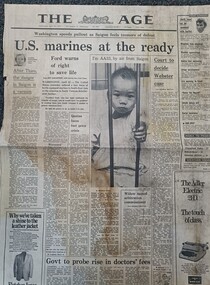
Newspaper - Two newspaper article, I'm AA33, by air from Saigon. After Thieu, the danger in Saigon is vacuum
... I'm AA33, by air from Saigon. After Thieu, the danger in Saigon is vacuum....air from Saigon" is written. Along side the article is a a photo of an infant behind cot bars in preparation for being airlifted from Vietnam. The second article is titled, "After Thieu, the danger...I'm AA33, by air from Saigon/ After Thieu, the danger in Saigon is a vacuum....I'm AA33, by air from Saigon. After Thieu, the danger in Saigon is vacuum. ...An article by Douglas Alton, from the Age, dated Wednesday, April 23, 1975 that reported on children being evacuated from Saigon. Dr Forbes was the medical superintendent supervising the airlift from Saigon just prior to the fall of Saigon on April 30, 1975.Two newspaper articles from The Age, Wednesday 23 April, 1975. In large bold print the heading "I'm AA33, by air from Saigon" is written. Along side the article is a a photo of an infant behind cot bars in preparation for being airlifted from Vietnam. The second article is titled, "After Thieu, the danger in Saigon is a vacuum".I'm AA33, by air from Saigon/ After Thieu, the danger in Saigon is a vacuum.the age, dr john frobes, saigon, babylift, vietnam, operation babylift, post-war, post-vietnam war, refugees, adoption, orphans, war orphans -
 Sunshine and District Historical Society Incorporated
Archive - Monsanto / Huntsman Somerville Rd Brooklyn
... Fogaity Re: E.P.A. pollution Abatement Notice|7/ Press Release - Monsanto Has An Going Waste Disposal Programme|8/ Gwen Goedecke letter dated 30th January 1986 to The Editor The Western Times regarding hazardous & noxious industry in the west|9/ Environment Protection Authority of Victoria letter to objector regarding Monsanto's air discharge licence EA 254/5 dated 1985|10/ The Advocate 16th October 1985 Herbicide plant gets go ahead|11/ The Times 4th December 1985 Govt pressured trust to sell land to Monsanto|12/ The Times 16th January 1985 No danger no smell in that plant says Monsanto|13/ Planning Appeal Board letter dated 1985|14/ The Age 13th July 1985 Sunshine Council rejects bid to expand chemicals factory|15/ The Western Time 10th July 1985 Monsanto must go|16/ The Advocate 10th July 1985 Council adopts tough stance, Chemical giant not wanted|17/ The Advocate 20th November 1985 Glyphosate plant appeals to planning board|18/ The Advocate 26th June 1985 Industry hits home values...Fogaity Re: E.P.A. pollution Abatement Notice|7/ Press Release - Monsanto Has An Going Waste Disposal Programme|8/ Gwen Goedecke letter dated 30th January 1986 to The Editor The Western Times regarding hazardous & noxious industry in the west|9/ Environment Protection Authority of Victoria letter to objector regarding Monsanto's air discharge licence EA 254/5 dated 1985|10/ The Advocate 16th October 1985 Herbicide plant gets go ahead|11/ The Times 4th December 1985 Govt pressured trust to sell land to Monsanto|12/ The Times 16th January 1985 No danger no smell in that plant says Monsanto|13/ Planning Appeal Board letter dated 1985|14/ The Age 13th July 1985 Sunshine Council rejects bid to expand chemicals factory|15/ The Western Time 10th July 1985 Monsanto must go|16/ The Advocate 10th July 1985 Council adopts tough stance, Chemical giant not wanted|17/ The Advocate 20th November 1985 Glyphosate plant appeals to planning board|18/ The Advocate 26th June 1985 Industry hits home values Collection of documents on the Monsanto / Huntsman Chemicals Plant Somerville Rd Brooklyn Archive Monsanto / Huntsman Somerville Rd Brooklyn ...1/ The Western Times 5th February 1986 - Government must act on hazardous chemicals|2/ The Independent 24th September 1996 - Chemical concerns|3/ Brimbank Leader 3rd July 2001 - Dioxin victory|4/ City of Sunshine letter date 9th July 1985 about the Appeal No P85/851 Glyphosate Plant|5/ W.F. Fogarty letter dated 27th January 1986 to City of Sunshine regarding pollution Abatement Notice|6/ Monsanto letter dated 18th December 1986 to W.F. Fogaity Re: E.P.A. pollution Abatement Notice|7/ Press Release - Monsanto Has An Going Waste Disposal Programme|8/ Gwen Goedecke letter dated 30th January 1986 to The Editor The Western Times regarding hazardous & noxious industry in the west|9/ Environment Protection Authority of Victoria letter to objector regarding Monsanto's air discharge licence EA 254/5 dated 1985|10/ The Advocate 16th October 1985 Herbicide plant gets go ahead|11/ The Times 4th December 1985 Govt pressured trust to sell land to Monsanto|12/ The Times 16th January 1985 No danger no smell in that plant says Monsanto|13/ Planning Appeal Board letter dated 1985|14/ The Age 13th July 1985 Sunshine Council rejects bid to expand chemicals factory|15/ The Western Time 10th July 1985 Monsanto must go|16/ The Advocate 10th July 1985 Council adopts tough stance, Chemical giant not wanted|17/ The Advocate 20th November 1985 Glyphosate plant appeals to planning board|18/ The Advocate 26th June 1985 Industry hits home valuesmonsanto, huntsman, somerville road, brooklyn -
 Jewish Museum of Australia
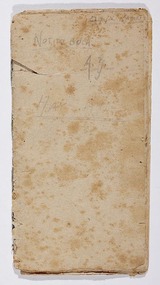
Diary of Alfred Broch, 10/7/1940 - 17/12/1940
... While in the danger zone they only had a webbing belt and slippers. In case of torpedoes – expecting certain death. Bad air...While in the danger zone they only had a webbing belt and slippers. In case of torpedoes – expecting certain death. Bad air ...This diary was handwritten by Alfred Broch over the course of four months in 1940. It was kept while Alfred Broch was travelling on the HMT Dunera and then during his detainment in the Hay internment camp.Bound with cotton and handwritten in pencil. Bound with cotton and handwritten in pencil.[selected passage translation from German, further translation available] : “Dunera” 10.VII – 6.IX.1940 First impression very depressing. Fears. Confusion with prisoners of war. Never mind. Corrected. Continuing further bad treatment. Boarding the ship assisted by rifle butts. Robbed as soon as we reached the deck. Impression of a death ship. Complete helplessness. No sleeping facilities. All sleep on the floor, on tables etc. Intended accommodation taken up by luggage cases. (barbed wire). Food good but only spoons. Next day: robbery from the cases. Own people steal. Purloined objects even include toothbrushes and toothpaste. Much to eat. Small convoy with one cruiser. In the same convoy a women’s transport which soon leaves us as it is bound for Canada and we are quite surprised. The English soldiers and officers have another side. While in the danger zone they only had a webbing belt and slippers. In case of torpedoes – expecting certain death. Bad air as all vents are closed. Other Inscriptions: Front page, upper right, underlined: "Alfred Broch" Front page, upper, underlined: "Notitz Buch" Front page, centre, underlined: "Hay 1941" Page 1, upper right: "Mittwoch 10. VII." Page 3, upper right: "10. VII. - 6. IX. 1940 Page 4, centre: "[...] ARANDORA STAR" Page 11, upper, underlined: "Von Liverpool Nach Hay / Mittwoch 10 VII" dunera, wwii, internment, jewish history & people -
 National Vietnam Veterans Museum (NVVM)
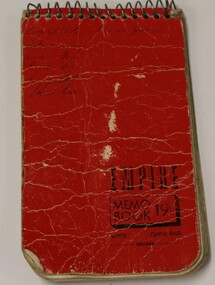
Booklet - Empire memo book
... Air Force (RAAF) helicopter crewman who served with No.9 Squadron in 1966–7. Nicknamed “Stinky", he was awarded the George Medal for rescuing the trapped co-pilot and passengers of a burning RAAF Iroquois helicopter after it crashed on Nui Thi Vai Mountain on 18 October 1966. The helicopter was loaded with TNT. The George medal recognizes acts of extreme danger...Air Force (RAAF) helicopter crewman who served with No.9 Squadron in 1966–7. Nicknamed “Stinky", he was awarded the George Medal for rescuing the trapped co-pilot and passengers of a burning RAAF Iroquois helicopter after it crashed on Nui Thi Vai Mountain on 18 October 1966. The helicopter was loaded with TNT. The George medal recognizes acts of extreme danger ...This object was donated from the Estate of Sergeant Gordon Dudley Buttriss (Service number A21702), a Royal Australian Air Force (RAAF) helicopter crewman who served with No.9 Squadron in 1966–7. Nicknamed “Stinky", he was awarded the George Medal for rescuing the trapped co-pilot and passengers of a burning RAAF Iroquois helicopter after it crashed on Nui Thi Vai Mountain on 18 October 1966. The helicopter was loaded with TNT. The George medal recognizes acts of extreme danger and gallantry not in the face of the enemy. Only three were awarded during the Vietnam War. Small red coloured front cover with a top metal spiral bound booklet. The booklet consists of 10 pages of hand written notes. Empirebuttriss, a21702, 9 squadron, stinky, george medal, vietnam, 18 october 66 -
 National Vietnam Veterans Museum (NVVM)
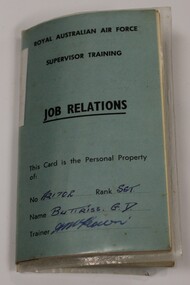
Booklet - Job relations
... Air Force (RAAF) helicopter crewman who served with No.9 Squadron in 1966–7. Nicknamed “Stinky", he was awarded the George Medal for rescuing the trapped co-pilot and passengers of a burning RAAF Iroquois helicopter after it crashed on Nui Thi Vai Mountain on 18 October 1966. The helicopter was loaded with TNT. The George medal recognizes acts of extreme danger...Air Force (RAAF) helicopter crewman who served with No.9 Squadron in 1966–7. Nicknamed “Stinky", he was awarded the George Medal for rescuing the trapped co-pilot and passengers of a burning RAAF Iroquois helicopter after it crashed on Nui Thi Vai Mountain on 18 October 1966. The helicopter was loaded with TNT. The George medal recognizes acts of extreme danger ...This object was donated from the Estate of Sergeant Gordon Dudley Buttriss (Service number A21702), a Royal Australian Air Force (RAAF) helicopter crewman who served with No.9 Squadron in 1966–7. Nicknamed “Stinky", he was awarded the George Medal for rescuing the trapped co-pilot and passengers of a burning RAAF Iroquois helicopter after it crashed on Nui Thi Vai Mountain on 18 October 1966. The helicopter was loaded with TNT. The George medal recognizes acts of extreme danger and gallantry not in the face of the enemy. Only three were awarded during the Vietnam War. Pale blue booklet issued for supervisor training to RAAF personnell.ROYAL AUSTRALIAN AIR FORCE/SUPERVISOR TRAINING/JOB RELATIONSbuttriss, a21702, 9 squadron, stinky, raaf, vietnam, george medal -
 National Vietnam Veterans Museum (NVVM)
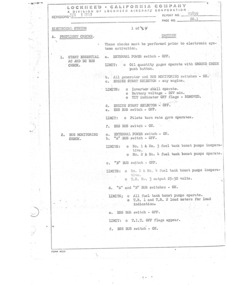
Article - Lockheed
... Air Force (RAAF) helicopter crewman who served with No.9 Squadron in 1966–7. Nicknamed “Stinky", he was awarded the George Medal for rescuing the trapped co-pilot and passengers of a burning RAAF Iroquois helicopter after it crashed on Nui Thi Vai Mountain on 18 October 1966. The helicopter was loaded with TNT. The George medal recognizes acts of extreme danger...Air Force (RAAF) helicopter crewman who served with No.9 Squadron in 1966–7. Nicknamed “Stinky", he was awarded the George Medal for rescuing the trapped co-pilot and passengers of a burning RAAF Iroquois helicopter after it crashed on Nui Thi Vai Mountain on 18 October 1966. The helicopter was loaded with TNT. The George medal recognizes acts of extreme danger ...This object was donated from the Estate of Sergeant Gordon Dudley Buttriss (Service number A21702), a Royal Australian Air Force (RAAF) helicopter crewman who served with No.9 Squadron in 1966–7. Nicknamed “Stinky", he was awarded the George Medal for rescuing the trapped co-pilot and passengers of a burning RAAF Iroquois helicopter after it crashed on Nui Thi Vai Mountain on 18 October 1966. The helicopter was loaded with TNT. The George medal recognizes acts of extreme danger and gallantry not in the face of the enemy. Only three were awarded during the Vietnam War. Pale blue booklet issued for supervisor training to RAAF personnell.ROYAL AUSTRALIAN AIR FORCE/SUPERVISOR TRAINING/JOB RELATIONSbuttriss, a21702, 9 squadron, stinky, raaf, vietnam, george medal -
 National Vietnam Veterans Museum (NVVM)
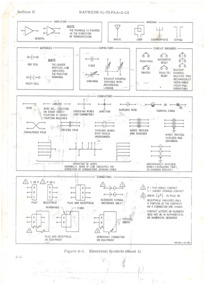
Article
... Air Force (RAAF) helicopter crewman who served with No.9 Squadron in 1966–7. Nicknamed “Stinky", he was awarded the George Medal for rescuing the trapped co-pilot and passengers of a burning RAAF Iroquois helicopter after it crashed on Nui Thi Vai Mountain on 18 October 1966. The helicopter was loaded with TNT. The George medal recognizes acts of extreme danger...Air Force (RAAF) helicopter crewman who served with No.9 Squadron in 1966–7. Nicknamed “Stinky", he was awarded the George Medal for rescuing the trapped co-pilot and passengers of a burning RAAF Iroquois helicopter after it crashed on Nui Thi Vai Mountain on 18 October 1966. The helicopter was loaded with TNT. The George medal recognizes acts of extreme danger ...This object was donated from the Estate of Sergeant Gordon Dudley Buttriss (Service number A21702), a Royal Australian Air Force (RAAF) helicopter crewman who served with No.9 Squadron in 1966–7. Nicknamed “Stinky", he was awarded the George Medal for rescuing the trapped co-pilot and passengers of a burning RAAF Iroquois helicopter after it crashed on Nui Thi Vai Mountain on 18 October 1966. The helicopter was loaded with TNT. The George medal recognizes acts of extreme danger and gallantry not in the face of the enemy. Only three were awarded during the Vietnam War. A four page copy with symbols of electrical systemsNAVWE:PS 01-75 PAA-2-13buttriss, a21702, 9 squadron, stinky, raaf, vietnam, george medal -
 National Vietnam Veterans Museum (NVVM)
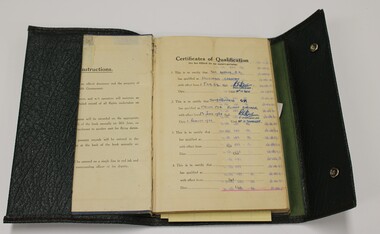
Book - Certificate of Qualification
... Air Force (RAAF) helicopter crewman who served with No.9 Squadron in 1966–7. Nicknamed “Stinky", he was awarded the George Medal for rescuing the trapped co-pilot and passengers of a burning RAAF Iroquois helicopter after it crashed on Nui Thi Vai Mountain on 18 October 1966. The helicopter was loaded with TNT. The George medal recognizes acts of extreme danger...Air Force (RAAF) helicopter crewman who served with No.9 Squadron in 1966–7. Nicknamed “Stinky", he was awarded the George Medal for rescuing the trapped co-pilot and passengers of a burning RAAF Iroquois helicopter after it crashed on Nui Thi Vai Mountain on 18 October 1966. The helicopter was loaded with TNT. The George medal recognizes acts of extreme danger ...This object was donated from the Estate of Sergeant Gordon Dudley Buttriss (Service number A21702), a Royal Australian Air Force (RAAF) helicopter crewman who served with No.9 Squadron in 1966–7. Nicknamed “Stinky", he was awarded the George Medal for rescuing the trapped co-pilot and passengers of a burning RAAF Iroquois helicopter after it crashed on Nui Thi Vai Mountain on 18 October 1966. The helicopter was loaded with TNT. The George medal recognizes acts of extreme danger and gallantry not in the face of the enemy. Only three were awarded during the Vietnam War. A green folder with two press studs containing certification of qualification for qualified helicopter crewmen and flight engineer.Certificate of Qualificationbuttriss, a21702, 9 squadron, stinky, raaf, vietnam, george medal -
 National Vietnam Veterans Museum (NVVM)
Equipment - Pencil case
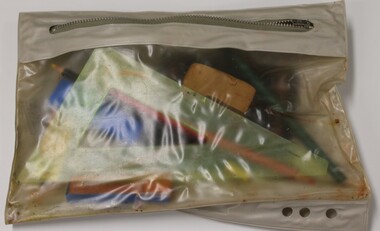
... Air Force (RAAF) helicopter crewman who served with No.9 Squadron in 1966–7. Nicknamed “Stinky", he was awarded the George Medal for rescuing the trapped co-pilot and passengers of a burning RAAF Iroquois helicopter after it crashed on Nui Thi Vai Mountain on 18 October 1966. The helicopter was loaded with TNT. The George medal recognizes acts of extreme danger...Air Force (RAAF) helicopter crewman who served with No.9 Squadron in 1966–7. Nicknamed “Stinky", he was awarded the George Medal for rescuing the trapped co-pilot and passengers of a burning RAAF Iroquois helicopter after it crashed on Nui Thi Vai Mountain on 18 October 1966. The helicopter was loaded with TNT. The George medal recognizes acts of extreme danger ...This object was donated from the Estate of Sergeant Gordon Dudley Buttriss (Service number A21702), a Royal Australian Air Force (RAAF) helicopter crewman who served with No.9 Squadron in 1966–7. Nicknamed “Stinky", he was awarded the George Medal for rescuing the trapped co-pilot and passengers of a burning RAAF Iroquois helicopter after it crashed on Nui Thi Vai Mountain on 18 October 1966. The helicopter was loaded with TNT. The George medal recognizes acts of extreme danger and gallantry not in the face of the enemy. Only three were awarded during the Vietnam War. A plastic pencil case with see through panel. Contains pencils, ruler, protractor, eraser, coloured leads and black note book.buttriss, a21702, 9 squadron, stinky, raaf, vietnam, george medal -
 National Vietnam Veterans Museum (NVVM)
Book, RAAF Aircrew Flying Log Book
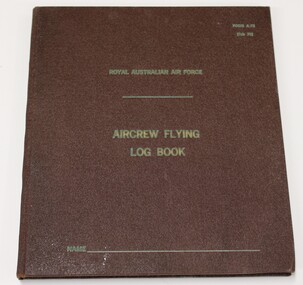
... Air Force (RAAF) helicopter crewman who served with No.9 Squadron in 1966–7. Nicknamed “Stinky", he was awarded the George Medal for rescuing the trapped co-pilot and passengers of a burning RAAF Iroquois helicopter after it crashed on Nui Thi Vai Mountain on 18 October 1966. The helicopter was loaded with TNT. The George medal recognizes acts of extreme danger...Air Force (RAAF) helicopter crewman who served with No.9 Squadron in 1966–7. Nicknamed “Stinky", he was awarded the George Medal for rescuing the trapped co-pilot and passengers of a burning RAAF Iroquois helicopter after it crashed on Nui Thi Vai Mountain on 18 October 1966. The helicopter was loaded with TNT. The George medal recognizes acts of extreme danger ...This object was donated from the Estate of Sergeant Gordon Dudley Buttriss (Service number A21702), a Royal Australian Air Force (RAAF) helicopter crewman who served with No.9 Squadron in 1966–7. Nicknamed “Stinky", he was awarded the George Medal for rescuing the trapped co-pilot and passengers of a burning RAAF Iroquois helicopter after it crashed on Nui Thi Vai Mountain on 18 October 1966. The helicopter was loaded with TNT. The George medal recognizes acts of extreme danger and gallantry not in the face of the enemy. Only three were awarded during the Vietnam War. A brown hard covered RAAF air crew flying log book (with no entries).Royal Australian Air Force/Aircrew Flying/Log Bookbuttriss, a21702, 9 squadron, stinky, raaf, vietnam, george medal, log book -
 National Vietnam Veterans Museum (NVVM)
Book, Training Notes
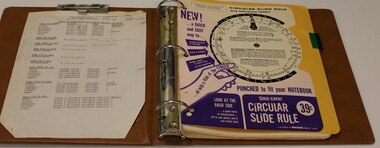
... Air Force (RAAF) helicopter crewman who served with No.9 Squadron in 1966–7. Nicknamed “Stinky", he was awarded the George Medal for rescuing the trapped co-pilot and passengers of a burning RAAF Iroquois helicopter after it crashed on Nui Thi Vai Mountain on 18 October 1966. The helicopter was loaded with TNT. The George medal recognizes acts of extreme danger...Air Force (RAAF) helicopter crewman who served with No.9 Squadron in 1966–7. Nicknamed “Stinky", he was awarded the George Medal for rescuing the trapped co-pilot and passengers of a burning RAAF Iroquois helicopter after it crashed on Nui Thi Vai Mountain on 18 October 1966. The helicopter was loaded with TNT. The George medal recognizes acts of extreme danger ...This object was donated from the Estate of Sergeant Gordon Dudley Buttriss (Service number A21702), a Royal Australian Air Force (RAAF) helicopter crewman who served with No.9 Squadron in 1966–7. Nicknamed “Stinky", he was awarded the George Medal for rescuing the trapped co-pilot and passengers of a burning RAAF Iroquois helicopter after it crashed on Nui Thi Vai Mountain on 18 October 1966. The helicopter was loaded with TNT. The George medal recognizes acts of extreme danger and gallantry not in the face of the enemy. Only three were awarded during the Vietnam War. A brown hard covered three ring binder with paper pages, an image of a circular slide rule with written instructions.buttriss, a21702, 9 squadron, stinky, raaf, vietnam, george medal, log book -
 National Vietnam Veterans Museum (NVVM)
Equipment, Flight Log Book
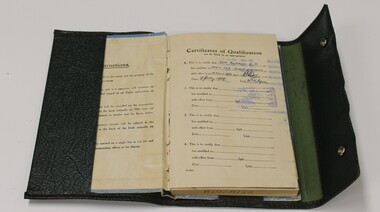
... Air Force (RAAF) helicopter crewman who served with No.9 Squadron in 1966–7. Nicknamed “Stinky", he was awarded the George Medal for rescuing the trapped co-pilot and passengers of a burning RAAF Iroquois helicopter after it crashed on Nui Thi Vai Mountain on 18 October 1966. The helicopter was loaded with TNT. The George medal recognizes acts of extreme danger...Air Force (RAAF) helicopter crewman who served with No.9 Squadron in 1966–7. Nicknamed “Stinky", he was awarded the George Medal for rescuing the trapped co-pilot and passengers of a burning RAAF Iroquois helicopter after it crashed on Nui Thi Vai Mountain on 18 October 1966. The helicopter was loaded with TNT. The George medal recognizes acts of extreme danger ...This object was donated from the Estate of Sergeant Gordon Dudley Buttriss (Service number A21702), a Royal Australian Air Force (RAAF) helicopter crewman who served with No.9 Squadron in 1966–7. Nicknamed “Stinky", he was awarded the George Medal for rescuing the trapped co-pilot and passengers of a burning RAAF Iroquois helicopter after it crashed on Nui Thi Vai Mountain on 18 October 1966. The helicopter was loaded with TNT. The George medal recognizes acts of extreme danger and gallantry not in the face of the enemy. Only three were awarded during the Vietnam War. A green covered folder with studs to fasten the folder. The pages within contain details of qualification certificates for flight - Orion.Qualification Certificates For Flightbuttriss, a21702, 9 squadron, stinky, raaf, vietnam, george medal, log book -
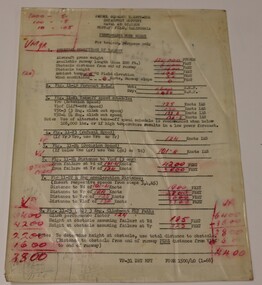 National Vietnam Veterans Museum (NVVM)
Equipment, Work Sheet
... Air Force (RAAF) helicopter crewman who served with No.9 Squadron in 1966–7. Nicknamed “Stinky", he was awarded the George Medal for rescuing the trapped co-pilot and passengers of a burning RAAF Iroquois helicopter after it crashed on Nui Thi Vai Mountain on 18 October 1966. The helicopter was loaded with TNT. The George medal recognizes acts of extreme danger...Air Force (RAAF) helicopter crewman who served with No.9 Squadron in 1966–7. Nicknamed “Stinky", he was awarded the George Medal for rescuing the trapped co-pilot and passengers of a burning RAAF Iroquois helicopter after it crashed on Nui Thi Vai Mountain on 18 October 1966. The helicopter was loaded with TNT. The George medal recognizes acts of extreme danger ...This object was donated from the Estate of Sergeant Gordon Dudley Buttriss (Service number A21702), a Royal Australian Air Force (RAAF) helicopter crewman who served with No.9 Squadron in 1966–7. Nicknamed “Stinky", he was awarded the George Medal for rescuing the trapped co-pilot and passengers of a burning RAAF Iroquois helicopter after it crashed on Nui Thi Vai Mountain on 18 October 1966. The helicopter was loaded with TNT. The George medal recognizes acts of extreme danger and gallantry not in the face of the enemy. Only three were awarded during the Vietnam War. A single laminated page with red markings. For training purposesbuttriss, a21702, 9 squadron, stinky, raaf, vietnam, george medal
