
Showing 101 items matching "geelong city council"
-
 City of Greater Geelong
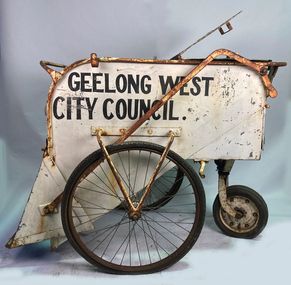
Functional object - Geelong West City Council Cleaning Cart, c.1960
... Geelong West City Council Cleaning Cart...This street-sweeping cart was used on Pakington Street before the amalgamation of six local councils to form the City of Greater Geelong. The cart is from around 1960 when the City of Geelong West had approximately 17,500 people within its borough. ...Geelong West City Council...The cart was wheeled up and down the popular street; cleaning litter and providing a clean and pleasant street for locals and shop owners alike City of Geelong West Cleaning Geelong West City Council Three wheeled metal cart with hinged lid Functional object Geelong West City Council Cleaning Cart ...This street-sweeping cart was used on Pakington Street before the amalgamation of six local councils to form the City of Greater Geelong. The cart is from around 1960 when the City of Geelong West had approximately 17,500 people within its borough. The cart was wheeled up and down the popular street; cleaning litter and providing a clean and pleasant street for locals and shop owners alikeThree wheeled metal cart with hinged lidGeelong West City Councilcity of geelong west, cleaning -
 Ballarat Tramway Museum
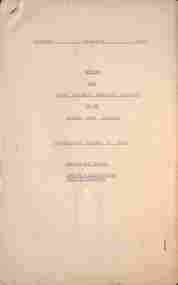
Document - Evidence, City of Geelong, "Geelong City Council", 1953
... "Geelong City Council"...Evidence or submission by the Geelong City Council for the Enquiry into Public Transport Facilities in the Geelong Urban District" to the Transport Regulation Board, Sept. 1953, presented by Cr B E Purnell. ...Evidence or submission by the Geelong City Council for the Enquiry into Public Transport Facilities in the Geelong Urban District" to the Transport Regulation Board, Sept. 1953, presented by Cr B E Purnell. ...Evidence or submission by the Geelong City Council for the Enquiry into Public Transport Facilities in the Geelong Urban District" to the Transport Regulation Board, Sept. 1953, presented by Cr B E Purnell. Document addresses issues with buses, trams, railways, hire cars, taxis, Bell Report of 1948 and other matters to be considered. Included is 7 page submission by Geelong and District Town Planning Committee looking at the function of the scheme, relationship with transport authorities, traffic census, transport issues in specific suburbs, road proposals, and town planning.Demonstrates evidence given to the TRB re Geelong transport and town planning in 1953.Document - 10 foolscap sheets, duplicated, stapled in top left hand corner.tramways, tramcars, geelong, history, city of geelong, roads, trb -
 Geelong RSL Sub Branch
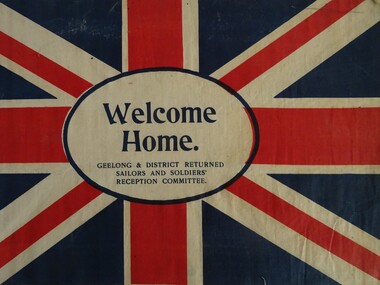
Flag, 1918-1920
... ...Geelong City Council...This flag was commissioned by the Geelong City Council. The Geelong & District Returned Soldiers' Reception Committee appears to have been Functional 1918-1920....This flag was commissioned by the Geelong City Council. The Geelong & District Returned Soldiers' Reception Committee appears to have been Functional 1918-1920. ...This flag was commissioned by the Geelong City Council. The Geelong & District Returned Soldiers' Reception Committee appears to have been Functional 1918-1920.The Flag is an OriginalCloth Flag - Union JackIn an oval circle in the middle of the flag - Welcome Home Geelong & District Returned Saliors and Soldiers' Reception Committee.union jack, geelong city council -
 Greensborough Historical Society
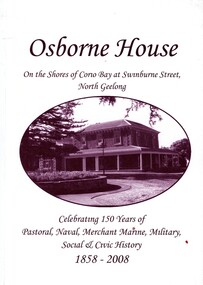
Book, Cheryl Scott, Osborne House - celebrating 150 years - 1858-2008, 2008c
... Originally built as a squatter's mansion in North Geelong 1858, Osborne House is currently owned by Geelong City Council and is used for community purposes. ...Originally built as a squatter's mansion in North Geelong 1858, Osborne House is currently owned by Geelong City Council and is used for community purposes. ...Originally built as a squatter's mansion in North Geelong 1858, Osborne House is currently owned by Geelong City Council and is used for community purposes. This is a history of the house and its various uses.79 p. paperback printed in black, illus.geeelong, osborne house -
 Federation University Historical Collection
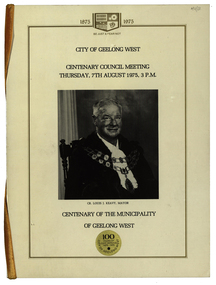
Booklet, City of Geelong West: Centenary Council Meeting and Dinner, 1975
... City of Geelong West: Centenary Council Meeting and Dinner...The modern adaptation of the official Coat of Arms is used in the booklet geelong west coat of arms transport industry agriculture louis keavy mayor centenary governor of victoria sir henry winneke government gazette .1 Booklet pages are edged with gold with banner at top. Yellow ribbon at spine. Photographs of councillors and Governor of Victoria .2 Thick paper with red writing City of Geelong West: Centenary Council ...The Geelong West Coat of Arms is divided into four sections representing Transport, Industry, Shipping and Agriculture. For Transport (top left) a steam train typified the Geelong-Melbourne railway. Top right showed a factory, bottom left was a sailing clipper and bottom right had bales of wool. The modern adaptation of the official Coat of Arms is used in the booklet.1 Booklet pages are edged with gold with banner at top. Yellow ribbon at spine. Photographs of councillors and Governor of Victoria .2 Thick paper with red writinggeelong west, coat of arms, transport, industry, agriculture, louis keavy, mayor, centenary, governor of victoria, sir henry winneke, government gazette -
 Federation University Historical Collection
Document - Fourth University, Documents relating to a Fourth University for Victoria collected by E.J. Barker
... Geelong Advertiser...Newspaper Articles...The Age...I.C. Smith...City of Ballarat...J.A Chisholm...16 named to plan fourth university...Newsletter...Report...Future Developement of Tertiary Education...Summary of Statements...Education Age...M.B. John...Tertiary Education Advisory Council...Geelong Advertiser Newspaper Articles The Age I.C. Smith City of Ballarat J.A Chisholm 16 named to plan fourth university Newsletter Report Future Developement of Tertiary Education Summary of Statements Education Age M.B. John Tertiary Education Advisory Council ...E.J. Barker is a past principal of the School of Mines Ballarat and the Library at the Mt Helen Campus is named after him. School of Mines is a predecessor of Federation UniversityVarious Letters, Reports Newspaper articles and notes collected by E.J. Barker on the proposed Fourth University for Victoria victorian institute of colleges staff association, r.w. hinkley, e.j. barker, ballarat institute of advanced education, vicsac, fourth university, summary, k.l jennings, mr swanson, australian universities commission, plea on varsity staff rejected, list of visitors, professor p.h. karmel, professor f.b. bull, sir ernest coates, dr w.l. hughes, sir samuel jones, professor a.r. main, professor p.h. partridge, r.a. simpson, professor sir sydney sunderland, t.b. swanson, r.h. arthur, a. freebody, sir willis h. connolly, l.h.s. thompson, geelong advertiser, newspaper articles, the age, i.c. smith, city of ballarat, j.a chisholm, 16 named to plan fourth university, newsletter, report, future developement of tertiary education, summary of statements, education age, m.b. john, tertiary education advisory council, a.s buchanan, the chartered engineer, dr. d.m. myers, r. law, victorian institute of colleges, a.s. craig, meetings, mr hamer, h.p. mason, bendigo institute of technology, mary p. lawn, k.d. green, premiers department, recommendations, k. beazley, a.m mackinnon, gordon institute of technology, e. szomanski -
 Flagstaff Hill Maritime Museum and Village
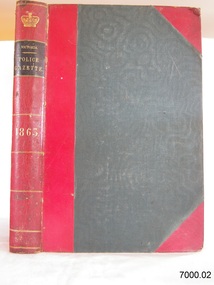
Administrative record - Reference Sociology/History, John Ferres, Government Printer, Victoria Police Gazettes for 1863, 1863
... Council of Victoria passed an Act on 8 January 1853 for the regulation of the police force. At that time there were seven distinct, independently operating police bodies in Victoria: the Melbourne and County of Bourke Police, the City of Geelong Police, the Goldfields Police, the Gold Escort, the Water Police, the Rural Bench Constabulary, and the Mounted Police. ...Council of Victoria passed an Act on 8 January 1853 for the regulation of the police force. At that time there were seven distinct, independently operating police bodies in Victoria: the Melbourne and County of Bourke Police, the City of Geelong Police, the Goldfields Police, the Gold Escort, the Water Police, the Rural Bench Constabulary, and the Mounted Police. ...The Victoria Police Gazette was a confidential, internal publication of the Victoria Police, issued to inform police officers, court and justice officials, and government departments about matters relevant to policing across the colony. It commenced in December 1853 and was initially published weekly by the Victoria Police. It was distributed each week to city and rural police stations and to government offices and newspaper publishers. Inclusions in this weekly publication were people wanted for questioning in relation to various crimes, prisoners discharged from city or country gaols, extracts from Police Gazettes in New South Wales, South Australia, Queensland, Tasmania, New Zealand, and occasionally overseas countries, as well as extracts from the Hobart Town Gazette listing escaped convicts and the person to whom they were assigned. There was also a "Missing Friends" section, where most people listed were not criminals but were sought by police so relatives, old friends, or government officials could renew contact with them. In addition, there was a record of deserted wives and children, listing the offender's name, birthplace, age, occupation, last known area of residence, likely future movements and known relatives. There was also a section on court lists, warrants issued, appointments and staffing changes within the police service, arrest and discharge records with physical descriptions, and lists of pastoralists with descriptions of their livestock brands.Hard Bound Volume. Victorian Police Gazettes for 1863 Author: Institutional Government Publication Publisher: John Ferres, Melbourne Date: 1863 Further Information: Compilation of Weekly Victorian Police Gazettes for 1863 in a hard bound volume with red spine and red corner reinforcing. Front panel grey coloured lettering in gilt with gilt banding to spine. Inside is twelve issues of the Police Gazettes for 1863.non-fictionThe Victoria Police Gazette was a confidential, internal publication of the Victoria Police, issued to inform police officers, court and justice officials, and government departments about matters relevant to policing across the colony. It commenced in December 1853 and was initially published weekly by the Victoria Police. It was distributed each week to city and rural police stations and to government offices and newspaper publishers. Inclusions in this weekly publication were people wanted for questioning in relation to various crimes, prisoners discharged from city or country gaols, extracts from Police Gazettes in New South Wales, South Australia, Queensland, Tasmania, New Zealand, and occasionally overseas countries, as well as extracts from the Hobart Town Gazette listing escaped convicts and the person to whom they were assigned. There was also a "Missing Friends" section, where most people listed were not criminals but were sought by police so relatives, old friends, or government officials could renew contact with them. In addition, there was a record of deserted wives and children, listing the offender's name, birthplace, age, occupation, last known area of residence, likely future movements and known relatives. There was also a section on court lists, warrants issued, appointments and staffing changes within the police service, arrest and discharge records with physical descriptions, and lists of pastoralists with descriptions of their livestock brands.warrnambool, shipwrecked-coast, flagstaff-hill, flagstaff-hill-maritime-museum, maritime-museum, shipwreck-coast, flagstaff-hill-maritime-village, shipwrecked-artefact, book, victoria police gazette 1862, victoria police gazette, warrnambool books and records, great ocean road -
 Flagstaff Hill Maritime Museum and Village
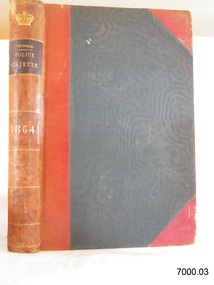
Administrative record - Reference Sociology/History, John Ferres, Government Printer, Victoria Police Gazettes for 1864, 1864
... Council of Victoria passed an Act on 8 January 1853 for the regulation of the police force. At that time there were seven distinct, independently operating police bodies in Victoria: the Melbourne and County of Bourke Police, the City of Geelong Police, the Goldfields Police, the Gold Escort, the Water Police, the Rural Bench Constabulary, and the Mounted Police. ...Council of Victoria passed an Act on 8 January 1853 for the regulation of the police force. At that time there were seven distinct, independently operating police bodies in Victoria: the Melbourne and County of Bourke Police, the City of Geelong Police, the Goldfields Police, the Gold Escort, the Water Police, the Rural Bench Constabulary, and the Mounted Police. ...The Victoria Police Gazette was a confidential, internal publication of the Victoria Police, issued to inform police officers, court and justice officials, and government departments about matters relevant to policing across the colony. It commenced in December 1853 and was initially published weekly by the Victoria Police. It was distributed each week to city and rural police stations and to government offices and newspaper publishers. Inclusions in this weekly publication were people wanted for questioning in relation to various crimes, prisoners discharged from city or country gaols, extracts from Police Gazettes in New South Wales, South Australia, Queensland, Tasmania, New Zealand, and occasionally overseas countries, as well as extracts from the Hobart Town Gazette listing escaped convicts and the person to whom they were assigned. There was also a "Missing Friends" section, where most people listed were not criminals but were sought by police so relatives, old friends, or government officials could renew contact with them. In addition, there was a record of deserted wives and children, listing the offender's name, birthplace, age, occupation, last known area of residence, likely future movements and known relatives. There was also a section on court lists, warrants issued, appointments and staffing changes within the police service, arrest and discharge records with physical descriptions, and lists of pastoralists with descriptions of their livestock brands.Hard Bound Volume. Victorian Police Gazettes for 1864 Author: Institutional Government Publication Publisher: John Ferres, Melbourne Date: 1864 Further Information: Compilation of Weekly Victorian Police Gazettes for 1864 in a hard bound volume with red spine and red corner reinforcing. Front panel grey coloured lettering in gilt with gilt banding to spine. Inside is twelve issues of the Police Gazettes for 1864.non-fictionThe Victoria Police Gazette was a confidential, internal publication of the Victoria Police, issued to inform police officers, court and justice officials, and government departments about matters relevant to policing across the colony. It commenced in December 1853 and was initially published weekly by the Victoria Police. It was distributed each week to city and rural police stations and to government offices and newspaper publishers. Inclusions in this weekly publication were people wanted for questioning in relation to various crimes, prisoners discharged from city or country gaols, extracts from Police Gazettes in New South Wales, South Australia, Queensland, Tasmania, New Zealand, and occasionally overseas countries, as well as extracts from the Hobart Town Gazette listing escaped convicts and the person to whom they were assigned. There was also a "Missing Friends" section, where most people listed were not criminals but were sought by police so relatives, old friends, or government officials could renew contact with them. In addition, there was a record of deserted wives and children, listing the offender's name, birthplace, age, occupation, last known area of residence, likely future movements and known relatives. There was also a section on court lists, warrants issued, appointments and staffing changes within the police service, arrest and discharge records with physical descriptions, and lists of pastoralists with descriptions of their livestock brands.warrnambool, shipwrecked-coast, flagstaff-hill, flagstaff-hill-maritime-museum, maritime-museum, shipwreck-coast, flagstaff-hill-maritime-village, shipwrecked-artefact, book, victoria police gazette 1862, victoria police gazette, warrnambool books and records, great ocean road -
 Flagstaff Hill Maritime Museum and Village
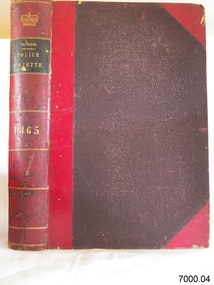
Administrative record - Reference Sociology/History, John Ferres, Government Printer, Victoria Police Gazettes for 1865, 1865
... Council of Victoria passed an Act on 8 January 1853 for the regulation of the police force. At that time there were seven distinct, independently operating police bodies in Victoria: the Melbourne and County of Bourke Police, the City of Geelong Police, the Goldfields Police, the Gold Escort, the Water Police, the Rural Bench Constabulary, and the Mounted Police. ...Council of Victoria passed an Act on 8 January 1853 for the regulation of the police force. At that time there were seven distinct, independently operating police bodies in Victoria: the Melbourne and County of Bourke Police, the City of Geelong Police, the Goldfields Police, the Gold Escort, the Water Police, the Rural Bench Constabulary, and the Mounted Police. ...The Victoria Police Gazette was a confidential, internal publication of the Victoria Police, issued to inform police officers, court and justice officials, and government departments about matters relevant to policing across the colony. It commenced in December 1853 and was initially published weekly by the Victoria Police. It was distributed each week to city and rural police stations and to government offices and newspaper publishers. Inclusions in this weekly publication were people wanted for questioning in relation to various crimes, prisoners discharged from city or country gaols, extracts from Police Gazettes in New South Wales, South Australia, Queensland, Tasmania, New Zealand, and occasionally overseas countries, as well as extracts from the Hobart Town Gazette listing escaped convicts and the person to whom they were assigned. There was also a "Missing Friends" section, where most people listed were not criminals but were sought by police so relatives, old friends, or government officials could renew contact with them. In addition, there was a record of deserted wives and children, listing the offender's name, birthplace, age, occupation, last known area of residence, likely future movements and known relatives. There was also a section on court lists, warrants issued, appointments and staffing changes within the police service, arrest and discharge records with physical descriptions, and lists of pastoralists with descriptions of their livestock brands.Hard Bound Volume. Victorian Police Gazettes for 1865 Author: Institutional Government Publication Publisher: John Ferres, Melbourne Date: 1865 Further Information: Compilation of Weekly Victorian Police Gazettes for 1865 in a hard bound volume with red spine and red corner reinforcing. Front panel grey coloured lettering in gilt with gilt banding to spine. Inside is twelve issues of the Police Gazettes for 1865.non-fictionThe Victoria Police Gazette was a confidential, internal publication of the Victoria Police, issued to inform police officers, court and justice officials, and government departments about matters relevant to policing across the colony. It commenced in December 1853 and was initially published weekly by the Victoria Police. It was distributed each week to city and rural police stations and to government offices and newspaper publishers. Inclusions in this weekly publication were people wanted for questioning in relation to various crimes, prisoners discharged from city or country gaols, extracts from Police Gazettes in New South Wales, South Australia, Queensland, Tasmania, New Zealand, and occasionally overseas countries, as well as extracts from the Hobart Town Gazette listing escaped convicts and the person to whom they were assigned. There was also a "Missing Friends" section, where most people listed were not criminals but were sought by police so relatives, old friends, or government officials could renew contact with them. In addition, there was a record of deserted wives and children, listing the offender's name, birthplace, age, occupation, last known area of residence, likely future movements and known relatives. There was also a section on court lists, warrants issued, appointments and staffing changes within the police service, arrest and discharge records with physical descriptions, and lists of pastoralists with descriptions of their livestock brands.warrnambool, shipwrecked-coast, flagstaff-hill, flagstaff-hill-maritime-museum, maritime-museum, shipwreck-coast, flagstaff-hill-maritime-village, shipwrecked-artefact, book, victoria police gazette 1862, victoria police gazette, warrnambool books and records, great ocean road -
 Flagstaff Hill Maritime Museum and Village
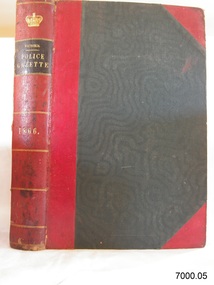
Administrative record - Reference Sociology/History, John Ferres, Government Printer, Victoria Police Gazettes for 1866, 1866
... Council of Victoria passed an Act on 8 January 1853 for the regulation of the police force. At that time there were seven distinct, independently operating police bodies in Victoria: the Melbourne and County of Bourke Police, the City of Geelong Police, the Goldfields Police, the Gold Escort, the Water Police, the Rural Bench Constabulary, and the Mounted Police. ...Council of Victoria passed an Act on 8 January 1853 for the regulation of the police force. At that time there were seven distinct, independently operating police bodies in Victoria: the Melbourne and County of Bourke Police, the City of Geelong Police, the Goldfields Police, the Gold Escort, the Water Police, the Rural Bench Constabulary, and the Mounted Police. ...The Victoria Police Gazette was a confidential, internal publication of the Victoria Police, issued to inform police officers, court and justice officials, and government departments about matters relevant to policing across the colony. It commenced in December 1853 and was initially published weekly by the Victoria Police. It was distributed each week to city and rural police stations and to government offices and newspaper publishers. Inclusions in this weekly publication were people wanted for questioning in relation to various crimes, prisoners discharged from city or country gaols, extracts from Police Gazettes in New South Wales, South Australia, Queensland, Tasmania, New Zealand, and occasionally overseas countries, as well as extracts from the Hobart Town Gazette listing escaped convicts and the person to whom they were assigned. There was also a "Missing Friends" section, where most people listed were not criminals but were sought by police so relatives, old friends, or government officials could renew contact with them. In addition, there was a record of deserted wives and children, listing the offender's name, birthplace, age, occupation, last known area of residence, likely future movements and known relatives. There was also a section on court lists, warrants issued, appointments and staffing changes within the police service, arrest and discharge records with physical descriptions, and lists of pastoralists with descriptions of their livestock brands.Hard Bound Volume. Victorian Police Gazettes for 1866 Author: Institutional Government Publication Publisher: John Ferres, Melbourne Date: 1866 Further Information: Compilation of Weekly Victorian Police Gazettes for 1866 in a hard bound volume with red spine and red corner reinforcing. Front panel grey coloured lettering in gilt with gilt banding to spine. Inside is twelve issues of the Police Gazettes for 1866.non-fictionThe Victoria Police Gazette was a confidential, internal publication of the Victoria Police, issued to inform police officers, court and justice officials, and government departments about matters relevant to policing across the colony. It commenced in December 1853 and was initially published weekly by the Victoria Police. It was distributed each week to city and rural police stations and to government offices and newspaper publishers. Inclusions in this weekly publication were people wanted for questioning in relation to various crimes, prisoners discharged from city or country gaols, extracts from Police Gazettes in New South Wales, South Australia, Queensland, Tasmania, New Zealand, and occasionally overseas countries, as well as extracts from the Hobart Town Gazette listing escaped convicts and the person to whom they were assigned. There was also a "Missing Friends" section, where most people listed were not criminals but were sought by police so relatives, old friends, or government officials could renew contact with them. In addition, there was a record of deserted wives and children, listing the offender's name, birthplace, age, occupation, last known area of residence, likely future movements and known relatives. There was also a section on court lists, warrants issued, appointments and staffing changes within the police service, arrest and discharge records with physical descriptions, and lists of pastoralists with descriptions of their livestock brands.warrnambool, shipwrecked-coast, flagstaff-hill, flagstaff-hill-maritime-museum, maritime-museum, shipwreck-coast, flagstaff-hill-maritime-village, shipwrecked-artefact, book, victoria police gazette 1862, victoria police gazette, warrnambool books and records, great ocean road -
 Flagstaff Hill Maritime Museum and Village
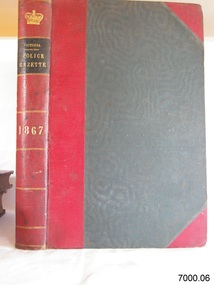
Administrative record - Reference Sociology/History, John Ferres, Government Printer, Victoria Police Gazettes for 1867, 1867
... Council of Victoria passed an Act on 8 January 1853 for the regulation of the police force. At that time there were seven distinct, independently operating police bodies in Victoria: the Melbourne and County of Bourke Police, the City of Geelong Police, the Goldfields Police, the Gold Escort, the Water Police, the Rural Bench Constabulary, and the Mounted Police. ...Council of Victoria passed an Act on 8 January 1853 for the regulation of the police force. At that time there were seven distinct, independently operating police bodies in Victoria: the Melbourne and County of Bourke Police, the City of Geelong Police, the Goldfields Police, the Gold Escort, the Water Police, the Rural Bench Constabulary, and the Mounted Police. ...The Victoria Police Gazette was a confidential, internal publication of the Victoria Police, issued to inform police officers, court and justice officials, and government departments about matters relevant to policing across the colony. It commenced in December 1853 and was initially published weekly by the Victoria Police. It was distributed each week to city and rural police stations and to government offices and newspaper publishers. Inclusions in this weekly publication were people wanted for questioning in relation to various crimes, prisoners discharged from city or country gaols, extracts from Police Gazettes in New South Wales, South Australia, Queensland, Tasmania, New Zealand, and occasionally overseas countries, as well as extracts from the Hobart Town Gazette listing escaped convicts and the person to whom they were assigned. There was also a "Missing Friends" section, where most people listed were not criminals but were sought by police so relatives, old friends, or government officials could renew contact with them. In addition, there was a record of deserted wives and children, listing the offender's name, birthplace, age, occupation, last known area of residence, likely future movements and known relatives. There was also a section on court lists, warrants issued, appointments and staffing changes within the police service, arrest and discharge records with physical descriptions, and lists of pastoralists with descriptions of their livestock brands.Hard Bound Volume. Victorian Police Gazettes for 1867 Author: Institutional Government Publication Publisher: John Ferres, Melbourne Date: 1867 Further Information: Compilation of Weekly Victorian Police Gazettes for 1867 in a hard bound volume with red spine and red corner reinforcing. Front panel grey coloured lettering in gilt with gilt banding to spine. Inside is twelve issues of the Police Gazettes for 1867.non-fictionThe Victoria Police Gazette was a confidential, internal publication of the Victoria Police, issued to inform police officers, court and justice officials, and government departments about matters relevant to policing across the colony. It commenced in December 1853 and was initially published weekly by the Victoria Police. It was distributed each week to city and rural police stations and to government offices and newspaper publishers. Inclusions in this weekly publication were people wanted for questioning in relation to various crimes, prisoners discharged from city or country gaols, extracts from Police Gazettes in New South Wales, South Australia, Queensland, Tasmania, New Zealand, and occasionally overseas countries, as well as extracts from the Hobart Town Gazette listing escaped convicts and the person to whom they were assigned. There was also a "Missing Friends" section, where most people listed were not criminals but were sought by police so relatives, old friends, or government officials could renew contact with them. In addition, there was a record of deserted wives and children, listing the offender's name, birthplace, age, occupation, last known area of residence, likely future movements and known relatives. There was also a section on court lists, warrants issued, appointments and staffing changes within the police service, arrest and discharge records with physical descriptions, and lists of pastoralists with descriptions of their livestock brands.warrnambool, shipwrecked-coast, flagstaff-hill, flagstaff-hill-maritime-museum, maritime-museum, shipwreck-coast, flagstaff-hill-maritime-village, shipwrecked-artefact, book, victoria police gazette 1862, victoria police gazette, warrnambool books and records, great ocean road -
 Flagstaff Hill Maritime Museum and Village
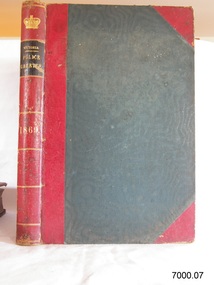
Administrative record - Reference Sociology/History, John Ferres, Government Printer, Victoria Police Gazettes for 1869, 1869
... Council of Victoria passed an Act on 8 January 1853 for the regulation of the police force. At that time there were seven distinct, independently operating police bodies in Victoria: the Melbourne and County of Bourke Police, the City of Geelong Police, the Goldfields Police, the Gold Escort, the Water Police, the Rural Bench Constabulary, and the Mounted Police. ...Council of Victoria passed an Act on 8 January 1853 for the regulation of the police force. At that time there were seven distinct, independently operating police bodies in Victoria: the Melbourne and County of Bourke Police, the City of Geelong Police, the Goldfields Police, the Gold Escort, the Water Police, the Rural Bench Constabulary, and the Mounted Police. ...The Victoria Police Gazette was a confidential, internal publication of the Victoria Police, issued to inform police officers, court and justice officials, and government departments about matters relevant to policing across the colony. It commenced in December 1853 and was initially published weekly by the Victoria Police. It was distributed each week to city and rural police stations and to government offices and newspaper publishers. Inclusions in this weekly publication were people wanted for questioning in relation to various crimes, prisoners discharged from city or country gaols, extracts from Police Gazettes in New South Wales, South Australia, Queensland, Tasmania, New Zealand, and occasionally overseas countries, as well as extracts from the Hobart Town Gazette listing escaped convicts and the person to whom they were assigned. There was also a "Missing Friends" section, where most people listed were not criminals but were sought by police so relatives, old friends, or government officials could renew contact with them. In addition, there was a record of deserted wives and children, listing the offender's name, birthplace, age, occupation, last known area of residence, likely future movements and known relatives. There was also a section on court lists, warrants issued, appointments and staffing changes within the police service, arrest and discharge records with physical descriptions, and lists of pastoralists with descriptions of their livestock brands.Hard Bound Volume. Victorian Police Gazettes for 1869 Author: Institutional Government Publication Publisher: John Ferres, Melbourne Date: 1869 Further Information: Compilation of Weekly Victorian Police Gazettes for 1869 in a hard bound volume with red spine and red corner reinforcing. Front panel grey coloured lettering in gilt with gilt banding to spine. Inside is twelve issues of the Police Gazettes for 1869.non-fictionThe Victoria Police Gazette was a confidential, internal publication of the Victoria Police, issued to inform police officers, court and justice officials, and government departments about matters relevant to policing across the colony. It commenced in December 1853 and was initially published weekly by the Victoria Police. It was distributed each week to city and rural police stations and to government offices and newspaper publishers. Inclusions in this weekly publication were people wanted for questioning in relation to various crimes, prisoners discharged from city or country gaols, extracts from Police Gazettes in New South Wales, South Australia, Queensland, Tasmania, New Zealand, and occasionally overseas countries, as well as extracts from the Hobart Town Gazette listing escaped convicts and the person to whom they were assigned. There was also a "Missing Friends" section, where most people listed were not criminals but were sought by police so relatives, old friends, or government officials could renew contact with them. In addition, there was a record of deserted wives and children, listing the offender's name, birthplace, age, occupation, last known area of residence, likely future movements and known relatives. There was also a section on court lists, warrants issued, appointments and staffing changes within the police service, arrest and discharge records with physical descriptions, and lists of pastoralists with descriptions of their livestock brands.warrnambool, shipwrecked-coast, flagstaff-hill, flagstaff-hill-maritime-museum, maritime-museum, shipwreck-coast, flagstaff-hill-maritime-village, shipwrecked-artefact, book, victoria police gazette 1862, victoria police gazette, warrnambool books and records, great ocean road -
 City of Moorabbin Historical Society (Operating the Box Cottage Museum)
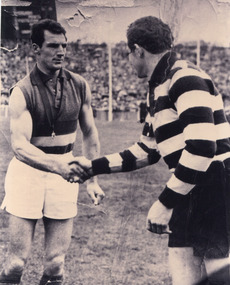
Photograph, B&W, Peter Box, AFL Footballer c 1950, c1950
... box peter, australian rules football, brownlow medal, brownlow charles, footscray football club, fitzroy football club, geelong football club, davis bob, city of moorabbin, brighton, dendy henry, box william, box elizabeth, rietman august, rietman frieda, box cottage museum ormond, box alonzo, glen eira city council, city of moorabbin historical society, ormond, bentleigh, cheltenham...This medal, named after Fitzroy footballer Charles Brownlow, is awarded each year to the Fairest and Best Player in the AFL as voted by the umpires of the AFL Peter Box was a champion Australian Rules Footballer in the 1950's and won the prestigious Bownlow medal in 1956 box peter, australian rules football, brownlow medal, brownlow charles, footscray football club, fitzroy football club, geelong football club, davis bob, city of moorabbin, brighton, dendy henry, box william, box elizabeth, rietman august, rietman frieda, box cottage museum ormond, box alonzo, glen eira city council, city of moorabbin historical society, ormond, bentleigh, cheltenham Handwritten - Peter Box / Brownlow Medalist 1956 / Footscray / Cheltenham Captain 1950 A Black and white photograph of Peter Box, Captain Footscray AFL Club, with Bob Davis , Captain Geelong AFL Club c 1950 Photograph, B&W, Peter Box, AFL Footballer c 1950 CMHS member ...Peter Box , played Australian Rules Football for Cheltenham and Australian Football League team Footscray . He won the Brownlow Medal in 1956. This medal, named after Fitzroy footballer Charles Brownlow, is awarded each year to the Fairest and Best Player in the AFL as voted by the umpires of the AFLPeter Box was a champion Australian Rules Footballer in the 1950's and won the prestigious Bownlow medal in 1956A Black and white photograph of Peter Box, Captain Footscray AFL Club, with Bob Davis , Captain Geelong AFL Club c 1950Handwritten - Peter Box / Brownlow Medalist 1956 / Footscray / Cheltenham Captain 1950box peter, australian rules football, brownlow medal, brownlow charles, footscray football club, fitzroy football club, geelong football club, davis bob, city of moorabbin, brighton, dendy henry, box william, box elizabeth, rietman august, rietman frieda, box cottage museum ormond, box alonzo, glen eira city council, city of moorabbin historical society, ormond, bentleigh, cheltenham -
 Flagstaff Hill Maritime Museum and Village
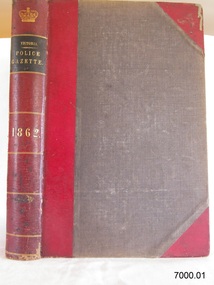
Administrative record - Reference Sociology/History, John Ferres, Government Printer, Victoria Police Gazettes for 1862, 1862
... Council of Victoria passed an Act on 8 January 1853 for the regulation of the police force. At that time there were seven distinct, independently operating police bodies in Victoria: the Melbourne and County of Bourke Police, the City of Geelong Police, the Goldfields Police, the Gold Escort, the Water Police, the Rural Bench Constabulary, and the Mounted Police. ...Council of Victoria passed an Act on 8 January 1853 for the regulation of the police force. At that time there were seven distinct, independently operating police bodies in Victoria: the Melbourne and County of Bourke Police, the City of Geelong Police, the Goldfields Police, the Gold Escort, the Water Police, the Rural Bench Constabulary, and the Mounted Police. ...The Victoria Police Gazette was a confidential, internal publication of the Victoria Police, issued to inform police officers, court and justice officials, and government departments about matters relevant to policing across the colony. It commenced in December 1853 and was initially published weekly by the Victoria Police. It was distributed each week to city and rural police stations and to government offices and newspaper publishers. Inclusions in this weekly publication were people wanted for questioning in relation to various crimes, prisoners discharged from city or country gaols, extracts from Police Gazettes in New South Wales, South Australia, Queensland, Tasmania, New Zealand, and occasionally overseas countries, as well as extracts from the Hobart Town Gazette listing escaped convicts and the person to whom they were assigned. There was also a "Missing Friends" section, where most people listed were not criminals but were sought by police so relatives, old friends, or government officials could renew contact with them. In addition, there was a record of deserted wives and children, listing the offender's name, birthplace, age, occupation, last known area of residence, likely future movements and known relatives. There was also a section on court lists, warrants issued, appointments and staffing changes within the police service, arrest and discharge records with physical descriptions, and lists of pastoralists with descriptions of their livestock brands.Hard Bound Volume. Victorian Police Gazettes for 1862 Author: Institutional Government Publication Publisher: John Ferres, Melbourne Date: 1862 Further Information: Compilation of Weekly Victorian Police Gazettes for 1862 in a hard bound volume with red spine and red corner reinforcing. Front panel grey coloured lettering in gilt with gilt banding to spine. Inside is twelve issues of the Police Gazettes for 1862.non-fictionThe Victoria Police Gazette was a confidential, internal publication of the Victoria Police, issued to inform police officers, court and justice officials, and government departments about matters relevant to policing across the colony. It commenced in December 1853 and was initially published weekly by the Victoria Police. It was distributed each week to city and rural police stations and to government offices and newspaper publishers. Inclusions in this weekly publication were people wanted for questioning in relation to various crimes, prisoners discharged from city or country gaols, extracts from Police Gazettes in New South Wales, South Australia, Queensland, Tasmania, New Zealand, and occasionally overseas countries, as well as extracts from the Hobart Town Gazette listing escaped convicts and the person to whom they were assigned. There was also a "Missing Friends" section, where most people listed were not criminals but were sought by police so relatives, old friends, or government officials could renew contact with them. In addition, there was a record of deserted wives and children, listing the offender's name, birthplace, age, occupation, last known area of residence, likely future movements and known relatives. There was also a section on court lists, warrants issued, appointments and staffing changes within the police service, arrest and discharge records with physical descriptions, and lists of pastoralists with descriptions of their livestock brands.warrnambool, shipwrecked-coast, flagstaff-hill, flagstaff-hill-maritime-museum, maritime-museum, shipwreck-coast, flagstaff-hill-maritime-village, shipwrecked-artefact, book, victoria police gazette 1862, victoria police gazette, warrnambool books and records, great ocean road -
 Ringwood and District Historical Society
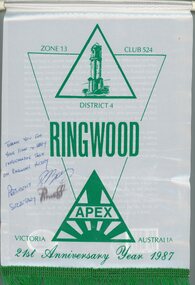
Container - Carton, Ringwood Apex Club
... CONTENTS: 4351/01 Ringwood Joint Services Committee; Meals-on-wheels Project; Submission to Ringwood City Council on 7the August 1972. 4351/02 Association of Apex Clubs, Zone 13 - 8th Annual Convention, Wangaratta, 10-12 October 1986 Hosted by Rowville Apex Club 4351/03 Ringwood Apex Club Banner – 21st Anniversary Year 1987 (30cm x 22cm) 4351/04 Apex National Jubilee Convention, 1981 - Geelong 4351/05 Association of Apex Clubs, Zone 13 – M.A.N. ...CONTENTS: 4351/01 Ringwood Joint Services Committee; Meals-on-wheels Project; Submission to Ringwood City Council on 7the August 1972. 4351/02 Association of Apex Clubs, Zone 13 - 8th Annual Convention, Wangaratta, 10-12 October 1986 Hosted by Rowville Apex Club 4351/03 Ringwood Apex Club Banner – 21st Anniversary Year 1987 (30cm x 22cm) 4351/04 Apex National Jubilee Convention, 1981 - Geelong 4351/05 Association of Apex Clubs, Zone 13 – M.A.N. ...CONTENTS: 4351/01 Ringwood Joint Services Committee; Meals-on-wheels Project; Submission to Ringwood City Council on 7the August 1972. 4351/02 Association of Apex Clubs, Zone 13 - 8th Annual Convention, Wangaratta, 10-12 October 1986 Hosted by Rowville Apex Club 4351/03 Ringwood Apex Club Banner – 21st Anniversary Year 1987 (30cm x 22cm) 4351/04 Apex National Jubilee Convention, 1981 - Geelong 4351/05 Association of Apex Clubs, Zone 13 – M.A.N. Metropolitan Apex Newsletters, Miscellaneous copies 1982-1985 4351/06 Apex Clubs of Australia Manual 4351/07 List of Ringwood Apex Club members up to July 1986 4351/08 Apex – Jemma. Zone 13 – Melbourne. 6 issues. (19cm x 24cm) 4351/09 The Apexian Magazine – Miscellaneous copies. (A4 size) 4351/10 Miscellaneous newspaper clippings. 4351/11 Miscellaneous general information items. -
 Warrnambool and District Historical Society Inc.
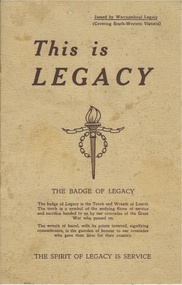
Work on paper - Booklet, This is Legacy, 1947
... City Council. This booklet has historical and social significance as it shows the endeavor of the people of the district to care for those affected by war, in the district and records the names of the first people involved in working with Legacy in Warrnambool . legacy 1947 warrnambool history warrnambool legacy *Printers Geelong. ...Dark cream coloured soft card cover with brown text. Title is in larger text with the Legacy emblem in the centre of the front cover. The back cover has the poem, Flanders Field and the legacy response. Eight pages which has text and some photographs. A list of Warrnambool office bearers is on the inside back cover. non-fictionlegacy 1947, warrnambool history, warrnambool legacy -
 Bendigo Historical Society Inc.
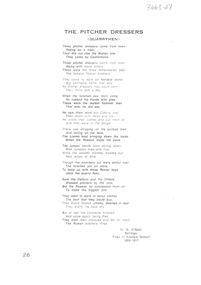
Document - The Pitcher Dressers, W.G. O'Neill, Unknown
... Geelong Roche Lime." His address, given for the purpose of the advertisements, is Ewen Street, Brunswick. There were a number of quarries and clay pits in Brunswick at this time and by July 9, 1861, Ingham was operating a quarry and contracting services to local councils and boroughs for road works, including Sydney Road. He also operated the True Briton Hotel in Ewen Street. Ingham continued his quarry works and business dealings in the Brunswick area for a few years and, around 1872, was contracting for the City...Geelong Roche Lime." His address, given for the purpose of the advertisements, is Ewen Street, Brunswick. There were a number of quarries and clay pits in Brunswick at this time and by July 9, 1861, Ingham was operating a quarry and contracting services to local councils and boroughs for road works, including Sydney Road. He also operated the True Briton Hotel in Ewen Street. Ingham continued his quarry works and business dealings in the Brunswick area for a few years and, around 1872, was contracting for the City ...Axedale is well known for its Bluestone. Early on the quarries employed a large number of people. In the 1860’s Napthali Ingham selected land in Axedale and opened a bluestone quarry beside the river later known as Ingham Hill. The quarry produced dressed curbing and pitchers for use in Bendigo and Melbourne. This bluestone can be seen throughout Axedale in the churches, the bridge over the Campaspe River and guttering in the township. The quarry also supplied bluestone products further afield, for example road metal. Napthali Ingham, the owner of one of the first quarries in Axedale, arrived in Victoria from Lancashire, England, some time before 1860, and settled in Brunswick, Victoria. He may have been building his home in Ewen[sic] Street in 1860, at approximately 31 years of age, when he placed two advertisements in The Argus, October 10. One called for tenders for carting "upwards of 100 perches of rubbish to Sandridge." The other calls for tenders to supply "800 bushels of Geelong Roche Lime." His address, given for the purpose of the advertisements, is Ewen Street, Brunswick. There were a number of quarries and clay pits in Brunswick at this time and by July 9, 1861, Ingham was operating a quarry and contracting services to local councils and boroughs for road works, including Sydney Road. He also operated the True Briton Hotel in Ewen Street. Ingham continued his quarry works and business dealings in the Brunswick area for a few years and, around 1872, was contracting for the City of Bendigo. He eventually moved to Axedale, between Bendigo and Heathcote, where he took up land and opened a bluestone quarry on the east bank of the Campaspe River. As he had difficulty transporting bluestone to Bendigo, he wrote a letter to The Bendigo Advertiser, suggesting a tramway be laid between Sandhurst (Bendigo) and Axedale. Over the next ten years or so, he modified this suggestion to a rail line connecting Sandhurst, Axedale and Heathcote to the North East line at Seymour. This suggestion did not materialise in its entirety, but it eventually resulted in what became the Wandong, Heathcote and Sandhurst Rail Line, the first sections, Bendigo-Heathcote and Wandong-Kilmore, opening October 1, 1888. In the 1870s, Ingham built the Quarry Hotel which is now the crumbling ruins adjoining Ingham Road on the east side of the Campaspe River.. Its condition is worsening as time passes. Ingham intended to have a tramline constructed from his Axedale bluestone quarry to the new rail line. This also did not happen but he was successful in getting a wood siding provided at the location that is today's Hanson's Quarry. Evidence of the rail siding are still evident at the site in 2025. Ingham's quarry is now owned by Hansen Quarries Ingham died in 1909 and the rail line that grew out of his suggestion lasted until 1958 when it was closed from Bendigo to Heathcote. The Heathcote Junction section was closed in 1968. Another quarry was owned and operated by Brasier, Riley and Nelson. 'This well known firm of contractors have a most extensive plant and all the latest improved machinery required for the supply of kerbstone, pitchers, monumental work and dressed bluestone metal for road making. ('Bendigo & District, 1902') 1. One page typed poem, written by W.G. O'Neill, titled 'The Pitcher Dressers, (Quarrymen). The poem tells the story of three Rowan brothers who came to the Axedale Quarry: 'They came to work on Axedale stone, Big contracts came that way, As pitcher dressers they could earn, Their thirty bob a day.' 2. Three copies of newspaper articles relating to quarry work and employees attached to poem: information regarding Brasier, Riley and Nelson, contractors (Bendigo and District 1902); 'The Stone Quarry Grievance' (Bendigo Advertiser, 15 June, 1959, p2); 'A Restriction Upon Industry' (Bendigo Advertiser, 2 June, 1859). Article 'A Restriction Upon Industry" details the anomalies that exist between working the quartz reefs for gold and quarrying for building stone. The cost of obtaining a license to 'quarry stone is 50 pounds sterling which must be paid down in order to merely prospect the ground. Some people who took out a lease to work a reef were actually 'looking for building stone'. On bottom of poem, W.G. O'Neill, Bendigo. Pupil of Axedale School, 1908-1917.axedale, quarry, napthali ingham, pitchers, pitcher dressers, bluestone, campaspe river, quarry hotel, rowan brothers -
 Bendigo Historical Society Inc.
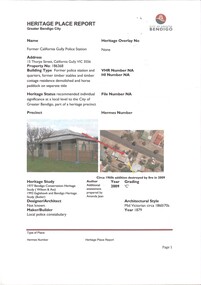
Document - HERITAGE REPORT: FORMER POLICE STATION AND QUARTERS: CALIFORNIA GULLY
... City of Greater Bendigo... Wilson & Ass... Butler... Amanda Jean... Johnson Reef Shafts No 1 & 2... Rose of Denmark... Princess Dagmar... Bendigo Amalgamated Goldfields Company... Captain Frederick Standish... Royal Irish Constabulary... E Thorpe... Campbell... Taylor... Watson... Brown... Hosken... McKowne... McQualter... Parker... Hicks... Eaglehawk Municipal Council...Victorian Police Force... D Bannear... Historic Mining sites in the Sandhurst Eaglehawk and Raywood Mining Divisions... Department of Conservation and Natural Resources... Joshua Thorpe... Thorpe & Co... Johnson & Co... William Thorn... Michael Thomas... James Murdock... Edward C Brown... Francis Youlden... Gold Escort... Water Police... Mounted Police... City Police (Melbourne)... Geelong...HERITAGE Heritage Report - Former Police Station and Quarters - California Gully City of Greater Bendigo Wilson & Ass Butler Amanda Jean Johnson Reef Shafts No 1 & 2 Rose of Denmark Princess Dagmar Bendigo Amalgamated Goldfields Company Captain Frederick Standish Royal Irish Constabulary E Thorpe Campbell Taylor Watson Brown Hosken McKowne McQualter Parker Hicks Eaglehawk Municipal Council Victorian Police Force D Bannear Historic Mining sites in the Sandhurst Eaglehawk and Raywood Mining Divisions Department of Conservation and Natural Resources Joshua Thorpe Thorpe & Co Johnson & Co William Thorn Michael Thomas James Murdock Edward C Brown Francis Youlden Gold Escort Water Police Mounted Police City Police (Melbourne) Geelong Police Gold Fields Police Rural Bench Constabulary The People's Force Robert Haldane N Wild Streets of the Borough of Eaglehawk Police Registration Act William Henry Mitchell Camp Hotel J O C Nieman J M Catarach G W Hosken Margaret Hosken nee McKown Majorie Alice McQualter Kellie Anne McQualter Adam Joseph Doolan Mr Hicks Sands & McDougall Hill George Meeking Howard McEwan Frank A Jinks Stanley McCaig Mrs Eleanor Gordon John L McQualter Mrs Adeline Maher William L Raynor Robert Flack John P Whitehead Miss A Sang George T Linddsay John P Dyer Henry Jackman George A Tibbetts Mrs S A Hosken Mrs Margaret Winifred nee McKowne Chaplin Frank W Wilson C E Wright George Miller G A Sheyhill Basil Hugh Marshall R Miles J H Parker W B Barkla W G Nicholls Les Cartledge Clifford William Cole Charles Basil Farmers Citizens Trustees Co Bev Hanson Seventeen page Heritage Place Report on the Former California Gully Police Station at 15 Thorpe Street, California Gully. ...Seventeen page Heritage Place Report on the Former California Gully Police Station at 15 Thorpe Street, California Gully. It is the former police station and quarters, former timber stables and timber cottage residence demolished and horse paddock on separate title. Report includes a Statement of Significance, Place History (History of the Area), Policing California Gully Goldfields, History of the Buildings, Chronology of Ownership, Rate Books 1858, - 1867 - 1868, 1895 Borough of Eaglehawk Rates, 1922 Voters Roll, 1952 & 1962 Sands & McDougall Directory Thorpe St California Gully, Comparable Examples, Secondary Sources, Description Conservation Policy Guidelines (Specific), Physical Conditions, Physical Description 1, Map of Early Photo Location, Bendigo Parish Plan circa 1870, Certificate of Title 1950 & 1960. Pge 14 has plans, maps and an aerial photo of 15 Thorpe Street. Page 15 has an aerial photo of 15 Thorpe Street, California Gully with Allotment Size. Page 16 & 17 has photos.heritage, heritage report - former police station and quarters - california gully, city of greater bendigo, wilson & ass, butler, amanda jean, johnson reef shafts no 1 & 2, rose of denmark, princess dagmar, bendigo amalgamated goldfields company, captain frederick standish, royal irish constabulary, e thorpe, campbell, taylor, watson, brown, hosken, mckowne, mcqualter, parker, hicks, eaglehawk municipal council, victorian police force, d bannear, historic mining sites in the sandhurst eaglehawk and raywood mining divisions, department of conservation and natural resources, joshua thorpe, thorpe & co, johnson & co, william thorn, michael thomas, james murdock, edward c brown, francis youlden, gold escort, water police, mounted police, city police (melbourne), geelong police, gold fields police, rural bench constabulary, the people's force, robert haldane, n wild, streets of the borough of eaglehawk, police registration act, william henry mitchell, camp hotel, j o c nieman, j m catarach, g w hosken, margaret hosken nee mckown, majorie alice mcqualter, kellie anne mcqualter, adam joseph doolan, mr hicks, sands & mcdougall, hill george, meeking howard, mcewan frank a, jinks stanley, mccaig mrs eleanor, gordon john l, mcqualter mrs adeline, maher william l, raynor robert, flack john p, whitehead miss a, sang george t, linddsay john p, dyer henry, jackman george a, tibbetts mrs s a, hosken mrs margaret winifred nee mckowne, chaplin frank w, wilson c e, wright george, miller g a, sheyhill basil hugh, marshall r, miles j h, parker w b, barkla w g, nicholls les, cartledge clifford william, cole charles basil, farmers citizens trustees co, bev hanson -
 Bendigo Historical Society Inc.
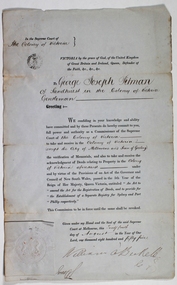
Certificate - George Josph Pittman Solicitor Certificate, 24/08/1855
... To Goege Joseph Pitman Gentleman Greeting We confiding in your knowledge and ability have committed to you, full power and authority as a Commissioner of the Supreme Court of the Colony of Victoria to take and receive in the Colony of Victoria except the City of Melbourne and Town of Geelong the verification of Memorials, and also to take and receive the acknowledgement of Deeds relating to Property in the Colony of Victoria aforesaid under and by virtue of the Provisions of an Act of the Governor and Council of New South Wales passed in the 5th Year of the Reign of Her Majesty, Queen Victoria, entituled "An Act to " amend the act for the Registration of Deeds, and to provide for " the Establishment of a Separate Registary for Sydney and Port Phillip respectively" This Commission to be in force until the same shall be revoked. ...To Goege Joseph Pitman Gentleman Greeting We confiding in your knowledge and ability have committed to you, full power and authority as a Commissioner of the Supreme Court of the Colony of Victoria to take and receive in the Colony of Victoria except the City of Melbourne and Town of Geelong the verification of Memorials, and also to take and receive the acknowledgement of Deeds relating to Property in the Colony of Victoria aforesaid under and by virtue of the Provisions of an Act of the Governor and Council of New South Wales passed in the 5th Year of the Reign of Her Majesty, Queen Victoria, entituled "An Act to " amend the act for the Registration of Deeds, and to provide for " the Establishment of a Separate Registary for Sydney and Port Phillip respectively" This Commission to be in force until the same shall be revoked. ...George Joseph Pitman was born on 2 May 1803, in Bristol, England, his father, Thomas Dix Pitman, was 40 and his mother, Anna Simmonds, was 38. He married Clara Matilda Hamilton on 15 November 1827, in St Pancras Old Church, St Pancras, London, England, United Kingdom. They were the parents of at least 3 sons and 7 daughters. He immigrated to Port Adelaide, South Australia, Australia in 1850 and lived in Barnstaple, Devon, England, United Kingdom in 1841. In 1856, his occupation is listed as solicitor in Bendigo, Victoria, Australia. He died on 14 January 1896, in Hawthorn, Victoria, Australia, at the age of 92, and was buried Kew Cemetery Boroondara Victoriahttps://ancestors.familysearch.org/en/L77X-BQS/george-joseph-pitman-1803-1896g George Joseph Pitman is believed to be the first solicitor on the Sandhurst Gold FieldGrey blue coloured paper with black print and black handwriting In the Supreme Court of The Colony of Victoria VICTORIA by the grace of God, of the United Kingdom of Great Britain and Ireland, Queen, Defender of the Faith, &c., &c., &c. To Goege Joseph Pitman Gentleman Greeting We confiding in your knowledge and ability have committed to you, full power and authority as a Commissioner of the Supreme Court of the Colony of Victoria to take and receive in the Colony of Victoria except the City of Melbourne and Town of Geelong the verification of Memorials, and also to take and receive the acknowledgement of Deeds relating to Property in the Colony of Victoria aforesaid under and by virtue of the Provisions of an Act of the Governor and Council of New South Wales passed in the 5th Year of the Reign of Her Majesty, Queen Victoria, entituled "An Act to " amend the act for the Registration of Deeds, and to provide for " the Establishment of a Separate Registary for Sydney and Port Phillip respectively" This Commission to be in force until the same shall be revoked. Given under my Hand and the Seal of the said Supreme Court at Melbourne, this Twenty fourth day of August in the Year of Our Lord, one thousand eight hundred and fifty five An impression of THE SEAL OF THE SUPREME COURT OF THE COLONY OF VICTORIA Three illegible signatures george joseph pitman, bendigo's first solicitor, solicitor certificate -
Bendigo Historical Society Inc.
Document - The Victorian Country Volleyball Council Correspondence and Country Championship Reports, 1978
... In 2023, the Commission handed the organisation of the Championships back to VVI, who with paid staff, were better equipped to manage the event. victorian country volleyball council vcvc victorian amateur volleyball association volleyball victoria This item contains Victorian Country Volleyball Council Correspondence and Country Championship Reports; it includes the following documents: 11171.23a VAVA AGM Minutes Dec 1978 11171.23b Letter to State Coaches from Victorian Coaches Commission 11171.23c VAVA re World sport '79 Expo 11171.23d VAVA Player Registration Fees 11171.23e Report on U17 Australain Volleyball Championships 1978 11171.23f VAVA "Money Makes Money" Prospectus 11171.23g VAVA Australian Youth Championships Newsletter 11171.23h VAVA Notice of new secretary 11171.23i VAVA Requirement to list all owned equipment 11171.23j VAVA Executive Council meeting Dec 1977 11171.23k VAVA Executive Council meeting Feb 1978 11171.23l VAVA Executive Council meeting March 1978 11171.23m VAVA Executive Council meeting May 1978 11171.23n Letter listing VAVA Membership Numbers 11171.23o VAVA Minutes of Executive Meeting June 1978 11171.23p VAVA Minutes of Executive Meeting July 1978 11171.23q VAVA Minutes of Executive Meeting July 1978 11171.23r VAVA Official training Times Aug 1978 11171.23s VAVA Executive Meeting Aug 1978 11171.23t VAVA Executive Meeting Sept 1978 11171.23u VAVA Executive Meeting Oct 1978 11171.23v Two hand written letters from President of VAVA Eric Hayman 11171.23w Letter from City of sydney and Districts Volleyball association 11171.23x Letter to Sisu Volleyball Club re tournament 11171.23y VAVA letter of appreciation to VCVC re contribution 11171.23z VAVA Letter from Eric Hayman to Tasmanian Volleyball Association re U20 Entry Charges 11171.23aa VAVA Submission to the Sports and Recreation Assistance Programme 1977-78 11171.23ab VAVA Letter to the Geelong Vollayball Association re Australian Championships 11171.23ac VAVA Coaching Commission to re upcoming coaches seminar Document The Victorian Country Volleyball Council Correspondence and Country Championship Reports ...Volleyball has been played in regional Victoria since the early-1960’s. During those early days, most competitions, like the founders of our great sport, were run by, or in conjunction with, the YMCA. Competitions were running at the Ballarat School of Mines and the YMCA’s of Bendigo, Geelong and Warrnambool. In August 1966, an invitation was extended by the Victorian Amateur Volleyball Association to play in the first State-wide event at Monash University. Geelong and Bendigo accepted the invitation with Melbourne represented by Sisu. For Bendigo players at least, this was the first exposure to ‘international rules’, which prevented upward scoops with open hands, introduced an action called a ‘dig’ and seemed to penalise most overhead actions using the fingers as ‘double hits’! Over the next few years, the sport expanded through the YMCA movement with weekly competitions starting up in Ararat, Warrnambool and Latrobe Valley. The Victorian Regional Council of YMCA’s proposed the first Victorian YMCA Championship in Warrnambool on 30th March 1968 with an entry fee of $4.00 per team. The sport continued to grow with additional regional associations affiliating with the Victorian Amateur Volleyball Association (now VVI) who provided the coaching and refereeing assistance needed to raise the standard of play. In 1970, the YMCA Championships started to give way to the Victorian Country Championships with the first ever event held in Bendigo. In 1973, a re-organisation of the VAVA saw the proposal to create separate Victorian Country and Metropolitan Volleyball Councils. The VCVC was established in 1974 and took over the organisation of the Victorian Country Championships. For the next 10-12 years, the Country Championships grew in stature with the inclusion of two divisions for open men and women and junior divisions for boys and girls. Representative teams successfully contested Australian Country Championships between Victoria, South Australia and New South Wales on several occasions. In October 1985, the VCVC voluntarily wound up the Council and handed the responsibility for the Country Championships back to Volleyball Victoria, who by that time had full-time State Executive and Coaching Directors. Since that time, the Long Weekend in June has continued to be the date of the major annual volleyball event for most regional associations, even though in 1986 the Junior Country Championships were wound up in favour of state and national schools events. A number of regional associations have ceased to exist, as have a number of regional tournaments. Regional leagues were created in both the Gippsland and Central, North-West regions, with Gippsland the only one to survive. Some associations have successfully competed in the State League competitions at various times. Following the experience gained by a number of regional administrators working on the Sydney Olympic Games, a proposal to revamp the Victorian Country Championship was put to VVI in early 2002. Later that year, the Volleyball Victoria Country Championships Commission was formed to implement the recommendations of the review and take control of the event into the future. These championships now provide regional players and officials an opportunity to participate in a consistently well-managed event, using many international protocols and a high standard of presentation. Without doubt, this event now ranks as one of the best volleyball events in Australia. Source: 2022 Country Championship regulations The management of the Country Championships by the Victorian Country Championship Commission certainly achieved the objective of raising the standard of presentation, and delivering a consistently high quality event. However, the demands on Host Associations began to take their toll, with several Associations declining the opportunity to host the event due to the high workload. Similarly, the workload of the volunteer Commissioners also took its toll, with the Commission unable to fill casual vacancies. In 2023, the Commission handed the organisation of the Championships back to VVI, who with paid staff, were better equipped to manage the event.This item contains Victorian Country Volleyball Council Correspondence and Country Championship Reports; it includes the following documents: 11171.23a VAVA AGM Minutes Dec 1978 11171.23b Letter to State Coaches from Victorian Coaches Commission 11171.23c VAVA re World sport '79 Expo 11171.23d VAVA Player Registration Fees 11171.23e Report on U17 Australain Volleyball Championships 1978 11171.23f VAVA "Money Makes Money" Prospectus 11171.23g VAVA Australian Youth Championships Newsletter 11171.23h VAVA Notice of new secretary 11171.23i VAVA Requirement to list all owned equipment 11171.23j VAVA Executive Council meeting Dec 1977 11171.23k VAVA Executive Council meeting Feb 1978 11171.23l VAVA Executive Council meeting March 1978 11171.23m VAVA Executive Council meeting May 1978 11171.23n Letter listing VAVA Membership Numbers 11171.23o VAVA Minutes of Executive Meeting June 1978 11171.23p VAVA Minutes of Executive Meeting July 1978 11171.23q VAVA Minutes of Executive Meeting July 1978 11171.23r VAVA Official training Times Aug 1978 11171.23s VAVA Executive Meeting Aug 1978 11171.23t VAVA Executive Meeting Sept 1978 11171.23u VAVA Executive Meeting Oct 1978 11171.23v Two hand written letters from President of VAVA Eric Hayman 11171.23w Letter from City of sydney and Districts Volleyball association 11171.23x Letter to Sisu Volleyball Club re tournament 11171.23y VAVA letter of appreciation to VCVC re contribution 11171.23z VAVA Letter from Eric Hayman to Tasmanian Volleyball Association re U20 Entry Charges 11171.23aa VAVA Submission to the Sports and Recreation Assistance Programme 1977-78 11171.23ab VAVA Letter to the Geelong Vollayball Association re Australian Championships 11171.23ac VAVA Coaching Commission to re upcoming coaches seminarvictorian country volleyball council, vcvc, victorian amateur volleyball association, volleyball victoria -
 Bendigo Historical Society Inc.
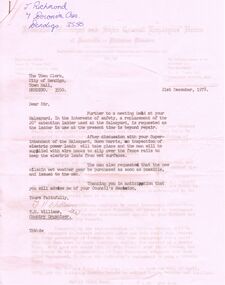
Document - BENDIGO SALEYARDS COLLECTION: LETTERS
... Council...cattle markets...Bendigo Saleyards Collection - Letters... City of Bendigo... J Richmond... Norm Harris... T H Williams... Federated Municipal and Shire Employees' Union of Australia - Victorian Division...The Geelong...BENDIGO Council cattle markets Bendigo Saleyards Collection - Letters City of Bendigo J Richmond Norm Harris T H Williams Federated Municipal and Shire Employees' Union of Australia - Victorian Division The Geelong Water & Sewerage Trust Two letters (stapled together) from T H Williams, Country Organiser from the Federated Municipal and Shire Council Employees' Union of Australia - Victorian Division, one to The Town Clerk (pink copy) and the other to J Richmond. ...Two letters (stapled together) from T H Williams, Country Organiser from the Federated Municipal and Shire Council Employees' Union of Australia - Victorian Division, one to The Town Clerk (pink copy) and the other to J Richmond. The Town Clerk's letter, dated 21/12/1978 refers to the replacement of a 20' extension ladder, electric power leads, and new oilskin wet weather gear. Signed by T H Williams. The letter to J Richmond, dated 20/12/1978 mentions Service Grants to the workers. Quoted are payments made by the Geelong Water & Sewerage Trust to their workers at the end of the First Year, Third Year, Fifth Year and Eighth Year.bendigo, council, cattle markets, bendigo saleyards collection - letters, city of bendigo, j richmond, norm harris, t h williams, federated municipal and shire employees' union of australia - victorian division, the geelong water & sewerage trust -
 Bendigo Historical Society Inc.
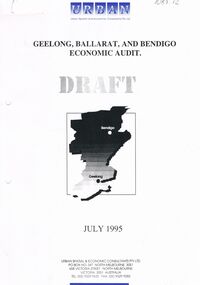
Document - VERN ROBSON COLLECTION: ECONOMIC AUDIT DRAFT, July, 1993
... BENDIGO Council city of greater bendigo 73.30 page booklet, unbound, held by paper clip. 'Geelong, Ballarat, and Bendigo Economic Audit, draft' July 1995. ...73.30 page booklet, unbound, held by paper clip. 'Geelong, Ballarat, and Bendigo Economic Audit, draft' July 1995.bendigo, council, city of greater bendigo -
Glen Eira Historical Society
Article - Ormond Amateur Football Club
... City Council... Recreation Services... Esakoff Margaret... Councillors... Reilley Geoff... Doug Quick Memorial Trophy... Harold Little/Lloyd Laver Shield... Twenty 20 Battle of Bentleigh... Historians... Sparrow Adam... Moorabbin Saints Junior Football League... Hyams Jamie... Bailey Dwain... Dureaw Tom... Metz Shane... Paterson Thomas... Rowe Brett... Robbins Matt... Maysom Daniel... Muzzell James... Grace Anthony... Mason Sam... Geelong...Straham Rod Glen Eira City Council Recreation Services Esakoff Margaret Councillors Reilley Geoff Doug Quick Memorial Trophy Harold Little/Lloyd Laver Shield Twenty 20 Battle of Bentleigh Historians Sparrow Adam Moorabbin Saints Junior Football League Hyams Jamie Bailey Dwain Dureaw Tom Metz Shane Paterson Thomas Rowe Brett Robbins Matt Maysom Daniel Muzzell James Grace Anthony Mason Sam Geelong Western Bulldogs McArthur-Allen Mike Australian Rules Football AFL Sporting Clubs Article Ormond Amateur Football Club ...This file contains 7 items: 1/Two season 2013, 23 June and 28 April amateur football record books, some pages missing. 2/An article on Glen Eira City Council Recreation Services recent sports Sports Club Breakfast, 2011 May. 3/An article from Glen Eira News, April 2013, recapping the Season 2011 of the the Southern Football League, and Victorian Amateur Football Association. 4/ANZAC Day 2012 luncheon flyer. 5/11 articles on Season 2012 games including photographs. Article on decision for Ormond not to merge with Glen Eira Football Club. 6/Article on former clubman Matthew Robbins returning to Ormond. 7/Article on former Ormond senior coach, Mike McArthur-Allen, of the MCC Dinner on receiving his lifetime achievement award.straham rod, glen eira city council, recreation services, esakoff margaret, councillors, reilley geoff, doug quick memorial trophy, harold little/lloyd laver shield, twenty 20 battle of bentleigh, historians, sparrow adam, moorabbin saints junior football league, hyams jamie, bailey dwain, dureaw tom, metz shane, paterson thomas, rowe brett, robbins matt, maysom daniel, muzzell james, grace anthony, mason sam, geelong, western bulldogs, mcarthur-allen mike, australian rules football, afl, sporting clubs -
 Sunshine and District Historical Society Incorporated
Administrative record - City of Sunshine - Commissioner Mr Alexander "Alex" George Gillon Collection 1976 - 1982 - Minutes of the Ordinary Meeting of Council Held on 3rd October 1978, City of Sunshine, 3rd October 1978
... Geelong Road Brooklyn Carrington Drive Gee Street St. Albans Hotel McKechnie Street Hulett Street Pineneedle Court Mitchell Street Navigator Street Marshall Street Kevin Dennis Motors Annersley Street Balfour Avenue Sydney Street Gooding Street Ashley Street South Road Maribyrnong River Warrs Road Maidstone Hall Thomson Street Errington Reserve Robert Bruce Reserve Rosamond Bowling Club Main Road East Devonshire Road Sproul Street Oakwood Road Haven Close Norwood Street Raleigh Road Clarke Street Highpoint City Minutes of the Ordinary Meeting of Council Held on 3rd October 1978 Reports on the Town Clerk's Department Report of the Town Clerk Victorian Beer Alcoholic Content Proposal for Reduction Land Transfer Adjacent to Deer Park Hotel Medway Golf Club Payment in Lieu of Rates Diamond Avenue Infant Welfare Centre Non-Availability of Subsidy Untied Grants Proposed Library Highpoint West Shopping Centre Land Transfer Discontinued Right of Way Rear of Railway Parade Deer Park Supplementary Valuations Community Youth Support Scheme Report of the Chief Health Inspector Nuisance Condition at 403 Ballarat Road Sunshine Removal of Dwelling Outside the Municipality Health Act Registrations Monsanto Application for Approval to Install Septic Tank Recirculating Sand Filter System at the Stansfield Steel Project Fairbairn Road Sunshine West Health (Tent) Regulations 1978 Draft Rubbish In and Around Flats Quarry Hole Commonwealth Land J.L. ...Minutes of the Ordinary Meeting of Council Held on 3rd October 1978 Reports on the Town Clerk's Department Report of the Town Clerk Victorian Beer Alcoholic Content Proposal for Reduction Land Transfer Adjacent to Deer Park Hotel Medway Golf Club Payment in Lieu of Rates Diamond Avenue Infant Welfare Centre Non-Availability of Subsidy Untied Grants Proposed Library Highpoint West Shopping Centre Land Transfer Discontinued Right of Way Rear of Railway Parade Deer Park Supplementary Valuations Community Youth Support Scheme Report of the Chief Health Inspector Nuisance Condition at 403 Ballarat Road Sunshine Removal of Dwelling Outside the Municipality Health Act Registrations Monsanto Application for Approval to Install Septic Tank Recirculating Sand Filter System at the Stansfield Steel Project Fairbairn Road Sunshine West Health (Tent) Regulations 1978 Draft Rubbish In and Around Flats Quarry Hole Commonwealth Land J.L. MacTaggart (Australia) Pty Ltd Noise By-Law Application for Transfer of Proprietorship of Premises Under the Health Act Infectious Diseases Sewerage Overflow 2 Bruce Street Albion Smoking in Public Buildings Immunisation Sunshine North Institute of Weights & Measures Annual National Conference Report of the Chief By-Laws Officer Court Proceedings Parking and Traffic Infringements Prohibited Parking Links Street Prohibited Parking Princess Street Area Prohibited Parking Gould Street Report of the City Librarian Bookmobile sites Municipal library Subsidy 1978/79 Bookmobile Seminar Children's Literature seconds National Seminar September 1st to 5th 1978 Report of the Municipal Recreation Officer Municipal Recreation Service Gound Allocations School Summer Season Holiday Programmes September 1978 Report of the City Engineer Proposed Children's Reception Centre for Erection in the City of Sunshine Planning Permit Application Illuminated Sign Churchill Avenue Planning Permit Application Grazing of Horses Furlong Road Planning Permit Application Offices Main Road West Planning Permit Application Extension to Exising Car Sales Yard Rosamond Road Planning Permit Application Corner of Neale Road and Station Road Deer Park Proposed Amendment No 81 to the Melbourne Metropolitan Planning Scheme Proposed Widening of Station Road Planning Permit Application Motor Repair Station Wright Street Planning Permit Application Sky Sign Hampshire Road Planning Permit Application Extension to Existing Warehouse McIntyre Road Planning Permit Application Consulting Rooms, Pharmacy, Service Premises and Caretaker's Dwelling Corner of Tamar Drive and Billingham Road Planning Permit Application Horse Grazing Judge Street & Norman Street Planning Permit Application Signs Geelong Road Planning Permit Application Factory Extension Carrington Drive Planning Permit Application Sky Sign Ballarat Road Sunshine Planning Permit Application Factory and Office Gee Street Sunshine North Planning Permit Application Drive in Bottle Shop and Extensions to St. Albans Hotel McKechnie Street Planning Permit Application Sky Sign & Fascia Signs Ballarat Road Sunshine Planning Permit Application Store Addition to Existing Office Geelong Road Plan of Subdivision Boral Resources Ballarat Road & Hulett Street Plan of Subdivision R.D.C. Projects Evergreen Avenue and Pineneedle Court Plan of Subdivision McPhersons Mitchell Street Plan of Subdivision Navigator Street Consolidation of Title Marshall Street Consolidation of Title Kevin Dennis Motors Ballarat Road and Annersley Street Consolidation of Title Lots 37 & 38 Balfour Avenue Contract Playground Equipment Various Reserves Contract Reconstruction of Sydney Street Contract Gooding Street 40 Hour Week Victorian Sewerage and Drainage Contractors' Group Declaration of Sewered Properties General Notice Sewerage Facilities M.M.B.W. Allocation of Funds 1978/79 Joint Works Unclassified Roads Telecom Australia Modernisation of Public Telephones St. Albans Area Ashley Street / South Road Proposed Traffic Lights Maribyrnong River Flood Plan Acting Commissioner of Police Sewerage Facilities St. Albans (Albanvale) Warrs Road Northern Section Private Street Scheme Use of C.R.B. land McIntyre Road for Recreation Purposes Garaging of Meals on Wheels Vehicles at Maidstone Hall Thomson Street Maidstone Relocation of Steel Framed Steel Clad Sheds to Errington Reserve and Robert Bruce Reserve Rosamond Bowling Club Report of the Building Surveyor Building Over Easement 135 Devonshire Road Sunshine Building Over Easement 10 Sproul Street Sunshine North Building Over Easement Lot 552 Oakwood Road St. Albans Building Over Easement 6 Haven Close Sunshine West Building Over Easement 75 Norwood Street Albion Building Over Easement182 Wright Street Sunshine West Building Over Easement 176 McIntyre Road Sunshine North Installation of Underground Tanks Corner Raleigh Road and Navigator Street Maribyrnong Ruinous and Dangerous Building Lots 6 & 7 Furlong Road Sunshine North Orders of the Day Accounts for Payment as at 15th September 1978, 26th September 1978 Extraordinary Business Report of the City Engineer Planning Permit Application Medical Consulting Rooms Clarke Street Sunshine Planning Permit Application Take away Food Premises Cafe Amusement Parlour Highpoint City Rosamond Road city of sunshine, alexander "alex" george gillon, deer park hotel, ballarat road, deer park, medway golf club, omar street, maidstone, diamond avenue infant welfare centre, diamond avenue, albanvale, highpoint west shopping centre, rosamond road, maribyrnong, railway parade, sunshine, monsanto, somerville road, footscray west, fairbairn road, sunshine west, j.l. mactaggart (australia) pty ltd, bruce street, albion, links street, princess street, st. albans, gould street, churchill avenue, braybrook, main road west, furlong road, sunshine north, neale road, station road, wright street, hampshire road, mcintyre road, tamar drive, billingham road, judge street, norman street, geelong road, brooklyn, carrington drive, gee street, st. albans hotel, mckechnie street, hulett street, pineneedle court, mitchell street, navigator street, marshall street, kevin dennis motors, annersley street, balfour avenue, sydney street, gooding street, ashley street, south road, maribyrnong river, warrs road, maidstone hall, thomson street, errington reserve, robert bruce reserve, rosamond bowling club, main road east, devonshire road, sproul street, oakwood road, haven close, norwood street, raleigh road, clarke street, highpoint city -
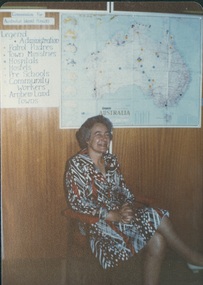 Uniting Church Archives - Synod of Victoria
Colour photo, Prior to 1977
... Geelong supporter and would often score at the annual self destruct St Philip’s vs Flynn Church match. She loved the gladiatorial, albeit often suicidal display. And though an Aussie through and through she loved her Scottish roots. Through her stories, she could easily transport a person in the Centralian landscape onto the heather of the Highlands. In spite of her love for Scotland, the city which was her favourite was New York. Frances – truly a citizen of the world. As a citizen of the world Frances fought for Indigenous and migrant women’s rights and was active in the World Council...Geelong supporter and would often score at the annual self destruct St Philip’s vs Flynn Church match. She loved the gladiatorial, albeit often suicidal display. And though an Aussie through and through she loved her Scottish roots. Through her stories, she could easily transport a person in the Centralian landscape onto the heather of the Highlands. In spite of her love for Scotland, the city which was her favourite was New York. Frances – truly a citizen of the world. As a citizen of the world Frances fought for Indigenous and migrant women’s rights and was active in the World Council ...Everyone seemed to know Frances – it was November 1985 – I met Frances at the Victorian Synod office as she lent me her office to interview staff for St Philip’s which I was taking over in 1986. The interviews completed, she took me to a nearby coffee shop where we had a delightful chat. I came away much the richer, more informed about St Philip’s and feeling I had known Frances forever. And so started our 23 year friendship, with me hearing the first of many stories – for Frances was a wonderfully gifted story teller with a capacity to turn the past into life, and its characters into real people. It seems fitting that a person destined to add to Australia’s history should be born down the beach from Mendonca’s Mahogany ship – Port Fairy on the 28 January 1924. There she went to school – first to primary school then to Camperdown’s Higher Elementary School which went to Year 10. She was the eldest of four children with three brothers, Jock, Norman and Rod. After Year 10, Frances took a job in Camperdown as a dental nurse. She tackled this successfully until deciding to study at Rolland House in Carlton to become a Deaconess. Jock, her brother, recalls asking Frances what made her decide to be a Deaconess. At a Presbyterian Fellowship camp at Warrnambool, Frances and the others were sleeping in the Church Hall on palliases. During the night she awoke and her eye was drawn to a stained glass window, unusually brightly lit. On the window were the words “Follow Me”. Without flinching Frances took the words to heart and decided to serve God as a Deaconess, and during her time with the Australian Inland Mission she became quite a legend. What a patriot Frances was! She loved the stories of pioneers and knew well the history of where she had come from – the Western District. A keen follower of cricket, she would be right up with the last test and the issues of the team. Originally a Melbourne football supporter, she became an avid Geelong supporter and would often score at the annual self destruct St Philip’s vs Flynn Church match. She loved the gladiatorial, albeit often suicidal display. And though an Aussie through and through she loved her Scottish roots. Through her stories, she could easily transport a person in the Centralian landscape onto the heather of the Highlands. In spite of her love for Scotland, the city which was her favourite was New York. Frances – truly a citizen of the world. As a citizen of the world Frances fought for Indigenous and migrant women’s rights and was active in the World Council of Churches, sponsoring local and overseas women to study in Australia and to return to their homes as trained teachers and theologians. Up until recently she was involved in the Spina Bifida and Hydro Cephalis Association of SA. By the time she had taken up with the AIM Frances had a well tuned desire for social justice. To her it was important that the poor and less fortunate were given a go. She felt that the Labor Party provided her best avenue to push her social justice desires. After joining the party in 1956, she quickly became a respected member of the party and worked tirelessly for it, being honoured in the end with life membership. In the party she knew everyone and everyone knew her. She introduced me to Bob Hawke and when I spoke to Gough Whitlam once on a plane, he affirmed to me his friendship with Frances. In her cottage was a picture of her with Kevin Rudd with his arm around her. She is remembered by her party colleagues as someone who had a real compassion for helping people. She believed in the traditional ethic of the Labor Party which is to help those who are less fortunate. Interestingly, she supported St Philip’s moving from solely being a residential college to a school because we had chosen a relatively low fee base to enable maximum access for people and our boarding house continued to, and still does, offer accommodation to any student wishing to attend schools in Alice. Having supported the outback for years from the engine rooms of the mission arm of the church in Victoria, Frances then decided to move to Alice for her retirement. Settling in the little cottage at the far south eastern corner of Old Timers, this became to me, my family and I’m sure to plenty of people, Frances’ Cottage. But moving to Alice was hardly moving into retirement. She quickly became Chaplain at St Philip’s where she clearly showed her love for the children and staff and a real belief in St Philip’s role – to provide access to education for isolated children. She became a stalwart of the Adelaide House Museum, a wonderful member of the congregation, a powerful contributor to the Presbytery and the Annual Synod. Frances was strong, never flinched on a point of principle and discussed things face to face so that you truly knew where you stood with her. She had a great feeling for the pastoralists and knew many of them well. As Chaplain of the College she related well to the children and in addition, knew many of their families. She also felt deeply for the Indigenous people and regularly tackled the issue of how conditions could be improved for them. As we developed the school at St Philip’s, Frances worked with me on so many things. She would visit the College each week for Chapel, run a Sunday school for little kids and the service for all the boarders. When the school was ready to start she wrote the College prayer, said now every week by all students. The prayer says so much about Frances. She pioneered the RE program, teaching RE and in addition to Sunday, visited staff and students every Wednesday. At Presentation Night she presented a homily and provided the blessing – always a strong presence in front of the College community. She was so much part of St Philip’s that when we built the new boarding house in 1990 it seemed so obvious to call it McKechnie House. As a faithful servant of Adelaide House for years and an enthusiastic member of the National Trust, Frances was the first chairperson of the committee, a driving force to redevelop Adelaide House and she worked tirelessly to present John Flynn’s Hospital in the best light. She helped to deliver the stories of Flynn and McKay and the Outback missionaries to so many people and was instrumental in producing meaningful displays. I enjoyed walking around the museum with her intensely, enjoying her detailed stories of the past missionary era and I know many others would have as well. As a loyal and loving member of the Flynn Church, and being such a comrade of Fred McKay’s, Frances understood intricately the symbols which lie within the architecture. Once again, as a story teller, each one had a yarn attached to it. Over her twenty-three years as a member of the Flynn Church she has made a wonderful contribution. As a charismatic personality people were naturally attracted to Frances and were touched and affected by her. Peter Robson, twenty-two years at St Philip’s, remembers her asking him why he had stayed so long at the College. He explained to her that it was her address one day in Chapel in the early times that inspired him to keep going. With great wisdom she had said, “You can’t conquer something, unless you allow it to conquer you.” St Philip’s had conquered him. Wherever she went, whomever she was with, she had a real and lasting impact. Frances brought the reality of the Outback to so many as she addressed congregations around Victoria. She started the Australian Church Women’s Fellowship in the Northern Territory in 1997. She was also involved in setting up the Institute for Aboriginal Development. I believe that Frances should have been recognised nationally for her work with an AM. However, she was the Northern Territory finalist in the Senior Australian of the Year Awards in 2003. In 2004 she was awarded an OBE – not from the Queen but at Old Timers. This is a coveted award which means “Over Bloody Eighty”. Frances was part of it all, in the river, at a bush dance, at a dinner, at a service, at a party, at a meeting, at a footy game, at a cricket game, at Synod, at Presbytery, at Labour meetings, I could go on. Frances McKechnie, what a wonderful Australian. (Eulogy by Chris Tudor) Frances McKechnie died mid-2008. Deaconess Frances McKechnie is seated in front of a map of Australia marked with Australian Inland Mission places identified.At the time the photo was taken, McKechnie was the Victorian Regional Officer for the Australian Inland Mission (Presbyterian). At one stage, she worked for National Mission Frontier Services from 1968 to 1986. See below for the eulogy at her funeral by Chris Tudor. (Frances died May or June 2008.)deaconess frances mckechnie; australian inland mission; presbyterian church -
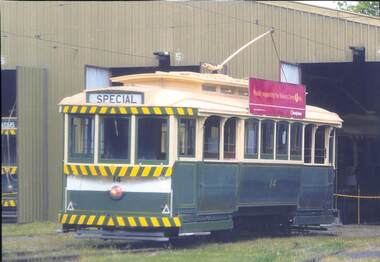 Ballarat Tramway Museum
Photograph - Photograph - coloured, Tram No.14: Outside the sheds at Ballarat Tramway Museum
... geelong...state electricty commission...ballarat...1936...ballarat city council...Geelong. Transferred by the State Electricity Commission to Ballarat in 1936. It was the last tram to be overhauled by the SEC. It is now the property of the Ballarat City Council and on loan to the Museum....Geelong. Transferred by the State Electricity Commission to Ballarat in 1936. It was the last tram to be overhauled by the SEC. It is now the property of the Ballarat City Council and on loan to the Museum. tram 14 driver small tram narrow door special ballarat tramway museum shed advertisement green and cream single truck 1915 prahran and malvern tramway museum melbourne electric supply co 1927 geelong state electricty commission ballarat 1936 ballarat city council Green and cream coloured with gold number and lines. ...Tram 14 was a small green and cream single truck tram operated by one person. Entry was by the narrow door at the driver's end of the tram. People would pay their fare to the driver. There was no conductor. Pink advertisement for the Bendigo Bank was on the side. The tram is photographed outside the Shed at the Ballarat Tramway Museum. Tram body was built in 1915 for the Prahran and Malvern Tramways Trust. Sold to the Melbourne Electric Supply Co. Ltd. in 1927 and ran in Geelong. Transferred by the State Electricity Commission to Ballarat in 1936. It was the last tram to be overhauled by the SEC. It is now the property of the Ballarat City Council and on loan to the Museum.Coloured photograph of No. 14 tram. Advertising board on side for Bendigo Bank. Laminated'Green and cream coloured with gold number and lines. Special in destination window.tram 14, driver, small tram, narrow door, special, ballarat tramway museum, shed, advertisement, green and cream, single truck, 1915, prahran and malvern tramway museum, melbourne electric supply co, 1927, geelong, state electricty commission, ballarat, 1936, ballarat city council -
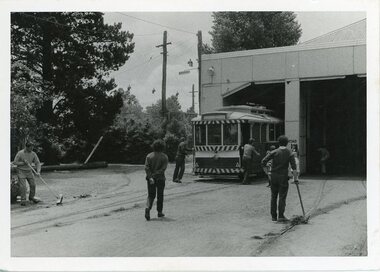 Ballarat Tramway Museum
Photograph - Ballarat Tram 14, Shunting Tram 14 by hand and Landrover, December 1971
... Ltd and ran as Geelong Tram 29.The State Electricity Commission tranferred the tram to Ballarat in 1936 and it became Tram 14. The tram is the property of the Ballarat City Council and on loan to the Museum. ...Ltd and ran as Geelong Tram 29.The State Electricity Commission tranferred the tram to Ballarat in 1936 and it became Tram 14. The tram is the property of the Ballarat City Council and on loan to the Museum. ...The tram body was built in 1916 for the Prahran and Malvern Tramways Trust. It ran as Tram 75. In 1927 it was sold to the Melbourne Electric Supply Co. Ltd and ran as Geelong Tram 29.The State Electricity Commission tranferred the tram to Ballarat in 1936 and it became Tram 14. The tram is the property of the Ballarat City Council and on loan to the Museum. This photograph was taken in December 1971. It shows the tram being shunted from road "1" to road "3" by hand and by J Witlers' landrover. Photograph taken by Campbell Duncan.Black and white photograph of Tram 14Information about photograph and date - 19 Dec 71 tram 14, 1916, prahran and malvern tramway trust, tram 75, melbourne electric supply co, geelong tram 29, state electricity commission, ballarat 1936, tram 14shunting tram at ballarat, j witler, landrover, campbell duncan, photographer -
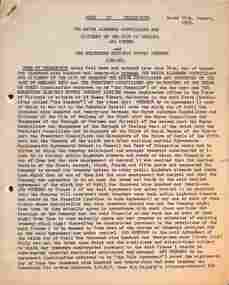 Ballarat Tramway Museum
Document, Melbourne Electric Supply Co. (MESCo), "Deed of Delegation - Geelong and MESCo", Aug. 1926
... Typed copy of the Deed of Delegation, dated 26/8/1926 between the City of Geelong and others and The Melbourne Electric Supply Co. regarding the operation of tramways within their respective towns or cities, setting out the operating requirements of the trams, fares, roads etc. Refers to the Tramway Act of 1890. Councils...Typed copy of the Deed of Delegation, dated 26/8/1926 between the City of Geelong and others and The Melbourne Electric Supply Co. regarding the operation of tramways within their respective towns or cities, setting out the operating requirements of the trams, fares, roads etc. Refers to the Tramway Act of 1890. Councils ...Typed copy of the Deed of Delegation, dated 26/8/1926 between the City of Geelong and others and The Melbourne Electric Supply Co. regarding the operation of tramways within their respective towns or cities, setting out the operating requirements of the trams, fares, roads etc. Refers to the Tramway Act of 1890. Councils involved were: City of Geelong, Borough of Newtown and Chilwell, Borough of Geelong West, Shire of South Barwon and the Shire of Corio.Yields information about the agreement between MESCo and the various municipalities in 1926.Document - 19 quarto typed sheets, with two punch holes on the left hand edge.tramways, geelong, mesco, legal matters, agreements, operating agreement -
 National Wool Museum
Book - Geelong: It’s Advantages and Opportunities, Geelong Publicity Council, 1930
... Geelong History Industry Commerce Ports Railways Woollen Mills Engineering Cars Aviation Education Distillieries Geelong Publicity Council Norman Woodfine Cement Salt Phosphate Sports Banking Cover [printed]: Geelong Inside page [printed]: GEELONG: / THE INFORMATION CONTAINED IN THIS / PUBLICATION HAS BEEN SUPPLIED FROM / OFFICIAL AND OTHER AUTHENTIC SOURCES / AND SETS FORTH THE POSSIBILITIES FOR / THE FUTURE INDUSTRIAL DEVELOPMENT / OF THE CITY AND ITS ENVIRONS Eighty two page book containing printed text and black and white photographs. ...This publication outlines a brief history of Geelong and it’s current (as of 1930) industrial and commercial industries, including ports, railways, woollen industries, engineering, motor, banking, hospitality, salt, cement, distilleries, phosphates, aviation, sports and education. Eighty two page book containing printed text and black and white photographs. The book has a map insert at the back, and the cover is a brown with black text. Cover [printed]: Geelong Inside page [printed]: GEELONG: / THE INFORMATION CONTAINED IN THIS / PUBLICATION HAS BEEN SUPPLIED FROM / OFFICIAL AND OTHER AUTHENTIC SOURCES / AND SETS FORTH THE POSSIBILITIES FOR / THE FUTURE INDUSTRIAL DEVELOPMENT / OF THE CITY AND ITS ENVIRONSgeelong, history, industry, commerce, ports, railways, woollen mills, engineering, cars, aviation, education, distillieries, geelong publicity council, norman woodfine, cement, salt, phosphate, sports, banking -
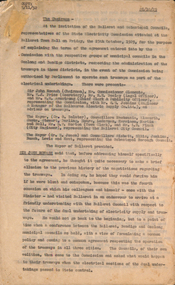 Ballarat Tramway Museum
Administrative Record - Meeting Minutes, State Electricity Commission of Victoria (SECV), the SEC and the City of Ballarat and Borough of Sebastopol, Oct. 1929
... Demonstrates a consultation process and yields information about the process that saw the eventual take over of the ESCo and MESCo tramways by the SEC Trams tramways Minutes Sec Geelong Ballarat Bendigo City Of Ballaarat Borough Of Sebastopol Minutes - 23 carbon copy foolscap sheets - minutes or transcript of a meeting between the SEC and the City of Ballarat and Borough of Sebastopol 28/10/1929 to regarding the SEC take over and agreements with the locals councils, pending authorisation by Parliament. ...Demonstrates a consultation process and yields information about the process that saw the eventual take over of the ESCo and MESCo tramways by the SECMinutes - 23 carbon copy foolscap sheets - minutes or transcript of a meeting between the SEC and the City of Ballarat and Borough of Sebastopol 28/10/1929 to regarding the SEC take over and agreements with the locals councils, pending authorisation by Parliament. Sir John Monash led the SEC group Has a list of attendees. trams, tramways, minutes, sec, geelong, ballarat, bendigo, city of ballaarat, borough of sebastopol
