
Showing 48 items matching "preserved meat"
-
 Federation University Historical Collection
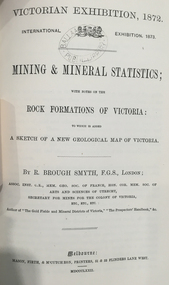
Book, Mason, Firth and McCutcheon, London International Exhibition of 1873 (Melbourne 1872-3) Official Record, 1873, 1873
... ...preserved meat...Ellery * Wines * Preserved Meats * The climate of Victoria in reference to vegetable production. * Agriculture...Ellery * Wines * Preserved Meats * The climate of Victoria in reference to vegetable production. * Agriculture London International Exhibition of 1873 (Melbourne 1872-3) Official Record, 1873 Book Book Mason, Firth and McCutcheon ....1) London International Exhibition of 1873 (Melbourne 1872-3) Official Record containing introductions, catalogue of exhibits, index of exhibitors, reports and recommendations of experts, official awards of commissioners and essays and statistics on the social and economic resources of the Colony of Victoria, mining and mineral statistics .2) International Exhibition Essays, 1872-3: * Progress of Victoria by William Henry Archer. This includes birth places for the People of Victoria (1871), Education. * The climate of Victoria by Robert L.J. Ellery * Wines * Preserved Meats * The climate of Victoria in reference to vegetable production. * Agriculturenon-fictionballarat distillery company, ballarat meat preserving company, william bardwell, joseph bosisto, j. brache, clunes gold mining company, hubert de castella, gutheil, butner & co., lambert & co., fabrizzio crippa, robert brough smyth, william henry archer, robert ellery, g.l. graham, wines, john bleasdale, preserved meat, james harrison, agriculture, vienna universal exhibition, mining and mineral statistics, matilda lang -
 Sunshine and District Historical Society Incorporated
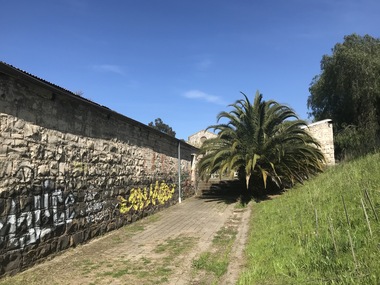
Photograph - Maribyrnong Photographs 2021 Part 2, John Alchin, 2021
... 5599.01 - Raleigh Preserving Meat Works 2021 Photo 02.JPG 5599.02 - Raleigh Preserving Meat Works 2021 Photo 03.JPG 5599.03 - Raleigh Preserving Meat Works 2021 Photo 06.JPG 5599.04 - Raleigh Preserving Meat Works 2021 Photo 09.JPG 5599.05 - Raleigh Preserving Meat Works 2021 Photo 15.JPG 5599.06 - Raleigh Preserving Meat Works 2021 Photo 17.JPG 5599.07 - Raleigh Rd - Maribyrnong Reserve 2021 Photo 01.JPG 5599.08 - Raleigh Rd - Maribyrnong Reserve 2021 Photo 03.JPG 5599.09 - Raleigh Rd - Maribyrnong Reserve 2021 Photo 04.JPG 5599.10 - Raleigh Rd - Maribyrnong Reserve 2021 Photo 05.JPG 5599.11 - Raleigh Rd - Maribyrnong Reserve 2021 Photo 12.JPG 5599.12 - Raleigh Rd Maribyrnong - Maribyrnong War Memorial And Cenotaph 2021 Photo 01.JPG 5599.13 - Raleigh Rd Maribyrnong - Maribyrnong War Memorial And Cenotaph 2021 Photo 03.JPG 5599.14 - Raleigh Rd Bridge 2021 Photo 02.JPG 5599.15 - Raleigh Rd Bridge 2021 Photo 01.JPG 5599.16 - Raleigh Rd Maribyrnong - Pine Trees 2021 Photo 01.JPG 5599.17 - Randall Rd Maribyrnong - Maribyrnong Community Centre 2021 Photo 01.JPG 5599.18 - Remont Hill Maribyrnong 2021 Photo 01.JPG ...Raleigh Road Randall Road Maribyrnong Maribyrnong Preserving Meat Works Maribyrnong Reserve Maribyrnong War Memorial And Cenotaph Maribyrnong Community Centre Remont Hill 5599.01 - Raleigh Preserving Meat Works 2021 Photo 02.JPG 5599.02 - Raleigh Preserving Meat Works 2021 Photo 03.JPG 5599.03 - Raleigh Preserving Meat Works 2021 Photo 06.JPG 5599.04 - Raleigh Preserving Meat Works 2021 Photo 09.JPG 5599.05 - Raleigh Preserving Meat Works 2021 Photo 15.JPG 5599.06 - Raleigh Preserving Meat Works 2021 Photo 17.JPG 5599.07 - Raleigh Rd - Maribyrnong Reserve 2021 Photo 01.JPG 5599.08 - Raleigh Rd - Maribyrnong Reserve 2021 Photo 03.JPG 5599.09 - Raleigh Rd - Maribyrnong Reserve 2021 Photo 04.JPG 5599.10 - Raleigh Rd - Maribyrnong Reserve 2021 Photo 05.JPG 5599.11 - Raleigh Rd - Maribyrnong Reserve 2021 Photo 12.JPG 5599.12 - Raleigh Rd Maribyrnong - Maribyrnong War Memorial And Cenotaph 2021 Photo 01.JPG 5599.13 - Raleigh Rd Maribyrnong - Maribyrnong War Memorial And Cenotaph 2021 Photo 03.JPG 5599.14 - Raleigh Rd Bridge 2021 Photo 02.JPG 5599.15 - Raleigh Rd Bridge 2021 Photo 01.JPG 5599.16 - Raleigh Rd Maribyrnong - Pine Trees 2021 Photo 01.JPG 5599.17 - Randall Rd Maribyrnong - Maribyrnong Community Centre 2021 Photo 01.JPG 5599.18 - Remont Hill Maribyrnong 2021 Photo 01.JPG This is a large collection of photographs which has been split over three identification numbers. ...Maribyrnong was originally part of the former Shire of Braybrook and later the City of Sunshine. However, in 1994, Victoria underwent council amalgamations, which resulted in Braybrook being incorporated into the City of Maribyrnong. The suburb of Maribyrnong continues to attract considerable attention from the residents of City of Brimbank, particularly its historical features, the old buildings and distinctive streetscapes that characterise the area.To capture the essence of Maribyrnong in 2021, a series of photographs were taken. These images document a range of buildings, street scenes, and other notable points of interest throughout the suburb, providing a visual record of its unique character.5599.01 - Raleigh Preserving Meat Works 2021 Photo 02.JPG 5599.02 - Raleigh Preserving Meat Works 2021 Photo 03.JPG 5599.03 - Raleigh Preserving Meat Works 2021 Photo 06.JPG 5599.04 - Raleigh Preserving Meat Works 2021 Photo 09.JPG 5599.05 - Raleigh Preserving Meat Works 2021 Photo 15.JPG 5599.06 - Raleigh Preserving Meat Works 2021 Photo 17.JPG 5599.07 - Raleigh Rd - Maribyrnong Reserve 2021 Photo 01.JPG 5599.08 - Raleigh Rd - Maribyrnong Reserve 2021 Photo 03.JPG 5599.09 - Raleigh Rd - Maribyrnong Reserve 2021 Photo 04.JPG 5599.10 - Raleigh Rd - Maribyrnong Reserve 2021 Photo 05.JPG 5599.11 - Raleigh Rd - Maribyrnong Reserve 2021 Photo 12.JPG 5599.12 - Raleigh Rd Maribyrnong - Maribyrnong War Memorial And Cenotaph 2021 Photo 01.JPG 5599.13 - Raleigh Rd Maribyrnong - Maribyrnong War Memorial And Cenotaph 2021 Photo 03.JPG 5599.14 - Raleigh Rd Bridge 2021 Photo 02.JPG 5599.15 - Raleigh Rd Bridge 2021 Photo 01.JPG 5599.16 - Raleigh Rd Maribyrnong - Pine Trees 2021 Photo 01.JPG 5599.17 - Randall Rd Maribyrnong - Maribyrnong Community Centre 2021 Photo 01.JPG 5599.18 - Remont Hill Maribyrnong 2021 Photo 01.JPG raleigh road, randall road, maribyrnong, maribyrnong preserving meat works, maribyrnong reserve, maribyrnong war memorial and cenotaph, maribyrnong community centre, remont hill -
 Flagstaff Hill Maritime Museum and Village
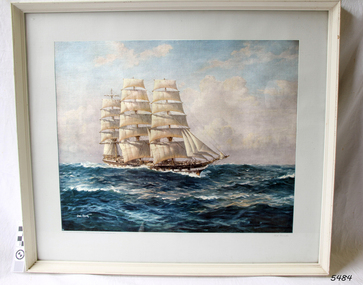
Print - Vessel, Sailing Ship, Loch Vennachar, 1875-1905
... ...preserved rabbits...Western Meat...Its cargo included 850 tonnes of preserved canned rabbits from Warrnambool's Western Meat Preserving Company. ...Its cargo included 850 tonnes of preserved canned rabbits from Warrnambool's Western Meat Preserving Company. ...This framed print of the Loch Vennachar has been framed as a gift given by McPherson's Ltd. of Melbourne Sydney Brisbane Perth, as per the inscription below the print. Loch Vennachar made many journeys from Britain to Australia and was well-known in Australian ports. On one of its homeward-bound journeys from Australia, the ship sank in the River Thames. Its cargo included 850 tonnes of preserved canned rabbits from Warrnambool's Western Meat Preserving Company. The ship was raised and continued trading for another four years. On 14th June 1905, Loch Vennachar departed Glasgow for Adelaide and Melbourne. The last known sighting of it was on 6th September 1875 when overtaken by the SS Yongala; the captains exchanged the “all well” signals. After that, the ship disappeared with loss of all 27 lives, according to a list that was received by Fremantle through the English mail. The list indicated that there were no passengers on that voyage. Sadly, other Loch Line ships med with similar disasters. The list of lost crew on the Loch Vennachar included Thomas. W. Pearce, apprentice, Southampton. His father was Tom Pearce, one of the two survivors of the Loch Ard, wrecked in 1878. Also, Thomas’ grandfather, James Pearce, was the captain of SS Gothenburg at the time of her wrecking in 1875. Consequently, the wrecking of the Loch Vennachar and the Loc Sloy near the southwest point of Kangaroo Island, a lighthouse was erected, officially opening in June 1907. The northern headland of West Bay was named Vennachar Point in memory of the ship in 1908. The wreck was discovered in 1976 by divers from the Society for Underwater Historical Research, over seventy years after being lost off Kangaroo Island. The Loch Vennachar performed a significant role in Australia’s colonial trade, taking goods between Great Britain and Australia. These goods included locally preserved tinned rabbits processed at a factory in Warrnambool for overseas trade.Print of painting clipper ship Loch Vennachar. (aka Loch Vennacher, as spelled on this print). Print is under glass in white painted timber frame. The vessel was wrecked on Kangaroo Island September 1905 with the loss of all hands. There is an inscription below the print"Loch Vannacher" on right below print, "Compliments from McPherson's Ltd. Melbourne,Sydney, Brisbane, Perth" on left below printflagstaff hill, warrnambool, shipwrecked-coast, flagstaff-hill, flagstaff-hill-maritime-museum, maritime-museum, shipwreck-coast, flagstaff-hill-maritime-village, loch vennachar, loch vennacher, loch line ship, glasgow shipping co, mcpherson's ltd. melbourne sydney brisbane perth, loch vennachar image., kangaroo island shipwreck, 1905 shipwreck, mcpherson's ltd. melbourne sydney brisbane perth, canned rabbits, preserved rabbits, western meat preserving company -
 Flagstaff Hill Maritime Museum and Village
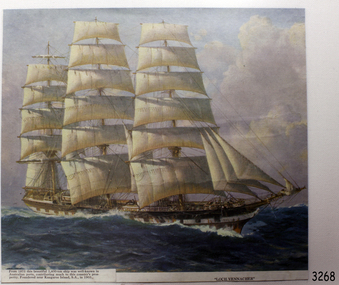
Print - Vessel, Sailing Ship, Loch Vennacher, 1875
... ...preserved rabbits...Western Meat...Its cargo included 850 tonnes of preserved canned rabbits from Warrnambool's Western Meat Preserving Company. ...Its cargo included 850 tonnes of preserved canned rabbits from Warrnambool's Western Meat Preserving Company. ...This print shows an image of the three-masted iron clipper Loch Vennachar. The ship was built by Thomson’s on the Clyde under the Glasgow Shipping Co in 1875 and named after a Scottish lake, as were other ships in the Loch Line’s fleet. Loch Vennachar made many journeys from Britain to Australia and was well-known in Australian ports. On one of its homeward-bound journeys from Australia, the ship sank in the River Thames. Its cargo included 850 tonnes of preserved canned rabbits from Warrnambool's Western Meat Preserving Company. The ship was raised and continued trading for another four years. On 14th June 1905, Loch Vennachar departed Glasgow for Adelaide and Melbourne. The last known sighting of it was on 6th September 1875 when overtaken by the SS Yongala; the captains exchanged the “all well” signals. After that, the ship disappeared with loss of all 27 lives, according to a list that was received by Fremantle through the English mail. The list indicated that there were no passengers on that voyage. Sadly, other Loch Line ships med with similar disasters. The list of lost crew on the Loch Vennachar included Thomas. W. Pearce, apprentice, Southampton. His father was Tom Pearce, one of the two survivors of the Loch Ard, wrecked in 1878. Also, Thomas’ grandfather, James Pearce, was the captain of SS Gothenburg at the time of her wrecking in 1875. Consequently, the wrecking of the Loch Vennachar and the Loc Sloy near the southwest point of Kangaroo Island, a lighthouse was erected, officially opening in June 1907. The northern headland of West Bay was named Vennachar Point in memory of the ship in 1908. The wreck was discovered in 1976 by divers from the Society for Underwater Historical Research, over seventy years after being lost off Kangaroo Island.The Loch Vennachar performed a significant role in Australia’s colonial trade, taking goods between Great Britain and Australia. These goods included locally preserved tinned rabbits processed at a factory in Warrnambool for overseas trade.Coloured print from a painting of the sailing ship Loch Vennachar in full sail on the sea. The ship was built in 1875 and wrecked in 1905 off Kangaroo Island.Text under print "Loch Vennacher" and "from 1875 this beautiful 1,400 ton ship was well-known in Australian ports, contributing much to this country's prosperity. Foundered near Kangaroo Island, S.A., in 1905." flagstaff hill, warrnambool, shipwrecked-coast, flagstaff-hill, flagstaff-hill-maritime-museum, maritime-museum, shipwreck-coast, flagstaff-hill-maritime-village, loch vennachar, loch vennacher, loch line ship, glasgow shipping co, 1975 clipper ship, loch vennachar image., kangaroo island shipwreck, 1905 shipwreck, tinned rabbits, preserved rabbits, western meat preserving company, 1901, 1905 -
 Flagstaff Hill Maritime Museum and Village
Photograph - Vessel, Sailing Ship, 1875-1905
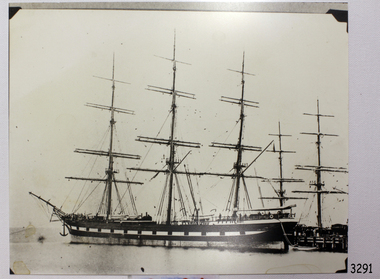
... ...preserved rabbits...Western Meat...Its cargo included 850 tonnes of preserved canned rabbits from Warrnambool's Western Meat Preserving Company. ...Its cargo included 850 tonnes of preserved canned rabbits from Warrnambool's Western Meat Preserving Company. ...This photograph is an image of the Loch Vennacher, taken while she is docked. The photograph is very similar to another in our collection taken by Fred. Kruger, a renowned Victorian photographer, between 1875-1905 and possibly in the Port of Melbourne. Loch Vennachar made many journeys from Britain to Australia and was well-known in Australian ports. On one of its homeward-bound journeys from Australia, the ship sank in the River Thames. Its cargo included 850 tonnes of preserved canned rabbits from Warrnambool's Western Meat Preserving Company. The ship was raised and continued trading for another four years. On 14th June 1905, Loch Vennachar departed Glasgow for Adelaide and Melbourne. The last known sighting of it was on 6th September 1875 when overtaken by the SS Yongala; the captains exchanged the “all well” signals. After that, the ship disappeared with loss of all 27 lives, according to a list that was received by Fremantle through the English mail. The list indicated that there were no passengers on that voyage. Sadly, other Loch Line ships med with similar disasters. The list of lost crew on the Loch Vennachar included Thomas. W. Pearce, apprentice, Southampton. His father was Tom Pearce, one of the two survivors of the Loch Ard, wrecked in 1878. Also, Thomas’ grandfather, James Pearce, was the captain of SS Gothenburg at the time of her wrecking in 1875. Consequently, the wrecking of the Loch Vennachar and the Loc Sloy near the southwest point of Kangaroo Island, a lighthouse was erected, officially opening in June 1907. The northern headland of West Bay was named Vennachar Point in memory of the ship in 1908. The wreck was discovered in 1976 by divers from the Society for Underwater Historical Research, over seventy years after being lost off Kangaroo Island.The Loch Vennachar performed a significant role in Australia’s colonial trade, taking goods between Great Britain and Australia. These goods included locally preserved tinned rabbits processed at a factory in Warrnambool for overseas trade.Black and white photograph of Loch Vennachar (aka Loch Vennacher) at a wharf. There are photo mounts in each corner. The vessel was was built in 1875 and wrecked on Kangaroo Island with the loss of all hands; she was last seen September 6th 1905 flagstaff hill, warrnambool, shipwrecked-coast, flagstaff-hill, flagstaff-hill-maritime-museum, maritime-museum, shipwreck-coast, flagstaff-hill-maritime-village, loch vennachar, loch vennacher, loch line ship, glasgow shipping co, 1875 clipper ship, loch vennachar image., kangaroo island shipwreck, 1905 shipwreck, photograph loch vennachar, fred kruger photographer, canned rabbits, preserved rabbits, western meat preserving company -
 Sunshine and District Historical Society Incorporated
Drawing - Salterwater River From Above The Melbourne Meat Preserving Company's Works
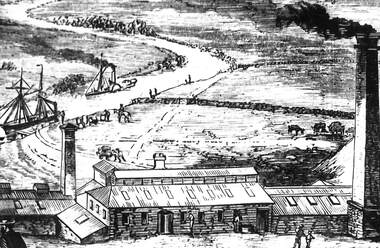
... Salterwater River From Above The Melbourne Meat Preserving Company's Works...Salterwater River Maribyrnong River Maribyrnong Braybrook Salterwater River From Above The Melbourne Meat Preserving Company's Works Black and white photo Drawing Salterwater River From Above The Melbourne Meat Preserving Company's Works ...Black and white photoSalterwater River From Above The Melbourne Meat Preserving Company's Workssalterwater river, maribyrnong river, maribyrnong, braybrook -
 Sunshine and District Historical Society Incorporated
Book - Access To The West Volume 4, Footscray Institute of Technology Library
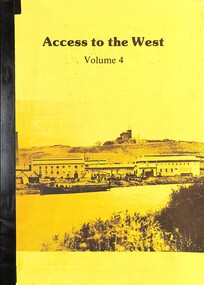
... Soft covered book with a picture of the Melbourne Meat Preserving Company on the banks of the Maribyrnong River and Raleigh's Castle on the hill in the background...Front Cover: Access to the West Volume 4 1st Page: Access to the West a guide to information sources on the Western Region of Melbourne Volume 4 Soft covered book with a picture of the Melbourne Meat Preserving Company on the banks of the Maribyrnong River and Raleigh's Castle on the hill in the background Access To The West Volume 4 Book Access To The West Volume 4 Footscray Institute of Technology Library ...Access to the West, is a bibliography of materials on the Western Region of Melbourne. This material was produced by the WESTDOC (Western Region Documentation) project. This project began at the Footscray Institute of Technology Library in 1978 by the Western Region Commission.Soft covered book with a picture of the Melbourne Meat Preserving Company on the banks of the Maribyrnong River and Raleigh's Castle on the hill in the backgroundnon-fictionAccess to the West, is a bibliography of materials on the Western Region of Melbourne. This material was produced by the WESTDOC (Western Region Documentation) project. This project began at the Footscray Institute of Technology Library in 1978 by the Western Region Commission.western region commission -
 Stanley Athenaeum & Public Room
Furniture - Table, Wooden Table
... Drawer has 'Kensington Meat Preserving Works, Melbourne, Australia' on sides. ...Drawer has 'Kensington Meat Preserving Works, Melbourne, Australia' on sides. ...Wooden with drawer - pine top. Circular carved legs - 2 circles at top. One rear brace. Top consists of 6 identical boards. Sliding drawer at end covered in fabric/paper. backed paper with blue square patterned. Dark stain to support and legs. Tin home-made handle.Drawer has 'Kensington Meat Preserving Works, Melbourne, Australia' on sides. Underneath - '4 dozen sheep tongue' -
 Bacchus Marsh & District Historical Society
Photograph, The Prince's Show May 1920 Bacchus Marsh District Exhibit
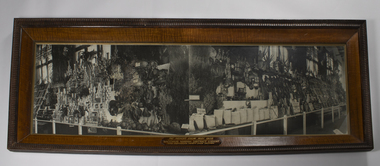
... The display comprised a wide variety of produce such as fresh and preserved fruit, meats, vegetables, hay, grasses, grain, turned wood, wines and other drinks. ...The display comprised a wide variety of produce such as fresh and preserved fruit, meats, vegetables, hay, grasses, grain, turned wood, wines and other drinks. ...During May through to July 1920 Prince Edward, later to become King Edward VIII of England toured Australia to thank the country for its support during World War One and to strengthen ties between Australia and the United Kingdom. He arrived in Victoria on the 26 May 1920 and on the 29 May attended a special agricultural show at the Royal Agricultural Showgrounds at Flemington. Bacchus Marsh district was invited to contribute to a display of agricultural produce and products which was displayed in the Government Pavilion at the Showgrounds. The display according to a newspaper report in the Bacchus Marsh Express on 5 June 1920 included 33 trays of fresh fruit, preserved fruit, pickles, sauces, bacon and other small goods, vegetables, hay grasses, grain, turned wood, wines and other drinks', &c., aided by pot plants, flags, draping of maroon and gold (official Exhibit colors) made up a color scheme and general effect worthy of the occasion. The Prince inspected the exhibit and expressed his admiration of it, his only regret was that he could not give more time to its examination. There was also 'an improvised "pheasant" nestling in one corner, and what "amazing" eyes it had!'. The organiser of the display was F. C. Minns, and the decorator was T. Stewart. This photograph is notable for its size and high quality framing. This signifies the importance the local community placed upon being chosen to participate in a major royal event and the desire to record this in a grand and elaborate way for posterity. Very large framed photograph of the agricultural produce and products from the Bacchus Marsh district displayed as part of a special exhibition for Prince Edward, the heir to the British throne when he visited Melbourne in May 1920. The display comprised a wide variety of produce such as fresh and preserved fruit, meats, vegetables, hay, grasses, grain, turned wood, wines and other drinks. The image is divided in the middle into two different angles of the display.A caption in gold lettering at the foot of the image reads 'The Prince's Show May 1920 Bacchus Marsh District Exhibit Royal Agricultural Society Showgrounds'royal visits, shows and exhibitions -
 Warrnambool and District Historical Society Inc.
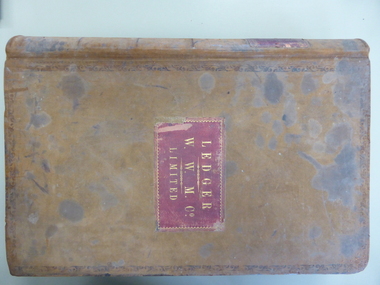
Financial record - Ledger Woollen Mill (WWM Co Limited), Circa 1876
... This ledger relates to the original Woollen Mill which commenced trading in 1875 on the site of the Meat Preserving Company. It shows entries from July 1875 which lists the following men as shareholders: James Alexander, William Armstrong, Robert Hood, Anthony Mackenzie, William Ross, William Rutledge, Francis Tozer, Joseph Ware. ...This ledger relates to the original Woollen Mill which commenced trading in 1875 on the site of the Meat Preserving Company. It shows entries from July 1875 which lists the following men as shareholders: James Alexander, William Armstrong, Robert Hood, Anthony Mackenzie, William Ross, William Rutledge, Francis Tozer, Joseph Ware. ...This ledger relates to the original Woollen Mill which commenced trading in 1875 on the site of the Meat Preserving Company. It shows entries from July 1875 which lists the following men as shareholders: James Alexander, William Armstrong, Robert Hood, Anthony Mackenzie, William Ross, William Rutledge, Francis Tozer, Joseph Ware. It operated until 1882 when it was destroyed by fire. This ledger contains details of one of the earliest industries in Warrnambool. It provides the details of expenses as well as the names of the earliest shareholders. As such it is a significant part of Warrnambool’s history.Large tan, leather bound cover with dark brown scroll pattern around edges. Spine and front cover have maroon labels with gold writing. Paper inside front and back covers id blue and red patterned. Edges of pages are patterned in pink, blue, yellow and green. 754 pages. Apart from suspense account on last page, entries are made up to page 425.Evans Brothers, wholesale and retail Manufacturing stationers, Printers and bookbinders 44 Collins St West, Melbourne & 46 Sturt St Ballarat.warrnambool woollen mill, warrnambool woolen mill, ledger warrnambool woollen mill 1875, early warrnambool business, warrnambool history -
 Sunshine and District Historical Society Incorporated
Archive - Maribyrnong River, Meat Works & the Living Museum of the West
... Sketch Humes Site Maribyrnong The Processes of Meat Preserving The Tin Shop|Sketch Humes Site Maribyrnong The Processes of Meat Preserving The Works|Sketch Humes Site Maribyrnong The Processes of Meat Preserving The Store Room|Sketch Humes Site Maribyrnong The Processes of Meat Preserving The Kitchen|Sketch Humes Site Maribyrnong The Processes of Meat Preserving The Preserving Room|Sketch Humes Site Maribyrnong The Processes of Meat Preserving The Boning Room|Sketch Humes Site Maribyrnong The Processes of Meat Preserving|Photograph Humes Site Maribyrnong|Newspaper article The Advocate 14 June 1995 Cannery building highlight at park|Newspaper article Times 12 February 2002 Chemical free restoration|Extract ADI Footscray Site Redevelopment Site History Historical Overview|Brochure Discover the Maribyrnong|Newspaper article Essendon Gazette 3 March 2021 Long Distance Swim|Newspaper article Star 4 May 2004 Plan to save Cinderella river|Typed Report Memories of early Maribyrnong|Newspaper article The Herald 11 December 1981 The battle over the bluestone|Plans Kevin McManus Architect Possible Development Humes Site Maribyrnong|Photocopy painting of Humes Site Maribyrnong|Newspaper article The Sun 1 June 1979 A face lift for our Cinderella River|Newspaper article The Age 9 November 1982 Messsing about on the forgotten river|Extract Our Unique Victorian Timber Bridge Heritage article|Invitation to a Meeting Our River Heritage and its future|Typed Report February 1992 Maribyrnong River Valley Braybrook A time of Achievement of community Aspirations|Letter 14 February 1983 from Melbourne and Metropolitan Board of Works|Typed Notes Meeting to discuss the erection of a cairn at Solomons Ford|Letter 30 July 1980 from Melbourne and Metropolitan Board of Works Former Melbourne Meat Preserving Company Maribyrnong|Letter 1 December 1981 to Melbourne and Metropolitan Board of Works from Melbourne Metropolitan Planning Scheme Amendment No 157|Extract Maribyrnong Action in Tranquility by Olwen Ford and Pamela Lewis|Handwritten notes about Maribyrnong|Typed report 11 September 1976 Maribyrnong History|Newspaper article The Mail 10 February 1993 Maribyrnong turns back the clock|Newspaper article Advocate 29 September 1993 Misery of flood victims to continue Govt rejects river report|Newspaper article Sunshine Advocate 28M Arundel Dam plan scrapped|Flyer The Maribyrnong River Ideas for the River Valley|Newspaper article The Western Times 12 September 1984 Govt breathes new life into a forgotten river|Newspaper article The Western Times 8 February 1984 So where is the real Solomons Ford|Letter 28 April 1960 Maribyrnong|Newspaper article Melbourne must not forget its other river Olwen Ford|Flyer Ecomuseum Broadsheets 4 Maribyrnong River A River of Histoy|Flyer Pipemakers Park Maribyrnong|Typed report The Saltwater River Powder Magazine Jacks Magazine J W Moore|The Heritage Plan Maribyrnong City Council February 2002|Flyer Bicycling in Maribyrnong|Flyer Pipe Trail|Flyer Meat Trail|Flyer Origins of Industry|Flyer Pipemakers Park|Typed Report Racing Colours Rose and Black|Photographs Maribyrnong Valley December 1974|Newspaper article Herald Sun 12/2/1991 - How the live west is won Pipemakers Park...Maribyrnong River Meat Works The Living Museum of the West Sketch Humes Site Maribyrnong The Processes of Meat Preserving The Tin Shop|Sketch Humes Site Maribyrnong The Processes of Meat Preserving The Works|Sketch Humes Site Maribyrnong The Processes of Meat Preserving The Store Room|Sketch Humes Site Maribyrnong The Processes of Meat Preserving The Kitchen|Sketch Humes Site Maribyrnong The Processes of Meat Preserving The Preserving Room|Sketch Humes Site Maribyrnong The Processes of Meat Preserving The Boning Room|Sketch Humes Site Maribyrnong The Processes of Meat Preserving|Photograph Humes Site Maribyrnong|Newspaper article The Advocate 14 June 1995 Cannery building highlight at park|Newspaper article Times 12 February 2002 Chemical free restoration|Extract ADI Footscray Site Redevelopment Site History Historical Overview|Brochure Discover the Maribyrnong|Newspaper article Essendon Gazette 3 March 2021 Long Distance Swim|Newspaper article Star 4 May 2004 Plan to save Cinderella river|Typed Report Memories of early Maribyrnong|Newspaper article The Herald 11 December 1981 The battle over the bluestone|Plans Kevin McManus Architect Possible Development Humes Site Maribyrnong|Photocopy painting of Humes Site Maribyrnong|Newspaper article The Sun 1 June 1979 A face lift for our Cinderella River|Newspaper article The Age 9 November 1982 Messsing about on the forgotten river|Extract Our Unique Victorian Timber Bridge Heritage article|Invitation to a Meeting Our River Heritage and its future|Typed Report February 1992 Maribyrnong River Valley Braybrook A time of Achievement of community Aspirations|Letter 14 February 1983 from Melbourne and Metropolitan Board of Works|Typed Notes Meeting to discuss the erection of a cairn at Solomons Ford|Letter 30 July 1980 from Melbourne and Metropolitan Board of Works Former Melbourne Meat Preserving Company Maribyrnong|Letter 1 December 1981 to Melbourne and Metropolitan Board of Works from Melbourne Metropolitan Planning Scheme Amendment No 157|Extract Maribyrnong Action in Tranquility by Olwen Ford and Pamela Lewis|Handwritten notes about Maribyrnong|Typed report 11 September 1976 Maribyrnong History|Newspaper article The Mail 10 February 1993 Maribyrnong turns back the clock|Newspaper article Advocate 29 September 1993 Misery of flood victims to continue Govt rejects river report|Newspaper article Sunshine Advocate 28M Arundel Dam plan scrapped|Flyer The Maribyrnong River Ideas for the River Valley|Newspaper article The Western Times 12 September 1984 Govt breathes new life into a forgotten river|Newspaper article The Western Times 8 February 1984 So where is the real Solomons Ford|Letter 28 April 1960 Maribyrnong|Newspaper article Melbourne must not forget its other river Olwen Ford|Flyer Ecomuseum Broadsheets 4 Maribyrnong River A River of Histoy|Flyer Pipemakers Park Maribyrnong|Typed report The Saltwater River Powder Magazine Jacks Magazine J W Moore|The Heritage Plan Maribyrnong City Council February 2002|Flyer Bicycling in Maribyrnong|Flyer Pipe Trail|Flyer Meat Trail|Flyer Origins of Industry|Flyer Pipemakers Park|Typed Report Racing Colours Rose and Black|Photographs Maribyrnong Valley December 1974|Newspaper article Herald Sun 12/2/1991 - How the live west is won Pipemakers Park Collection of articles relating to the Maribyrnong River Meat Works Living Museum of the West and other articles relating to the Maribyrnong River Archive Maribyrnong River, Meat Works & the Living Museum of the West ...Sketch Humes Site Maribyrnong The Processes of Meat Preserving The Tin Shop|Sketch Humes Site Maribyrnong The Processes of Meat Preserving The Works|Sketch Humes Site Maribyrnong The Processes of Meat Preserving The Store Room|Sketch Humes Site Maribyrnong The Processes of Meat Preserving The Kitchen|Sketch Humes Site Maribyrnong The Processes of Meat Preserving The Preserving Room|Sketch Humes Site Maribyrnong The Processes of Meat Preserving The Boning Room|Sketch Humes Site Maribyrnong The Processes of Meat Preserving|Photograph Humes Site Maribyrnong|Newspaper article The Advocate 14 June 1995 Cannery building highlight at park|Newspaper article Times 12 February 2002 Chemical free restoration|Extract ADI Footscray Site Redevelopment Site History Historical Overview|Brochure Discover the Maribyrnong|Newspaper article Essendon Gazette 3 March 2021 Long Distance Swim|Newspaper article Star 4 May 2004 Plan to save Cinderella river|Typed Report Memories of early Maribyrnong|Newspaper article The Herald 11 December 1981 The battle over the bluestone|Plans Kevin McManus Architect Possible Development Humes Site Maribyrnong|Photocopy painting of Humes Site Maribyrnong|Newspaper article The Sun 1 June 1979 A face lift for our Cinderella River|Newspaper article The Age 9 November 1982 Messsing about on the forgotten river|Extract Our Unique Victorian Timber Bridge Heritage article|Invitation to a Meeting Our River Heritage and its future|Typed Report February 1992 Maribyrnong River Valley Braybrook A time of Achievement of community Aspirations|Letter 14 February 1983 from Melbourne and Metropolitan Board of Works|Typed Notes Meeting to discuss the erection of a cairn at Solomons Ford|Letter 30 July 1980 from Melbourne and Metropolitan Board of Works Former Melbourne Meat Preserving Company Maribyrnong|Letter 1 December 1981 to Melbourne and Metropolitan Board of Works from Melbourne Metropolitan Planning Scheme Amendment No 157|Extract Maribyrnong Action in Tranquility by Olwen Ford and Pamela Lewis|Handwritten notes about Maribyrnong|Typed report 11 September 1976 Maribyrnong History|Newspaper article The Mail 10 February 1993 Maribyrnong turns back the clock|Newspaper article Advocate 29 September 1993 Misery of flood victims to continue Govt rejects river report|Newspaper article Sunshine Advocate 28M Arundel Dam plan scrapped|Flyer The Maribyrnong River Ideas for the River Valley|Newspaper article The Western Times 12 September 1984 Govt breathes new life into a forgotten river|Newspaper article The Western Times 8 February 1984 So where is the real Solomons Ford|Letter 28 April 1960 Maribyrnong|Newspaper article Melbourne must not forget its other river Olwen Ford|Flyer Ecomuseum Broadsheets 4 Maribyrnong River A River of Histoy|Flyer Pipemakers Park Maribyrnong|Typed report The Saltwater River Powder Magazine Jacks Magazine J W Moore|The Heritage Plan Maribyrnong City Council February 2002|Flyer Bicycling in Maribyrnong|Flyer Pipe Trail|Flyer Meat Trail|Flyer Origins of Industry|Flyer Pipemakers Park|Typed Report Racing Colours Rose and Black|Photographs Maribyrnong Valley December 1974|Newspaper article Herald Sun 12/2/1991 - How the live west is won Pipemakers Parkmaribyrnong river, meat works, the living museum of the west -
 Sunshine and District Historical Society Incorporated
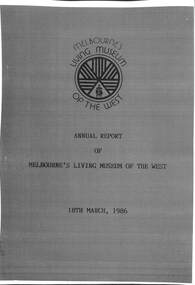
Administrative record - Melbourne's Living Museum of the West Incorporated Annual Report, Living Museum of the West
... preserve, and interpret the social, industrial, environmental, and migrant histories of Melbourne’s western suburbs. Its creation marked a turning point in recognising the West as a culturally rich region whose stories had long been overlooked. The Melbourne’s Living Museum of the West is located in the former Raleigh Boiling Down Works, Melbourne Meat...preserve, and interpret the social, industrial, environmental, and migrant histories of Melbourne’s western suburbs. Its creation marked a turning point in recognising the West as a culturally rich region whose stories had long been overlooked. The Melbourne’s Living Museum of the West is located in the former Raleigh Boiling Down Works, Melbourne Meat ...Melbourne’s Living Museum of the West (LMW) is Australia’s first ecomuseum, founded in 1984 to document, preserve, and interpret the social, industrial, environmental, and migrant histories of Melbourne’s western suburbs. Its creation marked a turning point in recognising the West as a culturally rich region whose stories had long been overlooked. The Melbourne’s Living Museum of the West is located in the former Raleigh Boiling Down Works, Melbourne Meat Preserving Company and Humes Pipe Works.Melbourne’s Living Museum of the West documents migration, work, industry, women’s history, integrates environmental and landscape history into heritage interpretation and treat the region itself as the museum, rather than a single building.5208.01 - Melbourne's Living Museum of the West Incorporated Annual Report 1986.jpg 5208.01 - Melbourne's Living Museum of the West Incorporated Annual Report 1986.pdf 5208.02 - Melbourne's Living Museum of the West Incorporated Annual Report 1987.jpg 5208.02 - Melbourne's Living Museum of the West Incorporated Annual Report 1987.pdf 5208.03 - Melbourne's Living Museum of the West Incorporated Annual Report 1988.jpg 5208.03 - Melbourne's Living Museum of the West Incorporated Annual Report 1988.pdf 5208.04 - Melbourne's Living Museum of the West Incorporated Annual Report 1989.jpg 5208.04 - Melbourne's Living Museum of the West Incorporated Annual Report 1989.pdf 5208.05 - Melbourne's Living Museum of the West Incorporated Annual Report 1990.jpg 5208.05 - Melbourne's Living Museum of the West Incorporated Annual Report 1990.pdf 5208.06 - Melbourne's Living Museum of the West Incorporated Annual Report 1991.jpg 5208.06 - Melbourne's Living Museum of the West Incorporated Annual Report 1991.pdf 5208.07 - Melbourne's Living Museum of the West Incorporated Annual Report 1992.jpg 5208.07 - Melbourne's Living Museum of the West Incorporated Annual Report 1992.pdf 5208.08 - Melbourne's Living Museum of the West Incorporated Annual Report 1993.jpg 5208.08 - Melbourne's Living Museum of the West Incorporated Annual Report 1993.pdf 5208.09 - Melbourne's Living Museum of the West Incorporated Annual Report 1994.jpg 5208.09 - Melbourne's Living Museum of the West Incorporated Annual Report 1994.pdf 5208.10 - Melbourne's Living Museum of the West Incorporated Annual Report 1995.jpg 5208.10 - Melbourne's Living Museum of the West Incorporated Annual Report 1995.pdf 5208.11 - Melbourne's Living Museum of the West Incorporated Annual Report 1999 - 2000.jpg 5208.11 - Melbourne's Living Museum of the West Incorporated Annual Report 1999 - 2000.pdf 5208.12 - Melbourne's Living Museum of the West Incorporated Annual Report 2003 - 2004.jpg 5208.12 - Melbourne's Living Museum of the West Incorporated Annual Report 2003 - 2004.pdf 5208.13 - Melbourne's Living Museum of the West Incorporated Annual Report 2004 - 2005.jpg 5208.13 - Melbourne's Living Museum of the West Incorporated Annual Report 2004 - 2005.pdf 5208.14 - Melbourne's Living Museum of the West Incorporated Annual Report 2005 - 2006.jpg 5208.14 - Melbourne's Living Museum of the West Incorporated Annual Report 2005 - 2006.pdf 5208.15 - Melbourne's Living Museum of the West Incorporated Annual Report 2014 - 2015.jpg 5208.15 - Melbourne's Living Museum of the West Incorporated Annual Report 2014 - 2015.pdf 5208.16 - Melbourne's Living Museum of the West Incorporated Annual Report 2020 - 2021.jpg 5208.16 - Melbourne's Living Museum of the West Incorporated Annual Report 2020 - 2021.pdf 5208.17 - Melbourne's Living Museum of the West Incorporated Annual Report 2022 - 2023.jpg 5208.17 - Melbourne's Living Museum of the West Incorporated Annual Report 2022 - 2023.pdf 5208.18 - Melbourne's Living Museum of the West Incorporated Annual Report 2023 - 2024.jpg 5208.18 - Melbourne's Living Museum of the West Incorporated Annual Report 2023 - 2024.pdf 5208.19 - Melbourne's Living Museum of the West Incorporated Annual Report 2024 - 2025.jpg 5208.19 - Melbourne's Living Museum of the West Incorporated Annual Report 2024 - 2025.pdfmelbourne's living museum of the west, raleigh boiling down works, melbourne meat preserving compan, humes pipe works -
 Warrnambool and District Historical Society Inc.
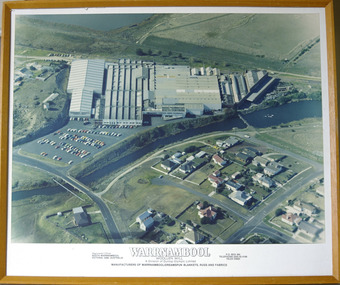
Photograph - Framed aerial photograph of Warrnambool Woollen Mill, Circa 1970
... In 1869, the Warrnambool Meat Preserving Company commenced their business on the site, where it operated until 1875 when it was sold to the directors of the Warrnambool Woollen Mill Company. ...In 1869, the Warrnambool Meat Preserving Company commenced their business on the site, where it operated until 1875 when it was sold to the directors of the Warrnambool Woollen Mill Company. ...In 1869, the Warrnambool Meat Preserving Company commenced their business on the site, where it operated until 1875 when it was sold to the directors of the Warrnambool Woollen Mill Company. After being destroyed by fire in 1882 it wasn’t until 1910 that the Warrnambool Chamber of Commerce was approached by Marcus Saltau and Peter McGennan to invest in a new mill. The original directors were James Dickson, P J McGennan, Robert Swinton, M Saltau, and J W Younger. In 1955 the Warrnambool Woollen Mill formed a partnership with the Wangaratta Woollen Mills. Dunlop bought the mill in 1968. From that time until its closure in 2000 it had a number of different owners, the last being the Smith Family Industries. The Mill site holds significance for Warrnambool as the site was one of the earliest industries established in the town. The Warrnambool Woollen Mill operated for close to 100 years and in that time forged a strong link with the people of Warrnambool. Its product held a significant position in the marketplace.Aerial colour photograph of the Warrnambool Woollen Mill and surrounding area including carparks. The Merri River crosses from lower left to upper right. Playing field, Jetty Flat, in upper right hand corner and Harris Street bridge in lower left. Aspect is looking easterly. Photo glued to white card mount with text in black underneath. Timber frameWarrnambool Woollen Mill A division of Dunlop Olympic Limited. Manufacturers of Warrnambool/Dreamspun blankets, rugs and fabrics. Registered office South Warrnambool, Victoria. 3280. Australia. P.O. Box 484 Telephone (055)624166. Telex 55820warrnambool, warrnambool woollen mill, woollen mill, dunlop olympic, marcus saltau, p j mcgennan, james dickson, robert swinton, j w younger, dreamspun -
 Warrnambool and District Historical Society Inc.
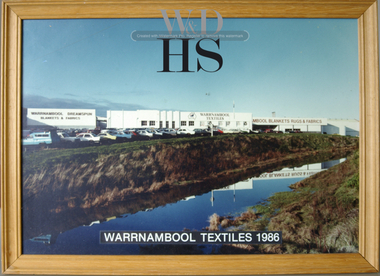
Photograph - Photograph, framed Warrnambool Woollen Mill
... In 1869, the Warrnambool Meat Preserving Company commenced their business on the site, where it operated until 1875 when it was sold to the directors of the Warrnambool Woollen Mill Company. ...In 1869, the Warrnambool Meat Preserving Company commenced their business on the site, where it operated until 1875 when it was sold to the directors of the Warrnambool Woollen Mill Company. ...In 1869, the Warrnambool Meat Preserving Company commenced their business on the site, where it operated until 1875 when it was sold to the directors of the Warrnambool Woollen Mill Company. After being destroyed by fire in 1882 it wasn’t until 1910 that the Warrnambool Chamber of Commerce was approached by Marcus Saltau and Peter McGennan to invest in a new mill. The original directors were James Dickson, P J McGennan, Robert Swinton, M Saltau, and J W Younger. In 1955 the Warrnambool Woollen Mill formed a partnership with the Wangaratta Woollen Mills. Dunlop bought the mill in 1968. From that time until its closure in 2000 it had a number of different owners, the last being the Smith Family Industries. The Mill site holds significance for Warrnambool as the site was one of the earliest industries established in the town. The Warrnambool Woollen Mill operated for close to 100 years and in that time forged a strong link with the people of Warrnambool. Its product held a significant position in the marketplace.Colour photograph of the Warrnambool Woollen Mill and surrounding area including carparks. The Merri River crosses from lower left to mid right. Aspect is looking easterly. Photo glued to white card mount with text in black underneath. Timber frameWarrnambool Woollen Mill A division of Dunlop Olympic Limited. Manufacturers of Warrnambool/Dreamspun blankets, rugs and fabrics. Registered office South Warrnambool, Victoria. 3280. Australia. P.O. Box 484 Telephone (055)624166. Telex 55820 warrnambool, warrnambool woollen mill, woollen mill, dunlop olympic, marcus saltau, p j mcgennan, james dickson, robert swinton, j w younger, dreamspun -
 Sunshine and District Historical Society Incorporated
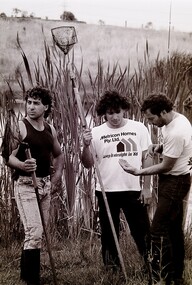
Photograph - Pipe Makers Park Maribyrnong 1990 Photographs, Adam Ellwood, 10th January 1990
... The site has a long history of industrial use including, Raleigh’s Boiling‑Down Works (1848–1853), Melbourne Meat Preserving Company (1868–1886), Australian Frozen Meat Export Company (1880–1882) and Hume Pipe Company (1912–1978). ...The site has a long history of industrial use including, Raleigh’s Boiling‑Down Works (1848–1853), Melbourne Meat Preserving Company (1868–1886), Australian Frozen Meat Export Company (1880–1882) and Hume Pipe Company (1912–1978). ...Pipemakers Park is an 8‑hectare urban park on the Maribyrnong River, near Highpoint, established in 1987 on the site of the former Hume Pipes Company manufacturing complex. The site has a long history of industrial use including, Raleigh’s Boiling‑Down Works (1848–1853), Melbourne Meat Preserving Company (1868–1886), Australian Frozen Meat Export Company (1880–1882) and Hume Pipe Company (1912–1978). The Melbourne & Metropolitan Board of Works purchased the site in 1978 for conversion to parkland and the Pipemakers Park officially opened in 1987–1988. One bluestone building was refurbished and leased to Melbourne’s Living Museum of the West. The park is now managed by the City of Maribyrnong (since 2014)Pipemakers Park is significant because it is one of the most complete surviving industrial heritage landscapes in Melbourne, a place where 130 years of Australian manufacturing, export innovation, and working‑class history are still physically visible in one location. Its importance comes from industrial, archaeological, cultural, ecological, and community values.Joe, Vince & Marion Fagone - Pipe Makers Park pipemakers park, maribyrnong -
 Warrnambool and District Historical Society Inc.
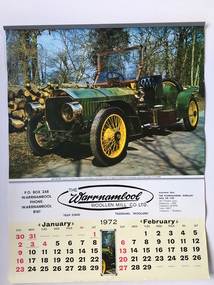
Calendar, Warrnambool Woollen Mill 1972, 1971
... In 1869, the Warrnambool Meat Preserving Company commenced their business on the site, where it operated until 1875 when it was sold to the directors of the Warrnambool Woolen Mill Company. ...In 1869, the Warrnambool Meat Preserving Company commenced their business on the site, where it operated until 1875 when it was sold to the directors of the Warrnambool Woolen Mill Company. ...In 1869, the Warrnambool Meat Preserving Company commenced their business on the site, where it operated until 1875 when it was sold to the directors of the Warrnambool Woolen Mill Company. After being destroyed by fire in 1882 it wasn’t until 1910 that the Warrnambool Chamber of Commerce was approached by Marcus Saltau and Peter McGennan to invest in a new mill. The original directors were James Dickson, P J McGennan, Robert Swinton, M Saltau, and J W Younger. In 1955 the Warrnambool Woollen Mill formed a partnership with the Wangaratta Woollen Mills. Dunlop bought the mill in 1968. From that time until its closure in 2000 it had a number of different owners, the last being the Smith Family Industries. this calendar is an advertising item associated with the Woollen Mill.A common item associated with a long running Warrnambool business.Large 6 page calendar for 1972 with coloured photographs of vintage cars.with Warrnambool Woollen Mill logo underneath with months [printed in black on yellow at the bottom of each page. Metal strip at top.Printed in New Zealand by tanner Couch Ltdwarrnambool,, warrnambool woollen mill 1972 -
 Warrnambool and District Historical Society Inc.
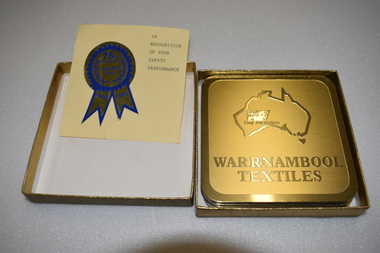
Placemats, 75th Anniversary Warrnambool Textiles, 1984
... In 1869, the Warrnambool Meat Preserving Company commenced their business on the site, where it operated until 1875 when it was sold to the directors of the Warrnambool Woolen Mill Company. ...In 1869, the Warrnambool Meat Preserving Company commenced their business on the site, where it operated until 1875 when it was sold to the directors of the Warrnambool Woolen Mill Company. ...In 1869, the Warrnambool Meat Preserving Company commenced their business on the site, where it operated until 1875 when it was sold to the directors of the Warrnambool Woolen Mill Company. After being destroyed by fire in 1882 it wasn’t until 1910 that the Warrnambool Chamber of Commerce was approached by Marcus Saltau and Peter McGennan to invest in a new mill. The original directors were James Dickson, P J McGennan, Robert Swinton, M Saltau, and J W Younger. In 1955 the Warrnambool Woollen Mill formed a partnership with the Wangaratta Woollen Mills. Dunlop bought the mill in 1968. From that time until its closure in 2000 it had a number of different owners, the last being the Smith Family Industries.These coasters were part of the 75th Anniversary celebrations.A common item which has significance as it has links to one of Warrnambool's longest operating businesses.A boxed set of six coasters which are metal coloured gold. Each has an outline of Australia with text Buy Australian and the Australian flag. there is text below the outline. The backs are dark blue felt. Buy Australian Warrnambool Textiles A paper insert has " In recognition of your Safety Performance.75th Anniversary Warrnambool Textiles 1909-1984.warrnambool, warrnambool woollen mill, warrnambool woollen mill 1975 -
 Warrnambool and District Historical Society Inc.
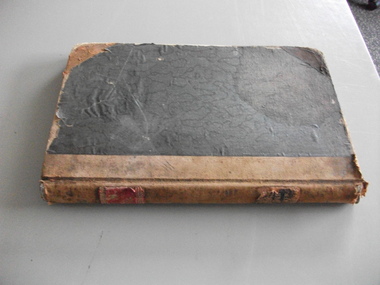
Financial record - Ledger Woollen Mill, Circa 1910
... In 1869, the Warrnambool Meat Preserving Company commenced their business on the site, where it operated until 1875 when it was sold to the directors of the Warrnambool Woolen Mill Company. ...In 1869, the Warrnambool Meat Preserving Company commenced their business on the site, where it operated until 1875 when it was sold to the directors of the Warrnambool Woolen Mill Company. ...In 1869, the Warrnambool Meat Preserving Company commenced their business on the site, where it operated until 1875 when it was sold to the directors of the Warrnambool Woolen Mill Company. After being destroyed by fire in 1882 it wasn’t until 1910 that the Warrnambool Chamber of Commerce was approached by Marcus Saltau and Peter McGennan to invest in a new mill. The original directors were James Dickson, P J McGennan, Robert Swinton, M Saltau, and J W Younger. In 1955 the Warrnambool Woollen Mill formed a partnership with the Wangaratta Woollen Mills. Dunlop bought the mill in 1968. From that time until its closure in 2000 it had a number of different owners, the last being the Smith Family Industries. This register contains a list of names addresses and occupations of share holders from the period 1910 to 1944.This register provides a comprehensive listing of people who owned shares in the Warrnambool Woollen Mill in the period directly after its beginnings. It is interesting to note that the majority of share owners in the earlier days were from Warrnambool and District while entries in the later years are from further afield.Dark green cloth hard cover with tan point and spine. One red and one black label on spine with gold lettering. Pages are numbered as one number to the opened page. Entries for the most part are written in black ink. Two printed sheets from The Stock Exchange of Melbourne and National Securities are inside the front cover. W.M. Co. Share Transfer Register on labels on spine.warrnambool woollen mill, history of warrnambool, ledger warrnambool woollen mill, share register warrnambool woollen mill -
 Warrnambool and District Historical Society Inc.
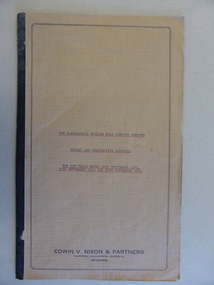
Booklet, Warrnambool Woollen Mill 1951-53, 1953
... In 1869, the Warrnambool Meat Preserving Company commenced their business on the site, where it operated until 1875 when it was sold to the directors of the Warrnambool Woolen Mill Company. ...In 1869, the Warrnambool Meat Preserving Company commenced their business on the site, where it operated until 1875 when it was sold to the directors of the Warrnambool Woolen Mill Company. ...In 1869, the Warrnambool Meat Preserving Company commenced their business on the site, where it operated until 1875 when it was sold to the directors of the Warrnambool Woolen Mill Company. After being destroyed by fire in 1882 it wasn’t until 1910 that the Warrnambool Chamber of Commerce was approached by Marcus Saltau and Peter McGennan to invest in a new mill. The original directors were James Dickson, P J McGennan, Robert Swinton, M Saltau, and J W Younger. In 1955 the Warrnambool Woollen Mill formed a partnership with the Wangaratta Woollen Mills. Dunlop bought the mill in 1968. From that time until its closure in 2000 it had a number of different owners, the last being the Smith Family Industries. This report contains the financial reports for the three years from 1951-1953.This report shows records of the Woollen Mill which was one of the most important industries in Warrnambool for nearly 100 years. As such it has links to many local families and organisations.Light brown paper cover with black text underlined in red. Bound in black tape. Accountants’ name along bottom of cover in black.warrnambool, warrnambool woollen mill, warrnambool woolen mill, -
Warrnambool and District Historical Society Inc.
Functional object - Wooden Industrial Bobbin
... In 1869, the Warrnambool Meat Preserving Company commenced their business on the site, where it operated until 1875 when it was sold to the directors of the Warrnambool Woolen Mill Company. ...In 1869, the Warrnambool Meat Preserving Company commenced their business on the site, where it operated until 1875 when it was sold to the directors of the Warrnambool Woolen Mill Company. ...This item looks to be of an industrial type rather than a domestic one and as such is quite likely to be a relic from the Warrnambool Woollen Mill. In 1869, the Warrnambool Meat Preserving Company commenced their business on the site, where it operated until 1875 when it was sold to the directors of the Warrnambool Woolen Mill Company. After being destroyed by fire in 1882 it wasn’t until 1910 that the Warrnambool Chamber of Commerce was approached by Marcus Saltau and Peter McGennan to invest in a new mill. The original directors were James Dickson, P J McGennan, Robert Swinton, M Saltau, and J W Younger. In 1955 the Warrnambool Woollen Mill formed a partnership with the Wangaratta Woollen Mills. Dunlop bought the mill in 1968. From that time until its closure in 2000 it had a number of different owners, the last being the Smith Family Industries. While there is no known provenace of this item , it is likely to to be a relic of the Warrnambool Woollen Mill and at the least is representative of items which would have been in use in the weaving process there. This is a large wooden straight edged bobbin with a quantity of dark blue spun fibre, possibly wool. The inner core of the bobbin is metal with four holes and four screwsin the top edge. the bottom edge is plain wood. The hole at the top is larger than that in the base.wooden bobbin, woollen spool, wooden spool, warrnambool woollen mill, warrnambool -
 Warrnambool and District Historical Society Inc.
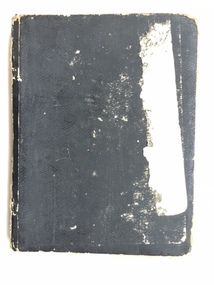
Ledger, Warrnambool Woollen Mill, Mid 20th century
... In 1869, the Warrnambool Meat Preserving Company commenced their business on the site, where it operated until 1875 when it was sold to the directors of the Warrnambool Woolen Mill Company. ...In 1869, the Warrnambool Meat Preserving Company commenced their business on the site, where it operated until 1875 when it was sold to the directors of the Warrnambool Woolen Mill Company. ...In 1869, the Warrnambool Meat Preserving Company commenced their business on the site, where it operated until 1875 when it was sold to the directors of the Warrnambool Woolen Mill Company. After being destroyed by fire in 1882 it wasn’t until 1910 that the Warrnambool Chamber of Commerce was approached by Marcus Saltau and Peter McGennan to invest in a new mill. The original directors were James Dickson, P J McGennan, Robert Swinton, M Saltau, and J W Younger. In 1955 the Warrnambool Woollen Mill formed a partnership with the Wangaratta Woollen Mills. Dunlop bought the mill in 1968. From that time until its closure in 2000 it had a number of different owners, the last being the Smith Family Industries. This ledger relates to the operations of the mill in the period 1941-1943. It record items such as quantities and hours of wool being spun, combed, woven, carded. it also records the amount of waste from the processes and the quantities held in the warehouse of blankets, bales of wool, rugs. An item which has a strong connection to one of Warrnambool's longest running businesses and one of its largest. Thousands of local people over the years have been employed there and have an attachment to the woollen mill.It gives an insight into the daily runnings of the business.Black card covered exercise book which is divided into various sections. Pages are lined and it has approximately 150 pages. -
 Warrnambool and District Historical Society Inc.
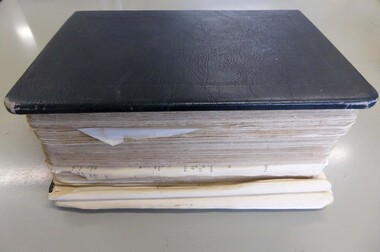
Administrative record - Minute book Glenleigh Fabrics Pty. Ltd, Circa 1955
... In 1869, the Warrnambool Meat Preserving Company commenced their business on the site, where it operated until 1875 when it was sold to the directors of the Warrnambool Woolen Mill Company. ...In 1869, the Warrnambool Meat Preserving Company commenced their business on the site, where it operated until 1875 when it was sold to the directors of the Warrnambool Woolen Mill Company. ...In 1869, the Warrnambool Meat Preserving Company commenced their business on the site, where it operated until 1875 when it was sold to the directors of the Warrnambool Woolen Mill Company. After being destroyed by fire in 1882 it wasn’t until 1910 that the Warrnambool Chamber of Commerce was approached by Marcus Saltau and Peter McGennan to invest in a new mill. The original directors were James Dickson, P J McGennan, Robert Swinton, M Saltau, and J W Younger. In 1955 the Warrnambool Woollen Mill formed a partnership with the Wangaratta Woollen Mills. Dunlop bought the mill in 1968. From that time until its closure in 2000 it had a number of different owners, the last being the Smith Family Industries. Directors listed for this period 1956 -1965 include Mr Fletcher Jones, E.E Ladner, N. K. Morris, C. J. McIntyre, J Bennett, J Dickson.. W. S Crowe was manager and Mr E.M Dempster was secretary.The minutes record the decision- making process of one of the major industries of Warrnambool for a significant period of the Woollen Mill’s operation.Heavy black card binder held with thick cloth binding. 1557 Pages with some loose pages at the back of the folder.Kalamazoo Loose leaf Books. Size 42. warrnambool,, glenleigh fabrics pty. ltd., warrnambool woollen mill -
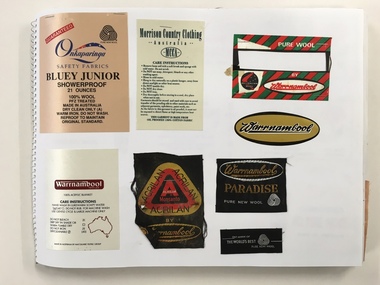 Warrnambool and District Historical Society Inc.
Booklet, Scrap Book Warrnambool Woollen Mill, Late 20th century
... In 1869, the Warrnambool Meat Preserving Company commenced their business on the site, where it operated until 1875 when it was sold to the directors of the Warrnambool Woolen Mill Company. ...In 1869, the Warrnambool Meat Preserving Company commenced their business on the site, where it operated until 1875 when it was sold to the directors of the Warrnambool Woolen Mill Company. ...In 1869, the Warrnambool Meat Preserving Company commenced their business on the site, where it operated until 1875 when it was sold to the directors of the Warrnambool Woolen Mill Company. After being destroyed by fire in 1882 it wasn’t until 1910 that the Warrnambool Chamber of Commerce was approached by Marcus Saltau and Peter McGennan to invest in a new mill. The original directors were James Dickson, P J McGennan, Robert Swinton, M Saltau, and J W Younger. In 1955 the Warrnambool Woollen Mill formed a partnership with the Wangaratta Woollen Mills. Dunlop bought the mill in 1968. From that time until its closure in 2000 it had a number of different owners, the last being the Smith Family Industries.This book contains a large number of labels some of which would have been sewn to the corner of the many blankets which were manufactured over the long history of the Woollen Mill.Some are cloth of a satin type. Some state care instructions and some have been made under other name brands such as Myer, Patersons and Nile. There is also a range of types of blankets such as travel and picnic rugs, baby blankets.Some are pure wool, others are a blend of synthetic and wool, mohair. In the latter stages of its operation, under the ownership of the Smith family , recycled woollen product was produced.This is an interesting collection of labels which were produced and collected over a long period of time and therefore provide a valuable insight into different styles and variety of the blankets produced by the Warrnambool Woollen mill which played a large part in the social and employment history of the city for nearly all of the 20th century. The different styles and colours provide a snapshot of design and artistic styles of the period. Large Spirax folder with yellow and white check patterned cover with dark blue writing.A Warrnambool label in gold,black and white is glued to front cover . Back cover is grey heavier card. The white pages have a large number of labels which relate to the Warrnambool Woollen Mill . Some are stapled and others are glued.Genuine drawing cartridge 48 sheets . Made in Indonesia.warrnambool, warrnambool woollenmill,warrnambool blankets warrnambool blankets labels, -
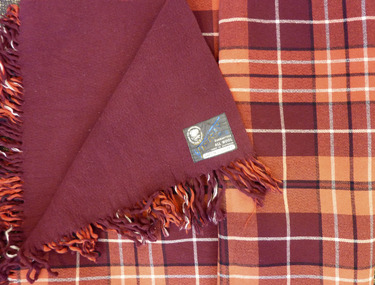 Warrnambool and District Historical Society Inc.
Textile - Woollen Blanket, Warrnambool Woollen Mill, Circa 1949
... The decision was made to move plant and and machinery to the old meat preserving factory in South Warrnambool The plant and equipment was sold to Mr Robert Hood of Sherwood on the Hopkins River East Warrnambool who carried on the venture until fire destroyed the building in 1882, The site lay idle until a group of local businessmen raised 40000 pounds to establish the mill in 1910. ...The decision was made to move plant and and machinery to the old meat preserving factory in South Warrnambool The plant and equipment was sold to Mr Robert Hood of Sherwood on the Hopkins River East Warrnambool who carried on the venture until fire destroyed the building in 1882, The site lay idle until a group of local businessmen raised 40000 pounds to establish the mill in 1910. ...The first Warrnambool to Melbourne cycling race was held in October 1895. 24 riders started with only 7 finishing the race. W. Nicol was the winner of the inaugural race. Two months later on 14/12/1895 the race was run in reverse. For the ensuing 43 years it was mainly Melbourne to Warrnambool. Since 1939 it has been run mainly Melbourne to Warrnambool. The prize of this blanket was 2nd prize to E. Ion of Tasmania in October 1949. The prize itself, A Warrnambool Blankets Tartan rug was made at the Warrnambool Woollen Mill in Harris St Warrnambool Early efforts to establish a woollen Mill in Warrnambool commenced with an early mill on the Merri at Woodford in 1874 but the site proved unsuitable and was financially struggling. The decision was made to move plant and and machinery to the old meat preserving factory in South Warrnambool The plant and equipment was sold to Mr Robert Hood of Sherwood on the Hopkins River East Warrnambool who carried on the venture until fire destroyed the building in 1882, The site lay idle until a group of local businessmen raised 40000 pounds to establish the mill in 1910. It continued to trade well through the early and mid 20th century. Dunlop brought the mill in 1968 and there was a slow downturn with numerous owners until it closed in 2000. The site passed into private hands in 2003.Both the Warrnambool Woollen Mill and the Melbourne to Warrnambool Road Race are a significant part of local history. The Melbourne to Warrnambool Cycling road race remains one of the premier sporting events in Australia. It commenced in 1895 Maroon and red block check with black and white check lines on front with plain maroon back. Fringed on two sides. Grey cotton label with The Warrnambool Woollen Mill Co Limited in top Left hand side of label, Victory Rug diagonally in blue Guaranteed All WOOL Made in Australia in bottom RH corner of label. Owner M bottom of label. 1949 Mr. Ernie Ion” handwritten in black pen.warrnambool, warrnambool woollen mill, marcus saltau, w. nicol -
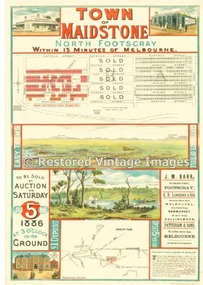 Sunshine and District Historical Society Incorporated
Photograph - Town Of Maidstone North Footscray Auction Brochure
... Early Foundations (1840s–1860s- The broader district saw activity from the 1840s, including Joseph Raleigh’s meat‑preserving works on the Maribyrnong River, which sat on the boundary of what became Maidstone...Early Foundations (1840s–1860s- The broader district saw activity from the 1840s, including Joseph Raleigh’s meat‑preserving works on the Maribyrnong River, which sat on the boundary of what became Maidstone ...Maidstone began as an 1858 speculative township on Ballarat Road, grew slowly due to isolation from rail transport, then expanded rapidly in the 20th century through tram extensions, defence industries, migrant hostels, and Housing Commission estates.Today it is a diverse, residential‑industrial suburb shaped by waves of working‑class settlement, post‑war migration, and late‑20th‑century redevelopment. Early Foundations (1840s–1860s- The broader district saw activity from the 1840s, including Joseph Raleigh’s meat‑preserving works on the Maribyrnong River, which sat on the boundary of what became Maidstone. - Land speculator J.W. Thompson launched the township with great fanfare, including a German band and a banner proclaiming “Every man his own landlord.” - Despite the marketing, by 1860 only about ten homes existed. - - Maidstone grew slowly because it was isolated from the railway, relying instead on punts across the Maribyrnong River. - A National School opened in 1858, but the area remained sparsely settled. - The district’s early industrial landscape included: - Raleigh’s meat works (1843) - Victorian Powder Magazine, later expanded for military use These sites later became part of Pipemakers Park and the Living Museum of the West. - The arrival of trams from Footscray in 1921 finally unlocked residential growth. - A Progress Association formed, and the suburb gained amenities including its own cinema in the 1940s. - Housing stock from this era included weatherboard, Art Deco, and Californian Bungalow homes. Town of Maidstone North Footscray Within 15 Minutes of Melbourne To be sold by Auction on Saturday 5th June 1886 at 3 O'Clock on the ground J. M. Barr Nicholson Street Footscraymaidstone -
 Sunshine and District Historical Society Incorporated
Archive - Friends of Maribyrnong Valley documents, 1993
... File of information given to Friends of Maribyrnong Valley regarding the production of panels to be erected along the valley|Invitation to attend unveiling ceremony of the Maribyrnong River Heritage Trail Signs on 1 October 1993 at Essendon Canoe Club|Letter from Friends of the Maribyrnong Valley 22nd July 1993 Subject Maribyrnong River Heritage Trail|Photocopy of photograph lots of people in two boats|Photocopy of photograph Rail Bridge|Photocopy of photograph The Melbourne Meat Preserving Companys works at the Saltwater River|Photocopy of photograph Angling Match at Raleighs Punt Saltwater River|Photocopy of photograph Fishing Match 1866 Raleighs punt a spot well known to all anglers about Melbourne The earliest hotel Raleighs Punt Hotel a fine two storied building of bluestone became the home of David Syme founder and frst editor of the Age|Photocopy of photograph John alves Hotel the Jolly Anglers taken duuring the 1906 flood|Article The big Bridge|Vicroads Information bulletin No 1 August 1992 Western Ring Road Maribyrnong Section|Vicroads Information bulletin No 2 December 1992 Western ring road Maribyrnong Ardeer and Airport Sections|Bridge building in Excelsis from The Victorian Railways Magazine September 1927...Friends of Maribyrnong River Maribyrnong River Maribyrnong Valley File of information given to Friends of Maribyrnong Valley regarding the production of panels to be erected along the valley|Invitation to attend unveiling ceremony of the Maribyrnong River Heritage Trail Signs on 1 October 1993 at Essendon Canoe Club|Letter from Friends of the Maribyrnong Valley 22nd July 1993 Subject Maribyrnong River Heritage Trail|Photocopy of photograph lots of people in two boats|Photocopy of photograph Rail Bridge|Photocopy of photograph The Melbourne Meat Preserving Companys works at the Saltwater River|Photocopy of photograph Angling Match at Raleighs Punt Saltwater River|Photocopy of photograph Fishing Match 1866 Raleighs punt a spot well known to all anglers about Melbourne The earliest hotel Raleighs Punt Hotel a fine two storied building of bluestone became the home of David Syme founder and frst editor of the Age|Photocopy of photograph John alves Hotel the Jolly Anglers taken duuring the 1906 flood|Article The big Bridge|Vicroads Information bulletin No 1 August 1992 Western Ring Road Maribyrnong Section|Vicroads Information bulletin No 2 December 1992 Western ring road Maribyrnong Ardeer and Airport Sections|Bridge building in Excelsis from The Victorian Railways Magazine September 1927 File of information given to Friends of Maribyrnong Valley regarding the production of panels to be erected along the valley Archive Friends of Maribyrnong Valley documents ...File of information given to Friends of Maribyrnong Valley regarding the production of panels to be erected along the valley|Invitation to attend unveiling ceremony of the Maribyrnong River Heritage Trail Signs on 1 October 1993 at Essendon Canoe Club|Letter from Friends of the Maribyrnong Valley 22nd July 1993 Subject Maribyrnong River Heritage Trail|Photocopy of photograph lots of people in two boats|Photocopy of photograph Rail Bridge|Photocopy of photograph The Melbourne Meat Preserving Companys works at the Saltwater River|Photocopy of photograph Angling Match at Raleighs Punt Saltwater River|Photocopy of photograph Fishing Match 1866 Raleighs punt a spot well known to all anglers about Melbourne The earliest hotel Raleighs Punt Hotel a fine two storied building of bluestone became the home of David Syme founder and frst editor of the Age|Photocopy of photograph John alves Hotel the Jolly Anglers taken duuring the 1906 flood|Article The big Bridge|Vicroads Information bulletin No 1 August 1992 Western Ring Road Maribyrnong Section|Vicroads Information bulletin No 2 December 1992 Western ring road Maribyrnong Ardeer and Airport Sections|Bridge building in Excelsis from The Victorian Railways Magazine September 1927 friends of maribyrnong river, maribyrnong river, maribyrnong valley -
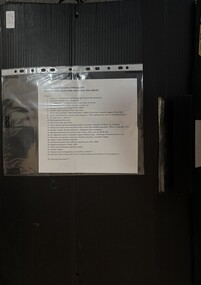 Sunshine and District Historical Society Incorporated
Photograph - Sunshine & District Photographs
... Coles Hampshire Rd Sunshine Opening Day C1951 (Replaced the store of JW McGrath & Co) ICI Deer Park C1920's|Old Braybrook Shire Hall Hunt Club Hotel Deer Park House photos and street photograph perhaps of Sunshine includes 179 Morris St Sunshine Melbourne Meat Preserving Works (later Hume Site) Maribyrnong River Raleigh's Castle Maribyrnong River (Highpoint West nowadays) Maribyrnong Swimming Club and Syd Dunne 1921 AIF Lighthorse Camp or Remount Depot Maribyrnong C1920 (Later ordinance factory site) Riverview Tea Gardens Tennis Etc Maribyrnong River Angler's Hotel Maribyrnong River Maribyrnong River near Ordinance Factory area early 1900's Maribyrnong River in flood 1906|Other area of Maribyrnong River photos Female workers Women hand sewing gloves ammunition workers Kororoit Creek in flood with Parson's house and horsehair factory in the black ground Gum tree and sheds...Coles Hampshire Rd Sunshine Opening Day C1951 (Replaced the store of JW McGrath & Co) ICI Deer Park C1920's|Old Braybrook Shire Hall Hunt Club Hotel Deer Park House photos and street photograph perhaps of Sunshine includes 179 Morris St Sunshine Melbourne Meat Preserving Works (later Hume Site) Maribyrnong River Raleigh's Castle Maribyrnong River (Highpoint West nowadays) Maribyrnong Swimming Club and Syd Dunne 1921 AIF Lighthorse Camp or Remount Depot Maribyrnong C1920 (Later ordinance factory site) Riverview Tea Gardens Tennis Etc Maribyrnong River Angler's Hotel Maribyrnong River Maribyrnong River near Ordinance Factory area early 1900's Maribyrnong River in flood 1906|Other area of Maribyrnong River photos Female workers Women hand sewing gloves ammunition workers Kororoit Creek in flood with Parson's house and horsehair factory in the black ground Gum tree and sheds Large black folder with photos within Photograph Sunshine & District Photographs ...Donated to the Society by the Sunshine Library. Many of the photographs have been used in displaysNewman J : Blacksmith and Wheelwright Ballarat Rd Braybrook H.V. McKay Workers : hats on and off H.V. McKay : Highland band in front of his home at Toorak Sunshine Harvester Works : ploughs tractors etc Harrison men : Harrison's Fram Werribee RSS & AILA Sunshine (Returned Sailors' Soldiers' & Airmen's Imperial League of Australia (RSL R.S.L.) Coles Hampshire Rd Sunshine Opening Day C1951 (Replaced the store of JW McGrath & Co) ICI Deer Park C1920's|Old Braybrook Shire Hall Hunt Club Hotel Deer Park House photos and street photograph perhaps of Sunshine includes 179 Morris St Sunshine Melbourne Meat Preserving Works (later Hume Site) Maribyrnong River Raleigh's Castle Maribyrnong River (Highpoint West nowadays) Maribyrnong Swimming Club and Syd Dunne 1921 AIF Lighthorse Camp or Remount Depot Maribyrnong C1920 (Later ordinance factory site) Riverview Tea Gardens Tennis Etc Maribyrnong River Angler's Hotel Maribyrnong River Maribyrnong River near Ordinance Factory area early 1900's Maribyrnong River in flood 1906|Other area of Maribyrnong River photos Female workers Women hand sewing gloves ammunition workers Kororoit Creek in flood with Parson's house and horsehair factory in the black ground Gum tree and sheds -
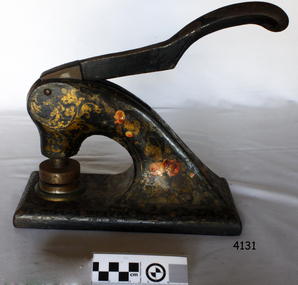 Flagstaff Hill Maritime Museum and Village
Functional object - Hand operated embossing document press, 1910
... In 1869 the Warrnambool Meat Preserving Company began operations on the mill site, in 1875, shareholders of the then defunct Warrnambool Meat Preserving Company happily sold the land and buildings on the Merri river to Warrnambool Woollen Mill Company Ltd for £5,000. ...In 1869 the Warrnambool Meat Preserving Company began operations on the mill site, in 1875, shareholders of the then defunct Warrnambool Meat Preserving Company happily sold the land and buildings on the Merri river to Warrnambool Woollen Mill Company Ltd for £5,000. ...The woollen mill was a vital part of Warrnambool for all but 22 years of the town’s history since it's the establishment in 1847 when the first land sales were held and white settlement began. In 1869 the Warrnambool Meat Preserving Company began operations on the mill site, in 1875, shareholders of the then defunct Warrnambool Meat Preserving Company happily sold the land and buildings on the Merri river to Warrnambool Woollen Mill Company Ltd for £5,000. The site was sold again in 1876 to grazer Robert Hood of Sherwood, who was chairman of directors of the failed company, which couldn’t raise sufficient capital to keep the works operating. The entrepreneurial Hood then used the existing plant to turn his own wool into tweed cloth. But just as the mill was starting to show a profit, a fire destroyed the building and plant on the night of 25 March 1882. So again, the mill was operational for six short years. Insurers only paid a fraction over 10% of the damage, Hood couldn't raise sufficient capital to rebuild on his own, and so the site lay unused until 1910. In 1908 Marcus Saltau and Peter John McGennan convinced the Warrnambool Chamber of Commerce to invest in a secondary industry with local capital. A public meeting in September 1908 agreed to raise £40,000, electing Saltau chairman of directors, a post he held for 34 years. A year later, using mostly local money, the Warrnambool Woollen Mill Company dispatched its first manager, John E. Bennett, to buy a plant and recruit 20 experienced staff from the Yorkshire woollen industry in December 1909. Another year more, the new mill was officially opened on 14 November 1910 by Marcus Saltau as company chairman and town mayor. Eighteen months on, in May 1912, the mill paid its first half-yearly dividend of 2 ½%. It was now working two shifts, with a year's orders to fill. In 1914 the mill ordered its own generator, providing the town with electricity and effectively doubling its plant size by October 1915, six months after Gallipoli. Thereafter, government orders for cloth and military supplies assured the mill’s success right through the First World War and on until 1923. A plant upgrade in 1922 for machinery to make worsted fabric drained profits, which, with a fall in demand, led to a loss in 1925. Profits were restored by the 1930s, despite the Depression, mostly due to tight management and robust marketing. Production boomed again during the Second World War, but soon foreign competition bit into profits, forcing the company to consolidate operations. The ‘50s and ‘60s were golden years for the mill. Security and growth gave the company confidence to trial Australia’s first electric blanket in 1958 and to install Swiss Sulzer looms in 1965. Over time, the building facades took on the modern look that the mill presented until it closed. The Dunlop company bought the mill in 1968, fending off a challenge from Onkaparinga in South Australia, and continued to expand by adding Wendouree Woollen Mill in the same year and Dream-spun Textiles a decade later, in 1979. Soon after that purchase, however, the mill began its slippery slide into decline. Dunlop sold to its former rival bidder Onkaparinga Woollen Co. Ltd in 1982, which in turn was taken over by Macquarie Worsted's only a year later, in 1983. Operations remained stable for a decade until 1994 when the Macquarie Group signaled that its newly rationalised operations left no room for the Warrnambool investment. The final operator of the mill was The Smith Family charity group, which ran the site by agreement with the Warrnambool City Council and a state government grant in that same year, 1994. The mill became more of a fabric recycler than a manufacturer. The site was sold to private operators in February 2003 and rezoned four months later to allow for the mixed housing development. The embossing press is significant for its association with the Warrnambool Woollen Mills 1910-1968, a major employer in the Warrnambool district. The press is also significant as an example of commercial office equipment used in the 19th and 20th century.Press, metal, for Company seal of Warrnambool Woollen Mill, stamping their brand as Western District Worsted Mills Pty Ltd. Metal is black with red and gold floral markings. Inscription of stamp reads "WESTERN DISTRICT WORSTED MILLS PROPRIETRY LIMITED" flagstaff hill, warrnambool, shipwrecked-coast, flagstaff-hill, flagstaff-hill-maritime-museum, maritime-museum, warrnambool woollen mills, western district worsted mills proprietry limited, worsted fabric, printing press, logo printing press, stamp printing press, shipwreck-coast, flagstaff-hill-maritime-village -
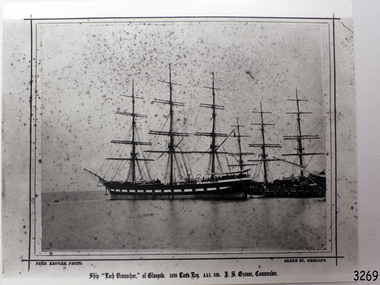 Flagstaff Hill Maritime Museum and Village
Photograph - Vessel, Sailing Ship, Fred. Kruger, Loch Vennachar of Glasgow, 1875-1888
... preserved rabbits...canned rabbits...Meat...Its cargo included 850 tonnes of preserved canned rabbits from Warrnambool's Western Meat Preserving Company. ...Kangaroo Island shipwreck 1905 shipwreck Fred Kruger photographer Photograph loch vennachar preserved rabbits canned rabbits Meat Preserving Company Western Meat Preserving Company 1901 1905 Printed below photo "Loch Vennachar of Glasgow, 1485 Tons Reg. ...This is a photographic image of the three-masted iron clipper Loch Vennachar created by photographer Fred Kruger of Geelong. Fred Kruger was born in Germany in 1831 and migrated to Victoria before his wife, who arrived in 1863. He began working in photography in the 1850s. He was internationally recognised for his work, which covered a variety of subjects. He settled in Geelong in later years, registering his studio in Skene St, Newtown. He passed away in February 1888. The National Gallery of Victoria now holds much of his work. Loch Vennachar: - Loch Vennachar made many journeys from Britain to Australia and was well-known in Australian ports. On one of its homeward-bound journeys from Australia, the ship sank in the River Thames. Its cargo included 850 tonnes of preserved canned rabbits from Warrnambool's Western Meat Preserving Company. The ship was raised and continued trading for another four years. On 14th June 1905, Loch Vennachar departed Glasgow for Adelaide and Melbourne. The last known sighting of it was on 6th September 1875 when overtaken by the SS Yongala; the captains exchanged the “all well” signals. After that, the ship disappeared with loss of all 27 lives, according to a list that was received by Fremantle through the English mail. The list indicated that there were no passengers on that voyage. Sadly, other Loch Line ships med with similar disasters. The list of lost crew on the Loch Vennachar included Thomas. W. Pearce, apprentice, Southampton. His father was Tom Pearce, one of the two survivors of the Loch Ard, wrecked in 1878. Also, Thomas’ grandfather, James Pearce, was the captain of SS Gothenburg at the time of her wrecking in 1875. Consequently, the wrecking of the Loch Vennachar and the Loc Sloy near the southwest point of Kangaroo Island, a lighthouse was erected, officially opening in June 1907. The northern headland of West Bay was named Vennachar Point in memory of the ship in 1908. The wreck was discovered in 1976 by divers from the Society for Underwater Historical Research, over seventy years after being lost off Kangaroo Island.The Loch Vennachar performed a significant role in Australia’s colonial trade, taking goods between Great Britain and Australia. These goods included locally preserved tinned rabbits processed at a factory in Warrnambool for overseas trade.Black and white photograph of the Loch Vennachar at the dock, without sails. (aka Loch Vennacher). Printed below photo "Loch Vennachar of Glasgow, 1485 Tons Reg. AA1 100. T.S. Ozanne, Comander" and "Fred Kruger Photo / Skene Street, Geelong" Printed below photo "Loch Vennachar of Glasgow, 1485 Tons Reg. AA1 100. T.S. Ozanne, Comander" and "Fred Kruger Photo / Skene Street, Geelong" flagstaff hill, warrnambool, shipwrecked-coast, flagstaff-hill, flagstaff-hill-maritime-museum, maritime-museum, shipwreck-coast, flagstaff-hill-maritime-village, loch vennachar, loch vennacher, loch line ship, glasgow shipping co, 1875 clipper ship, loch vennachar image., kangaroo island shipwreck, 1905 shipwreck, fred kruger photographer, photograph loch vennachar, preserved rabbits, canned rabbits, meat preserving company, western meat preserving company, 1901, 1905 -
 Sunshine and District Historical Society Incorporated
Photograph - Maribyrnong River and Valley
... The Melbourne Meat Preserving Works|Typed report Historic Workplace Humes Site Van Ness Avenue Maribyrnong|Typed letter 1 December 1967 Explosives Factory Maribyrnong|Typed report Racing colours Rose and Black|Newspaper article The Age 28 April 1982 The western maze|Typed Minutes 4 July 1983 Meeting of the Lower Maribyrnong Conservation Group|Typed Constitution of the Lower Maribyrnong Valley Conservation Group|Typed Submission 29 April 1982 To City of Sunshine for Historic buildings preservation council classifications sub committee|Typed Minutes of Lower Maribyrnong Valley Conservation Group 26 August 1982|Typed Application for Membership form Lower Maribyrnong Valley Conservation Group|Typed Submission for a Financial Grant to the Charles Grimes 175th Anniversary Re enactment Committee|Typed Annual General Meeting 5 July 1984 Lower Maribyrnong Valley Conservation Group|Typed letter 30 July 1980 Humes Site|Typed Proposal Bluestone building|Typed Letter from University of Melbourne 11 December 1980 Meat Preserving companys works|Brochure Pipemakers Park|Typed notes Elizabeth McKinnon Mosaic mural artist|Newspaper article Sunshine Advocate 10 November 1993 Heritage site rediscovered|Newspaper article The Age 7 September 1996 Dreamtime in an industrial garden|Newspaper article The Western Times 6 December 1989 The peoples historiian|Typed report The Saltwater River Powder Magazine Jacks Magazine|Typed letter from Henry Laskowski Sunshine City Council Engineer / Planner to Gwen Goedecke Re: Melbourne Metropolitan Planning Scheme Amendment No 157 Maribyrnong Valley 26th November 1981|Newspaper article The Advocate 13th September Council to buy vital river land|Newspaper article The Age 4th September 1978 Tight controls urged over Maribyrnong|Newspaper article The Age 27th April 1988 Metropolitan Region Planning Scheme Amendment RL11|Melbourne Metropolitan Board of Works M.M.B.W. ...The Melbourne Meat Preserving Works|Typed report Historic Workplace Humes Site Van Ness Avenue Maribyrnong|Typed letter 1 December 1967 Explosives Factory Maribyrnong|Typed report Racing colours Rose and Black|Newspaper article The Age 28 April 1982 The western maze|Typed Minutes 4 July 1983 Meeting of the Lower Maribyrnong Conservation Group|Typed Constitution of the Lower Maribyrnong Valley Conservation Group|Typed Submission 29 April 1982 To City of Sunshine for Historic buildings preservation council classifications sub committee|Typed Minutes of Lower Maribyrnong Valley Conservation Group 26 August 1982|Typed Application for Membership form Lower Maribyrnong Valley Conservation Group|Typed Submission for a Financial Grant to the Charles Grimes 175th Anniversary Re enactment Committee|Typed Annual General Meeting 5 July 1984 Lower Maribyrnong Valley Conservation Group|Typed letter 30 July 1980 Humes Site|Typed Proposal Bluestone building|Typed Letter from University of Melbourne 11 December 1980 Meat Preserving companys works|Brochure Pipemakers Park|Typed notes Elizabeth McKinnon Mosaic mural artist|Newspaper article Sunshine Advocate 10 November 1993 Heritage site rediscovered|Newspaper article The Age 7 September 1996 Dreamtime in an industrial garden|Newspaper article The Western Times 6 December 1989 The peoples historiian|Typed report The Saltwater River Powder Magazine Jacks Magazine|Typed letter from Henry Laskowski Sunshine City Council Engineer / Planner to Gwen Goedecke Re: Melbourne Metropolitan Planning Scheme Amendment No 157 Maribyrnong Valley 26th November 1981|Newspaper article The Advocate 13th September Council to buy vital river land|Newspaper article The Age 4th September 1978 Tight controls urged over Maribyrnong|Newspaper article The Age 27th April 1988 Metropolitan Region Planning Scheme Amendment RL11|Melbourne Metropolitan Board of Works M.M.B.W. ...Photocopy of Photograph Maribyrnong Munitions Factory 1938|Newspaper article Brimbank Messenger 29 October 2002 Our bond with the Maltese|Newspaper article The Herald Friday 24 February 1989 Yes Melbourne does have another river|Typed report History of Maribyrnong Steering Committee Reports|Typed notes of Steering Committee History of Maribyrnong Meeting held 7 June 1989|Typed notes 27 April 1989 History of Maribyrnong Steering Committtee Meeting|Typed notes of Steering Committee 5 April 1989|Typed notes of Steering Committee 1 March 1989|Typed notes of Steering Committee 11 January 1989|Typed notes 23 August 1988 Local History|Typed notes of Steering Committee 28 Febuary 1989|Typed report 17 November 1988 A History of Maribyrnong|Extract First Contacts I Primi Contenti|Extract Chapter 2 Maribyrnong on the map|Typed Report Migrant impact The early settlement of Maribyrnong|Photocopy of photographs Your family's photos are Maribyrnong's heritage|Typed report Maribyrnong A pictorial history|Typed report Maribyrnong History Outline|Typed report A History of Maribyrnong General Brief for the Author|Handwritten notes Research for Sunshine Council Project|Letter 18 August 1988 The History Institute|Typed report Copyright|Newspaper article Star 7 December 2004 Council moves to avert disaster|Newspaper article Brimbank Messenger 4 July 2000 Platypus potential|Newspaper article |Advocate 7 July 1993 New river bridge|Letter to Waterways and Parks division Metropolitan Parks 11 April 1985 Potential uses of Bluestone buildings|Typed Memorandum 21 January 1985 History of the Site of the Marie Hill Centre|Typed report The Ford Maribyrnong River|Typed letter from Legislative Council 6 January 1982 regarded rezoning|Extract of Poem The Haunted Castle at Maribyrnong by Martha Coxhead|Handwritten note Evan Crick Hotel dates|Brochure Historic Parkland Van Ness Avenue Sunshine|Typed notes Maribyrnong River Valley Braybrook February 1992|Typed letter 1 June 1983 Humes Site from Melbourne and Metropolitan Board of Works|Typed l etter 31 May 1982 from Historic Buildings Preservation Council re the fomer Melbourne Meat Preserving Company buildings and former Humes Pipes Site Van Ness Avenue Maribyrnong|Flyer 3 February 1803 Charles Grimes 175th Anniversary 5 February 1978|Newspaper articles Melbourne must not forget its other river|Newspaper article Sunshine Advocatge 24 February 1982 Hearing on Humes rezoning|Newspaper article Public Meeting on Future Development Plans for the former Humes site|Huge Banner Development Plan for Maribyrnong River|Newspaper article Advocate 22 February 2000 Greedy developers|Newspaper article Advocate 17 April 1996 River estate plan set for amendment|Newspaper article Advocate 8 February 2000 Bridging concern|Newspaper article Western Times 1 March 2000 Developers plan riles river residents|Newspaper article Advocate 20 February 1974 Maribyrnong a paradise|Newspaper article Messenger 15 February 2000 Plan rushed residents|Newspaper article Advocate 1 June 1983 Get tough policy on Valley|Newspaper article The Herald 11 December 1981 A community is up in arms over a threat to Victoria's heritage The battle over the bluestone. The Melbourne Meat Preserving Works|Typed report Historic Workplace Humes Site Van Ness Avenue Maribyrnong|Typed letter 1 December 1967 Explosives Factory Maribyrnong|Typed report Racing colours Rose and Black|Newspaper article The Age 28 April 1982 The western maze|Typed Minutes 4 July 1983 Meeting of the Lower Maribyrnong Conservation Group|Typed Constitution of the Lower Maribyrnong Valley Conservation Group|Typed Submission 29 April 1982 To City of Sunshine for Historic buildings preservation council classifications sub committee|Typed Minutes of Lower Maribyrnong Valley Conservation Group 26 August 1982|Typed Application for Membership form Lower Maribyrnong Valley Conservation Group|Typed Submission for a Financial Grant to the Charles Grimes 175th Anniversary Re enactment Committee|Typed Annual General Meeting 5 July 1984 Lower Maribyrnong Valley Conservation Group|Typed letter 30 July 1980 Humes Site|Typed Proposal Bluestone building|Typed Letter from University of Melbourne 11 December 1980 Meat Preserving companys works|Brochure Pipemakers Park|Typed notes Elizabeth McKinnon Mosaic mural artist|Newspaper article Sunshine Advocate 10 November 1993 Heritage site rediscovered|Newspaper article The Age 7 September 1996 Dreamtime in an industrial garden|Newspaper article The Western Times 6 December 1989 The peoples historiian|Typed report The Saltwater River Powder Magazine Jacks Magazine|Typed letter from Henry Laskowski Sunshine City Council Engineer / Planner to Gwen Goedecke Re: Melbourne Metropolitan Planning Scheme Amendment No 157 Maribyrnong Valley 26th November 1981|Newspaper article The Advocate 13th September Council to buy vital river land|Newspaper article The Age 4th September 1978 Tight controls urged over Maribyrnong|Newspaper article The Age 27th April 1988 Metropolitan Region Planning Scheme Amendment RL11|Melbourne Metropolitan Board of Works M.M.B.W. Concept plan for Maribyrnong River Development Media Release 25th January 1984|City of Sunshine The Maribyrnong River Ideas for the River Valley|Newspaper Article The Advocate 14 March 1979 River Valley Land Purchasemaribyrnong river, maribyrnong valley
