
Showing 80 items matching "public hospitals australia"
-
 Returned Nurses RSL Sub-branch
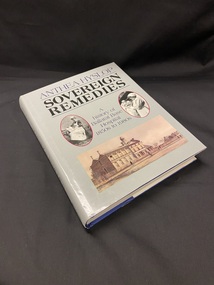
Book - Hardcover book, Anthea Hyslop, Sovereign Remedies : a history of Ballarat Base Hospital 1850s to 1980s, 1989
... Hospital history...Public hospitals Australia...Returned Nurses RSL Sub-branch ANZAC House Level 3 4 Collins Street Melbourne Ballarat Base Hospital Hospital history Public hospitals Australia Here is the story of the public hospital at Ballarat - from its uncertain beginnings in the goldrush era to its emergence as one of Victoria's major regional health centres....This book celebrates an institution whose long history is intricately entwined with that of its city and its country. - from inside dustjacket. ...Here is the story of the public hospital at Ballarat - from its uncertain beginnings in the goldrush era to its emergence as one of Victoria's major regional health centres....This book celebrates an institution whose long history is intricately entwined with that of its city and its country. - from inside dustjacket.Dark blue hardcover book with a grey dustjacket. The title and author details are printed along the spine in black text. The cover has the author's name acrsoo the top in purple print, followed by a black line and then the title in large black print and another balck line. Beneath this are two oval templates with photographs of a nurse in each one and the subtitle is written between the two. At the bottom of the cover is a drawing of the Ballarat Hospital from the early 1900s.non-fictionHere is the story of the public hospital at Ballarat - from its uncertain beginnings in the goldrush era to its emergence as one of Victoria's major regional health centres....This book celebrates an institution whose long history is intricately entwined with that of its city and its country. - from inside dustjacket. ballarat base hospital, hospital history, public hospitals australia -
 Royal Australian and New Zealand College of Obstetricians & Gynaecologists (RANZCOG)
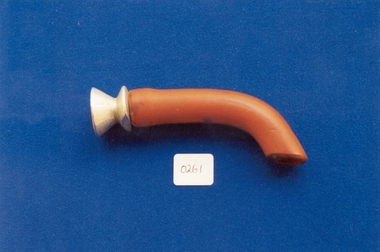
Hewitt's artificial airway tube used by Dr Lorna Lloyd-Green
... The use of this type of red rubber tubing was discontinued in the late 1950s when a thinner, more moulded rubber with chromium-plated incut tubes was introduced into public hospital throughout Australia....Royal Australian and New Zealand College of Obstetricians & Gynaecologists (RANZCOG) 1 Bowen Crescent Naarm (Melbourne) melbourne The airway was manufactured in four sizes - Infant, Children, Adult Medium and Adult Large. The use of this type of red rubber tubing was discontinued in the late 1950s when a thinner, more moulded rubber with chromium-plated incut tubes was introduced into public hospital throughout Australia. ...The airway was manufactured in four sizes - Infant, Children, Adult Medium and Adult Large. The use of this type of red rubber tubing was discontinued in the late 1950s when a thinner, more moulded rubber with chromium-plated incut tubes was introduced into public hospital throughout Australia.Airway tube. Consists of a red rubber tube, 2cm in width. The tube is cured at one end, and attached to metal flange/mount at the other end.anaesthesia -
 Warrnambool and District Historical Society Inc.
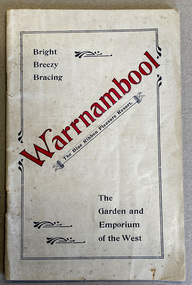
Booklet - Tourism Booklet, A.H.Powell (Powell Print Ballarat), Warrnambool - The Blue Ribbon Pleasure Resort, 1913
... public institutions. It has a great number of photographs, some of which were taken by members pf the local Camera Club and are new to the historian today. The booklet has a fascinating provenance. In 1915 George McDonald of San Francisco, California, U.S.A. was touring Australia with the Columbia Park Boys' Club when he obtained the Warrnambool booklet. Sadly he became ill while on board the ship when the group departed Australia. His appendix burst and he died in a hospital...public institutions. It has a great number of photographs, some of which were taken by members pf the local Camera Club and are new to the historian today. The booklet has a fascinating provenance. In 1915 George McDonald of San Francisco, California, U.S.A. was touring Australia with the Columbia Park Boys' Club when he obtained the Warrnambool booklet. Sadly he became ill while on board the ship when the group departed Australia. His appendix burst and he died in a hospital ...This is a booklet by the Warrnambool Tourist Publication 1913This is a booklet of 62 pages. It has a white cover with red and blue printing on the front cover and a blue-toned photograph on the back cover. The pages contain printed text, advertisements and black and white photographs. The pages are stapled.non-fiction This is a booklet by the Warrnambool Tourist Publication 1913warrnambool tourism, visit to warrnambool 1915 by george mcdonald -
 Emerald Museum & Nobelius Heritage Park
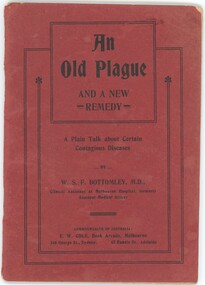
Booklet, W.S.F. Bottomley, An Old Plague And a New Remedy, 1911
... public health problem in the early 20th century when this was not a widely held view. Dr Bottomley also has close connections with the origin of the Emerald Country Club. Dr Bottomley An Old Plague and a New Remedy 1911 Silver Birches Emerald Country Club On front cover: 'An / Old Plague / And A New / Remedy / A Plain Talk About Certain / Contagious Diseases / By / W. S. F. Bottomley M. D., / Clinical Assistant at Melbourne Hospital, formerly / Resident Medical Officer / Commonwealth of Australia ...Dr William Bottomley (1881-1952) was a specialist based at Collins Street who advocated for humanist and practical solutions to public health issues. His love of the Emerald countryside which he visited at weekends with his family led him to being the primary instigator of the late 1920s development - the iconic and beautiful Emerald Country Club. He later retired to Emerald where he built a Modernist-inspired home, Silver Birches, which is of architectural significance. This 1911 booklet outlines his argument for sexually transmitted diseases to be treated as a public health issue instead of the practice at that time which was to blame the victim.This book is significant because it outlines Dr Bottomley's argument for treating sexually transmitted diseases as a public health problem in the early 20th century when this was not a widely held view. Dr Bottomley also has close connections with the origin of the Emerald Country Club.Booklet with dark red paper cover. 30 pages.On front cover: 'An / Old Plague / And A New / Remedy / A Plain Talk About Certain / Contagious Diseases / By / W. S. F. Bottomley M. D., / Clinical Assistant at Melbourne Hospital, formerly / Resident Medical Officer / Commonwealth of Australia / E. W. Cole, Book Arcade, Melbourne / 346 George St., Sydney 67 Rundle St., Adelaide'dr bottomley, an old plague and a new remedy, 1911, silver birches, emerald country club -
 Lara RSL Sub Branch
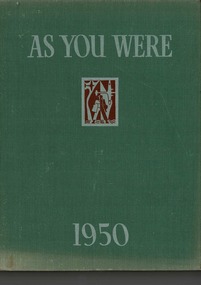
Book, As You Were 1950, 1950
... Compilation of articles, short stories and poems of events and experiences of Australian servicemen and women in World War 2. 1950 wadi aua sgt rossiter repatriation hospital the bomb droppers phantom raiders To the memory of the fallen ' They gave their lives. For that public ...Compilation of articles, short stories and poems of events and experiences of servicemen and women. Compilation of articles, short stories and poems of events and experiences of Australian servicemen and women in World War 2.Hardcover cardboard, green in colour. Light green text - As You Were on the front cover and '1950' on the bottom of the front cover. Rectangular relief on front cover showing 2 aircraft, sea waves and a figure. The front and back inside covers are illustrated as a chessboard with military figures, including women - nurses and army, horses and military weaponry. There are two copies held by the Lara RSL Sub Branch To the memory of the fallen ' They gave their lives. For that public gift they received a praise which never ages and a tomb most glorious - not so much the tomb in which they lie, but that in which their fame survives, to be remembered forever when occasion comes for word or deed...' 1950, wadi aua, sgt rossiter, repatriation hospital, the bomb droppers, phantom raiders -
 Bendigo Historical Society Inc.
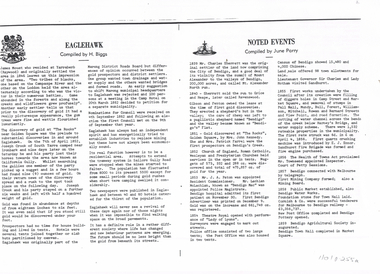
Document - LONG GULLY HISTORY GROUP COLLECTION: EAGLEHAWK & NOTED EVENTS
... History House 11 Mackenzie Street Bendigo goldfields BENDIGO History long gully history group The Long Gully History Group - Eaglehawk & Noted Events H Biggs June Parry James Mouat Joseph Crook Marong District Roads Board Camp Hotel Charles Sherratt Mt Alexander North Run Grice and Heape Ravenswood Gibson and Fenton Mrs John Kennedy Mrs Patrick Farrel MR J A Paton Mr Lachlan McLachlan (Bendigo Mac) Bendigo Hospital Bendigo Advertiser Theatre Royal Lieutenant Governor Sir Charles and Lady Hotham Harney's Bridge E J Ennor Sandhurst Fire Brigade Mr Townsend Bendigo Water Works Cornish & Co Post Office Bendigo Pottery Bendiog Agricultural Society Benevolent Asylum Bendigo Gas Company Cattle yards Coliban Water Supply Scheme Cr W V Simons J Mouat Sir Henry Barkly Sandhurst Borough Eaglehawk Borough Cr John McIntyre Duke of Edinburgh Latham and Watson's Mine Galatea (model ship) St Paul's Church of England Rev G P Despard Bendog Rifle Association Strathfieldsaye Shire Hall Corporate High School Bendigonian Society Richard Andrews Easter Fair G Aspinall J Burnsides Viscount Canterbury (Sir H Manners sutton) Beehive Stores Mining Exchanges Annual Waverley Prize Bendigo Water Works City Fire Brigade City Family Hotel Bendigo United Friendly Society Medical Institute and Dispensary Jewish Synagogue Masonic Hall School of Mines J H Abbott Australian Natives Association Temperance Hall Royal Princess Theatre Albion Hall Central State School High School Gravel Hill State School Early Trams Electricity Commission Notes on Eaglehawk compiled by H Biggs mentions early settlement, discovery of gold, separation of Eaglehawk from the Marong District Roads Board, Nominations for Council and Newspapers. Noted Events compiled by June Parry mention events from 1839 to 1876 and some in 1928. These included early settlement, gold discovery at The Rocks, Churches, hospital, Bendigo Advertiser, Theatre Royal, Police Office, Post Office, Census, First Council Works, Telegraph, Mining Company, Mining Board, Public ...Notes on Eaglehawk compiled by H Biggs mentions early settlement, discovery of gold, separation of Eaglehawk from the Marong District Roads Board, Nominations for Council and Newspapers. Noted Events compiled by June Parry mention events from 1839 to 1876 and some in 1928. These included early settlement, gold discovery at The Rocks, Churches, hospital, Bendigo Advertiser, Theatre Royal, Police Office, Post Office, Census, First Council Works, Telegraph, Mining Company, Mining Board, Public Market, various buildings built, Rates, Schools, and very early trams.bendigo, history, long gully history group, the long gully history group - eaglehawk & noted events, h biggs, june parry, james mouat, joseph crook, marong district roads board, camp hotel, charles sherratt, mt alexander north run, grice and heape, ravenswood, gibson and fenton, mrs john kennedy, mrs patrick farrel, mr j a paton, mr lachlan mclachlan (bendigo mac), bendigo hospital, bendigo advertiser, theatre royal, lieutenant governor sir charles and lady hotham, harney's bridge, e j ennor, sandhurst fire brigade, mr townsend, bendigo water works, cornish & co, post office, bendigo pottery, bendiog agricultural society, benevolent asylum, bendigo gas company, cattle yards, coliban water supply scheme, cr w v simons, j mouat, sir henry barkly, sandhurst borough, eaglehawk borough, cr john mcintyre, duke of edinburgh, latham and watson's mine, galatea (model ship), st paul's church of england, rev g p despard, bendog rifle association, strathfieldsaye shire hall, corporate high school, bendigonian society, richard andrews, easter fair, g aspinall, j burnsides, viscount canterbury (sir h manners sutton), beehive stores, mining exchanges, annual waverley prize, bendigo water works, city fire brigade, city family hotel, bendigo united friendly society medical institute and dispensary, jewish synagogue, masonic hall, school of mines, j h abbott, australian natives association, temperance hall, royal princess theatre, albion hall, central state school, high school, gravel hill state school, early trams, electricity commission -
 The Beechworth Burke Museum
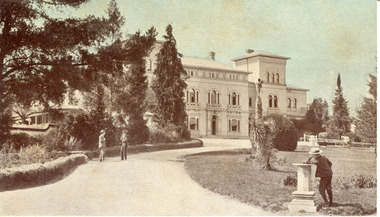
Photograph - Postcard, George Rose, c. 1910
... hospital with three young boys in the foreground. This postcard forms part of the extensive Rose Series. (P. 4689) of postcards being produced by the Rose Stereograph co. which depicted landmarks from across Australia. Despite the early date attributed to this image, according to Walsh dates from this series place the postcards being produced typically between 1920-54. Mayday Hills Hospital, then known as the Beechworth Lunatic Asylum was constructed between 1864-67 designed by The Public...hospital with three young boys in the foreground. This postcard forms part of the extensive Rose Series. (P. 4689) of postcards being produced by the Rose Stereograph co. which depicted landmarks from across Australia. Despite the early date attributed to this image, according to Walsh dates from this series place the postcards being produced typically between 1920-54. Mayday Hills Hospital, then known as the Beechworth Lunatic Asylum was constructed between 1864-67 designed by The Public ...Produced c. 1910 by The Rose Stereograph co. This colourised photographic postcard shows the exterior of the administrative buildings at Mayday Hills mental hospital with three young boys in the foreground. This postcard forms part of the extensive Rose Series. (P. 4689) of postcards being produced by the Rose Stereograph co. which depicted landmarks from across Australia. Despite the early date attributed to this image, according to Walsh dates from this series place the postcards being produced typically between 1920-54. Mayday Hills Hospital, then known as the Beechworth Lunatic Asylum was constructed between 1864-67 designed by The Public Works Department. The hospital is made up of a number of buildings, landscaping, ha-ha, workshops, laundry, administrative facilities and farmland, it was constructed in 'Italianate' style by a team of up to two hundred and fifty workers (Woods p. 122). The asylum was established in response to the need for the regional shire to locally care for those particularly affected by their time working the Ovens goldfield during the Indigo Shire gold rush era where poor living conditions and isolation were significantly affecting the welfare of a great many people through poverty and lack of resources. The gaol and orphan labour systems were not able to effectively support to give housing, rehabilitation and ongoing care for the mentally ill, and transporting to Melbourne by waggon was a time consuming and counter-productive solution when the metro facilities were already overcrowded. According to Woods (A Titan's Field p. 122), between 1901 and 1911 a large percentage (thirty five percent in 1901 and twenty four in 1911) of the Beechworth population were either patients or inmates of Beechworth institutions, Mayday Hills accounted for some six hundred and seventy four patients in 1901, Beechworth's Mayday Hills was chosen as the site of Victoria's newest asylum, at the time, due to the landscape and altitude. The hilltop atmosphere and the native fauna, it was argued, would assist in the cure of the patients kept at the hospital (Wood 1985, 122). The positioning of the hospital had a beneficial effect on the rural town and the large volume of people living at the hospital and contributing to this population growth is counted as reason for the survival of Beechworth as a regional township. Mayday Hills continued to function as a mental hospital up until 1995 when it was sold to LaTrobe university. The building and grounds are listed on the Victorian Heritage Register under criterion A, B, D, E and F. Through the colourisation of the photograph and through the unusual choice of the subject matter being used as a postcard, we can get a good indication of aesthetic interests of the time.Rectangular coloured photograph printed as postcardObverse: Beautiful / Beechworth / (Vic.) / 1800 ft. / above / Sea / Level / - / Asylum / for / insane / (Front / View) / Copyright. / F. / Foxcroft / Photo Reverse: 1997.2454 / Postcard / THIS / SPACE / MAY / BE / USED / FOR / CORRESPONDENCE: / THIS / SPACE / FOR / NAME / AND / ADDRESS / STAMPpostcard, rose series, mayday hills hospital, mayday hills, beechworth lunatic asylum, photographic postcard, george rose, the rose stereograph co., social welfare, welfare services, ovens goldfield, lunatic asylum, the public works department, australian landmark, regional shire, indigo shire council, gold rush, beechworth institution, victorian heritage register -
 The Beechworth Burke Museum
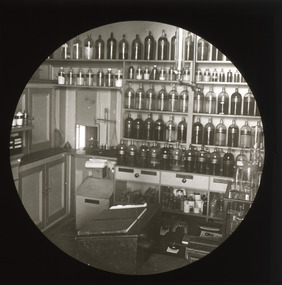
Photograph - Lantern Slide, c1900
... Hospital. Although Hilda Dow was not Australia's first female pharmacist (this was Caroline Copp in 1880) the preservation of the pharmacy and the stories it presents sheds light on the general issue of recognition for female medical pioneers in Australia. Lantern slides, sometimes called 'magic lantern' slides, are glass plates on which an image has been secured for the purpose of projection. Glass slides were etched or hand-painted for this purpose from the Eighteenth Century but the process became more popular and accessible to the public...Hospital. Although Hilda Dow was not Australia's first female pharmacist (this was Caroline Copp in 1880) the preservation of the pharmacy and the stories it presents sheds light on the general issue of recognition for female medical pioneers in Australia. Lantern slides, sometimes called 'magic lantern' slides, are glass plates on which an image has been secured for the purpose of projection. Glass slides were etched or hand-painted for this purpose from the Eighteenth Century but the process became more popular and accessible to the public ...Chiltern Pharmacy, now called Dow's Pharmacy, opened in 1859 at a time when the township of Chiltern was experiencing a second-wave gold rush that redistributed the balance of commercial and social activity in the region. David McEwan, father of Prime Minister John McEwan, was one of the first pharmacists practicing at the business. It was purchased in 1929 by pharmacist Hilda Dow who ran the business with her apprentice and husband, Roy Dow, until they closed the business in 1968. In 1988, after founding the North East branch of the National Trust, the Dows donated the premises with its entire fittings and stock. Some of the more than 4,000 items in stock at the time of closure in 1968 were present in the shop when the Dows took charge in 1929 and date to the late Nineteenth Century (around the time this image was taken). Hilda Dow (nee Grey) was born in 1897, the daughter of a police magistrate. She enrolled to study at the Victorian College of Pharmacy in 1919 and worked initially for Poynton's Pharmacy in Morwell before purchasing the Chiltern Pharmacy that was later named after her. She was a member of the Pharmaceutical Society of Victoria, a hospital committee and Board, the Red Cross and the Infant Welfare Association and held office for the Chiltern branch of the Country Women's Association. Her sister Helene Grey received an OBE for her work as Lady Superintendent of the Royal Melbourne Hospital. Although Hilda Dow was not Australia's first female pharmacist (this was Caroline Copp in 1880) the preservation of the pharmacy and the stories it presents sheds light on the general issue of recognition for female medical pioneers in Australia. Lantern slides, sometimes called 'magic lantern' slides, are glass plates on which an image has been secured for the purpose of projection. Glass slides were etched or hand-painted for this purpose from the Eighteenth Century but the process became more popular and accessible to the public with the development of photographic-emulsion slides used with a 'Magic Lantern' device in the mid-Nineteenth Century. Photographic lantern slides comprise a double-negative emulsion layer (forming a positive image) between thin glass plates that are bound together. A number of processes existed to form and bind the emulsion layer to the base plate, including the albumen, wet plate collodion, gelatine dry plate and woodburytype techniques. Lantern slides and magic lantern technologies are seen as foundational precursors to the development of modern photography and film-making techniques.This image is significant as it provides insight into social and commercial infrastructure available in the North-East region of Victoria in the late Nineteenth and early Twentieth Centuries. The business pictured is also associated with a Prime Minister of Victoria and some of Victoria's first female medical and pharmaceutical practitioners. Thin translucent sheet of glass with a circular image printed on the front and framed in a black backing. It is held together by metals strips to secure the edges of the slide.burke museum, beechworth, lantern slide, slide, glass slide, plate, burke museum collection, photograph, monochrome, hilda dow, roy dow, chiltern pharmacy, dow's pharmacy, chiltern, indigo shire, north east victoria, history of pharmacies, women in pharmacy, women in medicine, women in business, david mcewan, john mcewan, national trust, national trust victoria, north-east victoria national trust, heritage buildings, industrial heritage, helene grey, pharmaceutical society of victoria, victorian college of pharmacy, country women's association, caroline copp, royal melbourne hospital, red cross, infant welfare association -
 Greensborough Historical Society
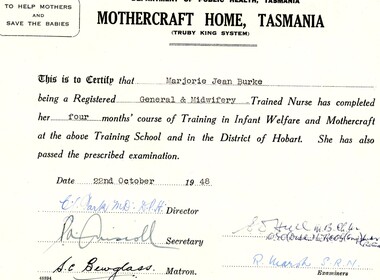
Document - Certificate, Mothercraft Home Tasmania, Certificate of Infant Welfare and Mothercraft for Marjorie Jean Burke, 22/10/1948
... Public Health Tasmania. Miss Burke was a nurse, midwife and infant welfare sister. This collection covers her many qualifications throughout Australia and Great Britain, including references both professional and personal. When Miss Burke returned to Australia, she was employed at Diamond Valley Community Hospital ...Certificate of Infant Welfare and Mothercraft for Marjorie Jean Burke, issued by the Mothercraft Home, Department of Public Health Tasmania.Miss Burke was a nurse, midwife and infant welfare sister. This collection covers her many qualifications throughout Australia and Great Britain, including references both professional and personal. When Miss Burke returned to Australia, she was employed at Diamond Valley Community Hospital as a nurse in 1953 and as Deputy Matron 1954-1971.Certificate typed on cream paper.Signed by authoritiesmarjorie jean burke, nurses, diamond valley community hospital, mothercraft home tasmania, mothercraft nursing -
![Document - Certificate, Mothercraft Home Tasmania, Certificate of Infant Welfare and Mothercraft for Marjorie Jean Burke [stamped cancelled], 22/10/1948](/media/collectors/4f729f5697f83e03086015b8/items/676e2c48e3709f4f3f5c2f8d/item-media/676e2c7fe3709f4f3f5c3103/item-fit-380x285.jpg?cb=6) Greensborough Historical Society
Greensborough Historical SocietyDocument - Certificate, Mothercraft Home Tasmania, Certificate of Infant Welfare and Mothercraft for Marjorie Jean Burke [stamped cancelled], 22/10/1948
... Public Health Tasmania. This duplicate copy is stamped "cancelled", although it appears to be the same as the copy at item 8752. Miss Burke was a nurse, midwife and infant welfare sister. This collection covers her many qualifications throughout Australia and Great Britain, including references both professional and personal. When Miss Burke returned to Australia, she was employed at Diamond Valley Community Hospital ...Certificate of Infant Welfare and Mothercraft for Marjorie Jean Burke, issued by the Mothercraft Home, Department of Public Health Tasmania. This duplicate copy is stamped "cancelled", although it appears to be the same as the copy at item 8752.Miss Burke was a nurse, midwife and infant welfare sister. This collection covers her many qualifications throughout Australia and Great Britain, including references both professional and personal. When Miss Burke returned to Australia, she was employed at Diamond Valley Community Hospital as a nurse in 1953 and as Deputy Matron 1954-1971.Certificate typed on cream paper.Signed by authorities, stamped cancelledmarjorie jean burke, nurses, diamond valley community hospital, mothercraft home tasmania, mothercraft nursing -
 Greensborough Historical Society
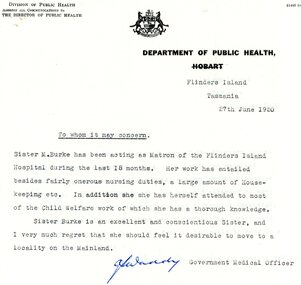
Document - Professional reference, Department of Public Health Hobart, Professional reference for Marjorie Jean Burke, 12/06/1950
... Hospital from early 1949 to June 1950. She is returning to the mainland. Miss Burke was a nurse, midwife and infant welfare sister. This collection covers her many qualifications throughout Australia and Great Britain, including references both professional and personal. When Miss Burke returned to Australia, she was employed at Diamond Valley Community Hospital as a nurse in 1953 and as Deputy Matron 1954-1971. marjorie jean burke nurses diamond valley community hospital flinders island hospital Signed by Government Medical Officer. Certificate typed on cream letterhead. Professional reference for Marjorie Jean Burke Document Professional reference Department of Public ...Professional reference for Marjorie Jean Burke, written by the Government Medical Officer (Flinders Island, Tasmania). Miss Burke had been Matron of Flinders Island Hospital from early 1949 to June 1950. She is returning to the mainland.Miss Burke was a nurse, midwife and infant welfare sister. This collection covers her many qualifications throughout Australia and Great Britain, including references both professional and personal. When Miss Burke returned to Australia, she was employed at Diamond Valley Community Hospital as a nurse in 1953 and as Deputy Matron 1954-1971.Certificate typed on cream letterhead.Signed by Government Medical Officer.marjorie jean burke, nurses, diamond valley community hospital, flinders island hospital -
 Greensborough Historical Society
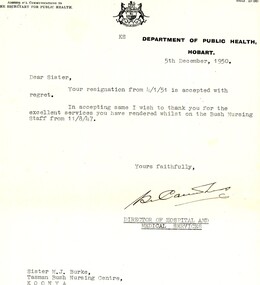
Document - Letter, Department of Public Health Hobart, Confirmation of resignation for Marjorie Jean Burke, 05/12/1950
... When Miss Burke returned to Australia, she was employed at Diamond Valley Community Hospital as a nurse in 1953 and as Deputy Matron 1954-1971. marjorie jean burke nurses diamond valley community hospital flinders island hospital tasman bush nursing service koonya Signed by Director of Hospital and Medical Services. Letter typed on cream letterhead. Confirmation of resignation for Marjorie Jean Burke Document Letter Department of Public ...Letter confirming the resignation of Marjorie Jean Burke, from the Bush Nursing Staff. This letter gives Miss Burke's address as Tasman Bush Nursing Centre Koonya (Tasmania).Miss Burke was a nurse, midwife and infant welfare sister. This collection covers her many qualifications throughout Australia and Great Britain, including references both professional and personal. When Miss Burke returned to Australia, she was employed at Diamond Valley Community Hospital as a nurse in 1953 and as Deputy Matron 1954-1971.Letter typed on cream letterhead.Signed by Director of Hospital and Medical Services.marjorie jean burke, nurses, diamond valley community hospital, flinders island hospital, tasman bush nursing service koonya -
 Greensborough Historical Society
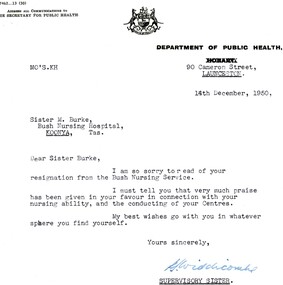
Document - Letter, Department of Public Health Hobart, Confirmation of resignation for Marjorie Jean Burke, 14/12/1950
... When Miss Burke returned to Australia, she was employed at Diamond Valley Community Hospital as a nurse in 1953 and as Deputy Matron 1954-1971. marjorie jean burke nurses diamond valley community hospital flinders island hospital tasman bush nursing service koonya Signed by Supervisory Sister. Letter typed on cream letterhead. Confirmation of resignation for Marjorie Jean Burke Document Letter Department of Public ...Letter confirming the resignation of Marjorie Jean Burke, from the Bush Nursing Service. This letter gives Miss Burke's address as Tasman Bush Nursing Centre Koonya (Tasmania).Miss Burke was a nurse, midwife and infant welfare sister. This collection covers her many qualifications throughout Australia and Great Britain, including references both professional and personal. When Miss Burke returned to Australia, she was employed at Diamond Valley Community Hospital as a nurse in 1953 and as Deputy Matron 1954-1971.Letter typed on cream letterhead.Signed by Supervisory Sister.marjorie jean burke, nurses, diamond valley community hospital, flinders island hospital, tasman bush nursing service koonya -
 Greensborough Historical Society
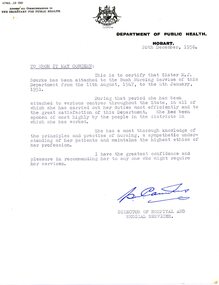
Document - Professional reference, Department of Public Health Hobart, Professional reference for Marjorie Jean Burke, 20/12/1950
... When Miss Burke returned to Australia, she was employed at Diamond Valley Community Hospital as a nurse in 1953 and as Deputy Matron 1954-1971. marjorie jean burke nurses diamond valley community hospital flinders island hospital tasman bush nursing service koonya Signed by Director of Hospital and Medical Services. Letter typed on cream letterhead. Professional reference for Marjorie Jean Burke Document Professional reference Department of Public ...Professional reference for Marjorie Jean Burke, it gives her time at the Bush Nursing Service from 11/08/1947 to 04/01/1951, nursing at various centres around Tasmania.Miss Burke was a nurse, midwife and infant welfare sister. This collection covers her many qualifications throughout Australia and Great Britain, including references both professional and personal. When Miss Burke returned to Australia, she was employed at Diamond Valley Community Hospital as a nurse in 1953 and as Deputy Matron 1954-1971.Letter typed on cream letterhead.Signed by Director of Hospital and Medical Services.marjorie jean burke, nurses, diamond valley community hospital, flinders island hospital, tasman bush nursing service koonya -
 Bendigo Historical Society Inc.
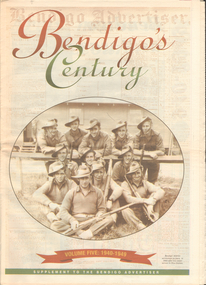
Newspaper - LONG GULLY HISTORY GROUP COLLECTION: BENDIGO'S CENTURY VOLUME FIVE: 1940 - 1949
... History House 11 Mackenzie Street Bendigo goldfields BENDIGO History long gully history group The Long Gully History Group - Bendigo's Century - Volume Five: 1940 - 1949 Bendigo Advertiser Central Deborah Mine Jackie Lewis Bob Johnson W Landy Ryga Yates Les Johnson Central Nell Gwynne Department of Defence Bendigo Jockey Club 8th Division Robert Menzies Deborah Mine Bendigo Decentralisation Vigilance Committee Cr W H Taylor Bendigo War Funds Organisation The Easter Fair Society Bendigo Agricultural Show Committee Mr E G Ham Mr J V Fairbairn Cr A Staples The Bendigo Chamber of Commerce Richard Hartley Smith Abbott Captain Harley Abbott Bendigo Art Gallery Bill Woodfull Bendigo High School North Deborah Mine Boardwalk Toni Riley Pharmacy Windermere Hotel Cr G A Pethard Coliban System North Deborah Mine Bendigo Pottery Bendigo Trades Hall Council Private Lawrence Burstall Major-General G J Rankin MHR Andrew Dunstan Ordnance Factory Royal Australian Navy HMAS Bendigo SEC Offices MUIOOF YMCA Georger Addlem Fred Addlem Cr A J Anderson Pauline Buvhan Thompson Leslie Thompson Edward Joseph Leonski Bendigo Football League Mr J Dedman William Stephens Forest Street Methodist Church Pte Charles Phillips Pte W E durward Pte T Foley William John Stephens Central Nell Gwynne Air Chief Marshall Sir Arthur Tedder Cr Taylor United Nations Flying Officer R Bruce Tuff Flight Lieutenant Owens Royal Air Force Commonwealth War Workers Housing Trust Scheme Mr S McKinnon Bendigo Decentralised Vigilance Committee Ravenswood Estate John Lienhop MLC Margaret (Peggy) Brennan Strathfieldsaye Shire Council School of Mines Bendigo Base Hospital William George Ashman Ashman's Tailors Bendigo Jockey Club Victorian Football Association Bendigo East Swimming Pool Deborah Anticline Specimen Hill Methodist Church North Deborah Adolf Hitler Benito Mussolini Australian 7th Division Cr Galvin Bendigo War Funds Organisation HMAS Bendigo Lt-Commander Jackson Bendigo Football League Central Deborah Mine Victoria Day Cr Truscott Bendigo Gaol Lansellstowe AWAS Barracks Bendigo Citizens Committee John Cain Snr Ordnance Factory Bendigo Agricultural Society The Duke of Gloucester Duchess of Gloucester Bendigo Tennis Association North Deborah Gillies Famous Pies Aids & Appliance Shop Mrs Georgina Scott Dr J A Neptune Scott Alfred Sisley Corot Daubigney Louis Sonnenberg Gas Employees' Union John Lienhop Soldier Settlement Commission Burnewang Estate King George VI Princess Elizabeth Lt Philip Mountbatten Mr E J W Herbert Ansett Airways Reg Ansett Most Rev Dr John McCarthy Dr Bernard Stewart Michael Giudice Bendigo United Breweries Bendigo Lyric Photo Plays Bendigo Sun Newspaper Shamrock Hotel West Bendigo Progress Association Alan McDonald South Bendigo Football Club Albert Collier J T Webbo Mervyn Tresize State Rivers and Water Supply Commission Eppalock Reservoir Public Works Committee Bendigo Rotary Club John Edgar Bendigo Base Hospital Albert Dunstan Benevolent Home Magetti's Wine Hall Wallace Reef Wine Hall Magetti Family Albert Magetti Lance Galvin Bradford Cotton Spinnings (Victoria) Pty Otd Arthur Syer Stanley Crossman Albert Arthur Dunstan Rev Dr Henry Backhaus City Family Hotel Lyric Theatre Bank of Australasia City Club HotelColonial Mutual Building R Matchett & Co Lansellstowe Leonard Lansell Bendigo Bas Hospital Australian Women's Army Service Mr Hollway Kenworth (Aust) Ltd Foggitt Jones's Bacon Factory Gordon Sayers Sandhurst Trustees Dr John Drowley Alexander Hislop Royal Mint North Deborah Mine Ironbark South Mining Company Central Nell Gwynne Company New Chum Syncline Newspaper supplement titled Bendigo's Century Volume Five: 1940 - 1949. ...Newspaper supplement titled Bendigo's Century Volume Five: 1940 - 1949. Each year has heading of Who's Who, Weather, Sport and Business. Front page is titled Bendigo's Century and has a photo of a group of soldiers in uniform and with rifles. They were district servicemen on leave in 1944. Each year has heading of Who's Who, Weather, Sport and Business. First years are 1940 - 1949 titled Bendigo as it was. It has two photos of women wading through the 1949 Pall Mall flood waters and one of Miners in the crib room of the Central Deborah Mine. They are Jackie Lewis, Bob Johnson, W Landy, Ryga Yates and Les Johnson. 1940 - Army moves in to racecourse, 1941 - Devastating fire at pottery, 1942 - Forces expand, 1943 - Nation's eyes on Bendigo, 1944 - News dawns of D-day landing, 1945 - City cheers the end of the war, 1946 - Celebrations begin in city, 1947 - Gallery gets top paintings, 1948 - Water plan looks good and 1949 - Flood takes a toll on city.bendigo, history, long gully history group, the long gully history group - bendigo's century - volume five: 1940 - 1949, bendigo advertiser, central deborah mine, jackie lewis, bob johnson, w landy, ryga yates, les johnson, central nell gwynne, department of defence, bendigo jockey club, 8th division, robert menzies, deborah mine, bendigo decentralisation vigilance committee, cr w h taylor, bendigo war funds organisation, the easter fair society, bendigo agricultural show committee, mr e g ham, mr j v fairbairn, cr a staples, the bendigo chamber of commerce, richard hartley smith abbott, captain harley abbott, bendigo art gallery, bill woodfull, bendigo high school, north deborah mine, boardwalk, toni riley pharmacy, windermere hotel, cr g a pethard, coliban system, north deborah mine, bendigo pottery, bendigo trades hall council, private lawrence burstall, major-general g j rankin mhr, andrew dunstan, ordnance factory, royal australian navy, hmas bendigo, sec offices, muioof, ymca, georger addlem, fred addlem, cr a j anderson, pauline buvhan thompson, leslie thompson, edward joseph leonski, bendigo football league, mr j dedman, william stephens, forest street methodist church, pte charles phillips, pte w e durward, pte t foley, william john stephens, central nell gwynne, air chief marshall sir arthur tedder, cr taylor, united nations, flying officer, r bruce tuff, flight lieutenant owens, royal air force, commonwealth war workers housing trust scheme, mr s mckinnon, bendigo decentralised vigilance committee, ravenswood estate, john lienhop mlc, margaret (peggy) brennan, strathfieldsaye shire council, school of mines, bendigo base hospital, william george ashman, ashman's tailors, bendigo jockey club, victorian football association, bendigo east swimming pool, deborah anticline, specimen hill methodist church, north deborah, adolf hitler, benito mussolini, australian 7th division, cr galvin, bendigo war funds organisation, hmas bendigo, lt-commander jackson, bendigo football league, central deborah mine, victoria day, cr truscott, bendigo gaol, lansellstowe, awas barracks, bendigo citizens committee, john cain snr, ordnance factory, bendigo agricultural society, the duke of gloucester, duchess of gloucester, bendigo tennis association, north deborah, gillies famous pies, aids & appliance shop, mrs georgina scott, dr j a neptune scott, alfred sisley, corot, daubigney, louis sonnenberg, gas employees' union, john lienhop, soldier settlement commission, burnewang estate, king george vi, princess elizabeth, lt philip mountbatten, mr e j w herbert, ansett airways, reg ansett, most rev, dr john mccarthy, dr bernard stewart, michael giudice, bendigo united breweries, bendigo lyric photo plays, bendigo sun newspaper, shamrock hotel, west bendigo progress association, alan mcdonald, south bendigo football club, albert collier, j t webbo, mervyn tresize, state rivers and water supply commission, eppalock reservoir, public works committee, bendigo rotary club, john edgar, bendigo base hospital, albert dunstan, benevolent home, magetti's wine hall, wallace reef wine hall, magetti family, albert magetti, lance galvin, bradford cotton spinnings (victoria) pty otd, arthur syer, stanley crossman, albert arthur dunstan, rev dr henry backhaus, city family hotel, lyric theatre, bank of australasia, city club hotelcolonial mutual building, r matchett & co, lansellstowe, leonard lansell, bendigo bas hospital, australian women's army service, mr hollway, kenworth (aust) ltd, foggitt jones's bacon factory, gordon sayers, sandhurst trustees, dr john drowley, alexander hislop, royal mint, north deborah mine, ironbark south mining company, central nell gwynne company, new chum syncline -
 Otway Districts Historical Society
portable pulpit or lectern, first decade of 20th Century
... public halls in the Otways. In 1912 Flynn established the Australian Inland Mission, setting up hospitals and hostels across inland Australia, and inspiring the Royal Flying Doctor Service...public halls in the Otways. In 1912 Flynn established the Australian Inland Mission, setting up hospitals and hostels across inland Australia, and inspiring the Royal Flying Doctor Service This item was purported to have been used by Reverend John Flynn for services in various locations during his time in the Otways area prior to his more well know work in inland Australia. john flynn, churches, pulpit Simple trefoil engraving on centre front panel. ...The lectern is said to have been used by John Flynn ('Flynn of the Inland' - 1880 - 1951) when he was stationed in the Beech Forest - Lavers Hill area prior to his being ordained as a minister of the Presbyterian Church. Flynn arrived in Beech Forest in 1903 as a home missionary, and for around two years he conducted services in homes, camps and public halls in the Otways. In 1912 Flynn established the Australian Inland Mission, setting up hospitals and hostels across inland Australia, and inspiring the Royal Flying Doctor ServiceThis item was purported to have been used by Reverend John Flynn for services in various locations during his time in the Otways area prior to his more well know work in inland Australia.A blackwood timber pulpit with folding side panels, designed to be portable. Simple carving on centre front panel, and a lectern stand for Bible or other book. Simple trefoil engraving on centre front panel. Small metal plaque reads "Lectern 1910 Lavers Hill Pres. Church. Local Timber by Tom Parsons Esq."john flynn, churches, pulpit -
Bendigo Historical Society Inc.
Document - BROADCASTING STATION 3CV, MARYBOROUGH, 2 March, 1956
... hospitals Maldon and Dunolly. Women's Radio Club Opening 3CV's new premises Australian Commercial Broadcasting stations. Writer Harold V Nunn writes history of district of Mayborough. Manager Ken J Parker Central Victoria Broadcasters Pty. Ltd. Souvenir brochure: deep lead mining. WWI. Houses pulled down. New settlements. Primary production railway staff. Coal fields Wonthaggi. 1917 a public ...Broadcasting Station 3CV, Maryborough. A souvenir of the opening of the New Studios and Offices of Central Victoria Broadcasters Pty Ltd. March 2nd, 1956. Established 1956, offices in Burke Street, opening coincides with the stations 21st birthday, March 2 for the former celebration, October 26 for the latter. Coverage included Bendigo, Ballarat, Daylesford, Castlemaine and Maryborough. 3CV plays active part in assisting charities and hospitals at Maryborough, Daylesford, Maldon and Dunolly. Active Women's Radio Club with branches in country centres adds strength to station's charitable efforts. Opening 3CV's new premises will widen the scope of the station's charitable efforts, and stronger link with Australian Commercial Broadcasting stations. Writer Harold V Nunn writes history of district of Mayborough. Manager Ken J Parker, Central Victoria Broadcasters Pty. Ltd. The Souvenir brochure also covers topics such as: deep lead mining. WWI. Houses being pulled down. New settlements of Mildura. Secondary Industries. Bowenvale, Alma, Majorca, Craigie, Amherst, Adelaide Lead, Havelock, Bet Bet, Bently. Primary production and a railway staff of approximately 150. Maryborough a little town without a future. Coal fields at Wonthaggi. 1917 a public meeting was convened in an effort to stem the tide of adversity. Mayor George Frost, M.L.A., decision to form a Progress Association, a policy of secondary industry was decided upon and committees were appointed, James L Drew much credit is due. Maryborough's move for rejuvenation was revolutionary, because apart from Ballarat, Bendigo and Geelong, it was regarded as so much presumption that industry could be expected to function with success in a country town. Governments were unsympathetic. Maryborough & district people showed determination to succeed and their faith in their town. Employment and economic security provided by the industries outweighed the debt. Maryborough's general position is that it is no longer dependent upon one particular phase of activity. The first of the industries to be formed in 1918 was the Butter Factory. The nearer dairy companies did not take kindly to the prospect of another opposition company taking supplies from their districts, and in the first few years of establishment completion made the going hard for the management. But adopting a conservative policy and placing all profits to reserve I the first six years of operation headway was gradually made. Thus it was a red letter day for the company in 1925 when the first dividend of 5 percent was paid.1955 dividend of 10 per cent. Operating it's own trucks the dairy serviced local dairymen up to 40 miles. Maryborough Knitting mills est. 1923, having transferred from Clunes. Out bid Ballarat and Bendigo to the industry. The mill has what is probably the largest circular underwear plant in the Commonwealth, which is conservatively valued at 198,913 pounds. It produces between four and five million garments each year, worth over one million pounds. The company has established subsidiary mills at Dunolly, Talbot and Avoca. The company also assisted in the establishment of the Interknit Hosiery Co. Ltd., Clunes. The Maryborough Flour Mills is the second oldest of Mayborough's industries. It was built by Mr Cadwallader over 70 years ago. It was later sold to Mr. A Land and then to Jas. Minifie & Co. It had a somewhat 'in-and -out' existence until purchased in 1923 by Messrs. Willersdorf and Forbes, of Eddington. In 1939 the firm began to build silos for the storage of bulk wheat and the present storage capacity is 100,000 bushels. 1944 power was changed from steam to electricity. The mill has an out put of 20 sacks an hour. 1938 a chaff mill was built, and now is regarded as one of the best in Victoria. Its output in one year of approximately 6,800 tons is a State record for a single cutter. During this 30 year period Patience and Nicholson Limited has grown with Maryborough and is now one of the major key industries of Australia. The P&N brand covers precision tools - taps, dies and twist drills - indispensable to the country's economy, and quality is acknowledged equally by an air craft factory in Canada, a dockyard in Thailand, a railway workshop in New Zealand, no less than by our own Australian industries. Maryborough can be proud of the part played by P&N in war when, geared to the needs of the times, it poured countless millions of tools into defence factories and to the armed forces of the Allies, and now in peace when it is providing, hydro-electric undertakings and the manufacture of cars and tractors. From 1858, W Phelan & Sons Pty Ltd has made phenomenal and spectacular growth, becoming incorporated as a private company in 1929. It is without doubt the greatest private development in the history of Maryborough. 1940 joinery manufacture was commenced. The company entered the Ready Built Housing field in `950 - and in 1951 established a factory at Cairns, Northern Queensland to overcome the manufacturing difficulties being experienced due to the shortage of plywood in Victoria. Present activities include: Ready Built Housing Factory, on-site building, a modern joinery, timber yard, drying kilns, etc., and plumbing & electrical & engineering services, a door and panel factory at Cairns, retail hardware store, Melbourne Sales Depot. Hedges & Bell Pty Ltd were est 1945, with a staff of 40 employees are the largest printing firm outside the metropolitan area. The branch of Premier Wireworks is a contribution made by the decentralisation policy of the State.event, official, celebration, broadcasting station 3cv, maryborough. a souvenir of the opening of the new studios and offices of central victoria broadcasters pty ltd. march 2nd, 1956. established 1956, offices in burke street, 21st birthday. coverage bendigo, ballarat, daylesford, castlemaine maryborough. assisting charities and hospitals maldon and dunolly. women's radio club opening 3cv's new premises australian commercial broadcasting stations. writer harold v nunn writes history of district of mayborough. manager ken j parker, central victoria broadcasters pty. ltd. souvenir brochure: deep lead mining. wwi. houses pulled down. new settlements. primary production railway staff. coal fields wonthaggi. 1917 a public meeting was convened in an effort to stem the tide of adversity. mayor george frost, m.l.a., form a progress association, policy of secondary industry, james l drew rejuvenation was revolutionary, employment and economic security. the first of the industries to be formed in 1918 was the butter factory. thus it was a red letter day for the company in 1925 when the first dividend of 5 percent was paid.1955 dividend of 10 per cent. operating it's own trucks serviced local dairymen. maryborough knitting mills est. 1923 largest circular underwear plant in the commonwealth. established subsidiary mills at dunolly, talbot, avoca. interknit hosiery co. ltd., clunes. the maryborough flour mills it was built by mr cadwallader. mr. a land jas. minifie & co. messrs. willersdorf and forbes, build silos for wheat storage capacity is 100, 000 bushels. 1944 power was changed from steam to electricity. 20 sacks an hour. 1938 a chaff mill was built, best in victoria. patience and nicholson limited the p&n precision tools - taps, dies and twist drills. war, geared to the needs of the times, countless millions of tools into defence factories the armed forces of the allies, hydro-electric undertakings and the manufacture of cars and tractors. from 1858, w phelan & sons pty ltd, incorporated 1929. 1940 joinery manufacture. ready built housing field in 1950 - 1951 established a factory at cairns, northern queensland to overcome the manufacturing difficulties being experienced due to the shortage of plywood in victoria. present activities: ready built housing factory, on-site building, a modern joinery, timber yard, drying kilns, etc., and plumbing & electrical & engineering services, a door and panel factory at cairns, retail hardware store, melbourne sales depot. hedges & bell pty ltd were est. 1945, with a staff of 40 employees are the largest printing firm outside the metropolitan area. the branch of premier wireworks is a contribution made by the decentralisation policy of the state. -
 Flagstaff Hill Maritime Museum and Village
Book, The Australian Encyclopaedia Vol 5
... Australian Encyclopaedia Vol 5 Alec H. Chisholm Label on spine cover with typed text PAT 032 AUS Front loose endpaper has a stamp from Warrnambool Public Library Pastedown front endpaper has sticker from Corangamite Regional Library Service The Australian Encyclopaedia Vol 5 set 1 (Hospitals to Marsh) Editor-In - Chief: Alec H. ...This item is from the ‘Pattison Collection’, a collection of books and records that was originally owned by the Warrnambool Mechanics’ Institute, which was founded in Warrnambool in 1853. By 1886 the Warrnambool Mechanics’ Institute (WMI) had grown to have a Library, Museum and Fine Arts Gallery, with a collection of “… choice productions of art, and valuable specimens in almost every branch and many wonderful national curiosities are now to be seen there, including historic relics of the town and district.” It later included a School of Design. Although it was very well patronised, the lack of financial support led the WMI in 1911 to ask the City Council to take it over. In 1935 Ralph Pattison was appointed as City Librarian to establish and organise the Warrnambool Library as it was then called. When the WMI building was pulled down in 1963 a new civic building was erected on the site and the new Warrnambool Library, on behalf of the City Council, took over all the holdings of the WMI. At this time some of the items were separated and identified as the ‘Pattison Collection’, named after Ralph Pattison. Eventually the components of the WMI were distributed from the Warrnambool Library to various places, including the Art Gallery, Historical Society and Flagstaff Hill. Later some were even distributed to other regional branches of Corangamite Regional Library and passed to and fro. It is difficult now to trace just where all of the items have ended up. The books at Flagstaff Hill Maritime Village generally display stamps and markings from Pattison as well as a variety of other institutions including the Mechanics’ Institute itself. RALPH ERIC PATTISON Ralph Eric Pattison was born in Rockhampton, Queensland, in 1891. He married Maude Swan from Warrnambool in 1920 and they set up home in Warrnambool. In 1935 Pattison accepted a position as City Librarian for the Warrnambool City Council. His huge challenge was to make a functional library within two rooms of the Mechanics’ Institute. He tirelessly cleaned, cleared and sorted a disarrayed collection of old books, jars of preserved specimens and other items reserved for exhibition in the city’s museum. He developed and updated the library with a wide variety of books for all tastes, including reference books for students; a difficult task to fulfil during the years following the Depression. He converted all of the lower area of the building into a library, reference room and reading room for members and the public. The books were sorted and stored using a cataloguing and card index system that he had developed himself. He also prepared the upper floor of the building and established the Art Gallery and later the Museum, a place to exhibit the many old relics that had been stored for years for this purpose. One of the treasures he found was a beautiful ancient clock, which he repaired, restored and enjoyed using in his office during the years of his service there. Ralph Pattison was described as “a meticulous gentleman whose punctuality, floorless courtesy and distinctive neat dress were hallmarks of his character, and ‘his’ clock controlled his daily routine, and his opening and closing of the library’s large heavy doors to the minute.” Pattison took leave during 1942 to 1945 to serve in the Royal Australian Navy, Volunteer Reserve as Lieutenant. A few years later he converted one of the Museum’s rooms into a Children’s Library, stocking it with suitable books for the younger generation. This was an instant success. In the 1950’s he had the honour of being appointed to the Victorian Library Board and received more inspiration from the monthly conferences in Melbourne. He was sadly retired in 1959 after over 23 years of service, due to the fact that he had gone over the working age of council officers. However he continued to take a very keen interest in the continual development of the Library until his death in 1969. The Pattison Collection, along with other items at Flagstaff Hill Maritime Village, was originally part of the Warrnambool Mechanics' Institute’s collection. The Warrnambool Mechanics’ Institute Collection is primarily significant in its totality, rather than for the individual objects it contains. Its contents are highly representative of the development of Mechanics' Institute libraries across Australia, particularly Victoria. A diversity of publications and themes has been amassed, and these provide clues to our understanding of the nature of and changes in the reading habits of Victorians from the 1850s to the middle of the 20th century. The collection also highlights the Warrnambool community’s commitment to the Mechanics’ Institute, reading, literacy and learning in the regions, and proves that access to knowledge was not impeded by distance. These items help to provide a more complete picture of our community’s ideals and aspirations. The Warrnambool Mechanics Institute book collection has historical and social significance for its strong association with the Mechanics Institute movement and the important role it played in the intellectual, cultural and social development of people throughout the latter part of the nineteenth century and the early twentieth century. The collection of books is a rare example of an early lending library and its significance is enhanced by the survival of an original collection of many volumes. The Warrnambool Mechanics' Institute’s publication collection is of both local and state significance. The Australian Encyclopaedia Vol 5 set 1 (Hospitals to Marsh) Editor-In - Chief: Alec H. Chisholm Publisher: The Grolier Society of Aus Date: 1965Label on spine cover with typed text PAT 032 AUS Front loose endpaper has a stamp from Warrnambool Public Library Pastedown front endpaper has sticker from Corangamite Regional Library Service warrnambool, shipwrecked-coast, flagstaff-hill, flagstaff-hill-maritime-museum, maritime-museum, shipwreck-coast, flagstaff-hill-maritime-village, shipwrecked-artefact, book, pattison collection, warrnambool library, warrnambool mechanics’ institute, ralph eric pattison, corangamite regional library service, warrnambool city librarian, mechanics’ institute library, victorian library board, warrnambool books and records, warrnambool children’s library, great ocean road, the australian encyclopaedia vol 5, alec h. chisholm -
 Federation University Historical Collection
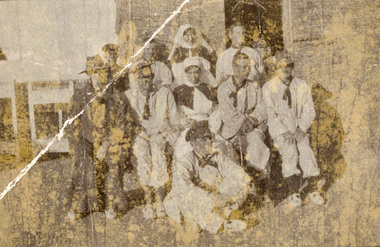
Photograph - postcard, S. Gordon Spittle, Australians at the World War One Suez Hospital, January 1916, c 07 January 1916
... The postcard was written on by Harry Holmes who was a member of the Australian Imperial Force based in Egypt at the time. Nurse Kirkham is Laurie Hemsley Kirkham She was admitted to the Suez Public Hospital (Abbassia) post 06 January 1916. ...The postcard was written on by Harry Holmes who was a member of the Australian Imperial Force based in Egypt at the time. Nurse Kirkham is Laurie Hemsley Kirkham She was admitted to the Suez Public Hospital (Abbassia) post 06 January 1916. ...This photograph was with a number of others associated with Harry Holmes of Ascot, Victoria. The postcard was written on by Harry Holmes who was a member of the Australian Imperial Force based in Egypt at the time. Nurse Kirkham is Laurie Hemsley Kirkham She was admitted to the Suez Public Hospital (Abbassia) post 06 January 1916. She left Australia with a group of South Australian nurses. Egypt was a major base for the AIF from December 1914. A number of campaigns were fought in this theatre. There were two campaigns involving the AIF. Note that not all the fighting was actually geographically in Egypt. (http://www.aif.adfa.edu.au:8888/about3.html) The Nurse Kirkam mentioned by the writer is probably Sarah Alice Kirkham, Staff Nurse with the Australian Army Nursing Service. Nurse Kirkham was from North Perth, Western Australia. She was posted to the Auxiliary Hospital, Egypt on 09 November 1915 leaving for France on 23 June 1916. Samuel Gordon Spittle (8005) enlisted into the AIF on 17 July 1915, a member of the 18th Australian Army Service Corps (AASC). He left Alexandria on 15 June 1916 disembarking at Marseilles 24 June 1916. Harry Holmes was discharged from a hospital in Egypt on 15 August 1919. He was awarded the Military Medal promulgated on 11 December 1919. (NAA: B2455, Spittle Samuel Gordon) Not only does this photograph portray life in Egypt during World War War, it highlights the role played by members of the Australian Army Nursing Service in both professional and social activities in the theatre of war.Two Australian nurses and a number of Australian soldiers in Hospital Uniform pose for a photograph in Egypt during World War One. Verso: "A little group of Australians at Suez Hospital Joe F[awcett] & I [Gordon Spittle] are standing in the back row with Nurse Kirkham standing between, she is on the short side so stood on a box. Gordon S."chatham family archive, chatham, holmes, world war, world war 1, world war i, world war one, france, gordon spittle, kirkham, suez, egypt, samuel gordon spittle, joe fawcett, laurie kirkham, nurse kirkham, suez hospital, laurie helmsley kirkham, l.a. kirkham, harry holmes, nurses, ascot -
Royal Australian and New Zealand College of Obstetricians & Gynaecologists (RANZCOG)
Obstetric and Gynaecological Ephemera
... Australian and New Zealand College of Obstetricians & Gynaecologists (RANZCOG) 1 Bowen Crescent Naarm (Melbourne) melbourne A series of ephemera including information leaflets, advertising, and pharmacopoeia collated by Museum Curator at RANZCOG. There are 28 items. - Item 1: Annotated diagram with comical reference to human anatomy - Item 2: Newspaper article from 26 August 1990 regarding St George's Hospital birthing centre - Item 3: Advertising poster for Livingstone Conductive Gel - Item 4: Victorian Folate Campaign 1999 Public Health Information Leaflet - Item 5: Advertisement for Cervagem removed from a publication - Item 6: IUD Multiload CU250 range medical advertising removed from a publication - Item 7: Fetal Cardio-phonograph Toitu product literature - Item 8: Estraderm and how to use it pharmacopoeia - Item 9: Copy of letter sent in 1980 regarding a donation to the RANZCOG Museum of a 1930's enamel douching instrument - Item 10: Museum display labels on Arthur Wilson / A.M Wilson - Item 11: The IUD Intrauterine Device Public Health Information Leaflet - Item 12: Obstetric Record Patient record [2 x] - Item 13: Planosec Dry Pregnancy Test Medical Advertising - Item 14: A Guide to using Ortho Diaphragms and Spermicides Pharmacopoeia [2 x ] - Item 15: Maison Luer Gynaecological and Obstetric instrument catalogue from 1930,Paris - Item 16: Medicine Recent Acquisitions Rare book brochure with drawing of a pregnant woman on the front cover - Item 17: Feeding Bottle Museum object display material - Item 18: Letter sent from Mr P.W Mitchell, 31/08/1961 regarding Moller Colposcope instruments - Item 19: Sugiview Single Use Laparoscope Advertising - Item 20: Multiload CU375 IUD Advertising - Item 21: Soneryl Drug Advertising - Item 22: Cyclonal Sodium Soluble Hexobarbitone Drug Advertising - Item 23: Aludrox Drug Advertising - Item 24: Veganin Tablets Drug Advertising - Item 25: Priscol Drug Advertising - Item 26: Neocursal Salt Advertising - Item 27: Portable Intra-Uterine Suction Apparatus Medical Advertising - Item 28: The VUC Instrument Medical Advertising Obstetric and Gynaecological Ephemera ...A series of ephemera including information leaflets, advertising, and pharmacopoeia collated by Museum Curator at RANZCOG. There are 28 items. - Item 1: Annotated diagram with comical reference to human anatomy - Item 2: Newspaper article from 26 August 1990 regarding St George's Hospital birthing centre - Item 3: Advertising poster for Livingstone Conductive Gel - Item 4: Victorian Folate Campaign 1999 Public Health Information Leaflet - Item 5: Advertisement for Cervagem removed from a publication - Item 6: IUD Multiload CU250 range medical advertising removed from a publication - Item 7: Fetal Cardio-phonograph Toitu product literature - Item 8: Estraderm and how to use it pharmacopoeia - Item 9: Copy of letter sent in 1980 regarding a donation to the RANZCOG Museum of a 1930's enamel douching instrument - Item 10: Museum display labels on Arthur Wilson / A.M Wilson - Item 11: The IUD Intrauterine Device Public Health Information Leaflet - Item 12: Obstetric Record Patient record [2 x] - Item 13: Planosec Dry Pregnancy Test Medical Advertising - Item 14: A Guide to using Ortho Diaphragms and Spermicides Pharmacopoeia [2 x ] - Item 15: Maison Luer Gynaecological and Obstetric instrument catalogue from 1930,Paris - Item 16: Medicine Recent Acquisitions Rare book brochure with drawing of a pregnant woman on the front cover - Item 17: Feeding Bottle Museum object display material - Item 18: Letter sent from Mr P.W Mitchell, 31/08/1961 regarding Moller Colposcope instruments - Item 19: Sugiview Single Use Laparoscope Advertising - Item 20: Multiload CU375 IUD Advertising - Item 21: Soneryl Drug Advertising - Item 22: Cyclonal Sodium Soluble Hexobarbitone Drug Advertising - Item 23: Aludrox Drug Advertising - Item 24: Veganin Tablets Drug Advertising - Item 25: Priscol Drug Advertising - Item 26: Neocursal Salt Advertising - Item 27: Portable Intra-Uterine Suction Apparatus Medical Advertising - Item 28: The VUC Instrument Medical Advertising -
 Alfred Hospital Nurses League - Nursing History Collection
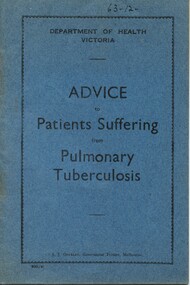
Pamphlet - Reference pamphlet, R E Street et al, Advice to patients suffering from pulmonary tuberculosis, 1945
... Vintage pamplet that served as a guide for paatients during a time when tuberculosiswas a public health focus in Australia, often used in facilities like the Nacleod Repatriation Hospital...Vintage pamplet that served as a guide for paatients during a time when tuberculosiswas a public health focus in Australia, often used in facilities like the Nacleod Repatriation Hospital Gives insight into the management of tuberculosis in the 1940's Tuberculosis Infectious diseases sanatorium public health education Previous catalogue number handwritten at top right [black ink] of front cover. ...Vintage pamplet that served as a guide for paatients during a time when tuberculosiswas a public health focus in Australia, often used in facilities like the Nacleod Repatriation HospitalGives insight into the management of tuberculosis in the 1940'sStapled booklet with blue cover.Black print detailing publisher, title and printer within a decorative border on front cover. Previous catalogue number handwritten at top right [black ink] of front cover. 'Patricia Johnson/1948, handwritten [blue ink] at top right of first pagetuberculosis, infectious diseases, sanatorium, public health education -
 Returned Nurses RSL Sub-branch
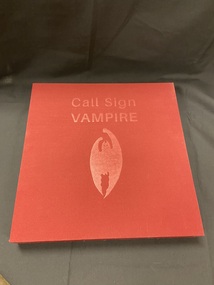
Book - Hardcover book, Rod Searle et al, Call sign Vampire, 2021
... Units attached to the hospital were the 33rd Dental Unit, 1st Field Medical and Dental Stores, 1st Field Hygiene Company, Chaplains and Australian Red Cross representatives.Our book is a celebration of the dedication, temerity and care of a unique group of Australians, thrown together to get on with the job of treating the injured and wounded. A consequence of Australia's involvement in the Vietnam War.Our hope is that the readers of Call Sign VAMPIRE gain an insight into what it meant to go to a war that polarised public ...This inside story of an Australian Field Hospital during the Vietnam War is told through a compilation of operational facts interspersed with the personal experiences of those who served and the patients who passed through the hospital doors, into their care.Call Sign VAMPIRE provides a window into the frenetic world of a military hospital in a war zone through evocative, sometimes confronting imagery. In this environment time was of the essence and life often hung in the balance.The wounded, "... they were scared, frightened, shocked and they weren't coping. Generally, when the chopper landed, they weren't coping. No. They were in shock, incoherent and it was no good asking them what had happened, or where they'd been, because twenty minutes before they were in contact with the enemy ..." Ron NolanAt the 1st Australian Field Hospital the battle for life and limb was often challenging and intense. Medical services provided by the hospital were of such a high standard that the survival rate, for soldiers arriving at the hospital alive, was 99%.This success rate still stands today as a truly remarkable achievement!The hospital comprised triage, operating theatres, pathology, pharmacy, X-ray, physiotherapy, psychiatry, outpatients, RAP, a six-bed intensive care ward and 50 bed medical and 50 bed surgical ward. It was also supported by a Q-store, an orderly room, messes and accommodation. Units attached to the hospital were the 33rd Dental Unit, 1st Field Medical and Dental Stores, 1st Field Hygiene Company, Chaplains and Australian Red Cross representatives.Our book is a celebration of the dedication, temerity and care of a unique group of Australians, thrown together to get on with the job of treating the injured and wounded. A consequence of Australia's involvement in the Vietnam War.Our hope is that the readers of Call Sign VAMPIRE gain an insight into what it meant to go to a war that polarised public opinion, and impacted the physical and mental well being of so many young soldiers and personnel dealing with the consequential casualties and despair. We also hope that you come to understand why as young Australians we are so proud to have been part of a unit that as Roger Nation remembers, "... welded together to form a team of world class standard" and why our camaraderie has continued to this day. - from Trove record.Hardcover, cloth bound, burgundy book with a white dust jacket. The dust jacket shows an image of six people ducking from the force of the wind coming from the helicopter that is landing behind them, there is blue cloudy sky above. Across the sky is printed the title. The book is housed in a burgundy clth covered slipcase.non-fictionThis inside story of an Australian Field Hospital during the Vietnam War is told through a compilation of operational facts interspersed with the personal experiences of those who served and the patients who passed through the hospital doors, into their care.Call Sign VAMPIRE provides a window into the frenetic world of a military hospital in a war zone through evocative, sometimes confronting imagery. In this environment time was of the essence and life often hung in the balance.The wounded, "... they were scared, frightened, shocked and they weren't coping. Generally, when the chopper landed, they weren't coping. No. They were in shock, incoherent and it was no good asking them what had happened, or where they'd been, because twenty minutes before they were in contact with the enemy ..." Ron NolanAt the 1st Australian Field Hospital the battle for life and limb was often challenging and intense. Medical services provided by the hospital were of such a high standard that the survival rate, for soldiers arriving at the hospital alive, was 99%.This success rate still stands today as a truly remarkable achievement!The hospital comprised triage, operating theatres, pathology, pharmacy, X-ray, physiotherapy, psychiatry, outpatients, RAP, a six-bed intensive care ward and 50 bed medical and 50 bed surgical ward. It was also supported by a Q-store, an orderly room, messes and accommodation. Units attached to the hospital were the 33rd Dental Unit, 1st Field Medical and Dental Stores, 1st Field Hygiene Company, Chaplains and Australian Red Cross representatives.Our book is a celebration of the dedication, temerity and care of a unique group of Australians, thrown together to get on with the job of treating the injured and wounded. A consequence of Australia's involvement in the Vietnam War.Our hope is that the readers of Call Sign VAMPIRE gain an insight into what it meant to go to a war that polarised public opinion, and impacted the physical and mental well being of so many young soldiers and personnel dealing with the consequential casualties and despair. We also hope that you come to understand why as young Australians we are so proud to have been part of a unit that as Roger Nation remembers, "... welded together to form a team of world class standard" and why our camaraderie has continued to this day. - from Trove record. 1st australian field hospital, vietnam war -
 Returned Nurses RSL Sub-branch
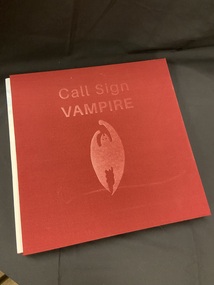
Book - Hardcover book, Rod Searle et al, Call sign Vampire, 2021
... Units attached to the hospital were the 33rd Dental Unit, 1st Field Medical and Dental Stores, 1st Field Hygiene Company, Chaplains and Australian Red Cross representatives.Our book is a celebration of the dedication, temerity and care of a unique group of Australians, thrown together to get on with the job of treating the injured and wounded. A consequence of Australia's involvement in the Vietnam War.Our hope is that the readers of Call Sign VAMPIRE gain an insight into what it meant to go to a war that polarised public ...This inside story of an Australian Field Hospital during the Vietnam War is told through a compilation of operational facts interspersed with the personal experiences of those who served and the patients who passed through the hospital doors, into their care.Call Sign VAMPIRE provides a window into the frenetic world of a military hospital in a war zone through evocative, sometimes confronting imagery. In this environment time was of the essence and life often hung in the balance.The wounded, "... they were scared, frightened, shocked and they weren't coping. Generally, when the chopper landed, they weren't coping. No. They were in shock, incoherent and it was no good asking them what had happened, or where they'd been, because twenty minutes before they were in contact with the enemy ..." Ron NolanAt the 1st Australian Field Hospital the battle for life and limb was often challenging and intense. Medical services provided by the hospital were of such a high standard that the survival rate, for soldiers arriving at the hospital alive, was 99%.This success rate still stands today as a truly remarkable achievement!The hospital comprised triage, operating theatres, pathology, pharmacy, X-ray, physiotherapy, psychiatry, outpatients, RAP, a six-bed intensive care ward and 50 bed medical and 50 bed surgical ward. It was also supported by a Q-store, an orderly room, messes and accommodation. Units attached to the hospital were the 33rd Dental Unit, 1st Field Medical and Dental Stores, 1st Field Hygiene Company, Chaplains and Australian Red Cross representatives.Our book is a celebration of the dedication, temerity and care of a unique group of Australians, thrown together to get on with the job of treating the injured and wounded. A consequence of Australia's involvement in the Vietnam War.Our hope is that the readers of Call Sign VAMPIRE gain an insight into what it meant to go to a war that polarised public opinion, and impacted the physical and mental well being of so many young soldiers and personnel dealing with the consequential casualties and despair. We also hope that you come to understand why as young Australians we are so proud to have been part of a unit that as Roger Nation remembers, "... welded together to form a team of world class standard" and why our camaraderie has continued to this day. - from Trove record.Hardcover, cloth bound, burgundy book with a white dust jacket. The dust jacket shows an image of six people ducking from the force of the wind coming from the helicopter that is landing behind them, there is blue cloudy sky above. Across the sky is printed the title. The book is housed in a burgundy cloth covered slipcase.non-fictionThis inside story of an Australian Field Hospital during the Vietnam War is told through a compilation of operational facts interspersed with the personal experiences of those who served and the patients who passed through the hospital doors, into their care.Call Sign VAMPIRE provides a window into the frenetic world of a military hospital in a war zone through evocative, sometimes confronting imagery. In this environment time was of the essence and life often hung in the balance.The wounded, "... they were scared, frightened, shocked and they weren't coping. Generally, when the chopper landed, they weren't coping. No. They were in shock, incoherent and it was no good asking them what had happened, or where they'd been, because twenty minutes before they were in contact with the enemy ..." Ron NolanAt the 1st Australian Field Hospital the battle for life and limb was often challenging and intense. Medical services provided by the hospital were of such a high standard that the survival rate, for soldiers arriving at the hospital alive, was 99%.This success rate still stands today as a truly remarkable achievement!The hospital comprised triage, operating theatres, pathology, pharmacy, X-ray, physiotherapy, psychiatry, outpatients, RAP, a six-bed intensive care ward and 50 bed medical and 50 bed surgical ward. It was also supported by a Q-store, an orderly room, messes and accommodation. Units attached to the hospital were the 33rd Dental Unit, 1st Field Medical and Dental Stores, 1st Field Hygiene Company, Chaplains and Australian Red Cross representatives.Our book is a celebration of the dedication, temerity and care of a unique group of Australians, thrown together to get on with the job of treating the injured and wounded. A consequence of Australia's involvement in the Vietnam War.Our hope is that the readers of Call Sign VAMPIRE gain an insight into what it meant to go to a war that polarised public opinion, and impacted the physical and mental well being of so many young soldiers and personnel dealing with the consequential casualties and despair. We also hope that you come to understand why as young Australians we are so proud to have been part of a unit that as Roger Nation remembers, "... welded together to form a team of world class standard" and why our camaraderie has continued to this day. - from Trove record. 1st australian field hospital, vietnam war -
 National Vietnam Veterans Museum (NVVM)
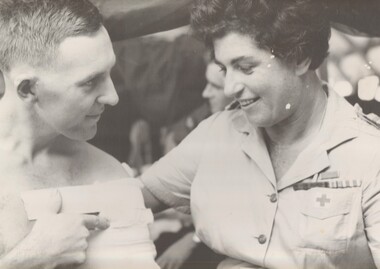
Photograph, Red Cross Calling
... Public Relations photographer, Educational Unit, 26 August 1966. Photograph Vung Tau Pte Graeme Davis (Bandsman/Stretcher Bearer) 6 RAR Red Cross 1st Australian Field Hospital Miss Hilda Zinner MBE (Red Cross) A black and white photograph taken at Vung Tau, 26 August 1966. ...Photograph taken by WO2 WJ Cunneen, Army Public Relations photographer, Educational Unit, 26 August 1966.A black and white photograph taken at Vung Tau, 26 August 1966. Bandsman/Stretcher Bearer Pte Graeme Davis, 6 RAR talking to an Australian Red Cross worker Miss Hilda Zinner MBE during her routine visit to 1st Australian Field Hospitalphotograph, vung tau, pte graeme davis (bandsman/stretcher bearer), 6 rar, red cross, 1st australian field hospital, miss hilda zinner mbe (red cross) -
 Darebin Art Collection
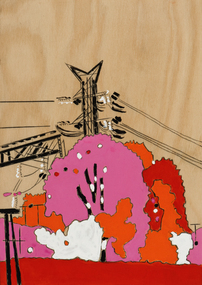
Painting, Katherine Hattam, 'Powerlines Merri Creek', 2010
... Her work is represented in public, corporate, educational and private collections such as the National Gallery of Australia, state and regional art galleries, The Darling Foundation, Smorgen Collection, Artbank, Queen Victoria Hospital, National Australia Bank and La Trobe University Museum of Art....Her work is represented in public, corporate, educational and private collections such as the National Gallery of Australia, state and regional art galleries, The Darling Foundation, Smorgen Collection, Artbank, Queen Victoria Hospital, National Australia Bank and La Trobe University Museum of Art. ...Katherine Hattam’s exuberant work, Powerlines Merri Creek equalises the natural environment with man-made constructions as she explores the hybrid landscape of local waterways and their locations. Hattam’s art practice comprises drawing, collage, printmaking and sculpture. She employs a contemplative process in revealing the relationships and tensions between objects, space and placement.Hattam has exhibited widely as a solo artist as well as in group shows for over five decades. She has won the Robert Jacks Drawing Prize (2006), Banyule Works on Paper Art Award (2005) and has been short-listed in the Dobell Drawing Prize, the National Works on Paper Prize and the Arthur Guy Memorial Painting Prize. Her work is represented in public, corporate, educational and private collections such as the National Gallery of Australia, state and regional art galleries, The Darling Foundation, Smorgen Collection, Artbank, Queen Victoria Hospital, National Australia Bank and La Trobe University Museum of Art.Painting -
 Alfred Hospital Nurses League - Nursing History Collection
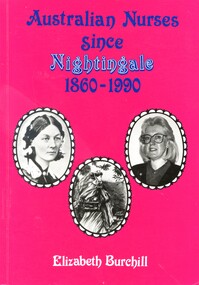
Book - Illustrated book, Elizabeth Burchill 1904-2003, Australian nurses since Nightingale 1860-1990, 1992
... Alfred Hospital Nurses League - Nursing History Collection Ground Floor, Building 10 Caulfield Hospital 260 Kooyong Road Caulfield melbourne Of significance to the AHNL as it provides insight into the development of the nursing profession in Australia Nursing-Australia-History History of nursing-Australia This book is a historical account of Australian nursing, tracing it's development from Florence Nightingale's influence to 1990. It explores the role of nursing in various settings, including war, peace, and public ...This book is a historical account of Australian nursing, tracing it's development from Florence Nightingale's influence to 1990. It explores the role of nursing in various settings, including war, peace, and public health, and highlights key figures and milestones in the profession.Illustrated book with dark pink cover. Title and author's name are printed on the front cover and spine. Also on the front cover are three small oval black and white photographs within individual decorative borders (Florence Nightingale, a woman wearing glasses ca.1980's, and a woman wearing Victorian dress carrying a bag). On the back cover is a black and white is a black and white photograph of the author (Elizabeth Burchill] and information about her life.non-fictionThis book is a historical account of Australian nursing, tracing it's development from Florence Nightingale's influence to 1990. It explores the role of nursing in various settings, including war, peace, and public health, and highlights key figures and milestones in the profession.nursing-australia-history, history of nursing-australia -
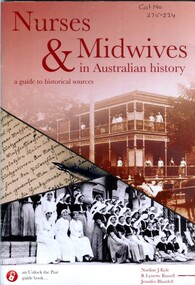 Alfred Hospital Nurses League - Nursing History Collection
Booklet - Illustrated booklet, Noeline J Kyle 1940- et al, Nurses & Midwives in Australian History: a guide to historical resources, 2015
... Alfred Hospital Nurses League - Nursing History Collection Ground Floor, Building 10 Caulfield Hospital 260 Kooyong Road Caulfield melbourne Of significance to the AHNL as a resource for nursing history Nurses-Australia-History Midwives-Australia-History Obstetrics-Australia-History Australia-genealogy-sources "Nursing and midwifery have been the occupations of women for centuries and almost every one of us will find an ancestor who engaged in these traditional feminine pursuits. This book, written by experts in nursing history, women's history and family history, provides practical advice on how to research the lives of nurses and midwives, the hospitals they trained and worked in, and is a guide to the many public ..."Nursing and midwifery have been the occupations of women for centuries and almost every one of us will find an ancestor who engaged in these traditional feminine pursuits. This book, written by experts in nursing history, women's history and family history, provides practical advice on how to research the lives of nurses and midwives, the hospitals they trained and worked in, and is a guide to the many public and private repositories where sources are found in Australia, New Zealand and the United Kingdom. Nurses and midwives worked in hospitals, refuges, asylums, prisons, charitable institutions and were pioneers of bush nursing, established maternity hospitals and were often important health providers in small communities in past decades. The records of their lives are found in a wide range of places, and as well as online and digitised records, this book also points the researcher toward the myriad of documentary and private records which are useful for writing their lives"--back cover.Illustrated booklet with brown, black and white cover, front cover has title, authors and series names, along with three historical photos, nurses standing under the verandah of a building, handwriting witl a metal nib pen, and a group of nurses wearing capes and veils. Back cover has a summary of the book along with a small black and white photograph of a nurses in uniform with long sleeves, apron and capnon-fiction"Nursing and midwifery have been the occupations of women for centuries and almost every one of us will find an ancestor who engaged in these traditional feminine pursuits. This book, written by experts in nursing history, women's history and family history, provides practical advice on how to research the lives of nurses and midwives, the hospitals they trained and worked in, and is a guide to the many public and private repositories where sources are found in Australia, New Zealand and the United Kingdom. Nurses and midwives worked in hospitals, refuges, asylums, prisons, charitable institutions and were pioneers of bush nursing, established maternity hospitals and were often important health providers in small communities in past decades. The records of their lives are found in a wide range of places, and as well as online and digitised records, this book also points the researcher toward the myriad of documentary and private records which are useful for writing their lives"--back cover. nurses-australia-history, midwives-australia-history, obstetrics-australia-history, australia-genealogy-sources -
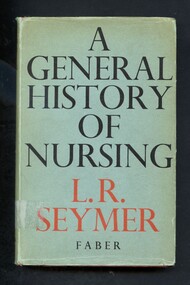 Alfred Hospital Nurses League - Nursing History Collection
Book - Illustrated Book, Lucy Ridgley Seymer 1893-1971, A general history of nursing, 1949
... Hospital 260 Kooyong Road Caulfield melbourne First edition was published in 1932. Of significance to the AHNL as there are references to the history of nursing in Australia. Nursing-history Alfred Hospital Nurses League A history of nursing from the earliest times up to 1949, from an international standpoint. It also traces the development of various special branches of nursing, e.g. psychiatric and public ...A history of nursing from the earliest times up to 1949, from an international standpoint. It also traces the development of various special branches of nursing, e.g. psychiatric and public health nursing.Illustrated book with dustjacket. Book has a red cover, with title, author's surname and publisher's name embossed in gold on spine. Dust jacket has a light blue background, title and publishers name printed in black ink on front and spine. Author's name printed in red ink on front and spine of dustjacket.non-fictionA history of nursing from the earliest times up to 1949, from an international standpoint. It also traces the development of various special branches of nursing, e.g. psychiatric and public health nursing.nursing-history, alfred hospital nurses league -
 Monash Health Historical Collections
Queen Victoria Hospital Lonsdale Street post-1987 or 1990s, b/w photograph, 1996
... Monash Health Historical Collections 246 Clayton Road Clayton melbourne These copies acquired August 1999 from Public Relations. b/w x 56 photos used in Emma Russell's book "Bricks or Spirit? The Queen Victoria Hospital Melbourne", Australian Scholarly Publishing, Melbourne 1997 b/w photograph Queen Victoria Hospital Lonsdale Street post-1987 or 1990s ...These copies acquired August 1999 from Public Relations.b/w x 56 photos used in Emma Russell's book "Bricks or Spirit? The Queen Victoria Hospital Melbourne", Australian Scholarly Publishing, Melbourne 1997 -
 Vision Australia
Administrative record - Text, 72nd Annual Report 1967 Association for the Blind of Victoria, 1968
... Vision Australia 454 Glenferrie Road Kooyong melbourne Articles in annual report include: President's report, objectives, finance report, accounts, hospital homes, community centre, accommodation, future programme, welfare, auxiliaries, life governors, public appeal, the death of Granny Carson aged 104, the successful introduction of a Homemakers Club and Creche at the Blind Community Centre, as well as Braille teachers from the Braille Writing Association, and that financial assistance for a two storey wing to be added to the Brighton Hospital Home. ...Articles in annual report include: President's report, objectives, finance report, accounts, hospital homes, community centre, accommodation, future programme, welfare, auxiliaries, life governors, public appeal, the death of Granny Carson aged 104, the successful introduction of a Homemakers Club and Creche at the Blind Community Centre, as well as Braille teachers from the Braille Writing Association, and that financial assistance for a two storey wing to be added to the Brighton Hospital Home.1 volume of text with illustrations and photographsassociation for the blind, sir rohan delacombe, h.m. lightfoot, p. fretton, annual reports
