
Showing 294 items matching " howard white"
-
 Bendigo Historical Society Inc.
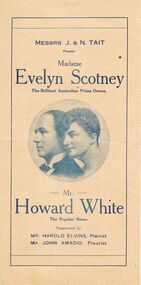
Document - LYDIA CHANCELLOR COLLECTION; MADAME EVELYN SCOTNEY AND MR. HOWARD WHITE
... LYDIA CHANCELLOR COLLECTION; MADAME EVELYN SCOTNEY AND MR. HOWARD WHITE...Tait present Madame Evelyn Scotney the brilliant Australian Prima Donna. Mr. Howard White the popular basso. Supported by Mr. ...Document LYDIA CHANCELLOR COLLECTION; MADAME EVELYN SCOTNEY AND MR. HOWARD WHITE ...A light brown programme with blue print. On the front cover are the words, ' Messrs. J. & N. Tait present Madame Evelyn Scotney the brilliant Australian Prima Donna. Mr. Howard White the popular basso. Supported by Mr. Harold Elvins, Pianist, Mr. John Amadio, Flautist. On the inside cover is the programme and on the back cover is an advertisement for 'Allan's' pianos. Page & Bird Pty. Ltd., Printers, Melbourne.program, music, singing, lydia chancellor, collection, music, entertainment, concert, program, programme, event, singing -
 Bendigo Historical Society Inc.
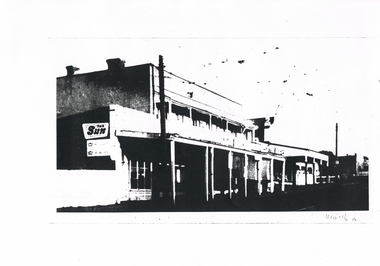
Document - LONG GULLY HISTORY GROUP COLLECTION: MAIN STREET, LONG GULLY
... ... Howard White...Showing Les Norris Davey Bros Grocer Mixed Business Howard White furniture Manufacturer....Showing Les Norris Davey Bros Grocer Mixed Business Howard White furniture Manufacturer. Document LONG GULLY HISTORY GROUP COLLECTION: MAIN STREET, LONG GULLY ...BHS CollectionBlack and white photocopy of Main Street of Long Gully between Daly and Creeth St, east side. Buildings have verandas. One has an advertisement for The Sun. Written on the back is -Main Street of Long Gully Between Daly & Creeth St East side. Eaglehawk Road. Showing Les Norris Davey Bros Grocer Mixed Business Howard White furniture Manufacturer.bendigo, history, long gully history group, the long gully history group - main street long gully, les norris, davey bros, howard white -
 Unions Ballarat
Lazarus rising: a personal and political autobiography (Don Woodward Collection), Howard, John, 2010
... Dustjacket: colour photograph of John Howard; white and gold lettering; author's name and title. ...Dustjacket: colour photograph of John Howard; white and gold lettering; author's name and title. ...Personal and political autobiography of John Winston Howard. Howard was Prime Minister of Australia from 1996-2007. His government was defeated by Kevin Rudd/ALP in 2007; he simultaneously lost the seat of Bennelong to Maxine McKew.Politics - Australia. Autobiographical interest - John Howard.Book; 711 pages. Dustjacket: colour photograph of John Howard; white and gold lettering; author's name and title. Cover: black background; gold lettering; author's name and title.btlc, ballarat trades hall, ballarat trades and labour council, liberal party australia, australian labor party, national party australia, john howard, prime ministers - australia, politics and government, autobiography -
 Bendigo Historical Society Inc.
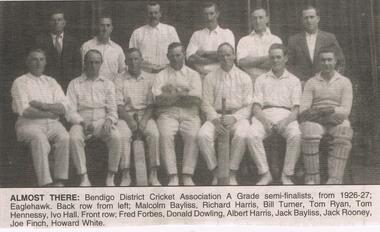
Newspaper - JENNY FOLEY COLLECTION: ALMOST THERE
... Front row: Fred Forbes, Donald Dowling, Albert Harris, Jack Bayliss, Jack Rooney, Joe Finch, Howard White. The clip is in a folder....Front row: Fred Forbes, Donald Dowling, Albert Harris, Jack Bayliss, Jack Rooney, Joe Finch, Howard White. The clip is in a folder. Newspaper JENNY FOLEY COLLECTION: ALMOST THERE ...BHS CollectionBendigo Advertiser ''The way we were'' from 2003. Almost there: Bendigo District Cricket Association A grade semi-finalists, from 1926-27, Eaglehawk. Back row from left: Malcom Bayliss, Richard Harris, Bill Turner, Tom Ryan, Tom Hennessy, Ivo Hall. Front row: Fred Forbes, Donald Dowling, Albert Harris, Jack Bayliss, Jack Rooney, Joe Finch, Howard White. The clip is in a folder.newspaper, bendigo advertiser, the way we were -
Unions Ballarat
Australian Prime Ministers, Grattan, Michelle, 2000
... Front cover: black background; sepia portrait photographs of all prime ministers up to John Howard; gold and white lettering....Front cover: black background; sepia portrait photographs of all prime ministers up to John Howard; gold and white lettering. Australian Prime Ministers Grattan, Michelle Various contributors ...A biography of Australian prime ministers (Barton-Howard) and political analysis. Essays by a variety of authors.Relevance to the history of politics in Australia, particularly the federal government and prime ministers. Biographical interest.Paperback book. Front cover: black background; sepia portrait photographs of all prime ministers up to John Howard; gold and white lettering.Front cover: editor's name and book title. Back cover: description; editor's biography; list of contributors.btlc, ballarat regional trades and labour council, ballarat trades hall, prime ministers - australia - edmund barton, prime ministers - australia - alfred deakin, prime ministers - australia - chris watson, prime ministers - australia - george reid, prime ministers - australia - andrew fisher, prime ministers - australia - joseph cook, prime ministers - australia - william morris hughes, prime ministers - australia - stanley melbourne bruce, prime ministers - australia - james scullin, prime ministers - australia - joseph lyons, prime ministers - australia - earle page, prime ministers - australia - robert menzies, prime ministers - australia - arthur fadden, prime ministers - australia - john curtin, prime ministers - australia - francis forde, prime ministers - australia - ben chifley, prime ministers - australia - harold holt, prime ministers - australia - john mcewan, prime ministers - australia - john gorton, prime ministers - australia - william mcmahon, prime ministers - australia - gough whitlam, prime ministers - australia - malcolm fraser, prime ministers - australia - robert hawke, prime ministers - australia - paul keating, prime ministers - australia - john howard, politics, politicians, house of representatives, parliament, biography -
Unions Ballarat
John Howard: Prime Minister (Don Woodward), Barnett, David et al, 1997
... Dustjacket: colour photograph of John Howard; black and white lettering; authors' names and title. ...Dustjacket: colour photograph of John Howard; black and white lettering; authors' names and title. ...A biography of John Howard's political career written in his first year holding the office of Prime Minister. Howard was Prime Minister (Liberal Party) from 1996-2007. During his term of office, Howard introduced the Workchoices legislation, Higher Education Workplace Regulation Requirements and the ABCC which were all targeted at diminishing the powers of the union movement. He was defeated by Kevin Rudd (ALP) in 2007 and lost his seat to Maxine McKew at the same election.Political biography - John Howard.Book; 806 pages. Dustjacket: colour photograph of John Howard; black and white lettering; authors' names and title. Cover: blue background; gold lettering; authors' names and title.btlc, ballarat trades hall, ballarat trades and labour council, howard, john, prime ministers - australia, politics and government, biography, workchoices, liberal party australia, coalition government, national party, parliament - australia -
Port Melbourne Historical & Preservation Society
Photograph - PMHPS members, Norah Howard, Pat Grainger and Perce White, Dec 2004
... PMHPS members, Norah Howard, Pat Grainger and Perce White...HOWARD nee MALLET...Perce McGuire WHITE...Norah HOWARD, Pat GRAINGER, Perce WHITE...Norah HOWARD, Pat GRAINGER, Perce WHITE Photograph PMHPS members, Norah Howard, Pat Grainger and Perce White ...Colour photograph from the after swearing -in party, with other PMHPS members. Norah HOWARD, Pat GRAINGER, Perce WHITElocal government - city of port phillip, politics, janet bolitho, pat grainger, glen stuart, norah howard nee mallet, perce mcguire white, perce white -
 Federation University Historical Collection
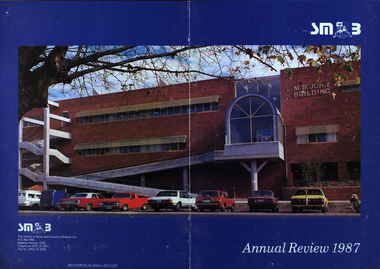
Booklet - Annual Review, Ballarat School of Mines Annual Review, 1986 -1991
... white...bryan crebbin...kerrie cross...ric dunlop...tom wiseman...barbara hughes...chris matheson...morgan b. john...albert street...steven mendelson...john crowe...ann mccaffrey...kevin alsop...mary molloy...ross furness...robert lovett...victoria street student hostel...student residences...hugh beggs...ballarat small business centre...inskill, ararat campus...hospitality and tourism...koorie support unit...fiona watson...bruce staley...terry moran...anthony wonish...ivan deveson...leo shannon memorial award...geoff howard...White, Dennis Bolster .8) Blue covered review for 1989. The contents include: Kerrie Cross, Peter Shiells, Ann McCaffrey, Kevin Alsop, Mary Molloy, Ross Furness, Robert Lovett, Victoria Street Student Hostel, Hugh Beggs, Ballarat Small Business Centre, Inskill, Ararat Campus, Hospitality and Tourism, Koorie Support Unit, Fiona Warsn, Bruce Staley, Terry Moran, Anthony Wonish, Ivan Deveson, Leo Shannon Memorial Award, Bryan Crebbin, Geoff Howard, R.C.W. ...White, Dennis Bolster .8) Blue covered review for 1989. The contents include: Kerrie Cross, Peter Shiells, Ann McCaffrey, Kevin Alsop, Mary Molloy, Ross Furness, Robert Lovett, Victoria Street Student Hostel, Hugh Beggs, Ballarat Small Business Centre, Inskill, Ararat Campus, Hospitality and Tourism, Koorie Support Unit, Fiona Warsn, Bruce Staley, Terry Moran, Anthony Wonish, Ivan Deveson, Leo Shannon Memorial Award, Bryan Crebbin, Geoff Howard, R.C.W. ...The Ballarat School of Mines was established in 1870 through the initiatives of the Ballarat Mining Board making it the oldest site of technical education in Australia. The Board was concerned with the shortage of mine managers for the goldfields. Classes began in surveying, mathematics, and chemistry and a decade later they included metallurgy , assaying and geology. With the decline in goldmining the direction of the college changed and broadened, the art School was established and the Ballarat Junior Technical School developed. In 1976, the tertiary sector seperated from the School of Mines and Industries Ballarat to form the Ballarat College of Advanced Education. In the 1980s SMB was a Community College of Technical Education and Further Education (TAFE) offering a wide range of vocational, enrichment and preparatory programs. It is continuing the tradition of providing for the educaiton needs of people within the Central Highlands. During the 1970s and 80s it acquired and refurbished old buildings and developed new facilities to keep up with the needs of an expanding curriculum and student population. The era of these annual reports is just before the merger with the University of Ballarat.A number of soft card covered annual report for the Ballarat School of Mines. .1) 12 page black covered report featuring an image of the E.J. Tippett Library. Includes information on death of E.J. Tippett, disability policy, Peter Quinn, Patti McNulty, Bob Feary, Shane Everand, Integration, Fiona Watson, retirement of Robert Morgan, Opening of the carpentry and Joinery Facility in Davey Street, formation of the School of Business and Information Technology, Melissa Bone, opening of the E.J. T. Tippett Learning Resource Centre (Library), Refurbishment of the Administration Building, Food Service Building (Prospects), Court House Theatre, Enrolment centre, Museum, Creche, Women's Trade technical Program, Rural Education Program, Ararat Prison Program, Community Studies Section, Ararat Adult Literacy Group. Literacy Assistance for Undergraduates, Fire training, fitness, open Learning, Training & Employment Group, Awards, Filipino Visitors, oil Seed Research, Brunei, Barometer (gift) for Horticulture, Special Equipment (guillotine and brake press; programmable logic Controller; theodolite: laser lever; Universal testing Machine; Atomic Absorption Spectrophotometer)., organisational Structure. Photos include Ken Flecknoe, Peter Quinn, Patti McNulty, Bob Feary, Shane Everard, Fiona Watson,Linda Bland, Robert Morgan, David McCaughey, E.J. Tippett, Frank Sheehan, Julie Baulch, Jo Reeves, Col McCurry, Jenny Garnham .3) Blue covered book with a photograph of the M.B. John Building taken from Albert Street on the cover. Topics include: Ken Flecknoe, Peter Shiells, Ararat Campus, David Haddow, Kevin Martin, Rendle Hannah, Gary Eason, Geoff Pope, Albert Peart, M.B. John building opened, Hairdressing Salon, Community Centre, Creche, closure of Lydiard Street, Museum, Jenny Levison, Inskill, Small Business Training, Ballarat Eat free Library, Barkly Street, Wormalds Valve Group, Aboriginal Programs, Horticulture Center, Awards, Country fire Authority, tractor Donation, Women's Policy. Special purchases included surveying equipment with data recorder, test rig , CDT MIG welder, compact gas chromatograph with FID and single pen recorder, Olivetti stand-alone word processing unit. Images include Ken Flecknoe. Peter Shiells, John Crowe, Trevor Slater, Brian McLennan, Kerrie Cross, Albert Peart, John Cain, M.B. John, Enrollment Centre, Museum, Jo Watson, Wormalds, Brian Webber, Dianna Nikelson, Ian Aitken, Brendan B, Chez Dichiera, Heather Dixon, Julie Broadbent .4) 1993 - Brown and white soft covered annual review featuring students of the Ballarat School of Mines at work. Bill Gribble, Brian McLennan, Peter Shiells Retirement, Robert C. Lovett, Steven Mendelson, Max Palmer, Jenny Gough, Mary Molloy, Barrie Firth, Colin McCurry, Dora Hormann, Organisation Structure, Brewery Acquisition, Humffray Street Primary School, Grant Street Retaining Wall, Neville Bunning Plaque, VCE Plus, Ballarat Small Business centre, Ararat Prison, Ballarat Showgrounds Rotunda, .6) Green covered annual review with an aerial photograph over Albert Street, Ballarat. Content include Kerrie Cross, Peter Shiells. Kenneth Flecknoe Obituary, Ian Pimblett, Keith Boast, David Nicholson, Max Palmer, Brian Webber, Bob Lovett, Linda Bland, Prospects, Training restaurant, 3BBB, Malcolm Vallance, Aboriginal Programs, Ian Cathie, Koorie Support Unit, Caroline Hogg, 'Trained Men Make Their Own Terms' exhibition at the Gold Museum, Ricky Hains, Stephen Hughes, Jeff White, Dennis Bolster .8) Blue covered review for 1989. The contents include: Kerrie Cross, Peter Shiells, Ann McCaffrey, Kevin Alsop, Mary Molloy, Ross Furness, Robert Lovett, Victoria Street Student Hostel, Hugh Beggs, Ballarat Small Business Centre, Inskill, Ararat Campus, Hospitality and Tourism, Koorie Support Unit, Fiona Warsn, Bruce Staley, Terry Moran, Anthony Wonish, Ivan Deveson, Leo Shannon Memorial Award, Bryan Crebbin, Geoff Howard, R.C.W. Burdett, Jeff White, Ian Harris, Tom Wiseman, Bill Gribble, Allison Kay, Steven Mendelson, Keith Boast. .9) Grey covered book with a coloured photo of the Victoria Street Student Residence. Contents include: Kerry Cross, Peter Shiells, Morgan Bevan John Illuminated address. Jean Phillips, Koorie Support Unit, Andrew Sullivan, Victoria Street Student Residence, Horticulture, Inskill, Tertiary Awareness Project, Adult Education, Ivan Deveson, Brian Howe, Barry Jones, Joan Kirner, Andrew Trigg, Warren Perry, Murrell Rock Collections, Gwyn Hanssen-Piggott, Disability Awareness Day, Sebastopol Borough Logo, Phoebe Rimmer, Russell Jackson, R.J. Young Scholarship, Peter Muir, Founders Day Cake, Morgan John. .11) Black card covered booklet with five images of exteriors of the Ballarat School of Mines. the contents include: Jack Barker, Peter Shiells, Peter Ellyard, Ian Stoney, Terry Moran, Wayne Strong, David Ince, Simone Titheridge, Ian Aitken,Kevin Alsop, Bill Bridges, Clive Carmichael, Bob Feary, Rendle hannah, Roly Parfenovics, Graham Snibson, Kevin Stockdale, Len Wilson, Child Care Centre opening, Student accommodation, Victoria Street, Brewery site. naming buildings, E.J. barker. A.W. Steane K.J. Flecknow, Carpentry and joinery, Inskill, Hospitality, Pottery, ceramics, Founders' Day, Warren Perry, Agreement between Ballarat School of Mines and Ballarat university College, merger, Peter Baldwin, Awards, obituary Lindsay Hillman. Images include: Wayne Strong, David Ince, Simone Titheridge, kerrie Cross, Joan Kirner, Frank Sheehan, Bill Gribble Ros Wilkie, Judi O'Loughlin, Tony Leonard, Gemma Hearnes, Brendan Hill, Joanne Bell, Karl Moon, Stella Savy, Shirley Falkinder, Peter Baldwin, Jack Barker, Michael Ronaldson, David Kemp, Peter Shiells, Margot Healey, Sharon McLennan, Kerrie Firns, Petrena Brookers, Deb Goudappel, Claire Bond, Administration Building Lindsay Hillman. .13 ) Brown covered report with photographic images. Content includes: Pam Merrett. , Peter Shiells, Robert Lovett, Steven Mendelson, Max Palmer, Jenny Gough, Barrie Firth .14) Brown covered report with photographic images. Content includes: .15) Green covered report with photographic images. The blond woman standing on the right looking at a computer screen is Pam Merrett. Content includes: Bill Gribble, Ron Wild, Doug Sarah, Martin Hill, John Kemp, David Manterfield, Leslie Comy, Linette Penhall, Glen Martland. Virginia Fenelon. Michael Bracher, Brewery Building. Child care centre, Prospects Cafe Opening, Horticulture Training Centre, Retaining Wall, The Gordon, University of Ballarat and Ballarat School of Mines affiliation, Geoffrey Blainey, Ararat Community College Memo of understanding, Brian McLennan. Founders Day (Hadden Storey), Gwyn Hanssen-Pigott, Ken Latta, Neville Bunning Outstanding Achievement Award, Valerie Wilson, Jack Barker, John Sharpham, Jack Barker Resignation.ballarat school of mines, university of ballarat, integration, shane everard, robery morgan, linda bland, ballarat junior technical school, former court house, ken flecknoe, bruce muir, lindsay hillman, neil crouch, jack barker, keith boast, rex hollioake, m.b. john, bob lovett, brian mclennan, peter shiells, bruce tanner, jeff white, bryan crebbin, kerrie cross, ric dunlop, tom wiseman, barbara hughes, chris matheson, morgan b. john, albert street, steven mendelson, john crowe, ann mccaffrey, kevin alsop, mary molloy, ross furness, robert lovett, victoria street student hostel, student residences, hugh beggs, ballarat small business centre, inskill, ararat campus, hospitality and tourism, koorie support unit, fiona watson, bruce staley, terry moran, anthony wonish, ivan deveson, leo shannon memorial award, geoff howard, r.c.w. burdett, ian harris, bill gribble, allison kay, liz eddy, pam merrett, doug sarah, martin hill, john kemp, david manterfield, leslie comy, linette penhall, glen martland, virginia fenelon, michael bracher, brewery building, child care centre, prospects cafe, horticulture training centre, retaining wall, the gordon, university of ballarat and ballarat school of mines affiliation, geoffrey blainey, ararat community college memo of understanding, founders day, hadden storey, gwyn hanssen-pigott, ken latta, neville bunning outstanding achievement award, valerie wilson, john sharpham, kerry cross, morgan bevan john illuminated address, jean phillips, andrew sullivan, victoria street student residence, horticulture, inskill, tertiary awareness project, adult education, brian howe, barry jones, joan kirner, andrew trigg, warren perry, murrell rock collections, gwyn hanssen-piggott, disability awareness day, sebastopol borough logo, phoebe rimmer, russell jackson, r.j. young scholarship, peter muir, kenneth flecknoe obituary, ian pimblett, david nicholson, brian webber, prospects, training restaurant, 3bbb, malcolm vallance, aboriginal programs, ian cathie, caroline hogg, 'trained men make their own terms' exhibition at the gold museum, ricky hains, stephen hughes, dennis bolster, aboriginal education, e.j. tippett obituary, patti mcnulty, bob feary, equal opportunity officer, robert c. morgan, school of business and information technology, e.j. tippett library, e.j. tippett library opening, carpentry and joinery, women's trade and technical program, rural education program, ararat prison program, barometer, oil seed research, . bill gribble, peter shiells retirement, robert c. lovett, max palmer, jenny gough, barrie firth, colin mccurry, dora hormann, organisation structure, brewery acquisition, humffray street primary school, grant street retaining wall, neville bunning plaque, vce plus, ararat prison, ballarat showgrounds rotunda -
 Flagstaff Hill Maritime Museum and Village
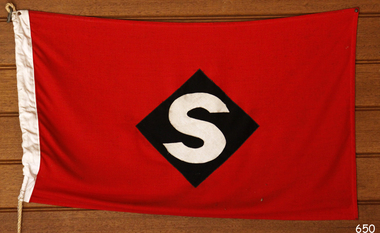
Flag
... Flag cloth rectangular red with a white "S" within a black diamond superimposed. The shipping House Flag for the Howard Smith line of Melbourne. ...Flagstaff Hill Warrnambool Shipwrecked-coast Flagstaff-Hill Flagstaff-Hill-Maritime-Museum Maritime-Museum Shipwreck-coast Flagstaff-Hill-Maritime-Village Flag cloth rectangular red with a white "S" within a black diamond superimposed. The shipping House Flag for the Howard Smith line of Melbourne. ...Flag cloth rectangular red with a white "S" within a black diamond superimposed. The shipping House Flag for the Howard Smith line of Melbourne. Reinforced on one edge with a rope insert. Made in Sydney by E H Brett and sons. flagstaff hill, warrnambool, shipwrecked-coast, flagstaff-hill, flagstaff-hill-maritime-museum, maritime-museum, shipwreck-coast, flagstaff-hill-maritime-village -
 Flagstaff Hill Maritime Museum and Village
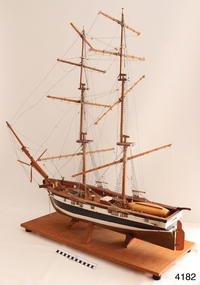
Craft - Ship Model, Mr Edward Howard Grainger (ship model maker), Skylark, circa 1980s
... white. Separate wooden lifeboat. "Skylark" on each side of the bow and across the stern. The rudder pivots. Mounted on a timber stand. Model built by Mr E.H. Grainger. Skylark Craft Ship Model Mr Edward Howard ...This handmade ship model was built and donated by mr E H Grainger in the late 20th century. The warship represents the British Sloop, Seagull Class, HMS Skylark 1806-1812. The brig-rigged, two-masted HMS Skylark was built at William Rowes' Yard on the River Tyne for the Royal Navy of the United Kingdom in 1806. The ship was armed with 14 British 24-pound Carronades and 2 British 6-pounders. It could carry a crew of 95. This model is an example of the craft of ship model making, which has been a popular hobby for hundreds of years. Our collection has many ship models, some of which were built by professional model makers, others by naval enthusiasts. The model is also an example of British warships that predate the colonisation of Australia.Ship model, Skylark. 2-masted sailing ship, hull painted, with a white strip on white. Separate wooden lifeboat. "Skylark" on each side of the bow and across the stern. The rudder pivots. Mounted on a timber stand. Model built by Mr E.H. Grainger."SKYLARK" on both sides of the bow. "SKYLARK HULL" across bowflagstaff hill, flagstaff hill maritime museum and village, warrnambool, maritime museum, maritime village, great ocean road, shipwreck coast, ship model, skylark, two-masted ship, sailing ship, hobby, war ship, hms skylark, british sloop, british brig, carronade, brig of war, 1806 -
 Federation University Historical Collection
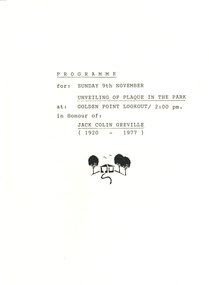
Document - Documents, Golden Point - Mount Pleasant Progress Association Establishment
... Kerry Daniels was the President in 1994. golden point mount pleasant mt pleasant ian mckinnno mara gluyas peter hiscock frank williams geoff howard leigh gillett sovereign hill kerry daniels norm strange; graeme kent; george netherway; keith rash; ian mckinnon albert graham bryan crebbin jim humphreys. wid radbourn heath martin janet dore alex mills park A small white cardboard box with purple lid of A4 documents relating to the establishment of the Golden Point - Mt Pleasant Progress Association. ...The Golden Point - Mt Pleasant Progress Association was established on Wednesday 6 April 1983. Membership was open to any person or organisation in the area generally bounded by Bridge mall and Skipton Street, Elsworth Street and main Road. annual family or organisation membership was $2.00. Mara Gluyas served as secretary of the Golden Point - Mt Pleasant Progress Association from 1983 to 1994. Ian McKinnon was the President from 1983 to 1992. Kerry Daniels was the President in 1994.A small white cardboard box with purple lid of A4 documents relating to the establishment of the Golden Point - Mt Pleasant Progress Association. The documents include the original constitution and minutes. Topics include: Pearce's Park; removal of elms, names and addresses of members, Sovereign Hill realignment; Sovereign Hill Lookout; membership form; Golden Point Historic Mines Direction Indicator; Ballarat Observatory; Nerrina Tip; Yarrowee Creek; Mine Capping (Sovereign Mine); tree planting (Sovereign Hill Lookout); Magpie Street Park; Hill Street; Yarrowee Flora Park; Barkly Street; South Street Bluestone Gutter; Ballarat Goldfields; Eastern baths site; Grant Street; Flooding; Aboriginal Advancement League; Sunnyside Woollen Mill; Chinese Garden; Golden Point Primary School closure; Ballarat West Goldfields; Sovereign Hill Land Title and Management Revision; Wainwright; Street; Llanberris; Yuille's Station Parkgolden point, mount pleasant, mt pleasant, ian mckinnno, mara gluyas, peter hiscock, frank williams, geoff howard, leigh gillett, sovereign hill, kerry daniels, norm strange; graeme kent; george netherway; keith rash; ian mckinnon, albert graham, bryan crebbin, jim humphreys. wid radbourn, heath martin, janet dore, alex mills park -
 Federation University Historical Collection
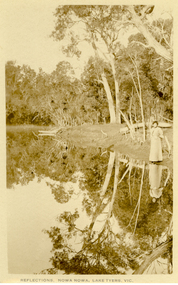
Postcard, Howard D. Bulmer, Reflections, Nowa Nowa, Lake Tyers, Victoria
... Nowa Nowa Lake Tyers trees river Black and white post card showing a lady in long skirt standing on the banks of a river with Australian eucalypts (gum tress) in the background and reflected in the water. Reflections, Nowa Nowa, Lake Tyers, Victoria Postcard Howard ...Nowa Nowa is located in Victoria on the Princes Highway between Lakes Entrance & Orbost. Tall eucalypts stand guard as you drive into this small village.The fresh waters of Boggy Creek and the tidal waters of Lake Tyers meet here. In the past its history was of logging. Black and white post card showing a lady in long skirt standing on the banks of a river with Australian eucalypts (gum tress) in the background and reflected in the water. nowa nowa, lake tyers, trees, river -
 Federation University Historical Collection
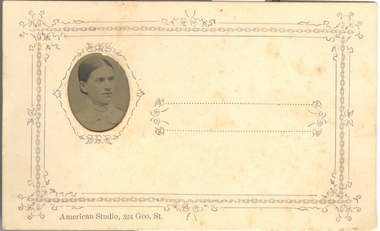
Photograph - Little Gem tintype, American Studio, Portrait of a Woman, (exact)
... The studio addresses were: 23 King William St, Adelaide; 324 George St, Sydney; 95 Swanston St, Melbourne; Howard Place, Sandhurst; 7 Queen St, Brisbane; The card mounts used in Gove and Allen studios in Australia are identical to those used in America. They were initially made of plain white...The studio addresses were: 23 King William St, Adelaide; 324 George St, Sydney; 95 Swanston St, Melbourne; Howard Place, Sandhurst; 7 Queen St, Brisbane; The card mounts used in Gove and Allen studios in Australia are identical to those used in America. They were initially made of plain white ...The tintype (or ferrotype or Melainotype) was produced on metallic sheet (not, actually, tin) instead of glass. The plate was coated with collodion and sensitized just before use. It was introduced by Adolphe Alexandre Martin in 1853. The most common size was about the same as the carte-de-visite, 5.5cm x 9.0cm, but both larger and smaller ferrotypes were made. The smallest were "Little Gem" tintypes, about the size of a postage-stamp, made simultaneously on a single plate in a camera with 12 or 16 lenses. They were often produced by travelling photographers, and were cheaper than Ambrotypes so made photography available to working classes, not just to the more well-to-do. The print would come out laterally reversed (as one sees oneself in a mirror). Being quite rugged, tintypes could be sent by post. Tintypes were eventually superseded by gelatin emulsion dry plates in the 1880s, though street photographers in various parts of the world continued with this process until the 1950s. (Above information abridged from http://www.rleggat.com/photohistory/history/tintype.htm) The firm of Gove and Allen opened in Sydney in 1880 and were responsible for the belated popularizing of the gem tintype in Australia. The firm traded as both The American Gem Studio and The American Studio. Others franchises were opened in Melbourne, Ballarat and Sandhurst (Bendigo). The Sandhurst branch closed in 1882 and Adelaide in 1884. All Gove and Allen studios had ceased trading by 1885. The studio addresses were: 23 King William St, Adelaide; 324 George St, Sydney; 95 Swanston St, Melbourne; Howard Place, Sandhurst; 7 Queen St, Brisbane; The card mounts used in Gove and Allen studios in Australia are identical to those used in America. They were initially made of plain white card with embossing around the oval image opening in the mount while some also had simple geometric and floral printed designs as well. Although Gove and Allen studios produced the majority of gem tintypes in Australia, other studios offered them including: - London, American & Sydney Photo Company, 328 George St, Sydney; - David Edelsten, 55 & 57 Bourke St, Melbourne; - Burman's Portrait Rooms, St. George's Hall, 209 Bourke St, Melbourne; - Bell's Gem Portrait Studio, 57 Bourke St East, Melbourne; - R. H. Kenny, Bridge St, Ballarat; - Marinus W. Bent, Sandhurst (Bendigo); - George Fisher, Victoria; - Anson Brothers, Hobart Town. (Abridged information from http://members.ozemail.com.au/~msafier/photos/tintypes.html) A tintype portrait of a woman's head, attached to a card.Printed lower left hand side of the card "American Studio, 324 Geo. St."tintype, american studio, woman, unidentified woman, women, photograph -
 Federation University Historical Collection
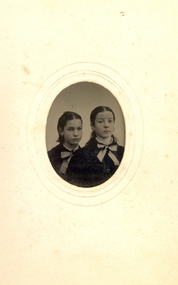
Photograph - Tintype, Portrait of two young girls
... The studio addresses were: 23 King William St, Adelaide; 324 George St, Sydney; 95 Swanston St, Melbourne; Howard Place, Sandhurst; 7 Queen St, Brisbane; The card mounts used in Gove and Allen studios in Australia are identical to those used in America. They were initially made of plain white...The studio addresses were: 23 King William St, Adelaide; 324 George St, Sydney; 95 Swanston St, Melbourne; Howard Place, Sandhurst; 7 Queen St, Brisbane; The card mounts used in Gove and Allen studios in Australia are identical to those used in America. They were initially made of plain white ...The tintype (or ferrotype or Melainotype) was produced on metallic sheet (not, actually, tin) instead of glass. The plate was coated with collodion and sensitized just before use. It was introduced by Adolphe Alexandre Martin in 1853. The most common size was about the same as the carte-de-visite, 5.5cm x 9.0cm, but both larger and smaller ferrotypes were made. The smallest were "Little Gem" tintypes, about the size of a postage-stamp, made simultaneously on a single plate in a camera with 12 or 16 lenses. They were often produced by travelling photographers, and were cheaper than Ambrotypes so made photography available to working classes, not just to the more well-to-do. The print would come out laterally reversed (as one sees oneself in a mirror). Being quite rugged, tintypes could be sent by post. Tintypes were eventually superseded by gelatin emulsion dry plates in the 1880s, though street photographers in various parts of the world continued with this process until the 1950s. (Above information abridged from http://www.rleggat.com/photohistory/history/tintype.htm) The firm of Gove and Allen opened in Sydney in 1880 and were responsible for the belated popularizing of the gem tintype in Australia. The firm traded as both The American Gem Studio and The American Studio. Others franchises were opened in Melbourne, 6 Sturt St Ballarat and Sandhurst (Bendigo). The Sandhurst branch closed in 1882 and Adelaide in 1884. All Gove and Allen studios had ceased trading by 1885. The studio addresses were: 23 King William St, Adelaide; 324 George St, Sydney; 95 Swanston St, Melbourne; Howard Place, Sandhurst; 7 Queen St, Brisbane; The card mounts used in Gove and Allen studios in Australia are identical to those used in America. They were initially made of plain white card with embossing around the oval image opening in the mount while some also had simple geometric and floral printed designs as well. Although Gove and Allen studios produced the majority of gem tintypes in Australia, other studios offered them including: - London, American & Sydney Photo Company, 328 George St, Sydney; - David Edelsten, 55 & 57 Bourke St, Melbourne; - Burman's Portrait Rooms, St. George's Hall, 209 Bourke St, Melbourne; - Bell's Gem Portrait Studio, 57 Bourke St East, Melbourne; - R. H. Kenny, Bridge St, Ballarat; - Marinus W. Bent, Sandhurst (Bendigo); - George Fisher, Victoria; - Anson Brothers, Hobart Town. (Abridged information from http://members.ozemail.com.au/~msafier/photos/tintypes.html) .2) A tintype portrait of two girls heads, attached to a card. The girls are wearing a cloak with a large bow at the frontlittle gem, women, children, photography, tintype -
 Federation University Historical Collection
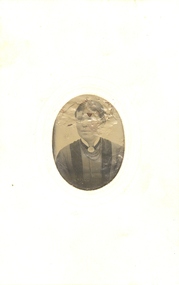
Photograph - Little Gem tintype, Portrait of a Woman
... The studio addresses were: 23 King William St, Adelaide; 324 George St, Sydney; 95 Swanston St, Melbourne; Howard Place, Sandhurst; 7 Queen St, Brisbane; The card mounts used in Gove and Allen studios in Australia are identical to those used in America. They were initially made of plain white ...The tintype (or ferrotype or Melainotype) was produced on metallic sheet (not, actually, tin) instead of glass. The plate was coated with collodion and sensitized just before use. It was introduced by Adolphe Alexandre Martin in 1853. The most common size was about the same as the carte-de-visite, 5.5cm x 9.0cm, but both larger and smaller ferrotypes were made. The smallest were "Little Gem" tintypes, about the size of a postage-stamp, made simultaneously on a single plate in a camera with 12 or 16 lenses. They were often produced by travelling photographers, and were cheaper than Ambrotypes so made photography available to working classes, not just to the more well-to-do. The print would come out laterally reversed (as one sees oneself in a mirror). Being quite rugged, tintypes could be sent by post. Tintypes were eventually superseded by gelatin emulsion dry plates in the 1880s, though street photographers in various parts of the world continued with this process until the 1950s. (Above information abridged from http://www.rleggat.com/photohistory/history/tintype.htm) The firm of Gove and Allen opened in Sydney in 1880 and were responsible for the belated popularizing of the gem tintype in Australia. The firm traded as both The American Gem Studio and The American Studio. Others franchises were opened in Melbourne, Ballarat and Sandhurst (Bendigo). The Sandhurst branch closed in 1882 and Adelaide in 1884. All Gove and Allen studios had ceased trading by 1885. The studio addresses were: 23 King William St, Adelaide; 324 George St, Sydney; 95 Swanston St, Melbourne; Howard Place, Sandhurst; 7 Queen St, Brisbane; The card mounts used in Gove and Allen studios in Australia are identical to those used in America. They were initially made of plain white card with embossing around the oval image opening in the mount while some also had simple geometric and floral printed designs as well. Although Gove and Allen studios produced the majority of gem tintypes in Australia, other studios offered them including: - London, American & Sydney Photo Company, 328 George St, Sydney; - David Edelsten, 55 & 57 Bourke St, Melbourne; - Burman's Portrait Rooms, St. George's Hall, 209 Bourke St, Melbourne; - Bell's Gem Portrait Studio, 57 Bourke St East, Melbourne; - R. H. Kenny, Bridge St, Ballarat; - Marinus W. Bent, Sandhurst (Bendigo); - George Fisher, Victoria; - Anson Brothers, Hobart Town. (Abridged information from http://members.ozemail.com.au/~msafier/photos/tintypes.html) .3) A tintype portrait of a woman, attached to a card. little gem, tintype, woman, unidentified woman, women -
 Federation University Historical Collection
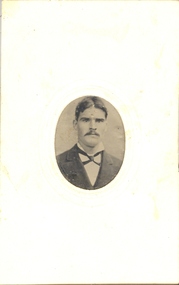
Photograph - Little Gem tintype, Portrait of a Man
... The studio addresses were: 23 King William St, Adelaide; 324 George St, Sydney; 95 Swanston St, Melbourne; Howard Place, Sandhurst; 7 Queen St, Brisbane; The card mounts used in Gove and Allen studios in Australia are identical to those used in America. They were initially made of plain white...The studio addresses were: 23 King William St, Adelaide; 324 George St, Sydney; 95 Swanston St, Melbourne; Howard Place, Sandhurst; 7 Queen St, Brisbane; The card mounts used in Gove and Allen studios in Australia are identical to those used in America. They were initially made of plain white ...The tintype (or ferrotype or Melainotype) was produced on metallic sheet (not, actually, tin) instead of glass. The plate was coated with collodion and sensitized just before use. It was introduced by Adolphe Alexandre Martin in 1853. The most common size was about the same as the carte-de-visite, 5.5cm x 9.0cm, but both larger and smaller ferrotypes were made. The smallest were "Little Gem" tintypes, about the size of a postage-stamp, made simultaneously on a single plate in a camera with 12 or 16 lenses. They were often produced by travelling photographers, and were cheaper than Ambrotypes so made photography available to working classes, not just to the more well-to-do. The print would come out laterally reversed (as one sees oneself in a mirror). Being quite rugged, tintypes could be sent by post. Tintypes were eventually superseded by gelatin emulsion dry plates in the 1880s, though street photographers in various parts of the world continued with this process until the 1950s. (Above information abridged from http://www.rleggat.com/photohistory/history/tintype.htm) The firm of Gove and Allen opened in Sydney in 1880 and were responsible for the belated popularizing of the gem tintype in Australia. The firm traded as both The American Gem Studio and The American Studio. Others franchises were opened in Melbourne, Ballarat and Sandhurst (Bendigo). The Sandhurst branch closed in 1882 and Adelaide in 1884. All Gove and Allen studios had ceased trading by 1885. The studio addresses were: 23 King William St, Adelaide; 324 George St, Sydney; 95 Swanston St, Melbourne; Howard Place, Sandhurst; 7 Queen St, Brisbane; The card mounts used in Gove and Allen studios in Australia are identical to those used in America. They were initially made of plain white card with embossing around the oval image opening in the mount while some also had simple geometric and floral printed designs as well. Although Gove and Allen studios produced the majority of gem tintypes in Australia, other studios offered them including: - London, American & Sydney Photo Company, 328 George St, Sydney; - David Edelsten, 55 & 57 Bourke St, Melbourne; - Burman's Portrait Rooms, St. George's Hall, 209 Bourke St, Melbourne; - Bell's Gem Portrait Studio, 57 Bourke St East, Melbourne; - R. H. Kenny, Bridge St, Ballarat; - Marinus W. Bent, Sandhurst (Bendigo); - George Fisher, Victoria; - Anson Brothers, Hobart Town. (Abridged information from http://members.ozemail.com.au/~msafier/photos/tintypes.html) .4) A tintype portrait of a man, attached to a card. little gem, tintype, man, unidentified man -
 Federation University Historical Collection
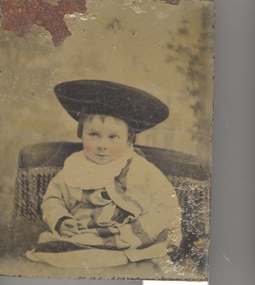
Photograph - Photograph - Little Gem tintype, Possibly American Studio, Portrait of a child
... The studio addresses were: 23 King William St, Adelaide; 324 George St, Sydney; 95 Swanston St, Melbourne; Howard Place, Sandhurst; 7 Queen St, Brisbane; The card mounts used in Gove and Allen studios in Australia are identical to those used in America. They were initially made of plain white...The studio addresses were: 23 King William St, Adelaide; 324 George St, Sydney; 95 Swanston St, Melbourne; Howard Place, Sandhurst; 7 Queen St, Brisbane; The card mounts used in Gove and Allen studios in Australia are identical to those used in America. They were initially made of plain white ...The tintype (or ferrotype or Melainotype) was produced on metallic sheet (not, actually, tin) instead of glass. The plate was coated with collodion and sensitized just before use. It was introduced by Adolphe Alexandre Martin in 1853. The most common size was about the same as the carte-de-visite, 5.5cm x 9.0cm, but both larger and smaller ferrotypes were made. The smallest were "Little Gem" tintypes, about the size of a postage-stamp, made simultaneously on a single plate in a camera with 12 or 16 lenses. They were often produced by travelling photographers, and were cheaper than Ambrotypes so made photography available to working classes, not just to the more well-to-do. The print would come out laterally reversed (as one sees oneself in a mirror). Being quite rugged, tintypes could be sent by post. Tintypes were eventually superseded by gelatin emulsion dry plates in the 1880s, though street photographers in various parts of the world continued with this process until the 1950s. (Above information abridged from http://www.rleggat.com/photohistory/history/tintype.htm) The firm of Gove and Allen opened in Sydney in 1880 and were responsible for the belated popularizing of the gem tintype in Australia. The firm traded as both The American Gem Studio and The American Studio. Others franchises were opened in Melbourne, Ballarat and Sandhurst (Bendigo). The Sandhurst branch closed in 1882 and Adelaide in 1884. All Gove and Allen studios had ceased trading by 1885. The studio addresses were: 23 King William St, Adelaide; 324 George St, Sydney; 95 Swanston St, Melbourne; Howard Place, Sandhurst; 7 Queen St, Brisbane; The card mounts used in Gove and Allen studios in Australia are identical to those used in America. They were initially made of plain white card with embossing around the oval image opening in the mount while some also had simple geometric and floral printed designs as well. Although Gove and Allen studios produced the majority of gem tintypes in Australia, other studios offered them including: - London, American & Sydney Photo Company, 328 George St, Sydney; - David Edelsten, 55 & 57 Bourke St, Melbourne; - Burman's Portrait Rooms, St. George's Hall, 209 Bourke St, Melbourne; - Bell's Gem Portrait Studio, 57 Bourke St East, Melbourne; - R. H. Kenny, Bridge St, Ballarat; - Marinus W. Bent, Sandhurst (Bendigo); - George Fisher, Victoria; - Anson Brothers, Hobart Town. (Abridged information from http://members.ozemail.com.au/~msafier/photos/tintypes.html) A tintype portrait of a child, attached to a card. little gem, child, hat -
 Federation University Historical Collection
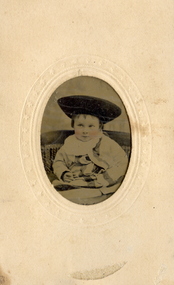
Photograph - Photo - Little Gem tintype, Possibly American Studio, Portrait of a child
... The studio addresses were: 23 King William St, Adelaide; 324 George St, Sydney; 95 Swanston St, Melbourne; Howard Place, Sandhurst; 7 Queen St, Brisbane; The card mounts used in Gove and Allen studios in Australia are identical to those used in America. They were initially made of plain white...The studio addresses were: 23 King William St, Adelaide; 324 George St, Sydney; 95 Swanston St, Melbourne; Howard Place, Sandhurst; 7 Queen St, Brisbane; The card mounts used in Gove and Allen studios in Australia are identical to those used in America. They were initially made of plain white ...The tintype (or ferrotype or Melainotype) was produced on metallic sheet (not, actually, tin) instead of glass. The plate was coated with collodion and sensitized just before use. It was introduced by Adolphe Alexandre Martin in 1853. The most common size was about the same as the carte-de-visite, 5.5cm x 9.0cm, but both larger and smaller ferrotypes were made. The smallest were "Little Gem" tintypes, about the size of a postage-stamp, made simultaneously on a single plate in a camera with 12 or 16 lenses. They were often produced by travelling photographers, and were cheaper than Ambrotypes so made photography available to working classes, not just to the more well-to-do. The print would come out laterally reversed (as one sees oneself in a mirror). Being quite rugged, tintypes could be sent by post. Tintypes were eventually superseded by gelatin emulsion dry plates in the 1880s, though street photographers in various parts of the world continued with this process until the 1950s. (Above information abridged from http://www.rleggat.com/photohistory/history/tintype.htm) The firm of Gove and Allen opened in Sydney in 1880 and were responsible for the belated popularizing of the gem tintype in Australia. The firm traded as both The American Gem Studio and The American Studio. Others franchises were opened in Melbourne, Ballarat and Sandhurst (Bendigo). The Sandhurst branch closed in 1882 and Adelaide in 1884. All Gove and Allen studios had ceased trading by 1885. The studio addresses were: 23 King William St, Adelaide; 324 George St, Sydney; 95 Swanston St, Melbourne; Howard Place, Sandhurst; 7 Queen St, Brisbane; The card mounts used in Gove and Allen studios in Australia are identical to those used in America. They were initially made of plain white card with embossing around the oval image opening in the mount while some also had simple geometric and floral printed designs as well. Although Gove and Allen studios produced the majority of gem tintypes in Australia, other studios offered them including: - London, American & Sydney Photo Company, 328 George St, Sydney; - David Edelsten, 55 & 57 Bourke St, Melbourne; - Burman's Portrait Rooms, St. George's Hall, 209 Bourke St, Melbourne; - Bell's Gem Portrait Studio, 57 Bourke St East, Melbourne; - R. H. Kenny, Bridge St, Ballarat; - Marinus W. Bent, Sandhurst (Bendigo); - George Fisher, Victoria; - Anson Brothers, Hobart Town. (Abridged information from http://members.ozemail.com.au/~msafier/photos/tintypes.html) .5) A tintype portrait of a child, attached to a card. little gem, photography, child, portrait -
 Federation University Historical Collection
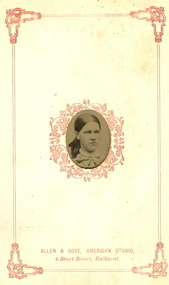
Photograph - Photograph - Little Gem tintype, American Studio, Portrait of a Woman
... The studio addresses were: 23 King William St, Adelaide; 324 George St, Sydney; 95 Swanston St, Melbourne; Howard Place, Sandhurst; 7 Queen St, Brisbane; The card mounts used in Gove and Allen studios in Australia are identical to those used in America. They were initially made of plain white...The studio addresses were: 23 King William St, Adelaide; 324 George St, Sydney; 95 Swanston St, Melbourne; Howard Place, Sandhurst; 7 Queen St, Brisbane; The card mounts used in Gove and Allen studios in Australia are identical to those used in America. They were initially made of plain white ...The tintype (or ferrotype or Melainotype) was produced on metallic sheet (not, actually, tin) instead of glass. The plate was coated with collodion and sensitized just before use. It was introduced by Adolphe Alexandre Martin in 1853. The most common size was about the same as the carte-de-visite, 5.5cm x 9.0cm, but both larger and smaller ferrotypes were made. The smallest were "Little Gem" tintypes, about the size of a postage-stamp, made simultaneously on a single plate in a camera with 12 or 16 lenses. They were often produced by travelling photographers, and were cheaper than Ambrotypes so made photography available to working classes, not just to the more well-to-do. The print would come out laterally reversed (as one sees oneself in a mirror). Being quite rugged, tintypes could be sent by post. Tintypes were eventually superseded by gelatin emulsion dry plates in the 1880s, though street photographers in various parts of the world continued with this process until the 1950s. (Above information abridged from http://www.rleggat.com/photohistory/history/tintype.htm) The firm of Gove and Allen opened in Sydney in 1880 and were responsible for the belated popularizing of the gem tintype in Australia. The firm traded as both The American Gem Studio and The American Studio. Others franchises were opened in Melbourne, 6 Sturt St Ballarat and Sandhurst (Bendigo). The Sandhurst branch closed in 1882 and Adelaide in 1884. All Gove and Allen studios had ceased trading by 1885. The studio addresses were: 23 King William St, Adelaide; 324 George St, Sydney; 95 Swanston St, Melbourne; Howard Place, Sandhurst; 7 Queen St, Brisbane; The card mounts used in Gove and Allen studios in Australia are identical to those used in America. They were initially made of plain white card with embossing around the oval image opening in the mount while some also had simple geometric and floral printed designs as well. Although Gove and Allen studios produced the majority of gem tintypes in Australia, other studios offered them including: - London, American & Sydney Photo Company, 328 George St, Sydney; - David Edelsten, 55 & 57 Bourke St, Melbourne; - Burman's Portrait Rooms, St. George's Hall, 209 Bourke St, Melbourne; - Bell's Gem Portrait Studio, 57 Bourke St East, Melbourne; - R. H. Kenny, Bridge St, Ballarat; - Marinus W. Bent, Sandhurst (Bendigo); - George Fisher, Victoria; - Anson Brothers, Hobart Town. (Abridged information from http://members.ozemail.com.au/~msafier/photos/tintypes.html) A tintype portrait of a woman's head, attached to a card. Printed on the lower edge of the card "Allen & Gove, American Studion, 6 Sturt St, Ballarat"ballarat, american studio, little gem, allen gove, tintype, woman, unidentified woman, photography -
 Federation University Historical Collection
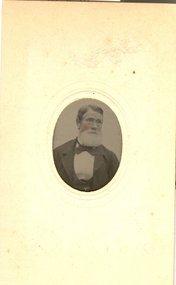
Photograph - Little Gem tintype, Portrait of a Man
... The studio addresses were: 23 King William St, Adelaide; 324 George St, Sydney; 95 Swanston St, Melbourne; Howard Place, Sandhurst; 7 Queen St, Brisbane; The card mounts used in Gove and Allen studios in Australia are identical to those used in America. They were initially made of plain white ...The tintype (or ferrotype or Melainotype) was produced on metallic sheet (not, actually, tin) instead of glass. The plate was coated with collodion and sensitized just before use. It was introduced by Adolphe Alexandre Martin in 1853. The most common size was about the same as the carte-de-visite, 5.5cm x 9.0cm, but both larger and smaller ferrotypes were made. The smallest were "Little Gem" tintypes, about the size of a postage-stamp, made simultaneously on a single plate in a camera with 12 or 16 lenses. They were often produced by travelling photographers, and were cheaper than Ambrotypes so made photography available to working classes, not just to the more well-to-do. The print would come out laterally reversed (as one sees oneself in a mirror). Being quite rugged, tintypes could be sent by post. Tintypes were eventually superseded by gelatin emulsion dry plates in the 1880s, though street photographers in various parts of the world continued with this process until the 1950s. (Above information abridged from http://www.rleggat.com/photohistory/history/tintype.htm) The firm of Gove and Allen opened in Sydney in 1880 and were responsible for the belated popularizing of the gem tintype in Australia. The firm traded as both The American Gem Studio and The American Studio. Others franchises were opened in Melbourne, Ballarat and Sandhurst (Bendigo). The Sandhurst branch closed in 1882 and Adelaide in 1884. All Gove and Allen studios had ceased trading by 1885. The studio addresses were: 23 King William St, Adelaide; 324 George St, Sydney; 95 Swanston St, Melbourne; Howard Place, Sandhurst; 7 Queen St, Brisbane; The card mounts used in Gove and Allen studios in Australia are identical to those used in America. They were initially made of plain white card with embossing around the oval image opening in the mount while some also had simple geometric and floral printed designs as well. Although Gove and Allen studios produced the majority of gem tintypes in Australia, other studios offered them including: - London, American & Sydney Photo Company, 328 George St, Sydney; - David Edelsten, 55 & 57 Bourke St, Melbourne; - Burman's Portrait Rooms, St. George's Hall, 209 Bourke St, Melbourne; - Bell's Gem Portrait Studio, 57 Bourke St East, Melbourne; - R. H. Kenny, Bridge St, 6 Sturt St Ballarat; - Marinus W. Bent, Sandhurst (Bendigo); - George Fisher, Victoria; - Anson Brothers, Hobart Town. (Abridged information from http://members.ozemail.com.au/~msafier/photos/tintypes.html) .8)A tintype portrait of a man's head, attached to a card. The cheeks have been hand coloured.little gem -
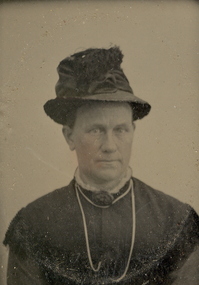 Federation University Historical Collection
Photograph - Little Gem tintype, Portrait of a Woman in a hat
... The studio addresses were: 23 King William St, Adelaide; 324 George St, Sydney; 95 Swanston St, Melbourne; Howard Place, Sandhurst; 7 Queen St, Brisbane; The card mounts used in Gove and Allen studios in Australia are identical to those used in America. They were initially made of plain white...The studio addresses were: 23 King William St, Adelaide; 324 George St, Sydney; 95 Swanston St, Melbourne; Howard Place, Sandhurst; 7 Queen St, Brisbane; The card mounts used in Gove and Allen studios in Australia are identical to those used in America. They were initially made of plain white ...The tintype (or ferrotype or Melainotype) was produced on metallic sheet (not, actually, tin) instead of glass. The plate was coated with collodion and sensitized just before use. It was introduced by Adolphe Alexandre Martin in 1853. The most common size was about the same as the carte-de-visite, 5.5cm x 9.0cm, but both larger and smaller ferrotypes were made. The smallest were "Little Gem" tintypes, about the size of a postage-stamp, made simultaneously on a single plate in a camera with 12 or 16 lenses. They were often produced by travelling photographers, and were cheaper than Ambrotypes so made photography available to working classes, not just to the more well-to-do. The print would come out laterally reversed (as one sees oneself in a mirror). Being quite rugged, tintypes could be sent by post. Tintypes were eventually superseded by gelatin emulsion dry plates in the 1880s, though street photographers in various parts of the world continued with this process until the 1950s. (Above information abridged from http://www.rleggat.com/photohistory/history/tintype.htm) The firm of Gove and Allen opened in Sydney in 1880 and were responsible for the belated popularizing of the gem tintype in Australia. The firm traded as both The American Gem Studio and The American Studio. Others franchises were opened in Melbourne, Ballarat and Sandhurst (Bendigo). The Sandhurst branch closed in 1882 and Adelaide in 1884. All Gove and Allen studios had ceased trading by 1885. The studio addresses were: 23 King William St, Adelaide; 324 George St, Sydney; 95 Swanston St, Melbourne; Howard Place, Sandhurst; 7 Queen St, Brisbane; The card mounts used in Gove and Allen studios in Australia are identical to those used in America. They were initially made of plain white card with embossing around the oval image opening in the mount while some also had simple geometric and floral printed designs as well. Although Gove and Allen studios produced the majority of gem tintypes in Australia, other studios offered them including: - London, American & Sydney Photo Company, 328 George St, Sydney; - David Edelsten, 55 & 57 Bourke St, Melbourne; - Burman's Portrait Rooms, St. George's Hall, 209 Bourke St, Melbourne; - Bell's Gem Portrait Studio, 57 Bourke St East, Melbourne; - R. H. Kenny, Bridge St, 6 Sturt St Ballarat; - Marinus W. Bent, Sandhurst (Bendigo); - George Fisher, Victoria; - Anson Brothers, Hobart Town. (Abridged information from http://members.ozemail.com.au/~msafier/photos/tintypes.html) .9) A tintype portrait of a woman's head, attached to a card. The cheeks have been hand coloured.little gem, woman, unidentified woman, women, photography -
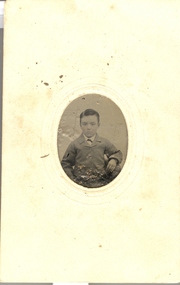 Federation University Historical Collection
Photograph - Little Gem tintype, Possibly American Studio, Portrait of a Boy
... The studio addresses were: 23 King William St, Adelaide; 324 George St, Sydney; 95 Swanston St, Melbourne; Howard Place, Sandhurst; 7 Queen St, Brisbane; The card mounts used in Gove and Allen studios in Australia are identical to those used in America. They were initially made of plain white...The studio addresses were: 23 King William St, Adelaide; 324 George St, Sydney; 95 Swanston St, Melbourne; Howard Place, Sandhurst; 7 Queen St, Brisbane; The card mounts used in Gove and Allen studios in Australia are identical to those used in America. They were initially made of plain white ...The tintype (or ferrotype or Melainotype) was produced on metallic sheet (not, actually, tin) instead of glass. The plate was coated with collodion and sensitized just before use. It was introduced by Adolphe Alexandre Martin in 1853. The most common size was about the same as the carte-de-visite, 5.5cm x 9.0cm, but both larger and smaller ferrotypes were made. The smallest were "Little Gem" tintypes, about the size of a postage-stamp, made simultaneously on a single plate in a camera with 12 or 16 lenses. They were often produced by travelling photographers, and were cheaper than Ambrotypes so made photography available to working classes, not just to the more well-to-do. The print would come out laterally reversed (as one sees oneself in a mirror). Being quite rugged, tintypes could be sent by post. Tintypes were eventually superseded by gelatin emulsion dry plates in the 1880s, though street photographers in various parts of the world continued with this process until the 1950s. (Above information abridged from http://www.rleggat.com/photohistory/history/tintype.htm) The firm of Gove and Allen opened in Sydney in 1880 and were responsible for the belated popularizing of the gem tintype in Australia. The firm traded as both The American Gem Studio and The American Studio. Others franchises were opened in Melbourne, Ballarat and Sandhurst (Bendigo). The Sandhurst branch closed in 1882 and Adelaide in 1884. All Gove and Allen studios had ceased trading by 1885. The studio addresses were: 23 King William St, Adelaide; 324 George St, Sydney; 95 Swanston St, Melbourne; Howard Place, Sandhurst; 7 Queen St, Brisbane; The card mounts used in Gove and Allen studios in Australia are identical to those used in America. They were initially made of plain white card with embossing around the oval image opening in the mount while some also had simple geometric and floral printed designs as well. Although Gove and Allen studios produced the majority of gem tintypes in Australia, other studios offered them including: - London, American & Sydney Photo Company, 328 George St, Sydney; - David Edelsten, 55 & 57 Bourke St, Melbourne; - Burman's Portrait Rooms, St. George's Hall, 209 Bourke St, Melbourne; - Bell's Gem Portrait Studio, 57 Bourke St East, Melbourne; - R. H. Kenny, Bridge St, 6 Sturt St Ballarat; - Marinus W. Bent, Sandhurst (Bendigo); - George Fisher, Victoria; - Anson Brothers, Hobart Town. (Abridged information from http://members.ozemail.com.au/~msafier/photos/tintypes.html) .9) A tintype portrait of a child's head and torso, attached to a card. The boy is wearing a suit and the cheeks have been hand coloured.little gem -
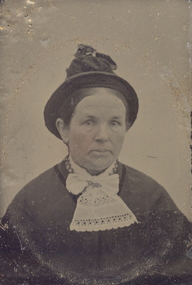 Federation University Historical Collection
Photograph - Little Gem tintype, Portrait of a Woman in a Hat
... The studio addresses were: 23 King William St, Adelaide; 324 George St, Sydney; 95 Swanston St, Melbourne; Howard Place, Sandhurst; 7 Queen St, Brisbane; The card mounts used in Gove and Allen studios in Australia are identical to those used in America. They were initially made of plain white...The studio addresses were: 23 King William St, Adelaide; 324 George St, Sydney; 95 Swanston St, Melbourne; Howard Place, Sandhurst; 7 Queen St, Brisbane; The card mounts used in Gove and Allen studios in Australia are identical to those used in America. They were initially made of plain white ...The tintype (or ferrotype or Melainotype) was produced on metallic sheet (not, actually, tin) instead of glass. The plate was coated with collodion and sensitized just before use. It was introduced by Adolphe Alexandre Martin in 1853. The most common size was about the same as the carte-de-visite, 5.5cm x 9.0cm, but both larger and smaller ferrotypes were made. The smallest were "Little Gem" tintypes, about the size of a postage-stamp, made simultaneously on a single plate in a camera with 12 or 16 lenses. They were often produced by travelling photographers, and were cheaper than Ambrotypes so made photography available to working classes, not just to the more well-to-do. The print would come out laterally reversed (as one sees oneself in a mirror). Being quite rugged, tintypes could be sent by post. Tintypes were eventually superseded by gelatin emulsion dry plates in the 1880s, though street photographers in various parts of the world continued with this process until the 1950s. (Above information abridged from http://www.rleggat.com/photohistory/history/tintype.htm) The firm of Gove and Allen opened in Sydney in 1880 and were responsible for the belated popularizing of the gem tintype in Australia. The firm traded as both The American Gem Studio and The American Studio. Others franchises were opened in Melbourne, Ballarat and Sandhurst (Bendigo). The Sandhurst branch closed in 1882 and Adelaide in 1884. All Gove and Allen studios had ceased trading by 1885. The studio addresses were: 23 King William St, Adelaide; 324 George St, Sydney; 95 Swanston St, Melbourne; Howard Place, Sandhurst; 7 Queen St, Brisbane; The card mounts used in Gove and Allen studios in Australia are identical to those used in America. They were initially made of plain white card with embossing around the oval image opening in the mount while some also had simple geometric and floral printed designs as well. Although Gove and Allen studios produced the majority of gem tintypes in Australia, other studios offered them including: - London, American & Sydney Photo Company, 328 George St, Sydney; - David Edelsten, 55 & 57 Bourke St, Melbourne; - Burman's Portrait Rooms, St. George's Hall, 209 Bourke St, Melbourne; - Bell's Gem Portrait Studio, 57 Bourke St East, Melbourne; - R. H. Kenny, Bridge St, 6 Sturt St Ballarat; - Marinus W. Bent, Sandhurst (Bendigo); - George Fisher, Victoria; - Anson Brothers, Hobart Town. (Abridged information from http://members.ozemail.com.au/~msafier/photos/tintypes.html) A tintype portrait of a woman's head and shoulders, attached to a card. The cheeks have been hand coloured.little gem, woman, unidentified woman, women, photography -
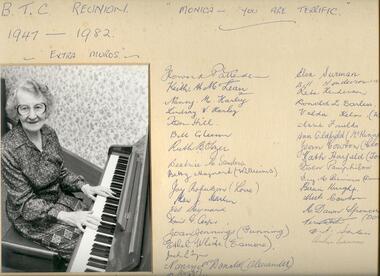 Federation University Historical Collection
Photograph, Monica Miller photograph, BTC Reunion 1947 - 1982
... Howard Pattender...Keith H. M. Lean...Nancy M. Harley...Lindsay W. Harley...Jon Hill...Bill Gleeson...Ruth B Gozer...Beatrice M. Sanders...Betty Maynard (Williams)...Joy Anderson (Love)...Stan J Marlen...Wal Maynard...David G. Cooper...Joan Jennings (Gunning)...Etherl White...Howard Pattender Keith H. M. Lean Nancy M. Harley Lindsay W. Harley Jon Hill Bill Gleeson Ruth B Gozer Beatrice M. Sanders Betty Maynard (Williams) Joy Anderson (Love) Stan J Marlen Wal Maynard David G. Cooper Joan Jennings (Gunning) Etherl White ...Monica was a well-loved music teacher at the Ballarat Teachers' College.Black and white photograph in cream matte board. Monica Miller sits at the piano. Those who attended the BTC Reunion 1947 - 1982 signed the mountballarat teachers' college, monica miller, lynette vickery (lynch), beth stutterd (leslie), howard pattender, keith h. m. lean, nancy m. harley, lindsay w. harley, jon hill, bill gleeson, ruth b gozer, beatrice m. sanders, betty maynard (williams), joy anderson (love), stan j marlen, wal maynard, david g. cooper, joan jennings (gunning), etherl white (esmore), jack ..., nancy mcdonald (alexander), pat watts (knight), lorna davis (welsh), joyce fraser (mathison), hugh fraser, margaret alexander (palmer), maurene canter (merlin), elva surman, bill henderson, reta henderson, ronald l. earless, valda kelm (witney), marie faulds, ann oldfield (mckinnen), jean cowton (clode), kath harfield (tobin), groen pamphilon, inez m bemirs (domascheng), bernie kurght, mick cowton, m. dawn spencer (doney), vern white, n.t. sanders, arther ..., -
 Federation University Historical Collection
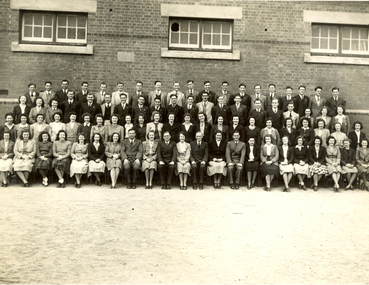
Photograph - Black and White, Ballarat Teachers' College, 1947, 1947
... white photograph of students and staff of the Ballarat Teachers' College. The people are in four rows, and they stand in front of the Dana Street Primary School. Back Row: Jim Howlett; Milton Rice; Keith McLean; Jim Williams; George Nield, David Cooper, Ray Terrill, William Gleeson; Tom Pascoe; Lindsay Harley; Ron Carless; Robert Giddings; Colin Connelly; Alex Magill; Eddie Blake; William Punshon; Athol Aisbett; Kevin Collins; John O'Shannessy. Second Row: Beth Leslie; Faye Dreher; Gwen Pamphilon; Arthur Lelean; Howard...white photograph of students and staff of the Ballarat Teachers' College. The people are in four rows, and they stand in front of the Dana Street Primary School. Back Row: Jim Howlett; Milton Rice; Keith McLean; Jim Williams; George Nield, David Cooper, Ray Terrill, William Gleeson; Tom Pascoe; Lindsay Harley; Ron Carless; Robert Giddings; Colin Connelly; Alex Magill; Eddie Blake; William Punshon; Athol Aisbett; Kevin Collins; John O'Shannessy. Second Row: Beth Leslie; Faye Dreher; Gwen Pamphilon; Arthur Lelean; Howard ...Ballarat Teachers' College was opened on may 4th, 1926, at S.S. 33, Dana Street, with an enrollment of sixty-one students, its original staff consisted of the Principal, Mr W. H. Ellwood, M.A., m.Ed. (Chairman of the Teachers' tribunal from its inception in 1946 until 1954), Miss A. Bouchier, B.A., and Mr A.B. Jones, B.A. (Lecturers). In 1927 Miss P.A. Hamano joined the staff. Teaching practice and special rural school work were carried on in schools in or near Ballarat - drawing, crafts and singing were taught by local teachers. In 1927 the college moved to the old Ballarat East Town Hall (remodelled for their use) in Barkly Street. During 1927 the numbers in the College were augmented by twenty-six Manual arts students who had formerly received their training at Ballarat High School. Manual Arts students continued till 1930, when, on grounds of economy, their training was concentrated at Melbourne Teachers' College.\During the four succeeding years approximately sixty students annually entered the primary course. Inclusive of Manual Arts students, and private fee-paying students, exactly 400 trainees passed through the college in its brief span of life (1926-1931) Fourteen years were to pass before they were again opened to students on February 2nd, 1946. The college was re-commenced at S.S. Dana Street under the guidance of Mr W.F. Lord, M.C., M.M., B.A., Dip.Ed., (Acting Principal 1946-1950), and a staff consisting of Miss E.B. Hughes, B.A., Dip. Ed., Mr C.B. Bryan, B.A., V.Com., Dip.Ed., Miss M.H. Miller, L.Mus.A., and Miss G. Kentish, Dip.Phys.Ed. The opening ceremony was performed by the Minister for education at that time, the Hon. F. Field, M.L.A., accompanied by the Hon. T.T. Hollway, M.L.A., and the then Director of Education, Mr J.A. Seitz. It was originally intended to cater for women students only (for whom 130 Victoria Street was purchased as a hostel) but, at the last moment, men were also accepted. A co-educational college was thus set up instead, and has continued as such. The original Staff has been considerable augmented, and the number of Students has been more than trebled. 1951 saw the introduction of the two-year course, successful students being presented with the Trained Primary Teachers' Certificate at the final College assembly each year. In December, 1855, College held its first Graduation Ceremony, with its own Graduation hymn, the words of which were written by Miss C.M. Canty of the staff. Mr Ellwood, former Principal,delivered the occasional address and presented the Ellwood Prize to the outstading student of the year (Mr C.P. Handreck). Students who had successfully completed the course received their certificates from Mr E.B. Pederick, Chief Inspector of Primary Schools. College accomodation having been strained for several years, it was pleasant news when tenders were called in July, 1956, for the building of the first section of the new Ballarat Teachers' College in Gillies Street, near the Botanical Gardens. At the beginning of 1958 the new College was occupied, and staff and students have appreciated greatly the appointments and cacilities of the new buildign. In 1968 the three-year Diploma Course began, co-existent with the other courses which will continue during the transitional period. Successful students in the course receive the Diploma of Teaching (Primary).Black and white photograph of students and staff of the Ballarat Teachers' College. The people are in four rows, and they stand in front of the Dana Street Primary School. Back Row: Jim Howlett; Milton Rice; Keith McLean; Jim Williams; George Nield, David Cooper, Ray Terrill, William Gleeson; Tom Pascoe; Lindsay Harley; Ron Carless; Robert Giddings; Colin Connelly; Alex Magill; Eddie Blake; William Punshon; Athol Aisbett; Kevin Collins; John O'Shannessy. Second Row: Beth Leslie; Faye Dreher; Gwen Pamphilon; Arthur Lelean; Howard Pattenden; Jack Tyers; Hugh Fraser; William Henderson; Jack Mallett; Alan Martin; Keith Boyd; John Ellifson; John Collins; Tom Hill; Wal Henning; Burns Roddis; Fred Marshman; Dawn Doney; Pat Watts; Ann McKinnon. Third Row: Ethel Esmore; Joy Love; Pat Luxford; Jean Elliott; Josie Bunny; Phyllis Borley; Joyce Matheson; Val Witney; Ruth Tozer; Nancy Kerr; K.ath Tobin; Muriel Morrish; Jean Clode; Peg Purdue; Joyce Kennedy; Margaret Palmer; Marie Faulds; Thelma Ritchie. Fourth Row: Pat Lewin; Mavis Poland; Lorna Welsh; Lynette Lynch; Nancy Alexander; Betty Williams, Val Gorrie; Alan Sonsee; Trudy Kentish; Carl Bryan; Monica Miller; W.F. Lord; Beth Hughes; Mephan McMcEwin; Mattie Hayes; Neila Vallance; Pat Robinson; Elva Surman; Joan Gunning; Norma Dally; Beatrice Freeman; Kath Crossett.ballarat teachers' college, education, dana street primary school, 1947 -
Federation University Historical Collection
Album pages, Photographic Biographies of former 1947 Ballarat Teachers' College students
... Pages from a large photograph album with photographs and handwritten reminiscences relating to students at the Ballarat Teachers' College in 1947. .1) Athol Aisbett .2) Nance Alexander, Jess Batson, Eddie Blake .3) Phyllis Borley .4) Keith Boyd .5) Owen Brennan, Josie Bunney, Ron Carless .6) David Cooper .7) Inez Domaschenz .8) Jean Clode, John Collins, Colin Collins .9) Dawn Doney, Fay Dreher .10) John Ellison, Ethel White .11) Hugh Fraser, Joyce Mathison .12) Marie Faulds, Robert Giddings .13) Val Gorrie, Bill Gleeson, Joan Gunning .14) Bill Henderson .15) Pat Luxford .16) Tom Hill, Nancy Kerr, Lindsay Harley .17) Keith McClean .18) Claire Kennedy, Keith McLean .19) Ann McKinnon .20) Maurine Merlin, Joyce Kennedy .21) Fred Marshman .22) Howard Pattenden .23) Milton Rice .24) Mayvis Poland, Bill Punshon .25) Pat Robinson .26) Pat Watts .27) Betty Williams, Jim Williams .28) Lorna Welsh, Neila Vallance .29) Kath Tobin, Jack Tyers .30) Burns Roddis .31) Howard .32) Owen Brennan .33) Colin Connelly .34) Jack Mallett .35) Black display book of correspondence and death notices relating to former 1947 Ballarat Teachers' College Students...Pages from a large photograph album with photographs and handwritten reminiscences relating to students at the Ballarat Teachers' College in 1947. .1) Athol Aisbett .2) Nance Alexander, Jess Batson, Eddie Blake .3) Phyllis Borley .4) Keith Boyd .5) Owen Brennan, Josie Bunney, Ron Carless .6) David Cooper .7) Inez Domaschenz .8) Jean Clode, John Collins, Colin Collins .9) Dawn Doney, Fay Dreher .10) John Ellison, Ethel White .11) Hugh Fraser, Joyce Mathison .12) Marie Faulds, Robert Giddings .13) Val Gorrie, Bill Gleeson, Joan Gunning .14) Bill Henderson .15) Pat Luxford .16) Tom Hill, Nancy Kerr, Lindsay Harley .17) Keith McClean .18) Claire Kennedy, Keith McLean .19) Ann McKinnon .20) Maurine Merlin, Joyce Kennedy .21) Fred Marshman .22) Howard Pattenden .23) Milton Rice .24) Mayvis Poland, Bill Punshon .25) Pat Robinson .26) Pat Watts .27) Betty Williams, Jim Williams .28) Lorna Welsh, Neila Vallance .29) Kath Tobin, Jack Tyers .30) Burns Roddis .31) Howard .32) Owen Brennan .33) Colin Connelly .34) Jack Mallett .35) Black display book of correspondence and death notices relating to former 1947 Ballarat Teachers' College Students Photographic Biographies of former 1947 Ballarat Teachers' College students Album pages ...Gathered over the years as the result of Ballarat Teachers' College reunions.Pages from a large photograph album with photographs and handwritten reminiscences relating to students at the Ballarat Teachers' College in 1947. .1) Athol Aisbett .2) Nance Alexander, Jess Batson, Eddie Blake .3) Phyllis Borley .4) Keith Boyd .5) Owen Brennan, Josie Bunney, Ron Carless .6) David Cooper .7) Inez Domaschenz .8) Jean Clode, John Collins, Colin Collins .9) Dawn Doney, Fay Dreher .10) John Ellison, Ethel White .11) Hugh Fraser, Joyce Mathison .12) Marie Faulds, Robert Giddings .13) Val Gorrie, Bill Gleeson, Joan Gunning .14) Bill Henderson .15) Pat Luxford .16) Tom Hill, Nancy Kerr, Lindsay Harley .17) Keith McClean .18) Claire Kennedy, Keith McLean .19) Ann McKinnon .20) Maurine Merlin, Joyce Kennedy .21) Fred Marshman .22) Howard Pattenden .23) Milton Rice .24) Mayvis Poland, Bill Punshon .25) Pat Robinson .26) Pat Watts .27) Betty Williams, Jim Williams .28) Lorna Welsh, Neila Vallance .29) Kath Tobin, Jack Tyers .30) Burns Roddis .31) Howard .32) Owen Brennan .33) Colin Connelly .34) Jack Mallett .35) Black display book of correspondence and death notices relating to former 1947 Ballarat Teachers' College Students -
 Federation University Historical Collection
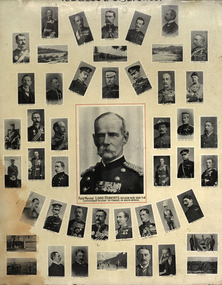
Photograph - Photo-montage, Officers of Forces in South Africa (Boer War), c1900
... howard...j.d.f. french...w.f. gatacre...h.s. rawlinson...eyre crabbe...alderson...kekewich...a. fitzroy hart...g. white...The Boer War was fought from 1899 to 1901. boer war south african war armed services lord roberts weapons alfred milner cecil rhodes w.p. schreiner w. hely hutchinson w.p. symons general mildyard a. hunter holled smith dick-cunnynghame f. roberts charles warren brabazon a.g. wauchope kelly-kenny hector mcdonald baden-powell lord methuen f. carrington n.g. lyttleton f. howard j.d.f. french w.f. gatacre h.s. rawlinson eyre crabbe alderson kekewich a. fitzroy hart g. white lord kitchener lord dundonald plumer h.m.l. rundle w.h. mackinnon h.e. colville f. forestier walker r. clements redvers buller h. chermside g. lyttelton Black and white printed photo montage of Officers who served in the South African Forces during the Boer War. ...The Boer War was fought from 1899 to 1901.Black and white printed photo montage of Officers who served in the South African Forces during the Boer War. Portraits are supplemented with views of: Modder River, Ladysmith, Railway Bridge of Tugela, 4.7 naval gun, Royal Horse Artillery, Johannesburg Fort, Howitzer Gun, Field Artillery. The poster produced as an advertising medium for Wills Tobacco and Cigarettes using the Transvaal Series of cards.boer war, south african war, armed services, lord roberts, weapons, alfred milner, cecil rhodes, w.p. schreiner, w. hely hutchinson, w.p. symons, general mildyard, a. hunter, holled smith, dick-cunnynghame, f. roberts, charles warren, brabazon, a.g. wauchope, kelly-kenny, hector mcdonald, baden-powell, lord methuen, f. carrington, n.g. lyttleton, f. howard, j.d.f. french, w.f. gatacre, h.s. rawlinson, eyre crabbe, alderson, kekewich, a. fitzroy hart, g. white, lord kitchener, lord dundonald, plumer, h.m.l. rundle, w.h. mackinnon, h.e. colville, f. forestier walker, r. clements, redvers buller, h. chermside, g. lyttelton -
 Flagstaff Hill Maritime Museum and Village
Photograph
... white photo of her at a wharf and another showing a person on board. - a lifebuoy, with Pt Adelaide on it. - a bullet found in pieces of timber when Reginald M was restored in 1979 (References: Flagstaff Hill Fact Sheet “Reginald M”, the book “The Reg Webb Story” compiled by the Warooka & District Museum. Reg Webb’s daughter Lily Ramsay (nee Webb) and her husband Howard...white photo of her at a wharf and another showing a person on board. - a lifebuoy, with Pt Adelaide on it. - a bullet found in pieces of timber when Reginald M was restored in 1979 (References: Flagstaff Hill Fact Sheet “Reginald M”, the book “The Reg Webb Story” compiled by the Warooka & District Museum. Reg Webb’s daughter Lily Ramsay (nee Webb) and her husband Howard ...This coloured photograph of the ketch Reginald M was taken when she was docked at Port Adelaide. The side of the vessel shows the letters "REGINALD M / H.M.C. No. 2 Pt ADEL" - (abbreviation H.M.C. meaning His/Her Majesty's Customs. HISTORY The Reginald M, a two-masted coastal ketch, was owned and built by Mr. Jack (John) Murch of Birkenhead, Port of Adelaide, South Australia to serve the coastal ports of South Australia. Its construction took approximately 6 months and it was launched at Largs Bay in 1922. Its purpose was to carry cargo cheaply and efficiently, and tradition has it that the keel was in fact hewn from two telegraph poles! Its builder frequented all the salvage yards for materials and fittings. The Reginald M had a very shallow draft and a flat bottom that enabled it to sit high and dry at low tide. The flat bottom was also to make the ship able to skim over reefs. Wagons were able to load and unload direct from her side. Her cargo included Guano, Barley, Wool, Horses, Cattle, Timber, Explosives, Potatoes, Shell Grit and Gypsum. In 1931 she weathered a large storm in St Vincents Gulf, SA. Her crew at the time were Owner Mr John H Murch, Wells St, Largs Bay, Skipper, John’s brother Mr R Murch, Murray, son of Mr R Murch and Seaman John Smith Reg Webb purchased Carribie Station, at Marion in the Warooka District, south of Adelaide, in 1921. He cleared the land and farmed sheep and grain. In 1923 he shipped his own wool and grain from Marion Bay, having first carted 300 bags of the barley grain, 12 bags at a time, along the unmade track to the jetty. A photograph dating about 1929 -1942 shows 2 men on the Reginald M, having just landed their fishing catch of a hammer shark. The photograph is stamped “GRENFELL STUDIO PORT LINCLON PRINT” and titled “hammer shark caught on Reginall Emm”. Reg Webb knew the Murch Brothers from Port Adelaide. The brothers had been using their ketch REGINALD M to ship Guano from the Islands, led by Captain Richard Murch. Reg approached them in 1934 about shipping grain from Marion Bay. The brothers visited the bay and thought it was an ideal place. They showed Reg where to stack his grain and they measured up the cliffs. When Reg was ready, they brought down and installed a ninety foot wooden chute. The bags of grain were then individually sent down the chute, landing in a waiting small boat then rowed to REGINALD M, 14 bags at a time. After 10 hours REGINALD M would be fully loaded with 1300 bags of grain and shipped to waiting ports. At one time a wild storm destroyed the chute but it was rebuilt and strengthened. REGINALD M was involved in shipping the grain from there until 1938. In 1940 Able Seaman Allan H Lucas served on Reginald M between September and December, being engaged and discharged from Port of Adelaide. His Certificate of Discharge was signed by ship’s Master W S Murch. It seems that at some stage Reginald M was used as a Customs vessel because a photograph in Flagstaff Hill’s collection shows the text “H.M.C. No. 3, Pt Adelaide” on the bow, the abbreviations standing for “His/Her Majesty’s Customs”. In 1969 the last freight left Marion Bay on the ketch REGINALD M carrying grain, wool and explosives. In late 1970 she was sold to the Mt. Lyell Copper Company, based in Queenstown, Tasmania, to carry explosives. In 1972 the Navy League of Strahan, Tasmania, purchased her for use by the Strahan Sea Cadet Unit and renamed her T.S. Macquarie. In 1974 Mr. Andrew Rennie, of East Brighton, Melbourne, bought her, paying $5,000 and donating a ‘Cadet of the Year” trophy to the Sea Cadets. He sailed her from Strahan to Melbourne, planning to use her for pleasure sailing. In 1975 Reginald M was sold to Melbourne Ferry Company at auction. In 1975 the Reginald M was bought by Flagstaff Maritime Museum for $20,000. She has been restored and is now one of the exhibits, tied up at the dock. Flagstaff Hill Maritime Village’s Collection holds several other artefacts associated with Reginald M. They include - Photographs of the Reginald M, including one photograph of her in Outer Harbour, S.A. dated 1947, with Skipper- R.F. Dale and Owner- John Murch. Another shows her docked at Port Adelaide, with the lettering H.M.C. No. 3 Pt ADEL (standing for His/Her Majesty’s Customs). There is a black and white photo of her at a wharf and another showing a person on board. - a lifebuoy, with Pt Adelaide on it. - a bullet found in pieces of timber when Reginald M was restored in 1979 (References: Flagstaff Hill Fact Sheet “Reginald M”, the book “The Reg Webb Story” compiled by the Warooka & District Museum. Reg Webb’s daughter Lily Ramsay (nee Webb) and her husband Howard, Lizzie Rennie (daughter of owner Andrew Rennie), brochure “Discover the Yorke Peninsula South Australia”, Ketch in Peril; Adelaide Chronicle 9 April 1931, K Gordon & Mary Filmer of Warooka; South Australian Maritime Museum) Thiis photograph is significant because of its connection to the history of the vessel REGINALD M is a coastal trading ketch from South Australia built in 1922. It is one of very few sailing coastal trading vessels still extant, and its flat bottom, single chine shape illustrates a very simple but robust method of construction, compared to other round bilged examples of trading vessels. She is now listed on the Australian Register of Historic Vessels (ARHV Number: HV000562.)Photograph of Reginald M at Port Adelaide. The side of the vessel shows the letters "REGINALD M / H.M.C. No. 2 Pt ADEL" - (abbreviation H.M.C. meaning His/Her Majesty's Customs. Painted on the side of the vessel "REGINALD M / H.M.C. No. 2 Pt ADEL" - flagstaff hill, warrnambool, shipwrecked-coast, flagstaff-hill, flagstaff-hill-maritime-museum, maritime-museum, shipwreck-coast, flagstaff-hill-maritime-village, reginald m, coastal trading ketch, trading vessel, john murch ship builder, port adelaide vessel reginald m, andrew rennie, macquarie training vessel, mt lyell copper company, queenstown navy league, ch murch, reg webb, carribie station, melbourne ferry company, grenfell studio port lincoln, vessel reginald m -
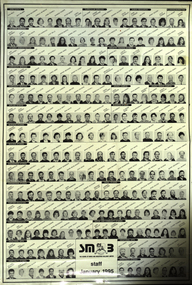 Federation University Historical Collection
Poster, Ballarat School of Mines Staff, 1995, 1995
... Planning/Marketing - Keith Boast, Simone Byrne Student Services - Brian Webber, Janet McGie, Jani White, Jan Harwood, Judy Mills, Kirsten Martin, Barrie Frith, Tania Gaunt, Pam Merrett, Heather Durrant, Jola Piskozub, Frances Ratcliffe, Ian Robinson, Merill Potter, Lorelli Huggins, Maureen Auchettl, Fiona Angus, Natalie Howard. ...Planning/Marketing - Keith Boast, Simone Byrne Student Services - Brian Webber, Janet McGie, Jani White, Jan Harwood, Judy Mills, Kirsten Martin, Barrie Frith, Tania Gaunt, Pam Merrett, Heather Durrant, Jola Piskozub, Frances Ratcliffe, Ian Robinson, Merill Potter, Lorelli Huggins, Maureen Auchettl, Fiona Angus, Natalie Howard. ...The Ballarat School of Mines is a predecessor institution of Federation University Austraila.An A2 poster showing small black and white portraits of each staffmember at the Ballarat School of Mines. Names include: Curriculum Services - John Kemp, Roger McFarlane, Leanne Gingell, Sandra Glover, Doug Seymour. Human Resources - Ross Furness, Ian Pym, Jenny Gough, Julie Thomas. Planning/Marketing - Keith Boast, Simone Byrne Student Services - Brian Webber, Janet McGie, Jani White, Jan Harwood, Judy Mills, Kirsten Martin, Barrie Frith, Tania Gaunt, Pam Merrett, Heather Durrant, Jola Piskozub, Frances Ratcliffe, Ian Robinson, Merill Potter, Lorelli Huggins, Maureen Auchettl, Fiona Angus, Natalie Howard. Corporate Services - Graham Penhall, Phil Dixon, Ron Sutton, Ron Lucas, Robert Munt, Garry Christie, Don Lawless, Bernie Stevens, David Fithall, Rebeccah Parker, Craig Holloway. Ararat Campus - David Haddow, Kim Knight, Kevin Martin, Maureen Green, Ian Harris, Adrian McMillan, Frank Parker, Keith Akers. Rural Studies - Andrew Sullivan, Gary Lyttle, Ian Best, Graham Shearer, Malcolm Trainer, Ross Holton, Anthony Thake, Paul Norquay, John Harrison. ballarat school of mines, staff, ron wild, max palmer, heather durant, vl d'angri, alistair heighway, neville french -
 Federation University Historical Collection
Photograph - Photograph - Black and White, Charles Howard Beanland
... Charles Howard Beanland Photograph Photograph - Black and White ...Charles Howard Beanland, Dip E.E. (SMB), M.I.E. Australia, M.A.C.E. Born 31 March 1902 at Ballarat Educated at the Ballarat School of Mines (later Federation University Australia) where he gained a Diploma of Electrical Engineering. Charles Beanland was later Principal at Footscray Techncial College (1951-1967) Electrical Engineer, Charles Beanland, was the foundation president of the Melbourne Branch of the Ballarat School of Mines Past Students' Association in 1928. Photographic portrait of Charles Beanland.charles howard beanland, charles beanland, ballarat school of mines, footscray technical college, past students' association, electrical engineering, alumni
