
Showing 49 items matching "emerald station"
-
 Puffing Billy Railway
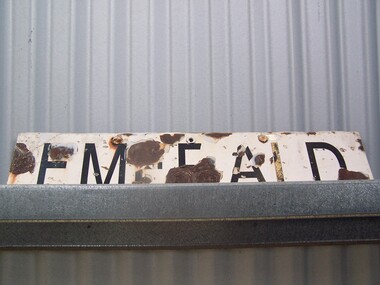
Emerald Station Sign
... Emerald Station Sign......emerald station...Station Sign - Emerald Emerald Station is situated on the Puffing Billy Railway in Victoria, Australia. ...Station Sign - Emerald Metal rectangle Station Name Sign with white enamel back ground and black letters...Station Sign - Emerald Emerald Station is situated on the Puffing Billy Railway in Victoria, Australia. ...Station Sign - Emerald Emerald Station is situated on the Puffing Billy Railway in Victoria, Australia. It was opened with the Railway on 18 December 1900 and comprised a platform track and a loop siding. A passing loop was added between the two a few years later. There was also a spur siding off the Down end of No. 3 Road. Two standard 12 ft by 20 ft timber portable station buildings with a Van Goods Shed between (all adjoining) were provided on the platform and a Goods Shed on the No. 3 Road loop siding. Other buildings included Tea Rooms, lamp room and toilets along with a cattle race and loading bank. The station building was later reduced in length by one of the portables which housed the General and Ladies' waiting rooms. Emerald today remains very similar to the early days, but has had other Roads added into a Carriage Workshops, a turntable and storage sidings. Also, a Signal and Telegraph Branch depot in the form of a large Goods Shed and a multi-purpose yard building in the form of a Locomotive Depot administration building have been added. During 2009, the station building underwent stage one of an internal restoration to its former glory. ref: https://en.wikipedia.org/wiki/Emerald_railway_station,_Victoria photos at http://www.vicrailstations.com/Gembrook/Emerald/Emerald.html Historic - Victorian Railways Station sign used at Emerald Station Station Sign - Emerald Metal rectangle Station Name Sign with white enamel back ground and black lettersEmeraldstation sign, puffing billy, emerald station -
 Emerald Museum & Nobelius Heritage Park
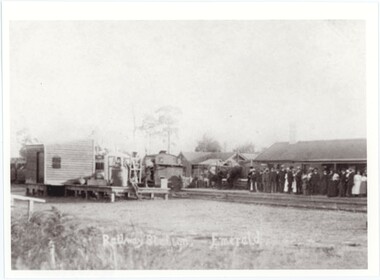
Photograph, Railway Station, Emerald, Early 20th Century
... Railway Station, Emerald...Emerald Railway Station opened in 1900 with the line that would eventually become Puffing Billy. ...Obverse, Caption: "Railway Station, Emerald"...Emerald Railway Station opened in 1900 with the line that would eventually become Puffing Billy. ...Emerald Railway Station opened in 1900 with the line that would eventually become Puffing Billy. The station stayed open until 1954, but judging by context such as the clothing of the people on the platform, this image was likely taken earlier. While it's possible this is a crowd gathered for the opening of the station, it is difficulty to prove either way and could also just be a crowd of passengers for the normal operation of the line.This image captures a vital element of Emerald's historical development - the railway.This item is a modern coy of an older black and white photograph. The photo captures a steam train entering a railway station from the left of the frame, greeted by a crowd of people standing on the station platform to the right. The train is partially obscured by a shed on the photographer's side of the tracks, likely with implements for train maintenance. Several other buildings are visible behind the station, with trees further in the distance.Obverse, Caption: "Railway Station, Emerald"railway, emerald -
 Emerald Museum & Nobelius Heritage Park
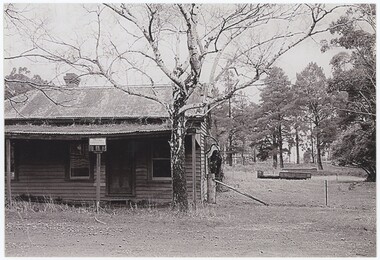
Photograph - Emerald Grocery Near Station, 1901
... Emerald Grocery Near Station...Anderson, near an Emerald Station which as of 1901 would have been open for less than a year. ...Reverse, Pen: "Emerald Grocery, Anderson's 1901 Near Station" Reverse, Pencil: "EMERALD GROCERY"...Station Street, Emerald, Victoria, Australia...Anderson, near an Emerald Station which as of 1901 would have been open for less than a year. ...The store in this image belonged to W. M. Anderson, near an Emerald Station which as of 1901 would have been open for less than a year. Anderson moved to a new and more lasting location - the corner of Kilvington Drive and Heroes Avenue, where until recently a bookshop was located - at the start of the 1920s, but this older store was in a different location closer to the station. Two other photos of the same scene are in the collection: VEMUP1011.2 is identical, and VEMUP1011.1 is from a different angle.This image captures an important Emerald institution from the turn of the century, displaying the nature of the town at that time.This black and white photograph features a wooden shop with a corrugated steel roof and porch awning. The shop takes up the left half of the photograph, while the landscape on the right half continues past a wire fence to a flat field, with trees in the far background. In the centre of the foreground, a tree with few leaves stands in front of the building, between it and the road the photographer is standing on. The photograph is printed on modern photograph paper.Reverse, Pen: "Emerald Grocery, Anderson's 1901 Near Station" Reverse, Pencil: "EMERALD GROCERY"emerald, commerce, 1900s -
 Emerald Museum & Nobelius Heritage Park
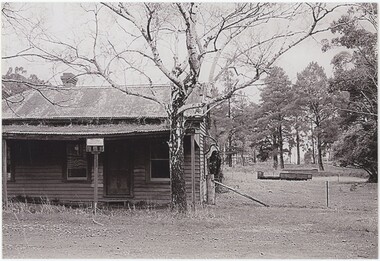
Photograph - Emerald Grocery Near Station, 1901
... Emerald Grocery Near Station...Anderson, near an Emerald Station which as of 1901 would have been open for less than a year. ...Station Street, Emerald, Victoria, Australia...Anderson, near an Emerald Station which as of 1901 would have been open for less than a year. ...The store in this image belonged to W. M. Anderson, near an Emerald Station which as of 1901 would have been open for less than a year. Anderson moved to a new and more lasting location - the corner of Kilvington Drive and Heroes Avenue, where until recently a bookshop was located - at the start of the 1920s, but this older store was in a different location closer to the station. Two other photos of the same scene are in the collection: VEMUP1011 is identical, and VEMUP1011.1 is from a different angle.This image captures an important Emerald institution from the turn of the century, displaying the nature of the town at that time.This black and white photograph features a wooden shop with a corrugated steel roof and porch awning. The shop takes up the left half of the photograph, while the landscape on the right half continues past a wire fence to a flat field, with trees in the far background. In the centre of the foreground, a tree with few leaves stands in front of the building, between it and the road the photographer is standing on. The photograph is printed on modern photograph paper.Reverse, Pencil: "EMERALD GROCERY"emerald, commerce, 1900s -
 Emerald Museum & Nobelius Heritage Park
Photograph - Emerald Grocery Near Station, 1901
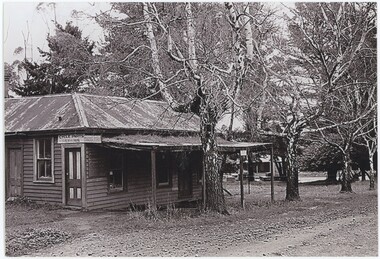
... Emerald Grocery Near Station...Anderson, near an Emerald Station which as of 1901 would have been open for less than a year. ...Reverse, Pen: "Emerald Grocer Mr Anderson Station St Emerald / 1901" Obverse, sign on building in photograph: "Cycle Parts / Repairs / Saddlery"...Station Street, Emerald, Victoria, Australia...Anderson, near an Emerald Station which as of 1901 would have been open for less than a year. ...The store in this image belonged to W. M. Anderson, near an Emerald Station which as of 1901 would have been open for less than a year. Anderson moved to a new and more lasting location - the corner of Kilvington Drive and Heroes Avenue, where until recently a bookshop was located - at the start of the 1920s, but this older store was in a different location closer to the station. Two other photos of the same scene are in the collection: VEMUP1011 and VEMUP1011.2 are identical copies of a different angle than that shown in VEMU1011.1/.This image captures an important Emerald institution from the turn of the century, displaying the nature of the town at that time.This black and white photograph features a wooden shop with a corrugated steel roof and porch awning. The shop is viewed from an angle, with its side and front taking up the left half of the photograph, while on the right side a dirt road continues out of frame and a flat, tree-scattered landscape stands between this building and the next building along the road. Two trees stand in front of the building, between it and the road the photographer is standing on. The photograph is printed on modern photograph paper.Reverse, Pen: "Emerald Grocer Mr Anderson Station St Emerald / 1901" Obverse, sign on building in photograph: "Cycle Parts / Repairs / Saddlery"emerald, 1900s, commerce -
 Emerald Museum & Nobelius Heritage Park
Photograph, Station Rd, Emerald, c. 1907
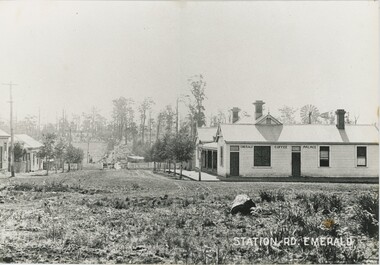
... Station Rd, Emerald...This c. 1907 photograph was taken from the intersection of Beaconsfield Road (now Kilvington Drive) and Station Road (now Puffing Billy Place), looking towards Emerald Railway Station. ...Bottom-right: "STATION RD. EMERALD" Building in the photograph: "EMERALD COFFEE PALACE"... second town centre around the railway station. Emerald Coffee Palace Emerald 1900s Commerce Bottom-right: "STATION RD. ...There are seven other copies of this photograph in our collection, mostly differing in the placement of the label and the cropping of the photograph. This is itself a copy of the original. One of these copies is also accessioned as VEMUP0456.2. This c. 1907 photograph was taken from the intersection of Beaconsfield Road (now Kilvington Drive) and Station Road (now Puffing Billy Place), looking towards Emerald Railway Station. It looks past the Emerald Coffee Palace, a significant establishment serving coffee, wine, and more - a room in the back was even used as a visiting doctor's surgery. The Coffee Palace was, at the time, owned by the O'Connor family and run by Mrs Greatorex. At this time it was relatively new - the second centre of Emerald, around Kilvington Drive, mostly materialised thanks to the location of the railway station. The location of the railway is visible, but from this angle the station and tracks are not visible. Note the posts in front of the Palace - used to tie horses in this time before cars became dominant. There are elevated wires visible running along the left side of the street, which resemble power lines but at this time are more likely to have instead been telegraph cables. This copy was framed in the donor's home after being gifted to him by its previous owner, who bought it from an op-shop in Melbourne.This photograph recounts the growth of Emerald's second town centre around the railway station.This item is a large, slightly yellowed, black and white copy of an older photograph. It depicts an unpaved street leading down a hill to a gate and fence, with several shops to either side. There is a lamp post on the street corner on the right, and a telegraph line running along the left side. In the background, the slope rises back up to a hill with fields and scattered trees.Bottom-right: "STATION RD. EMERALD" Building in the photograph: "EMERALD COFFEE PALACE"emerald coffee palace, emerald, 1900s, commerce -
 Emerald Museum & Nobelius Heritage Park
Photograph, Station Rd, Emerald, c. 1907
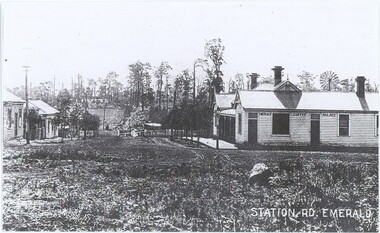
... Station Rd, Emerald...This c. 1907 photograph was taken from the intersection of Beaconsfield Road (now Kilvington Drive) and Station Road (now Puffing Billy Place), looking towards Emerald Railway Station. ...Bottom-right: "STATION RD. EMERALD" Building in the photograph: "EMERALD COFFEE PALACE" Reverse: "Coffee Palace was guest house / Note no gates this was before the railway Puffing Billy came through. / Note posts to tie horses to outside the palace. / O'Connors owned Coffee Palace. / Windmill in back of Palace - bore for water. 1889."... second town centre around the railway station. Emerald Coffee Palace Emerald Commerce 1900s Bottom-right: "STATION RD. ...There are seven other copies of this photograph in our collection, mostly differing in the placement of the label and the cropping of the photograph. This is itself a copy of the original. One of these copies is also accessioned as VEMUP0456.2. This c. 1907 photograph was taken from the intersection of Beaconsfield Road (now Kilvington Drive) and Station Road (now Puffing Billy Place), looking towards Emerald Railway Station. It looks past the Emerald Coffee Palace, a significant establishment serving coffee, wine, and more - a room in the back was even used as a visiting doctor's surgery. The Coffee Palace was, at the time, owned by the O'Connor family and run by Mrs Greatorex. At this time it was relatively new - the second centre of Emerald, around Kilvington Drive, mostly materialised thanks to the location of the railway station. The location of the railway is visible, but from this angle the station and tracks are not visible. While the annotation lists that the photograph was taken in 1889, the visibility of a gate (contra the annotation) and existence of this second town centre - which grew around the station - suggests that other sources lisitng 1907 are closer to accuracy. Note the posts in front of the Palace - used to tie horses in this time before cars became dominant. There are elevated wires visible running along the left side of the street, which resemble power lines but at this time are more likely to have instead been telegraph cables.This photograph recounts the growth of Emerald's second town centre around the railway station.This item is a black and white copy of an older photograph. It depicts an unpaved street leading down a hill to a gate and fence, with several shops to either side. There is a lamp post on the street corner on the right, and a telegraph line running along the left side. In the background, the slope rises back up to a hill with fields and scattered trees.Bottom-right: "STATION RD. EMERALD" Building in the photograph: "EMERALD COFFEE PALACE" Reverse: "Coffee Palace was guest house / Note no gates this was before the railway Puffing Billy came through. / Note posts to tie horses to outside the palace. / O'Connors owned Coffee Palace. / Windmill in back of Palace - bore for water. 1889."emerald coffee palace, emerald, commerce, 1900s -
 Narre Warren and District Family History Group
Book, Context Pty Ltd, Cardinia Local Heritage Study Review 2007 Stage A. Vol 1 : Key Findings And Recommendations Vol 2 : Heritage Place And Precinct Citations, 2007
... ...Emerald Railway Station...Cardinia Shire (Vic.) heritage studies Kenilworth Coach House (Beaconsfield) Wood Street Residential Precinct (Beaconsfield) George Street Residential Precinct (Bunyip) Bunyip Post Office Railway Hotel (Bunyip) Cora Lynn Catholic Parish School Glen-Keith Farm Complex (Dalmore) Emerald Lake Park Emerald Railway Station Emerald Country Club Cambden Woolybutt Ros (Emerald) Oak Lee (Emerald) Sycamore Lodge (Emerald) Cascades Guest house Orchard Packing Shed (Garfield North) Wattle Bank (Gembrook) Coffee Palace (Gembrook) Tehennepe (Iona) Koo Wee Rup Public Hall Dustings Garage (Koo Wee Rup) Wattle Theatre (Koo Wee Rup) Koo Wee Rup Police Lockup Royal Hotel (Koo Wee Rup) Lang Lang Cemetery Misson's Butchers Shop & Residence (Lang Lang) ANZ Bank (Lang Lang) Maryknoll Residential & Civic Precinct Maryknoll Lawn Cemetery Mount Burnett Guesthouse Oakway (Nar Nar Goon) Nar Nar Goon Growers & Packers Shed Jesmond Dene (Officer South) Kings Picture Theatre (Pakenham) Pakenham Post Office I.Y.U. ...The overall objective of the Study was the identification, assessment and documentation of places of post-contact cultural significance for the Cardinia Shire.non-fictionThe overall objective of the Study was the identification, assessment and documentation of places of post-contact cultural significance for the Cardinia Shire.cardinia shire (vic.), heritage studies, kenilworth coach house (beaconsfield), wood street residential precinct (beaconsfield), george street residential precinct (bunyip), bunyip post office, railway hotel (bunyip), cora lynn catholic parish school, glen-keith farm complex (dalmore), emerald lake park, emerald railway station, emerald country club, cambden woolybutt ros (emerald), oak lee (emerald), sycamore lodge (emerald), cascades guest house, orchard packing shed (garfield north), wattle bank (gembrook), coffee palace (gembrook), tehennepe (iona), koo wee rup public hall, dustings garage (koo wee rup), wattle theatre (koo wee rup), koo wee rup police lockup, royal hotel (koo wee rup), lang lang cemetery, misson's butchers shop & residence (lang lang), anz bank (lang lang), maryknoll residential & civic precinct, maryknoll lawn cemetery, mount burnett guesthouse, oakway (nar nar goon), nar nar goon growers & packers shed, jesmond dene (officer south), kings picture theatre (pakenham), pakenham post office, i.y.u. pre-emptive right homestead site (pakenham), valley view orchards manager's house (pakenham upper), ruthdale reserve trees, rutter farm trees (tooradin), eve's house (tynong north), kia ora (upper beaconsfield), the steyne (upper beaconsfield), beaconsfield upper milk bar, staverton garden (upper beaconsfield), great southern railway -
 Narre Warren and District Family History Group
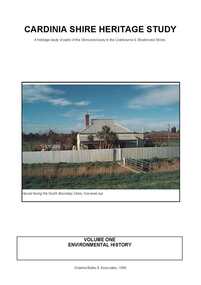
Book, Graeme Butler & Associates, Cardinia Shire Heritage Study : a heritage study of parts of the Shire previously in the Cranbourne & Sherbrooke Shires. Vol 1 : Key Findings and Recommendations Vol 2 : Heritage Place and Precinct Citations, 1998
... ...Emerald Railway Station...Cardinia Shire (Vic.) heritage studies Tivoli Berry Farm (Clematis) Carramar (Emerald) Nobelius Heritage Park Dalmore Public Hall Horace Hardy Farm Complex Emerald Lake Park The Grange (Koo Wee Rup) Glen Afton (Yannathan) Myrtlewood (Yannathan) Vay View Farm (Lang Lang) Emerald Railway Station Timber Bridges (Yallock Creek) Emerald County Clud Oak Lee (Emerald) Sycamore Lodge (Emerald) Cambden Wollybutt Row (Emerald) Silver Birches (Emerald) Lang Lang Cemetery Old Monomeith Homestead sites Monomeith Park (Monomeith) Dustings Garage (Koo Wee Rup) Koo Wee Rup Public Hall Koo Wee Rup Lockup Wattle Theatre (Koo Wee Rup) Harewood (Koo Wee Rup) Warook Homestead (Monomeith) Old Yallock St John's Roman Catholic Church (Koo Wee Rup) Royal Hotel (Koo Wee Rup) Budgeree (Yannathan) Cascades Guest House (Clematis) Rutter Farm (Tooradin) Koo Wee Rup Swamp Drains Upper Ferntree Gully to Gembrook Railway Great Southern Railway Misson's Butchers Shop & Residence (Lang Lang) English Scottish & Australian Bank (Lang Lang) Clematis Park Row Houses (Lang Lang) This Environmental History of the Cardinia Shire incorporates the Environmental History of the former Shire of Pakenham, compiled by Carlotta Kellaway for Graeme Butler & Associates and the Environmental History of those areas of the Shire formerly in the Shires of Cranbourne and Sherbrooke, compiled by Jill Barnard for Graeme Butler and Associates. ...This Environmental History of the Cardinia Shire incorporates the Environmental History of the former Shire of Pakenham, compiled by Carlotta Kellaway for Graeme Butler & Associates and the Environmental History of those areas of the Shire formerly in the Shires of Cranbourne and Sherbrooke, compiled by Jill Barnard for Graeme Butler and Associates. An environmental history, which is meant as a guide to the identification of sites of significance within a shire, cannot be a complete social history of that shire. Rather, it is meant to be a summary of the various ways in which people have used and reacted to the natural environment, altering it so as to create economic, social, cultural and educational uses for themselves and their neighbours. [from the introduction]non-fictionThis Environmental History of the Cardinia Shire incorporates the Environmental History of the former Shire of Pakenham, compiled by Carlotta Kellaway for Graeme Butler & Associates and the Environmental History of those areas of the Shire formerly in the Shires of Cranbourne and Sherbrooke, compiled by Jill Barnard for Graeme Butler and Associates. An environmental history, which is meant as a guide to the identification of sites of significance within a shire, cannot be a complete social history of that shire. Rather, it is meant to be a summary of the various ways in which people have used and reacted to the natural environment, altering it so as to create economic, social, cultural and educational uses for themselves and their neighbours. [from the introduction] cardinia shire (vic.), heritage studies, tivoli berry farm (clematis), carramar (emerald), nobelius heritage park, dalmore public hall, horace hardy farm complex, emerald lake park, the grange (koo wee rup), glen afton (yannathan), myrtlewood (yannathan), vay view farm (lang lang), emerald railway station, timber bridges (yallock creek), emerald county clud, oak lee (emerald), sycamore lodge (emerald), cambden wollybutt row (emerald), silver birches (emerald), lang lang cemetery, old monomeith homestead sites, monomeith park (monomeith), dustings garage (koo wee rup), koo wee rup public hall, koo wee rup lockup, wattle theatre (koo wee rup), harewood (koo wee rup), warook homestead (monomeith), old yallock, st john's roman catholic church (koo wee rup), royal hotel (koo wee rup), budgeree (yannathan), cascades guest house (clematis), rutter farm (tooradin), koo wee rup swamp drains, upper ferntree gully to gembrook railway, great southern railway, misson's butchers shop & residence (lang lang), english scottish & australian bank (lang lang), clematis park, row houses (lang lang) -
 Emerald Museum & Nobelius Heritage Park
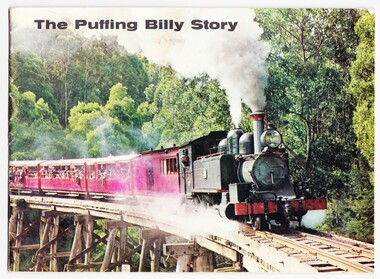
Booklet - Puffing Billy booklet, Puffing Billy Preservation Society, 'The Puffing Billy Story', 1960s
... This booklet recounts the story of Puffing Billy's inception in 1900; the landslide in 1952 which led to closure in 1958; the public campaign for re-opening of the line; a partial reopening in 1962 followed by a return to Emerald Station in 1965. It also discusses the history and role of the Puffing Billy Presentation Society which produced this booklet c. 1960s....This booklet recounts the story of Puffing Billy's inception in 1900; the landslide in 1952 which led to closure in 1958; the public campaign for re-opening of the line; a partial reopening in 1962 followed by a return to Emerald Station in 1965. It also discusses the history and role of the Puffing Billy Presentation Society which produced this booklet c. 1960s. ...This booklet recounts the story of Puffing Billy's inception in 1900; the landslide in 1952 which led to closure in 1958; the public campaign for re-opening of the line; a partial reopening in 1962 followed by a return to Emerald Station in 1965. It also discusses the history and role of the Puffing Billy Presentation Society which produced this booklet c. 1960s.This booklet recounts the history of a Victorian tourist icon, Puffing Billy.Paperback booklet entitled 'The Puffing Billy Story'. Color front photograph with black and white photographs inside. 18 pages.On the front printed: 'THE PUFFING BILLY STORY' On the back printed: 'The / Good Old / Days / Engine 8A on the Gembrook / car-goods train at the / water tank between Selby / and Menzie's Creek. /The landslide which was / responsible for the / closing of the line in 1953 / occurred near this spot.'puffing billy, puffing billy presentation society, 1960s -
 Emerald Museum & Nobelius Heritage Park
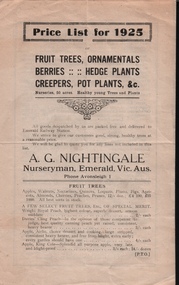
Pamphlet, Price List for 1925, A.G. Nightingale, Nurseryman, Emerald, Vic, About 1925
... Nightingale Nursery sold fruit and ornamental trees and delivered to Emerald Railway Station. The nurseries covered an area of 50 acres....Nightingale Nursery sold fruit and ornamental trees and delivered to Emerald Railway Station. The nurseries covered an area of 50 acres. ...Nursery owned by Alfred George Nightingale, who originally worked for Nobelius Nurseries. Nightingale Nursery sold fruit and ornamental trees and delivered to Emerald Railway Station. The nurseries covered an area of 50 acres.Part of the horticultural history of Emerald and the surrounding district.Four page, cream coloured pamphlet with black printing. Contains price lists for fruit trees, ornamentals, berries, hedge plants, creepers and pot plants.a.g.nightingale, emerald -
 Port Melbourne Historical & Preservation Society
Photograph - Station Street, Port Melbourne, 1907
... ...Station Street...Emerald...Station Street Port Melbourne approximately 1907. Shows Emerald House on corner Station and Raglan Streets. ...Built Environment - Domestic Station Street Emerald House Station Street Port Melbourne approximately 1907. ...Station Street Port Melbourne approximately 1907. Shows Emerald House on corner Station and Raglan Streets. Image was taken from postcard.built environment - domestic, station street, emerald house -
 Emerald Museum & Nobelius Heritage Park
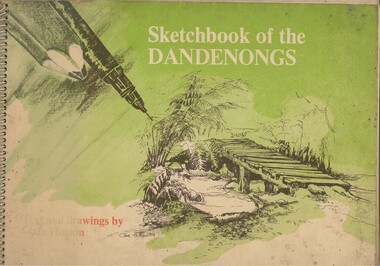
Book - Sketchbook, Clare Hutson, Sketchbook of the Dandenongs, 1970s
... Book consists of sketches of scenic sites in the Dandenongs and the Yarra Valley including the Emerald Country Club, a farmhouse in Cockatoo, an original Nobelius house in Carramar Court, the Emerald Railway Station, a sculpture by Hans Knorr and places and people in Gembrook. ...Book consists of sketches of scenic sites in the Dandenongs and the Yarra Valley including the Emerald Country Club, a farmhouse in Cockatoo, an original Nobelius house in Carramar Court, the Emerald Railway Station, a sculpture by Hans Knorr and places and people in Gembrook. ...Book consists of sketches of scenic sites in the Dandenongs and the Yarra Valley including the Emerald Country Club, a farmhouse in Cockatoo, an original Nobelius house in Carramar Court, the Emerald Railway Station, a sculpture by Hans Knorr and places and people in Gembrook. Text and Drawings by Clare Hutson. Published in 1978.These are sketches of the local area c1970s.Spiral bound book of sketches of scenic sites in the Dandenongs in black and white and in sepia. 52 pages.On cover: 'Sketchbook of the / DANDENONGS / Text and drawings by / Clare Hutson'clare hutson, sketches, 1978 -
 Emerald Museum & Nobelius Heritage Park
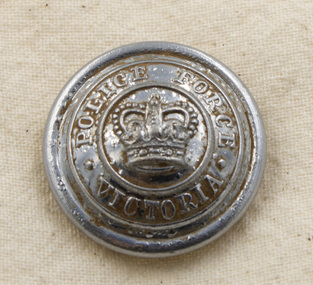
Accessory - Victoria Police Button, c. 1950s
... This button was found adjacent to the old lock-up in the backyard of present-day Fernlea Op-Shop, formerly the site of the Emerald Police Station. It was made by button manufacturer K. ...This button was found adjacent to the old lock-up in the backyard of present-day Fernlea Op-Shop, formerly the site of the Emerald Police Station. It was made by button manufacturer K. ...This button was found adjacent to the old lock-up in the backyard of present-day Fernlea Op-Shop, formerly the site of the Emerald Police Station. It was made by button manufacturer K. G. Luke, who was one of Australia's largest manufacturers of silverware, including buttons. This button was likely made sometime in between the death of King George VI in February 1952 and the changing of the company's name in May 1953, due to the presence of the Queen's crown on the front and the manufacturing details on the back.This button is significant as it demonstrates the presence of the Victorian Police Force in Emerald in the mid-20th CenturyA circular silver metal plated button with a raised Queen's crown in the centre. On the back there are four holes for sewing into.Front: 'POLICE FORCE / VICTORIA' Back: 'K. G. LUKE PTY LTD / MELB'emerald, 20th century, 1950s, police -
 Emerald Museum & Nobelius Heritage Park
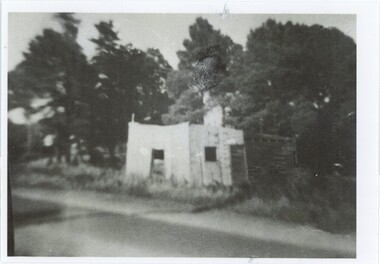
Photograph - Oat and Grain Store, 1961
... The oat and grain store was positioned opposite Emerald's original police station at 15 Kilvington Drive, on what is now the railway property near Puffing Billy Playground. ...The oat and grain store was positioned opposite Emerald's original police station at 15 Kilvington Drive, on what is now the railway property near Puffing Billy Playground. ...The oat and grain store was positioned opposite Emerald's original police station at 15 Kilvington Drive, on what is now the railway property near Puffing Billy Playground. The grain store was first built in the 1920s, used by Clyde Stapleton in the 1940s, and demolished not long after this photograph was taken in 1961.Oat and grain stores were important to horse-based transportation, the agriculture industry, and food supply until the mid-20th century.The main item is the black and white photograph, with a printed annotation pasted to the reverse; there is also a larger sepia copy. Both depict a stone or painted brick building by the side of the road, with a wooden annexe at the rear. There is no door on the building, which stands beside a road. In the background are several trees. The reverse of the sepia version has Kodak logos and handwritten pen annotations; the black and white copy has, besides the printed annotations, a handwritten title and accession number.Black & White, Reverse: "165 Oat & grain Store / P00529 / 165 Oat and grain store, built in the 1920s opposite the police / station (site of [crossed out: present playground] [handwritten: railway property]): [crossed out: Clive] [handwritten: Clyde] Stapleton used to come / from the city to shoe horses here in the 1940s/ The phootgraph was / taken in 1961 before the store was demolished. / [crossed out, handwritten: Legges used it as a store]" Sepia, Reverse: "Gary Steven's gave me this photo. 1961. / Original Oat & Grain Store / Clive Stapleton shod horses here / when he came up from Town. / Opposite Police Station (where the playground is)"agriculture, transport, 1960s, stapleton family -
 Puffing Billy Railway
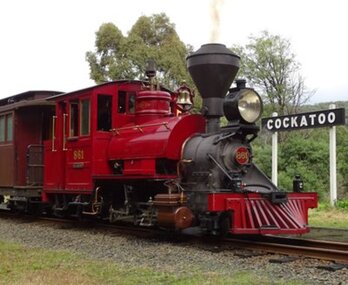
861 - John Rees - Decauville Steam Locomotive - formerly John Benn, 1886
... 861 John Benn Locomotive - in active service - Emerald Station Built in 1886 by Société Anonyme Usines Métallurgiques du Hainaut - Locomotives Couillet for the West Melbourne site of the Metropolitan Gas Company, as a four-wheel tank locomotive similar to 986 and named “John Benn”. ...861 John Benn Locomotive - in active service - Emerald Station Built in 1886 by Société Anonyme Usines Métallurgiques du Hainaut - Locomotives Couillet for the West Melbourne site of the Metropolitan Gas Company, as a four-wheel tank locomotive similar to 986 and named “John Benn”. ...861 John Benn Locomotive - in active service - Emerald Station Built in 1886 by Société Anonyme Usines Métallurgiques du Hainaut - Locomotives Couillet for the West Melbourne site of the Metropolitan Gas Company, as a four-wheel tank locomotive similar to 986 and named “John Benn”. The West Melbourne gas works sourced its coal from Maitland, New South Wales, and the coal was brought by ship to a wharf adjacent to the West Melbourne gas plant. John Benn and Carbon were used to haul the coal over a 762 mm (2 ft 6 in) gauge railway from the wharf to the gasworks, a distance of about 450 metres (500 yards). It was withdrawn from service in the 1930s and stored until sold privately in 1962. It was rebuilt by its new owners in the style of an American locomotive of the 1880s and was used for some years at Walhalla. It currently has the name “J.C. Rees” and is used in active service for the 861 Footplate Experience. Wheels: 2-4-2ST Builder: Couillet Build Date: 1886 Construction No.: 861 Empty Weight: Unknown Weight on Drivers: Unknown Driver Diameter: Unknown Tractive Effort: Unknown Boiler Pressure: Unknown Cylinders: Unknown Fuel: Coal Gauge: 30 inchesHistoric - Industrial railways - Metropolitan Gas Company Ltd, Melbourne Steam LocomotiveDecauville Steam Locomotive 861 John Reespuffing billy, narrow gauge, industrial narrow gauge railway, metropolitan gas company, decauville 43, steam locomotive, john rees, john benn, 861 locomotive, couillet, 861 -
![Decorative object - Commemorative Young Sun special head board 1954 to 2014, {blank], 2014](/media/collectors/52969eff2162ef171c566b9e/items/5583afd92162f11b8cc3b102/item-media/5583b12a2162f11b8cc3cde9/item-fit-380x285.jpg?cb=6) Puffing Billy Railway
Puffing Billy RailwayDecorative object - Commemorative Young Sun special head board 1954 to 2014, {blank], 2014
... Locomotive 14A was transformed onto '3A' for the day and it as '3A' that hauled the Recreation Train to Emerald Town Station...Locomotive 14A was transformed onto '3A' for the day and it as '3A' that hauled the Recreation Train to Emerald Town Station Commemorative Puffing Billy Railway Locomotive Head Board - used in the Celebrating the 60th anniversary of the Young Sun special train young sun head board puffing billy newspaper signage 1954 -2014 Puffing Billy Preservation Society Young Volunteers Representatives Team 60th anniversary Young Sun 1954 to 2014 Special Small, circular sign made from hand-painted steel. ...Constructed for 50th anniversary of the Young Sun newspaper special trains that ran between Upper Ferntree Gully and Belgrave in 1954. In 1954, special trains sponsored by The Sun newspaper, were run to farewell Puffing Billy. They became the catalyst for the creation of the Puffing Billy Preservation Society, and are the reason we still have the railway today. 60th Anniversary of the First Puffing Billy Young Sun Special - On Saturday, 13 December, 2014, the Puffing Billy Young Volunteers Representatives Team celebrated 60 years (plus two days) since the first Young Sun Special. Locomotive 14A was transformed onto '3A' for the day and it as '3A' that hauled the Recreation Train to Emerald Town StationCommemorative Puffing Billy Railway Locomotive Head Board - used in the Celebrating the 60th anniversary of the Young Sun special trainSmall, circular sign made from hand-painted steel. Yellow background, black text "Young Sun Special"around the upper and lower edges; "1954 - 2014"on left and right respective; centre image of red sunrise with black sunrays, and black rooster image in foreground with black text "DAILY AT DAWN" Young Sun 1954 to 2014 Special young sun, head board, puffing billy, newspaper, signage, 1954 -2014, puffing billy preservation society, young volunteers representatives team, 60th anniversary -
 Puffing Billy Railway
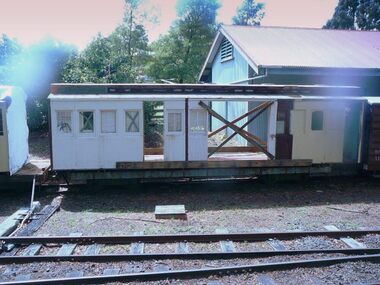
8 NB - Compartment Passenger Carriage, 1906
... Minor refurbishment has taken place along with covering with Tarpaulins. 29 Jan 2020 - 8 NB - passenger carriage - Body only is moved by the PBPS Heritage Rolling Stock Committee from Emerald Station sidings and placed into storage in a warehouse at Officer to enable it to be investigated into its possible restoration. 29 Feb 2020 - investigation on the carriage by the PBPS Heritage Rolling Stock Committee found the number of the carriage 8 NB stamped on the inside of the side of the windows frames. ...Minor refurbishment has taken place along with covering with Tarpaulins. 29 Jan 2020 - 8 NB - passenger carriage - Body only is moved by the PBPS Heritage Rolling Stock Committee from Emerald Station sidings and placed into storage in a warehouse at Officer to enable it to be investigated into its possible restoration. 29 Feb 2020 - investigation on the carriage by the PBPS Heritage Rolling Stock Committee found the number of the carriage 8 NB stamped on the inside of the side of the windows frames. ...8 NB - 6 compartments (40) Victorian Railways Service History 8 NB - passenger carriage (PBPS Body only - currently no underframe) 21 Dec 1906 Built New at Newport Workshops - numbered classed as NBB 8. Type: 2nd Class swing door carriage - 5 or 6 compartments 2'6" Bogie [8W]: Eight Wheels (2 x Four Wheel bogies) [CDG]: Continuous Draw Gear [WHB]: Westinghouse Brake circa 1910 - reclassed to NB 8 May 1926 - Modified with Automatic Couplers Malco Oct 1928 - Modified with Automatic Couplers Malco Bottom Operated 16 Dec 1937 - Consigned as to be scrapped 19 Feb 1938 - Condemned 4 Mar 1938 - Scrapped & Broken Up - Condemned Rolling stock Book Body to be offered for sale & underframe & bogies retained for use in construction of any additional NG trucks undertaken in near future. Sold by V.R and privately bought and used in the construction of a house at 80 Dare Street, Ocean Grove Puffing Billy Preservation Society Service History or Notes Sept 2010 - Ocean Grove house demolition results in PBPS being contacted that there were two carriages (6 NB & 8 NB) in the house. PBPS arrange to buy the two carriages bodies from the Demolition company Nov 2010 - Two carriages have been rescued from 80 Dare Street, Ocean Grove where they had been built into a house. Many people were involved in the move: thanks go to Raymond and Thelma Cotter for providing tarps to protect the cars from the elements. Dec 2010 - Two carriages rescued from Ocean Grove are now at Emerald, one being a platform NB car (6NB) and the other 8 NB a 2nd Class swing door carriage. Minor refurbishment has taken place along with covering with Tarpaulins. 29 Jan 2020 - 8 NB - passenger carriage - Body only is moved by the PBPS Heritage Rolling Stock Committee from Emerald Station sidings and placed into storage in a warehouse at Officer to enable it to be investigated into its possible restoration. 29 Feb 2020 - investigation on the carriage by the PBPS Heritage Rolling Stock Committee found the number of the carriage 8 NB stamped on the inside of the side of the windows frames. Current - At OfficerNB Class - Number Built (1st Series) 6 - Number Built (2nd Series) 17 - Number Built (3rd Series) 4 Historic - Victorian Railways Narrow Gauge - Passenger Rolling Stock: Passsenger carriage. 14 NB and this carriage (both of the 2nd Series) are the last known existing vehicles of this type out of the 17 built - maybe!.Passenger Rolling Stock: ? NB - Passenger carriage - Made of Timber NB - 2nd Class swing door carriage - 5 compartments number unknown ? NB puffing billy, nb passenger carriage, victorian railways, narrow gauge passenger rolling stock, 2'6" gauge -
 Puffing Billy Railway
Climax - Geared Steam Locomotive No. 1694, 1928
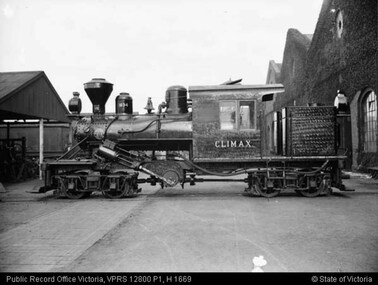
... Climax geared locomotive No. 1694 in active service on special occasions - stored at Emerald Station A Miraculous Survivor Climax locomotive No.1694 is a miraculous survivor of a rare breed of steam locomotive. ...Climax geared locomotive No. 1694 in active service on special occasions - stored at Emerald Station A Miraculous Survivor Climax locomotive No.1694 is a miraculous survivor of a rare breed of steam locomotive. ...Climax geared locomotive No. 1694 in active service on special occasions - stored at Emerald Station A Miraculous Survivor Climax locomotive No.1694 is a miraculous survivor of a rare breed of steam locomotive. For about 100 years from the mid-1850s sawn timber was carted from Victorian sawmills to the nearest railway station by timber tramway. These tramways were generally very rough, steeply graded, sharply curved, and of narrow gauge. Many had wooden rails, and horses provided haulage. The better ones used steam locomotives. In all about fifty steam locomotives are known to have worked on Victorian timber tramways. These locomotives were usually somewhat peculiar - made to cope with arduous, rough conditions, rather than speed. Climax locomotive No.1694 is the only one of these locomotives to survive intact. It was built in 1928 by the Climax Manufacturing Company, Corry, Pennsylvania, USA, for the Forests Commission of Victoria. The distinctive feature of the Climax locomotive is that the cylinders do not directly connect to the driving wheels. Instead they drive a cross shaft near the centre of the locomotive. From there the drive is transmitted to the small driving wheels through rotating shafts, universal joints, and bevel gears. The driving wheels are mounted in two four-wheel bogies so that they can easily follow sharp curves in the track. None of these features are found in normal steam locomotives. The result is a locomotive that is extremely powerful for its size, and that will cope with sharp curves and steep grades with ease. But this is at the cost of speed, Climax locomotive No.1694 is just about flat-out at 13 km/h (8 mph). Climax Locomotive Built in 1928 for the Forests Commission of Victoria and painted all-over black with the name CLIMAX painted on the sides of the cab in white block letters, this locomotive was issued to the Tyers Valley tramway which branched off the Moe to Walhalla line at Collins Siding. This locomotive was withdrawn from service in 1949 following the closure of the tramway and in 1950 it travelled from Tyers Junction to Collins Siding to Erica where it remained stored until 1965. Loaned to the Puffing Billy Preservation Society for its Steam Museum, it was taken to Menzies Creek in 1965 where it remained until 1982 when the Emerald Tourist Railway Board bought it and transferred it to Belgrave for restoration. It was returned to service for special use on the Belgrave to Gembrook line in 1988 painted in its original all-over black livery, except that the word “Climax” on the sides of the cab was now painted in the style of the Climax Manufacturing Co., a style that this locomotive had never carried.Historical - Industrial railway - Forests Commission of Victoria, Timber Logging Climax Locomotive Climax geared Steam locomotive made of steel and wrought iron Climax 1694climax locomotive works, climax, geared steam locomotive, puffing billy, climax locomotive no. 1694, steam locomotive -
 Ringwood and District Historical Society
Photograph, Photo of Ringwood Mayor Gerald Richard Smart in mayoral robes
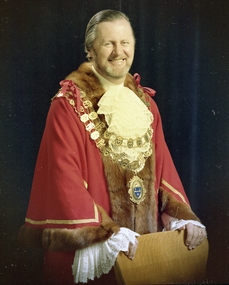
... station, ECB-FM, off the ground. Other information:- SMART, Gerald Richard George 1967-73, Mayor 1973-74, Chartered Engineer. Melbourne University, R.M.I.T., Diploma of Radio Engineering. Son of Walter and Doris Smart. Married with one son. Cricket, tennis, golf, spearfishing, chess, table tennis, photography (8mm, 35mm, stills, music.) Theatre - Melbourne University, Emerald...station, ECB-FM, off the ground. Other information:- SMART, Gerald Richard George 1967-73, Mayor 1973-74, Chartered Engineer. Melbourne University, R.M.I.T., Diploma of Radio Engineering. Son of Walter and Doris Smart. Married with one son. Cricket, tennis, golf, spearfishing, chess, table tennis, photography (8mm, 35mm, stills, music.) Theatre - Melbourne University, Emerald ...The colour negative appears to be an official photo arranged by the City of Ringwood Council.Gerald Smart was mayor in 1973/74 and 1976/77 for the City of Ringwood. He also served as a Councillor from 1967/68 until 1981/82. Married Sandra, who also served as Mayoress for Cr Pat Palmer. Gerald was instrumental in getting the Wyrenna-based local radio station, ECB-FM, off the ground. Other information:- SMART, Gerald Richard George 1967-73, Mayor 1973-74, Chartered Engineer. Melbourne University, R.M.I.T., Diploma of Radio Engineering. Son of Walter and Doris Smart. Married with one son. Cricket, tennis, golf, spearfishing, chess, table tennis, photography (8mm, 35mm, stills, music.) Theatre - Melbourne University, Emerald Hill Repertory Company. Radio - Music session on 3XY. Television - 'Consider Your Verdict', character parts. President Ringwood Arts and Crafts Society Honorary Secretary of Television Society of Australia Patron, Ringwood Swimming and Life Saving Club President Ringwood District Scouting Association Executive Committee Member of Municipal Association of Victoria Formed ECB-FM +Additional Keywords: Refer to the "Mayor" envelope, registration no. 3932, for further information. -
 Eltham District Historical Society Inc
Photograph - Photograph postcard, A peep at the picnickers, Eltham, c.1904
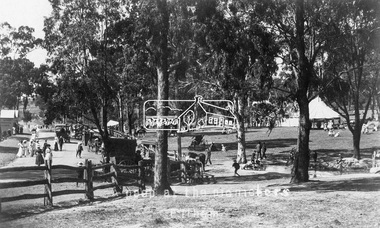
... station on 11 March, 1904. Haley’s Paddock (now occupied by Eltham shopping centre) was capable of accommodating 10,000 people, with ample shade and hilly surroundings, an ideal place for any gathering. The main foreground is the site of the present day Eltham Village and Coles Shopping Centre. 1904 'STATE SCHOOLS' PICNIC.', Record (Emerald Hill, Vic. : 1881 - 1954), 19 March, p. 3. http://nla.gov.au/nla.news-article165173087...station on 11 March, 1904. Haley’s Paddock (now occupied by Eltham shopping centre) was capable of accommodating 10,000 people, with ample shade and hilly surroundings, an ideal place for any gathering. The main foreground is the site of the present day Eltham Village and Coles Shopping Centre. 1904 'STATE SCHOOLS' PICNIC.', Record (Emerald Hill, Vic. : 1881 - 1954), 19 March, p. 3. http://nla.gov.au/nla.news-article165173087 michael aitken collection postcards eltham main road bakery eltham village reserve General Store Haley's Paddock Luther Haley Luther Haley General Store Picnic Pioneers and Painters railway store Shire of Eltham Pioneers Photograph Collection Summer Drinks Digital file only Postcards scanned from the collection of Michael Aitken on loan to EDHS, 13 Feb 2018 A peep at the picnickers, Eltham Photograph Photograph postcard Tom Prior (prob.) ...Postcards scanned from the collection of Michael Aitken on loan to EDHS, 13 Feb 2018 Reproduced ‘Pioneers & Painters’ pp 52-53. Picnickers enjoying a Sunday outing in the fields opposite Eltham Railway Station. Looking north towards Research along Main Road near the intersection with Dudley Street. Luther Hayley’s Bakery and General Store on left promoting refreshments and summer drinks. With the opening of the railway to Eltham in 1902, Melbourne residents would regularly enjoy a Sunday excursion journey on the train to Eltham for a day’s outing to the countryside. Possibly the annual State schools picnic held by the Board of Advice at Haley's Paddock near Eltham railway station on 11 March, 1904. Haley’s Paddock (now occupied by Eltham shopping centre) was capable of accommodating 10,000 people, with ample shade and hilly surroundings, an ideal place for any gathering. The main foreground is the site of the present day Eltham Village and Coles Shopping Centre. 1904 'STATE SCHOOLS' PICNIC.', Record (Emerald Hill, Vic. : 1881 - 1954), 19 March, p. 3. http://nla.gov.au/nla.news-article165173087Digital file only Postcards scanned from the collection of Michael Aitken on loan to EDHS, 13 Feb 2018michael aitken collection, postcards, eltham, main road, bakery, eltham village reserve, general store, haley's paddock, luther haley, luther haley general store, picnic, pioneers and painters, railway store, shire of eltham pioneers photograph collection, summer drinks -
 Port Melbourne Historical & Preservation Society
Newspaper - Port Police Station may close, Emerald Hill & Sandridge Times, 11 April 1991
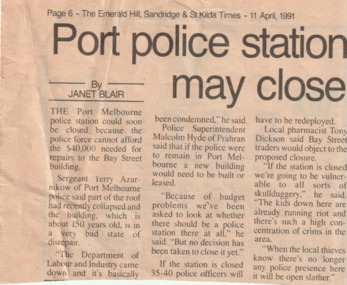
... Newspaper Port Police Station may close Emerald Hill & Sandridge Times ...Due to repair costs of $40,00 for the Port Melbourne Police Station in Bay Street was slated for closure in 1991. Part of the roof of the century old building had collapsed and the building was in a bad state of repair. Local pharmacist, Tony DICKSON, objected to the closure becaus eof the high concentration of criminals in the area. A small newspaper cutting regarding the possible closure of the Port Melbourne Police Station.victoria police, port melbourne police station, tony dickson -
 Port Melbourne Historical & Preservation Society
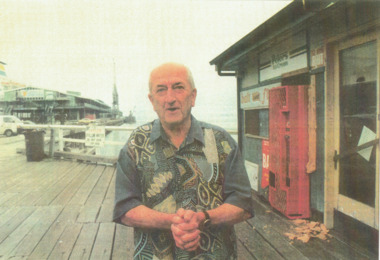
Photograph - Kiosk owner, Ted Rohan, Emerlad Hill Times, Apr 1996
... Colour lasercopy from front page of Emerald Hill Times 3.4.1996 of kiosk owner Ted Rohan on Station Pier, at closing of western 'Thirst Aid' kiosk for demolition...business and traders - kiosk piers and wharves - station pier demolitions edward j (ted) rohan thirst-aid kiosk Colour lasercopy from front page of Emerald Hill Times 3.4.1996 of kiosk owner Ted Rohan on Station Pier, at closing of western 'Thirst Aid' kiosk for demolition Photograph Kiosk owner, Ted Rohan, Emerlad Hill Times ...Colour lasercopy from front page of Emerald Hill Times 3.4.1996 of kiosk owner Ted Rohan on Station Pier, at closing of western 'Thirst Aid' kiosk for demolitionbusiness and traders - kiosk, piers and wharves - station pier, demolitions, edward j (ted) rohan, thirst-aid kiosk -
Port Melbourne Historical & Preservation Society
Newspaper - Newspaper, Nuclear submarine protest, Emerald Hill and Sandridge Times, 25 Oct 1979
... Station Pier...Public Action Campaigns...James Malcolm (Jim) MITCHELL...Emerald...Piers and Wharves - Station Pier Public Action Campaigns James Malcolm (Jim) MITCHELL Emerald Hill and Sandridge Times Perce McGuire WHITE Perce WHITE Nuclear Free Zone 8 pages of the Emerald Hill & Sandridge Times newspaper October 25th 1979. ...8 pages of the Emerald Hill & Sandridge Times newspaper October 25th 1979. Featuring nuclear submarine protest.piers and wharves - station pier, public action campaigns, james malcolm (jim) mitchell, emerald hill and sandridge times, perce mcguire white, perce white, nuclear free zone -
Port Melbourne Historical & Preservation Society
Newspaper - Newspaper, Nuclear ships protest, Emerald Hill and Sandridge Times, 12 Aug 1982
... Station Pier...Public Action Campaigns...Emerald...Piers and Wharves - Station Pier Public Action Campaigns Emerald Hill and Sandridge Times Perce McGuire WHITE Perce WHITE Nuclear Free Zone 3 pages of Emerald Hill & Sandridge Times featuring protest against nuclear ships 12 August 1982 Newspaper Newspaper, Nuclear ships protest, Emerald Hill and Sandridge Times ...3 pages of Emerald Hill & Sandridge Times featuring protest against nuclear ships 12 August 1982piers and wharves - station pier, public action campaigns, emerald hill and sandridge times, perce mcguire white, perce white, nuclear free zone -
 Narre Warren and District Family History Group
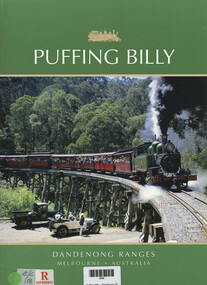
Book, Janette M Bomford, Puffing Billy - Dandenong Ranges, 2005
... Belgrave Gembrook Lakeside Steam Musuem History of Puffing Billy and its stations with lovely colour photos 31 cm Puffing Billy - Dandenong Ranges Book Janette M Bomford Emerald Tourist Board / Puffing Billy Railway ...History of Puffing Billy and its stations with lovely colour photos31 cmnon-fictionHistory of Puffing Billy and its stations with lovely colour photosbelgrave, gembrook, lakeside, steam musuem -
 Puffing Billy Railway
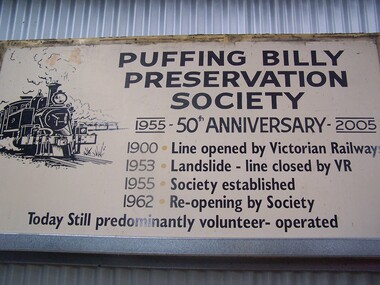
Puffing Billy Preservation Society 50th Anniversary Station Sign, 2005
... With the conversion of the Upper Fern Tree Gully to Belgrave line to broad gauge track, the Puffing Billy Preservation Society was the instigator of restoring the Puffing Billy Railway from Belgrave to Menzies Creek in 1962, Menzies Creek to Emerald in 1965 and Emerald to Lakeside in 1975 and in association with the Emerald Tourist Railway Board, Lakeside to Gembrook in 1998. Historic - Puffing Billy Preservation Society - Station Sign - for the 50th Anniversary of the Preservation Society puffing billy preservation society station sign 50th anniversary lakeside station Puffing Billy Preservation Society 1955 - 50th Anniversary - 2005 1900 . ...Puffing Billy Preservation Society 50th Anniversary sign This is the large poster board that was erected at Lakeside to celebrate the 50th Anniversary of the Puffing Billy Preservation Society in 2005. Established in 1955, the Puffing Billy Preservation Society was formed to operate the narrow gauge trains between Upper Fern Tree Gully and Belgrave following the successful Young Sun specials. With the conversion of the Upper Fern Tree Gully to Belgrave line to broad gauge track, the Puffing Billy Preservation Society was the instigator of restoring the Puffing Billy Railway from Belgrave to Menzies Creek in 1962, Menzies Creek to Emerald in 1965 and Emerald to Lakeside in 1975 and in association with the Emerald Tourist Railway Board, Lakeside to Gembrook in 1998. Historic - Puffing Billy Preservation Society - Station Sign - for the 50th Anniversary of the Preservation SocietyPuffing Billy Preservation Society 50th Anniversary sign Large rectangle metal sign - off white back ground with black lettering Puffing Billy Preservation Society 1955 - 50th Anniversary - 2005 1900 . Line opened by Victorian Railways 1953 . Landslide - Line closed by V.R 1955 . Society established 1962 . Re-opened by Society Today still predominantly volunteer - operated puffing billy, preservation society, station sign, 50th anniversary, lakeside station -
 Puffing Billy Railway
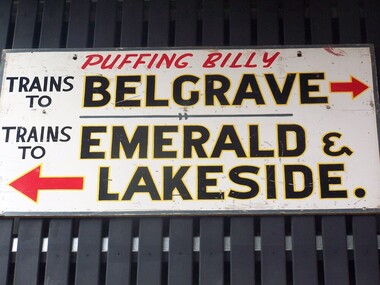
Station Sign - Puffing Billy Direction Trains to Belgrave - Emerald & Lakeside
... Station Sign - Puffing Billy Direction Trains to Belgrave - Emerald & Lakeside ...Station Sign - Puffing Billy Direction Trains At Menzies Creek, a Puffing Billy train has had to pass another train since 1966, due to a single line in operation from Belgrave or Emerald / Lakeside / Cockatoo / Gembrook to enable more trains to operate. ...Station Sign - Puffing Billy Direction Trains to Belgrave - Emerald & Lakeside Large rectangle wooden sign ...Historic - Puffing Billy Railway - Station Sign used at Menzies Creek to show next station direction puffing billy menzies creek station sign Puffing Billy Trains to BELGRAVE Trains to EMERALD & LAKESIDE Station Sign - Puffing Billy Direction Trains to Belgrave - Emerald & Lakeside Large rectangle wooden sign Station Sign - Puffing Billy Direction Trains to Belgrave - Emerald & Lakeside Puffing Billy Railway ...Station Sign - Puffing Billy Direction Trains At Menzies Creek, a Puffing Billy train has had to pass another train since 1966, due to a single line in operation from Belgrave or Emerald / Lakeside / Cockatoo / Gembrook to enable more trains to operate. When two trains passed at Menzies Creek, to assist passengers to travel on the correct train, this sign was erected. The arrows pointed towards the direction of travel as well as the locomotive that was hauling the train. This sign dates from 1975 when the line was re-opened to Lakeside. Historic - Puffing Billy Railway - Station Sign used at Menzies Creek to show next station directionStation Sign - Puffing Billy Direction Trains to Belgrave - Emerald & Lakeside Large rectangle wooden sign Puffing Billy Trains to BELGRAVE Trains to EMERALD & LAKESIDEpuffing billy, menzies creek, station sign -
 Puffing Billy Railway
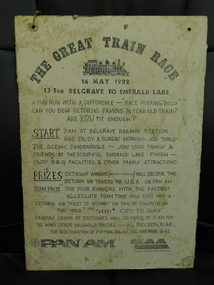
Great Train Race Sign, 1982
... The Great Train Race - 16 May 1982 - 13.5km Belgrave to Emerald Lake a fun run with a difference - "Race Puffing Billy " can you beat Victorias famous 76 year old train ? are you fit enough? Start 9 am at Belgrave Railway Station...an original Great Train Race publicity sign - from inaugural first great train race held on 16 May 1982 ran by the Puffing Billy Preservation society to raise funds for the restoration of G42 Garratt Locomotive Historic - Puffing Billy Railway - PBRS fPublicity event sign The Great Train Race - 16 May 1982 - 13.5km Belgrave to Emerald Lake a fun run with a difference - "Race Puffing Billy " can you beat Victorias famous 76 year old train ? are you fit enough? Start 9 am at Belgrave Railway Station ...an original Great Train Race publicity sign - from inaugural first great train race held on 16 May 1982 ran by the Puffing Billy Preservation society to raise funds for the restoration of G42 Garratt Locomotive Historic - Puffing Billy Railway - PBRS fPublicity event signGreat Train Race Sign - Black printed ink Paper sign glued on to Masonite wood The Great Train Race - 16 May 1982 - 13.5km Belgrave to Emerald Lake a fun run with a difference - "Race Puffing Billy " can you beat Victorias famous 76 year old train ? are you fit enough? Start 9 am at Belgrave Railway Station and enjoy a Sunday morning jog thru the scenic Dandenongs - join your family & friends at beautiful emerald lake finish - enjoy BBQ facilities & other family attractions Prizes outright winner ( not Puffing Billy ) will receive two return tickets to USA on Pan Am Team Prize the four runners with the fastest aggregate team time will each win a return air ticket to Sydney on TAA to compete in the 1982 "the Sun City to surf" Random draws of entrants will be made at 11Am for the many other valuable;e prizes - all proceeds to aid the restoration of Puffing Billy's big brother G42 PAN AM TAA Trans Australia Airlines -
 Surrey Hills Historical Society Collection
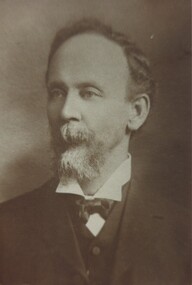
Photograph, Thomas Henry Deakin
... In 1903 the family were living at 437 City Road, Emerald Hill and both Thomas and his son John Henry are listed as bootmakers. By 1914 they have moved to Station Street, Alphington. ...In 1903 the family were living at 437 City Road, Emerald Hill and both Thomas and his son John Henry are listed as bootmakers. By 1914 they have moved to Station Street, Alphington. ...Thomas Henry Deakin (1845-1915), born in Monmouthshire, Wales married Janet (Jessie) Longmore (1851-1939), born in Morayshire, Scotland on 17 April 1878 in Emerald Hill. It is not known when Thomas migrated. His father William also came as he is buried in Melbourne General. His mother Augusta Amelia Phillips may have died in Wales. The couple has 2 sons and 4 surviving daughters, most of whom were born in Emerald Hill. In 1903 the family were living at 437 City Road, Emerald Hill and both Thomas and his son John Henry are listed as bootmakers. By 1914 they have moved to Station Street, Alphington. Thomas is listed as Independent Means; daughter Elsie as a nurse; daughter Jessie as a music teacher and daughter Minnie as a bookbinder. Buried in Melbourne General Cemetery, Section D (Baptist): Transcription "Sacred to the memory of William DEAKIN died 29 Nov 1885 also his son Thomas Henry beloved husband of Jessie DEAKIN died 3 Jul 1915, 70 years also Jessie DEAKIN wife of Thomas Henry DEAKIN died 21 Mar 1939, 87 years."This is part of a large collection of material related to the Deakin, Mair and Young families.A sepia copy of a formal portrait of Thomas Henry Deakin. Taken part in profile, he is formally dressed and has a moustache and beard and a slightly receding hairline.REAR: In blue biro "Grandpa Deakin / (John Henry)" Research and other photos indicate that this is Thomas Henry Deakin not his son John Henry.thomas henry deakin
