
Showing 615 items matching "murray johnes"
-
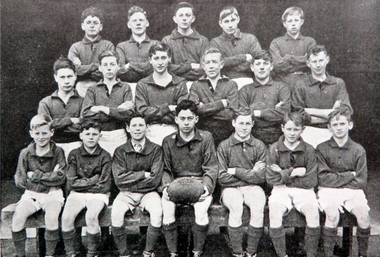 Federation University Historical Collection
Booklet, Ballarat School of Mines Students' Magazine, 1948, 1948
... murray...g. ramm...john...Story, Art Section, Escape from Nazi Europe, Short Story Competition, Senior Sport, Girls Sport, Commercial Notes, The Junior Techs, Junior Technical School Students' 1948, Students' doing Trade Apprenticeship Courses ballarat school of mines magazine h. tozer v. lancaster g. murdoch m. greenwood alan j. fenton c. rook b. bryan c. g. fairbank r. p. flower c. sanos eric e. marshman r. w. richards m. k. ashton w. k. l. murray g. ramm john c. collins f. g. procter dr. j. r. pound donald c. johnston neville d. gardner arthur c. burrow phillip e. richards john f. swain hester darby lewis huisman betty freeth j. williams m. treganowan gwenyth williams w. archibald maureen callahan margaret ryan t. downes dawn anderson m. rowbottom beverley letti l. greenbank valerie ritchie beryl hutchings p. reidy robert tantau willis brown wesley wilson donald durant geo m. hetherington john a. wilson maxwell f. murray ron cairns geoffrey j. edmonds john k. ballinger william n.. edwards r. rosser horace j. graham kevin k. treloar john h. boag francis l. veal hans fumberger john r. jopling william h. wray stanley j. dunstan john willis robert e. davis jeffrey m. coward william j. scala george r. searle norman w. ludbrook robert r. u'ren rex h. hollioake alan vinegrad h. mcwilliam james w.b. tippett james w. brokenshire frederick g. savage ronald t. spence john r. sawyer terence p. lannen e. lloyd d. brayshaw valerie daff betty hearn thelma halsall v. henderson netta pitcher moira baker betty whitford joan ellis pamela hay r. b. williams heather coad s. shillington b. duffer j. a. willsher m. mclean j. catherall c. beeston e. shaw n. silvey d. stevens k. adams t. hewitt i. lepp j. mccormack a. young l. george j. terrill k. spalding j. watts w. clarke g. hindson d. gilbert a. hewitt r. plover g. murrowood r. cochrane j. bethune j. walton r. ward j. blain r. gluyas r. luke j. daly k. ward i. mcconchie p. hewitt j. skilbeck e. jones c. hoffman w. mckenzie r. phillips g. allen h. saw c. mayne b. graham m. tweedale d. alexander w. rodgers r. norman m. horwood p. hains m. coleman g. hannah r. bawden r. simpson d. ditchfield albert bradley w. d. ditchfield Green cover with maroon and green lettering, soft covered magazine of 54 pages. ...School Council, Members of Staff, List of Full Course Students 1948, S.M.B. Magazine Committee, Editorial, Principal's Page, News and Notes, Editor's Notes, Obituary - S. H. Mayo, Farewells to Staff Members, Alterations in Staff, Science Section, The Literary Society, S.M.B. Yesterday and Today, The Ex-Servicemen, R.A.A.F. Story, Art Section, Escape from Nazi Europe, Short Story Competition, Senior Sport, Girls Sport, Commercial Notes, The Junior Techs, Junior Technical School Students' 1948, Students' doing Trade Apprenticeship Courses Green cover with maroon and green lettering, soft covered magazine of 54 pages. Artwork Mr Ramm - By Robert Tantau Borrick - By H. McWilliam Darb - By Robert Tantau Have a chip Will - By Robert Tantau Junior - By Robert Tantau Bruce - By Robert Tantau Pen and ink Ilustration (car) - By Ron Cairns Rosemary - By Robert Tantau Maurine - By Robert Tantau Howard - By H. Tozer Mick - By Robert Tantau Lorna - By Robert Tantau Sandy - By Robert Tantau Hughes - By Robert Tantau Bautovich - By Robert Tantau Bill and Banjo - By Robert Tantau Mac - By Robert Tantau Rowy - By John Willis ballarat school of mines, magazine, h. tozer, v. lancaster, g. murdoch, m. greenwood, alan j. fenton, c. rook, b. bryan, c. g. fairbank, r. p. flower, c. sanos, eric e. marshman, r. w. richards, m. k. ashton, w. k. l. murray, g. ramm, john c. collins, f. g. procter, dr. j. r. pound, donald c. johnston, neville d. gardner, arthur c. burrow, phillip e. richards, john f. swain, hester darby, lewis huisman, betty freeth, j. williams, m. treganowan, gwenyth williams, w. archibald, maureen callahan, margaret ryan, t. downes, dawn anderson, m. rowbottom, beverley letti, l. greenbank, valerie ritchie, beryl hutchings, p. reidy, robert tantau, willis brown, wesley wilson, donald durant, geo m. hetherington, john a. wilson, maxwell f. murray, ron cairns, geoffrey j. edmonds, john k. ballinger, william n.. edwards, r. rosser, horace j. graham, kevin k. treloar, john h. boag, francis l. veal, hans fumberger, john r. jopling, william h. wray, stanley j. dunstan, john willis, robert e. davis, jeffrey m. coward, william j. scala, george r. searle, norman w. ludbrook, robert r. u'ren, rex h. hollioake, alan vinegrad, h. mcwilliam, james w.b. tippett, james w. brokenshire, frederick g. savage, ronald t. spence, john r. sawyer, terence p. lannen, e. lloyd, d. brayshaw, valerie daff, betty hearn, thelma halsall, v. henderson, netta pitcher, moira baker, betty whitford, joan ellis, pamela hay, r. b. williams, heather coad, s. shillington, b. duffer, j. a. willsher, m. mclean, j. catherall, c. beeston, e. shaw, n. silvey, d. stevens, k. adams, t. hewitt, i. lepp, j. mccormack, a. young, l. george, j. terrill, k. spalding, j. watts, w. clarke, g. hindson, d. gilbert, a. hewitt, r. plover, g. murrowood, r. cochrane, j. bethune, j. walton, r. ward, j. blain, r. gluyas, r. luke, j. daly, k. ward, i. mcconchie, p. hewitt, j. skilbeck, e. jones, c. hoffman, w. mckenzie, r. phillips, g. allen, h. saw, c. mayne, b. graham, m. tweedale, d. alexander, w. rodgers, r. norman, m. horwood, p. hains, m. coleman, g. hannah, r. bawden, r. simpson, d. ditchfield, albert bradley, w. d. ditchfield -
 Federation University Historical Collection
Booklet, J.A. Hoskin & Son, Ballarat School of Mines Students' Magazine, 1954, 1954
... john skuja...janice wilton...murray...Members of Staff, Roll Call Diploma Students, Junior Technical School Boys' and Girls' Students Listing ballarat school of mines magazine j. collier john skuja janice wilton murray gillan neil andrews ellen freemantle alan johnson graeme willey diana mainwaring b. v. mcdougall margaret little lance matthews philip davis john barnes cliff restarick philip kempe barry jones harold everett j. jenkin r. howard d. lavery j. williams j. barnes j. murray j. wolfe j. clelland t. gallagher w. maxwell n. andrews b. bellingham f. shearer n. spears i. schunke d. schmidt g. willey r. furlong g. rasdell b. tozer l. matthews w. saggers b. taylor j. watts a. johnson b. matthews r. dunlop b. mclennan g. ditchfield m. gillin j. cleelland b. singleton d. overall g. crawford chris sanos nancy rimmington janice tonkin herbert "andy" andrews leonard (a.p.c) doull harold m. everett murray "gilligan" gillin alan "johno" johnson khoo teng seong douglas "myxo" lockhead lancelot "willey" matthews bruce "frugal" mcdougall "aal" pitzen john "cheesy" skuja brian francis "tailspin" taylor john "tucks" watts lola andrich j. spencer r. cutter p. collier g. paddle n. richards i. pike b. cushion b. knight g. van berkel d. stevens n. stevens b. stevens l. major l. copeman k. norman n. hodder l. johns l. curtis h. hay l. furlong g. new j. hamilton r. day a. clarke b. parker p. agrums l. dean w. swan r. carlson t. white m. walsh r. gilbert w. edmends b. vurlow d. wakeling a. haywood d. sarah k. rogers l. cook j. mcleod p. hatton p. fisher r. lambert j. vincent t. lugg g. matthews w. etty n. twaits m. o'brien w. davidson i. lightfoot p. cahill n. slocum d. martin j. leckie marjorie garner r. hall i. beaumont barbara o'connell b. duthie l. boyd i. kinnane d. baldock p. nunn j. strickland d. robertson n. everett b. whittle w. widdop j. richards b. tresize k. buchanan m wunhym j. caddy g. kerr j. collins r. sansom i. gitsham k. weightman g. gilmer e. waller r. mcbride j. jardine lynette reynolds marion ritchie p. mchenry h. cromb c. veal j. van buerghel g. templeton k. page e. tozer b. wilson g. minehan g. smith j. bennett n. pike l. reynolds m. ritchie m. wunhym l. willis m. nolan j. rogers e. kinnane g. cody j. mills j. cunningham m. eggleton n. rimmington m. marshall n. gay e. hosking v. jolly j. mchenry rosalie hall brian duthie m. lesins l. hotchin g. hill e. richards l. jardine m. roberts i. siver d. mclennon k. warhurst r. rowse e. snowball g. jill n. bromley Gray soft covered magazine with red and brown titles Ballarat School of Mines Students' Magazine, 1954. ...Editorial, Principal's Page, Prominent Personalities, Eureka Stockade, Two ex-students tell of their work and conditions in East Africa and Canada, The Art School, Literary Society, Boys Sport, Football, Cricket, Baseball, Athletics, Tennis, Chris Sanos - another ex-student describes his recent trip to Greece, Junior School, Ballarat wins Final - Football Premiers 1954, Some Impressions of London, House Notes, School Council. Members of Staff, Roll Call Diploma Students, Junior Technical School Boys' and Girls' Students ListingGray soft covered magazine with red and brown titlesballarat school of mines, magazine, j. collier, john skuja, janice wilton, murray gillan, neil andrews, ellen freemantle, alan johnson, graeme willey, diana mainwaring, b. v. mcdougall, margaret little, lance matthews, philip davis, john barnes, cliff restarick, philip kempe, barry jones, harold everett, j. jenkin, r. howard, d. lavery, j. williams, j. barnes, j. murray, j. wolfe, j. clelland, t. gallagher, w. maxwell, n. andrews, b. bellingham, f. shearer, n. spears, i. schunke, d. schmidt, g. willey, r. furlong, g. rasdell, b. tozer, l. matthews, w. saggers, b. taylor, j. watts, a. johnson, b. matthews, r. dunlop, b. mclennan, g. ditchfield, m. gillin, j. cleelland, b. singleton, d. overall, g. crawford, chris sanos, nancy rimmington, janice tonkin, herbert "andy" andrews, leonard (a.p.c) doull, harold m. everett, murray "gilligan" gillin, alan "johno" johnson, khoo teng seong, douglas "myxo" lockhead, lancelot "willey" matthews, bruce "frugal" mcdougall, "aal" pitzen, john "cheesy" skuja, brian francis "tailspin" taylor, john "tucks" watts, lola andrich, j. spencer, r. cutter, p. collier, g. paddle, n. richards, i. pike, b. cushion, b. knight, g. van berkel, d. stevens, n. stevens, b. stevens, l. major, l. copeman, k. norman, n. hodder, l. johns, l. curtis, h. hay, l. furlong, g. new, j. hamilton, r. day, a. clarke, b. parker, p. agrums, l. dean, w. swan, r. carlson, t. white, m. walsh, r. gilbert, w. edmends, b. vurlow, d. wakeling, a. haywood, d. sarah, k. rogers, l. cook, j. mcleod, p. hatton, p. fisher, r. lambert, j. vincent, t. lugg, g. matthews, w. etty, n. twaits, m. o'brien, w. davidson, i. lightfoot, p. cahill, n. slocum, d. martin, j. leckie, marjorie garner, r. hall, i. beaumont, barbara o'connell, b. duthie, l. boyd, i. kinnane, d. baldock, p. nunn, j. strickland, d. robertson, n. everett, b. whittle, w. widdop, j. richards, b. tresize, k. buchanan, m wunhym, j. caddy, g. kerr, j. collins, r. sansom, i. gitsham, k. weightman, g. gilmer, e. waller, r. mcbride, j. jardine, lynette reynolds, marion ritchie, p. mchenry, h. cromb, c. veal, j. van buerghel, g. templeton, k. page, e. tozer, b. wilson, g. minehan, g. smith, j. bennett, n. pike, l. reynolds, m. ritchie, m. wunhym, l. willis, m. nolan, j. rogers, e. kinnane, g. cody, j. mills, j. cunningham, m. eggleton, n. rimmington, m. marshall, n. gay, e. hosking, v. jolly, j. mchenry, rosalie hall, brian duthie, m. lesins, l. hotchin, g. hill, e. richards, l. jardine, m. roberts, i. siver, d. mclennon, k. warhurst, r. rowse, e. snowball, g. jill, n. bromley -
Federation University Historical Collection
Magazine - Booklet, Ballarat School of Mines Students' Magazine, 1955, 1955
... ...john collier...jim murray...The activities of the Air Cadets, Girls' House Notes, Junior Technical School, Ballarat North Junior Technical School - Headmaster's Page, Ballarat North Junior Technical - School Members' of Staff - Students' ballarat school of mines magazine glen baxendale john skuja graham willey stan kisler r. w. richards janet steele john collier jim murray eillen grundell john clelland bill maxwell ron furlong judy johnson russ whitcher anita young jimmy durant alf hannah gordon thurling r. dunlop j. wolfe i. schunke d. schmidt j. murray b. tozer r. furlong b. singleton n. richards f. andrewartha j. barnes p. collier a. orgill w. maxwell n. brogden b. bellingham b. gallagher g. rasdell j. williams j. clelland n. spears t. prior b. matthews b. dixon j. barker g. ditchfield a. clarke t. seabrook w. saggers b. mclennan n. beanland p. nally i. fraser j. gowan g. hewitt s. nandhabiwat p. quinlan g. crawford jim mcneil bill saggers frank andrewartha john barnes peter ditchfield richard dunlop alan orgill pat quinlan david schmidt terry seabrook russell whitcher john williams barrie r. smith saml. l. clemens beth byrne beverley briggs john procter studios "buck" rodger jack aitkin diana mainwaring bob jones brian blenkiron geoff o'brian peter nunn douglas poole denis bryans brian duthie g. bromley b. thompson graham paddle j. spencer j. leckie w. widdop m. eggleton m. marshall c. veal m. judd r. day b. conry h. smith a. minotti e. kinnane r. white j. mchenry m. o'brien w. edmends n. slocum a. bethune g. mckenzie l. jones g. weightman r. whitcher r. janson k. delaland g. blomley l. leckie l. matthews r. widgery g. gilmer t. lugg l. tuddenham g. wright j. hamilton b. parker d. wakeling r. cutter g. cheeseman b. patterson n. hocking g. pett b. stevens j. mckenzie l. dean w, tresize m. lesins marcia ellsworth betty gist b. o'connell j. mortimer janice rowe k. mcbeath b. augustine c. ludbrook v. gill b. squire m. walsh j. pollock i. sproule j. cromb r. duncan g. sawyer g. walker n. porter e. waller r. carlson k. johnston l. willis s. mcgregor a. clark i. boyd norma davies i. kinnane p. agrums r. latter r. harwood d. sarah d. mclennan n. delosa g. stevens j. furlong g. hocking j. davenport v. scott d. pollock laraine edwards helen smith janet mchenry merle gillingham j. hunt j. strange e. r. willingham r. handmer j. rash a. f. hetherington d. dow w. etty a. haywood j. vincent p. athanitis l. kinnane d. hughes l. fox j. caldwell r. champneys d. ridgway j. van berkel m. ritchie m. bolster j. hankin n. pike j. bennett g. tonkin n. davies h. wunhym b. hay j. carroll r. gilchrist glenys spielvogel b. strange g. lee h. a. smith w. leishman j. flynn a. wright g. henderson j. vagg k. howell g. collinson s. stepnell j. clarke r. brown g. spiers k. jenkins l. deppler b. silvey n. bromley j. sarah g. hinks g. dunstone b. mciver r. hepburn b. gavin b. clack k. fisher l. mcdonald r. mckenzie p. hall b. harrison d. vincent b. lugg j. allen w. sawall a. brumby j. richards e. jamieson m. litchfield g. munning g. martin n. nugent t. fletcher j. mcnicol d. mackay kevin rogers g. turnbull b. gamble g. russell i. watkins a. brogan r. chibnall j. gullock r. kinnersley g. brown w. parkinson r. priddle r. burge b. reid l. reed g. nicholls w. wilkins b. pittard w. ellis d. hodgers j. witherden b. antonio n. malthouse g. keddie c. harris n. currie j. mcadam b. flynn j. whelan b. tait w. troughton n. bedggood i. franklin n. yean j. caroll r. elshaug r. whitten f. loader g. pike n. dell William Saggers Front inside cover has signatures. ...School Council, Members of Staff, Editorial, Principal's Page, Prominent Personalities, Tales from Malaya, Literary Society, Boys' Sport, Football, Baseball, Cricket, Tennis, Swimming, Athletics, Amateur Cycling, The Dear Departing, Magazine Committee, Accident!, The Apprentices, Bee-Keeping, Roll Call, Junior School, Ballarat Junior Technical School Members of Staff, House Notes, A.T.C. The activities of the Air Cadets, Girls' House Notes, Junior Technical School, Ballarat North Junior Technical School - Headmaster's Page, Ballarat North Junior Technical - School Members' of Staff - Students' Gray soft covered magazine with red and blue titlesFront inside cover has signatures.ballarat school of mines, magazine, glen baxendale, john skuja, graham willey, stan kisler, r. w. richards, janet steele, john collier, jim murray, eillen grundell, john clelland, bill maxwell, ron furlong, judy johnson, russ whitcher, anita young, jimmy durant, alf hannah, gordon thurling, r. dunlop, j. wolfe, i. schunke, d. schmidt, j. murray, b. tozer, r. furlong, b. singleton, n. richards, f. andrewartha, j. barnes, p. collier, a. orgill, w. maxwell, n. brogden, b. bellingham, b. gallagher, g. rasdell, j. williams, j. clelland, n. spears, t. prior, b. matthews, b. dixon, j. barker, g. ditchfield, a. clarke, t. seabrook, w. saggers, b. mclennan, n. beanland, p. nally, i. fraser, j. gowan, g. hewitt, s. nandhabiwat, p. quinlan, g. crawford, jim mcneil, bill saggers, frank andrewartha, john barnes, peter ditchfield, richard dunlop, alan orgill, pat quinlan, david schmidt, terry seabrook, russell whitcher, john williams, barrie r. smith, saml. l. clemens, beth byrne, beverley briggs, john procter studios, "buck" rodger, jack aitkin, diana mainwaring, bob jones, brian blenkiron, geoff o'brian, peter nunn, douglas poole, denis bryans, brian duthie, g. bromley, b. thompson, graham paddle, j. spencer, j. leckie, w. widdop, m. eggleton, m. marshall, c. veal, m. judd, r. day, b. conry, h. smith, a. minotti, e. kinnane, r. white, j. mchenry, m. o'brien, w. edmends, n. slocum, a. bethune, g. mckenzie, l. jones, g. weightman, r. whitcher, r. janson, k. delaland, g. blomley, l. leckie, l. matthews, r. widgery, g. gilmer, t. lugg, l. tuddenham, g. wright, j. hamilton, b. parker, d. wakeling, r. cutter, g. cheeseman, b. patterson, n. hocking, g. pett, b. stevens, j. mckenzie, l. dean, w, tresize, m. lesins, marcia ellsworth, betty gist, b. o'connell, j. mortimer, janice rowe, k. mcbeath, b. augustine, c. ludbrook, v. gill, b. squire, m. walsh, j. pollock, i. sproule, j. cromb, r. duncan, g. sawyer, g. walker, n. porter, e. waller, r. carlson, k. johnston, l. willis, s. mcgregor, a. clark, i. boyd, norma davies, i. kinnane, p. agrums, r. latter, r. harwood, d. sarah, d. mclennan, n. delosa, g. stevens, j. furlong, g. hocking, j. davenport, v. scott, d. pollock, laraine edwards, helen smith, janet mchenry, merle gillingham, j. hunt, j. strange, e. r. willingham, r. handmer, j. rash, a. f. hetherington, d. dow, w. etty, a. haywood, j. vincent, p. athanitis, l. kinnane, d. hughes, l. fox, j. caldwell, r. champneys, d. ridgway, j. van berkel, m. ritchie, m. bolster, j. hankin, n. pike, j. bennett, g. tonkin, n. davies, h. wunhym, b. hay, j. carroll, r. gilchrist, glenys spielvogel, b. strange, g. lee, h. a. smith, w. leishman, j. flynn, a. wright, g. henderson, j. vagg, k. howell, g. collinson, s. stepnell, j. clarke, r. brown, g. spiers, k. jenkins, l. deppler, b. silvey, n. bromley, j. sarah, g. hinks, g. dunstone, b. mciver, r. hepburn, b. gavin, b. clack, k. fisher, l. mcdonald, r. mckenzie, p. hall, b. harrison, d. vincent, b. lugg, j. allen, w. sawall, a. brumby, j. richards, e. jamieson, m. litchfield, g. munning, g. martin, n. nugent, t. fletcher, j. mcnicol, d. mackay, kevin rogers, g. turnbull, b. gamble, g. russell, i. watkins, a. brogan, r. chibnall, j. gullock, r. kinnersley, g. brown, w. parkinson, r. priddle, r. burge, b. reid, l. reed, g. nicholls, w. wilkins, b. pittard, w. ellis, d. hodgers, j. witherden, b. antonio, n. malthouse, g. keddie, c. harris, n. currie, j. mcadam, b. flynn, j. whelan, b. tait, w. troughton, n. bedggood, i. franklin, n. yean, j. caroll, r. elshaug, r. whitten, f. loader, g. pike, n. dell, william saggers -
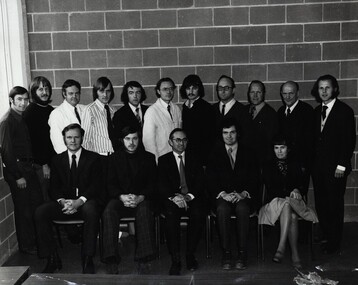 Federation University Historical Collection
Photograph - Black and White, Members of Staff - Chemistry Department, 1974, 1974
... ...john murray - lecturer...barry shearer - lecturer laurie spinks - technician bill montieth - technician david stabb - lecturer john murray - lecturer kevin anthony - lecturer morrel aston - head of department elaine bowers - secretary john fennel - lecturer phil griffen - masters student john rietze - masters student noel janetski - masters student phil smith - lecturer peter kopke - technician sam woodburn - lecturer roy schrieke - lecturer Members of Staff - Chemistry Department, 1974 Photograph - Black and White ...barry shearer - lecturer, laurie spinks - technician, bill montieth - technician, david stabb - lecturer, john murray - lecturer, kevin anthony - lecturer, morrel aston - head of department, elaine bowers - secretary, john fennel - lecturer, phil griffen - masters student, john rietze - masters student, noel janetski - masters student, phil smith - lecturer, peter kopke - technician, sam woodburn - lecturer, roy schrieke - lecturer -
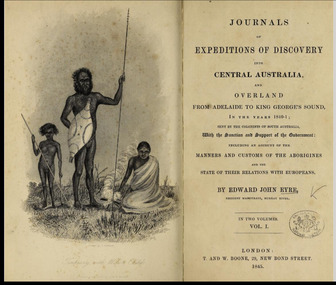 Flagstaff Hill Maritime Museum and Village
Book - Journal Reference Book/History, Edward John Eyre, Journals of Expeditions of Discovery into Central Australia and Overland From Adelaide to King George Sound. In the years 1840-1 Vol 1, 1845
... Flyleaf has the title Expeditions of Discovery into Central Australia by Edward John Eyre Resident Magistrate, Murray River. In Two Volumes Vol. 1. ...Flyleaf has the title Expeditions of Discovery into Central Australia by Edward John Eyre Resident Magistrate, Murray River. In Two Volumes Vol. 1. and London T & W. ...Journals of Expeditions of Discovery into Central Australia was written by Edward John Eyre. It is Eyre’s 1845 account of his 1840–41 exploration journeys from Adelaide into central Australia and then overland to King George’s Sound. The book is published in two volumes and was first issued in 1845. It blends practical expedition reporting with reflection, so it is both a record of exploration and a statement about the colonial understanding of inland Australia.Journals of Expeditions of Discovery into Central Australia Vol 1 Author: Edward John Eyre Publisher: T and W Boone Date: 1845 non-fictionJournals of Expeditions of Discovery into Central Australia was written by Edward John Eyre. It is Eyre’s 1845 account of his 1840–41 exploration journeys from Adelaide into central Australia and then overland to King George’s Sound. The book is published in two volumes and was first issued in 1845. It blends practical expedition reporting with reflection, so it is both a record of exploration and a statement about the colonial understanding of inland Australia. flagstaff hill, warrnambool, shipwrecked coast, flagstaff hill maritime museum, maritime museum, flagstaff hill maritime village, great ocean road, book, warrnambool library, warrnambool mechanics’ institute, mechanics’ institute library, victorian library board, warrnambool books and records, journals of expeditions of discovery into central australia vol 1, edward john eyre -
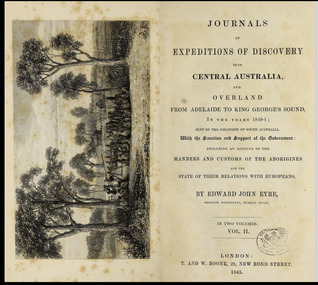 Flagstaff Hill Maritime Museum and Village
Book - Journal Reference Book/History, Edward John Eyre, Journals of Expeditions of Discovery into Central Australia and Overland From Adelaide to King George Sound. In the years 1840-1 Vol 2, 1845
... Flyleaf has the title Expeditions of Discovery into Central Australia by Edward John Eyre Resident Magistrate, Murray River. In Two Volumes Vol. 2. ...Flyleaf has the title Expeditions of Discovery into Central Australia by Edward John Eyre Resident Magistrate, Murray River. In Two Volumes Vol. 2. and London T & W. ...Journals of Expeditions of Discovery into Central Australia was written by Edward John Eyre. It is Eyre’s 1845 account of his 1840–41 exploration journeys from Adelaide into central Australia and then overland to King George’s Sound. The book is published in two volumes and was first issued in 1845. It blends practical expedition reporting with reflection, so it is both a record of exploration and a statement about the colonial understanding of inland Australia.Journals of Expeditions of Discovery into Central Australia Vol 2 Author: Edward John Eyre Publisher: T and W Boone Date: 1845 non-fictionJournals of Expeditions of Discovery into Central Australia was written by Edward John Eyre. It is Eyre’s 1845 account of his 1840–41 exploration journeys from Adelaide into central Australia and then overland to King George’s Sound. The book is published in two volumes and was first issued in 1845. It blends practical expedition reporting with reflection, so it is both a record of exploration and a statement about the colonial understanding of inland Australia. flagstaff hill, warrnambool, shipwrecked coast, flagstaff hill maritime museum, maritime museum, flagstaff hill maritime village, great ocean road, book, warrnambool library, warrnambool mechanics’ institute, mechanics’ institute library, victorian library board, warrnambool books and records, journals of expeditions of discovery into central australia vol 1, edward john eyre -
 Flagstaff Hill Maritime Museum and Village
Photograph - Set of Photographs, John Chance, late 1960s to early 1970s
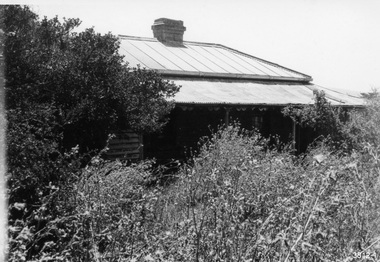
... murray...hugh hamilton gibson...lavinia gibson...jane shields...eva carmichael...tom pearce...blue china tea set...peter mcarthur...ernest mcarthur...robert mcarthur...colin mcarthur...glenample cheese factory...cathedral stone...don charlwood...james charlwood...antique door key...glenample photographs...john...The shipwreck of the Loch Ard itself is of significance for Victoria and is registered on the Victorian Heritage Register (S417). flagstaff hill warrnambool flagstaff hill maritime museum maritime museum shipwreck coast flagstaff hill maritime village great ocean road kennans station glenample homestead georgian homestead loch ard princetown victoria james murray hugh hamilton gibson lavinia gibson jane shields eva carmichael tom pearce blue china tea set peter mcarthur ernest mcarthur robert mcarthur colin mcarthur glenample cheese factory cathedral stone don charlwood james charlwood antique door key glenample photographs john chance victorian heritage database 392 The set of ten rectangular black and white photographs of the Glenample Homestead, taken in the late 1960s or early 1970s, give san overview of the Glenample property. ...This set of glossy black and white photographs is a set of images of Glenample Homestead circa late 1960s to early 1970s. They were taken by John Chance and are part of the John Chance Collection. The Colonial Georgian style Glenample Homestead was built from 1866 to 1869 from locally quarried sandstone. In is built on the top of a hill amongst trees. There are paddocks below and around the building. The building is basically a rectangular shape with a recessed room on the right side of the front. The pitched roof is covered in corrugated iron. The veranda, added in 1886, also has a corrugated iron room and is supported by square posts with decorative tops. It shelters three sides of the building. The edge of the veranda is decorated with scalloped shapes along the front and left side of the building. On the right is a brick wall incorporating a chimney. Another chimney on the left is contained within the building. The four-panelled outside doors are visible in some of the photos, as are the 12-paned glass windows, which are framed in contrasting stone. The veranda is trimmed with scalloped metal work on two sides and had some enclosed corners. There appears to be a cubical water tank on the roof line. Out-buildings include a toilet built against the house's brick wall. Another building appears to have two rooms with outside doors, perhaps for workers. There is the remains of a two-wheeled cart under a shelter. GLENAMPLE & the LOCH ARD Glenample Homestead became famous after the disastrous wreck of the sailing ship Loch Ard on June 1, 1878. The owners, Hugh Hamilton Gibson and Peter McArthur, were involved in the rescue and recovery of the only two survivors, as well as overseeing the salvage of items from the shipwreck and the burial of those who lost their lives. Glenample Homestead is on the Great Ocean Road at Princetown. Originally the land was part of Kennan’s Station lease, one of the district’s early settlements, circa 1847. James Murray bought Kerman’s land in 1856-57, combined it with nearby land, and named it Glenample Homestead. The ruins of huts Murray built on the property were still there until recently. Glenample was sold in 1866 to the partnership of Gibson and McArthur, who built a Georgian style house there using local sandstone, completing it by 1869. On 1st June 1878 the Loch Ard was wrecked at what is now called Loch Ard Gorge. Apprentice crewman Tom Pearce and eighteen year old passenger Eva Carmichael were the only survivors. Pearce had brought Eva ashore and sheltered her in a cave, reviving her with whiskey found amongst items washed up from the wreck. He climbed the cliffs and came across two riders from Glenample. No other survivors were found and sadly, Eva’s family members were amongst those who drowned. Hugh and Lavinia Gibson cared for Pearce and Eva at Glenample and extended their hospitality to Eva, who stayed on for about six weeks as she recovered from the ordeal physically and emotionally. Mrs Gibson introduced Eva to Jane Shields and the young ladies became lifelong friends. Years after Eva had returned to England, Jane’s daughter visited her. Eva handed her a blue china tea set to pass onto her mother as a gift. A descendant of Jane’s donated part of the tea set to Flagstaff Hill Maritime Village while another descendant donated her inherited share of the tea set to the Warrnambool and District Historical Society. In 1886 Glenample Homestead was updated to include a veranda on three sides. In 1887 Gibson sold his share to partner Peter McArthur. McArthur’s son Ernest inherited the property in 1897. Ernest established the Glenample Cheese Factory in around 1911. It was closed due to the World War and reopened in 1929 by McArthur’s sons, Robert and Colin, when they took control. In 1945 they sold Glenample and several owners followed but it was left unoccupied and became dilapidated. It was during this time that John Chance visited the property and photographed the buildings. In the 1980s the National Parks Service acquired the Glenample Homestead and began a restoration program. Work began in 1989 by Cathedral Stone, which was established in 1989 by James Charlwood, a specialist stonemason and son of maritime author Don Charlwood. This set of photographs are significant as a record of Glenample Homestead as it was from around the late 1860s to the late 1960s. The photographs are also significant as they were taken by John Chance, a diver from the wreck of the Loch Ard in the 1960s-70s. Items that come from several wrecks along Victoria's coast have since been donated to the Flagstaff Hill Maritime Village’s museum collection by his family, illustrating this item’s level of historical value. The photographs are significant as a link between Glenample, the vessel Loch Ard, and the only survivors of the Loch Ard. Glenample Homestead is of historical, social and architectural significance to the State of Victoria and is listed on the Victorian Heritage Register (VHR H0392). It is a historical example of early settlement and development of a run in the coastal land of South West Victoria, and it is constructed from locally quarried sandstone but doesn’t take away from its Georgian design. Glenample Homestead is of State significance through its unique connection with the wreck of the ship Loch Ard and the connection to its owners, Hugh and Lavinia Gibson and Peter McArthur, played a historically and socially significant role in the rescue and care of the survivors, the salvage of goods and the burial of those who lost their lives. The shipwreck of the Loch Ard itself is of significance for Victoria and is registered on the Victorian Heritage Register (S417). The set of ten rectangular black and white photographs of the Glenample Homestead, taken in the late 1960s or early 1970s, give san overview of the Glenample property. The views include the front, back and one side of the building, three outbuildings, and the situation of the homestead on the property. The details on the photographs show the materials used and the Colonial Georgian style. The photographs are also a record of the deterioration of the property over the years it was unoccupied.flagstaff hill, warrnambool, flagstaff hill maritime museum, maritime museum, shipwreck coast, flagstaff hill maritime village, great ocean road, kennans station, glenample homestead, georgian homestead, loch ard, princetown, victoria, james murray, hugh hamilton gibson, lavinia gibson, jane shields, eva carmichael, tom pearce, blue china tea set, peter mcarthur, ernest mcarthur, robert mcarthur, colin mcarthur, glenample cheese factory, cathedral stone, don charlwood, james charlwood, antique door key, glenample photographs, john chance, victorian heritage database 392 -
 Flagstaff Hill Maritime Museum and Village
Book - Compalation of Plays, Prologues, Sociatal Observations, Richard Brinsley Sheridan, The Works of Richard Brinsley Sheridan, 1874
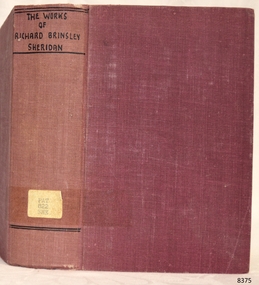
... Prior to this edition, if a Victorian reader wanted to engage with Sheridan's works, they had to buy his plays separately or purchase clunky, expensive multi-volume sets (like the 1821 John Murray edition) that lacked his political and personal context. ...Richard Brinsley Sheridan (1751–1816) was an Irish-born playwright, impresario, wit, and prominent Whig politician. He was a dazzling figure in late 18th-century London high society. The book, The Works of Richard Brinsley Sheridan, edited by Francis Stainforth, is an omnibus collection showcasing the full breadth of his career. The volume opens with a substantial biographical introduction (the "memoir"). It traces Sheridan's meteoric rise from an impoverished Irish theater family to the heights of Parliament and Westminster Abbey, balanced against his chaotic personal finances and battles with alcoholism. Rather than just printing his famous plays, this single-volume edition compiles his complete theatrical catalog (The Rivals, The School for Scandal, The Duenna, The Critic, Pizarro, etc.). Also included are his lesser-known verse, prologues written for the theater, classical translations, a selection of his most famous parliamentary orations, and fragments of plays and essays he never completed. The addition of a collection on “ANA,” noted on the book's flyleaf, refers to a 19th-century publishing term for a collection of anecdotes, memorable sayings, table-talk, and biographical trivia regarding a famous person. The "Sheridaniana" section in this book compiles the sharp-witted jokes, pranks, and clever remarks Sheridan made throughout his life.The Works of Richard Brinsley Sheridan Author: Richard Brinsley Sheridan Publisher: Chatto and Windus Date: 1874 Editor: Francis Edward StainforthfictionRichard Brinsley Sheridan (1751–1816) was an Irish-born playwright, impresario, wit, and prominent Whig politician. He was a dazzling figure in late 18th-century London high society. The book, The Works of Richard Brinsley Sheridan, edited by Francis Stainforth, is an omnibus collection showcasing the full breadth of his career. The volume opens with a substantial biographical introduction (the "memoir"). It traces Sheridan's meteoric rise from an impoverished Irish theater family to the heights of Parliament and Westminster Abbey, balanced against his chaotic personal finances and battles with alcoholism. Rather than just printing his famous plays, this single-volume edition compiles his complete theatrical catalog (The Rivals, The School for Scandal, The Duenna, The Critic, Pizarro, etc.). Also included are his lesser-known verse, prologues written for the theater, classical translations, a selection of his most famous parliamentary orations, and fragments of plays and essays he never completed. The addition of a collection on “ANA,” noted on the book's flyleaf, refers to a 19th-century publishing term for a collection of anecdotes, memorable sayings, table-talk, and biographical trivia regarding a famous person. The "Sheridaniana" section in this book compiles the sharp-witted jokes, pranks, and clever remarks Sheridan made throughout his life.flagstaff hil, warrnambool, flagstaff hill maritime museum, maritime museum, shipwreck coast, great ocean road, book, pattison collection, warrnambool library, warrnambool mechanics’ institute, ralph eric pattison, corangamite regional library service, warrnambool city librarian, mechanics’ institute library, victorian library board, warrnambool books and records, warrnambool children’s library, the works of richard brinsley sheridan, richard brinsley sheridan, f stainforth, plays, drama -
 City of Moorabbin Historical Society (Operating the Box Cottage Museum)
Book, Murray, Peter R. et al, From sand, swamp and heath : a history of Caulfield, 1980
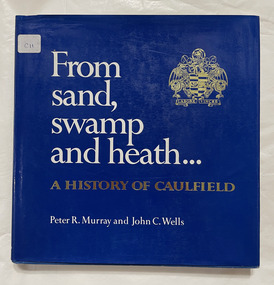
... Murray, Peter R....Wells, John...From sand, swamp and heath : a history of Caulfield Book Murray, Peter R. Wells, John J. & D. Burrows for City of Caulfield ...278p. : ill., graphs, maps, portrs. includes index.non-fictioncaulfield history, caulfield council -
 Orbost & District Historical Society
black and white photograph, 1930 - 1940
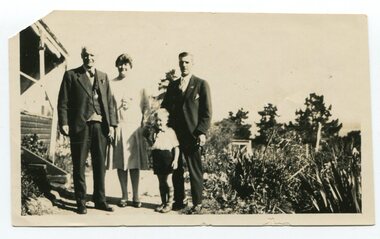
... John Russell Senior was a blacksmith, wheelwright, farmer and chairman of the Orbost Butter Factory, makers of Sunny South Butter (today part of Murray Goulburn Co Ltd). ...John Russell Senior was a blacksmith, wheelwright, farmer and chairman of the Orbost Butter Factory, makers of Sunny South Butter (today part of Murray Goulburn Co Ltd). ...This photograph shows three generations of the Russell family in Orbost. On the left is John Russell with his son Bill Russell and his wife Ede and their son Ian. John Russell Senior was a blacksmith, wheelwright, farmer and chairman of the Orbost Butter Factory, makers of Sunny South Butter (today part of Murray Goulburn Co Ltd). Bill was born at Orbost in 1893, the youngest son of John and Elizabeth Maud (nee Clarke). Upon his father’s retirement he took over the homestead part of the holding, 1,000 acres of river flats and hill land. He was involved in dairying and was also a successful beef cattle breeder and maize grower. He was elected to the Orbost Shire Council in 1929 and shortly afterwards was President for 18 months (from May 1930 to August 1931). He served a further term as President in 1934-35. He represented the South riding. He was chairman of the Bean Board and a well-known horse and show judge and a member of the Royal Agricultural Society. He was an elocutionist of some note and a member of the committee of management of the Orbost Hospital. He was also a prominent member and Past Master of the Masonic Lodge and a Justice of the Peace. He served as president of the Orbost Golf Club and assisted with the preparation and layout of the present Orbost Golf course. This item is associated with the Russell family, early settlers in the Orbost district.A black / white photograph of a family. A lady is in the middle with a man on each side and a young boy in front. They are standing outside a house in the garden.on back - "3 generations, Johnny Russell, Ede & Bill Russell & Ian Russell"russell-family-orbost -
 Orbost & District Historical Society
buggy wheel lifter, 1910 -1920
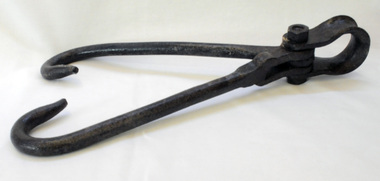
... This item was made by John Russell Senior, a blacksmith, wheelwright, farmer and later chairman of the Orbost Butter Factory, makers of Sunny South Butter (today part of Murray Goulburn Co Ltd). ...This item was made by John Russell Senior, a blacksmith, wheelwright, farmer and later chairman of the Orbost Butter Factory, makers of Sunny South Butter (today part of Murray Goulburn Co Ltd). ...This item was made by John Russell Senior, a blacksmith, wheelwright, farmer and later chairman of the Orbost Butter Factory, makers of Sunny South Butter (today part of Murray Goulburn Co Ltd). The buggy lifter was handed down to George Henry Russell (Doug), the second son between 1970 and 1973.Blacksmiths played an essential part in the regional parts of Victoria and were required to use their ingenuity and skills to design and make tools needed on local farms. This item is an example of a tool specifically designed for a horse-drawn wagon. Horse-drawn wagons are an important part of Australia’s agricultural history. Light buggies were popular with farmers for trips into town before the common use of motorised vehicles.A metal buggy wheel lifter. It has two hooks connected at the top by a bolt and a shackle. The hooks fit under the rim to enable the wheel to be lifted with a pulley / crane system operated by a man or a horse.tool buggy-lifter russell-john blacksmith wheelwright -
 Ringwood and District Historical Society
Display Stand and Ribbon, Ringwood Probus Club Presidents 1983 - 2010, 1983-2010
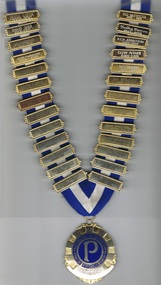
... McCleave 1992-93, Ken Dalziel 1993-94, Jack Patten 1994-95, Jim Barber 1995-96, Bob Boyd 1996-97, Doug Murray 1997-98, Ron Ellis 1998-99, Ian McBurnie 1999-2000, David Gibb 2000-2001, Bill Lilburn 2001-2002, John Fairbairn 2002-2003, Clyde Aitken 2003-2004, Alan Marshall 2004-2005, Ken Johnston 2005-2006, David Gibb 2006-2007, Hedley Deacon 2007-2008, Ted Brewster 2008-2009, John Ulrik 2009-2010....McCleave 1992-93, Ken Dalziel 1993-94, Jack Patten 1994-95, Jim Barber 1995-96, Bob Boyd 1996-97, Doug Murray 1997-98, Ron Ellis 1998-99, Ian McBurnie 1999-2000, David Gibb 2000-2001, Bill Lilburn 2001-2002, John Fairbairn 2002-2003, Clyde Aitken 2003-2004, Alan Marshall 2004-2005, Ken Johnston 2005-2006, David Gibb 2006-2007, Hedley Deacon 2007-2008, Ted Brewster 2008-2009, John Ulrik 2009-2010. ...Wooden display stand containing Probus Club Presidents medallion and 26 metal tags engraved with names of Ringwood Probus Club presidents and years of office, attached to blue and white ribbon.Retired Professional and Businessmans Clubs - PROBUS Presidents (Ringwood) - Ken Field 1983-85, Bob Hodgson 1985-86, Nigel Beale 1986-87, R.J. Gallagher 1987-88, Russ Roberts 1988-89, Les Williams 1989-90, Baden Chadwick 1990-91, Cyril Handoll 1991-92, A.N. McCleave 1992-93, Ken Dalziel 1993-94, Jack Patten 1994-95, Jim Barber 1995-96, Bob Boyd 1996-97, Doug Murray 1997-98, Ron Ellis 1998-99, Ian McBurnie 1999-2000, David Gibb 2000-2001, Bill Lilburn 2001-2002, John Fairbairn 2002-2003, Clyde Aitken 2003-2004, Alan Marshall 2004-2005, Ken Johnston 2005-2006, David Gibb 2006-2007, Hedley Deacon 2007-2008, Ted Brewster 2008-2009, John Ulrik 2009-2010. -
 Orbost & District Historical Society
black and white photograph, late 19th century - early 20th century
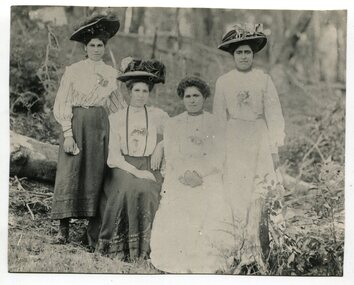
... Murray and Violet Gay. George Thomas and Gtranny Thomas lived at Newmerella on Grand View Road until the 1950's. In the Newmerella Koorie Community, there were about 15 families. The family was a very well-respected local Aboriginal family. . George was a stockman for Jas Stirling. From Colin Thomas "I learned that George Thomas was Kitty Johnson’s oldest son. As a young boy George had been found by the Reverend John...Murray and Violet Gay. George Thomas and Gtranny Thomas lived at Newmerella on Grand View Road until the 1950's. In the Newmerella Koorie Community, there were about 15 families. The family was a very well-respected local Aboriginal family. . George was a stockman for Jas Stirling. From Colin Thomas "I learned that George Thomas was Kitty Johnson’s oldest son. As a young boy George had been found by the Reverend John ...This is a photograph of the four daughters of Mrs George Thomas. L -R : Elleen Parsons, Julia Eaton, Eva Murray and Violet Gay. George Thomas and Gtranny Thomas lived at Newmerella on Grand View Road until the 1950's. In the Newmerella Koorie Community, there were about 15 families. The family was a very well-respected local Aboriginal family. . George was a stockman for Jas Stirling. From Colin Thomas "I learned that George Thomas was Kitty Johnson’s oldest son. As a young boy George had been found by the Reverend John Bulmer, in addition to other young Aboriginal children in the bush around the Lake Tyers area. He had gathered them all together and took them onto the reserve at the Mission. After quite a number of years had passed George had met and fallen in love with a young half-caste girl, known as Agnes Patterson. Agnes was of Monaro descent and came from New South Wales. George and Agnes got married at Lake Tyers. Because of the half-caste act George and Agnes had to leave the reserve along with their nine girls. They moved to Newmerella, situated outside the township of Orbost. This was the place that George and his wife and children came to call home. Soon after, George and Agnes would add to their family bringing the total of children to fourteen, the last five of whom were boys. At the time of the First World War George’s boy’s volunteered their services and joined the army. When in Europe one of the boys sustained an injury which caused the loss of an arm. Following the end of the war the boys came home, as men." The Thomas family was a well-respected family in Newmerell in the late 19th and first half of the 20th century. The daughter were well known for their needlework and craft skills.A black / white photograph of four women wearing log skirts / dresses and elaborate hats, two sitting on a log and two standing on either side.thomas-family newmerella koori-family -
 Orbost & District Historical Society
black and white photograph, early 20th century
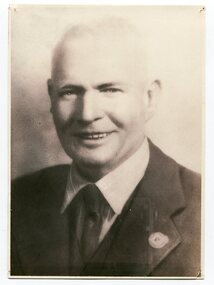
... John Russell Senior was a blacksmith, wheelwright, farmer and chairman of the Orbost Butter Factory, makers of Sunny South Butter (today part of Murray Goulburn Co Ltd). ...John Russell Senior was a blacksmith, wheelwright, farmer and chairman of the Orbost Butter Factory, makers of Sunny South Butter (today part of Murray Goulburn Co Ltd). ...John Russell Senior was a blacksmith, wheelwright, farmer and chairman of the Orbost Butter Factory, makers of Sunny South Butter (today part of Murray Goulburn Co Ltd). He was a keen bowler, playing up to, the age of ninety.This item is associated with the Russell family, early settlers in the Orbost district.A black / white, head and shoulders, portrait photograph of a balding man in a suit and tie. There is a badge on his lapel.russell-john -
 Ringwood and District Historical Society
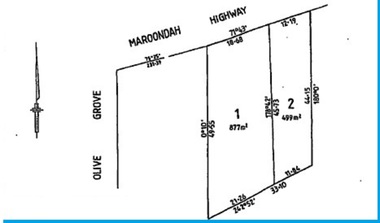
Document - Folder, Landata Certificates - Part of Crown Portion Six, (Lots 1-4 and numbers 70-90) Maroondah Highway, Parish of Ringwood, Victoria
... Building Aust P/L, Lot 1 of subidivision 35788, Whitehorse Road Ringwood, Maliblue P/L 33-35 Ruthven Way Ringwood East, Hesketh Motor Cycles P/L, 70 Maroondah Highway Ringwood, Arthur Clifton Beilby of Ringwood, Storekeeper, Florence Beatrice McGoldrick and Oscar Edward John McGoldrick of "Carrum", Whitehorse Road Ringwood, Elsie May McGoldrick, 82 Whitehorse Road Ringwood, Douglas Murray and Ronald Arthur Mason, H.W.P Tortice and D.M. ...Building Aust P/L, Lot 1 of subidivision 35788, Whitehorse Road Ringwood, Maliblue P/L 33-35 Ruthven Way Ringwood East, Hesketh Motor Cycles P/L, 70 Maroondah Highway Ringwood, Arthur Clifton Beilby of Ringwood, Storekeeper, Florence Beatrice McGoldrick and Oscar Edward John McGoldrick of "Carrum", Whitehorse Road Ringwood, Elsie May McGoldrick, 82 Whitehorse Road Ringwood, Douglas Murray and Ronald Arthur Mason, H.W.P Tortice and D.M. ...27 A4 pages of colour photocopied certificates with typewritten summaries, including Certificate of Title Vol 1156 Fol 231096, 8th March 1880. Certificate of Title Vol 1440 Fol 930, 14th March 1883. Certificate of Title Vol 8487 Fol 090, 28th January 1964. Certificate of Title Vol 9019 Fol 634, 5th December 1973. Certificate of Title Vol 3711 Fol 742129, William John Harnwell, 1st August 1913. Certificate ot Title Vol 6552 Fol 1310305, 5th June 1942. Certificate of Title Vol 5282 Fol 1056207, Arthur Clifton Beilby, 19th July 1927. Certificate of Title Vol 6573 Fol 1314497, Florence Beatrice McGoldrick, Lot 4 on Subdivision 14786, Whitehorse Road, Ringwood, 18th August 1942. Proprietors and transferees include: William Astley of Richmond, Compositor, Marianne Thomson of Jolimont, Spinster, Margaret McGillivray of Ringwood, Spinster, George Frederick Burgess Wilsmore of Ringwood, Railway Employee, Leslie Wilsmore, John Wilsmore, Lionel Wilsmore, 90 Whitehorse Road Ringwood, B.T. Building Aust P/L, Lot 1 of subidivision 35788, Whitehorse Road Ringwood, Maliblue P/L 33-35 Ruthven Way Ringwood East, Hesketh Motor Cycles P/L, 70 Maroondah Highway Ringwood, Arthur Clifton Beilby of Ringwood, Storekeeper, Florence Beatrice McGoldrick and Oscar Edward John McGoldrick of "Carrum", Whitehorse Road Ringwood, Elsie May McGoldrick, 82 Whitehorse Road Ringwood, Douglas Murray and Ronald Arthur Mason, H.W.P Tortice and D.M. Tortice, V.B. Rowe. -
 Ringwood and District Historical Society
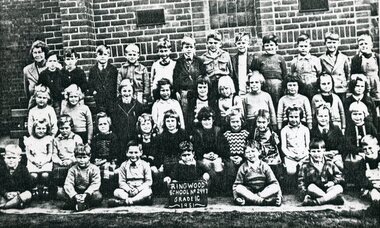
Photograph, Ringwood State School -Class photograph - Grade 1C, 1951
... John Pottenger, Gary Stewart, ?, ?, Lyndan McKeon, Terry Riley, ?, ?, Ken (?), Peter Tindal. 2nd Row - L to R: Anne Wausherson, ?, Faye Marshall, ?, Carol Hancy, Carol Hampson, Carol Pavey, Diane Close, Sylvia Johnson, Meryn Longmrye. 3rd Row - L to R: Margaret Strachan, Jennifer Young, Ailsa Ralston, Judith Bower, Mary Lloyd, ?, ?, ?, Judith Hill, Phylis Hagen, Annette Harns. Front Row- L to R: Murray...John Pottenger, Gary Stewart, ?, ?, Lyndan McKeon, Terry Riley, ?, ?, Ken (?), Peter Tindal. 2nd Row - L to R: Anne Wausherson, ?, Faye Marshall, ?, Carol Hancy, Carol Hampson, Carol Pavey, Diane Close, Sylvia Johnson, Meryn Longmrye. 3rd Row - L to R: Margaret Strachan, Jennifer Young, Ailsa Ralston, Judith Bower, Mary Lloyd, ?, ?, ?, Judith Hill, Phylis Hagen, Annette Harns. Front Row- L to R: Murray ...Black and white photograph - Grade 1C, 1951"Attached to photograph" Back Row- L to R: (?) Oliver, (?) Oliver, John Pottenger, Gary Stewart, ?, ?, Lyndan McKeon, Terry Riley, ?, ?, Ken (?), Peter Tindal. 2nd Row - L to R: Anne Wausherson, ?, Faye Marshall, ?, Carol Hancy, Carol Hampson, Carol Pavey, Diane Close, Sylvia Johnson, Meryn Longmrye. 3rd Row - L to R: Margaret Strachan, Jennifer Young, Ailsa Ralston, Judith Bower, Mary Lloyd, ?, ?, ?, Judith Hill, Phylis Hagen, Annette Harns. Front Row- L to R: Murray Coulthard, Ray Brown, ?, ?, Peter Connell, ?, Robert Morris. Teacher: -
 Ringwood and District Historical Society
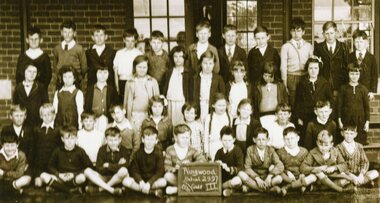
Photograph, Ringwood State School - Class photograph- Grade 3, 1936
... , Wilfred Henman, John Godfrey, Lauri Divola, Gordon Storey, Ian Benson. 2nd Row -- L to R: ?, Peggy Wilkins, ?, ?, Charlotte Sorenson, Gloria Dell, Joan Murray, Beryl Lackman, ?..., Wilfred Henman, John Godfrey, Lauri Divola, Gordon Storey, Ian Benson. 2nd Row -- L to R: ?, Peggy Wilkins, ?, ?, Charlotte Sorenson, Gloria Dell, Joan Murray, Beryl Lackman, ? ...Black and white photograph - Grade 3, 1936"Attached to photograph" Back Row - L to R: ?, Doug Jackson, ?, Doug Tasker, Brian Skurry, ?, Wilfred Henman, John Godfrey, Lauri Divola, Gordon Storey, Ian Benson. 2nd Row -- L to R: ?, Peggy Wilkins, ?, ?, Charlotte Sorenson, Gloria Dell, Joan Murray, Beryl Lackman, ?, ?. 3rd Row - L to R: ?, Lyall Dickson, ?, Ken Foreman, Joyce Hall, Isabella Sorenson, ?, ?, Ivan Mayes, ?. Front Row- L to R: Fred Warren, ?, Lenny Dawson, ?, (?) Anderson, Lindsay Allen, George, Hampson, (?) Tortice. Teacher: -
 Ringwood and District Historical Society
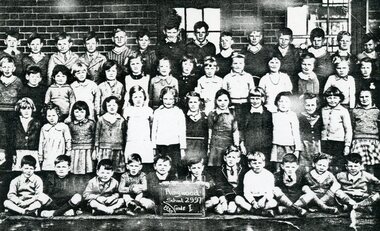
Photograph, Ringwood State School - Class photograph- Grade 1, 1936
... John Anderson, ?, Ron Dyball, ?, Bill Adolphson, Teddy Wright, ?, ?, Frank Goodall, Keith Dawson, Ron Shearer, ?, ?, Colin Fry. 2nd Row -- L to R: Ray Ringrose, Ken Bartlett, (?) Adicott, Alma Lloyd, ?, ?, Betty Cope,, Rosalie Story, Dorothy Lloyd, Margaret Wilson, Joan Taylor, ?, Elsie Langer, Audrey Fry. 3rd Row - L to R: Jenny Polson, Jean Aird, ?, Connie Hampson, ?, ?, Betty Knee, ?, Jean Pendlebury, Betty Addicoat, June Rowe, Wilma Godfrey, Shirley Murray...John Anderson, ?, Ron Dyball, ?, Bill Adolphson, Teddy Wright, ?, ?, Frank Goodall, Keith Dawson, Ron Shearer, ?, ?, Colin Fry. 2nd Row -- L to R: Ray Ringrose, Ken Bartlett, (?) Adicott, Alma Lloyd, ?, ?, Betty Cope,, Rosalie Story, Dorothy Lloyd, Margaret Wilson, Joan Taylor, ?, Elsie Langer, Audrey Fry. 3rd Row - L to R: Jenny Polson, Jean Aird, ?, Connie Hampson, ?, ?, Betty Knee, ?, Jean Pendlebury, Betty Addicoat, June Rowe, Wilma Godfrey, Shirley Murray ...Black and white photograph - Grade 1, 1936"Attached to photograph" Back Row - L to R: John Anderson, ?, Ron Dyball, ?, Bill Adolphson, Teddy Wright, ?, ?, Frank Goodall, Keith Dawson, Ron Shearer, ?, ?, Colin Fry. 2nd Row -- L to R: Ray Ringrose, Ken Bartlett, (?) Adicott, Alma Lloyd, ?, ?, Betty Cope,, Rosalie Story, Dorothy Lloyd, Margaret Wilson, Joan Taylor, ?, Elsie Langer, Audrey Fry. 3rd Row - L to R: Jenny Polson, Jean Aird, ?, Connie Hampson, ?, ?, Betty Knee, ?, Jean Pendlebury, Betty Addicoat, June Rowe, Wilma Godfrey, Shirley Murray. Front Row- L to R: Bobby Jones, Les Flintoff, ?, Graeme Skurry, Billy Wilkins, Don Anderson, Ken Woods, Don Mayes, ?, (?) Flynn, ?. Teacher: -
 Ringwood and District Historical Society
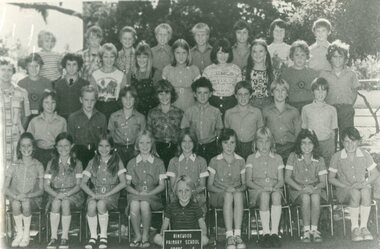
Photograph, Ringwood State School - Grade 5, 1976
... Johns, Grant Ruttey, Scott (?). 2nd Row- L to R: Andrew Wright, Lincoln Gill, Columbina Davis, Joanne Rigg, Jennifer Ashton, Nicole Joscht, Jane Tierney, Andrew Johnson, Adrian Murray. 3rd Row- L to R: Steven Day, Ian Burne, John McBroom, Guy Summers, Tony Hutchmeon, Ken Weller, Stephen Hager, Paul Kempton. ...Johns, Grant Ruttey, Scott (?). 2nd Row- L to R: Andrew Wright, Lincoln Gill, Columbina Davis, Joanne Rigg, Jennifer Ashton, Nicole Joscht, Jane Tierney, Andrew Johnson, Adrian Murray. 3rd Row- L to R: Steven Day, Ian Burne, John McBroom, Guy Summers, Tony Hutchmeon, Ken Weller, Stephen Hager, Paul Kempton. ...Black and white photograph - Grade 5, 1976."Attached to photograph" Back Row- L to R: Mark Stortenbecker, Stephen Owen, Stephen Hughes, David Flynn, Barry Flynn, Dean Johns, Grant Ruttey, Scott (?). 2nd Row- L to R: Andrew Wright, Lincoln Gill, Columbina Davis, Joanne Rigg, Jennifer Ashton, Nicole Joscht, Jane Tierney, Andrew Johnson, Adrian Murray. 3rd Row- L to R: Steven Day, Ian Burne, John McBroom, Guy Summers, Tony Hutchmeon, Ken Weller, Stephen Hager, Paul Kempton. Front Row- L to R: Linda Hack, ?, Suzanne Boroaby, Lorna Marklin, Susan West, Diane Jesson, Rosemary Boyce, Georgina Baltas, Janine Prouse. Front - Sitting : Roger Simpson. Teacher: Isabel Marshall. -
 Ringwood and District Historical Society
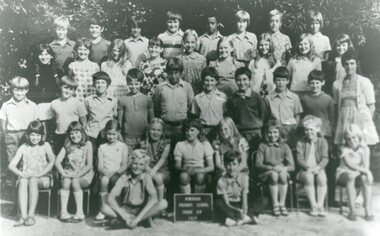
Photograph, Ringwood State School - Grade 6B, 1974
... "Attached to photograph" Back Row- L to R: Shane Clark, Sergio Signor, Rodney Simpson, Russell Zantuck, David Healy, Wayne Kempton, John Matheras, Willy Pouw. 2nd Row- L to R: Linda Parker, Christine Murray, Roseanne Glarimans, Michelle Hogarth, Heather Jones, Eileen Hurley, Jenny Kortland, Kim Edwards, Elizabeth Cuzens. 3rd Row- L to R: Colin Smith, Robert Brown, Keith Pritchard, Jeff Wilke, Martin Lynd, Martin Hamilton, Robert Elliot, Stephen Walton, Stuart Hutchison. ..."Attached to photograph" Back Row- L to R: Shane Clark, Sergio Signor, Rodney Simpson, Russell Zantuck, David Healy, Wayne Kempton, John Matheras, Willy Pouw. 2nd Row- L to R: Linda Parker, Christine Murray, Roseanne Glarimans, Michelle Hogarth, Heather Jones, Eileen Hurley, Jenny Kortland, Kim Edwards, Elizabeth Cuzens. 3rd Row- L to R: Colin Smith, Robert Brown, Keith Pritchard, Jeff Wilke, Martin Lynd, Martin Hamilton, Robert Elliot, Stephen Walton, Stuart Hutchison. ...Black and white photograph - Grade 6B 1974."Attached to photograph" Back Row- L to R: Shane Clark, Sergio Signor, Rodney Simpson, Russell Zantuck, David Healy, Wayne Kempton, John Matheras, Willy Pouw. 2nd Row- L to R: Linda Parker, Christine Murray, Roseanne Glarimans, Michelle Hogarth, Heather Jones, Eileen Hurley, Jenny Kortland, Kim Edwards, Elizabeth Cuzens. 3rd Row- L to R: Colin Smith, Robert Brown, Keith Pritchard, Jeff Wilke, Martin Lynd, Martin Hamilton, Robert Elliot, Stephen Walton, Stuart Hutchison. Front Row- L to R: Cathy Baker, Heather Butterworth, Karen Chapman, Fairley Marsh, Sharon Venn, Susanne Gempton, Christine Kozel, Karen Rolf, Elizabeth Bailey. Seated On ground: Chris Broadley, ?. Teacher: Mrs Parkes -
 Flagstaff Hill Maritime Museum and Village
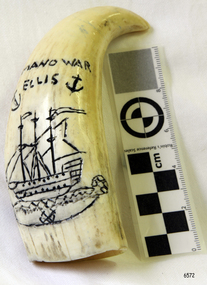
Craft - Scrimshaw, Late 20th century
... Royal Navy Service: Because the Esperance was captured in good order and sailed well, Rear Admiral George Murray, the British commander in chief of the North American station, put a British crew aboard and sent the Esperance out on patrol with HMS Lynx, under the command of John Poo Beresford, on 31st January. ...Royal Navy Service: Because the Esperance was captured in good order and sailed well, Rear Admiral George Murray, the British commander in chief of the North American station, put a British crew aboard and sent the Esperance out on patrol with HMS Lynx, under the command of John Poo Beresford, on 31st January. ...The ship “Ellis” started life as the Clementina, launched in America in 1781. The vessel was first listed in Lloyd's Register in 1784 and under this name began serving as a slave ship sailing out of Liverpool. A Lloyd’s database records of slave-trading voyages by vessels from Liverpool makes it clear that Clementina was a slave trader. The next year Captain J. Elworthy sailed her to West Central Africa and St Helena. He transported his slaves to South Carolina. Then in 1785 Elworthy gathered slaves in the Bight of Biafra and the Gulf of Guinea Islands for delivery to Jamaica. In 1786 Bent & Co. purchased the Clementina and renamed her Ellis, presumably after the then owner Ellis Bent. She remained in the slave trade and In 1788 Captain John Ford sailed the now renamed Ellis to the Bight of Biafra and the Gulf of Guinea to gather slaves. He delivered this batch of slaves to the island of Grenada. The next year, 1789 the Ellis was almost completely rebuilt, and from the change in subsequent reports of her cargo loading or (burthen), she was enlarged. In 1791, Captain Joseph Matthews became master and sailed the Ellis to the Gold Coast then delivering his consignment of slaves to the island of St Vincent. During this voyage, some misfortune may have befallen Matthews because records show the Ellis command was transferred to Thomas Given. In 1792, Given sailed to the Bight of Biafra and the Islands in the Gulf of Guinea, again collecting slaves for delivery to Jamaica. There is a parallel record, also for 1793, that the Ellis under the command of Thomas Heart, undertook the same journey and with the same itinerary and cargo. In 1793, Bent & Co. decided to use the Ellis as a privateer with John Levingston as the master. After receiving a letter of "marque” on the 3rd of June 1793, that allowed any armed vessel to commit acts on the high seas which would otherwise have constituted piracy. Thus the Ellis began to operate as a combat ship under the endorsement of the British navy. The Ellis was three times captured first by the French frigate Gracieuse, under the command of Captain Chevillard on 22 July 1793. The French took her into service and renamed her as ”Elise”. Later that summer the Spanish captured her and in November ownership returned to the French who then renamed her the “Esperance”. On the 8th of June 1794, Esperance arrived in Jacmel, Saint-Domingue (present-day Haiti), from France with the official proclamation of the abolition of slavery. Leger-Felicite Sonthonax was one of the Civil Commissioners of Saint-Domingue and he had already unilaterally proclaimed the island for the French colony the year before amid a slave rebellion and attacks from British and Spanish forces. Ironically, Esperance also brought the news to the Civil Commissioners that the National Convention of France had impeached them on 16th July 1793 and ordered them to return promptly to France. On 8 January 1795, HMS Argonaut, under the command of Captain Alexander John Ball, captured Esperance while she was on the North America station. At this time the Esperance was armed with 22 guns (4 and 6-pounders) and had a crew of 130 men. She was under the command of Lieutenant de vaisseau De St. Laurent and had been out at sea for 56 days from Rochfort, bound for the American Chesapeake Bay area. The French ambassador to the United States registered a complaint with the President of the United States that Argonaut, by stating that by entering Lynnhaven bay, either before she captured Esperance or shortly thereafter, had violated a treaty between France and the United States. The French also accused the British of having brought the Esperance into Lynnhaven for refitting for a cruise. The British Consul replied that the capture had taken place some 10 leagues offshore as the bad weather had forced Argonaut and her prize to shelter within the Chesapeake area for some days, but that they had left as soon as practicable. Furthermore, Argonaut had paroled her French prisoners on arrival at Lynnhaven, and if she had entered American territorial waters solely to parole her French prisoners no one would have thought that objectionable. Royal Navy Service: Because the Esperance was captured in good order and sailed well, Rear Admiral George Murray, the British commander in chief of the North American station, put a British crew aboard and sent the Esperance out on patrol with HMS Lynx, under the command of John Poo Beresford, on 31st January. On 1st March the two vessels captured the Cocarde Nationale (or National Cockade), a privateer from Charleston, South Carolina, of 14 guns, six swivel cannons and a crew of 80 men. Esperance and the lynx went on to recaptured the ship Norfolk, of Belfast, and the brig George, of Workington. On 20 July, Esperance, in company with frigates Thetis and Hussar, intercepted the American vessel Cincinnatus, of Wilmington, sailing from Ireland to Wilmington. They pressed many men on board into service, narrowly missing the Irish revolutionary Wolfe Tone, who was on his way to Philadelphia. Esperance was formally commissioned in 1795 into the Royal Navy in August under the Command of Jonas Rose. On 4 May 1796 Esperance was sailing in company with HMS Spencer and Bonetta when they sighted a suspicious vessel. Spencer set off in chase while shortly thereafter Esperance saw two vessels, a schooner and a sloop, and she and Bonetta set off after them. Spencer sailed south by south-east and the other two British vessels sailed south-west by west, with the result that they lost sight of each other. Spencer captured the French gun-brig Volcan, while Bonetta and Esperance captured the French schooner Poisson Volant. The Esperance eventually arrived at Portsmouth on the 3rd of November 1797, the crew was paid off and on 31st May 1798 the Admiralty listed the Esperance for sale and she was sold in June 1798 for £600.The subject scrimshaw is a modern reproduction crudely done of a historic vessel and the scene is believed to be engraved onto a synthetic substance. Scrimshaw art crudely carved into non-natural material in the shape of a tooth. The line artwork is an image of a three-masted sailing ship with a poop deck, and anchors, are coloured black. Inscription is engraved into tooth.Engraved "Man o War Ellis" warrnambool, flagstaff-hill, flagstaff-hill-maritime-museum, maritime-museum, shipwreck-coast, flagstaff-hill-maritime-village, scrimshaw, ellis, esperance, clementina, elise, hms ship, man of war, leter of marque, privateer, slave ship, slavery, ellis bent, american war of inderpendance, marine art, marine artifact, whale tooth, ivory tooth, resin, plastic, craft, engraving, carving -
 Phillip Island and District Historical Society Inc.
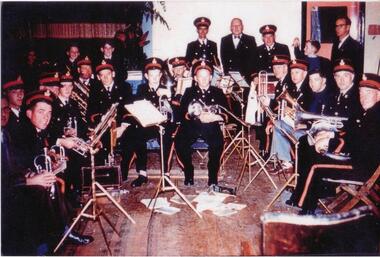
Photograph, Fuji Film, 20th Century
... Left to right- Seated -Rue de la Haye, John Dixon, Robert Cleeland, Bob Dixon, Graham Gliddon, Peter Forrest snr, Alf Towns, Murray De La Haye, Jack Gliddon, Artie Murdoch, Bill [Silver] McLardy, Bryant West, Laurie Dixon, Harry De La Haye, Noel Cleeland. ...Historical phillip island band laurie dixon collection laurie dixon Forrest Cleeland de La Haye Gliddon McLArdy Left to right- Seated -Rue de la Haye, John Dixon, Robert Cleeland, Bob Dixon, Graham Gliddon, Peter Forrest snr, Alf Towns, Murray De La Haye, Jack Gliddon, Artie Murdoch, Bill [Silver] McLardy, Bryant West, Laurie Dixon, Harry De La Haye, Noel Cleeland. ...Photograph from Laurie Dixon Collection. Historical284-03. Coloured photograph of the Phillip Island Band at a playout in Cowes.Left to right- Seated -Rue de la Haye, John Dixon, Robert Cleeland, Bob Dixon, Graham Gliddon, Peter Forrest snr, Alf Towns, Murray De La Haye, Jack Gliddon, Artie Murdoch, Bill [Silver] McLardy, Bryant West, Laurie Dixon, Harry De La Haye, Noel Cleeland. Standing- Unknown, Peter Forrest jnr, , Unknown, Ernie Booth, Ernie May [Bandmaster], George Dunscombe, Mike Toovey [Child side on], Allan Murray.phillip island band, laurie dixon collection, laurie dixon, forrest, cleeland, de la haye, gliddon, mclardy -
 Phillip Island and District Historical Society Inc.
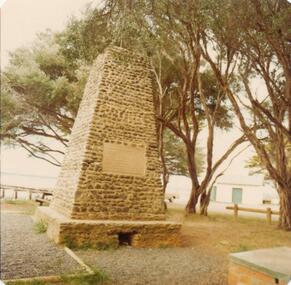
Photograph, 1978/79
... The Cairn commemorates the visits of Bass (1799), Grant (1801), Murray (1801) and the French expeditions of 1802 and 1826. local history photographs buildings - historical coloured photograph john cook phillip island Rhyll Cairn Photograph of historic Cairn on Rhyll foreshore. ...The Cairn commemorates the visits of Bass (1799), Grant (1801), Murray (1801) and the French expeditions of 1802 and 1826.Photograph of historic Cairn on Rhyll foreshore.local history, photographs, buildings - historical, coloured photograph, john cook, phillip island, rhyll cairn -
Phillip Island and District Historical Society Inc.
Book, MURRAY, John, summer survey : log of the Lady Nelson, 1801-1802 /? John Murray, introduction and notes by Valda Cole, 2001
... summer survey : log of the Lady Nelson, 1801-1802 /? John Murray, introduction and notes by Valda Cole....john murray...MURRAY, John...John Murray, introduction and notes by Valda Cole. ...Stamped 'Phillip Island & District Historical Society'.john murray, diaries, lady nelson, ship, sailors, great britain, voyages, travels, discovery, exploration -
 Phillip Island and District Historical Society Inc.
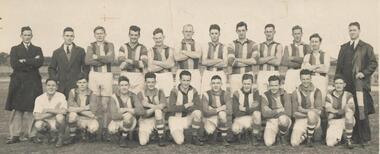
Photograph, 1930
... One of a collection of over 400 photographs in an album commenced in 1960 and presented to the Phillip Island & Westernport Historical Society by the Shire of Phillip Island local history photography phillip island football team black & white photograph phillip island football club Phillip Island Football Club 1930 John Jenner Bryant West Photograph of the Phillip Island Football Team 1930 Back row: S McFee, H Watchorn, H Jones, W Murray, T Crawford, F Duffy, (Captain) R Walton, M McLardy, H Nelson, R Dixon, K McIlwraith, B Edgar. ...One of a collection of over 400 photographs in an album commenced in 1960 and presented to the Phillip Island & Westernport Historical Society by the Shire of Phillip IslandPhotograph of the Phillip Island Football Team 1930 Back row: S McFee, H Watchorn, H Jones, W Murray, T Crawford, F Duffy, (Captain) R Walton, M McLardy, H Nelson, R Dixon, K McIlwraith, B Edgar. Front row: L Devolos, R Jones, J Smith, F Forrest, W McLardy, R Duffy, J McLardy, A Harding, W Dixon, H Smith.local history, photography, phillip island football team, black & white photograph, phillip island football club, phillip island football club 1930, john jenner, bryant west -
 Phillip Island and District Historical Society Inc.
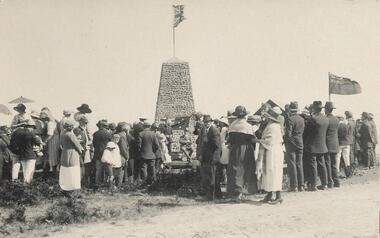
Photograph, 1923
... One of a collection of over 400 photographs in an album commenced in 1960 and presented to the Phillip Island & Westernport Historical Society by the Shire of Phillip Island local history photography mr w e thompson rhyll cairn phillip islanders black & white photograph John Jenner Bryant West Photograph of Mr W E Thompson telling the story of the Rhyll Cairn to the gathering at the unveiling in 1923. The Cairn commemorated the discovery of Western Port by Surgeon George Bass on the 4th January 1798 plus other visits paid by Grant, Murray, Baudin and D'Urville in the early 1800's. ...One of a collection of over 400 photographs in an album commenced in 1960 and presented to the Phillip Island & Westernport Historical Society by the Shire of Phillip IslandPhotograph of Mr W E Thompson telling the story of the Rhyll Cairn to the gathering at the unveiling in 1923. The Cairn commemorated the discovery of Western Port by Surgeon George Bass on the 4th January 1798 plus other visits paid by Grant, Murray, Baudin and D'Urville in the early 1800's.local history, photography, mr w e thompson, rhyll cairn, phillip islanders, black & white photograph, john jenner, bryant west -
 Australian Commando Association - Victoria
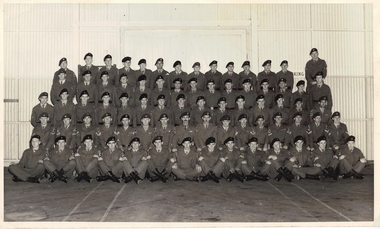
Photograph, Unknown, 2 COMMANDO COMPANY Ripponlea pay parade July 1958, 1958
... Unit members in the photo: Back row: Peter Herd, Mick Stewart, Ian Bunston, Russ Bradley, Bob West, Peter Reid, Norm 'Doc' Willoughby, Brian Hinneburg, Claude Gillard, _______ , Kevin Hatfield, Ian Hicks, Mack Hinds, John Woodruff. 4th row: Geoff Smith, Phil 'Juni0r' Meakins, Phillip Roff, George Wing, 'Bluey' De Clerk, Bob 'Canada' Johnston, Jim Walsh, Mike Hicks, Ern Jeffries, Karl 'Dutchy' Hulsbergen, Leigh Power, __________ , Norm 'Mick' Kennedy, Ray Bunyard, Jack Murray. 3rd row: Jeff Tomlinson, ______ , Vince Nehill, Jim Stephens, Bert Boatwright, Bill Leach, Bob Reid, Peter 'Padre' Bowden, ______ , Frank Read, Peter Higgins, Bill Salmon, John Hutchinson, Gus Kongas, Tony Poole. 2nd row: Roman Stuczynski, Stan Polan, Allan Moore, Don Bergman, Col 'Ali' Barbour, Peter Askew, Ron Smith, OC Major John Hutcheson, Adj Capt John Pritchard, Lt John O'Rourke, Ron Scott, George 'Taffy' Drakopoulos, Ted Malone, Ray Sanders, Kevin Collins, Barry Creighton. 1st row: Tom Massey, Mick Thurlough, Glen Watterson, Joe Frazer, Warren Hutchings, Max Coulson, Graham Gould?...Unit members in the photo: Back row: Peter Herd, Mick Stewart, Ian Bunston, Russ Bradley, Bob West, Peter Reid, Norm 'Doc' Willoughby, Brian Hinneburg, Claude Gillard, _______ , Kevin Hatfield, Ian Hicks, Mack Hinds, John Woodruff. 4th row: Geoff Smith, Phil 'Juni0r' Meakins, Phillip Roff, George Wing, 'Bluey' De Clerk, Bob 'Canada' Johnston, Jim Walsh, Mike Hicks, Ern Jeffries, Karl 'Dutchy' Hulsbergen, Leigh Power, __________ , Norm 'Mick' Kennedy, Ray Bunyard, Jack Murray. 3rd row: Jeff Tomlinson, ______ , Vince Nehill, Jim Stephens, Bert Boatwright, Bill Leach, Bob Reid, Peter 'Padre' Bowden, ______ , Frank Read, Peter Higgins, Bill Salmon, John Hutchinson, Gus Kongas, Tony Poole. 2nd row: Roman Stuczynski, Stan Polan, Allan Moore, Don Bergman, Col 'Ali' Barbour, Peter Askew, Ron Smith, OC Major John Hutcheson, Adj Capt John Pritchard, Lt John O'Rourke, Ron Scott, George 'Taffy' Drakopoulos, Ted Malone, Ray Sanders, Kevin Collins, Barry Creighton. 1st row: Tom Massey, Mick Thurlough, Glen Watterson, Joe Frazer, Warren Hutchings, Max Coulson, Graham Gould? ...Unit members in the photo: Back row: Peter Herd, Mick Stewart, Ian Bunston, Russ Bradley, Bob West, Peter Reid, Norm 'Doc' Willoughby, Brian Hinneburg, Claude Gillard, _______ , Kevin Hatfield, Ian Hicks, Mack Hinds, John Woodruff. 4th row: Geoff Smith, Phil 'Juni0r' Meakins, Phillip Roff, George Wing, 'Bluey' De Clerk, Bob 'Canada' Johnston, Jim Walsh, Mike Hicks, Ern Jeffries, Karl 'Dutchy' Hulsbergen, Leigh Power, __________ , Norm 'Mick' Kennedy, Ray Bunyard, Jack Murray. 3rd row: Jeff Tomlinson, ______ , Vince Nehill, Jim Stephens, Bert Boatwright, Bill Leach, Bob Reid, Peter 'Padre' Bowden, ______ , Frank Read, Peter Higgins, Bill Salmon, John Hutchinson, Gus Kongas, Tony Poole. 2nd row: Roman Stuczynski, Stan Polan, Allan Moore, Don Bergman, Col 'Ali' Barbour, Peter Askew, Ron Smith, OC Major John Hutcheson, Adj Capt John Pritchard, Lt John O'Rourke, Ron Scott, George 'Taffy' Drakopoulos, Ted Malone, Ray Sanders, Kevin Collins, Barry Creighton. 1st row: Tom Massey, Mick Thurlough, Glen Watterson, Joe Frazer, Warren Hutchings, Max Coulson, Graham Gould?, Maurice 'Elvis' Priestly, _______ , 'Bluey' Darlington, 'Bluey' _____ , _____________ , 'Tich' McIntyre, Jim Trainor. Proovided by Jim Trainor.One of a very few photos only of (almost) the complete personnel of 2 Cdo Coy in its early years. B & W group photo unframed, 5 rows tiered, 73 men in winter battledress at the 2 Commando Company depot at Ripponlea, Melbourne in 1958. A separate document names most of the men. Described by Jim Trainor as Ripponlea pay parade July 1958. 2 commando company - 1958 - pay parade - ripponlea depot - unit personnel -
 Orbost & District Historical Society
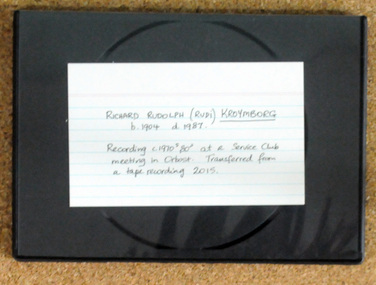
digital recording, Richard Rudolph Kreymborg, 2015
... In Orbost Rudy lived on the back of his his truck next to the present Murray Goulburn Store in „B‟ Road, Orbost with tw horses for company. (More info. from newsletter "RICHARD RUDOLPH KREYMBORG 1904-1987" by John Phillips.)...In Orbost Rudy lived on the back of his his truck next to the present Murray Goulburn Store in „B‟ Road, Orbost with tw horses for company. (More info. from newsletter "RICHARD RUDOLPH KREYMBORG 1904-1987" by John Phillips.) ...This recording was originally made C1970's-1980's at a service club meeting in Orbost. It was transferred from a tape recording in 2015. Rudy was the son of George James KREYMBORG and Ada Victoria (nee DAVIS). Born at Bulumwaal, near Bairnsdale he arrived in Orbost after time in Melbourne and then at the Bell Bird Hotel where his family had the mail run. In Orbost Rudy lived on the back of his his truck next to the present Murray Goulburn Store in „B‟ Road, Orbost with tw horses for company. (More info. from newsletter "RICHARD RUDOLPH KREYMBORG 1904-1987" by John Phillips.) Richard Rudolph “Rudy” KREYMBORG was a well-known district identity, a man who was often described as a legend in his lifetime. He lived a rough life, breaking horses, delivering mail on horseback, building roads and bridges, driving bulldozers and talking.A disc in a black plastic case. It is a recording of Richard Rudolph Kreynborg(b.1904 d.1987). It has been copied from a n original recording. -
 Flagstaff Hill Maritime Museum and Village
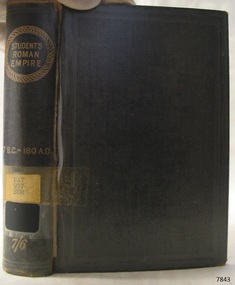
Book - Reference Book/History, John Murray, A History of The Roman Empire From it’s Foundation To The Death of Marcus Aurelius. (27 B.C to 180 A.D), 1893
... John Murray...John...Label on spine cover with typed text PAT 937 BUR Paste down front end paper has sticker from Warrnambool Mechanics Institute and Free Library Front loose end paper has a sticker from Corangamite Regional Library Service A History of The Roman Empire The Students Roman Empire Black Hard cover gold embossing for lettering on spine no ribbing Date: 1893 (This is a British first edition) A History of The Roman Empire From it’s Foundation To The Death of Marcus Aurelius. (27 B.C to 180 A.D) Book Reference Book/History John Murray John Bagnell Bury ...J. B. Bury’s “A History of the Roman Empire from Its Foundation to the Death of Marcus Aurelius (27 B.C.–180 A.D.)” is a 1893 Victorian era scholarly survey of the early Roman Empire, written for students but still widely valued for its clear prose and careful use of evidence. It is also commonly known by the title The Student’s Roman Empire in some editions and catalogue records.A History of The Roman Empire The Students Roman Empire Black Hard cover gold embossing for lettering on spine no ribbing Date: 1893 (This is a British first edition) non-fictionJ. B. Bury’s “A History of the Roman Empire from Its Foundation to the Death of Marcus Aurelius (27 B.C.–180 A.D.)” is a 1893 Victorian era scholarly survey of the early Roman Empire, written for students but still widely valued for its clear prose and careful use of evidence. It is also commonly known by the title The Student’s Roman Empire in some editions and catalogue records. warrnambool, shipwrecked-coast, flagstaff-hill, flagstaff-hill-maritime-museum, maritime-museum, flagstaff-hill-maritime-village, book, pattison collection, warrnambool library, warrnambool mechanics’ institute, ralph eric pattison, corangamite regional library service, mechanics’ institute library, victorian library board, warrnambool books and records, marcus aurekius, a history of the roman empire, j b bury -
 Flagstaff Hill Maritime Museum and Village
Book, The Logbooks of The Lady Nelson, 1915
... Murray’s autograph, shows his explorations of Western Port, Port Phillip and King Island. It should be noted that Flinders Island is named Grand Capuchin. This is one of the charts referred to as "unfortunately missing” in the Historical Records of N.S. Wales, vol. iv. P. 764” The story of the Lady Nelson In 1798 the British Admiralty ordered a cutter of 60 tons to be built along the design of the armed cutter Trial that was developed by Captain John...Murray’s autograph, shows his explorations of Western Port, Port Phillip and King Island. It should be noted that Flinders Island is named Grand Capuchin. This is one of the charts referred to as "unfortunately missing” in the Historical Records of N.S. Wales, vol. iv. P. 764” The story of the Lady Nelson In 1798 the British Admiralty ordered a cutter of 60 tons to be built along the design of the armed cutter Trial that was developed by Captain John ...This hardcover book, The logbooks of the 'Lady Nelson' : with the journal of her first commander, Lieutenant James Grant, R.N., by Ida Lee (Mrs Charles Bruce Marriott) was published over 100 years after the Lady Nelson arrived in Australia to navigate and survey this ‘new colony’. Included in the book are sixteen charts and illustrations from the originals in the Admiralty Library, showing the surveyed land and water. The transcribed Contents, below, summarise the trips of the Lady Nelson during this time. Book’s Content PLUS text of the Chart of ‘Part of Bass Strait’ - Chapter 1: The Lady Nelson built with centreboards. Her voyage to Sydney under James Grant. The first ship to pass through Bass Strait. - Chapter 2: Returns to explore the Strait. Her visits to Jervis Bay and to Western Port in 1801 - Chapter 3: Colonel Paterson and Lieutenant Grant survey Hunter River - Chapter 4: Murray appointed commander of the Lady Nelson. His voyage to Norfolk Island. - Chapter 5: Murray’s exploration of Bass Strait. - Chapter 6: Discovery of Port Phillip. - Chapter 7: The Lady Nelson in company with HMS Investigator examines the North-Eastern shores of Australia. - Chapter 8: The French ships in Bass Strait. The founding of Hobart. - Chapter 9: Symons succeeds Curtoys as commander of the Lady Nelson. His voyages to Tasmania, Port Phillip and New Zealand. - Chapter 10: The Lady Nelson in Tasmania. The founding of Port Dalrymple. - Chapter 11: The Estramina is brought to Sydney. The Lady Nelson visits Norfolk Island and Port Dalrymple. - Chapter 12: Tippahee and his four sons are conveyed to New Zealand in the Lady Nelson. - Chapter 13: The Lady Nelson accompanies HMS Tamar to Melville Island. - Chapter 14: The loss of the Lady Nelson Text included with the ‘Chart of Bass Strait’ … “Part of Bass Strait, including the discoveries made by Acting Lieut. J. Murray, commander of His Majesty’s armed surveying vessel Lady Nelson, between November 1801 and March 1802. By command of His Excellency Governor King.” “This chart, which bears Murray’s autograph, shows his explorations of Western Port, Port Phillip and King Island. It should be noted that Flinders Island is named Grand Capuchin. This is one of the charts referred to as "unfortunately missing” in the Historical Records of N.S. Wales, vol. iv. P. 764” The story of the Lady Nelson In 1798 the British Admiralty ordered a cutter of 60 tons to be built along the design of the armed cutter Trial that was developed by Captain John Schanck, with three sliding keels or centreboards that could be individually raised and lowered, for use on the River Thames. The new cutter was to be named Lady Nelson. Philip Gidley King, prior to taking up his appointment as third Governor of the colony of New South Wales, was in England at the time of the Lady Nelson’s fit-out and was aware of the need for such a ship for survey work in the colony in New South Wales. He convinced Captain Schanck, the Commissioner of Transport in England, to construct and rig the Lady Nelson as a brig rather than a cutter, keeping the feature of the three sliding keels, which would be very useful for mapping in shallow waters. The new Lady Nelson was launched at Deptford, England on the River Thames in November 1798, with the official commission to discover and survey the unknown parts of the coast of New Holland (Australia) and establish British sovereignty over the continent. The Lady Nelson sailed from Portsmouth, England on March 1800 under the command of Lieutenant James Grant. She carried an armament of two original and four extra brass carronade carriage guns and set sail as part of a convoy heading to Port Jackson, in New South Wales, New Holland. After a while she continued to sail on her own. Her journey was troubled with problems at times; damaged and broken keels, troublesome crew and leaking topsides between the waterline and the deck due to poor seals. She arrived at the Cape of Good Hope in July and waited for the winter to pass to avoid the strong winds of the ‘Roaring Forties’. While at the Cape, Grant received a despatch to travel to Port Jackson via the newly discovered Bass Strait, rather than the usual route via the tip of Van Diemen’s Land (Tasmania). This also gave him the opportunity to survey the strait on the way. He departed the Cape in October and in December he made his first sighting of New Holland near Mount Gambier in what is now South Australia. A report by Ecclestone in 2012, ‘The Early Charting of Victoria’s Coastline’, mentions that Grant charted and named Capes Banks and Northumberland, and sighted inland hills that he named Mt Gambier and Mt Schanck, the latter after the designer of his ship. Grant then reached the south-western shores of what is now Victoria on 3-4 December 1800, and from Cape Bridgewater he examined the coast eastward to Cape Patton. Although he had not continuously sighted the coast in the vicinity of Port Fairy and Warrnambool, the western part of Victoria became known as Grant’s Land. The Lady Nelson continued eastward and passed through Bass Strait, becoming the first vessel to reach the east coast of New Holland from the west, and arrived at her destination of Port Jackson later in December 1800. Grant, in the Lady Nelson, then left Port Jackson and began survey work. He discovered Port Phillip on Victoria’s coast and explored King Island, he helped establish the first European settlement in Tasmania on the Derwent River, and Port Dalrymple, Newcastle and Port Macquarie. He made several trips from Norfolk Island to Hobart Town. Governor Macquarie sailed on with him to Van Diemen’s Land for a tour of inspection in 1811. Grant helped establish the first settlement on Melville Island in Northern Australia. The Lady Nelson was used to transport cargo, civilians and convicts and to source pigs from Timor. In February 1825 the Lady Nelson sailed again for Timor and never returned. One report said that “Every soul on board, we regret to state, was cruelly massacred, and the hull of the vessel was seen some time after with the name painted on her stern.” The hull was sighted on the island of Babar, which is almost 200 kilometres east of Timor. This particular copy of the book ... This item is from the ‘Pattison Collection’, a collection of books and records that was originally owned by the Warrnambool Mechanics’ Institute, which was founded in Warrnambool in 1853. By 1886 the Warrnambool Mechanics’ Institute (WMI) had grown to have a Library, Museum and Fine Arts Gallery, with a collection of “… choice productions of art, and valuable specimens in almost every branch and many wonderful national curiosities are now to be seen there, including historic relics of the town and district.” It later included a School of Design. Although it was very well patronised, the lack of financial support led the WMI in 1911 to ask the City Council to take it over. In 1935 Ralph Pattison was appointed as City Librarian to establish and organise the Warrnambool Library as it was then called. When the WMI building was pulled down in 1963 a new civic building was erected on the site and the new Warrnambool Library, on behalf of the City Council, took over all the holdings of the WMI. At this time some of the items were separated and identified as the ‘Pattison Collection’, named after Ralph Pattison. Eventually the components of the WMI were distributed from the Warrnambool Library to various places, including the Art Gallery, Historical Society and Flagstaff Hill. Later some were even distributed to other regional branches of Corangamite Regional Library and passed to and fro. It is difficult now to trace just where all of the items have ended up. The books at Flagstaff Hill Maritime Village generally display stamps and markings from Pattison as well as a variety of other institutions including the Mechanics’ Institute itself. RALPH ERIC PATTISON Ralph Eric Pattison was born in Rockhampton, Queensland, in 1891. He married Maude Swan from Warrnambool in 1920 and they set up home in Warrnambool. In 1935 Pattison accepted a position as City Librarian for the Warrnambool City Council. His huge challenge was to make a functional library within two rooms of the Mechanics’ Institute. He tirelessly cleaned, cleared and sorted a disarrayed collection of old books, jars of preserved specimens and other items reserved for exhibition in the city’s museum. He developed and updated the library with a wide variety of books for all tastes, including reference books for students; a difficult task to fulfil during the years following the Depression. He converted all of the lower area of the building into a library, reference room and reading room for members and the public. The books were sorted and stored using a cataloguing and card index system that he had developed himself. He also prepared the upper floor of the building and established the Art Gallery and later the Museum, a place to exhibit the many old relics that had been stored for years for this purpose. One of the treasures he found was a beautiful ancient clock, which he repaired, restored and enjoyed using in his office during the years of his service there. Ralph Pattison was described as “a meticulous gentleman whose punctuality, floorless courtesy and distinctive neat dress were hallmarks of his character, and ‘his’ clock controlled his daily routine, and his opening and closing of the library’s large heavy doors to the minute.” Pattison took leave during 1942 to 1945 to serve in the Royal Australian Navy, Volunteer Reserve as Lieutenant. A few years later he converted one of the Museum’s rooms into a Children’s Library, stocking it with suitable books for the younger generation. This was an instant success. In the 1950’s he had the honour of being appointed to the Victorian Library Board and received more inspiration from the monthly conferences in Melbourne. He was sadly retired in 1959 after over 23 years of service, due to the fact that he had gone over the working age of council officers. However he continued to take a very keen interest in the continual development of the Library until his death in 1969 This book about the logbooks of the Lady Nelson is locally significant for its association with the brig Lady Nelson, in which Lt. James Grant made the first documented European discovery of the area later known as Warrnambool in December 1800. This book is also nationally significant for its association with Grant in the Lady Nelson being the first to sail from west to east through Bass Strait, opening up a shorter, faster route to the colony of Port Jackson rather than going all the way south around Van Diemen’s Land. The book is nationally significant for its contents of the logbooks of the journeys of the Lady Nelson under various commanders and the copies of the charts created from the surveyed information and the new land of Australia was discovered. This book is also significant for its association with the full-size non-sailing replica of the Lady Nelson from Mount Gambier’s visitor centre, which was restored by Flagstaff Hill’s Master Boat Builder in Warrnambool in 2012, and with a ship mode of the Lady Nelson in our Collection The Pattison Collection, along with other items at Flagstaff Hill Maritime Village, was originally part of the Warrnambool Mechanics' Institute’s collection. The Warrnambool Mechanics’ Institute Collection is primarily significant in its totality, rather than for the individual objects it contains. Its contents are highly representative of the development of Mechanics' Institute libraries across Australia, particularly Victoria. A diversity of publications and themes has been amassed, and these provide clues to our understanding of the nature of and changes in the reading habits of Victorians from the 1850s to the middle of the 20th century. The collection also highlights the Warrnambool community’s commitment to the Mechanics’ Institute, reading, literacy and learning in the regions, and proves that access to knowledge was not impeded by distance. These items help to provide a more complete picture of our community’s ideals and aspirations. The Warrnambool Mechanics Institute book collection has historical and social significance for its strong association with the Mechanics Institute movement and the important role it played in the intellectual, cultural and social development of people throughout the latter part of the nineteenth century and the early twentieth century. The collection of books is a rare example of an early lending library and its significance is enhanced by the survival of an original collection of many volumes. The Warrnambool Mechanics' Institute’s publication collection is of both local and state significance. The Logbooks of The Lady Nelson Author: Ida Lee ( Mrs Charles Bruce Marriott) Publisher: Grafton & Co Date: 1915Label on spine with typed text RA 910.994 LEE Inside front cover has a sticker that reads Warrnambool Mechanics Institute and Free Library shipwrecked-coast, flagstaff-hill, warrnambool, flagstaff-hill-maritime-museum, maritime-museum, shipwreck-coast, flagstaff-hill-maritime-village, shipwrecked-artefact, book, warrnambool library, warrnambool mechanics’ institute, warrnambool city librarian, mechanics’ institute library, victorian library board, warrnambool books and records, warrnambool children’s library, great ocean road, the logbooks of the lady nelson, ida lee, mrs charles bruce marriott, captain john schanck, sliding keels or centreboards, lady nelson, british brig hms lady nelson, lieutennant james grant, bass strait discovery, surveying king island and port phillip bay, philip gidley king, survey map
